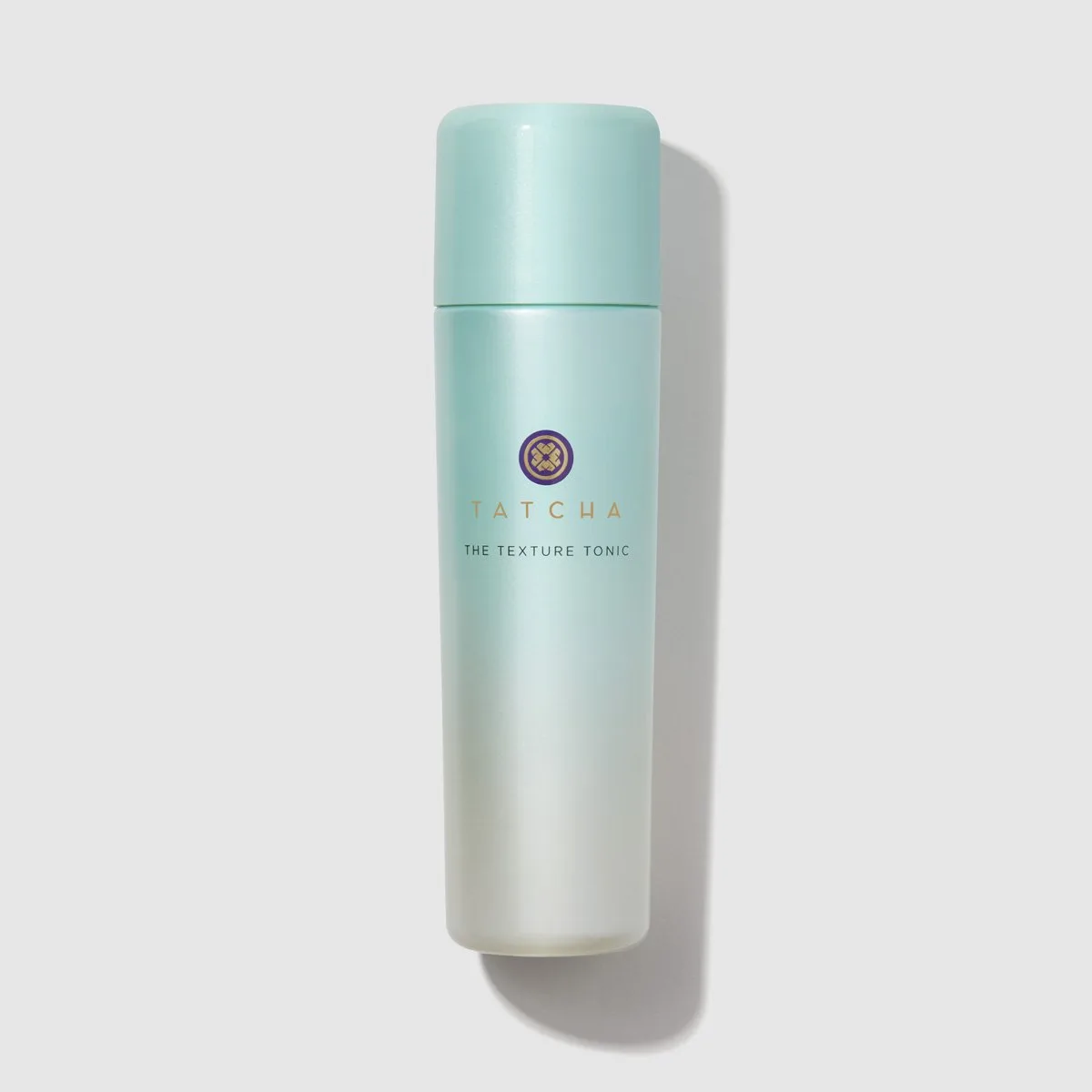
A beautifully packaged gentle AHA toner that delivers a pleasant glow and subtle texture refinement, but its heavy essential oil load and luxury pricing make it a tough sell when more effective, skin-friendly exfoliants exist at a fraction of the cost.
The Texture Tonic
A beautifully packaged gentle AHA toner that delivers a pleasant glow and subtle texture refinement, but its heavy essential oil load and luxury pricing make it a tough sell when more effective, skin-friendly exfoliants exist at a fraction of the cost.
Score Breakdown
Where this product gains points and where it loses them — broken down across the four scoring pillars.
A luxurious AHA toner with a well-chosen but gentle active lineup, undermined by a heavy load of essential oils and alcohol that limits its suitability and raises irritation concerns — especially at this price point.
Pros & Cons
- ✓Immediate visible glow and smoother texture after first application
- ✓Niacinamide and rice ferment filtrate provide brightening beyond just exfoliation
- ✓Gentle enough for AHA beginners who don't have sensitive skin
- ✓Beautiful packaging and thoughtful sensory experience elevate the routine
- ✓Cruelty-free, vegan, and comes in recyclable glass packaging
- ✓Japanese mugwort provides calming support to offset the exfoliation
- ✓Two size options available for those who want to try before committing
- ✗Multiple essential oils make this unsuitable for sensitive or reactive skin types
- ✗Contains alcohol which can further compromise barrier function during exfoliation
- ✗Fruit-derived AHAs are significantly gentler than pure glycolic or lactic acid
- ✗Premium pricing at $64 doesn't reflect the gentle potency of the formula
- ✗Strong herbal scent may be off-putting for those who prefer fragrance-free products
- ✗No specified AHA concentration makes it difficult to gauge exfoliating strength
Full Review
Centuries before AHAs became a skincare buzzword, geisha in Kyoto were rinsing their faces with the milky water left over from washing rice. That fermented liquid — rich in amino acids, vitamins, and organic acids — was credited with their famously luminous complexions. Tatcha's founder Vicky Tsai built an entire brand around this tradition after discovering it firsthand in Japan, and The Texture Tonic is the most direct expression of that origin story: a liquid exfoliant that pairs rice ferment filtrate with fruit-derived alpha hydroxy acids.
The formula reads like a love letter to Japanese botanical philosophy. Seven fruit extracts — apple, grapefruit, orange, lemon, lime, hawthorn, and jujube — provide the AHA exfoliation, working gently to dissolve the protein bonds holding dead skin cells in place. Niacinamide sits prominently near the top of the ingredient list, contributing pore-tightening and oil-regulating benefits. Saccharomyces/Rice Ferment Filtrate adds enzymatic exfoliation and brightening. Japanese mugwort (Artemisia Princeps) and sodium hyaluronate round out the active lineup, offering calming and hydrating support respectively.
In practice, the Texture Tonic is a watery liquid that glides on easily, delivering a mild tingle that signals the fruit acids are at work. The sensation is brief and nowhere near the intensity you'd feel from a dedicated glycolic acid treatment. Within seconds, the skin feels noticeably smoother — a satisfying immediate payoff. The herbal scent is present and distinctive, a blend of lavender, eucalyptus, rosemary, and citrus that's unmistakably botanical. It's pleasant if you enjoy that aromatic profile, but it's worth noting that this isn't just for ambiance — those essential oils are functional irritants.
And here's where the honest conversation begins. The Texture Tonic contains a substantial roster of essential oils: lavender, eucalyptus, rosemary, clary sage, palmarosa, fennel, mint, and ylang-ylang. It also contains alcohol, listed near the end of the ingredient list but present nonetheless. For oily and normal skin types without sensitivity issues, this likely won't be a problem. For anyone with reactive skin, rosacea, or a compromised barrier, this formula is a minefield of potential triggers.
The exfoliation itself is genuine but gentle. Fruit-derived AHAs are inherently less concentrated and less pH-dependent than pure glycolic or lactic acid, which means the resurfacing effect is subtler. If you're dealing with mild dullness, minor texture irregularities, or early signs of clogged pores, the Texture Tonic can deliver visible improvement over 4-6 weeks. If you're fighting stubborn hyperpigmentation, significant sun damage, or deep textural concerns, you'll likely need something with more exfoliating firepower.
The sensory experience is where Tatcha excels, and honestly, it's where a significant portion of your $64 goes. The frosted purple glass bottle is genuinely beautiful. The application ritual feels considered and intentional. The way the product absorbs and leaves skin looking immediately dewy and refined is satisfying in a way that a clinical-looking bottle of glycolic acid toner simply isn't. Whether that experience is worth the premium is a personal calculus.
Tatcha's own clinical testing on 40 panelists showed promising results: 100% reported improved skin clarity, smoothness, and radiance after one use, and 100% showed a reduction in pore appearance after two weeks. These are brand-commissioned studies with relatively small sample sizes and short timescales, so they should be taken as encouraging rather than definitive.
The Texture Tonic works best as a maintenance exfoliant for skin that's already in reasonably good shape. Think of it as the product you reach for when you want to keep your glow going rather than the one that rescues you from a texture crisis. Used 3-4 times a week in the evening, it maintains that fresh-faced clarity between more intensive treatments.
For the price, you're buying into an entire philosophy — the ritual, the aesthetics, the Japanese botanical tradition — as much as you're buying the active ingredients. The formula is well-constructed within its gentle framework, and the inclusion of niacinamide and rice ferment filtrate adds genuine value beyond simple exfoliation. But the essential oil load is a real limitation that narrows the audience for this product considerably, and the fruit AHAs, while pleasant, don't deliver the kind of measurable results that make a $64 toner feel like an obvious investment.
Formula
Key Ingredients
The hero actives that drive this product's performance.
| Ingredient | Function | Evidence |
|---|---|---|
| Fruit AHAs (Apple, Grapefruit, Orange, Lemon, Lime, Hawthorn, Jujube) | This blend of seven fruit-derived alpha hydroxy acids provides gentle chemical exfoliation, dissolving the bonds between dead skin cells on the surface. Working in concert with the rice ferment filtrate and niacinamide in this formula, the fruit acids resurface dull, uneven texture without the intensity of concentrated glycolic or lactic acid. | well-established |
| Niacinamide | Positioned high in the ingredient list, niacinamide serves double duty here — it visibly tightens the appearance of pores that the fruit AHAs have just cleared, while also calming redness and strengthening the moisture barrier that exfoliation can temporarily compromise. | well-established |
| Saccharomyces/Rice Ferment Filtrate | A staple of Japanese beauty, this rice ferment filtrate delivers amino acids, minerals, and organic acids that brighten and soften the skin. In this formula it complements the fruit AHAs by providing enzymatic exfoliation and enhancing the overall luminosity the tonic delivers. | promising |
| Artemisia Princeps (Japanese Mugwort) Leaf Extract | Japanese mugwort is a traditional calming botanical that helps soothe the skin after the fruit acid exfoliation in this formula, reducing redness and irritation while supporting the skin's natural recovery process. | traditional-use |
| Sodium Hyaluronate | A low-molecular-weight form of hyaluronic acid that replenishes moisture immediately after the AHAs strip away dead cells, ensuring the freshly revealed skin stays hydrated rather than tight or dry. | well-established |
| Rosa Multiflora Fruit Extract | Wild rose extract works alongside the Japanese mugwort to help minimize excess sebum production without stripping essential moisture, contributing to the tonic's pore-refining and oil-balancing effects. | emerging |
Full INCI List
Aqua/Water/Eau, Butylene Glycol, Pentylene Glycol, Niacinamide, Saccharomyces/Rice Ferment Filtrate, Camellia Sinensis Leaf Extract, Cladosiphon Okamuranus Extract, Sodium Hyaluronate, Luffa Cylindrica Fruit/Leaf/Stem Extract, Salvia Sclarea (Clary) Oil, Foeniculum Vulgare (Fennel) Oil, Citrus Aurantifolia (Lime) Juice, Eucalyptus Globulus Leaf Oil, Rosmarinus Officinalis (Rosemary) Leaf Oil, Rosa Multiflora Fruit Extract, Citrus Aurantium Dulcis (Orange) Juice, Artemisia Princeps Leaf Extract, Cymbopogon Martini Oil, Citrus Medica Limonum (Lemon) Juice, Lavandula Angustifolia (Lavender) Oil, Mentha Arvensis Leaf Oil, Cananga Odorata Flower Oil, Crataegus Cuneata Fruit Extract, Ziziphus Jujuba Fruit Extract, Citrus Paradisi (Grapefruit) Fruit Extract, Pyrus Malus (Apple) Fruit Extract, Belamcanda Chinensis Root Extract, Eriobotrya Japonica Leaf Extract, Houttuynia Cordata Extract, 1,2-Hexanediol, PPG-6-Decyltetradeceth-20, PEG-30 Glyceryl Isostearate, PEG-50 Glyceryl Isostearate, Propanediol, Sodium Citrate, Pentasodium Pentetate, Citric Acid, Ethylhexylglycerin, Alcohol, Phenoxyethanol
Product Flags
✗ Fragrance Free✗ Alcohol Free✓ Oil Free✓ Silicone Free✓ Paraben Free✓ Sulfate Free✓ Cruelty Free✓ Vegan✗ Fungal Acne Safe
Potential Irritants
AlcoholLavandula Angustifolia (Lavender) OilEucalyptus Globulus Leaf OilMentha Arvensis Leaf OilCitrus Aurantifolia (Lime) JuiceCitrus Medica Limonum (Lemon) Juice
Common Allergens
Salvia Sclarea (Clary) OilFoeniculum Vulgare (Fennel) OilCymbopogon Martini OilCananga Odorata Flower OilLavandula Angustifolia (Lavender) Oil
Compatibility
Skin Match
Best For
Works For
Not Ideal For
Addresses These Conditions
dullness texture large pores oiliness blackheads
Use With Caution
Avoid With
rosacea eczema sensitivity compromised skin barrier
Routine Step
treatment
Time of Day
PM
Pregnancy Safe
Unknown
Layering Tips
Apply after cleansing on dry skin. Pat onto face with hands or a cotton pad, avoiding the eye area. Follow with a serum and moisturizer. Start with 2-3 times per week and increase frequency as tolerated.
Results Timeline
Immediate smoothness and glow after first use. Within 1-2 weeks, more even texture and visibly refined pores. Full brightening and clarity benefits emerge around 4-6 weeks of consistent use.
Pairs Well With
hydrating serumsceramide moisturizersSPF (next morning)
Conflicts With
retinolother AHA/BHA exfoliantsbenzoyl peroxide
Sample AM Routine
- Gentle cleanser
- Vitamin C serum
- Moisturizer
- SPF 30+
Sample PM Routine
- Oil cleanser
- Water-based cleanser
- Tatcha The Texture Tonic
- Hydrating serum
- Moisturizer
Evidence
Who Should Skip
- Multiple essential oils make this unsuitable for sensitive or reactive skin types
- Contains alcohol which can further compromise barrier function during exfoliation
- Fruit-derived AHAs are significantly gentler than pure glycolic or lactic acid
- Premium pricing at $64 doesn't reflect the gentle potency of the formula
Science & Expert Perspective
The Science
The Texture Tonic's exfoliating mechanism relies on alpha hydroxy acids derived from seven fruit sources rather than a single purified AHA. A 2018 review in Molecules explored the dual effects of alpha-hydroxy acids on the skin, confirming that AHAs promote desquamation of corneocytes by weakening intercellular cohesion in the stratum corneum, while also stimulating collagen synthesis in the dermis at appropriate concentrations (Tang & Yang, Molecules, 2018). However, the concentration and pH of fruit-derived AHAs in cosmetic formulations like this one are typically lower than the levels used in clinical studies, meaning the resurfacing effect is milder.
Niacinamide adds meaningful value to this formula. A landmark 2005 study published in the International Journal of Cosmetic Science demonstrated that topical niacinamide significantly reduced fine lines, hyperpigmented spots, red blotchiness, and skin sallowness while improving elasticity (Bissett et al., International Journal of Cosmetic Science, 2005). Its position high in the Texture Tonic's ingredient list suggests a functional concentration, and its ability to strengthen the skin barrier is particularly relevant in a product that's simultaneously exfoliating.
The Saccharomyces/Rice Ferment Filtrate is an interesting inclusion that connects the formula to traditional Japanese skincare. Fermented rice water contains ferulic acid, phytic acid, and amino acids that contribute to brightening and mild exfoliation through enzymatic rather than chemical pathways. While peer-reviewed research on this specific filtrate is limited compared to pure AHAs, the complementary exfoliation mechanism adds a layer of gentle resurfacing that works alongside the fruit acids.
The essential oil content warrants scientific scrutiny. Multiple studies have documented that common essential oils — particularly lavender, eucalyptus, and citrus oils — can cause contact sensitization and irritant contact dermatitis. In a formula designed to exfoliate (which temporarily reduces barrier function), the inclusion of multiple essential oils introduces unnecessary irritation risk that could undermine the formula's own benefits.
References
- Dual Effects of Alpha-Hydroxy Acids on the Skin — Molecules (2018)
- Niacinamide: A B vitamin that improves aging facial skin appearance — International Journal of Cosmetic Science (2005)
Dermatologist Perspective
Dermatologists generally support the use of AHA-based exfoliants for improving skin texture, reducing the appearance of pores, and promoting cellular turnover. The gentle fruit acid approach in the Texture Tonic would likely be viewed favorably by dermatologists for patients with mild texture concerns who want to ease into chemical exfoliation. However, dermatologists would note the significant essential oil content as a concern — board-certified dermatologists routinely advise patients with sensitive or reactive skin to avoid products with multiple botanical oils, as these are among the most common causes of cosmetic contact dermatitis. The alcohol content, while low in the formula, adds another layer of potential irritation in a product that's already lowering the skin's defenses through exfoliation.
Guidance
Usage Guide
How to Use
After cleansing and drying your face in the evening, shake the bottle gently and pour a small amount into your palms or onto a cotton pad. Pat or sweep across the face, avoiding the eye area and any open wounds. Allow it to absorb for 30-60 seconds before continuing with your next skincare step. Start with 2-3 times per week, increasing to nightly as your skin adjusts. Always follow with moisturizer and use SPF the following morning, as AHAs increase sun sensitivity.
Value Assessment
At $64 for 150ml (or $36 for the 75ml travel size), the Texture Tonic sits firmly in luxury territory for a liquid exfoliant. The formula delivers a pleasant experience and genuine — if gentle — results, but the fruit-derived AHAs don't offer the same measurable potency as more affordable AHA toners with specified concentrations. You're paying for the Tatcha ritual, the beautiful packaging, and the Japanese botanical philosophy as much as the actives. The larger size offers better per-unit value, and at roughly $0.43 per ml, it's not the most expensive luxury exfoliant on the market. But the gap between what you pay and what the ingredient list delivers is real, especially considering the essential oil load that limits who can safely use it.
Who Should Buy
This is ideal for oily, combination, or normal skin types looking for a gentle, ritual-focused exfoliant that maintains a healthy glow without aggressive resurfacing. It's a good entry point for AHA beginners who appreciate luxury packaging and a sensory experience.
Who Should Skip
Anyone with sensitive skin, rosacea, eczema, or a compromised moisture barrier should avoid this product due to the extensive essential oil content and alcohol. Those seeking powerful exfoliation for stubborn texture or hyperpigmentation will likely find the fruit AHAs too gentle for their needs.
Ready to try Tatcha The Texture Tonic?
Details
Details
Texture
Watery, ultra-lightweight liquid with a very slight viscosity that feels like an elevated toner rather than a thick treatment
Scent
A noticeable herbal-botanical blend with notes of lavender, eucalyptus, rosemary, and citrus — distinctly present but not overwhelming
Packaging
Frosted glass bottle with a twist-off cap and controlled-pour opening, in Tatcha's signature purple-and-gold aesthetic. Recyclable.
Finish
glowylightweightfast-absorbing
What to Expect on First Use
First application delivers an immediate tingling sensation that subsides within a minute, followed by noticeably smoother skin. No purging expected, but those sensitive to essential oils may experience redness. The herbal scent is apparent on application but fades quickly.
How Long It Lasts
3-4 months with nightly use on face
Period After Opening
12 months
Best Season
All Year
Certifications
Cruelty-freeVeganGluten-free
Background
The Why
Tatcha's approach to exfoliation draws from the centuries-old Japanese practice of using fermented rice water to brighten and smooth the skin. The Texture Tonic was developed to bring this philosophy to a modern liquid exfoliant format, filling a gap in Tatcha's lineup for a product that addresses texture and pore concerns without the harshness of high-concentration acid treatments.
About Tatcha Established Brand (5–20 years)
Tatcha was founded in 2009 by Vicky Tsai and draws on Japanese beauty rituals backed by the Tatcha Institute, established in 2014 to combine traditional ingredients with modern skin science. The brand is widely carried at Sephora and has built a strong following, though its formulations lean more toward sensory luxury than clinical potency.
Brand founded: 2009 · Product launched: 2022
Myth vs. Reality
Myths & Misconceptions
Myth
Fruit AHAs are just as strong as pure glycolic acid
Reality
Fruit-derived AHAs in this formula are significantly gentler than concentrated glycolic acid. They provide mild exfoliation suitable for maintaining skin clarity, but those with stubborn texture or significant sun damage may need a more potent AHA product.
Myth
Rice ferment filtrate is just a filler ingredient
Reality
Saccharomyces/Rice Ferment Filtrate is a complex mixture of amino acids, vitamins, and organic acids produced during fermentation. It has been a cornerstone of Japanese beauty for centuries and provides brightening, softening, and gentle enzymatic exfoliation benefits.
FAQ
Frequently Asked Questions
How often should I use Tatcha The Texture Tonic?
Start with 2-3 times per week in the evening after cleansing. If your skin tolerates it well after two weeks, you can gradually increase to nightly use. Because this formula uses gentler fruit-derived AHAs rather than concentrated glycolic acid, most non-sensitive skin types can work up to daily use.
Can I use Tatcha The Texture Tonic with retinol?
It's best to alternate nights rather than layering them together. The fruit AHAs in this tonic can increase sensitivity when combined with retinol in the same routine. On retinol nights, skip the Texture Tonic and use a hydrating toner instead.
Is Tatcha The Texture Tonic good for sensitive skin?
This product is not ideal for sensitive skin. While the fruit AHAs are relatively gentle, the formula contains multiple essential oils (lavender, eucalyptus, rosemary, citrus) and alcohol, which can trigger irritation, redness, or reactions in those with reactive skin.
Does Tatcha The Texture Tonic help with acne?
It can help with mild acne and blackheads by dissolving dead skin cell buildup that clogs pores. The niacinamide and wild rose extract also help regulate oil production. However, for moderate to severe acne, a dedicated BHA (salicylic acid) product would be more effective at penetrating into pores.
What is the difference between Tatcha The Texture Tonic and a regular toner?
Unlike hydrating toners that primarily add moisture, the Texture Tonic is an active exfoliating treatment containing fruit-derived AHAs that chemically dissolve dead skin cells. It functions as a treatment step in your routine rather than a simple prep or hydration step.
Is the Tatcha Texture Tonic worth the price?
At $64 for 150ml, this is a premium-priced exfoliating toner. The formulation is pleasant and effective for mild texture concerns, but the fruit AHAs are gentler than what you'd find in more affordable AHA toners with specified acid concentrations. You're paying partly for the luxury experience and Tatcha's Japanese-inspired botanical approach.
Does the Tatcha Texture Tonic contain fragrance?
While 'fragrance' isn't listed as a standalone ingredient, the formula contains multiple essential oils — lavender, eucalyptus, rosemary, clary sage, palmarosa, fennel, and ylang-ylang — that collectively create a noticeable herbal-botanical scent and can function as sensitizers for reactive skin.
Community
Community Voices
Common Praise
"Instantly smoother and glowier skin"
"Pleasant lightweight texture"
"Visible pore refinement within weeks"
"Elegant packaging and sensory experience"
Common Complaints
"Expensive for a toner-type product"
"Strong herbal scent from essential oils"
"Can cause irritation on sensitive skin"
"Results are subtle compared to stronger AHA products"
Notable Endorsements
Dr. Rachel Nazarian, board-certified dermatologist
Appears In
best exfoliant for dullness best exfoliant for large pores best luxury exfoliant best exfoliant for oiliness
Related Conditions
texture dullness large pores oiliness blackheads
Related Ingredients
glycolic acid niacinamide probiotics prebiotics hyaluronic acid
You Might Also Like
 Sensitive Skin AHA Pick
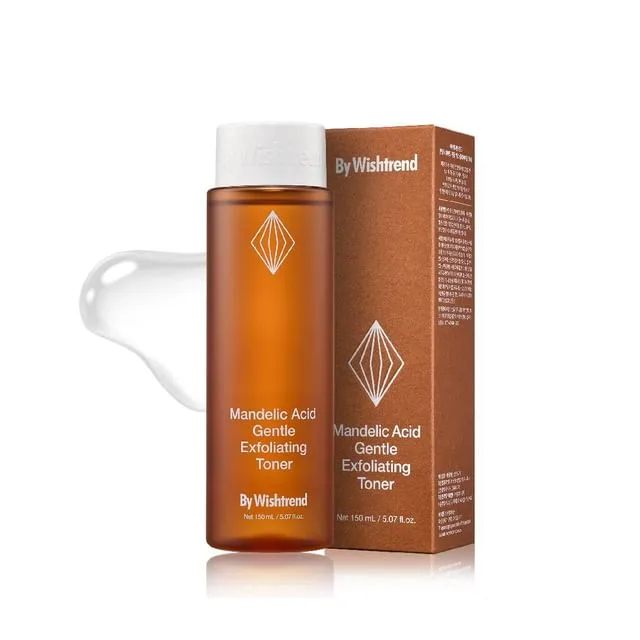
 Mandelic Acid 5% Skin Prep Water
The mandelic acid prep water that quietly converted half of K-beauty Reddit away from glycolic — and for good reason. It delivers visible texture and PIH improvement at 5% without the sting or pigment risk that derails sensitive and darker skin, and it does so for around twenty bucks.
 Gentle Glow Specialist
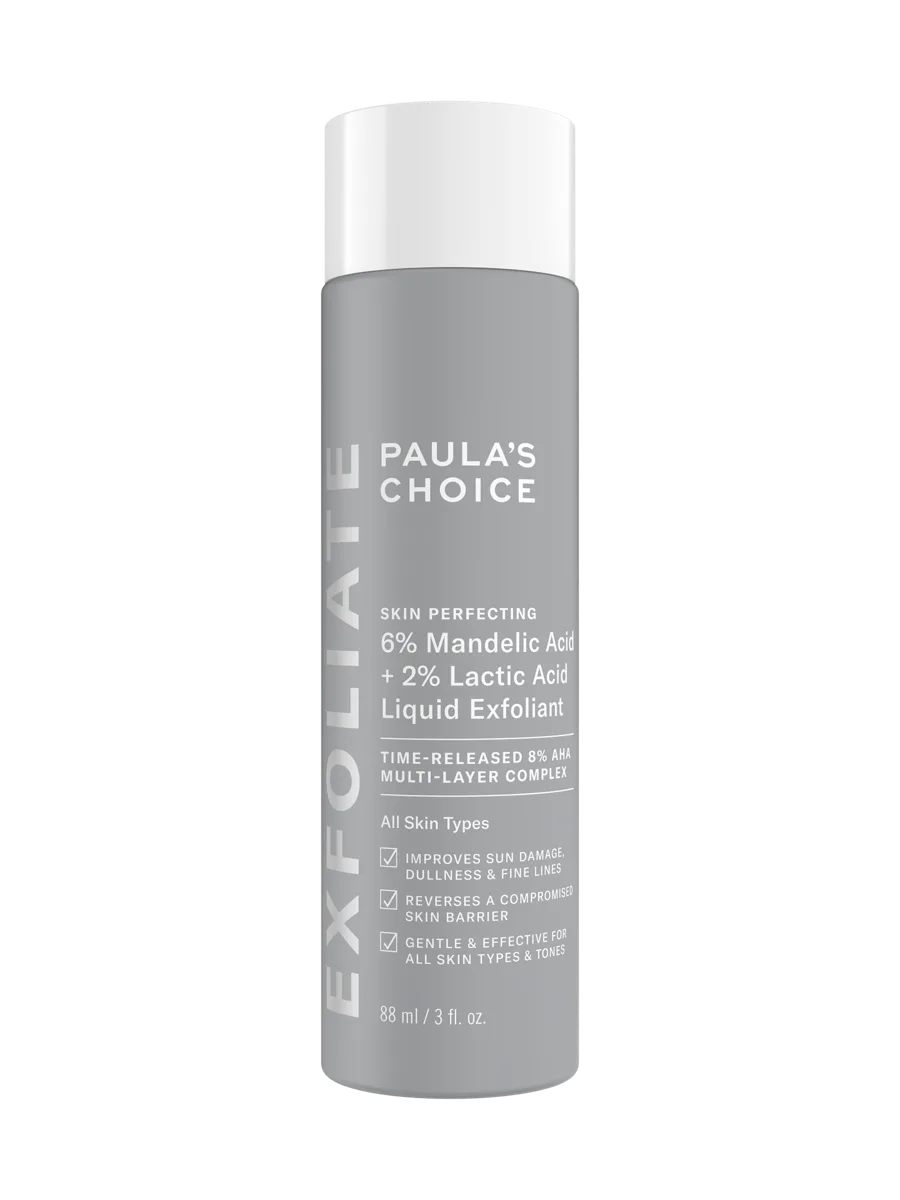
 Skin Perfecting 6% Mandelic Acid + 2% Lactic Acid Liquid Exfoliant
The exfoliant that finally treats sensitive and melanin-rich skin as the design priority rather than an afterthought. With a 4.8-star rating and 660+ reviews, this mandelic-lactic formula proves that gentleness and efficacy aren't mutually exclusive — it just requires smarter acid selection.
 The Original At-Home Peel
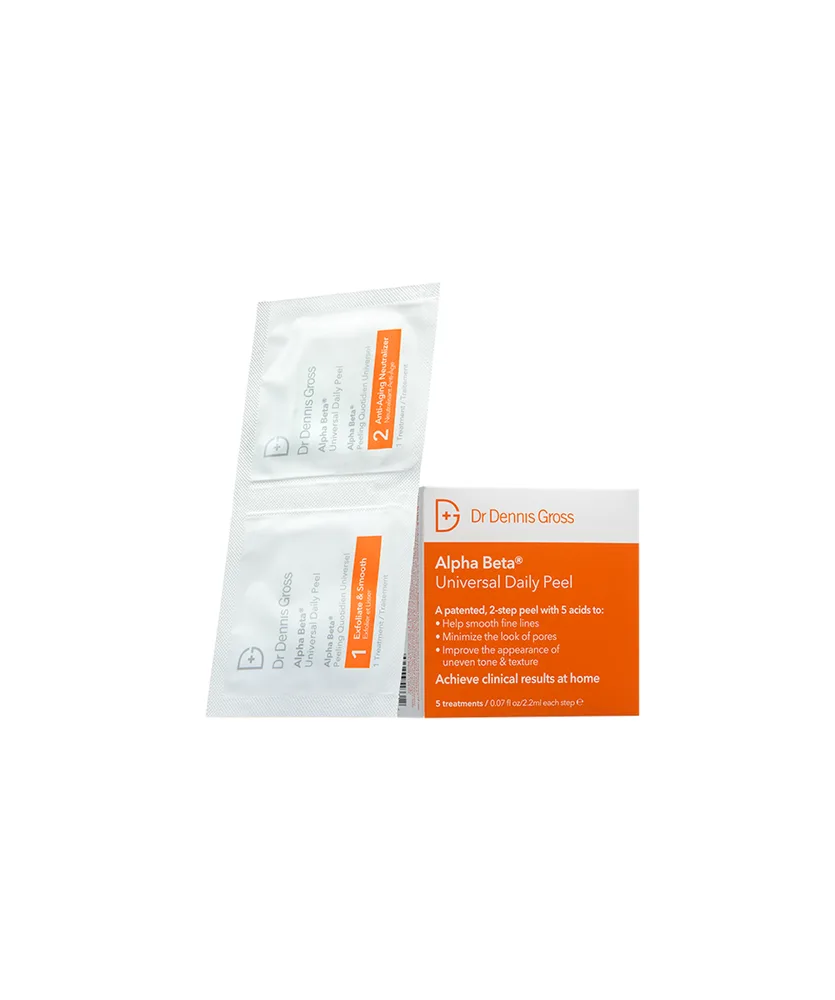
 Alpha Beta Universal Daily Peel
The product that invented the at-home daily peel category in 2002 and still sits at the top of it. The five-acid Step 1 and retinol-antioxidant Step 2 deliver genuine resurfacing and anti-aging in a single five-minute routine. Expensive, but the results and track record justify the reputation.
 Beginner Exfoliant Pick
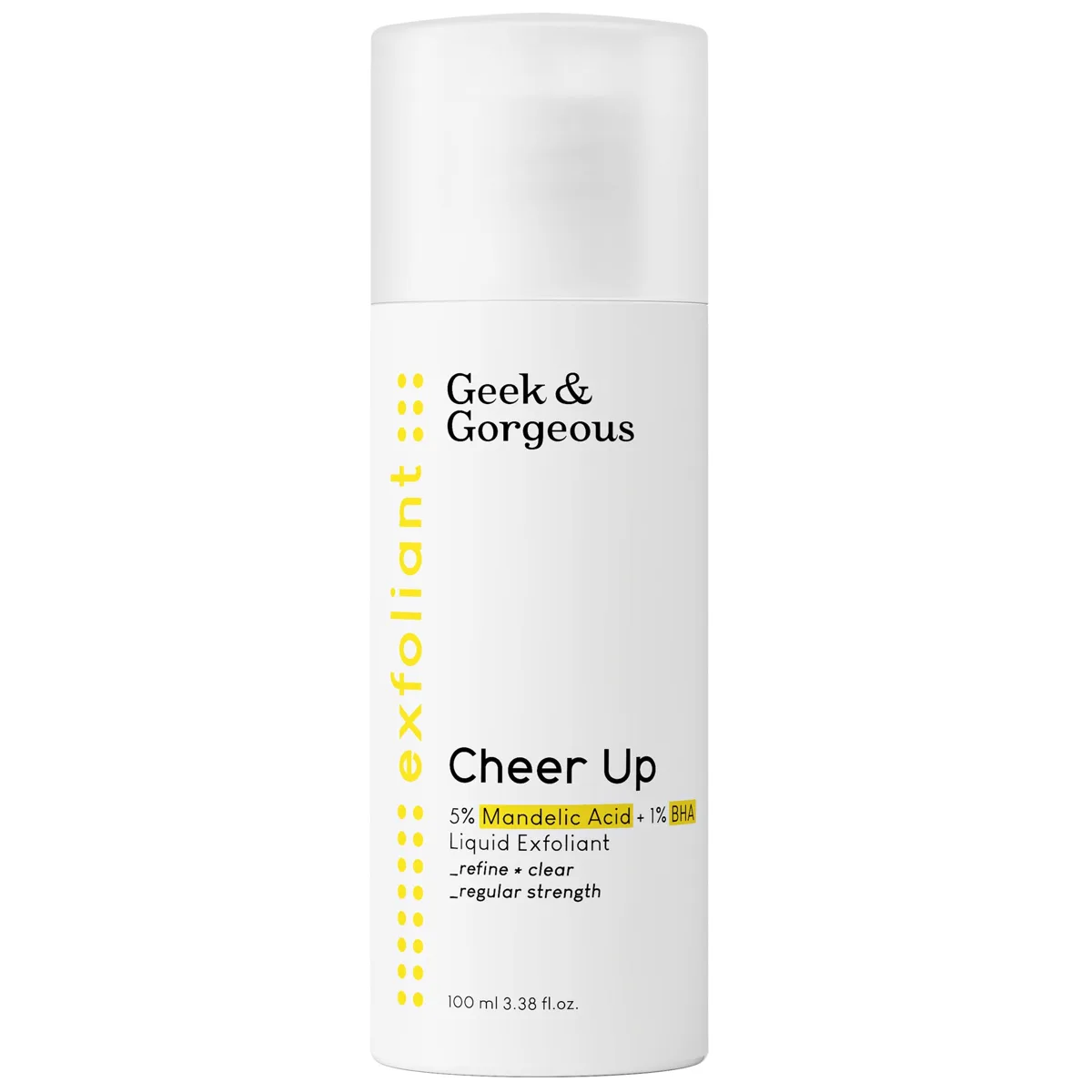
 Cheer Up 5% Mandelic + 1% Salicylic Exfoliant
A thoughtfully formulated beginner AHA/BHA exfoliant that uses mandelic acid — the gentlest mainstream AHA — in combination with low-strength salicylic, plus a sugar-humectant complex for comfort. At 100mL for around $12, the value is excellent, and the formulation choices reflect the kind of cosmetic-chemist thinking that separates this brand from typical indie exfoliants. Ideal for exfoliant newcomers and sensitive skin.
 At-Home Peel Benchmark
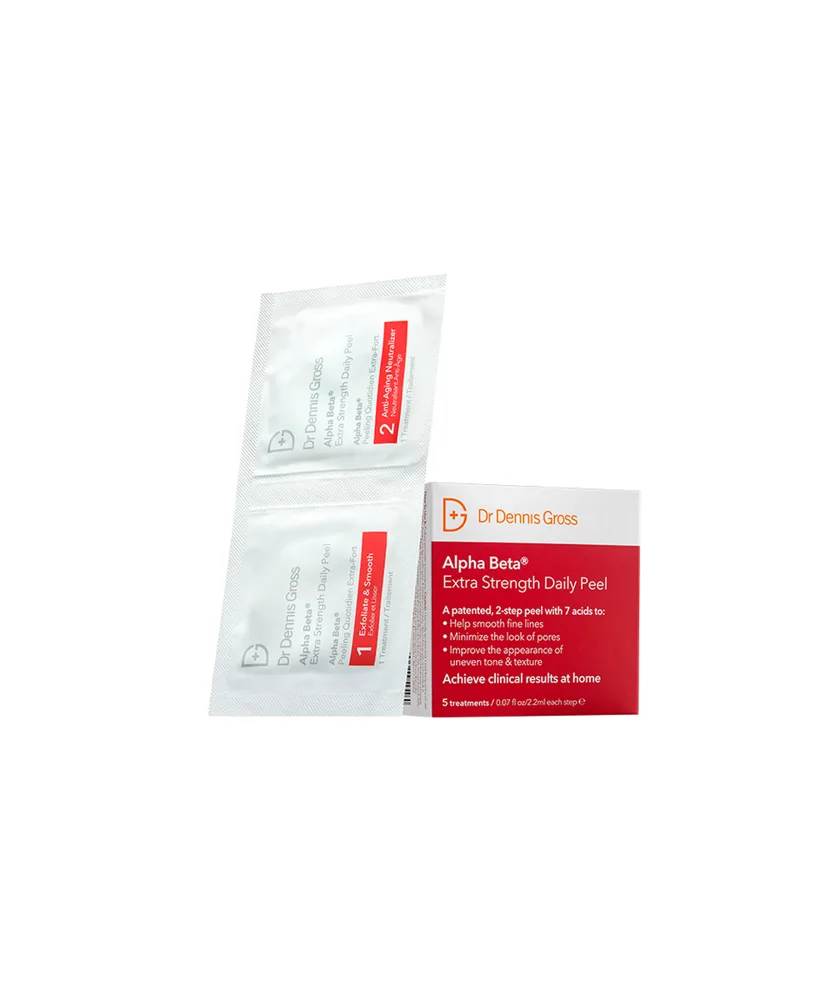
 Alpha Beta Extra Strength Daily Peel
The harder-hitting version of the at-home peel that started the category. Step 1 delivers a serious five-acid blend and Step 2 follows with retinol and antioxidants, making this a combined resurfacing and anti-aging treatment in a single five-minute routine. Expensive but genuinely effective for experienced exfoliant users.
 Pharma-Grade Budget BHA
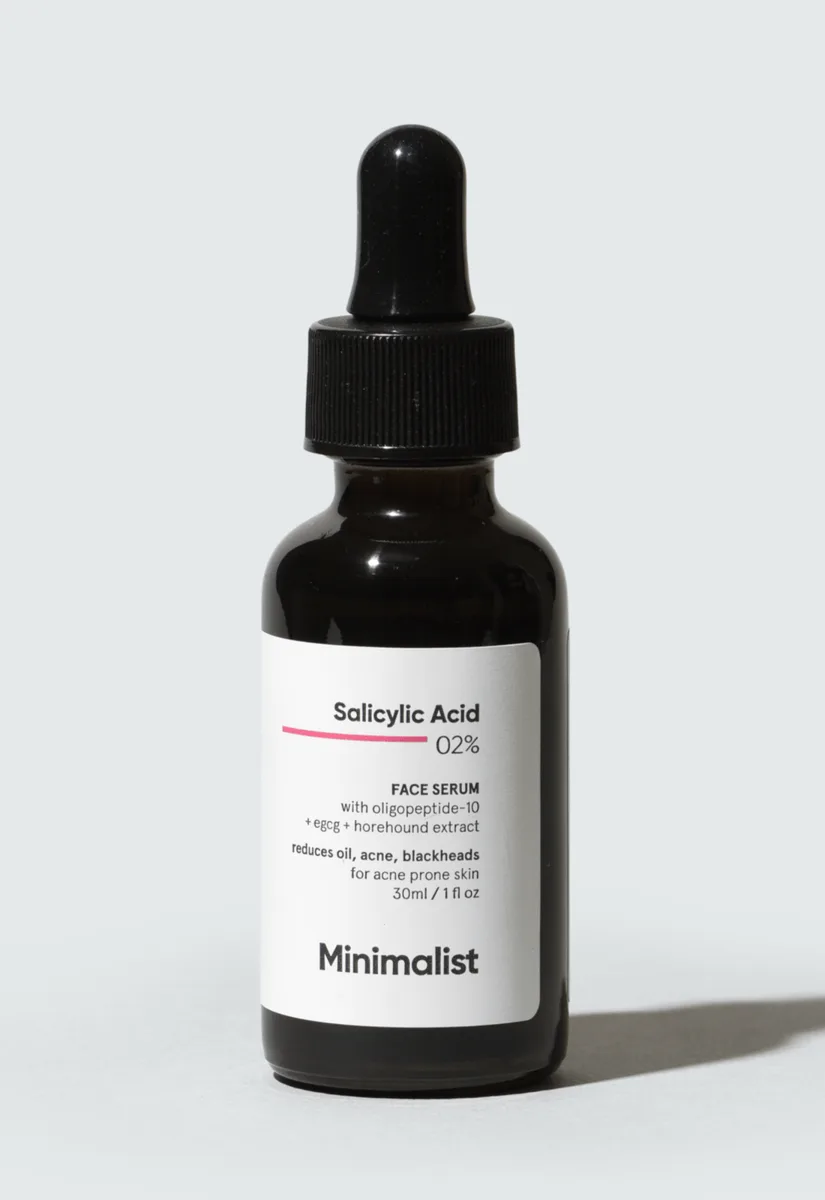
 2% Salicylic Acid Face Serum
A pharma-grade 2% BHA serum at pH 3.75, built around Merck's RonaCare salicylic acid and flanked by Marrubium Vulgare, EGCG glucoside, and Oligopeptide-10 — a supporting cast most budget salicylic serums do not bother with. At ₹599 for 30ml, it is one of the best acne serums on the Indian market and genuinely competitive with the prestige alternatives.
This review reflects our independent analysis of publicly available ingredient data, manufacturer claims, and verified user reviews. We are reader-supported — Amazon links may earn us a commission at no cost to you. We do not accept paid placements; rankings are based solely on the evidence.