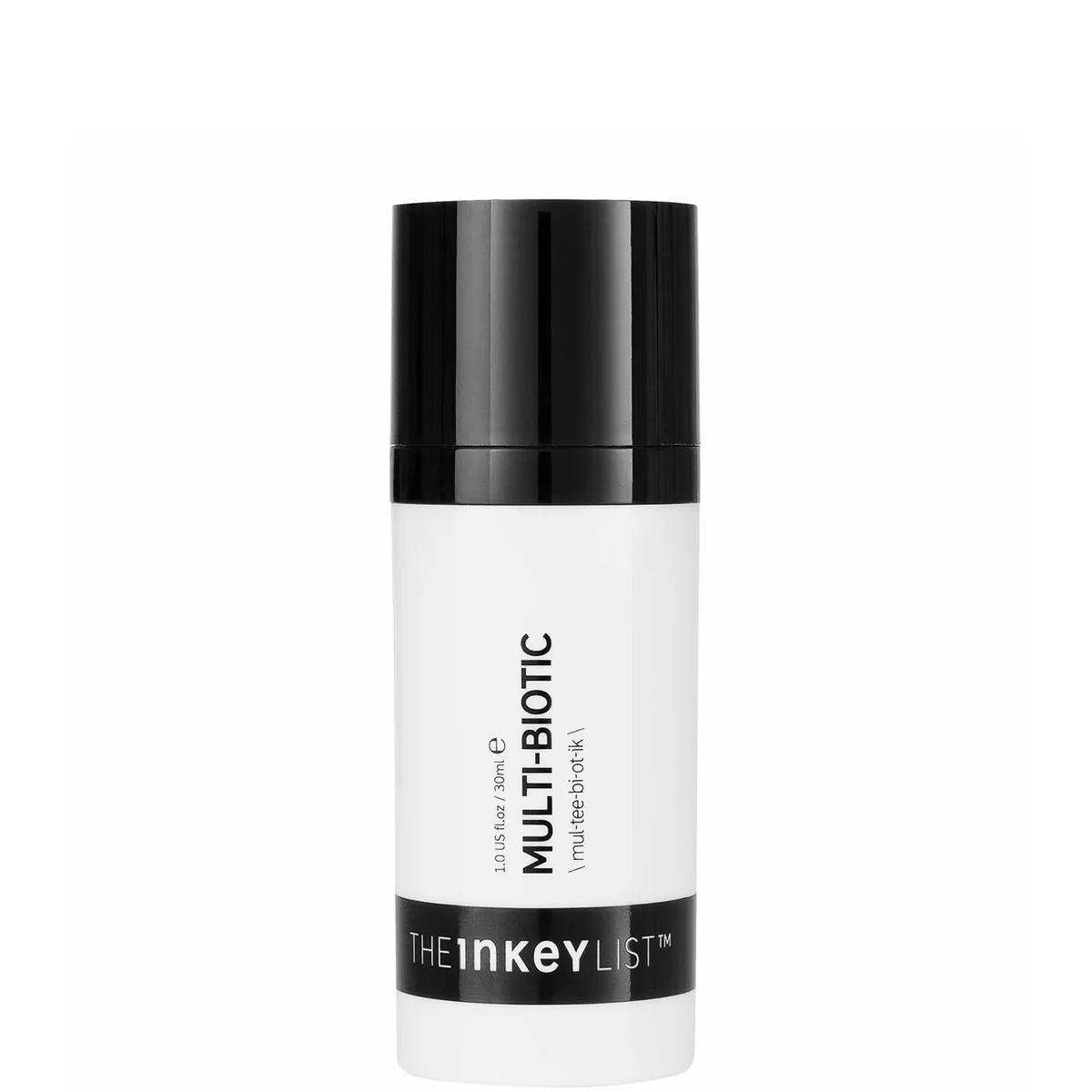
A genuinely innovative triple-biotic moisturizer that harnesses prebiotic, probiotic, and postbiotic mechanisms in one lightweight formula for thirteen dollars. The Brightenyl postbiotic is the standout — a brightening ingredient powered by your own microbiome. Best for oily and combination skin; dry types will need reinforcement.
Multi-Biotic Moisturizer
A genuinely innovative triple-biotic moisturizer that harnesses prebiotic, probiotic, and postbiotic mechanisms in one lightweight formula for thirteen dollars. The Brightenyl postbiotic is the standout — a brightening ingredient powered by your own microbiome. Best for oily and combination skin; dry types will need reinforcement.
Score Breakdown
Where this product gains points and where it loses them — broken down across the four scoring pillars.
An innovative triple-biotic moisturizer with a clever postbiotic brightening mechanism (Brightenyl) and solid prebiotic-probiotic support. The lightweight formula excels for oily and combination skin but its limited hydration for dry skin types narrows its appeal.
Pros & Cons
- ✓Genuine three-tier biotic system with prebiotic, probiotic, and postbiotic mechanisms
- ✓Brightenyl postbiotic is biologically activated by your own skin microbiome for brightening
- ✓Ultra-lightweight gel-cream texture ideal for oily and combination skin
- ✓Disclosed concentrations: 5% yogurt powder, 2% Brightenyl show formula commitment
- ✓Absorbs in seconds with no greasy residue or interference under makeup
- ✓Soothing oat kernel oil and squalane support barrier without heaviness
- ✗Yogurt-like scent from the 5% yogurt powder is off-putting for some users
- ✗Small 30ml tube runs out in 2-3 months — frequent repurchasing required
- ✗Not moisturizing enough for dry skin types especially in colder months
- ✗Not vegan due to dairy-derived yogurt powder ingredient
- ✗Moderate review count limits long-term efficacy confidence
- ✗Can pill when layered under certain sunscreens or over heavy serums
Full Review
The skin microbiome became skincare's hottest topic around 2018, and within months every brand was adding a fermented extract to a formula and calling it probiotic. Most of these products were microbiome-friendly in the same way that a bag of chips with a single vitamin added is health food — technically present, functionally meaningless. The INKEY List took a different approach with the Multi-Biotic Moisturizer, building a three-tier system where each biotic type serves a distinct function rather than just occupying label space.
The prebiotic layer is inulin, listed second in the INCI — meaning it is a major component, not a trace addition. This chicory-root polysaccharide selectively feeds the beneficial bacteria already living on your skin. When those bacteria metabolize inulin, they produce short-chain fatty acids and lactic acid — compounds that are natural components of the skin's moisturizing factor. In effect, the prebiotic turns your own microbiome into a moisturizing engine.
The probiotic layer is yogurt powder at a disclosed five percent. This is not live bacteria — cosmetic regulations and formula stability make live probiotics in skincare extremely difficult. Instead, it is a powder of beneficial metabolites derived from yogurt fermentation. These metabolites help suppress pathogenic bacteria on the skin surface while supporting the populations that inulin is feeding. Think of it as providing both the food (inulin) and the reinforcements (yogurt metabolites) simultaneously.
The postbiotic layer is where this formula gets genuinely clever. Diglucosyl gallic acid, marketed as Brightenyl, is a precursor compound that sits inert on the skin until microbial enzymes go to work. The bacteria on your skin produce alpha-glucosidase, which cleaves the sugar molecules from the gallic acid backbone. The freed gallic acid then inhibits tyrosinase — the enzyme responsible for melanin synthesis. The brightening effect is not chemical in the traditional sense; it is biologically activated by your own microbiome. A double-blind study published in Clinical, Cosmetic and Investigational Dermatology demonstrated that this compound improved skin brightness and reduced UV spots and melanin over twelve weeks.
The supporting cast is sensible for a lightweight moisturizer. Squalane provides emollient barrier support without heaviness. Oat kernel oil contributes anti-inflammatory avenanthramides that help keep sensitive skin calm during the microbiome rebalancing process. Sodium hyaluronate adds conventional humectant hydration. Glycerin in the third position rounds out the moisture system.
The texture is unambiguously lightweight. This gel-cream absorbs within seconds, leaving a comfortable satin finish with no greasiness, no film, and no shine. For oily and combination skin types who treat most moisturizers as an unwelcome but necessary evil, this feels like almost nothing — and that is exactly the point. Under makeup, it performs well, creating a smooth canvas without interfering with foundation adhesion.
The yogurt scent is the product's most divisive feature. It smells like yogurt. Not artificial-yogurt-flavor, but actual unflavored yogurt — slightly sour, faintly fermented. The scent fades within minutes, and the formula contains no added fragrance to mask it. For some users, this is a non-issue. For others, it is an immediate dealbreaker, particularly during morning application. If scent sensitivity matters to you, consider this a potential obstacle.
The hydration ceiling is the honest limitation. For oily and combination skin, this provides exactly the right amount of moisture — enough to keep the barrier healthy without contributing to shine or congestion. For dry skin, it is simply not enough. Users in this category consistently report needing a heavier cream on top, particularly in winter. The formula was clearly designed for the oily-to-normal range, and it serves that audience well.
Results follow a reasonable timeline. The texture and comfort are immediate. Improved skin balance and reduced breakouts typically appear within two to four weeks as the prebiotic-probiotic system stabilizes the microbiome. The Brightenyl brightening effect, working through enzymatic conversion rather than direct chemical action, takes longer — six to eight weeks for visible improvement in tone evenness.
At thirteen dollars for thirty milliliters, the value is good but not exceptional given the small size. This is a product you will repurchase every two to three months. The triple-biotic system with disclosed concentrations (5% yogurt powder, 2% Brightenyl) provides transparency that justifies the price. The fact that it is not vegan — the yogurt powder is dairy-derived — is worth noting for consumers who filter for this.
The Multi-Biotic Moisturizer represents a genuinely thoughtful application of microbiome science at an accessible price. The three-tier biotic system is not just marketing language — each component has a documented mechanism and a clear role in the formula. For oily and combination skin types looking for a moisturizer that does more than just moisturize, this is one of the most intellectually satisfying thirteen dollars you can spend on skincare.
Formula
Key Ingredients
The hero actives that drive this product's performance.
| Ingredient | Function | Evidence |
|---|---|---|
| Inulin (Prebiotic) | Listed second in the INCI, making it a major formula component. This chicory-root-derived prebiotic polysaccharide selectively feeds beneficial skin bacteria, which metabolize it into short-chain fatty acids and lactic acid — natural components of the skin's moisturizing factor. In this three-tier biotic system, inulin provides the food that drives the microbiome-balancing strategy. | promising |
| Yogurt Powder (Yogurtene Balance) (5%) | A probiotic-derived ingredient at a disclosed 5% that helps reduce pathogenic bacteria on the skin surface while promoting beneficial bacterial balance. In this formula, it complements the prebiotic inulin by directly introducing beneficial microbial metabolites rather than just feeding existing bacteria. | promising |
| Diglucosyl Gallic Acid (Brightenyl) (2%) | A postbiotic brightening agent at a disclosed 2% that represents the formula's cleverest ingredient. Skin microorganisms convert this compound to gallic acid via alpha-glucosidase enzyme activity, which then inhibits tyrosinase to reduce melanin synthesis. The brightening effect is literally powered by your skin's own bacteria — making it a true postbiotic mechanism. | promising |
| Squalane | Plant-derived emollient that provides the lipid barrier support in this lightweight formula. Works alongside the biotic complex to seal in the moisture generated by prebiotic-fed bacterial metabolites, ensuring the microbiome's hydrating output is retained. | well-established |
| Avena Sativa (Oat) Kernel Oil | An anti-inflammatory oil rich in linoleic acid and avenanthramides that soothes irritation while the biotic complex works to rebalance the skin's microbial ecosystem. Provides calming support that helps sensitive skin tolerate the microbiome shift without reactive flare-ups. | well-established |
| Sodium Hyaluronate | Low-molecular-weight hyaluronic acid that draws moisture into the skin to support the hydration base. Complements the prebiotic-generated lactic acid and fatty acids by providing a conventional humectant layer alongside the microbiome-derived moisture factors. | well-established |
Full INCI List
Water (Aqua/Eau), Inulin, Glycerin, Isoamyl Laurate, Propanediol, Squalane, Cetearyl Olivate, Sorbitan Olivate, Avena Sativa (Oat) Kernel Oil, Phenoxyethanol, Yogurt Powder, Sodium Caproyl Prolinate, Carbomer, Isoamyl Cocoate, Benzyl Alcohol, Sodium Hyaluronate, Sodium Stearoyl Glutamate, Ethylhexylglycerin, Diglucosyl Gallic Acid, Trisodium Ethylenediamine Disuccinate, Dehydroacetic Acid
Product Flags
✓ Fragrance Free✓ Alcohol Free✗ Oil Free✓ Silicone Free✓ Paraben Free✓ Sulfate Free✓ Cruelty Free✗ Vegan✗ Fungal Acne Safe
Comedogenic Ingredients
Cetearyl Olivate
Potential Irritants
Benzyl AlcoholPhenoxyethanol
Common Allergens
Avena Sativa (Oat) Kernel OilBenzyl Alcohol
Compatibility
Skin Match
Best For
Works For
Not Ideal For
Addresses These Conditions
oiliness dullness compromised skin barrier sensitivity acne dark spots texture
Use With Caution
Routine Step
moisturizer
Time of Day
AM & PM
Pregnancy Safe
Yes ✓
Layering Tips
Apply a pea-sized amount as your final skincare step (before sunscreen in AM). Layers well over water-based serums. For drier skin, layer over a hydrating serum like hyaluronic acid for additional moisture. Allow a moment to absorb before applying makeup.
Results Timeline
Immediate: lightweight hydration and a comfortable, non-greasy feel. 2-4 weeks: improved skin balance with fewer breakouts and less oiliness. 6-8 weeks: visible brightening from the Brightenyl postbiotic and improved overall skin clarity.
Pairs Well With
Hyaluronic acid serum underneath for extra hydrationNiacinamide serum for enhanced pore and tone benefitsSunscreen as the final AM step
Sample AM Routine
- Cleanser
- Hyaluronic acid serum
- The INKEY List Multi-Biotic Moisturizer
- Sunscreen
Sample PM Routine
- Double cleanse
- Treatment serum
- The INKEY List Multi-Biotic Moisturizer
Evidence
Who Should Skip
- Yogurt-like scent from the 5% yogurt powder is off-putting for some users
- Small 30ml tube runs out in 2-3 months — frequent repurchasing required
- Not moisturizing enough for dry skin types especially in colder months
- Not vegan due to dairy-derived yogurt powder ingredient
Science & Expert Perspective
The Science
The prebiotic approach in this formula is supported by growing microbiome research. A 2023 multi-omic study published in Frontiers in Medicine demonstrated that skincare products containing inulin as a prebiotic reduced opportunistic pathogens and increased beneficial commensal bacteria on the skin after six weeks of use, while also enhancing barrier function. A 2014 review in Clinical, Cosmetic and Investigational Dermatology confirmed that prebiotics applied directly to skin microbiota can increase growth of beneficial bacteria and improve skin health outcomes.
The Brightenyl postbiotic mechanism is particularly well-documented. A double-blind, twelve-week study published in Clinical, Cosmetic and Investigational Dermatology in 2015 tested trihydroxybenzoic acid glucoside (the parent compound of diglucosyl gallic acid) on twenty women and found significant improvements in skin brightness, with reductions in UV-induced spots, melanin content, and erythema. A 2022 study in the International Journal of Cosmetic Science further confirmed diglucosyl gallic acid's antioxidant capacity and clinical efficacy in improving skin brightness in emulsion cosmetics.
The broader probiotic skincare evidence base, while still developing, is substantive. A 2021 review in Dermatology and Therapy found that topical probiotics demonstrate beneficial effects for inflammatory skin conditions including acne and rosacea. A 2019 review in Experimental Dermatology confirmed the therapeutic potential of probiotic interventions for skin microbiota modulation.
References
- Multi-omic approach to decipher the impact of skincare products with pre/postbiotics on skin microbiome and metabolome — Frontiers in Medicine (2023)
- Trihydroxybenzoic acid glucoside as a global skin color modulator and photo-protectant — Clinical, Cosmetic and Investigational Dermatology (2015)
- Research on antioxidant performance of diglucosyl gallic acid and its application in emulsion cosmetics — International Journal of Cosmetic Science (2022)
Dermatologist Perspective
Dermatologists are increasingly interested in the skin microbiome as a factor in barrier health, acne, and inflammatory conditions. Board-certified dermatologists recognize that prebiotics and probiotics in topical products show promising potential for supporting skin health, though the clinical evidence is still developing compared to established actives like retinol or niacinamide. The multi-biotic approach in this formula — feeding beneficial bacteria (prebiotic), introducing metabolites (probiotic), and harnessing microbial enzymes (postbiotic) — aligns with current dermatological thinking about holistic microbiome support. Dermatologists note that this type of lightweight, non-comedogenic moisturizer is appropriate for acne-prone skin types where heavier formulas can exacerbate breakouts.
Guidance
Usage Guide
How to Use
Apply a pea-sized amount to clean skin as the final step before sunscreen (AM) or as the final step (PM). Pat gently into the face and neck. Can be layered over water-based serums. For drier skin, layer over a hyaluronic acid serum for additional hydration. Allow 1-2 minutes to absorb before applying sunscreen or makeup. Use once or twice daily.
Value Assessment
At 2.99 for 30 ml, this is competitively priced for a triple-biotic moisturizer with trademarked ingredients at disclosed concentrations. The Brightenyl postbiotic and Yogurtene Balance probiotic represent genuine formulation investment rather than trace-amount marketing ingredients. Only one size is available, meaning frequent repurchasing. The emerging brand status since 2018 means less long-term track record, but the Sephora placement and Unilever Ventures backing provide credibility. Good value for oily and combination skin types seeking microbiome-focused care.
Who Should Buy
This is ideal for oily and combination skin types looking for a lightweight moisturizer that supports the skin microbiome while providing gentle brightening. Those dealing with frequent breakouts, dullness, or uneven skin tone from a compromised barrier will benefit from the triple-biotic approach. Budget-conscious consumers wanting legitimate microbiome science at an accessible price will appreciate the value.
Who Should Skip
Skip this if you have dry skin and need substantial moisturization — this will not be enough on its own. Vegans should avoid it due to the dairy-derived yogurt powder. Those with oat allergies should check for sensitivity. If the fermented yogurt scent is a dealbreaker for your morning routine, look elsewhere.
Ready to try The INKEY List Multi-Biotic Moisturizer?
Details
Details
Texture
Lightweight gel-cream that melts into the skin on contact. Not heavy, greasy, or occlusive. Absorbs within seconds to leave a comfortable, natural finish. The consistency sits between a gel and a cream.
Scent
Fragrance-free with no added parfum, but the yogurt powder gives the product a noticeable yogurt-like or slightly sour fermented scent. This dissipates within minutes of application.
Packaging
White squeeze tube with pump dispenser in The INKEY List's minimalist design. 30 ml size is compact and travel-friendly. Recyclable plastic.
Finish
satinlightweightnatural
What to Expect on First Use
On first application, the gel-cream melts immediately into the skin. The yogurt scent may be noticeable and surprising but fades quickly. No stinging, tingling, or irritation. Skin feels comfortable and lightly hydrated. The lightweight finish is ideal for oily skin types who dislike the heaviness of traditional moisturizers.
How Long It Lasts
2-3 months with once or twice daily facial application
Period After Opening
12 months
Best Season
All Year
Certifications
Leaping Bunny cruelty-free certified
Background
The Why
Launched as part of The INKEY List's early product range around 2019, this moisturizer tapped into the growing scientific understanding that healthy skin depends on a balanced microbiome. The triple-biotic approach — feeding beneficial bacteria (prebiotic), introducing beneficial metabolites (probiotic), and harnessing microbial enzyme activity for brightening (postbiotic) — translated cutting-edge microbiome research into an accessible thirteen-dollar product.
About The INKEY List Emerging Brand (2–5 years)
The INKEY List was founded in 2018 with a focus on transparent, affordable skincare. The brand is Leaping Bunny certified, carried at Sephora and Ulta, and backed by Unilever Ventures investment. This Multi-Biotic formula uses trademarked ingredients (Brightenyl, Yogurtene Balance) at disclosed concentrations.
Brand founded: 2018 · Product launched: 2019
Myth vs. Reality
Myths & Misconceptions
Myth
Probiotic skincare contains live bacteria that colonize your skin
Reality
This moisturizer contains yogurt powder — a probiotic-derived ingredient with beneficial metabolites — not live bacteria. The inulin prebiotic feeds the beneficial bacteria already living on your skin, while the Brightenyl postbiotic is activated by existing microbial enzymes. No live organisms are introduced.
Myth
Microbiome-focused skincare is just marketing hype with no real science
Reality
Multiple peer-reviewed studies support the role of prebiotics and probiotics in skin health. A 2023 multi-omic study in Frontiers in Medicine demonstrated that prebiotic formulations including inulin reduced pathogenic bacteria and increased beneficial commensals. The field is maturing, and the specific ingredients in this formula have documented mechanisms of action.
FAQ
Frequently Asked Questions
What does multi-biotic mean in skincare?
Multi-biotic refers to a formula that combines prebiotics, probiotics, and postbiotics. In this moisturizer, inulin (prebiotic) feeds beneficial skin bacteria, yogurt powder (probiotic) introduces beneficial metabolites, and Brightenyl (postbiotic) is activated by your skin's own microbial enzymes to brighten and even tone.
Is The INKEY List Multi-Biotic Moisturizer vegan?
No — this product contains yogurt powder, which is dairy-derived. While The INKEY List is Leaping Bunny cruelty-free certified, this specific product is not suitable for vegans.
Why does the Multi-Biotic Moisturizer smell like yogurt?
The yogurt powder at 5% concentration gives the product a natural fermented dairy scent. This is the raw ingredient, not an added fragrance. The scent dissipates within minutes of application and does not linger on the skin.
Is this moisturizer enough for dry skin?
For most dry skin types, this gel-cream is too lightweight as a standalone moisturizer. It works best for oily and combination skin. If you have dry skin but want the microbiome benefits, layer it over a hydrating serum and consider adding a richer cream on top in drier months.
How does Brightenyl work differently from other brightening ingredients?
Unlike niacinamide or vitamin C, which act chemically on the skin, Brightenyl (diglucosyl gallic acid) is activated by your skin's own microbiome. Bacterial enzymes convert it into gallic acid, which then inhibits tyrosinase to reduce melanin production. It is essentially a brightening ingredient powered by your own bacteria.
Can I use this with other active ingredients?
Yes — this moisturizer plays well with virtually all other actives including retinol, vitamin C, niacinamide, and AHAs/BHAs. Apply it as your moisturizer step after water-based treatments. The gentle, non-active formula is designed to support and seal in treatments rather than compete with them.
Community
Community Voices
Common Praise
"Lightweight gel-cream texture perfect for oily and combination skin"
"Absorbs quickly without any greasy or heavy feeling"
"Noticeable improvement in skin balance and fewer breakouts over time"
"Innovative triple-biotic approach at an affordable price point"
"Layers well under other products and makeup without pilling"
"Soothing and calming on irritated or reactive skin"
Common Complaints
"Yogurt-like scent from the yogurt powder that some find unpleasant"
"Small 30ml size runs out quickly for the price"
"Not moisturizing enough for dry skin types especially in winter"
"Can pill when layered over certain serums or under certain sunscreens"
"Limited reviews make it harder to assess long-term efficacy"
"Not vegan due to the dairy-derived yogurt powder"
Notable Endorsements
Carried at SephoraBrand backed by Unilever Ventures
Appears In
best probiotic moisturizer best lightweight moisturizer for oily skin best microbiome skincare best budget moisturizer for combination skin
Related Conditions
oiliness acne dullness dark spots sensitivity compromised skin barrier
Related Ingredients
probiotics prebiotics squalane hyaluronic acid colloidal oatmeal
You Might Also Like
 Budget Holy Grail
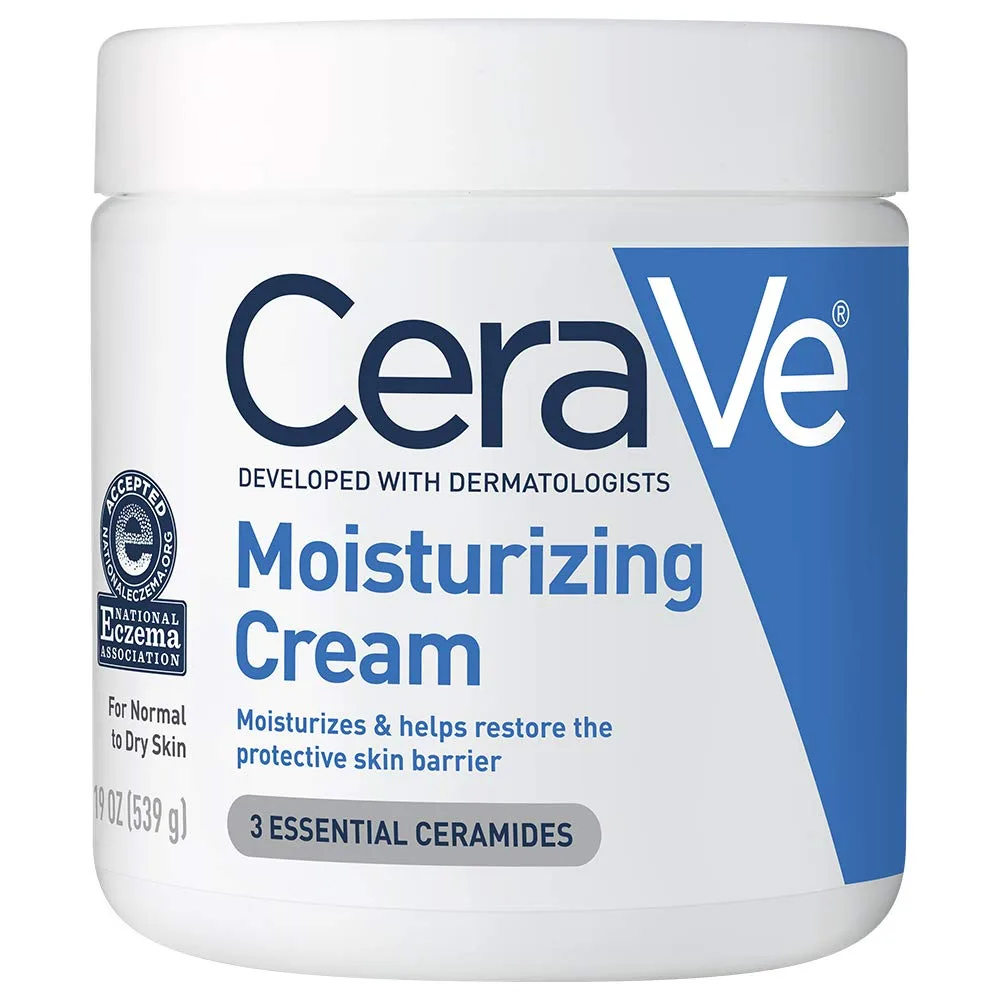
 Moisturizing Cream
The CeraVe Moisturizing Cream is the most important moisturizer in the drugstore — a ceramide-rich, dermatologist-developed formula that delivers barrier repair, multi-humectant hydration, and occlusive protection at a price so accessible it has no real excuse not to be in every household. Twenty-one years of consistent performance and universal dermatologist approval speak louder than any ingredient list.
 Barrier Repair Pioneer
 MLE Cream
Atopalm MLE Cream is one of the genuinely scientifically anchored barrier moisturizers in K-beauty — a fragrance-free, pseudo-ceramide cream built around a patented liquid-crystal lipid structure that mimics the skin's own intercellular matrix. For eczema, atopic skin, post-procedure recovery, or anyone with a stinging compromised barrier, it's one of the most reliably effective moisturizers in the entire category.
 K-Beauty Barrier Repair Staple
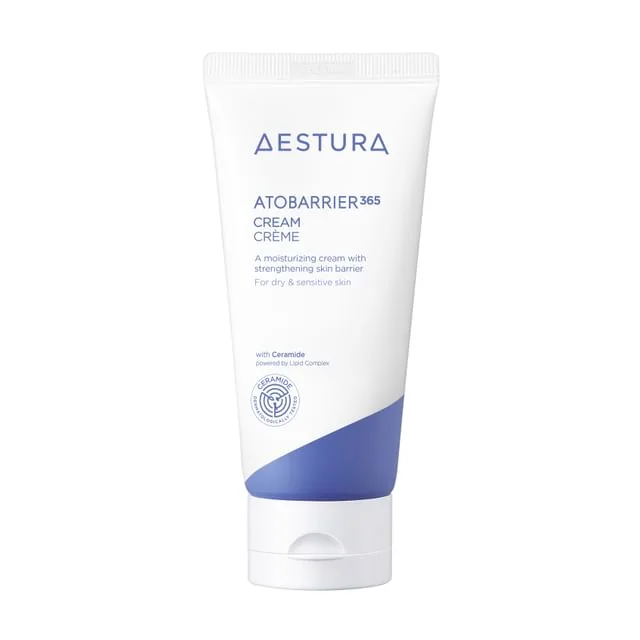
 Atobarrier 365 Cream
A Korean pharmacy cream that earns its cult following the hard way — with a lamellar lipid structure that actually rebuilds the barrier, not just coats it. If your skin has been through a rough winter, a retinoid ramp-up, or a bad reaction, this is the jar that quietly puts it back together.
 Korean Derm Clinic Recovery Pick
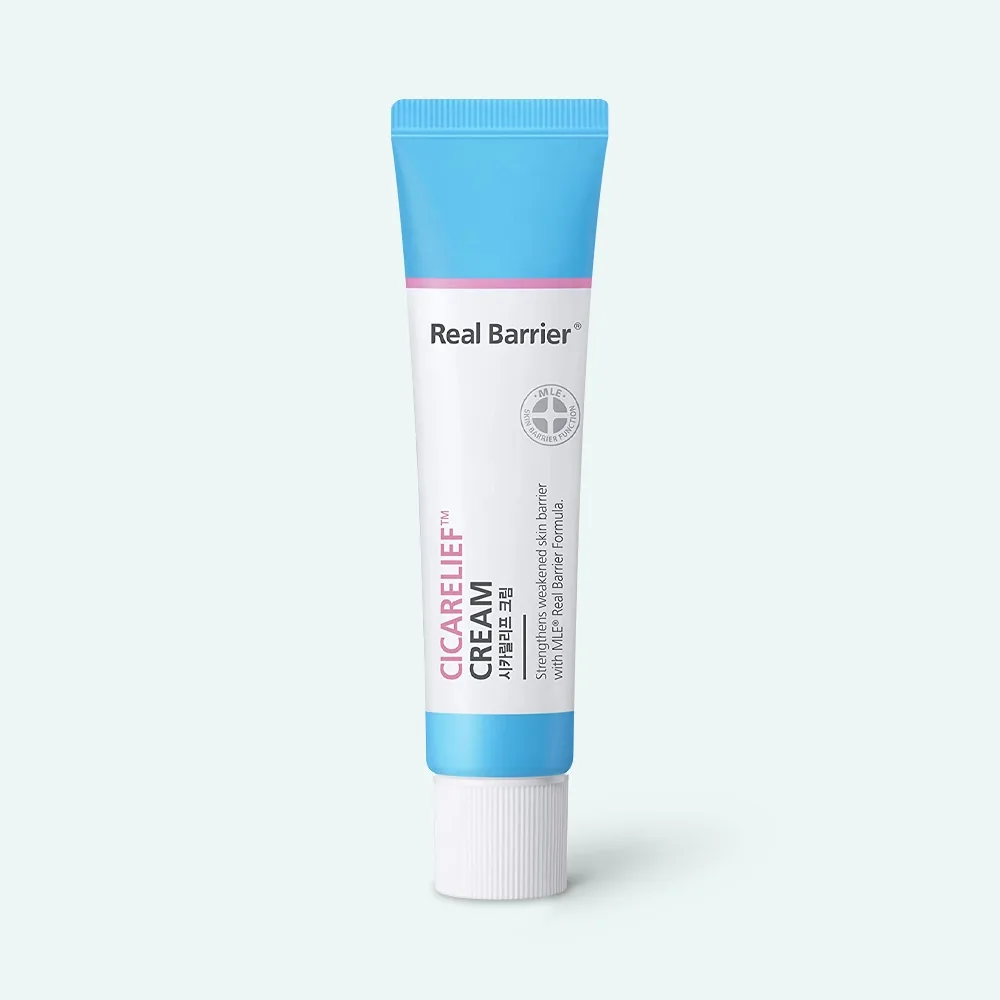
 Real Barrier Cicarelief Cream
One of the best consumer cica creams on the market, combining the full spectrum of centella actives with NeoPharm's MLE ceramide delivery and multiple complementary calming ingredients. Ideal for compromised, reactive, rosacea-prone, or recovering skin, and a staple in Korean dermatology clinic protocols. Minor limitations on packaging, but the formulation is genuinely excellent.
 Transparent 10% Panthenol Cream
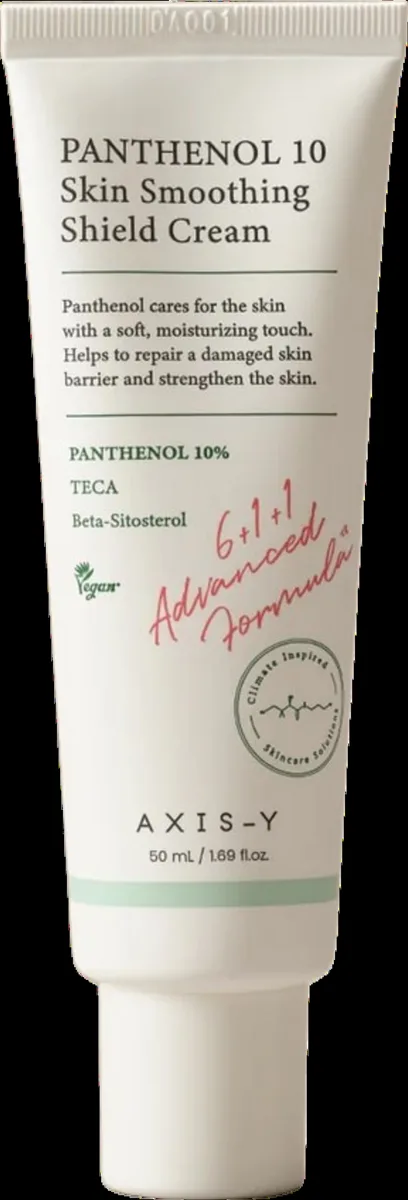
 Panthenol 10 Skin Smoothing Shield Cream
A disclosed 10% panthenol barrier cream built around a full physiological ceramide trio, a centella calming cast, and a modest shea butter occlusive. Fragrance-free, cross-season, and unusually transparent about its hero active — one of the brand's strongest moisturizer formulations.
 K-Beauty Icon
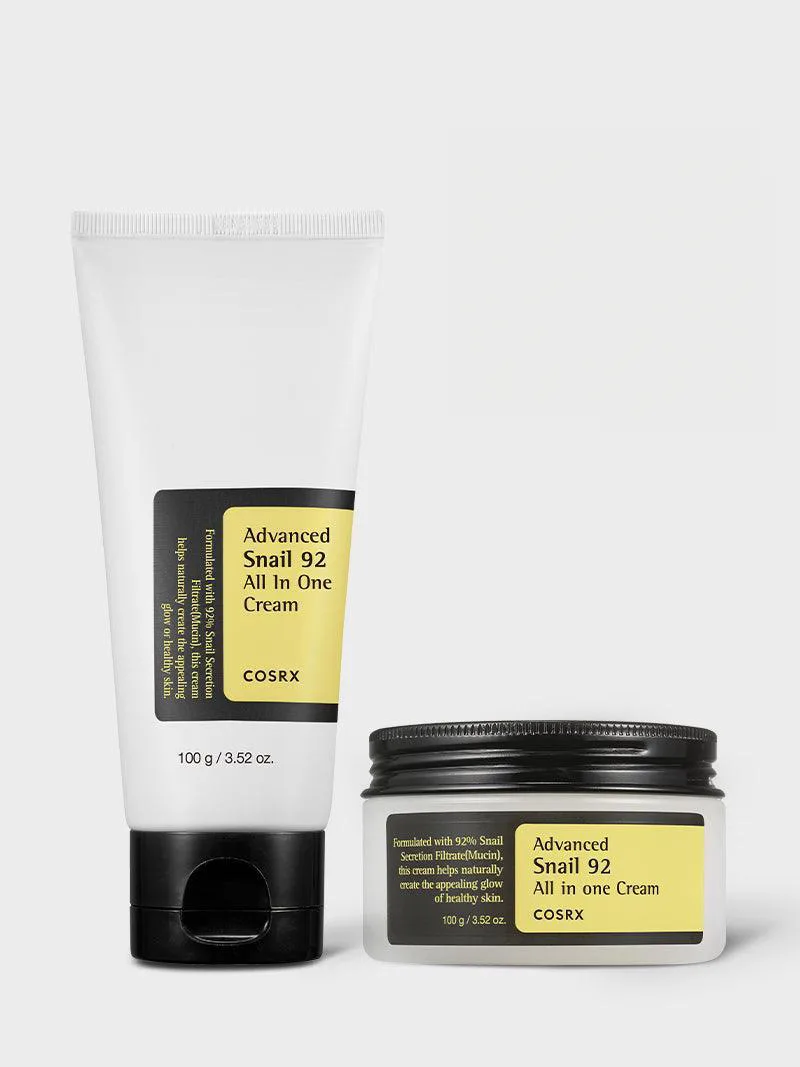
 Advanced Snail 92 All in One Cream
The cream that helped prove snail mucin to the world — and a decade later, it still deserves the reputation. At 92% snail secretion filtrate in a fragrance-free, gentle gel-cream, it delivers hydration, soothing, and gradual skin improvement across virtually every skin type. The texture takes getting used to, but 13 million sold units and 25,000+ reviews suggest most people manage.
This review reflects our independent analysis of publicly available ingredient data, manufacturer claims, and verified user reviews. We are reader-supported — Amazon links may earn us a commission at no cost to you. We do not accept paid placements; rankings are based solely on the evidence.