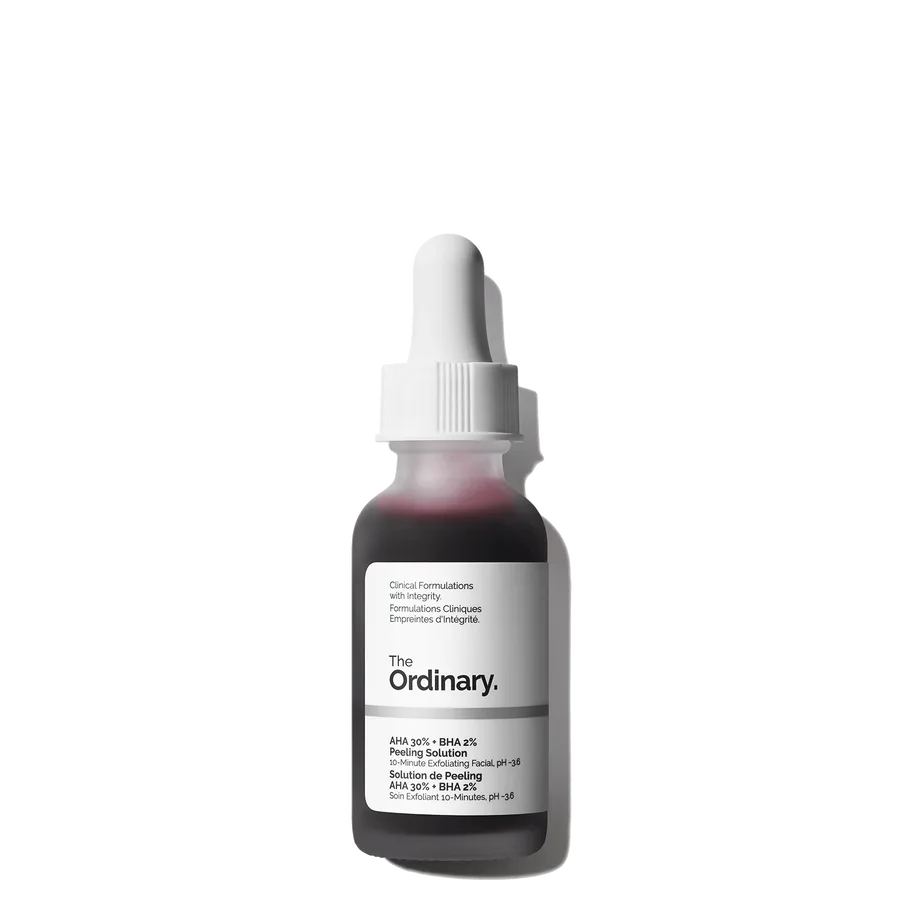
The most democratizing product in modern skincare — a genuinely powerful 30% acid peel for under ten dollars that delivers visible results competitive with products costing four to ten times more. Not without risks for the uninitiated, but for experienced acid users, the value is nearly without equal.
AHA 30% + BHA 2% Peeling Solution
The most democratizing product in modern skincare — a genuinely powerful 30% acid peel for under ten dollars that delivers visible results competitive with products costing four to ten times more. Not without risks for the uninitiated, but for experienced acid users, the value is nearly without equal.
Score Breakdown
Where this product gains points and where it loses them — broken down across the four scoring pillars.
An exceptionally effective exfoliant at an almost absurdly low price, but the aggressive 30% acid concentration narrows its suitable audience significantly. The minimal soothing complex compared to more expensive peels means irritation risk is real. Extraordinary value for those who can tolerate it.
Pros & Cons
- ✓Unmatched value at $9.50 for professional-grade 30% AHA + 2% BHA exfoliation
- ✓Immediately visible brightening and texture improvement after a single use
- ✓Tasmanian pepperberry extract helps mitigate irritation from the high acid concentration
- ✓Fragrance-free, vegan, cruelty-free formula with full concentration transparency
- ✓One bottle lasts 6-8 months with weekly use, making annual cost under $20
- ✓Crosslinked sodium hyaluronate maintains hydration during the acidic peel process
- ✓Iconic blood-red color makes application visually satisfying and easy to track coverage
- ✗30% acid concentration can cause chemical burns if misused by inexperienced users
- ✗Predominantly glycolic formulation carries higher hyperpigmentation risk for darker skin tones
- ✗Minimal soothing complex compared to more expensive multi-acid peels
- ✗Intense stinging sensation is uncomfortable even for experienced acid users
- ✗Blood-red color can stain fabrics, towels, and temporarily discolor fingers
- ✗Restricted or banned in some markets due to regulatory concerns about consumer acid strength
Full Review
There is a moment in every skincare enthusiast's journey when they first encounter The Ordinary's AHA 30% + BHA 2% Peeling Solution. Maybe it was a TikTok video of someone's face covered in what looked like a blood mask. Maybe it was a Reddit thread with before-and-after photos that seemed too good for a ten-dollar product. Maybe a friend just handed you a glass bottle of ominous red liquid and said, 'trust me.' However you found it, the product's cultural footprint is unlike anything else in skincare — and that raises a question worth answering honestly: is this actually as good as the internet thinks it is?
The short answer is yes, with caveats thick enough to fill a dermatologist's waiting room.
The formula leads with glycolic acid — the first ingredient on the list, meaning it makes up the largest proportion of the 30% AHA total. The remaining AHAs (lactic, tartaric, and citric acid) play supporting roles at lower concentrations. This is worth noting because it means the exfoliation profile here is overwhelmingly glycolic-driven: deep-penetrating, aggressive, and fast-acting. The 2% salicylic acid adds an oil-soluble dimension that can reach into pores, making this effective for congestion as well as surface texture.
The pH sits between 3.5 and 3.7, which puts a substantial portion of that glycolic acid in its free, active form. This is not a neutralized, gentle-by-design product wearing a high percentage on its label like a costume. When The Ordinary says 30% AHA, the pH confirms they mean it. This is one of the most potent consumer acid products on the global market.
On the skin, the experience matches the numbers. The blood-red color — courtesy of Daucus Carota Sativa extract, not a synthetic dye — makes application visually dramatic in a way that has undeniably contributed to the product's social media appeal. Tingling starts within seconds and escalates quickly into what can only be described as a determined, assertive warmth. For experienced acid users, this is familiar territory. For beginners who ignored the warning on the packaging, it can be genuinely alarming.
This is the critical point that the TikTok videos often gloss over: The Ordinary explicitly states this product is for experienced acid users only. This is not a suggestion. Thirty percent AHA at pH 3.6 is approaching professional-grade territory, and applying it without established acid tolerance risks real damage — chemical burns, raw skin, and a compromised barrier that can take weeks to repair. The viral appeal of the blood mask aesthetic has undoubtedly led people to use this product before they were ready, and the one-star reviews documenting painful burns are a real cost of that virality.
For those who are ready, however, the results speak clearly. After rinsing, skin is immediately brighter and smoother — not in a subtle, squinting-in-the-mirror way, but in a way that makes you understand why people post before-and-after photos of a single session. Over weeks of regular use, the cumulative effects build: pores appear smaller, blackheads become less prominent, hyperpigmented marks fade, and overall skin texture refines. These are the results that chemical peels have always delivered; what The Ordinary did was make them available for the price of a decent sandwich.
The formula is lighter on soothing agents than more expensive peels. Tasmanian pepperberry extract (Tasmannia Lanceolata) is the primary anti-irritant, alongside panthenol and a crosslinked hyaluronate for hydration. It is an adequate but not generous soothing system for a 30% acid product. Paula's Choice, for instance, includes glycyrrhetinic acid, bisabolol, and allantoin in their lower-concentration peel — a more robust anti-inflammatory arsenal. The Ordinary's approach is more spartan: maximum acid potency, minimum cushion, minimum price.
Brandon Truaxe's vision for DECIEM was to strip the beauty industry down to its active ingredients and sell them at transparent prices. This peeling solution is perhaps the purest expression of that philosophy. There is no marketing-driven ingredient story, no elegant packaging, no reassuring buffer of luxury. There is glycolic acid, a few supporting acids, a handful of soothing agents, and a price tag that forced the entire industry to reconsider its margins. When this product went viral, it did not just sell millions of units — it permanently shifted consumer expectations about what effective skincare should cost.
The value proposition is almost absurd. At $9.50 for 30ml of a product used once weekly, a single bottle lasts six to eight months. That is roughly $1.20 to $1.60 per treatment for professional-grade acid exfoliation. There is nothing else on the market that comes close to this cost-performance ratio. Even The Ordinary's own product line does not contain a more dramatic value play.
But extraordinary value does not erase real limitations. This is a blunt-force product. The overwhelmingly glycolic formulation penetrates aggressively and lacks the multi-acid, multi-depth nuance of more sophisticated peels. For melanin-rich skin tones, the glycolic dominance increases the risk of post-inflammatory hyperpigmentation compared to mandelic acid-based alternatives. The minimal soothing complex means your skin is absorbing the full intensity of the acids without much pharmacological cushion. And the product's cultural popularity means it is being used by people who should not be using it — a problem of success, not of formulation.
For experienced acid users with normal, oily, or combination skin looking for maximum chemical exfoliation at minimum cost, this product is essentially unbeatable. It does exactly what it claims to do, it does it at a concentration that delivers undeniable results, and it does it for less than the price of a movie ticket. Just make sure you have earned the right to use it before you unscrew the cap.
Formula
Key Ingredients
The hero actives that drive this product's performance.
| Ingredient | Function | Evidence |
|---|---|---|
| Glycolic Acid | The dominant acid in the 30% AHA blend, glycolic acid drives the aggressive exfoliation this product is known for. At the formula's pH of 3.5-3.7, a significant proportion is in its free acid form, delivering potent desquamation. The sheer concentration — listed first on the INCI — means glycolic is doing the heavy lifting, with the supporting acids playing secondary roles. | well-established |
| Salicylic Acid (2%) (2%) | Provides the oil-soluble exfoliation component that the water-soluble AHAs cannot deliver. Penetrates into pore linings to dissolve sebum plugs and dead cell buildup, making this peel effective for acne-prone and congestion-prone skin. Works alongside the AHAs to address both surface texture and subsurface pore congestion. | well-established |
| Tasmannia Lanceolata Fruit/Leaf Extract | Tasmanian pepperberry extract is the primary anti-irritant in this formula. Included to reduce the redness and stinging that a 30% acid concentration would otherwise produce. Research suggests it works by desensitizing TRPV1 receptors — the same pain receptors that capsaicin triggers — effectively dampening the skin's inflammatory response to the acid assault. | emerging |
| Sodium Hyaluronate Crosspolymer | A crosslinked form of hyaluronic acid that provides sustained hydration throughout the peel process. Unlike standard sodium hyaluronate that hydrates and washes off, the crosslinked version creates a moisture reservoir on the skin surface, helping prevent the dehydration that concentrated acid exposure can cause during the 10-minute application window. | well-established |
Full INCI List · pH 3.6
Glycolic Acid, Aqua (Water), Aloe Barbadensis Leaf Water, Sodium Hydroxide, Daucus Carota Sativa Extract, Propanediol, Cocamidopropyl Dimethylamine, Salicylic Acid, Lactic Acid, Tartaric Acid, Citric Acid, Panthenol, Sodium Hyaluronate Crosspolymer, Tasmannia Lanceolata Fruit/Leaf Extract, Glycerin, Pentylene Glycol, Xanthan Gum, Polysorbate 20, Trisodium Ethylenediamine Disuccinate, Potassium Sorbate, Sodium Benzoate, Ethylhexylglycerin, 1,2-Hexanediol, Caprylyl Glycol
Product Flags
✓ Fragrance Free✓ Alcohol Free✓ Oil Free✓ Silicone Free✓ Paraben Free✓ Sulfate Free✓ Cruelty Free✓ Vegan✓ Fungal Acne Safe
Potential Irritants
Glycolic AcidSalicylic AcidLactic Acid
Compatibility
Skin Match
Best For
Works For
Not Ideal For
Addresses These Conditions
dullness texture acne blackheads hyperpigmentation large pores
Use With Caution
Avoid With
rosacea eczema compromised skin barrier sensitivity
Routine Step
treatment
Time of Day
PM
Pregnancy Safe
No ✗
Layering Tips
Apply to clean, completely dry skin. Do not apply over any other products. Leave on for no more than 10 minutes, then rinse thoroughly with lukewarm water. Follow with a gentle, hydrating moisturizer only. Do not use with any other acid products, retinoids, or vitamin C on the same day.
Results Timeline
Immediately visible brighter, smoother skin after first use. Texture refinement and reduced congestion within 2-3 weeks of weekly use. Noticeable improvement in hyperpigmentation and overall radiance at 6-8 weeks. Best results accumulate over 3-4 months of consistent weekly application.
Pairs Well With
hydrating serums (after rinsing)ceramide moisturizers (after rinsing)squalane (after rinsing)broad-spectrum SPF (next morning)
Conflicts With
retinol or retinoids (same day)other AHA/BHA exfoliantsbenzoyl peroxidevitamin C serums (same day)physical scrubs
Sample AM Routine
- Gentle cleanser
- Hydrating serum
- Moisturizer
- Broad-spectrum SPF 30+ (essential after acid peel)
Sample PM Routine
- Gentle cleanser
- THIS PRODUCT (once weekly, max 10 min, then rinse)
- Hydrating moisturizer or squalane
Evidence
Science & Expert Perspective
The Science
The efficacy of this product rests primarily on glycolic acid, the most extensively studied AHA in dermatology. A landmark review published in the Journal of the American Academy of Dermatology (Kornhauser et al., 2010) documented glycolic acid's well-established mechanisms: it disrupts ionic bonding between corneocytes in the stratum corneum, accelerates desquamation, and at sustained use stimulates increased glycosaminoglycan and collagen synthesis in the dermis.
At pH 3.5-3.7 with a total AHA concentration of 30%, a substantial proportion of the glycolic acid exists in its unionized (free acid) form — the form capable of penetrating the stratum corneum and exerting biological activity. The Henderson-Hasselbalch equation predicts that at pH 3.6, approximately 44% of glycolic acid (pKa 3.83) is in its free acid form, confirming potent but not reckless activity.
The inclusion of Tasmannia Lanceolata (Tasmanian pepperberry) extract as an anti-irritant represents an interesting formulation choice. Research published in the Journal of Cosmetic Dermatology has shown that this extract reduces erythema and the sensory perception of irritation by modulating TRPV1 receptor activity — the same vanilloid receptor pathway that capsaicin activates. By dampening this pain signaling pathway, the extract makes the intense tingling of a 30% acid product more tolerable without reducing the acid's exfoliating efficacy.
Salicylic acid at 2% complements the AHAs through a fundamentally different mechanism. As a beta hydroxy acid, salicylic acid is lipophilic and penetrates into the lipid-rich sebaceous follicle. Research published in Clinical Therapeutics (Arif, 2015) established salicylic acid's efficacy in comedolysis — dissolving the keratin plugs that form blackheads and closed comedones. The combination of surface exfoliation (AHAs) and follicular exfoliation (BHA) provides comprehensive resurfacing across both the skin surface and pore interiors.
Dermatologist Perspective
Dermatologists have expressed mixed views on this product. Many acknowledge the exceptional value and genuine efficacy of the formulation, noting that 30% glycolic acid at pH 3.6 delivers real chemical exfoliation comparable to lower-strength professional peels. However, board-certified dermatologists frequently caution that this concentration level was historically reserved for supervised clinical settings and carries meaningful risk when self-administered without proper education. Dermatologists typically recommend that patients interested in this product have at least 3-6 months of experience with lower-concentration AHA products (5-10%) before attempting a 30% peel. The consensus is that this is a genuinely effective product that requires genuine respect.
Guidance
Usage Guide
How to Use
Apply a thin, even layer to clean, completely dry skin in the evening. Avoid the eye area, lips, broken skin, and any active irritation. Leave on for no more than 10 minutes — start with 5 minutes for your first several uses. Rinse thoroughly with lukewarm water. Follow with a simple, hydrating moisturizer. Do not use more than once per week initially. Do not combine with other acids, retinoids, or vitamin C on the same day. Apply broad-spectrum SPF 30+ every morning, as acid exfoliation significantly increases photosensitivity for 48+ hours.
Value Assessment
This is, by any objective measure, the best value in chemical exfoliation. At $9.50 for 30ml used once weekly, each treatment costs approximately $1.20-1.60, and a single bottle lasts 6-8 months. Annual cost of regular use: under $20. For comparison, a single professional glycolic peel costs $100-300, and competing at-home peels range from $30-60 for similar volumes. The Ordinary's vertically integrated manufacturing (in-house production in Toronto) and minimal marketing overhead make this pricing possible without cutting corners on formulation quality. The only caveat: the lower price also means a simpler soothing complex, so sensitive skin types may find better value in pricier peels that include more anti-inflammatory support.
Who Should Buy
Experienced acid users with oily, combination, or normal skin who want maximum exfoliating potency at minimum cost. Perfect for addressing stubborn texture, persistent blackheads, dullness, and post-inflammatory hyperpigmentation. Best suited for those who have already used daily AHA products for at least 3-6 months and understand their skin's acid tolerance.
Who Should Skip
Skincare beginners who have never used chemical exfoliants — this is not a starter product. Those with sensitive, rosacea-prone, or eczema-affected skin. Anyone with a compromised skin barrier. Darker skin tones should exercise particular caution due to the glycolic-dominant formula's higher risk of post-inflammatory hyperpigmentation. Pregnant or breastfeeding individuals should avoid due to salicylic acid content.
Ready to try The Ordinary AHA 30% + BHA 2% Peeling Solution?
Details
Details
Texture
Thick, viscous blood-red liquid with a gel-like consistency. The deep red color comes from Daucus Carota Sativa (carrot seed) extract. Applies easily but can be messy due to the vivid color. Spreads into a thin, even layer.
Scent
Moderate acidic, chemical smell. No added fragrance — the scent is from the acids and botanical extracts themselves. More noticeable than some acid products due to the high concentration.
Packaging
Glass dropper bottle with black screw cap and included pipette. The glass protects formula stability, and the dropper allows reasonable control over dispensing. The dark red liquid is visible through the glass, which has contributed to the product's iconic visual identity on social media.
Finish
glowydewy
What to Expect on First Use
The blood-red color is immediately striking and has become this product's defining visual characteristic. Tingling begins within seconds and can be intense — significantly more aggressive than most consumer acid products. Skin may feel warm and appear flushed. First-time users should start with 5 minutes or less. The product explicitly warns it is only for experienced acid users.
How Long It Lasts
6-8 months with once-weekly use
Period After Opening
12 months
Best Season
fall winter
Certifications
Leaping Bunny Certified
Background
The Why
When The Ordinary launched in 2016, this peeling solution became one of its most controversial and beloved products. It was temporarily banned in some markets (including Canada) due to regulatory concerns about selling high-concentration acids direct to consumers. The product's viral fame on TikTok and Reddit transformed it from a niche enthusiast favorite into a genuine cultural phenomenon — the blood-red 'face mask' selfie became a beauty ritual for an entire generation of skincare newcomers.
About The Ordinary Established Brand (5–20 years)
The Ordinary launched in 2016 under DECIEM, founded by Brandon Truaxe. The brand disrupted the industry by offering clinical-grade formulations at radically transparent prices. DECIEM was acquired by Estée Lauder Companies, and The Ordinary's formulations are manufactured in-house in Toronto with full ingredient transparency and concentration disclosure.
Brand founded: 2016 · Product launched: 2016
Myth vs. Reality
Myths & Misconceptions
Myth
The blood-red color means it contains harsh dyes that irritate skin.
Reality
The red color comes from Daucus Carota Sativa (carrot seed) extract, a natural botanical. It is not a synthetic dye and does not contribute to irritation. The acids are what cause any stinging — the color is purely cosmetic.
Myth
More tingling means the product is working better.
Reality
Tingling indicates acid activity, but excessive burning signals tissue damage, not enhanced efficacy. The acids work regardless of how much you feel them. If the sensation crosses from tingling into pain, the product is causing injury, not deeper exfoliation. Rinse immediately.
FAQ
Frequently Asked Questions
Is The Ordinary AHA 30% + BHA 2% Peeling Solution safe for beginners?
The Ordinary explicitly states this product is only for experienced users of acid exfoliation. A 30% AHA concentration is aggressive — significantly higher than most consumer acid products. If you have never used chemical exfoliants before, start with The Ordinary's Glycolic Acid 7% Toning Solution or a gentle daily AHA before attempting this peel. Beginners who use this without building acid tolerance risk chemical burns, irritation, and damaged skin barriers.
How long should I leave The Ordinary Peeling Solution on?
Maximum 10 minutes, as stated on the packaging. First-time users should start with 5 minutes or less and gradually increase only if tolerated well. Leaving it on longer than 10 minutes will not improve results — it will increase the risk of chemical burns and irritation. Set a timer. If you feel burning (not just tingling) at any point, rinse immediately regardless of how much time has passed.
Why was this product banned in some countries?
The product was restricted in certain markets (notably Canada for a period) because some regulatory bodies set limits on acid concentrations in consumer skincare products. A 30% AHA concentration approaches professional-grade peel territory, and some regulators determined it should require professional supervision. The Ordinary has adjusted availability by market based on local regulations.
Can I use this if I have dark skin?
Higher-concentration glycolic acid peels carry an elevated risk of post-inflammatory hyperpigmentation in melanin-rich skin. The Ordinary includes Tasmanian pepperberry extract to reduce irritation, but the predominantly glycolic formula penetrates aggressively. Those with darker skin tones should start with shorter application times (3-5 minutes), use no more than once weekly, and monitor for any darkening or irritation. Mandelic acid-based peels may be a safer first choice.
Is this as good as a professional chemical peel?
It approaches professional-grade concentration but lacks the controlled application, neutralization protocols, and professional monitoring that in-office peels provide. For routine maintenance exfoliation, this product delivers excellent results at a fraction of the cost. For deeper concerns like significant scarring or melasma, professional peels with higher concentrations and dermatologist supervision remain the standard of care.
Community
Community Voices
Common Praise
"Incredibly effective for the price — less than $10 delivers professional-level results"
"Visible glow and smoother skin immediately after rinsing"
"The blood-red color makes application fun and visually dramatic"
"Dramatically reduces texture and clogged pores over time"
"Affordable enough to recommend to everyone"
Common Complaints
"Intense stinging and burning sensation, especially for beginners"
"Can cause chemical burns if left on too long or used too frequently"
"The 30% concentration is overkill for some skin types"
"Not suitable for sensitive or reactive skin at all"
"Blood-red color can temporarily stain fingers, towels, and fabric"
Notable Endorsements
Went viral on TikTok and Reddit SkincareAddictionConsistently listed in 'best affordable skincare' roundups globally
Appears In
best exfoliant for texture best exfoliant for acne best exfoliant for dullness best exfoliant for hyperpigmentation best budget exfoliant
Related Conditions
dullness texture acne blackheads hyperpigmentation large pores
Related Ingredients
You Might Also Like
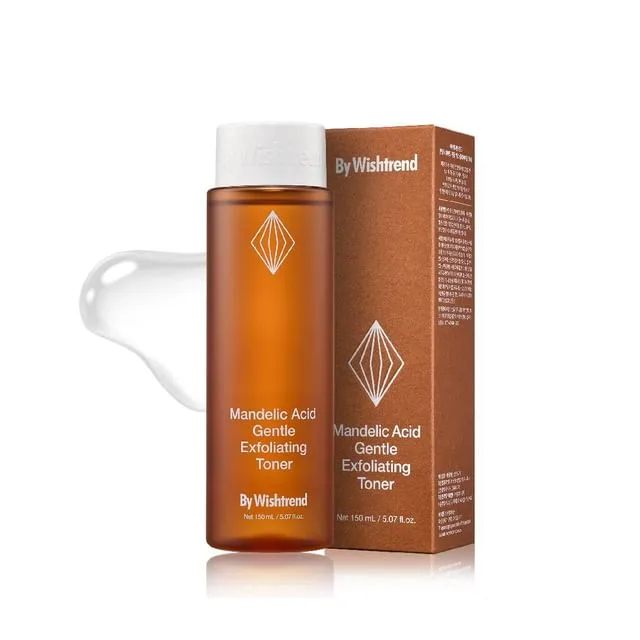 Sensitive Skin AHA Pick
 Mandelic Acid 5% Skin Prep Water
The mandelic acid prep water that quietly converted half of K-beauty Reddit away from glycolic — and for good reason. It delivers visible texture and PIH improvement at 5% without the sting or pigment risk that derails sensitive and darker skin, and it does so for around twenty bucks.
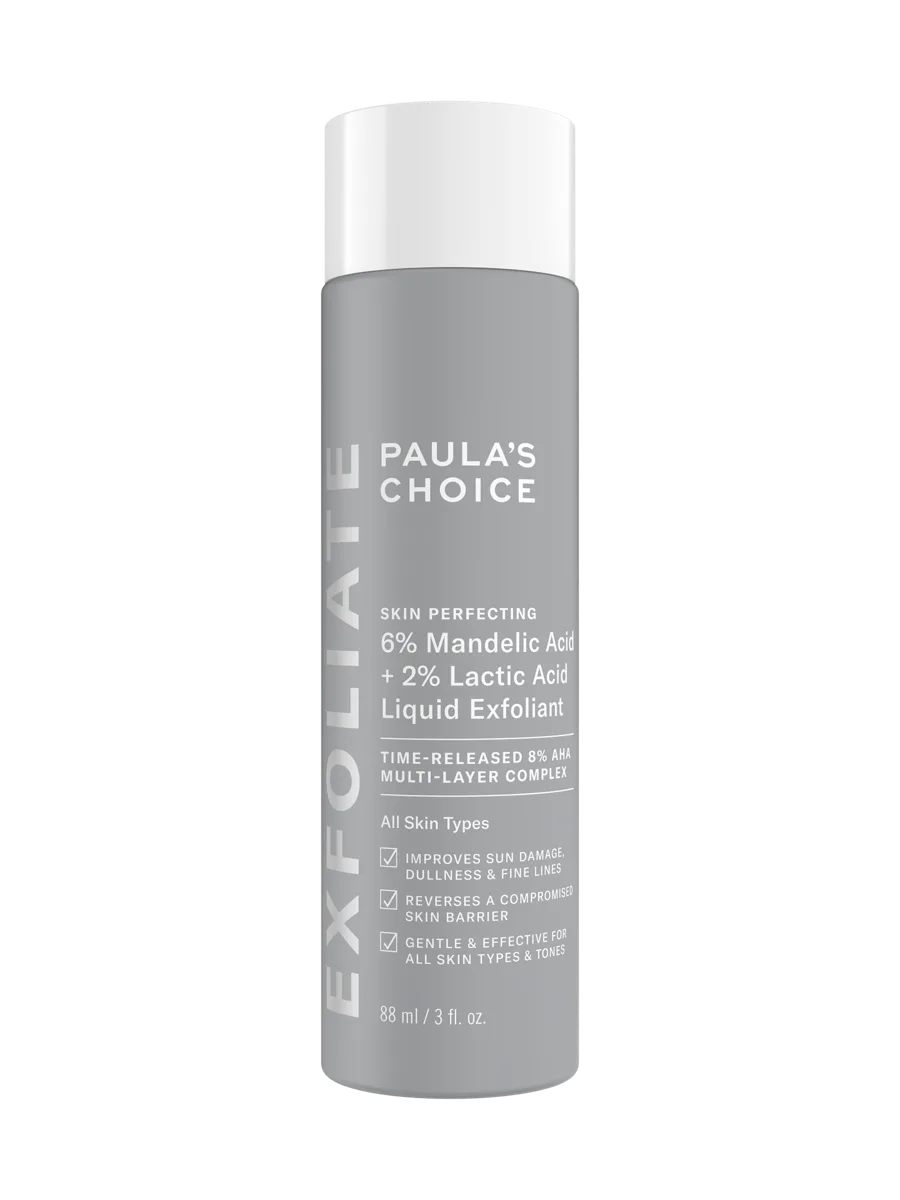 Gentle Glow Specialist
 Skin Perfecting 6% Mandelic Acid + 2% Lactic Acid Liquid Exfoliant
The exfoliant that finally treats sensitive and melanin-rich skin as the design priority rather than an afterthought. With a 4.8-star rating and 660+ reviews, this mandelic-lactic formula proves that gentleness and efficacy aren't mutually exclusive — it just requires smarter acid selection.
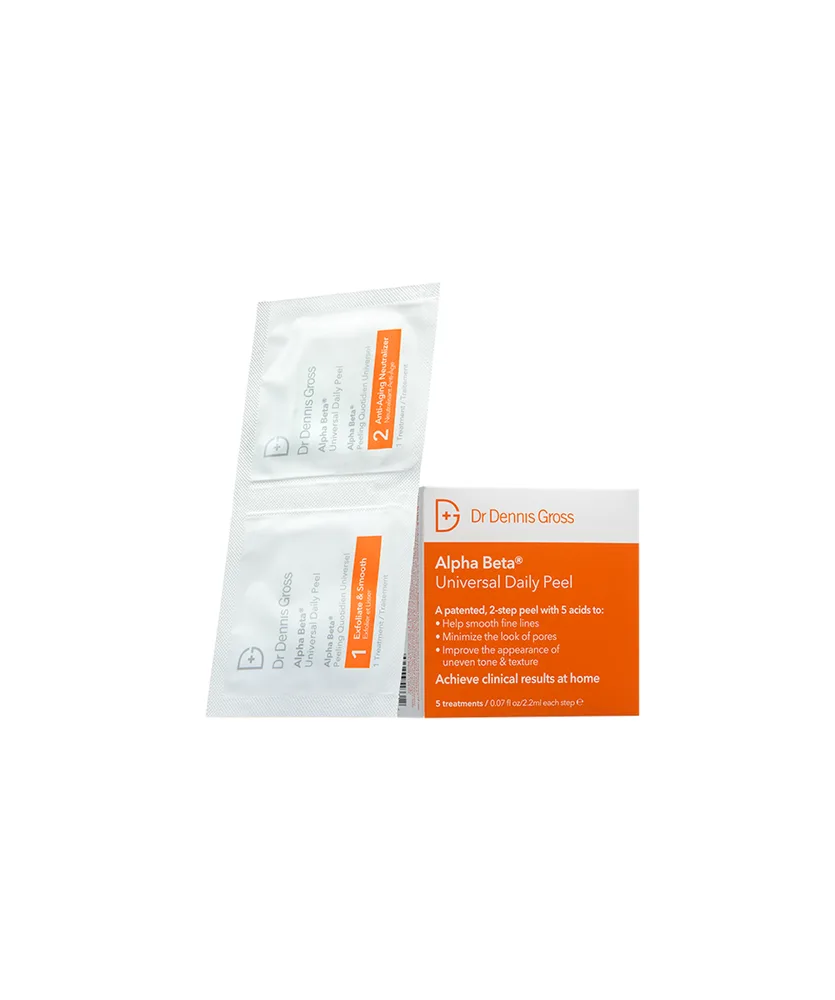 The Original At-Home Peel
 Alpha Beta Universal Daily Peel
The product that invented the at-home daily peel category in 2002 and still sits at the top of it. The five-acid Step 1 and retinol-antioxidant Step 2 deliver genuine resurfacing and anti-aging in a single five-minute routine. Expensive, but the results and track record justify the reputation.
 Beginner Exfoliant Pick
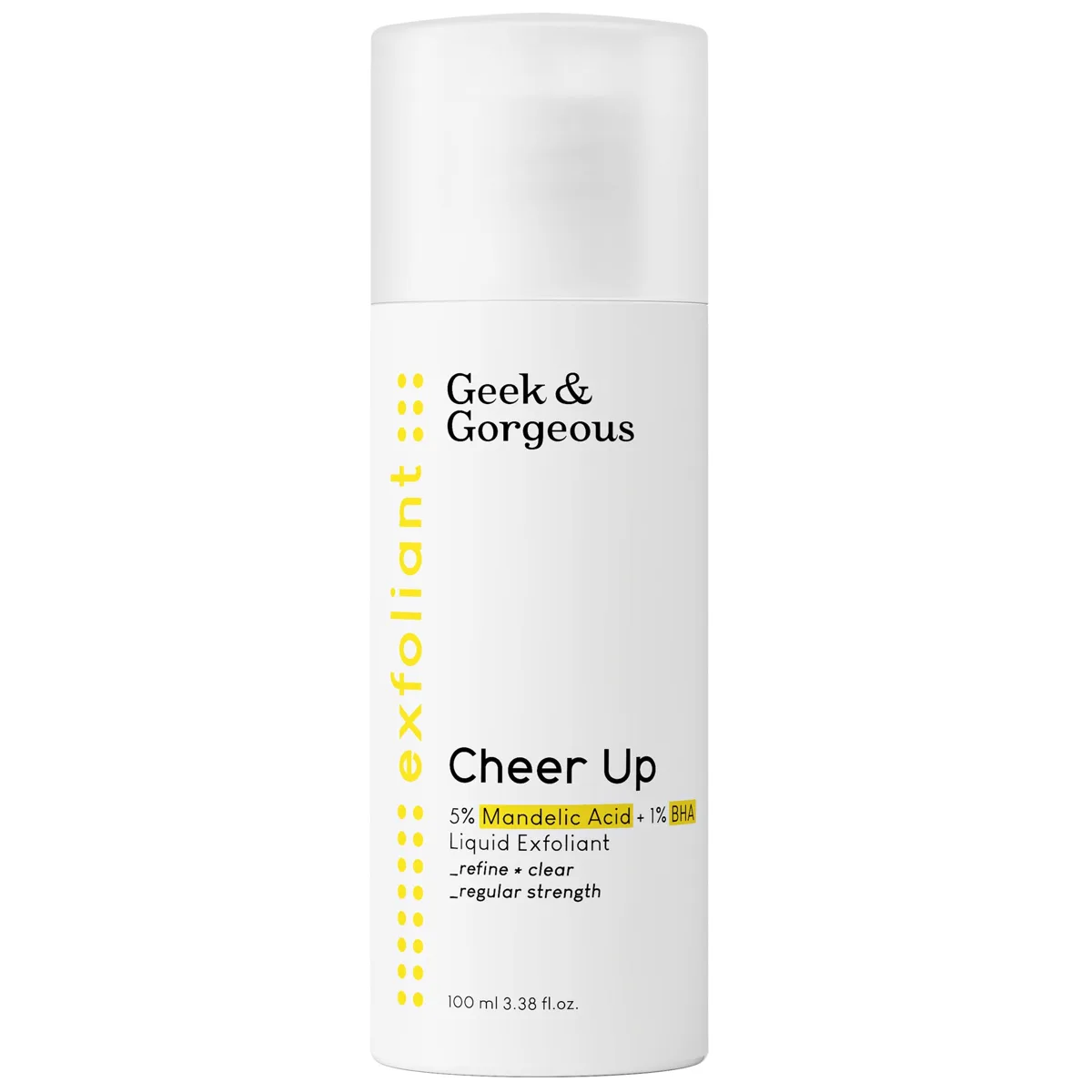
 Cheer Up 5% Mandelic + 1% Salicylic Exfoliant
A thoughtfully formulated beginner AHA/BHA exfoliant that uses mandelic acid — the gentlest mainstream AHA — in combination with low-strength salicylic, plus a sugar-humectant complex for comfort. At 100mL for around $12, the value is excellent, and the formulation choices reflect the kind of cosmetic-chemist thinking that separates this brand from typical indie exfoliants. Ideal for exfoliant newcomers and sensitive skin.
 The Budget Hydrator, Perfected
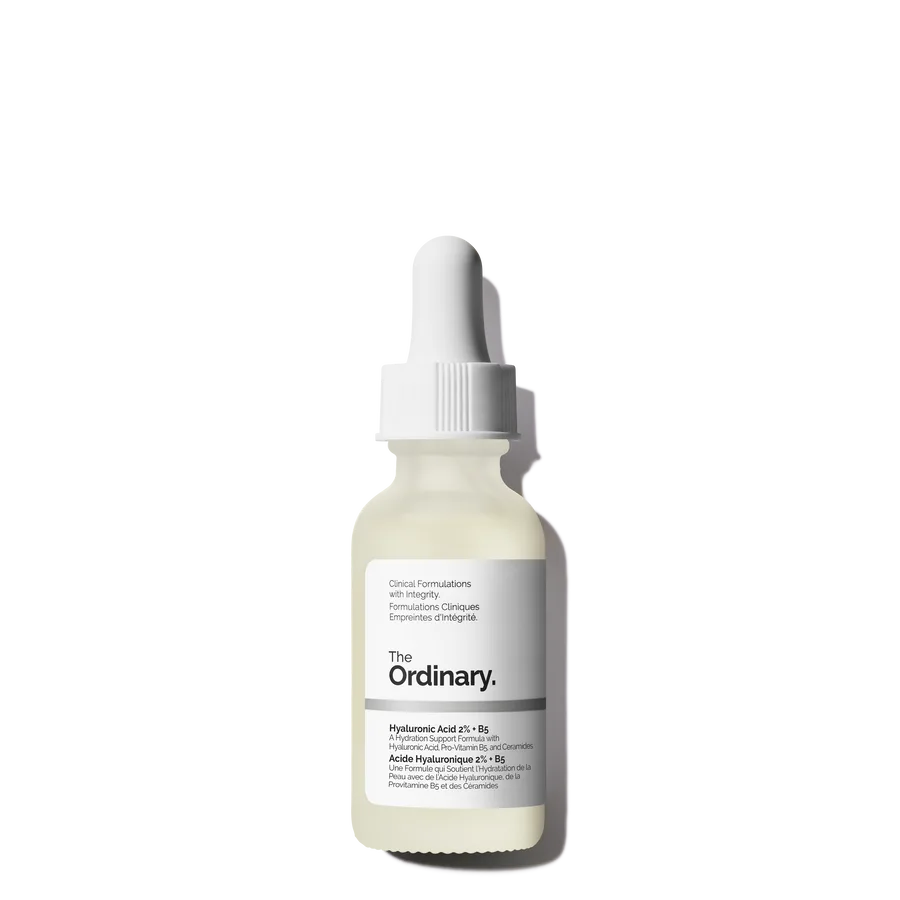
 Hyaluronic Acid 2% + B5 Hydrating Serum
Everything the original should have been from the start — less sticky, better ingredients, and ceramide barrier support that transforms a simple hydrator into a proper skincare foundation. At $9.90, the only question is why you'd buy the old version.
 Budget Peptide Powerhouse
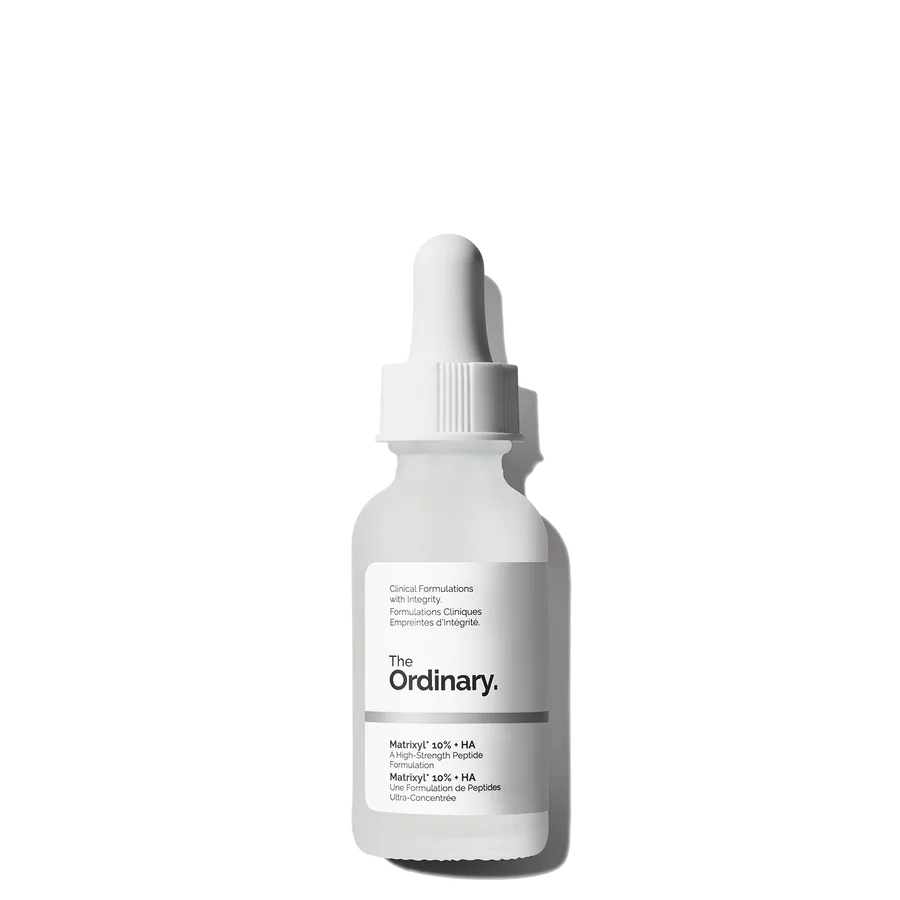
 Matrixyl 10% + HA
Two generations of clinically studied peptides at 10% concentration, in a hydrating HA base, for 0.90. The math borders on absurd. Matrixyl 10% + HA delivers genuine collagen-stimulating signal peptides with zero irritation risk — making it one of the best anti-aging values available and one of the few options safe during pregnancy.