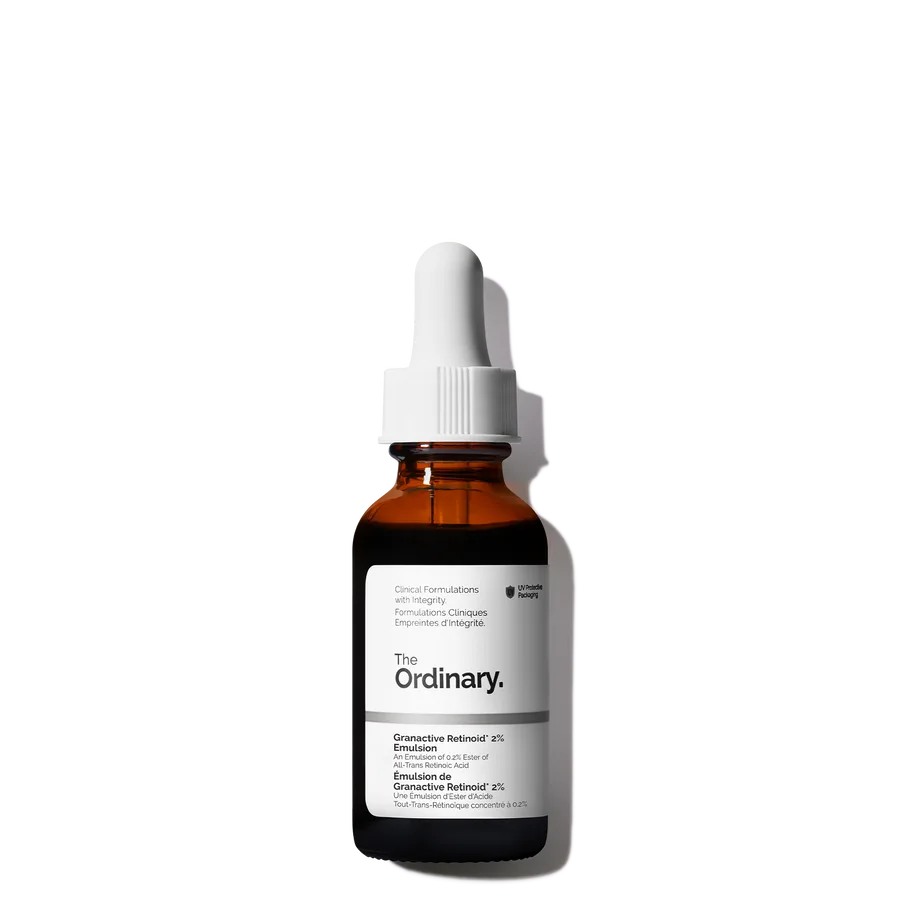
A cleverly formulated dual-retinoid treatment that pairs next-generation HPR with traditional retinol in a lightweight emulsion — all for 2.10. It won't replace prescription tretinoin for serious anti-aging, but as a gentle on-ramp to retinoid therapy, it is one of the smartest buys in skincare.
Granactive Retinoid 2% Emulsion
A cleverly formulated dual-retinoid treatment that pairs next-generation HPR with traditional retinol in a lightweight emulsion — all for 2.10. It won't replace prescription tretinoin for serious anti-aging, but as a gentle on-ramp to retinoid therapy, it is one of the smartest buys in skincare.
Score Breakdown
Where this product gains points and where it loses them — broken down across the four scoring pillars.
A well-formulated dual-retinoid treatment that pairs innovative HPR with traditional retinol at a remarkably low price. The emulsion base with soothing botanicals makes it accessible for retinoid beginners, though its gentle nature may underwhelm those seeking aggressive anti-aging results.
Pros & Cons
- ✓HPR binds directly to retinoid receptors without enzymatic conversion, reducing irritation significantly
- ✓Dual-retinoid formula combines immediate HPR activity with slower-release retinol for broader efficacy
- ✓Lightweight emulsion absorbs quickly and layers beautifully under moisturizer
- ✓Bisabolol and Tasmannia lanceolata provide built-in anti-inflammatory and antioxidant support
- ✓Exceptional value at 2.10 for a next-generation retinoid treatment
- ✓Gentle enough for retinoid beginners and most sensitive skin types
- ✓Fragrance-free, silicone-free, and vegan formulation
- ✓Nearly a decade of market history and thousands of user reviews validate its efficacy
- ✗Three-month shelf life after opening requires refrigeration and careful timing
- ✗Too gentle for those seeking aggressive anti-aging results from deep wrinkles or severe sun damage
- ✗Dropper packaging is messy and amber glass bottle risks breakage during travel
- ✗Not suitable during pregnancy or breastfeeding due to retinoid content
- ✗Faint chemical scent may bother scent-sensitive users
Full Review
Before The Ordinary launched this product in August 2016 — originally called Advanced Retinoid 2% — Hydroxypinacolone Retinoate was the kind of ingredient you might encounter in a dermatology journal but never on a drugstore shelf. HPR existed in a handful of professional formulations at prices that made retinol look like a bargain. Then DECIEM put it in an amber glass bottle, slapped a white label on it, and sold it for twelve dollars. The skincare world has not been quite the same since.
The chemistry behind HPR is genuinely interesting, and understanding it helps explain why this product feels so different from traditional retinol. Most retinoids you can buy without a prescription — retinol, retinyl palmitate, retinaldehyde — need to be enzymatically converted into retinoic acid before they can bind to the receptors that trigger cellular change. Retinol requires two conversion steps. Each step loses potency and introduces the potential for irritation. HPR skips this queue entirely. It is a retinoic acid ester that binds directly to retinoid receptors, delivering the signal without the metabolic middlemen. In practical terms, this means it can achieve meaningful retinoid activity at lower concentrations and with less of the redness, peeling, and flaking that makes retinol a rite of passage for so many people.
The "2%" on the label is worth decoding. It refers to the total Granactive Retinoid complex — a trade name for a blend of 10% HPR in 90% dimethyl isosorbide (a penetration enhancer). So 2% of the complex means you are getting 0.2% HPR. That might sound negligible until you learn that clinical studies have demonstrated visible improvements in wrinkles, elasticity, and hydration with as little as 0.03% HPR. At 0.2%, this product is delivering roughly seven times that threshold. And then there is the retinol. Listed after HPR in the INCI, it appears at an undisclosed but likely modest concentration, providing a secondary retinoid pathway that complements HPR's direct receptor binding with traditional conversion-dependent signaling.
The emulsion base is thoughtfully constructed. Glycerin leads the hydration support, counteracting the drying tendency of retinoids. Bisabolol — the calming compound from chamomile — sits high in the formula, actively working to reduce inflammation before it starts. Tasmannia lanceolata, the Australian pepper berry extract that DECIEM favors across its retinoid range, adds antioxidant cover. The overall feel is a lightweight, milky cream that absorbs in about thirty seconds and leaves a soft satin finish. No greasiness, no stickiness, no pilling under moisturizer. If you have oily or combination skin, this texture will feel like it was designed for you.
The experience of using this product is defined by what does not happen. There is no tingling on application. There is no dramatic peeling in week two. There is no retinol uglies phase where you look worse before you look better — or at least, not the version of it that sends people running back to their old routine. Some users do experience mild purging, a smattering of small breakouts as turnover increases, but it is typically mild and resolves within a month. The gentleness is real and consistent.
What does happen unfolds gradually. By week four, skin texture starts to feel smoother under your fingers. By week six to eight, there is a clarity and brightness that was not there before — not a dramatic glow, but the quiet improvement of skin that is turning over more efficiently. Fine lines, particularly around the eyes and forehead, begin to soften by month three. These are real retinoid results, delivered on a longer timeline than prescription tretinoin would provide, but delivered nonetheless.
The honest limitation is potency. If you have deep wrinkles, significant sun damage, or stubborn hyperpigmentation, HPR at 0.2% will improve things but may not resolve them. This is a product that works brilliantly for prevention and early intervention — for the thirty-year-old who wants to start retinoid therapy without disrupting their life, or the sensitive-skinned person who has tried retinol twice and given up both times. For the person who has already graduated through retinol and wants more, prescription tretinoin or retinaldehyde at higher concentrations will deliver faster, more dramatic results.
The three-month PAO is the practical annoyance worth mentioning. Once opened, this product needs to be refrigerated and used within ninety days. With nightly use of four to five drops, a 30 mL bottle lasts about two to three months — which aligns with the window, but leaves zero margin. If you use it every other night or take breaks, you may not finish the bottle before its stability window closes. At 2.10, the financial waste is minimal, but it is worth planning around.
The Ordinary Granactive Retinoid 2% Emulsion occupies a specific and valuable position in the retinoid landscape: it is the product that proves retinoid therapy does not have to be punishing to be effective. It will not give you tretinoin results at a tretinoin pace. But it will give you genuine retinoid benefits — smoother texture, brighter tone, softer fine lines — without the week of peeling and the drawer full of recovery balms. And it does it for twelve dollars.
Formula
Key Ingredients
The hero actives that drive this product's performance.
| Ingredient | Function | Evidence |
|---|---|---|
| Hydroxypinacolone Retinoate (Granactive Retinoid) (0.2% (within 2% Granactive Retinoid complex)) | A retinoic acid ester that binds directly to retinoid receptors (RAR and RXR) without requiring the two-step enzymatic conversion that retinol needs. This direct binding delivers retinoid signaling with significantly less irritation — roughly ten times less than prescription tretinoin. In this emulsion, HPR is paired with a small amount of retinol to provide both immediate receptor activation and slower-release retinoid activity. | promising |
| Retinol | Present as a secondary retinoid that complements HPR by providing traditional retinoid activity through enzymatic conversion to retinoic acid. The combination means this formula offers two pathways to retinoid signaling — HPR's direct receptor binding and retinol's conversion-dependent pathway — broadening the product's anti-aging efficacy beyond what either ingredient delivers alone. | well-established |
| Bisabolol | A chamomile-derived anti-inflammatory agent positioned high in the ingredient list to actively counteract the irritation potential of the dual retinoid system. Its soothing properties help maintain barrier comfort during the adjustment period that even gentle retinoids can trigger. | well-established |
| Tasmannia Lanceolata Fruit/Leaf Extract | An Australian pepper berry extract with potent antioxidant properties that provides additional anti-inflammatory support in this retinoid formula. It helps protect the skin from oxidative stress while the retinoids work on cellular turnover, reducing the likelihood of retinoid-induced redness. | emerging |
| Glycerin | A powerful humectant that forms the hydrating backbone of this emulsion, drawing moisture into the skin to offset the drying effect that retinoids can produce. Its high position in the ingredient list ensures substantial hydration support throughout the formula. | well-established |
Full INCI List
Aqua (Water), Glycerin, Ethyl Linoleate, Propanediol, Caprylic/Capric Triglyceride, Cetearyl Isononanoate, Bisabolol, Hydroxypinacolone Retinoate, Retinol, Tasmannia Lanceolata Fruit/Leaf Extract, Dimethyl Isosorbide, Inulin Lauryl Carbamate, Glyceryl Stearate, Ceteareth-12, Ceteareth-20, Cetearyl Alcohol, Carrageenan, Xanthan Gum, Acacia Senegal Gum, Cetyl Palmitate, Sucrose Laurate, Polysorbate 20, Behentrimonium Chloride, Potassium Citrate, Trisodium Ethylenediamine Disuccinate, Disodium EDTA, Dehydroacetic Acid, Benzoic Acid, Ethylhexylglycerin, Phenoxyethanol, Chlorphenesin
Product Flags
✓ Fragrance Free✓ Alcohol Free✗ Oil Free✓ Silicone Free✓ Paraben Free✓ Sulfate Free✓ Cruelty Free✓ Vegan✗ Fungal Acne Safe
Potential Irritants
RetinolCeteareth-12Ceteareth-20
Compatibility
Skin Match
Best For
Works For
Not Ideal For
Addresses These Conditions
aging texture dullness acne sun damage dark spots
Use With Caution
sensitivity rosacea compromised skin barrier
Routine Step
treatment
Time of Day
PM
Pregnancy Safe
No ✗
Layering Tips
Apply a few drops to clean, dry skin in the evening after water-based serums. Follow with moisturizer. Do not combine with other retinoids, direct acids, or L-ascorbic acid in the same routine. Sunscreen is mandatory the following morning.
Results Timeline
Weeks 1-2: possible mild purging or slight dryness as skin adjusts. Weeks 4-6: skin texture begins to feel smoother, tone more even. Weeks 8-12: visible improvement in fine lines, brightness, and overall skin clarity. Full anti-aging benefits develop over 3-6 months of consistent nightly use.
Pairs Well With
NiacinamideHyaluronic AcidCeramidesNon-copper peptidesSunscreen
Conflicts With
Other retinoidsAHA/BHA exfoliantsL-Ascorbic Acid (pure)Copper PeptidesBenzoyl Peroxide
Sample AM Routine
- Gentle cleanser
- Hyaluronic Acid serum
- Moisturizer
- Sunscreen SPF 30+
Sample PM Routine
- Gentle cleanser
- Toner
- The Ordinary Granactive Retinoid 2% Emulsion
- Moisturizer
Evidence
Science & Expert Perspective
The Science
Hydroxypinacolone Retinoate is a cosmetic-grade ester of all-trans retinoic acid — the same active molecule in prescription tretinoin. Its pharmacological advantage lies in its ability to bind directly to retinoid acid receptors (RAR-alpha, RAR-beta, RAR-gamma) and retinoid X receptors (RXR) without requiring enzymatic conversion. Retinol, by contrast, must be oxidized to retinaldehyde by alcohol dehydrogenases, then further oxidized to retinoic acid by aldehyde dehydrogenases — a two-step process that loses potency at each stage and generates irritating intermediates.
A 2023 study published in the Journal of Cosmetic Dermatology (Wang et al.) evaluated HPR in combination with retinyl propionate and found that after eight weeks of application, wrinkle depth decreased by 8.3%, skin smoothness improved by 11.9%, and elasticity improved by 14.5-22.6% — all without adverse reactions. Notably, retinol at equivalent concentration produced higher rates of adverse effects while delivering comparable but not superior improvements.
Earlier research presented in the Journal of the American Academy of Dermatology (2018) demonstrated that HPR significantly increased procollagen production in skin models, with the highest HPR dose outperforming all-trans retinoic acid in qualitative collagen assessment — a remarkable finding given HPR's substantially lower irritation profile.
A 2015 study (PubMed ID: 25876142) also demonstrated HPR's efficacy in treating mild to moderate comedonal-papular acne, supporting this product's use for acne-prone skin. However, it is worth noting — as dermatologists like Dr. Davin Lim have pointed out — that several key HPR studies were funded or co-authored by ingredient manufacturers, and large-scale independent clinical trials specifically comparing HPR to retinol or tretinoin at matched concentrations remain limited. The evidence is promising but not yet as deep as the decades of research behind retinol and tretinoin.
References
- The synergistic effect of retinyl propionate and hydroxypinacolone retinoate on skin aging — Journal of Cosmetic Dermatology (2023)
- Treatment of mild to moderate acne with a fixed combination of hydroxypinacolone retinoate, retinol glycospheres and papain glycospheres — Journal of Cosmetic Dermatology (2015)
Dermatologist Perspective
Dermatologists commonly recommend this product as an accessible entry point for patients who are interested in retinoid therapy but anxious about the side effects associated with prescription tretinoin or high-strength retinol. Board-certified dermatologists note that HPR's direct receptor binding mechanism provides a gentler alternative without completely sacrificing efficacy — though they are careful to set expectations that results will develop more slowly than with prescription retinoids. For patients with a history of retinol intolerance, dermatologists often suggest starting with this emulsion at two to three nights per week before considering escalation. The built-in soothing agents (bisabolol) and the hydrating emulsion base make it less likely to require the "retinol sandwich" moisturizer buffering technique that dermatologists frequently recommend for stronger retinoids.
Guidance
Usage Guide
How to Use
Apply 4-5 drops to clean, dry skin in the evening, after any water-based serums and before moisturizer. Beginners should start with 2-3 nights per week for the first two weeks, then gradually increase to nightly use as tolerated. Avoid the immediate eye area unless your skin tolerates it well. Always follow with a moisturizer to support the skin barrier during retinoid adjustment. Sunscreen (SPF 30+) is mandatory every morning when using any retinoid product. Store in the refrigerator after opening to maintain stability within the 3-month PAO window.
Value Assessment
At 2.10 for 30 mL, this is one of the most affordable retinoid treatments with genuine next-generation ingredients available anywhere. Comparable HPR-containing products from other brands typically cost 0-80 for similar concentrations. The three-month PAO means you will repurchase roughly four times per year, putting the annual cost around 8 — less than a single bottle of many competing retinoid serums. The value is further enhanced by the dual-retinoid approach (HPR plus retinol), which would require two separate products from most other brands. The only caveat is the single-size offering with no mini or trial option.
Who Should Buy
First-time retinoid users who want anti-aging benefits without the harsh adjustment period that retinol typically demands. Also ideal for sensitive skin types who have tried retinol and experienced excessive irritation, and for budget-conscious skincare enthusiasts who want a sophisticated retinoid formula without the 0-80 price tag.
Who Should Skip
If you are already comfortable with retinol at 0.5% or higher and want faster, more dramatic anti-aging results, this product will feel too gentle. Also not suitable for anyone who is pregnant, breastfeeding, or unable to commit to daily sunscreen use. If you have very dry skin, the Squalane-based version of this product would be a better fit.
Ready to try The Ordinary Granactive Retinoid 2% Emulsion?
Details
Details
Texture
A lightweight, milky emulsion with a creamy consistency that absorbs quickly into the skin. Slightly thicker than a water-based serum but lighter than a traditional moisturizer. Leaves a soft, satin finish.
Scent
Faint, slightly chemical scent — not unpleasant but not appealing. No added fragrance.
Packaging
Amber glass dropper bottle with The Ordinary's standard minimalist white label and black text. The dark glass protects the light-sensitive retinoid actives from degradation.
Finish
satinlightweightnon-greasy
What to Expect on First Use
On first use, the emulsion applies smoothly with no immediate tingling or burning — a marked contrast to most retinol products. Some users experience mild purging (small breakouts) during weeks 1-3 as cellular turnover increases. This is normal and typically resolves within a month. Start with 2-3 nights per week and build to nightly use.
How Long It Lasts
2-3 months with nightly use of 4-5 drops
Period After Opening
3 months
Best Season
All Year
Certifications
VeganCruelty-Free
Background
The Why
Originally launched in 2016 as "Advanced Retinoid 2%" — one of The Ordinary's debut products — this was renamed in 2017 when the brand expanded its retinoid range to include the Squalane-based version. The Granactive Retinoid technology itself was developed by Grant Industries, and DECIEM was one of the first brands to bring HPR to mass-market skincare at an accessible price, introducing millions of consumers to an ingredient class that had previously been confined to professional and luxury lines.
About The Ordinary Established Brand (5–20 years)
The Ordinary launched under DECIEM in 2016 and rapidly became the most disruptive force in skincare by offering clinical-grade actives at unprecedented price points. Now owned by Estée Lauder Companies, the brand has built nearly a decade of consumer trust through ingredient transparency and accessible pricing.
Brand founded: 2016 · Product launched: 2016
Myth vs. Reality
Myths & Misconceptions
Myth
2% Granactive Retinoid means 2% HPR, which is very strong
Reality
The "2%" refers to the total Granactive Retinoid complex, which is a 10:90 blend of HPR and its solvent dimethyl isosorbide. The actual HPR concentration is 0.2%. This is a gentle but effective level — clinical studies have shown improvements with as little as 0.03% HPR.
Myth
Granactive Retinoid is just a weaker version of retinol
Reality
HPR is structurally closer to prescription tretinoin than retinol is. It binds directly to retinoid receptors without conversion, which is a more efficient pathway. Studies show 0.03% HPR delivers comparable or superior results to 0.3% retinol for wrinkle reduction, with less irritation. It is not weaker — it is different.
FAQ
Frequently Asked Questions
What is the difference between Granactive Retinoid and retinol?
Granactive Retinoid (HPR) binds directly to retinoid receptors without the two enzymatic conversion steps that retinol requires. This means it delivers retinoid signaling more efficiently and with significantly less irritation. This specific product contains both HPR and a small amount of retinol, giving you two complementary retinoid pathways in one formula.
Should I choose the Granactive Retinoid 2% Emulsion or the 5% in Squalane?
The Emulsion is lighter, absorbs faster, and works best for normal, combination, and oily skin types. The Squalane version is more moisturizing and better suited for dry skin. Both contain HPR — the Squalane version at a higher concentration (1% HPR vs. 0.2% HPR) with additional squalane for barrier support. Start with the 2% Emulsion if you are new to retinoids.
Can I use Granactive Retinoid 2% Emulsion every night?
Yes, once your skin has adjusted. Start with 2-3 nights per week for the first two weeks, then gradually increase to nightly use. If you experience persistent dryness or irritation, reduce frequency. The HPR in this formula is significantly gentler than retinol, so most users tolerate nightly application within a few weeks.
Does The Ordinary Granactive Retinoid 2% Emulsion need to be refrigerated?
The Ordinary recommends refrigeration after opening to maintain the stability of the retinoid actives. The product has a 3-month Period After Opening (PAO), which is shorter than most serums. Refrigeration helps slow degradation of both the HPR and retinol components.
Can I use Granactive Retinoid with niacinamide?
Yes — niacinamide pairs excellently with this product. Niacinamide helps strengthen the skin barrier and reduce inflammation, which complements the retinoid's cellular turnover effects. You can apply The Ordinary's Niacinamide 10% + Zinc 1% before or after this emulsion in your PM routine.
Is The Ordinary Granactive Retinoid 2% Emulsion safe during pregnancy?
No. This product contains both Hydroxypinacolone Retinoate and retinol, both of which are retinoid derivatives. All topical retinoids are generally advised against during pregnancy and breastfeeding. Consult your healthcare provider for pregnancy-safe alternatives.
Will The Ordinary Granactive Retinoid 2% Emulsion cause purging?
Some users experience mild purging — small breakouts in areas where you typically break out — during the first 2-4 weeks. This is a normal response to increased cellular turnover from the retinoid actives. Purging should resolve within 4-6 weeks. If breakouts persist beyond this or occur in unusual areas, discontinue use and consult a dermatologist.
Community
Community Voices
Common Praise
"Gentle enough for retinoid beginners — minimal irritation compared to retinol"
"Lightweight emulsion absorbs quickly without greasy residue"
"Noticeable improvement in skin texture and brightness within weeks"
"Exceptional value at 2.10 for a dual-retinoid treatment"
"Layers well under moisturizer without pilling"
Common Complaints
"Short 3-month shelf life after opening requires refrigeration"
"Too gentle for those seeking aggressive anti-aging results"
"Slight purging period can occur in the first few weeks"
"Dropper packaging is messy and glass bottle risks breakage"
"Faint unpleasant scent that some users find off-putting"
Appears In
best retinoid for beginners best the ordinary products best anti aging serum budget best retinoid for sensitive skin best retinoid under 15
Related Conditions
aging texture dullness acne sun damage dark spots
Related Ingredients
hydroxypinacolone retinoate retinol chamomile tasmannia lanceolata glycerin
You Might Also Like
 Beginner-Friendly Retinoid
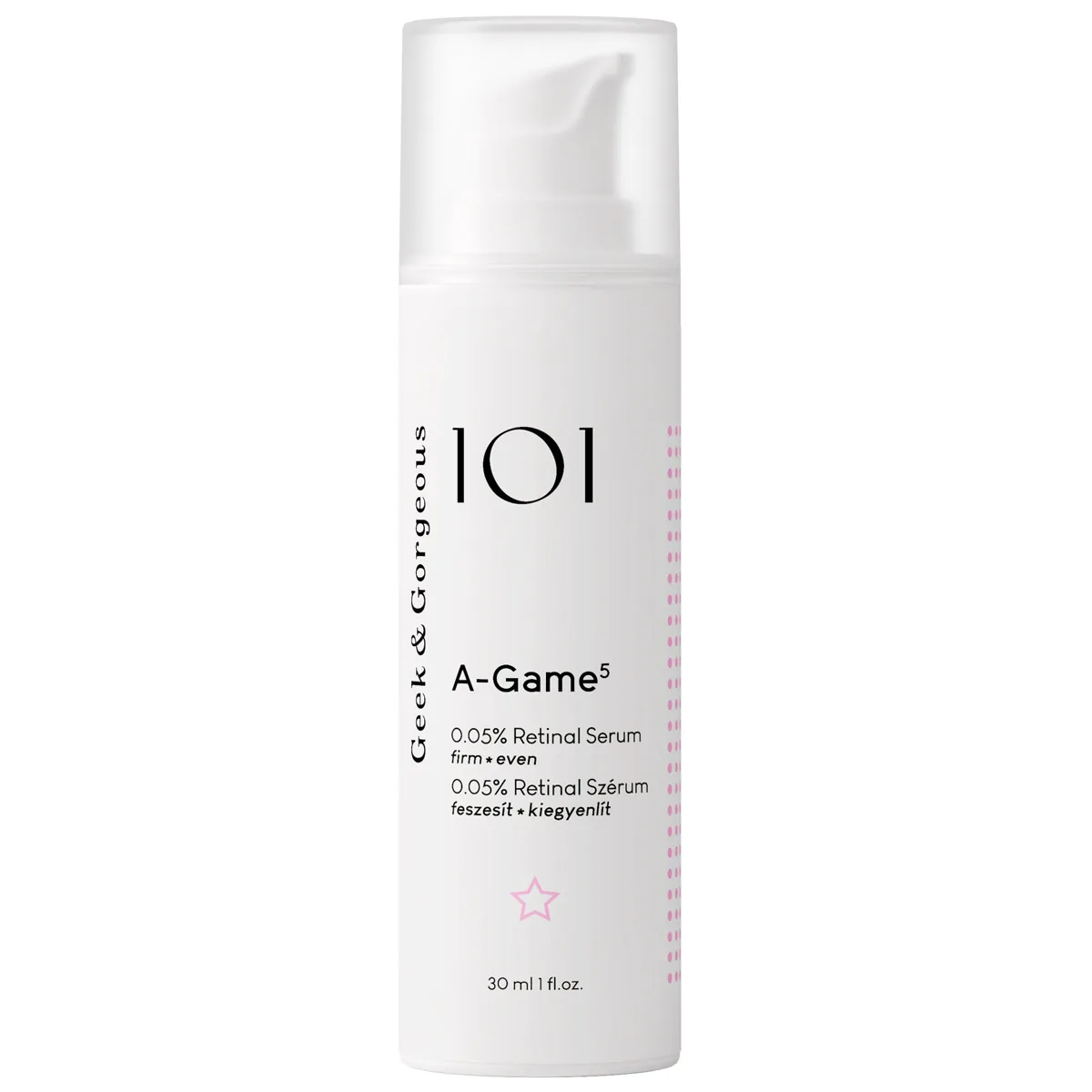
 A-Game 5 Retinal Serum
The ideal beginner's retinaldehyde serum — a properly dosed 0.05% retinal in a buffered, fragrance-free formula at a price that makes long-term retinoid use actually sustainable. Same thoughtful supporting ingredients as the higher-strength A-Game 10 at half the potency, which is exactly the point. If you've never used a real retinoid, this is one of the best entry points on the market.
 Derm-Grade Retinal at Drugstore Price
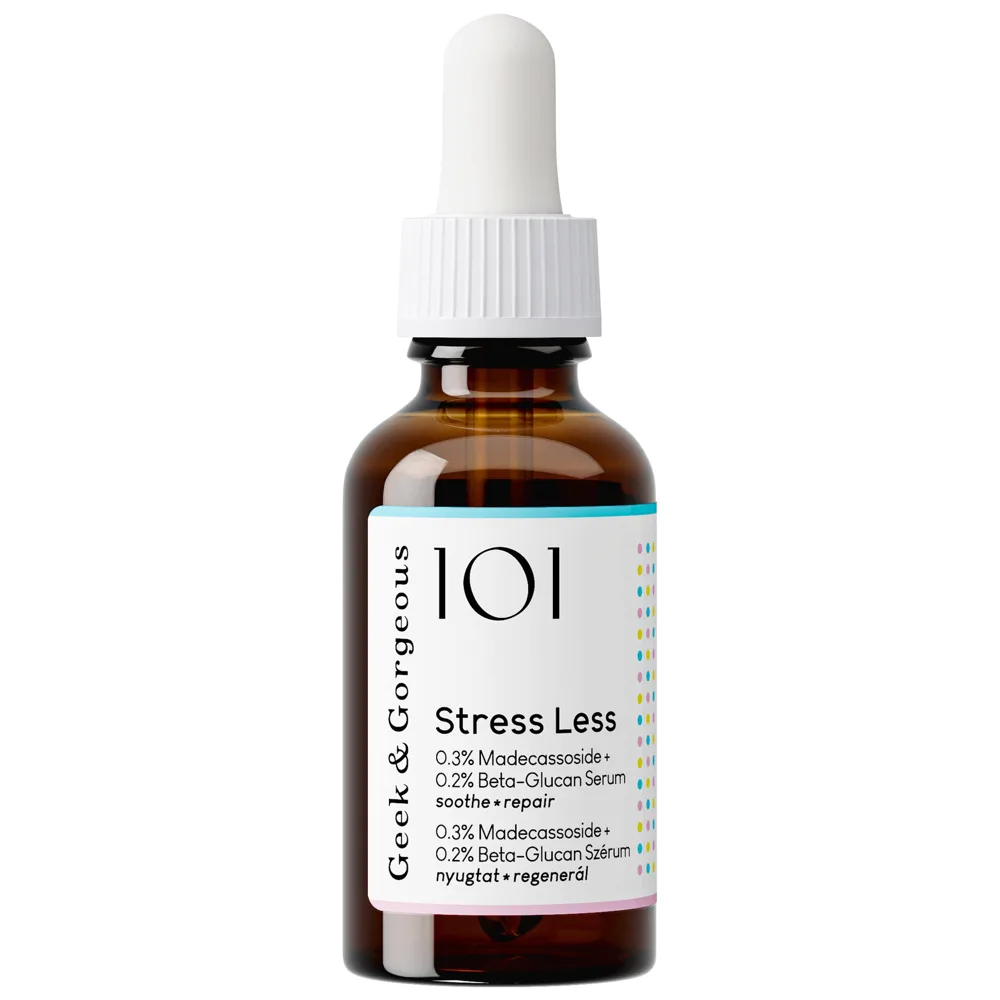
 Stress Less 0.3% Retinal Serum
A genuinely derm-grade 0.3% retinaldehyde serum at a price that shouldn't be possible. The ceramide and bisabolol buffering keeps it tolerable for experienced retinoid users, and the results — on texture, tone, and fine lines — rival premium retinals costing four times as much.
 The Budget Hydrator, Perfected
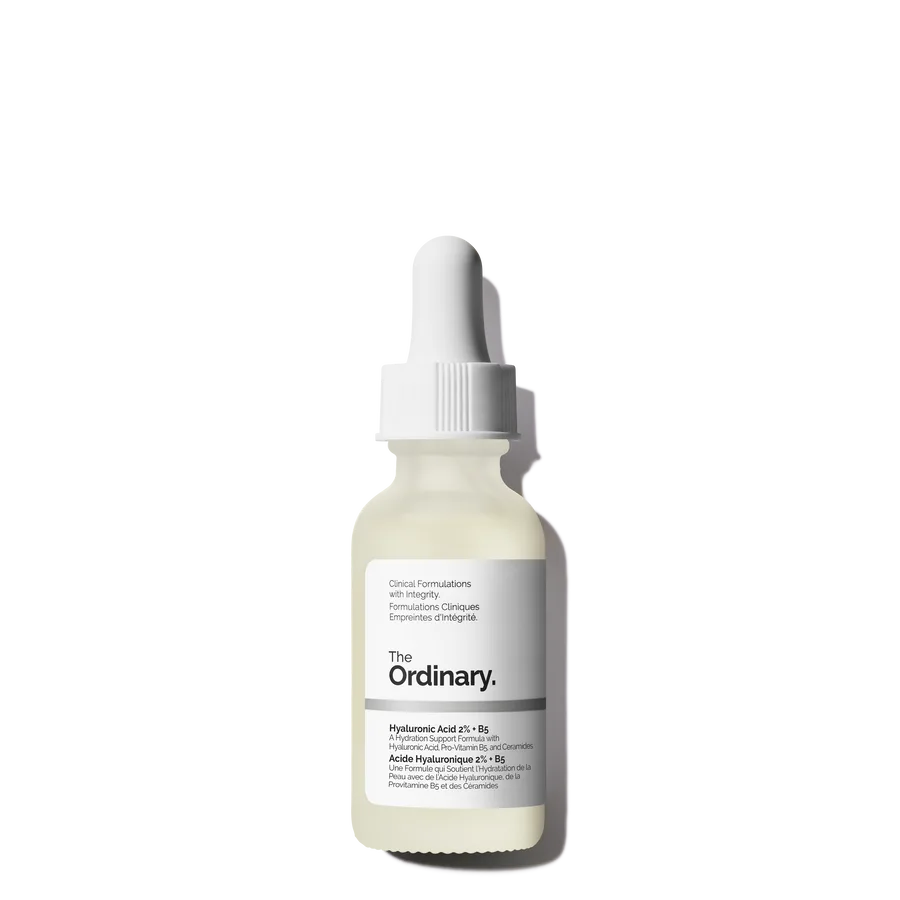
 Hyaluronic Acid 2% + B5 Hydrating Serum
Everything the original should have been from the start — less sticky, better ingredients, and ceramide barrier support that transforms a simple hydrator into a proper skincare foundation. At $9.90, the only question is why you'd buy the old version.
 Budget Peptide Powerhouse
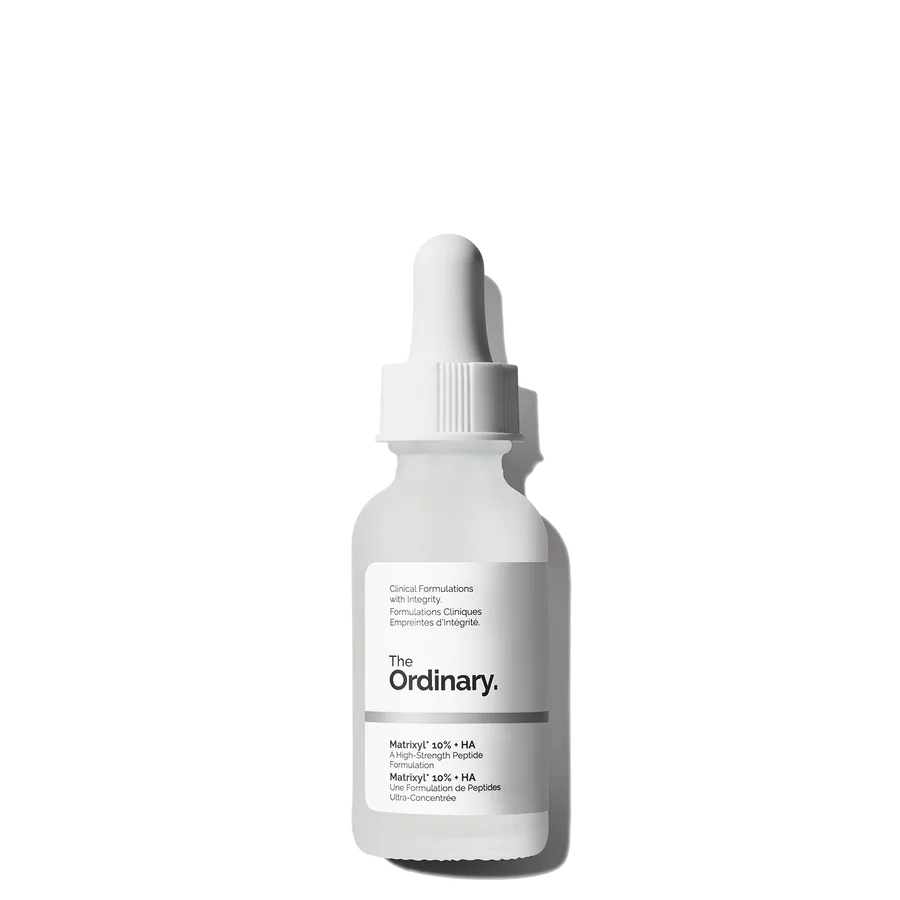
 Matrixyl 10% + HA
Two generations of clinically studied peptides at 10% concentration, in a hydrating HA base, for 0.90. The math borders on absurd. Matrixyl 10% + HA delivers genuine collagen-stimulating signal peptides with zero irritation risk — making it one of the best anti-aging values available and one of the few options safe during pregnancy.
 Everyday Essential
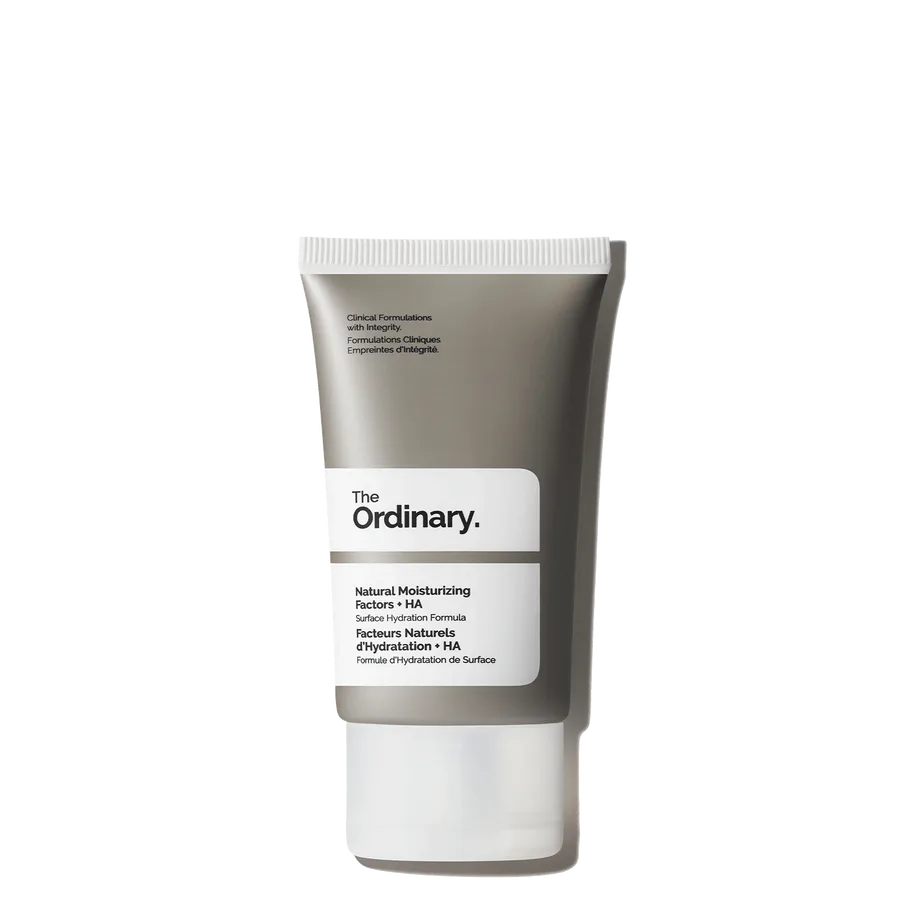
 Natural Moisturizing Factors + HA
A moisturizer that does exactly what moisturizers are supposed to do — replicate the skin's own hydration system — at a price that makes the entire prestige moisturizer category look like a money-laundering operation. NEA-certified, conflict-free, and genuinely effective for most skin types. Not glamorous. Not trying to be.
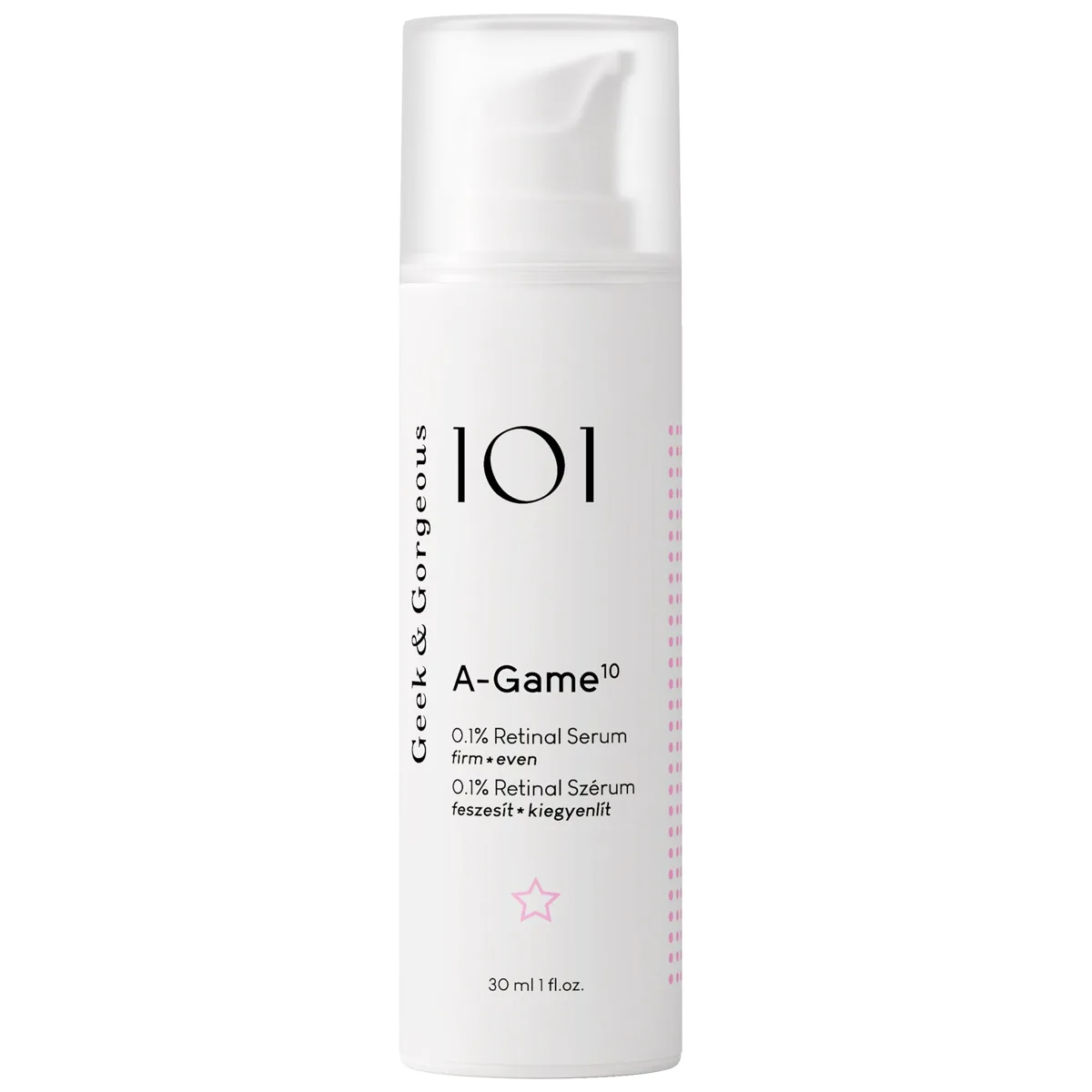 Budget Retinal Holy Grail
 A-Game 10 Retinal Serum
One of the most disruptive products in the retinoid category — a 0.1% retinaldehyde serum at around $16 when equivalent concentrations from derm brands cost $60-120. The formulation is thoughtful, the airless packaging is right, and the price point has no real competitor. Not for retinoid beginners: start with the 5 version and step up to this after a few months.