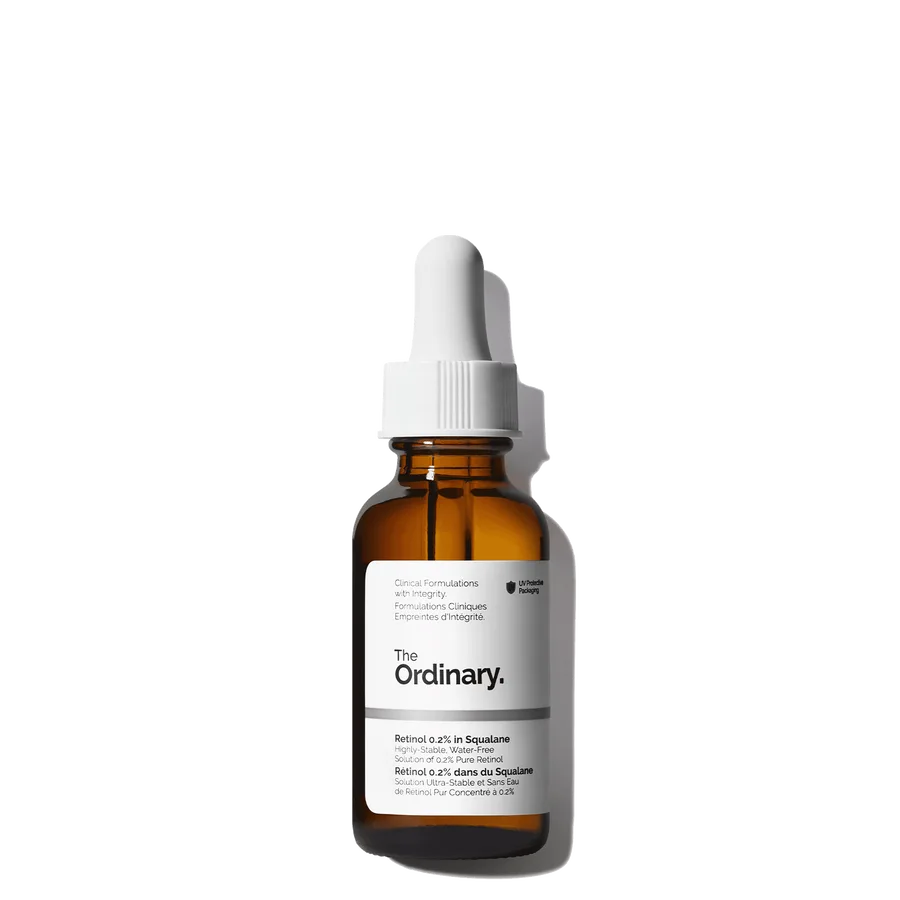
The most honest retinol on the market — eight ingredients, no pretense, and a price tag that makes the entire luxury retinol category look ridiculous. It won't transform your skin overnight, but as a first step into retinoid territory, it's nearly impossible to beat.
Retinol 0.2% in Squalane
The most honest retinol on the market — eight ingredients, no pretense, and a price tag that makes the entire luxury retinol category look ridiculous. It won't transform your skin overnight, but as a first step into retinoid territory, it's nearly impossible to beat.
Score Breakdown
A brilliantly simple beginner retinol at an unbeatable price point, though the minimalist formula lacks the buffering agents and supporting actives that would broaden its appeal to more sensitive users.
Data Confidence: high
This score reflects approximately 8 years on market since The Ordinary's retinol line launched around 2017, thousands of user reviews across retailers including Sephora, Amazon, and Ulta, and extensive published research on retinol efficacy at comparable concentrations.
0/100
Overall Score
Ingredient Quality 0
Value for Money 0
Suitability Breadth 0
Irritation Risk (↑ = safer) 0
Assessment
Pros
- Exceptionally affordable at $8.10 for a clinically relevant retinol concentration
- Ultra-short ingredient list minimizes risk of adverse reactions from unnecessary additives
- Anhydrous squalane vehicle improves retinol stability and reduces irritation potential
- Designed as part of a progressive strength system for easy dose escalation
- Lightweight oil texture absorbs quickly without feeling greasy or heavy
- Fragrance-free, alcohol-free, and silicone-free formula suits sensitive routines
- Vegan and cruelty-free with Leaping Bunny certification
- Three to four months of product life per bottle at recommended usage
Cons
- Results are noticeably slower than higher-concentration retinol or prescription retinoids
- Dropper packaging exposes retinol to air degradation with each use
- Three-month post-opening shelf life requires refrigeration and timely use
- Oil base may feel too heavy for oily skin types in humid conditions
- No additional barrier-support ingredients like ceramides or peptides
- Contains BHT, a synthetic antioxidant some users prefer to avoid
Full Review
When The Ordinary launched in 2016, the skincare industry collectively flinched. Here was a brand selling clinical actives at prices that made established companies look like they'd been running a very polite scam. The Retinol 0.2% in Squalane was part of that original salvo, and nearly a decade later, it remains one of the best arguments for why effective skincare doesn't need to cost more than your morning coffee.
The formula is almost aggressively simple. Eight ingredients. That's it. Squalane forms the base, caprylic/capric triglyceride and jojoba oil provide additional lipid support, and then there's the retinol itself at 0.2% — the gentlest rung on The Ordinary's three-step retinol ladder. A trio of antioxidants (tomato fruit extract, rosemary leaf extract, and hydroxymethoxyphenyl decanone) plus BHT round things out by keeping the notoriously unstable retinol from degrading in the bottle.
This minimalism is the product's defining feature and, depending on your perspective, either its greatest strength or its most notable limitation. There are no peptides, no ceramides, no hyaluronic acid — none of the supporting cast you'll find in retinol serums that cost five, ten, or twenty times as much. What you get instead is pure retinol in a vehicle that actually makes sense. Squalane is an excellent delivery system for lipophilic actives like retinol because it mimics the skin's own lipids, allowing the retinol to penetrate effectively while simultaneously preventing the dryness that sends so many retinol beginners running.
On the skin, it feels like what it is: a lightweight oil. A few drops spread easily, absorb within a minute or two, and leave behind a barely-there dewy finish that plays nicely under a moisturizer. There's no scent to speak of, no tingling, no drama. For a product category that has historically been associated with redness, peeling, and a general 'it gets worse before it gets better' philosophy, this restraint is refreshing.
The 0.2% concentration is genuinely well-chosen for beginners. Published research, including a notable study in the Journal of Cosmetic Dermatology comparing retinol concentrations, confirms that even concentrations below 0.5% can improve fine lines, texture, and photodamage over time. The tradeoff is patience. Where a prescription tretinoin might show visible changes in four weeks, this product operates on a gentler timeline. Most users report smoother skin texture within two to three weeks, with fine line improvement becoming noticeable around the six-to-eight-week mark. If you're expecting dramatic before-and-after results in a month, recalibrate your expectations.
The anhydrous (water-free) formulation deserves specific praise. Retinol degrades rapidly in the presence of water, light, and oxygen. By eliminating water entirely, The Ordinary gives the retinol its best chance at remaining potent throughout the product's life. The amber glass bottle helps with light protection, though the dropper design does introduce air with each use — a minor design compromise that the brand addresses by recommending refrigeration and a three-month use-after-opening window.
Honesty demands acknowledging what this product doesn't do. It won't repair a damaged skin barrier. It won't provide the deep hydration that dry skin types need. It won't deliver the kind of rapid, visible transformation that prescription retinoids offer. It's a beginner tool with beginner limitations, and that's fine — it's priced like one too.
The texture, while comfortable for most, won't suit everyone. If you're oily-skinned in a humid climate, the oil base may feel like one layer too many in your evening routine. And if you're sensitive to BHT (a synthetic antioxidant preservative that some people prefer to avoid), this formula doesn't offer an alternative stabilization system.
At $8.10 for 30ml, the value proposition is almost absurd. This is three to four months of a clinically relevant retinol concentration for less than the price of a fancy latte. You could cycle through all three strengths in The Ordinary's retinol line — building tolerance progressively from 0.2% to 0.5% to 1% — for less than a single bottle of most prestige retinol serums. That's not just good value; it's a fundamentally different philosophy about who deserves access to effective skincare.
The product has earned its place as one of the most recommended beginner retinols for good reason. It does exactly what it promises, nothing more and nothing less, at a price that removes every financial barrier to entry. In a market saturated with retinol products wrapped in aspirational marketing and luxury pricing, The Ordinary's version is a quiet radical — proof that the ingredient matters more than the story told around it.
Formula
Ingredients
The hero actives that drive this product's performance.
| Ingredient | Function | Evidence |
|---|---|---|
| Retinol (0.2%) | The star active at a beginner-friendly concentration, delivering retinol directly in its pure form rather than as a derivative. In this anhydrous squalane vehicle, the retinol remains more stable than it would in a water-based formula, allowing gradual conversion to retinoic acid in the skin to stimulate collagen production and accelerate cell turnover. | well-established |
| Squalane | Serves double duty here as both the primary vehicle and an emollient that mimics the skin's own lipids. Because retinol commonly causes dryness and flaking, the squalane base proactively counteracts that irritation by reinforcing the lipid barrier while delivering the retinol in a stable, water-free environment. | well-established |
| Jojoba Seed Oil | Complements the squalane vehicle with additional lipid support that closely resembles human sebum. In this minimalist formula, jojoba oil adds slip for comfortable application and further cushions the skin against potential retinol-induced dryness without clogging pores. | well-established |
| Hydroxymethoxyphenyl Decanone | A synthetic antioxidant that protects the retinol molecule from oxidative degradation within the formula. Works alongside the rosemary extract and BHT to extend the product's efficacy window, which is critical given retinol's notorious instability. | promising |
| Tomato Fruit Extract | Provides lycopene and other carotenoid antioxidants that offer a secondary layer of free-radical protection to the skin. In this retinol formula, the antioxidant support helps mitigate the oxidative stress that can occur as retinol accelerates cell turnover. | promising |
Full INCI List
Squalane, Caprylic/Capric Triglyceride, Simmondsia Chinensis (Jojoba) Seed Oil, Retinol, Solanum Lycopersicum (Tomato) Fruit Extract, Rosmarinus Officinalis (Rosemary) Leaf Extract, Hydroxymethoxyphenyl Decanone, BHT
Product Flags
✓ Fragrance Free✓ Alcohol Free✗ Oil Free✓ Silicone Free✓ Paraben Free✓ Sulfate Free✓ Cruelty Free✓ Vegan✗ Fungal Acne Safe
Potential Irritants
RetinolBHT
Compatibility
Skin Match
Best For
Works For
Not Ideal For
Addresses These Conditions
aging dullness texture sun damage
Use With Caution
Avoid With
eczema compromised skin barrier
Routine Step
treatment
Time of Day
PM
Pregnancy Safe
No ✗
Layering Tips
Apply a few drops to clean, dry skin after water-based serums but before heavier oils or moisturizers. Avoid layering with direct acids (AHA/BHA), vitamin C, or copper peptides in the same routine.
Results Timeline
Skin may feel smoother within the first 1-2 weeks. Mild flaking or adjustment-period dryness can occur in weeks 1-3. Visible improvements in texture and fine lines typically emerge around 4-8 weeks, with more significant anti-aging results after 3-6 months of consistent use.
Pairs Well With
Hyaluronic acid serumsCeramide moisturizersPeptide serums (non-copper)SPF (morning after)
Conflicts With
AHABHAVitamin C (direct acids)Copper PeptidesOther retinoids
Sample AM Routine
- Gentle cleanser
- Hyaluronic acid serum
- Moisturizer
- SPF 30+ sunscreen
Sample PM Routine
- Gentle cleanser
- Hyaluronic acid serum
- The Ordinary Retinol 0.2% in Squalane
- Moisturizer
Evidence
Science
The Science
Retinol is one of the most extensively studied topical anti-aging ingredients in dermatology, with decades of research supporting its ability to stimulate collagen synthesis, accelerate epidermal turnover, and improve photodamaged skin. At 0.2%, this formula sits at the lower end of concentrations studied in clinical settings, but that doesn't mean it's ineffective. A 2015 double-blind randomized study published in the Journal of Cosmetic Dermatology compared a 0.2% retinol formulation against 0.025% tretinoin in 120 women and found comparable improvements in wrinkles, mottled pigmentation, and overall photodamage — with the retinol formulation being better tolerated. A 2015 study published in the Archives of Dermatological Research demonstrated that even 0.1% stabilized retinol applied over one year improved crow's feet by 44% and mottled pigmentation by 84%, confirming that low-concentration retinol can deliver meaningful results with extended use.
The anhydrous delivery system in this product is scientifically noteworthy. Retinol is notoriously unstable, degrading rapidly when exposed to water, oxygen, and UV light. By suspending the retinol in squalane — a hydrocarbon that doesn't participate in oxidation reactions the way water-based vehicles do — The Ordinary creates a more stable environment for the active. Squalane itself has been studied as a skin penetration enhancer for lipophilic compounds, which means it may facilitate retinol delivery into the stratum corneum more efficiently than some water-based formulations.
A 2022 systematic review published in the Journal of Cosmetic Dermatology examined nine randomized, double-blind, vehicle-controlled trials of over-the-counter retinol products and found that while evidence quality was variable, multiple studies supported mild to moderate improvements in fine lines with consistent use. The review emphasized that realistic expectations are important — OTC retinol works, but more gradually and subtly than prescription retinoids.
References
- A double-blind randomized study comparing the association of Retinol and LR2412 with tretinoin 0.025% in photoaged skin — Journal of Cosmetic Dermatology (2015)
- One-year topical stabilized retinol treatment improves photodamaged skin in a double-blind, vehicle-controlled trial — Archives of Dermatological Research (2015)
- Evidence for the Efficacy of Over-the-counter Vitamin A Cosmetic Products in the Improvement of Facial Skin Aging: A Systematic Review — Journal of Cosmetic Dermatology (2022)
Dermatologist Perspective
Dermatologists frequently recommend The Ordinary Retinol 0.2% in Squalane as a first retinol for patients who are intimidated by prescription-strength retinoids or who have historically struggled with retinol irritation. Board-certified dermatologists note that the low concentration and lipid-rich vehicle make it an appropriate starting point for building retinol tolerance, particularly for patients in their late twenties to early thirties looking to begin preventative anti-aging. The progressive strength system (0.2% → 0.5% → 1%) aligns with clinical guidance on retinoid introduction, which emphasizes slow titration to minimize barrier disruption. Dermatologists consistently stress that any retinol product must be paired with daily broad-spectrum sunscreen, as retinol increases photosensitivity — a point The Ordinary makes clearly on their packaging and product page.
Guidance
Usage Guide
How to Use
Apply 4-5 drops to clean, dry facial skin in the evening. Start with 2-3 nights per week for the first month, then gradually increase to nightly use as tolerated. Avoid the immediate eye area and corners of the mouth, where skin is thinnest. Follow with a moisturizer to seal in hydration. Do not combine with AHAs, BHAs, vitamin C, or copper peptides in the same routine. Apply broad-spectrum SPF 30+ every morning. Refrigerate after opening and use within 3 months. If persistent irritation occurs, reduce frequency or buffer by mixing drops into your moisturizer before applying.
Value Assessment
At $8.10 for 30ml, this is among the most affordable pure retinol formulations available anywhere. The cost per month works out to roughly $2-3 with nightly use, making it essentially negligible as a skincare expense. The Ordinary's pricing philosophy — transparent ingredient sourcing, minimal marketing spend, functional packaging — is fully on display here. While the formula lacks the luxurious feel and supporting ingredients of retinol serums costing $40-$100+, the core active is identical. For anyone starting a retinol journey, there's simply no financial reason to begin elsewhere.
Who Should Buy
First-time retinol users who want the lowest-risk introduction to retinoids. Budget-conscious skincare enthusiasts who refuse to overpay for a single active ingredient. Anyone in their mid-twenties to thirties beginning a preventative anti-aging routine.
Who Should Skip
Anyone with active eczema, rosacea flares, or a compromised skin barrier — retinol will aggravate these conditions regardless of concentration. Those who want visible results quickly should consider starting at 0.5% or consulting a dermatologist about prescription retinoids. Pregnant or breastfeeding individuals must avoid all retinol products.
Ready to try The Ordinary Retinol 0.2% in Squalane?
Details
Details
Texture
Lightweight oil with a smooth, non-sticky feel. The squalane base gives it a silky slip that absorbs relatively quickly without leaving a heavy residue.
Scent
Virtually unscented. Some users detect a faint, neutral oil smell that dissipates immediately upon application.
Packaging
Amber glass bottle with a dropper cap. The tinted glass offers some light protection for the photosensitive retinol, though the dropper design introduces air exposure with each use.
Finish
non-greasydewylightweight
What to Expect on First Use
Most users report no irritation at this concentration during the first week. Some notice a slight warming or tingling on first application that subsides quickly. Mild dryness or flaking may appear in weeks 2-3 as skin acclimates to retinol, which is normal and typically resolves. The oil texture feels comfortable immediately and layers well under moisturizer.
How Long It Lasts
3-4 months with nightly facial application using 4-5 drops per use
Period After Opening
3 months
Best Season
All Year
Certifications
Cruelty-free (Leaping Bunny)Vegan
Background
The Why
Launched as part of The Ordinary's original wave of products that disrupted the skincare industry by offering clinical-grade actives at drugstore prices, this retinol trio (0.2%, 0.5%, 1%) was designed as a progressive system. The 0.2% was specifically created as the on-ramp — a way to introduce retinol-naive skin to the gold standard of anti-aging without the sticker shock or the intimidation factor.
About The Ordinary Established Brand (5–20 years)
The Ordinary launched in 2016 under DECIEM (now wholly owned by Estée Lauder Companies as of 2024) and quickly became the most recognized name in affordable, no-nonsense skincare. The brand's transparent approach to ingredient concentrations and pricing has earned it a massive following and widespread dermatologist acknowledgment, though its products rely on well-studied ingredients rather than proprietary clinical trials.
Brand founded: 2016 · Product launched: 2017
Myth vs. Reality
Myths
Myth
Higher retinol percentages always work better, so 0.2% is too weak to do anything meaningful.
Reality
Research shows that even low concentrations of retinol (0.1-0.25%) can improve fine lines and skin texture over time. The 0.2% concentration in this formula is clinically relevant and designed to build tolerance so users can eventually progress to higher strengths without damaging their skin barrier.
Myth
The oily texture means this product will clog pores and cause breakouts.
Reality
Squalane has a comedogenic rating of 0-1 and closely mimics human sebum. The oil vehicle in this formula is actually well-tolerated by most skin types, including combination skin. Any purging that occurs is from the retinol accelerating cell turnover, not from the oil base.
FAQ
FAQ
Is The Ordinary Retinol 0.2% in Squalane good for beginners?
Yes — this is specifically designed as an entry-level retinol. The 0.2% concentration in a squalane base delivers enough retinol to produce visible results over time while minimizing the irritation, peeling, and dryness that higher-strength formulas can cause. The Ordinary designed their retinol line as a progression system, with 0.2% as the recommended starting point before moving to 0.5% and then 1%.
Can I use The Ordinary Retinol 0.2% every night?
Start with 2-3 nights per week and gradually increase frequency as your skin builds tolerance. Most users can work up to nightly application within 3-4 weeks with this gentle concentration. If you experience persistent redness, flaking, or stinging, scale back to every other night and ensure you're using a good moisturizer afterward.
Why does this retinol need to be refrigerated?
Pure retinol is inherently unstable and degrades when exposed to heat, light, and air. The Ordinary recommends refrigeration to slow this degradation and maintain the 0.2% concentration throughout the product's 3-month post-opening life. The anhydrous squalane base already helps with stability, but cold storage provides additional protection.
Can I mix The Ordinary Retinol 0.2% with my moisturizer?
Yes — mixing a few drops into your moisturizer is a common technique called buffering that can further reduce irritation potential. This is especially useful during your first few weeks of retinol use. The squalane vehicle in this formula blends easily with most cream and lotion textures without pilling.
How long before I see results from The Ordinary Retinol 0.2%?
Expect smoother skin texture within 2-4 weeks. Improvements in fine lines, uneven tone, and overall radiance typically become noticeable around 6-8 weeks. Significant anti-aging results — reduced wrinkle depth and improved firmness — require 3-6 months of consistent use. At 0.2%, results are more gradual than higher-strength retinols but also come with less irritation.
What should I not use with The Ordinary Retinol 0.2%?
Avoid using this product in the same routine as direct acids (AHA/BHA/glycolic/lactic), pure vitamin C (L-ascorbic acid), copper peptides, or other retinoid products. These combinations can cause excessive irritation or reduce efficacy. You can still use these actives — just apply them on alternate nights or in your morning routine while keeping retinol for evenings.
Is The Ordinary Retinol 0.2% safe during pregnancy?
No. All retinol and retinoid products, including this one at 0.2%, are not recommended during pregnancy or breastfeeding. The Ordinary explicitly states this on their product page. Consult your healthcare provider for pregnancy-safe alternatives — bakuchiol-based products are often suggested as a retinol substitute during this time.
Community
Community
Common Praise
"Exceptional value for a pure retinol product"
"Gentle enough for retinol beginners"
"Minimal irritation compared to higher-strength options"
"Simple, short ingredient list is reassuring"
"Oil texture absorbs well without feeling greasy"
Common Complaints
"Results are slow and subtle at this concentration"
"Oily texture not ideal for acne-prone skin in humid climates"
"Dropper packaging exposes retinol to air over time"
"Some users outgrow it quickly and need to move up in strength"
Notable Endorsements
Frequently recommended by dermatologists as an affordable retinol starterConsistently featured in best budget retinol roundups by Allure, Byrdie, and Cosmopolitan
Appears In
best retinoid for beginners best retinoid for aging best retinoid for texture best retinoid for dullness best budget retinoid
Related Conditions
aging dullness texture sun damage dark spots
Related Ingredients
You Might Also Like
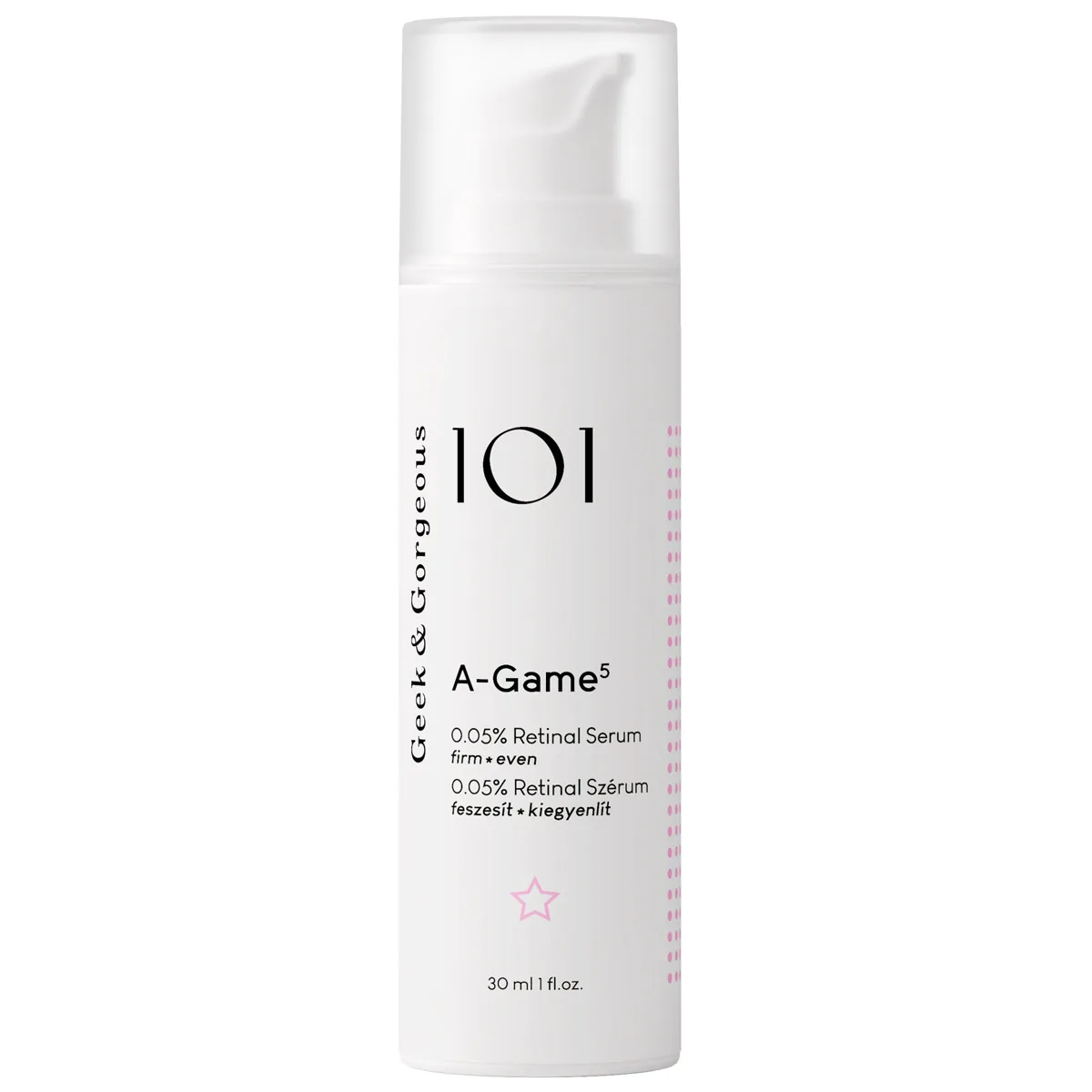 Beginner-Friendly Retinoid
 A-Game 5 Retinal Serum
The ideal beginner's retinaldehyde serum — a properly dosed 0.05% retinal in a buffered, fragrance-free formula at a price that makes long-term retinoid use actually sustainable. Same thoughtful supporting ingredients as the higher-strength A-Game 10 at half the potency, which is exactly the point. If you've never used a real retinoid, this is one of the best entry points on the market.
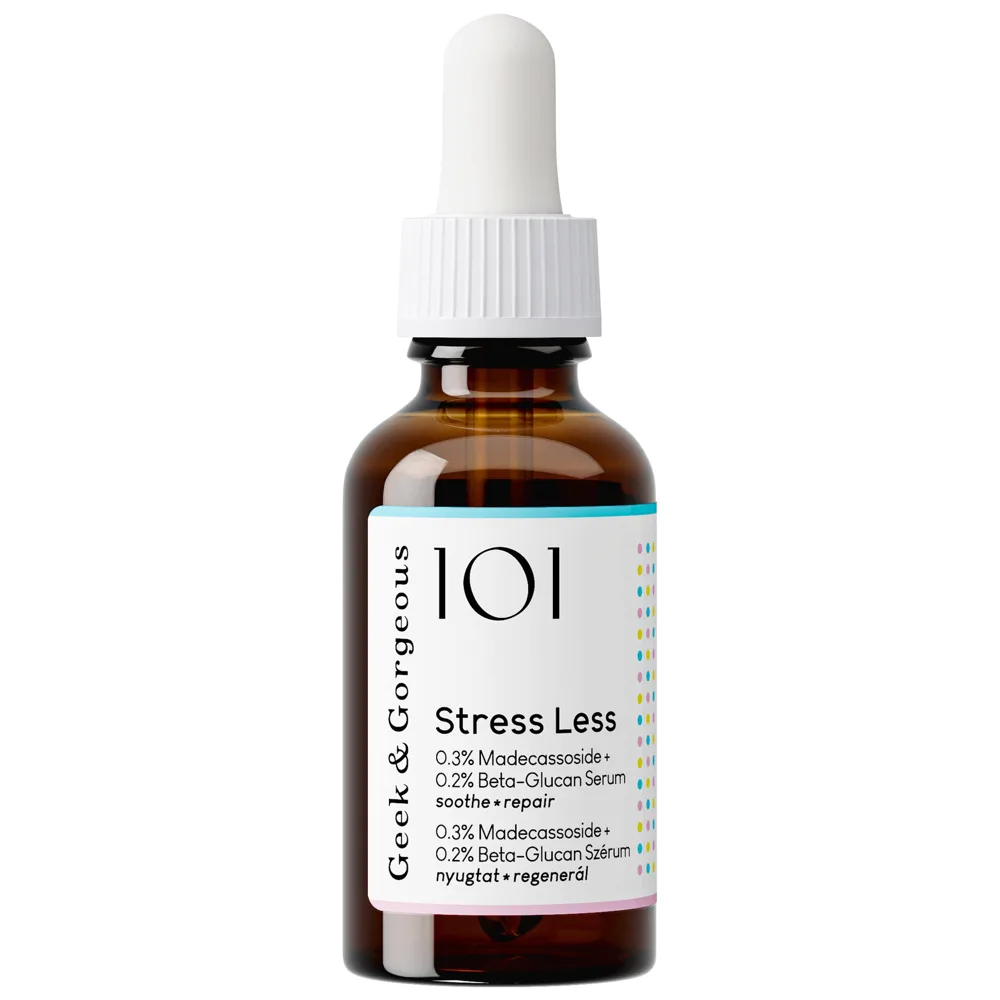 Derm-Grade Retinal at Drugstore Price
 Stress Less 0.3% Retinal Serum
A genuinely derm-grade 0.3% retinaldehyde serum at a price that shouldn't be possible. The ceramide and bisabolol buffering keeps it tolerable for experienced retinoid users, and the results — on texture, tone, and fine lines — rival premium retinals costing four times as much.
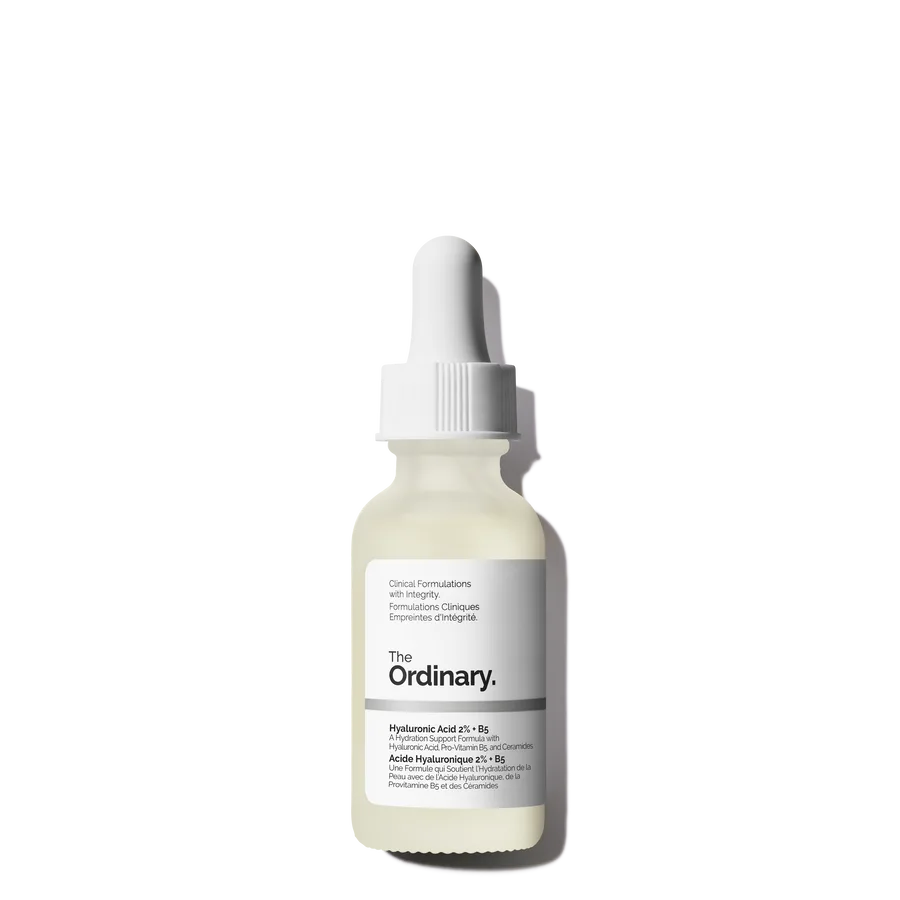 The Budget Hydrator, Perfected
 Hyaluronic Acid 2% + B5 Hydrating Serum
Everything the original should have been from the start — less sticky, better ingredients, and ceramide barrier support that transforms a simple hydrator into a proper skincare foundation. At $9.90, the only question is why you'd buy the old version.
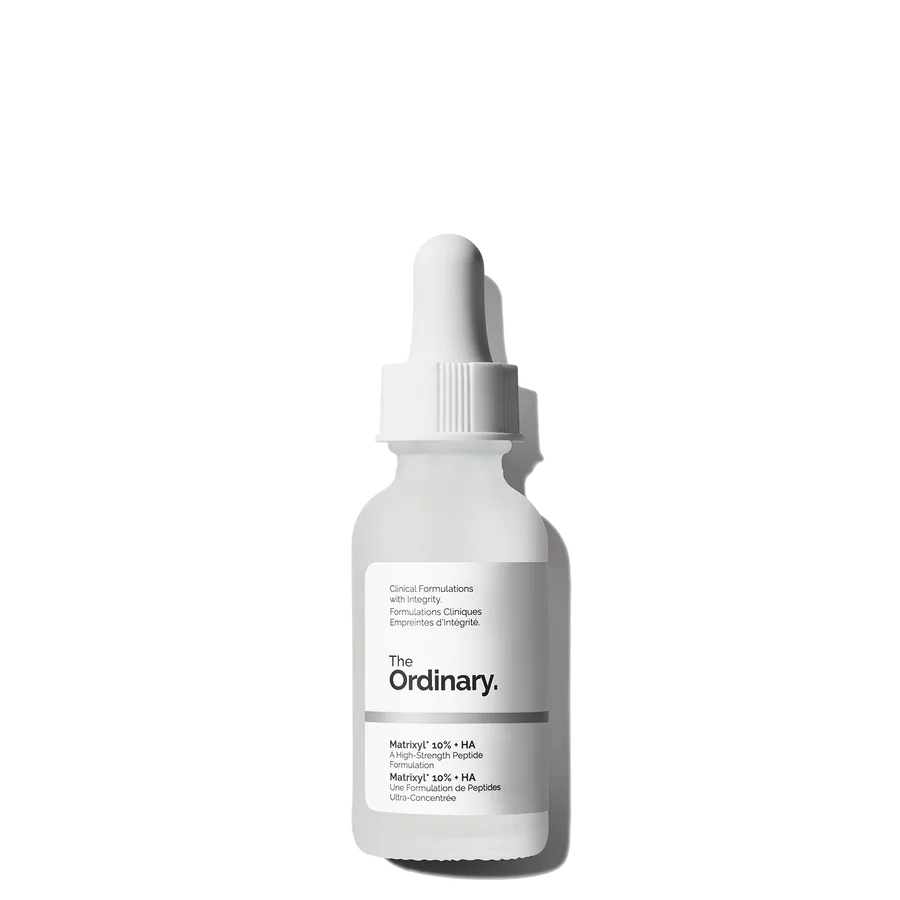 Budget Peptide Powerhouse
 Matrixyl 10% + HA
Two generations of clinically studied peptides at 10% concentration, in a hydrating HA base, for 0.90. The math borders on absurd. Matrixyl 10% + HA delivers genuine collagen-stimulating signal peptides with zero irritation risk — making it one of the best anti-aging values available and one of the few options safe during pregnancy.
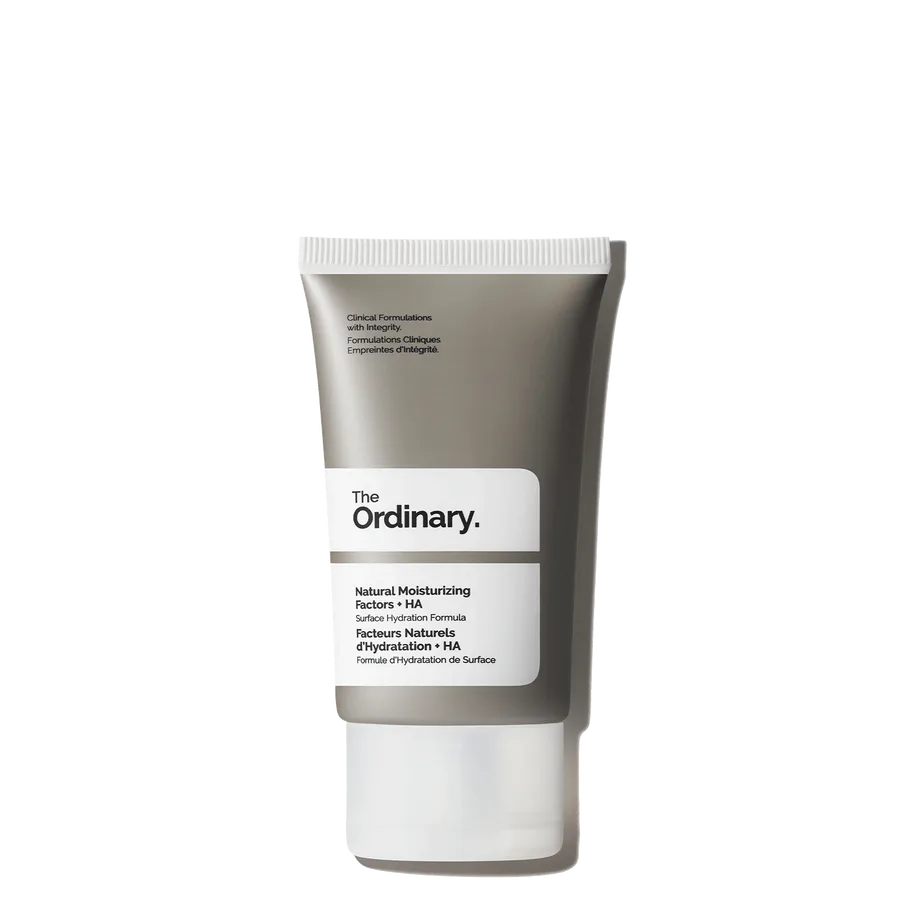 Everyday Essential
 Natural Moisturizing Factors + HA
A moisturizer that does exactly what moisturizers are supposed to do — replicate the skin's own hydration system — at a price that makes the entire prestige moisturizer category look like a money-laundering operation. NEA-certified, conflict-free, and genuinely effective for most skin types. Not glamorous. Not trying to be.
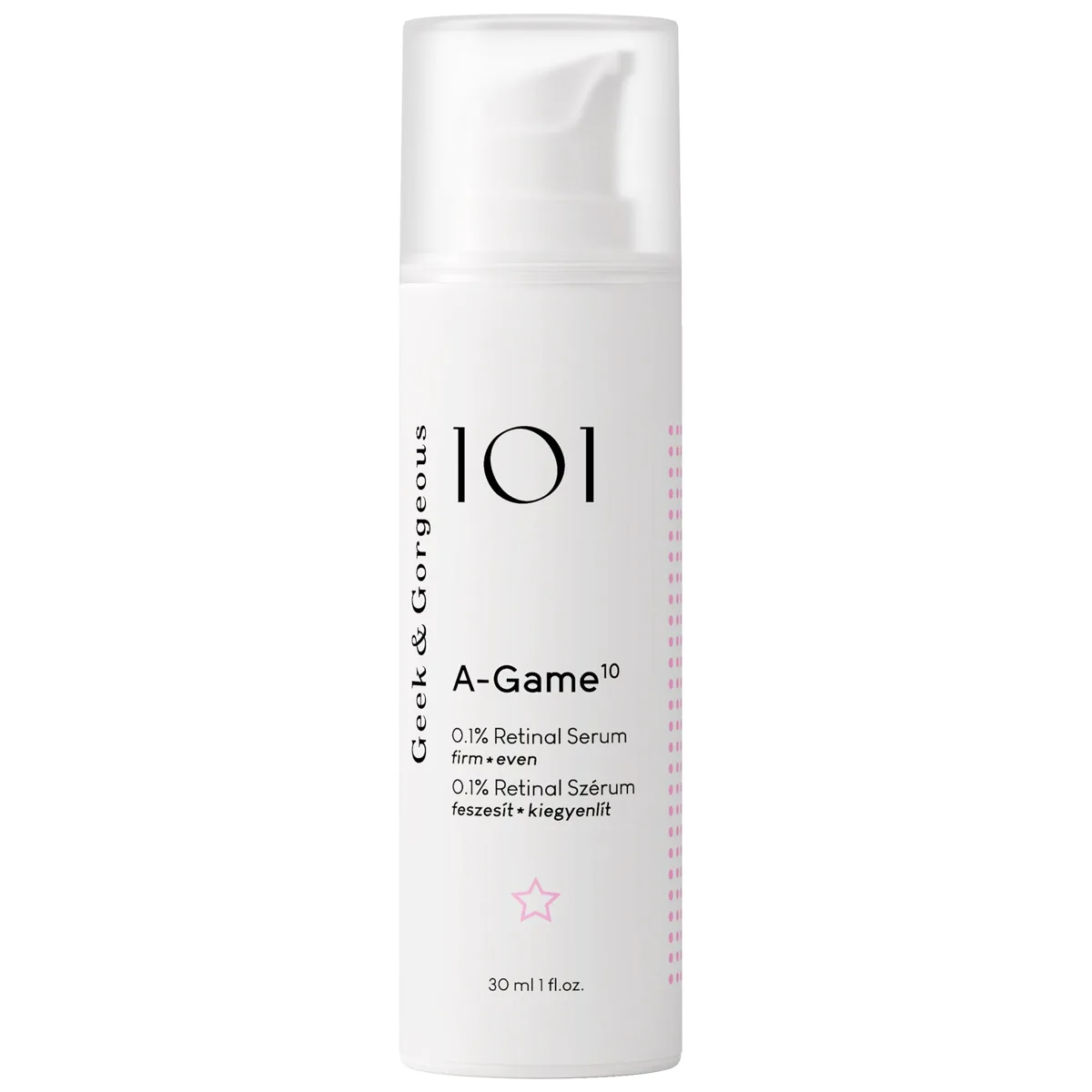 Budget Retinal Holy Grail
 A-Game 10 Retinal Serum
One of the most disruptive products in the retinoid category — a 0.1% retinaldehyde serum at around $16 when equivalent concentrations from derm brands cost $60-120. The formulation is thoughtful, the airless packaging is right, and the price point has no real competitor. Not for retinoid beginners: start with the 5 version and step up to this after a few months.