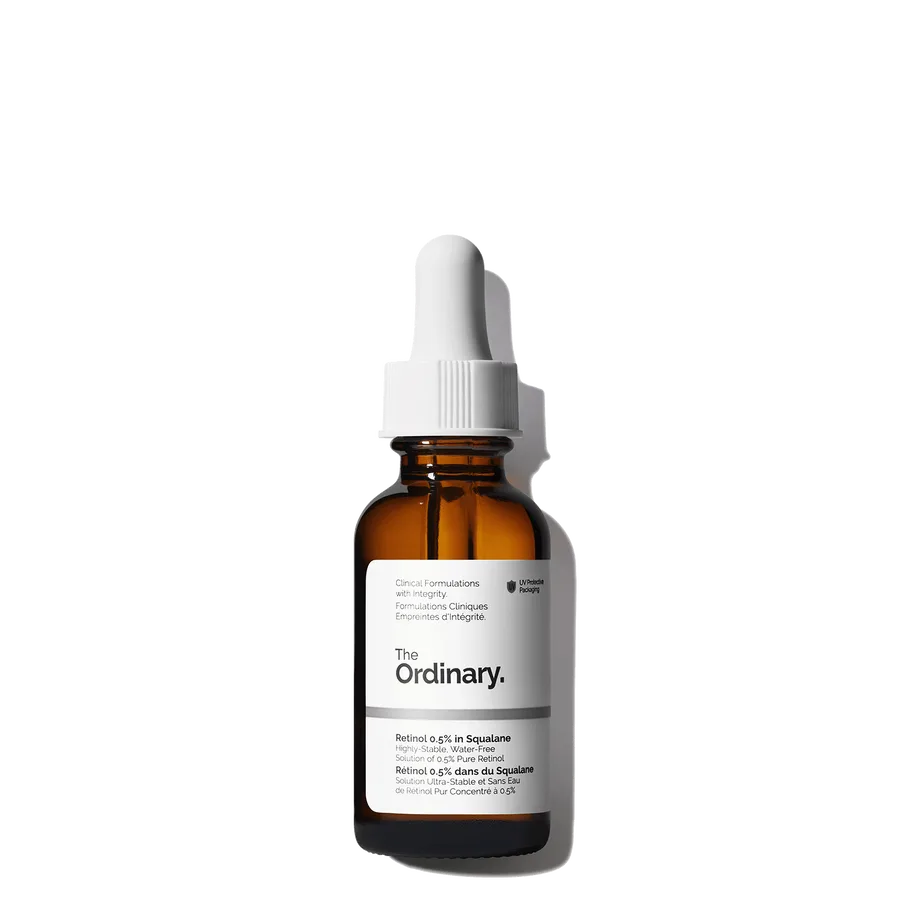
The sweet spot in The Ordinary's retinol trilogy — potent enough to deliver clinically meaningful results, gentle enough that most retinol-experienced users can tolerate it nightly, and priced so low it makes the entire premium retinol market look like performance art.
Retinol 0.5% in Squalane
The sweet spot in The Ordinary's retinol trilogy — potent enough to deliver clinically meaningful results, gentle enough that most retinol-experienced users can tolerate it nightly, and priced so low it makes the entire premium retinol market look like performance art.
Score Breakdown
Where this product gains points and where it loses them — broken down across the four scoring pillars.
A well-balanced intermediate retinol that delivers noticeably more potency than the 0.2% at still-negligible cost, though the higher strength narrows its audience and the formula remains deliberately minimalist.
Pros & Cons
- ✓Clinically studied 0.5% concentration with direct evidence for anti-aging efficacy
- ✓Identical formula to the 0.2%, making the step-up predictable and controlled
- ✓Remarkable value at $9.30 for 3-4 months of a validated retinol treatment
- ✓Anhydrous squalane base provides superior retinol stability and skin compatibility
- ✓Faster visible results than the 0.2% for fine lines, texture, and tone
- ✓Fragrance-free, silicone-free, and vegan with a minimal ingredient list
- ✓Simple formulation allows precise control over your retinol dose
- ✗More initial irritation, flaking, and dryness than the 0.2% during retinization
- ✗No supporting actives like ceramides or peptides to buffer barrier disruption
- ✗Dropper packaging introduces air to the light-sensitive retinol with each use
- ✗Three-month post-opening shelf life demands consistent use to avoid waste
- ✗Oil texture may feel excessive for oily and acne-prone skin types
- ✗Not suitable for retinol beginners who haven't built tolerance yet
Full Review
There is something almost comically efficient about The Ordinary's retinol line. Three products, identical formulas, different concentrations, priced between eight and ten dollars. No story. No limited-edition drops. No influencer collection. Just retinol, squalane, and a dropper. The 0.5% sits in the middle of this lineup, and it might be the most interesting of the three — not because it's the strongest or the gentlest, but because it's the one with the most direct clinical evidence behind its specific concentration.
A 2020 study published in Skin Pharmacology and Physiology tested 0.3% and 0.5% retinol serums head-to-head and found that by week twelve, both concentrations had significantly improved skin moisture, texture, and overall condition — but the 0.5% outperformed on multiple parameters. A separate study found that 0.5% retinol combined with other actives produced statistically significant improvements in fine lines, radiance, and smoothness as early as week two. This isn't a concentration pulled from a marketing brainstorm; it's a dose that scientists have actually validated.
The formula itself is a carbon copy of the 0.2% version. Eight ingredients. Squalane base. Jojoba oil. Antioxidant trio. The only variable is the retinol level. This consistency is a feature, not a bug — it means you know exactly what changed when you step up, and any difference in your skin's response is attributable to the increased retinol, not a reformulated vehicle.
On the skin, it applies identically to its lower-strength sibling: a lightweight oil that spreads easily, absorbs within a minute or two, and leaves a subtle dewy finish. The difference shows up in the days following your first few applications. Where the 0.2% is almost imperceptible to most skin, the 0.5% announces itself. A light tightness. Maybe some mild flaking around the nose or chin by day three. Nothing dramatic — certainly nothing approaching the retinoid uglies that prescription tretinoin can unleash — but enough to remind you that the active ingredient is working.
For users stepping up from the 0.2% after a month or two of consistent use, this transition is typically smooth. Your skin has already built some retinol tolerance, and the squalane vehicle provides the same lipid buffer you're accustomed to. For users jumping straight to 0.5% — perhaps because they have prior experience with other retinol products — the adjustment period usually resolves within two to three weeks of every-other-night use.
The results at this concentration are genuinely more pronounced than the entry level. Users consistently report visible smoothing of fine texture within two weeks and measurable improvements in fine lines and uneven tone by the six-week mark. Stubborn hyperpigmentation and deeper expression lines take longer — twelve weeks or more — but the trajectory is noticeably steeper than what the 0.2% delivers.
The limitations are the same ones that apply to the entire line. The formula is deliberately stripped down, which means there are no ceramides to repair your barrier if retinol irritation pushes it too hard, no peptides for additional anti-aging synergy, no hyaluronic acid for hydration. You'll need to build that support structure with the rest of your routine — a good moisturizer with ceramides, a hydrating serum, and obviously a daily sunscreen are non-negotiable companions to this product.
The dropper packaging remains a minor quibble. Retinol's Achilles heel is oxidation, and every time you unscrew that cap, you're introducing air. The Ordinary's refrigeration recommendation and three-month use window mitigate this, but an airless pump would be the gold standard for a product like this. At $9.30, though, complaining about the packaging feels like critiquing the font on a winning lottery ticket.
The value equation is borderline absurd. Nine dollars and thirty cents for a clinically validated retinol concentration in a stable anhydrous vehicle, with enough product to last three to four months. The entire step-up journey from 0.2% to 0.5% to 1% — a six-to-twelve-month progressive retinoid education — costs less than a single bottle of most prestige retinol serums.
This is the retinol for people who have graduated from the beginner class and are ready for real work. It delivers clinically backed results without pretense, without markup, and without apology. The only thing it asks of you is a moisturizer, a sunscreen, and a little patience.
Formula
Key Ingredients
The hero actives that drive this product's performance.
| Ingredient | Function | Evidence |
|---|---|---|
| Retinol (0.5%) | The moderate-strength active in this formula, delivering 2.5 times the retinol concentration of the 0.2% version in the same anhydrous squalane vehicle. At this level, retinol conversion to retinoic acid in the skin is more robust, producing faster collagen stimulation and more noticeable improvements in fine lines and texture — but with a correspondingly higher irritation potential that the lipid-rich base works to offset. | well-established |
| Squalane | Acts as both the anhydrous delivery vehicle and a functional emollient in this formula. At the higher 0.5% retinol concentration, the squalane base becomes even more critical — it buffers the increased irritation potential by maintaining lipid barrier integrity while keeping the retinol stable and free from water-induced degradation. | well-established |
| Jojoba Seed Oil | Provides supplementary lipid support in this higher-strength retinol formula, where the risk of transepidermal water loss is greater. Jojoba's wax ester composition closely mirrors human sebum, adding a non-comedogenic conditioning layer that helps the skin tolerate the increased retinol load. | well-established |
| Hydroxymethoxyphenyl Decanone | A synthetic antioxidant compound that stabilizes the retinol against oxidative breakdown. At the 0.5% concentration, protecting the active from degradation is even more important — any loss of potency at this mid-range strength could push results closer to the 0.2% level, undermining the purpose of stepping up. | promising |
Full INCI List
Squalane, Caprylic/Capric Triglyceride, Simmondsia Chinensis (Jojoba) Seed Oil, Retinol, Solanum Lycopersicum (Tomato) Fruit Extract, Rosmarinus Officinalis (Rosemary) Leaf Extract, Hydroxymethoxyphenyl Decanone, BHT
Product Flags
✓ Fragrance Free✓ Alcohol Free✗ Oil Free✓ Silicone Free✓ Paraben Free✓ Sulfate Free✓ Cruelty Free✓ Vegan✗ Fungal Acne Safe
Potential Irritants
RetinolBHT
Compatibility
Skin Match
Best For
Works For
Not Ideal For
Addresses These Conditions
aging dullness texture sun damage dark spots
Use With Caution
Avoid With
eczema rosacea compromised skin barrier
Routine Step
treatment
Time of Day
PM
Pregnancy Safe
No ✗
Layering Tips
Apply a few drops to clean, dry skin in the evening after water-based serums but before heavier oils or moisturizers. Always follow with a moisturizer to buffer potential dryness. Do not layer with direct acids, vitamin C, or copper peptides in the same routine.
Results Timeline
Smoother skin texture within 1-2 weeks. Fine line and tone improvements typically visible by weeks 4-6. More pronounced anti-aging results — reduced wrinkle depth, improved firmness, faded hyperpigmentation — after 8-12 weeks of consistent use. More initial adjustment (mild flaking, redness) than the 0.2% in the first 1-2 weeks.
Pairs Well With
Hyaluronic acid serumsCeramide moisturizersNiacinamideSPF (morning after)
Conflicts With
AHABHAVitamin C (direct acids)Copper PeptidesOther retinoids
Sample AM Routine
- Gentle cleanser
- Hyaluronic acid serum
- Moisturizer
- SPF 30+ sunscreen
Sample PM Routine
- Gentle cleanser
- Hyaluronic acid serum
- The Ordinary Retinol 0.5% in Squalane
- Ceramide moisturizer
Evidence
Science & Expert Perspective
The Science
The 0.5% retinol concentration has a stronger direct evidence base than lower OTC strengths. A 2020 clinically controlled trial published in Skin Pharmacology and Physiology by Shao et al. compared 0.3% and 0.5% retinol serums in subjects with photoaged skin. By week 12, both concentrations significantly improved skin moisture, overall condition, texture, and color alignment, with the 0.5% serum showing superior results on several parameters. A separate 2016 study published in the Journal of Drugs in Dermatology found that a retinol 0.5% formulation produced statistically significant improvements in fine lines and radiance as early as week 2, with wrinkles and hyperpigmentation improving by week 4.
The anhydrous delivery system remains scientifically important at this concentration. Retinol's instability is well-documented — it undergoes photodegradation and oxidation when exposed to UV light, air, and water. A squalane-based vehicle eliminates the aqueous degradation pathway entirely, meaning more of the 0.5% retinol declared on the label remains active throughout the product's shelf life. Squalane also functions as a penetration enhancer for lipophilic molecules, potentially improving retinol bioavailability at the dermal-epidermal junction where collagen remodeling occurs.
The retinization process — the initial period of irritation, peeling, and redness that many users experience — is more pronounced at 0.5% than 0.2%. Research published in the Journal of Investigative Dermatology has demonstrated that this response is a normal part of retinoid adaptation, reflecting increased epidermal turnover and temporary barrier disruption. It typically resolves within 2-4 weeks as the skin upregulates its natural retinoid-binding proteins.
References
- A Clinical Anti-Ageing Comparative Study of 0.3 and 0.5% Retinol Serums: A Clinically Controlled Trial — Skin Pharmacology and Physiology (2020)
- Efficacy and Tolerability of a Skin Brightening/Anti-Aging Cosmeceutical Containing Retinol 0.5%, Niacinamide, Hexylresorcinol, and Resveratrol — Journal of Drugs in Dermatology (2016)
Dermatologist Perspective
Board-certified dermatologists consider 0.5% retinol a clinically meaningful concentration that bridges the gap between introductory OTC products and prescription retinoids. Dermatologists frequently recommend this strength for patients who have successfully tolerated lower concentrations for at least one to two months and are ready for more aggressive anti-aging treatment without stepping up to prescription tretinoin. The simple, anhydrous formula is noted positively in dermatological circles because it eliminates potential interactions with water-soluble ingredients and reduces the number of potential sensitizers. Dermatologists emphasize that at this strength, concurrent use of a ceramide-rich moisturizer and daily broad-spectrum SPF 30+ is essential, not optional.
Guidance
Usage Guide
How to Use
Apply 4-5 drops to clean, dry facial skin in the evening. If transitioning from the 0.2%, begin with every-other-night use for 2 weeks before increasing to nightly. If new to this product line but experienced with retinol, start with 3 nights per week. Avoid the eye area, nostrils, and lip corners. Always follow with a ceramide or lipid-rich moisturizer. Do not combine with AHAs, BHAs, vitamin C, or copper peptides in the same routine. Apply broad-spectrum SPF 30+ every morning. Refrigerate after opening and use within 3 months.
Value Assessment
At $9.30 for 30ml, this product offers exceptional value — only $1.20 more than the 0.2% version for a clinically validated increase in potency. The cost per month of use is approximately $2.50-$3.00, placing it firmly in the category of skincare that costs less than daily coffee. The Ordinary's established brand heritage and Estée Lauder backing provide supply chain reliability at this price point. The only value consideration is the 3-month shelf life — if you can't commit to regular use, you may waste product, though even at full loss, the financial impact is negligible.
Who Should Buy
Users who have built retinol tolerance with the 0.2% version or other entry-level retinol products and want faster, more visible anti-aging results. Budget-conscious consumers who want clinically validated retinol potency without the price premium. Anyone in their thirties to forties targeting fine lines, texture, and early sun damage.
Who Should Skip
Complete retinol beginners who haven't used any retinoid product before — start with 0.2% first. Anyone with active eczema, rosacea, or a compromised skin barrier. People who find even the 0.2% irritating should not escalate to this strength. Pregnant or breastfeeding individuals must avoid all retinol.
Ready to try The Ordinary Retinol 0.5% in Squalane?
Details
Details
Texture
Lightweight golden-tinted oil that spreads easily and absorbs within a couple of minutes. Slightly richer feel than the 0.2% version due to the higher retinol concentration.
Scent
Essentially unscented. A very faint oil-like smell that disappears immediately on application.
Packaging
Amber glass dropper bottle identical to the 0.2% version. The tinted glass provides some UV protection for the light-sensitive retinol, though the dropper mechanism introduces air exposure with each use.
Finish
dewynon-greasylightweight
What to Expect on First Use
More noticeable adjustment period than the 0.2%. Many users experience mild tingling on first application and some flaking or dryness within the first week. This is normal retinization and typically resolves within 2-3 weeks. Users stepping up from the 0.2% generally tolerate it well from the start.
How Long It Lasts
3-4 months with nightly facial application using 4-5 drops
Period After Opening
3 months
Best Season
All Year
Certifications
Cruelty-free (Leaping Bunny)Vegan
Background
The Why
Designed as the second rung in The Ordinary's deliberate three-step retinol ladder (0.2% → 0.5% → 1%), this product exists to bridge the gap between retinol initiation and high-strength treatment. The 0.5% concentration was chosen because it aligns with concentrations used in published clinical anti-aging trials, giving it a direct evidence base that the entry-level 0.2% can only approximate.
About The Ordinary Established Brand (5–20 years)
The Ordinary launched in 2016 under DECIEM (now wholly owned by Estée Lauder Companies as of 2024) and quickly became the most recognized name in affordable, no-nonsense skincare. The brand's transparent approach to ingredient concentrations and pricing has earned it a massive following and widespread dermatologist acknowledgment, though its products rely on well-studied ingredients rather than proprietary clinical trials.
Brand founded: 2016 · Product launched: 2017
Myth vs. Reality
Myths & Misconceptions
Myth
You need to use the 0.2% first before trying the 0.5% — starting here will damage your skin.
Reality
While The Ordinary recommends starting at 0.2%, experienced skincare users who have used other retinol or retinoid products can often begin at 0.5% without issue. The key factor is prior retinol exposure, not this specific product line. However, true retinol beginners should start lower to assess tolerance.
Myth
The 0.5% is just the 0.2% with more retinol added — there's no real difference in results.
Reality
The 2.5x increase in concentration is significant. A 2020 clinical study in Skin Pharmacology and Physiology found that 0.5% retinol produced statistically superior improvements in skin parameters compared to 0.3% by week 12. The dose-response relationship with retinol is real and clinically documented.
FAQ
Frequently Asked Questions
What is the difference between The Ordinary Retinol 0.2% and 0.5%?
The ingredient list is identical — the only difference is the retinol concentration. The 0.5% delivers 2.5 times more retinol per application, which translates to faster and more pronounced results for fine lines, texture, and tone. However, it also carries a higher risk of initial irritation, dryness, and peeling. The 0.5% is recommended after you've built tolerance with the 0.2% for at least a month.
Can I use The Ordinary Retinol 0.5% every night?
If you've been using the 0.2% nightly without irritation, you can likely transition to nightly use of the 0.5% within 1-2 weeks. If this is your first step up, start with every other night for 2-3 weeks and increase gradually. Always follow with a moisturizer and use SPF every morning.
Is The Ordinary Retinol 0.5% strong enough to treat wrinkles?
Yes — 0.5% retinol has been directly studied in clinical trials and shown to produce statistically significant improvements in fine lines, wrinkles, and skin texture within 12 weeks. This concentration is closer to what's used in published anti-aging research than the entry-level 0.2%, making it a clinically relevant treatment strength.
Why does The Ordinary Retinol 0.5% need refrigeration?
Pure retinol degrades when exposed to heat, light, and oxygen. The anhydrous squalane base already provides better stability than water-based formulas, but refrigeration further slows degradation and helps maintain the 0.5% concentration throughout the 3-month post-opening window. Store it in your fridge's door shelf for easy access.
Can I use niacinamide with The Ordinary Retinol 0.5%?
Yes — niacinamide is one of the best actives to pair with this retinol. Niacinamide strengthens the skin barrier, reduces inflammation, and can help counteract the irritation and dryness that retinol causes. Apply a niacinamide serum first, let it absorb, then follow with the retinol drops.
Community
Community Voices
Common Praise
"Noticeable results faster than the 0.2% version"
"Still very affordable for a potent retinol"
"Simple formula with no unnecessary fillers"
"Good step-up for those who tolerated the entry-level version"
"Oil texture feels nourishing without being heavy"
Common Complaints
"More irritation and peeling than the 0.2% during adjustment period"
"Oily texture can feel excessive for oily skin types"
"Dropper packaging exposes retinol to air"
"Short 3-month shelf life after opening requires commitment"
"Some users find the jump from 0.2% to 0.5% too aggressive"
Notable Endorsements
Widely recommended as a mid-step retinol by dermatologists and skincare educatorsFeatured in Allure, Byrdie, and Cosmopolitan best retinol lists
Appears In
best retinoid for aging best retinoid for texture best retinoid for dark spots best budget retinoid best retinoid for sun damage
Related Conditions
aging dullness texture sun damage dark spots
Related Ingredients
You Might Also Like
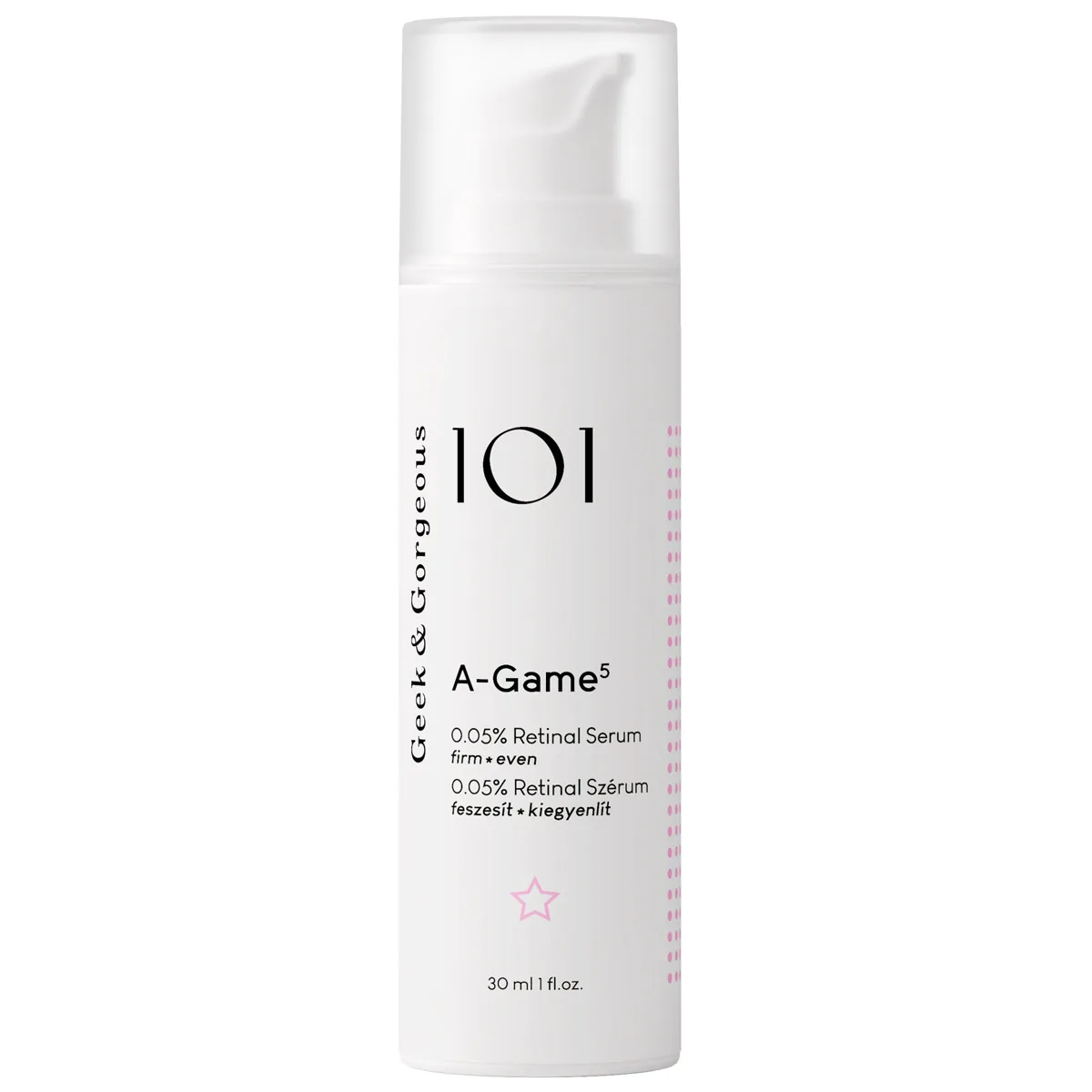 Beginner-Friendly Retinoid
 A-Game 5 Retinal Serum
The ideal beginner's retinaldehyde serum — a properly dosed 0.05% retinal in a buffered, fragrance-free formula at a price that makes long-term retinoid use actually sustainable. Same thoughtful supporting ingredients as the higher-strength A-Game 10 at half the potency, which is exactly the point. If you've never used a real retinoid, this is one of the best entry points on the market.
 Derm-Grade Retinal at Drugstore Price
 Stress Less 0.3% Retinal Serum
A genuinely derm-grade 0.3% retinaldehyde serum at a price that shouldn't be possible. The ceramide and bisabolol buffering keeps it tolerable for experienced retinoid users, and the results — on texture, tone, and fine lines — rival premium retinals costing four times as much.
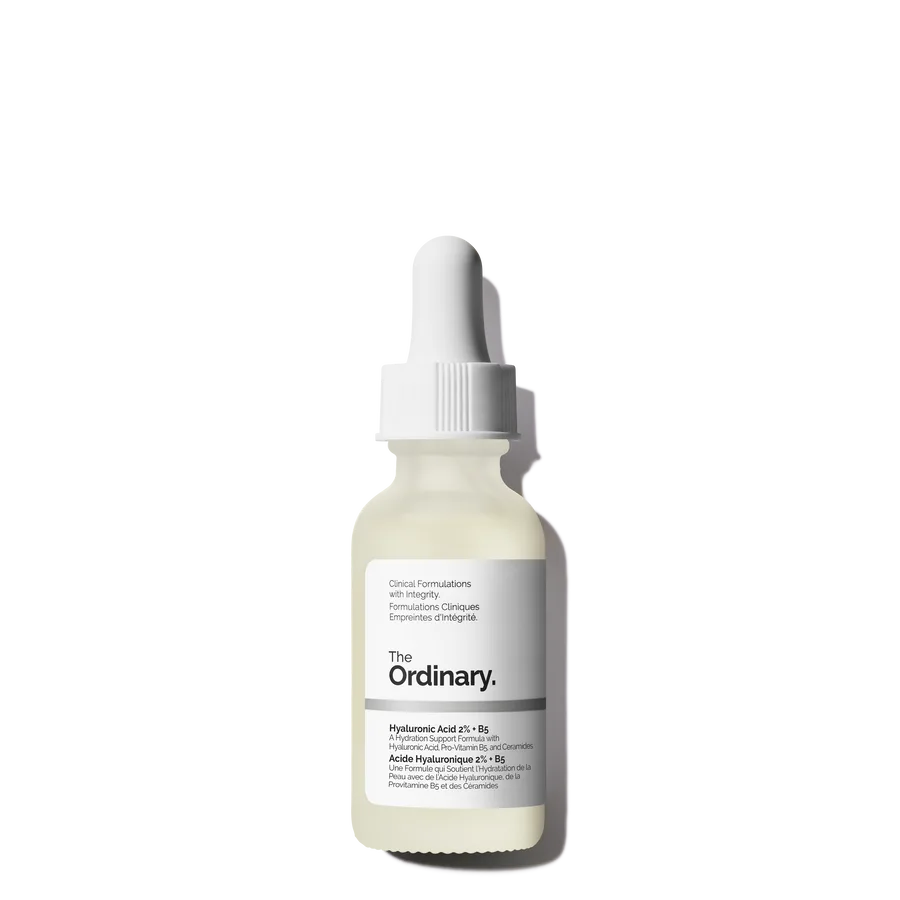 The Budget Hydrator, Perfected
 Hyaluronic Acid 2% + B5 Hydrating Serum
Everything the original should have been from the start — less sticky, better ingredients, and ceramide barrier support that transforms a simple hydrator into a proper skincare foundation. At $9.90, the only question is why you'd buy the old version.
 Budget Peptide Powerhouse
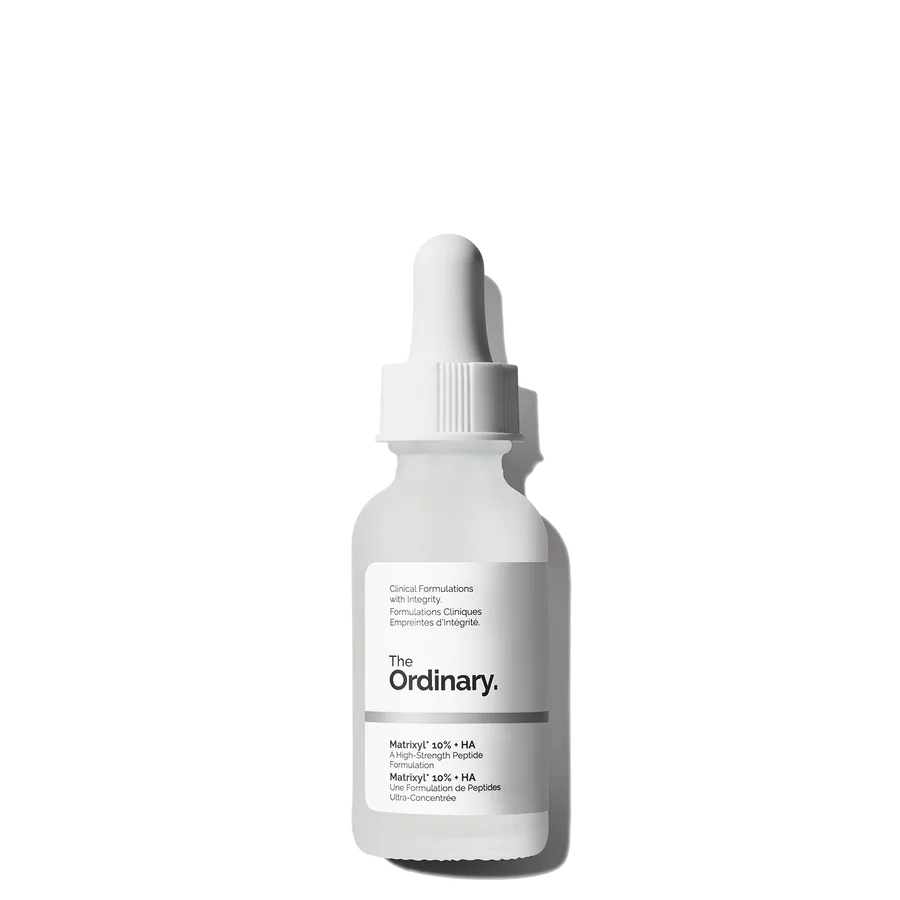
 Matrixyl 10% + HA
Two generations of clinically studied peptides at 10% concentration, in a hydrating HA base, for 0.90. The math borders on absurd. Matrixyl 10% + HA delivers genuine collagen-stimulating signal peptides with zero irritation risk — making it one of the best anti-aging values available and one of the few options safe during pregnancy.
 Everyday Essential
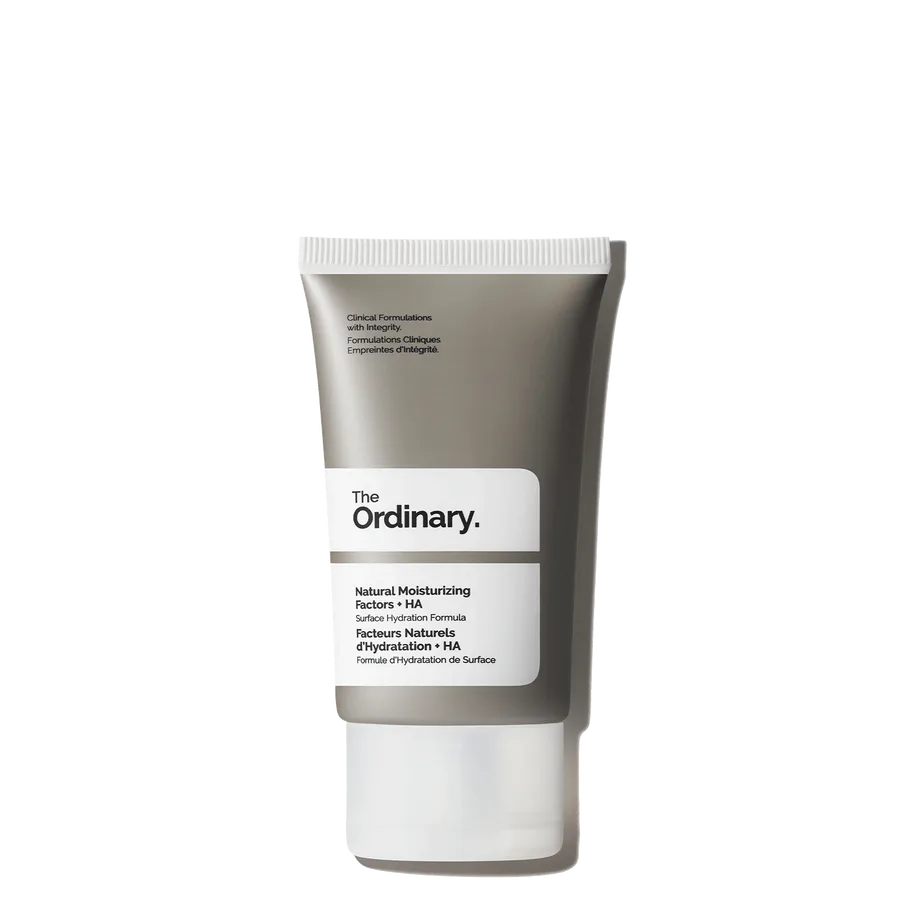
 Natural Moisturizing Factors + HA
A moisturizer that does exactly what moisturizers are supposed to do — replicate the skin's own hydration system — at a price that makes the entire prestige moisturizer category look like a money-laundering operation. NEA-certified, conflict-free, and genuinely effective for most skin types. Not glamorous. Not trying to be.
 Budget Retinal Holy Grail
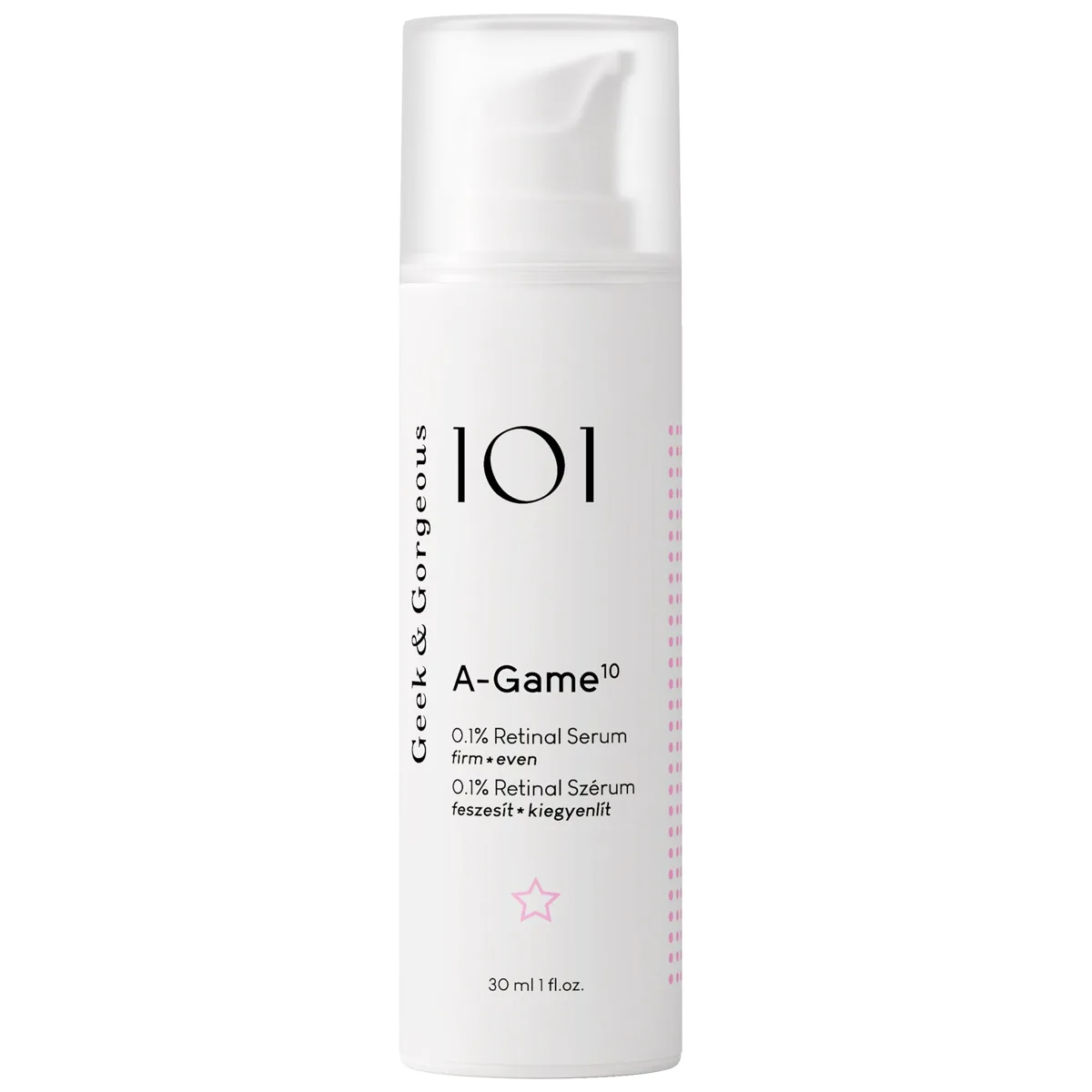
 A-Game 10 Retinal Serum
One of the most disruptive products in the retinoid category — a 0.1% retinaldehyde serum at around $16 when equivalent concentrations from derm brands cost $60-120. The formulation is thoughtful, the airless packaging is right, and the price point has no real competitor. Not for retinoid beginners: start with the 5 version and step up to this after a few months.