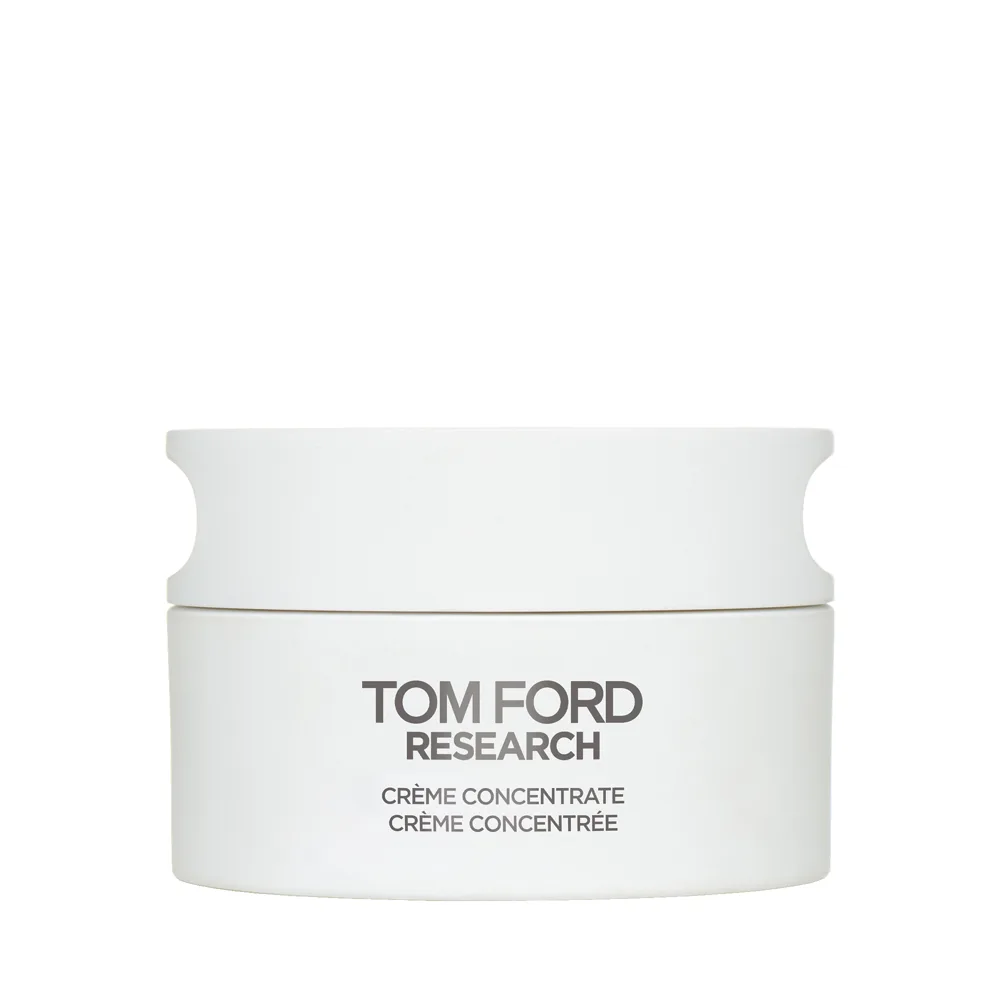
Tom Ford's Research Crème Concentrate is a luxuriously dense, beautifully packaged cream with a competent but unremarkable active roster — caffeine, resveratrol, acetyl glucosamine, and an occlusive butter base. It delivers a genuinely pleasant daily ritual at a price that asks you to pay mostly for the experience, not the ingredients. Clinical value doesn't match the receipt, but if you're shopping for luxury feel, it earns its keep.
Research Crème Concentrate
Tom Ford's Research Crème Concentrate is a luxuriously dense, beautifully packaged cream with a competent but unremarkable active roster — caffeine, resveratrol, acetyl glucosamine, and an occlusive butter base. It delivers a genuinely pleasant daily ritual at a price that asks you to pay mostly for the experience, not the ingredients. Clinical value doesn't match the receipt, but if you're shopping for luxury feel, it earns its keep.
Score Breakdown
Where this product gains points and where it loses them — broken down across the four scoring pillars.
A competently formulated luxury cream with a reasonable active roster, but the $510 price tag is dramatically out of line with what the ingredient quality justifies — you're paying for the name, the packaging, and the fashion-house halo more than the formula.
Pros & Cons
- ✓Dense, buttery cream texture delivers genuine luxury ritual experience
- ✓Caffeine gives reliable immediate de-puffing and morning polish
- ✓Occlusive petrolatum and butter blend provides real dry skin comfort in winter
- ✓Resveratrol and green tea add meaningful antioxidant support
- ✓Subtle, elegant scent stands apart from most Tom Ford fragrances
- ✓Acetyl glucosamine provides mild brightening alongside the emollient base
- ✗Price is dramatically higher than the formula quality justifies per ingredient
- ✗Jar packaging compromises resveratrol stability over the life of the product
- ✗Too heavy and occlusive for oily or acne-prone skin types
- ✗Added fragrance makes it unsuitable for sensitive or reactive skin
- ✗No retinoid or potent anti-aging active to justify the anti-aging positioning
Full Review
Walk up to the Tom Ford Beauty counter at a luxury department store and a very specific experience unfolds. The associate produces a heavy glass jar from a black and gold display, lifts the lid with a kind of ceremonial slowness, and the dense, ivory-colored cream inside catches the overhead lights. The scent is restrained — nothing like the intensity of a Black Orchid or an Oud Wood — but it's there, whispering luxury rather than shouting it. You're invited to touch the cream. You warm it between your fingers. It's buttery. It's dense. It feels like something substantial, the way a well-made watch feels substantial when you pick it up off velvet. Whatever else it is, this is a product that understands the theater of luxury skincare. The Research Crème Concentrate arrived in 2019 as Tom Ford Beauty's flagship anti-aging cream, positioned against La Mer and Sisleÿa and the small universe of creams that live above the $300 mark on department store shelves. That's the competitive set it's trying to beat — not CeraVe, not La Roche-Posay, not Drunk Elephant. The entire pitch hinges on ritual, weight, and the specific sensory commitment that luxury skincare buyers are paying for when they walk up to that counter. So let's take the cream on its own terms and ask what's actually in the jar. The formulation is competent but unremarkable once you strip away the packaging. Caffeine delivers the immediate de-puffing and firming sensation that makes first application feel like the cream is doing something. Resveratrol and green tea extract provide antioxidant support. Acetyl glucosamine adds a brightening angle and supports the skin's own hyaluronic acid production. A gentle sub-exfoliant level of salicylic acid smooths the surface without triggering actual exfoliation. The occlusive backbone is built on petrolatum, dimethicone, shea butter, cocoa butter, and murumuru butter — the same rich base you'd find in any well-formulated cream for dry mature skin, just more of it and more expensively scented. None of these ingredients are proprietary. None of them are exclusive to Tom Ford. You can find every single active in the Research Crème Concentrate in creams costing $30 to $100, and in several cases you can find them at higher concentrations. What you cannot find at lower prices is this specific sensory experience: the density, the weight of the jar, the controlled scent, the visual ritual, the fantasy of reaching into a glass vessel that looks like it should cost what it costs. If that matters to you — and for some people it genuinely does, because beauty rituals shape mood and mood shapes how people feel about their skin — then the cream earns its shelf space on terms it never pretended to avoid. On the skin, the experience is immediately pleasurable. Dense, buttery cream warms between the fingers and glides on without drag. The finish is satin-leaning-dewy, glowy without being greasy once it settles, and the skin looks and feels noticeably softer within the first few minutes of application. Dry mature skin will be the biggest winner here — the occlusive base is exactly what climate-damaged, dehydrated skin is asking for in winter. Normal skin will find it luxurious but possibly too heavy for summer. Combination skin should probably treat it as a seasonal product for colder months only. Oily skin should look elsewhere entirely, because the petrolatum-butter combination is not going to play nicely with sebum production. Over weeks and months, the improvements are modest. Users consistently describe softer texture, a subtle glow, and the de-puffing effect that caffeine reliably delivers morning after morning. What users don't describe, because the formulation isn't built for it, is dramatic wrinkle reduction or the kind of structural firming you'd expect from a retinoid or a peptide-dense serum. The cream is defensive, comforting, and surface-improving. It's not going to rebuild your dermal collagen, and it doesn't pretend to. Jar packaging is another honest issue. Antioxidants like resveratrol degrade faster when exposed to air and light, and every time you open a jar you're accelerating that degradation. For $510, it's reasonable to expect airtight pump packaging that keeps the actives stable. The jar is a concession to luxury aesthetics at the expense of formulation performance, and it's a compromise worth noting even if you still decide to buy the cream. The honest question buyers should ask before committing to this cream is whether they're shopping for results or for experience. If the answer is results, there's a long list of alternatives — some from clinical brands, some from K-beauty, some from the drugstore aisles — that will deliver more measurable skin improvements per dollar spent. If the answer is experience, and you specifically want the Tom Ford sensory ritual and the counter shopping that goes with it, the Research Crème Concentrate delivers exactly what it promises. Nothing about this cream is bad. Everything about it is overpriced if you're measuring in ingredients per dollar, and perfectly reasonable if you're measuring in ritual and fantasy. Set your expectations correctly and you'll be happy. Set them incorrectly and you'll wonder why a $510 cream feels an awful lot like a $60 one sitting inside a nicer jar.
Formula
Key Ingredients
The hero actives that drive this product's performance.
| Ingredient | Function | Evidence |
|---|---|---|
| Caffeine | Delivers the immediate de-puffing and firming sensation that Research Crème Concentrate banks on for first-impression payoff. Its vasoconstricting action works in concert with the cream's emollient shea and cocoa butter base to create a finish that reads as polished and awake on application. | well-established |
| Resveratrol | Acts as the antioxidant headline, tucked in alongside green tea and other plant polyphenols to position the cream as a defensive anti-aging step. In this rich occlusive base, resveratrol's stability is helped by the dimethicone and petrolatum film that seals it against oxidation. | promising |
| Acetyl Glucosamine | Supports the skin's natural hyaluronic acid synthesis and contributes mild tone-evening activity, giving the cream a brightening angle that complements its barrier-occlusive core. | promising |
| Salicylic Acid | Used at a sub-exfoliant level here for gentle keratolytic smoothing that helps the cream's emollient finish sit more evenly on the skin without triggering actual exfoliation — a formulation move that's especially useful in a dense cream aimed at mature skin. | well-established |
| Petrolatum and Shea Butter blend | The occlusive backbone of the formula that gives the cream its signature heavy, cushioning feel. Petrolatum creates an impermeable seal while shea butter, cocoa butter, and murumuru butter soften the texture and provide long-wear emollience for dry mature skin. | well-established |
Full INCI List
Water, Dimethicone, Petrolatum, Butylene Glycol, Glyceryl Distearate, Hydrogenated Vegetable Oil, Cholesterol, Steareth-10, Polysilicone-11, Glyceryl Stearate SE, Glycerin, Sodium Polyaspartate, Caffeine, Isocetyl Stearoyl Stearate, Diethylhexyl Succinate, Acetyl Glucosamine, Theobroma Cacao (Cocoa) Seed Extract, Theobroma Cacao (Cocoa) Seed Butter, Butyrospermum Parkii (Shea) Butter, Astrocaryum Murumuru Seed Butter, Chlorella Vulgaris Extract, Camellia Sinensis Leaf Extract, Resveratrol, Salicylic Acid, Salicornia Herbacea Extract, Sea Salt, Algae Extract, Crithmum Maritimum Extract, Whey Protein, Dipotassium Glycyrrhizate, Dipalmitoyl Hydroxyproline, Lactobacillus Ferment, Laminaria Digitata Extract, Lactoperoxidase, Glucose Oxidase, Urea, Bisabolol, Tocopheryl Acetate, Caprylyl Glycol, Disodium EDTA, Phenoxyethanol, Fragrance
Product Flags
✗ Fragrance Free✓ Alcohol Free✗ Oil Free✗ Silicone Free✓ Paraben Free✓ Sulfate Free✗ Cruelty Free✗ Vegan✗ Fungal Acne Safe
Comedogenic Ingredients
petrolatumshea buttercocoa butter
Potential Irritants
fragrancesalicylic acid
Common Allergens
fragrancewhey protein
Compatibility
Skin Match
Best For
Works For
Not Ideal For
Addresses These Conditions
Use With Caution
acne fungal acne rosacea sensitivity
Routine Step
moisturizer
Time of Day
AM & PM
Pregnancy Safe
No ✗
Layering Tips
Apply as the final step before SPF in the morning or as the sealing layer at night. The heavy occlusive base works best over lighter serums and treatments that have been given time to fully absorb.
Results Timeline
Immediate de-puffing, plumping, and emollient comfort from the caffeine and occlusive base. Over 4-8 weeks, modest improvements in skin softness and surface smoothness. Long-term structural firming evidence remains limited.
Pairs Well With
vitamin-c-serumpeptide-serumhyaluronic-acid-serum
Sample AM Routine
- Gentle cleanser
- Vitamin C serum
- Tom Ford Beauty Research Crème Concentrate
- SPF 50
Sample PM Routine
- Double cleanse
- Peptide serum
- Retinoid (alternating nights)
- Tom Ford Beauty Research Crème Concentrate
Evidence
Who Should Skip
- Price is dramatically higher than the formula quality justifies per ingredient
- Jar packaging compromises resveratrol stability over the life of the product
- Too heavy and occlusive for oily or acne-prone skin types
- Added fragrance makes it unsuitable for sensitive or reactive skin
Science & Expert Perspective
The Science
The active roster in Research Crème Concentrate has real scientific backing, just not in proportions that match the price. Caffeine has well-established evidence for topical vasoconstriction and short-term skin firming at concentrations of 1-3 percent, with published trials supporting its use in eye and face products for de-puffing and temporary tightening. Resveratrol is a polyphenolic antioxidant with in vitro evidence for free radical scavenging and mild anti-inflammatory activity, though topical penetration and clinical endpoint data remain limited compared to better-studied antioxidants like vitamin C or niacinamide. Its inclusion in the formula is defensible but not revolutionary. Acetyl glucosamine has published evidence for mild hyperpigmentation improvement and as a precursor for hyaluronic acid synthesis, with some studies showing modest effects on tone and fine line appearance at topical use levels. Salicylic acid's exfoliant and comedolytic properties are extensively documented, though at the sub-percent level in this formula it's functioning more as a keratolytic smoothing agent than as a true exfoliant. The emollient and occlusive base is the part of the formula with the most robust evidence — petrolatum remains one of the most effective barrier occlusives studied, reducing transepidermal water loss by upwards of 90 percent in classic dermatological literature. Shea butter, cocoa butter, and murumuru butter all contribute additional emollience with published backing for moisturization and skin softening. The overall formula is defensible from an ingredient science standpoint. What the formulation doesn't have is any peer-reviewed clinical trial specifically on the finished product — a common pattern with luxury department store creams, where the brands rarely invest in the expensive clinical validation that dedicated pharmacy brands often do.
Dermatologist Perspective
Dermatologists generally view luxury department store creams like the Research Crème Concentrate with measured skepticism. Board-certified dermatologists often note that the ingredient list here is reasonable but does not contain anything that justifies the premium price from a clinical perspective. For patients asking whether to spend $385 on a single cream or to build a multi-product routine for the same money, the recommendation is typically the latter — pair a retinoid, a vitamin C serum, a moderately-priced moisturizer, and a dedicated broad-spectrum sunscreen for substantially better long-term outcomes at lower total cost. That said, dermatologists acknowledge that for patients who find genuine wellbeing in luxury skincare rituals, the mood and adherence benefit is not nothing — and a consistent simple routine always outperforms an abandoned elaborate one. The cream is typically suitable for normal to dry mature skin and best avoided for patients with acne, rosacea, or fragrance sensitivities.
Guidance
Usage Guide
How to Use
Apply as the final step in your skincare routine after serums and treatments have been given time to absorb. Warm a small pea-sized amount between your fingertips and press gently into the face and neck, avoiding dragging motions. Use twice daily or reserve for night only if your skin runs oily or combination. Follow with broad-spectrum sunscreen every morning regardless. Store the jar in a cool, dark location — avoid bathroom counters where heat and humidity accelerate the degradation of the antioxidant content inside.
Value Assessment
At $510 for 50ml, the Research Crème Concentrate prices firmly in the luxury department store tier alongside La Mer and Sisleÿa. The formula does not independently justify the price from an ingredient standpoint — comparable or better active rosters can be found in creams at a fifth of the cost. The value proposition depends entirely on what you're buying. If you're buying ritual, packaging, scent, counter experience, and the specific sensory luxury of a Tom Ford jar on your nightstand, the cream delivers on that promise consistently. If you're buying measurable anti-aging results per dollar, your money is better spent elsewhere on a retinoid and a clinical moisturizer. There is no in-between verdict here — this cream is either worth it or dramatically overpriced depending on why you're shopping.
Who Should Buy
Buyers who already enjoy luxury beauty rituals and genuinely value the sensory experience of dense, well-packaged creams will find the Research Crème Concentrate delivers on its experiential promise. It's best suited to dry, mature skin types who want an occlusive, emollient night cream with a small dose of antioxidants layered in.
Who Should Skip
Anyone prioritizing measurable anti-aging results per dollar spent should look elsewhere — this formula's ingredient quality does not justify the price from a clinical standpoint. Oily, acne-prone, and fragrance-sensitive skin types should also skip it, and shoppers who react to the idea of paying for packaging over substance will likely feel frustrated by the value math.
Ready to try Tom Ford Beauty Research Crème Concentrate?
Details
Details
Texture
Dense, rich cream with a cushioning feel that slowly melts into a satin finish
Scent
Subtle, discreet floral-wood — more restrained than most Tom Ford fragrances
Packaging
Heavy glass jar with metallic accents and the signature Tom Ford weight and feel
Finish
velvetysatinglowy
What to Expect on First Use
The cream has a dense, almost buttery consistency that warms slightly between the fingers before application. First use delivers immediate plumping and softness, with the caffeine contributing a quick de-puffing effect. No tingling, no purging, no adjustment period — this is a comfort-first cream designed to feel instantly luxurious.
How Long It Lasts
3-4 months with twice-daily face and neck application
Period After Opening
12 months
Best Season
fall winter
Background
The Why
Tom Ford Beauty launched in 2006 under the Estée Lauder Companies umbrella, giving it access to the parent company's research infrastructure. The Research line was positioned as the division's flagship scientific skincare tier, and the Crème Concentrate sits at the top of that lineup as the ultra-rich occlusive finale — the cream you reach for when you want the whole Tom Ford skincare experience in one jar. Its development reflected the fashion house's move to turn skincare into a destination category alongside fragrance and makeup.
About Tom Ford Beauty Established Brand (5–20 years)
Tom Ford Beauty launched in 2006 as an Estée Lauder Companies division, drawing on the parent company's substantial R&D infrastructure. The Research line specifically leans on formulations developed through that clinical pipeline. While the brand has legitimate lab backing, independent long-term clinical validation of the specific Research formulations is limited relative to dedicated derm brands, and the premium positioning asks buyers to accept a considerable markup for the fashion-house aesthetic.
Brand founded: 2006 · Product launched: 2019
Myth vs. Reality
Myths & Misconceptions
Myth
A $510 cream contains ingredients you can't find anywhere else.
Reality
The INCI list here is good but not unique. Petrolatum, shea butter, caffeine, resveratrol, and acetyl glucosamine all appear in creams costing $40-80 from other brands. What you're paying for at the $510 mark is the packaging, the scent experience, the brand halo, and the counter ritual.
Myth
Luxury creams have better active concentrations.
Reality
Luxury creams generally have similar or lower active concentrations than clinical or pharmacy brands — their positioning leans on experience, not efficacy. If maximum actives matter more than ritual, look at dedicated derm brands.
FAQ
Frequently Asked Questions
Is the Tom Ford Research Creme Concentrate worth $510?
From a pure ingredient-cost perspective, no — the formula is comparable to creams costing a fraction of the price. The value lives in the packaging, scent, texture experience, and counter ritual. If those matter to you, the cream delivers on its promise. If they don't, your money is better spent on clinical alternatives.
Can this cream replace a retinoid?
No. There are no retinoids in this formula. It's positioned as a defensive antioxidant and emollient cream, not a structural anti-aging treatment. For genuine long-term anti-aging, you'll want to add a retinoid to your routine separately.
Is it fragranced?
Yes. The fragrance is subtle and elegant compared to most Tom Ford products, but it is present. Fragrance-sensitive skin should steer clear or patch test carefully.
How long does a jar last?
With twice-daily use on face and neck, the 50ml jar typically lasts 3-4 months. The per-month cost works out to approximately $125-170, which is worth factoring into your buying decision.
Is it good for oily skin?
No. The petrolatum, shea butter, cocoa butter, and murumuru butter combination makes this cream too heavy and potentially pore-clogging for oily skin. Combination skin may find it workable in winter only.
Can you find comparable formulas for less money?
Yes. Creams from CeraVe, La Roche-Posay, Paula's Choice, and Drunk Elephant offer similar or better active concentrations for a fraction of the price. The Tom Ford cream competes on experience and packaging rather than ingredient density.
Is it pregnancy-safe?
The formula contains salicylic acid, which most obstetricians consider acceptable at low topical doses, but the inclusion means we recommend consulting your healthcare provider during pregnancy before use.
Community
Community Voices
Common Praise
"Luxurious, dense cream texture"
"Packaging feels worth the shelf display"
"Immediate skin softening and de-puffing effect"
"Scent is discreet and elegant"
Common Complaints
"Price is extremely high for what's in the jar"
"Jar packaging compromises the actives over time"
"Too heavy for combination or oily skin"
"Added fragrance limits the sensitive skin audience"
Notable Endorsements
Featured in luxury beauty editor roundups at Vogue, Harper's Bazaar
Appears In
best luxury face cream best department store moisturizer best rich cream for dry skin
Related Conditions
Related Ingredients
caffeine resveratrol petrolatum acetyl glucosamine salicylic acid
You Might Also Like
 Budget Holy Grail
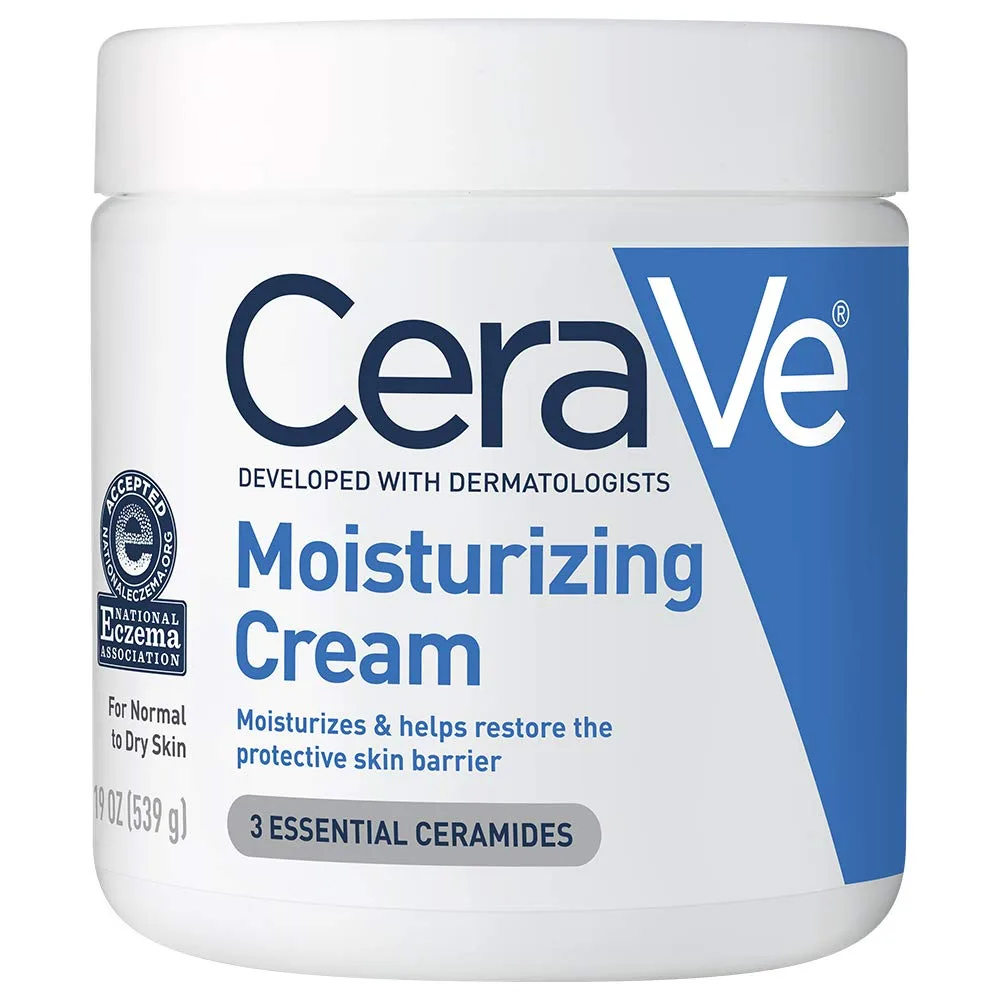
 Moisturizing Cream
The CeraVe Moisturizing Cream is the most important moisturizer in the drugstore — a ceramide-rich, dermatologist-developed formula that delivers barrier repair, multi-humectant hydration, and occlusive protection at a price so accessible it has no real excuse not to be in every household. Twenty-one years of consistent performance and universal dermatologist approval speak louder than any ingredient list.
 Barrier Repair Pioneer
 MLE Cream
Atopalm MLE Cream is one of the genuinely scientifically anchored barrier moisturizers in K-beauty — a fragrance-free, pseudo-ceramide cream built around a patented liquid-crystal lipid structure that mimics the skin's own intercellular matrix. For eczema, atopic skin, post-procedure recovery, or anyone with a stinging compromised barrier, it's one of the most reliably effective moisturizers in the entire category.
 K-Beauty Barrier Repair Staple
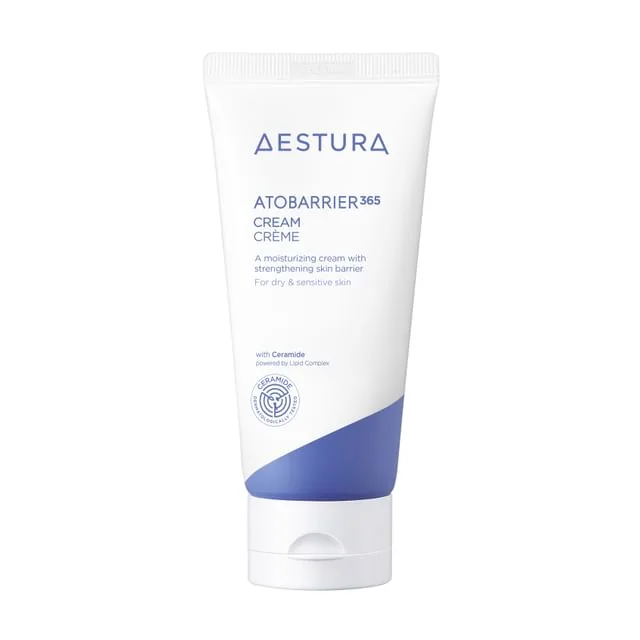
 Atobarrier 365 Cream
A Korean pharmacy cream that earns its cult following the hard way — with a lamellar lipid structure that actually rebuilds the barrier, not just coats it. If your skin has been through a rough winter, a retinoid ramp-up, or a bad reaction, this is the jar that quietly puts it back together.
 Korean Derm Clinic Recovery Pick
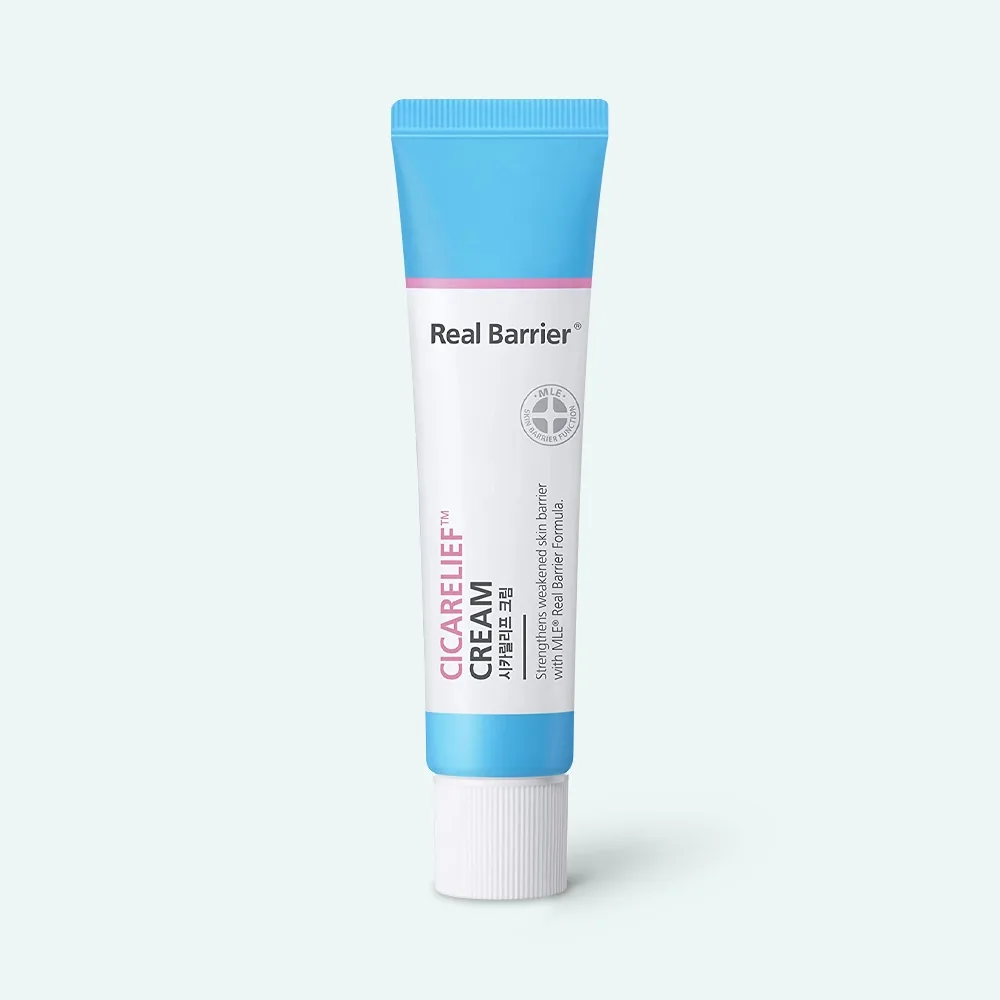
 Real Barrier Cicarelief Cream
One of the best consumer cica creams on the market, combining the full spectrum of centella actives with NeoPharm's MLE ceramide delivery and multiple complementary calming ingredients. Ideal for compromised, reactive, rosacea-prone, or recovering skin, and a staple in Korean dermatology clinic protocols. Minor limitations on packaging, but the formulation is genuinely excellent.
 Transparent 10% Panthenol Cream
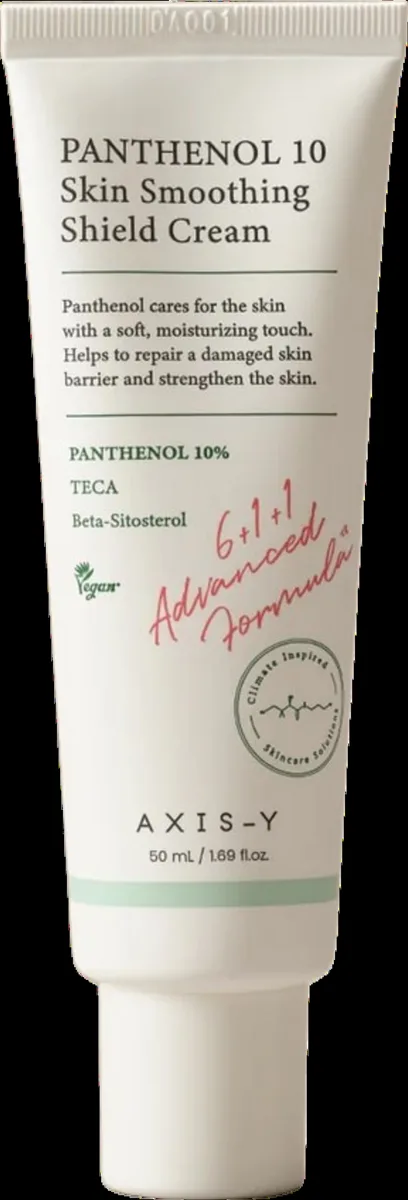
 Panthenol 10 Skin Smoothing Shield Cream
A disclosed 10% panthenol barrier cream built around a full physiological ceramide trio, a centella calming cast, and a modest shea butter occlusive. Fragrance-free, cross-season, and unusually transparent about its hero active — one of the brand's strongest moisturizer formulations.
 K-Beauty Icon
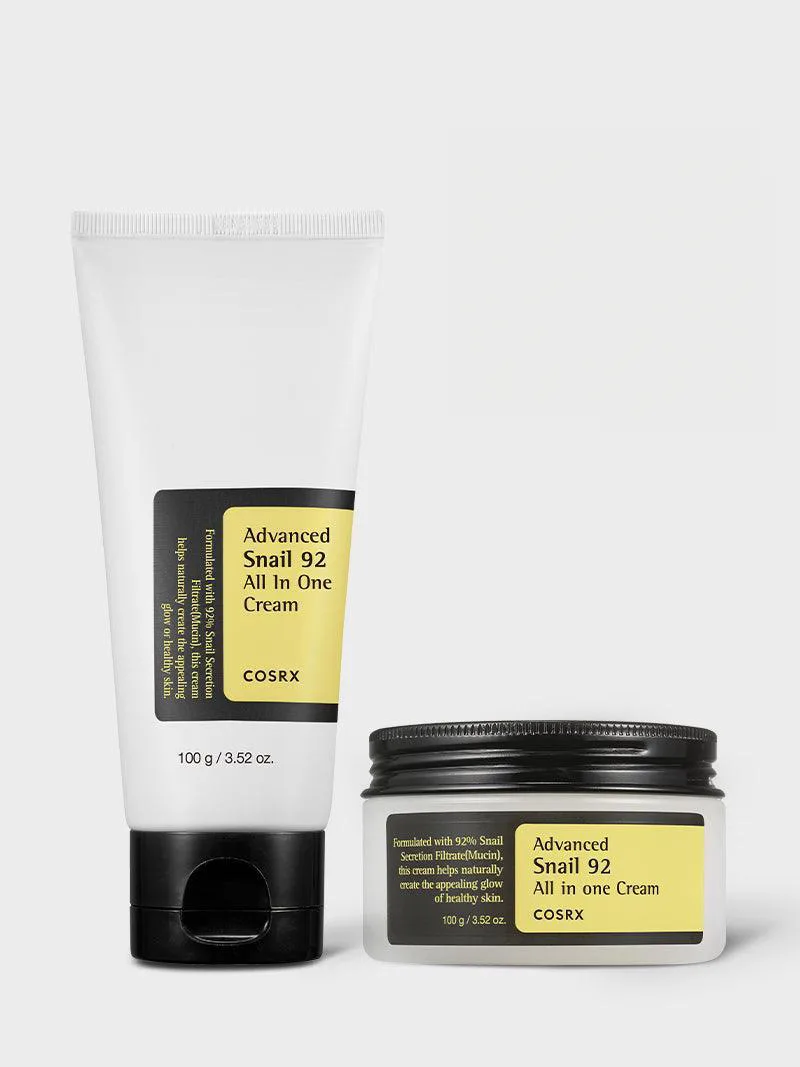
 Advanced Snail 92 All in One Cream
The cream that helped prove snail mucin to the world — and a decade later, it still deserves the reputation. At 92% snail secretion filtrate in a fragrance-free, gentle gel-cream, it delivers hydration, soothing, and gradual skin improvement across virtually every skin type. The texture takes getting used to, but 13 million sold units and 25,000+ reviews suggest most people manage.
This review reflects our independent analysis of publicly available ingredient data, manufacturer claims, and verified user reviews. We are reader-supported — Amazon links may earn us a commission at no cost to you. We do not accept paid placements; rankings are based solely on the evidence.