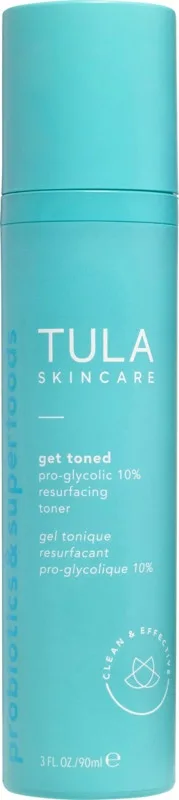
A genuinely effective 10% glycolic acid toner that's notably more wearable than its strength would suggest, thanks to a thoughtful hydration and probiotic supporting cast that buffers the typical AHA dehydration. The result is meaningful resurfacing without the week of flaking that pure glycolic formulas usually cause.
Get Toned Pro-Glycolic 10% Resurfacing Toner
A genuinely effective 10% glycolic acid toner that's notably more wearable than its strength would suggest, thanks to a thoughtful hydration and probiotic supporting cast that buffers the typical AHA dehydration. The result is meaningful resurfacing without the week of flaking that pure glycolic formulas usually cause.
Score Breakdown
Where this product gains points and where it loses them — broken down across the four scoring pillars.
A genuinely effective 10% glycolic toner with a thoughtful hydration and probiotic supporting cast — capped on suitability and irritation because 10% AHA is too aggressive for sensitive or barrier-compromised skin.
Pros & Cons
- ✓10% glycolic at a working pH delivers genuine resurfacing
- ✓Hydration support cast prevents typical AHA dehydration
- ✓Snow mushroom and HA add polysaccharide cushioning
- ✓Lactic acid contributes gentler secondary exfoliation
- ✓Probiotic ferments support microbiome through exfoliation
- ✓Visible brightening within 1-2 weeks of consistent use
- ✓Cruelty-free certified
- ✓Pregnancy-safe ingredient profile
- ✗Too strong for sensitive or barrier-compromised skin
- ✗$38 for 80ml is premium for the AHA category
- ✗Conflicts with retinol and pure L-ascorbic acid
- ✗Easy to over-exfoliate if used more than 2-3x weekly
- ✗Yogurt extract may bother those with dairy sensitivities
Full Review
Ten percent glycolic acid is a number that means something specific in skincare. It's in the actively-resurfacing range — strong enough to drive meaningful keratolytic action, fade dullness, smooth texture, and accelerate cell turnover, but also strong enough to dehydrate, irritate, and flake skin if the formulation around it isn't carefully considered. Most 10% glycolic toners in the prestige market are essentially single-active products: the acid, a low-pH water base, and a brief gesture toward humectants. They work, but they're aggressive, and most users can only tolerate them episodically. The Tula Pro-Glycolic 10% Toner is the rare exception — a high-strength glycolic formula built around making the active wearable, not just present.
The glycolic sits in the second INCI position, immediately after water, which confirms the 10% claim. The pH is around 3.8, which is acidic enough to keep most of the glycolic in its active free-acid form rather than partially neutralized by sodium hydroxide. From there, the formula gets interesting. Lactic acid sits lower in the INCI as a secondary AHA — slightly larger molecular size, gentler exfoliation, and crucially, a humectant role that glycolic doesn't have. Sodium hyaluronate handles the deeper hydration support. Tremella fuciformis (snow mushroom) extract adds polysaccharide-driven hydration and antioxidant action. Glycerin and butylene glycol provide additional humectant cushioning. The combined effect is a formula that delivers the full keratolytic action of 10% glycolic without the week of tightness and flaking that typically comes with it.
The probiotic ferment cast is Tula's brand signature, and it's particularly relevant in an exfoliating context. The lactococcus ferment lysate and yogurt extract are positioned as microbiome-supporting ingredients, theoretically helping to reduce the inflammatory response that high-strength AHAs can trigger by disrupting the skin's bacterial ecology. The research on topical microbiome modulation in exfoliating contexts is still emerging, but the formulation logic is coherent — if you're going to chemically exfoliate the skin's surface, supporting the surviving bacterial community is a defensible move. Whether the probiotics are doing the work the brand claims is still an open question, but they're not getting in the way of the glycolic.
The texture is a clear, lightweight gel with a slight bouncy viscosity that's just thick enough to pour onto a cotton pad without dripping. The application feels cool and slightly tingles within the first few seconds, then dissipates. There's no burning sensation in normal use on intact skin, which is the wearability differentiator most users cite — it doesn't feel as aggressive as the strength would suggest. Skin feels noticeably smoother by the morning after the first use, with visible brightening and reduction in dullness showing up within one to two weeks of consistent twice-weekly application. Texture, blackheads, and tone improvements continue building through the four-to-eight-week mark.
The usage pattern matters more than most users realize. This is not a daily product. Two to three times per week in the evening is the right cadence for most skin types — daily use risks over-exfoliation, barrier damage, and the ironic outcome where chronic AHA users develop more sensitivity and surface irritation than their non-exfoliating peers. The product makes this easy to overdo because it's so well-tolerated; the temptation to escalate frequency is real, and resisting it is what separates users who get long-term benefits from users who damage their barrier and quit.
The routine compatibility is the other thing to manage carefully. Glycolic acid doesn't play well with retinoids in the same routine — the combination is too irritating for most users — and it shouldn't be layered with vitamin C in the form of pure L-ascorbic acid, which has its own pH requirements. The cleanest approach is to alternate exfoliation nights and retinol nights, with rest nights in between for barrier recovery. Daily SPF is non-negotiable: glycolic acid increases photosensitivity for up to a week after use, and unprotected sun exposure during that window will undo most of the brightening progress and accelerate pigmentation.
The price is the legitimate critique. Thirty-eight dollars for 80ml puts this in upper-mid premium AHA territory, and there are perfectly competent alternatives from brands like The Ordinary, Naturium, and Pixi that deliver similar resurfacing for half the price or less. What you're paying for is the hydration support cast that makes the high strength wearable, the probiotic positioning, and the brand polish. For users who have tried cheaper glycolic toners and found them too aggressive or drying, the upgrade is justified. For users who want pure cost-per-percent-active value, cheaper options will deliver the resurfacing without the comfort layer.
This is a serious exfoliating product disguised as a friendly probiotic toner. Used correctly — twice weekly, with appropriate moisturization, with daily SPF, and not stacked with retinoids — it delivers real visible improvement in dullness, texture, and tone over the course of a few weeks.
Formula
Key Ingredients
The hero actives that drive this product's performance.
| Ingredient | Function | Evidence |
|---|---|---|
| Glycolic Acid 10% (10%) | The headline AHA in this toner sitting in the second INCI position. At 10% with a pH around 3.8, it's in the actively-resurfacing range — meaningful keratolytic action that loosens surface dead cells, brightens overall tone, and fades superficial texture. The smallest molecular size of any AHA, which is what gives glycolic its unique deep penetration. | well-established |
| Lactic Acid | Sits lower in the formula as a secondary AHA, complementing the glycolic with a gentler, more hydrating exfoliation profile. The combination makes this toner more wearable than a pure 10% glycolic formula because lactic acid contributes humectant action alongside its keratolytic effect. | well-established |
| Sodium Hyaluronate | Pulls water into the upper skin layers and offsets the dehydration that high-strength AHAs typically cause. In a 10% glycolic formula, this hydration buffer is what makes the difference between a tolerable resurfacing toner and one that leaves skin tight and flaking. | well-established |
| Tremella Fuciformis (Snow Mushroom) | A polysaccharide-rich humectant often called nature's hyaluronic acid. Adds another layer of hydration support that helps offset the AHA-driven moisture loss while contributing antioxidant benefits. | promising |
| Probiotic Ferments (Lactococcus, Yogurt Extract) | Tula's signature probiotic positioning. The fermented lactococcus and yogurt extracts are intended to support skin microbiome balance during what is otherwise a fairly aggressive exfoliating treatment — theoretically helping reduce the inflammatory response that high-strength AHAs can trigger. | emerging |
Full INCI List · pH 3.8
Aqua/Water/Eau, Glycolic Acid, Butylene Glycol, Lactococcus Ferment Lysate, Sodium Hydroxide, Lactic Acid, Sodium Hyaluronate, Agar, Glycerin, Tremella Fuciformis Sporocarp Extract, Camellia Sinensis Leaf Extract, Vaccinium Angustifolium (Blueberry) Fruit Extract, Curcuma Longa (Turmeric) Root Extract, Cichorium Intybus (Chicory) Root Extract, Yogurt Extract, Carrageenan, Betaine, Glucose, Linum Usitatissimum (Linseed) Seed Oil, Xanthan Gum, Potassium Sorbate, Disodium EDTA, Sodium Chloride, Sodium Benzoate, Polysorbate 20, Tetrasodium EDTA, Ethylhexylglycerin, Phenoxyethanol
Product Flags
✓ Fragrance Free✓ Alcohol Free✗ Oil Free✓ Silicone Free✓ Paraben Free✓ Sulfate Free✓ Cruelty Free✗ Vegan✗ Fungal Acne Safe
Potential Irritants
glycolic-acidlactic-acid
Common Allergens
yogurt-extract
Compatibility
Skin Match
Best For
Works For
Not Ideal For
Addresses These Conditions
dullness texture blackheads hyperpigmentation large pores aging
Use With Caution
sensitivity rosacea compromised skin barrier
Avoid With
Routine Step
treatment
Time of Day
PM
Pregnancy Safe
Yes ✓
Layering Tips
Use 2-3 nights per week, not daily. Apply with a cotton pad after cleansing, allow to absorb, then follow with hydrating serum and moisturizer. Skip on nights you use retinol.
Results Timeline
Immediate smoother feel after first use. Visible brightening and tone improvement within 1-2 weeks. Full benefits on texture, blackheads, and tone at 4-8 weeks of consistent use 2-3 times per week.
Pairs Well With
niacinamideceramide-moisturizerhyaluronic-acidbroad-spectrum-spf
Conflicts With
retinoidsvitamin-c-l-ascorbic-acidother-exfoliants
Sample AM Routine
- Gentle cleanser
- Niacinamide serum
- Moisturizer
- Sunscreen
Sample PM Routine
- Cleanser
- THIS PRODUCT (2-3x weekly)
- Hydrating serum
- Ceramide moisturizer
Evidence
Who Should Skip
- Too strong for sensitive or barrier-compromised skin
- $38 for 80ml is premium for the AHA category
- Conflicts with retinol and pure L-ascorbic acid
- Easy to over-exfoliate if used more than 2-3x weekly
Science & Expert Perspective
The Science
Glycolic acid is the smallest molecular size of any alpha hydroxy acid, which gives it deeper penetration into the upper layers of the stratum corneum compared to larger AHAs like lactic or mandelic acid. Research published in dermatology literature has documented its keratolytic action through disruption of corneocyte adhesion at the desmosomal level, allowing dead surface cells to slough more efficiently and revealing the smoother, more reflective skin underneath. Studies in the Journal of Dermatological Science and similar publications have explored its effects on skin texture, photodamage, and pigmentation across multiple concentration ranges.
The pH-concentration relationship is the key formulation lever for AHAs. At a given concentration, the proportion of free acid (the active form) increases as pH decreases. A 10% glycolic acid formula at pH 3.8 — the approximate range for this toner — keeps most of the glycolic in its active form, delivering meaningful exfoliation. Higher pH formulations partially neutralize the acid and reduce efficacy, while lower pH formulations increase the active fraction but also increase irritation potential. The 3.8 range is a relatively well-balanced compromise.
Lactic acid, the secondary AHA in this formula, has a larger molecular size and thus shallower penetration than glycolic, but contributes its own distinct benefits. Research published in dermatological journals has documented lactic acid's role as both a keratolytic and a humectant — it actually contributes to the natural moisturizing factor of skin, which is why combination glycolic-lactic formulas tend to be more hydrating than pure glycolic ones.
The probiotic ferment ingredients are the most speculative part of the formula from a pure evidence standpoint. Research on topical microbiome modulation is emerging, with mixed results across published trials. The inclusion fits Tula's brand positioning and may offer ancillary benefits, but the bulk of the formula's resurfacing efficacy comes from the glycolic and lactic acids.
Dermatologist Perspective
Dermatologists frequently recommend glycolic acid toners for patients dealing with dullness, mild texture, photodamage, and hyperpigmentation, and 10% concentrations are well-documented in clinical use for resilient skin types. Board-certified dermatologists note that the formulation context matters as much as the active concentration — high-strength AHAs paired with humectants and barrier-supporting ingredients are typically better tolerated than single-active formulas. This product's combination of 10% glycolic with hyaluronic acid, snow mushroom, and probiotic ferments reflects current thinking about how to deliver high-strength exfoliation in a wearable format. Dermatologists generally recommend twice-weekly use to start, careful avoidance of stacking with retinoids in the same routine, and strict daily SPF use during any AHA regimen.
Guidance
Usage Guide
How to Use
Apply 2-3 times per week in the evening only. After cleansing, dispense onto a cotton pad and sweep across face, avoiding the eye area, lips, and any active irritation. Allow 60 seconds to absorb before following with hydrating serum and moisturizer. Skip on nights you use retinol — alternate exfoliation nights with retinoid nights for barrier-friendly active rotation. Always pair with daily broad-spectrum SPF; glycolic acid increases photosensitivity for up to a week after use. If your skin starts feeling tight, sensitive, or develops any persistent redness, scale back frequency or pause use entirely.
Value Assessment
At $38 for 80ml, this lands in upper-mid premium pricing for an AHA toner. Cheaper alternatives like The Ordinary Glycolic Acid 7% (~$10), Naturium 10% AHA, or Pixi Glow Tonic deliver core glycolic resurfacing at significantly lower price points. What you're paying for here is the hydration support cast that makes the 10% strength wearable, the probiotic positioning, and the brand polish. Only one size is offered. For users who have tried cheaper options and found them too aggressive, the upgrade is justified. For users prioritizing cost-per-percent-active, cheaper alternatives deliver most of the benefit.
Who Should Buy
Normal, combination, and oily skin types dealing with dullness, mild texture, blackheads, or surface pigmentation who want a high-strength AHA in a more wearable format than typical pure glycolic toners. Particularly good for users who have tried cheaper glycolic options and found them too dehydrating.
Who Should Skip
Sensitive, rosacea-prone, or barrier-compromised skin types — 10% glycolic is too aggressive for fragile skin even with the hydration cast. Skip if you're already using retinoids in your routine without rest nights, if your barrier is currently irritated, or if you have known sensitivity to fermented dairy ingredients.
Ready to try Tula Skincare Get Toned Pro-Glycolic 10% Resurfacing Toner?
Details
Details
Texture
Lightweight clear gel that pours easily onto a cotton pad
Scent
Faintly herbal-yogurt with a clean cosmetic neutrality
Packaging
Pearl-blue plastic bottle with flip cap, 80ml
Finish
non-greasylightweightfast-absorbing
What to Expect on First Use
First use feels slightly cool with no immediate sting in normal use. Skin feels noticeably smoother by the next morning. Visible reduction in dullness within 1-2 weeks of consistent twice-weekly use. Some users experience mild flaking during the first 1-2 weeks as accelerated cell turnover takes hold.
How Long It Lasts
3-5 months with twice-weekly evening use
Period After Opening
12 months
Best Season
All Year
Certifications
Cruelty-free (Leaping Bunny)
Background
The Why
Released in 2019 as Tula's flagship exfoliating product, building on the brand's probiotic positioning. The pro-glycolic format was developed in response to consumer complaints about traditional high-strength AHA toners being too dehydrating and irritating — using the supporting cast to deliver effective resurfacing without the typical wearability problems.
About Tula Skincare Established Brand (5–20 years)
Tula Skincare launched in 2014, founded by gastroenterologist Dr. Roshini Raj with a probiotic-focused brand positioning. Its formulations rely on prebiotic and probiotic ferments alongside conventional actives, with a moderate independent clinical evidence base.
Brand founded: 2014 · Product launched: 2019
Myth vs. Reality
Myths & Misconceptions
Myth
10% glycolic acid is always too harsh for daily use.
Reality
True for many formulas, but the 10% strength matters less than the total formulation context. This toner pairs the glycolic with significant humectant and microbiome support, which buffers irritation. Most users still shouldn't use it daily, but 2-3 times per week is well-tolerated by normal-to-resilient skin.
FAQ
Frequently Asked Questions
Is the Tula Pro-Glycolic 10% Toner too strong for daily use?
For most users, yes. The 10% glycolic concentration is in the actively-resurfacing range and is best used 2-3 times per week, not daily. Daily use risks over-exfoliation, barrier damage, and increased sensitivity. Start with twice weekly and increase frequency only if your skin tolerates it well.
Can I use it with retinol?
Not in the same routine. Glycolic acid and retinol are both potent and combining them in a single routine often leads to barrier irritation. Most users alternate — glycolic on Tuesday and Thursday nights, retinol on Wednesday and Friday nights, with rest nights in between.
Will it sting?
Mild tingling on application is normal and typically dissipates within seconds. If your skin actively burns or stings for more than a few seconds, your barrier may be compromised — pause use and let your skin recover with a hydrating, ceramide-focused routine before trying again.
How does it compare to The Ordinary Glycolic Acid 7% Toning Solution?
The Ordinary's version uses 7% glycolic at a similar pH, with minimal supporting cast — more aggressive feel for less money. The Tula version uses 10% glycolic but with substantial humectant and probiotic buffering, delivering stronger resurfacing in a more wearable format. Tula is the better pick for users who prioritize comfort; The Ordinary is the better pick for budget shoppers.
Does it help with acne?
Indirectly — glycolic acid helps clear clogged pores and reduce blackheads, which are precursors to inflammatory acne. For active inflammatory acne, a dedicated salicylic acid or sulfur product will be more directly effective.
Can I use it on my body?
Yes — particularly on rough patches like keratosis pilaris on the upper arms, or on the chest and back for body acne and texture. The 80ml bottle limits how much body real estate you can cover, but it works well on smaller targeted areas.
Is sunscreen really required after using this?
Yes — glycolic acid increases photosensitivity for up to a week after use, which means UV exposure during that window can cause faster pigmentation and damage than usual. Daily broad-spectrum SPF is non-negotiable for any AHA routine.
Community
Community Voices
Common Praise
"Visible smoother texture within first week"
"Hydrating despite the high AHA strength"
"Brightens dullness fast"
"Doesn't sting like other 10% glycolic formulas"
"Helps with blackheads and clogged pores"
Common Complaints
"Too strong for sensitive skin"
"Can over-exfoliate if used daily"
"$38 for 80ml is premium"
"Strong active for AHA beginners"
Notable Endorsements
Featured in Allure, Byrdie, and Cosmopolitan AHA roundupsFrequently cited as a wearable alternative to pure glycolic toners
Appears In
best glycolic acid toner best aha toner best resurfacing toner best toner for dullness best exfoliating toner
Related Conditions
dullness texture hyperpigmentation blackheads large pores
Related Ingredients
glycolic acid lactic acid hyaluronic acid snow mushroom probiotics prebiotics
You Might Also Like
 Sensitive Skin AHA Pick
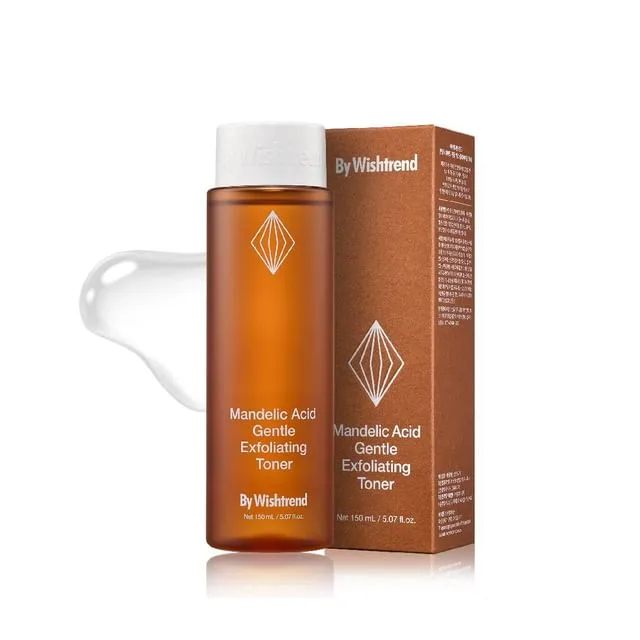
 Mandelic Acid 5% Skin Prep Water
The mandelic acid prep water that quietly converted half of K-beauty Reddit away from glycolic — and for good reason. It delivers visible texture and PIH improvement at 5% without the sting or pigment risk that derails sensitive and darker skin, and it does so for around twenty bucks.
 Gentle Glow Specialist
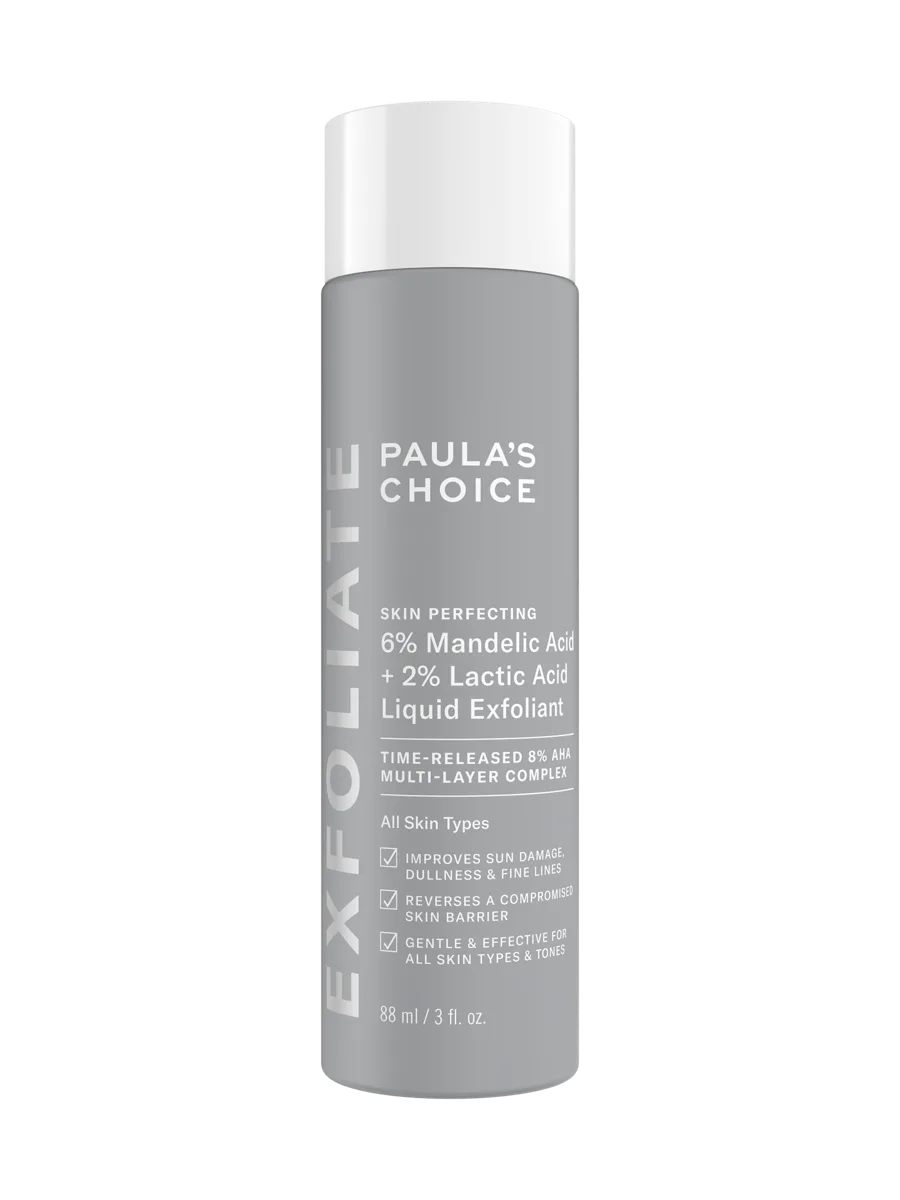
 Skin Perfecting 6% Mandelic Acid + 2% Lactic Acid Liquid Exfoliant
The exfoliant that finally treats sensitive and melanin-rich skin as the design priority rather than an afterthought. With a 4.8-star rating and 660+ reviews, this mandelic-lactic formula proves that gentleness and efficacy aren't mutually exclusive — it just requires smarter acid selection.
 The Original At-Home Peel
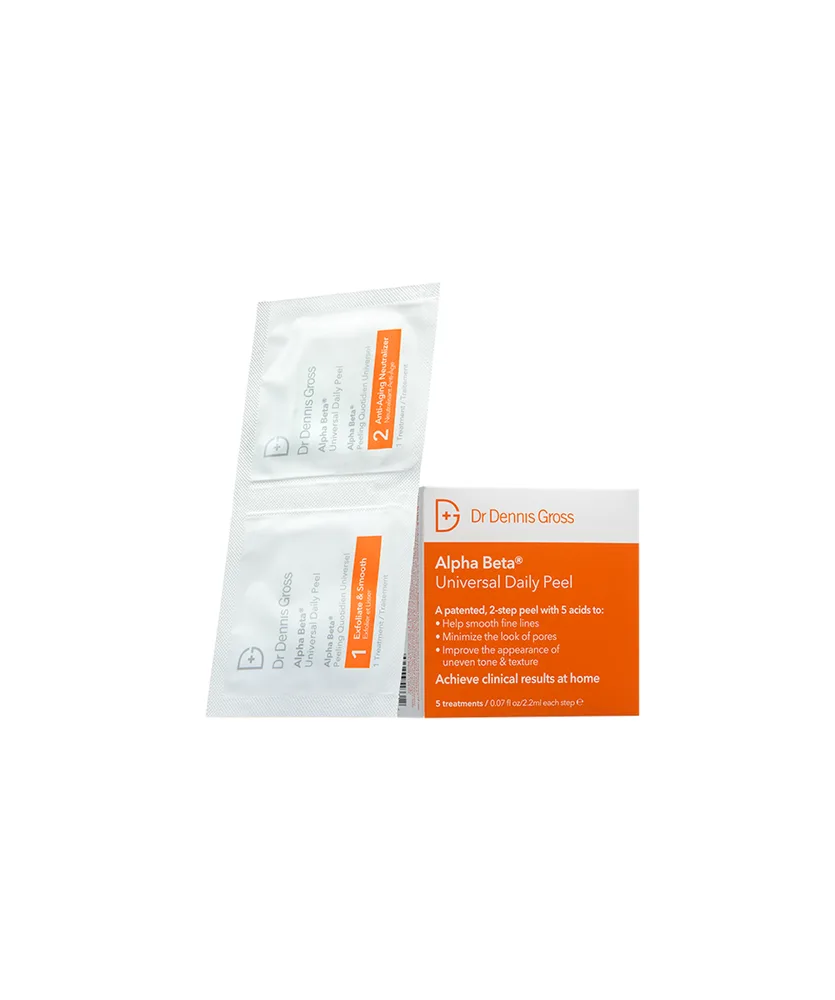
 Alpha Beta Universal Daily Peel
The product that invented the at-home daily peel category in 2002 and still sits at the top of it. The five-acid Step 1 and retinol-antioxidant Step 2 deliver genuine resurfacing and anti-aging in a single five-minute routine. Expensive, but the results and track record justify the reputation.
 Beginner Exfoliant Pick
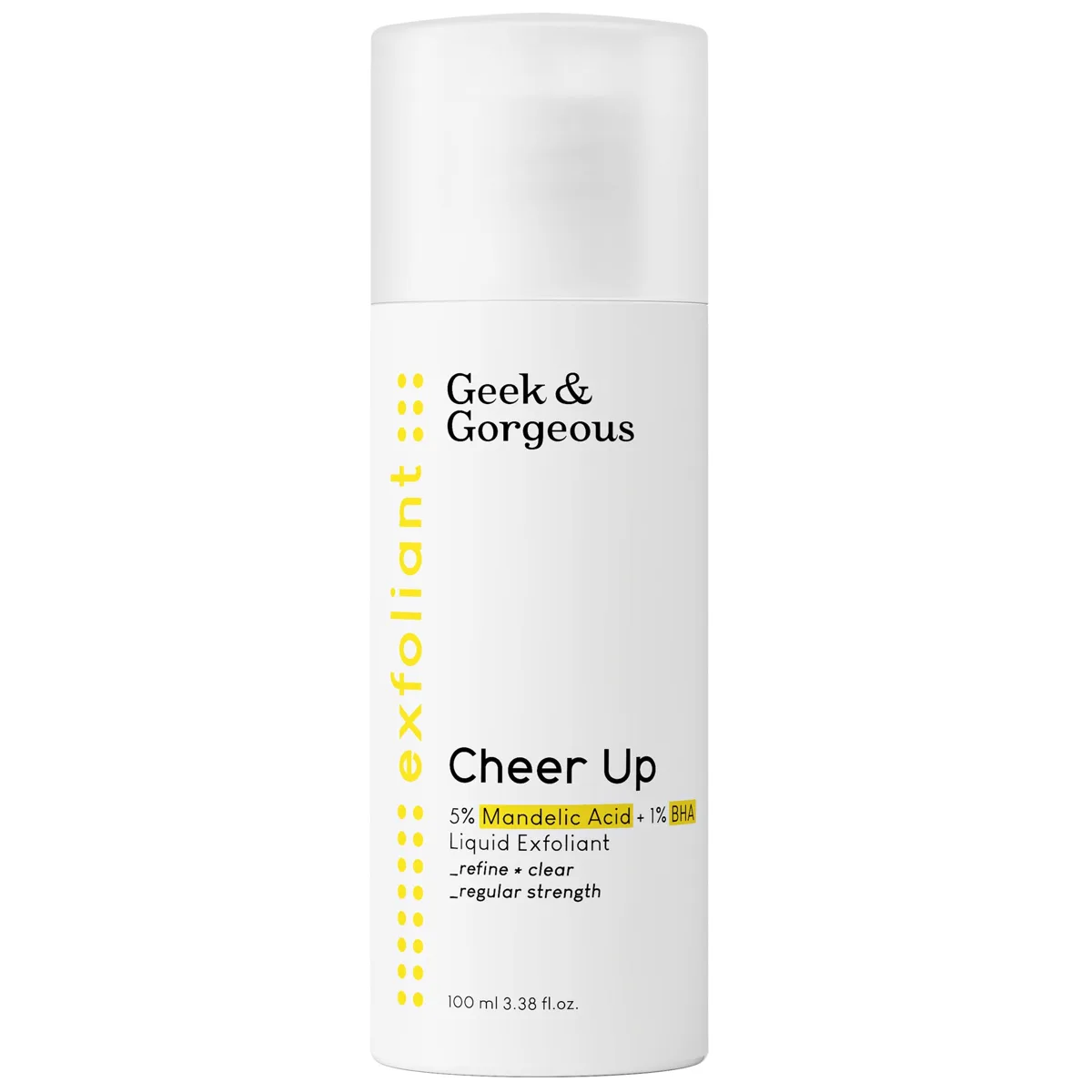
 Cheer Up 5% Mandelic + 1% Salicylic Exfoliant
A thoughtfully formulated beginner AHA/BHA exfoliant that uses mandelic acid — the gentlest mainstream AHA — in combination with low-strength salicylic, plus a sugar-humectant complex for comfort. At 100mL for around $12, the value is excellent, and the formulation choices reflect the kind of cosmetic-chemist thinking that separates this brand from typical indie exfoliants. Ideal for exfoliant newcomers and sensitive skin.
 At-Home Peel Benchmark
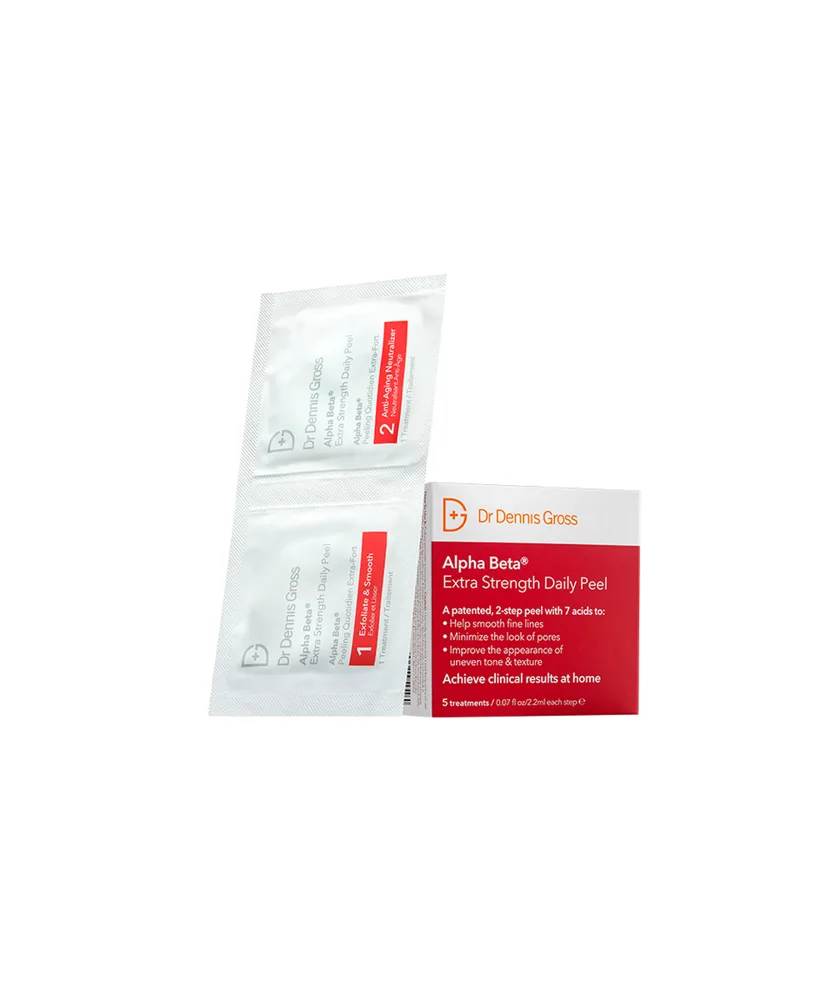
 Alpha Beta Extra Strength Daily Peel
The harder-hitting version of the at-home peel that started the category. Step 1 delivers a serious five-acid blend and Step 2 follows with retinol and antioxidants, making this a combined resurfacing and anti-aging treatment in a single five-minute routine. Expensive but genuinely effective for experienced exfoliant users.
 Pharma-Grade Budget BHA
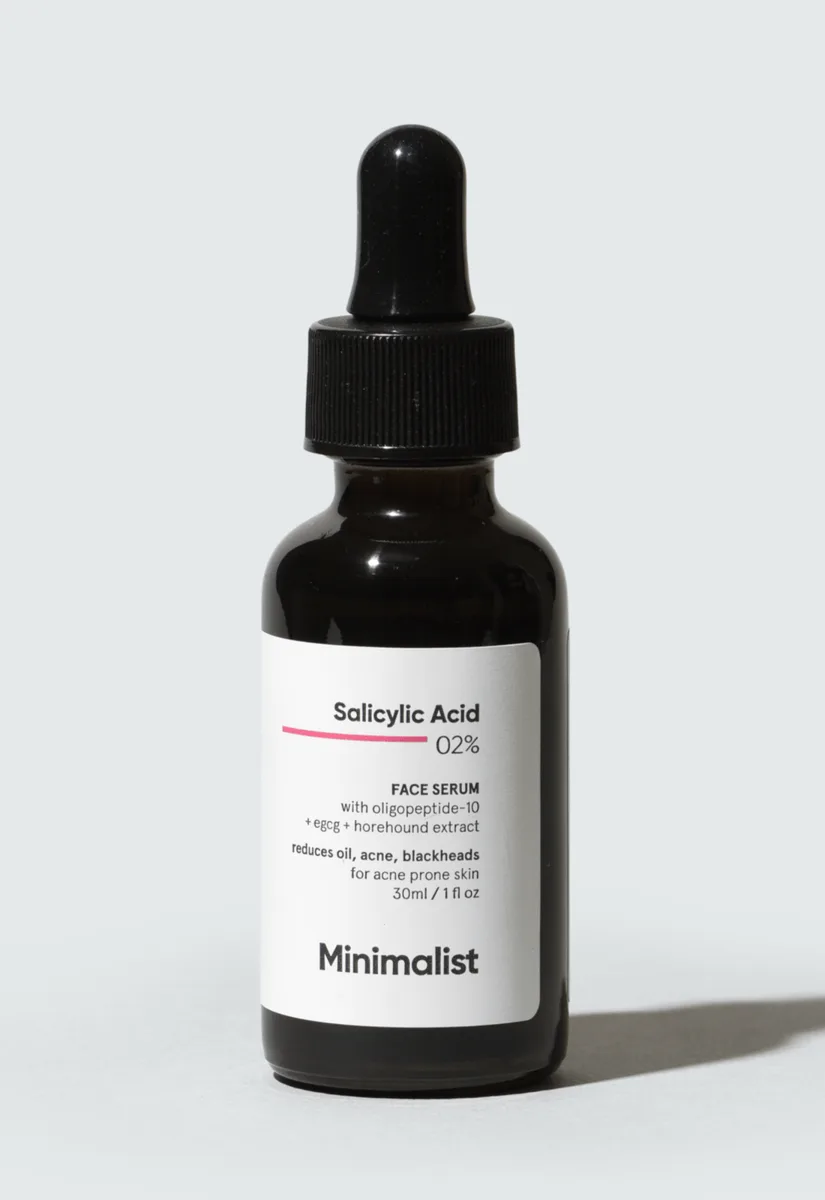
 2% Salicylic Acid Face Serum
A pharma-grade 2% BHA serum at pH 3.75, built around Merck's RonaCare salicylic acid and flanked by Marrubium Vulgare, EGCG glucoside, and Oligopeptide-10 — a supporting cast most budget salicylic serums do not bother with. At ₹599 for 30ml, it is one of the best acne serums on the Indian market and genuinely competitive with the prestige alternatives.
This review reflects our independent analysis of publicly available ingredient data, manufacturer claims, and verified user reviews. We are reader-supported — Amazon links may earn us a commission at no cost to you. We do not accept paid placements; rankings are based solely on the evidence.