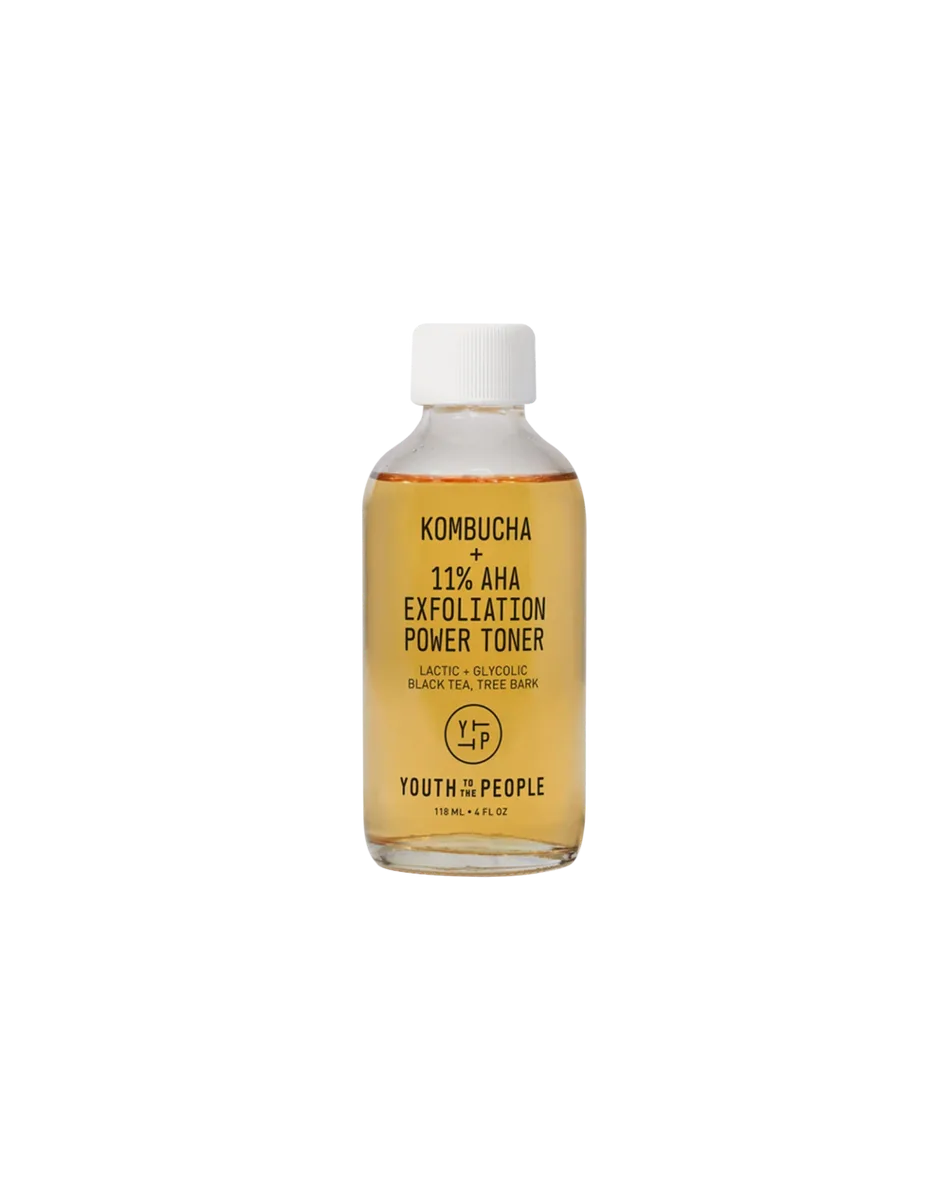
A smartly engineered dual-AHA exfoliant that delivers genuine resurfacing power with a clever time-release mechanism, though the price asks a lot for what's ultimately a short ingredient list. Best suited for oily-to-normal skin types chasing a weekly glow-up.
Kombucha + 11% AHA Exfoliation Power Toner
A smartly engineered dual-AHA exfoliant that delivers genuine resurfacing power with a clever time-release mechanism, though the price asks a lot for what's ultimately a short ingredient list. Best suited for oily-to-normal skin types chasing a weekly glow-up.
Score Breakdown
Where this product gains points and where it loses them — broken down across the four scoring pillars.
A well-formulated dual-AHA exfoliant with an innovative time-release arginine delivery system, but the high total acid concentration limits its audience, and the price is steep for a relatively simple formula.
Pros & Cons
- ✓L-arginine time-release system moderates AHA irritation effectively
- ✓Dual lactic-glycolic acid blend provides multi-depth exfoliation
- ✓Completely fragrance-free with no essential oils or botanical scents
- ✓Kombucha and pichia ferments add genuine skin-conditioning benefits
- ✓Vegan, cruelty-free, and Leaping Bunny certified
- ✓Immediate visible brightening after first application
- ✓Clean, minimalist formula with no unnecessary filler ingredients
- ✗Stinging on application is common, especially for acid beginners
- ✗Thirty-eight dollars is steep for a fifteen-ingredient formula
- ✗No barrier-supportive ingredients like ceramides or niacinamide included
- ✗Not suitable for sensitive, rosacea-prone, or compromised skin
- ✗Some users report persistent tackiness after application
Full Review
Most AHA toners introduce themselves to your face like an overeager handshake — a sudden, sharp greeting that leaves you wondering if you made a mistake. Youth to the People's Kombucha + 11% AHA Exfoliation Power Toner takes a subtler approach, and the reason lives near the top of the ingredient list: L-arginine, listed second, right before the acids themselves.
This amino acid does something genuinely clever in the formulation. By partially neutralizing the lactic and glycolic acids, it creates what cosmetic chemists call a buffered system — essentially a time-release mechanism that unfolds the exfoliation gradually rather than dumping it all on your skin at once. It is the difference between a controlled descent and a free fall, and it is the primary reason this toner manages 11% total AHAs without sending most users scrambling for their heaviest moisturizer.
The acid blend itself is thoughtfully proportioned. Lactic acid at 8% does the heavy lifting — it is a larger molecule than glycolic, so it works primarily on the skin's surface, dissolving the protein bonds that keep dead cells clinging past their welcome. But lactic acid has a second talent that glycolic does not share: it is a humectant, actively drawing moisture to the skin even as it exfoliates. The 3% glycolic acid plays a supporting role, slipping deeper into the stratum corneum with its smaller molecular size to encourage cellular turnover at a level the lactic acid cannot quite reach. Together, they create a multi-depth resurfacing effect that feels more thorough than either acid would deliver alone.
Then there is the kombucha. In a market where fermented ingredients often function more as marketing hooks than meaningful actives, the Saccharomyces/Xylinum/Black Tea Ferment here occupies a middle ground. It delivers organic acids, B vitamins, and antioxidants that genuinely condition the skin, and the Pichia Ferment Lysate Filtrate further downstream adds microbiome-supportive properties. Are these the star performers? No — the AHAs are doing the transformative work. But the ferments add a layer of skin-conditioning sophistication that elevates this above a simple acid-and-water formula.
The texture is essentially water. It pours like a very thin tea — faintly amber from the kombucha and caramel — and spreads across the face without any slipperiness or residue. Some users report a mild tackiness as it dries, but this dissipates once you layer your next product. There is no added fragrance, which is increasingly rare in the clean beauty space where botanical scents often masquerade as functional ingredients. Youth to the People deserves credit for resisting that temptation entirely.
On application, expect a tingle. At pH 3.5 with 11% combined AHAs, some sensation is unavoidable, and anyone telling you otherwise is selling something. The arginine buffering system genuinely moderates this — the sting builds slowly rather than hitting immediately — but it is still present, especially in the first few weeks of use. If you have truly sensitive skin, this is your cue to look elsewhere. The formula does not pretend to be gentle; it pretends to be less aggressive than it actually is, which is an important distinction.
Results follow a predictable AHA timeline. An immediate brightening effect after the first use is common — that characteristic post-exfoliation glow that makes AHA toners so addictive. Within two weeks of consistent use (two to three nights per week), texture improvements become tangible: smoother skin, less visible roughness, a general refinement that shows the acids are doing their job. The longer-term benefits — reduced hyperpigmentation, visible pore minimization, more even tone — typically manifest around the six-to-eight-week mark, assuming consistent use with proper sun protection.
The formula's simplicity is both a strength and a vulnerability. With only fifteen ingredients, there is very little filler and virtually no potential irritants beyond the acids themselves. But it also means you are paying thirty-eight dollars for what is essentially a well-buffered acid solution with some ferment extracts. There are no ceramides to help with barrier recovery, no niacinamide for pore refinement, no additional antioxidants beyond what the ferments provide. The formula trusts the acids to do the work and asks you to handle the rest with your subsequent products.
This is where the value proposition gets complicated. At thirty-eight dollars for four ounces, used two to three times per week, you are looking at roughly two to three months per bottle. That is not unreasonable for a well-formulated treatment product, but the sparse ingredient list makes the premium harder to justify when comparable acid concentrations exist at lower price points. What you are paying for is the arginine delivery system, the clean and vegan credentials, and the brand's commitment to transparency — whether those premiums matter to you is a personal calculation.
The product works best as part of a carefully structured nighttime routine: cleanser, this toner, then a hydrating serum and moisturizer to replenish what the acids strip. Morning sunscreen is non-negotiable — AHAs dramatically increase photosensitivity, and skipping SPF would undo whatever brightening benefits you earned the night before.
For oily, combination, and normal skin types dealing with dullness, texture, or stubborn dark spots, this toner delivers honest, measurable results backed by the two most-studied AHAs in dermatology. It respects your skin's intelligence by releasing its actives gradually rather than carpet-bombing the surface, and the kombucha ferment adds a thoughtful layer of conditioning that most acid toners do not bother with. It is not a revolutionary product, but it is a well-executed one — and in a category crowded with overpriced acid water, that counts for something.
Formula
Key Ingredients
The hero actives that drive this product's performance.
| Ingredient | Function | Evidence |
|---|---|---|
| Lactic Acid (8%) (8%) | The dominant exfoliating acid in this formula, lactic acid works at the 8% concentration to loosen the bonds between dead skin cells while simultaneously drawing moisture into the skin — a dual exfoliant-humectant action that the L-arginine in this formula modulates for a time-released effect, reducing the intensity spike that pure AHA solutions typically produce. | well-established |
| Glycolic Acid (3%) (3%) | At 3%, glycolic acid complements the lactic acid by penetrating slightly deeper into the stratum corneum due to its smaller molecular size. In this formulation, the glycolic-lactic combination provides multi-depth exfoliation — glycolic targets deeper cellular turnover while lactic acid handles the surface, creating a more even resurfacing effect than either acid alone. | well-established |
| Kombucha Black Tea Ferment | The Saccharomyces/Xylinum/Black Tea Ferment is a kombucha-derived ferment that delivers organic acids, amino acids, and antioxidants to support the skin's microbiome during the exfoliation process. In this acidic formula, the ferment helps buffer the irritation potential of the dual AHAs while providing additional mild resurfacing action from its naturally occurring organic acids. | emerging |
| L-Arginine | Listed second in this formula, L-arginine serves a dual purpose: it partially neutralizes the AHAs to create a buffered, time-release exfoliation effect that unfolds gradually on the skin rather than hitting all at once, and it contributes to the formula's skin-conditioning properties by supporting the natural moisturizing factor. | promising |
| Glycerin | Provides essential humectant support in this exfoliating formula, counterbalancing the drying potential of the 11% AHA concentration by drawing moisture to the skin surface. Works alongside the betaine to maintain hydration levels during the chemical exfoliation process. | well-established |
Full INCI List · pH 3.5
Aqua/Water/Eau, L-Arginine, Lactic Acid, Glycolic Acid, Pentylene Glycol, Glycerin, Betaine, Phenoxyethanol, Potassium Sorbate, Zingiber Officinale (Ginger) Water, Citrus Limon (Lemon) Fruit Water, Saccharomyces/Xylinum/Black Tea Ferment, Tetrasodium Glutamate Diacetate, Pichia Ferment Lysate Filtrate, Caramel
Product Flags
✓ Fragrance Free✓ Alcohol Free✓ Oil Free✓ Silicone Free✓ Paraben Free✓ Sulfate Free✓ Cruelty Free✓ Vegan✓ Fungal Acne Safe
Potential Irritants
Lactic AcidGlycolic Acid
Compatibility
Skin Match
Best For
Works For
Not Ideal For
Addresses These Conditions
dullness texture hyperpigmentation large pores dark spots acne
Use With Caution
Avoid With
eczema compromised skin barrier sensitivity
Routine Step
treatment
Time of Day
PM
Pregnancy Safe
Unknown
Layering Tips
Apply after cleansing to dry skin using a cotton pad or fingertips. Follow with a hydrating serum and moisturizer. Do not layer with other direct acids, retinoids, or vitamin C on the same night.
Results Timeline
Immediate brightening glow after first use. Smoother texture and reduced dullness visible within 1-2 weeks of consistent use. Pore refinement and more even tone typically develop over 4-8 weeks with 2-3x weekly application.
Pairs Well With
hydrating serumsceramide moisturizersniacinamide (alternate nights)SPF (next morning)
Conflicts With
retinoidsother AHA/BHA exfoliantsbenzoyl peroxidevitamin C (same routine)
Sample AM Routine
- Gentle cleanser
- Vitamin C serum
- Moisturizer
- SPF 30+
Sample PM Routine
- Oil cleanser
- Water-based cleanser
- Youth to the People Kombucha + 11% AHA Exfoliation Power Toner
- Hydrating serum
- Moisturizer
Evidence
Who Should Skip
- Stinging on application is common, especially for acid beginners
- Thirty-eight dollars is steep for a fifteen-ingredient formula
- No barrier-supportive ingredients like ceramides or niacinamide included
- Not suitable for sensitive, rosacea-prone, or compromised skin
Science & Expert Perspective
The Science
The two AHAs in this formula — lactic acid and glycolic acid — represent the most extensively researched chemical exfoliants in dermatology. Glycolic acid, the smallest alpha-hydroxy acid by molecular weight (76 Da), penetrates the stratum corneum efficiently and has been shown to promote both exfoliation and collagen synthesis. A landmark study published in the Journal of the American Academy of Dermatology (Stiller et al., 1996) demonstrated that topical glycolic acid application significantly improved photodamaged skin with increases in epidermal thickness, dermal collagen density, and skin quality.
Lactic acid, with its slightly larger molecular size (90 Da), exfoliates more superficially but offers a dual mechanism that glycolic acid lacks: it functions simultaneously as a humectant, binding water molecules to the skin surface. A double-blind vehicle-controlled clinical trial published in JAMA Dermatology (Stiller et al., 1996) comparing 8% glycolic acid and 8% lactic acid creams for photodamaged skin found both acids produced statistically significant improvements in skin smoothness, discoloration, and overall appearance.
The L-arginine buffering system is particularly noteworthy. When an amino acid partially neutralizes an AHA, it creates what is known as a partially neutralized acid — the AHA remains effective but releases its free acid form gradually as it interacts with the skin's natural pH. This time-release mechanism has been explored in cosmetic chemistry research as a way to deliver effective exfoliation while reducing the peak irritation response that fully free-acid formulas produce.
A comprehensive review published in Cosmetics (2023) examining AHA formulations, mechanisms of action, and efficacy confirmed that combination AHA products can achieve synergistic exfoliation effects, with the different molecular sizes of glycolic and lactic acids enabling multi-level desquamation of the stratum corneum.
References
- Effects of alpha-hydroxy acids on photoaged skin: a pilot clinical, histologic, and ultrastructural study — Journal of the American Academy of Dermatology (1996)
- Topical 8% Glycolic Acid and 8% L-Lactic Acid Creams for the Treatment of Photodamaged Skin — JAMA Dermatology (1996)
- Topical AHA in Dermatology: Formulations, Mechanisms of Action, Efficacy, and Future Perspectives — Cosmetics (2023)
Dermatologist Perspective
Dermatologists frequently recommend AHA-based exfoliants for patients dealing with dullness, textural irregularities, and mild hyperpigmentation, and a combination of lactic and glycolic acids is considered well-supported by clinical evidence. Board-certified dermatologists note that the partially buffered delivery system in this formula — achieved through L-arginine complexation — represents a practical approach to reducing the irritation spike associated with higher AHA concentrations while maintaining efficacy. Dermatologists typically advise that 11% total AHAs is moderate-to-strong for at-home use and recommend starting with once-weekly application, building tolerance gradually. Daily broad-spectrum sunscreen is considered mandatory when using any AHA product, as these acids thin the stratum corneum and significantly increase UV sensitivity.
Guidance
Usage Guide
How to Use
Apply to clean, dry skin at night using a cotton pad or fingertips — avoid damp skin, which can intensify the acids' penetration and increase irritation. Start with once per week for the first 2-3 weeks, then increase to 2-3 nights weekly as tolerated. Follow immediately with a hydrating serum and moisturizer. Do not combine with retinoids, other direct acids, or vitamin C in the same routine. Apply broad-spectrum SPF 30+ every morning without exception. Avoid the eye area and any broken or irritated skin.
Value Assessment
At $38 for 4 oz, this toner sits at the premium end of the AHA exfoliant category. You are getting roughly 2-3 months of product with 2-3x weekly use, which breaks down to approximately $13-19 per month — not unreasonable for an active treatment product. The L-arginine buffering system and kombucha ferment add formulation sophistication that simpler acid toners lack, but the spare fifteen-ingredient list makes the premium harder to justify on ingredient complexity alone. Youth to the People's clean, vegan, cruelty-free credentials contribute to the price, and for consumers who prioritize those values, the premium may feel earned. For those focused purely on acid efficacy per dollar, comparable concentrations are available at lower price points.
Who Should Buy
Oily, combination, and normal skin types looking for a well-formulated weekly chemical exfoliant to target dullness, texture, and uneven tone. Ideal for those who want clean beauty credentials and appreciate the gentler delivery system of a buffered AHA formula.
Who Should Skip
Anyone with sensitive, rosacea-prone, or barrier-compromised skin — the 11% AHA concentration is too strong regardless of the buffering system. Also not the best pick for acid beginners who have never used chemical exfoliants; start with a lower-concentration lactic acid product first.
Ready to try Youth to the People Kombucha + 11% AHA Exfoliation Power Toner?
Details
Details
Texture
Thin, water-like liquid with a faintly amber tint from the kombucha ferment and caramel. Applies smoothly without residue when absorbed, though some users report a slight tackiness before it fully dries.
Scent
Essentially unscented — no added fragrance or essential oils. A very faint fermented note from the kombucha is barely detectable.
Packaging
Frosted glass bottle with a controlled-pour cap. Clean, minimalist design consistent with the brand's aesthetic. The glass is recyclable but can be slippery with wet hands.
Finish
lightweightdewyfast-absorbing
What to Expect on First Use
Expect a mild tingling or stinging sensation on first application — this is normal with 11% AHA concentration. Start with once per week and build up to 2-3 nights weekly. If stinging is intense or prolonged beyond 2-3 minutes, rinse off and reduce frequency. Visible brightening is typically noticeable after the first use.
How Long It Lasts
2-3 months with 2-3x weekly use
Period After Opening
12 months
Best Season
All Year
Certifications
Leaping Bunny CertifiedVegan
Background
The Why
Youth to the People launched this toner in 2019 as part of their expanding treatment line, combining their superfood ethos with serious actives. The kombucha ferment was a deliberate choice to bridge the gap between trendy fermented skincare and evidence-based AHA exfoliation, and the product has since been reformulated to a 10% version, making the original 11% formula a legacy formulation.
About Youth to the People Established Brand (5–20 years)
Youth to the People was founded in 2015 by Greg Gonzalez and Joe Cloyes, drawing on their family's 40-year legacy in professional skincare. The brand is known for vegan, cruelty-free formulations built around superfood ingredients, though it relies more on ingredient-transparency positioning than independent clinical research.
Brand founded: 2015 · Product launched: 2019
Myth vs. Reality
Myths & Misconceptions
Myth
The kombucha in this toner provides the same benefits as drinking kombucha for gut health.
Reality
Topical kombucha ferment delivers organic acids and antioxidants to the skin surface but has no connection to gut microbiome benefits. Its role here is as a conditioning and mild resurfacing agent, not a probiotic in the traditional sense.
Myth
If it stings, it's working — and more stinging means better results.
Reality
Some tingling is expected with 11% AHAs, but intense or prolonged stinging indicates irritation, not efficacy. The L-arginine buffering system in this formula is specifically designed to reduce that initial spike. If it burns, reduce frequency rather than pushing through.
FAQ
Frequently Asked Questions
How often should I use the Youth to the People Kombucha AHA Toner?
Start with once per week to let your skin acclimate to the 11% AHA concentration. After 2-3 weeks, you can gradually increase to 2-3 nights per week. Always apply to dry skin at night and follow with sunscreen the next morning, as AHAs increase photosensitivity.
Can I use this toner with retinol?
Not on the same night. The 11% AHA concentration in this formula combined with retinol would likely cause excessive irritation and compromise your skin barrier. Alternate nights — use this toner 2-3 nights per week and retinol on the off nights, with a hydrating moisturizer both evenings.
Is this toner safe for sensitive skin?
This formula's 11% combined AHA concentration (8% lactic + 3% glycolic) is on the stronger side for sensitive skin types. While the L-arginine buffering system helps moderate the acids' intensity, those with reactive, rosacea-prone, or easily irritated skin should opt for a lower-concentration exfoliant.
What does the kombucha do in this toner?
The Saccharomyces/Xylinum/Black Tea Ferment — the kombucha component — delivers organic acids, amino acids, and antioxidants that support the skin's microbiome during exfoliation. It acts as a conditioning agent that helps mitigate some of the irritation potential of the dual AHAs while providing its own mild resurfacing benefits.
Why does this toner sting when I apply it?
Mild tingling is normal with an 11% AHA product applied at a low pH (~3.5). The L-arginine in this formula creates a time-release effect to reduce the initial spike, but some sensation is expected, especially in the first few uses. If stinging is intense or lasts more than a few minutes, rinse off and reduce your usage frequency.
Is this the same as the reformulated 10% AHA version?
No — the original formula contains 8% lactic acid and 3% glycolic acid (11% total). Youth to the People has since released a reformulated version with 7% lactic and 3% glycolic (10% total). The original 11% version offers slightly more exfoliating intensity.
Community
Community Voices
Common Praise
"Visible brightening after first use"
"Smooths rough texture effectively"
"Fragrance-free and clean formula"
"Lightweight liquid texture absorbs quickly"
Common Complaints
"Can sting or burn on application"
"Feels sticky on some skin types"
"Too strong for sensitive skin"
"Expensive for the amount of product"
Appears In
best exfoliant for dullness best exfoliant for texture best aha toner for oily skin best clean beauty exfoliant
Related Conditions
dullness texture hyperpigmentation large pores dark spots
Related Ingredients
You Might Also Like
 Sensitive Skin AHA Pick
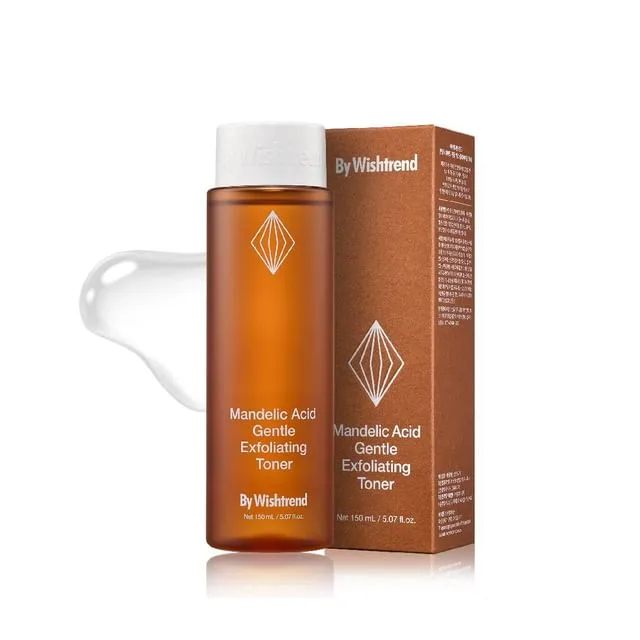
 Mandelic Acid 5% Skin Prep Water
The mandelic acid prep water that quietly converted half of K-beauty Reddit away from glycolic — and for good reason. It delivers visible texture and PIH improvement at 5% without the sting or pigment risk that derails sensitive and darker skin, and it does so for around twenty bucks.
 Gentle Glow Specialist
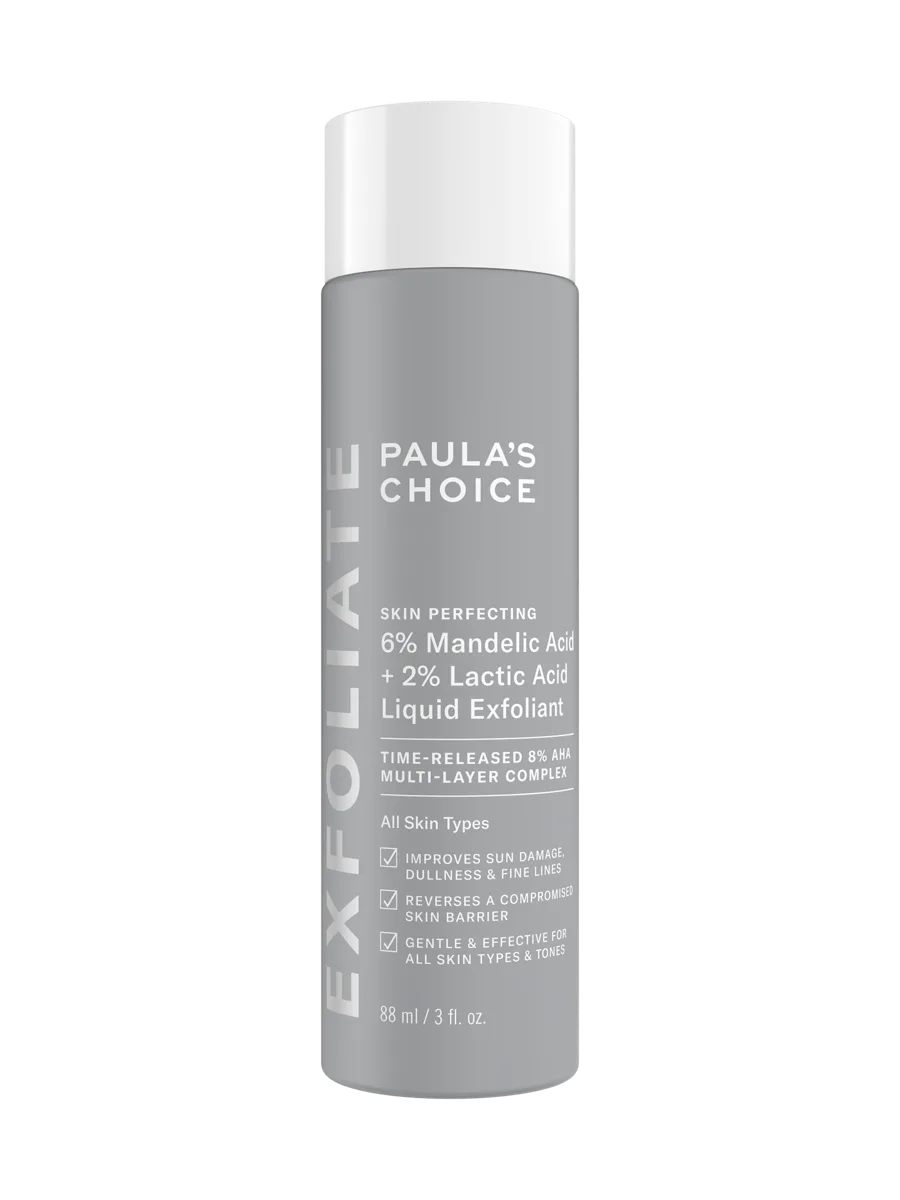
 Skin Perfecting 6% Mandelic Acid + 2% Lactic Acid Liquid Exfoliant
The exfoliant that finally treats sensitive and melanin-rich skin as the design priority rather than an afterthought. With a 4.8-star rating and 660+ reviews, this mandelic-lactic formula proves that gentleness and efficacy aren't mutually exclusive — it just requires smarter acid selection.
 The Original At-Home Peel
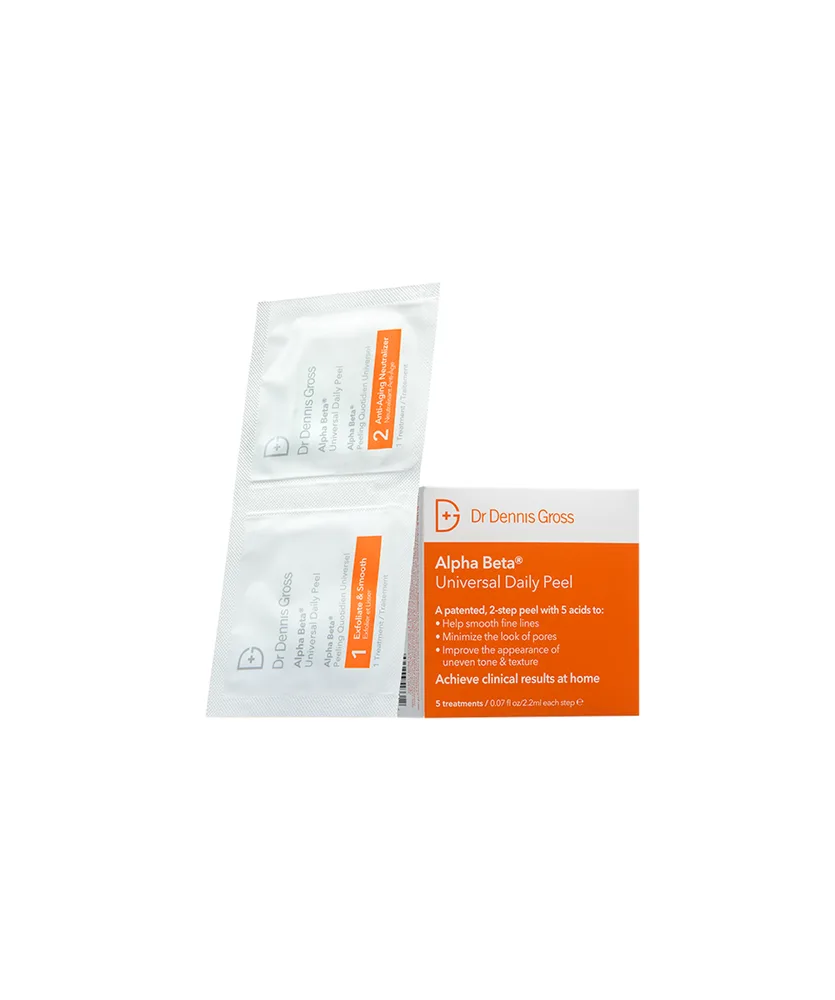
 Alpha Beta Universal Daily Peel
The product that invented the at-home daily peel category in 2002 and still sits at the top of it. The five-acid Step 1 and retinol-antioxidant Step 2 deliver genuine resurfacing and anti-aging in a single five-minute routine. Expensive, but the results and track record justify the reputation.
 Beginner Exfoliant Pick
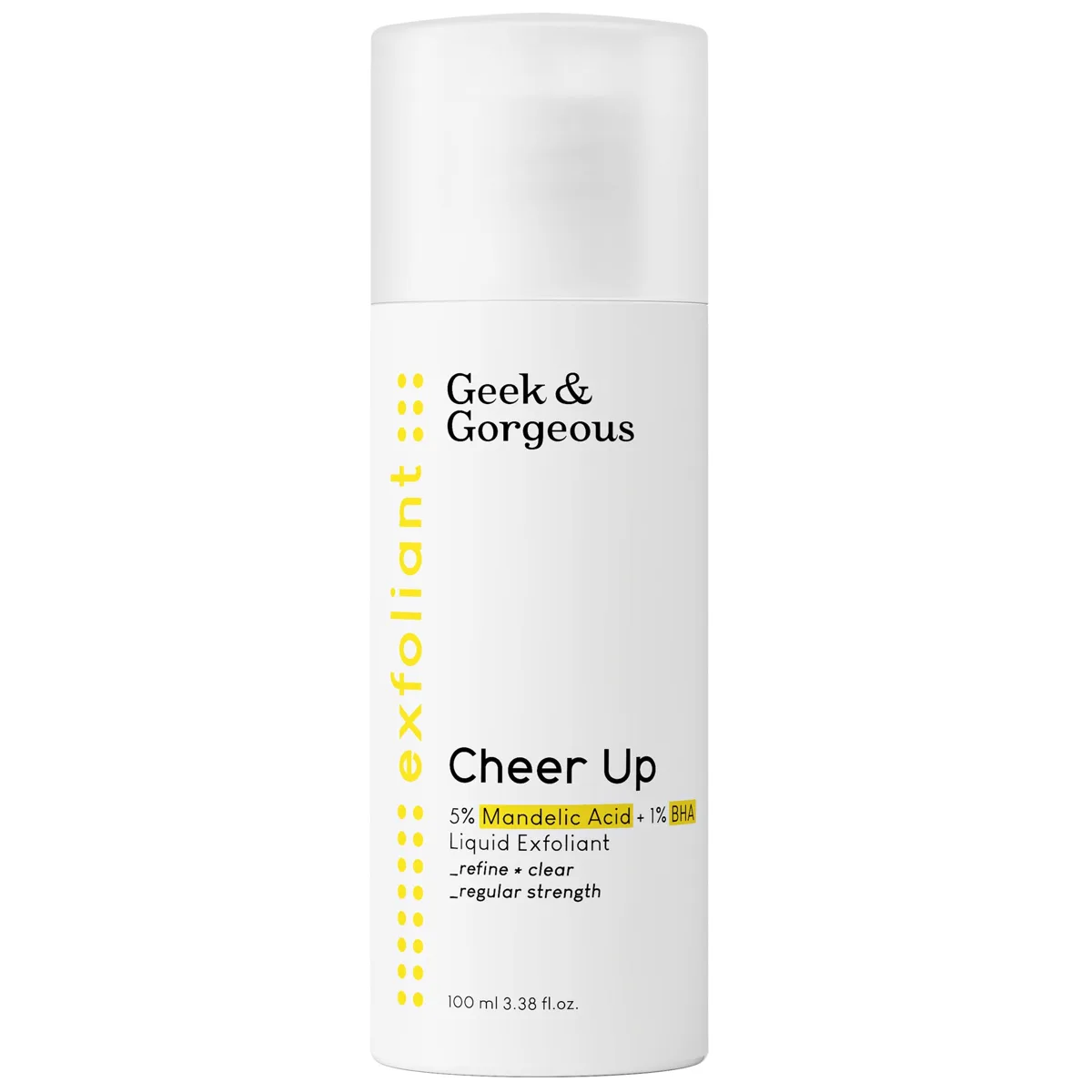
 Cheer Up 5% Mandelic + 1% Salicylic Exfoliant
A thoughtfully formulated beginner AHA/BHA exfoliant that uses mandelic acid — the gentlest mainstream AHA — in combination with low-strength salicylic, plus a sugar-humectant complex for comfort. At 100mL for around $12, the value is excellent, and the formulation choices reflect the kind of cosmetic-chemist thinking that separates this brand from typical indie exfoliants. Ideal for exfoliant newcomers and sensitive skin.
 At-Home Peel Benchmark
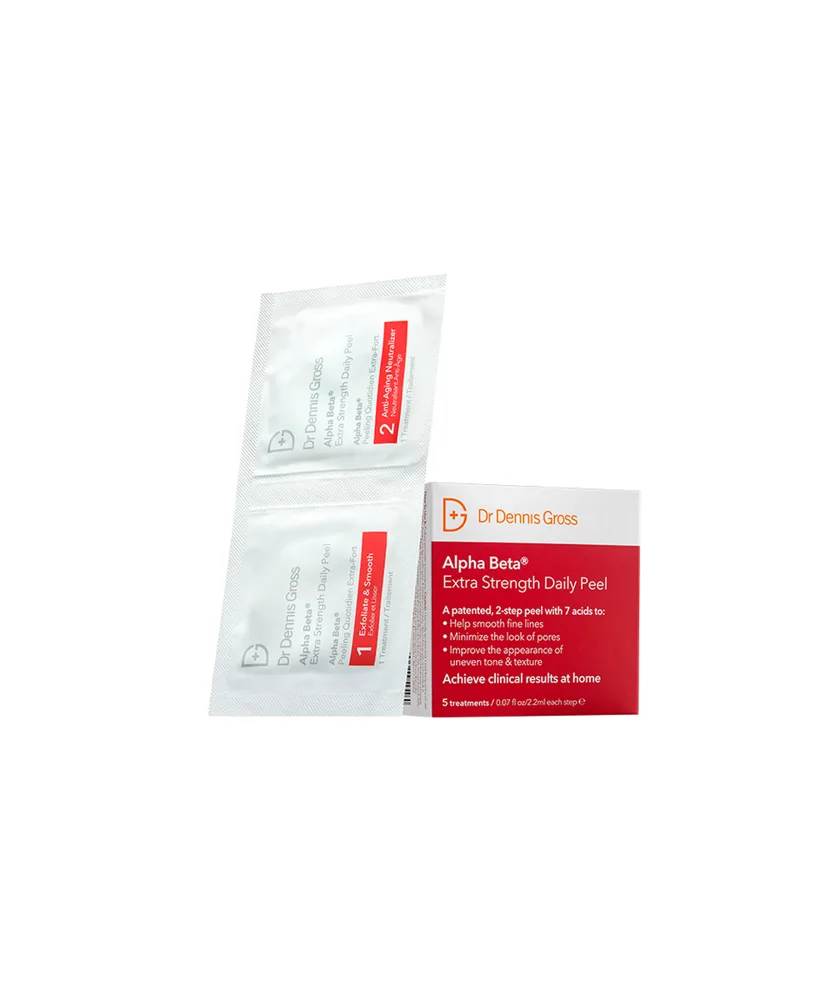
 Alpha Beta Extra Strength Daily Peel
The harder-hitting version of the at-home peel that started the category. Step 1 delivers a serious five-acid blend and Step 2 follows with retinol and antioxidants, making this a combined resurfacing and anti-aging treatment in a single five-minute routine. Expensive but genuinely effective for experienced exfoliant users.
 Pharma-Grade Budget BHA
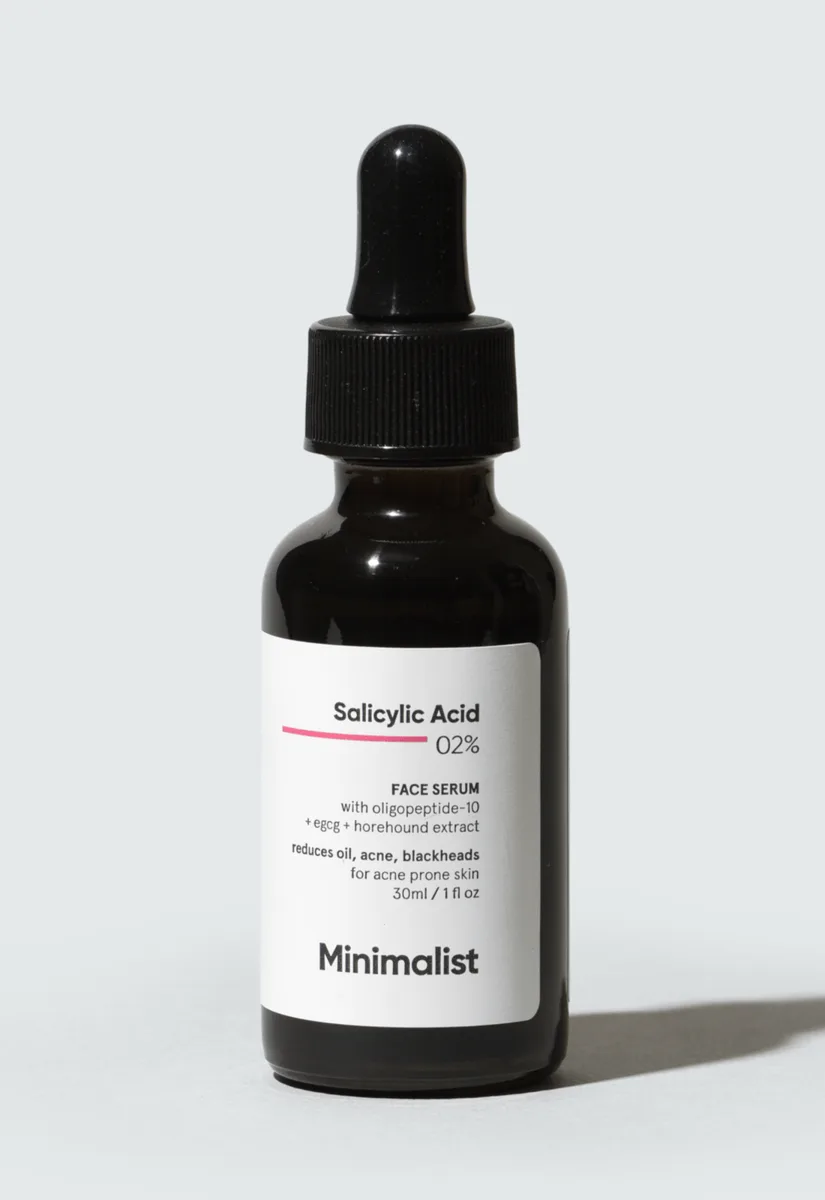
 2% Salicylic Acid Face Serum
A pharma-grade 2% BHA serum at pH 3.75, built around Merck's RonaCare salicylic acid and flanked by Marrubium Vulgare, EGCG glucoside, and Oligopeptide-10 — a supporting cast most budget salicylic serums do not bother with. At ₹599 for 30ml, it is one of the best acne serums on the Indian market and genuinely competitive with the prestige alternatives.
This review reflects our independent analysis of publicly available ingredient data, manufacturer claims, and verified user reviews. We are reader-supported — Amazon links may earn us a commission at no cost to you. We do not accept paid placements; rankings are based solely on the evidence.