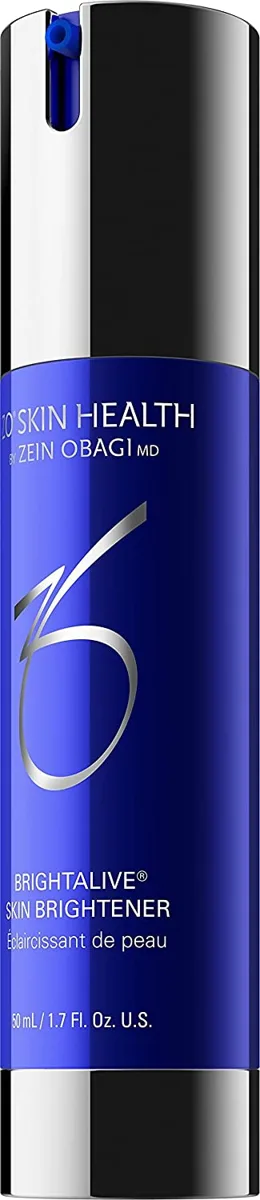
One of the most credible non-hydroquinone brightening serums on the market, stacking tranexamic acid, niacinamide, hexylresorcinol, and encapsulated peptides into a multi-pathway approach that can genuinely move the needle on melasma and PIH. The timeline is slower than hydroquinone, the price is steep, and the dermatology-channel distribution limits access — but for people who want sophisticated pigmentation treatment without long-term hydroquinone exposure, this earns its place.
Brightalive Skin Brightener
One of the most credible non-hydroquinone brightening serums on the market, stacking tranexamic acid, niacinamide, hexylresorcinol, and encapsulated peptides into a multi-pathway approach that can genuinely move the needle on melasma and PIH. The timeline is slower than hydroquinone, the price is steep, and the dermatology-channel distribution limits access — but for people who want sophisticated pigmentation treatment without long-term hydroquinone exposure, this earns its place.
Score Breakdown
Where this product gains points and where it loses them — broken down across the four scoring pillars.
A genuinely sophisticated multi-pathway brightening serum that gives hydroquinone-free formulations a credible alternative for melasma and PIH. The price and the dermatology-channel-only distribution are the main drags.
Pros & Cons
- ✓Five-mechanism brightening approach more sophisticated than typical single-active serums
- ✓Tranexamic acid plus niacinamide combination addresses melasma and PIH at multiple pathways
- ✓Hexylresorcinol provides clinically credible non-hydroquinone tyrosinase inhibition
- ✓Encapsulated peptide delivery for slow-release brightening over hours
- ✓Fragrance-free, suitable for sensitive pigmentation-prone skin
- ✓Lightweight texture absorbs cleanly for twice-daily compliance
- ✓Opaque packaging protects light-sensitive actives
- ✓Hydroquinone-free for patients who can't or won't use prescription brighteners
- ✗Premium price at $117 for 1.7 oz
- ✗Slower timeline to visible results than hydroquinone
- ✗Not safe during pregnancy due to tranexamic acid
- ✗Only available through dermatologist offices and authorized professional retailers
- ✗Requires 12-16 weeks of consistent twice-daily use for full benefits
Full Review
There's a category of skincare patient that derms see all the time. They have melasma or post-inflammatory hyperpigmentation, they've tried the kojic acid creams and the alpha arbutin serums and the niacinamide single-actives without much progress, and they're not interested in committing to indefinite hydroquinone use — either because they've heard about ochronosis with prolonged misuse, or because they live in a country where hydroquinone is restricted, or because they're trying to get pregnant and want to avoid prescription pigmentation drugs. What they want is a hydroquinone-free serum that actually works, not just a marketing claim of brightening attached to a single underwhelming active. The market has not historically served them well. The mass-market 'brightening serums' at Sephora are mostly vitamin C plus niacinamide and a story, which is fine but not enough for entrenched melasma. The prestige brightening serums often command Lancôme prices for ingredient lists that don't justify them. The genuinely effective non-hydroquinone options exist but are scattered across professional skincare lines and require some hunting.
Brightalive is one of the better answers to that gap. The formulation is built around five distinct brightening mechanisms working in parallel, which is the clinically sensible approach when no single non-hydroquinone active matches hydroquinone's potency on its own. Tranexamic acid is the most credible piece. It works by interrupting the plasmin-driven inflammatory pathway that triggers melanin overproduction in melanocytes, and it has accumulated a robust research base for melasma in both topical and oral forms — particularly for patients whose pigmentation has an inflammatory component, which is most cases. Niacinamide sits high on the INCI and addresses pigmentation through an entirely different mechanism: blocking the transfer of melanosomes from melanocytes to surrounding keratinocytes. The combination of tranexamic acid plus niacinamide is one of the more researched non-hydroquinone pairings, and the fact that they work through different pathways means they layer rather than compete.
Hexylresorcinol is the next piece, sitting relatively high on the INCI as one of the actual workhorses rather than a marketing token. It's a resorcinol-family tyrosinase inhibitor that has been clinically compared favorably to hydroquinone in some published studies — not as potent on average, but in the same conversation, which is rare for non-hydroquinone tyrosinase inhibitors. The encapsulated hexapeptide-2 — what the brand calls the 'intelligent peptide drone' — adds a peptide-based modulation of melanin transfer with the encapsulation providing slow release into skin over hours rather than a single dump of active. Tetrahexyldecyl ascorbate adds a lipid-soluble vitamin C that contributes both antioxidant action and additional tyrosinase inhibition. And papain from papaya provides gentle enzymatic exfoliation to lift the pigmented dead cells off the surface, clearing the way for the deeper-acting brighteners to reach the melanocyte layer where they need to work.
The formulation discipline is the part that earns the price tag. It would have been easy to slap a 2% tranexamic acid label on a basic serum base and call it a non-hydroquinone brightener. Brightalive is more thoughtful than that. The supporting cast of stachys officinalis, beta-glucan, rosemary leaf extract, sunflower oil, and phospholipids is built to calm and soothe a category of patient (pigmentation-prone, often sensitive) who frequently can't tolerate aggressive resurfacing approaches. The texture is lightweight and absorbs cleanly, which matters for twice-daily compliance over months. The packaging is opaque to protect the light-sensitive actives. Every detail of the formulation seems calibrated for the specific clinical use case the product is built to serve.
The results, when they come, are gradual rather than dramatic. Most users see initial luminosity improvements at four to six weeks. Visible hyperpigmentation fading shows up at eight to twelve weeks. Full benefits for melasma and stubborn PIH typically take twelve to sixteen weeks of consistent twice-daily use. This is the timeline of a non-hydroquinone multi-pathway approach, and the people who quit at four weeks because they're not seeing what hydroquinone delivers are giving up before the formulation has had time to work. The right framing is 'pigmentation is being managed through multiple slower mechanisms' rather than 'pigmentation is being aggressively bleached.' Both can produce visible improvement; the timelines and the side-effect profiles are different.
The limitations are honest ones. The price is the biggest. One hundred and seventeen dollars for 1.7oz puts this firmly in luxury territory, and the value calculation depends entirely on whether the multi-pathway approach justifies the spend versus a cheaper single-active serum. For people with stubborn pigmentation that hasn't responded to simpler products, the answer is often yes. For people with mild evenness concerns, it's overkill. The second limitation is the dermatology-channel distribution — you can't grab Brightalive at Sephora; you have to find it through a derm office or an authorized professional retailer, which limits access for self-directed users. The third is the pregnancy contraindication. Tranexamic acid is generally avoided during pregnancy without specific medical guidance, so this isn't a fit for that life stage. And finally, the slow timeline is a real psychological challenge. People expecting visible results in four weeks will be disappointed; people willing to commit to twelve to sixteen weeks usually aren't.
What ultimately makes this product worth talking about is that it occupies a gap in the brightening market that almost no other product fills credibly. There are stronger brighteners (prescription hydroquinone). There are cheaper brighteners (almost everything at Sephora). There are very few brighteners that combine the multi-pathway sophistication of a clinical-grade formula with the safety profile of a hydroquinone-free approach. For the specific kind of patient who needs that combination, Brightalive is one of the more defensible premium spends in skincare.
Formula
Key Ingredients
The hero actives that drive this product's performance.
| Ingredient | Function | Evidence |
|---|---|---|
| Tranexamic Acid | The most clinically credible brightening active in this serum. Tranexamic acid blocks the plasmin-driven inflammatory pathway that triggers melanin production, which makes it especially effective for melasma and post-inflammatory hyperpigmentation — the two pigmentation patterns hydroquinone-free formulas usually struggle to address. | well-established |
| Niacinamide | Sits high on the INCI at a meaningful concentration. Works through a different brightening mechanism than tranexamic acid — niacinamide blocks melanosome transfer from melanocytes to keratinocytes, so layering the two means you're attacking pigment from two distinct angles simultaneously. | well-established |
| Hexylresorcinol | A resorcinol-family tyrosinase inhibitor that's been clinically compared favorably to hydroquinone in some studies. Sits relatively high on the INCI here as one of the actual workhorses of the brightening cocktail, not a token addition. | promising |
| Hexapeptide-2 (Encapsulated 'Peptide Drone') | The brand's proprietary 'peptide drone' delivery system uses encapsulated hexapeptide-2 to influence melanin transfer pathways. The encapsulation is what gives this serum its fast-onset brightening effect — the peptide is released gradually into skin over the day rather than dumped all at once. | promising |
| Tetrahexyldecyl Ascorbate (Vitamin C) | Lipid-soluble vitamin C that complements the brightening cocktail with antioxidant action and additional tyrosinase inhibition. Less prominent than in ZO's dedicated vitamin C serum, but it adds another mechanism to the multi-pathway approach. | promising |
| Papain (Papaya Enzyme) | Provides gentle enzymatic exfoliation to lift surface pigmented dead cells, supporting the deeper-acting brightening actives by clearing the way for them to reach the melanocyte layer more efficiently. | promising |
Full INCI List
Aqua/Water/Eau, Glycerin, Cyclopentasiloxane, Polysilicone-11, Niacinamide, Butylene Glycol, Caprylic/Capric Triglyceride, Cetyl Alcohol, Hexylresorcinol, Cetearyl Alcohol, Tranexamic Acid, Cetearyl Glucoside, PEG-100 Stearate, Glyceryl Stearate, Phenoxyethanol, Sodium Acrylates Copolymer, Stachys Officinalis Flower/Leaf/Stem Extract, Lecithin, Carthamus Tinctorius (Safflower) Seed Oil, Tocopheryl Acetate, Caprylyl Glycol, Tetrahexyldecyl Ascorbate, Citric Acid, Helianthus Annuus (Sunflower) Seed Oil, Beta-Glucan, Rosmarinus Officinalis (Rosemary) Leaf Extract, Acetyl Glucosamine, Ethylhexylglycerin, Disodium EDTA, Papain, Hexapeptide-2, Sucrose, Caprylhydroxamic Acid, Glycine Soja (Soybean) Oil, Lactic Acid, Linoleic Acid, Phospholipids, Tocopherol, Hexylene Glycol.
Product Flags
✓ Fragrance Free✓ Alcohol Free✗ Oil Free✗ Silicone Free✓ Paraben Free✓ Sulfate Free✗ Cruelty Free✗ Vegan✗ Fungal Acne Safe
Potential Irritants
lactic acidpapain
Compatibility
Skin Match
Best For
normal combination dry sensitive
Works For
Not Ideal For
Addresses These Conditions
hyperpigmentation melasma dark spots dullness post inflammatory hyperpigmentation sun damage
Use With Caution
Routine Step
treatment
Time of Day
AM & PM
Pregnancy Safe
No ✗
Layering Tips
Apply morning and evening to clean skin before moisturizer. Daily sunscreen is non-negotiable when using any brightening serum. Can be paired with vitamin C in the morning and a retinoid at night, but introduce one active at a time if your skin is reactive.
Results Timeline
Initial brightening at 4-6 weeks. Visible hyperpigmentation fading at 8-12 weeks. Full benefits for melasma and stubborn pigmentation at 12-16 weeks of consistent twice-daily use.
Pairs Well With
vitamin-cniacinamidesunscreenretinol
Conflicts With
benzoyl-peroxide
Sample AM Routine
- Cleanser
- Vitamin C serum
- ZO Skin Health Brightalive Skin Brightener
- Moisturizer
- SPF
Sample PM Routine
- Cleanser
- ZO Skin Health Brightalive Skin Brightener
- Retinoid
- Moisturizer
Evidence
Who Should Skip
- Premium price at $117 for 1.7 oz
- Slower timeline to visible results than hydroquinone
- Not safe during pregnancy due to tranexamic acid
- Only available through dermatologist offices and authorized professional retailers
Science & Expert Perspective
The Science
The brightening cocktail in this serum is built on multi-pathway pigmentation management, which has growing support in the dermatology literature as a more effective approach than single-active treatment for entrenched hyperpigmentation. Tranexamic acid has accumulated the strongest evidence base of the non-hydroquinone actives. Multiple controlled clinical trials have demonstrated efficacy in melasma treatment, and a 2017 meta-analysis published in the Journal of the American Academy of Dermatology found that topical and oral tranexamic acid produce significant improvements in melasma severity. The mechanism — interrupting plasminogen activation in keratinocytes, which downstream reduces prostaglandin signaling that triggers melanocyte activity — is mechanistically distinct from tyrosinase inhibition, making it a useful complement to other brightening approaches.
Niacinamide has robust research support for pigmentation management, with multiple controlled trials demonstrating reductions in hyperpigmentation through its mechanism of blocking melanosome transfer from melanocytes to surrounding keratinocytes. This is an entirely different mechanism than tyrosinase inhibition (which blocks melanin production at the source), so combining the two attacks pigmentation from both production and distribution angles.
Hexylresorcinol has emerged as one of the more clinically credible non-hydroquinone tyrosinase inhibitors, with comparative studies suggesting it can approach hydroquinone's efficacy in some applications while having a more favorable long-term safety profile. The mechanism is direct competitive inhibition of tyrosinase, the rate-limiting enzyme in melanin synthesis. Hexapeptide-2 has shown activity in modulating melanin transfer pathways in some research, though the evidence base is less robust than for the other actives in this formula. The encapsulation in this product is intended to provide controlled release rather than enhanced potency.
The research base for combination non-hydroquinone brightening is growing. Multi-active approaches have become standard in dermatology practice as alternatives to or complements for hydroquinone, and Brightalive represents one of the more thoughtful commercial expressions of this approach. The supporting cast of botanical anti-inflammatories (stachys officinalis, beta-glucan, rosemary extract) is appropriate because pigmentation often has an inflammatory component, and reducing that inflammation can both improve current pigmentation and prevent new pigment formation.
Dermatologist Perspective
Dermatologists frequently include products like Brightalive in their recommendations for patients with melasma, post-inflammatory hyperpigmentation, or sun damage who cannot tolerate hydroquinone, prefer to avoid long-term hydroquinone use, or want a maintenance product after completing a hydroquinone treatment cycle. Board-certified dermatologists note that multi-pathway non-hydroquinone approaches are most effective when paired with strict daily sun protection, consistent twelve-to-sixteen-week use, and addressing any underlying inflammatory triggers. Tranexamic acid in particular has become increasingly common in cosmetic dermatology pigmentation protocols. The most common dermatologist caution is the slow timeline — patients accustomed to hydroquinone-style results need to be coached on what to expect from non-hydroquinone alternatives. Pregnancy is a contraindication, and patients should consult their OB before continuing during pregnancy or breastfeeding.
Guidance
Usage Guide
How to Use
Use morning and evening on clean, dry skin before moisturizer. Start with a single application per day for the first week if your skin is sensitive, then increase to twice daily. In the morning, apply after vitamin C serum and before moisturizer and sunscreen. In the evening, apply before retinoid (if using) and moisturizer. Daily broad-spectrum SPF 30+ is essential during the entire treatment period — without it, the brightening work will be undone by ongoing UV-stimulated melanin production. Allow 12-16 weeks of consistent use before judging effectiveness. Avoid layering directly with benzoyl peroxide, which can interact with some of the actives.
Value Assessment
At $117 for 1.7 oz, this is luxury-tier pigmentation treatment. The value calculation depends on whether you've tried simpler single-active brighteners without success and need the multi-pathway approach to move the needle on entrenched pigmentation. For people in that position, the cost is more justified than it looks at face value — comparable multi-active serums (SkinMedica Lytera 2.0 at around $156, Obagi Nu-Derm Clear at prescription pricing) sit in similar or higher territory. For people with mild pigmentation concerns, simpler approaches at a tenth of the cost will likely suffice. A bottle lasts 3-4 months with twice-daily use, bringing the per-month cost to roughly $30-40, which compares reasonably against other premium clinical serums when amortized.
Who Should Buy
Anyone with melasma, post-inflammatory hyperpigmentation, or sun damage who wants a clinical-grade non-hydroquinone brightening approach and is willing to commit to twice-daily use over 12-16 weeks plus strict daily sunscreen. Particularly valuable for patients who can't or won't use prescription hydroquinone but want sophisticated pigmentation treatment.
Who Should Skip
Pregnant or breastfeeding users, anyone with mild pigmentation concerns who hasn't tried simpler single-active brighteners first, and people unwilling to wait 12-16 weeks for visible results. Budget-conscious shoppers can find effective tranexamic acid serums for a third of the price.
Ready to try ZO Skin Health Brightalive Skin Brightener?
Details
Details
Texture
Lightweight serum-emulsion that absorbs cleanly without residue
Scent
Fragrance-free
Packaging
Opaque pump bottle to protect light-sensitive actives
Finish
non-greasylightweightfast-absorbing
What to Expect on First Use
First few weeks feel uneventful — no tingling, no irritation, no dramatic visible change. The brightening builds gradually, which is consistent with non-hydroquinone formulations that work through multiple slower pathways. Patience is required.
How Long It Lasts
About 3-4 months with twice-daily use
Period After Opening
12 months
Best Season
All Year
Background
The Why
Brightalive was developed as ZO Skin Health's flagship hydroquinone-free brightener, designed for the growing number of patients and dermatologists who wanted an alternative to long-term hydroquinone use without sacrificing clinical efficacy. The 'intelligent peptide drone' marketing language refers to the encapsulated hexapeptide-2 delivery system, which the brand patented as part of the product launch in 2018.
About ZO Skin Health Established Brand (5–20 years)
ZO Skin Health was founded in 2007 by board-certified dermatologist Dr. Zein Obagi, who developed the original Obagi Medical line in the 1980s. The brand is sold through dermatologist offices and is widely used in cosmetic dermatology practice for pigmentation management.
Brand founded: 2007 · Product launched: 2018
Myth vs. Reality
Myths & Misconceptions
Myth
Non-hydroquinone brighteners can't really treat melasma.
Reality
It's true that hydroquinone has the strongest single-active research base for melasma, but combination non-hydroquinone approaches — particularly those built around tranexamic acid plus niacinamide plus tyrosinase inhibitors — can produce meaningful improvement, especially when used consistently over months and paired with strict sun protection.
Myth
If a brightening serum doesn't sting or peel, it isn't working.
Reality
Tingling and peeling come from acids and retinoids, not from melanin-pathway interruption. Brighteners that work through tyrosinase inhibition, melanosome transfer blocking, and inflammatory pathway interruption produce visible fading without surface irritation. Lack of tingling is not a sign of inactivity.
FAQ
Frequently Asked Questions
Is this as effective as hydroquinone?
Hydroquinone has the strongest single-active research base for hyperpigmentation, particularly at prescription strength. Brightalive uses a multi-pathway non-hydroquinone approach that can be very effective when used consistently — particularly for melasma and PIH — but the timeline is typically longer and the maximum effect may be slightly less. The trade-off is no concerns about long-term hydroquinone use.
How long until I see results?
Initial brightening at 4-6 weeks, visible hyperpigmentation fading at 8-12 weeks, and full benefits at 12-16 weeks. This is a long-game product. Most users who give up too early were expecting hydroquinone-style timelines, which Brightalive doesn't match — but the steady multi-mechanism approach pays off over months.
Can I use it during pregnancy?
Tranexamic acid is generally avoided during pregnancy without specific medical guidance, and the safety profile of the encapsulated peptide and lactic acid in pregnancy isn't well-established. Talk to your OB before using during pregnancy or breastfeeding.
Can I use this with my retinoid?
Yes — Brightalive doesn't conflict with retinoids and the two are often combined in pigmentation protocols. Apply Brightalive first, then your retinoid on top. Introduce one at a time if your skin is sensitive.
Why is it sold only through derm offices?
ZO Skin Health is positioned as a professional/medical line and restricts distribution to dermatologists, medical spas, and authorized professional retailers. The brand sees this as part of its clinical positioning — it's the same model Obagi Medical uses.
Do I need to use sunscreen with this?
Yes, daily, every day, no exceptions. UV exposure stimulates the same melanin production this serum is trying to suppress. A broad-spectrum SPF 30+ is non-negotiable when using any brightening treatment.
Can I use it with my vitamin C serum?
Yes — they work through complementary mechanisms. Apply vitamin C first in the morning, then Brightalive on top, then moisturizer and SPF. The combination is more effective than either alone for most pigmentation patterns.
Community
Community Voices
Common Praise
"Visible brightening over time"
"Gentle enough for sensitive skin"
"Works on melasma where other brighteners fail"
"Pleasant lightweight texture"
Common Complaints
"Premium price"
"Slow to show results compared to hydroquinone"
"Only available through derm offices"
"Pump can be inconsistent"
Notable Endorsements
Frequently included in dermatologist melasma protocolsDr. Zein Obagi formulation
Appears In
best non hydroquinone brightener best tranexamic acid serum best melasma treatment otc best dermatologist brightener
Related Conditions
hyperpigmentation melasma dark spots post inflammatory hyperpigmentation sun damage
Related Ingredients
tranexamic acid niacinamide hexylresorcinol peptides vitamin c
You Might Also Like
 Barrier Rescue Hero
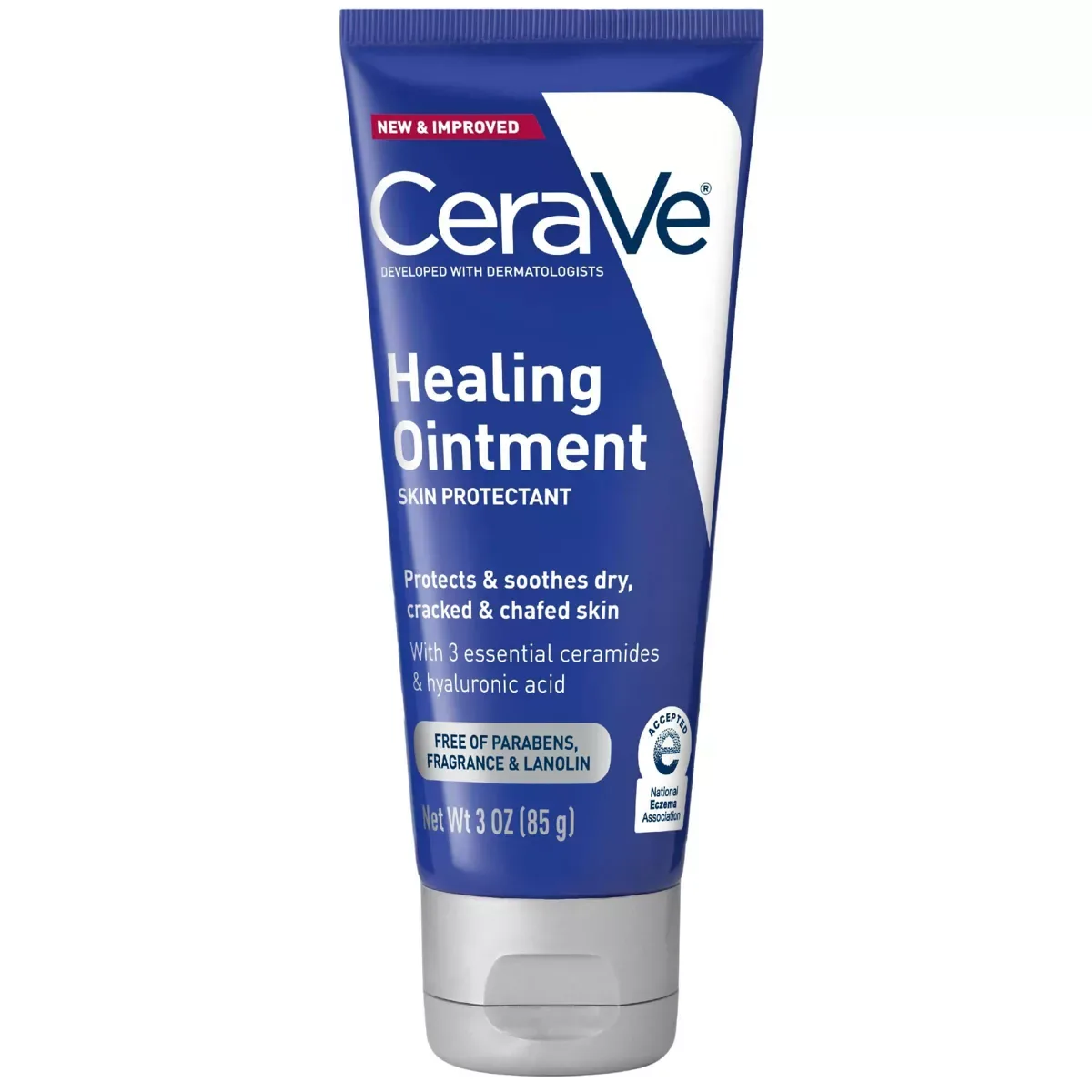
 Healing Ointment
CeraVe's Healing Ointment takes the simplest concept in skincare — seal the skin with petrolatum — and makes it genuinely intelligent by adding ceramides, hyaluronic acid, and panthenol beneath the occlusive layer. It is the gold standard drugstore occlusive for barrier rescue, slugging, and post-procedure care.
 Derm Office Staple
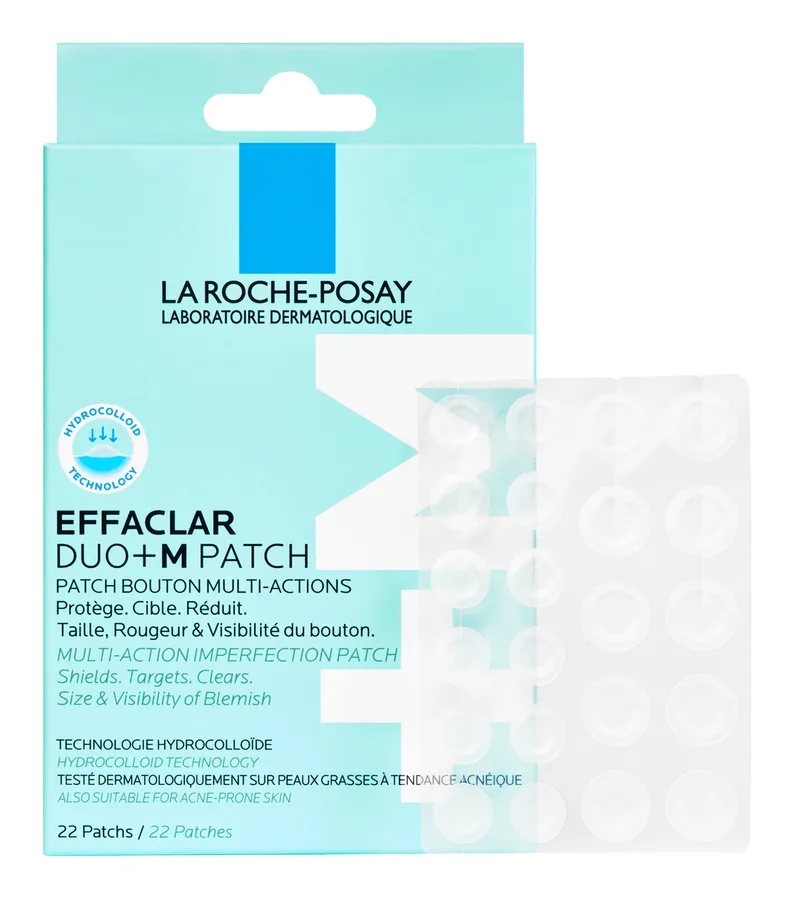
 Effaclar Multi-Target Blemish Patches
One of the few hydrocolloid pimple patches that actually stays on overnight without curling off at 3am. At 420 microns thick with two size options in one pack and zero actives to irritate sensitive skin, this is the Effaclar line's quiet overachiever — and a legitimately good answer for anyone whose acne routine has been sabotaged by thinner patches that refuse to stay put.
 Reactive-Skin Cult Favorite
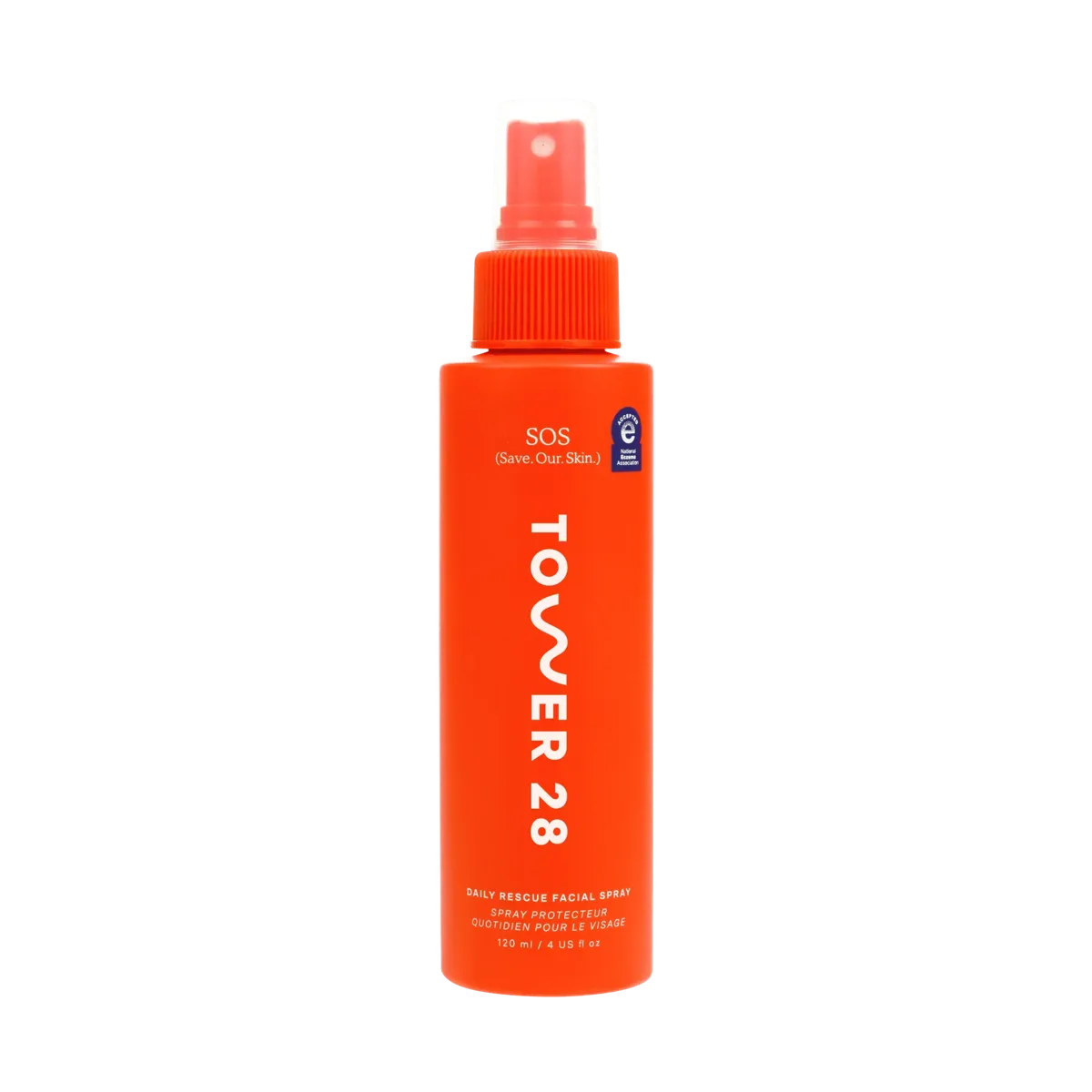
 SOS Save Our Skin Daily Rescue Facial Spray
The product that single-handedly brought hypochlorous acid into mainstream skincare. A fine-mist HOCl spray with genuine dermatology-organization validation, a near-perfect tolerability profile, and a cult following among people whose skin reacts to everything else. The price runs steeper than medical-grade HOCl, but the stabilization and design are worth the difference for daily use.
Mighty Patch Invisible+
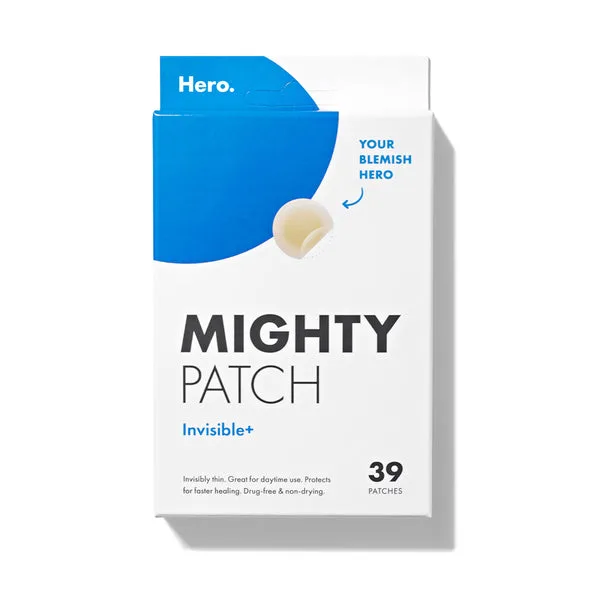
The pimple patch that proved acne treatment could be invisible — Mighty Patch Invisible+ delivers the same fluid-absorbing hydrocolloid technology as the category-defining Original, but engineered thin enough to disappear under makeup. For daytime blemish management, nothing else comes this close to invisible.
 Post-Procedure MVP
 Epitheliale A.H Ultra Repairing Cream
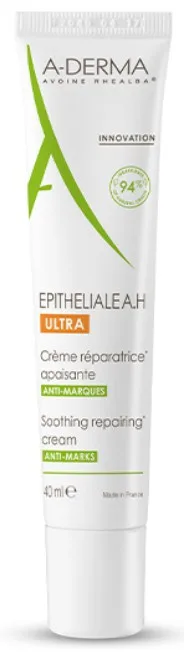
One of the best-formulated French pharmacy repair creams on the market, full stop. Rhealba oat, three-weight HA, madecassoside, trace minerals, panthenol, and shea butter come together in a cream that handles post-procedure skin, eczema flares, friction damage, and compromised barriers with unusual competence for the price.
 Pigmentation Specialist Pick
 Mandelic Pigmentation Corrector Night Serum
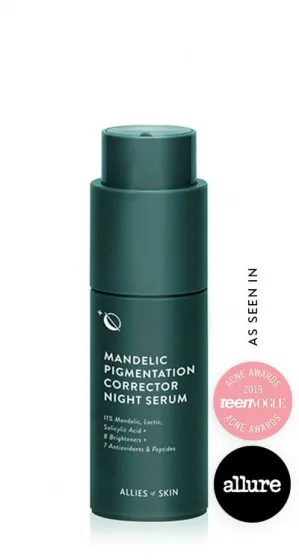
One of the most thoughtfully formulated pigmentation serums on the market. Mandelic acid leads, but the real story is the supporting cast — tranexamic acid, azelaic acid, niacinamide, and bakuchiol attacking hyperpigmentation through five different pathways. Specifically formulated to be safe on melanin-rich skin and it shows.
This review reflects our independent analysis of publicly available ingredient data, manufacturer claims, and verified user reviews. We are reader-supported — Amazon links may earn us a commission at no cost to you. We do not accept paid placements; rankings are based solely on the evidence.