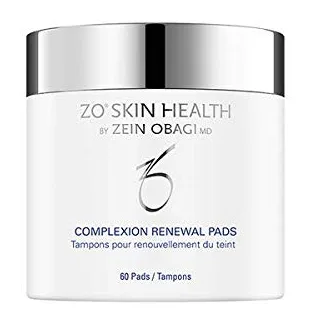
A clinically credible BHA/AHA combination pad with a thoughtful botanical buffer that's been a fixture in dermatology offices for over fifteen years. The salicylic acid plus glycolic acid plus urea combination is genuinely more sophisticated than typical drugstore acid pads, and the result is a product that earns its professional-channel reputation for clearing congested, acne-prone skin. The alcohol base and fragrance load are real limitations, and at $63 for 60 pads it's a steep step up from drugstore alternatives — but for the right user, it works.
Complexion Renewal Pads
A clinically credible BHA/AHA combination pad with a thoughtful botanical buffer that's been a fixture in dermatology offices for over fifteen years. The salicylic acid plus glycolic acid plus urea combination is genuinely more sophisticated than typical drugstore acid pads, and the result is a product that earns its professional-channel reputation for clearing congested, acne-prone skin. The alcohol base and fragrance load are real limitations, and at $63 for 60 pads it's a steep step up from drugstore alternatives — but for the right user, it works.
Score Breakdown
Where this product gains points and where it loses them — broken down across the four scoring pillars.
A clinically credible BHA/AHA combination pad with a thoughtful botanical buffer system, but the alcohol base and fragrance load limit who can tolerate it.
Pros & Cons
- ✓BHA plus AHA combination addresses both follicular and surface congestion
- ✓2% salicylic acid is the OTC-ceiling concentration for acne efficacy
- ✓Urea adds a humectant-keratolytic dimension most acid pads skip
- ✓TCM-influenced botanical buffer (phellodendron, artemisia, plantago) reduces irritation
- ✓Pre-soaked pad format provides mechanical action plus chemical action
- ✓Effective on body acne for hard-to-reach back and chest areas
- ✓Fifteen-plus years of dermatologist-channel use and consistent formulation
- ✓Visible immediate matte-and-bright effect after first application
- ✗Alcohol base can be drying for combination-to-dry or sensitive skin
- ✗Significant fragrance load including parfum, limonene, linalool, citronellol, and hexyl cinnamal
- ✗Premium price at about $1 per pad versus $0.10 for Stridex
- ✗Not safe during pregnancy or breastfeeding
- ✗Only available through dermatologist offices and authorized professional retailers
Full Review
Walk into any cosmetic dermatology office in the United States and there's a meaningful chance you'll find these pads sitting in the recommended-products section. The formulation has been in continuous professional use for over fifteen years — first under the original Offects TE-Pads name, and since the late 2010s as Complexion Renewal Pads after ZO Skin Health rebranded the line. That kind of longevity in derm offices isn't an accident, and it's not just about brand loyalty. Dermatologists are pragmatic about products. They keep recommending things that work for their patients and quietly stop recommending things that don't. The fact that this acid pad has stayed in rotation for over a decade and a half is the strongest endorsement the product could have, and it's worth pausing on what's actually in the formula that earns that staying power.
The core is the BHA/AHA combination. Salicylic acid sits high on the INCI at 2% — the OTC ceiling — and is the most clinically supported active for comedonal acne and pore congestion because of its lipophilicity. The molecule dissolves into sebum and reaches inside the follicle, which is why salicylic acid pads outperform glycolic-only products for blackheads and clogged pores. Glycolic acid sits below as the surface-action AHA, with its small molecule size letting it loosen corneocyte bonds quickly. The combination of a follicular-acting BHA with a surface-acting AHA covers both planes of the resurfacing job in a single application, which is the fundamental reason these pads work better than single-acid products at the same concentrations.
The interesting thing — and the part most reviews of the product miss — is what's stacked behind the acids. Urea sits surprisingly high on the INCI, adding a humectant and mild keratolytic dimension that softens the rough patches surface acids alone don't fully address. Then there's a botanical blend that's clearly drawing on traditional Chinese medicine and herbal pharmacology rather than the typical Western 'add some chamomile' approach. Phellodendron amurense bark extract contains berberine, a natural anti-inflammatory and antimicrobial compound with growing research support. Artemisia vulgaris (mugwort) is increasingly common in K-beauty for its calming properties. Plantago lanceolata, spiraea ulmaria (meadowsweet), and crithmum maritimum (sea fennel) round out a botanical anti-inflammatory cocktail that's specifically designed to buffer the irritation potential of the alcohol-and-acid base. Green tea adds polyphenol antioxidant support. Without these, the formula would be too aggressive for daily use; with them, it's tolerable for most non-sensitive skin types nightly or every other night.
The sensory experience is more bracing than gentle. The first swipe is cool from the alcohol, brief tingling from the acids, and a distinctly herbal-medicinal scent that's polarizing — some users find it clean and clinical, others find it strong. Skin looks immediately more matte and slightly brighter after the first application, which is part of why the pads earn user loyalty quickly. Visible reduction in blackheads and pore congestion typically shows up at two to four weeks of consistent use, and acne lesion improvements at six to eight weeks. The pads are also commonly used on body acne — the format makes back, chest, and shoulder application easier, and salicylic acid is particularly effective for body breakouts.
The limitations are honest and significant. The first is the alcohol base. Denatured alcohol is included to dissolve the salicylic acid and provide the cooling, oil-cutting feel that the brand has built the product around — but it's also drying for many users, particularly anyone with combination-to-dry skin or compromised barriers. The brand mitigates this with the urea and the botanical anti-inflammatories, but the alcohol is still there and you can feel it. The second limitation is the fragrance. The formula contains added parfum plus naturally occurring limonene, linalool, citronellol, and hexyl cinnamal, which is a meaningful fragrance load for a product designed to go on already-irritated acne-prone skin. Anyone with rosacea, eczema, or fragrance sensitivity should look at simpler unscented acid products instead. The third is the price. Sixty-three dollars for 60 pads works out to about a dollar per pad, and a Stridex 2% salicylic acid pad costs about ten cents. The premium reflects the formulation complexity, the dermatology channel, and the brand cachet — and whether it's worth the markup depends on whether the additional ingredients matter to your skin or whether basic salicylic acid would do the job.
The fourth limitation is the dermatology-channel-only distribution. You can't grab Complexion Renewal Pads at Sephora or Ulta. You have to find them through a derm office or an authorized professional retailer, which is part of ZO's clinical positioning but also limits access for self-directed users. And finally, the pregnancy contraindication is real — concentrated salicylic and glycolic acids are typically avoided during pregnancy, so this isn't a fit for that life stage.
What ultimately makes the product worth talking about is that it's one of the few acid pads that's been validated by years of professional use rather than by Instagram marketing. Dermatologists have been recommending these for over fifteen years to a wide variety of patients with congested, comedonal, or oily acne-prone skin, and the formula has stayed essentially stable across that period. That kind of consistency, in a category where most products get reformulated every two years to chase the latest trend, is meaningful. For the right user — oily-to-combination skin, comedonal acne, no fragrance sensitivity, willing to pay the premium for the formulation craft — these earn their reputation. For everyone else, simpler and cheaper acid products will do the same basic job with less collateral irritation.
Formula
Key Ingredients
The hero actives that drive this product's performance.
| Ingredient | Function | Evidence |
|---|---|---|
| Salicylic Acid 2% (2%) | The OTC-strength BHA that does the comedolytic and pore-clearing work in this pad. Lipophilic — it dissolves into sebum and reaches inside the follicle, which is why these pads work better than glycolic-only products for acne-prone or congested skin. | well-established |
| Glycolic Acid | The AHA layer working on the surface alongside the salicylic acid's deeper follicular action. Glycolic's small molecule size lets it loosen corneocyte bonds quickly, providing the immediate smoothing effect users feel after the first swipe. | well-established |
| Urea | Sits surprisingly high on the INCI for an exfoliating pad — adds a humectant and mild keratolytic dimension that softens the rough patches surface acids alone don't fully address. | well-established |
| Phellodendron Amurense Bark Extract | Contains berberine, a natural anti-inflammatory and antimicrobial compound that calms the redness this product's acid-and-alcohol base could otherwise trigger. Common in TCM-influenced skincare; less common in Western acid pads. | promising |
| Camellia Sinensis (Green Tea) Leaf Extract | Adds polyphenol antioxidant support and a mild anti-inflammatory contribution to buffer the resurfacing actives — a sensible inclusion in a daily-use pad where cumulative irritation could become a problem without a calming layer. | promising |
Full INCI List · pH 3.5
Aqua/Water/Eau, Alcohol, Propylene Glycol, Salicylic Acid 2%, Urea, Pterocarpus Soyauxii Wood Extract, Phellodendron Amurense Bark Extract, Hordeum Distichon (Barley) Extract, Camellia Sinensis Leaf Extract, Artemisia Vulgaris Extract, Plantago Lanceolata Leaf Extract, Crithmum Maritimum Extract, Spiraea Ulmaria Extract, Sodium Hydroxide, Glycolic Acid, Butylene Glycol, Sodium Carbonate, Sodium Chloride, Disodium EDTA, t-Butyl Alcohol, Denatonium Benzoate, Phenoxyethanol, Fragrance/Parfum, Citronellol, Hexyl Cinnamal, Limonene, Linalool.
Product Flags
✗ Fragrance Free✗ Alcohol Free✓ Oil Free✓ Silicone Free✓ Paraben Free✓ Sulfate Free✗ Cruelty Free✗ Vegan✓ Fungal Acne Safe
Potential Irritants
alcoholsalicylic acidglycolic acidfragrancelimonenelinaloolcitronellolhexyl cinnamal
Common Allergens
limonenelinaloolcitronellolhexyl cinnamal
Compatibility
Skin Match
Best For
Works For
Not Ideal For
Addresses These Conditions
acne blackheads large pores oiliness texture dullness
Use With Caution
sensitivity rosacea eczema dryness
Routine Step
treatment
Time of Day
PM
Pregnancy Safe
No ✗
Layering Tips
Use after cleansing and toning. Swipe a pad over face, neck, and chest if needed, avoiding eye area. Start 2-3 times per week and increase to nightly as tolerated. Always follow with moisturizer and use SPF the next morning. Do not pair with retinoids or other strong acids the same night.
Results Timeline
Smoother, brighter texture immediately after first use. Visible reduction in blackheads and pore congestion at 2-4 weeks. Acne lesion improvements at 6-8 weeks of consistent use.
Pairs Well With
niacinamidehyaluronic-acidceramides
Conflicts With
retinoltretinoinbenzoyl-peroxidevitamin-c
Sample AM Routine
- Gentle cleanser
- Niacinamide serum
- Moisturizer
- SPF
Sample PM Routine
- Cleanser
- THIS PRODUCT (2-3x/week)
- Hydrating serum
- Moisturizer
Evidence
Who Should Skip
- Alcohol base can be drying for combination-to-dry or sensitive skin
- Significant fragrance load including parfum, limonene, linalool, citronellol, and hexyl cinnamal
- Premium price at about $1 per pad versus $0.10 for Stridex
- Not safe during pregnancy or breastfeeding
Science & Expert Perspective
The Science
The clinical case for combination AHA/BHA exfoliation in acne and pore congestion has a substantial research base. Salicylic acid at 2% is the FDA-recognized OTC concentration for acne treatment and has well-documented comedolytic, keratolytic, and anti-inflammatory effects in published dermatology literature. Its lipophilicity is the mechanistic reason it outperforms hydroxy acid alternatives for follicular congestion — the molecule penetrates sebaceous follicles in a way that water-soluble acids can't. Glycolic acid is the smallest of the alpha hydroxy acids and has the strongest penetration profile of the AHA family, with multiple controlled trials documenting benefits in surface texture, mild hyperpigmentation, and overall skin smoothness. The combination of a lipophilic BHA with a hydrophilic AHA is mechanistically sensible because they operate on different planes of the skin and don't directly compete for the same sites of action.
The pad format itself contributes mild mechanical exfoliation, with the textured cotton fiber providing physical lifting of surface debris alongside the chemical cleavage of the acids. This dual action is part of why pre-soaked pads tend to outperform liquid acid solutions applied with cotton balls in clinical use.
Urea has substantial research support as both a humectant and a keratolytic, with documented efficacy in xerosis, ichthyosis, and other conditions characterized by hyperkeratosis. Its inclusion in an acid pad is unusual but mechanistically appropriate — urea's keratolytic action complements the AHA/BHA exfoliation, and its humectant action partially offsets the drying effect of the alcohol base.
Phellodendron amurense bark extract contains berberine and related alkaloids with documented anti-inflammatory and antimicrobial activity in research literature. Topical berberine has shown activity against Cutibacterium acnes in some studies, providing a complementary mechanism to salicylic acid's anti-inflammatory action. The other botanical extracts (artemisia vulgaris, plantago lanceolata, spiraea ulmaria, crithmum maritimum, camellia sinensis) contribute polyphenols, flavonoids, and other anti-inflammatory compounds with varying levels of research support — collectively they provide a soothing layer that the formulation needs given the alcohol and acid content.
Dermatologist Perspective
Dermatologists frequently recommend these pads for patients with comedonal acne, oily skin, large pores, or persistent blackheads who need a stronger at-home exfoliating approach than drugstore options provide. Board-certified dermatologists note that the BHA/AHA combination is well-suited to patients who haven't responded to single-acid products, and the daily-use convenience of the pad format helps with patient compliance. The most common dermatologist guidance is to start every other night and ramp up based on tolerance, to always pair with daily sunscreen, and to avoid layering with retinoids or other acids on the same evening. Pregnancy is a clear contraindication, and patients with rosacea, eczema, or sensitive skin are usually steered toward gentler alternatives.
Guidance
Usage Guide
How to Use
Use in the evening after cleansing and toning. Take one pad and swipe it across your face, neck, and chest if needed, avoiding the eye area and lips. Don't rinse — let the solution dry on skin, then follow with a hydrating serum and moisturizer. Start 2-3 times per week and increase to nightly as your skin tolerates. Always wear broad-spectrum SPF 30+ the next morning, since acids increase UV sensitivity. Avoid layering with retinoids, benzoyl peroxide, or other AHAs/BHAs the same night. Discontinue if persistent dryness, flaking, or irritation develops.
Value Assessment
At $63 for 60 pads, the per-pad cost is roughly $1, which is steep compared to drugstore alternatives. Stridex 2% salicylic acid pads run about $0.10 per pad and provide most of the basic salicylic acid benefit without the glycolic, urea, or botanical buffer. The value calculation depends on whether the additional ingredients matter for your skin: if you need the AHA layer for surface texture, the urea for rough patches, or the botanical anti-inflammatories to make daily use tolerable, the upgrade is justified. If you just need basic salicylic acid for occasional blackhead clearing, Stridex or generic salicylic acid pads will do the job for a fraction of the cost. A 35-pad travel size exists for around $35 — not a great per-pad bargain compared to the full size, but useful for testing compatibility before committing.
Who Should Buy
Oily, combination, or acne-prone skin types with comedonal acne, large pores, or persistent blackheads who want a clinically credible at-home acid pad and are willing to tolerate the alcohol and fragrance. Particularly good for body acne use on the back, chest, and shoulders.
Who Should Skip
Dry, sensitive, rosacea-prone, or eczema-affected skin should look at gentler unscented alternatives. Pregnant or breastfeeding users should avoid concentrated salicylic and glycolic acids. Budget-focused shoppers can find effective basic salicylic acid pads at the drugstore for a tenth of the price.
Ready to try ZO Skin Health Complexion Renewal Pads?
Details
Details
Texture
Pre-soaked textured cotton pads, slightly damp with the acid-alcohol solution
Scent
Distinctly fragranced — herbal and slightly medicinal
Packaging
Plastic jar with peel-back lid containing 60 pads
Finish
freshmatte
What to Expect on First Use
First swipe is bracing — there's a noticeable cooling sensation from the alcohol and a brief tingle from the acids. Skin looks immediately more matte and slightly brighter. Some users feel mild stinging on the first few uses, especially around the nose and chin. Adjustment period is typically 1-2 weeks.
How Long It Lasts
About 1-3 months depending on frequency (60 pads at 2-3x/week lasts 5-6 months; nightly use lasts 2 months)
Period After Opening
12 months
Best Season
All Year
Background
The Why
Originally launched as Offects TE-Pads in the late 2000s before ZO Skin Health rebranded the product as Complexion Renewal Pads. The pads have been a fixture in dermatology offices for over fifteen years and developed a quiet cult following among patients with persistent comedonal acne who needed something stronger than drugstore options but didn't want a prescription topical.
About ZO Skin Health Established Brand (5–20 years)
ZO Skin Health was founded in 2007 by board-certified dermatologist Dr. Zein Obagi. Originally sold as Offects TE-Pads in dermatology offices for over a decade, this product has accumulated substantial professional-channel use and dermatologist familiarity.
Brand founded: 2007 · Product launched: 2010
Myth vs. Reality
Myths & Misconceptions
Myth
Acid pads are just toner with stronger ingredients.
Reality
Acid pads are leave-on treatments, not rinse-off toners. The mechanical action of the textured pad provides a mild physical exfoliation alongside the chemical action of the acids — the combination is what makes them more effective than applying the same acid solution with cotton.
Myth
If you use these, you don't need a separate exfoliator.
Reality
These ARE your exfoliator. Layering them with another AHA, BHA, or retinoid is overdoing it and will likely compromise your barrier. Pick one resurfacing approach and commit to it.
FAQ
Frequently Asked Questions
How often should I use these?
Start 2-3 times per week and increase to nightly as your skin tolerates. For most users, every other night is the sweet spot. Daily use is fine for oily, resilient skin but may dry out drier or sensitive types.
Can I use these with a retinoid?
Not on the same night. The combination of salicylic acid, glycolic acid, alcohol, and a retinoid is too much resurfacing in one evening and will likely irritate your skin. Alternate nights — pad one night, retinoid the next.
Are these safe during pregnancy?
No — salicylic acid in concentrated leave-on form is typically avoided during pregnancy, and glycolic acid is also generally cautioned against. Talk to your OB about pregnancy-safe alternatives.
Will the alcohol dry my skin out?
Possibly, especially in the first 1-2 weeks of use. The botanical buffer in the formula reduces this somewhat, but if you have dry or sensitive skin, the alcohol content is a real consideration. Always follow with a hydrating serum and a barrier-supporting moisturizer.
Can I use these on my back and chest?
Yes — these are commonly used on body acne areas like the back, chest, and shoulders. The pad format makes application easier on hard-to-reach areas, and the salicylic acid is particularly effective for body acne.
How are these different from Stridex pads?
Stridex pads are simpler — typically 2% salicylic acid in an alcohol base with minimal additional ingredients, at a dramatically lower price. Complexion Renewal Pads add glycolic acid, urea, and a botanical anti-inflammatory blend. They're more sophisticated, but Stridex is more cost-effective if you just need basic salicylic acid.
Why are they sold only through derm offices?
ZO Skin Health restricts distribution to dermatologists, medical spas, and authorized professional retailers as part of its clinical positioning. The same model applies to the rest of the line.
Community
Community Voices
Common Praise
"Visibly clearer pores after a few uses"
"Convenient pre-soaked format"
"Doesn't dry skin out as much as expected"
"Effective on body acne too"
Common Complaints
"Strong scent"
"Alcohol burn for sensitive users"
"Premium price for a wipe"
"Only available through derm channels"
Notable Endorsements
Frequently recommended by aesthetic dermatologistsLong-standing fixture in cosmetic derm offices
Appears In
best acid pads for acne best bha aha pad best pads for blackheads best professional acid pad
Related Conditions
acne blackheads large pores oiliness texture
Related Ingredients
You Might Also Like
 Sensitive Skin AHA Pick
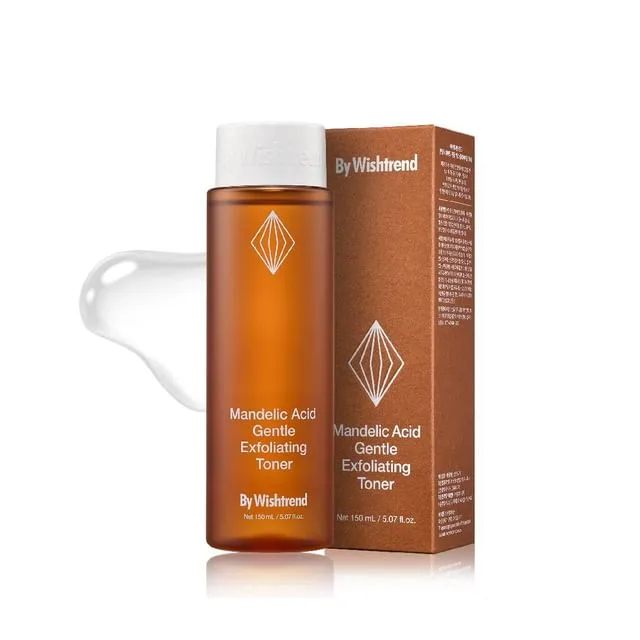
 Mandelic Acid 5% Skin Prep Water
The mandelic acid prep water that quietly converted half of K-beauty Reddit away from glycolic — and for good reason. It delivers visible texture and PIH improvement at 5% without the sting or pigment risk that derails sensitive and darker skin, and it does so for around twenty bucks.
 Gentle Glow Specialist
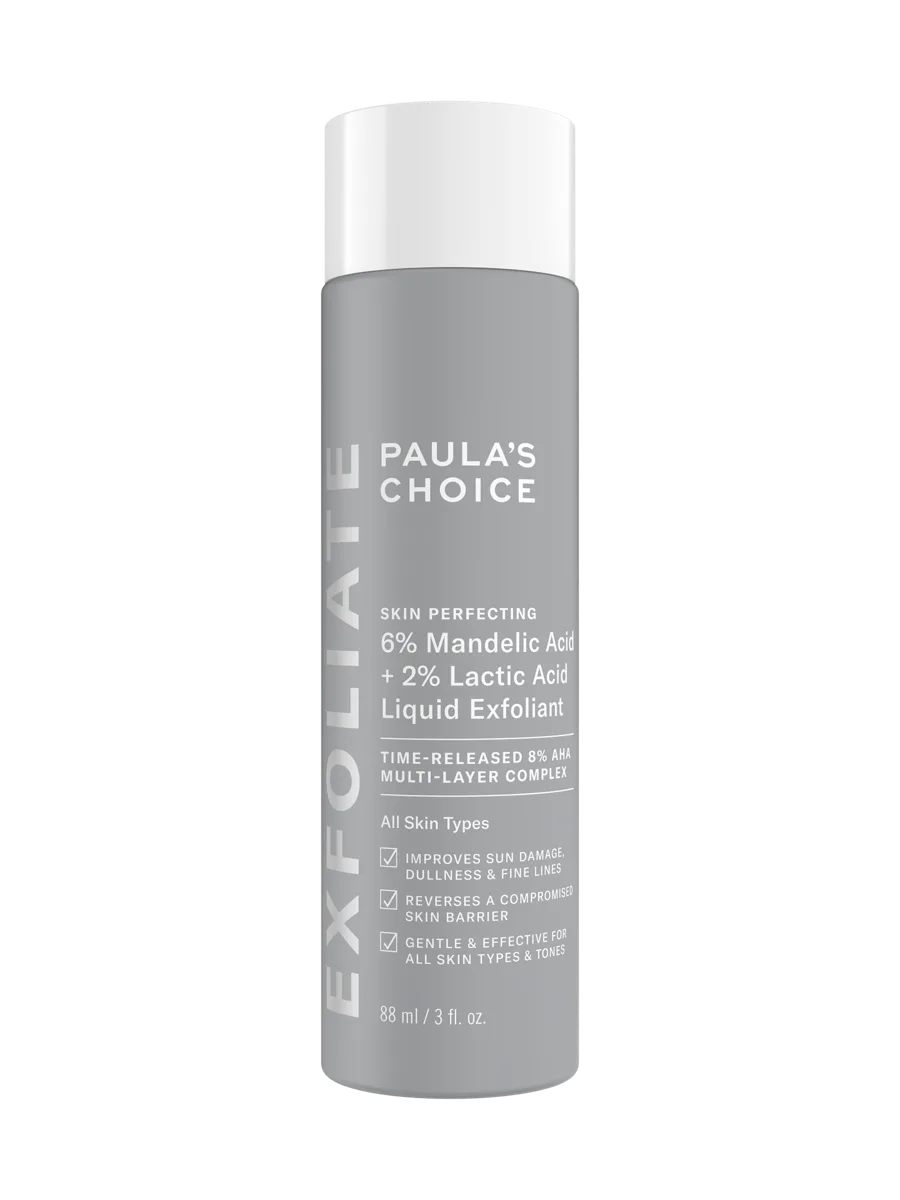
 Skin Perfecting 6% Mandelic Acid + 2% Lactic Acid Liquid Exfoliant
The exfoliant that finally treats sensitive and melanin-rich skin as the design priority rather than an afterthought. With a 4.8-star rating and 660+ reviews, this mandelic-lactic formula proves that gentleness and efficacy aren't mutually exclusive — it just requires smarter acid selection.
 The Original At-Home Peel
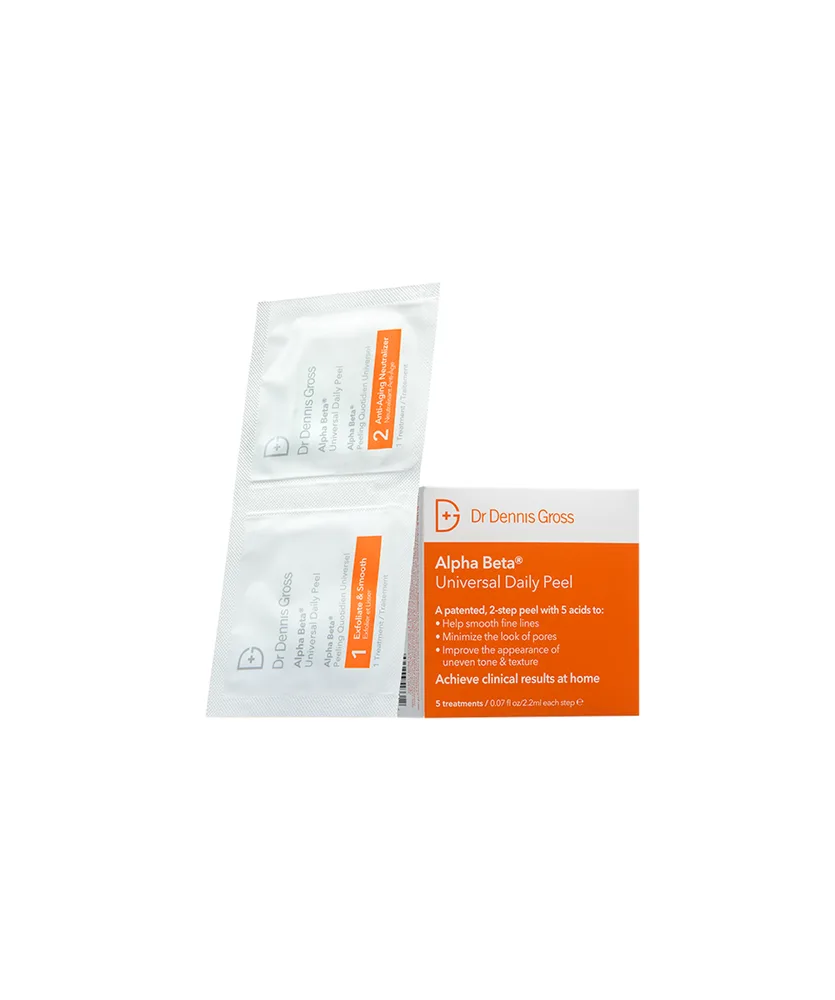
 Alpha Beta Universal Daily Peel
The product that invented the at-home daily peel category in 2002 and still sits at the top of it. The five-acid Step 1 and retinol-antioxidant Step 2 deliver genuine resurfacing and anti-aging in a single five-minute routine. Expensive, but the results and track record justify the reputation.
 Beginner Exfoliant Pick
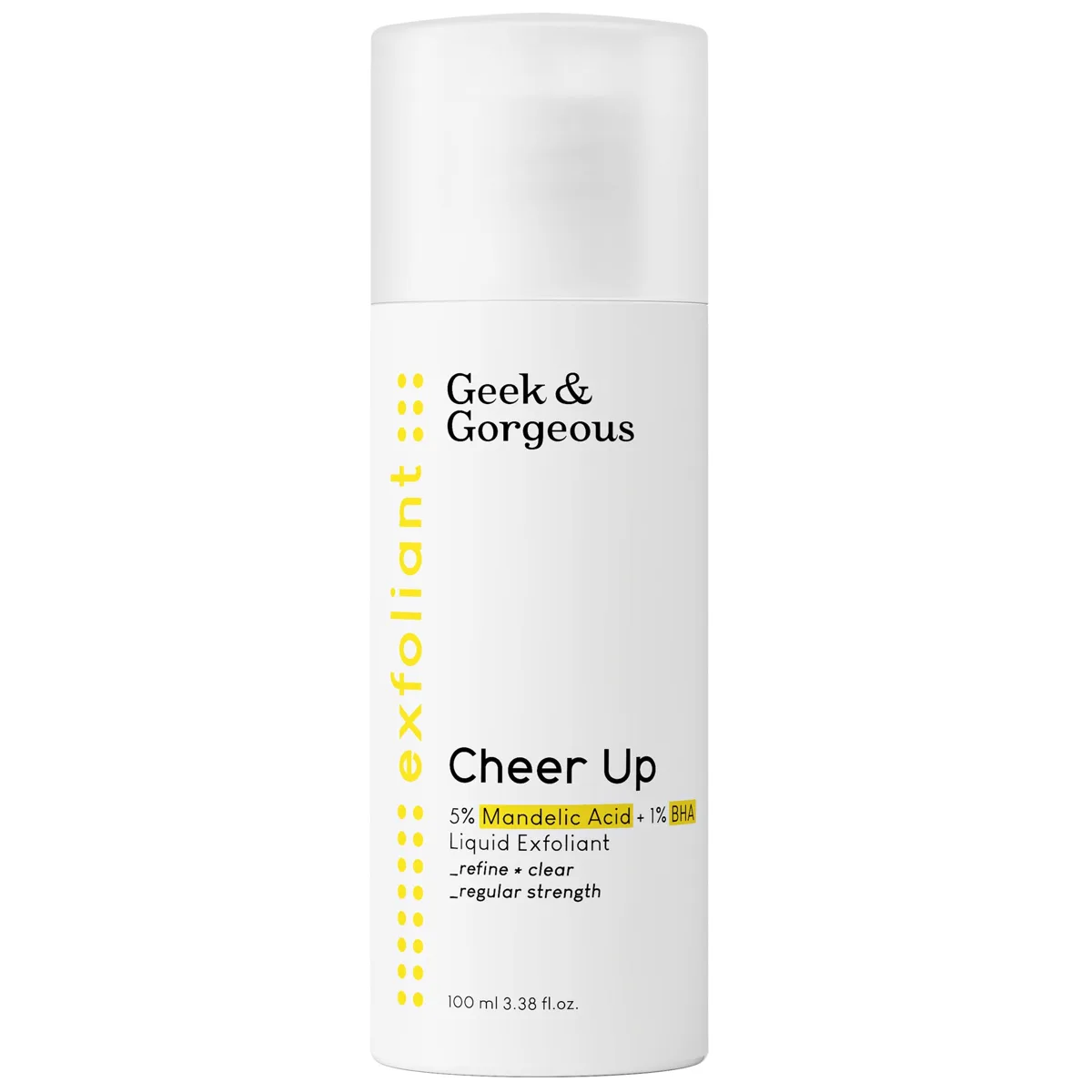
 Cheer Up 5% Mandelic + 1% Salicylic Exfoliant
A thoughtfully formulated beginner AHA/BHA exfoliant that uses mandelic acid — the gentlest mainstream AHA — in combination with low-strength salicylic, plus a sugar-humectant complex for comfort. At 100mL for around $12, the value is excellent, and the formulation choices reflect the kind of cosmetic-chemist thinking that separates this brand from typical indie exfoliants. Ideal for exfoliant newcomers and sensitive skin.
 At-Home Peel Benchmark
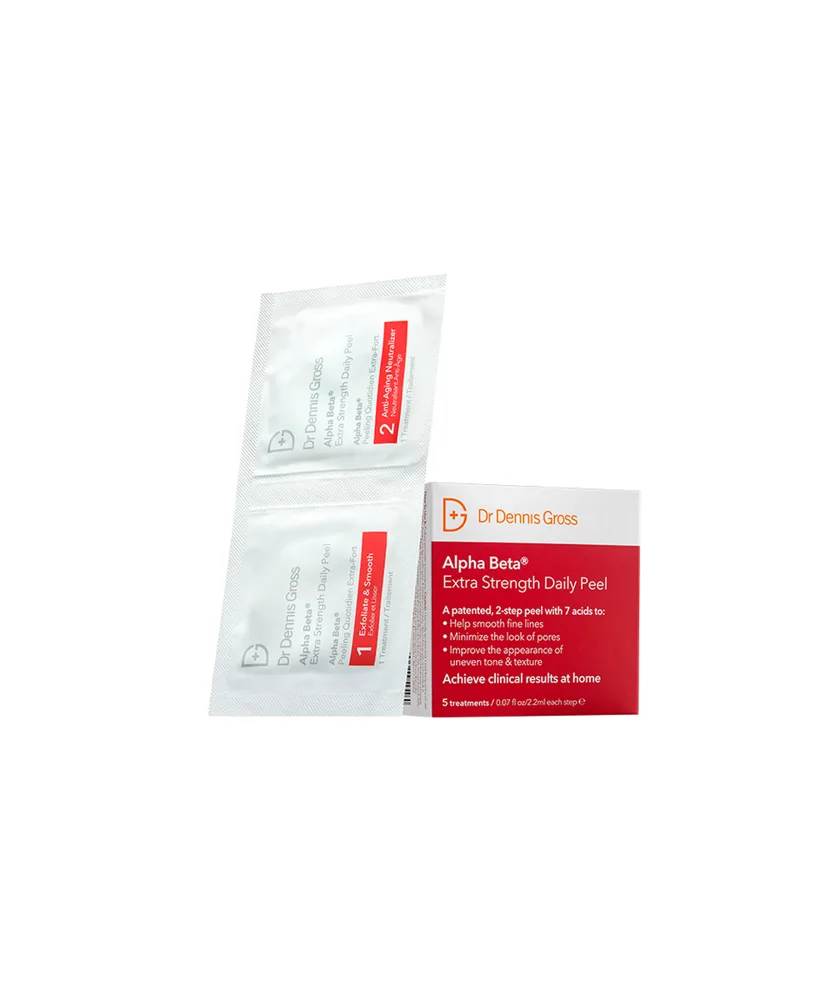
 Alpha Beta Extra Strength Daily Peel
The harder-hitting version of the at-home peel that started the category. Step 1 delivers a serious five-acid blend and Step 2 follows with retinol and antioxidants, making this a combined resurfacing and anti-aging treatment in a single five-minute routine. Expensive but genuinely effective for experienced exfoliant users.
 Pharma-Grade Budget BHA
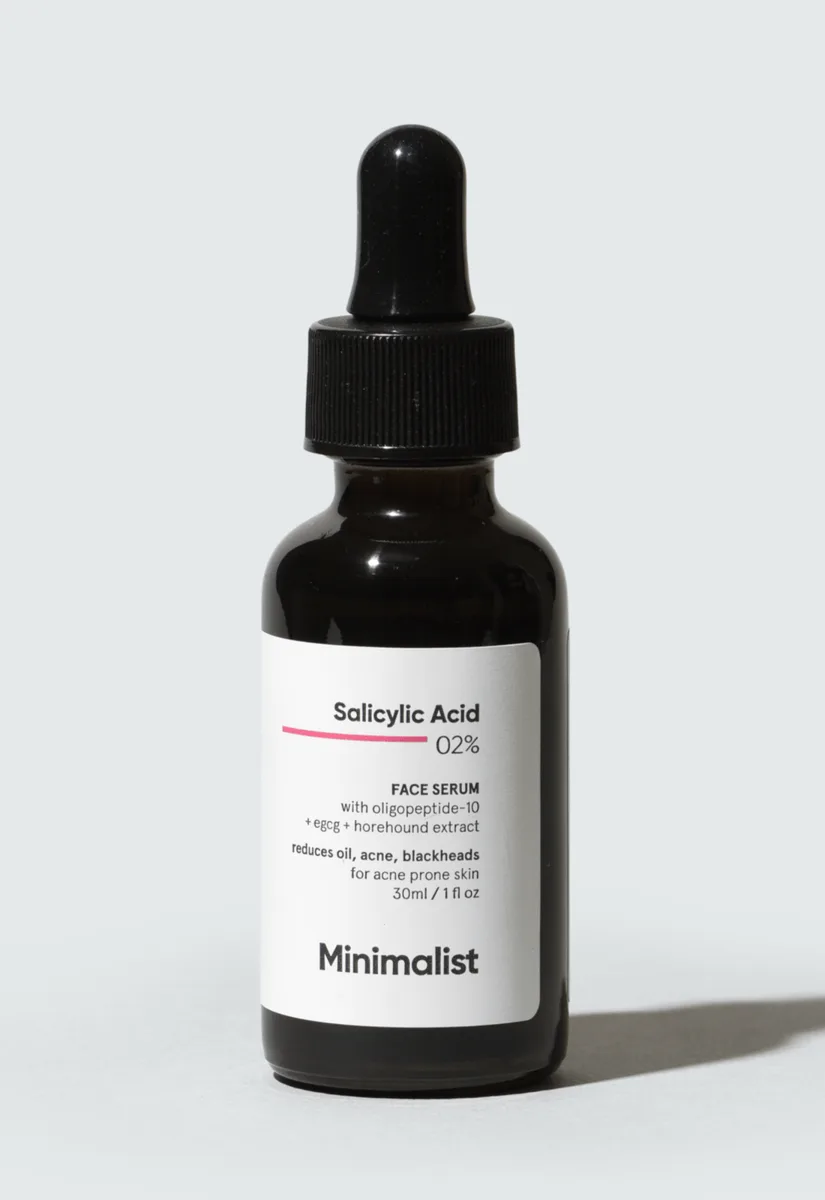
 2% Salicylic Acid Face Serum
A pharma-grade 2% BHA serum at pH 3.75, built around Merck's RonaCare salicylic acid and flanked by Marrubium Vulgare, EGCG glucoside, and Oligopeptide-10 — a supporting cast most budget salicylic serums do not bother with. At ₹599 for 30ml, it is one of the best acne serums on the Indian market and genuinely competitive with the prestige alternatives.
This review reflects our independent analysis of publicly available ingredient data, manufacturer claims, and verified user reviews. We are reader-supported — Amazon links may earn us a commission at no cost to you. We do not accept paid placements; rankings are based solely on the evidence.