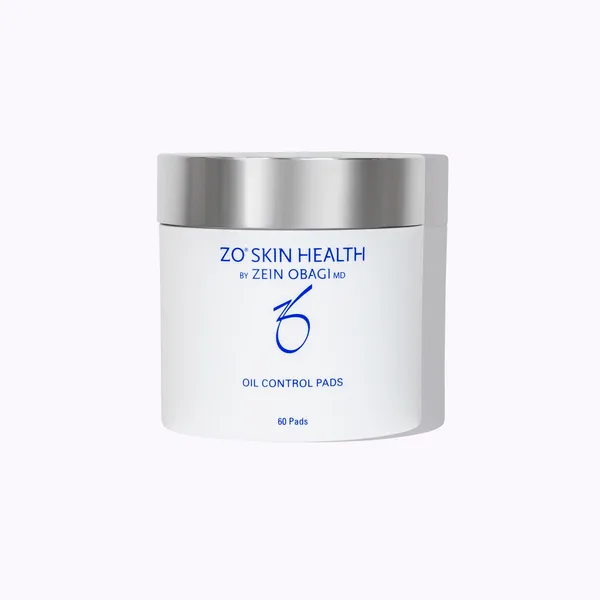
A no-nonsense, clinical-strength acne pad that combines triple acids with high alcohol content for aggressive oil control and breakout management. Undeniably effective for robust oily skin, but the irritation profile and seventy-five-dollar price tag make this a product that demands respect, careful introduction, and honest assessment of whether your skin can handle it.
Oil Control Pads Acne Treatment
A no-nonsense, clinical-strength acne pad that combines triple acids with high alcohol content for aggressive oil control and breakout management. Undeniably effective for robust oily skin, but the irritation profile and seventy-five-dollar price tag make this a product that demands respect, careful introduction, and honest assessment of whether your skin can handle it.
Score Breakdown
Where this product gains points and where it loses them — broken down across the four scoring pillars.
An undeniably potent triple-acid acne treatment that delivers aggressive oil control and exfoliation, but the high alcohol content, multiple irritants, fragrance, and steep price severely limit its audience and undermine the overall score.
Pros & Cons
- ✓Triple-acid formula provides multi-depth exfoliation against acne
- ✓Dramatically and immediately reduces surface oil and shine
- ✓Convenient pre-soaked pad format requires no additional tools
- ✓Urea adds keratolytic and humectant balance to the aggressive formula
- ✓Effective at reducing comedone formation and breakout frequency
- ✓Botanical antioxidants help mitigate some inflammation from the actives
- ✗High alcohol content is drying and barrier-compromising
- ✗Contains synthetic fragrance and multiple fragrance allergens
- ✗Significant stinging, peeling, and redness during adaptation period
- ✗Seventy-five dollars for sixty pads is a steep price per use
- ✗Far too aggressive for sensitive, dry, or normal skin types
- ✗Menthyl lactate adds unnecessary additional irritation potential
Full Review
There is a school of thought in dermatology — championed by practitioners like Dr. Zein Obagi — that aggressive, barrier-challenging actives produce faster and more dramatic results for acne and oily skin than the gentler, slower approach that modern skincare culture tends to favor. ZO Skin Health's Oil Control Pads Acne Treatment is a product that firmly inhabits that philosophy. It is aggressive, uncompromising, and effective — and it will absolutely punish skin that is not ready for it.
The formula reads like an acne declaration of war. Salicylic acid at two percent — the maximum OTC concentration — handles in-pore exfoliation, dissolving the sebum plugs that create comedones and the bacterial colonies that drive inflammation. Mandelic acid adds antibacterial surface exfoliation with its larger molecular size, offering gentler but persistent acid activity. Glycolic acid, the smallest and most aggressive AHA, accelerates cell turnover at the stratum corneum level. And overseeing all of this is alcohol as the second ingredient — a high concentration that cuts oil on contact, provides astringent tightening, and serves as a solvent for the acids.
The result is a pad that does, in fact, control oil. Dramatically. Swipe one across an oily T-zone and within minutes, the skin is matte, tight, and undeniably less shiny. Over weeks of consistent use, the triple-acid exfoliation reduces comedone formation, refines pore appearance, and decreases the frequency of inflammatory breakouts. The clinical efficacy of this formula is not in question — the studies behind each of these acids are extensive, and the combination creates a multi-depth exfoliation system that single-acid products cannot replicate.
But the cost of that efficacy is written into the ingredient list in ways that demand honest acknowledgment. The high alcohol content strips the skin barrier along with the excess oil. The menthyl lactate adds a cooling sensation that some users find refreshing and others find irritating. The synthetic fragrance and identifiable allergens — citronellol, hexyl cinnamal, limonene, linalool — are present in a product designed for already-inflamed acne skin, where the risk of additional sensitization is real. The witch hazel extract adds astringency that further dries the skin surface.
The adaptation period is real and should not be sugarcoated. Most users experience stinging, tightness, redness, and peeling during the first one to two weeks — especially if they make the common mistake of starting with nightly use. These pads were originally formulated for use in supervised dermatology protocols where a physician could assess tolerance and adjust frequency. The move from ZO Medical's Cebatrol to ZO Skin Health's Oil Control Pads made them accessible without that clinical oversight, which puts the burden of tolerance management entirely on the user.
The pad format itself is well-executed. The textured surface provides gentle physical exfoliation that complements the chemical actives. Each pad is generously saturated — one pad covers the full face with product to spare. The ritual of swiping a pad across the skin is simple and efficient, requiring no measuring, no dispensing, and no guessing about application volume.
Urea appears midway through the ingredient list and deserves attention. As both a keratolytic and humectant, urea softens the dead cell buildup that contributes to clogged pores while providing some moisture retention — a rare concession to skin comfort in an otherwise unsparing formula. The botanical extracts (green tea, barley, mugwort) add antioxidant and anti-inflammatory support that helps mitigate some of the irritation the primary actives provoke.
The honest assessment is that these pads work best for a specific and narrow audience: people with genuinely oily, resilient, acne-prone skin who have experience with active treatments and understand the commitment required. This is not a beginner's acne product. It is not for occasional breakouts. And it is definitely not for anyone whose skin is even slightly sensitive, dry, or barrier-compromised.
At seventy-five dollars for sixty pads — roughly $1.25 per pad, used nightly — you are looking at a two-month supply at maximum use or significantly longer if you use them two to three times per week as recommended during the adjustment phase. The price is steep for a treatment that contains relatively common acne actives (salicylic acid, glycolic acid) in a high-alcohol vehicle, but it reflects the ZO Skin Health professional-channel premium and the clinical-strength formulation standards.
For the right skin type — oily, tough, acne-prone, and accustomed to active treatments — these pads deliver measurable results with the kind of clinical directness that gentler products cannot match. For everyone else, the formula is a cautionary tale about the gap between what works in a dermatologist's office with professional monitoring and what works safely at home without it.
Formula
Key Ingredients
The hero actives that drive this product's performance.
| Ingredient | Function | Evidence |
|---|---|---|
| Salicylic Acid (2%) (2%) | The OTC-maximum concentration of this oil-soluble BHA penetrates into the pore lining to dissolve the sebum-keratin plugs that cause comedones and breakouts. In this aggressive triple-acid formula, salicylic acid handles the in-pore exfoliation while mandelic and glycolic acids address surface-level concerns — creating a multi-depth attack on acne-prone skin that is more intensive than single-acid treatments. | well-established |
| Mandelic Acid | The largest common AHA by molecular weight, mandelic acid provides gentler surface exfoliation than glycolic acid while offering antibacterial properties relevant to acne management. In this triple-acid pad, it bridges the gap between the pore-penetrating salicylic acid and the more aggressive glycolic acid, providing a middle layer of exfoliation. | well-established |
| Glycolic Acid | The smallest and most penetrating AHA works at the stratum corneum level to accelerate cell turnover and prevent dead cell buildup that contributes to pore congestion. In this formula, glycolic acid amplifies the overall exfoliation intensity — making these pads significantly more aggressive than standard salicylic acid treatments. | well-established |
| Witch Hazel Extract | Provides natural astringent and anti-inflammatory properties that help control surface oil and reduce the redness associated with inflammatory acne. In this formula, witch hazel complements the acid-based oil control by tightening pores and providing immediate mattifying effects. | well-established |
| Urea | Functions as a keratolytic and humectant in this formula, softening the buildup of dead cells that contribute to comedones while providing some hydration to counterbalance the drying effects of the alcohol and multiple acids. Urea's presence helps prevent the over-drying that can trigger rebound oil production. | well-established |
| Green Tea Extract | Camellia sinensis provides EGCG antioxidants with documented anti-inflammatory and sebum-regulating properties relevant to acne management. In this aggressive formula, green tea helps mitigate some of the inflammation the acids and alcohol may provoke. | well-established |
Full INCI List
Active Ingredient: Salicylic Acid 2%. Inactive Ingredients: Aqua/Water/Eau, Alcohol, Butylene Glycol, Mandelic Acid, Urea, Hamamelis Virginiana (Witch Hazel) Extract, Rosa Canina Fruit Extract, Pterocarpus Soyauxii Wood Extract, Phellodendron Amurense Bark Extract, Hordeum Distichon (Barley) Extract, Camellia Sinensis Leaf Extract, Artemisia Vulgaris Extract, Plantago Lanceolata Leaf Extract, Crithmum Maritimum Extract, Spiraea Ulmaria Extract, Menthyl Lactate, Sodium Hydroxide, Glycolic Acid, Sodium Carbonate, Sodium Chloride, Disodium EDTA, t-Butyl Alcohol, Denatonium Benzoate, Phenoxyethanol, Fragrance/Parfum, Citronellol, Hexyl Cinnamal, Limonene, Linalool
Product Flags
✗ Fragrance Free✗ Alcohol Free✓ Oil Free✓ Silicone Free✓ Paraben Free✓ Sulfate Free✗ Cruelty Free✗ Vegan✗ Fungal Acne Safe
Potential Irritants
Alcohol (Denat.)Salicylic AcidMandelic AcidGlycolic AcidMenthyl LactateFragrance/ParfumWitch Hazel
Common Allergens
Fragrance/ParfumLimoneneLinaloolCitronellolHexyl Cinnamal
Compatibility
Skin Match
Best For
Works For
Not Ideal For
Addresses These Conditions
acne oiliness large pores blackheads
Use With Caution
Avoid With
eczema rosacea sensitivity compromised skin barrier dryness
Routine Step
treatment
Time of Day
PM
Pregnancy Safe
No ✗
Layering Tips
Use after cleansing on dry skin. Swipe pad across the face, focusing on oily and acne-prone areas. Follow with a lightweight, non-comedogenic moisturizer — the formula is drying enough to require it. Do not layer with other direct acids or retinoids on the same night.
Results Timeline
Immediate mattifying effect and pore-tightening sensation after first use. Reduced breakout frequency and improved oil control within 2-3 weeks. Clearer complexion and refined pore appearance over 4-8 weeks of consistent use.
Pairs Well With
oil-free moisturizersniacinamide serums (alternate nights)SPF (next morning)
Conflicts With
retinoids (same night)other AHA/BHA exfoliantsbenzoyl peroxide (same routine)vitamin C (same routine)
Sample AM Routine
- Gentle cleanser
- Niacinamide serum
- Oil-free moisturizer
- SPF 30+
Sample PM Routine
- Gentle cleanser
- ZO Skin Health Oil Control Pads Acne Treatment
- Lightweight moisturizer
Evidence
Science & Expert Perspective
The Science
The triple-acid approach in this formula leverages the complementary mechanisms of BHA and AHA exfoliation. Salicylic acid's oil-soluble nature allows it to penetrate the pilosebaceous unit — a mechanism validated in a comprehensive review in Clinical, Cosmetic and Investigational Dermatology (Arif, 2015) that confirmed its comedolytic, keratolytic, and anti-inflammatory properties at 2% concentration.
Mandelic acid adds antibacterial properties to the exfoliation. A study published in the Indian Journal of Dermatology, Venereology and Leprology (Garg et al., 2009) demonstrated mandelic acid's dual action as both an exfoliant and antimicrobial agent effective against Cutibacterium acnes — making it a particularly relevant choice for an acne-focused formula.
Glycolic acid's role as the fastest-penetrating AHA is well-documented. A review published in Cosmetics (2023) examining AHA formulations confirmed that glycolic acid's small molecular size (76 Da) enables efficient stratum corneum penetration, accelerating cell turnover and preventing the dead cell accumulation that contributes to comedone formation.
The high alcohol content warrants clinical consideration. A study in the British Journal of Dermatology (de Groot & Nater, 1990) established that alcohol-based topicals can disrupt the stratum corneum lipid barrier, increasing transepidermal water loss and potentially triggering compensatory sebum production — a paradoxical effect that could undermine the oil-control goals in some users. This makes moisturizer use after application essential.
References
- Salicylic acid as a peeling agent: a comprehensive review — Clinical, Cosmetic and Investigational Dermatology (2015)
- Chemical peeling with mandelic acid for acne and skin rejuvenation — Indian Journal of Dermatology, Venereology and Leprology (2009)
Dermatologist Perspective
Dermatologists who prescribe ZO Skin Health products typically introduce these pads as part of a comprehensive acne protocol, starting with reduced frequency and monitoring the patient's tolerance before advancing to nightly use. Board-certified dermatologists note that the triple-acid approach is effective for moderate-to-severe oily acne, but emphasize that the high alcohol content and multiple potential irritants require careful patient selection. Dermatologists generally recommend pairing these pads with a robust moisturizer and daily SPF to mitigate barrier compromise. Some dermatologists express concern about the fragrance and dye ingredients in an acne treatment, noting that inflamed acne skin is more susceptible to contact sensitization.
Guidance
Usage Guide
How to Use
After cleansing, swipe one pad across the entire face or targeted oily/acne-prone areas. Start with every third night for the first 1-2 weeks to assess tolerance. Gradually increase to every other night, then nightly if tolerated. Follow immediately with a lightweight, non-comedogenic moisturizer — this is essential, not optional. Apply SPF 30+ every morning. Do not use on broken, sunburned, or barrier-compromised skin. Discontinue if irritation becomes severe or persistent.
Value Assessment
At $75 for 60 pads ($1.25/pad), these are among the most expensive OTC acne treatment pads available. With nightly use, one jar lasts two months ($37.50/month); with the more advisable 3x/week frequency, closer to five months ($15/month). The triple-acid formulation with clinical-grade potency justifies some premium over basic salicylic acid pads. However, the high alcohol content, fragrance, and irritation potential mean many users will need to pair this with additional products (moisturizer, soothing serums) to manage side effects, adding to the total cost of the acne regimen. For patients already in a ZO protocol under dermatologist supervision, the pads integrate into the treatment plan. For self-directed consumers, the value proposition is harder to justify given the irritation risks.
Who Should Buy
Those with genuinely oily, resilient, acne-prone skin who have experience with active treatments and understand the adjustment period. Best suited for patients under dermatologist guidance as part of a ZO Skin Health acne protocol, where tolerance can be monitored and the formula's aggressiveness can be managed professionally.
Who Should Skip
Anyone with sensitive, dry, normal, or barrier-compromised skin — this formula will overwhelm these skin types. Not recommended for acne beginners who have not established tolerance to individual acids first. Avoid during pregnancy (salicylic acid + glycolic acid). Those with fragrance sensitivities should also steer clear due to multiple fragrance allergens.
Ready to try ZO Skin Health Oil Control Pads Acne Treatment?
Details
Details
Texture
Pre-soaked textured pads saturated with a clear solution. The pads have a slight grittiness that provides physical exfoliation alongside the chemical actives. The solution feels cool and slightly tingling on application due to the menthyl lactate and alcohol.
Scent
A noticeable synthetic fragrance with a medicinal-cool undertone from the menthyl lactate and alcohol. The scent is present during use and fades after a few minutes.
Packaging
Jar with a twist-off lid containing 60 pre-soaked pads. The jar format keeps pads moist and accessible. Clinical ZO branding.
Finish
matte
What to Expect on First Use
Expect stinging and a cooling sensation on first use — this is an aggressive formula with alcohol, triple acids, and menthyl lactate. The skin will feel noticeably tight and matte after application. Start with every other night or even every third night to build tolerance. Redness, dryness, and peeling are common during the first 1-2 weeks of use.
How Long It Lasts
1-2 months with nightly use (one pad per night)
Period After Opening
12 months
Best Season
All Year
Background
The Why
Originally sold under the ZO Medical line as Cebatrol, these pads were formulated for use in dermatology office acne protocols where patients could be monitored for tolerance and guided through the adaptation period. The reformulation to Oil Control Pads under ZO Skin Health made them available through broader channels, though the potency remains clinical-grade.
About ZO Skin Health Established Brand (5–20 years)
ZO Skin Health was founded in 2007 by Dr. Zein Obagi, a board-certified dermatologist and internationally recognized authority in skin health. The brand's formulations are developed with clinical-grade standards and are widely used in dermatology offices and medical spas.
Brand founded: 2007 · Product launched: 2012
Myth vs. Reality
Myths & Misconceptions
Myth
If it burns and stings, it means the product is working and clearing your skin faster.
Reality
Stinging indicates the acids and alcohol are contacting the skin — it confirms the active ingredients are present, not that they are working better. Excessive burning, persistent redness, or peeling that lasts days indicates over-irritation, which can actually worsen acne by compromising the skin barrier and triggering inflammatory responses.
Myth
Using these pads more frequently will clear acne faster.
Reality
Increasing frequency beyond what your skin can tolerate leads to barrier damage, dehydration, rebound oil production, and potentially worse breakouts. Start with 2-3 times per week and increase gradually. More is not better with this potent formula.
FAQ
Frequently Asked Questions
How often should I use these pads?
Start with every other night or every third night and gradually increase to nightly as your skin builds tolerance. The triple-acid formula with alcohol is significantly more aggressive than standard BHA pads. If you experience persistent redness, peeling, or burning, reduce frequency immediately. Always follow with a lightweight moisturizer.
Can I use these pads with retinol?
Not on the same night — the combination of triple acids, alcohol, and retinol would overwhelm most skin barriers. Alternate nights between these pads and your retinol product. Ensure you are using a good moisturizer and SPF daily when using either product.
Why do these pads contain so much alcohol?
The high alcohol content serves multiple functions: it acts as a solvent for the acids, provides immediate astringent and oil-cutting effects, and ensures rapid evaporation so the acids remain on the skin surface. However, alcohol is also drying and can compromise the skin barrier with daily use, which is why moisturizing after application is essential.
Are these the same as the old Cebatrol pads?
Yes — these were originally sold as Cebatrol under the ZO Medical line. The reformulation to Oil Control Pads under ZO Skin Health made them available through broader distribution channels, but the core triple-acid and alcohol formula remains similarly potent.
Is this safe during pregnancy?
No — the 2% salicylic acid active ingredient, combined with glycolic acid, makes this product inadvisable during pregnancy. Consult your OB-GYN or dermatologist for pregnancy-safe acne treatments.
Community
Community Voices
Common Praise
"Dramatically reduces surface oil and shine"
"Noticeable pore refinement with consistent use"
"Effectively reduces breakout frequency"
"Convenient pad format requires no additional tools"
Common Complaints
"Very drying — causes tightness, flaking, and peeling"
"Burns and stings on application, especially initially"
"Contains high alcohol content"
"Seventy-five dollars for sixty pads is expensive"
Notable Endorsements
Used in dermatology offices as part of aggressive acne protocols
Appears In
best acne treatment for oily skin best salicylic acid pads best medical grade acne treatment
Related Conditions
acne oiliness large pores blackheads
Related Ingredients
You Might Also Like
 Barrier Rescue Hero
 Healing Ointment
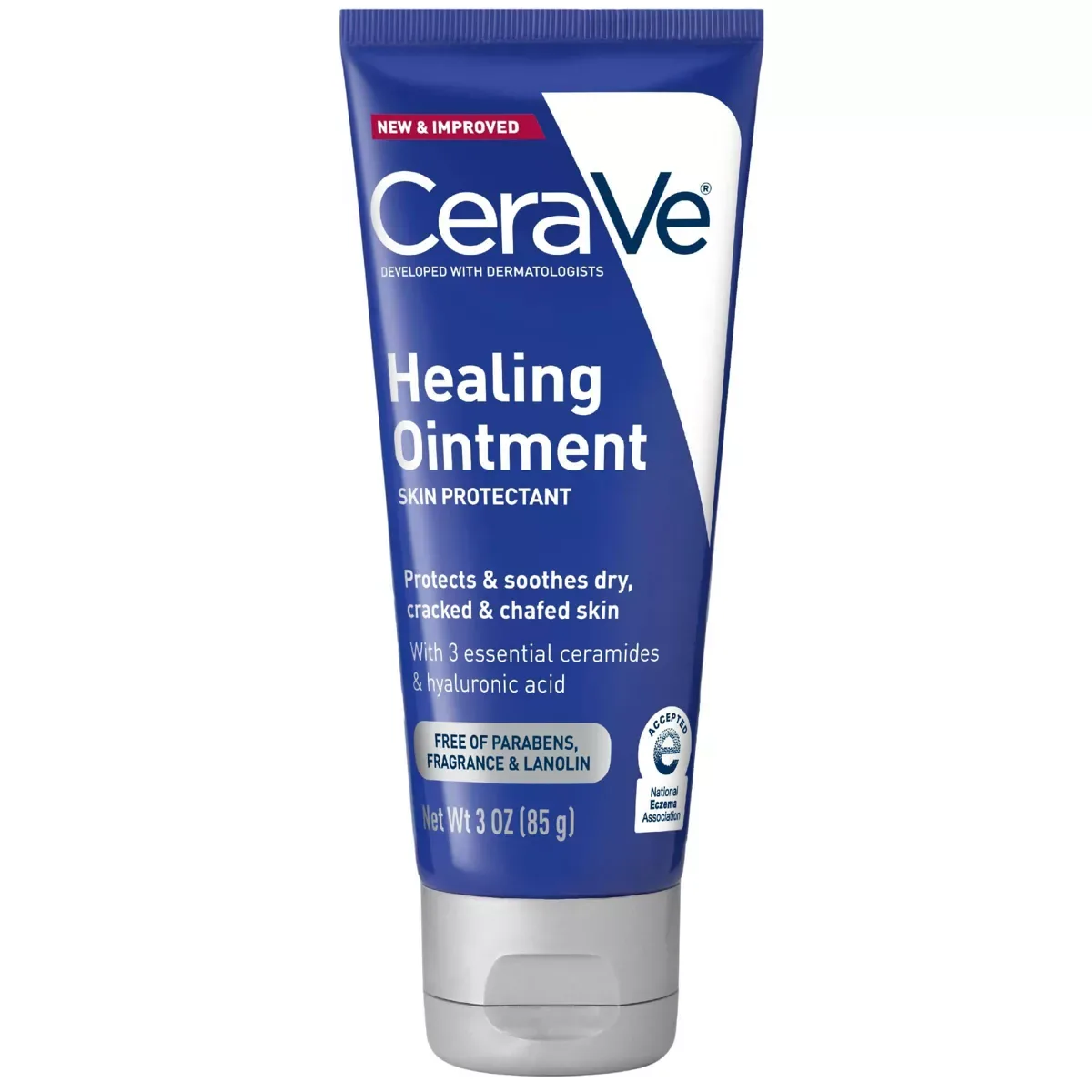
CeraVe's Healing Ointment takes the simplest concept in skincare — seal the skin with petrolatum — and makes it genuinely intelligent by adding ceramides, hyaluronic acid, and panthenol beneath the occlusive layer. It is the gold standard drugstore occlusive for barrier rescue, slugging, and post-procedure care.
 Derm Office Staple
 Effaclar Multi-Target Blemish Patches
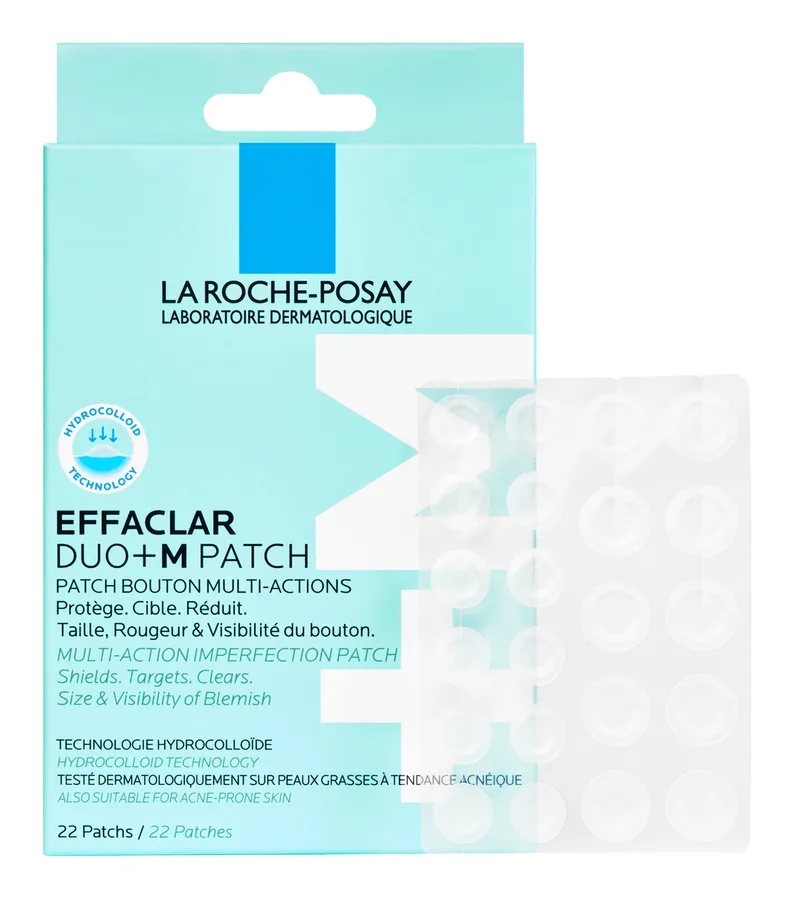
One of the few hydrocolloid pimple patches that actually stays on overnight without curling off at 3am. At 420 microns thick with two size options in one pack and zero actives to irritate sensitive skin, this is the Effaclar line's quiet overachiever — and a legitimately good answer for anyone whose acne routine has been sabotaged by thinner patches that refuse to stay put.
 Reactive-Skin Cult Favorite
 SOS Save Our Skin Daily Rescue Facial Spray
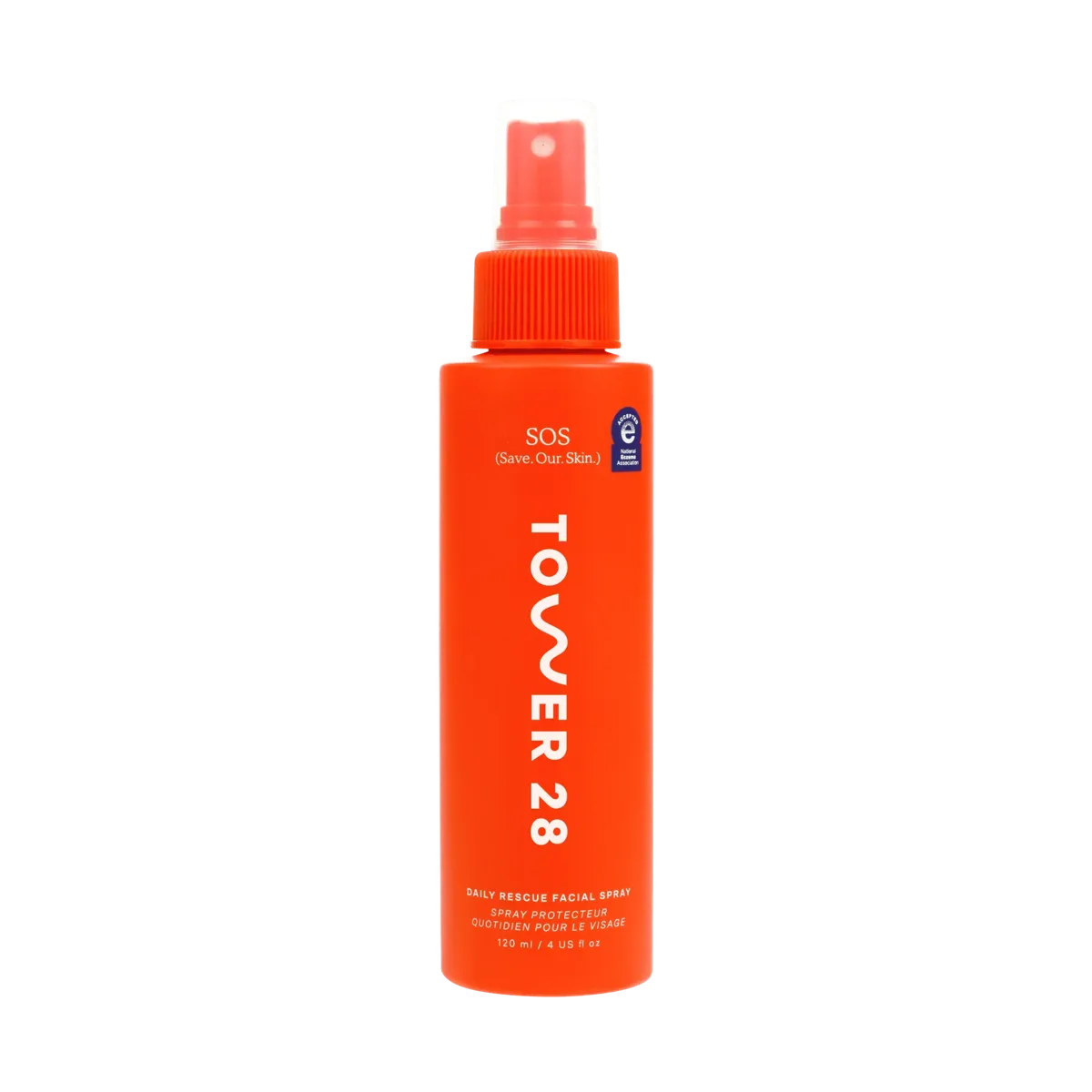
The product that single-handedly brought hypochlorous acid into mainstream skincare. A fine-mist HOCl spray with genuine dermatology-organization validation, a near-perfect tolerability profile, and a cult following among people whose skin reacts to everything else. The price runs steeper than medical-grade HOCl, but the stabilization and design are worth the difference for daily use.
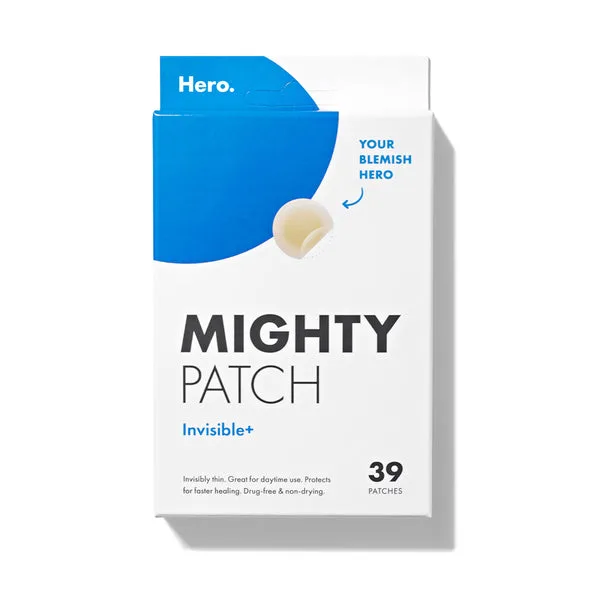
Mighty Patch Invisible+
The pimple patch that proved acne treatment could be invisible — Mighty Patch Invisible+ delivers the same fluid-absorbing hydrocolloid technology as the category-defining Original, but engineered thin enough to disappear under makeup. For daytime blemish management, nothing else comes this close to invisible.
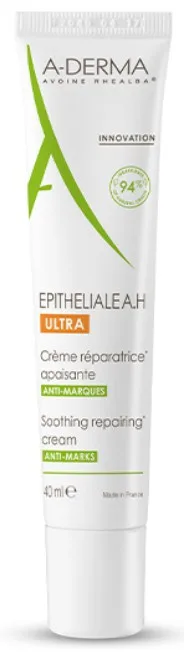 Post-Procedure MVP
 Epitheliale A.H Ultra Repairing Cream
One of the best-formulated French pharmacy repair creams on the market, full stop. Rhealba oat, three-weight HA, madecassoside, trace minerals, panthenol, and shea butter come together in a cream that handles post-procedure skin, eczema flares, friction damage, and compromised barriers with unusual competence for the price.
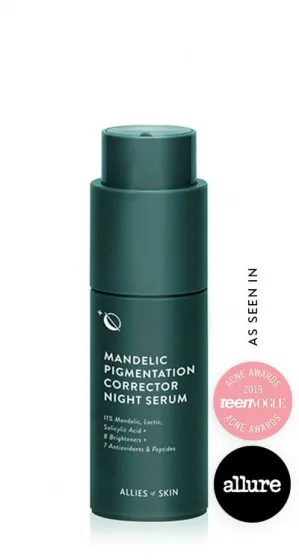 Pigmentation Specialist Pick
 Mandelic Pigmentation Corrector Night Serum
One of the most thoughtfully formulated pigmentation serums on the market. Mandelic acid leads, but the real story is the supporting cast — tranexamic acid, azelaic acid, niacinamide, and bakuchiol attacking hyperpigmentation through five different pathways. Specifically formulated to be safe on melanin-rich skin and it shows.