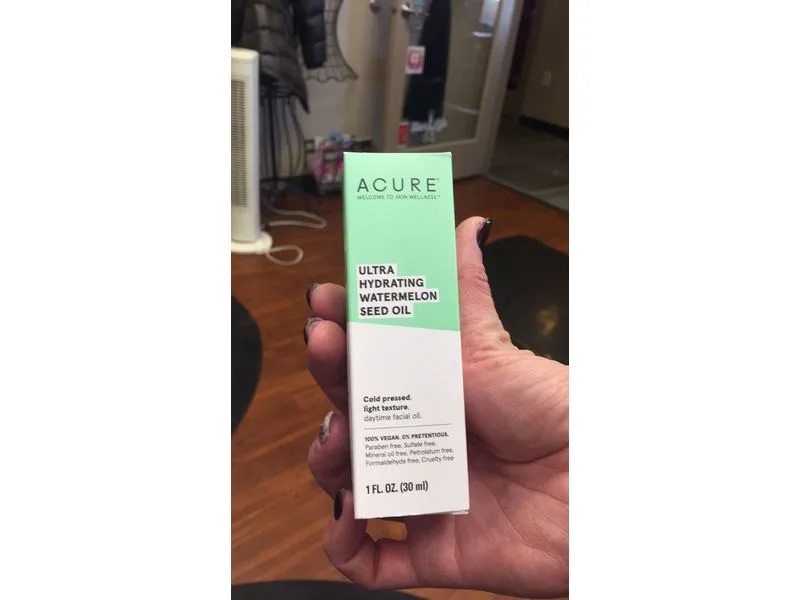
One of the most underrated facial oils on the drugstore shelf — a genuinely single-ingredient, high-linoleic watermelon seed oil that absorbs like a serum and costs the same as a sandwich. Ideal for oily, combination, and dehydrated skin types who thought facial oils weren't for them.
Ultra Hydrating Watermelon Seed Oil
One of the most underrated facial oils on the drugstore shelf — a genuinely single-ingredient, high-linoleic watermelon seed oil that absorbs like a serum and costs the same as a sandwich. Ideal for oily, combination, and dehydrated skin types who thought facial oils weren't for them.
Score Breakdown
Where this product gains points and where it loses them — broken down across the four scoring pillars.
An excellent single-ingredient dry oil at a drugstore price, with a linoleic profile that works for a wider range of skin types than most facial oils. Loses a few points because the research base for watermelon seed oil specifically is thinner than for more studied oils.
Pros & Cons
- ✓True 100% organic cold-pressed watermelon seed oil with no fillers
- ✓Exceptionally light, fast-absorbing feel suited to oily skin
- ✓High linoleic acid profile benefits acne-prone skin types
- ✓Essentially unscented, ideal for fragrance-sensitive users
- ✓Layers cleanly under sunscreen and over active serums
- ✓Vegan, cruelty-free, pregnancy-safe, EWG Verified
- ✓Drugstore price for typically premium-tier ingredient quality
- ✗Short shelf life once opened due to no added tocopherol
- ✗Less glow and cushion than heavier oils some users prefer
- ✗May feel too light for very dry skin in winter
- ✗Smaller 30ml size than many blended competitors
- ✗Dropper packaging can drip mid-application
Full Review
Long before the facial oil category became a playground for marula and argan blends at $80 a bottle, people in West Africa were already pressing oil from watermelon seeds — a traditional product called ootanga oil, used for centuries on skin and hair. The beauty industry eventually caught on, and around the time consumers started getting tired of heavy, greasy facial oils, a quieter category emerged: dry oils. These are oils with a fatty acid profile weighted heavily toward linoleic acid, which absorbs fast and leaves almost no residue, effectively behaving more like a serum than a traditional facial oil. Watermelon seed oil is one of the cleanest examples of this type, and Acure's version — twelve-ish dollars, cold-pressed, organic, single-ingredient — is the version that put it within reach of anyone curious enough to try.
If you've only ever used rosehip or jojoba or argan, the first application of this one is a quiet surprise. You dispense two or three drops, press it into damp skin, and within about sixty seconds your face just... feels soft. There is no slick layer, no residue, no 'waiting for the oil to sink in.' It's so light that most users spend the first week convinced they underapplied. The fatty acid profile explains the behavior: watermelon seed oil is roughly 60% linoleic acid, 15-20% oleic, and a supporting cast of palmitic and stearic, which places it firmly in the dry-oil category alongside grapeseed, hemp, and rosehip. Oils with this profile are much better suited to oily, combination, and linoleic-deficient acne-prone skin than the heavier oleic-dominant oils that dominate the premium end of the market.
This is also where the product quietly solves a problem that plagues the facial oil category: heaviness. A lot of people who would benefit from using a facial oil have tried one, hated how occlusive it felt, and written off the category. The truth is that oils vary enormously in weight, and for those users, a high-linoleic option like this one is a second chance. It layers cleanly under sunscreen in the morning, slots easily between a retinol serum and a moisturizer at night, and never leaves the greasy 'why did I put this on my face' feeling behind. For oily skin types in particular, who tend to produce sebum with a distorted linoleic-to-oleic ratio, topping up the surface lipid profile with a linoleic-rich oil can genuinely improve texture and sebum balance over a few weeks.
The INCI list is a single line — cold-pressed organic watermelon seed oil, nothing else. No carrier oil stretching the formula, no added tocopherol, no fragrance. This is both the feature and the catch. Unadulterated polyunsaturated oils oxidize faster than more stable oils, so the amber glass bottle is doing real protective work and the six-month post-opening window is not a suggestion. The scent situation is a bonus for fragrance-sensitive users: watermelon seed oil is faintly nutty at most, and the smell fades within seconds of application. No essential oils hiding in the formula, no synthetic fragrance.
What this oil won't do is deliver the dramatic glow that heavier oils like marula, argan, or rosehip leave on dry skin. It's a barrier-supporting, moisture-retaining, lightweight hydration layer — not a luminosity-inducing dewdrop serum. Users who specifically want the 'wet from the shower' glow effect often find this oil too discreet, and drier skin types in winter might prefer something more substantial for the coldest months. In those situations, mixing a few drops of this into a richer moisturizer or layering it with a heavier oil at night gives you the best of both worlds.
Value is where this product really distinguishes itself. Single-ingredient, 100% organic, cold-pressed facial oils in the premium aisle typically run $30-60 for the same 30ml size, and a lot of those are blends despite the marketing language. Acure's version delivers genuine purity at roughly a third of that price — which makes it an excellent starter oil for anyone exploring whether linoleic-rich oils work for their skin, and an equally excellent long-term pick for users who already know the category and just want a reliable, honest bottle without the luxury markup.
For oily, combination, dehydrated, or acne-prone skin that's been intimidated by facial oils, this is one of the easiest entry points in the entire category. Combination skin in warm weather will probably become a devoted user, and anyone building a linoleic-heavy routine — whether for surface fatty acid balance or just because they hate residue — will find this one of the best price-to-quality options on the market. It does exactly what a good dry oil should do: show up, do its job, and disappear without fanfare.
Formula
Key Ingredients
The hero actives that drive this product's performance.
| Ingredient | Function | Evidence |
|---|---|---|
| Organic Citrullus Lanatus (Watermelon) Seed Oil (100%) | This is the entire formula — a single-ingredient cold-pressed oil sometimes called 'ootanga oil' in its traditional West African context. Its ultra-light, fast-absorbing profile is due to a high linoleic acid content (around 60%), which makes it behave more like a lightweight dry oil than a traditional facial oil, sinking in without the emollient residue of argan or marula. | emerging |
Full INCI List
Citrullus Lanatus (Watermelon) Seed Oil*. *Certified Organic Ingredient.
Product Flags
✓ Fragrance Free✓ Alcohol Free✗ Oil Free✓ Silicone Free✓ Paraben Free✓ Sulfate Free✓ Cruelty Free✓ Vegan✓ Fungal Acne Safe
Compatibility
Skin Match
Best For
Works For
Not Ideal For
Addresses These Conditions
oiliness dehydration dullness large pores
Routine Step
treatment
Time of Day
AM & PM
Pregnancy Safe
Yes ✓
Layering Tips
Apply 2-3 drops to damp skin after water-based serums. Light enough to use under sunscreen in the morning or before a moisturizer at night. Can be mixed directly into a lightweight lotion.
Results Timeline
Immediate softening and subtle glow. After 2-3 weeks, users typically notice improved surface smoothness. Longer-term (4-8 weeks) benefits include reduced tightness in dehydrated skin and a softer feel in previously rough areas.
Pairs Well With
niacinamidehyaluronic-acidretinolvitamin-c
Sample AM Routine
- Gentle cleanser
- Niacinamide serum
- THIS PRODUCT (1-2 drops)
- Moisturizer
- Sunscreen
Sample PM Routine
- Cleanser
- Hydrating toner
- Retinol serum
- Acure Ultra Hydrating Watermelon Seed Oil
- Moisturizer
Evidence
Who Should Skip
- Short shelf life once opened due to no added tocopherol
- Less glow and cushion than heavier oils some users prefer
- May feel too light for very dry skin in winter
- Smaller 30ml size than many blended competitors
Science & Expert Perspective
The Science
The skincare case for watermelon seed oil rests mainly on its fatty acid profile. Compositional analyses published in Journal of the American Oil Chemists' Society and related oil-chemistry literature consistently put cold-pressed Citrullus lanatus seed oil at roughly 60% linoleic acid, making it one of the highest-linoleic plant oils commonly used on skin, alongside grapeseed and hemp seed. Linoleic acid is an essential fatty acid that incorporates into ceramide 1 in the stratum corneum, one of the key structural lipids of the skin barrier, and topical linoleic-rich oils have been shown in small clinical studies to improve barrier function and reduce transepidermal water loss.
For acne-prone users, the linoleic angle is particularly relevant. Research in the Journal of Investigative Dermatology and other outlets has shown that acne-prone sebum tends to contain lower linoleic acid and proportionally more oleic acid than non-acne-prone sebum, which contributes to the comedogenic cascade. Topical application of linoleic-rich oils may help rebalance the surface lipid profile, which could partially explain why many users with blemish-prone skin tolerate or even benefit from high-linoleic facial oils despite the general perception that 'oils clog pores.'
The oil also contains small amounts of tocopherol naturally (though Acure does not add extra as a preservative), along with phytosterols and trace carotenoids. These contribute antioxidant capacity, though the concentrations are too low to position watermelon seed oil as a primary antioxidant treatment. The more honest framing is that this is a lightweight barrier-support oil with a strong fatty acid rationale, rather than a multi-active treatment product. Evidence specifically for Citrullus lanatus seed oil in cosmetic use is still thinner than for oils like rosehip or argan, though the fatty acid profile is well-documented and the mechanism is plausible.
Dermatologist Perspective
Dermatologists generally view high-linoleic facial oils like watermelon seed oil as reasonable options for patients with oily, combination, or acne-prone skin who want the benefits of a facial oil without the occlusive feel of heavier formulations. Board-certified dermatologists often point out that the fatty acid profile matters far more than the brand name on the bottle, and linoleic-dominant oils are structurally better aligned with the needs of blemish-prone skin than oleic-dominant ones. Watermelon seed oil is not typically prescribed as a primary treatment, but it is often cited as a compatible adjunct for patients using retinoids or benzoyl peroxide, since a lightweight oil can help buffer dryness without adding occlusive load. Patients expecting dramatic changes from a single-ingredient oil are usually redirected to evidence-backed actives, but as a supportive layer, this one is well-regarded.
Guidance
Usage Guide
How to Use
Apply 2-3 drops to slightly damp skin after your water-based serums and before (or mixed into) your moisturizer. Can be used both morning and evening. In the AM, layer under sunscreen after allowing 1-2 minutes for full absorption. In the PM, use as a hydrating layer over retinol or other actives to buffer irritation. For very oily users, even one drop may be enough. Store in a cool, dark place and aim to use within six months of opening to prevent oxidation.
Value Assessment
At around $14.99 for 30ml, this is one of the best-value single-ingredient facial oils on the market. Premium-tier watermelon seed oils from boutique brands typically run $30-55 for comparable or only slightly larger sizes, often with less transparent sourcing. The trade-off, as with all pure polyunsaturated oils, is the six-month shelf life once opened — meaning you can't stockpile. For users curious about linoleic-rich oils but unwilling to gamble on a $40 bottle, this is essentially risk-free. For long-term users who know the category, it remains a reliable, unfussy staple that doesn't ask you to pay for packaging or marketing.
Who Should Buy
Oily, combination, and dehydrated skin types who want a lightweight, fast-absorbing facial oil without the heavy residue of traditional oils. Also ideal for acne-prone users looking to support their linoleic fatty acid profile, fragrance-sensitive users wanting a true single-ingredient product, and anyone curious about facial oils who's been put off by heavier options.
Who Should Skip
Very dry or mature skin types seeking a dewy, cushiony finish will probably find this too discreet — heavier oils like rosehip, marula, or argan will deliver more glow. Also skip if you want a multi-active oil blend, or if you know you won't use the bottle within six months of opening.
Ready to try Acure Ultra Hydrating Watermelon Seed Oil?
Details
Details
Texture
Ultra-light, almost watery for an oil — noticeably thinner than rosehip or argan, with a dry-down that leaves virtually no residue.
Scent
Mild, faintly nutty, essentially neutral — no added fragrance and very little natural scent from the seeds themselves.
Packaging
Amber glass bottle with a glass dropper — appropriately opaque to protect against light oxidation.
Finish
non-greasysatinfast-absorbinginvisible
What to Expect on First Use
First use feels almost like a serum rather than an oil — skin absorbs it within a minute with no slick layer left behind. No tingling, no purging, no scent lingering. Users often double-check they used enough.
How Long It Lasts
2-3 months with daily use (2-3 drops per application).
Period After Opening
6 months
Best Season
spring summer
Certifications
USDA Organic (ingredient)Leaping BunnyVeganEWG Verified
Background
The Why
Watermelon seed oil (traditionally called 'ootanga oil' or 'kalahari oil' in West Africa) has been pressed from watermelon seeds for cooking and skin care for centuries. Acure introduced it to the mass market as part of the wider 'dry oil' trend when consumers started asking for facial oils that didn't feel occlusive.
About Acure Established Brand (5–20 years)
Acure launched in 2009 and has built a clean-beauty following through affordable, transparent, plant-forward formulas. The brand is widely available at Target, Whole Foods, and Amazon, with credibility resting on ingredient quality rather than clinical trials.
Brand founded: 2009
Myth vs. Reality
Myths & Misconceptions
Myth
All facial oils are too heavy for oily skin.
Reality
Oil weight depends on fatty acid profile. High-linoleic oils like watermelon seed absorb quickly and can actually help balance oily skin that's producing sebum with a distorted fatty acid ratio.
Myth
Watermelon seed oil smells like watermelon.
Reality
It doesn't — cold-pressed watermelon seed oil has a very faint nutty scent, if anything. The fruity aroma comes from the flesh, not the seeds.
FAQ
Frequently Asked Questions
Is this good for oily or acne-prone skin?
Yes — watermelon seed oil's high linoleic acid content makes it one of the few facial oils well-suited to oily and acne-prone skin. It absorbs quickly and doesn't leave the greasy residue that heavier oils like coconut or olive leave behind.
Does it actually smell like watermelon?
No. The oil is pressed from the seeds, not the flesh, so the aroma is faint and slightly nutty. If you're expecting fruity notes, you'll be disappointed — but if you hate strong fragrances, you'll be relieved.
How does it compare to Acure's rosehip oil?
Rosehip is medium-weight with a noticeable earthy scent and contains trace retinoid precursors. Watermelon seed is lighter, virtually unscented, and more suited to oilier skin types. Many users keep both and use watermelon in summer and rosehip in winter.
Can I use it under sunscreen?
Yes. Its lightweight profile makes it compatible with sunscreen layering — apply 1-2 drops after your moisturizer and let it absorb fully before applying SPF. It won't disrupt chemical or mineral sunscreens.
Is the bottle small?
At 30ml, it's on the smaller side compared to some blended facial oils, but because you only need 2-3 drops per use, a bottle typically lasts 2-3 months with daily application.
Does it have the same benefits as retinol or vitamin C?
No — it's a hydrating, barrier-supporting oil, not an active treatment. Use it alongside your retinol or vitamin C serum, not instead of them.
Community
Community Voices
Common Praise
"Lightest facial oil users have tried"
"Doesn't clog pores"
"Great for oily and combination skin"
"Fast-absorbing with no residue"
Common Complaints
"Less 'glow' than rosehip or marula oil"
"Short shelf life once opened"
"Some find it too light for very dry skin"
"Dropper can be messy"
Notable Endorsements
EWG VerifiedLeaping Bunny certified
Appears In
best facial oil oily skin best lightweight facial oil best dry oil best facial oil summer best watermelon seed oil
Related Conditions
oiliness dehydration dullness large pores
Related Ingredients
You Might Also Like
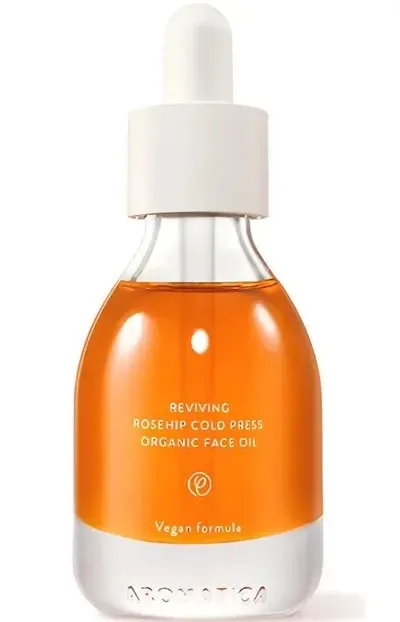 Single-Ingredient Rosehip Standard
 Organic Rose Hip Oil
Aromatica's Organic Rose Hip Oil is one of the few rosehip products on the market that delivers what the category claims — 100% certified-organic cold-pressed Rosa canina fruit oil with no fillers, no carriers, no fragrance. The result is the genuine rosehip experience: distinct earthy scent, fast absorption, and visible improvement in scars, pigmentation, and tone over consistent use.
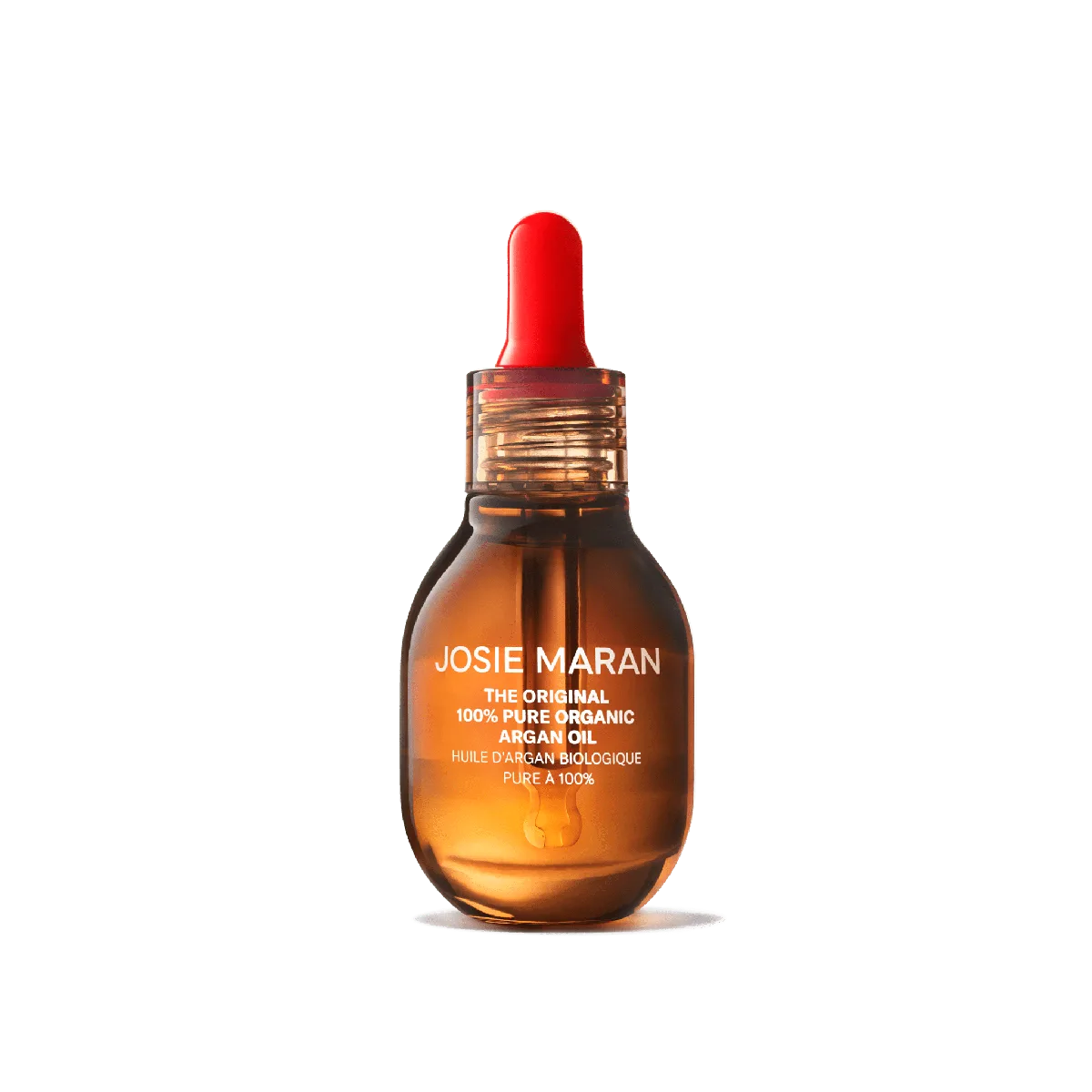 Clean Beauty Pioneer
 100% Pure Argan Oil
The product that single-handedly introduced argan oil to luxury skincare remains one of the purest, most versatile face oils on the market. Its single-ingredient simplicity is both its greatest strength and its limitation — you're getting impeccably sourced argan oil and nothing else, which means the $39 price tag reflects provenance and ethics more than formulation wizardry. For dry, aging, or dull skin, it delivers visible results from day one.
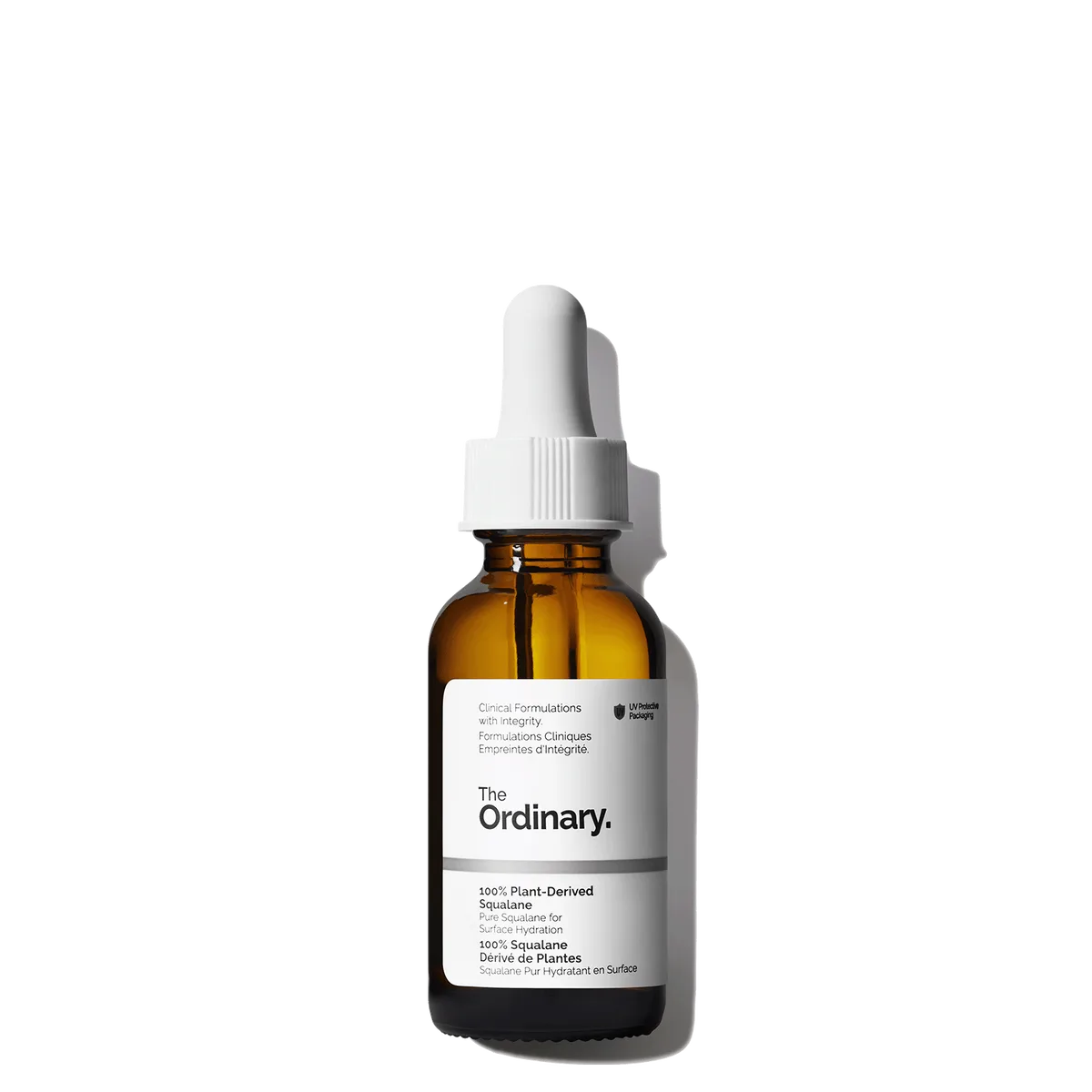 Universal Skin Staple
 100% Plant-Derived Squalane
A near-universal face oil that works for virtually every skin type — including fungal-acne-prone — thanks to its skin-identical composition and zero irritants. It won't transform your skin alone, but as a lightweight sealant over active treatments, it's the $10 workhorse that makes everything else in your routine perform better.
 Single-Ingredient Staple
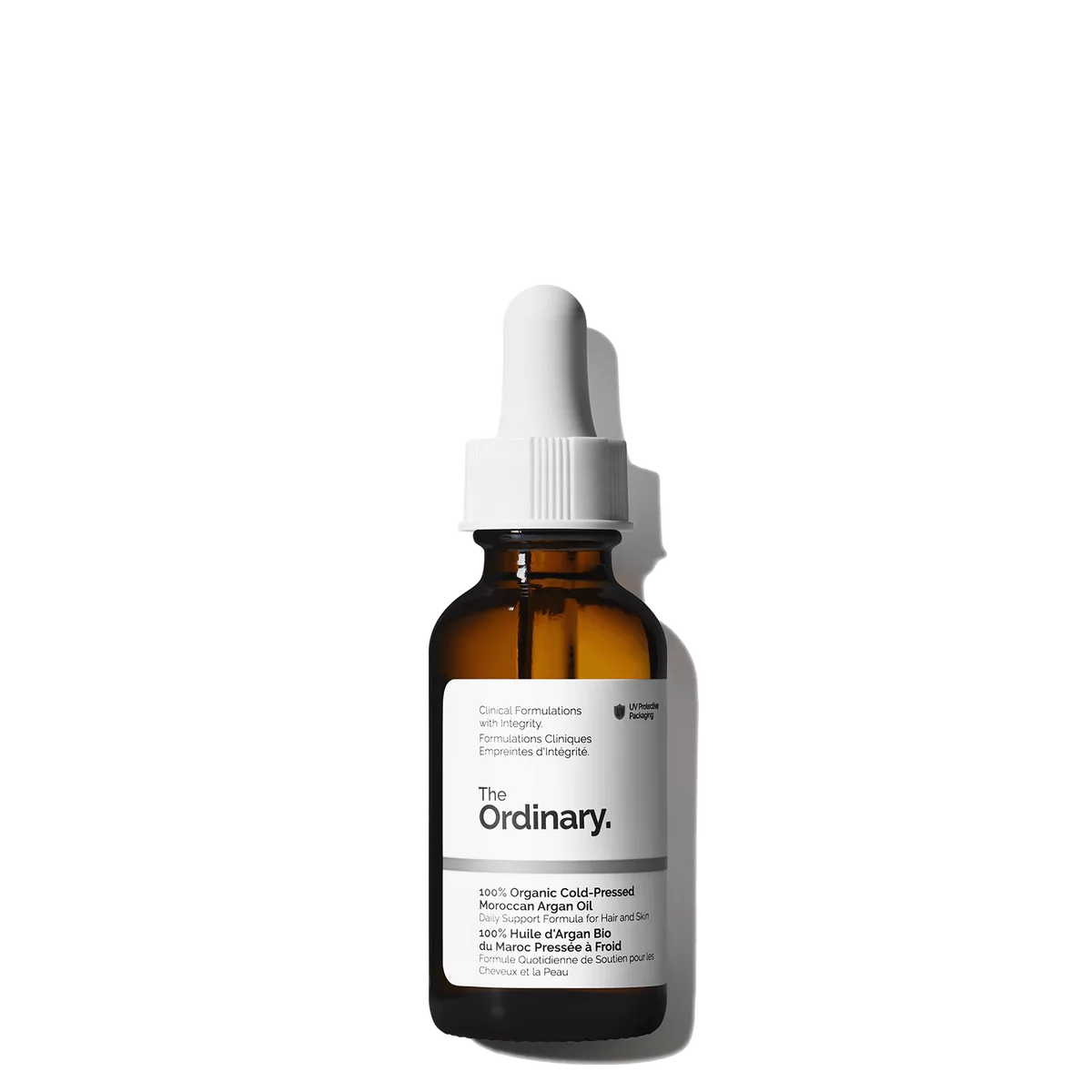
 100% Organic Cold-Pressed Moroccan Argan Oil
A no-frills, bioactive-rich argan oil that delivers genuine cold-pressed quality at a price point that makes luxury oil brands look absurd. It won't wow you with fragrance or texture elegance, but it will quietly strengthen your moisture barrier, soften stubborn dry patches, and remind you that skincare doesn't need to be complicated to be effective.
 Multi-Purpose MVP
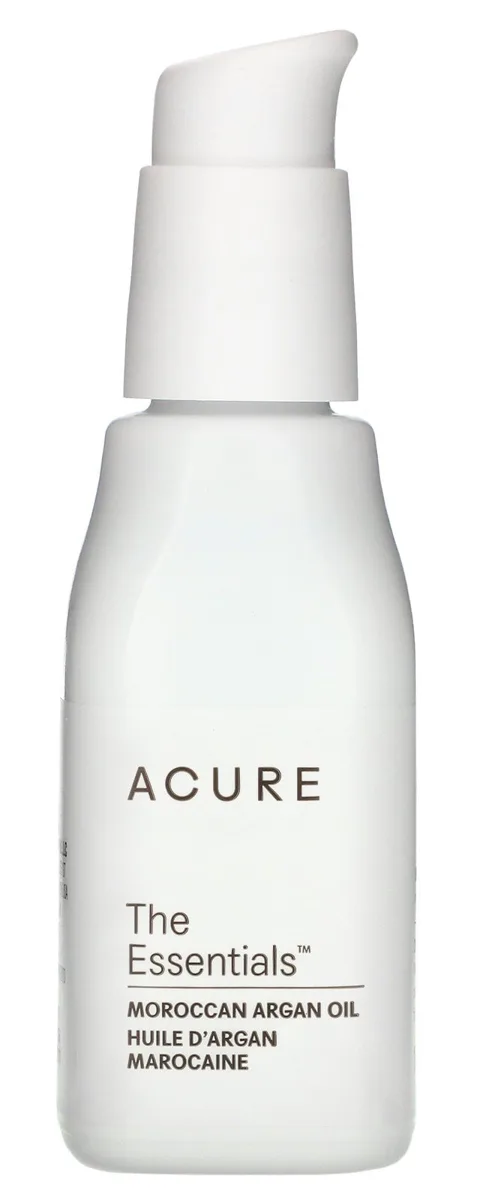
 The Essentials Moroccan Argan Oil
A 100% pure argan oil at a fair budget price — no fragrance, no carriers, no essential oils, just argan. As foundational and versatile as skincare gets, and one of the most genuinely useful products in the entire Acure lineup. If you want a multi-purpose oil for face, hair, and body, this is hard to beat at the price.
 Clean Beauty Rosehip Gold Standard
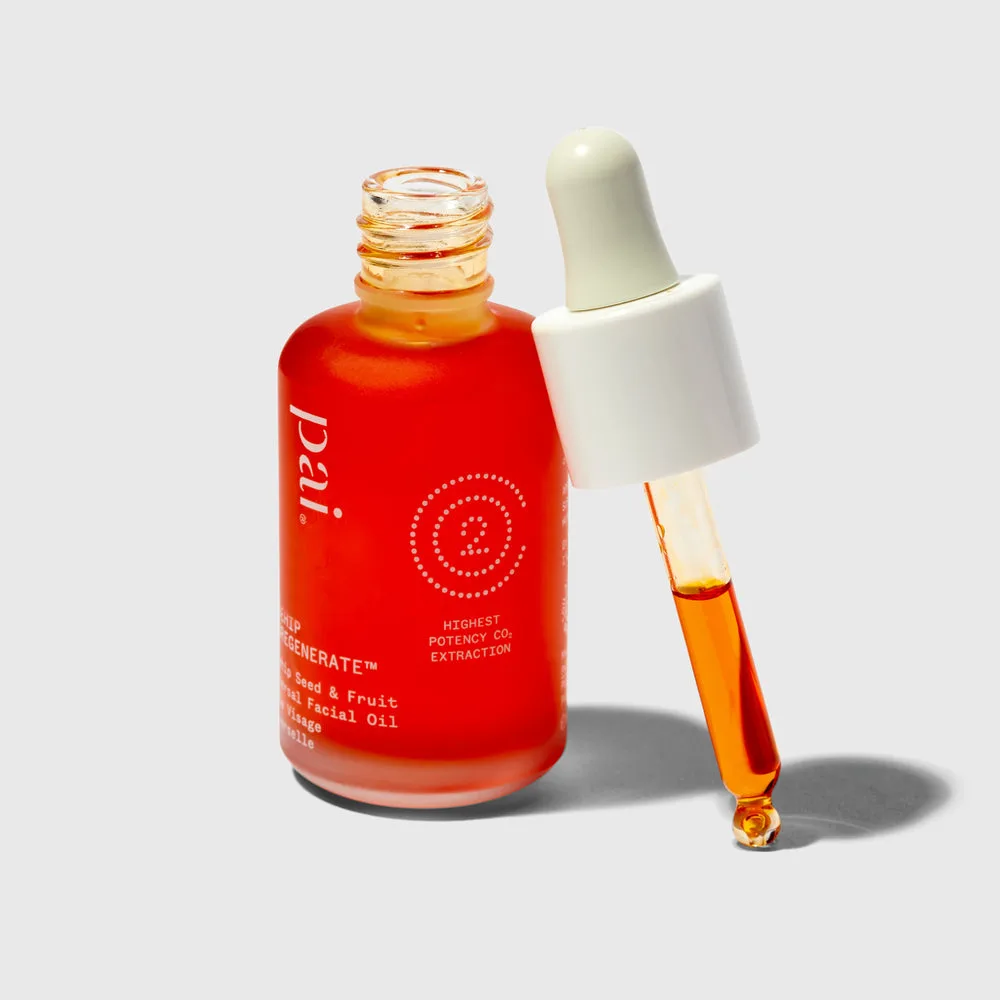
 Rosehip BioRegenerate Oil
A rosehip oil that actually earns its premium through measurably superior antioxidant content and a four-ingredient formula so clean it reads like a haiku. The CO2-extracted fruit oil makes this more than just another pretty bottle of seed oil, and the near-perfect irritation profile makes it suitable for virtually every skin type.
This review reflects our independent analysis of publicly available ingredient data, manufacturer claims, and verified user reviews. We are reader-supported — Amazon links may earn us a commission at no cost to you. We do not accept paid placements; rankings are based solely on the evidence.