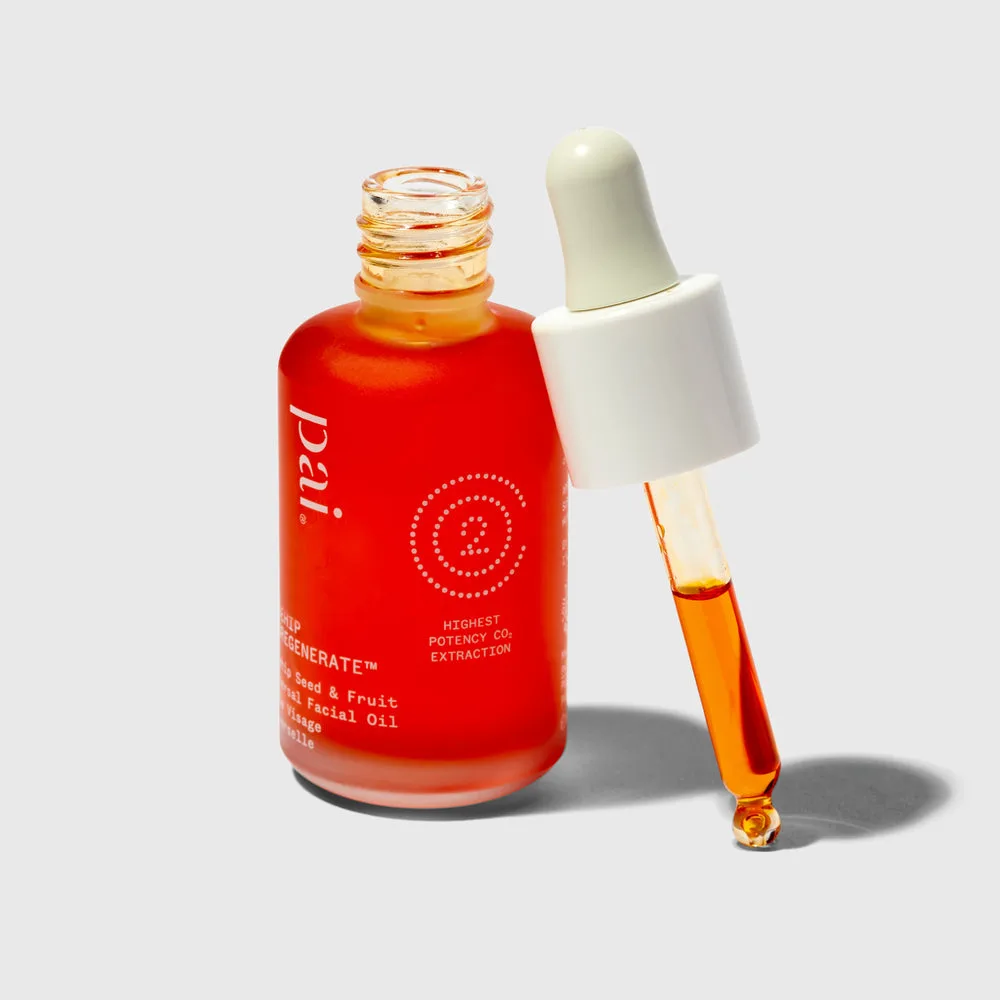
A rosehip oil that actually earns its premium through measurably superior antioxidant content and a four-ingredient formula so clean it reads like a haiku. The CO2-extracted fruit oil makes this more than just another pretty bottle of seed oil, and the near-perfect irritation profile makes it suitable for virtually every skin type.
Rosehip BioRegenerate Oil
A rosehip oil that actually earns its premium through measurably superior antioxidant content and a four-ingredient formula so clean it reads like a haiku. The CO2-extracted fruit oil makes this more than just another pretty bottle of seed oil, and the near-perfect irritation profile makes it suitable for virtually every skin type.
Score Breakdown
Where this product gains points and where it loses them — broken down across the four scoring pillars.
An exceptionally clean, four-ingredient facial oil with CO2-extracted rosehip fruit that delivers measurably higher antioxidant content than standard rosehip oils. The fragrance-free, allergen-free formula achieves a near-perfect irritation score — a rarity in any skincare category.
Pros & Cons
- ✓CO2-extracted rosehip fruit delivers 700% more antioxidants than standard seed-only rosehip oils
- ✓Minimalist four-ingredient formula with zero fillers, carriers, or essential oils
- ✓No allergen declarations — one of the cleanest irritation profiles in any skincare product
- ✓COSMOS organic, Leaping Bunny, Vegan Society certified, and pregnancy safe
- ✓High linoleic acid content makes it suitable for combination skin — unusual for a facial oil
- ✓Visible brightening and tone-evening results within 2-3 weeks of consistent nightly use
- ✗Deep orange color can leave faint stains on light-colored pillowcases if over-applied
- ✗Premium price compared to basic rosehip seed oils
- ✗Results require 6-8 weeks of consistent use for significant improvements
- ✗Not suitable for fungal acne-prone skin due to oleic acid content
- ✗Short 6-month PAO period means larger stockpiling is impractical
Full Review
There is a detail about rosehip oil that most brands either do not know or choose to ignore: the seed and the fruit are not the same thing. The vast majority of rosehip oils on the market are cold-pressed from the seed alone. This gives you a perfectly respectable oil rich in linoleic acid, alpha-linolenic acid, and modest amounts of vitamin A. It will moisturize. It will soften. It will do what a decent facial oil does. But the fruit — the fleshy outer portion of the rosehip — is where the highest concentrations of carotenoids live. Lycopene, beta-carotene, zeaxanthin. These are the antioxidant compounds that make rosehips red, and they are largely absent in seed-only extraction.
Pai's Rosehip BioRegenerate Oil combines both. The base is cold-pressed Rosa canina seed extract, providing the essential fatty acid backbone. Layered into it is a CO2-extracted Rosa canina fruit extract — a supercritical extraction that captures the carotenoid payload without the heat degradation that conventional methods cause. The result is visibly different from any other rosehip oil you have likely used: a deep, vivid amber-orange that looks like liquid sunset in the dropper bottle. This is not a dye or an additive. It is concentrated carotenoid pigment, and Pai claims it delivers 700% more protective antioxidants than competitor rosehip oils.
The ingredient list is four lines long. Rosa canina seed extract. Rosa canina fruit extract. Tocopherol. Rosmarinus officinalis leaf extract. That is it. No carrier oils to dilute the actives. No essential oils to complicate the fragrance profile. No dimethicone to fake a luxurious slip. No preservative system beyond the naturally antioxidant vitamin E and rosemary extract. It is the most honest facial oil formula you will find in certified organic skincare.
This radical simplicity has consequences, all of them good. With no essential oils, there are zero allergen declarations on the label — an achievement that even Pai's other sensitive-skin products cannot match. With no carrier oils, every drop is pure rosehip. And with CO2 extraction preserving the fruit's bioactive compounds, the antioxidant density per drop is meaningfully higher than what you get from a fifteen-dollar bottle of seed oil.
The texture lands in a satisfying middle ground. It is lighter than you would expect for a 100% plant oil, absorbing within two to three minutes on the face without the persistent slickness that makes many facial oils nightstand-only products. The lack of essential oils means the scent is essentially null — a very faint, earthy, nutty aroma from the raw rosehip that most noses will not register.
Performance is where this oil separates from the pack. Nightly users report a visible improvement in skin luminosity within two to three weeks — the carotenoids contribute a natural, subtle warmth to the complexion that photographs well and eliminates dullness. Over two to three months, the combination of linoleic acid, natural trans-retinoic acid traces, and concentrated antioxidants produces noticeable improvement in fine lines, uneven tone, and minor hyperpigmentation. This is not a retinol-level transformation, but for a natural product that can be safely used during pregnancy, the trajectory is impressive.
The one practical concern is the staining potential. That gorgeous orange color comes from the same carotenoids that give the oil its power, and while it absorbs fully into skin without discoloration, a generous application right before bed can leave a faint tint on light-colored pillowcases. Using just two to three drops and allowing a few minutes of absorption time before laying down eliminates this for most users.
Rosehip oil is high in linoleic acid and relatively low in oleic acid, making it an uncommon facial oil that combination and even mildly oily skin types can often tolerate without breakouts. The absence of coconut-derived fractions and oleic-heavy oils further reduces comedogenic risk. It is not an oil for severely oily or fungal acne-prone skin, but its compatibility range is wider than most facial oils.
At fifty-four dollars for one ounce, this is not a budget rosehip oil. But a bottle lasts three to four months with nightly use — two to three drops covers the full face. The monthly cost of approximately fourteen to eighteen dollars is reasonable for a certified organic treatment oil with clinically meaningful antioxidant content. The COSMOS certification, Leaping Bunny, and Vegan Society stamps provide accountability that most cheap rosehip oils cannot match.
The Rosehip BioRegenerate Oil is what happens when a brand respects an ingredient enough to extract it properly, formulate it honestly, and certify it rigorously. It does not need seventeen supporting ingredients to tell a story. Four is enough.
Formula
Key Ingredients
The hero actives that drive this product's performance.
| Ingredient | Function | Evidence |
|---|---|---|
| Rosa Canina Seed Extract (Rosehip Seed Oil) | The primary oil, cold-pressed from rosehip seeds to preserve its high linoleic acid (omega-6) and alpha-linolenic acid (omega-3) content. Provides the fatty acid base that supports skin barrier repair and has documented benefits for photoaged skin. Contains natural traces of trans-retinoic acid — the same active as prescription tretinoin. | well-established |
| Rosa Canina Fruit Extract (CO2 Rosehip Fruit Oil) | The differentiating ingredient — a CO2-extracted oil from the rosehip fruit (not just the seed), which concentrates carotenoids, lycopene, and beta-carotene that give the oil its distinctive deep orange color. This fruit extract is where the '700% more antioxidants' claim originates, providing vitamin A precursors that contribute to the oil's brightening and rejuvenating effects. | promising |
| Tocopherol (Vitamin E) | Serves as both an antioxidant active and a natural preservative, protecting the polyunsaturated fatty acids in the rosehip oils from oxidation. In this minimalist formula, vitamin E works synergistically with the carotenoids from the fruit extract to provide comprehensive antioxidant protection. | well-established |
Full INCI List
Rosa Canina Seed Extract, Rosa Canina Fruit Extract, Tocopherol, Rosmarinus Officinalis Leaf Extract
Product Flags
✓ Fragrance Free✓ Alcohol Free✗ Oil Free✓ Silicone Free✓ Paraben Free✓ Sulfate Free✓ Cruelty Free✓ Vegan✗ Fungal Acne Safe
Compatibility
Skin Match
Best For
Works For
Not Ideal For
Addresses These Conditions
dryness aging dullness hyperpigmentation scarring sun damage
Avoid With
Routine Step
treatment
Time of Day
PM
Pregnancy Safe
Yes ✓
Layering Tips
Apply as the last step in your evening routine, after serums and moisturizer. The oil creates a protective seal over the preceding layers. Can also be mixed with moisturizer for a lighter application. 2-3 drops is sufficient for the full face.
Results Timeline
Immediate nourishing glow and softened skin texture after first use. Visible improvement in skin tone evenness and brightness at 2-3 weeks. Reduction in hyperpigmentation and fine line appearance at 6-8 weeks with consistent nightly use.
Pairs Well With
hyaluronic acid serummoisturizervitamin C serum (AM)
Sample AM Routine
- Gentle cleanser
- Vitamin C serum
- Moisturizer
- Sunscreen
Sample PM Routine
- Gentle cleanser
- Hydrating serum
- Moisturizer
- Pai Skincare Rosehip BioRegenerate Oil
Evidence
Who Should Skip
- Deep orange color can leave faint stains on light-colored pillowcases if over-applied
- Premium price compared to basic rosehip seed oils
- Results require 6-8 weeks of consistent use for significant improvements
- Not suitable for fungal acne-prone skin due to oleic acid content
Science & Expert Perspective
The Science
Rosehip (Rosa canina) oil has been the subject of multiple clinical studies examining its effects on photoaged and scarred skin. A randomized double-blind study published in the journal Clinical Interventions in Aging (2015) demonstrated that rosehip powder (containing similar carotenoid and fatty acid compounds) significantly improved crow's feet wrinkle severity, skin moisture, and elasticity after 8 weeks compared to placebo.
The distinction between seed and fruit extraction is scientifically meaningful. Rosehip seeds contain primarily polyunsaturated fatty acids (linoleic and alpha-linolenic acid), while the fruit flesh concentrates carotenoids — particularly lycopene, beta-carotene, and zeaxanthin. A study published in Food Chemistry (2012) analyzed the carotenoid content of Rosa canina fruits and found that the flesh contained significantly higher concentrations of these compounds than the seeds, supporting the rationale for Pai's dual-extraction approach.
Linoleic acid's role in skin health is well-established. As the predominant polyunsaturated fatty acid in the stratum corneum, it is essential for maintaining barrier integrity and ceramide synthesis. Topical application of linoleic-rich oils has been shown to improve barrier function in subjects with compromised skin. The natural presence of trace trans-retinoic acid in rosehip oil, while too low for retinoid-level efficacy, contributes to mild cell turnover stimulation and collagen synthesis support.
The CO2 extraction method operates at temperatures below 40°C, preserving thermolabile compounds like carotenoids and polyunsaturated fatty acids that degrade rapidly under the heat of steam distillation or conventional pressing. This is particularly important for lycopene, which is one of the most potent singlet oxygen quenchers among naturally occurring carotenoids.
Dermatologist Perspective
Dermatologists recognize rosehip oil as a well-tolerated, antioxidant-rich facial oil suitable for most skin types. Board-certified dermatologists note that the high linoleic acid content makes this product more appropriate for combination skin than most facial oils. The CO2-extracted fruit component provides carotenoid concentrations that standard seed oils cannot match, though dermatologists emphasize that topical carotenoid delivery is less efficient than dietary intake. For patients seeking a natural, fragrance-free treatment oil — particularly during pregnancy when retinoids are contraindicated — dermatologists view this type of high-quality rosehip oil as a reasonable option for mild anti-aging and brightening support.
Guidance
Usage Guide
How to Use
Apply 2 to 3 drops to clean skin as the last step in your evening routine, after serums and moisturizer. Warm the oil between fingertips and press gently into the face and neck. Allow 2-3 minutes to absorb before laying on a pillowcase. Can also be mixed with your moisturizer for a lighter application. Use nightly for best results. Store away from direct sunlight to preserve carotenoid integrity.
Value Assessment
At $54 for 1 fl oz, this is a premium rosehip oil — roughly 3-4x the cost of basic rosehip seed oils. A travel size (0.3 fl oz) is available for trial. A bottle lasts 3-4 months with nightly use (2-3 drops), putting the monthly cost at $14-18. The premium reflects the dual extraction method (seed press + CO2 fruit extraction), COSMOS organic certification, and measurably higher antioxidant content. For those who have tried cheap rosehip oils and found them underwhelming, the difference in carotenoid density may justify the upgrade.
Who Should Buy
Anyone seeking a high-quality, certified organic facial oil for brightening, anti-aging, and overall skin nourishment. Ideal for dry, normal, and combination skin types who want the purest rosehip oil available. Particularly suited for those who prioritize minimal ingredient lists, fragrance-free formulations, and pregnancy-safe products.
Who Should Skip
Those with oily or fungal acne-prone skin who may react to any facial oil. Budget-conscious shoppers who are satisfied with basic rosehip seed oils. Anyone who cannot tolerate even light oiliness on their face at bedtime.
Ready to try Pai Skincare Rosehip BioRegenerate Oil?
Details
Details
Texture
Medium-weight oil with a distinctive deep amber-orange color from the concentrated carotenoids. Less viscous than many facial oils — absorbs within 2-3 minutes without excessive greasiness.
Scent
Minimal — a faint, natural rosehip seed scent that is earthy and slightly nutty. No added fragrance or essential oils. Essentially odorless to most users.
Packaging
Amber glass dropper bottle that protects the carotenoid-rich oil from light degradation. Clean, minimalist Pai branding.
Finish
dewyglowynon-greasy
What to Expect on First Use
The deep orange color is immediately striking — this is not a clear, pale rosehip oil. Skin feels nourished and soft after the first application. A visible glow is apparent the next morning. No irritation or breakouts, even on first use with sensitive skin.
How Long It Lasts
3-4 months with nightly use (2-3 drops per application)
Period After Opening
6 months
Best Season
All Year
Certifications
COSMOS OrganicLeaping BunnyVegan SocietyPregnancy Safe
Background
The Why
The Rosehip BioRegenerate Oil is Pai's approach to the rosehip oil category — a space dominated by cheap, poorly preserved seed oils that oxidize quickly. By combining seed and fruit extraction methods and keeping the formula to just four ingredients, Pai created a premium rosehip oil that justifies its price through measurably superior antioxidant content. The product's deep orange color — from the concentrated carotenoids — has become its visual signature.
About Pai Skincare Established Brand (5–20 years)
Pai Skincare was founded in 2007 in London by Sarah Brown. This rosehip oil is one of the brand's bestsellers with over 2,600 reviews. The product is COSMOS organic certified, uses CO2 extraction for the rosehip fruit component, and claims 700% more antioxidants than competitor rosehip oils.
Brand founded: 2007
Myth vs. Reality
Myths & Misconceptions
Myth
All rosehip oils are basically the same.
Reality
The antioxidant and fatty acid content of rosehip oils varies enormously based on species, growing conditions, and extraction method. Standard cold-pressed rosehip seed oil contains mostly fatty acids with modest carotenoid content. This product's CO2-extracted fruit component adds significantly higher concentrations of lycopene and beta-carotene — antioxidants largely absent in seed-only oils.
Myth
Facial oils will cause breakouts on combination skin.
Reality
Rosehip oil is rich in linoleic acid, which research has shown is deficient in acne-prone sebum. Topical linoleic acid application has been demonstrated to reduce comedone size. The absence of oleic acid-heavy oils in this formula makes it less likely to clog pores than many commonly used facial oils like coconut or olive oil.
FAQ
Frequently Asked Questions
Is Pai Rosehip BioRegenerate Oil worth the premium over cheaper rosehip oils?
The premium comes from the dual extraction method — combining seed-pressed oil with CO2-extracted fruit oil that concentrates carotenoids (lycopene, beta-carotene). Pai claims 700% more antioxidants than standard rosehip oils. If you're using rosehip oil primarily for brightening and anti-aging, the higher antioxidant content makes a functional difference. If you mainly want basic moisture, a cheaper seed-only oil may suffice.
Can I use Pai Rosehip Oil on acne-prone skin?
Rosehip oil is high in linoleic acid, which research suggests is beneficial for acne-prone skin. The four-ingredient, fragrance-free formula minimizes irritation risk. However, any facial oil can exacerbate fungal acne (Malassezia folliculitis). For standard acne-prone combination skin, most users tolerate this well — introduce gradually with 1-2 drops every other night.
Why is Pai Rosehip Oil so orange?
The deep amber-orange color comes from concentrated carotenoids — lycopene and beta-carotene — extracted from the rosehip fruit via CO2 extraction. These are the same antioxidant compounds that give tomatoes and carrots their color. Paler rosehip oils contain fewer carotenoids because they use only the seed, not the fruit.
Will the orange color stain my skin or pillowcase?
The oil absorbs fully and does not typically stain skin. However, if applied generously right before bed, the carotenoid-rich oil can leave a faint orange tint on light-colored pillowcases. Using 2-3 drops and allowing a few minutes for absorption before laying down minimizes this. A dark or dedicated pillowcase is recommended.
Can I use Pai Rosehip Oil during pregnancy?
Yes — Pai confirms this product is pregnancy safe. The rosehip oil contains only trace amounts of natural trans-retinoic acid (far below therapeutic concentrations), and the four-ingredient formula avoids all commonly flagged pregnancy ingredients. The COSMOS organic certification ensures clean sourcing standards.
Community
Community Voices
Common Praise
"Noticeable brightening and more even complexion over time"
"Lightweight and absorbs better than expected for an oil"
"Just four ingredients — minimal and trustworthy"
"Significantly improved dry, dull skin"
"Beautiful deep orange color from natural carotenoids"
Common Complaints
"Strong orange color can stain lighter fabrics and pillowcases"
"Takes several weeks to see significant results"
"Premium price compared to basic rosehip oils"
"May not be rich enough for very dry skin in winter"
Appears In
best rosehip oil for face best facial oil for aging best organic facial oil best facial oil for sensitive skin
Related Conditions
dryness aging dullness hyperpigmentation scarring sun damage
Related Ingredients
You Might Also Like
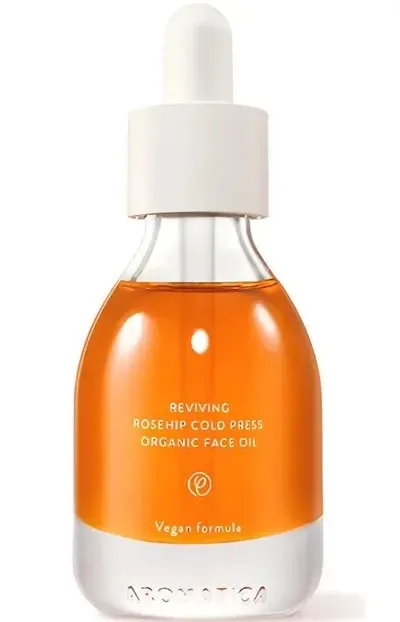 Single-Ingredient Rosehip Standard
 Organic Rose Hip Oil
Aromatica's Organic Rose Hip Oil is one of the few rosehip products on the market that delivers what the category claims — 100% certified-organic cold-pressed Rosa canina fruit oil with no fillers, no carriers, no fragrance. The result is the genuine rosehip experience: distinct earthy scent, fast absorption, and visible improvement in scars, pigmentation, and tone over consistent use.
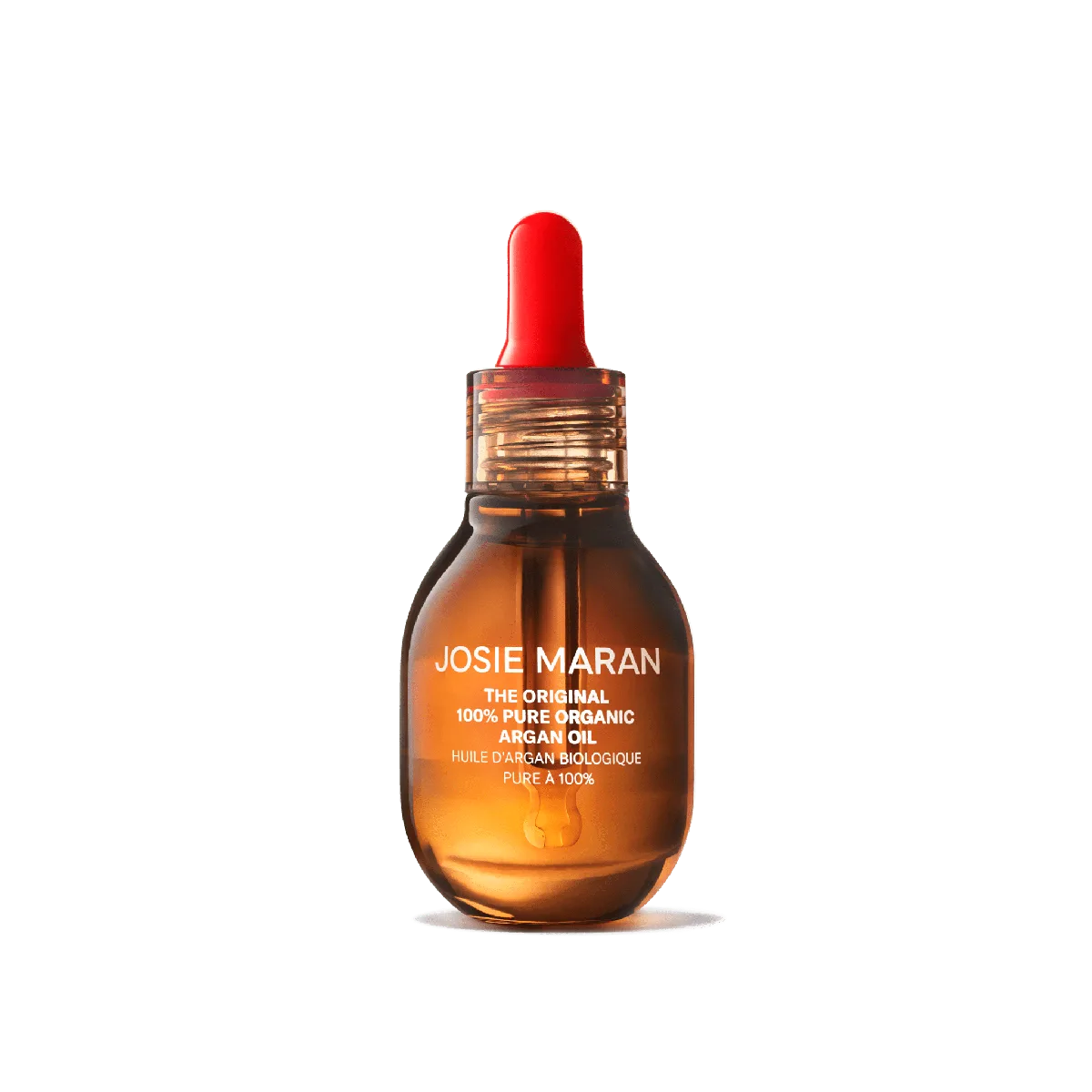 Clean Beauty Pioneer
 100% Pure Argan Oil
The product that single-handedly introduced argan oil to luxury skincare remains one of the purest, most versatile face oils on the market. Its single-ingredient simplicity is both its greatest strength and its limitation — you're getting impeccably sourced argan oil and nothing else, which means the $39 price tag reflects provenance and ethics more than formulation wizardry. For dry, aging, or dull skin, it delivers visible results from day one.
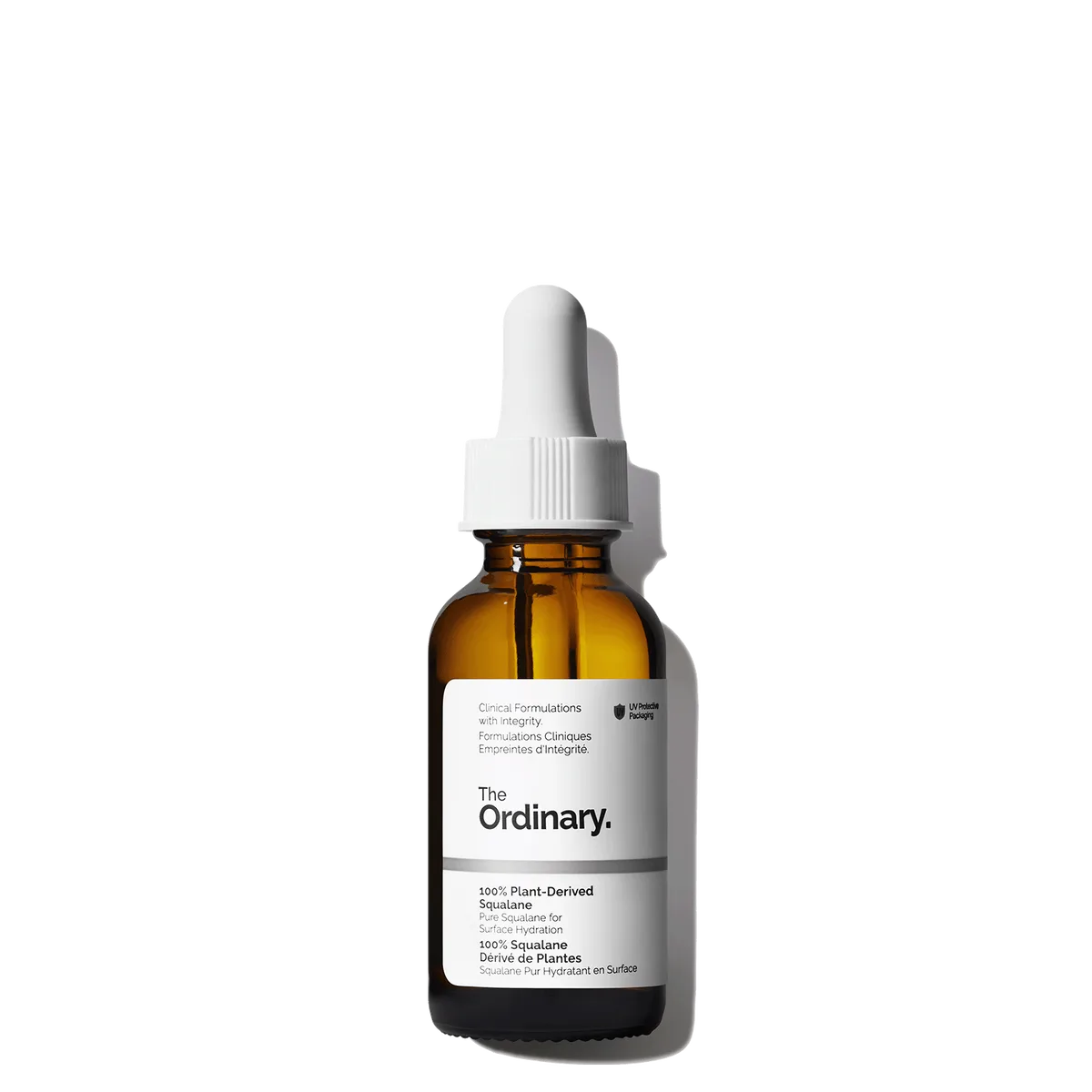 Universal Skin Staple
 100% Plant-Derived Squalane
A near-universal face oil that works for virtually every skin type — including fungal-acne-prone — thanks to its skin-identical composition and zero irritants. It won't transform your skin alone, but as a lightweight sealant over active treatments, it's the $10 workhorse that makes everything else in your routine perform better.
 Single-Ingredient Staple
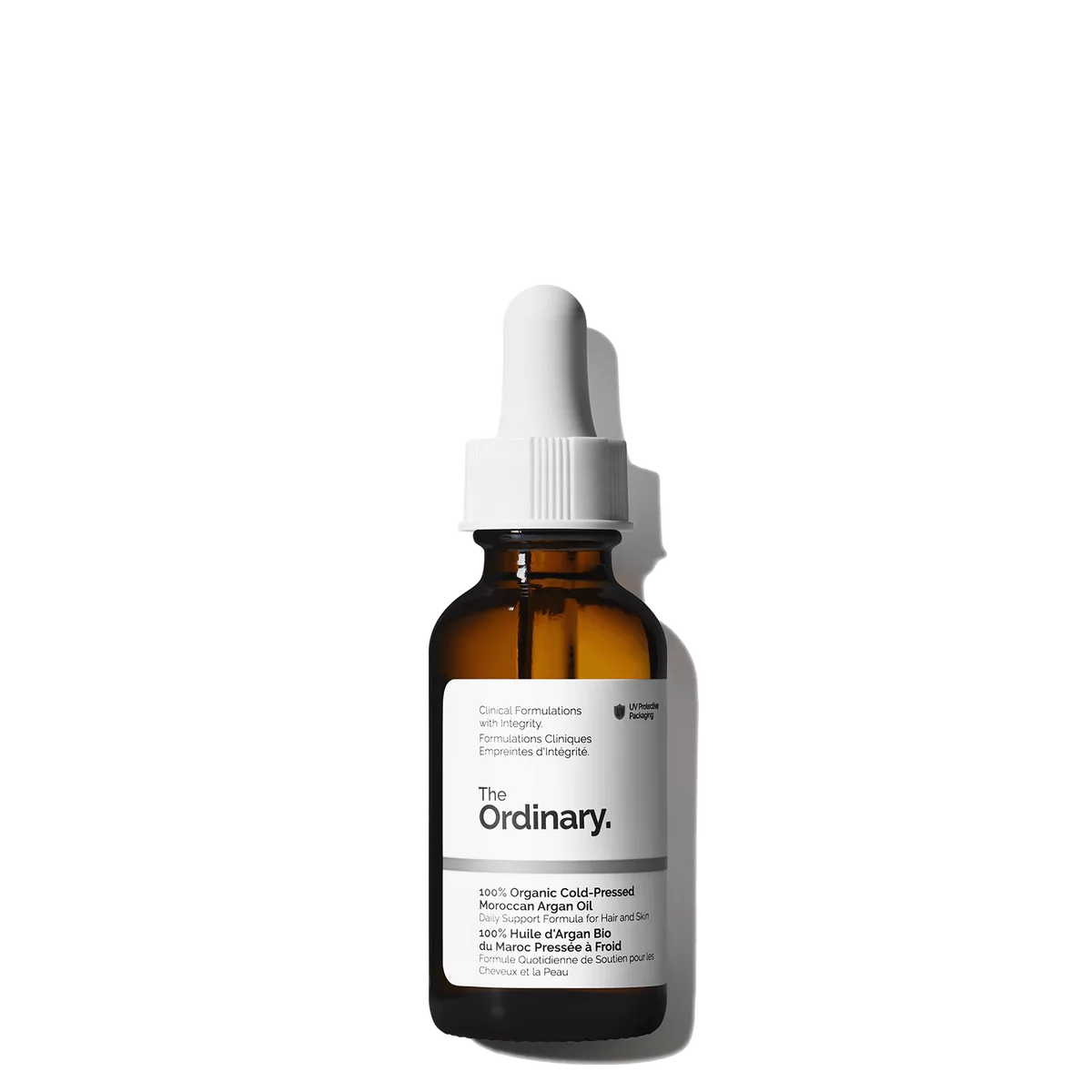
 100% Organic Cold-Pressed Moroccan Argan Oil
A no-frills, bioactive-rich argan oil that delivers genuine cold-pressed quality at a price point that makes luxury oil brands look absurd. It won't wow you with fragrance or texture elegance, but it will quietly strengthen your moisture barrier, soften stubborn dry patches, and remind you that skincare doesn't need to be complicated to be effective.
 Multi-Purpose MVP
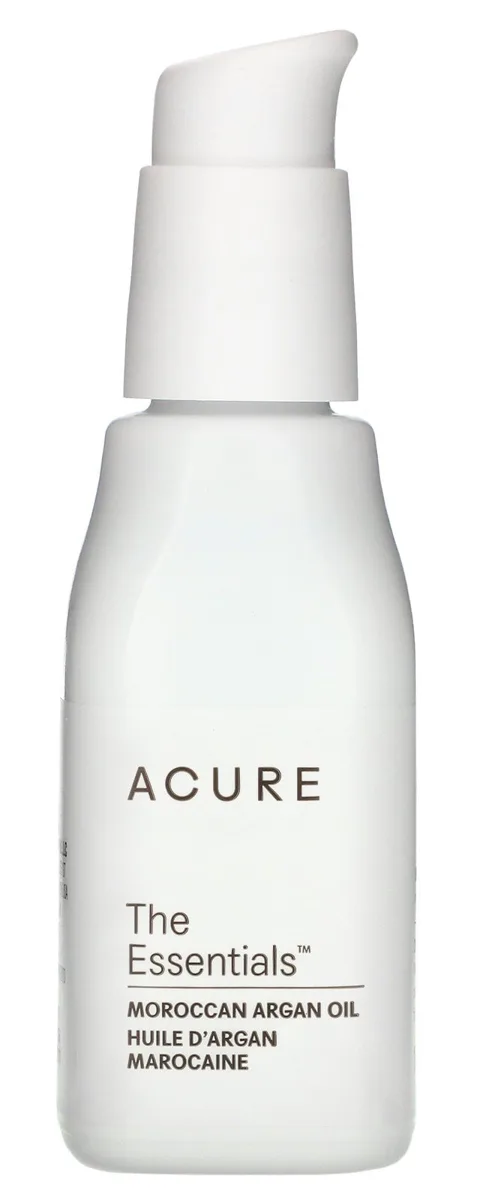
 The Essentials Moroccan Argan Oil
A 100% pure argan oil at a fair budget price — no fragrance, no carriers, no essential oils, just argan. As foundational and versatile as skincare gets, and one of the most genuinely useful products in the entire Acure lineup. If you want a multi-purpose oil for face, hair, and body, this is hard to beat at the price.
 Oily-Skin Friendly Facial Oil
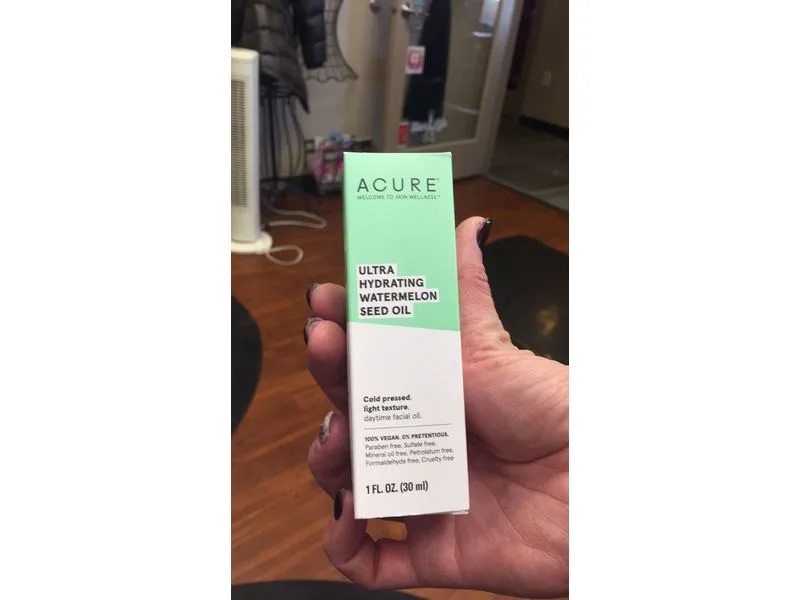
 Ultra Hydrating Watermelon Seed Oil
One of the most underrated facial oils on the drugstore shelf — a genuinely single-ingredient, high-linoleic watermelon seed oil that absorbs like a serum and costs the same as a sandwich. Ideal for oily, combination, and dehydrated skin types who thought facial oils weren't for them.
This review reflects our independent analysis of publicly available ingredient data, manufacturer claims, and verified user reviews. We are reader-supported — Amazon links may earn us a commission at no cost to you. We do not accept paid placements; rankings are based solely on the evidence.