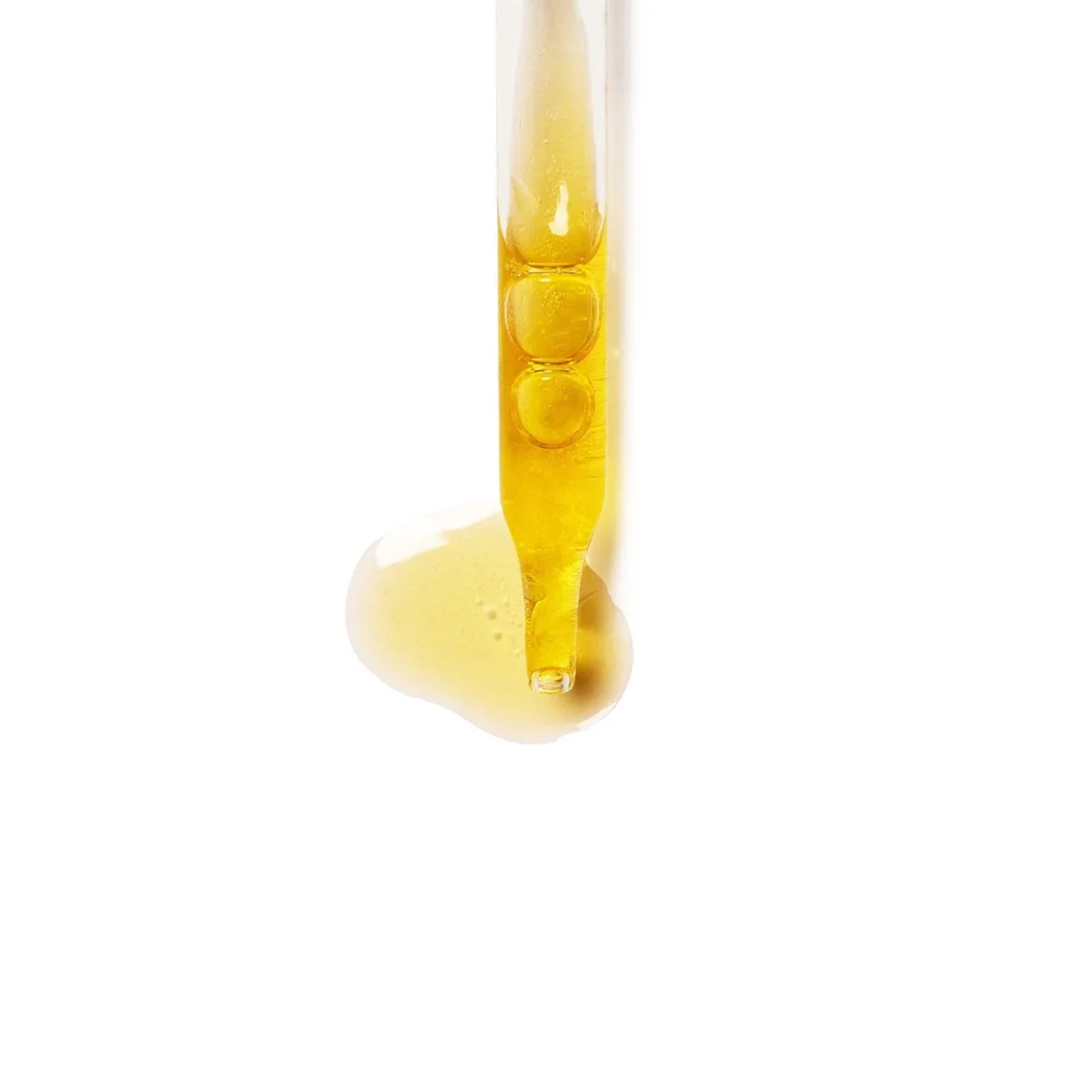
Holi(Oil) is the original Agent Nateur product and the one that built the brand's cult following. The scent is genuinely beautiful, the rice bran-rosehip base is competent, and the bottle looks good on a shelf — but at $155 for 30ml, this is one of the most expensive ways to put plant oils on your face, and the anti-aging vitamin C story does not match what oil chemistry actually delivers.
Holi(Oil) Youth Serum
Holi(Oil) is the original Agent Nateur product and the one that built the brand's cult following. The scent is genuinely beautiful, the rice bran-rosehip base is competent, and the bottle looks good on a shelf — but at $155 for 30ml, this is one of the most expensive ways to put plant oils on your face, and the anti-aging vitamin C story does not match what oil chemistry actually delivers.
Score Breakdown
Where this product gains points and where it loses them — broken down across the four scoring pillars.
The brand's flagship face oil with a beautiful scent and a competent rice bran-rosehip base, but the price is among the most punishing in the category and the active vitamin C story is overstated for an oil format.
Pros & Cons
- ✓Distinctive sandalwood-rose-helichrysum scent that defines the brand
- ✓Rice bran base contributes meaningful antioxidant activity
- ✓Rosehip provides gentle vitamin A signaling without retinoid irritation
- ✓Pared-back ingredient list with no synthetic preservatives
- ✓Vegan and small-batch manufactured
- ✓Beautiful packaging and ritual-friendly experience
- ✗Among the most expensive face oils on the market
- ✗Heavy essential oil load makes it unsuitable for sensitive skin
- ✗Vitamin C anti-aging claims overstate oil-based delivery limits
- ✗Not recommended for acne-prone skin
- ✗Not safe during pregnancy due to essential oil load
- ✗Multiple fragrance allergens worth flagging
Full Review
Most luxury face oils are exercises in maximalism. Twenty plant oils, a half-dozen exotic botanicals from places you can't pronounce, sometimes a peptide or two for credibility, all blended into a complex sensory experience designed to justify a steep price tag. Holi(Oil) takes the opposite approach — and that's by personal accident as much as design. Founder Jena Covello developed the formula after her own health struggles, working with a deliberately small list of ingredients she could personally tolerate. The result is a face oil with just twelve items on the INCI, including the naturally occurring fragrance allergens. That radical brevity is unusual in luxury skincare, and depending on how you read it, it's either elegant minimalism or a thin formula that punches well above its actual ingredient cost.
The base of the formula is interesting. Rice bran oil leads the INCI, which is a smarter choice than it first appears — rice bran is unusually high in gamma-oryzanol, tocotrienols, and ferulic acid, meaning the carrier oil is contributing antioxidant activity rather than just acting as a vehicle for the more expensive ingredients. Rosehip seed oil is second, and rosehip is the closest thing in plant oils to a real anti-aging active, contributing naturally occurring trans-retinoic acid, beta-carotene, and linoleic acid that together provide gentle vitamin A signaling without retinoid-strength irritation. If you stopped reading the INCI here, you'd have the bones of a perfectly competent $30 face oil — and notably, you'd have the actual ingredients responsible for whatever skin benefits this product delivers.
What comes next is where the price premium gets harder to defend on functional grounds. Sodium ascorbyl phosphate and calcium ketogluconate sit in the third and fourth positions on the INCI, the same two-ingredient pairing that makes up the brand's Holi(C) face powder. In a water-activated powder format applied to clean skin, these ingredients have a coherent chemistry rationale. Suspended in an oil base, they face meaningful absorption challenges — vitamin C derivatives generally need an aqueous environment to dissolve, penetrate, and undergo the enzymatic conversion that releases active ascorbic acid in the skin. The marketing of Holi(Oil) as a vitamin C-powered anti-aging serum leans on these ingredients harder than the chemistry really supports. They contribute, but they're not the primary active mechanism; the rice bran and rosehip are.
The rest of the INCI is essential oils and the fragrance allergens that come with them. Sandalwood from New Caledonia, helichrysum, Damascena rose, plus the naturally occurring santalol, citronellol, geraniol, limonene, and linalool that are responsible for the distinctive aroma. The scent is, honestly, the actual draw of this product for most buyers — a warm, dry, almost sacred-feeling sandalwood-rose blend that fills the room when you open the bottle and lingers as a faint personal aura on your skin for hours after application. People become devoted to this scent. They also occasionally develop contact reactions to it, because heavy essential oil loads on facial skin are not without risk.
Using the product is a small ritual. Two to three drops dispensed into the palm, warmed between hands, pressed gently onto cleansed skin or layered after a hydrating serum. The oil absorbs faster than the ingredient list suggests — rice bran is lighter than you'd expect — and leaves skin with a soft glow rather than a heavy slick. Used at night, it pairs naturally with a moisturizer layered on top to seal everything in. Used in the morning, it can sit under sunscreen if you only use a drop or two. The sensory experience is genuinely beautiful, and that experience is most of what people are paying for.
Results are real but quiet. Used consistently for four to six weeks, Holi(Oil) delivers a softer, more luminous-looking complexion, reduced surface dryness, and a generally healthier-looking glow. None of this is unique to this product — any well-formulated rosehip-forward face oil will produce similar effects. What is unique is the scent, the brand identity, and the ritual experience of using it. Whether those three things justify the $155 price tag is a personal question with no universal right answer.
The limitations are honest and worth naming. The price-to-ingredient ratio is among the worst in the face oil category — you can find rice bran and rosehip blends from formulary brands at one fifth this cost. The essential oil load makes this product a poor choice for sensitive, rosacea-prone, or barrier-compromised skin, and the patch test recommendation is not a marketing courtesy but a real precaution. The vitamin C claims overstate what the chemistry delivers in an oil base. The product is generally not recommended for acne-prone skin, and the essential oils put it on the avoid list for many pregnant individuals. None of these are dealbreakers — they're just the realities of what this product actually is.
The verdict is that Holi(Oil) is a genuinely beautiful sensory product wrapped in marketing claims that exceed its functional reality. The right buyer is someone who loves the scent, treats face oil as ritual rather than active treatment, can afford the price without flinching, and isn't expecting transformative anti-aging results. For that buyer, it's a product worth loving. For everyone else, the gap between the marketing and the chemistry is wide enough to deserve eyes-open shopping.
Formula
Key Ingredients
The hero actives that drive this product's performance.
| Ingredient | Function | Evidence |
|---|---|---|
| Rice Bran Oil | Leads the INCI as the primary base oil. Rice bran is unusually high in tocotrienols, gamma-oryzanol, and ferulic acid — meaning the carrier oil itself is doing meaningful antioxidant work, not just transporting other ingredients. Lighter on the skin than many heavier base oils. | well-established |
| Rosehip Seed Oil | The second-listed ingredient and a major contributor to the formula's anti-aging case. Contains naturally occurring trans-retinoic acid, linoleic acid, and beta-carotene that together provide gentle vitamin A activity without the irritation of pharmaceutical retinoids. | promising |
| Sodium Ascorbyl Phosphate | A stable vitamin C derivative suspended in the oil base. Position high on the INCI suggests a meaningful inclusion level, though the absorption challenges of vitamin C in oil-based delivery limit how much active ascorbic acid actually converts in the skin. | promising |
| Sandalwood Oil | The signature scent component and a major contributor to the brand's identity. Provides the warm woody base that defines the Holi(Oil) experience and contributes mild anti-inflammatory activity, though it functions primarily as fragrance. | limited |
| Helichrysum Oil | An expensive essential oil with traditional uses for skin healing and tissue support. Adds botanical complexity and contributes minor anti-inflammatory activity, though robust evidence for the dramatic skin benefits often claimed for helichrysum is limited. | limited |
Full INCI List
Oryza Sativa Bran Oil, Rosa Canina Seed Oil, Sodium Ascorbyl Phosphate, Calcium Ketogluconate, Santalum Austrocaledonicum Wood Oil, Helichrysum Gymnocephalum Flower/Leaf/Stem Extract, Rosa Damascena Flower Oil, Santalol, Citronellol, Geraniol, Limonene, Linalool
Product Flags
✗ Fragrance Free✓ Alcohol Free✗ Oil Free✓ Silicone Free✓ Paraben Free✓ Sulfate Free✓ Cruelty Free✓ Vegan✗ Fungal Acne Safe
Potential Irritants
Sandalwood oilRose oilHelichrysumLimoneneLinaloolGeraniolCitronellol
Common Allergens
LimoneneLinaloolGeraniolCitronellol
Compatibility
Skin Match
Best For
Works For
Not Ideal For
Addresses These Conditions
Use With Caution
sensitivity rosacea fungal acne acne
Avoid With
Routine Step
treatment
Time of Day
AM & PM
Pregnancy Safe
No ✗
Layering Tips
Apply after water-based serums and before moisturizer, or use as the final step over moisturizer at night to seal in hydration. Patch test on the jaw before broad facial use due to the essential oil load.
Results Timeline
Immediate softness and a noticeable scent. Cumulative skin glow and softness over 4-6 weeks of consistent use.
Pairs Well With
hydrating-tonershyaluronic-acid
Conflicts With
retinoidsstrong-acids
Sample AM Routine
- Gentle cleanser
- Hydrating toner
- THIS PRODUCT (1-2 drops)
- Sunscreen
Sample PM Routine
- Cleanser
- Toner
- Hydrating serum
- Agent Nateur Holi(Oil) Youth Serum
- Moisturizer
Evidence
Who Should Skip
- Among the most expensive face oils on the market
- Heavy essential oil load makes it unsuitable for sensitive skin
- Vitamin C anti-aging claims overstate oil-based delivery limits
- Not recommended for acne-prone skin
Science & Expert Perspective
The Science
The functional case for Holi(Oil) rests primarily on rice bran oil and rosehip seed oil rather than the vitamin C derivative the marketing emphasizes. Rice bran oil contains gamma-oryzanol, alpha-tocopherol, beta-sitosterol, and ferulic acid in meaningful concentrations. Published research has shown topical rice bran oil can provide measurable antioxidant protection, support skin barrier function, and contribute to overall skin softness. Gamma-oryzanol specifically has been studied for its UV-protective and antioxidant properties, though the topical evidence base is smaller than the oral supplement literature.
Rosehip seed oil contains naturally occurring trans-retinoic acid (the active form of vitamin A), linoleic acid, alpha-linolenic acid, and beta-carotene. Published clinical research has shown topical rosehip oil can produce measurable improvements in skin texture, moisturization, and fine line depth over 8-12 weeks of consistent use. The vitamin A activity is gentler than pharmaceutical retinoids — too gentle to deliver dramatic results, but also far less likely to cause irritation, which is part of why rosehip-based oils are often recommended for sensitive aging skin.
The sodium ascorbyl phosphate inclusion faces the chemistry challenges of vitamin C in oil-based delivery. SAP works best in aqueous formulations where it can dissolve and undergo enzymatic conversion to active ascorbic acid in the skin. In an anhydrous oil base, the SAP is suspended rather than dissolved, and meaningful penetration depends on the skin's own aqueous environment to enable conversion. Published evidence for oil-suspended SAP delivering significant brightening or anti-aging benefits is limited compared to water-based delivery systems.
Sandalwood and helichrysum essential oils have some published research showing anti-inflammatory activity, but the concentrations needed to demonstrate effects in published studies are typically higher than what cosmetic formulations include, and the irritation risk on facial skin is meaningful for sensitive individuals.
Dermatologist Perspective
Dermatologists generally consider rosehip and rice bran face oils reasonable additions for dry, mature, or barrier-compromised skin, and the base of this formula is competent for that purpose. Board-certified dermatologists note that the heavy essential oil load — sandalwood, rose, helichrysum — and the multiple naturally occurring fragrance allergens make this product unsuitable for patients with sensitive skin, rosacea, contact dermatitis history, or active eczema. For acne-prone patients, dermatologists typically recommend lighter, non-comedogenic oils or skip facial oils entirely. The vitamin C marketing claims of this product are not generally supported by published evidence for SAP in oil-based delivery, and dermatologists seeking real vitamin C benefits for patients typically recommend water-based serums instead. As with any luxury skincare product, dermatologists also generally advise patients to evaluate cost against functional benefit rather than brand identity.
Guidance
Usage Guide
How to Use
Use morning or night, after cleansing and any water-based serums and before moisturizer. Dispense 2-3 drops into the palm, warm between hands, and press gently into the face and neck. Avoid the eye area. At night, layer a moisturizer over the top to seal in hydration. In the morning, use sparingly and follow with sunscreen. Patch test on the jaw before broad facial use due to the essential oil load. Avoid pairing with retinoids or strong acids in the same step — apply the actives first, let them absorb, then layer the oil as the last step.
Value Assessment
At $155 for 30ml, Holi(Oil) sits at the very top of the face oil price band. Travel and deluxe sizes are available but the per-ml price actually rises in the smaller formats, so the standard size offers the best per-unit value within the line. Compared to competent rosehip-rice bran face oils from formulary brands, this product is significantly more expensive while delivering similar functional moisturizing benefits. What you're paying the premium for is the scent, the brand identity, the celebrity-adjacent positioning, the small-batch manufacturing, and the sensory ritual. For buyers who care about all of those factors deeply, the price is intentional. For buyers focused on ingredient performance per dollar or on getting actives-forward anti-aging results, this product is among the hardest to justify in its category.
Who Should Buy
Buyers who love sandalwood-forward scents, who treat face oil as a sensory ritual, and who connect with the brand identity enough to pay a real premium. Best for normal to dry skin without sensitivities or acne tendencies, and for buyers who appreciate pared-back ingredient lists.
Who Should Skip
Anyone with sensitive, rosacea-prone, acne-prone, or barrier-compromised skin. Pregnant individuals should also skip due to the essential oil load. Buyers focused on functional anti-aging results or shopping primarily on ingredient cost will find better value elsewhere.
Ready to try Agent Nateur Holi(Oil) Youth Serum?
Details
Details
Texture
Lightweight oil that absorbs faster than the ingredient list suggests
Scent
Strong sandalwood and rose with helichrysum and warm wood undertones
Packaging
Glass dropper bottle with the brand's signature minimalist label
Finish
dewyglowy
What to Expect on First Use
First application is dominated by the scent — sandalwood and rose fill the room. Skin feels deeply nourished within minutes and carries a subtle glow. The scent lingers as a personal aroma for hours. Patch test first if your skin is reactive.
How Long It Lasts
About 2-3 months of nightly use
Period After Opening
12 months
Best Season
fall winter
Background
The Why
Holi(Oil) was Jena Covello's first product, developed after her own struggles with conventional skincare during a period of health challenges. The original blend was designed around the actives she could tolerate at the time, which is why the formula is unusually pared back compared to most luxury face oils — a side effect of personal restriction that became a brand signature.
About Agent Nateur Established Brand (5–20 years)
Agent Nateur was founded in 2014 by Jena Covello and Holi(Oil) was the original product that launched the brand. The brand has built its following through influencer endorsements and celebrity testimonials rather than published clinical research.
Brand founded: 2014 · Product launched: 2014
Myth vs. Reality
Myths & Misconceptions
Myth
More expensive face oils are inherently more effective.
Reality
Price often reflects brand identity, packaging, sourcing claims, and marketing rather than ingredient quality. This oil's actual moisturizing performance is comparable to face oils costing one fifth the price.
Myth
Sodium ascorbyl phosphate in an oil base delivers serious vitamin C benefits.
Reality
Vitamin C derivatives generally work better in water-based formulas where they can dissolve and penetrate. In an oil base, the SAP here is more of a supporting feature than the primary active driver of results.
FAQ
Frequently Asked Questions
Is Holi(Oil) Refining Ageless Face Serum worth the price?
It depends entirely on what you're buying it for. As a luxury sensory ritual product with a memorable scent and a brand identity you connect with, the price has logic. As a functional anti-aging treatment compared to actives-forward serums, it is hard to justify the cost.
Can I use Holi(Oil) with retinol?
Apply the retinoid first, let it absorb fully, then layer Holi(Oil) over it as an occlusive seal. Avoid mixing them in the same step. The face oil can help buffer retinoid dryness.
Is this safe for acne-prone skin?
Probably not the best choice. While the formula doesn't contain coconut oil, the heavy essential oil load and rich oil base can aggravate acne-prone skin. Choose lighter, non-comedogenic oils if you have active breakouts.
Is Holi(Oil) safe during pregnancy?
The sandalwood, rose, and helichrysum essential oils make this a product many experts recommend avoiding or limiting during pregnancy. Consult your doctor before using essential-oil-heavy products while expecting.
How does the scent compare to other face oils?
The sandalwood-rose-helichrysum scent is one of the most distinctive in the luxury face oil category. People either become devoted to it or find it overwhelming. Sample at a retailer if possible before committing to a full bottle.
How many drops should I use?
Two to three drops are sufficient for the entire face. The oil spreads easily and using more than that wastes product without improving results.
Community
Community Voices
Common Praise
"Distinctive transportive scent"
"Skin glows after consistent use"
"Beautiful packaging"
"Becomes a ritual product, not just skincare"
Common Complaints
"Among the most expensive face oils on the market"
"Heavy essential oil scent isn't for everyone"
"Doesn't suit oily or acne-prone skin"
"Vitamin C claims feel overstated"
Notable Endorsements
Stocked at Credo BeautyStocked at DermstoreStocked at RevolveCited as a celebrity favorite in beauty pressFeatured in Vogue and Goop coverage
Appears In
best luxury face oil best anti aging face oil best clean beauty face oil best rosehip face oil best celebrity face oil
Related Conditions
Related Ingredients
You Might Also Like
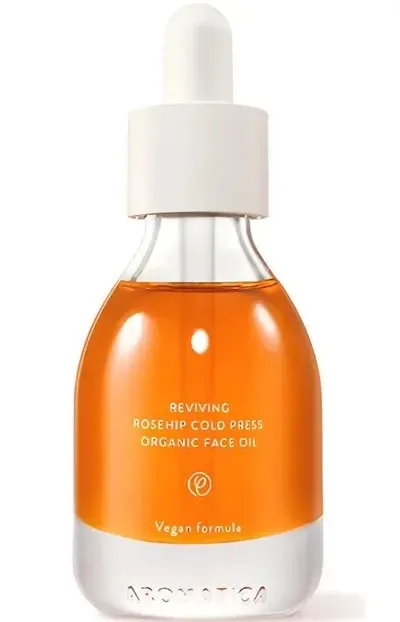 Single-Ingredient Rosehip Standard
 Organic Rose Hip Oil
Aromatica's Organic Rose Hip Oil is one of the few rosehip products on the market that delivers what the category claims — 100% certified-organic cold-pressed Rosa canina fruit oil with no fillers, no carriers, no fragrance. The result is the genuine rosehip experience: distinct earthy scent, fast absorption, and visible improvement in scars, pigmentation, and tone over consistent use.
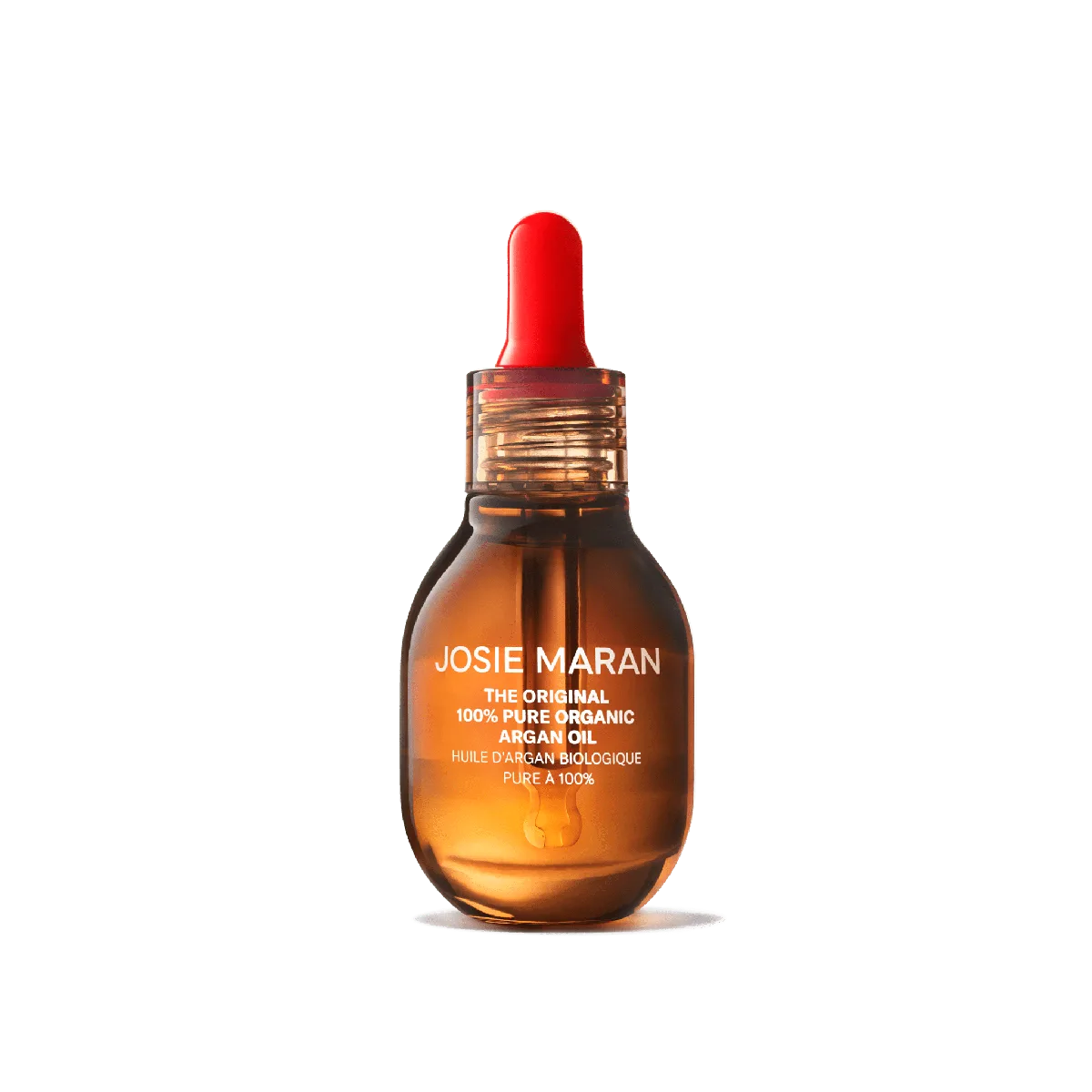 Clean Beauty Pioneer
 100% Pure Argan Oil
The product that single-handedly introduced argan oil to luxury skincare remains one of the purest, most versatile face oils on the market. Its single-ingredient simplicity is both its greatest strength and its limitation — you're getting impeccably sourced argan oil and nothing else, which means the $39 price tag reflects provenance and ethics more than formulation wizardry. For dry, aging, or dull skin, it delivers visible results from day one.
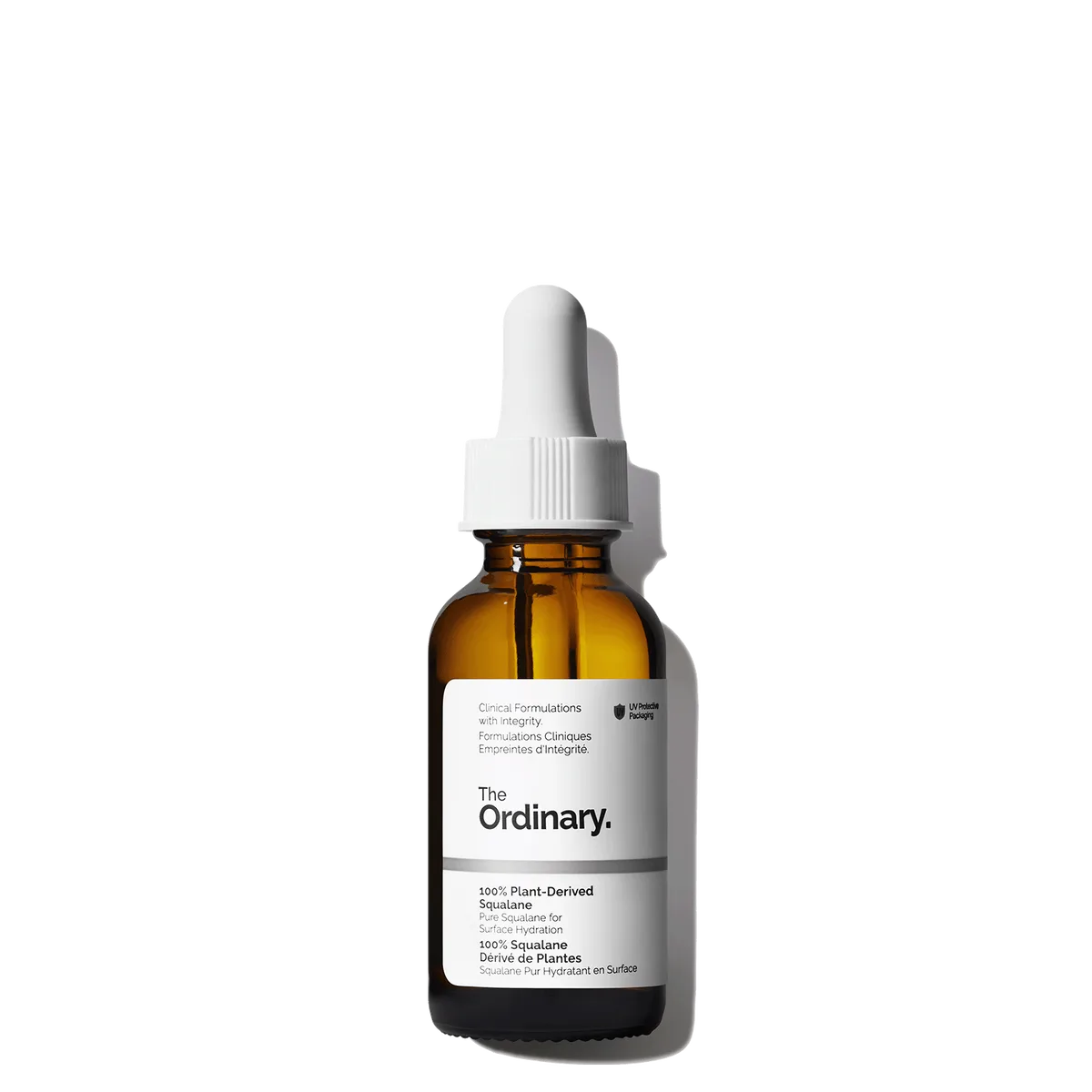 Universal Skin Staple
 100% Plant-Derived Squalane
A near-universal face oil that works for virtually every skin type — including fungal-acne-prone — thanks to its skin-identical composition and zero irritants. It won't transform your skin alone, but as a lightweight sealant over active treatments, it's the $10 workhorse that makes everything else in your routine perform better.
 Single-Ingredient Staple
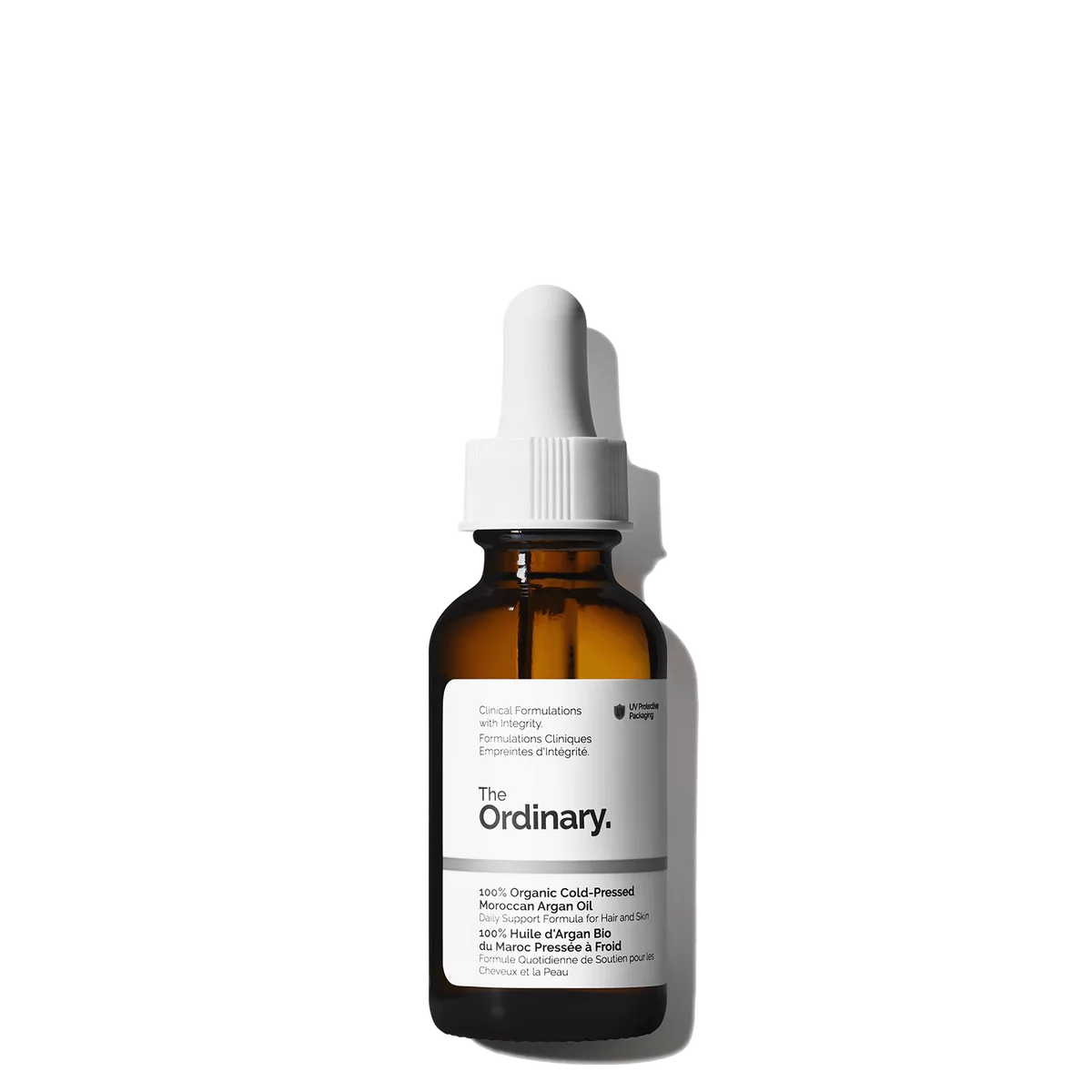
 100% Organic Cold-Pressed Moroccan Argan Oil
A no-frills, bioactive-rich argan oil that delivers genuine cold-pressed quality at a price point that makes luxury oil brands look absurd. It won't wow you with fragrance or texture elegance, but it will quietly strengthen your moisture barrier, soften stubborn dry patches, and remind you that skincare doesn't need to be complicated to be effective.
 Multi-Purpose MVP
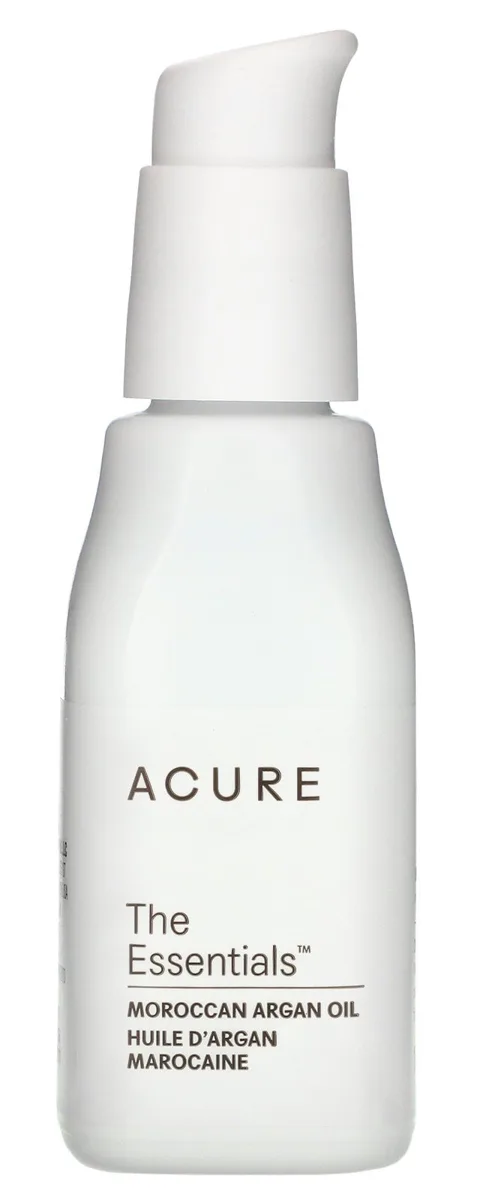
 The Essentials Moroccan Argan Oil
A 100% pure argan oil at a fair budget price — no fragrance, no carriers, no essential oils, just argan. As foundational and versatile as skincare gets, and one of the most genuinely useful products in the entire Acure lineup. If you want a multi-purpose oil for face, hair, and body, this is hard to beat at the price.
 Oily-Skin Friendly Facial Oil
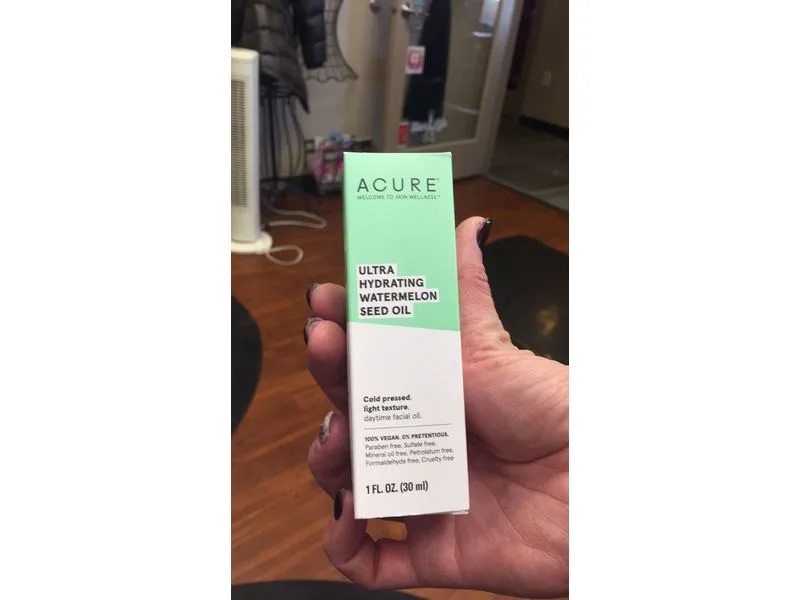
 Ultra Hydrating Watermelon Seed Oil
One of the most underrated facial oils on the drugstore shelf — a genuinely single-ingredient, high-linoleic watermelon seed oil that absorbs like a serum and costs the same as a sandwich. Ideal for oily, combination, and dehydrated skin types who thought facial oils weren't for them.
This review reflects our independent analysis of publicly available ingredient data, manufacturer claims, and verified user reviews. We are reader-supported — Amazon links may earn us a commission at no cost to you. We do not accept paid placements; rankings are based solely on the evidence.