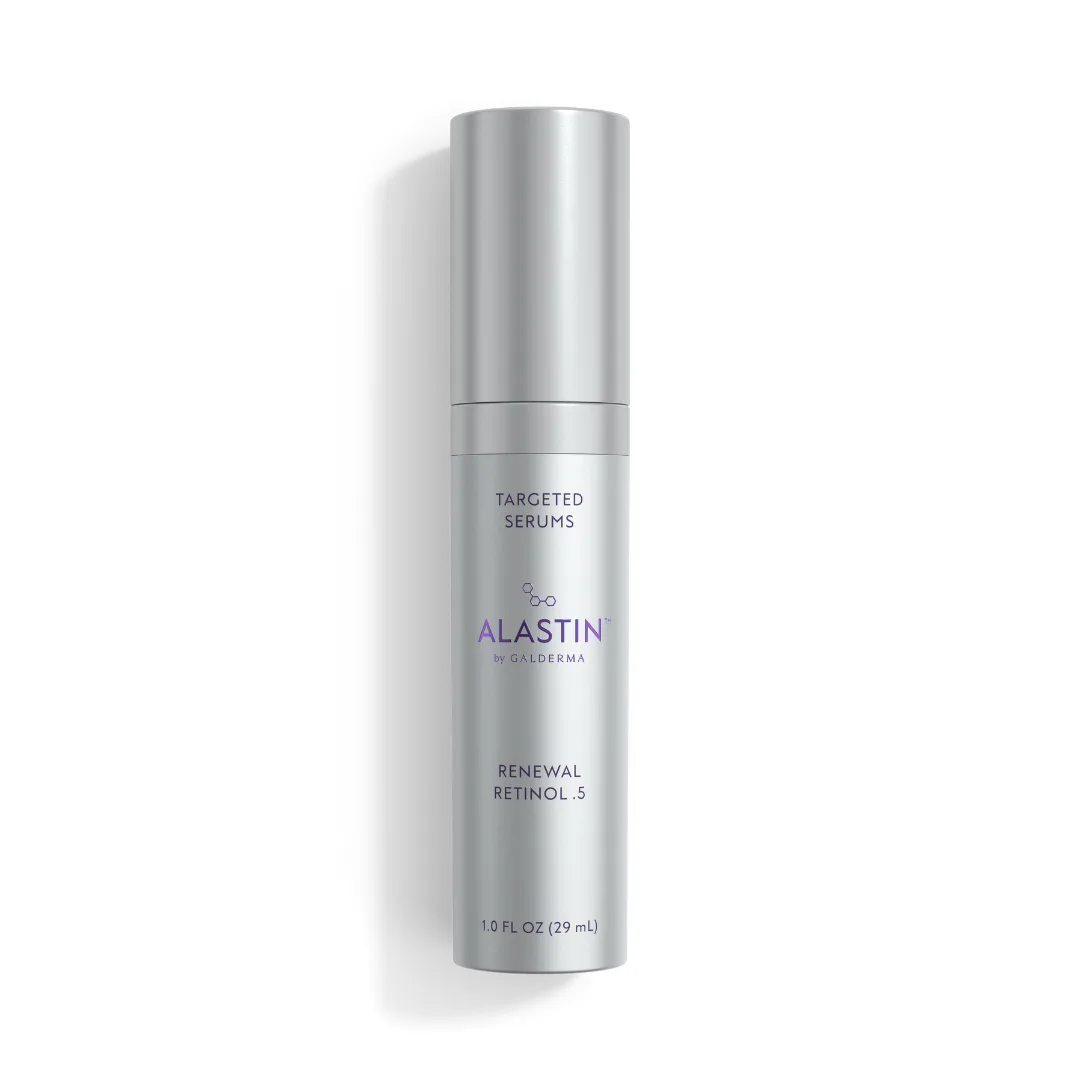
The natural next step for anyone who thrived on the 0.25% — same brilliant tolerability engineering with meaningfully more anti-aging firepower. At $96, you're paying for the privilege of stronger retinol that doesn't punish your skin, and for many, that's a trade worth making.
Renewal Retinol 0.5
The natural next step for anyone who thrived on the 0.25% — same brilliant tolerability engineering with meaningfully more anti-aging firepower. At $96, you're paying for the privilege of stronger retinol that doesn't punish your skin, and for many, that's a trade worth making.
Score Breakdown
A well-engineered mid-strength retinol with the same excellent barrier-support system as the 0.25%, delivering more aggressive anti-aging results while maintaining impressive tolerability for a 0.5% formulation.
Data Confidence: medium
This product has been available for approximately 5-6 years with moderate review volume across physician-dispensed retailers. LovelySkin rates it 4.7/5 stars based on 24 reviews, and it benefits from dermatologist endorsements and the broader Alastin clinical reputation, though public review counts are lower than mass-market retinols.
0/100
Overall Score
Ingredient Quality 0
Value for Money 0
Suitability Breadth 0
Irritation Risk (↑ = safer) 0
Assessment
Pros
- Doubled retinol concentration delivers visibly faster and more dramatic anti-aging results
- Lipid encapsulation makes 0.5% retinol feel as gentle as most brands' 0.25% formulas
- Identical barrier-support system with ceramide NP, niacinamide, oat, and CoQ10
- Seamless transition for users graduating from the 0.25% strength
- Noticeable improvement in fine lines, texture, and pigmentation by 6-8 weeks
- Lightweight, elegant texture that layers under any night cream without issues
Cons
- At $96 for 1 oz, it's a significant premium over comparable 0.5% retinol formulations
- Not suitable for retinol beginners — start with 0.25% or another low-concentration formula
- Physician-dispensed distribution limits purchasing convenience and price competition
- Still an OTC retinol — experienced users may want prescription tretinoin for stronger results
- Initial adjustment period of 1-3 weeks with mild flaking at the higher concentration
Full Review
There's a specific moment in every retinol user's journey where the beginner formula stops feeling like enough. The skin has adjusted, the initial excitement of smoother texture has plateaued, and the fine lines you were hoping to tackle are still stubbornly present. This is exactly the moment Alastin designed the Renewal Retinol 0.5 for — the graduation product for patients who've proven their skin can handle vitamin A and are ready for more.
The formula shares its DNA entirely with the 0.25% variant. Same lipid-encapsulated delivery system. Same niacinamide positioned high in the ingredient list for ceramide-boosting barrier support. Same ceramide NP, oat extract, bisabolol, coenzyme Q10, and silver mushroom in the supporting cast. The only meaningful change is the doubled retinol concentration — and that difference matters more than it might sound.
At 0.5%, the retinol drives noticeably more aggressive collagen stimulation and epidermal turnover. Cells are renewed faster, melanin production is regulated more effectively, and the structural proteins that keep skin firm receive a stronger signal to rebuild. The gap between 0.25% and 0.5% isn't just arithmetic — it's the difference between maintaining skin quality and actively reversing visible signs of aging.
The encapsulation technology becomes even more valuable at this concentration. Without time-released delivery, a 0.5% retinol can feel like a punishment — redness, peeling, and that particular tight-burning sensation that makes you question every skincare decision you've ever made. Alastin's lipid shell modulates the delivery rate, spreading the retinoid activity across hours so the skin processes it without the inflammatory spike. The result is a 0.5% that feels, on the face, like most brands' 0.25%.
The transition from the lower strength is remarkably smooth for most users. Start at two to three nights per week, and within two to three weeks, most skin can tolerate nightly application. Some mild flaking during the first week or two is normal and expected — it's the accelerated turnover doing its job, not a sign that something's wrong. The oat extract and bisabolol manage the inflammatory response, while niacinamide and ceramide NP keep the barrier functional throughout the adjustment.
Results at this concentration arrive faster and more dramatically. By week four, the texture refinement is visible — skin feels genuinely different under your fingertips, smoother and more uniform. By week eight, fine lines begin to soften noticeably, and that general dullness that even a good routine can't fully address starts to clear. The 0.5% delivers more consistent pigmentation improvement too, evening out sun spots and post-inflammatory marks with more conviction than the lower strength.
Coenzyme Q10 deserves acknowledgment for its role at this concentration. Faster cell turnover means more metabolic activity means more oxidative stress — ubiquinone provides mitochondrial-level antioxidant support that protects the newly generated skin cells from the very process that's creating them. It's a thoughtful inclusion that goes beyond surface-level soothing.
The texture is identical to the 0.25% — lightweight, slightly creamy, absorbs cleanly, layers under any night cream without pilling. If you liked how the beginner formula felt, you'll feel immediately at home with this one. The airless pump packaging continues to protect the retinol from degradation, though the same minor complaint applies: it can dispense slightly more than a single pump's worth, leading to gradual waste over time.
At $96 for one fluid ounce, this is an investment. It's $15 more than the 0.25%, which feels proportional to the doubled concentration but still places it firmly in the premium category. Annualized at nightly use, you're spending roughly $290-385 on retinol alone. The physician-dispensed distribution model means no Sephora rewards points, no Ulta sales — just full retail through your dermatologist's office or authorized online sellers.
The honest question is whether the Alastin premium delivers enough beyond what a well-formulated $30-40 retinol from a brand like Paula's Choice or The Ordinary can offer. For most people with normal, non-reactive skin, the answer is probably no — the retinol molecule is the same regardless of the brand. But for those with sensitive or reactive skin, the tolerability engineering isn't just a nice-to-have; it's the difference between a retinol they use and a retinol they quit. And the supporting ingredient architecture — ceramide NP, niacinamide, CoQ10, oat, silver mushroom — is genuinely more sophisticated than what most mid-range retinols offer.
This is a product for a specific audience: the person who has graduated past the beginner phase, values tolerability as much as potency, and wants to stay within a physician-recommended retinoid protocol without jumping directly to prescription tretinoin. For that audience, the Renewal Retinol 0.5 delivers exactly what it promises — more results, same comfort.
Formula
Ingredients
The hero actives that drive this product's performance.
| Ingredient | Function | Evidence |
|---|---|---|
| Retinol 0.5% (0.5%) | Lipid-encapsulated retinol at a mid-strength 0.5% concentration designed for users who've already acclimated to retinol. The encapsulation technology provides time-released delivery that softens the irritation peak, while the doubled concentration versus the 0.25% variant drives more aggressive collagen stimulation, melanin regulation, and cell turnover for visible anti-aging results. | well-established |
| Niacinamide | A critical support ingredient at this higher retinol concentration — niacinamide stimulates ceramide biosynthesis to offset the increased barrier disruption potential of 0.5% retinol, while independently improving skin tone and reducing inflammation. The niacinamide-retinol pairing becomes even more valuable at this strength than at 0.25%. | well-established |
| Ubiquinone (Coenzyme Q10) | Provides mitochondrial-level antioxidant protection that's especially relevant at the 0.5% retinol concentration, where increased cellular turnover generates greater oxidative stress. Ubiquinone supports cellular energy production while neutralizing free radicals produced during the accelerated renewal process. | well-established |
| Ceramide NP | Supplies skin-identical lipids to reinforce the moisture barrier during retinol therapy. At the 0.5% concentration, barrier support becomes more critical than at lower strengths, and ceramide NP works synergistically with the niacinamide-driven ceramide production to maintain barrier integrity through the adjustment period. | well-established |
| Avena Sativa (Oat) Kernel Extract | Provides anti-inflammatory and barrier-soothing properties that help manage the increased irritation potential of 0.5% retinol. Works alongside bisabolol to create a dual-pathway calming system that intercepts inflammatory signals before they manifest as visible redness or peeling. | well-established |
Full INCI List
Water/Aqua/Eau, Caprylic/Capric Triglyceride, Heptyl Undecylenate, Glycerin, Niacinamide, Polyacrylate-13, Retinol, Ubiquinone, Avena Sativa (Oat) Kernel Extract, Hydroxymethoxyphenyl Decanone, Bisabolol, Ceramide NP, Tremella Fuciformis Sporocarp Extract, Betaine, Tocopheryl Acetate, Caprylyl Glycol, C12-15 Alkyl Benzoate, Cetyl Palmitate, Polysorbate 20, Disodium EDTA, Ethylhexylglycerin, Tocopherol, Caprylhydroxamic Acid, Trideceth-6 Phosphate, Phenoxyethanol, Polyisobutene, Laureth-23, BHA, BHT, Sodium Hydroxide, Sorbitan Isostearate, Potassium Sorbate
Product Flags
✓ Fragrance Free✓ Alcohol Free✗ Oil Free✓ Silicone Free✓ Paraben Free✓ Sulfate Free✗ Cruelty Free✓ Vegan✗ Fungal Acne Safe
Potential Irritants
retinol
Compatibility
Skin Match
Best For
Works For
Not Ideal For
Addresses These Conditions
aging texture dullness hyperpigmentation sun damage large pores
Use With Caution
eczema rosacea sensitivity compromised skin barrier
Routine Step
treatment
Time of Day
PM
Pregnancy Safe
No ✗
Layering Tips
Apply one pump to clean, dry skin in the evening. Allow 1-2 minutes to absorb before applying moisturizer. If transitioning from the 0.25% strength, start the 0.5% at 2-3 nights per week and gradually increase. Always use sunscreen the following morning.
Results Timeline
Weeks 1-3: Possible mild flaking and tightness as skin adjusts to the higher concentration. Weeks 4-6: Noticeable texture smoothing and brightness improvement. Weeks 8-12: Visible reduction in fine lines and more even skin tone. Months 3-6: Full anti-aging benefits including improved firmness and significant pigmentation correction.
Pairs Well With
ceramide moisturizershyaluronic acid serumspeptide serumsSPF 30+ sunscreen (AM)
Conflicts With
benzoyl peroxideAHA/BHA exfoliants (same evening)other retinoids
Sample AM Routine
- Gentle cleanser
- Vitamin C serum
- Moisturizer
- Broad-spectrum SPF 30+
Sample PM Routine
- Gentle cleanser
- Alastin Renewal Retinol 0.5
- Rich ceramide moisturizer
Evidence
Science
The Science
The step from 0.25% to 0.5% retinol represents a clinically meaningful increase in retinoid activity. Retinol must be enzymatically converted through retinaldehyde to all-trans retinoic acid (tretinoin) before binding to nuclear retinoic acid receptors. At 0.5%, the increased substrate availability translates to greater receptor activation, driving enhanced collagen I and III synthesis, more efficient keratinocyte differentiation, and stronger inhibition of the matrix metalloproteinases (particularly MMP-1 and MMP-3) that degrade the dermal extracellular matrix.
A 2016 study published in the Journal of Drugs in Dermatology evaluated a formulation containing retinol 0.5% combined with niacinamide and found significant improvements in skin brightness, fine lines, and overall photodamage at 8 weeks. The combination of retinol with niacinamide showed enhanced tolerability compared to retinol alone — directly supporting the formulation strategy Alastin employs in this product.
The barrier-support architecture becomes more critical at 0.5%. Retinol accelerates epidermal turnover, which can temporarily thin the stratum corneum and increase transepidermal water loss (TEWL). The niacinamide in this formula has been shown to increase ceramide biosynthesis by 4.1-5.5 fold (Tanno et al., Journal of Investigative Dermatology, 2000), directly counteracting retinol's barrier-thinning effect. The exogenous ceramide NP provides immediate lipid supplementation while the niacinamide-stimulated endogenous ceramide production ramps up — a two-pronged approach to barrier maintenance during retinoid therapy.
Ubiquinone's antioxidant role is amplified at the higher concentration. Accelerated cellular turnover increases mitochondrial activity and reactive oxygen species generation. As an essential component of the electron transport chain, CoQ10 both supports cellular energy production and neutralizes superoxide radicals at the point of generation.
References
- Efficacy and Tolerability of a Skin Brightening/Anti-Aging Cosmeceutical Containing Retinol 0.5%, Niacinamide, Hexylresorcinol, and Resveratrol — Journal of Drugs in Dermatology (2016)
- Nicotinamide increases biosynthesis of ceramides as well as other stratum corneum lipids to improve the epidermal permeability barrier — Journal of Investigative Dermatology (2000)
- Retinoids in the treatment of skin aging: an overview of clinical efficacy and safety — Clinical Interventions in Aging (2006)
Dermatologist Perspective
Board-certified dermatologists position the Renewal Retinol 0.5 as the intermediate step in a retinoid escalation protocol — after patients have demonstrated tolerance with the 0.25% strength and before consideration of prescription tretinoin. Dermatologists note that the encapsulated delivery at this concentration addresses the compliance gap that typically occurs when patients attempt to increase their retinoid dose. The formula is frequently recommended for patients in their late 30s to 50s who want more aggressive photoaging correction without the adjustment burden of conventional 0.5% retinols. Dermatologists also appreciate that the niacinamide-ceramide support system reduces the need for additional barrier-repair products during the transition period.
Guidance
Usage Guide
How to Use
Apply one pump to clean, dry skin each evening. If transitioning from a lower retinol concentration, start at 2-3 nights per week for the first 2-3 weeks, then increase to every other night, then nightly as tolerated. Allow 1-2 minutes to absorb before applying moisturizer. Avoid applying to damp skin. Use a rich, ceramide-based moisturizer on top during the adjustment period. Apply broad-spectrum SPF 30+ every morning without exception. Discontinue 5-7 days before any in-office procedures.
Value Assessment
At $96 for 1.0 fl oz, this is approximately $15 more than the 0.25% variant, which feels proportional to the doubled concentration. With nightly use, expect 3-4 months per bottle, translating to roughly $290-385 annually. The premium reflects the encapsulation technology, supporting actives, and physician-dispensed positioning. For sensitive skin types who need barrier support alongside their retinol, the integrated formula may actually save money versus buying a separate retinol and ceramide moisturizer. However, users with normal, resilient skin can find well-formulated 0.5% retinols at significantly lower price points.
Who Should Buy
Users who've successfully acclimated to 0.25% retinol and want more visible anti-aging results. Those with normal to combination skin seeking mid-strength retinoid therapy with built-in barrier protection. Patients in dermatologist-guided retinoid escalation protocols looking for a tolerable intermediate step.
Who Should Skip
Retinol beginners who haven't yet built tolerance — start with the 0.25% or another low-concentration formula. Those on a tight budget who can find effective 0.5% retinol alternatives at lower price points. Anyone with currently compromised skin barrier, active eczema, or severe rosacea should stabilize skin first. Pregnant or nursing individuals.
Ready to try Alastin Renewal Retinol 0.5?
Details
Details
Texture
Lightweight, smooth serum with a slightly creamy emollient feel. Identical texture to the 0.25% variant — absorbs quickly without tackiness or greasiness. The lipid-encapsulated retinol base gives it a more nourishing feel than water-based retinol serums.
Scent
Fragrance-free. Virtually undetectable neutral scent from the botanical extracts that disappears immediately upon application.
Packaging
Airless pump bottle in opaque packaging that protects the retinol from light and oxidation. Identical format to the 0.25% variant, maintaining formula stability throughout use.
Finish
lightweightnon-greasysatin
What to Expect on First Use
On first application, the serum feels smooth and comfortable. During the first 2-3 weeks at 2-3 nights per week, expect slightly more noticeable adjustment than the 0.25% — mild tightness and light flaking are normal, though significantly less than with non-encapsulated 0.5% retinols. The oat extract and ceramide buffer system manages most irritation.
How Long It Lasts
3-4 months with nightly single-pump application
Period After Opening
12 months
Best Season
All Year
Background
The Why
Alastin created the 0.5% as the natural next step in their retinoid protocol, recognizing that dermatologists needed a mid-strength option that maintained the tolerability philosophy of the 0.25% while delivering results that would keep patients from jumping straight to prescription retinoids. It fills the gap between gentle introduction and aggressive clinical treatment.
About Alastin Emerging Brand (2–5 years)
Alastin Skincare was founded in 2015 in Carlsbad, CA, with a focus on post-procedure recovery products. The brand's patented TriHex Technology is backed by clinical studies, and Alastin was acquired by Galderma in 2022, integrating it into a major global dermatology platform.
Brand founded: 2015 · Product launched: 2019
Myth vs. Reality
Myths
Myth
Doubling the retinol concentration doubles the irritation risk.
Reality
The lipid encapsulation in this formula modulates the delivery rate regardless of concentration. While the 0.5% does carry slightly more irritation potential than the 0.25%, the time-released delivery and barrier-support ingredients mean the actual skin experience is far gentler than the concentration jump would suggest. Most users who tolerated the 0.25% transition comfortably.
Myth
Over-the-counter retinol can't produce results comparable to prescription retinoids.
Reality
While prescription tretinoin remains the gold standard, research consistently shows that 0.5% retinol with consistent use can produce significant improvements in fine lines, texture, and pigmentation. The encapsulated delivery in this formula may actually improve bioavailability compared to free retinol, and the tolerability advantage means more consistent use — which, for many users, translates to better real-world results than a prescription they use inconsistently.
FAQ
FAQ
What's the difference between Alastin Renewal Retinol 0.25 and 0.5?
Both use the same lipid-encapsulated retinol technology and identical supporting ingredients (niacinamide, ceramide NP, oat extract, CoQ10). The difference is concentration — 0.5% delivers more aggressive collagen stimulation and cell turnover for more visible anti-aging results, with a slightly longer adjustment period. Start with 0.25% if you're new to retinol, then graduate to 0.5% after 3-6 months.
Can I go straight to the 0.5% without starting with the 0.25%?
If you have prior retinol experience and your skin tolerates it well, you can start directly with the 0.5%. Begin at 2-3 nights per week and increase gradually. However, if you've never used retinol before or have sensitive skin, starting with the 0.25% first will give you a smoother transition.
How long until I see anti-aging results from Alastin Retinol 0.5?
Most users notice texture smoothing and brightening within 4-6 weeks. Fine line reduction typically becomes visible at 8-12 weeks. More significant improvements in firmness, tone evenness, and deeper wrinkle softening develop over 3-6 months of consistent nightly use. The 0.5% generally shows results faster than the 0.25%.
Is Alastin Retinol 0.5 safe to use with AHA or BHA exfoliants?
Avoid using AHA or BHA exfoliants on the same evening as this retinol — the combination can cause excessive irritation and barrier compromise. You can alternate nights (retinol one evening, exfoliant the next) or use chemical exfoliants in the morning and retinol at night, but monitor your skin's tolerance carefully when combining actives.
Will I experience peeling or flaking with the 0.5% strength?
Some mild flaking and tightness during the first 2-3 weeks is normal, especially if transitioning from a lower concentration. The encapsulated delivery and barrier-support ingredients (ceramide NP, niacinamide, oat extract) significantly reduce this compared to non-encapsulated retinols. Starting at 2-3 nights per week and gradually increasing minimizes the adjustment period.
Community
Community
Common Praise
"Effective yet remarkably gentle for a 0.5% retinol"
"Visible smoothing and brightening within 4-6 weeks of consistent use"
"Hydrating formula prevents the dryness and flaking common with mid-strength retinols"
"Elegant, lightweight texture that layers well under night creams"
Common Complaints
"Premium price at $96 for 1 oz is higher than many 0.5% retinol alternatives"
"May still cause initial adjustment flaking for those new to this concentration"
"Physician-dispensed availability limits convenient purchasing options"
"Some experienced users may still want a higher concentration for more dramatic results"
Notable Endorsements
Widely stocked in dermatologist offices and medical spasRecommended by board-certified dermatologists as a step-up from the 0.25% strength
Appears In
best retinoid for aging best retinoid for hyperpigmentation best serum for texture best retinoid for fine lines
Related Conditions
aging texture dullness hyperpigmentation sun damage large pores
Related Ingredients
retinol niacinamide ceramides coenzyme q10 colloidal oatmeal
You Might Also Like
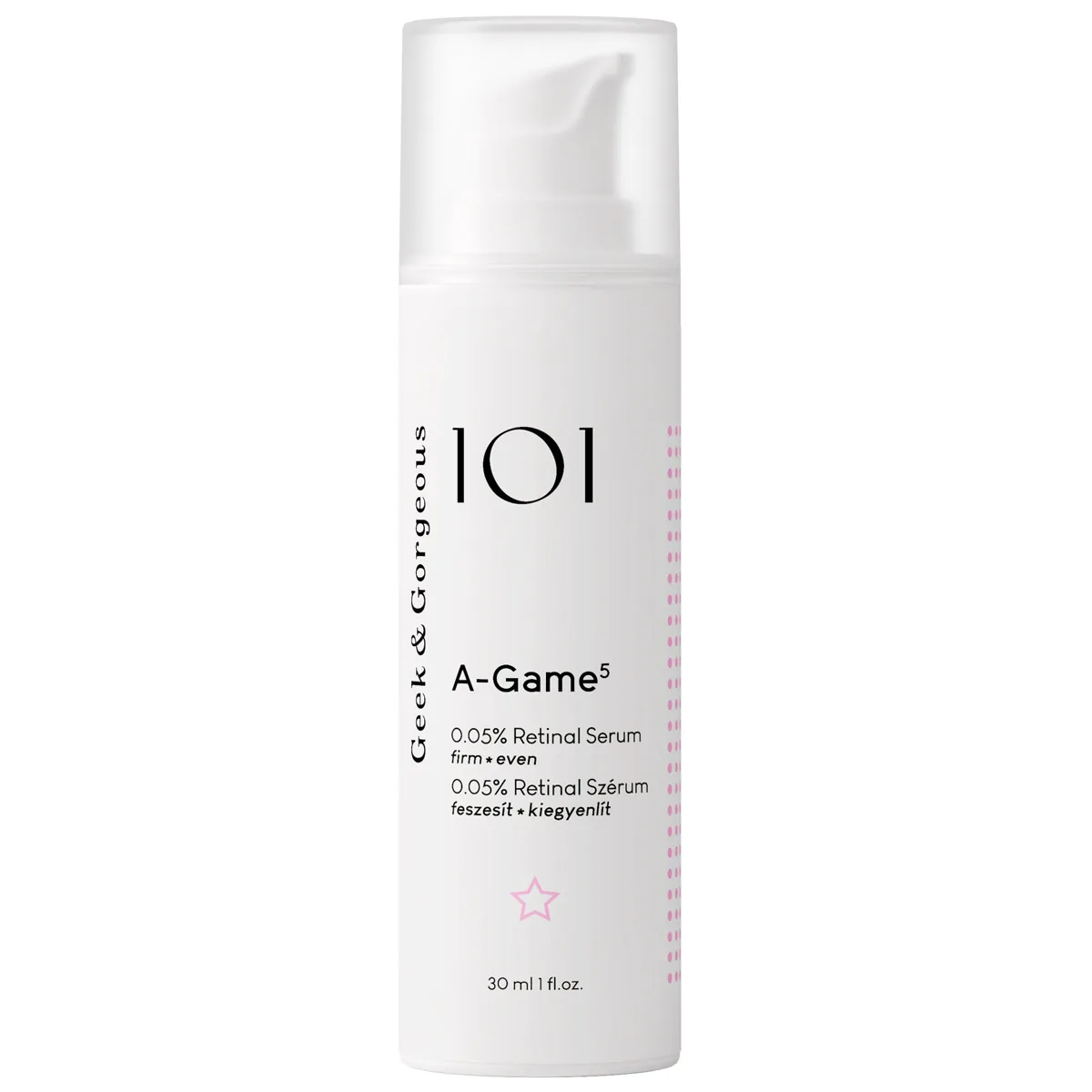 Beginner-Friendly Retinoid
 A-Game 5 Retinal Serum
The ideal beginner's retinaldehyde serum — a properly dosed 0.05% retinal in a buffered, fragrance-free formula at a price that makes long-term retinoid use actually sustainable. Same thoughtful supporting ingredients as the higher-strength A-Game 10 at half the potency, which is exactly the point. If you've never used a real retinoid, this is one of the best entry points on the market.
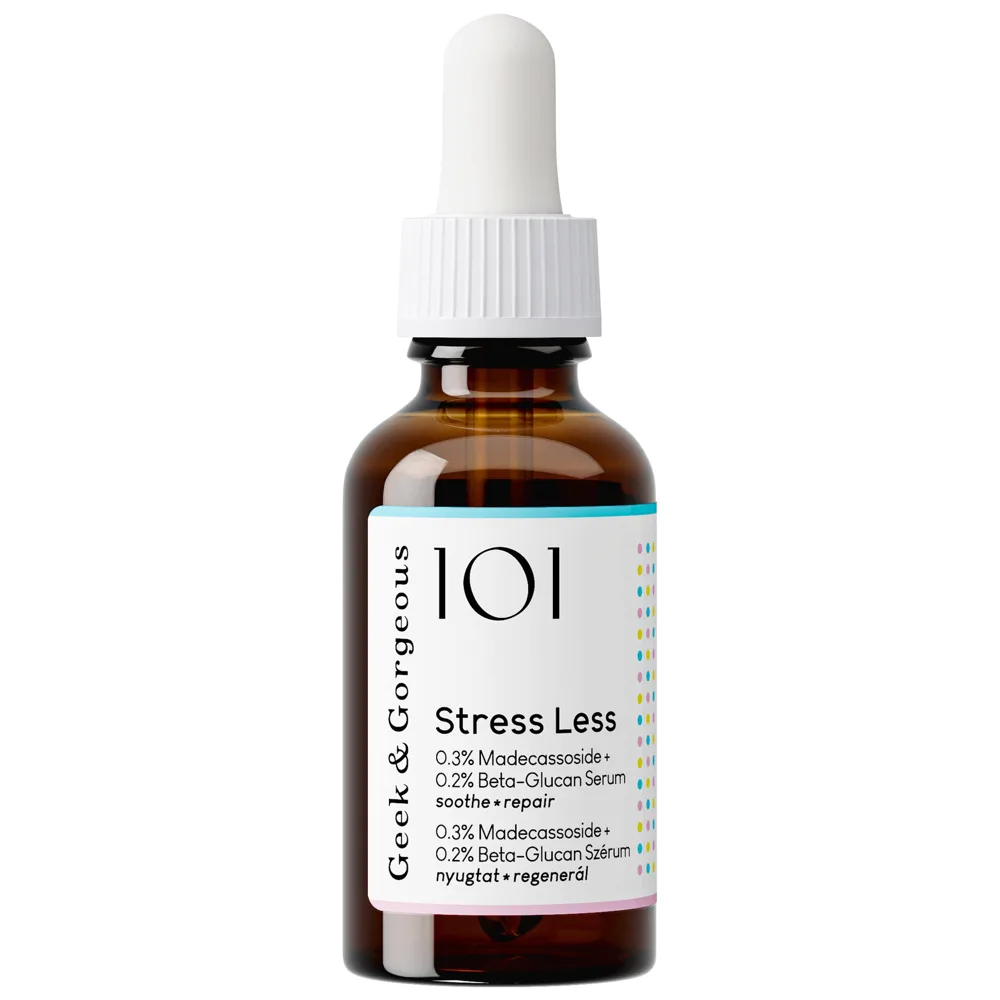 Derm-Grade Retinal at Drugstore Price
 Stress Less 0.3% Retinal Serum
A genuinely derm-grade 0.3% retinaldehyde serum at a price that shouldn't be possible. The ceramide and bisabolol buffering keeps it tolerable for experienced retinoid users, and the results — on texture, tone, and fine lines — rival premium retinals costing four times as much.
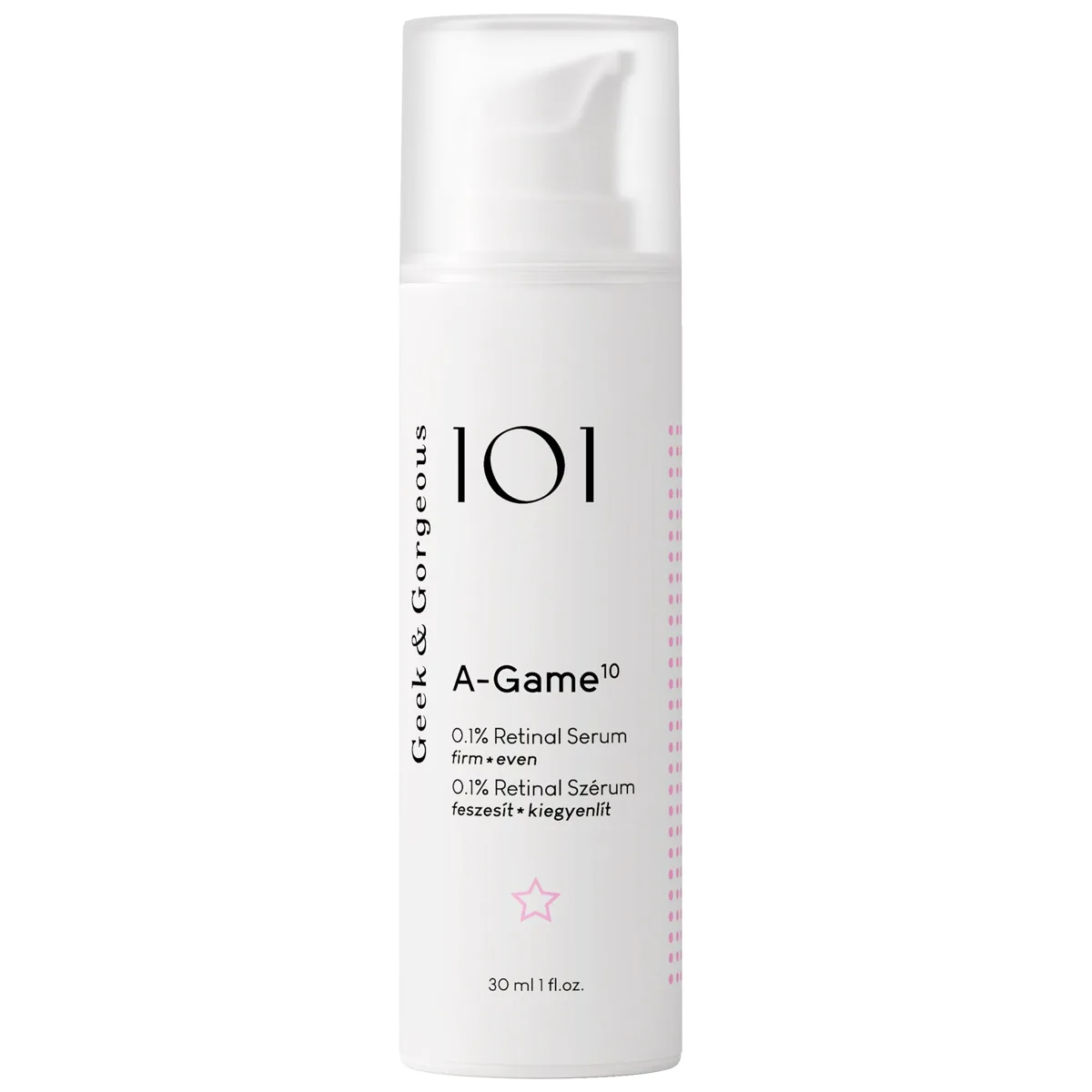 Budget Retinal Holy Grail
 A-Game 10 Retinal Serum
One of the most disruptive products in the retinoid category — a 0.1% retinaldehyde serum at around $16 when equivalent concentrations from derm brands cost $60-120. The formulation is thoughtful, the airless packaging is right, and the price point has no real competitor. Not for retinoid beginners: start with the 5 version and step up to this after a few months.
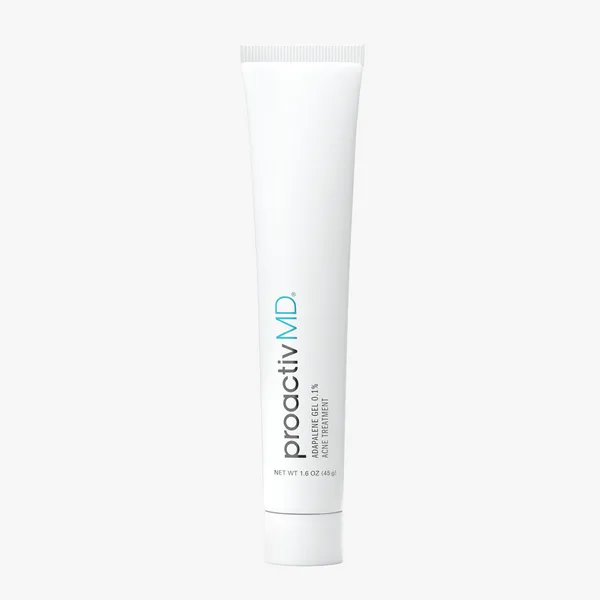 Gold Standard OTC Retinoid
 Adapalene Gel 0.1%
This is adapalene 0.1% — the same FDA-approved retinoid dermatologists have prescribed for over two decades, now available without a prescription in a no-nonsense gel. It's one of the most evidence-backed acne treatments you can buy, and Proactiv's version offers solid value in the larger size with an updated paraben-free formula.
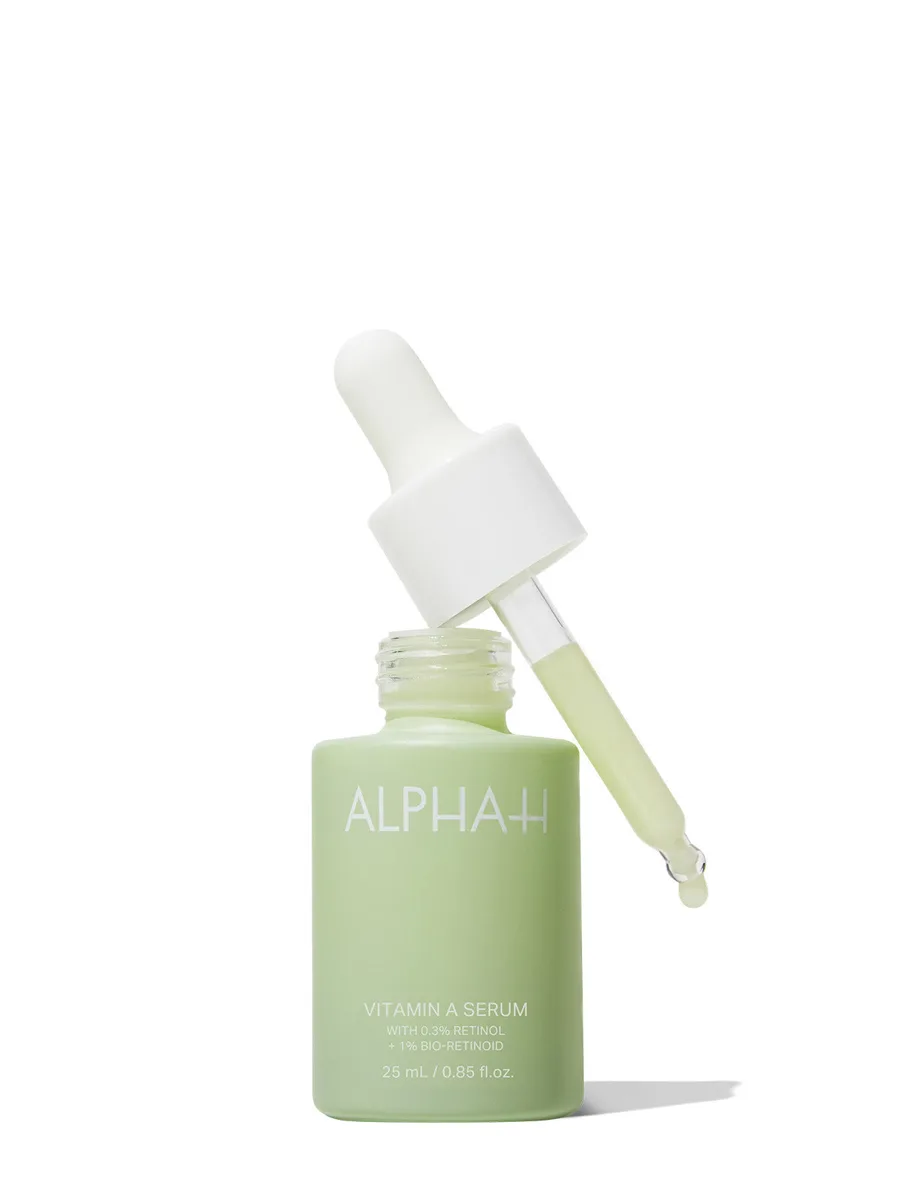 Buffered Beginner Retinol
 Vitamin A Serum
Alpha-H built its 0.5% retinol on a squalane and plant-oil base specifically to make a meaningful retinol concentration tolerable for the beginners it knew were already running aggressive AHA routines. The buffering works — this is one of the few 0.5% retinol serums new users can actually stick with through the adjustment period. The price is the only meaningful complaint.
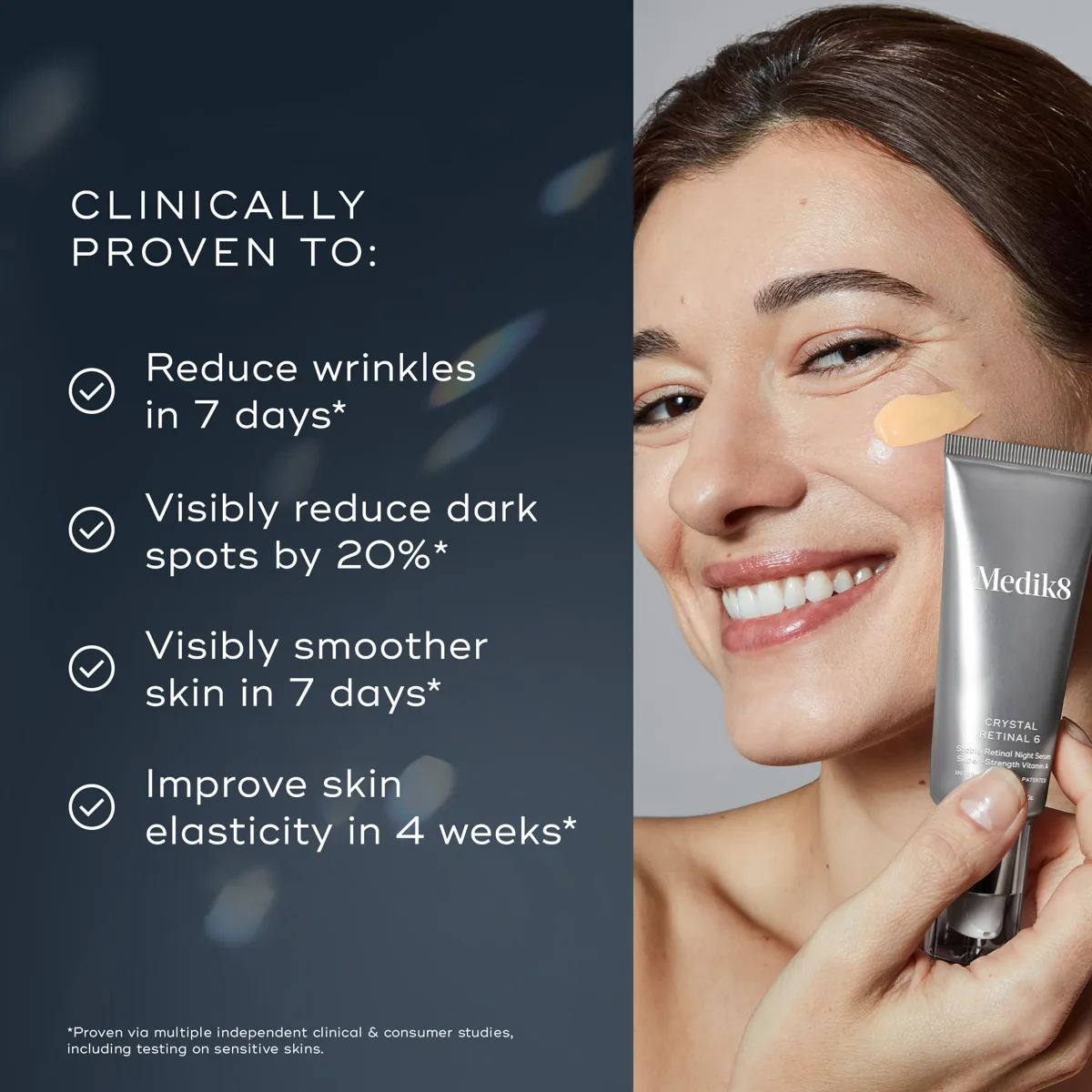 Best Retinoid Starter
 Crystal Retinal 3
The retinoid designed for people who are afraid of retinoids — and the product that might just convert them. Crystal Retinal 3 proves that the world's most effective OTC vitamin A form can be introduced to sensitive skin without the usual drama, creating a genuinely accessible on-ramp to serious anti-aging skincare.