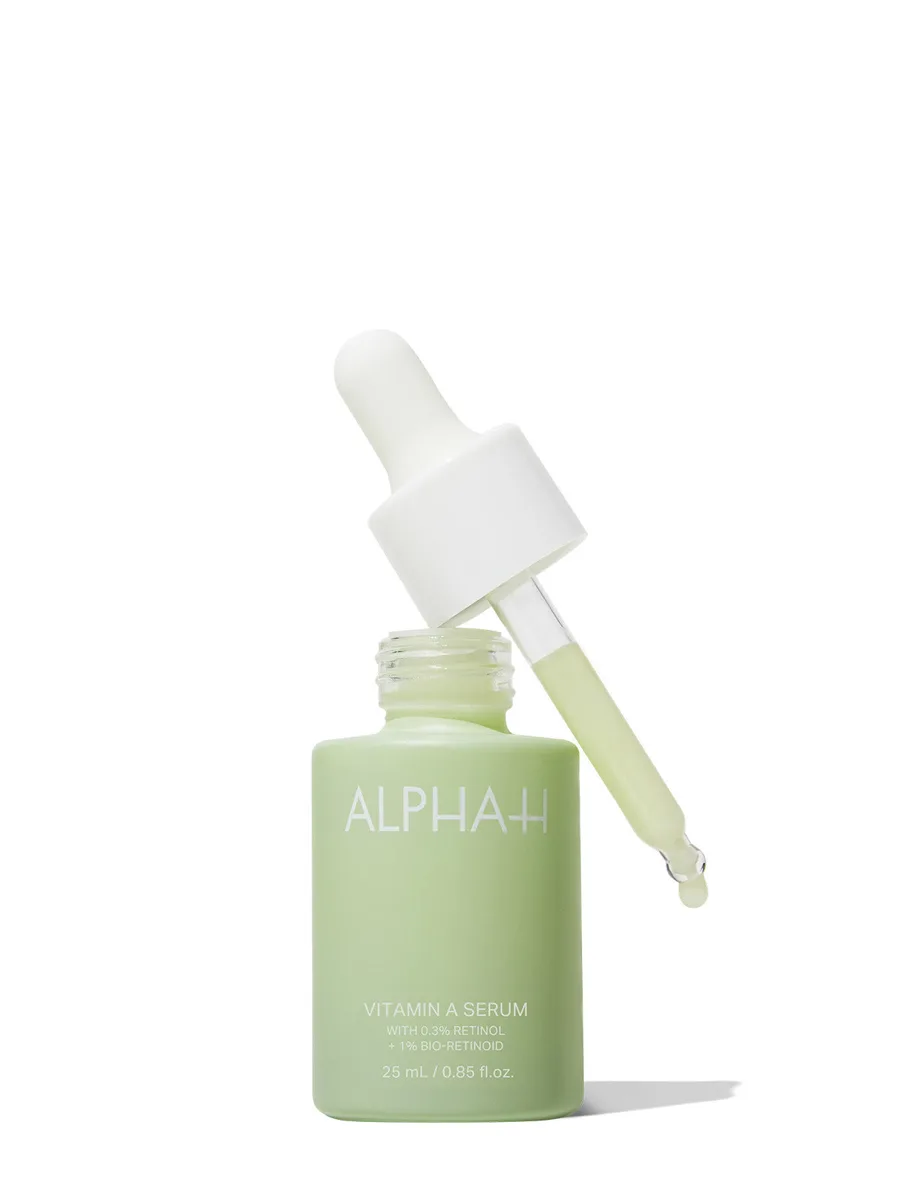
Alpha-H built its 0.5% retinol on a squalane and plant-oil base specifically to make a meaningful retinol concentration tolerable for the beginners it knew were already running aggressive AHA routines. The buffering works — this is one of the few 0.5% retinol serums new users can actually stick with through the adjustment period. The price is the only meaningful complaint.
Vitamin A Serum
Alpha-H built its 0.5% retinol on a squalane and plant-oil base specifically to make a meaningful retinol concentration tolerable for the beginners it knew were already running aggressive AHA routines. The buffering works — this is one of the few 0.5% retinol serums new users can actually stick with through the adjustment period. The price is the only meaningful complaint.
Score Breakdown
Where this product gains points and where it loses them — broken down across the four scoring pillars.
A genuinely well-buffered 0.5% retinol formula with a thoughtful emollient base that softens the typical retinol harshness. The price is the main drag — equivalent buffered retinol serums exist for less.
Pros & Cons
- ✓Genuine 0.5% retinol concentration delivered in a tolerability-focused base
- ✓Squalane and plant-oil emollients reduce the typical retinol adjustment harshness
- ✓Glycerin and humectant balance prevents the dehydration most retinol serums cause
- ✓Tomato extract stabilizes the retinol against oxidation in the bottle
- ✓Airless pump packaging protects light-sensitive active from degradation
- ✓Tolerable enough for beginners that completion rates are higher than purist formulas
- ✓Fragrance-free, alcohol-free, and free of unnecessary irritants
- ✓Pairs well with Alpha-H's broader routine on alternating nights
- ✗Roughly four times the price of equivalent 0.5% retinol-in-squalane alternatives
- ✗Plant-oil base is not ideal for acne-prone or fungal acne-prone skin
- ✗Underwhelming for advanced retinoid users who already tolerate higher concentrations
- ✗25ml size is small relative to the price
- ✗Cannot be combined in the same routine with Alpha-H's own AHA treatments
Full Review
Here's the dirty secret of retinol marketing. The percentage on the front of the bottle is largely meaningless if the user abandons the product after three weeks of flaking, tightness, and red cheeks. A 0.5% retinol that gets used for a month and then exiled to the bathroom drawer accomplishes essentially nothing. A 0.25% retinol that someone manages to apply consistently for six months produces real, visible change in skin texture, fine lines, and tone. The actives are the same molecule. The difference is whether the user makes it through the brutal first month of cellular turnover. Alpha-H understood this when it launched its Vitamin A Serum in 2018. The brand had spent the previous twenty-three years building a customer base of dedicated AHA users — Liquid Gold devotees who already knew how to use actives but who had also been compromising their barriers for years through aggressive exfoliation. Adding a 0.5% retinol on top of an existing AHA routine is, formulationally, a recipe for crisis. Most retinol serums on the market are sold in pure-water bases that maximize delivery efficiency at the cost of tolerability. Alpha-H went the other direction. The base of this serum is squalane, glycerin, and a deliberate cocktail of jojoba, evening primrose, sweet almond, and macadamia oils. None of these are penetration enhancers. All of them are barrier supports. Squalane sits directly above the retinol on the INCI as a buffering emollient that mimics the skin's natural sebum and creates a soft occlusive that traps moisture during the cellular turnover the retinol is driving. The plant oils contribute essential fatty acids and gamma-linolenic acid that calm the inflammatory edge of the adjustment period. Glycerin sits at the second position as the dominant humectant, replacing the moisture retinol pulls out of the upper epidermis. Tomato extract earns a quiet but interesting role as a retinol stabilizer — lycopene is a potent antioxidant that protects the notoriously light- and oxygen-sensitive retinol molecule from degrading inside the bottle. The airless pump packaging completes the protection. The honesty of the labeled 0.5% concentration is reinforced by the position of retinol on the INCI — high enough to suggest the brand is delivering what it claims, not relying on trace amounts and marketing creativity. The texture is a lightweight serum with a faint slip from the plant oils. It absorbs in thirty to sixty seconds and leaves a soft satin finish that doesn't interfere with subsequent moisturizer application. The first few uses produce mild tingling, possible warmth around the cheeks and chin, and the early signs of the adjustment period. Two to four weeks in, expect mild flaking, occasional tightness, and possibly some purging — small breakouts as accelerated turnover surfaces existing clogs. By weeks six to eight, the adjustment is over and the visible benefits start to land: smoother texture, softened pore appearance, more even tone. The full collagen-stimulation effect — fine line softening, firmness, sustained tone improvement — becomes visible at the 12-16 week mark and continues to deepen with consistent use. The trade-offs are real. The price is the most significant — at around sixty-four dollars for twenty-five milliliters, this works out to a substantial premium over The Ordinary's 0.5% retinol in squalane, which costs less than fifteen dollars for thirty milliliters. The Ordinary version is a stripped-down formulation that delivers the same active in a similar carrier without the supporting cast — the Alpha-H formula adds glycerin, multiple plant oils, tomato stabilization, and the brand pedigree. Whether that's worth four times the price depends on how much you value the supporting cast and how much you trust the formulation. Acne-prone skin should also note that the multi-oil base, while gentle, isn't ideal for users prone to clogged pores — a lighter retinol carrier may be a better fit. Anyone past the beginner stage who already tolerates 0.5% retinol comfortably will find this product slightly underwhelming for the price. The formula is genuinely designed for the user who needs the buffering, not for the advanced retinoid user who could handle a stronger concentration without it.
Formula
Key Ingredients
The hero actives that drive this product's performance.
| Ingredient | Function | Evidence |
|---|---|---|
| Retinol (0.5%) | The active core of the formula and a meaningful concentration for an over-the-counter retinol serum. Position on the INCI (above the supporting jojoba and primrose oils) suggests the labeled 0.5% is delivered honestly. Retinol here converts in the skin to retinoic acid, accelerating cellular turnover and stimulating collagen production over the cumulative 12-week mark. | well-established |
| Squalane | Sits directly above the retinol in the INCI as a deliberate buffering emollient. Squalane mimics the skin's natural sebum and creates a soft occlusive layer that reduces the dryness and flaking that 0.5% retinol can cause in the first month of use. This is the formulation choice that makes this serum more tolerable than equivalent retinol serums in pure water bases. | well-established |
| Tomato Fruit Extract | Lycopene-rich tomato extract serves dual roles in this formula: it stabilizes the retinol against oxidation (retinol is notoriously light- and oxygen-sensitive) and adds an antioxidant supporting layer that complements the retinol's collagen work. | promising |
| Jojoba & Evening Primrose Oils | The blend of jojoba, evening primrose, sweet almond, and macadamia oils provides a multi-fatty-acid emollient base that supports the barrier during retinol-induced cell turnover. Evening primrose specifically contributes gamma-linolenic acid, which has anti-inflammatory effects useful for soothing the early-week tingles common with retinol introduction. | promising |
| Glycerin | Second on the INCI as the primary humectant. The high glycerin content offsets the dehydration that retinol causes during the adjustment period — a meaningful inclusion that makes this serum more usable for new retinol users than purist formulations that omit humectants entirely. | well-established |
Full INCI List
Aqua (Water), Glycerin, Methyl Gluceth-20, Polysorbate 80, Polyacrylate Crosspolymer-6, Phenoxyethanol, Squalane, Retinol, Polysorbate 20, Simmondsia Chinensis (Jojoba) Seed Oil, Solanum Lycopersicum (Tomato) Fruit Extract, Prunus Amygdalus Dulcis (Sweet Almond) Oil, Oenothera Biennis (Evening Primrose) Oil, Macadamia Ternifolia (Macadamia) Seed Oil, Caprylyl Glycol, Sodium Stearoyl Glutamate, Disodium EDTA, Citric Acid
Product Flags
✓ Fragrance Free✓ Alcohol Free✗ Oil Free✓ Silicone Free✓ Paraben Free✓ Sulfate Free✓ Cruelty Free✓ Vegan✗ Fungal Acne Safe
Potential Irritants
retinol
Compatibility
Skin Match
Best For
Works For
Not Ideal For
Addresses These Conditions
aging texture hyperpigmentation sun damage large pores dullness
Use With Caution
rosacea compromised skin barrier
Avoid With
Routine Step
treatment
Time of Day
PM
Pregnancy Safe
No ✗
Layering Tips
Apply on dry skin after cleansing. Wait at least one minute before layering moisturizer. Do not combine with AHAs, BHAs, or vitamin C in the same routine — alternate nights. Sunscreen the following morning is mandatory.
Results Timeline
Initial adjustment period of 2-4 weeks with possible mild flaking and tightness. Texture refinement and pore appearance improve at 6-8 weeks. Full collagen-stimulation benefits — fine line softening, firmness — become visible at 12-16 weeks of consistent use.
Pairs Well With
niacinamidehyaluronic-acidceramidespeptides
Conflicts With
glycolic-acidsalicylic-acidvitamin-cbenzoyl-peroxide
Sample AM Routine
- Gentle cleanser
- Hydrating serum
- Moisturizer
- SPF 50
Sample PM Routine
- Cleanser
- THIS PRODUCT (2-3x/week, build to nightly)
- Moisturizer
Evidence
Science & Expert Perspective
The Science
The clinical case for retinol at 0.3-1.0% concentrations is one of the most thoroughly documented in cosmetic dermatology. Retinol is enzymatically converted in the skin to retinaldehyde and then to retinoic acid, which binds nuclear retinoic acid receptors and modulates gene expression to accelerate cellular turnover, stimulate collagen synthesis, normalize keratinization, and reduce melanin production. Studies on 0.4-0.5% retinol formulations have demonstrated measurable improvement in fine lines, photoaging markers, and skin texture over 12-24 weeks. The clinical benefit is dose- and exposure-dependent — meaning long-term consistent use at a tolerated concentration generally outperforms short-term use at higher concentrations. The squalane and plant-oil base in this formula is supported by barrier-function research showing that emollient carriers can reduce the transepidermal water loss and irritation associated with retinol introduction. Lycopene from tomato extract has demonstrated antioxidant and photoprotective effects in laboratory studies, and its inclusion as a retinol stabilizer reflects standard formulation practice for protecting light-sensitive actives. The combination — proven retinol concentration, barrier-supporting emollient base, antioxidant stabilization — represents a thoughtful application of established formulation science.
Dermatologist Perspective
Dermatologists generally regard 0.3-0.5% retinol as the sweet spot for over-the-counter anti-aging treatment in patients without prior retinoid tolerance. Board-certified dermatologists frequently note that tolerability is the primary determinant of long-term retinol success — a tolerated lower concentration applied consistently outperforms a higher concentration that gets abandoned. The squalane and plant-oil buffering used in this formula is consistent with the approach dermatologists often recommend for patients who have struggled with retinol in pure-water bases. This serum is commonly suggested as a step-up from beginner retinols (0.1-0.25%) for patients ready for a more meaningful concentration but who are not yet candidates for prescription tretinoin. The standard dermatologist guidance applies: introduce slowly, pair with disciplined daily SPF, and avoid combining with AHAs or vitamin C in the same routine.
Guidance
Usage Guide
How to Use
Apply two pumps on dry, clean skin in the evening, two to three nights per week initially. Build up to nightly use over the course of four to six weeks as tolerated. Avoid the immediate eye area and any active breakouts or broken skin. Wait one to two minutes before layering moisturizer to allow the serum to set. Do not combine in the same routine with AHAs, BHAs, vitamin C, or benzoyl peroxide — alternate them on different nights. Always apply broad-spectrum SPF 30 or higher the following morning, as retinol increases UV sensitivity.
Value Assessment
At around sixty-four dollars for twenty-five milliliters, this is in the upper-middle tier of retinol serums and notably more expensive per milliliter than direct competitors. The Ordinary's 0.5% Retinol in Squalane delivers the same active concentration in a similar carrier for under fifteen dollars and is the obvious value comparison. The Alpha-H premium pays for the broader formulation — added glycerin, multi-oil emollient base, tomato stabilization, airless pump packaging — and the brand's track record. For users who want the buffering and the complete formulation, the value is defensible. For shoppers focused purely on the active, a much cheaper alternative exists.
Who Should Buy
Retinol beginners ready for a meaningful 0.5% concentration but who want the buffering of an emollient base to reduce the adjustment harshness. Existing Alpha-H customers building a complete brand routine alongside Liquid Gold or Protection Plus. Anyone with normal-to-dry skin who has struggled with pure-water retinol formulas in the past.
Who Should Skip
Acne-prone or fungal acne-prone skin — the multi-oil base is not ideal. Advanced retinoid users who already tolerate higher concentrations and don't need the buffering. Pregnant or breastfeeding users — switch to bakuchiol or peptides instead. Anyone on a budget who would be equally well-served by The Ordinary's 0.5% Retinol in Squalane.
Ready to try Alpha-H Vitamin A Serum?
Details
Details
Texture
Lightweight serum with a slight oil slip — absorbs in 30-60 seconds
Scent
Faint vegetal note from the plant oils, no added fragrance
Packaging
Frosted glass bottle with airless pump — protects the light-sensitive retinol from oxidation
Finish
satinnon-greasy
What to Expect on First Use
First few uses produce mild tingling and possible faint warmth. Expect 2-4 weeks of an adjustment period during which mild flaking, tightness, and possible minor breakouts (purging) may occur. The squalane and plant oil base meaningfully reduces the severity of this adjustment compared to pure-water retinol serums. Build up frequency slowly — start with twice weekly and increase only as your skin tolerates.
How Long It Lasts
Approximately 3-4 months with twice-to-thrice-weekly application building to nightly use
Period After Opening
6 months
Best Season
fall winter
Certifications
Cruelty-freeVegan
Background
The Why
Alpha-H launched its first vitamin A serum in 2018, eight years after Protection Plus and twenty-one years after Liquid Gold, completing the brand's core acid-and-retinoid trio. The formulation brief was explicit: deliver a real 0.5% retinol concentration but make it tolerable for the customers Alpha-H knew were already running aggressive AHA routines. The squalane-heavy base and the inclusion of evening primrose oil were direct responses to that brief.
About Alpha-H Established Brand (5–20 years)
Alpha-H launched its Vitamin A Serum in 2018 as a deliberate counterpart to its glycolic acid range, applying nearly two decades of formulation experience to the retinol category. The brand is widely carried by Mecca, Cult Beauty, and Adore Beauty in Australia and the UK.
Brand founded: 1995 · Product launched: 2018
Myth vs. Reality
Myths & Misconceptions
Myth
Higher percentage retinol always works faster.
Reality
Above 0.5%, the irritation curve steepens faster than the efficacy curve. Most users see better long-term results from a tolerated 0.5% than an abandoned 1%.
Myth
Retinol in oil bases doesn't penetrate as well as water-based formulas.
Reality
Penetration depends on the carrier system, not the water-vs-oil distinction. The squalane and plant oils in this formula are penetration-friendly emollients, not occlusive blockers.
FAQ
Frequently Asked Questions
Is Alpha-H Vitamin A Serum suitable for retinol beginners?
Yes, but start slowly. The 0.5% concentration is meaningful, and even with the squalane buffering, beginners should start with twice-weekly application and build up over 4-6 weeks. The plant-oil base makes this more tolerable than equivalent pure-water 0.5% retinols, but it's still an active treatment.
Can I use this serum with Alpha-H Liquid Gold?
Not in the same routine. Layering 0.5% retinol with a pH 2.8 glycolic treatment will compromise the barrier in nearly all skin types. Alternate them on different nights — Liquid Gold one evening, Vitamin A Serum another, with a hydrating night in between.
How long does Alpha-H Vitamin A Serum last?
About three to four months with twice-to-thrice-weekly application building to nightly use. The 25ml airless pump is the standard size; a larger format is occasionally available through select retailers for committed users.
Is this safe to use during pregnancy?
No. Topical retinol is not recommended during pregnancy or breastfeeding due to the theoretical risk of retinoid-related birth defects. Pause use during pregnancy and switch to a bakuchiol or peptide alternative.
Will this serum cause purging?
Possibly, if you're new to retinoids. Mild breakouts during the first 2-4 weeks are common as cell turnover accelerates and existing clogs surface faster. Purging should resolve within a month — persistent worsening past six weeks suggests the product isn't right for your skin.
Can I use this serum in the morning?
No. Retinol is photosensitive — it degrades when exposed to UV and can also increase your skin's UV sensitivity. Apply only at night and follow with broad-spectrum SPF 30 or higher the following morning.
How does this compare to The Ordinary Retinol 0.5% in Squalane?
Both use squalane buffering and deliver 0.5% retinol, but Alpha-H's formula adds glycerin for humectant balance, multiple plant oils for fatty acid support, and tomato extract for retinol stabilization. The Ordinary version is dramatically cheaper; the Alpha-H is a more complete formula.
Community
Community Voices
Common Praise
"Far less irritating than pure-water retinol formulas"
"Visible texture improvement at 6-8 weeks"
"Squalane-rich base prevents the typical retinol flake"
"Pump dispenses consistent dose"
Common Complaints
"Expensive for a 25ml size"
"Not strong enough for advanced retinoid users"
"Plant-oil base may not suit acne-prone skin"
Notable Endorsements
Cult Beauty top retinol serumAdore Beauty bestseller
Appears In
best retinol serum best retinol for beginners best anti aging serum best buffered retinol best retinol for dry skin
Related Conditions
aging texture hyperpigmentation sun damage dullness
Related Ingredients
You Might Also Like
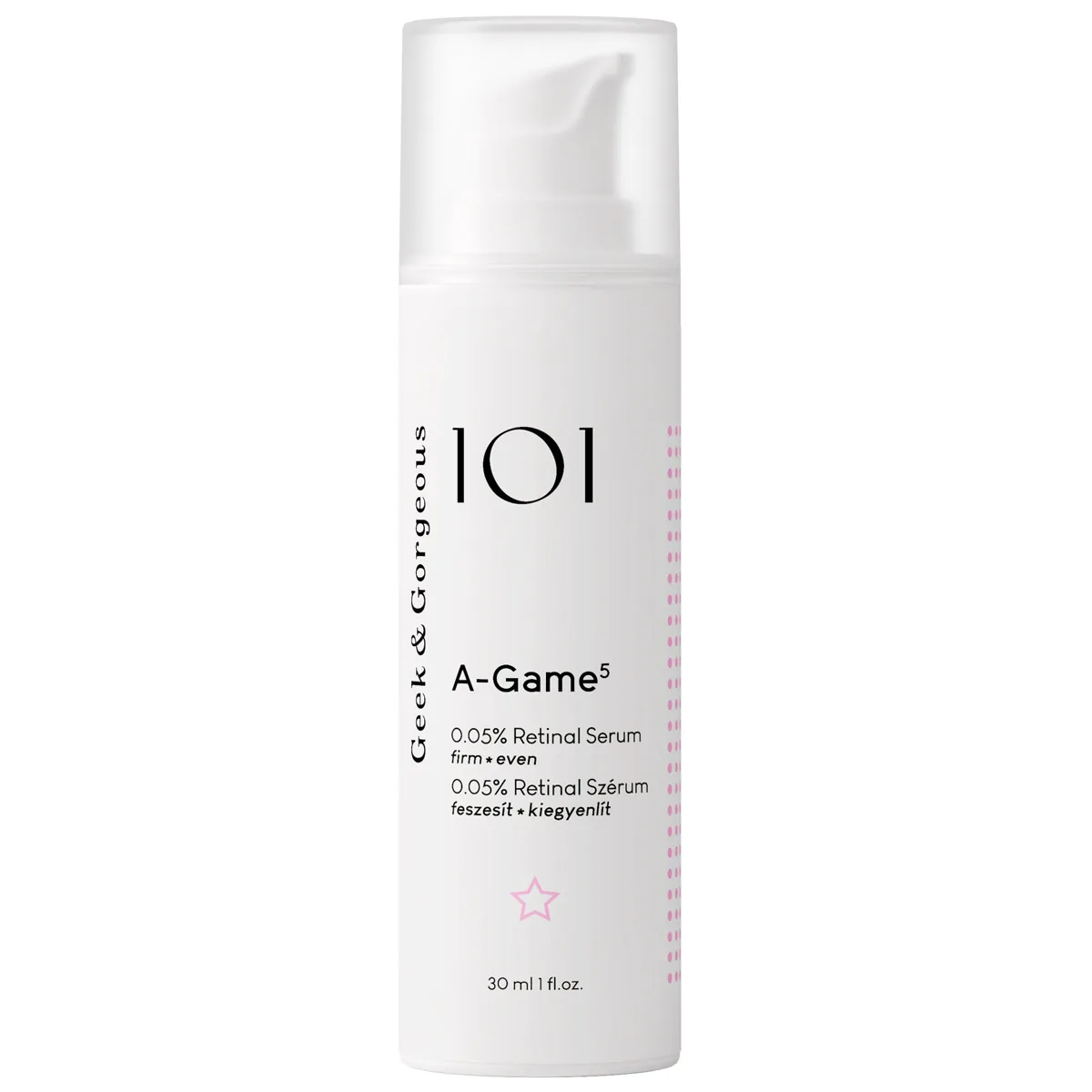 Beginner-Friendly Retinoid
 A-Game 5 Retinal Serum
The ideal beginner's retinaldehyde serum — a properly dosed 0.05% retinal in a buffered, fragrance-free formula at a price that makes long-term retinoid use actually sustainable. Same thoughtful supporting ingredients as the higher-strength A-Game 10 at half the potency, which is exactly the point. If you've never used a real retinoid, this is one of the best entry points on the market.
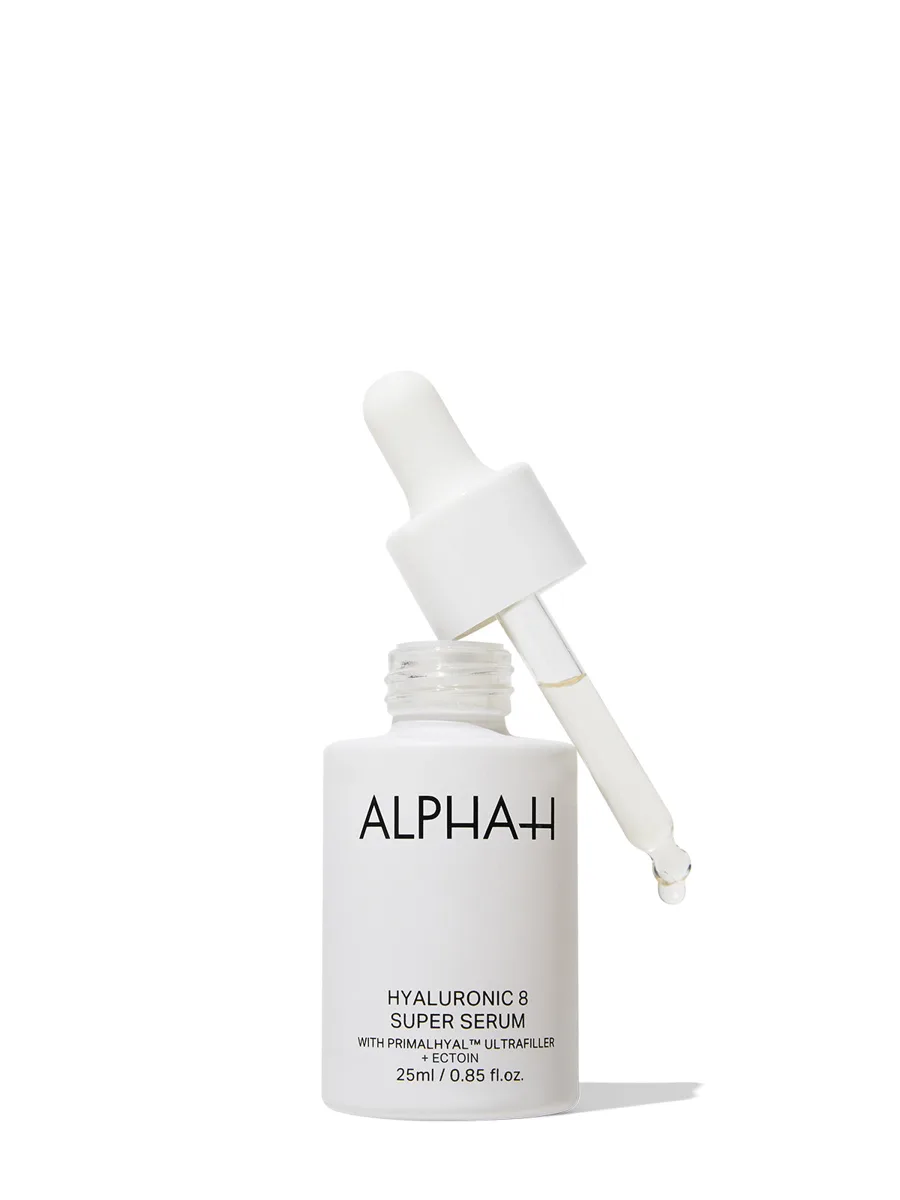 Layered Hydration MVP
 Hyaluronic 8 Super Serum
Alpha-H stacks eight molecular weights of hyaluronic acid with polyglutamic acid, ectoin, and 4% niacinamide to build a hydration system that actually outlasts the four-hour window most HA serums hit. It's overpriced compared to drugstore alternatives, but the supporting ingredients earn the premium for dehydrated, reactive, or mature skin.
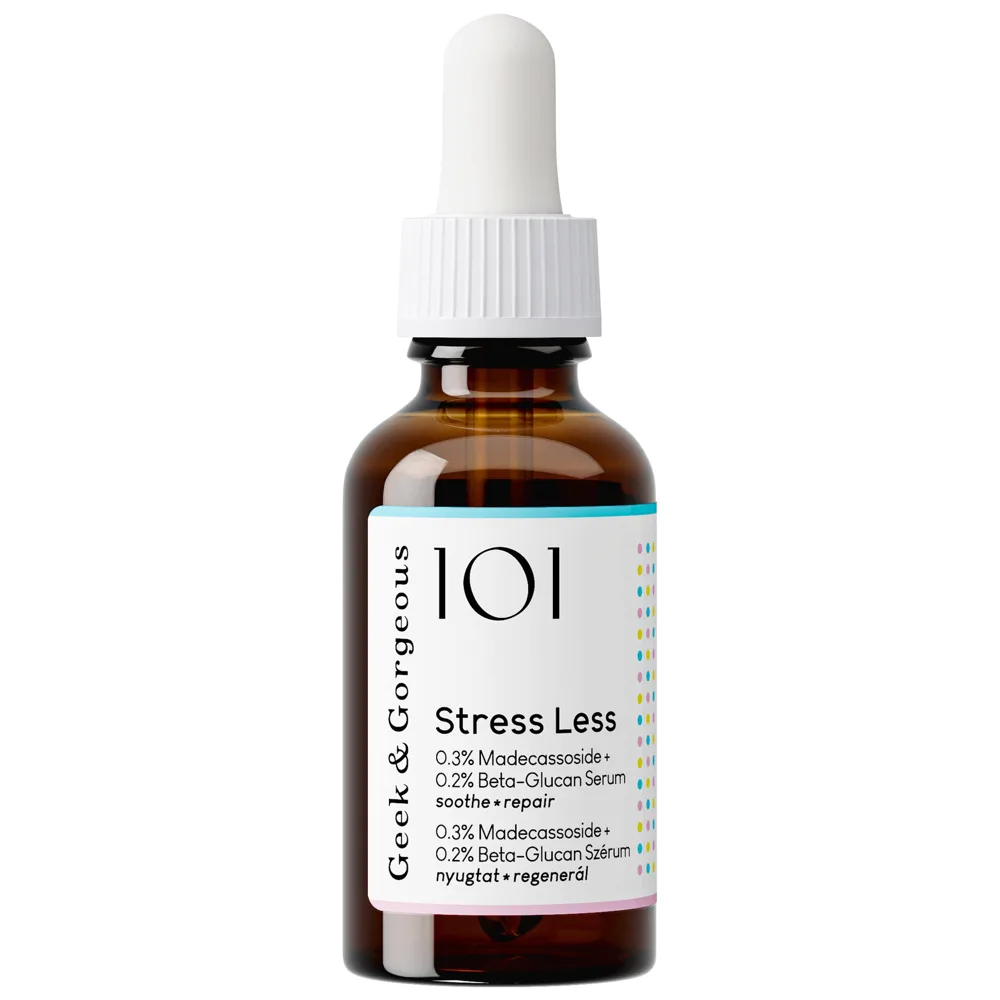 Derm-Grade Retinal at Drugstore Price
 Stress Less 0.3% Retinal Serum
A genuinely derm-grade 0.3% retinaldehyde serum at a price that shouldn't be possible. The ceramide and bisabolol buffering keeps it tolerable for experienced retinoid users, and the results — on texture, tone, and fine lines — rival premium retinals costing four times as much.
 Budget Retinal Holy Grail
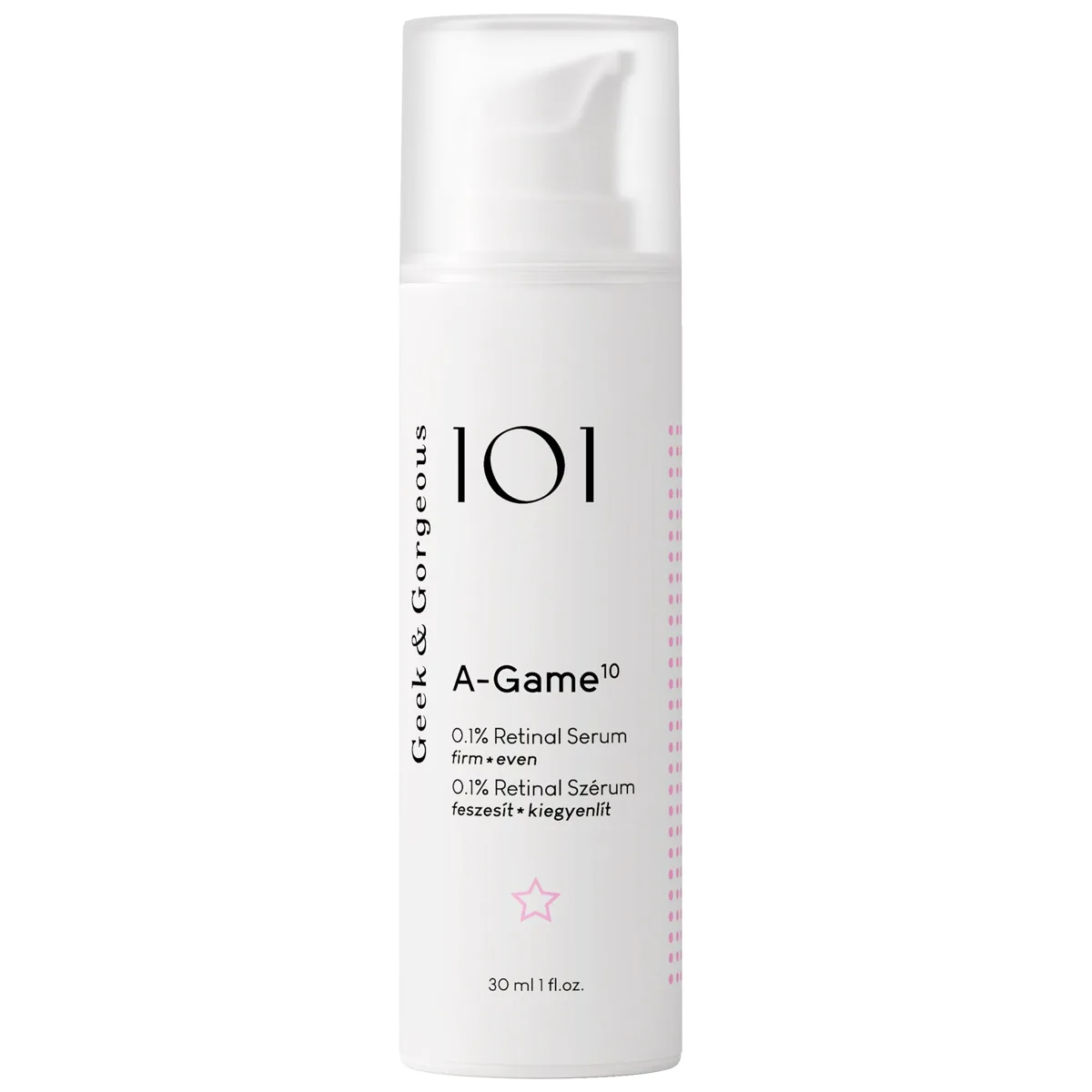
 A-Game 10 Retinal Serum
One of the most disruptive products in the retinoid category — a 0.1% retinaldehyde serum at around $16 when equivalent concentrations from derm brands cost $60-120. The formulation is thoughtful, the airless packaging is right, and the price point has no real competitor. Not for retinoid beginners: start with the 5 version and step up to this after a few months.
 Gold Standard OTC Retinoid
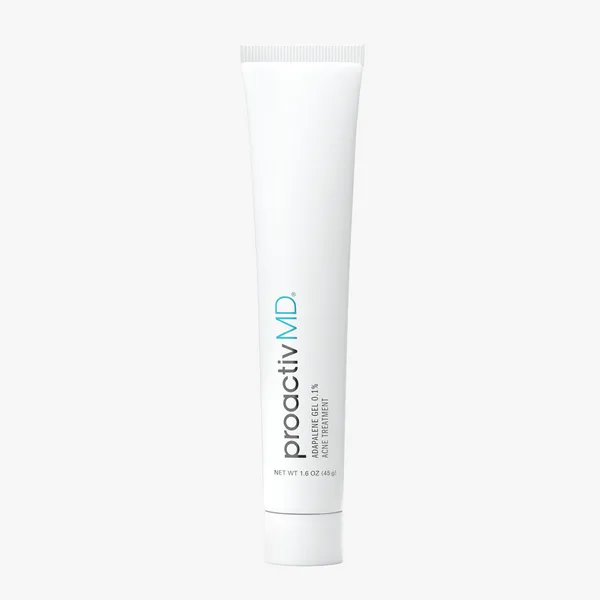
 Adapalene Gel 0.1%
This is adapalene 0.1% — the same FDA-approved retinoid dermatologists have prescribed for over two decades, now available without a prescription in a no-nonsense gel. It's one of the most evidence-backed acne treatments you can buy, and Proactiv's version offers solid value in the larger size with an updated paraben-free formula.
 Australian SPF Standard
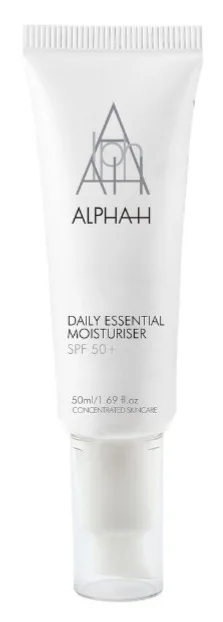
 Daily Essential Moisturiser SPF 50+
An excellent multi-active daily SPF that meets Australia's stricter TGA SPF 50+ standard and includes modern UVA filters that put it well ahead of most US sunscreens. Niacinamide, centella, and hyaluronate make it a genuine moisturizer rather than just a sunscreen step. Premium-priced but uniquely well-formulated.