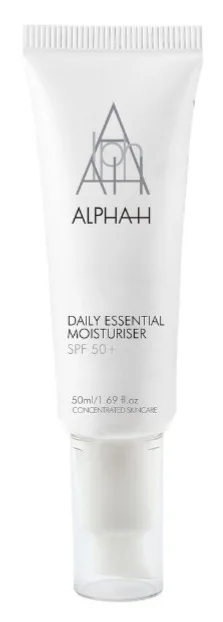
An excellent multi-active daily SPF that meets Australia's stricter TGA SPF 50+ standard and includes modern UVA filters that put it well ahead of most US sunscreens. Niacinamide, centella, and hyaluronate make it a genuine moisturizer rather than just a sunscreen step. Premium-priced but uniquely well-formulated.
Daily Essential Moisturiser SPF 50+
An excellent multi-active daily SPF that meets Australia's stricter TGA SPF 50+ standard and includes modern UVA filters that put it well ahead of most US sunscreens. Niacinamide, centella, and hyaluronate make it a genuine moisturizer rather than just a sunscreen step. Premium-priced but uniquely well-formulated.
Score Breakdown
Where this product gains points and where it loses them — broken down across the four scoring pillars.
An exceptionally well-formulated daily SPF 50+ that meets Australia's strict TGA standards and includes meaningful niacinamide for a multi-active daytime base. Modern UV filters provide superior UVA coverage compared to most US sunscreens.
Pros & Cons
- ✓Modern Uvinul A Plus filter provides superior long-wave UVA protection
- ✓Meets Australia's strict TGA SPF 50+ broad-spectrum standard
- ✓Meaningful niacinamide elevates it beyond a basic sunscreen
- ✓Centella and bisabolol provide active soothing
- ✓No white cast on most skin tones
- ✓Fragrance-free and pregnancy-compatible
- ✓Layers cleanly under makeup
- ✗Premium price for 50ml
- ✗Limited US availability — typically requires international shipping
- ✗Cetearyl alcohol may be too rich for very oily or fungal-acne-prone skin
- ✗No smaller travel size or larger value option
Full Review
If you've spent any time in the deep end of skincare discourse, you've watched the same conversation play out a hundred times: someone in the US complains about how their drugstore sunscreen feels chalky, leaves a white cast, and stings their eyes; someone in Australia or Korea or France gently points out that their country's regulators approved better UV filters years ago and the product they're using on their face costs less than the American alternative; the American user discovers that ordering Australian or European sunscreen online is the only way to get those better filters; everyone agrees the FDA's approach to sunscreen is stuck in the 1990s. Alpha-H's Daily Essential Moisturiser SPF 50+ is one of the products at the center of that conversation, and it's a genuinely good example of why the gap matters.
The filter combination is the headline. Diethylamino hydroxybenzoyl hexyl benzoate — sold under the trade name Uvinul A Plus — is a modern UVA absorber that provides exceptionally strong long-wave UVA coverage and has been approved in Europe, Australia, and most of Asia for years. The FDA has not yet approved it for OTC sunscreens in the US, which means American consumers buying domestic sunscreen typically rely on avobenzone for UVA protection, with all of avobenzone's stability problems and the resulting need for stabilizers like octocrylene. Alpha-H's formula uses Uvinul A Plus alongside avobenzone, octocrylene, homosalate, and ethylhexyl salicylate, giving it a redundant, well-stabilized broad-spectrum architecture that comfortably meets the TGA's strict SPF 50+ broad-spectrum standard. The TGA, for context, regulates sunscreen as a therapeutic good rather than a cosmetic, and its testing requirements for an SPF claim are significantly more rigorous than the US OTC monograph framework. When you see SPF 50+ on an Australian label, the testing behind that claim is more thorough than the equivalent US product.
What lifts this from 'a good Australian sunscreen' to 'a genuinely interesting daytime product' is the supporting cast. Niacinamide sits high on the INCI, doing what niacinamide always does — supporting the barrier, modulating sebum, contributing to tone-evening over time. Centella asiatica and bisabolol provide anti-inflammatory soothing that addresses the low-grade UV-induced inflammation a sunscreen step would otherwise leave unaddressed. Sodium hyaluronate, glycerin, and panthenol handle the hydration math, and the lightweight C12-15 alkyl benzoate emollient base gives the formula its characteristic slip and satin finish. Camellia sinensis (green tea) extract adds antioxidant support, which makes sense paired with vitamin C in a morning routine. There's no fragrance, no essential oils, no obvious irritants. The formula is built like a moisturizer that happens to be SPF 50+, not a sunscreen with skincare claims.
The sensorial side is where this often becomes a love-it product. The lotion dispenses white but blends invisibly within a minute. There's no cast on most skin tones, no waxy film, no chemical-sunscreen heat sensation, and no greasy mid-day breakdown. It layers cleanly under makeup once it's fully absorbed, plays well with leave-on serums underneath, and feels comfortable enough that you actually want to apply the recommended quarter-teaspoon dose rather than skimping. Skimping is the single biggest reason real-world SPF performance falls short of label claims, so any sunscreen you'll actually use generously is worth more than a 'better' sunscreen you'll under-apply. This one passes that test for most people.
The practical catches are price and availability. At around $55 for 50ml, it's a prestige sunscreen, and US users will need to order it through Cult Beauty, Adore Beauty, or other international retailers since Alpha-H isn't broadly distributed in standard US channels. The cetearyl alcohol in the base may be slightly too rich for very oily or breakout-prone users, who'd be better served by a more matte formula. There's no smaller travel size and no larger value option, so per-ml pricing is fixed. And while the formula is fragrance-free, it's still a fully chemical sunscreen, so users who specifically need or prefer mineral filters will need to look elsewhere.
Who should buy this? Skincare enthusiasts who care about UVA protection and have grown frustrated with the limitations of US OTC sunscreens. People who want a daytime moisturizer that consolidates SPF, hydration, and a meaningful active ingredient into one step. Users with normal-to-dry skin who want a sunscreen that genuinely feels like a comfortable lotion rather than a separate barrier product layered on top of moisturizer. It's not the cheapest option, and it's not the easiest to obtain in the US, but for the right user it's one of the strongest daily SPFs available and a clear example of why the Australian sunscreen market deserves the reputation it has.
Formula
Key Ingredients
The hero actives that drive this product's performance.
| Ingredient | Function | Evidence |
|---|---|---|
| Diethylamino Hydroxybenzoyl Hexyl Benzoate (Uvinul A Plus) | A modern UVA filter not yet approved in the US that provides exceptional long-wave UVA protection. In this Australian-formulated SPF it pairs with avobenzone, octocrylene, and ethylhexyl salicylate for the kind of broad-spectrum coverage that meets the TGA's SPF 50+ broad-spectrum standard. | well-established |
| Niacinamide | Adds tone-evening, sebum modulation, and barrier support to a sunscreen step that would otherwise be purely protective. In this formula it elevates the moisturizer from 'just SPF' to a genuine multi-active daytime base. | well-established |
| Centella Asiatica + Bisabolol | Anti-inflammatory botanicals that complement the photoprotection by addressing the low-grade inflammation UV exposure causes. Their inclusion gives this SPF a quietly soothing character not common in chemical sunscreens. | well-established |
| Sodium Hyaluronate + Panthenol | Provide humectant hydration and barrier comfort so the SPF step doubles as a real moisturizer. Reduces the need to layer a separate cream underneath, which is the single biggest reason people under-apply sunscreen. | well-established |
Full INCI List · pH 6
Aqua (Water), Homosalate, Octocrylene, Ethylhexyl Salicylate, Butyl Methoxydibenzoylmethane, Diethylamino Hydroxybenzoyl Hexyl Benzoate, Glycerin, C12-15 Alkyl Benzoate, Caprylic/Capric Triglyceride, Cetearyl Alcohol, Glyceryl Stearate, Niacinamide, Tocopheryl Acetate, Sodium Hyaluronate, Panthenol, Allantoin, Centella Asiatica Extract, Camellia Sinensis (Green Tea) Leaf Extract, Bisabolol, Dimethicone, PEG-100 Stearate, Xanthan Gum, Sodium Hydroxide, Disodium EDTA, Phenoxyethanol, Ethylhexylglycerin
Product Flags
✓ Fragrance Free✓ Alcohol Free✗ Oil Free✗ Silicone Free✓ Paraben Free✓ Sulfate Free✓ Cruelty Free✓ Vegan✗ Fungal Acne Safe
Comedogenic Ingredients
Cetearyl Alcohol
Potential Irritants
Chemical UV Filters
Compatibility
Skin Match
Best For
Works For
Not Ideal For
Addresses These Conditions
sun damage aging hyperpigmentation dryness
Use With Caution
rosacea compromised skin barrier
Routine Step
sunscreen
Time of Day
AM
Pregnancy Safe
Yes ✓
Layering Tips
Apply as the final step of a morning routine after serums and moisturizer. Use a generous quantity — at least 1/4 teaspoon for the face — and reapply every 2 hours of direct sun exposure.
Results Timeline
Immediate hydration and protection. Sun damage prevention is cumulative over months and years. Tone-evening from the niacinamide content is visible at 4-6 weeks of consistent use.
Pairs Well With
vitamin-c-serumniacinamide-serumantioxidant-serum
Sample AM Routine
- Cleanser
- Vitamin C serum
- Hydrating moisturizer (optional)
- Alpha-H Daily Essential Moisturiser SPF 50+
Sample PM Routine
- Double cleanse
- Treatment serum
- Night moisturizer
Evidence
Science & Expert Perspective
The Science
Sunscreen efficacy depends on both UVB protection (measured by SPF) and UVA protection (measured by various standards including the PA system in Asia and the UVA-PF/SPF ratio in Europe and Australia). Diethylamino hydroxybenzoyl hexyl benzoate (Uvinul A Plus) is a long-wave UVA absorber with peak absorbance around 354nm, providing protection in a range where many older UVA filters lose efficacy. It has been approved for cosmetic use in Europe since the early 2000s and is widely used in Asian and Australian sunscreens. Avobenzone (butyl methoxydibenzoylmethane) is a well-known UVA filter that requires stabilization with octocrylene or similar agents to prevent photodegradation. Homosalate and ethylhexyl salicylate are UVB-focused filters that provide additional broadband coverage. Niacinamide has substantial dermatology literature supporting its effects on sebum production, post-inflammatory pigmentation, and barrier function at concentrations between 2 and 5 percent, and is increasingly included in sunscreens to add active treatment value. Centella asiatica and bisabolol have published anti-inflammatory data and are commonly used to address UV-induced low-grade inflammation. The combination of multiple complementary filters, modern UVA absorbers, and supporting actives reflects current best practice in sunscreen formulation.
Dermatologist Perspective
Dermatologists routinely emphasize that broad-spectrum UVA protection is at least as important as UVB blockage for preventing photoaging, hyperpigmentation, and skin cancer. Board-certified dermatologists frequently note that the FDA's slow approval of modern UV filters has left US consumers with fewer broad-spectrum options than patients in Europe, Asia, or Australia, and many recommend international sunscreens for patients who specifically want better UVA protection. The combination of an effective filter system with niacinamide and soothing botanicals is consistent with current dermatology recommendations for daily-use sunscreens that double as treatment-supportive moisturizers. The most important factor in real-world sunscreen efficacy is generous and consistent application — dermatologists repeatedly emphasize that under-application is the most common reason patients see less benefit than expected from any SPF product.
Guidance
Usage Guide
How to Use
Apply as the final step of a morning routine after cleansing, serums, and any additional moisturizer. Use at least 1/4 teaspoon for the face and another 1/4 teaspoon for the neck — this is roughly two finger-lengths. Allow 1-2 minutes for full absorption before applying makeup. Reapply every 2 hours during direct sun exposure or after sweating or swimming. SPF must be applied generously to achieve label efficacy; under-application is the single biggest reason real-world protection falls short.
Value Assessment
At roughly $55 for 50ml, this is a prestige sunscreen. The value case rests on the combination of TGA-certified SPF 50+ broad-spectrum performance, modern UVA filters not available in many US sunscreens, and the inclusion of niacinamide and humectants that make it a genuine moisturizer rather than a separate sunscreen layer. For users who'd otherwise buy a separate niacinamide moisturizer plus a basic sunscreen, the consolidation is meaningful. There is no smaller or larger value size, so per-ml pricing is fixed. International shipping costs may add to the total for US buyers, but for those committed to better UVA protection the price is generally considered worth paying.
Who Should Buy
Skincare enthusiasts who prioritize broad-spectrum UVA protection, particularly those frustrated with the limitations of US OTC sunscreens. Normal-to-dry skin types looking for a daily SPF that doubles as a moisturizer with meaningful active ingredients. Users with hyperpigmentation, photoaging, or sun-damage concerns who want their daytime product to do real work.
Who Should Skip
Very oily or fungal-acne-prone skin types may find the cetearyl alcohol base too rich. Users who specifically need mineral filters for sensitivity reasons should choose a zinc-based alternative. Budget-focused users will find more affordable broad-spectrum options at the drugstore, though usually with older filter chemistry.
Ready to try Alpha-H Daily Essential Moisturiser SPF 50+?
Details
Details
Texture
Lightweight white lotion that absorbs into a soft satin finish
Scent
Faint, neutral
Packaging
Squeeze tube with flip cap
Finish
satinnon-greasyfast-absorbing
What to Expect on First Use
Sinks in within a minute or two with no white cast on most skin tones. No sting, no fragrance, no chemical sunscreen heat sensation. Skin feels comfortable, hydrated, and protected.
How Long It Lasts
Approximately 6-8 weeks with daily face and neck use at proper application quantity
Period After Opening
12 months
Best Season
All Year
Certifications
Cruelty-FreeVeganTGA SPF 50+ Certified
Background
The Why
Alpha-H developed its Daily Essential Moisturiser SPF 50+ to meet Australia's stringent SPF 50+ standard, which requires testing through the TGA and broad-spectrum performance verification. It exists as part of the brand's clinical core range alongside the Liquid Gold lineage.
About Alpha-H Established Brand (5–20 years)
Alpha-H was founded in 1995 in Queensland by Michelle Doherty. Australia's TGA (Therapeutic Goods Administration) regulates SPF products as therapeutic goods with strict testing requirements, and Alpha-H formulates its SPFs to TGA SPF 50+ standards — generally considered among the most rigorous in the world.
Brand founded: 1995
Myth vs. Reality
Myths & Misconceptions
Myth
Mineral sunscreens are always safer than chemical sunscreens.
Reality
Modern chemical filters like Uvinul A Plus have excellent safety and stability profiles and offer broader UVA coverage than many mineral options. The 'safer' label is a marketing distinction, not a clinical one.
Myth
SPF 50 isn't meaningfully better than SPF 30.
Reality
SPF 50 provides about 2% more theoretical protection than SPF 30, which sounds small but matters for daily cumulative exposure and for users who under-apply. Australia's TGA SPF 50+ standard reflects this clinical reality.
FAQ
Frequently Asked Questions
Is this sunscreen better than US chemical sunscreens?
It uses Uvinul A Plus, a modern UVA filter not yet approved by the FDA. That gives it broader long-wave UVA protection than most US sunscreens at the same SPF rating. Australian TGA SPF 50+ standards are also more rigorous than US OTC requirements.
Will it leave a white cast?
No. It's a fully chemical sunscreen formula that absorbs invisibly on most skin tones, including darker complexions where mineral sunscreens often leave a visible cast.
Can I wear it under makeup?
Yes. The satin finish layers cleanly under foundation without pilling. Allow it to fully absorb for one to two minutes before applying makeup.
Is it pregnancy-safe?
The chemical filters used here are not retinoids and the formula avoids known pregnancy concerns. It is generally considered pregnancy-safe, but discuss with your OB if you have specific filter concerns. Mineral SPFs are an alternative for those who prefer.
Why is it more expensive than US drugstore SPF?
Australian TGA testing and certification add cost, the modern UV filters used are more expensive than older filters, and the formula includes meaningful niacinamide and humectants. You're paying for both compliance and active formulation.
How much should I apply?
At least 1/4 teaspoon for the face and another 1/4 for the neck. Most people under-apply sunscreen, which is the single biggest reason real-world SPF performance falls short of label claims.
Community
Community Voices
Common Praise
"No white cast"
"Lightweight enough for daily use"
"Doesn't pill under makeup"
"Visible glow without being greasy"
Common Complaints
"Not available in the US through standard retailers"
"Premium price for 50ml"
"Cetearyl alcohol may be too rich for very oily skin"
Notable Endorsements
TGA SPF 50+ certifiedCult Beauty bestseller
Appears In
best australian sunscreen best spf 50 moisturizer best chemical sunscreen with niacinamide best no white cast spf
Related Conditions
sun damage aging hyperpigmentation
Related Ingredients
You Might Also Like
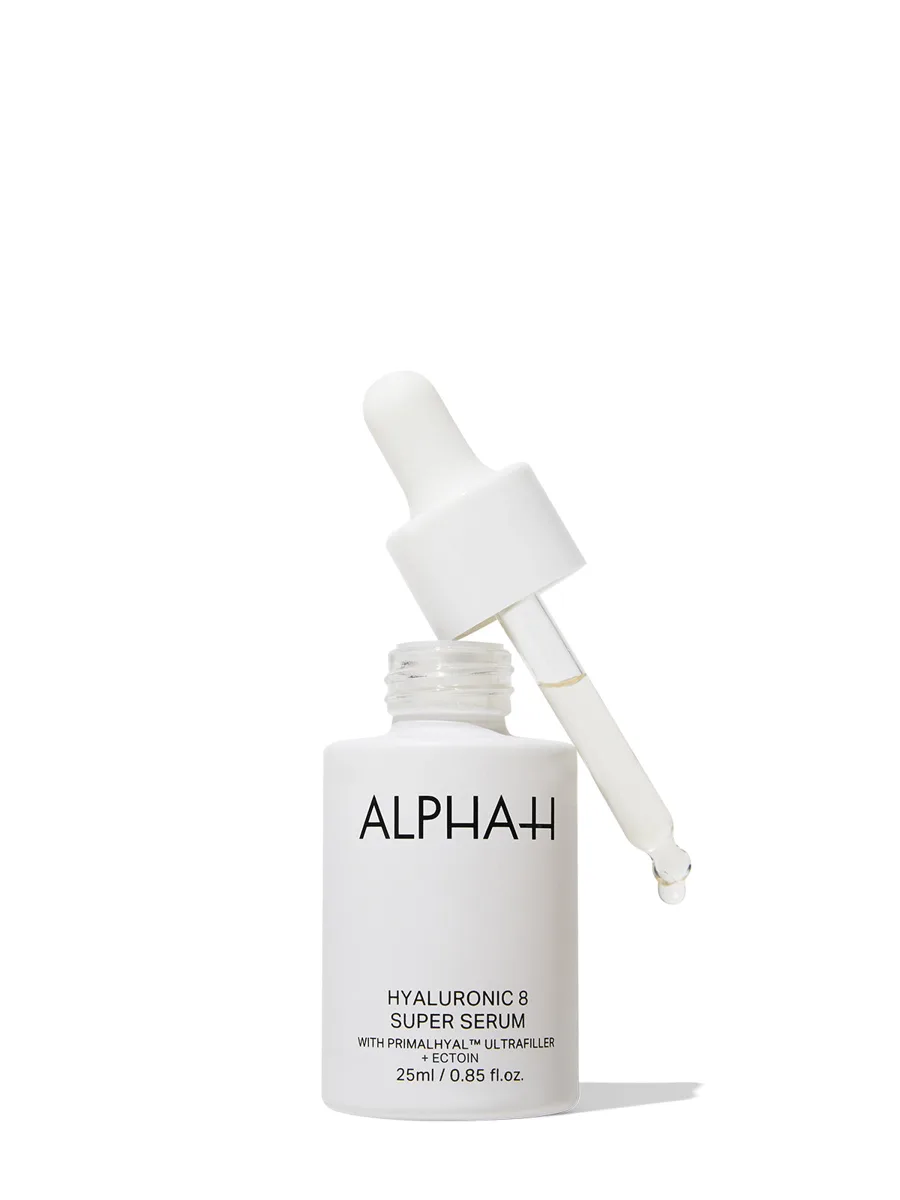 Layered Hydration MVP
 Hyaluronic 8 Super Serum
Alpha-H stacks eight molecular weights of hyaluronic acid with polyglutamic acid, ectoin, and 4% niacinamide to build a hydration system that actually outlasts the four-hour window most HA serums hit. It's overpriced compared to drugstore alternatives, but the supporting ingredients earn the premium for dehydrated, reactive, or mature skin.
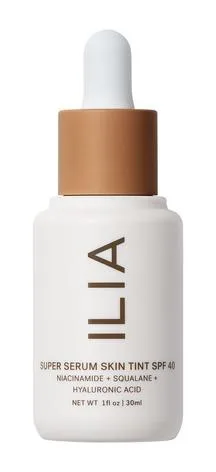 Clean Beauty Cult Classic
 Super Serum Skin Tint SPF 40
The product that finally made mineral tinted SPF desirable instead of medicinal. At 12% non-nano zinc with iron oxide visible-light protection, niacinamide, and a squalane-based glowy finish, this bottle does the impossible — it delivers real sun protection, real skincare, and real makeup in a single step without any one of them feeling compromised. The $54 price stings, but almost nothing else in the category does all three jobs this well.
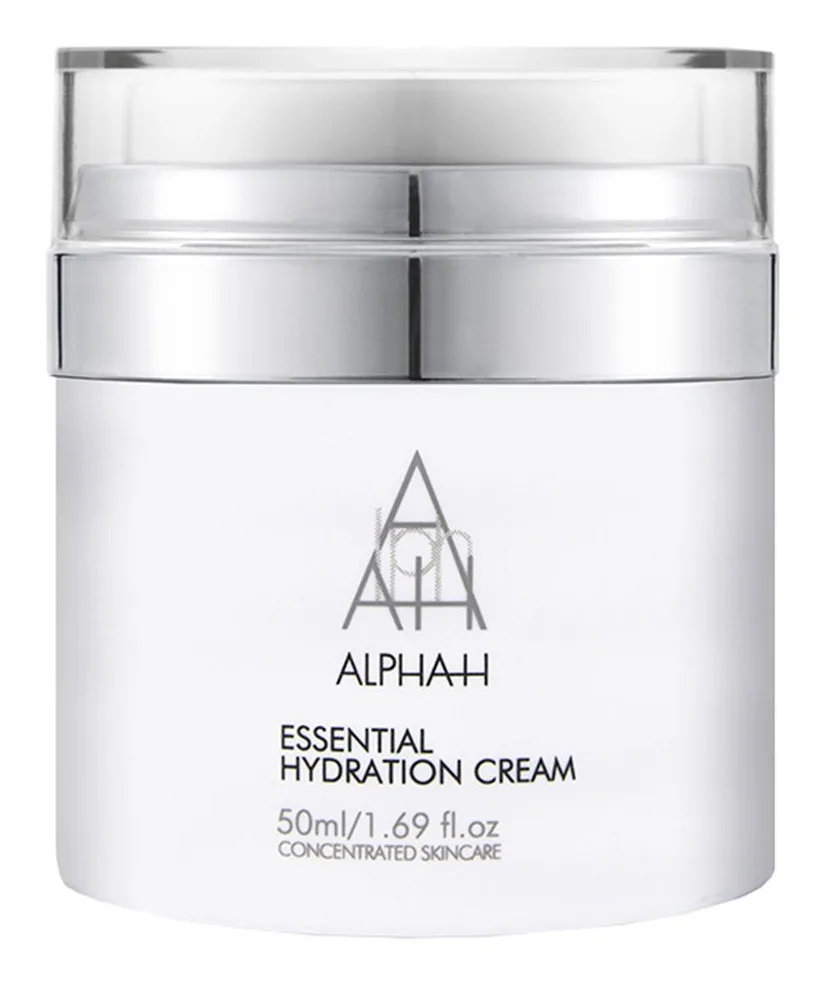 Barrier Repair Workhorse
 Essential Hydration Cream
A genuine barrier-repair cream dressed as an everyday moisturizer. A multi-ceramide complex with cholesterol and phytosphingosine, plus meaningful niacinamide and squalane, in a fragrance-free base that suits almost everyone. Premium-priced but earns it with a formulation closer to clinical lipid science than typical luxury skincare.
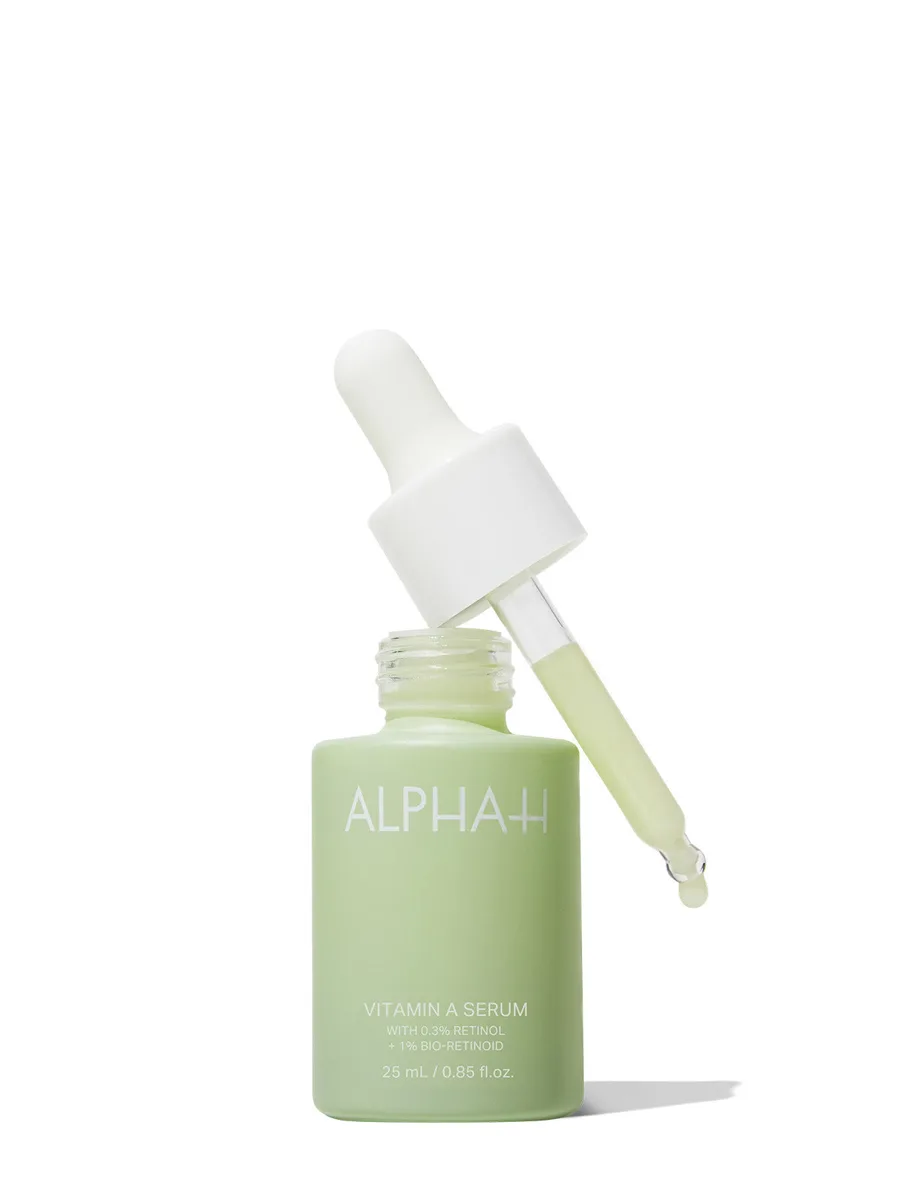 Buffered Beginner Retinol
 Vitamin A Serum
Alpha-H built its 0.5% retinol on a squalane and plant-oil base specifically to make a meaningful retinol concentration tolerable for the beginners it knew were already running aggressive AHA routines. The buffering works — this is one of the few 0.5% retinol serums new users can actually stick with through the adjustment period. The price is the only meaningful complaint.
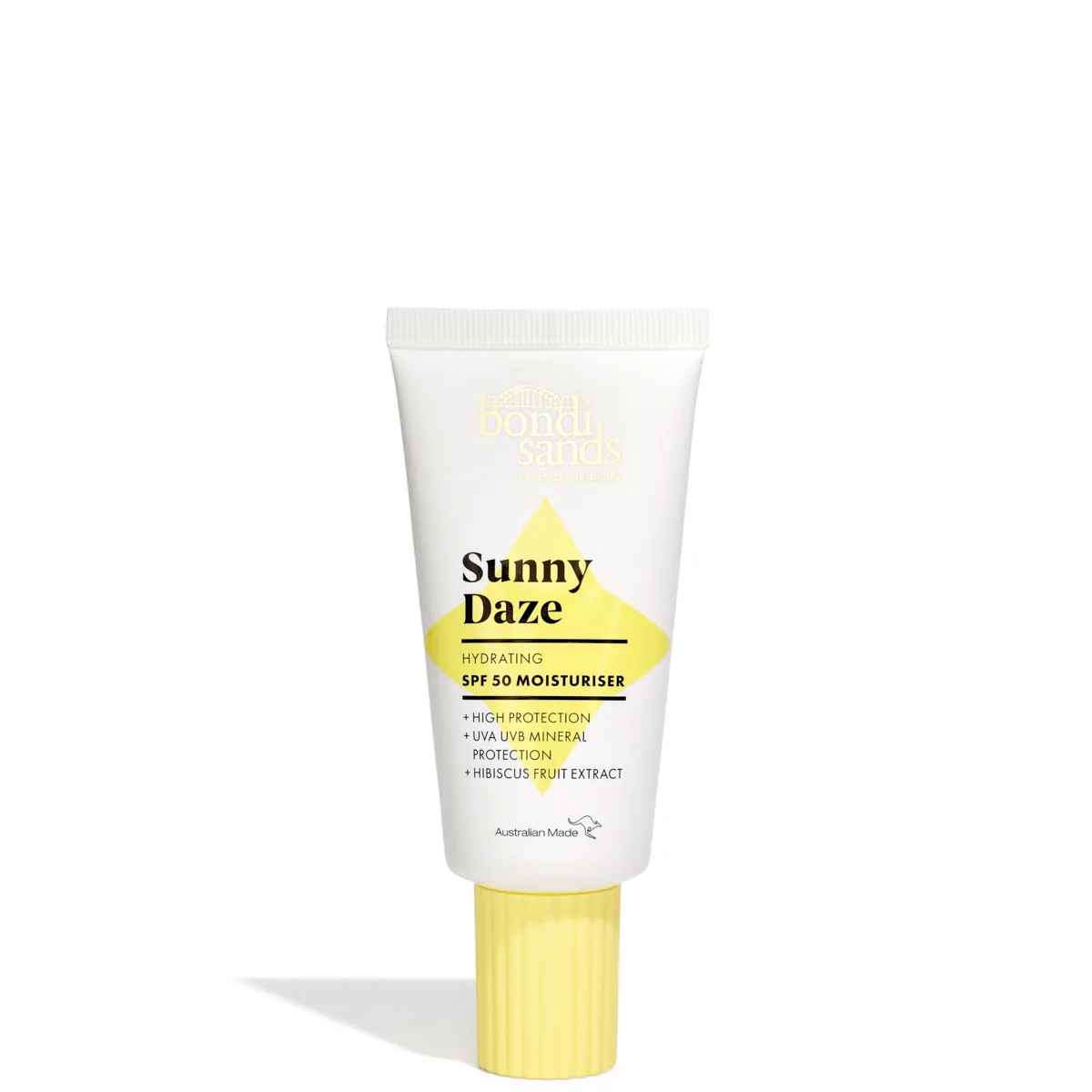 Mineral SPF for Melasma
 Sunny Daze SPF 50 Moisturiser
A 25% zinc oxide mineral face moisturizer with a built-in universal tint that provides both visible-light protection and white-cast neutralization — one of the better-engineered mineral SPF moisturizers in its price tier. The single universal shade is a real limitation, but for anyone managing melasma or reactive skin, this is a surprisingly thoughtful drugstore option.
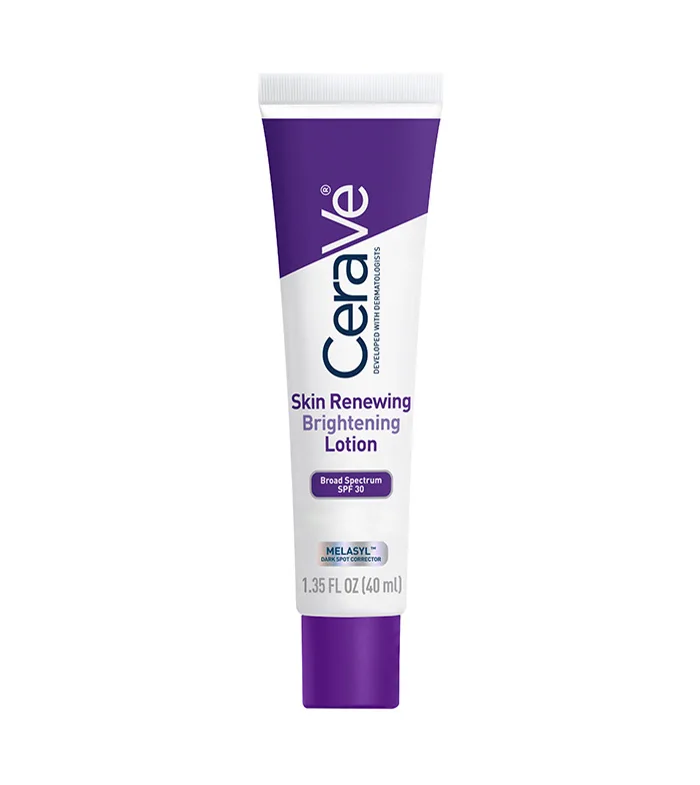 Brightening Multitasker
 Skin Renewing Brightening Lotion SPF 30
CeraVe's first product to use L'Oréal's Melasyl pigmentation molecule is also a competent SPF 30 day cream and a barrier-supporting lotion in one step. The size is small for the price, but the formula is genuinely impressive — this is CeraVe taking a real swing at the dark spot treatment category.