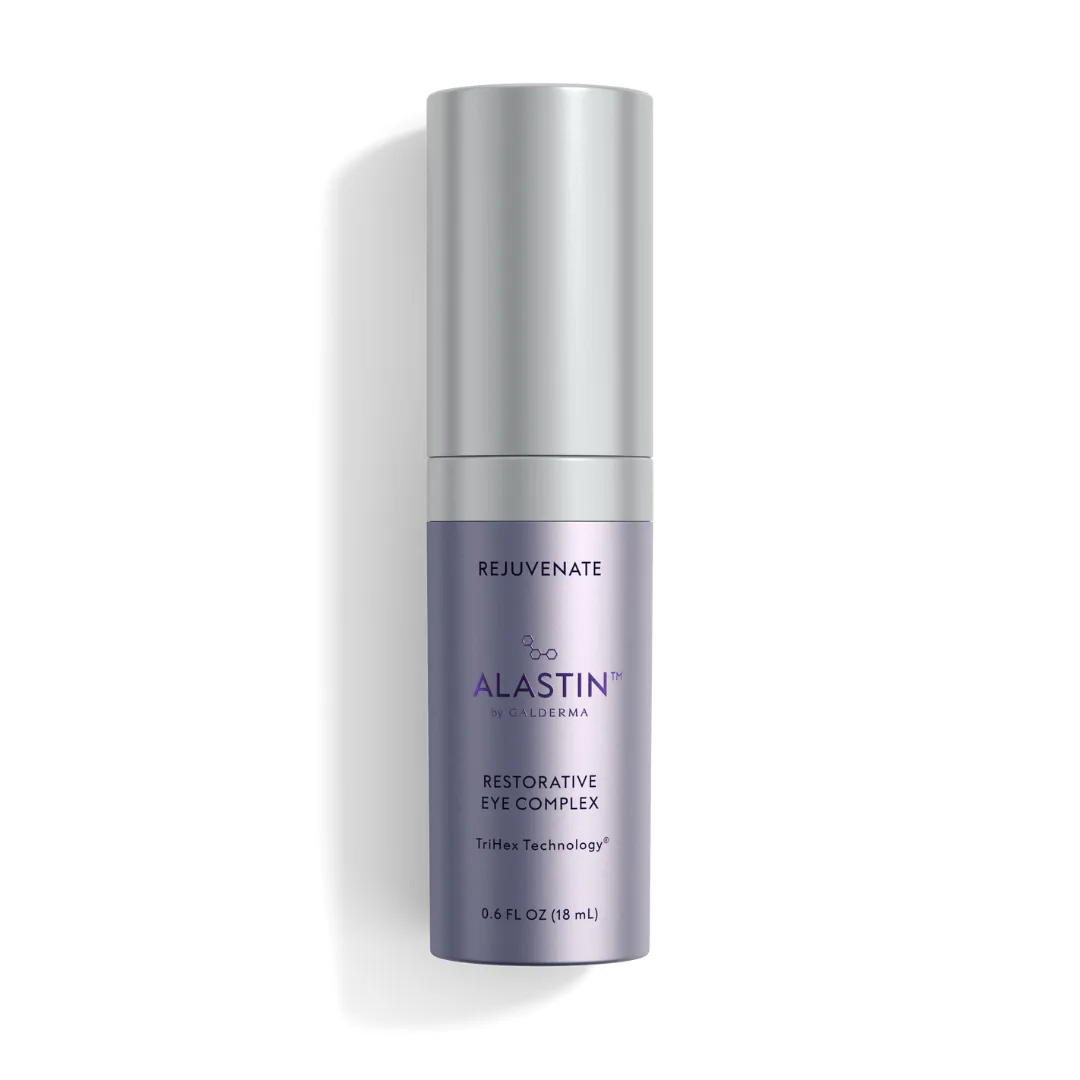
A genuinely multi-mechanism eye cream that targets dark circles, puffiness, and fine lines through distinct pathways rather than relying on a single active ingredient. The clinical pedigree is real, the awards are earned, but the $118 price tag makes it a considered investment for a tube that lasts two to three months.
Restorative Eye Treatment
A genuinely multi-mechanism eye cream that targets dark circles, puffiness, and fine lines through distinct pathways rather than relying on a single active ingredient. The clinical pedigree is real, the awards are earned, but the $118 price tag makes it a considered investment for a tube that lasts two to three months.
Score Breakdown
Where this product gains points and where it loses them — broken down across the four scoring pillars.
A thoughtfully formulated eye treatment that combines TriHex peptide technology with targeted brightening and de-puffing actives. The fragrance-free, gentle formula is suitable for the sensitive periorbital area. The $118 price for 0.5 oz is steep but not unusual for clinical-grade eye treatments. Multi-award-winning with strong user satisfaction.
Pros & Cons
- ✓Three-pronged approach targets pigmentation, vascular dark circles, and structural aging simultaneously
- ✓Immediate optical brightening from light-diffusing crosspolymer microspheres
- ✓Completely fragrance-free and alcohol-free — designed for the most sensitive periorbital skin
- ✓Multi-award recognition from InStyle, Women's Health validates real-world performance
- ✓Niacinamide and tetrapeptide-30 provide gentle brightening safe for daily periorbital use
- ✓TriHex peptide technology supports collagen and elastin in the thinnest facial skin
- ✗Can pill under certain sunscreens and primers — requires patience between layers
- ✗At $118 for 0.5 oz, the annual cost of $470-700 is a significant investment
- ✗Clinical study data comes from only 10 subjects — limited statistical power
- ✗Structural volume loss (the third cause of dark circles) requires injectables, not topicals
- ✗Some users report minimal visible improvement despite consistent use
Full Review
The eye area is where skincare formulations go to be tested. The skin is thinner, more reactive, and more visible than anywhere else on the face. Products that work beautifully on cheeks and forehead can cause stinging, puffiness, or milia when they migrate toward the orbital area. This is why the best eye creams are not just face creams in smaller tubes — they are formulations that respect the unique demands of periorbital skin.
Alastin's Restorative Eye Treatment earns its place in that category by doing something most eye creams do not: attacking dark circles from three different angles simultaneously. The undereye area darkens for multiple reasons — pigmentation deposits, visible blood vessels showing through translucent skin, and structural volume loss that creates shadows. Most eye creams pick one cause and hope for the best. This formula addresses at least two of the three, with an optical trick to handle the third.
The TriHex Technology peptides (palmitoyl tripeptide-1 and palmitoyl hexapeptide-12) do the structural work — stimulating collagen and elastin production in an area where the dermal layer is naturally thin and age-related protein loss shows up as crepey texture and fine lines. These are the same peptides found across the Alastin lineup, adapted here for the eye area's lower tolerance for irritation. Their inclusion is not revolutionary for an eye cream, but it is foundational — you cannot address eye-area aging without addressing the structural decline.
Niacinamide brings its well-documented multi-tasking abilities. For the eye area specifically, it strengthens capillary walls (reducing the vascular component of dark circles), inhibits melanosome transfer (reducing the pigmentation component), and provides anti-inflammatory support that helps with puffiness. At the concentration present in this formula, it delivers these benefits without the irritation that stronger brightening actives would cause around the eyes.
Tetrapeptide-30 adds a targeted brightening dimension. This peptide inhibits tyrosinase — the enzyme that drives melanin production — providing gentle but effective pigment reduction in an area where hydroquinone and other strong depigmenting agents are too aggressive. Working alongside the niacinamide, it creates a two-pronged brightening approach that is both effective and safe for daily periorbital use.
Albizia julibrissin (mimosa tree) bark extract and darutoside form the de-puffing and firming duo. Albizia has documented anti-edema properties, helping reduce the fluid accumulation that causes morning puffiness and chronic undereye bags. Darutoside supports tissue repair and firmness. Together they address the structural laxity that contributes to the tired, aged appearance of the eye area.
The immediate gratification comes from an unexpected source: HDI/trimethylol hexyllactone crosspolymer microspheres. These are light-diffusing particles that scatter light across the undereye area, immediately softening the appearance of darkness and fine lines upon application. It is an optical effect, not a treatment — but it means the product delivers visible improvement from day one while the actives build long-term results underneath.
The texture is elegant and appropriate for the eye area — lightweight, smooth, and non-greasy. It absorbs cleanly without leaving a film that could migrate into the eye. The fragrance-free, alcohol-free formulation reflects Alastin's post-procedure DNA. There are no essential oils, no fragrance compounds, nothing that would cause the kind of low-grade irritation that accumulates with twice-daily application on thin skin.
However, pilling is a documented issue. The crosspolymer microspheres and silicone base can ball up when layered under certain products, particularly silicone-based sunscreens or primers. The workaround is patience — allowing the eye cream to fully absorb for two to three minutes before applying the next layer, and using a patting rather than rubbing motion. It is not a dealbreaker, but it is an annoyance that a $118 product should have engineered around.
The clinical data Alastin presents is from a small study (10 subjects, 12 weeks), which makes the 100% agreement statistics on youthful appearance and 90% on reduced puffiness less statistically robust than they sound. That said, the user reviews and multi-year award recognition from InStyle and Women's Health provide broader validation that the formula performs for a meaningful percentage of users.
At $118 for 0.5 ounces, this is a premium eye cream that lasts approximately two to three months at twice-daily use. The annual cost of $470-700 is significant for a single step in the eye area. The formulation justifies a portion of that premium — the multi-mechanism approach, the clinical-grade ingredient selection, and the Galderma-backed brand credibility are real. But eye creams operate in a category where expectations should be calibrated: no topical product will replicate what blepharoplasty or undereye filler can achieve for structural volume loss.
What this eye cream does well is improve the overall quality and appearance of periorbital skin within the realistic limits of topical skincare. Dark circles from pigmentation and vascular causes soften over time. Fine lines hydrate and smooth. Puffiness reduces with consistent use. It is not magic, but it is a credible, well-formulated approach to an area that many products treat as an afterthought.
Formula
Key Ingredients
The hero actives that drive this product's performance.
| Ingredient | Function | Evidence |
|---|---|---|
| TriHex Technology (Palmitoyl Tripeptide-1 + Palmitoyl Hexapeptide-12) | Alastin's patented peptide complex adapted for the delicate periorbital area. Palmitoyl tripeptide-1 stimulates collagen synthesis while palmitoyl hexapeptide-12 targets elastin production — both critical for the eye area where thin skin shows structural protein loss first. The combination clears damaged matrix proteins while signaling replacement production. | promising |
| Niacinamide | A multi-functional brightening and barrier-supporting active that addresses dark circles through two mechanisms: strengthening the thin capillary walls around the eye (reducing visible blood pooling) and inhibiting melanin transfer to reduce pigmentation-based darkness. Its anti-inflammatory properties also reduce puffiness. | well-established |
| Tetrapeptide-30 | A skin-brightening peptide that inhibits tyrosinase to reduce melanin production in the undereye area. Unlike many brightening actives that are too harsh for periorbital skin, this peptide provides gentle but effective pigment reduction — specifically targeting the hyperpigmentation component of dark circles without irritation. | emerging |
| Albizia Julibrissin Bark Extract + Darutoside | A botanical duo targeting the appearance of skin firmness and elasticity around the eye. Albizia julibrissin (mimosa tree) extract is traditionally used for its de-puffing properties, while darutoside supports tissue repair — together they address the laxity and puffiness that define aging around the orbital area. | emerging |
| Epigallocatechin Gallatyl Glucoside | A stabilized form of the most potent green tea catechin, providing antioxidant protection and anti-inflammatory benefits to the thin, vulnerable periorbital skin. Works alongside the oak-derived gallyl glucoside to reduce visible dark circles by strengthening capillary integrity and reducing oxidative stress that contributes to undereye discoloration. | promising |
Full INCI List
Water/Aqua/Eau, Glycerin, Caprylic/Capric Triglyceride, Cetearyl Alcohol, Dimethicone, Pentylene Glycol, Jojoba Esters, Niacinamide, Palmitoyl Hexapeptide-12, Palmitoyl Tripeptide-1, Tetrapeptide-30, Albizia Julibrissin Bark Extract, Gallyl Glucoside, Sodium Hyaluronate, Epigallocatechin Gallatyl Glucoside, Darutoside, Dunaliella Salina Extract, Ornithine, Phospholipids, Butyrospermum Parkii (Shea Butter) Extract, Glycolipids, Betaine, Tremella Fuciformis Sporocarp Extract, Beta-Glucan, Cetearyl Glucoside, Glyceryl Stearate, PEG-100 Stearate, Silica, Hdi/Trimethylol Hexyllactone Crosspolymer, Propanediol, Squalane, Polysorbate 20, Polyacrylate-13, Xanthan Gum, Disodium EDTA, Caprylyl Glycol, Polyisobutene, Caprylhydroxamic Acid, Phenoxyethanol, Propyl Gallate, Ethylhexylglycerin
Product Flags
✓ Fragrance Free✓ Alcohol Free✗ Oil Free✗ Silicone Free✓ Paraben Free✓ Sulfate Free✓ Cruelty Free✗ Vegan✗ Fungal Acne Safe
Compatibility
Skin Match
Best For
normal combination sensitive dry
Works For
Not Ideal For
Addresses These Conditions
dark circles aging dullness post procedure
Routine Step
treatment
Time of Day
AM & PM
Pregnancy Safe
Yes ✓
Layering Tips
Apply a small amount to the orbital bone area using your ring finger, gently patting (not rubbing) around the eye. Use morning and evening before moisturizer. Allow to absorb fully before applying other products to prevent pilling.
Results Timeline
Immediate light-diffusing effect from the crosspolymer microspheres. Noticeable reduction in puffiness and improved hydration within 1-2 weeks. Visible improvement in dark circles and fine lines at 6-12 weeks of consistent use.
Pairs Well With
Hydrating moisturizerSPF sunscreenAlastin Restorative Skin Complex
Sample AM Routine
- Gentle cleanser
- Serum
- Alastin Restorative Eye Treatment
- Moisturizer
- SPF sunscreen
Sample PM Routine
- Gentle cleanser
- Treatment serum
- Alastin Restorative Eye Treatment
- Moisturizer
Evidence
Who Should Skip
- Can pill under certain sunscreens and primers — requires patience between layers
- At $118 for 0.5 oz, the annual cost of $470-700 is a significant investment
- Clinical study data comes from only 10 subjects — limited statistical power
- Structural volume loss (the third cause of dark circles) requires injectables, not topicals
Science & Expert Perspective
The Science
The multi-pathway approach to periorbital aging in this formula reflects current dermatological understanding that dark circles are a multifactorial condition. Research published in the Journal of Cosmetic Dermatology (Freitag & Cestari, 2007) identified at least four contributing mechanisms: dermal melanin deposition, post-inflammatory hyperpigmentation, superficial vasculature showing through thin skin, and shadowing from structural volume loss or skin laxity.
Niacinamide's efficacy in the eye area is supported by research showing it inhibits melanosome transfer from melanocytes to keratinocytes, published in the British Journal of Dermatology (Hakozaki et al., 2002). At concentrations of 2-5%, niacinamide has been shown to significantly reduce hyperpigmentation over 8-12 weeks. Its additional benefit of strengthening the epidermal barrier — documented in research in the Journal of Cosmetic and Laser Therapy — is particularly valuable around the eyes where barrier compromise leads to increased transepidermal water loss and sensitivity.
The TriHex peptides build on matrikine research. Palmitoyl tripeptide-1, a component of the well-studied Matrixyl 3000 complex, has been shown in published studies to stimulate type I collagen synthesis in human fibroblasts. Albizia julibrissin bark extract has documented anti-glycation and de-puffing properties, though most studies are in-vitro. The epigallocatechin gallatyl glucoside — a stabilized green tea catechin — provides antioxidant protection with better stability than standard EGCG, which is notoriously prone to oxidative degradation.
Dermatologist Perspective
Dermatologists recognize the periorbital area as one of the most challenging zones for topical treatment due to thin skin, proximity to the eye, and the multifactorial nature of dark circles. Board-certified dermatologists note that this formula's multi-mechanism approach aligns with the clinical understanding that effective eye treatments must address more than one cause of undereye aging. The fragrance-free formulation and gentle active profile make it commonly recommended for patients undergoing periorbital procedures (lower blepharoplasty, undereye filler, periocular laser) as well as for daily anti-aging maintenance. Dermatologists typically advise patients that topical eye treatments work best for pigmentation and texture — structural volume loss and deep orbital hollowing require injectables or surgical intervention.
Guidance
Usage Guide
How to Use
Dispense a small amount (rice grain size) onto your ring finger. Gently pat — do not rub — around the orbital bone, from the inner corner under the eye outward, then along the brow bone. Use morning and evening on clean skin, before moisturizer. Allow 2-3 minutes for full absorption before applying the next layer to prevent pilling. Avoid applying directly to the eyelid or lash line.
Value Assessment
At $118 for 0.5 oz, this sits in the upper tier of eye creams. The multi-mechanism formulation with TriHex peptides, niacinamide, and targeted brightening peptides provides genuine complexity that simpler eye creams lack. At 2-3 months per tube, annual cost runs $470-700. The multi-award recognition and clinical brand backing justify a portion of the premium, but the eye cream category has inherent limitations — no topical product replaces what procedures can achieve. For patients already invested in the Alastin ecosystem through their dermatologist, this is a natural addition. For value-conscious shoppers, effective eye creams with niacinamide and peptides exist at lower price points.
Who Should Buy
Anyone concerned about dark circles (pigmentation or vascular type), fine lines around the eyes, and undereye puffiness who wants a clinically formulated, fragrance-free treatment. Particularly well-suited for sensitive skin types, patients undergoing periorbital procedures, and those already using other Alastin products.
Who Should Skip
If your primary undereye concern is structural volume loss (deep hollows or orbital fat loss), this cream will help with surface quality but cannot replace filler. Budget-conscious shoppers may find comparable benefits in niacinamide-and-peptide eye creams at lower price points. If your eye cream pills badly under your sunscreen after trying timing adjustments, the formula may not be compatible with your routine.
Ready to try Alastin Restorative Eye Treatment?
Details
Details
Texture
Smooth, lightweight cream with a slightly whipped quality. Combines emollients and silicones for a non-greasy, elegant feel around the delicate eye area.
Scent
Unscented — completely fragrance-free.
Packaging
Opaque tube with precision tip for controlled dispensing around the eye area. Small, travel-friendly size.
Finish
satinlightweightnon-greasy
What to Expect on First Use
Immediate light-diffusing effect from the crosspolymer microspheres creates an instant optical brightening around the eyes. The cream feels smooth and comfortable — no stinging or irritation. Hydrating without feeling heavy or interfering with makeup application.
How Long It Lasts
2-3 months with twice-daily use around both eyes
Period After Opening
12 months
Best Season
All Year
Background
The Why
Alastin designed this eye treatment as an extension of its post-procedure recovery philosophy, recognizing that the periorbital area is one of the most commonly treated zones in aesthetic dermatology — and one of the most difficult to formulate for due to the skin's extreme thinness and sensitivity. The multi-award recognition (InStyle, Women's Health) validated the formula beyond the procedure recovery niche into the broader eye cream category.
About Alastin Established Brand (5–20 years)
Alastin Skincare was founded in 2015 and acquired by Galderma in 2022. The brand's clinical pedigree in post-procedure recovery extends to this eye treatment, which features the same TriHex Technology peptides found across the product line.
Brand founded: 2015
Myth vs. Reality
Myths & Misconceptions
Myth
Eye creams are just face moisturizers in smaller, more expensive packaging.
Reality
While some eye creams are indeed repackaged face moisturizers, this formula contains several ingredients specifically selected for periorbital concerns — tetrapeptide-30 for undereye pigmentation, albizia julibrissin for de-puffing, and optical diffusing microspheres. These serve no purpose in a face cream and reflect genuine eye-area formulation.
Myth
Dark circles are caused by lack of sleep and can't be treated topically.
Reality
Dark circles have multiple causes: pigmentation, visible blood vessels through thin skin, structural volume loss, and yes, fatigue-related vascular congestion. This formula addresses the pigmentation and vascular components topically. Structural volume loss requires fillers, and sleep quality remains a factor — but topical treatment can meaningfully improve the appearance.
FAQ
Frequently Asked Questions
Does Alastin Restorative Eye Treatment work for dark circles?
This eye cream targets dark circles through three mechanisms: niacinamide and tetrapeptide-30 reduce pigmentation-based darkness, albizia julibrissin extract addresses vascular-based circles, and crosspolymer microspheres provide immediate optical brightening. Results for pigmentation and vascular dark circles develop over 6-12 weeks. Structural dark circles caused by volume loss may need injectable fillers.
Can I use Alastin Eye Treatment with retinol?
Yes — this fragrance-free, gentle formula is compatible with retinol routines. Apply the eye treatment first around the orbital bone, allow it to absorb, then apply your retinol to the rest of the face, avoiding the immediate eye area. The niacinamide in this formula can actually help buffer any retinol that migrates toward the eyes.
Why does this eye cream pill under my other products?
Pilling can occur when the silicone and crosspolymer microspheres in this formula interact with certain product textures. To prevent this, allow the eye cream to fully absorb for 2-3 minutes before layering. Use a patting motion rather than rubbing, and avoid applying excessive amounts. Some sunscreens and primers are more prone to causing pilling — experiment with timing.
Is $118 reasonable for an eye cream?
Within the physician-dispensed category, $118 for 0.5 oz is on the higher end but not unusual. The TriHex peptide technology, multi-pathway dark circle approach, and clinical validation justify a portion of the premium. At 2-3 months per tube, the annual cost is approximately $470-700. Effective eye creams exist at lower price points, but few combine this many targeted eye-area actives.
Is this eye cream safe for sensitive skin?
Yes — it won Women's Health Best Eye Cream for Sensitive Skin in 2021. The formula is fragrance-free, alcohol-free, and designed by a brand that specializes in post-procedure skin recovery. That said, the periorbital area is uniquely reactive for some people, so patch testing on a small area first is always prudent with any new eye product.
Community
Community Voices
Common Praise
"Visibly brightens dark circles over time"
"Reduces puffiness noticeably"
"Smooth elegant texture absorbs well around eyes"
"Gentle enough for sensitive periorbital skin"
Common Complaints
"Can pill when layered under certain products"
"High price for a small tube"
"Some users report minimal visible difference"
"Rare sensitivity reactions around the eye area"
Notable Endorsements
InStyle Best Beauty Buys 2019 & 2020 Best Anti-Aging Eye CreamWomen's Health Best Eye Cream for Combination and Sensitive Skin 2021Available through Mayo Clinic Store
Appears In
best eye cream for dark circles best eye cream for aging best eye cream for sensitivity best clinical eye cream
Related Conditions
dark circles aging dullness post procedure
Related Ingredients
You Might Also Like
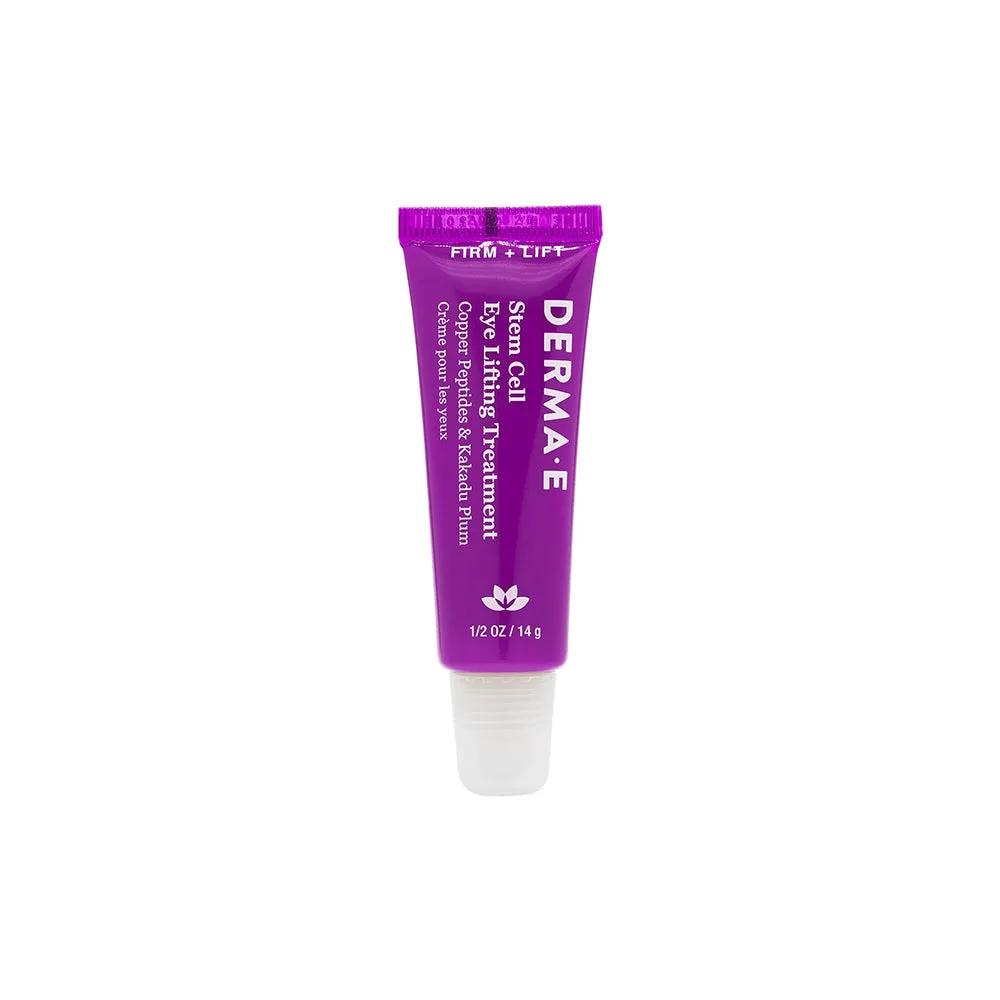 Budget Holy Grail
 Firming DMAE Eye Lift Cream
A genuinely well-formulated multi-active eye cream at a price that undercuts most of the dermatologist-developed competition by a factor of three. DMAE, high-position niacinamide, two validated peptides, caffeine, and alpha-lipoic acid in a fragrance-free base — the ingredient density is almost unreasonable for the cost. Holds up extremely well against much more expensive eye creams for daily under-eye use.
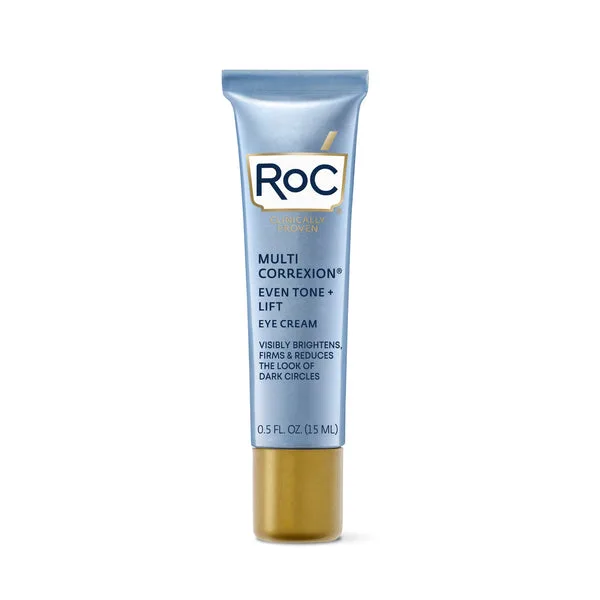 Drugstore Dark Circle Fighter
 Multi Correxion Even Tone + Lift 5 in 1 Eye Cream
A triple-pathway brightening eye cream that punches well above its drugstore weight class. Hexylresorcinol, niacinamide, and vitamin C attack dark circles from three angles simultaneously — at a price that makes twice-daily use feel like common sense rather than luxury.
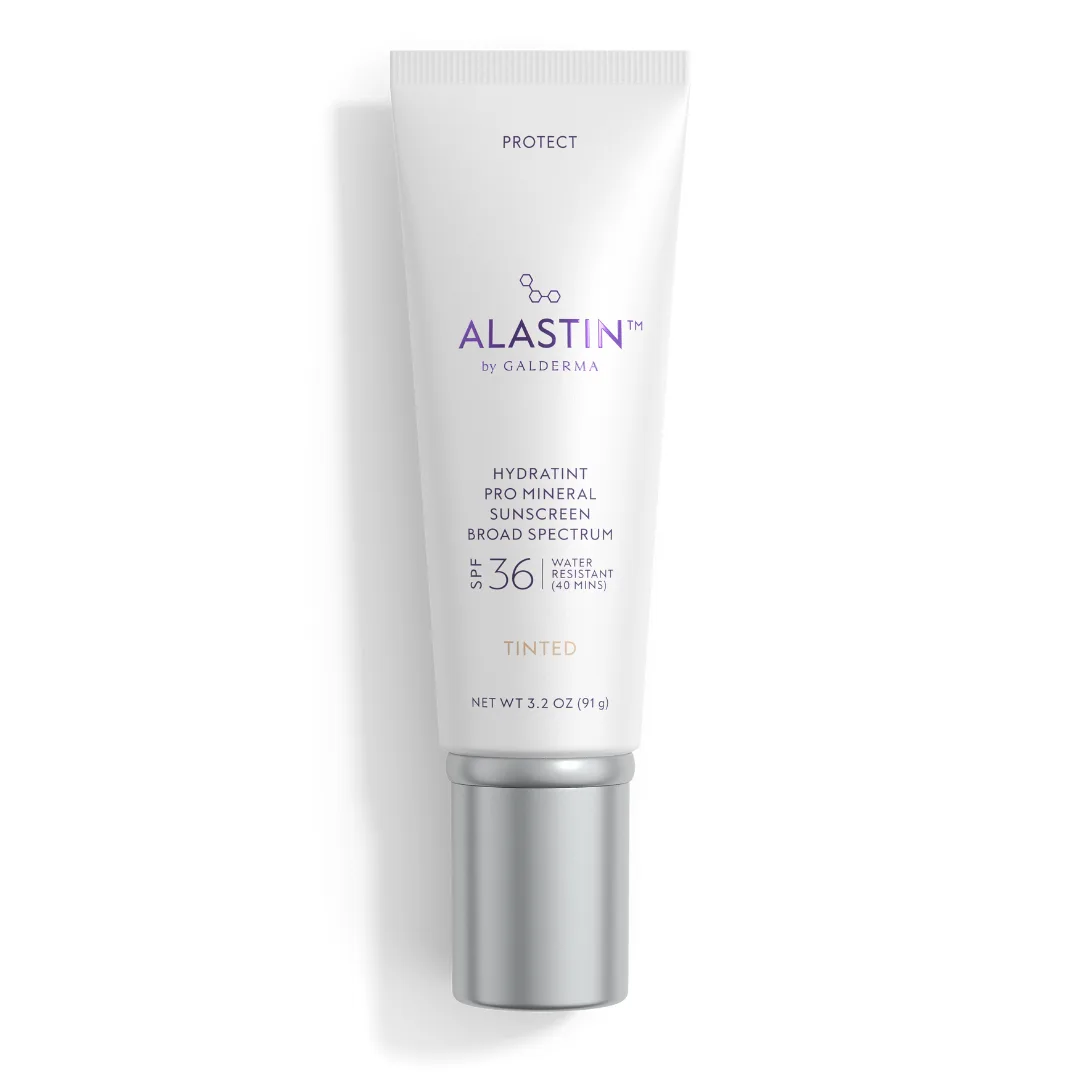 Derm Office Favorite
 HydraTint Pro Mineral Broad Spectrum Sunscreen SPF 36
A cosmetically elegant tinted mineral sunscreen that earns its place on dermatologists' shelves — the multi-spectrum antioxidant support and primer-like finish genuinely set it apart from the mineral SPF crowd, though the $79 price tag asks a lot for SPF 36 in a single universal shade.
 Effortless Eye Fix
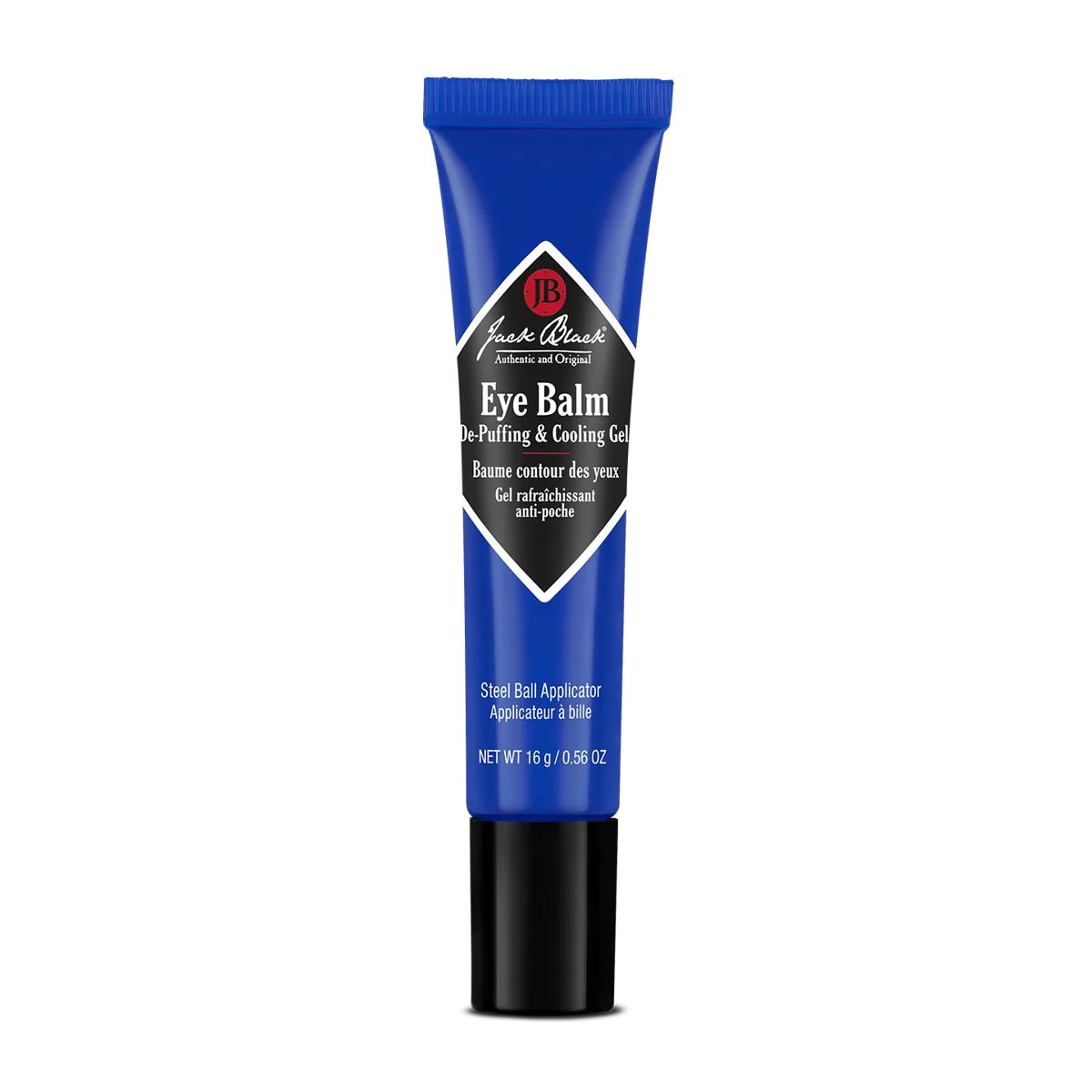
 Eye Balm De-Puffing & Cooling Gel
A no-fuss eye gel that delivers genuine de-puffing and brightening results through a clean botanical-vitamin formula and a clever rollerball applicator. It won't transform genetic dark circles overnight, but for anyone dealing with puffy, tired-looking eyes — especially those who've never touched an eye product before — it's a perfectly calibrated entry point.
 Men's Eye Area Essential
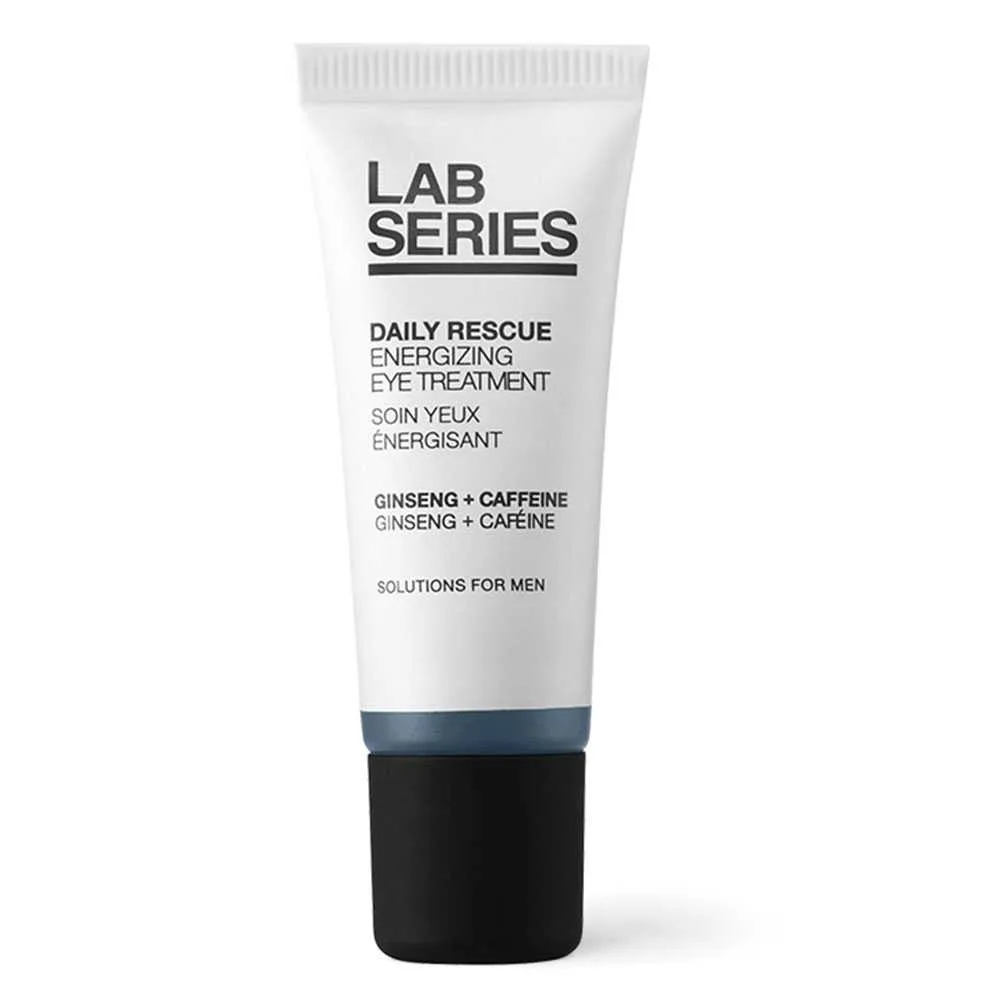
 Daily Rescue Energizing Eye Treatment
A remarkably clean-formula eye treatment — fragrance-free, alcohol-free, oil-free, silicone-free — that packs caffeine, Argireline, green tea, and hyaluronic acid into a lightweight gel-cream. It does exactly what a men's eye product should: brighten, depuff, and hydrate without any fuss or heaviness.
 K-Beauty Eye Cream Powerhouse
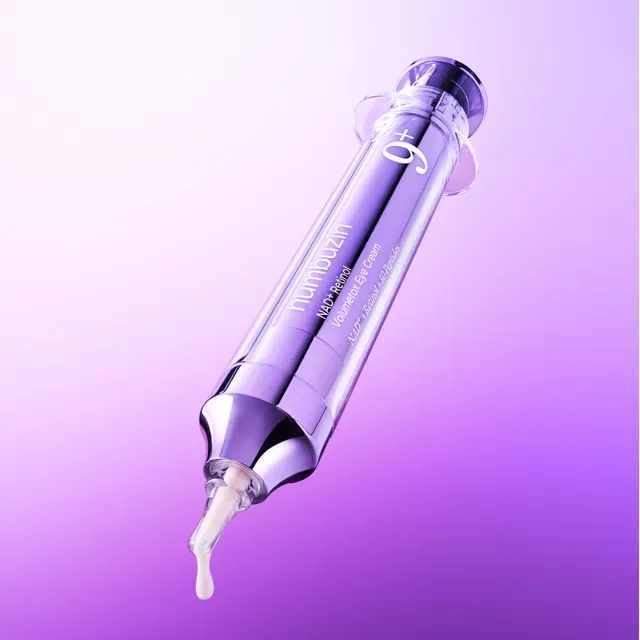
 No. 9 NAD+ Retinol Volumetox Eye Cream
Numbuzin's No. 9 eye cream is an ambitious K-beauty formula that crams retinol, NAD+, 30+ peptides, niacinamide, and ceramides into a tiny tube at a price that makes luxury eye creams look like a bad investment. The NAD+ claims are ahead of the science, but the overall formulation is genuinely impressive for under $25.
This review reflects our independent analysis of publicly available ingredient data, manufacturer claims, and verified user reviews. We are reader-supported — Amazon links may earn us a commission at no cost to you. We do not accept paid placements; rankings are based solely on the evidence.