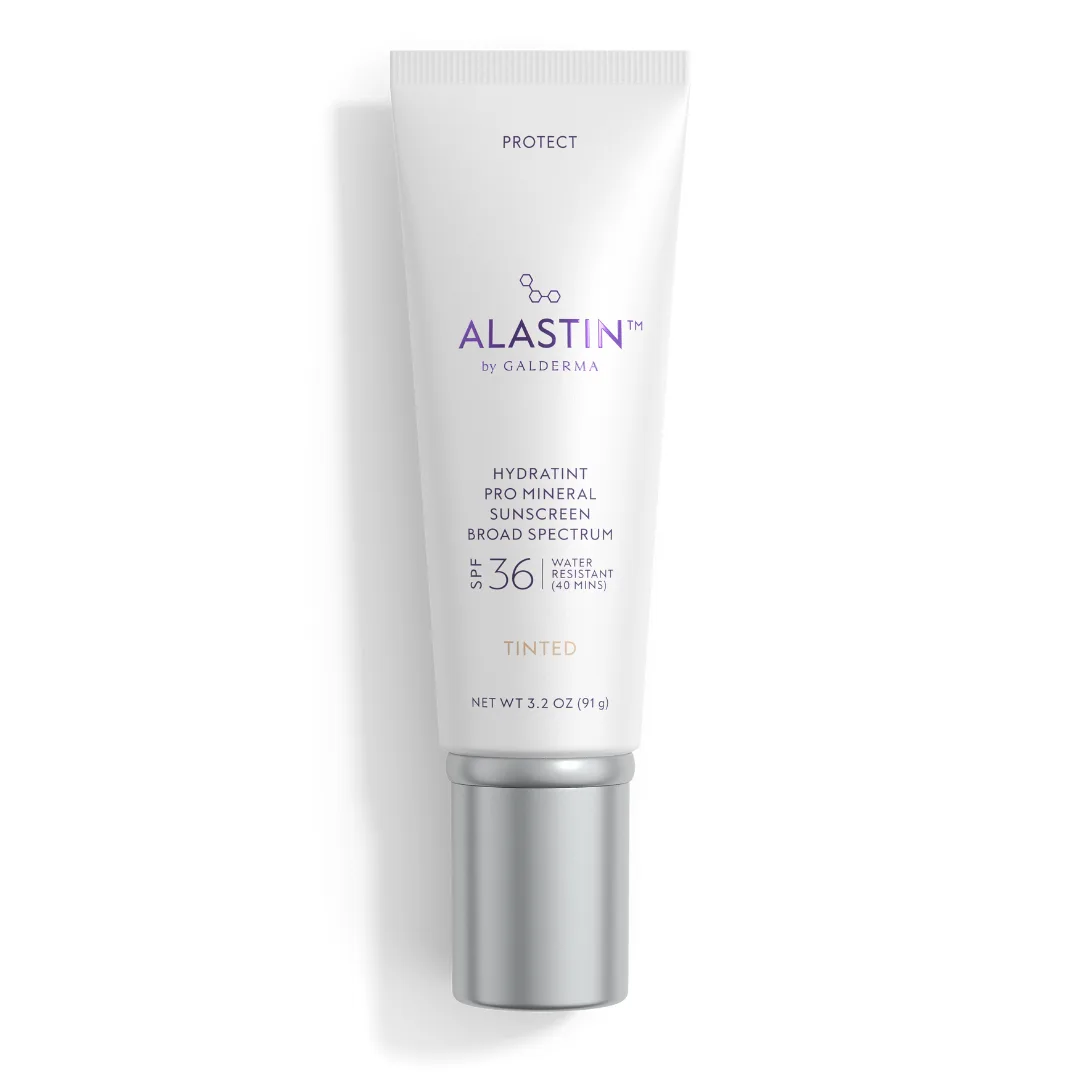
A cosmetically elegant tinted mineral sunscreen that earns its place on dermatologists' shelves — the multi-spectrum antioxidant support and primer-like finish genuinely set it apart from the mineral SPF crowd, though the $79 price tag asks a lot for SPF 36 in a single universal shade.
HydraTint Pro Mineral Broad Spectrum Sunscreen SPF 36
A cosmetically elegant tinted mineral sunscreen that earns its place on dermatologists' shelves — the multi-spectrum antioxidant support and primer-like finish genuinely set it apart from the mineral SPF crowd, though the $79 price tag asks a lot for SPF 36 in a single universal shade.
Score Breakdown
An elegantly formulated tinted mineral sunscreen with standout antioxidant support, held back only by its premium price point relative to the SPF level and single-shade tint.
Data Confidence: high
This product has been on market since approximately 2018 with over 1,500 reviews across retailers, multiple dermatologist endorsements, and a 2021 Shape Beauty Award. Scoring reflects substantial real-world validation.
0/100
Overall Score
Ingredient Quality 0
Value for Money 0
Suitability Breadth 0
Irritation Risk (↑ = safer) 0
Assessment
Pros
- Exceptionally elegant texture that rivals luxury primers for smoothness and wearability
- Multi-spectrum protection covering UV, visible light, infrared, and pollution via antioxidant complex
- Iron oxides provide clinically meaningful visible light filtration for hyperpigmentation-prone skin
- 100% mineral filters suitable for post-procedure use and the most sensitive skin types
- Fragrance-free formula with zero irritation potential for reactive or healing skin
- Replaces foundation for light-coverage days, simplifying morning routines
- Sets quickly without tackiness, pilling, or the tight feeling common in mineral sunscreens
- Water-resistant for 40 minutes, providing reasonable protection during light activity
Cons
- Single universal shade limits effectiveness for very deep or very fair skin tones
- Premium $79 price point is steep for a sunscreen that requires regular repurchase
- SPF 36 is lower than many competing mineral sunscreens offering SPF 50
- Reapplication over existing product layers can appear slightly chalky
- Silicone-heavy base may not appeal to those avoiding silicones in skincare
Full Review
Most sunscreens start their lives on a product roadmap. Alastin's HydraTint started in a dermatologist's treatment room, developed specifically for patients walking out after chemical peels and laser resurfacing with skin too raw and vulnerable for anything but the gentlest, most protective formula available. That origin story matters because it explains everything about how this product behaves on your face — the almost obsessive commitment to zero irritation, the mineral-only UV filters, and the kind of slip and finish you'd expect from a luxury primer, not a sunscreen.
The formula leads with titanium dioxide at 8.9% and zinc oxide at 3.4%, a combination that delivers solid broad-spectrum protection at SPF 36. For the SPF-number obsessed, yes, 36 is lower than many competitors. But Alastin has clearly chosen cosmetic elegance over chasing a higher number, and the trade-off is a product that people actually want to wear every day — which, in sun protection, matters more than any lab-measured SPF differential between 36 and 50.
What genuinely distinguishes this from the crowded tinted mineral sunscreen market is the supporting cast of actives. Dunaliella Salina extract supplies phytoene and phytofluene — colorless carotenoids that absorb UV light and have demonstrated antiglycation and anti-inflammatory effects in clinical testing. Ergothioneine, a mushroom-derived amino acid antioxidant, provides cellular protection against the oxidative stress that UV and infrared radiation trigger beneath the skin's surface. And Thermus Thermophillus ferment, derived from bacteria that thrive in extreme heat, specifically targets infrared-generated free radicals. This isn't a sunscreen that merely sits on your skin and deflects photons. It's an environmental defense system with multiple lines of protection.
The iron oxides deserve special mention. Beyond creating the universal tint that makes this product wearable as a light foundation replacement, they filter high-energy visible light — the blue light spectrum that mineral UV filters alone don't fully address. For anyone dealing with melasma or post-inflammatory hyperpigmentation, this visible light protection is clinically meaningful, not just marketing decoration.
Texture is where the HydraTint truly shines. The silicone-based delivery system gives it a slip that's almost startlingly pleasant for a mineral sunscreen. It glides on without dragging, sets quickly without tackiness, and dries to a dewy-but-not-greasy finish that genuinely looks like healthy, even-toned skin rather than a layer of product. The tint adapts well to light-to-medium skin tones, though those at either extreme of the spectrum may find it doesn't disappear quite as seamlessly.
Daily wear is comfortable. No pilling under makeup, no midday greasiness, no that distinctive mineral-sunscreen tightness that makes you want to wash your face by 2 PM. Squalane and glycerin keep skin hydrated without feeling heavy, and the fragrance-free formula means zero sensory distraction — just smooth, protected, subtly glowing skin.
The limitations are real and worth addressing honestly. A single shade is inherently limiting, and while the tint is relatively sheer and adaptable, it's not invisible on very deep or very fair complexions. At $79 for 3.2 ounces, this is firmly in the premium category, and if you're applying the recommended amount for face and neck daily, you'll go through a tube in two to three months. That's roughly $320 a year on sunscreen alone. The SPF 36 rating, while adequate for daily wear, may leave those with intense UV exposure wanting something higher for extended outdoor time.
Reapplication can be slightly tricky. While the initial application is flawless, layering a second coat over makeup or other products can occasionally look chalky — a common issue with tinted mineral sunscreens but worth noting for those who reapply religiously throughout the day.
The value question depends entirely on what you're comparing it to. Against drugstore mineral sunscreens, it's objectively expensive. Against the experience of wearing it — the elegance, the comfort, the genuine multi-spectrum protection — it starts to make more sense, particularly for anyone using it as a moisturizer-sunscreen-primer hybrid that replaces two or three other products.
Alastin's acquisition by Galderma in 2022 brought the credibility of a major dermatology company behind the brand, and the HydraTint has accumulated a loyal following among both dermatologists and patients since its launch. Its Shape Beauty Award wins and consistent recommendations from skin professionals aren't just marketing — they reflect a product that genuinely solves the mineral sunscreen elegance problem that has plagued the category for decades.
For anyone who has given up on mineral sunscreens because they felt like wearing spackle, the HydraTint is worth trying. For post-procedure patients, it's close to essential. For everyone else, it's a beautifully made daily SPF with real science behind it — you just need to decide whether that science is worth eighty dollars to you.
Formula
Ingredients
The hero actives that drive this product's performance.
| Ingredient | Function | Evidence |
|---|---|---|
| Titanium Dioxide 8.9% (8.9%) | Serves as the primary mineral UV filter in this formula, providing broad-spectrum UVA/UVB protection. Paired with zinc oxide at a lower concentration, the titanium dioxide carries most of the SPF 36 rating while the iron oxides help offset the typical white cast. | well-established |
| Zinc Oxide 3.4% (3.4%) | Supplements the titanium dioxide with additional broad-spectrum coverage, particularly in the UVA range. At 3.4%, it contributes meaningful UVA protection without adding heaviness, and zinc oxide's inherent anti-inflammatory properties complement this formula's soothing profile. | well-established |
| Dunaliella Salina Extract | A microalgae extract rich in the colorless carotenoids phytoene and phytofluene, which absorb UV light and provide antioxidant protection against photoaging. In this sunscreen, it works as a biological reinforcement layer alongside the mineral filters, helping counteract glycation and inflammation triggered by solar radiation. | promising |
| Ergothioneine | A mushroom-derived amino acid antioxidant that provides cellular-level protection against oxidative stress. In this formula, it adds an additional line of defense against environmental damage that penetrates past the mineral UV filters, protecting against free radical cascades triggered by infrared and visible light. | promising |
| Iron Oxides | Provides the universal tint that evens skin tone while doubling as visible light and blue light filters. The three iron oxide pigments in this formula work together to create a skin-adaptive shade that minimizes white cast and offers protection against high-energy visible light that mineral filters alone don't fully address. | well-established |
| Squalane | A lightweight, non-comedogenic emollient that prevents the drying effect common in mineral sunscreens. In this silicone-rich base, squalane adds skin-identical hydration and helps the tinted formula glide on smoothly without pilling or settling into fine lines. | well-established |
Full INCI List
Active Ingredients: Titanium Dioxide 8.9%, Zinc Oxide 3.4%. Inactive Ingredients: Aluminum Hydroxide, Asteriscus Graveolens Flower/Fruit/Leaf/Stem Extract, Butylene Glycol, Camellia Sinensis Leaf Extract, Cyclopentasiloxane, Dimethicone, Dimethicone/PEG-10/15 Crosspolymer, Dimethicone/Vinyl Dimethicone Crosspolymer, Dunaliella Salina Extract, Ergothioneine, Ethylhexylglycerin, Glycerin, Iron Oxides (C.I. 77491, C.I. 77492, C.I. 77499), PEG/PPG-18/18 Dimethicone, PEG-9 Polydimethylsiloxyethyl Dimethicone, Phenoxyethanol, Polyglyceryl-3 Polydimethylsiloxyethyl Dimethicone, Sodium Chloride, Sodium Citrate, Squalane, Stearic Acid, Thermus Thermophillus Ferment, Tocopheryl Acetate, Tocopherol, Triethoxycaprylylsilane, Triethoxysilylethyl Polydimethylsiloxyethyl Hexyl Dimethicone, Water/Aqua/Eau
Product Flags
✓ Fragrance Free✓ Alcohol Free✓ Oil Free✗ Silicone Free✓ Paraben Free✓ Sulfate Free✗ Cruelty Free✓ Vegan✗ Fungal Acne Safe
Compatibility
Skin Match
Best For
Works For
Not Ideal For
Addresses These Conditions
sun damage aging dullness hyperpigmentation sensitivity
Routine Step
sunscreen
Time of Day
AM
Pregnancy Safe
Yes ✓
Layering Tips
Apply as the final step of your morning skincare routine after moisturizer. The tint provides light coverage, so you can skip foundation or apply makeup over it once fully set. Reapply every two hours during prolonged sun exposure.
Results Timeline
Immediate: smooth, tinted, dewy finish with SPF protection. Within 1-2 weeks of daily use, skin may appear more even-toned and hydrated from the antioxidant-rich formula. Long-term (4-8 weeks): cumulative antioxidant benefits may help reduce visible signs of environmental damage.
Pairs Well With
vitamin C serumsniacinamidehyaluronic acid serumsretinoids (PM use)
Sample AM Routine
- Gentle cleanser
- Vitamin C serum
- Lightweight moisturizer
- Alastin HydraTint Pro Mineral Broad Spectrum Sunscreen SPF 36
Sample PM Routine
- Oil cleanser or micellar water (to remove tint)
- Gentle cleanser
- Treatment serum (retinol, peptides)
- Moisturizer
Evidence
Science
The Science
The HydraTint's formulation goes well beyond basic mineral UV filtration. The combination of titanium dioxide (8.9%) and zinc oxide (3.4%) provides broad-spectrum UVA/UVB protection, but the more interesting science lies in the supporting actives.
Dunaliella Salina extract is rich in phytoene and phytofluene — colorless carotenoids with conjugated double-bond chromophores that absorb in the UV range. A 2022 study published in Marine Drugs demonstrated that Dunaliella Salina extract significantly reduced glycation scores and histamine sensitivity in a placebo-controlled clinical trial under intense solar exposure, while improving key skin aging parameters including wrinkle depth and skin elasticity. The extract's antiglycation and anti-inflammatory mechanisms were confirmed through reduced N-ε-carboxy-methyl-lysine formation and decreased interleukin-6 and interleukin-8 levels.
Ergothioneine functions as a potent intracellular antioxidant with a unique mechanism — cells actively transport it via the OCTN1 transporter, suggesting biological importance beyond typical topical antioxidants. Its presence in this formula targets oxidative damage at the cellular level, complementing the surface-level mineral filtration.
The iron oxides in the tint serve a dual purpose beyond cosmetic coverage. Research has established that iron oxides filter high-energy visible (HEV) light in the 400-450 nm range, a spectrum that mineral UV filters alone cannot fully block. This is particularly relevant for melasma management, where visible light is a recognized trigger for pigmentation. The combination of mineral UV filters with iron oxides provides more comprehensive photoprotection than either component alone.
Ectoin, referenced in Alastin's marketing for blue light protection, has demonstrated UVA-protective properties in clinical studies. A 2004 study in Skin Pharmacology and Physiology showed that ectoin prevented UVA-induced premature photoaging at the cellular level, protecting against Langerhans cell depletion and mitochondrial DNA mutations.
References
- A Dunaliella salina Extract Counteracts Skin Aging under Intense Solar Irradiation Thanks to Its Antiglycation and Anti-Inflammatory Properties — Marine Drugs (2022)
- Ectoin: an effective natural substance to prevent UVA-induced premature photoaging — Skin Pharmacology and Physiology (2004)
- Preliminary Data on the Safety of Phytoene- and Phytofluene-Rich Products for Human Use including Topical Application — Journal of Toxicology (2018)
Dermatologist Perspective
Dermatologists frequently recommend the HydraTint as a daily sunscreen for patients who struggle with mineral sunscreen compliance due to cosmetic inelegance. Board-certified dermatologists note that the combination of mineral UV filters with iron oxides makes this particularly valuable for melasma patients, where visible light avoidance is part of the treatment protocol. The fragrance-free, mineral-only formula is commonly recommended for post-procedure use — after chemical peels, laser treatments, and microneedling — when the skin barrier is compromised and chemical UV filters may cause stinging or irritation. Dermatologists also appreciate the antioxidant support from Dunaliella Salina and ergothioneine as a layer of photoprotection that goes beyond standard SPF rating, addressing the oxidative stress cascade that continues even after UV exposure ends.
Guidance
Usage Guide
How to Use
Apply generously to face and neck as the last step of your morning skincare routine, after moisturizer and any treatment serums. Use approximately a nickel-sized amount for full face coverage. Blend with fingertips using gentle, sweeping motions — the silicone base spreads easily without tugging. Allow 30-60 seconds for the product to set before applying makeup. Reapply every two hours during prolonged sun exposure. For removal, double cleansing with an oil-based cleanser followed by a gentle water-based cleanser ensures thorough removal of the mineral filters and tint.
Value Assessment
At $79 for 3.2 oz, the HydraTint sits firmly in the premium physician-dispensed tier. With daily face and neck application, expect to replace it every 2-3 months, putting annual cost around $315-475. The price reflects the specialized antioxidant complex, cosmetically elegant silicone delivery system, and physician-dispensed distribution model. For those using it as a three-in-one moisturizer, sunscreen, and tinted primer, the per-product value improves significantly. Alastin's Galderma backing adds credibility, but this is still an emerging brand charging luxury prices — justified for post-procedure patients who need the gentlest effective option, but a harder sell for everyday consumers who can find solid tinted mineral sunscreens for a third of the price.
Who Should Buy
Post-procedure patients needing a gentle, elegant daily SPF. Anyone with melasma or hyperpigmentation who needs visible light protection beyond standard mineral sunscreens. Those who want to replace their foundation with a protective, skin-evening tinted sunscreen for everyday wear.
Who Should Skip
Budget-conscious consumers who need to reapply frequently — the cost per application adds up quickly. Those with very deep or very fair skin tones who need precise color matching. Anyone seeking maximum SPF numbers for intense outdoor activities where SPF 50+ is preferred.
Ready to try Alastin HydraTint Pro Mineral Broad Spectrum Sunscreen SPF 36?
Details
Details
Texture
Lightweight, silky cream with a smooth, almost primer-like slip. The tint blends easily and feels more like a tinted moisturizer than a traditional sunscreen.
Scent
Fragrance-free. Faint neutral scent from the mineral and botanical ingredients that dissipates within seconds of application.
Packaging
Opaque squeeze tube with a screw cap. Professional, clean design consistent with Alastin's clinical branding. The tube format allows controlled dispensing.
Finish
dewynaturalglowynon-greasy
What to Expect on First Use
On first application, expect a smooth, blendable tint that sets into a dewy, natural finish within about 60 seconds. No stinging, tingling, or adjustment period. The product works immediately as sun protection and light coverage.
How Long It Lasts
2-3 months with daily face and neck application
Period After Opening
12 months
Best Season
All Year
Background
The Why
Alastin originally developed this sunscreen as a post-procedure recovery product for patients whose skin needed both protection and cosmetic coverage during healing. Dermatologists began recommending it for daily use when patients reported it outperformed their regular sunscreens for comfort and cosmetic elegance, and it became one of Alastin's bestsellers before the Galderma acquisition in 2022.
About Alastin Emerging Brand (2–5 years)
Alastin Skincare was founded in 2015 in Carlsbad, CA, initially developing products for post-procedure skin recovery. The brand's patented TriHex Technology is backed by clinical studies, and Alastin was acquired by Galderma in 2022, further integrating it into a major dermatology platform.
Brand founded: 2015 · Product launched: 2018
Myth vs. Reality
Myths
Myth
Tinted sunscreens are just regular sunscreens with color added for cosmetic purposes.
Reality
The iron oxides in this formula actively filter high-energy visible (HEV) and blue light, providing protection that untinted mineral sunscreens cannot. Studies show iron oxides significantly reduce visible light-induced pigmentation, making tinted mineral sunscreens functionally superior for melasma and hyperpigmentation-prone skin.
Myth
SPF 36 isn't high enough for adequate sun protection.
Reality
SPF 36 blocks approximately 97% of UVB rays, compared to 98% for SPF 50. The real-world difference is marginal, and this formula's additional antioxidant and visible light protection arguably provides more comprehensive environmental defense than a higher-SPF product without those extras.
FAQ
FAQ
Does Alastin HydraTint sunscreen work for all skin tones?
The HydraTint comes in a single universal shade that adapts reasonably well to light-to-medium skin tones, providing a natural, skin-evening effect. However, those with very deep or very fair complexions may find the tint doesn't blend as seamlessly and may need to layer or mix with other products.
Can I use Alastin HydraTint as my moisturizer?
While this sunscreen contains hydrating ingredients like squalane and glycerin, it's designed primarily as sun protection with a cosmetic tint. Those with normal to oily skin may find the hydration sufficient on its own, but dry skin types will benefit from applying a dedicated moisturizer underneath for optimal comfort.
Is Alastin HydraTint safe to use after chemical peels or laser treatments?
Yes — this product was originally developed for post-procedure use. Its 100% mineral filters, fragrance-free formula, and antioxidant-rich ingredients make it particularly suitable for healing skin. However, always confirm timing with your treating dermatologist, as immediate post-procedure skin may require a few days before any product application.
Does this sunscreen protect against blue light from screens?
The iron oxides in the tinted formula provide meaningful protection against high-energy visible light, including blue light. Combined with ergothioneine and the Dunaliella Salina extract antioxidants, this formula offers broader environmental protection than most untinted mineral sunscreens.
How does Alastin HydraTint compare to regular mineral sunscreens?
Beyond standard UVA/UVB mineral protection, this formula adds visible light filtration via iron oxides, antioxidant defense from Dunaliella Salina and ergothioneine, and a cosmetically elegant tint that eliminates white cast. It's designed as a multi-tasking daily product rather than a simple sun blocker.
Is Alastin HydraTint water-resistant?
Yes, this sunscreen is water-resistant for up to 40 minutes. For extended swimming or heavy sweating, reapplication is necessary after the 40-minute window. For daily wear without heavy water exposure, reapply every two hours of sun exposure as with any sunscreen.
Why is Alastin sunscreen so expensive?
At $79 for 3.2 oz, the price reflects Alastin's physician-dispensed positioning, the patented antioxidant complex including Dunaliella Salina and ergothioneine, and the cosmetically elegant silicone delivery system. Whether that premium is justified depends on how much you value the multi-spectrum environmental protection and tinted finish versus a standard mineral SPF.
Community
Community
Common Praise
"Leaves a natural, dewy glow without looking greasy"
"Works as a foundation replacement for everyday wear"
"No white cast — blends seamlessly into most skin tones"
"Doesn't settle into fine lines or clog pores"
"Fragrance-free and non-irritating for sensitive skin"
Common Complaints
"Single shade doesn't work for very deep or very fair skin tones"
"Premium price point at $79 for 3.2 oz"
"Can appear slightly chalky on reapplication over other products"
"SPF 36 is lower than some competing mineral sunscreens"
Notable Endorsements
Shape Best Tinted Face Sunscreen 2025 Skin AwardsShape Best Tinted Moisturizer 2021 Beauty AwardWidely recommended by board-certified dermatologists and sold through physician offices
Appears In
best sunscreen for post procedure best tinted sunscreen for sensitive skin best mineral sunscreen no white cast best sunscreen for melasma best tinted moisturizer with spf
Related Conditions
sun damage hyperpigmentation melasma aging sensitivity post procedure
Related Ingredients
titanium dioxide zinc oxide iron oxides ergothioneine squalane
You Might Also Like
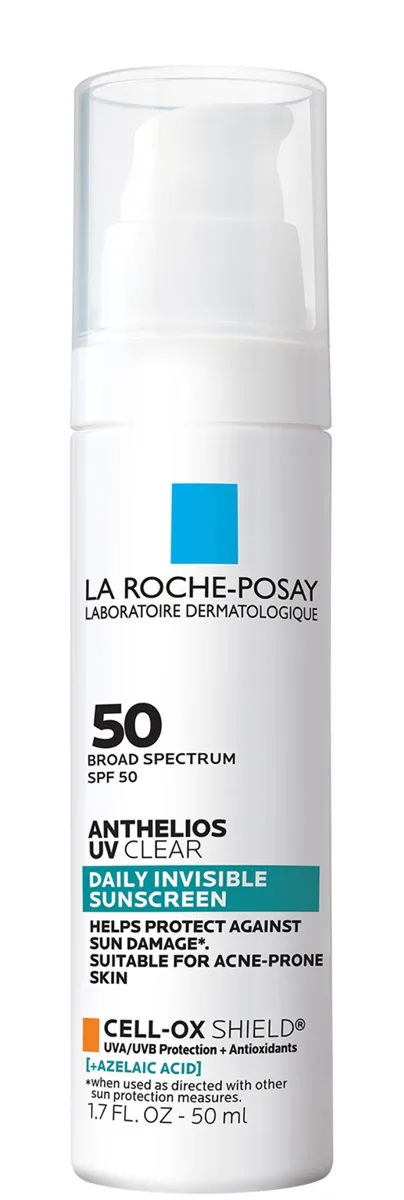 Derm Office Staple
 Anthelios UV Clear Sunscreen SPF 50
One of the only US chemical sunscreens that genuinely earns its 'for sensitive and breakout-prone skin' positioning. A photostable Anthelios filter system paired with a legitimate azelaic acid dose in a lightweight serum-fluid that disappears on every skin tone. Excellent for rosacea, acne, and post-inflammatory hyperpigmentation — and probably the single best daily sunscreen in the La Roche-Posay US lineup for those conditions.
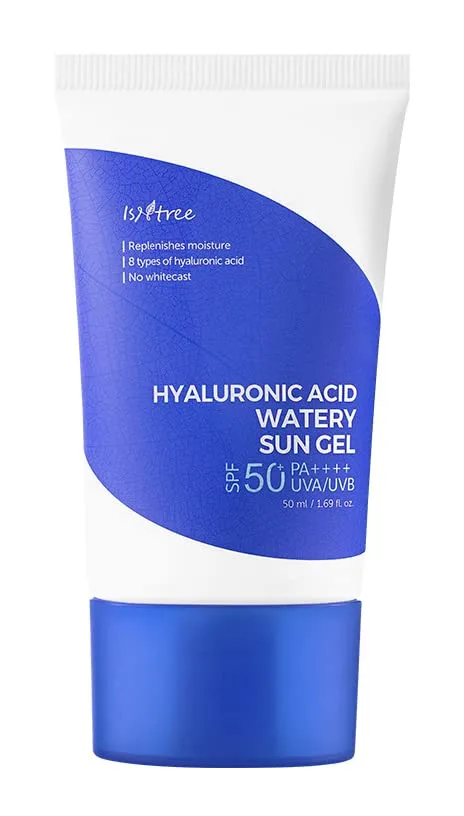 K-Beauty Daily SPF Standout
 Hyaluronic Acid Watery Sun Gel SPF 50+
One of the strongest everyday K-beauty sunscreens in the international market — modern European filters, no white cast, fragrance-free, niacinamide-boosted, and built around the brand's signature six-weight HA complex. At twenty-two dollars for 50ml, it's a case study in how much better a daily sunscreen can be when the formulator cares about both protection and wearability.
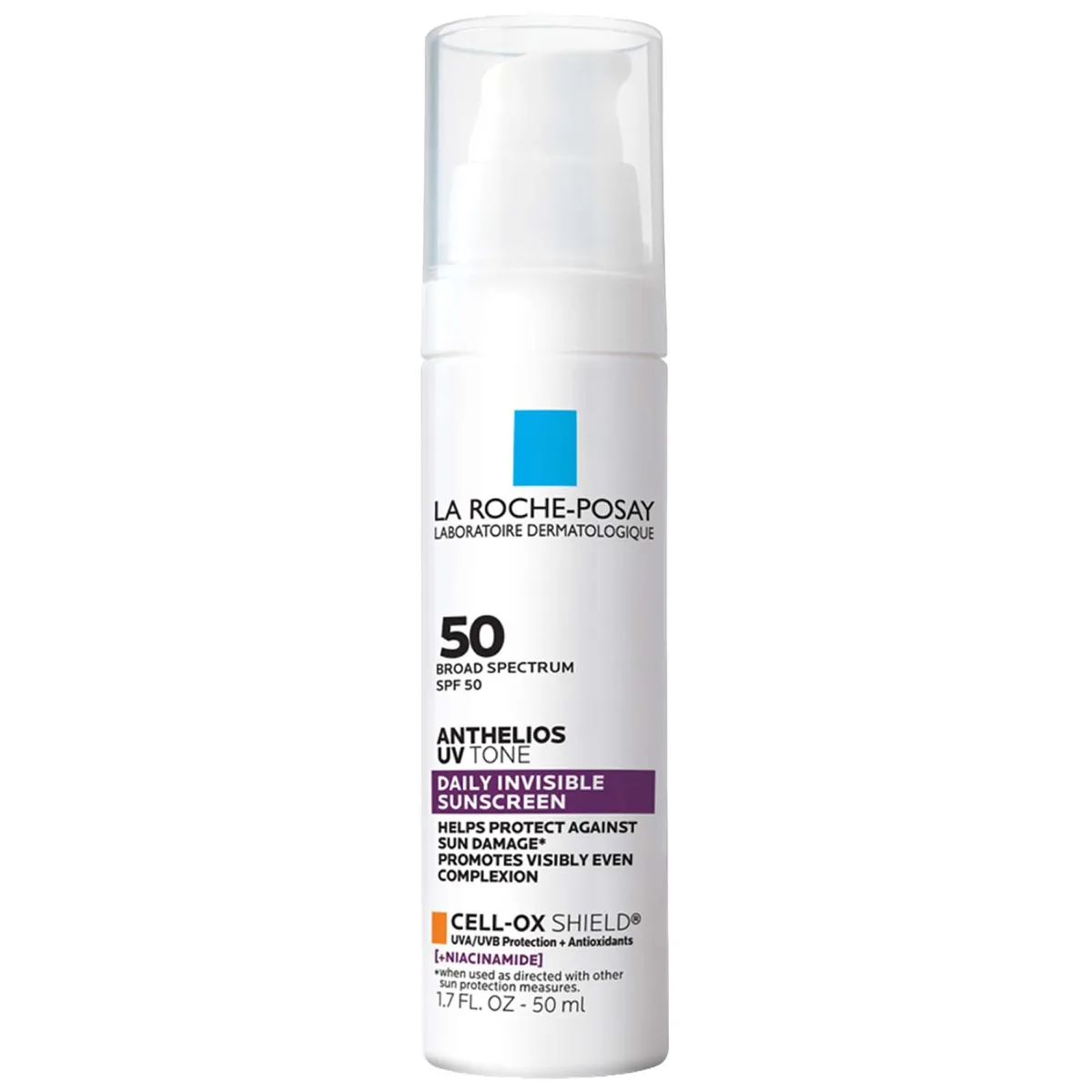 Derm Office Staple
 Anthelios UV Tone Daily Invisible Sunscreen SPF 50
La Roche-Posay's most thoughtful answer yet for hyperpigmentation-prone skin that needs daily SPF. A photostable avobenzone system reinforced with Oxynex ST, paired with a meaningful dose of niacinamide, in a serum-fluid base that goes on invisible on every skin tone. Expensive for 1.7 oz but legitimately well-built — and a rare chemical sunscreen that earns its 'for dark spots' marketing.
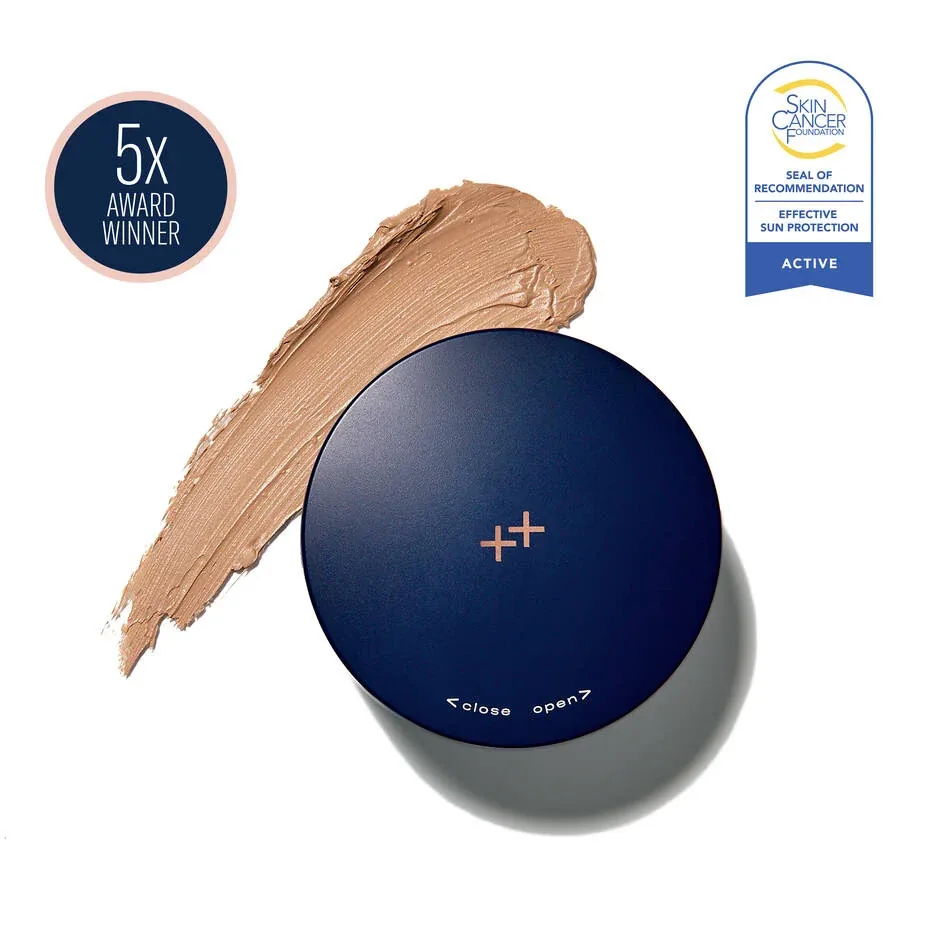 Melasma-Grade Mineral Sunscreen
 sunbetter TONE SMART SPF 68
One of the most clinically useful tinted mineral sunscreens in the professional category. SPF 68 from a 100% mineral formula, iron oxide tint that blocks visible light for melasma protection, and an unusually lightweight texture that doesn't feel like you're wearing high-concentration zinc. For patients with melasma or post-inflammatory hyperpigmentation, this is the category benchmark — and it's earned its Allure Best of Beauty wins.
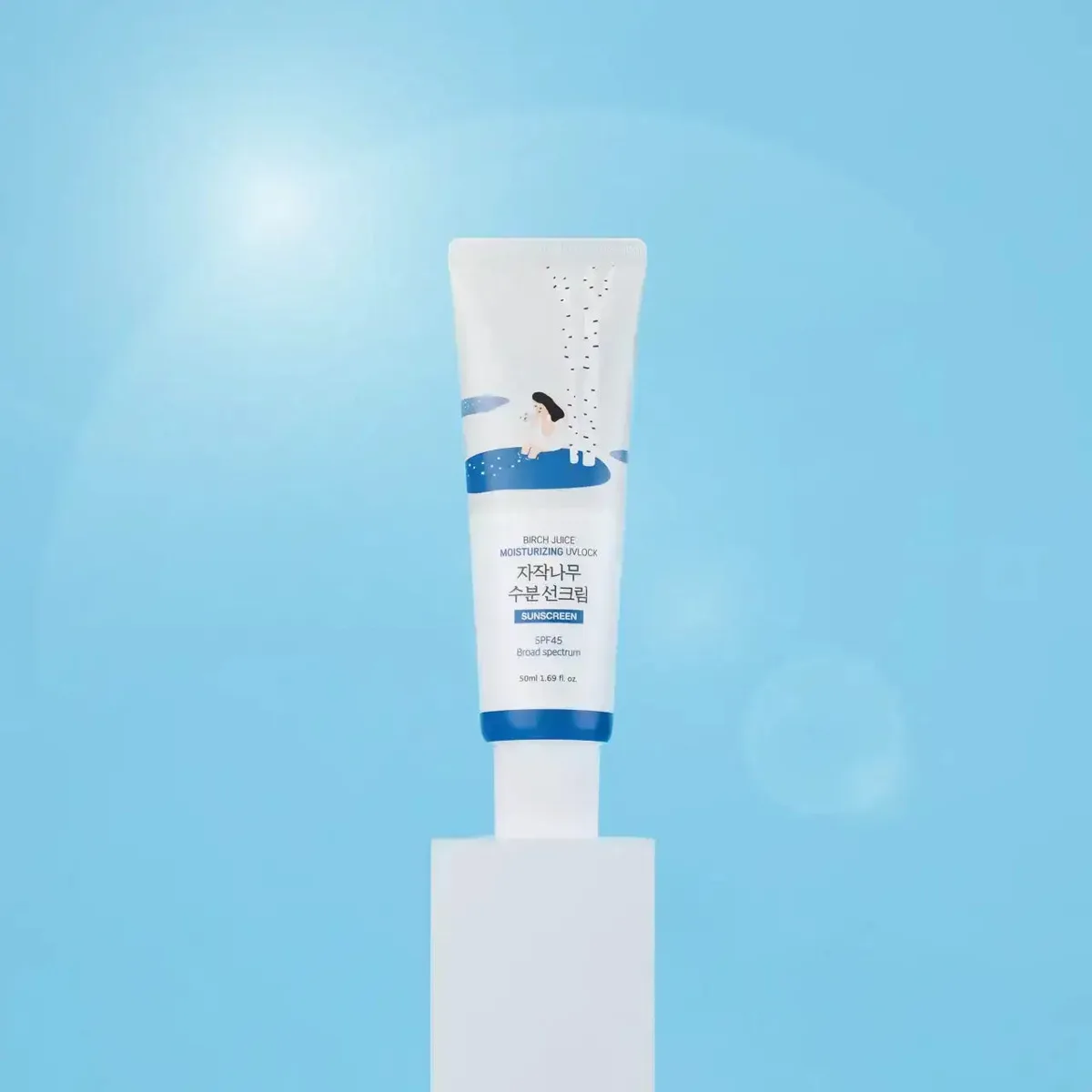 K-Beauty Cult Favorite
 Birch Juice Moisturizing Sun Cream SPF 50+
One of the best hybrid sunscreens in K-beauty right now — a 70% birch sap base, modern UVA filters you can't get in the US, and a finish that wears like a lightweight moisturizer. Broadly compatible, well-priced, and genuinely pleasant to apply, with minor tradeoffs for oily and fungal-acne-prone users.
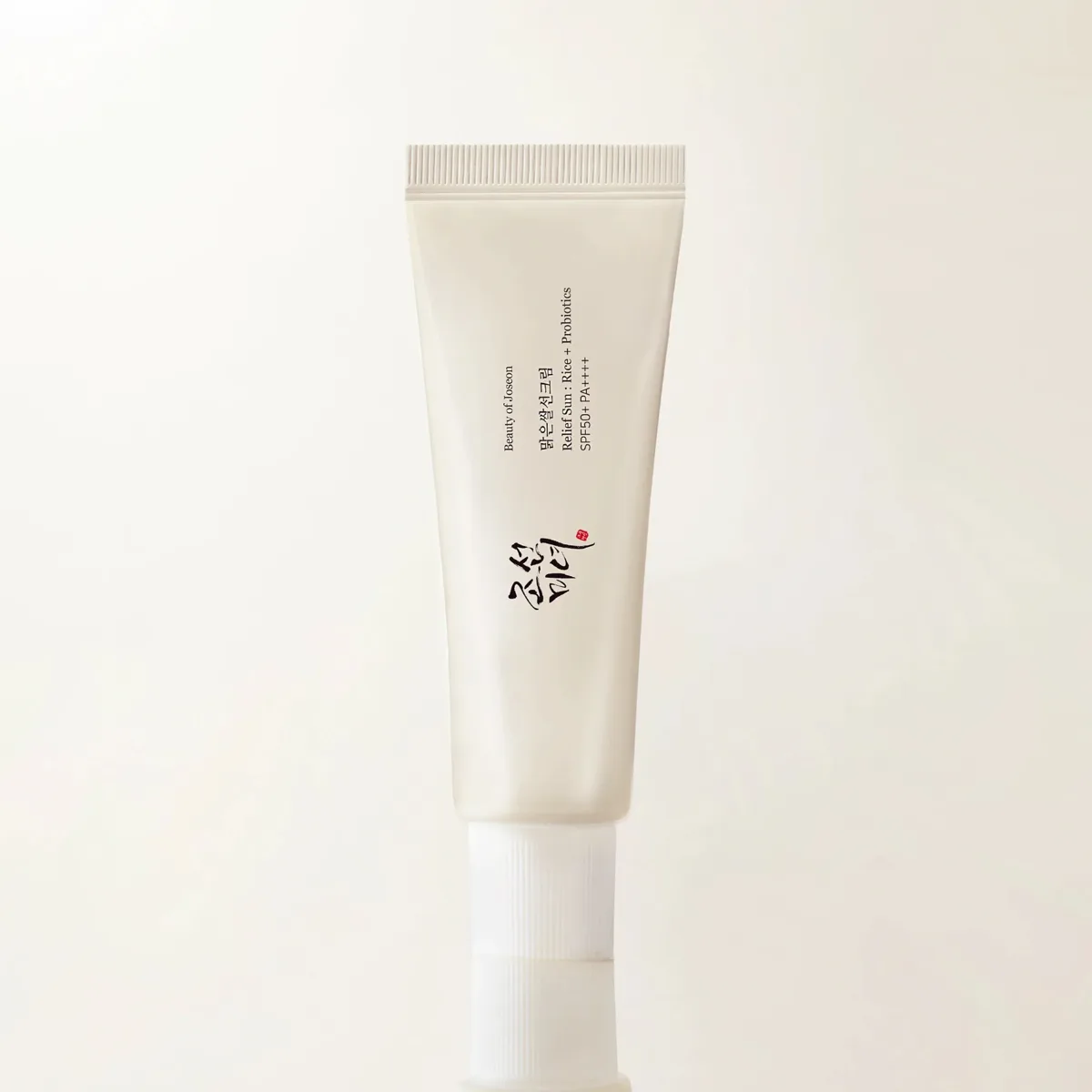 The K-Beauty Sunscreen That Changed Everything
 Relief Sun: Rice + Probiotics SPF 50+
The sunscreen that rewrote the rules for what a $14 product could deliver. With independently verified SPF 50+, 30% rice extract, niacinamide, and a probiotic ferment complex, it offers protection and skincare benefits that rival products three times its price. The texture that feels like wearing nothing on your face is the reason it went viral — and stayed there.