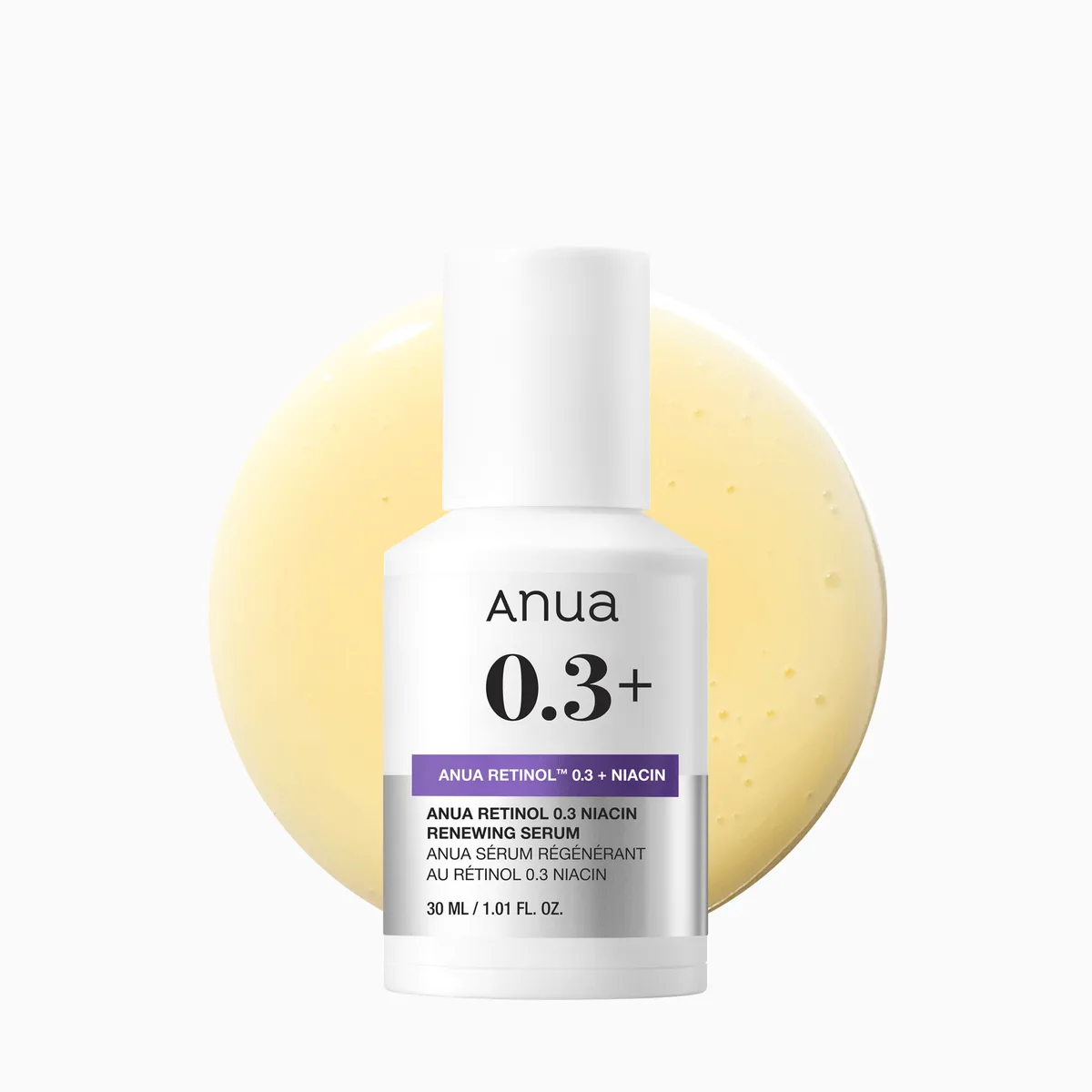
A kitchen-sink retinol serum that packs six ceramides, eight peptides, 5% niacinamide, and nano-encapsulated retinol into one beginner-friendly formula. The actual retinol content is lower than the marketing suggests, but the comprehensive supporting cast makes this a thoughtful entry point for retinol-naive skin. The botanical irritants and small size at $25 keep it from being the definitive recommendation.
Nano Retinol 0.3% + Niacin Renewing Serum
A kitchen-sink retinol serum that packs six ceramides, eight peptides, 5% niacinamide, and nano-encapsulated retinol into one beginner-friendly formula. The actual retinol content is lower than the marketing suggests, but the comprehensive supporting cast makes this a thoughtful entry point for retinol-naive skin. The botanical irritants and small size at $25 keep it from being the definitive recommendation.
Score Breakdown
Where this product gains points and where it loses them — broken down across the four scoring pillars.
An impressively complex formula with 6 ceramides, 8 peptides, 5% niacinamide, and nano-encapsulated retinol — the ingredient roster is genuinely ambitious. However, the actual retinol concentration is only 0.11% (marketed as 0.3%), the 30ml size at $25 limits value, and the inclusion of tea tree oil, lavender extract, and arnica adds unnecessary irritation potential to a retinoid product.
Pros & Cons
- ✓Genuinely gentle retinol introduction with nano-encapsulation for gradual release
- ✓5% niacinamide at a clinically validated concentration adds standalone benefits
- ✓Six ceramides with cholesterol provide active barrier repair alongside retinol
- ✓Eight peptides including Argireline and Matrixyl add multi-pathway anti-aging
- ✓Lightweight milky texture absorbs quickly and layers well under moisturizer
- ✓Pump packaging protects light-sensitive retinol from degradation
- ✗Actual retinol concentration is 0.11% — lower than the 0.3% label suggests
- ✗Contains tea tree oil, lavender extract, and arnica — unnecessary irritants in a retinol product
- ✗Only 30ml for $25 with no larger size option available
- ✗91 ingredients raises questions about effective concentrations of individual actives
- ✗Too mild for experienced retinol users seeking visible anti-aging results
- ✗Not pregnancy safe due to retinol and LHA content
Full Review
Ninety-one ingredients. That is how many components Anua has packed into this 30ml bottle, and if skincare were judged by ingredient count alone, this would be the undisputed champion of the retinol category. Six ceramides, eight peptides, niacinamide, centella, hyaluronic acid, squalane, panthenol, beta-glucan, allantoin, adenosine, and a constellation of botanical extracts orbit around a nano-encapsulated retinol core. It is the maximalist's retinol serum, and it raises an interesting question: when you put everything in a product, does the product become about everything, or about nothing in particular?
Let us start with the headline ingredient. The '0.3%' on the label does not mean 0.3% pure retinol. The actual retinol concentration is approximately 0.11%, with the remaining percentage accounting for the nano-encapsulation delivery system. This is common practice in K-beauty — not deceptive per se, but important to understand when comparing across brands. A Western product labeled '0.3% retinol' typically means 0.3% free retinol, while this product delivers roughly one-third of that. The nano-encapsulation provides slower, more gradual retinol release, which genuinely reduces irritation — but it also means the effective concentration at any given moment is lower than the label might suggest.
At 0.11%, this is firmly a beginner retinol. And as a beginner retinol, it works. The gradual-release delivery, combined with 5% niacinamide and six ceramides, creates a formula that introduces retinol with training wheels firmly attached. Most users report minimal irritation, no significant flaking, and only mild tingling on first use. The adjustment period is shorter than many retinol products — often just a week or two before the skin acclimates. For someone who has never used retinol and is nervous about starting, this removes much of the anxiety.
The niacinamide at 5% is pulling double duty. It is a proven active in its own right — brightening, pore-refining, sebum-regulating — and it simultaneously buffers the retinol. The combination of niacinamide and retinol was once controversially considered incompatible, based on a 1960s chemistry study conducted under conditions nothing like a modern skincare formulation. In practice, the pairing is excellent, and this serum demonstrates why: the niacinamide strengthens the barrier while the retinol pushes cell turnover, each mitigating the other's potential downsides.
The six-ceramide complex (NP, AP, AS, NS, NG, EOP) with cholesterol mirrors the barrier-repair approach used in CeraVe and other dermatologically-backed products. In a retinol serum, this is not a luxury — it is a necessity. Retinol's primary mechanism of increasing cell turnover inherently thins the outermost barrier layer. Having ceramides actively replenishing that barrier during the same application step is one of the most thoughtful aspects of this formulation.
The eight-peptide complex includes some of the best-studied peptides in cosmetic science. Argireline (acetyl hexapeptide-8) targets expression-related wrinkles through a botulinum-like mechanism. Matrixyl (palmitoyl pentapeptide-4) has multiple studies supporting its collagen-stimulating activity. Copper tripeptide-1 is one of the few peptides with genuine wound-healing evidence. The question, as always with multi-peptide serums, is whether any of these peptides are present at concentrations high enough to deliver their studied effects. Their position deep in the INCI list — well past the preservatives and emulsifiers — suggests trace amounts.
Here is where the maximalist approach starts to show cracks. Alongside all these beneficial ingredients, the formula includes tea tree leaf oil, lavender flower extract, and arnica montana extract — three botanicals with well-documented sensitization potential. In a retinol product that is already asking the skin to adapt to an active that increases sensitivity, adding potential irritants seems counterproductive. These are not present at high concentrations, but their inclusion is a choice that works against the product's gentle positioning.
The texture is a lightweight milky emulsion with a faint yellow tint — pleasant and easy to spread. It absorbs quickly without stickiness, and layers well under moisturizer. The slight herbal scent from the botanical extracts is mild and dissipates within minutes. The pump packaging protects the retinol from air and light degradation, which is essential for stability.
Over eight to twelve weeks of consistent nightly use, this serum delivers visible improvements in skin texture, brightness, and fine line softness. The results are real but gradual — consistent with the low retinol concentration. Users coming from higher-strength retinol products will likely find the effects underwhelming. This is a serum designed to ease you into the retinol habit, not to deliver dramatic transformation.
At twenty-five dollars for 30ml, the per-ml cost is notable. Two to three months of use is reasonable, but the concentration-to-price ratio is harder to justify for experienced retinol users who could achieve more visible results from simpler, higher-concentration alternatives at similar or lower prices. The value here is in the comprehensive formula — if you view this as a retinol serum plus a peptide serum plus a ceramide treatment plus a niacinamide product, the equation improves.
Anua has built something genuinely interesting with this serum — a formula that tries to deliver anti-aging benefits while simultaneously preventing every known side effect of doing so. For the right user — retinol-curious, willing to be patient with gradual results, and not hypersensitive to botanical extracts — it is a thoughtful first step into retinoid skincare. Just know that the 0.3% on the label and the 0.11% in the bottle tell a slightly different story.
Formula
Key Ingredients
The hero actives that drive this product's performance.
| Ingredient | Function | Evidence |
|---|---|---|
| Retinol (Nano-encapsulated) (0.11%) | Nano-encapsulated retinol at 0.11% actual concentration (marketed as 0.3% retinoid complex) provides a gradual-release delivery that reduces the peak irritation typical of free retinol. The encapsulation allows retinol to penetrate into the skin slowly, minimizing surface-level irritation while still activating retinoid receptors that drive cell turnover, collagen synthesis, and pigment regulation. | well-established |
| Niacinamide (5%) | At a clinically validated 5% concentration, niacinamide serves as both a standalone active and a retinol buffer. It strengthens the barrier, reduces inflammation triggered by retinol, brightens hyperpigmentation, and regulates sebum production — addressing the side effects of retinol use while adding its own anti-aging and brightening benefits. | well-established |
| 6 Ceramides Complex | Six ceramides (NP, AP, AS, NS, NG, EOP) with cholesterol and phytosterols form a comprehensive barrier-repair system. In a retinol serum, this ceramide complex is critical — it actively rebuilds the barrier that retinol can compromise, reducing the dryness, flaking, and sensitivity that cause most people to abandon retinol products. | well-established |
| 8 Peptides Complex | Eight peptides including Argireline (acetyl hexapeptide-8), Matrixyl (palmitoyl pentapeptide-4), and copper tripeptide-1 provide complementary anti-aging mechanisms. Argireline targets expression lines, Matrixyl stimulates collagen, and copper tripeptide-1 promotes wound healing and skin remodeling — layering multiple anti-aging pathways alongside the retinol. | promising |
| Centella Asiatica Extract + Madecassoside | Provides anti-inflammatory and wound-healing support that helps the skin tolerate retinol with less irritation. The isolated madecassoside contributes targeted soothing that is particularly relevant during the retinol adjustment period when skin is most reactive. | well-established |
Full INCI List
Water, Glycereth-26, Niacinamide, Malus Domestica Fruit Extract, Glycerin, 1,2-Hexanediol, Caprylic/Capric Triglyceride, Castanea Crenata (Chestnut) Shell Extract, Glyceryl Citrate/Lactate/Linoleate/Oleate, Diospyros Kaki Leaf Extract, Coptis Japonica Root Extract, Potentilla Anserina Extract, Avena Sativa (Oat) Kernel Extract, Cynara Scolymus (Artichoke) Leaf Extract, Portulaca Oleracea Extract, Melaleuca Alternifolia (Tea Tree) Extract, Ficus Carica (Fig) Fruit Extract, Centella Asiatica Extract, Camellia Sinensis Leaf Extract, Artemisia Capillaris Flower Extract, Arnica Montana Flower Extract, Houttuynia Cordata Extract, Melia Azadirachta Leaf Extract, Lavandula Angustifolia (Lavender) Flower Extract, Chamomilla Recutita (Matricaria) Flower/Leaf Extract, Borago Officinalis Extract, Centaurea Cyanus Flower Extract, Hydrogenated Lecithin, Camellia Sinensis Leaf Water, Centaurea Cyanus Flower Water, Sodium Hyaluronate, Melaleuca Alternifolia (Tea Tree) Leaf Oil, Carapa Guianensis Seed Oil, Hippophae Rhamnoides Fruit Oil, Tocopherol, Propanediol, Cetyl Ethylhexanoate, Ammonium Acryloyldimethyltaurate/VP Copolymer, Pentaerythrityl Tetra-Di-T-Butyl Hydroxyhydrocinnamate, Polyacrylate Crosspolymer-6, Methylpropanediol, Butylene Glycol, Polysorbate 20, Retinol, Ceramide NP, Pentylene Glycol, Carbomer, Tromethamine, Dipotassium Glycyrrhizate, Ethylhexylglycerin, Adenosine, Disodium EDTA, Polyquaternium-51, Beta-Glucan, Squalane, Panthenol, Hydrolyzed Sodium Hyaluronate, BHT, Oleic Acid, Dipropylene Glycol, BHA, Allantoin, Maltodextrin, Saccharide Hydrolysate, Sorbitan Laurate, Glyceryl Stearate, Butyrospermum Parkii (Shea) Butter, Octyldodecanol, Phytosterols, Madecassoside, Ceramide AS, Ceramide AP, Capryloyl Salicylic Acid, Cholesterol, Hydroxyethylcellulose, Acetyl Dipeptide-1 Cetyl Ester, Ceramide NS, Ceramide NG, Caprylyl Glycol, Guaiazulene, Sucrose Distearate, Nonapeptide-1, Acetyl Hexapeptide-8, Copper Tripeptide-1, Tripeptide-1, Palmitoyl Tetrapeptide-7, Palmitoyl Tripeptide-1, Palmitoyl Pentapeptide-4, Hydroxypropyl Cyclodextrin, Hexapeptide-9, Ceramide EOP
Product Flags
✗ Fragrance Free✓ Alcohol Free✗ Oil Free✓ Silicone Free✓ Paraben Free✓ Sulfate Free✓ Cruelty Free✗ Vegan✗ Fungal Acne Safe
Comedogenic Ingredients
Oleic Acid
Potential Irritants
RetinolMelaleuca Alternifolia (Tea Tree) Leaf OilLavandula Angustifolia (Lavender) Flower ExtractArnica Montana Flower ExtractCapryloyl Salicylic Acid
Common Allergens
Melaleuca Alternifolia (Tea Tree) Leaf OilLavandula Angustifolia (Lavender) Flower Extract
Compatibility
Skin Match
Best For
Works For
Not Ideal For
Addresses These Conditions
aging texture dullness hyperpigmentation dark spots large pores
Use With Caution
Routine Step
serum
Time of Day
PM
Pregnancy Safe
No ✗
Layering Tips
Apply to clean, dry skin in the PM after toner and before moisturizer. Start with 2-3 times per week and gradually increase to nightly use. Do not layer with other retinoids, AHA, BHA, or vitamin C on the same night. Follow with a ceramide-rich moisturizer. Always use sunscreen the next morning.
Results Timeline
1-2 weeks: skin may feel slightly smoother; mild tingling or dryness is normal during adjustment. 4-6 weeks: visible improvement in skin texture and brightness. 8-12 weeks: noticeable reduction in fine lines, dark spots, and pore appearance with consistent nightly use.
Pairs Well With
Ceramide moisturizersHyaluronic acid serumsNiacinamide productsGentle cleansers
Conflicts With
Other retinoidsAHA/BHA exfoliants on same nightVitamin C on same nightBenzoyl peroxide
Sample AM Routine
- Gentle cleanser
- Hydrating toner
- Vitamin C serum (optional)
- Moisturizer
- Sunscreen
Sample PM Routine
- Oil cleanser
- Gentle cleanser
- Hydrating toner
- Anua Nano Retinol 0.3% + Niacin Renewing Serum
- Ceramide moisturizer
Evidence
Science & Expert Perspective
The Science
Retinol is one of the most extensively studied anti-aging ingredients in dermatology. A landmark study published in the Archives of Dermatology (2007) by Kafi et al. demonstrated that 0.4% retinol applied topically for 24 weeks significantly improved fine wrinkles and overall photodamage compared to vehicle. At 0.11% actual retinol, this serum falls below the most commonly studied clinical concentrations, though the nano-encapsulation technology may improve bioavailability per percentage point by providing sustained delivery directly to target cells.
Nano-encapsulation of retinol involves embedding the retinol molecule within a lipid or polymer nanoparticle. Research published in the International Journal of Pharmaceutics has shown that nanoencapsulated retinol demonstrates improved stability against UV and oxidative degradation, enhanced skin penetration, and reduced irritation compared to free retinol at equivalent concentrations. The tradeoff is a lower peak concentration at any given time, which may reduce both efficacy and side effects proportionally.
Niacinamide at 5% has robust clinical evidence. A double-blind study published in the British Journal of Dermatology (2000) by Hakozaki et al. demonstrated that 5% niacinamide significantly reduced hyperpigmentation, fine lines, and red blotchiness over 12 weeks. The combination of niacinamide with retinol is well-supported — niacinamide's barrier-strengthening properties help maintain TEWL during retinol-induced cell turnover.
The peptide complex includes several individually studied actives. Palmitoyl pentapeptide-4 (Matrixyl) was shown in a study in the International Journal of Cosmetic Science (2005) to stimulate type I and III collagen synthesis in human fibroblasts. Acetyl hexapeptide-8 (Argireline) has demonstrated in vitro inhibition of SNARE complex formation, reducing neurotransmitter release at the neuromuscular junction in a mechanism analogous to botulinum toxin.
References
- Improvement of naturally aged skin with vitamin A (retinol) — Archives of Dermatology (2007)
- The effect of niacinamide on reducing cutaneous pigmentation and suppression of melanosome transfer — British Journal of Dermatology (2002)
Dermatologist Perspective
Dermatologists generally support the concept of combining retinol with barrier-supportive ingredients like ceramides and niacinamide, as this approach reduces the dropout rate from retinol irritation that is common in clinical practice. Board-certified dermatologists would note that 0.11% retinol is at the lower end of clinically relevant concentrations, though the nano-encapsulation may improve delivery efficiency. The six-ceramide complex is consistent with evidence-based barrier repair formulations that dermatologists frequently recommend. However, dermatologists would likely question the inclusion of potential sensitizers like tea tree oil, lavender extract, and arnica in a product designed to be used alongside a retinoid — these ingredients can independently increase irritation risk in a formula that already requires the skin to adapt.
Guidance
Usage Guide
How to Use
Apply 2-3 pumps to clean, dry skin in the PM after toner. Gently press and pat into the face and neck, avoiding the eye area. Follow with a ceramide-rich moisturizer. Start with 2-3 nights per week, gradually increasing to nightly use over 4-6 weeks as skin builds tolerance. Do not use on the same night as AHA, BHA, or vitamin C serums. Always apply broad-spectrum SPF 30+ sunscreen the following morning — retinol increases photosensitivity.
Value Assessment
At $25 for 30ml, this serum occupies the mid-range for K-beauty retinol products. The value equation depends on perspective: as a pure retinol product at 0.11% concentration, it is overpriced relative to Western alternatives offering 0.3-1% retinol at similar price points. However, as a multi-active serum combining retinol with 5% niacinamide, six ceramides, eight peptides, and centella, the comprehensive formula provides more per dollar than purchasing separate products for each function. Only one size is available, which limits value optimization. The price is fair for the formulation complexity, but the retinol concentration-to-cost ratio favors simpler, higher-potency alternatives for experienced users.
Who Should Buy
Retinol beginners who want a comprehensive anti-aging serum that introduces retinol gently while providing multiple skin benefits through niacinamide, ceramides, and peptides. Also suitable for users who want the convenience of a multi-active formula in one product rather than layering separate serums.
Who Should Skip
Experienced retinol users seeking visible anti-aging results from higher concentrations. Those with fragrance or botanical sensitivity should be cautious due to the tea tree oil, lavender, and arnica content. Not safe during pregnancy or breastfeeding due to retinol and LHA content.
Ready to try Anua Nano Retinol 0.3% + Niacin Renewing Serum?
Details
Details
Texture
Lightweight milky serum with a faint yellow tint. Thin emulsion consistency that spreads easily and absorbs quickly without stickiness or greasiness.
Scent
Mild herbal scent from the tea tree oil and botanical extracts. Not heavily fragranced but not truly unscented. No synthetic fragrance listed in INCI.
Packaging
White plastic pump bottle with silver cap. 30ml size. The pump dispenser helps protect the retinol from air and light exposure, maintaining stability. Minimalist Anua branding.
Finish
lightweightsatindewy
What to Expect on First Use
On first application, the serum applies like a lightweight milky emulsion. Slight tingling may occur in the first few uses — this is normal with retinol introduction. No immediate visible flaking or redness for most users. Skin feels hydrated rather than tight. The adjustment period is typically 1-2 weeks, shorter than many retinol products due to the nano-encapsulation and comprehensive buffer system.
How Long It Lasts
2-3 months with nightly facial application
Period After Opening
12 months
Best Season
All Year
Certifications
EWG Green Grade
Background
The Why
Anua entered the retinol market in 2023, expanding beyond its heartleaf-focused origins into the anti-aging category. The 'nano retinol' approach reflects the K-beauty philosophy of gentle, sustained results over aggressive treatment — encapsulating the retinol for gradual release rather than front-loading irritation. The product was repackaged in 2024 with the 'Nano' prefix to better communicate the encapsulation technology.
About Anua Emerging Brand (2–5 years)
Anua launched in 2020 and has become one of the fastest-growing K-beauty brands globally, exceeding $500 million in retail sales by 2025. The brand expanded into retinoid products in 2023. While the formulations use well-studied ingredients, Anua lacks the decades of retinoid-specific clinical research that legacy dermocosmetic brands carry.
Brand founded: 2020 · Product launched: 2023
Myth vs. Reality
Myths & Misconceptions
Myth
The 0.3% on the label means this serum contains 0.3% pure retinol.
Reality
The 0.3% refers to the total retinoid complex, not pure retinol. The actual retinol concentration is approximately 0.11%. The rest of the 0.3% includes the nano-encapsulation delivery system. This is a common practice in K-beauty retinol products and is not deceptive, but it is worth understanding when comparing concentrations across brands.
Myth
You can't use niacinamide and retinol together — they cancel each other out.
Reality
This is an outdated myth based on a 1960s study using conditions not relevant to skincare. Niacinamide and retinol are complementary — niacinamide helps buffer retinol irritation while adding its own brightening and barrier-strengthening benefits. This serum's 5% niacinamide + retinol combination is a well-supported pairing.
FAQ
Frequently Asked Questions
How much retinol is actually in the Anua Nano Retinol serum?
The actual retinol concentration is approximately 0.11%. The '0.3%' on the label refers to the total retinoid complex including the nano-encapsulation system. This is a beginner-level concentration suitable for retinol-naive skin. If you're experienced with retinol and need higher concentrations (0.3-1% pure retinol), this may not be potent enough.
Can I use the Anua Retinol serum with vitamin C?
Yes, but on alternating mornings and evenings. Use vitamin C in the AM for antioxidant protection and this retinol serum in the PM for cell turnover. Avoid applying both at the same time, as the different pH requirements can reduce efficacy and increase irritation potential.
Is the Anua Nano Retinol serum safe during pregnancy?
No. This serum contains retinol, which is contraindicated during pregnancy and breastfeeding. It also contains capryloyl salicylic acid (an LHA derivative). Pregnant or nursing individuals should avoid this product and choose retinoid-free alternatives.
Will I purge when starting this retinol serum?
The low actual retinol concentration (0.11%) and nano-encapsulation technology make purging less likely compared to higher-strength retinol products. Most users report no significant purging. Some mild breakouts in the first 1-2 weeks are possible but should resolve quickly. If breakouts persist beyond 4-6 weeks, the product may not suit your skin.
What do the 8 peptides in this serum do?
The peptide complex includes Argireline (targets expression lines), Matrixyl (stimulates collagen production), copper tripeptide-1 (promotes skin remodeling and wound healing), and five additional peptides that support various anti-aging pathways. They complement the retinol by addressing signs of aging through different mechanisms simultaneously.
Community
Community Voices
Common Praise
"Gentle enough for retinol beginners with minimal irritation or flaking"
"Lightweight, non-greasy texture absorbs quickly under moisturizer"
"Noticeable improvement in skin texture and smoothness over weeks"
"Comprehensive formula with ceramides and peptides alongside the retinol"
"No severe purging reported by the majority of users"
"Pump packaging is practical and keeps the retinol stable"
Common Complaints
"Actual retinol concentration is only 0.11% despite 0.3% marketing"
"Small 30ml bottle at $25 feels expensive relative to the retinol dosage"
"Contains tea tree oil, lavender, and arnica that may irritate reactive skin"
"Results are subtle — experienced retinol users may want higher concentrations"
"Some users experienced breakouts that didn't resolve as typical purging"
Appears In
best retinoid for sensitive skin best retinoid for aging best k beauty retinol best beginner retinol
Related Conditions
aging texture dullness hyperpigmentation dark spots large pores
Related Ingredients
You Might Also Like
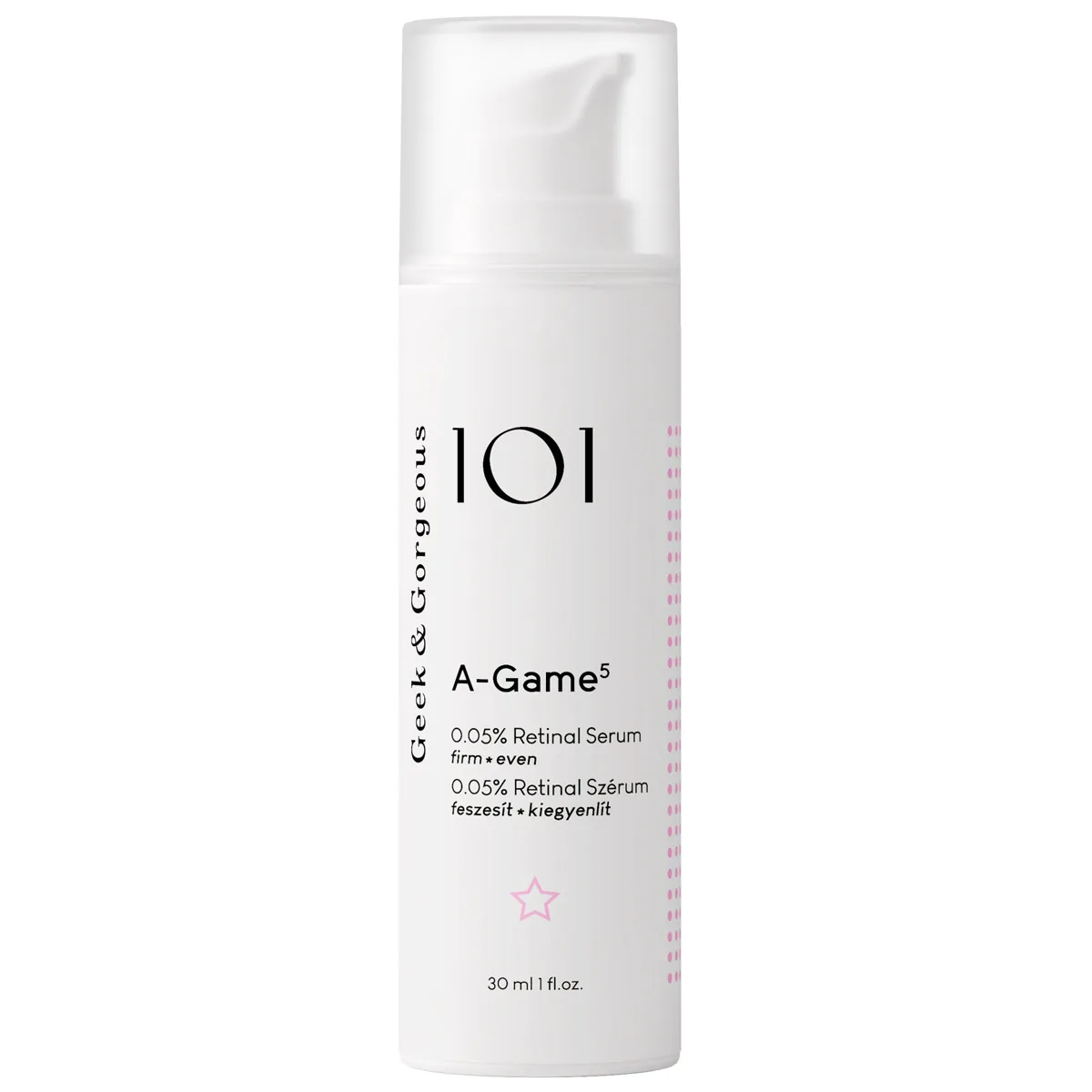 Beginner-Friendly Retinoid
 A-Game 5 Retinal Serum
The ideal beginner's retinaldehyde serum — a properly dosed 0.05% retinal in a buffered, fragrance-free formula at a price that makes long-term retinoid use actually sustainable. Same thoughtful supporting ingredients as the higher-strength A-Game 10 at half the potency, which is exactly the point. If you've never used a real retinoid, this is one of the best entry points on the market.
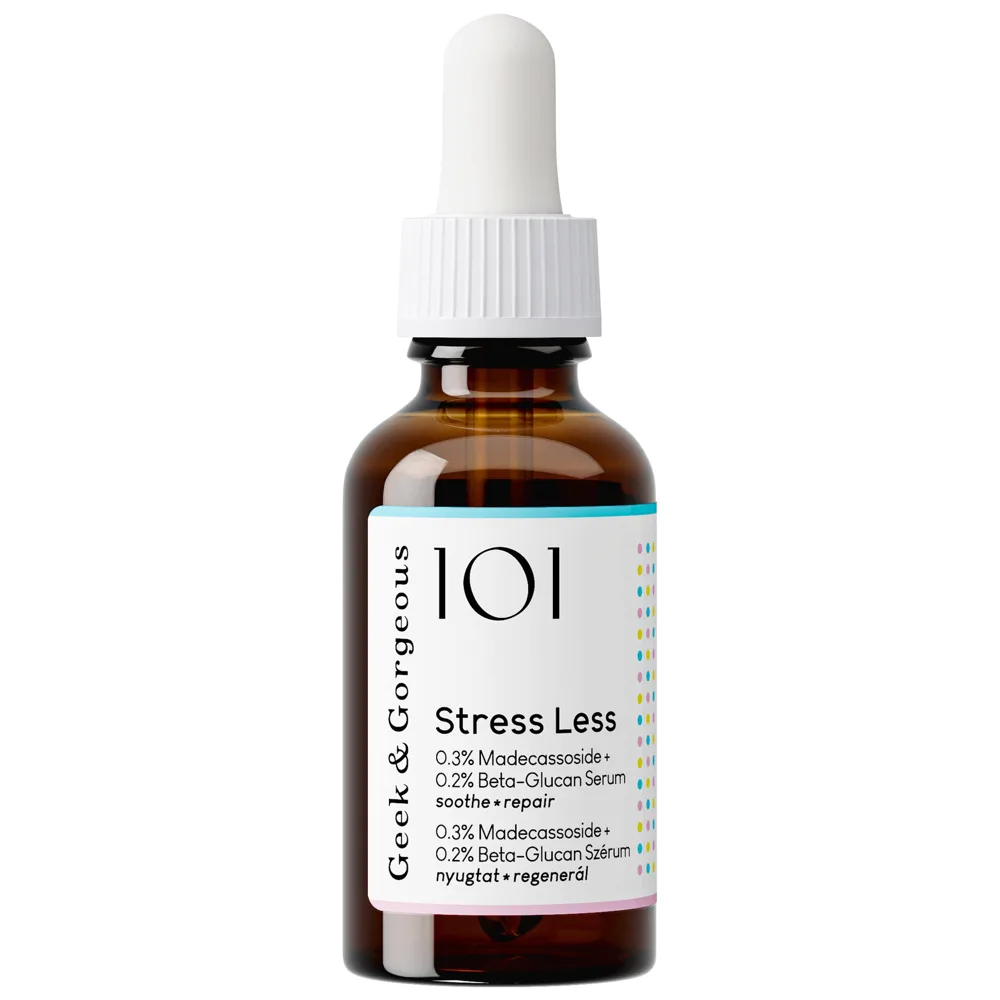 Derm-Grade Retinal at Drugstore Price
 Stress Less 0.3% Retinal Serum
A genuinely derm-grade 0.3% retinaldehyde serum at a price that shouldn't be possible. The ceramide and bisabolol buffering keeps it tolerable for experienced retinoid users, and the results — on texture, tone, and fine lines — rival premium retinals costing four times as much.
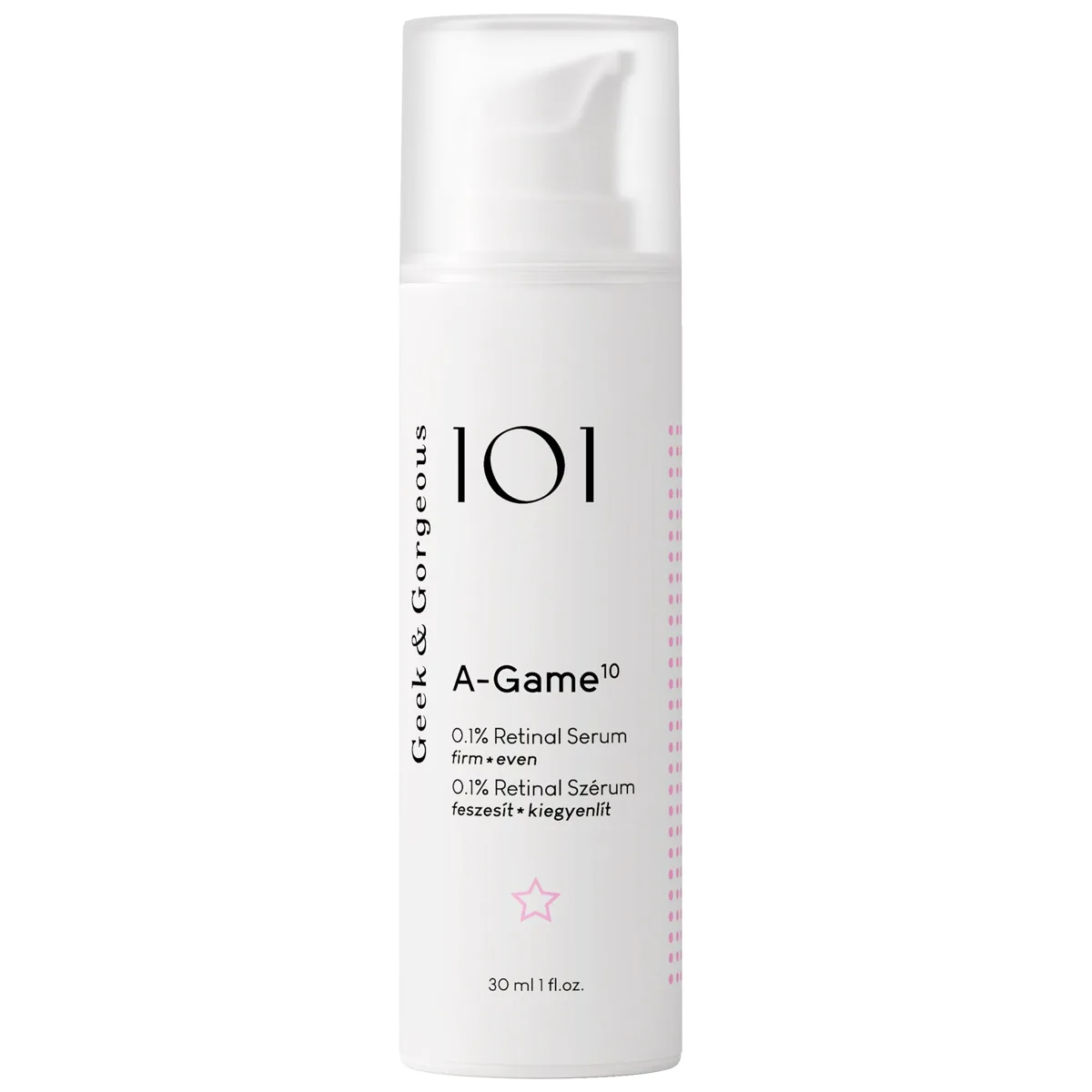 Budget Retinal Holy Grail
 A-Game 10 Retinal Serum
One of the most disruptive products in the retinoid category — a 0.1% retinaldehyde serum at around $16 when equivalent concentrations from derm brands cost $60-120. The formulation is thoughtful, the airless packaging is right, and the price point has no real competitor. Not for retinoid beginners: start with the 5 version and step up to this after a few months.
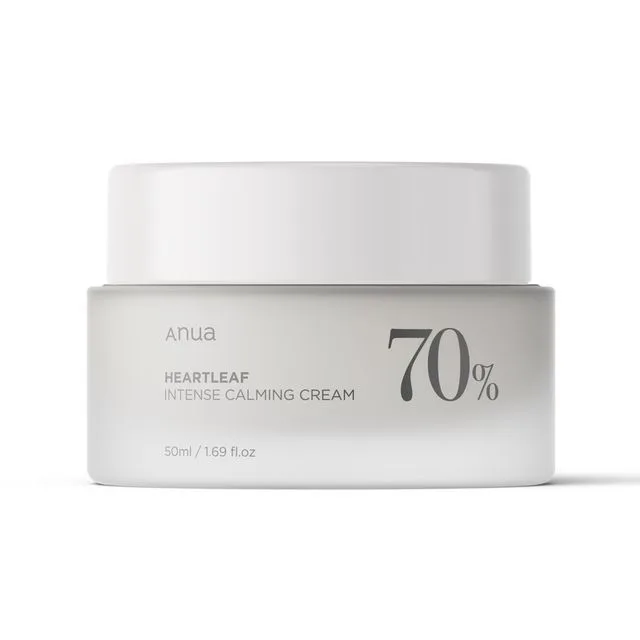 K-Beauty Cult Classic Toner
 Heartleaf 77% Soothing Toner
The toner that made heartleaf a household ingredient in global skincare, and it earned that status honestly. Impossibly gentle, broadly compatible, and priced generously enough to use without guilt. Not the most complex formula, but its simplicity is the feature, not the flaw.
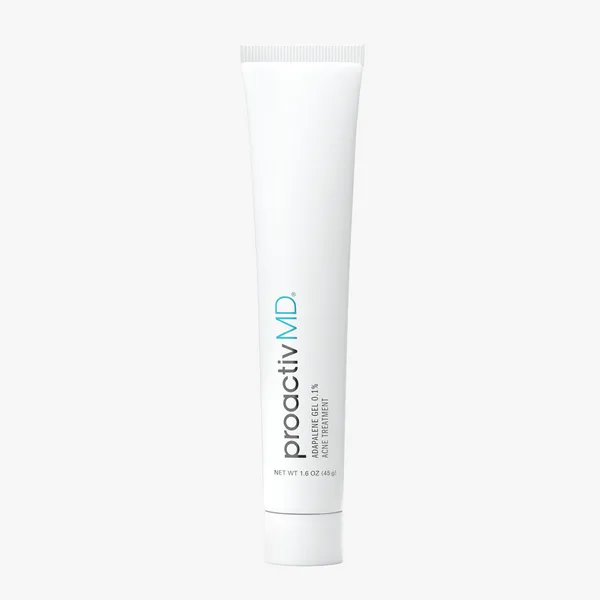 Gold Standard OTC Retinoid
 Adapalene Gel 0.1%
This is adapalene 0.1% — the same FDA-approved retinoid dermatologists have prescribed for over two decades, now available without a prescription in a no-nonsense gel. It's one of the most evidence-backed acne treatments you can buy, and Proactiv's version offers solid value in the larger size with an updated paraben-free formula.
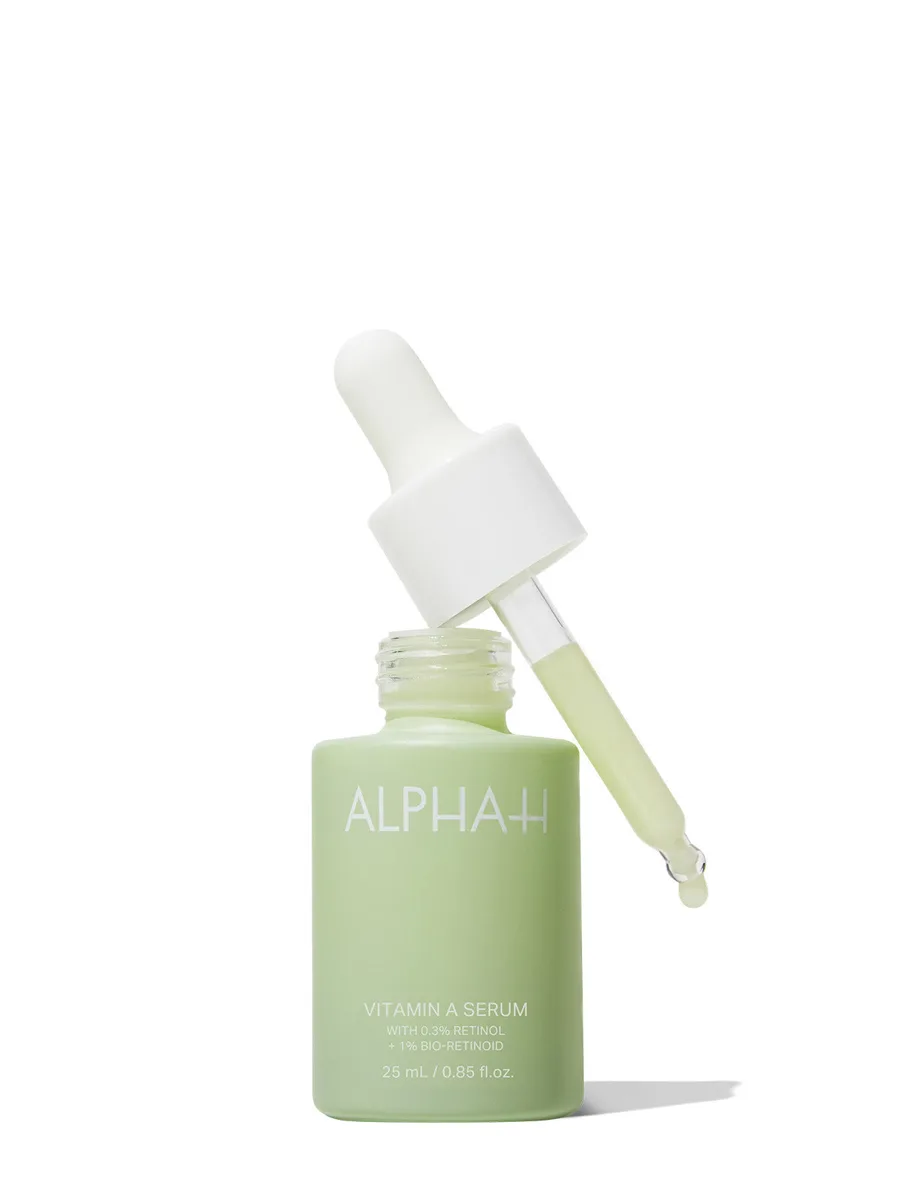 Buffered Beginner Retinol
 Vitamin A Serum
Alpha-H built its 0.5% retinol on a squalane and plant-oil base specifically to make a meaningful retinol concentration tolerable for the beginners it knew were already running aggressive AHA routines. The buffering works — this is one of the few 0.5% retinol serums new users can actually stick with through the adjustment period. The price is the only meaningful complaint.