A quietly authoritative retinoid that trades social media buzz for clinical backbone. Avène's decades of retinaldehyde expertise deliver measurable anti-aging results in a formula sophisticated enough for sensitive skin — though the premium price and small tube size mean you're paying for pedigree alongside performance.
Retrinal 0.1 Intensive Cream
A quietly authoritative retinoid that trades social media buzz for clinical backbone. Avène's decades of retinaldehyde expertise deliver measurable anti-aging results in a formula sophisticated enough for sensitive skin — though the premium price and small tube size mean you're paying for pedigree alongside performance.
Score Breakdown
Where this product gains points and where it loses them — broken down across the four scoring pillars.
Outstanding ingredient quality anchored by retinaldehyde and a thoughtfully reformulated support cast, but the premium price and retinoid-inherent irritation limitations keep the overall score from reaching the top tier.
Pros & Cons
- ✓Contains 0.1% retinaldehyde — the most potent OTC retinoid available, backed by clinical trials
- ✓Reformulated with niacinamide, squalane, and hyaluronic acid for improved tolerability
- ✓Avène Thermal Spring Water base actively soothes retinoid-related inflammation
- ✓Fragrance-free and silicone-free in the updated formulation
- ✓Airless pump packaging protects light-sensitive retinaldehyde from degradation
- ✓Lightweight cream texture absorbs quickly without greasy residue
- ✓Clinically shown to reduce wrinkles by 58% in 8 weeks
- ✓Decades of brand expertise specifically in retinaldehyde stabilization
- ✗Small 1 oz tube at $68 lasts only 2-3 months with nightly use
- ✗Orange tint can transfer to light-colored pillowcases and fabrics
- ✗Contains Red 33 dye — a cosmetic colorant with no functional benefit
- ✗Faint chemical odor from retinaldehyde noticeable on application
- ✗Adjustment period with potential flaking, purging, or tingling for several weeks
- ✗Not suitable during pregnancy or breastfeeding
Full Review
Before retinal became the ingredient du jour on skincare TikTok, Avène was already deep into its second decade of formulating with retinaldehyde. The Ysthéal line launched in the late 1990s, making Pierre Fabre one of the earliest cosmetic companies to wrangle this notoriously unstable vitamin A derivative into a consumer product. The Retrinal 0.1 Intensive Cream is the culmination of that work — a product that has lived in dermatologist offices for years, recommended in hushed tones to patients who needed something stronger than retinol but weren't ready for a prescription.
The recently reformulated version — now officially the Multi-Corrective Cream — represents a meaningful modernization. Out go the silicones and peptides of the original; in come niacinamide, squalane, hyaluronic acid, and Terminalia chebula extract. The retinaldehyde stays at 0.1%, which matters more than it might sound. Retinaldehyde sits one metabolic step from prescription retinoic acid. Where retinol must undergo two enzymatic conversions to become active, retinaldehyde needs only one — and it's metabolized exclusively by keratinocytes at a specific stage of differentiation. This controlled delivery mechanism is what gives retinaldehyde its reputation for potency without proportional irritation.
The formulation surrounding that 0.1% retinaldehyde is clearly designed to make the active tolerable for reactive skin. Avène Thermal Spring Water leads the ingredient list, and this isn't marketing theater — it's a clinically studied water with over 150 published investigations supporting its anti-inflammatory properties, sourced from a spring in southern France that's been recognized since the 18th century. Niacinamide works alongside it to reinforce the skin barrier, squalane and shea butter provide lipid replenishment, and sodium hyaluronate draws moisture into skin that retinaldehyde might otherwise leave parched.
The texture itself is surprisingly lightweight for a cream containing shea butter and safflower oil. It has a distinctive peachy-orange tint — that's the retinaldehyde itself, amplified by a Red 33 dye that some ingredient purists understandably wish wasn't there. The cream spreads easily, absorbs within a few minutes, and leaves a satin finish that doesn't feel tacky or greasy. There's no fragrance, but retinaldehyde has its own faint, somewhat metallic scent that dissipates quickly. If you've used prescription tretinoin, this smells like a politer version of the same chemical family.
Performance is where this cream earns its keep. A 2018 randomized controlled trial published in the Journal of Cosmetic Dermatology found that 0.1% retinaldehyde improved overall photoaging in 95% of participants over three months. The same concentration was the only one that significantly reduced the melanin index — by 6.5% — while improving texture by 13.7%. Avène's own clinical data shows a 58% reduction in visible wrinkles after eight weeks. These aren't breathless marketing figures; they're documented, peer-reviewed outcomes.
Pierre Fabre's patented tocopheryl glucoside deserves a mention — it's a photostable form of vitamin E specifically engineered to work with retinaldehyde, providing antioxidant support without the instability issues that plague regular tocopherol in retinoid formulations. The addition of Terminalia chebula in the reformulation is intriguing too, targeting glycation — the sugar-protein crosslinks that contribute to skin aging through a pathway retinaldehyde doesn't directly address.
The adjustment period is real but manageable. Expect mild tingling on first application, possible flaking during weeks one through three, and occasionally a brief purging phase. Starting at two to three nights per week is non-negotiable for retinoid newcomers. The thermal spring water base helps, but your skin still needs time to acclimate to the most potent OTC retinoid on the market.
Honest limitations: the tube is small. One ounce for sixty-eight dollars is a meaningful investment, especially when the product lasts only two to three months with nightly face application. The orange tint, while invisible on skin once absorbed, can transfer to white pillowcases — an annoyance that feels avoidable in a product at this price point. And while the reformulation is broadly an improvement, some long-time users report that the new version caused irritation or flaking they hadn't experienced with the original, suggesting the reformulated base may not suit every skin that tolerated the silicone-heavy predecessor.
The airless pump packaging is a genuine functional upgrade. Retinaldehyde degrades rapidly when exposed to light and air, and the original's screw-cap tube was a stability liability. The new pump dispenses controlled amounts, prevents contamination, and keeps the retinaldehyde protected throughout the product's lifespan.
At sixty-eight dollars, this isn't an impulse purchase, and it shouldn't be. This is the kind of product that earns its price through ingredient quality and formulation expertise rather than celebrity endorsements or Instagram aesthetics. Avène has been doing this longer than most brands have existed, and the clinical evidence behind their specific retinaldehyde delivery system is substantive. For anyone seeking the strongest OTC retinoid in a formula designed to play nicely with sensitive, reactive skin, this cream has a résumé that newcomers to the retinal space simply can't match.
Formula
Key Ingredients
The hero actives that drive this product's performance.
| Ingredient | Function | Evidence |
|---|---|---|
| Retinaldehyde (Retinal) (0.1%) | The star of this formula — retinaldehyde sits one metabolic step from prescription retinoic acid, making it the most potent OTC retinoid available. In this cream, the thermal spring water base and niacinamide work to buffer potential irritation, while the squalane and shea butter provide the occlusive environment retinaldehyde needs to penetrate effectively without overwhelming sensitive skin. | well-established |
| Niacinamide | Serves a dual purpose in this retinoid formula: strengthens the skin barrier that retinaldehyde can temporarily compromise, while independently brightening uneven tone and reducing redness — effectively mitigating two of the most common retinoid side effects within the same product. | well-established |
| Sodium Hyaluronate | Provides deep hydration to counteract the drying effects of the retinaldehyde, working in concert with the squalane and shea butter to maintain moisture levels even as the retinoid accelerates cell turnover. | well-established |
| Avène Thermal Spring Water | Listed first and present at the highest concentration, this clinically studied water contains a unique mineral composition and microflora (Aquaphilus dolomiae) that soothes inflammation — particularly valuable here as it tempers the irritation potential of the 0.1% retinaldehyde. | well-established |
| Tocopheryl Glucoside | Pierre Fabre's patented photostable form of vitamin E, specifically designed to work synergistically with retinaldehyde. Provides antioxidant protection and helps stabilize the retinal molecule in the formula, extending both efficacy and shelf life. | promising |
| Terminalia Chebula Fruit Extract | A newer addition in the reformulated version, this potent antioxidant brings anti-glycation properties to the formula, targeting the sugar-protein crosslinks that contribute to skin aging — a mechanism the retinaldehyde alone does not address. | emerging |
Full INCI List
Avene Thermal Spring Water (Avene Aqua), Caprylic/Capric Triglyceride, Glycerin, Squalane, Butyrospermum Parkii (Shea) Butter, Carthamus Tinctorius (Safflower) Seed Oil, Pentaerythrityl Tetracaprylate/Tetracaprate, Cetearyl Alcohol, Behenyl Alcohol, Niacinamide, C20-22 Alkyl Phosphate, C20-22 Alcohols, Acacia Senegal Gum, Adenosine, Cetearyl Glucoside, Helianthus Annuus (Sunflower) Seed Oil, Red 33 (CI 17200), Retinal, Sodium Benzoate, Sodium Hyaluronate, Sodium Hydroxide, Terminalia Chebula Fruit Extract, Tocopherol, Tocopheryl Glucoside, Xanthan Gum
Product Flags
✓ Fragrance Free✓ Alcohol Free✗ Oil Free✓ Silicone Free✓ Paraben Free✓ Sulfate Free✗ Cruelty Free✗ Vegan✗ Fungal Acne Safe
Potential Irritants
Retinal
Compatibility
Skin Match
Best For
Works For
Not Ideal For
Addresses These Conditions
aging hyperpigmentation sun damage dullness texture dark spots dryness
Use With Caution
sensitivity rosacea compromised skin barrier eczema
Avoid With
Routine Step
treatment
Time of Day
PM
Pregnancy Safe
No ✗
Layering Tips
Apply a pea-sized amount to clean, dry skin in the evening. If new to retinoids, start two to three nights per week and gradually increase frequency. Can be applied before or after moisturizer depending on tolerance — buffering with moisturizer first reduces irritation during the adjustment period.
Results Timeline
Initial smoothing and radiance improvements may appear within 2-4 weeks. Fine line reduction and texture improvements typically become noticeable at 6-8 weeks. Full anti-aging benefits, including improved pigmentation and firmness, develop over 3-6 months of consistent use.
Pairs Well With
hyaluronic acid serumsceramide moisturizersSPF 30+ sunscreen (AM)
Conflicts With
benzoyl peroxideAHA/BHA exfoliantsvitamin C (in same routine)
Sample AM Routine
- Gentle cleanser
- Hyaluronic acid serum
- Moisturizer
- SPF 30+ sunscreen
Sample PM Routine
- Gentle cleanser
- Avène Retrinal 0.1 Intensive Cream
- Moisturizer (if needed)
Evidence
Science & Expert Perspective
The Science
Retinaldehyde occupies a unique position in the retinoid hierarchy. A 2006 review published in Clinical Interventions in Aging by Mukherjee et al. established that retinaldehyde demonstrates efficacy equal to retinoic acid (tretinoin) for reducing wrinkles and roughness, but with significantly fewer adverse effects. The key lies in its metabolism — retinaldehyde is converted to retinoic acid exclusively by keratinocytes at a pertinent stage of differentiation, creating a controlled, site-specific delivery that avoids the systemic irritation of direct retinoic acid application.
The specific 0.1% concentration in this cream has direct clinical support. A 2018 randomized, double-blind controlled trial by Kwon et al. in the Journal of Cosmetic Dermatology compared 0.1% and 0.05% retinaldehyde creams over three months. The 0.1% concentration improved overall photoaging in 95% of participants and was the only concentration to significantly reduce the melanin index (by 6.5%), improve texture (13.7%), and decrease transepidermal water loss (14.5%). These findings suggest the 0.1% threshold is where retinaldehyde transitions from gentle maintenance to measurable correction.
Pierre Fabre's own researchers published a 2017 study in Clinical, Cosmetic and Investigational Dermatology examining their retinaldehyde-tocopheryl glucoside combination. After two months, crow's feet wrinkles improved by 5.4%, periocular fine lines by 11.16%, and wrinkle length by 15.5%, with good-to-very-good tolerance reported by 80% of participants. The synergy between retinaldehyde and their patented vitamin E derivative appears to offer both stability and efficacy benefits unique to this formulation platform.
The reformulated version adds Terminalia chebula, which has demonstrated anti-glycation properties — targeting the advanced glycation end-products (AGEs) that contribute to collagen stiffening and skin aging through a mechanism distinct from retinoid activity. This multi-pathway approach to aging addresses both cell turnover (retinaldehyde) and structural protein preservation (anti-glycation), a combination rarely seen in a single product.
References
- Efficacy and safety of retinaldehyde 0.1% and 0.05% creams used to treat photoaged skin — Journal of Cosmetic Dermatology (2018)
- Retinoids in the treatment of skin aging: an overview of clinical efficacy and safety — Clinical Interventions in Aging (2006)
- A new dermocosmetic containing retinaldehyde, delta-tocopherol glucoside and glycylglycine oleamide for managing naturally aged skin — Clinical, Cosmetic and Investigational Dermatology (2017)
Dermatologist Perspective
Dermatologists have long positioned retinaldehyde as the bridge between cosmetic retinol and prescription tretinoin, and this product has been a go-to recommendation in that niche for over a decade. Board-certified dermatologists frequently note that the 0.1% concentration delivers clinical-grade results while maintaining a tolerability profile that keeps patients compliant — a critical factor, since the most effective retinoid is the one patients actually use consistently. The reformulated combination of retinaldehyde with niacinamide is considered particularly astute from a clinical perspective, as niacinamide's barrier-strengthening properties directly address the most common reason patients discontinue retinoid therapy: irritation and dryness. This is commonly stocked in dermatology practices as a step-up option for patients who have plateaued on retinol but are hesitant about or not candidates for prescription retinoids.
Guidance
Usage Guide
How to Use
Apply a pea-sized amount to clean, dry skin every evening. New retinoid users should start at two to three nights per week for the first month, gradually increasing to nightly use as tolerance builds. Can be applied directly to skin or buffered over a light moisturizer to reduce initial irritation. Avoid the eye area, corners of the nose, and lips. Wait 10-15 minutes before applying additional products on top. Always pair with SPF 30 or higher during the day — retinaldehyde increases photosensitivity. Do not combine with AHA/BHA exfoliants or benzoyl peroxide on the same night.
Value Assessment
At $68 for one ounce, the Retrinal 0.1 commands a premium — but context matters. Retinaldehyde is significantly more expensive to source and stabilize than retinol, and Avène's three decades of formulation expertise with this specific ingredient are reflected in the price. The 0.5 oz size at $40 from Target offers a lower entry point for testing, though it provides even less value per ounce. Compared to prescription tretinoin (which often costs less with insurance), this sits in an awkward middle ground. But for those who want the strongest OTC retinoid without a prescription, with a brand heritage that backs up the science, the price reflects proven quality rather than marketing markup. A tube lasting 2-3 months brings the nightly cost to roughly $0.75-$1.15 — reasonable for a clinical-grade active.
Who Should Buy
Anyone seeking the most potent OTC retinoid in a formula engineered for sensitive skin. Ideal for those who have outgrown retinol but aren't ready for or don't want prescription tretinoin, and for patients whose dermatologists have recommended a clinical-grade retinoid with proven tolerability.
Who Should Skip
Those pregnant or breastfeeding should avoid all retinoids. Anyone on a tight budget may find the cost-per-ounce hard to justify when effective retinol options exist at half the price. Very oily skin types may prefer a lighter, gel-based retinoid delivery system.
Ready to try Avène Retrinal 0.1 Intensive Cream?
Details
Details
Texture
Lightweight, slightly tinted cream with a faint peachy-orange hue from the retinaldehyde and Red 33. Rich enough to feel nourishing but not heavy — spreads easily and absorbs within a few minutes without residue.
Scent
Fragrance-free. A faint chemical or metallic note characteristic of retinaldehyde may be detected on application but dissipates quickly.
Packaging
Sleek white and blue airless pump tube that protects the light-sensitive retinaldehyde from oxidation. The pump dispenses controlled amounts and prevents contamination — a meaningful upgrade from the original's screw-cap metal tube.
Finish
satinnon-greasyfast-absorbing
What to Expect on First Use
Expect a brief tingling sensation on first use that subsides within minutes. During the first 1-2 weeks, mild flaking or dryness is normal as skin adjusts to retinaldehyde. Some users experience a brief purging phase with small breakouts in acne-prone areas. The slight orange tint of the cream disappears once absorbed. Start with 2-3 nights per week and increase gradually.
How Long It Lasts
2-3 months with nightly face-only application
Period After Opening
6 months
Best Season
All Year
Certifications
HypoallergenicNon-comedogenic
Background
The Why
Avène's retinaldehyde story begins in the late 1990s with the Ysthéal line, making Pierre Fabre one of the earliest cosmetic companies to commercialize this notoriously difficult-to-stabilize vitamin A form. The RetrinAL 0.1 Intensive Cream became a quiet staple in dermatologist offices — the kind of product rarely seen in Instagram ads but consistently recommended behind closed doors. The recent reformulation stripped out silicones and peptides in favor of niacinamide, squalane, and hyaluronic acid, modernizing the formula while preserving the retinaldehyde expertise that took decades to develop.
About Avène Legacy Brand (20+ years)
Avène launched in 1990 under Pierre Fabre Laboratories, drawing on thermal spring water recognized by the French National Academy of Medicine since 1874. Over 150 clinical studies support the brand's thermal water alone, and its retinaldehyde line dates back to the late 1990s Ysthéal formulations.
Brand founded: 1990 · Product launched: 2010
Myth vs. Reality
Myths & Misconceptions
Myth
Retinaldehyde is just a fancy name for retinol and works the same way.
Reality
Retinaldehyde (retinal) is one metabolic step closer to prescription retinoic acid than retinol, requiring only one conversion instead of two. Clinical studies show it's approximately 11 times more bioavailable than retinol, delivering stronger results with a more controlled irritation profile because it's metabolized only by keratinocytes at specific differentiation stages.
Myth
The orange tint means the product has gone bad or will stain your skin.
Reality
The peachy-orange color is natural to retinaldehyde itself (plus the Red 33 dye in the formula). It does not indicate degradation and does not permanently stain skin, though it can transfer to light-colored pillowcases if not fully absorbed before bed.
FAQ
Frequently Asked Questions
Is Avène Retrinal 0.1 stronger than retinol?
Yes. Retinaldehyde is one metabolic conversion away from prescription retinoic acid, making it more potent than retinol, which requires two conversions. This specific 0.1% concentration has been shown in clinical studies to improve photoaging in 95% of participants over three months, with less irritation than comparable retinol products.
Can I use Avène Retrinal 0.1 if I have sensitive skin?
This is actually one of the better retinoid options for sensitive skin. The Avène Thermal Spring Water base provides anti-inflammatory benefits, while niacinamide and squalane help buffer irritation. Start with 2-3 nights per week and build up gradually. Many rosacea-prone users tolerate this formula well with careful introduction.
Why does Avène Retrinal 0.1 have an orange color?
The peachy-orange tint comes from retinaldehyde's natural color combined with Red 33 dye in the formula. It does not stain skin but may transfer to light pillowcases. Allow 10-15 minutes for full absorption before lying on light-colored fabrics.
How long does it take to see results from Avène Retrinal 0.1?
Initial smoothing and radiance typically appear within 2-4 weeks. Clinical studies on this specific 0.1% retinaldehyde concentration showed a 58% reduction in visible wrinkles and 54% improvement in skin texture after 8 weeks. Full benefits develop over 3-6 months of consistent nightly use.
Can I use Avène Retrinal 0.1 with vitamin C or AHAs?
It's best to alternate rather than layer. Use vitamin C in the morning and this retinaldehyde cream at night. Avoid using AHA or BHA exfoliants on the same nights, as the combination can cause excessive irritation. Once your skin has adjusted to the retinaldehyde, you can reintroduce chemical exfoliants on alternate evenings.
Is Avène Retrinal 0.1 safe during pregnancy?
No. As a retinoid (vitamin A derivative), this product should be avoided during pregnancy and breastfeeding. Dermatologists broadly advise against all retinoid use during pregnancy as a precaution, regardless of the specific form or concentration.
What's the difference between the old and new Avène Retrinal 0.1 formula?
The reformulated version (now called Multi-Corrective Cream) replaced silicones and peptides with niacinamide, squalane, hyaluronic acid, and Terminalia chebula extract. The retinaldehyde concentration remains 0.1%. The new formula also features an airless pump instead of a screw-cap tube, better protecting the light-sensitive retinaldehyde.
Community
Community Voices
Common Praise
"Noticeably reduces fine lines within weeks of consistent use"
"Gentle enough for sensitive skin compared to other retinoids"
"Lightweight texture absorbs quickly without greasiness"
"Visible improvement in skin texture and smoothness"
"Fragrance-free formula suitable for reactive skin"
Common Complaints
"Slight orange tint can transfer to pillowcases"
"Contains Red 33 dye that some users find unnecessary"
"Faint chemical odor from retinaldehyde detectable on application"
"Small 1 oz tube feels expensive for the quantity"
"Initial purging or flaking during adjustment period"
Notable Endorsements
NewBeauty 2016 Beauty Choice AwardWidely stocked in dermatologist offices
Appears In
best retinoid for sensitive skin best retinaldehyde cream best anti aging cream for dry skin best dermatologist recommended retinoid
Related Conditions
aging hyperpigmentation sun damage dullness texture dark spots
Related Ingredients
retinal niacinamide squalane hyaluronic acid thermal spring water
You Might Also Like
 Beginner-Friendly Retinoid
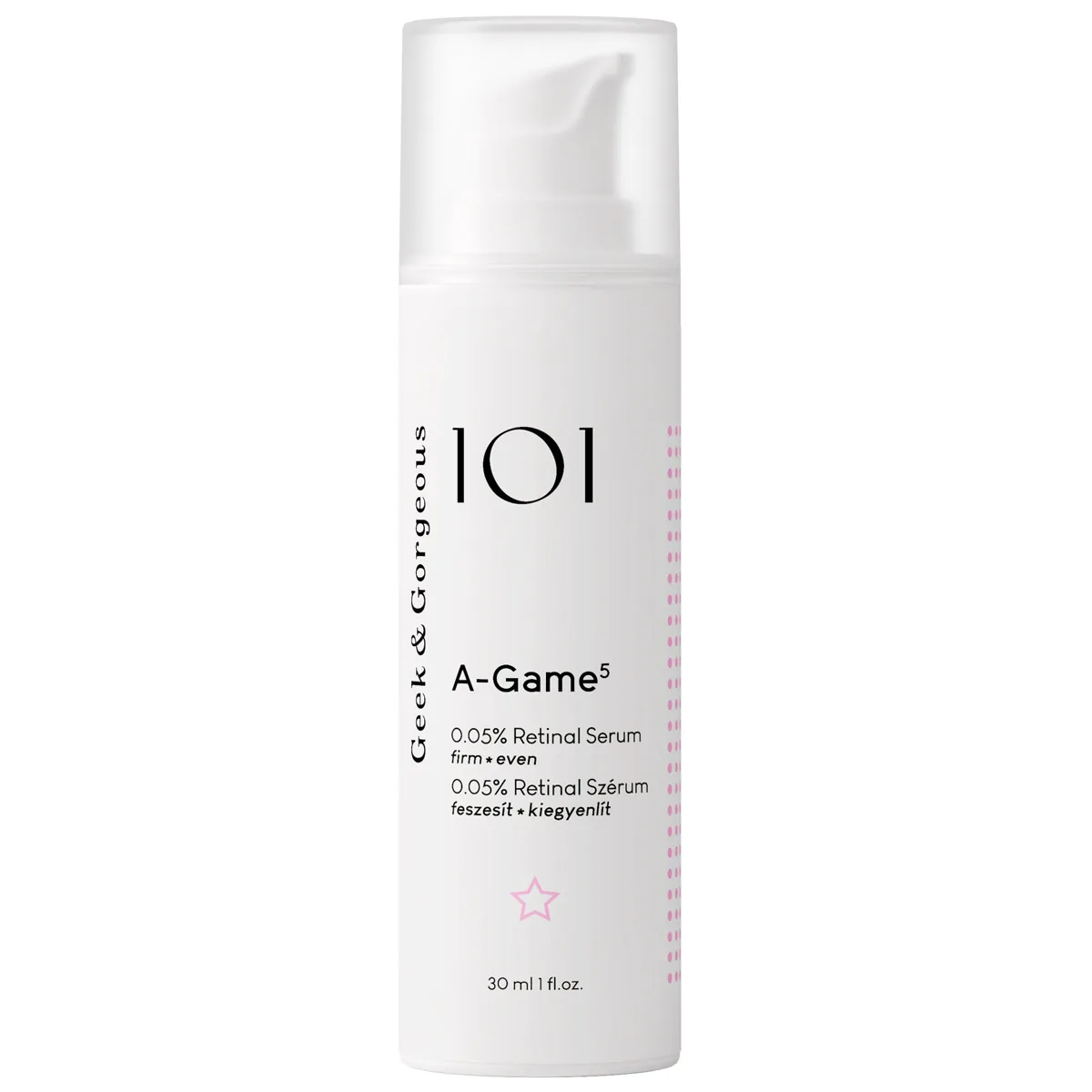
 A-Game 5 Retinal Serum
The ideal beginner's retinaldehyde serum — a properly dosed 0.05% retinal in a buffered, fragrance-free formula at a price that makes long-term retinoid use actually sustainable. Same thoughtful supporting ingredients as the higher-strength A-Game 10 at half the potency, which is exactly the point. If you've never used a real retinoid, this is one of the best entry points on the market.
 Derm-Grade Retinal at Drugstore Price
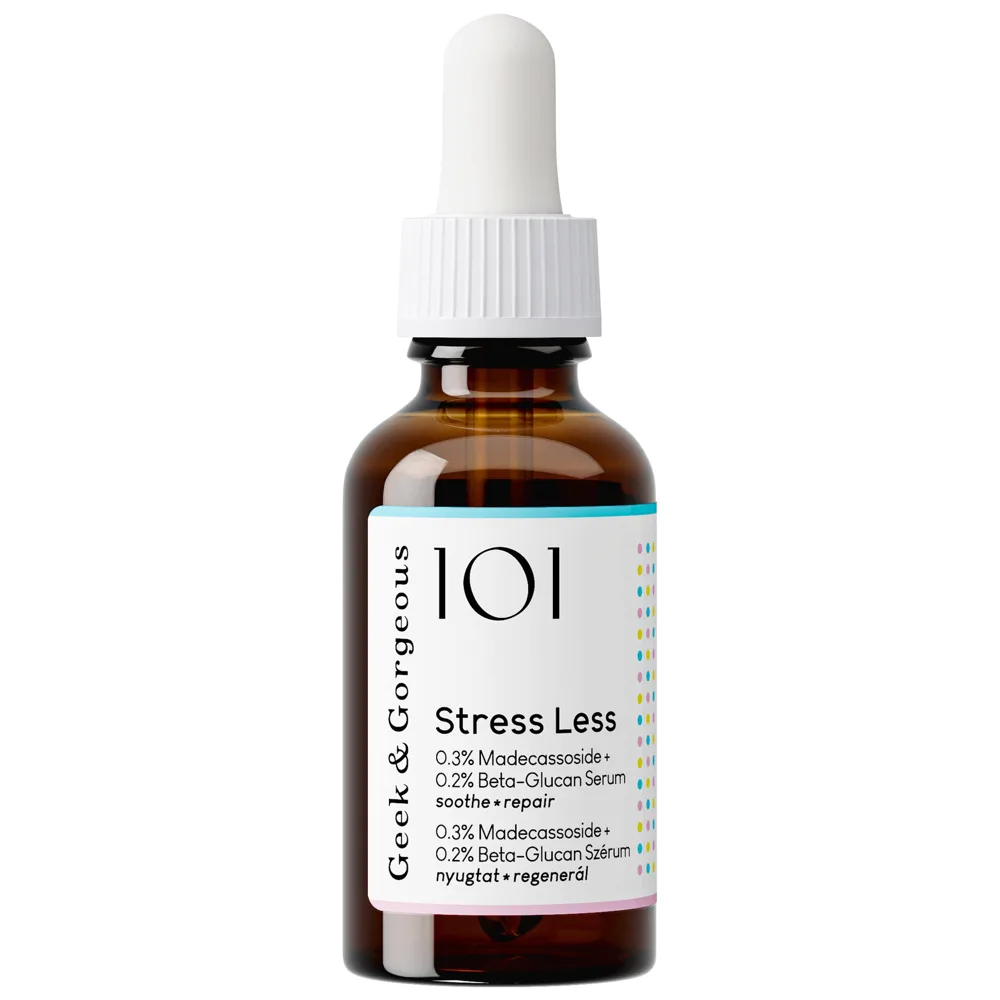
 Stress Less 0.3% Retinal Serum
A genuinely derm-grade 0.3% retinaldehyde serum at a price that shouldn't be possible. The ceramide and bisabolol buffering keeps it tolerable for experienced retinoid users, and the results — on texture, tone, and fine lines — rival premium retinals costing four times as much.
 Budget Retinal Holy Grail
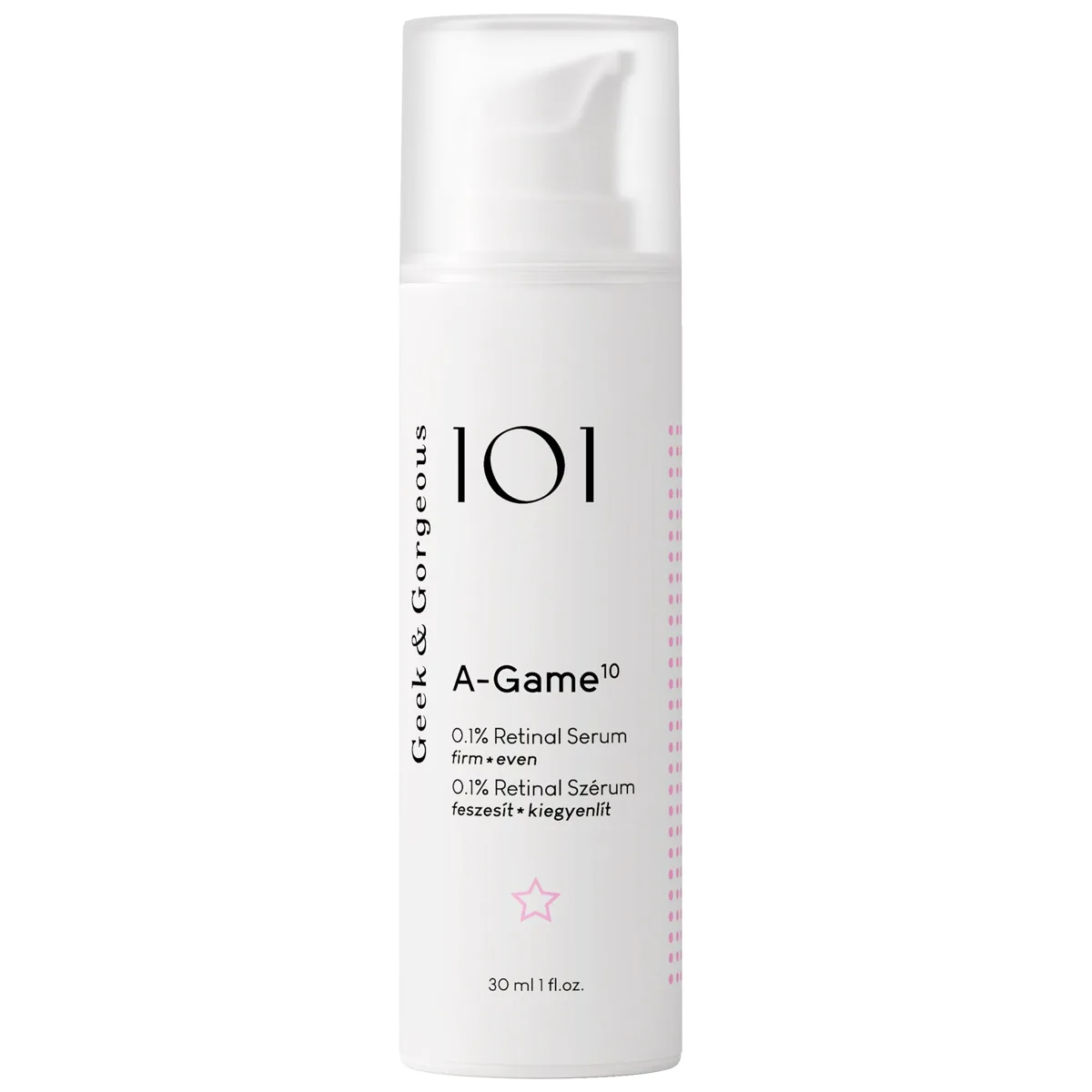
 A-Game 10 Retinal Serum
One of the most disruptive products in the retinoid category — a 0.1% retinaldehyde serum at around $16 when equivalent concentrations from derm brands cost $60-120. The formulation is thoughtful, the airless packaging is right, and the price point has no real competitor. Not for retinoid beginners: start with the 5 version and step up to this after a few months.
 Gold Standard OTC Retinoid
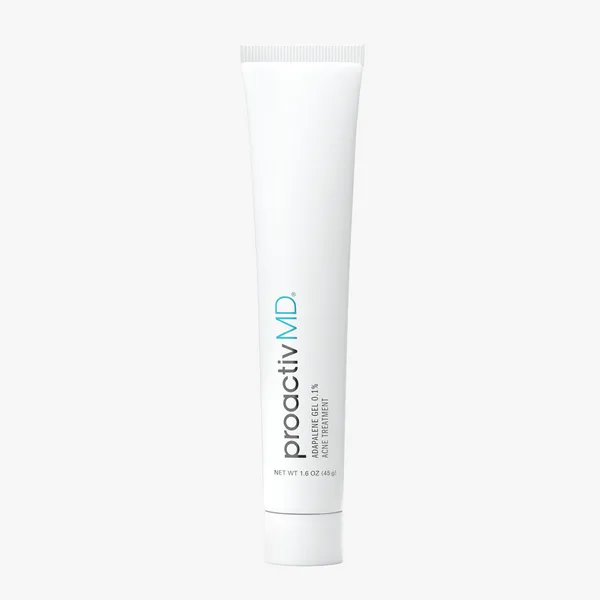
 Adapalene Gel 0.1%
This is adapalene 0.1% — the same FDA-approved retinoid dermatologists have prescribed for over two decades, now available without a prescription in a no-nonsense gel. It's one of the most evidence-backed acne treatments you can buy, and Proactiv's version offers solid value in the larger size with an updated paraben-free formula.
 Buffered Beginner Retinol
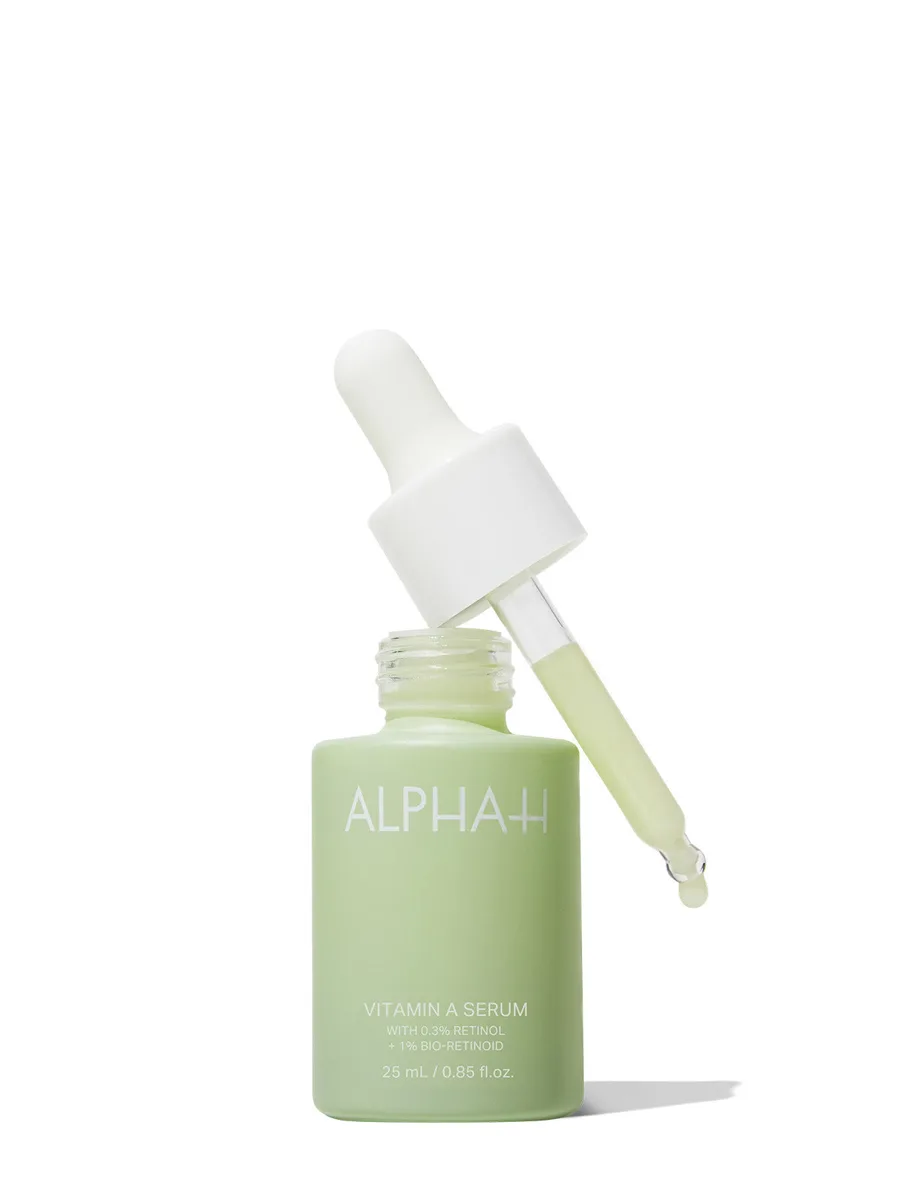
 Vitamin A Serum
Alpha-H built its 0.5% retinol on a squalane and plant-oil base specifically to make a meaningful retinol concentration tolerable for the beginners it knew were already running aggressive AHA routines. The buffering works — this is one of the few 0.5% retinol serums new users can actually stick with through the adjustment period. The price is the only meaningful complaint.
 Best Retinoid Starter
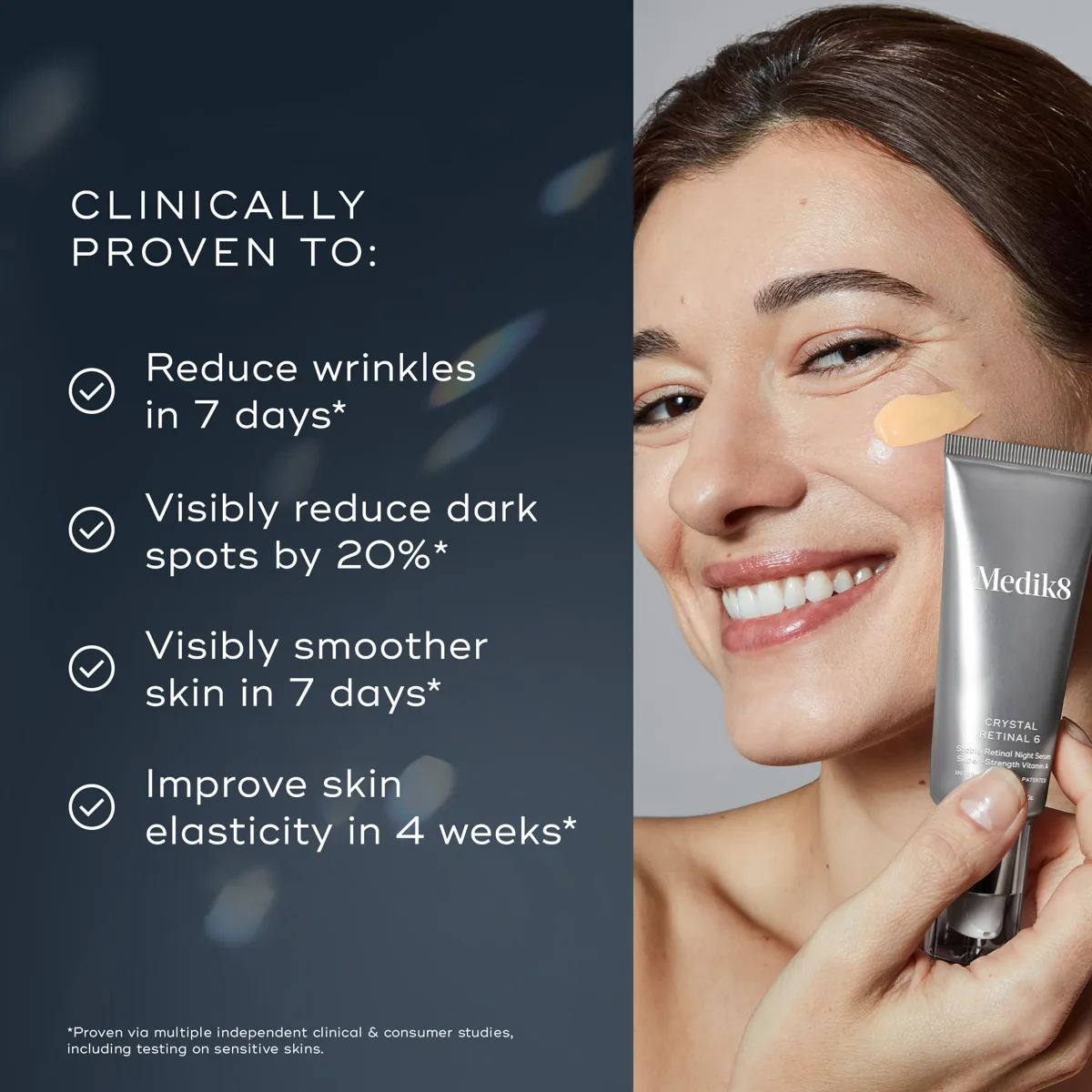
 Crystal Retinal 3
The retinoid designed for people who are afraid of retinoids — and the product that might just convert them. Crystal Retinal 3 proves that the world's most effective OTC vitamin A form can be introduced to sensitive skin without the usual drama, creating a genuinely accessible on-ramp to serious anti-aging skincare.