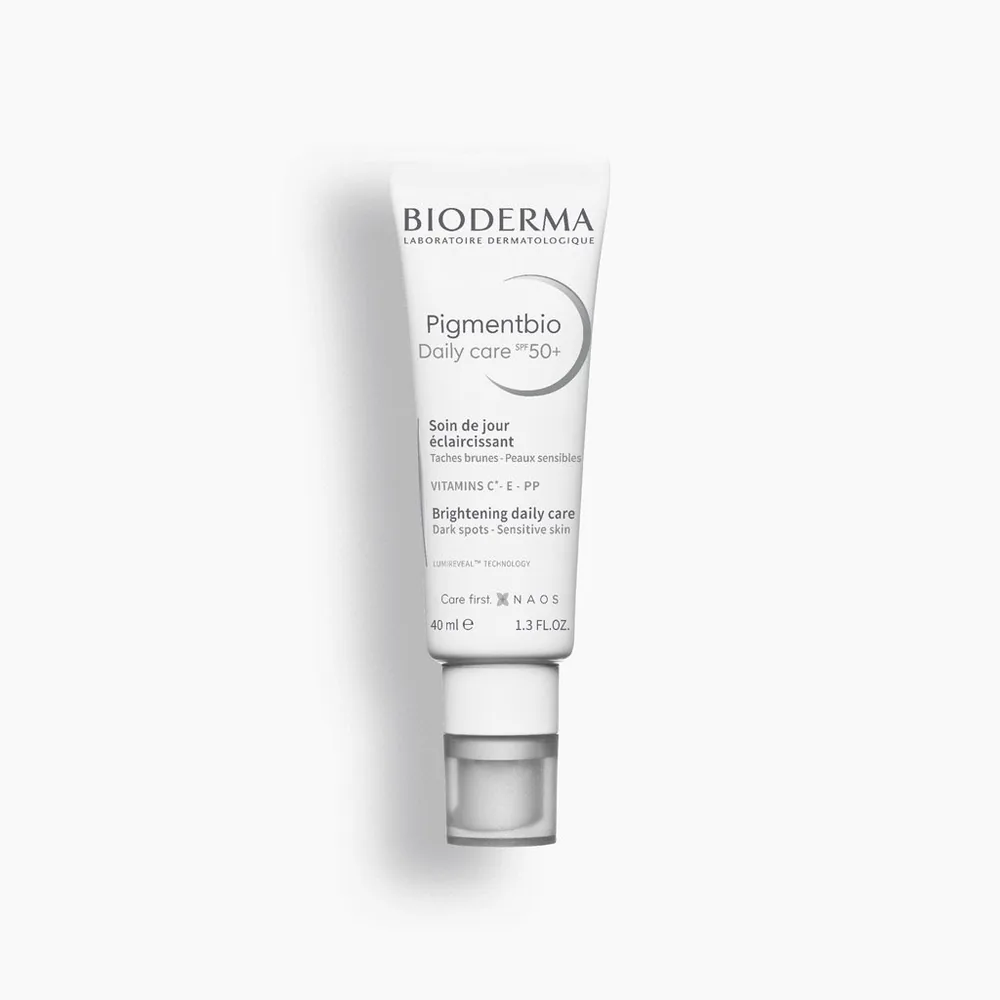
A clever concept — SPF 50+ sun protection paired with a six-ingredient brightening cocktail — that works better as a daily preventive shield for pigmentation-prone skin than as a standalone treatment. The UV filter system is excellent, but the sub-therapeutic concentrations of the depigmenting actives mean realistic expectations are key.
Pigmentbio Daily Care SPF 50+
A clever concept — SPF 50+ sun protection paired with a six-ingredient brightening cocktail — that works better as a daily preventive shield for pigmentation-prone skin than as a standalone treatment. The UV filter system is excellent, but the sub-therapeutic concentrations of the depigmenting actives mean realistic expectations are key.
Score Breakdown
Where this product gains points and where it loses them — broken down across the four scoring pillars.
A well-conceived multi-pathway brightening SPF with excellent UV filters, but the sub-therapeutic concentrations of key actives, inclusion of fragrance, and premium price for 40ml temper the enthusiasm. Better as a preventive daily SPF for pigmentation-prone skin than as a treatment product.
Pros & Cons
- ✓Excellent four-filter UV system with Tinosorb M and S provides crucial protection for pigmentation-prone skin
- ✓Multi-pathway brightening approach targets inflammation, melanin production, and melanin elimination simultaneously
- ✓Immediate luminous pearly glow that works beautifully as a makeup primer
- ✓Rich enough to replace moisturizer for normal and combination skin types
- ✓Pump dispenser provides hygienic and controlled product dispensing
- ✓Combines daily sun protection with gradual brightening in a single morning step
- ✗Key brightening actives at sub-therapeutic concentrations — niacinamide ~0.7% and azelaic acid ~0.3%
- ✗Contains Fragrance (Parfum) unlike most Bioderma products in the Photoderm range
- ✗White cast reported on medium to dark skin tones from Tinosorb M and pearly finish
- ✗Premium price for 40ml with no larger size option for better per-unit value
- ✗Dewy finish can become overly shiny on oily skin types in warm weather
Full Review
Kligman's Trio — the legendary combination of tretinoin, hydroquinone, and a corticosteroid that dermatologists have used for decades to treat stubborn hyperpigmentation — is one of those reference points that skincare brands love to invoke. Bioderma's Pigmentbio Daily Care SPF 50+ doesn't claim to be Kligman's Trio, but it's clearly inspired by the same philosophy: attack pigmentation from multiple angles simultaneously. The question is whether six gentle actives at cosmetic concentrations can approximate what three potent ones do at prescription strength.
The LumiReveal technology takes a three-stage approach to the hyperpigmentation pathway. Stage one targets inflammation — the trigger event that tells melanocytes to ramp up production. Glabridin from licorice root extract handles this, a well-documented tyrosinase inhibitor that also scavenges the reactive oxygen species that provoke inflammatory cascades. Stage two blocks melanin synthesis directly, with ascorbyl glucoside (a stable vitamin C derivative), azelaic acid, and andrographolide from Andrographis paniculata all working to inhibit the enzymatic machinery that produces pigment. Stage three accelerates the removal of existing pigmentation through salicylic acid and rhamnose, which promote cellular turnover to shed the melanin-laden keratinocytes that create visible dark spots.
On paper, it's elegant. In practice, there's a significant asterisk: concentrations. The niacinamide sits at roughly 0.7%, while clinical studies demonstrating its depigmenting effects typically use 2-5%. The azelaic acid is at approximately 0.3%, versus the 15-20% found in prescription formulations. The ascorbyl glucoside is estimated at around 1%. These aren't trace amounts — they're cosmetically active — but anyone expecting results comparable to a dermatologist-prescribed depigmenting regimen should recalibrate their expectations.
What the product does excellently is sun protection. The four-filter system — Tinosorb M, Tinosorb S, Avobenzone, and Octocrylene — is the same robust European filter combination found across Bioderma's Photoderm range. For hyperpigmentation specifically, this is arguably the most important feature: without adequate UV defense, brightening actives are trying to empty a bathtub with the tap running. UV exposure is the primary trigger for melanin overproduction, and an SPF 50+ with strong UVA coverage through Tinosorb M and S addresses the root cause more effectively than any concentration of brightening serum could.
The texture is a pearly, medium-weight cream that provides an immediate luminous glow — a cosmetic brightening effect that's separate from (and faster than) the actual depigmenting action. The silicone base with dimethicone and polymethylsilsesquioxane gives it a smooth, velvety application, and shea oil adds genuine moisturizing power. It functions well as a combined moisturizer and sunscreen for normal and combination skin, simplifying the morning routine to cleanser-toner-this.
The finish is dewy and glowy rather than matte, which makes it a surprisingly effective makeup base — the pearly luminosity creates a lit-from-within canvas that works well under sheer or medium-coverage foundations. However, oily skin types in humid conditions will find the dewiness tips into shine territory, and some users report pilling if makeup is applied too quickly after the cream.
A notable departure from Bioderma's usual fragrance-free standards: this product contains Fragrance (Parfum). It's the last ingredient on the INCI list, suggesting a low concentration, and the scent is light and inoffensive. But for anyone choosing Bioderma specifically for its fragrance-free reputation, this is worth knowing. If fragrance is a dealbreaker, the Photoderm Aquafluid or MAX Cream offer the same UV filter quality without it.
White cast is the other consideration. The Tinosorb M has inherent scattering properties, and combined with the pearly finish, users with medium to dark skin tones report a cast that doesn't fully blend. This is a product that was tested on phototypes III-IV in clinical trials, but real-world feedback suggests deeper skin tones should patch-test before committing to the full tube.
The value proposition is complex. At $30-45 for 40ml with no larger size option, the cost per use is premium. You're paying for a sophisticated multi-active formula with an excellent UV filter system from a legacy pharmacy brand. But the gap between the active concentrations here and what clinical evidence supports for significant depigmenting results is real. This is best understood not as a treatment product, but as the best possible SPF for someone who already has pigmentation concerns — it protects against further darkening while providing gentle, gradual brightening support that compounds over months of daily use.
Bioderma's ecobiology philosophy has always been about working with the skin's biology at a pace the skin can tolerate. The Pigmentbio Daily Care embodies that philosophy — it doesn't promise overnight transformation, but it does promise that every morning you apply it, you're simultaneously defending against new pigmentation and gently nudging existing spots toward resolution. For many people, that steady, protective approach is exactly the right speed.
Formula
Key Ingredients
The hero actives that drive this product's performance.
| Ingredient | Function | Evidence |
|---|---|---|
| Ascorbyl Glucoside (~1%) | The primary brightening active in this formula, a stable vitamin C derivative that inhibits tyrosinase to reduce melanin production. In the context of this product's multi-pronged LumiReveal system, it works upstream — slowing the enzymatic process that creates pigment while the azelaic acid and salicylic acid work downstream to clear existing discoloration. | promising |
| Niacinamide (~0.7%) | Disrupts the transfer of melanosomes from melanocytes to keratinocytes — a distinct mechanism from the tyrosinase inhibition provided by the vitamin C derivative and licorice extract. Present at a cosmetic rather than clinical concentration, it contributes to the multi-pathway approach but shouldn't be confused with the 2-5% concentrations shown effective in standalone studies. | well-established |
| Azelaic Acid (~0.3%) | Provides mild tyrosinase inhibition and anti-inflammatory action in this formula. While prescription azelaic acid at 15-20% is a proven depigmenting treatment, the sub-1% concentration here is part of a cocktail approach — contributing to the overall brightening effect alongside five other depigmenting actives rather than doing the heavy lifting alone. | well-established |
| Methylene Bis-Benzotriazolyl Tetramethylbutylphenol (Tinosorb M) | The workhorse of this formula's sun protection system. As a hybrid filter covering 280-400nm, it provides the broad-spectrum UV defense that's essential for any depigmenting product — without adequate sun protection, brightening actives are fighting a losing battle against UV-triggered melanin production. | well-established |
| Glycyrrhiza Glabra (Licorice) Root Extract | Contains glabridin, a potent tyrosinase inhibitor that also scavenges reactive oxygen species. In this formula it adds another angle of attack on melanin production, complementing the vitamin C and azelaic acid pathways for a broader anti-pigmentation effect. | promising |
Full INCI List
Aqua/Water/Eau, Dicaprylyl Carbonate, Octocrylene, Methylene Bis-Benzotriazolyl Tetramethylbutylphenol [Nano], Glycerin, Butyl Methoxydibenzoylmethane, Dipropylene Glycol, Bis-Ethylhexyloxyphenol Methoxyphenyl Triazine, Dimethicone, Ascorbyl Glucoside, Butyrospermum Parkii (Shea) Oil, Niacinamide, Silica, Polymethylsilsesquioxane, Jojoba Esters, HDI/Trimethylol Hexyllactone Crosspolymer, Decyl Glucoside, C20-22 Alkyl Phosphate, C20-22 Alcohols, Xanthan Gum, Helianthus Annuus (Sunflower) Seed Wax, Dimethicone/Vinyl Dimethicone Crosspolymer, Pentylene Glycol, Tocopheryl Acetate, Sodium Hydroxide, Hydrogenated Castor Oil, Salicylic Acid, Sodium Citrate, Lysine, Azelaic Acid, Mannitol, Polyglycerin-3, Xylitol, Andrographis Paniculata Leaf Extract, Rhamnose, Propylene Glycol, Acacia Decurrens Flower Wax, Saccharide Isomerate, Glycyrrhiza Glabra (Licorice) Root Extract, Tocopherol, Fructooligosaccharides, Caprylic/Capric Triglyceride, Laminaria Ochroleuca Extract, Fragrance (Parfum)
Product Flags
✗ Fragrance Free✓ Alcohol Free✗ Oil Free✗ Silicone Free✓ Paraben Free✓ Sulfate Free✗ Cruelty Free✗ Vegan✗ Fungal Acne Safe
Potential Irritants
Fragrance (Parfum)OctocrylenePropylene Glycol
Common Allergens
Fragrance (Parfum)Octocrylene
Compatibility
Skin Match
Best For
Works For
Not Ideal For
Addresses These Conditions
hyperpigmentation melasma dark spots sun damage dullness
Use With Caution
Routine Step
sunscreen
Time of Day
AM
Pregnancy Safe
Unknown
Layering Tips
Apply as the final step of your morning skincare routine. The cream is rich enough to replace your moisturizer for normal skin. Can be layered over a dedicated brightening serum at night for enhanced depigmenting results. Allow 2-3 minutes to set before applying makeup.
Results Timeline
Instant luminous glow from the pearly finish. Visible improvement in skin tone evenness within 4-6 weeks. Clinical trials showed 96% reduction in brown spots after 3 months of consistent daily use. Full benefits require 8-12 weeks minimum.
Pairs Well With
Vitamin C serum (PM)Retinoid (PM)AHA exfoliant (PM)
Sample AM Routine
- Gentle cleanser
- Hydrating toner
- Bioderma Pigmentbio Daily Care SPF 50+
Sample PM Routine
- Double cleanse
- Brightening serum with vitamin C or retinoid
- Moisturizer
Evidence
Who Should Skip
- Key brightening actives at sub-therapeutic concentrations — niacinamide ~0.7% and azelaic acid ~0.3%
- Contains Fragrance (Parfum) unlike most Bioderma products in the Photoderm range
- White cast reported on medium to dark skin tones from Tinosorb M and pearly finish
- Premium price for 40ml with no larger size option for better per-unit value
Science & Expert Perspective
The Science
The LumiReveal technology targets three stages of the melanogenesis pathway. At the inflammation stage, glabridin — the primary bioactive in Glycyrrhiza glabra (licorice) root extract — has been shown in systematic reviews to inhibit both tyrosinase activity and reactive oxygen species formation, addressing the inflammatory triggers that initiate pigment overproduction. A 2018 review in the Journal of Cosmetic and Aesthetic Dermatology documented glabridin's dual mechanism of tyrosinase inhibition and antioxidant activity.
At the melanin synthesis stage, ascorbyl glucoside (a stable vitamin C derivative), azelaic acid, and niacinamide each work through distinct mechanisms. Azelaic acid at prescription concentrations (15-20%) has robust evidence for hyperpigmentation treatment — a study by Balina and Graupe published in Clinical Therapeutics (1991) demonstrated that 20% azelaic acid cream was comparable to 4% hydroquinone for facial hyperpigmentation in darker skin. Niacinamide inhibits melanosome transfer from melanocytes to keratinocytes, a mechanism distinct from tyrosinase inhibition.
The critical caveat is concentration. The estimated concentrations in this product — niacinamide at approximately 0.7% and azelaic acid at approximately 0.3% — are significantly below the levels used in the supporting clinical research. The theoretical basis for combining multiple low-concentration actives is that their additive or synergistic effects may approach the efficacy of fewer, higher-concentration actives with less irritation potential, but this specific combination at these specific concentrations has not been validated in independent peer-reviewed research.
The SPF 50+ filter system provides the foundation that makes any depigmenting approach viable. UV radiation upregulates tyrosinase and melanocyte activity; without adequate photoprotection, brightening actives work against a constantly replenished stimulus.
References
- Treatment of melasma with azelaic acid versus hydroquinone: a comparative study — Clinical Therapeutics (1991)
Dermatologist Perspective
Dermatologists generally view products like the Pigmentbio Daily Care as useful adjuncts rather than standalone treatments for hyperpigmentation. Board-certified dermatologists recommend that patients with moderate to severe melasma or hyperpigmentation use this type of product as their daily SPF while relying on prescription-strength actives (tretinoin, hydroquinone, or higher-concentration azelaic acid) for the actual treatment. The product's value in a dermatological context lies primarily in its excellent UV filter system — dermatologists consistently emphasize that sun protection is the single most important step in any depigmenting protocol, and this product delivers that protection reliably.
Guidance
Usage Guide
How to Use
Apply generously (approximately two finger-lengths) to the face as the final step of your morning skincare routine. The cream is rich enough to serve as both moisturizer and sunscreen for normal and combination skin types. Allow 2-3 minutes for full absorption before applying makeup — pat rather than rub foundation on top to prevent pilling. Reapply every two hours during prolonged sun exposure. For enhanced results, pair with a dedicated brightening serum (vitamin C or retinoid) in your evening routine.
Value Assessment
At $30-45 for 40ml with no larger size option, the per-milliliter cost is premium even by European pharmacy brand standards. The price reflects the complex, multi-active formulation and excellent UV filter system, but the sub-therapeutic concentrations of the brightening actives mean you're paying primarily for a very good sunscreen with gentle brightening benefits — not for a clinical-strength treatment. For pigmentation-prone skin that needs daily SPF anyway, the brightening ingredients are a genuine bonus. But users expecting treatment-level results should budget for a separate dedicated serum rather than relying on this alone.
Who Should Buy
Pigmentation-prone skin that needs daily SPF protection will get the most value here — the excellent UV filters prevent further darkening while the gentle brightening cocktail provides gradual improvement. Ideal for those who want to consolidate their morning routine into fewer steps.
Who Should Skip
Anyone with moderate to severe hyperpigmentation expecting prescription-level treatment results. Those sensitive to fragrance should note this contains Parfum. Oily skin types will find the dewy cream too heavy in warm weather. Users with deeper skin tones should patch-test for potential white cast.
Ready to try Bioderma Pigmentbio Daily Care SPF 50+?
Details
Details
Texture
Pearly, lightweight-to-medium cream with a velvety feel. Slightly thicker than a fluid but spreads easily. The silicone base gives it a smooth, silky application.
Scent
Light, slightly sweet fragrance. Contains added fragrance (Parfum) as the last ingredient on the INCI list. Not overpowering but noticeable on application.
Packaging
White 40ml pump tube with Bioderma branding in the Pigmentbio range's peach and coral color scheme. Pump dispenser provides hygienic, controlled dosing. 100% recyclable plastic and cardboard packaging.
Finish
dewyglowysatin
What to Expect on First Use
On first application, the pearly cream provides an immediate luminous, lit-from-within glow. The silicone-based texture glides on smoothly with a velvety feel. There may be a slight white cast on medium-to-dark skin tones. The brightening effect on skin tone is cosmetic and instant; the actual depigmenting results require 4-12 weeks of daily use.
How Long It Lasts
6-8 weeks with daily face application
Period After Opening
12 months
Best Season
All Year
Certifications
Non-comedogenicHypoallergenicDermatologist-testedParaben-free
Background
The Why
The Pigmentbio range launched in 2019 as Bioderma's answer to the growing demand for daily-use products that address hyperpigmentation without the irritation of prescription-strength treatments. The Daily Care SPF 50+ was designed as the cornerstone of the range — a product that prevents new pigmentation (via SPF) while treating existing spots (via LumiReveal technology), reflecting Bioderma's ecobiology philosophy of working with the skin's natural processes rather than overriding them.
About Bioderma Legacy Brand (20+ years)
Bioderma was founded in 1977 by pharmacist-biologist Jean-Noël Thorel in Aix-en-Provence, France. The brand operates under the NAOS Group and develops its products with dermatologists, allergologists, and toxicologists, with all manufacturing and R&D based at its French facility.
Brand founded: 1977 · Product launched: 2019
Myth vs. Reality
Myths & Misconceptions
Myth
A single product with brightening ingredients and SPF can replace a dedicated depigmenting treatment.
Reality
This product's brightening actives are at cosmetic concentrations (niacinamide ~0.7%, azelaic acid ~0.3%) — well below the therapeutic doses used in clinical studies (niacinamide 2-5%, azelaic acid 15-20%). It's best understood as a preventive daily SPF with gentle brightening support, not a replacement for prescription-strength treatments for moderate to severe hyperpigmentation.
Myth
Using brightening products without SPF is equally effective at fading dark spots.
Reality
UV exposure is the primary trigger for melanin overproduction. Without adequate SPF protection, brightening actives fight a losing battle — this product's SPF 50+ with Tinosorb M and S provides the UV defense that makes the brightening ingredients able to do their job effectively.
FAQ
Frequently Asked Questions
Does Bioderma Pigmentbio Daily Care actually fade dark spots?
The product contains six depigmenting actives through the LumiReveal technology, and Bioderma's clinical data shows 96% improvement in brown spots after 3 months. However, the key actives (niacinamide ~0.7%, azelaic acid ~0.3%) are at cosmetic rather than clinical concentrations. Expect gradual, mild improvement in skin tone evenness with daily use — for moderate to severe hyperpigmentation, a dedicated treatment serum may be needed alongside this SPF.
Can I use Bioderma Pigmentbio Daily Care as my only moisturizer?
For normal and combination skin types, yes — the cream texture with shea oil, glycerin, and silicones provides adequate hydration alongside SPF protection. Very dry skin may need a hydrating serum underneath, while oily skin types may find it too rich.
Does Bioderma Pigmentbio Daily Care leave a white cast?
The pearly cream provides an intentional luminous glow, but some users with medium to dark skin tones report an unwanted white cast that doesn't fully blend. The Tinosorb M filter has mild scattering properties that contribute to this effect. Those with deeper skin tones should patch-test before committing.
Is Bioderma Pigmentbio Daily Care fragrance-free?
No — unlike many products in Bioderma's lineup, this one contains Fragrance (Parfum) as the last ingredient in the INCI list. The scent is light and slightly sweet. Those with fragrance sensitivities should consider the fragrance-free Photoderm Aquafluid or MAX Cream instead.
How does Bioderma Pigmentbio compare to prescription depigmenting treatments?
The LumiReveal technology is inspired by dermatological protocols like Kligman's Trio, but adapted for daily cosmetic use with lower active concentrations. The azelaic acid is at approximately 0.3% vs the 15-20% in prescription products. It's best used as a preventive daily SPF that provides gentle brightening support rather than as a substitute for prescription-strength hyperpigmentation treatment.
Community
Community Voices
Common Praise
"Provides a noticeable luminous glow that works beautifully as a makeup base"
"Visible improvement in skin tone evenness and dark spots over consistent use"
"Dual-purpose product combines brightening treatment with high SPF protection"
"Lightweight cream texture that absorbs without feeling too heavy on most skin types"
"Well-tolerated by most sensitive skin types despite the complex ingredient list"
"Effective sun protection prevents further darkening of existing hyperpigmentation"
Common Complaints
"Active brightening ingredients are at sub-therapeutic concentrations for significant results"
"Can pill under certain foundations if not given adequate time to absorb"
"Contains fragrance which some sensitive or reactive skin types prefer to avoid"
"White cast reported on medium to dark skin tones despite brightening claims"
"Premium price for a small 40ml tube with no larger size option available"
Notable Endorsements
Available through Skin Type Solutions (curated by Dr. Leslie Baumann)Widely stocked in European and Middle Eastern dermatology pharmacies
Appears In
best spf moisturizer for hyperpigmentation best brightening sunscreen best sunscreen for melasma best sunscreen for dark spots
Related Conditions
hyperpigmentation melasma dark spots sun damage dullness
Related Ingredients
You Might Also Like
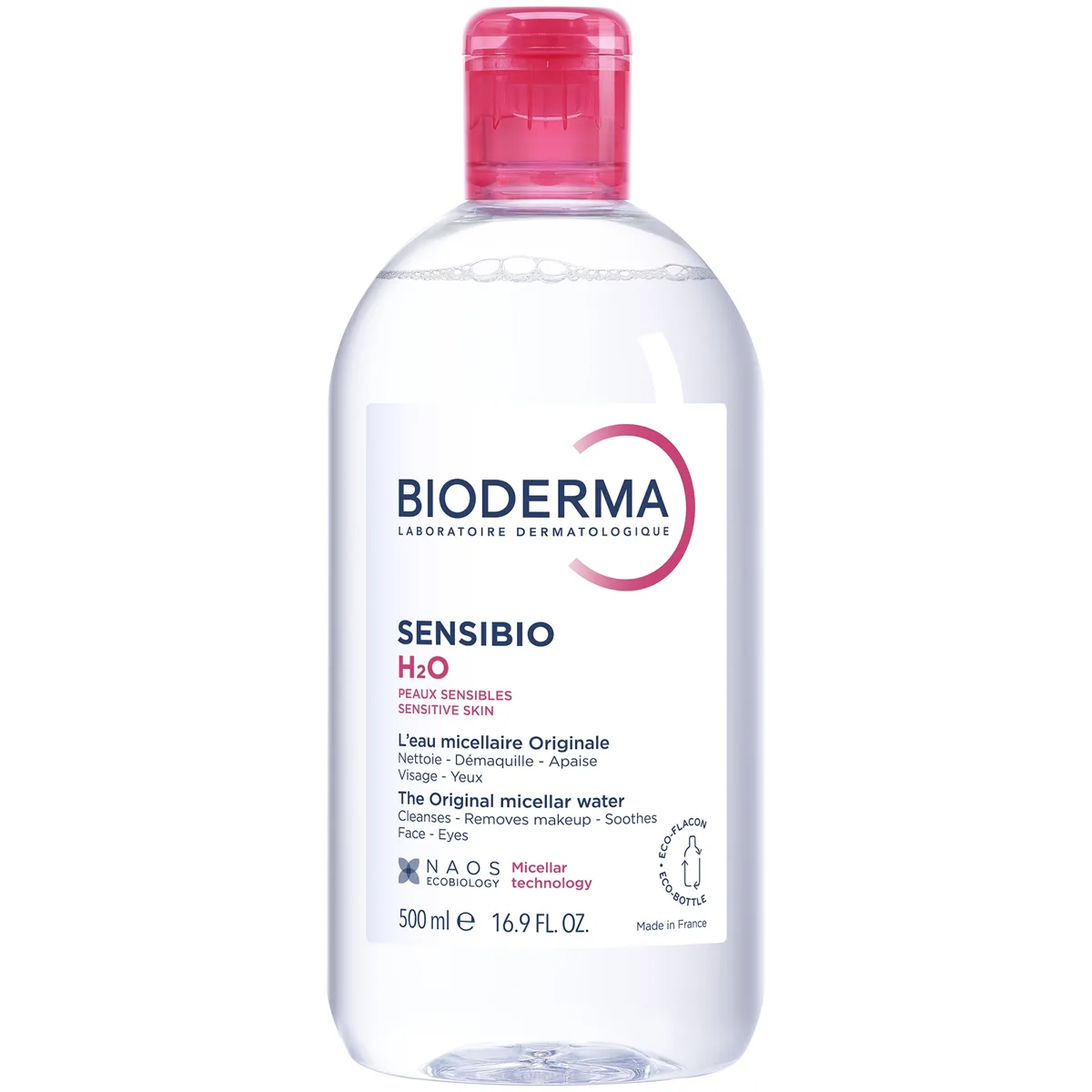 The Original Micellar Water
 Sensibio H2O Micellar Water
The product that launched an entire skincare category remains, three decades later, one of the gentlest and most effective no-rinse cleansers available. Bioderma Sensibio H2O earns its cult status through radical simplicity — 10 ingredients, zero fragrance, and a formula so mild it was originally dispensed by prescription.
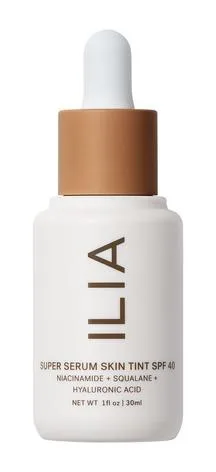 Clean Beauty Cult Classic
 Super Serum Skin Tint SPF 40
The product that finally made mineral tinted SPF desirable instead of medicinal. At 12% non-nano zinc with iron oxide visible-light protection, niacinamide, and a squalane-based glowy finish, this bottle does the impossible — it delivers real sun protection, real skincare, and real makeup in a single step without any one of them feeling compromised. The $54 price stings, but almost nothing else in the category does all three jobs this well.
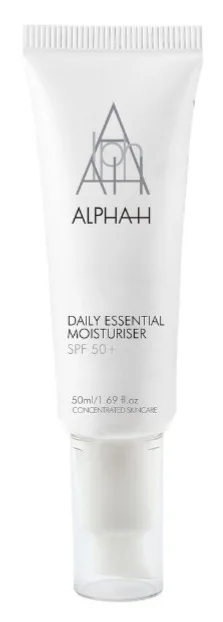 Australian SPF Standard
 Daily Essential Moisturiser SPF 50+
An excellent multi-active daily SPF that meets Australia's stricter TGA SPF 50+ standard and includes modern UVA filters that put it well ahead of most US sunscreens. Niacinamide, centella, and hyaluronate make it a genuine moisturizer rather than just a sunscreen step. Premium-priced but uniquely well-formulated.
 Mineral SPF for Melasma
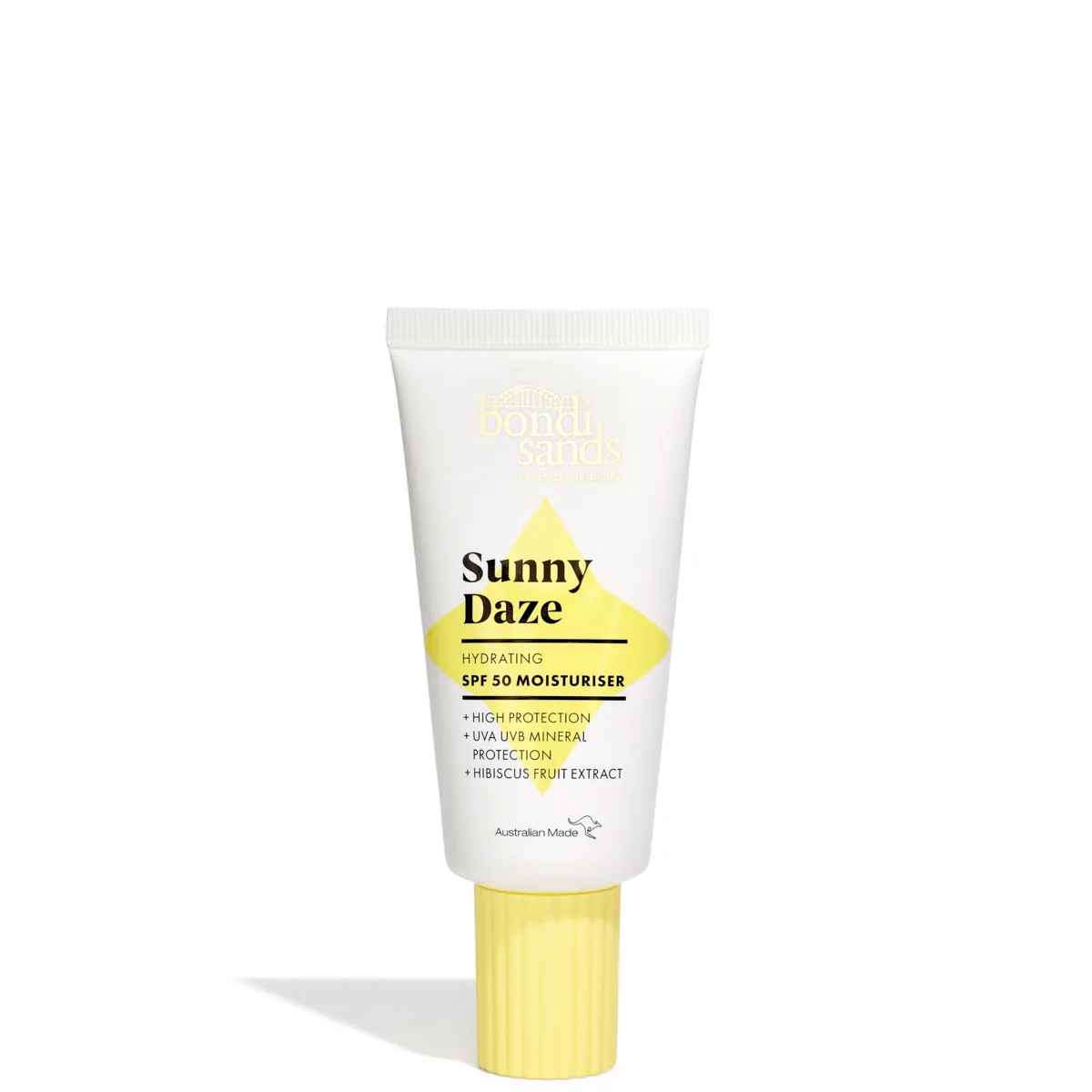
 Sunny Daze SPF 50 Moisturiser
A 25% zinc oxide mineral face moisturizer with a built-in universal tint that provides both visible-light protection and white-cast neutralization — one of the better-engineered mineral SPF moisturizers in its price tier. The single universal shade is a real limitation, but for anyone managing melasma or reactive skin, this is a surprisingly thoughtful drugstore option.
 Brightening Multitasker
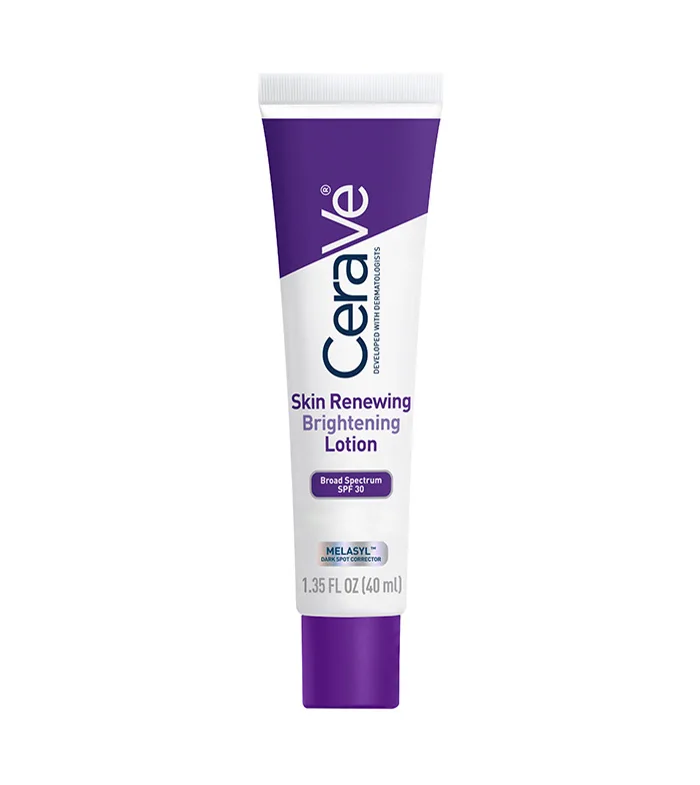
 Skin Renewing Brightening Lotion SPF 30
CeraVe's first product to use L'Oréal's Melasyl pigmentation molecule is also a competent SPF 30 day cream and a barrier-supporting lotion in one step. The size is small for the price, but the formula is genuinely impressive — this is CeraVe taking a real swing at the dark spot treatment category.
 Oily Skin's Micellar Match
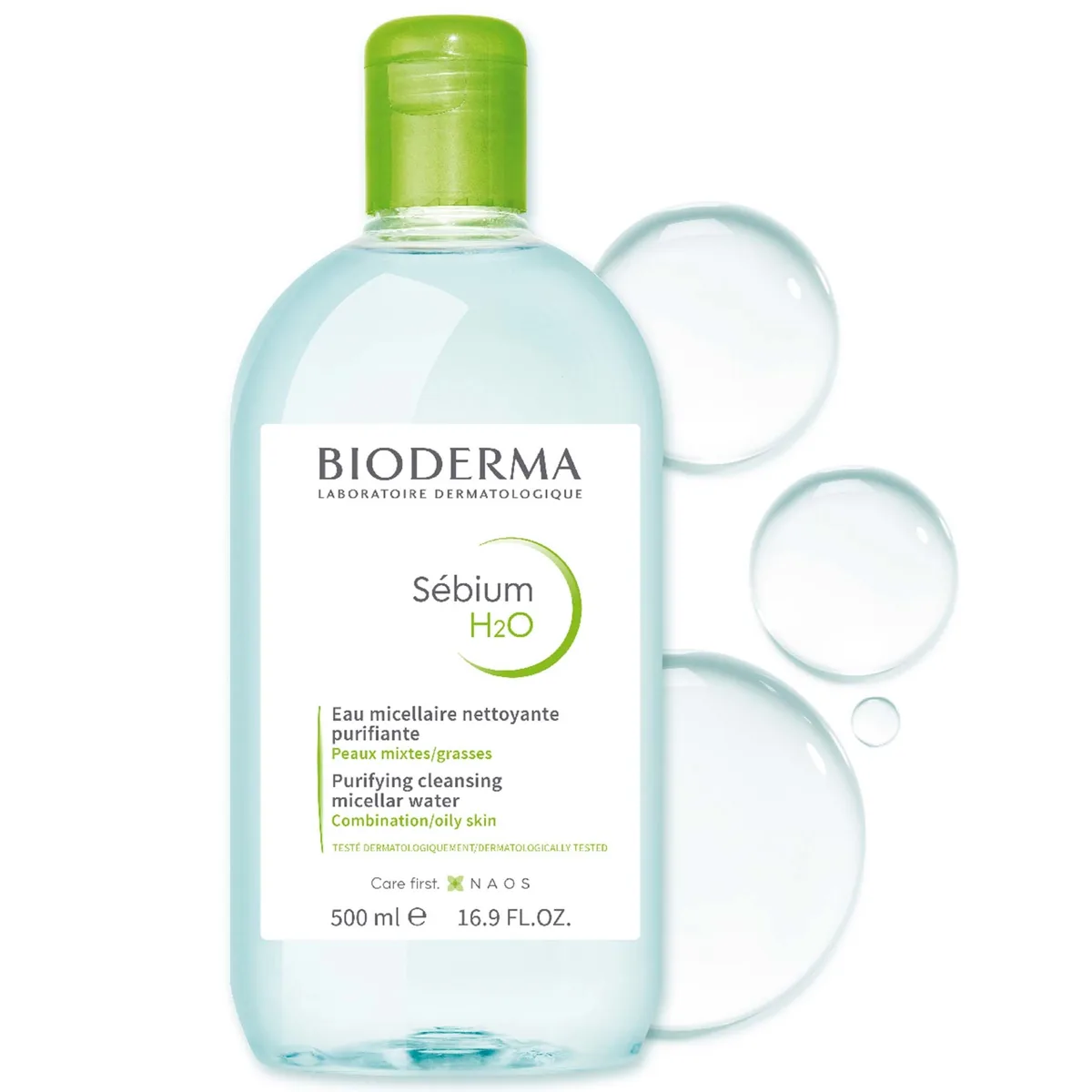
 Sebium H2O Micellar Water
A micellar water that actually does something for oily skin beyond basic cleaning. Bioderma Sebium H2O combines the brand's signature gentle micelle technology with zinc and copper purifying actives — a combination that makes it less of a passive cleanser and more of a treatment step disguised as makeup removal.
This review reflects our independent analysis of publicly available ingredient data, manufacturer claims, and verified user reviews. We are reader-supported — Amazon links may earn us a commission at no cost to you. We do not accept paid placements; rankings are based solely on the evidence.