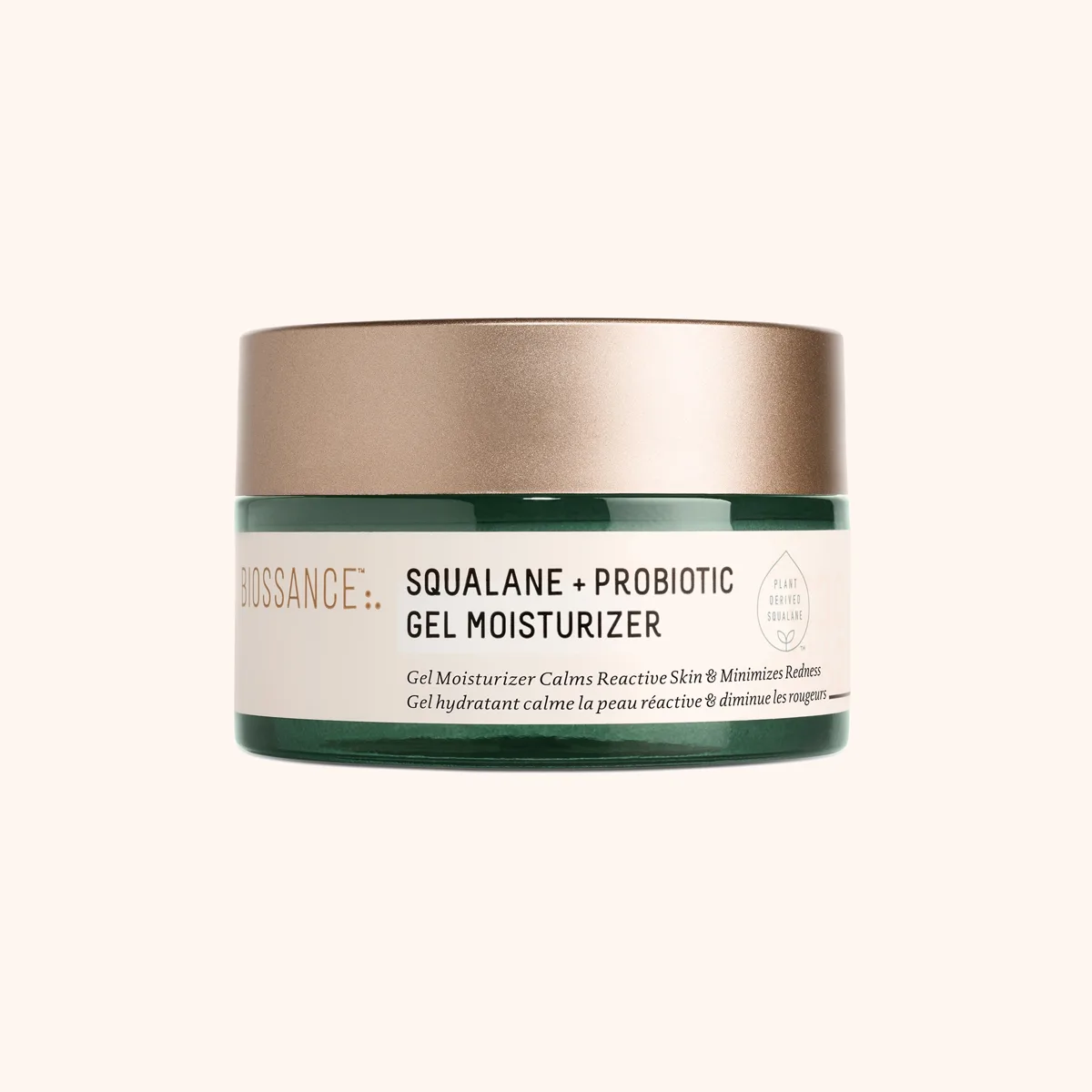
A genuinely innovative microbiome-focused moisturizer that goes beyond 'probiotic' as a marketing buzzword. The 2023 reformulation with encapsulated multi-strain cultures, paired with squalane and calming bisabolol, delivers meaningful skin-soothing and barrier-supporting results for oily, combination, and reactive skin types. The $54 price and jar packaging are the main compromises in an otherwise impressive clean formulation.
Squalane + Probiotic Gel Moisturizer
A genuinely innovative microbiome-focused moisturizer that goes beyond 'probiotic' as a marketing buzzword. The 2023 reformulation with encapsulated multi-strain cultures, paired with squalane and calming bisabolol, delivers meaningful skin-soothing and barrier-supporting results for oily, combination, and reactive skin types. The $54 price and jar packaging are the main compromises in an otherwise impressive clean formulation.
Score Breakdown
Where this product gains points and where it loses them — broken down across the four scoring pillars.
A well-conceived microbiome-focused gel moisturizer with a clean ingredient profile, NEA acceptance, and strong certifications. The probiotic technology is genuinely innovative, and the soothing supporting ingredients (bisabolol, allantoin) are well-chosen for reactive skin. The $54 price for 50 ml of a lightweight gel moisturizer is the primary limitation, as comparable gel moisturizers exist at significantly lower price points.
Pros & Cons
- ✓Genuinely innovative encapsulated multi-strain probiotic technology — not just a token ferment lysate
- ✓National Eczema Association Seal of Acceptance validates safety on compromised skin
- ✓Fragrance-free with no essential oils — truly unscented and gentle
- ✓Lightweight gel absorbs in seconds without greasiness, ideal for oily and combination skin
- ✓Bisabolol and allantoin provide immediate soothing for redness and irritation
- ✓Pregnancy-safe, Leaping Bunny certified, vegan, and dermatologist tested
- ✓2023 reformulation significantly upgraded the probiotic delivery system
- ✗$54 for 50 ml is premium pricing for a gel moisturizer
- ✗Jar packaging is less hygienic than pump for a probiotic product
- ✗Not hydrating enough for dry skin as a standalone moisturizer
- ✗Full probiotic benefits require 6-8 weeks of consistent use — not instant gratification
- ✗Contains soy derivatives — caution for soy-allergic individuals
- ✗Not fungal-acne-safe due to sorbitan oleate and soy sterols
Full Review
Probiotic skincare has spent the better part of the last decade hovering somewhere between legitimate science and marketing opportunism. Dozens of products slap 'probiotic' on the label, include a trace of ferment lysate at the bottom of the INCI list, and call it innovation. Biossance decided to take a different approach with the 2023 reformulation of this gel moisturizer, and the result is one of the more honest attempts at microbiome-focused skincare currently available.
The headline claim is over one billion active cultures per drop from a seven-strain ferment complex that includes Lactobacillus, Lactococcus, Saccharomyces, and four other microbial strains cultured with fig and lemon. These are not live bacteria being applied to your face in the traditional probiotic sense — the fermentation process produces postbiotic metabolites (enzymes, organic acids, peptides) that influence the skin's microbiome environment. The encapsulation technology in the 2023 reformulation is designed to keep these cultures stable in the jar and release them upon application, addressing one of the fundamental challenges of probiotic skincare: getting the bioactive compounds to the skin in an active state rather than degraded in transit.
Biossance's biotech heritage lends credibility here that a conventional beauty brand would struggle to claim. The company was born from Amyris, a synthetic biology firm that understands fermentation at a molecular level. When they say they have encapsulated probiotic cultures, the technology backing that claim is more substantial than marketing copy — it reflects the fermentation expertise that originally produced the brand's sugarcane-derived squalane.
The supporting cast is chosen with obvious intent. Bisabolol, the active compound derived from chamomile, is one of the most reliable anti-inflammatory ingredients in cosmetic chemistry, and it works synergistically with the probiotic ferment's microbiome-balancing action. Where the probiotics address the underlying microbial dysbiosis that can drive redness and sensitivity, bisabolol provides immediate topical soothing — a one-two punch that covers both the cause and the symptom. Allantoin reinforces this calming profile with its own skin-conditioning and cell-regeneration properties.
Squalane, predictably, anchors the moisture strategy. At an estimated five to seven percent (third in the INCI), it provides the lightweight barrier support that distinguishes this from the water-and-thickener gel moisturizers that dominate the oily-skin market. The squalane integrates into the skin's natural lipid matrix without the greasiness of plant oils, which is why this gel can satisfy combination skin without triggering the T-zone.
On the skin, the gel is immediately pleasant — cool, lightweight, and absorptive in the way that only well-formulated gel moisturizers achieve. A pea-sized amount covers the full face and sinks in within thirty seconds, leaving a dewy but not sticky finish that layers cleanly under sunscreen. The fragrance-free formula means zero scent, which in the clean beauty world — where lavender and rosemary frequently substitute for synthetic fragrance — is genuinely notable. This product smells like nothing, and that is a feature.
Results unfold on two timelines. The soothing effects — reduced redness, calmer reactive skin, decreased irritation — are apparent within the first week or two, driven primarily by the bisabolol and allantoin. The deeper microbiome benefits take longer. Biossance advises six to eight weeks for the probiotic cultures to fully influence the skin's microbial ecosystem, and user reviews broadly confirm this timeline. Some users report a brief adjustment period in weeks one and two — minor textural changes or small breakouts — as the microbiome recalibrates. This is not universal, but it is worth knowing about.
The National Eczema Association Seal of Acceptance is a significant credential that deserves attention. NEA acceptance requires independent evaluation of the product's safety profile on compromised, eczema-prone skin. For a probiotic product targeting reactive skin types, this certification provides validation that the formula supports rather than disrupts an already vulnerable barrier.
Honest limitations: this moisturizer is lightweight by design, and dry skin types will likely find it insufficient as a standalone moisturizer, particularly in winter or dry climates. It is a gel, and gels trade richness for weightlessness. If your skin needs serious occlusivity, layer a richer cream or facial oil over this. The jar packaging, while attractive and recyclable, is less hygienic than a pump for a product that markets its probiotic cultures as a key feature — a tube or airless pump would better protect the bioactive compounds from repeated air exposure and finger contamination.
At $54 for 50 milliliters, the pricing positions this as a premium gel moisturizer. Comparable gel moisturizers from K-beauty and drugstore brands sell for $15-25, though few offer the certified probiotic technology and clean beauty credentials found here. The Leaping Bunny certification, NEA acceptance, vegan status, and dermatologist testing add intangible value that matters to the clean beauty consumer. Whether those certifications justify twice the price of a well-formulated alternative is a personal calculation.
Biossance survived corporate upheaval — Amyris's 2023 bankruptcy and the subsequent THG acquisition — and has maintained its product lineup and certifications through the transition. For a brand that asks consumers to invest in biotech-driven skincare, that continuity matters. The Squalane + Probiotic Gel Moisturizer represents the brand's identity at its most focused: biotechnology applied to a real skin concern, delivered in a clean format, priced for a consumer who values both science and ethics.
Formula
Key Ingredients
The hero actives that drive this product's performance.
| Ingredient | Function | Evidence |
|---|---|---|
| Squalane | Third in the INCI at an estimated 5-7%, Biossance's signature sugarcane-derived squalane provides lightweight moisture that mimics the skin's own sebum composition. In this gel format, it delivers barrier-supporting lipids without the heaviness of traditional oils, making it the reason this moisturizer can satisfy oily and combination skin types without feeling greasy. | well-established |
| Multi-Strain Probiotic Ferment (over 1 billion active cultures per drop (brand claim)) | A complex ferment of seven probiotic strains (including Lactobacillus, Lactococcus, Saccharomyces, and others) cultured with fig and lemon. The 2023 reformulation encapsulates these cultures for improved delivery, supporting the skin's microbiome balance and reducing the inflammation and redness that result from microbial dysbiosis — making this particularly relevant for acne-prone and rosacea-adjacent skin. | promising |
| Bisabolol | A chamomile-derived anti-inflammatory that works synergistically with the probiotic ferment to calm irritated, reactive skin. In this formula, bisabolol addresses the inflammation that often accompanies microbiome disruption, providing both immediate soothing and ongoing anti-redness benefits. | well-established |
| Sodium Hyaluronate | Provides humectant hydration that draws water to the skin surface, ensuring the lightweight gel texture delivers satisfying moisture despite the absence of heavy occlusives. Works with the glycerin base to maintain hydration while the probiotics and squalane support long-term barrier health. | well-established |
| Allantoin | A skin-conditioning agent that promotes cell regeneration and soothes irritation — complementing the bisabolol's anti-inflammatory action and the probiotic's microbiome-balancing role to create a three-pronged calming system for reactive, compromised skin. | well-established |
| Lepidium Sativum Sprout Extract | A cress sprout extract positioned fourth in the INCI that provides antioxidant protection and may support the skin's natural detoxification processes. While less studied than the other actives in this formula, its high placement suggests it contributes meaningfully to the product's barrier-supportive profile. | emerging |
Full INCI List
Water/Aqua/Eau, Glycerin, Squalane, Lepidium Sativum Sprout Extract, Sodium Acrylates Copolymer, Caprylic/Capric Triglyceride, Bisabolol, Phospholipids, Hansenula/Kloeckera/Lactobacillus/Lactococcus/Leuconostoc/Pediococcus/Saccharomyces/Fig/Lemon Ferment, Sodium Hyaluronate, Chondrus Crispus Extract, Allantoin, Glycine Soja (Soybean) Sterols, Linoleic Acid, Capryloyl Glycerin/Sebacic Acid Copolymer, Diheptyl Succinate, Cellulose Gum, Lecithin, Sorbitan Oleate, Isoeicosane, Chitosan, Sodium Phytate, Caprylyl Glycol, Phenoxyethanol, 1,2-Hexanediol, Citric Acid
Product Flags
✓ Fragrance Free✓ Alcohol Free✗ Oil Free✓ Silicone Free✓ Paraben Free✓ Sulfate Free✓ Cruelty Free✓ Vegan✗ Fungal Acne Safe
Comedogenic Ingredients
Sorbitan Oleate
Potential Irritants
1,2-Hexanediol
Common Allergens
Glycine Soja (Soybean) SterolsLecithin (soy-derived)
Compatibility
Skin Match
Best For
Works For
Not Ideal For
Addresses These Conditions
acne rosacea sensitivity oiliness large pores compromised skin barrier eczema
Use With Caution
Routine Step
moisturizer
Time of Day
AM & PM
Pregnancy Safe
Yes ✓
Layering Tips
Apply a pea-sized amount to clean skin after serums and treatments. The gel texture layers well under sunscreen in the morning and under heavier treatments at night. For very dry environments or winter use, layer a richer occlusive over this gel at night. Works well as the final step for oily skin types who do not need a heavier cream.
Results Timeline
Immediate lightweight hydration and a cooling, soothing sensation on first use. Reduced redness and calming effects within 1-2 weeks. Full probiotic microbiome-balancing benefits typically require 6-8 weeks of consistent use. Some users report a brief adjustment period (1-2 weeks) as the microbiome recalibrates.
Pairs Well With
niacinamide serumhyaluronic acid serumretinoid (underneath)sunscreen SPF 30+vitamin C serum
Sample AM Routine
- Gentle cleanser
- Vitamin C or niacinamide serum
- Biossance Squalane + Probiotic Gel Moisturizer
- Sunscreen SPF 30+
Sample PM Routine
- Oil cleanser
- Gentle foaming cleanser
- Retinoid or treatment serum
- Biossance Squalane + Probiotic Gel Moisturizer
Evidence
Who Should Skip
- $54 for 50 ml is premium pricing for a gel moisturizer
- Jar packaging is less hygienic than pump for a probiotic product
- Not hydrating enough for dry skin as a standalone moisturizer
- Full probiotic benefits require 6-8 weeks of consistent use — not instant gratification
Science & Expert Perspective
The Science
The skin microbiome has emerged as a significant area of dermatological research, with studies published in the Journal of Investigative Dermatology establishing that microbial diversity on the skin surface directly influences barrier function, immune response, and susceptibility to conditions like acne, eczema, and rosacea. Products that support microbiome balance — rather than simply sterilizing the skin surface — represent a shift toward ecology-based skincare.
The multi-strain ferment in this product generates postbiotic metabolites during the fermentation process. Research in the British Journal of Dermatology (2019) demonstrated that topical application of Lactobacillus ferment lysate significantly improved skin barrier function and reduced transepidermal water loss in subjects with atopic dermatitis. The mechanism involves modulation of antimicrobial peptide expression and immune signaling on the skin surface, creating an environment that favors commensal (beneficial) bacteria over pathogenic species.
Bisabolol, derived from Matricaria chamomilla, has documented anti-inflammatory properties mediated through inhibition of cyclooxygenase and lipoxygenase pathways. A study in the Journal of the European Academy of Dermatology and Venereology demonstrated significant reduction in erythema and scaling when bisabolol was applied to irritated skin, supporting its role as a soothing agent that complements the probiotic's microbiome-level action with immediate surface-level anti-inflammatory relief.
Squalane's barrier-supporting role in this formulation is backed by research showing that topical squalane application increases skin hydration and elasticity without disrupting the microbiome. Unlike some emollients that can create anaerobic conditions favoring pathogenic bacteria, squalane's non-occlusive properties maintain the aerobic environment that supports beneficial skin organisms — an important consideration in a product designed to optimize microbial balance.
References
- Lactobacillus ferment lysate improves skin barrier function in atopic dermatitis — British Journal of Dermatology (2019)
Dermatologist Perspective
Dermatologists have become increasingly interested in the skin microbiome as a therapeutic target, and products like this gel moisturizer represent the consumer-facing edge of that research. Board-certified dermatologists note that the multi-strain probiotic approach is more nuanced than single-strain products, as microbial diversity on the skin is associated with healthier barrier function. The National Eczema Association acceptance provides clinical reassurance that the formula is safe for compromised skin — a population that particularly benefits from microbiome-supportive care. Dermatologists typically recommend this for patients with reactive, redness-prone skin who want a lightweight moisturizer that supports rather than suppresses the skin's natural ecology. It is frequently positioned as a complement to, not a replacement for, targeted treatments like prescription anti-inflammatories or retinoids.
Guidance
Usage Guide
How to Use
After cleansing and applying serums or treatments, take a pea-sized amount from the jar (ideally with a clean spatula to maintain hygiene). Apply to the face and neck using gentle upward and outward motions. Allow to absorb for 30 seconds before applying sunscreen (AM) or sleeping (PM). Use morning and evening. For dry skin, layer a richer cream or facial oil over this gel at night. Allow 6-8 weeks of consistent use for full microbiome-balancing benefits.
Value Assessment
At $54 for 50 ml, this gel moisturizer is priced at the premium end of the category. The encapsulated probiotic technology and clean beauty certifications differentiate it from cheaper gel moisturizers, but the practical question is whether the microbiome benefits justify the markup over a well-formulated $15-20 alternative. The NEA Seal of Acceptance, Leaping Bunny certification, and biotech-derived probiotic technology are genuine value-adds for consumers who prioritize these attributes. A travel size (15 ml) exists for trial purposes. With twice-daily use, the 50 ml jar lasts 2-3 months, putting monthly cost at approximately $18-27 — reasonable for a primary moisturizer if the probiotic and soothing benefits prove transformative for your skin type.
Who Should Buy
Oily, combination, and sensitive skin types seeking a lightweight, fragrance-free moisturizer that supports microbiome health alongside standard hydration. Particularly well-suited for those with redness-prone skin, rosacea tendencies, or reactive skin that flares with heavier products. Also ideal for pregnant individuals seeking a certified-clean, NEA-accepted moisturizer.
Who Should Skip
Dry skin types who need rich, occlusive moisture — this gel will not be enough alone. Anyone with a confirmed soy allergy should patch test carefully due to soy-derived ingredients. Those prone to fungal acne should be cautious of the sorbitan oleate and soy sterols. Budget-conscious shoppers can find effective gel moisturizers at a third of this price, though without the probiotic technology and certifications.
Ready to try Biossance Squalane + Probiotic Gel Moisturizer?
Details
Details
Texture
A lightweight, slightly opaque gel with a smooth, lotion-like slip. The encapsulated probiotics give the reformulated version a subtle white-ish appearance. Absorbs within 30 seconds without any sticky, tacky, or greasy residue. A pea-sized amount covers the entire face.
Scent
Fragrance-free with no discernible scent. Truly unscented — no essential oils or botanical fragrances masking as natural scent.
Packaging
Glass jar with a screw-top lid in Biossance's signature green-toned clean design. The outer carton uses FSC-certified sugarcane paper. The jar is recyclable but less hygienic than a pump — finger-dipping can introduce bacteria, which is ironic for a probiotic product. A spatula would be a welcome addition.
Finish
dewylightweightnon-greasy
What to Expect on First Use
On first application, the gel feels cooling and immediately soothing. Redness-prone skin typically notices a calming effect within minutes. The texture melts into the skin quickly and leaves a comfortable, dewy base. Some users experience mild adjustment in the first 1-2 weeks — minor breakouts or texture changes — as the probiotic cultures interact with the skin's existing microbiome. This typically resolves within two weeks.
How Long It Lasts
2-3 months with twice-daily use.
Period After Opening
12 months
Best Season
spring summer
Certifications
Leaping Bunny certifiedPETA certified cruelty-free and veganNational Eczema Association Seal of AcceptanceMy Green Lab certifiedDermatologist testedNoncomedogenic (brand claim)
Background
The Why
Biossance originally launched this probiotic gel moisturizer in 2018 as part of its mission to prove that biotech-derived ingredients could outperform traditional formulations. The 2023 reformulation represented a significant upgrade — the original used a simpler probiotic ferment, while the new version employs encapsulated live cultures from seven bacterial and yeast strains cultured with fig and lemon. The product holds the National Eczema Association Seal of Acceptance, indicating it has been evaluated for safety on compromised skin — a meaningful distinction for a probiotic product targeting reactive skin types.
About Biossance Established Brand (5–20 years)
Biossance was launched in 2016 by Amyris, a biotechnology company that developed sugarcane-derived squalane. The brand is Leaping Bunny and PETA certified, and this product holds the National Eczema Association Seal of Acceptance. The formula was reformulated in 2023 with encapsulated probiotic technology. The brand was acquired by THG following Amyris's 2023 bankruptcy.
Brand founded: 2016 · Product launched: 2018
Myth vs. Reality
Myths & Misconceptions
Myth
Probiotic skincare puts live bacteria on your face.
Reality
While this product does contain fermented cultures from seven microbial strains, the 'probiotics' in skincare work differently than dietary probiotics. The fermentation process produces metabolites (postbiotics) — enzymes, peptides, and organic acids — that support the skin's microbiome balance. The encapsulated cultures in this formula are designed to remain stable in the jar and release their benefits upon application.
Myth
Gel moisturizers are not real moisturizers — they are just water.
Reality
This gel contains squalane (a lipid emollient), glycerin (a humectant), hyaluronic acid, and phospholipids — all genuine moisturizing ingredients. The gel format simply delivers them without the heavy waxes and occlusives that make traditional creams feel rich. For oily and combination skin types, a well-formulated gel moisturizer can provide sufficient hydration without the pore-clogging risk of heavier textures.
FAQ
Frequently Asked Questions
Is this moisturizer hydrating enough for dry skin?
For most dry skin types, this gel moisturizer alone may not provide sufficient hydration. The lightweight gel texture is optimized for oily and combination skin. If you have dry skin but want the probiotic benefits, layer a richer cream or facial oil over this gel at night, or use it as a hydrating step beneath your regular moisturizer.
Will I experience a purging period?
Some users report a brief adjustment period of 1-2 weeks when first using this product, during which minor breakouts or texture changes may occur as the probiotic cultures interact with the skin's existing microbiome. This typically resolves on its own and is distinct from an allergic reaction (which would involve persistent redness, itching, or swelling).
Is this safe during pregnancy?
Yes. Biossance officially lists this product in their pregnancy-safe skincare lineup. It contains no retinoids, no salicylic acid, and no ingredients flagged as concerning during pregnancy or breastfeeding.
Can I use this with retinol?
Yes. This gel moisturizer works well applied over a retinoid serum. The squalane, bisabolol, and allantoin can help buffer retinoid irritation, while the probiotic cultures support the microbiome that retinoids can disrupt. Apply your retinoid first, let it absorb, then follow with this moisturizer.
Does this product contain live bacteria?
The reformulated version contains encapsulated ferment cultures from seven microbial strains. These are not live bacteria in the traditional sense — the fermentation process produces beneficial metabolites (postbiotics) that support skin microbiome health. The encapsulation technology helps maintain the stability and activity of these cultures in the product.
Is this safe for people with soy allergies?
This product contains Glycine Soja (Soybean) Sterols and soy-derived Lecithin. If you have a confirmed soy allergy, patch test carefully before applying to the full face, or consult your dermatologist. Topical soy exposure is generally lower risk than dietary exposure, but sensitivity varies between individuals.
Community
Community Voices
Common Praise
"Lightweight gel absorbs quickly without heaviness or greasiness"
"Effectively calms redness and irritation"
"Does not clog pores or trigger breakouts"
"Refreshing cooling sensation on application"
"Works well layered under sunscreen and makeup"
"Fragrance-free and truly gentle"
Common Complaints
"Price is high for a gel moisturizer at $54 for 1.69 oz"
"Full probiotic benefits take 6-8 weeks to manifest"
"May not be hydrating enough for dry skin as a standalone moisturizer"
"Jar packaging raises hygiene concerns versus pump"
"Brief adjustment period possible in first 1-2 weeks"
"Contains soy derivatives — concern for soy-allergic individuals"
Notable Endorsements
National Eczema Association Seal of AcceptanceLeaping Bunny and PETA certifiedDermatologist testedAvailable at Sephora
Appears In
best gel moisturizer for oily skin best probiotic moisturizer best moisturizer for rosacea best clean beauty moisturizer best moisturizer for sensitive skin
Related Conditions
acne rosacea sensitivity oiliness compromised skin barrier eczema
Related Ingredients
squalane probiotics prebiotics hyaluronic acid allantoin chamomile
You Might Also Like
 Budget Holy Grail
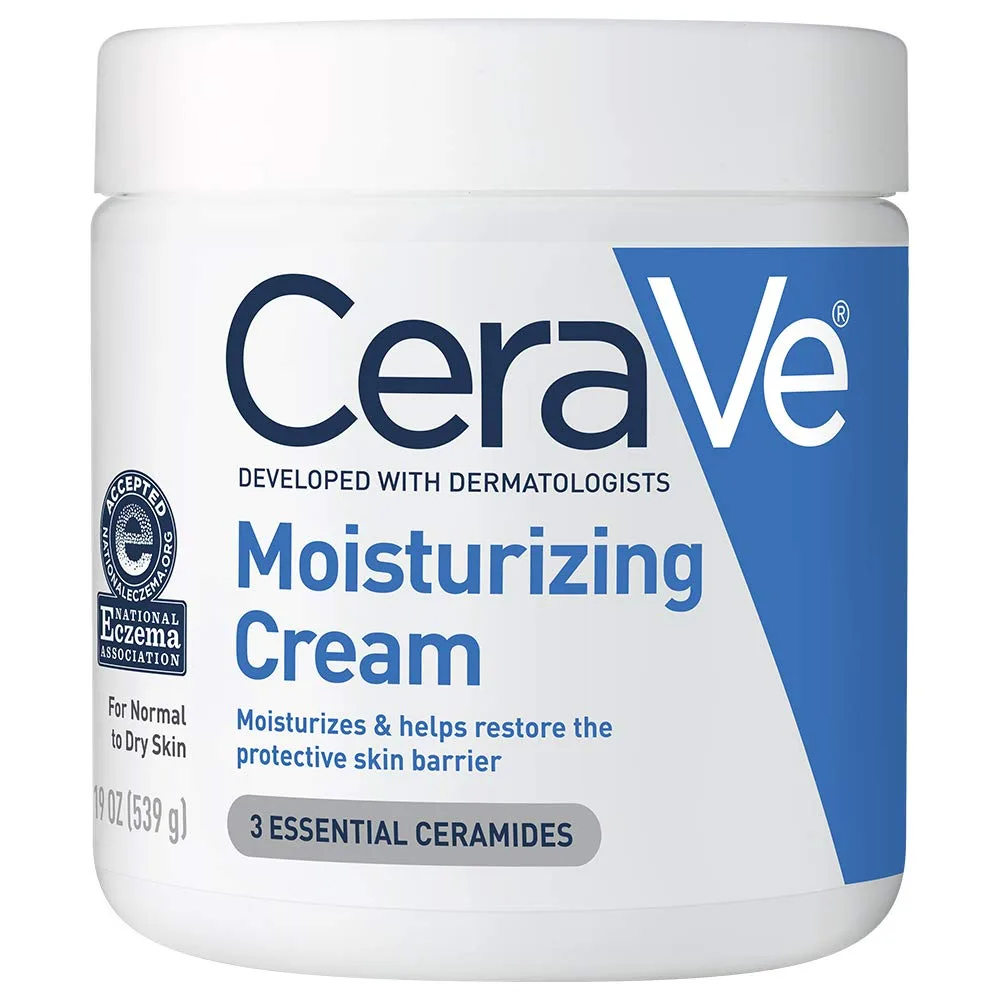
 Moisturizing Cream
The CeraVe Moisturizing Cream is the most important moisturizer in the drugstore — a ceramide-rich, dermatologist-developed formula that delivers barrier repair, multi-humectant hydration, and occlusive protection at a price so accessible it has no real excuse not to be in every household. Twenty-one years of consistent performance and universal dermatologist approval speak louder than any ingredient list.
 Barrier Repair Pioneer
 MLE Cream
Atopalm MLE Cream is one of the genuinely scientifically anchored barrier moisturizers in K-beauty — a fragrance-free, pseudo-ceramide cream built around a patented liquid-crystal lipid structure that mimics the skin's own intercellular matrix. For eczema, atopic skin, post-procedure recovery, or anyone with a stinging compromised barrier, it's one of the most reliably effective moisturizers in the entire category.
 K-Beauty Barrier Repair Staple
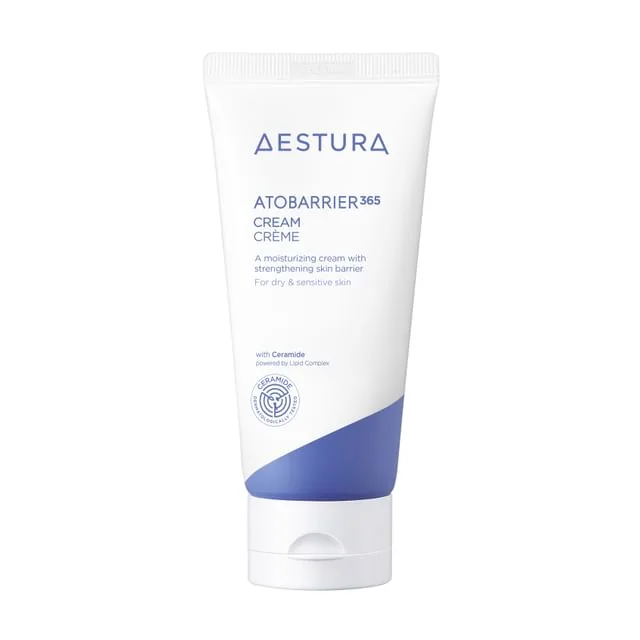
 Atobarrier 365 Cream
A Korean pharmacy cream that earns its cult following the hard way — with a lamellar lipid structure that actually rebuilds the barrier, not just coats it. If your skin has been through a rough winter, a retinoid ramp-up, or a bad reaction, this is the jar that quietly puts it back together.
 Korean Derm Clinic Recovery Pick
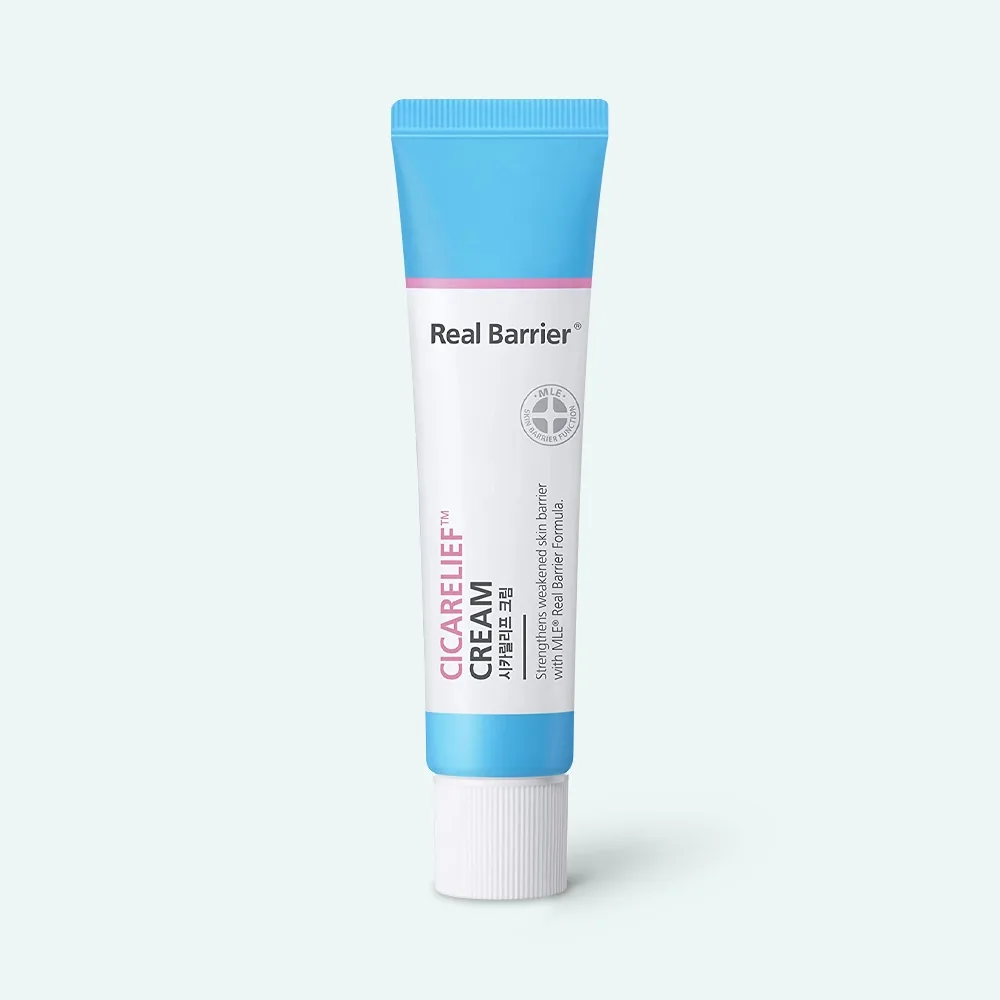
 Real Barrier Cicarelief Cream
One of the best consumer cica creams on the market, combining the full spectrum of centella actives with NeoPharm's MLE ceramide delivery and multiple complementary calming ingredients. Ideal for compromised, reactive, rosacea-prone, or recovering skin, and a staple in Korean dermatology clinic protocols. Minor limitations on packaging, but the formulation is genuinely excellent.
 Transparent 10% Panthenol Cream
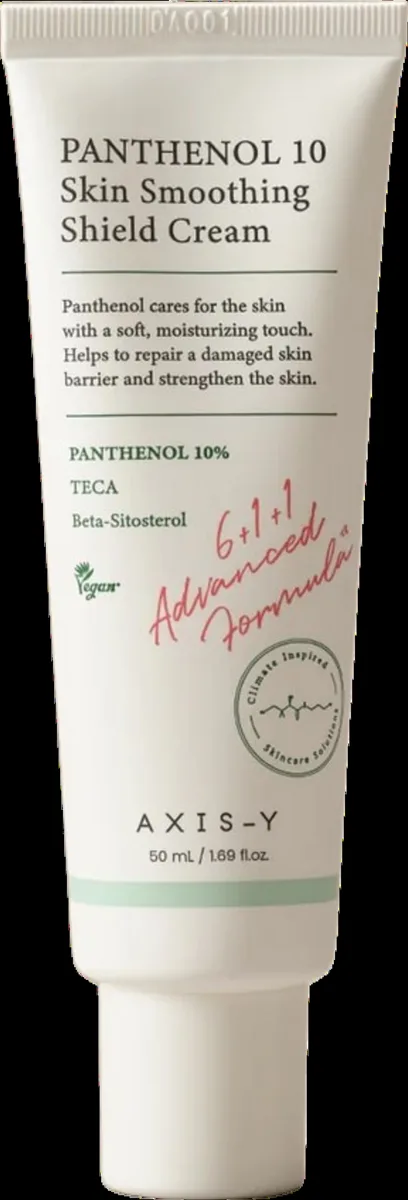
 Panthenol 10 Skin Smoothing Shield Cream
A disclosed 10% panthenol barrier cream built around a full physiological ceramide trio, a centella calming cast, and a modest shea butter occlusive. Fragrance-free, cross-season, and unusually transparent about its hero active — one of the brand's strongest moisturizer formulations.
 K-Beauty Icon
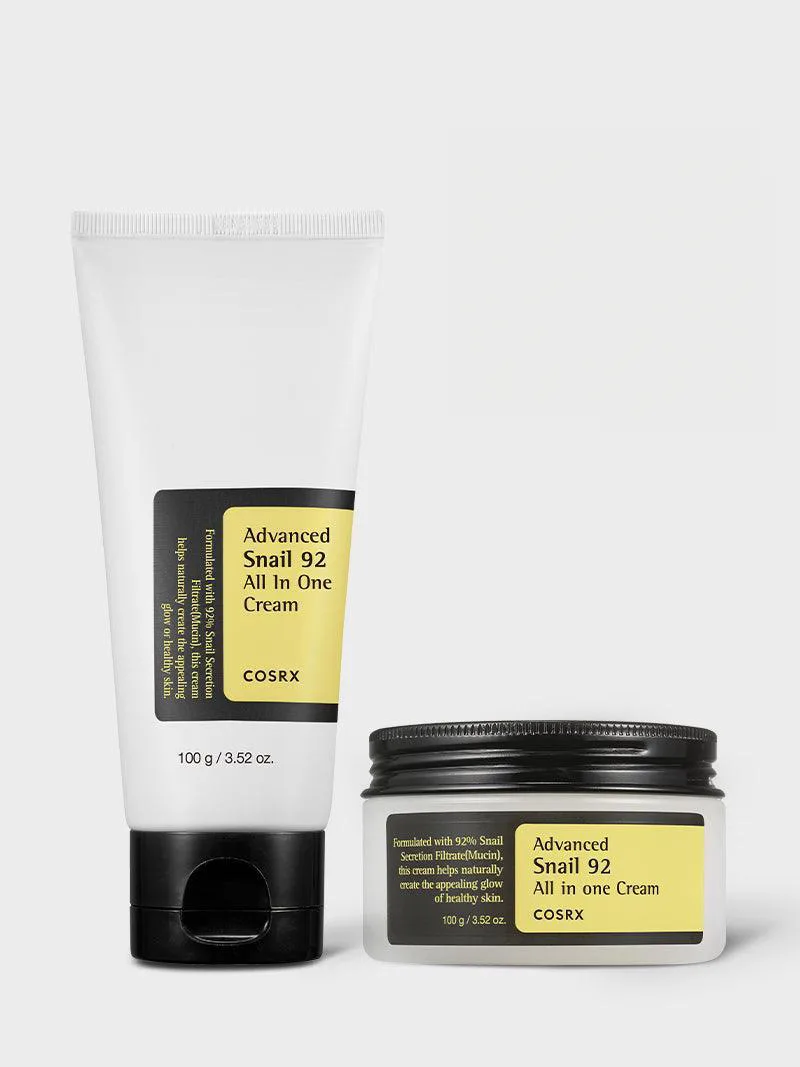
 Advanced Snail 92 All in One Cream
The cream that helped prove snail mucin to the world — and a decade later, it still deserves the reputation. At 92% snail secretion filtrate in a fragrance-free, gentle gel-cream, it delivers hydration, soothing, and gradual skin improvement across virtually every skin type. The texture takes getting used to, but 13 million sold units and 25,000+ reviews suggest most people manage.
This review reflects our independent analysis of publicly available ingredient data, manufacturer claims, and verified user reviews. We are reader-supported — Amazon links may earn us a commission at no cost to you. We do not accept paid placements; rankings are based solely on the evidence.