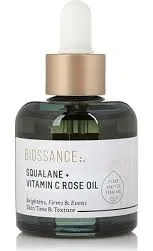
Seven ingredients, one cult following, and a price tag that dares you to question it. Biossance's global best-seller delivers genuine radiance through an oil-soluble vitamin C in a squalane base, and the texture is undeniably beautiful. But at seventy-four dollars for what is essentially fancy squalane with vitamin C and rose, you are paying a steep clean-beauty tax for simplicity.
Squalane + Vitamin C Rose Oil
Seven ingredients, one cult following, and a price tag that dares you to question it. Biossance's global best-seller delivers genuine radiance through an oil-soluble vitamin C in a squalane base, and the texture is undeniably beautiful. But at seventy-four dollars for what is essentially fancy squalane with vitamin C and rose, you are paying a steep clean-beauty tax for simplicity.
Score Breakdown
A beautifully simple oil with a quality vitamin C derivative and strong user satisfaction, but the ultra-minimal formula and premium price create a significant gap between what you pay and the ingredient complexity you receive. Fragrance components from rose extract limit suitability for sensitive skin.
Data Confidence: high
This product has been available since approximately 2017 with nearly 2,800 user reviews on the Biossance website alone and additional reviews across Sephora, Influenster, and other platforms. Our scoring reflects extensive real-world feedback and ingredient analysis.
0/100
Overall Score
Ingredient Quality 0
Value for Money 0
Suitability Breadth 0
Irritation Risk (↑ = safer) 0
Assessment
Pros
- Ultra-minimal seven-ingredient formula minimizes irritation risk and ingredient interactions
- Oil-soluble vitamin C is inherently more stable than water-based alternatives
- Luxurious texture absorbs quickly and delivers an instant radiant glow
- Nearly 2,800 reviews with a 4.7-star average demonstrate exceptional consumer satisfaction
- Biotech-sourced squalane from sustainable sugarcane fermentation
- Silicone-free, paraben-free, and cruelty-free with multiple clean certifications
- Can be used morning and evening and layered with most skincare products
Cons
- Premium $74 price is difficult to justify for a seven-ingredient oil formula
- Rosa Damascena extract produces geraniol and citronellol — classified fragrance allergens
- Clear glass packaging offers less protection for vitamin C than opaque alternatives
- Too dewy for oily skin types, especially in warmer or humid climates
- Vitamin C concentration is undisclosed, making potency comparison difficult
Full Review
There is something almost confrontational about a seventy-four-dollar face oil with seven ingredients. In an industry that routinely produces products with ingredient lists longer than a restaurant wine menu, Biossance's Squalane + Vitamin C Rose Oil reads like a haiku. Squalane. Vitamin C. Rose. Mastic gum. Done. The audacity of it.
And yet here we are, nearly a decade after its launch, and this remains Biossance's best-selling product globally. Nearly three thousand reviews with a 4.7-star average. Beauty editors who return to it after testing hundreds of alternatives. A product that, by every consumer metric available, just works.
The formula starts with squalane — Biossance's signature biotech-fermented ingredient derived from sugarcane. As the first and dominant ingredient, it forms the entire base of this oil, providing the lightweight, skin-identical lipid layer that the brand built its reputation on. Squalane is structurally identical to squalene, a component of human sebum, which is why it absorbs with a familiarity that heavier botanical oils cannot replicate. It sinks in. It does not sit. For a face oil, that is everything.
Tetrahexyldecyl ascorbate appears second — an oil-soluble vitamin C derivative that exists specifically for formulas like this one. Where most vitamin C serums dissolve their active in water and then fight an uphill battle against oxidation, this derivative dissolves directly into squalane. No water means no oxidation catalyst. No emulsifiers needed. No preservatives required. The vitamin C just floats in its squalane bath, stable and content, until you put it on your face where it penetrates the lipid barrier and converts to active ascorbic acid within the skin itself.
Is tetrahexyldecyl ascorbate as potent as pure L-ascorbic acid at equivalent concentrations? Probably not. The clinical literature is thinner, and the conversion step introduces a variable. But the stability advantage is not theoretical — it is the reason this oil has not turned brown in your medicine cabinet after two months, and that practical reality matters more to most consumers than a potency comparison they will never experience in controlled conditions.
Chios mastic gum is the ingredient that gives this formula its subtle personality. Harvested from Pistacia lentiscus trees on the Greek island of Chios — and essentially nowhere else in the world — this resinous botanical has been used in Mediterranean traditional medicine for centuries. In cosmetic applications, it provides skin-tightening and antioxidant properties. Whether it meaningfully contributes to the oil's clinical outcomes or primarily serves as a differentiation story is an honest question. Its evidence base is emerging, and its concentration in this formula is undisclosed. Call it an intriguing addition rather than a proven powerhouse.
Rosa Damascena — Damask rose — provides the scent that either sells this product or loses it for you. The rose extract contributes antioxidant polyphenols, but let us be transparent: it is primarily here because this oil smells gorgeous, and that matters for a product designed to be the final, indulgent step of a skincare routine. Geraniol and citronellol appear at the end of the ingredient list as naturally occurring fragrance components from the rose. They are required allergen disclosures in the EU, and they are the reason this oil is not suitable for everyone.
The texture is where this product justifies its devoted following. It applies as a light, silky oil with a faint golden tint. Three to four drops spread easily across the face and neck. It absorbs within one to two minutes, leaving behind a dewy — not greasy — glow that looks like you are exceptionally well-rested and possibly in love. Under makeup, it creates a luminous base. On bare skin, it creates the kind of finish that makes strangers ask about your skincare routine.
For dry and normal skin types, this oil is transformative in the immediate-gratification sense. Skin looks and feels better from the first application. The longer-term brightening and firming benefits build over weeks of consistent use, with a clinical study of 40 women showing a 32% increase in skin radiance after four weeks of twice-daily application. Those are credible results for an oil this simple.
For oily skin, this product requires more careful management. The dewy finish that dry skin types worship can tip into shine for those who already produce abundant sebum. Using it only at night, or mixing a single drop into moisturizer rather than applying it solo, can make it workable — but it was not designed with oily skin as the primary audience, and pretending otherwise would be dishonest.
Now, the conversation nobody at Biossance wants to have: the value proposition. Seventy-four dollars for one ounce of oil containing seven ingredients — four of them functional, two of them fragrance disclosures, and one a carrier oil. You can purchase squalane oil for a fraction of this price. You can find tetrahexyldecyl ascorbate in products that cost a third as much. The rose and mastic gum are nice, but they are not sixty-dollar-premium nice.
What you are paying for is the sourcing story (biotech squalane from sugarcane fermentation), the clean beauty certifications (EWG Verified, Sephora Clean, Leaping Bunny), and the aesthetic experience. Whether those things matter enough to justify the price is a personal calculation that depends on your values and your budget. If you are a clean beauty adherent who finds the Biossance origin story meaningful and the rose oil ritual genuinely enjoyable, the price may feel worthwhile. If you are a strictly ingredients-per-dollar shopper, you will find this oil difficult to defend.
The truth that sits between these positions: this is a well-made, genuinely pleasant product that delivers visible brightening and hydration through a stable, minimal formula. It is not revolutionary. It is not irreplaceable. But it is beloved by an enormous number of people for reasons that are real and repeatable. Sometimes a product earns its following not by being the most innovative thing on the shelf, but by being the most consistently pleasurable to use — and there is something to be said for that, even at a price that makes you pause.
Formula
Ingredients
The hero actives that drive this product's performance.
| Ingredient | Function | Evidence |
|---|---|---|
| Sugarcane-Derived Squalane | The dominant ingredient and oil base, providing biomimetic moisturization that mirrors the skin's own lipids. In this ultra-minimal formula, squalane does triple duty: it delivers the oil-soluble vitamin C, provides lightweight occlusion, and helps regulate the skin's lipid balance without clogging pores. | well-established |
| Tetrahexyldecyl Ascorbate (Vitamin C) | An oil-soluble vitamin C derivative chosen specifically because it dissolves directly into the squalane base without requiring water or emulsifiers. This form penetrates the lipid barrier more readily than water-soluble vitamin C, delivering antioxidant protection and collagen-stimulating benefits deep within the skin where brightening and firming actually happen. | promising |
| Chios Mastic Gum (Pistacia Lentiscus) | A resinous botanical traditionally harvested from the Greek island of Chios, used here for its skin-firming and antioxidant properties. In this formula, it complements the vitamin C's collagen-supporting action by providing additional structural support and environmental protection. | emerging |
| Rosa Damascena Flower Extract | Provides both the signature rose scent and antioxidant benefits from the flower's natural polyphenol content. The Damask rose extract adds a soothing, anti-inflammatory dimension to this brightening oil, helping to calm redness while delivering a sensorial luxury element. | promising |
Full INCI List
Squalane, Tetrahexyldecyl Ascorbate, Caprylic/Capric Triglyceride, Pistacia Lentiscus (Mastic) Gum, Rosa Damascena Flower Extract, Geraniol, Citronellol
Product Flags
✗ Fragrance Free✓ Alcohol Free✗ Oil Free✓ Silicone Free✓ Paraben Free✓ Sulfate Free✓ Cruelty Free✓ Vegan✗ Fungal Acne Safe
Potential Irritants
GeraniolCitronellol
Common Allergens
GeraniolCitronellol
Compatibility
Skin Match
Best For
Works For
Not Ideal For
Addresses These Conditions
dullness aging dryness sun damage
Use With Caution
Routine Step
treatment
Time of Day
AM & PM
Pregnancy Safe
Yes ✓
Layering Tips
Apply 3-4 drops as the last step in your skincare routine, over serums and moisturizer. Can also be mixed into moisturizer for a dewy boost. In the morning, apply before sunscreen. A few drops can be pressed into skin over makeup for a midday glow.
Results Timeline
Immediate radiance and dewiness upon first application. Skin feels softer and more supple within the first few days. Visible brightening and improved skin tone typically noticeable after 2-4 weeks. Clinical studies showed a 32% increase in skin radiance after 4 weeks of twice-daily use.
Pairs Well With
Hyaluronic acid serumsSPF 30+ sunscreenRetinol (on alternating nights)Moisturizers for enhanced glow
Sample AM Routine
- Gentle cleanser
- Hydrating serum
- Moisturizer
- Biossance Squalane + Vitamin C Rose Oil
- SPF 30+ sunscreen
Sample PM Routine
- Double cleanse
- Treatment serum
- Moisturizer
- Biossance Squalane + Vitamin C Rose Oil
Evidence
Science
The Science
The formula centers on tetrahexyldecyl ascorbate (THDA), an oil-soluble ester of L-ascorbic acid. THDA's lipophilic structure allows it to penetrate the stratum corneum's lipid matrix more readily than water-soluble vitamin C forms, reaching the viable epidermis where it is enzymatically cleaved to release free ascorbic acid. A study published in the International Journal of Cosmetic Science (2005) demonstrated that THDA showed superior skin penetration compared to L-ascorbic acid in in vitro models, and could stimulate collagen synthesis in fibroblast cultures.
The stability advantage of THDA in anhydrous formulations is well-documented. Unlike L-ascorbic acid, which degrades rapidly in aqueous solutions through oxidation — losing up to 50% potency within weeks of opening — THDA in a squalane base experiences minimal oxidative degradation due to the absence of water. This means the product maintains its vitamin C activity throughout its shelf life, a practical consideration that contributes to real-world efficacy even if the derivative's potency per molecule is lower than pure L-AA.
Squalane's role extends beyond simple emollience. As a biomimetic lipid structurally identical to squalene found in human sebum, it integrates into the intercellular lipid matrix of the stratum corneum. Research published in the Journal of Cosmetic Dermatology has shown that squalane improves skin barrier function and reduces transepidermal water loss (TEWL), creating an environment that supports the vitamin C's corrective action while independently improving skin hydration and texture.
Pistacia lentiscus (mastic gum) resin contains triterpenoids with documented antioxidant and anti-inflammatory properties. While clinical evidence in topical dermatological applications is still limited, in vitro studies have demonstrated free radical scavenging activity and inhibition of pro-inflammatory mediators, suggesting a supporting role alongside the vitamin C's antioxidant function.
Dermatologist Perspective
Dermatologists generally view oil-soluble vitamin C derivatives like tetrahexyldecyl ascorbate as a reasonable alternative for patients who cannot tolerate the low pH of L-ascorbic acid serums. Board-certified dermatologists note that while this form has less clinical literature behind it than pure ascorbic acid, its stability in an oil base represents a practical advantage — a vitamin C product that maintains its activity is inherently more useful than one that degrades before the bottle is finished. Dermatologists frequently recommend face oils with squalane for patients with dry skin or compromised barriers, as the biomimetic lipid supports barrier repair without the occlusive heaviness of petrolatum-based products. However, dermatologists caution that the natural fragrance components (geraniol, citronellol) from the rose extract make this product unsuitable for patients with contact dermatitis or fragrance allergies.
Guidance
Usage Guide
How to Use
Dispense 3-4 drops into palms and warm between fingertips. Press gently into clean skin as the final step of your routine, after serums and moisturizer. Can be used morning and evening. In the AM, apply before sunscreen — the oil absorbs cleanly and does not interfere with SPF application. Can be mixed into moisturizer for a lighter application, or pressed over makeup for a midday radiance boost. Store away from direct sunlight and heat.
Value Assessment
At $74 for one ounce, this is among the more expensive face oils in the clean beauty category. The ingredient list is extremely minimal, and both squalane and tetrahexyldecyl ascorbate are available in less expensive formulations from other brands. The premium reflects Biossance's biotech sourcing, multiple clean beauty certifications, and the sensorial experience of the rose and mastic gum additions. For consumers who value the brand story, sustainability credentials, and the specific textural experience this oil provides, the price aligns with the Sephora Clean luxury segment. For strictly value-focused shoppers, more complex and arguably more potent vitamin C formulations are available at significantly lower price points.
Who Should Buy
Dry to normal skin types looking for a radiance-boosting face oil with vitamin C benefits and a luxurious sensorial experience. Ideal for clean beauty enthusiasts who value minimal ingredient lists and sustainable sourcing, and for anyone who wants a multi-functional last step that brightens, hydrates, and firms.
Who Should Skip
Oily skin types who find dewy finishes too heavy, anyone with fragrance allergies or sensitivity to geraniol and citronellol, and budget-conscious shoppers who can find effective vitamin C and squalane products at much lower price points. Not suitable for those seeking maximum-strength vitamin C potency.
Ready to try Biossance Squalane + Vitamin C Rose Oil?
Details
Details
Texture
Lightweight, silky oil with a slightly golden hue. Absorbs well without feeling heavy, though it leaves more of a dewy finish than a true dry oil.
Scent
Distinct rose scent from Rosa Damascena flower extract. Noticeable upon application and lingers lightly for several minutes. Polarizing — loved by most users but too strong for fragrance-averse individuals.
Packaging
Clear glass dropper bottle. While aesthetically elegant, the transparent packaging raises questions about vitamin C stability, though the oil-soluble form used is inherently more stable than L-ascorbic acid.
Finish
dewyglowysatin
What to Expect on First Use
On first application, the oil delivers an immediate luminous glow. The rose scent is apparent — floral and slightly sweet. The texture is lightweight for an oil, absorbing within a minute or two. Skin feels immediately softer. No adjustment period needed. Morning after, skin typically looks dewy and well-rested.
How Long It Lasts
2-3 months with twice-daily use of 3-4 drops
Period After Opening
12 months
Best Season
All Year
Certifications
EWG VerifiedSephora CleanLeaping Bunny Certified
Background
The Why
This was the product that put Biossance on the map. Launched in 2017 as one of the brand's earliest offerings, it proved that a face oil could deliver vitamin C benefits without the instability issues plaguing water-based serums. The idea was simple: dissolve an oil-soluble vitamin C directly into squalane, add rose for sensorial appeal and mastic gum for firmness, and skip everything else. The seven-ingredient formula became a clean beauty icon and remains the brand's top seller nearly a decade later.
About Biossance Established Brand (5–20 years)
Biossance launched in 2016 as a skincare offshoot of Amyris, a biotechnology company that engineered plant-derived squalane through sugarcane fermentation. The brand built credibility through its patented biotech ingredient sourcing, though independent clinical validation of its specific formulations remains limited compared to legacy derm-developed brands.
Brand founded: 2016 · Product launched: 2017
Myth vs. Reality
Myths
Myth
A face oil with only seven ingredients cannot be effective — you need complex formulations for real results.
Reality
Ingredient count does not correlate with efficacy. This formula uses squalane as both the base and delivery vehicle for an oil-soluble vitamin C, which can penetrate the skin's lipid barrier directly. The simplicity means fewer potential irritants and interactions, which is why it works for such a broad range of users.
Myth
Vitamin C in a clear bottle will degrade quickly and become useless.
Reality
While this is true for L-ascorbic acid in water-based serums, tetrahexyldecyl ascorbate is an oil-soluble derivative with inherently greater stability. In an anhydrous oil base without water or oxygen exposure, the degradation rate is significantly slower than aqueous vitamin C formulations, even in transparent packaging.
FAQ
FAQ
Is the Biossance Vitamin C Rose Oil worth the price?
At $74 for one ounce and only seven ingredients, this is objectively a premium product. What you are paying for is the biotech-sourced squalane, the oil-soluble vitamin C derivative, and the clean beauty certifications. The formula delivers real results — nearly 2,800 reviews with a 4.7 average attest to that — but similar oil-soluble vitamin C products exist at lower price points without the rose and mastic gum additions.
Can I use this oil if I have oily skin?
This oil is better suited for dry to normal skin types. While squalane is non-comedogenic, the rich oil texture and dewy finish can feel too heavy for oily skin, especially in humid conditions. Combination skin types may prefer using it only at night or mixing a single drop into their moisturizer rather than applying it full-strength.
Does the vitamin C in this oil actually work in a clear bottle?
Yes — the vitamin C form used here (tetrahexyldecyl ascorbate) is oil-soluble and significantly more stable than water-soluble L-ascorbic acid. In an anhydrous squalane base without water, the degradation process is much slower. While opaque packaging would provide additional protection, the formula's inherent stability means the clear bottle is less of a concern than it would be for an aqueous vitamin C serum.
When should I apply this rose oil in my routine?
Apply as the final step of your routine, after serums and moisturizer. The oil creates a lightweight seal that locks in all preceding products. In the morning, apply before sunscreen. You can also mix 1-2 drops into your moisturizer for a subtler glow or press a drop over makeup for midday radiance.
Is this safe for sensitive skin?
The formula contains geraniol and citronellol — natural fragrance components from the Rosa Damascena extract — which are classified allergens in the EU. While most users tolerate the product well, those with confirmed fragrance sensitivity or highly reactive skin should patch test first. The formula is otherwise quite gentle with its minimal ingredient count.
What type of vitamin C is in this product?
Tetrahexyldecyl ascorbate, an oil-soluble vitamin C derivative. This form was specifically chosen because it dissolves directly into the squalane base without needing water or emulsifiers. It penetrates the skin's lipid barrier effectively and converts to active ascorbic acid within the skin, providing antioxidant and brightening benefits with greater stability than L-ascorbic acid.
Can I use this with retinol?
Yes. This oil can be layered over retinol products to provide moisture and help buffer potential irritation. The vitamin C in the formula complements retinol's collagen-stimulating effects. Apply your retinol first, wait a few minutes, then seal with 2-3 drops of the rose oil.
Community
Community
Common Praise
"Beautiful rose scent and luxurious feel"
"Gives an instant glow and radiance"
"Absorbs quickly without heavy greasiness"
"Skin feels plump and hydrated the morning after"
Common Complaints
"Very expensive for seven ingredients"
"Rose scent is too strong for some"
"Transparent packaging raises vitamin C stability concerns"
"May be too rich for oily skin types"
Notable Endorsements
Biossance's best-selling product globallyFeatured at SephoraMultiple beauty editor recommendations
Appears In
best oil for dry skin best vitamin c oil best clean beauty oil best oil for glowing skin
Related Conditions
dullness aging dryness sun damage
Related Ingredients
You Might Also Like
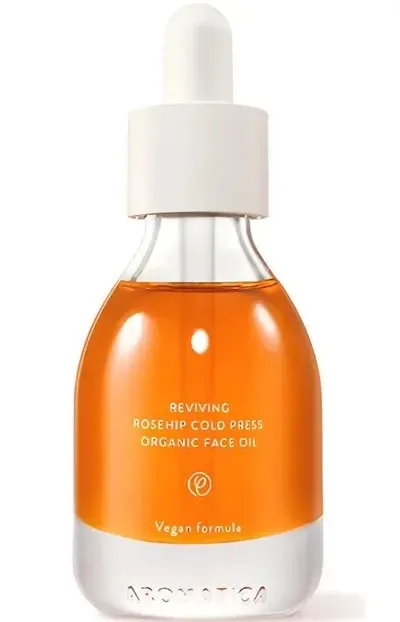 Single-Ingredient Rosehip Standard
 Organic Rose Hip Oil
Aromatica's Organic Rose Hip Oil is one of the few rosehip products on the market that delivers what the category claims — 100% certified-organic cold-pressed Rosa canina fruit oil with no fillers, no carriers, no fragrance. The result is the genuine rosehip experience: distinct earthy scent, fast absorption, and visible improvement in scars, pigmentation, and tone over consistent use.
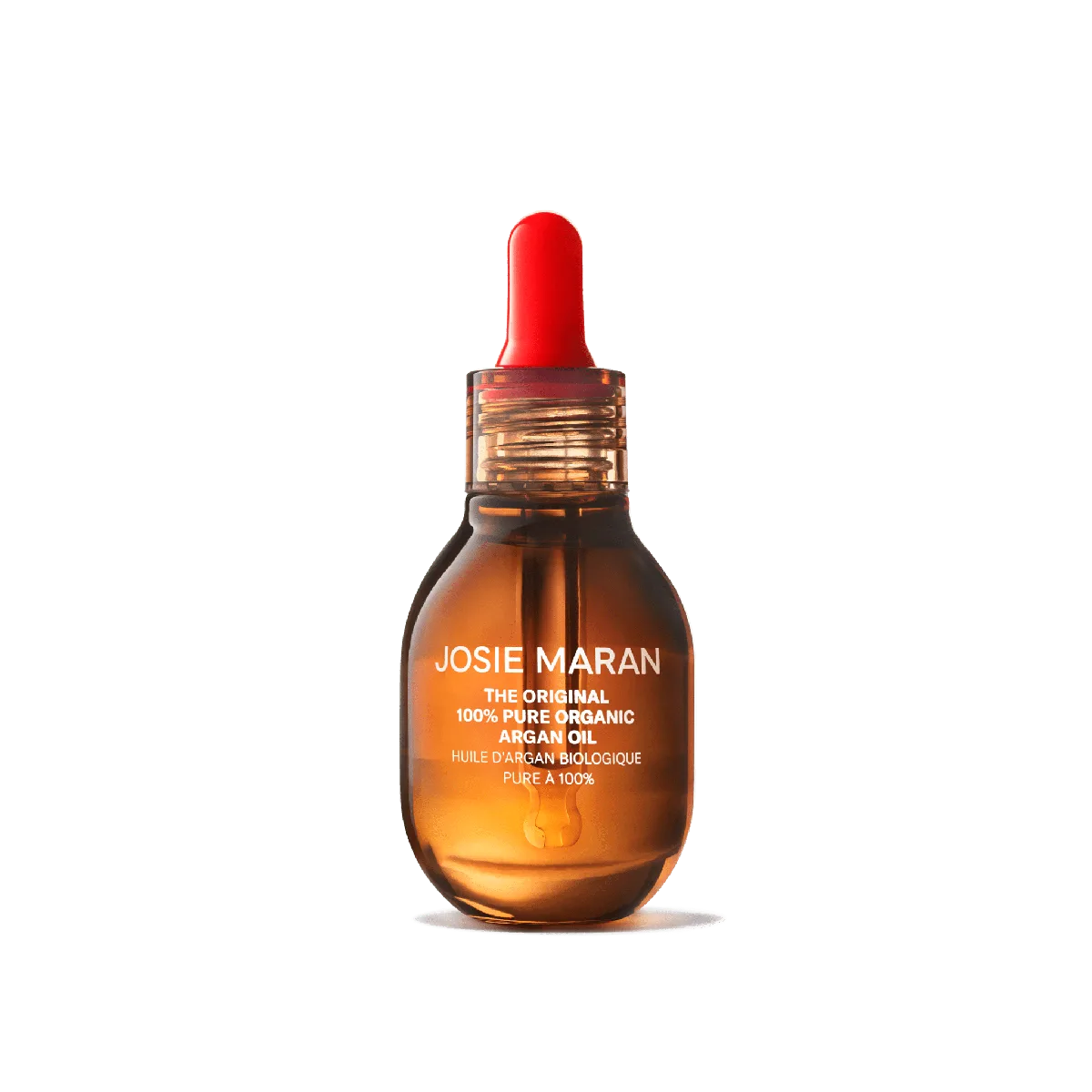 Clean Beauty Pioneer
 100% Pure Argan Oil
The product that single-handedly introduced argan oil to luxury skincare remains one of the purest, most versatile face oils on the market. Its single-ingredient simplicity is both its greatest strength and its limitation — you're getting impeccably sourced argan oil and nothing else, which means the $39 price tag reflects provenance and ethics more than formulation wizardry. For dry, aging, or dull skin, it delivers visible results from day one.
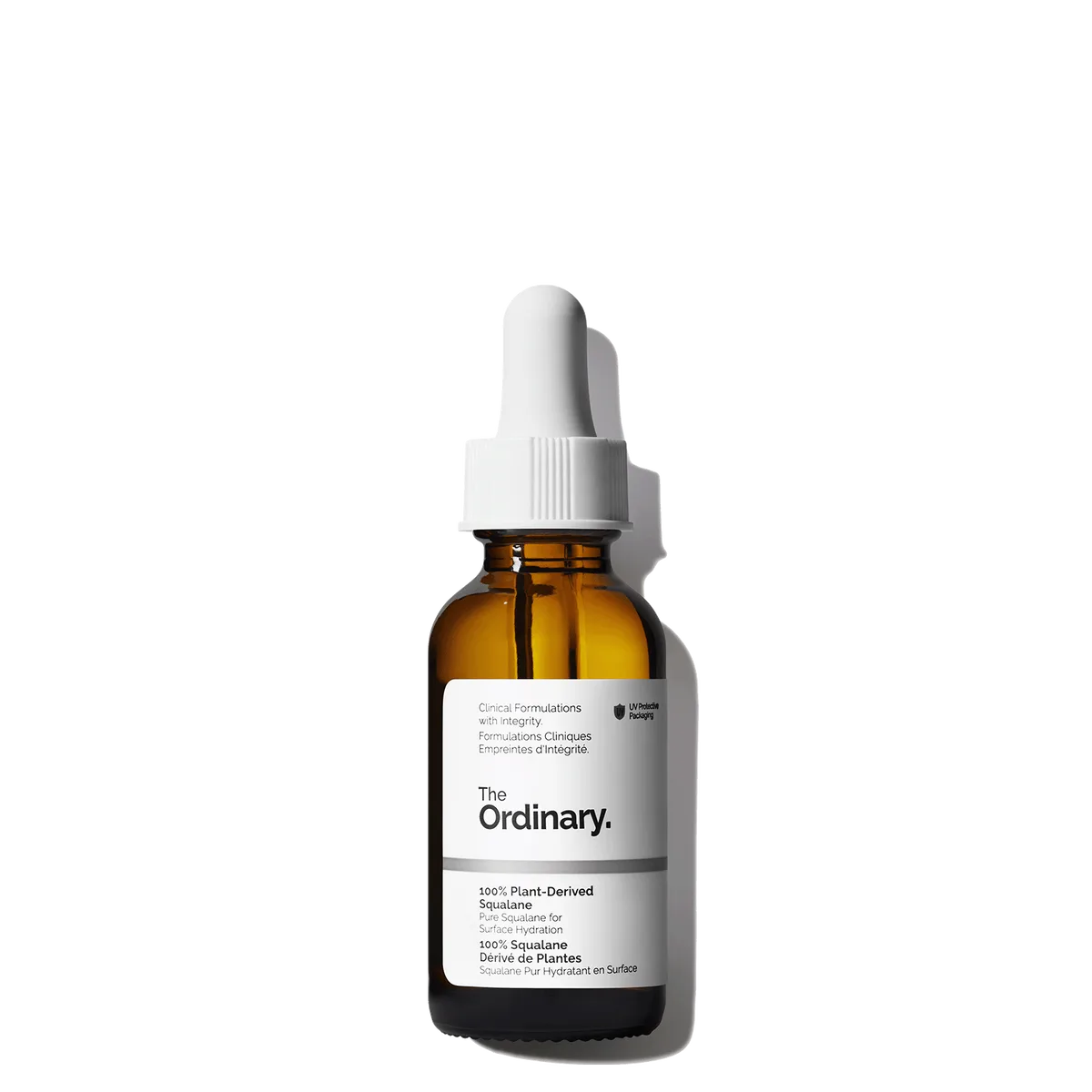 Universal Skin Staple
 100% Plant-Derived Squalane
A near-universal face oil that works for virtually every skin type — including fungal-acne-prone — thanks to its skin-identical composition and zero irritants. It won't transform your skin alone, but as a lightweight sealant over active treatments, it's the $10 workhorse that makes everything else in your routine perform better.
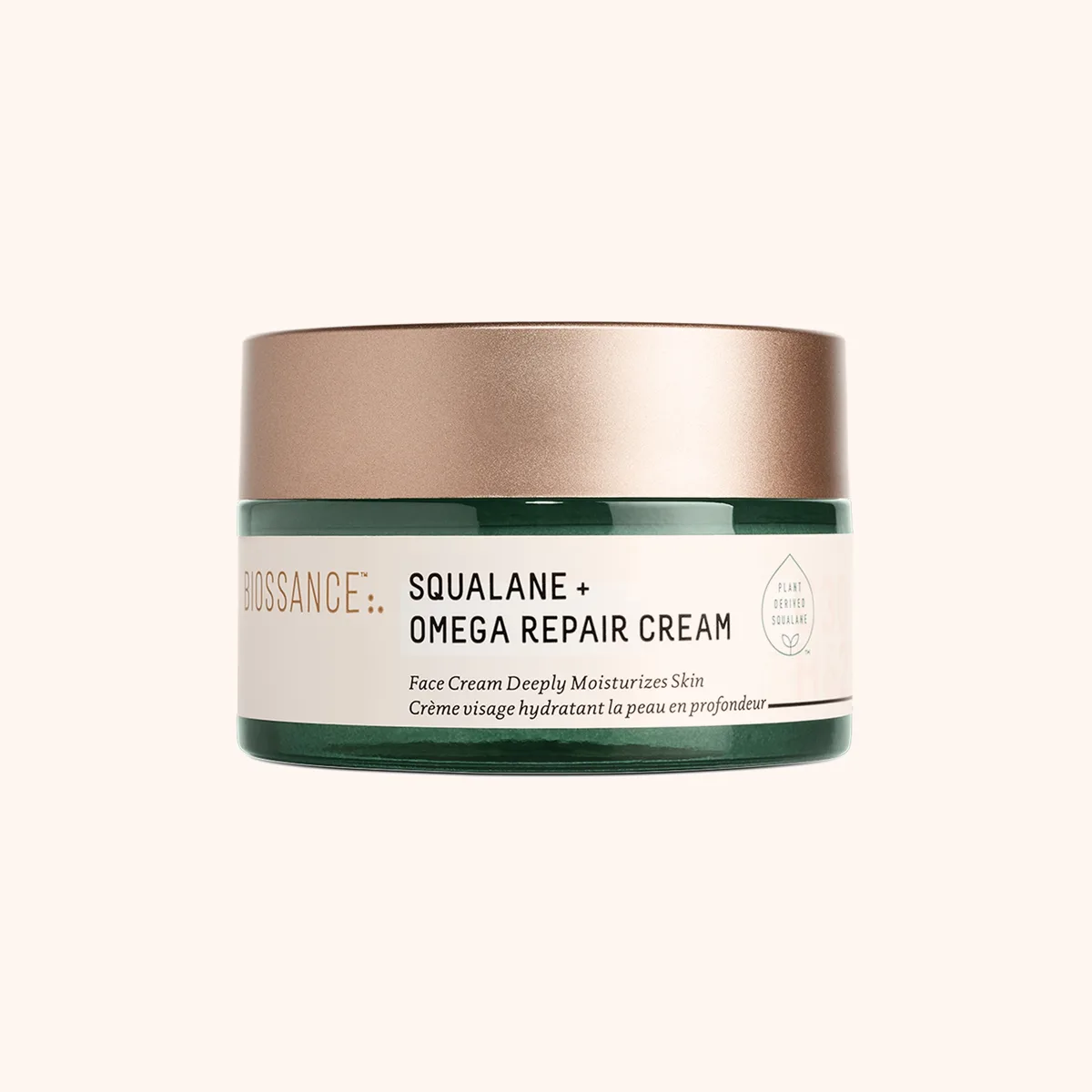 Barrier Repair Gold Standard
 Squalane + Omega Repair Cream
A beautifully formulated barrier repair cream that combines biotech-grade squalane, ceramide NP, and omega fatty acids in one of the cleanest ingredient lists you will find at Sephora. Genuinely effective for dry and sensitive skin, though the $60 price tag asks you to pay a premium for purity over complexity.
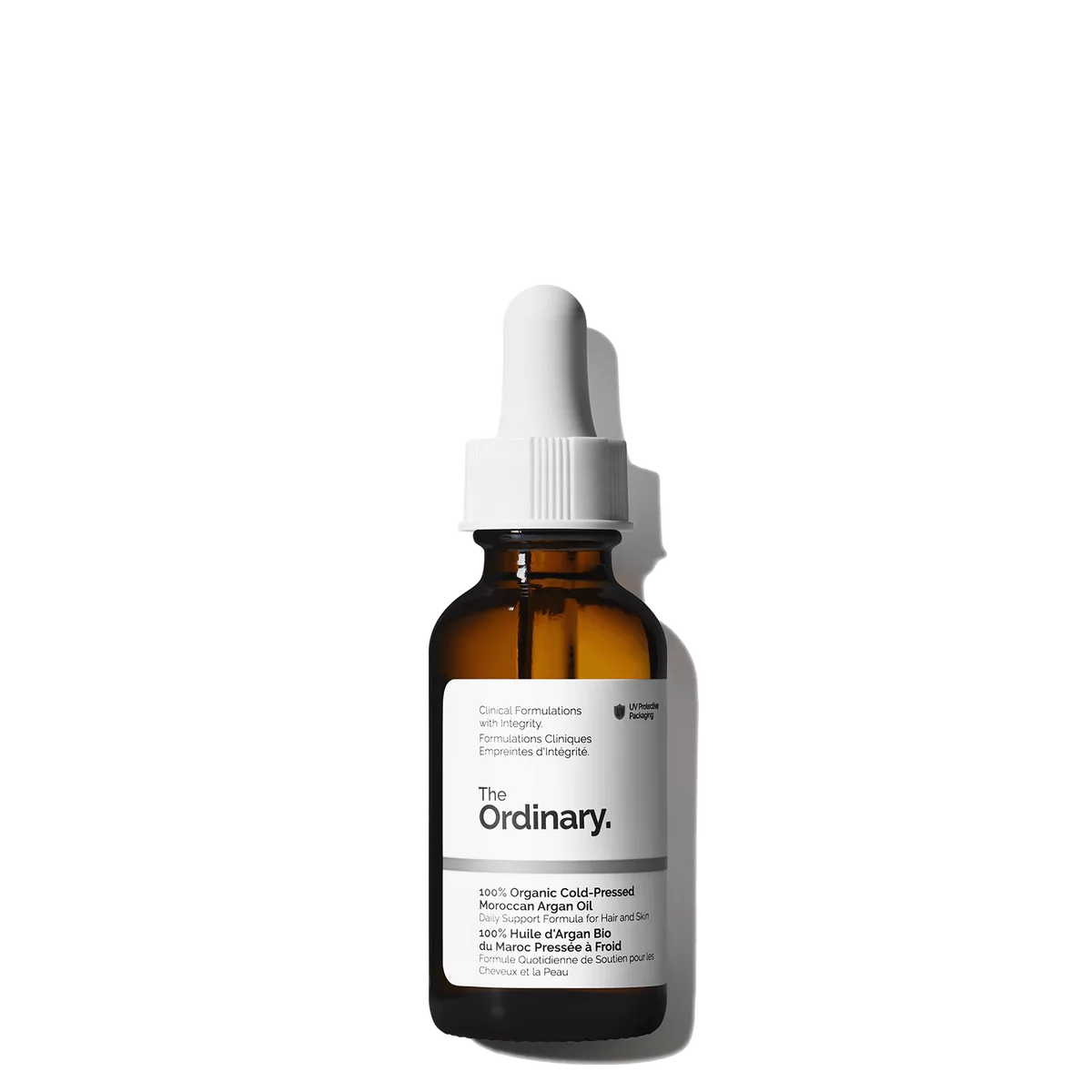 Single-Ingredient Staple
 100% Organic Cold-Pressed Moroccan Argan Oil
A no-frills, bioactive-rich argan oil that delivers genuine cold-pressed quality at a price point that makes luxury oil brands look absurd. It won't wow you with fragrance or texture elegance, but it will quietly strengthen your moisture barrier, soften stubborn dry patches, and remind you that skincare doesn't need to be complicated to be effective.
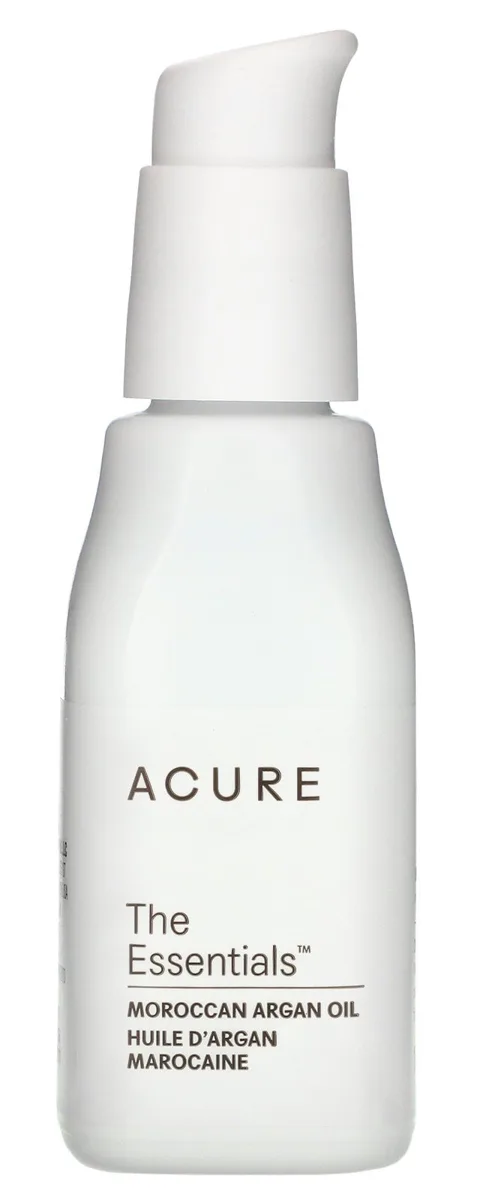 Multi-Purpose MVP
 The Essentials Moroccan Argan Oil
A 100% pure argan oil at a fair budget price — no fragrance, no carriers, no essential oils, just argan. As foundational and versatile as skincare gets, and one of the most genuinely useful products in the entire Acure lineup. If you want a multi-purpose oil for face, hair, and body, this is hard to beat at the price.