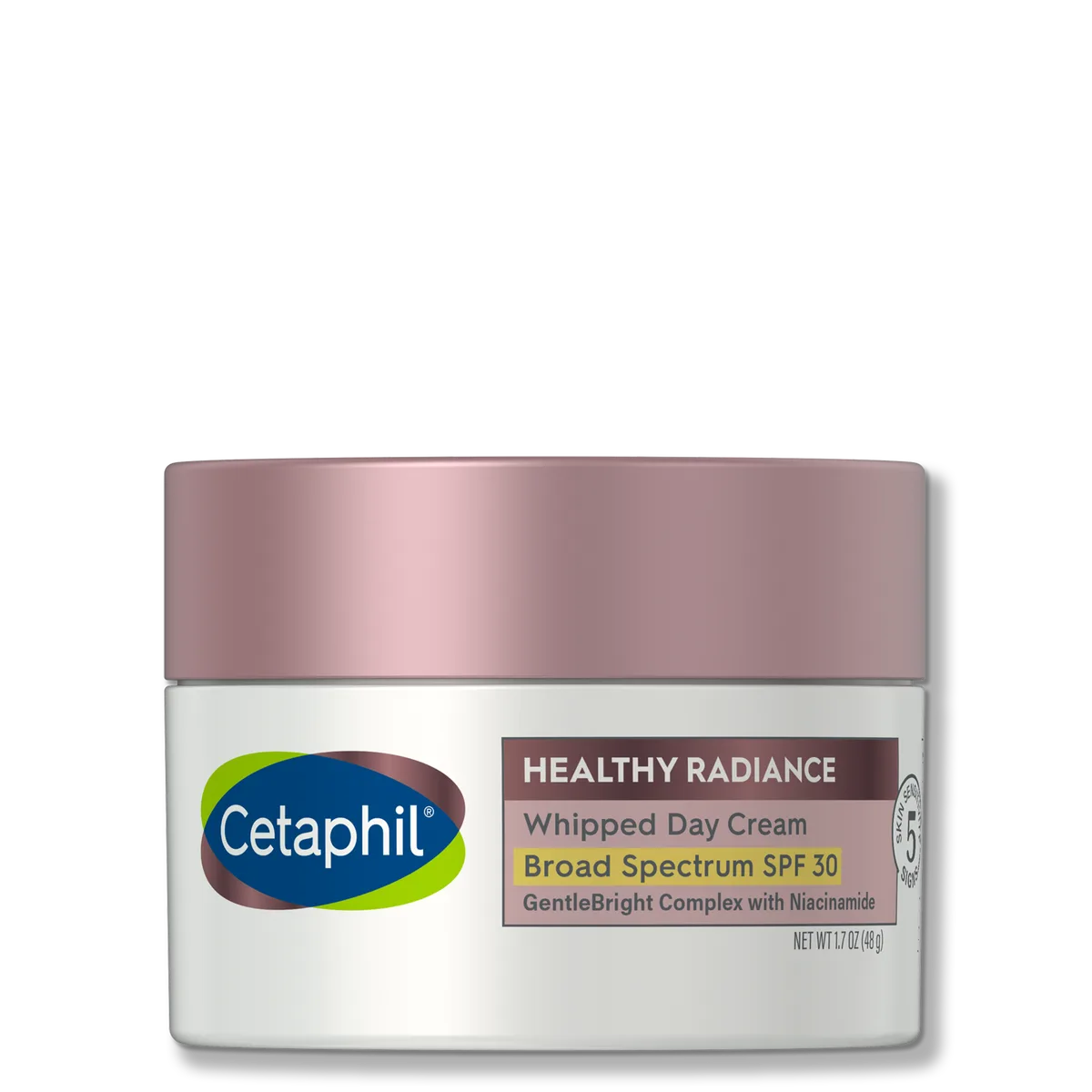
A genuinely multifunctional product that combines clinical brightening actives with broad-spectrum SPF 30 and instant optical luminosity — three products in one jar. The formulation sophistication is real, but the small size, chemical sunscreen filters, and insufficient moisture for dry skin narrow its ideal audience.
Healthy Radiance Whipped Day Cream SPF 30
A genuinely multifunctional product that combines clinical brightening actives with broad-spectrum SPF 30 and instant optical luminosity — three products in one jar. The formulation sophistication is real, but the small size, chemical sunscreen filters, and insufficient moisture for dry skin narrow its ideal audience.
Score Breakdown
Where this product gains points and where it loses them — broken down across the four scoring pillars.
The dual-mechanism brightening system (niacinamide + phenylethyl resorcinol) with optical brighteners represents genuine formulation sophistication for a drugstore SPF moisturizer. However, the small 1.7 oz size at nearly $19, reliance on chemical sunscreen filters that may irritate sensitive skin, and limited suitability for dry skin types constrain the overall score.
Pros & Cons
- ✓Dual-mechanism brightening system targets hyperpigmentation through both melanin production and transfer
- ✓Whipped texture feels remarkably lightweight despite containing four sunscreen actives at 28.5%
- ✓Optical brighteners provide instant luminosity that looks natural rather than shimmery
- ✓Fragrance-free and hypoallergenic — unusual for a brightening SPF product
- ✓Layers beautifully under makeup without pilling, caking, or separation
- ✓Three-in-one functionality replaces separate sunscreen, brightening treatment, and illuminating primer
- ✗1.7 oz jar at approximately $19 is expensive per ounce for a daily-use SPF product
- ✗Chemical sunscreen filters may sting sensitive or compromised skin despite gentle positioning
- ✗Not recommended during pregnancy due to systemic absorption of chemical UV filters
- ✗Insufficient hydration for dry skin types — requires layering additional moisturizer
- ✗Homosalate at 12.5% exceeds the EU's reduced limit of 7.34% for face products
Full Review
The most frustrating thing about hyperpigmentation is the circular trap it creates. You need sun protection to prevent new dark spots, but your sunscreen doesn't address the spots you already have. You need a brightening treatment for existing discoloration, but the treatment only works if you're also wearing SPF to prevent UV from triggering more melanin. Most people end up layering a brightening serum under a separate sunscreen, adding steps and cost to a routine that many struggle to maintain consistently.
Cetaphil's Healthy Radiance Whipped Day Cream collapses that multi-product equation into a single jar, and the science behind its approach is genuinely thoughtful. The formula targets hyperpigmentation through two distinct biochemical pathways — not the single-mechanism approach that most drugstore brightening products rely on.
The first pathway is niacinamide at 2%, which doesn't block melanin production itself but inhibits the transfer of melanin-containing packages (melanosomes) from melanocytes to surrounding keratinocytes. Research published in the British Journal of Dermatology by Hakozaki et al. demonstrated significant improvement in hyperpigmentation after four weeks of niacinamide application. A separate randomized clinical trial found 4% niacinamide comparable to 4% hydroquinone for melasma treatment — notable because hydroquinone is considered the gold standard but carries side effect concerns.
The second pathway is phenylethyl resorcinol, a newer brightening agent that attacks earlier in the melanin production chain. It inhibits tyrosinase — the enzyme that catalyzes melanin synthesis — with in-vitro studies showing it to be approximately 22 times more potent than kojic acid. Research published in the Journal of the European Academy of Dermatology and Venereology found that the niacinamide-resorcinol combination produced synergistic melanin reduction greater than either ingredient alone. Cetaphil bundles both into what they call the GentleBright Complex.
The whipped texture is the product's most immediately appealing quality. It feels genuinely airy — more like a mousse than a cream — and absorbs in under a minute without the greasy, heavy, or chalky feeling that most SPF products impose. Four chemical sunscreen filters at a combined concentration of 28.5% would normally produce a thick, oppressive formula. The formulation chemistry that achieves this lightweight feel while maintaining SPF 30 efficacy is quietly impressive.
The optical brighteners add an immediate cosmetic dimension. Synthetic fluorphlogopite, titanium dioxide, and tin oxide create a soft-focus luminosity that looks like genuinely healthy skin rather than applied shimmer. The effect is subtle enough for everyday professional settings but noticeable enough that your skin looks more alive than it did before application. It's the instant gratification component while you wait weeks for the niacinamide and phenylethyl resorcinol to deliver their longer-term results.
Under makeup, this cream performs admirably. The dimethicone creates a smooth silicone base that foundation glides onto without pilling, caking, or separating. The luminous finish adds a natural glow through even medium-coverage foundations. For those who prefer a no-makeup look, the cream's own finish is polished enough to wear solo.
Now for the honest assessment of what holds this product back. The chemical sunscreen system — while effective and elegantly formulated — carries considerations that a mineral alternative wouldn't. Homosalate at 12.5% exceeds the EU's recently reduced limit of 7.34% for face products, a regulation driven by concerns about potential endocrine disruption at higher concentrations. The FDA hasn't followed suit, and the product is fully compliant with US regulations, but the regulatory gap is worth noting for informed consumers. Chemical filters can also sting on irritated or compromised skin, which somewhat contradicts the sensitive-skin positioning.
Pregnancy safety is a genuine limitation. Most dermatologists recommend mineral sunscreens during pregnancy due to the systemic absorption of chemical UV filters. This product cannot serve that population, which narrows its audience during a life stage when hyperpigmentation (melasma) is particularly common.
The moisture level is insufficient for dry skin. Multiple reviewers confirm what the lightweight texture suggests — this is hydration for normal and combination skin, not a moisturizer for anyone who needs real emollience. Dry skin types will need to layer a hydrating serum or separate moisturizer underneath, partially negating the all-in-one convenience factor.
And then there's the jar. At 1.7 ounces for approximately $19, the per-ounce cost is significant for a product designed for daily use. The jar format also exposes the avobenzone to light each time you open it, potentially accelerating the very photodegradation that the octocrylene is included to prevent. A tube or airless pump would better serve both the product's stability and the consumer's budget consciousness.
Despite these limitations, the Healthy Radiance Whipped Day Cream represents something genuinely useful: a single-step morning product that protects, treats, and illuminates. For normal and combination skin types dealing with hyperpigmentation or dullness, the dual-mechanism brightening system in a wearable SPF format eliminates routine complexity while delivering clinical-grade actives. The execution isn't perfect, but the concept is sound — and when the concept is this practical, the imperfections feel more like opportunities for a next-generation formula than dealbreakers.
Formula
Key Ingredients
The hero actives that drive this product's performance.
| Ingredient | Function | Evidence |
|---|---|---|
| Niacinamide (2%) | Part of Cetaphil's proprietary GentleBright Complex, the niacinamide inhibits melanosome transfer from melanocytes to keratinocytes — targeting the mechanism that creates visible dark spots while working synergistically with the phenylethyl resorcinol to attack hyperpigmentation through two distinct pathways simultaneously. | well-established |
| Phenylethyl Resorcinol | A potent tyrosinase inhibitor shown to be 22 times more effective than kojic acid in vitro — it blocks melanin production at the enzymatic level, complementing niacinamide's melanosome transfer inhibition to create a dual-mechanism brightening system. | promising |
| Avobenzone (3%) | The primary UVA-absorbing filter in this four-filter sunscreen system, stabilized by the octocrylene to prevent photodegradation — it ensures the broad-spectrum protection critical for preventing the UV-triggered melanin production that the brightening actives are working to reverse. | well-established |
| Homosalate (12.5%) | The highest-concentration active in the formula, providing robust UVB absorption that forms the backbone of the SPF 30 protection. Works alongside octisalate and octocrylene to deliver comprehensive UV coverage. | well-established |
| Synthetic Fluorphlogopite | Combined with titanium dioxide and tin oxide as optical brighteners that create an immediate luminous effect on the skin — providing instant cosmetic improvement while the niacinamide and phenylethyl resorcinol work on longer-term dark spot reduction. | well-established |
Full INCI List
Active Ingredients: Avobenzone 3%, Homosalate 12.5%, Octisalate 5%, Octocrylene 8%. Inactive Ingredients: Water, C12-15 Alkyl Benzoate, Butylene Glycol, Isododecane, Sorbitol, Silica, Styrene/Acrylates Copolymer, Cetearyl Alcohol, Niacinamide, Glycerin, Phenoxyethanol, Dimethicone, Glyceryl Stearate, PEG-100 Stearate, Ceteareth-20, Phenylethyl Resorcinol, Carbomer, Fatty Acid Ethoxylate, Sorbitan Stearate, Synthetic Fluorphlogopite, Ethylhexylglycerin, Titanium Dioxide, Disodium EDTA, Sodium Hydroxide, Tin Oxide
Product Flags
✓ Fragrance Free✓ Alcohol Free✓ Oil Free✗ Silicone Free✓ Paraben Free✓ Sulfate Free✗ Cruelty Free✗ Vegan✗ Fungal Acne Safe
Comedogenic Ingredients
Cetearyl AlcoholCeteareth-20
Potential Irritants
HomosalateOctocryleneAvobenzoneOctisalateCeteareth-20
Compatibility
Skin Match
Best For
Works For
Not Ideal For
Addresses These Conditions
hyperpigmentation dark spots dullness sun damage sensitivity
Use With Caution
rosacea compromised skin barrier
Routine Step
sunscreen
Time of Day
AM
Pregnancy Safe
No ✗
Layering Tips
Apply as the last step of your morning skincare routine, after serums and moisturizer. A nickel-sized amount covers the full face. Reapply every two hours during prolonged sun exposure. Works well under makeup — the whipped texture and optical brighteners create a smooth, luminous base.
Results Timeline
Instant luminosity from optical brighteners on first use. Gradual improvement in dark spots and skin brightness visible within 4-6 weeks of daily use. Full brightening results develop over 8-12 weeks as niacinamide and phenylethyl resorcinol compound their effects.
Pairs Well With
Vitamin C serumsNiacinamide serumsRetinoids (PM only)Gentle cleansers
Conflicts With
Other chemical sunscreens (layering can reduce efficacy)
Sample AM Routine
- Gentle cleanser
- Vitamin C serum (optional)
- Cetaphil Healthy Radiance Whipped Day Cream SPF 30
Sample PM Routine
- Gentle cleanser
- Retinoid or brightening serum
- Moisturizer
Evidence
Who Should Skip
- 1.7 oz jar at approximately $19 is expensive per ounce for a daily-use SPF product
- Chemical sunscreen filters may sting sensitive or compromised skin despite gentle positioning
- Not recommended during pregnancy due to systemic absorption of chemical UV filters
- Insufficient hydration for dry skin types — requires layering additional moisturizer
Science & Expert Perspective
The Science
The GentleBright Complex in this formula targets hyperpigmentation through two complementary biochemical pathways, creating a synergistic brightening effect that exceeds what either ingredient achieves alone.
Niacinamide's mechanism of action in pigmentation reduction is well-characterized. Hakozaki et al. published a landmark study in the British Journal of Dermatology (2002) demonstrating that niacinamide significantly reduces cutaneous pigmentation by inhibiting melanosome transfer from melanocytes to keratinocytes. Critically, niacinamide does not block melanin synthesis itself — it prevents the delivery of already-produced melanin to the cells where it becomes visible. A double-blind randomized clinical trial published in Dermatology Research and Practice (2011) found 4% niacinamide comparable to 4% hydroquinone for melasma treatment, establishing niacinamide as a viable alternative to the traditional gold standard.
Phenylethyl resorcinol attacks earlier in the melanogenesis cascade. It functions as a tyrosinase inhibitor — blocking the enzyme responsible for converting tyrosine to DOPA and DOPA to dopaquinone, the rate-limiting steps in melanin biosynthesis. In-vitro studies have demonstrated it to be approximately 22 times more effective than kojic acid and 50 times more effective than arbutin at inhibiting tyrosinase activity. Research published in the Journal of the European Academy of Dermatology and Venereology (2019) by Kolbe et al. found that the combination of a resorcinol derivative with niacinamide produced synergistic reduction in melanin production — greater than the additive effect of either ingredient alone.
The sunscreen system provides the essential third component of the brightening strategy: prevention. UV radiation is the primary trigger for melanin overproduction, and the four-filter system (avobenzone 3%, homosalate 12.5%, octisalate 5%, octocrylene 8%) delivers broad-spectrum SPF 30 protection. The octocrylene serves a dual function — absorbing UV radiation and stabilizing avobenzone, which is prone to photodegradation. This stabilization ensures consistent UVA protection throughout the product's wear time.
References
- The effect of niacinamide on reducing cutaneous pigmentation and suppression of melanosome transfer — British Journal of Dermatology (2002)
- A Double-Blind, Randomized Clinical Trial of Niacinamide 4% versus Hydroquinone 4% in the Treatment of Melasma — Dermatology Research and Practice (2011)
- Superior even skin tone and anti-ageing benefit of a combination of 4-hexylresorcinol and niacinamide — Journal of the European Academy of Dermatology and Venereology (2019)
Dermatologist Perspective
Dermatologists recognize the clinical logic of combining brightening actives with sun protection in a single product, as UV prevention is fundamental to any hyperpigmentation treatment strategy. Board-certified dermatologists note that the niacinamide-resorcinol combination addresses pigmentation through complementary mechanisms — a multi-target approach that mirrors how clinical melasma protocols layer different brightening agents. However, clinicians working with pregnant patients, those with rosacea, or individuals with documented chemical sunscreen sensitivity typically recommend mineral-based alternatives. The product's fragrance-free, hypoallergenic formulation makes it a reasonable option for sensitive skin patients dealing with mild hyperpigmentation who want to simplify their morning routine.
Guidance
Usage Guide
How to Use
Apply a nickel-sized amount to clean, dry skin as the last step of your morning routine. If using additional serums (vitamin C, hyaluronic acid), apply those first and let them absorb before applying this cream. Blend evenly across the entire face, including the nose, ears, and jawline. Reapply every two hours during prolonged sun exposure. For daily office or indoor use, a single morning application provides adequate protection. Remove thoroughly at night with a gentle cleanser before applying PM treatments.
Value Assessment
At approximately $18.99 for 1.7 oz, this product costs roughly $11 per ounce — premium pricing for a drugstore brand but reasonable when you consider it replaces three separate products: sunscreen, brightening treatment, and illuminating primer. A dedicated vitamin C serum ($15-$30) plus a separate SPF moisturizer ($12-$20) would cost significantly more and add steps. The value calculation favors this product for consumers who will actually use it daily — the three-in-one functionality improves compliance, and consistent daily use is what the brightening actives need to deliver results. The lack of a larger size option remains a weakness for long-term cost management.
Who Should Buy
Normal and combination skin types dealing with hyperpigmentation, dark spots, or dullness who want to streamline their morning routine into a single SPF-brightening-illuminating step. Ideal for those who find multi-product brightening routines unsustainable and need an all-in-one solution.
Who Should Skip
Pregnant or nursing individuals who should use mineral sunscreens instead. Dry skin types who need more hydration than this lightweight formula provides. Anyone with known sensitivity to chemical sunscreen filters. Those concerned about the EU-US regulatory gap on homosalate concentrations. Budget-conscious consumers who find the per-ounce cost prohibitive for daily SPF use.
Ready to try Cetaphil Healthy Radiance Whipped Day Cream SPF 30?
Details
Details
Texture
A lightweight, whipped souffle-like cream that feels airy on application and melts into the skin rapidly. Not heavy, greasy, or thick despite being a cream format. The dimethicone provides a silky smoothness during application.
Scent
Fragrance-free. No detectable scent beyond a very faint neutral undertone from the sunscreen filters that dissipates within seconds.
Packaging
White plastic jar with a screw-top lid featuring Cetaphil branding with a lavender/purple accent for the Healthy Radiance sub-line. The 1.7 oz jar is compact but the jar format is suboptimal for a daily SPF product — a tube or pump would better protect the avobenzone from light degradation.
Finish
satinglowylightweightnon-greasy
What to Expect on First Use
First application feels impressively light for a product with four sunscreen actives — the whipped texture is genuinely airy rather than heavy. The optical brighteners create an immediate subtle luminosity that looks like well-rested skin rather than shimmer. No white cast on lighter skin tones, though those with deeper complexions may notice a slight ashy cast.
How Long It Lasts
4-6 weeks with daily facial application
Period After Opening
12 months
Best Season
All Year
Certifications
Dermatologist TestedOphthalmologist TestedHypoallergenicNon-comedogenic
Background
The Why
The Healthy Radiance line represented Cetaphil's push into targeted skincare concerns beyond basic sensitivity. Launched globally in 2020-2021, it brought Galderma's pharmaceutical approach to the brightening category — pairing the well-studied niacinamide with phenylethyl resorcinol (a newer tyrosinase inhibitor with potent in-vitro data) while maintaining the brand's fragrance-free, sensitive-skin-first philosophy.
About Cetaphil Legacy Brand (20+ years)
Cetaphil was created by pharmacist Erwin S. Whiting in 1947 and is now owned by Galderma, a Swiss dermatological pharmaceutical company. This product is part of the Healthy Radiance sub-line launched in 2020-2021, combining Galderma's sensitive skin expertise with targeted brightening actives.
Brand founded: 1947 · Product launched: 2021
Myth vs. Reality
Myths & Misconceptions
Myth
SPF moisturizers don't provide real sun protection — you need a dedicated sunscreen.
Reality
This product is FDA-regulated as a sunscreen drug product with tested SPF 30 broad-spectrum protection. The four active filters (avobenzone, homosalate, octisalate, octocrylene) provide clinically validated UV protection when applied at the recommended amount. The key is applying enough — a nickel-sized amount for the face.
Myth
Chemical sunscreens are dangerous and should be avoided.
Reality
The FDA has requested additional safety data on chemical filters like homosalate and octocrylene, but has not determined them to be unsafe. The filters in this product have decades of use history. The risk of UV damage from not using sunscreen significantly outweighs any theoretical concern from chemical filter absorption.
FAQ
Frequently Asked Questions
Does the Cetaphil Healthy Radiance Whipped Day Cream actually reduce dark spots?
Yes — the combination of niacinamide (which inhibits melanosome transfer) and phenylethyl resorcinol (which blocks tyrosinase, the enzyme that produces melanin) targets hyperpigmentation through two distinct mechanisms. Clinical research supports niacinamide's efficacy for dark spot reduction, with visible results typically appearing after 4-8 weeks of consistent daily use.
Is this a chemical or mineral sunscreen?
This is a chemical (organic) sunscreen. The four active UV filters — avobenzone, homosalate, octisalate, and octocrylene — are all chemical absorbers. The titanium dioxide listed in the inactive ingredients is present at a cosmetic concentration for luminosity, not sun protection.
Is the Cetaphil Healthy Radiance SPF safe during pregnancy?
Most dermatologists recommend avoiding chemical sunscreen filters during pregnancy due to systemic absorption concerns. This product contains homosalate, octocrylene, avobenzone, and octisalate. Pregnant individuals should consider switching to a mineral sunscreen with zinc oxide or titanium dioxide instead.
Does this cream leave a white cast?
On lighter skin tones, it typically does not. Some users with deeper skin tones report a subtle white or ashy cast, likely from the optical brightening particles (synthetic fluorphlogopite, titanium dioxide, tin oxide) used for the luminosity effect. Blending thoroughly can minimize this.
Can I use this as my only morning moisturizer?
For normal, combination, and oily skin types, yes — the formula provides light hydration along with SPF protection and brightening treatment. Dry skin types may need to layer a hydrating serum or lightweight moisturizer underneath, as multiple reviewers note this product alone is not moisturizing enough for dry skin.
How does the homosalate at 12.5% compare to EU regulations?
The EU has reduced the permitted concentration of homosalate to 7.34% for face products effective July 2025, citing concerns about potential endocrine disruption at higher levels. This US-formulated product contains 12.5%, which is within FDA-permitted limits. Consumers concerned about this discrepancy may prefer mineral sunscreen alternatives.
Community
Community Voices
Common Praise
"Lightweight whipped texture absorbs quickly without greasiness"
"Layers beautifully under makeup without pilling or balling"
"Visible improvement in skin brightness and dark spots over time"
"Fragrance-free and gentle enough for sensitive skin"
"Optical brighteners provide instant luminous glow on application"
"Small amount goes a long way despite the small jar"
Common Complaints
"1.7 oz jar is small for the price — expensive per ounce for daily sunscreen use"
"Not hydrating enough for dry skin types who need moisturizer underneath"
"Some users report a subtle white cast particularly on deeper skin tones"
"Chemical sunscreen filters can sting on irritated or compromised skin"
"Brightening results are gradual — requires weeks of consistent use to notice"
"Jar packaging is less hygienic than pump or tube for a daily-use SPF product"
Notable Endorsements
Dermatologist testedOphthalmologist testedGalderma (dermatological pharmaceutical company) developed
Appears In
best spf moisturizer for dark spots best brightening sunscreen best drugstore spf moisturizer best spf moisturizer for sensitive skin
Related Conditions
hyperpigmentation dark spots dullness sun damage sensitivity
Related Ingredients
You Might Also Like
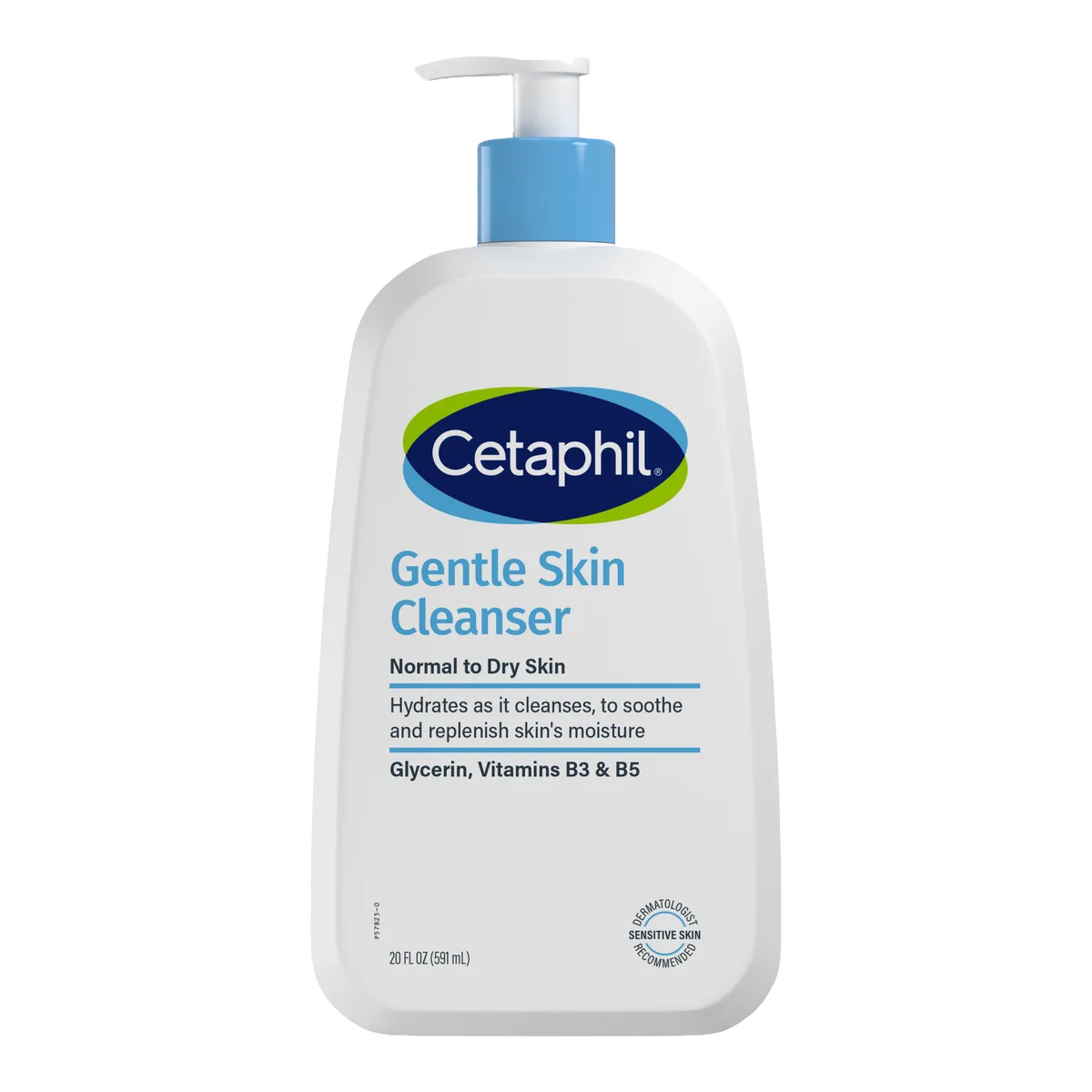 The Original Derm Cleanser
 Gentle Skin Cleanser
Nearly eighty years of continuous production and a 10-ingredient formula that still outperforms most modern cleansers at barrier preservation. The Gentle Skin Cleanser isn't exciting — it's something better: the most trusted starting point in skincare, backed by the deepest recommendation history in the industry.
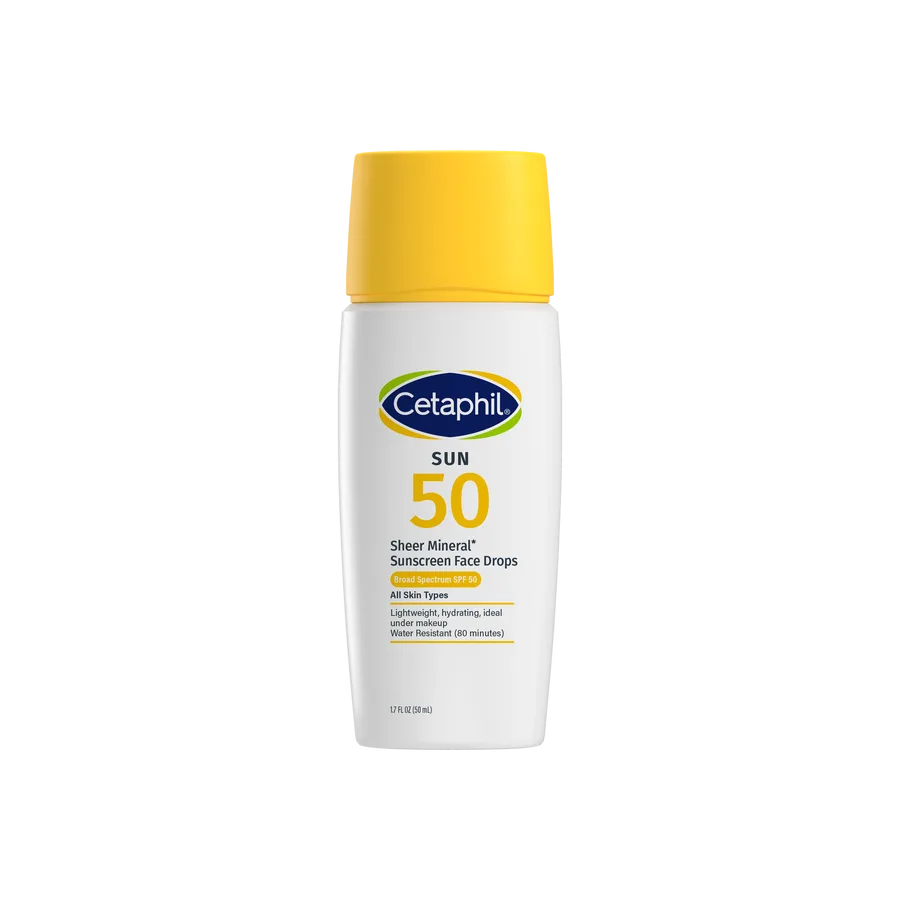 Sensitive Skin SPF Champion
 Sheer Mineral Face Sunscreen SPF 50
The mineral sunscreen that finally makes zinc oxide feel elegant. Independent lab testing confirms near-perfect UV protection from a single active ingredient, delivered in a lightweight liquid that defies every stereotype about mineral sunscreens being thick, white, and unpleasant. At under $13 with NEA acceptance, this is the benchmark for accessible, sensitive-skin-safe daily SPF.
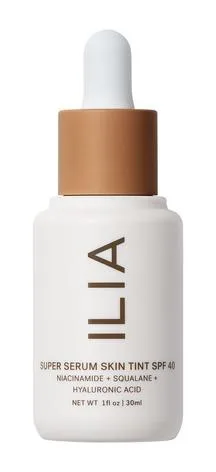 Clean Beauty Cult Classic
 Super Serum Skin Tint SPF 40
The product that finally made mineral tinted SPF desirable instead of medicinal. At 12% non-nano zinc with iron oxide visible-light protection, niacinamide, and a squalane-based glowy finish, this bottle does the impossible — it delivers real sun protection, real skincare, and real makeup in a single step without any one of them feeling compromised. The $54 price stings, but almost nothing else in the category does all three jobs this well.
 Australian SPF Standard
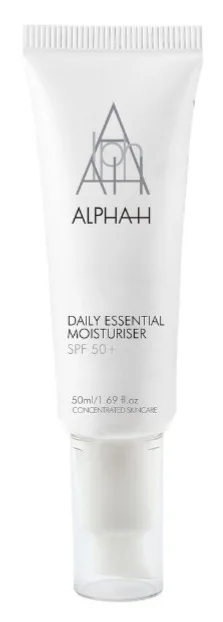
 Daily Essential Moisturiser SPF 50+
An excellent multi-active daily SPF that meets Australia's stricter TGA SPF 50+ standard and includes modern UVA filters that put it well ahead of most US sunscreens. Niacinamide, centella, and hyaluronate make it a genuine moisturizer rather than just a sunscreen step. Premium-priced but uniquely well-formulated.
 Mineral SPF for Melasma
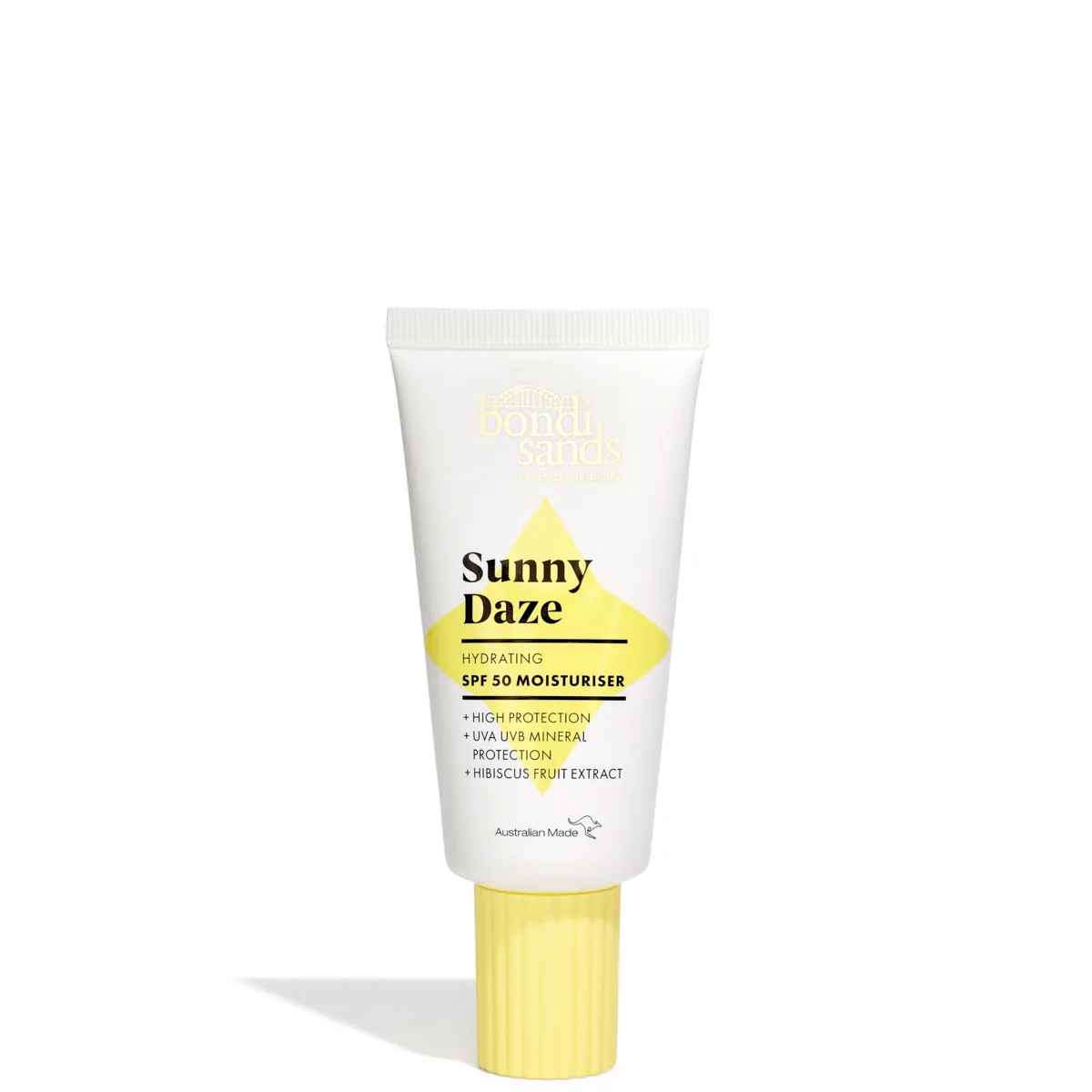
 Sunny Daze SPF 50 Moisturiser
A 25% zinc oxide mineral face moisturizer with a built-in universal tint that provides both visible-light protection and white-cast neutralization — one of the better-engineered mineral SPF moisturizers in its price tier. The single universal shade is a real limitation, but for anyone managing melasma or reactive skin, this is a surprisingly thoughtful drugstore option.
 Brightening Multitasker
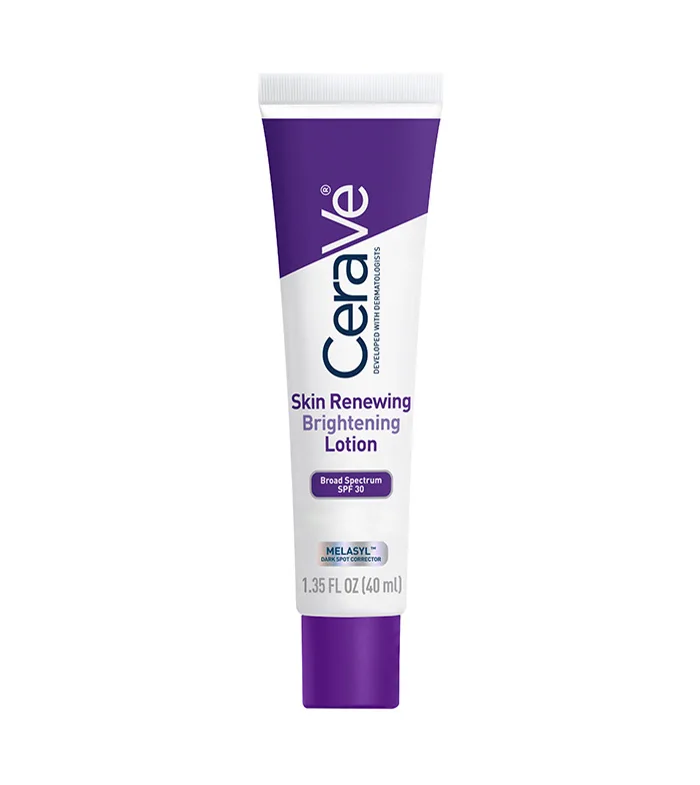
 Skin Renewing Brightening Lotion SPF 30
CeraVe's first product to use L'Oréal's Melasyl pigmentation molecule is also a competent SPF 30 day cream and a barrier-supporting lotion in one step. The size is small for the price, but the formula is genuinely impressive — this is CeraVe taking a real swing at the dark spot treatment category.
This review reflects our independent analysis of publicly available ingredient data, manufacturer claims, and verified user reviews. We are reader-supported — Amazon links may earn us a commission at no cost to you. We do not accept paid placements; rankings are based solely on the evidence.