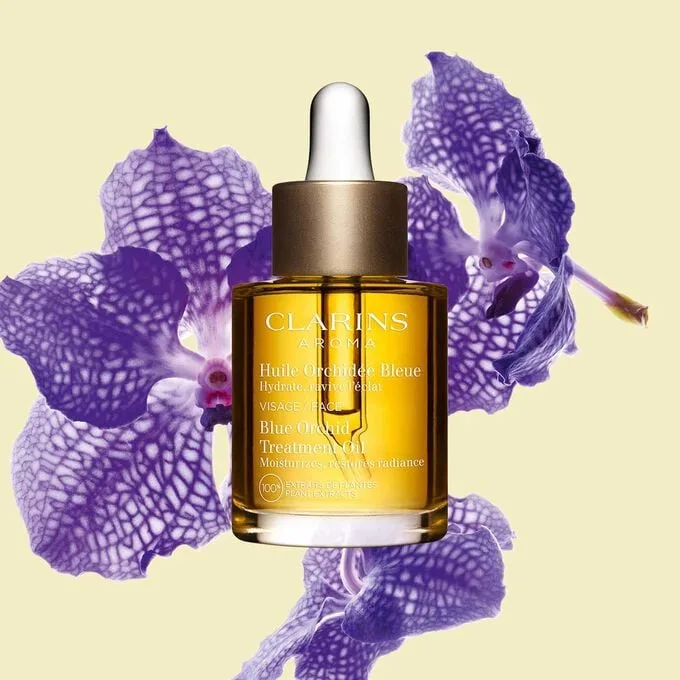
A heritage face oil with a loyal following and an incredibly simple formula — essentially hazelnut oil scented heavily with patchouli, with a whisper of orchid extract. It delivers genuine softness and glow for dry skin, but the heavy fragrance load and $68 price for basic plant oils will divide opinion.
Blue Orchid Face Treatment Oil
A heritage face oil with a loyal following and an incredibly simple formula — essentially hazelnut oil scented heavily with patchouli, with a whisper of orchid extract. It delivers genuine softness and glow for dry skin, but the heavy fragrance load and $68 price for basic plant oils will divide opinion.
Score Breakdown
Where this product gains points and where it loses them — broken down across the four scoring pillars.
A simple, well-made face oil with quality carrier oils but an extremely high fragrance allergen load (6 listed allergens plus fragrance) that severely limits its suitability. The orchid extract — the product's namesake — appears at minimal concentration. At $68 for hazelnut oil with patchouli, the value is hard to defend.
Pros & Cons
- ✓Heritage formula from a 60+ year face oil line — proven longevity and consumer loyalty
- ✓Hazelnut oil base absorbs quickly and provides rich yet lightweight emollience
- ✓Incredibly economical per use — 1-2 drops per application means one bottle lasts months
- ✓100% plant-derived, preservative-free formula with only 11 ingredients
- ✓Immediate softness and visible glow from first application
- ✓Silicone-free, paraben-free, and water-free
- ✗Six fragrance allergens in an 11-ingredient formula — extremely high allergen ratio
- ✗Strong patchouli scent is deeply polarizing — love it or hate it
- ✗Orchid extract (the namesake) is present at minimal concentration
- ✗No humectants — cannot hydrate on its own without layering over water-based products
- ✗Overpriced at $68 for a simple hazelnut oil and essential oil blend
- ✗Unsuitable for sensitive, reactive, or acne-prone skin
Full Review
Jacques Courtin-Clarins was a medical student before he became a skincare founder, and when he created the first Clarins Face Treatment Oils in 1965, he was operating on a principle that was radical for its time: plant oils, applied directly to the face, could nourish and restore skin in ways that cream-based products could not. Over sixty years later, that original line is still in production — a longevity that few skincare products can match.
The Blue Orchid variant is the dehydration specialist. Flip the bottle over and the INCI list is startlingly short: eleven ingredients. In an industry where serums regularly contain forty to sixty ingredients, this minimalism is either refreshingly honest or underwhelming, depending on your perspective.
Hazelnut oil dominates the formula, and this is not a bad thing. Corylus avellana seed oil is rich in oleic acid — approximately 80% — which provides deep emollience that softens and smooths the skin surface. It absorbs more readily than heavier oils like avocado or argan, contributing to the surprisingly lightweight feel that long-time users consistently praise. A clinical study demonstrated that a 10% hazelnut oil emulsion boosted skin hydration by 20-30% versus controls over 28 days. In this formula, hazelnut oil is not at 10% — it is the overwhelming majority of the product.
The second ingredient tells a different story. Patchouli essential oil (Pogostemon cablin) is present at a concentration high enough to be the second-listed ingredient, which means this product is going to smell like patchouli. There is no getting around it. For devotees, this is the product's signature — a warm, earthy, spa-like scent that transforms an evening skincare routine into a sensory ritual. For detractors, it is overwhelming, with descriptors ranging from 'masculine' to 'cologne-like.' Published research has documented patchouli oil's anti-inflammatory properties, including a mouse study showing increased collagen content and reduced wrinkle formation, but the primary role here is aromatic.
The fragrance situation extends beyond patchouli. Linalool, limonene, coumarin, eugenol, and citral are all listed individually — five EU-regulated fragrance allergens in an eleven-ingredient formula. This is one of the highest allergen-to-ingredient ratios in any product we have reviewed. For anyone with fragrance sensitivities, contact dermatitis, or reactive skin, this product is a definitive no.
Orchid extract, the ingredient that gives this product its name and its beautiful blue hue, appears ninth on a list of eleven ingredients. Its concentration is minimal. While research on orchid extracts has shown potential benefits including aquaporin-3 stimulation and antioxidant activity, the amount present here is likely insufficient for meaningful skin benefit. The orchid provides the story; the hazelnut oil provides the function.
The product is 100% plant-derived and preservative-free — a formulation approach that works because oils do not support microbial growth the way water-based products do. There are no synthetic emulsifiers, no silicones, no water, and no humectants. This last point is critical for understanding how to use it: this oil seals in moisture, it does not attract moisture. For dehydrated skin, applying it directly to bare, dry skin will create a comfortable barrier but will not address the underlying water deficit. Layer it over a hyaluronic acid serum or water-based moisturizer and the combination becomes genuinely effective.
The experience of using Blue Orchid Oil is where its value lives. One to two drops, warmed between the palms and pressed into skin, delivers an immediate tactile reward — skin feels velvet-soft, looks subtly luminous, and the patchouli scent creates an evening ritual that devotees describe as almost meditative. A single bottle lasts three to six months at this usage rate, which brings the per-use cost to something more palatable than the $68 sticker suggests.
But $68 for hazelnut oil, patchouli essential oil, sunflower oil, and traces of orchid extract is a premium that reflects sixty years of brand heritage and sensorial design rather than formulation complexity. The ingredients are quality, the oil is well-made, and the experience is lovely — but ingredient-conscious consumers will note that comparable quality plant oil blends can be assembled for a fraction of this price.
Clarins Blue Orchid Face Treatment Oil is a heritage product that has earned its following over decades. It is beautiful to use, smells either wonderful or terrible depending on your relationship with patchouli, and delivers genuine softness and glow to dry skin. It is also one of the simplest and most honestly named products we have reviewed — an orchid-infused face treatment oil that is, at its heart, really just excellent hazelnut oil with a very specific vibe.
Formula
Key Ingredients
The hero actives that drive this product's performance.
| Ingredient | Function | Evidence |
|---|---|---|
| Corylus Avellana (Hazelnut) Seed Oil | The primary carrier oil in this formula, comprising the majority of the product. Rich in oleic acid (~80%) and β-sitosterols, hazelnut oil provides emollient barrier support while absorbing relatively quickly for a plant oil — contributing to the surprisingly lightweight feel despite being a 100% oil formula. | well-established |
| Orchid Extract | The signature botanical from which this oil takes its name. Research suggests orchid extracts may stimulate aquaporin-3 expression, potentially increasing stratum corneum hydration. However, it appears near the end of this short INCI list, indicating a very low concentration — its presence is more brand-defining than functionally dominant. | emerging |
| Helianthus Annuus (Sunflower) Seed Oil | Provides linoleic acid-rich emollience that complements the oleic acid-dominant hazelnut oil. The combination creates a balanced fatty acid profile that supports the skin barrier without feeling heavy or occlusive. | well-established |
| Tocopheryl Acetate (Vitamin E) | Provides antioxidant protection and helps preserve the plant oils from oxidation. Also contributes mild skin-conditioning benefits to this simple, oil-based formula. | well-established |
| Pogostemon Cablin (Patchouli) Oil | Listed second — present at a high concentration. Primarily serves as the formula's distinctive aromatic signature while contributing mild anti-inflammatory properties documented in research. Its high position on the INCI list means this oil's strong scent is central to the product experience. | promising |
Full INCI List
Corylus Avellana (Hazel) Seed Oil, Pogostemon Cablin Oil, Linalool, Parfum/Fragrance, Limonene, Helianthus Annuus (Sunflower) Seed Oil, Coumarin, Eugenol, Citral, Orchid Extract, Tocopheryl Acetate
Product Flags
✗ Fragrance Free✓ Alcohol Free✗ Oil Free✓ Silicone Free✓ Paraben Free✓ Sulfate Free✗ Cruelty Free✓ Vegan✗ Fungal Acne Safe
Potential Irritants
Pogostemon Cablin OilLinaloolLimoneneCoumarinEugenolCitralParfum/Fragrance
Common Allergens
LinaloolLimoneneCoumarinEugenolCitralParfum/Fragrance
Compatibility
Skin Match
Best For
Works For
Not Ideal For
Addresses These Conditions
Use With Caution
Avoid With
Routine Step
treatment
Time of Day
PM
Pregnancy Safe
Yes ✓
Layering Tips
Apply 1-2 drops after water-based serums but before or mixed with moisturizer. The oil is purely emollient — it seals in moisture but does not attract it, so layering over a hydrating serum is essential. Can also be mixed with foundation for a dewy finish.
Results Timeline
Immediate softening and glow from first application. Skin feels more supple and nourished within the first week. Consistent use over 2-4 weeks helps restore dry, dehydrated skin to a comfortable baseline.
Pairs Well With
hyaluronic acid serummoisturizer
Sample AM Routine
- Gentle cleanser
- Hydrating serum
- Moisturizer
- Sunscreen SPF 30+
Sample PM Routine
- Double cleanse
- Hydrating serum
- Clarins Blue Orchid Face Treatment Oil (1-2 drops)
- Night cream (optional)
Evidence
Who Should Skip
- Six fragrance allergens in an 11-ingredient formula — extremely high allergen ratio
- Strong patchouli scent is deeply polarizing — love it or hate it
- Orchid extract (the namesake) is present at minimal concentration
- No humectants — cannot hydrate on its own without layering over water-based products
Science & Expert Perspective
The Science
The primary ingredient, hazelnut oil (Corylus avellana seed oil), has documented emollient and barrier-supporting properties. Its fatty acid profile — approximately 80% oleic acid with ~9% linoleic acid — provides rich emollience while being lighter than many plant oils. A clinical study involving 56 volunteers over 28 days demonstrated that a 10% hazelnut oil emulsion boosted skin hydration 20-30% compared to controls, with effects persisting after application. The oil also contains β-sitosterols with documented anti-inflammatory properties.
Pogostemon cablin (patchouli) oil has been studied for anti-inflammatory and antimicrobial activity. A comprehensive review published in PMC (2018) documented patchoulol as the primary bioactive compound, with anti-inflammatory effects mediated through NF-κB pathway inhibition. A mouse model study demonstrated that patchouli oil application suppressed skin wrinkle formation and increased collagen content by 21.9-26.3%, though this has not been replicated in human clinical trials.
Orchid extract research has shown potential for skin hydration enhancement through aquaporin-3 stimulation, as documented in cosmetics research publications. A 2015 comprehensive review in PubMed identified antioxidant flavonoids and phenolic acids in various orchid species. However, the concentration in this formula and the specific orchid species used by Clarins are not publicly disclosed, making direct efficacy claims speculative.
Sunflower seed oil provides linoleic acid that complements the oleic acid-dominant hazelnut oil, with established research supporting its barrier-repair properties.
References
- Safety assessment of Corylus avellana-derived ingredients as used in cosmetics — International Journal of Cosmetic Science (2001)
- A Comprehensive Review on the Phytochemical Constituents and Pharmacological Activities of Pogostemon cablin Benth. — PMC (2018)
- A Comprehensive Review of the Cosmeceutical Benefits of Vanda Species (Orchidaceae) — PubMed (2015)
Dermatologist Perspective
Dermatologists would recognize hazelnut oil as a legitimate emollient with barrier-supporting properties for dry skin. However, most board-certified dermatologists would raise significant concerns about the fragrance allergen load — six listed allergens in an eleven-ingredient formula represents an unusually high risk of contact sensitization with daily use. Dermatologists specializing in contact dermatitis would likely advise patients to avoid this product. For dry skin patients seeking a face oil, dermatologists would typically recommend simpler, fragrance-free options like pure squalane or jojoba oil.
Guidance
Usage Guide
How to Use
Apply 1-2 drops to palms, warm between hands, and press gently onto face and neck. Use in the evening after water-based serums but before or mixed with moisturizer. Can also be mixed with foundation for a dewy finish. Always apply over a hydrating serum for best results on dehydrated skin — the oil seals in moisture but does not attract it.
Value Assessment
At $68 for 1 oz, the Blue Orchid Oil prices itself as a luxury face oil, but its formula — primarily hazelnut oil and patchouli essential oil with traces of orchid extract — is simpler than many products at half the price. The excellent per-use economics (1-2 drops per application, lasting 3-6 months) partially offset the sticker price. The value here lies in the sensorial experience and Clarins' 60-year heritage in face oils rather than in formulation sophistication.
Who Should Buy
Dry and dehydrated skin types who enjoy the ritual of a face oil and love patchouli-dominant scents. Heritage skincare enthusiasts who appreciate a formula with over sixty years of history. Those who want a minimalist, plant-derived oil with no synthetic ingredients.
Who Should Skip
Anyone with fragrance sensitivities, contact dermatitis, or reactive skin — the allergen load is extreme. Acne-prone skin. Those who dislike patchouli. Ingredient-focused consumers who want maximum active concentration per dollar.
Ready to try Clarins Blue Orchid Face Treatment Oil?
Details
Details
Texture
Lightweight, silky face oil that spreads easily with 1-2 drops and absorbs more quickly than heavier botanical oils. Non-greasy despite being 100% oil-based
Scent
Strong, distinctive patchouli-dominant fragrance with orchid undertones. The scent is the most polarizing aspect — devotees find it spa-like and luxurious, while detractors find it overpowering and masculine
Packaging
Glass bottle with dropper dispenser, allowing precise 1-2 drop application
Finish
dewyglowynon-greasy
What to Expect on First Use
The first application delivers immediate softness and a visible glow. The patchouli scent is immediately noticeable and will determine whether you love or hate this product. No adjustment period or purging. Skin looks and feels nourished from the first use.
How Long It Lasts
3-6 months with nightly use of 1-2 drops
Period After Opening
12 months
Best Season
fall winter
Background
The Why
Clarins' Face Treatment Oil range was created in 1965 by founder Jacques Courtin-Clarins, initially available only in his Parisian beauty institutes before being released to the public in 1966. The range has been in continuous production for over sixty years, making it one of the heritage products of the luxury skincare industry. The Blue Orchid variant targets dehydrated skin with hazelnut oil as its primary carrier, infused with orchid extract and patchouli essential oil.
About Clarins Legacy Brand (20+ years)
Clarins was founded in 1954 by Jacques Courtin-Clarins, a former medical student who pioneered the use of plant extracts in skincare. The Face Treatment Oil range, first introduced in 1965, is one of the longest-running product lines in luxury skincare. Clarins remains family-owned and operates in over 150 countries.
Brand founded: 1954 · Product launched: 2000
Myth vs. Reality
Myths & Misconceptions
Myth
Orchid extract is the primary active ingredient in this oil
Reality
Orchid extract appears near the end of a very short INCI list, indicating minimal concentration. The product is primarily hazelnut oil and patchouli essential oil — the orchid provides the name and marketing narrative more than the functional activity.
Myth
Face oils provide hydration to dehydrated skin
Reality
Oils are emollients and occlusives — they soften the skin and help prevent moisture loss, but they cannot attract water into the skin the way humectants like hyaluronic acid or glycerin can. For dehydrated skin, this oil should always be layered over a water-based hydrating product.
FAQ
Frequently Asked Questions
Is Clarins Blue Orchid Face Treatment Oil good for dehydrated skin?
The oil provides excellent emollience that helps prevent moisture loss, making dry skin feel soft and nourished. However, it contains no humectants — it cannot pull water into the skin. For truly dehydrated skin, layer it over a hyaluronic acid serum or water-based hydrator for best results.
Why does Clarins Blue Orchid Oil smell so strongly of patchouli?
Patchouli essential oil (Pogostemon Cablin Oil) is listed as the second ingredient, meaning it is present at a high concentration. This is a deliberate formulation choice that creates the product's signature spa-like scent, but it makes the oil unsuitable for anyone who dislikes patchouli or has fragrance sensitivities.
Can I use Clarins Blue Orchid Oil on acne-prone skin?
This oil is not recommended for acne-prone skin. The high oleic acid content in hazelnut oil can exacerbate breakouts in some users, and some reviewers report chin-area breakouts. The patchouli essential oil can also trigger irritation. Those with acne-prone skin should look for face oils high in linoleic acid instead.
How many drops of Clarins Blue Orchid Oil should I use?
1-2 drops is typically sufficient for the entire face. Warm the drops between your palms, then press into skin after your water-based serums. A little goes a long way — the 30ml bottle can last 3-6 months with nightly use, which helps offset the $68 price tag.
Is Clarins Blue Orchid Oil worth $68?
The formula is primarily hazelnut oil and patchouli essential oil with minimal orchid extract. While the product is well-made and pleasant to use, the ingredient list is very simple for a $68 product. You are paying for Clarins' 60+ year heritage in face oils, the sensorial experience, and the brand prestige. Comparable quality plant oil blends are available at lower price points.
Community
Community Voices
Common Praise
"Skin feels immediately hydrated, soft, and radiantly glowing"
"Absorbs faster than expected — lightweight for a face oil"
"Distinctive spa-like patchouli-orchid scent is widely loved by fans"
"A little goes a long way — 1-2 drops per use means the bottle lasts months"
"Visible plumping and radiance, especially during dry winter months"
Common Complaints
"Strong patchouli fragrance is polarizing — some find it overpowering"
"Contains six listed fragrance allergens — unsuitable for sensitive skin"
"No humectants — does not hydrate on its own without layering"
"Some users report breakouts, particularly around the chin"
"Expensive at $68 for a simple hazelnut oil formula with minimal actives"
"Orchid extract is present at very low concentration despite being the namesake"
Appears In
best oil for dryness best luxury face oil best oil for dehydration
Related Conditions
Related Ingredients
You Might Also Like
 Single-Ingredient Rosehip Standard
 Organic Rose Hip Oil
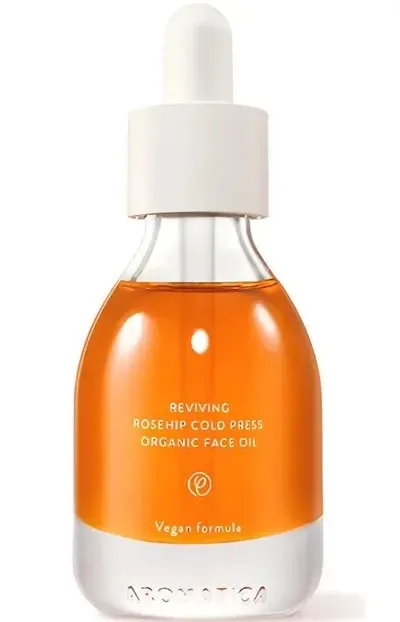
Aromatica's Organic Rose Hip Oil is one of the few rosehip products on the market that delivers what the category claims — 100% certified-organic cold-pressed Rosa canina fruit oil with no fillers, no carriers, no fragrance. The result is the genuine rosehip experience: distinct earthy scent, fast absorption, and visible improvement in scars, pigmentation, and tone over consistent use.
 Clean Beauty Pioneer
 100% Pure Argan Oil
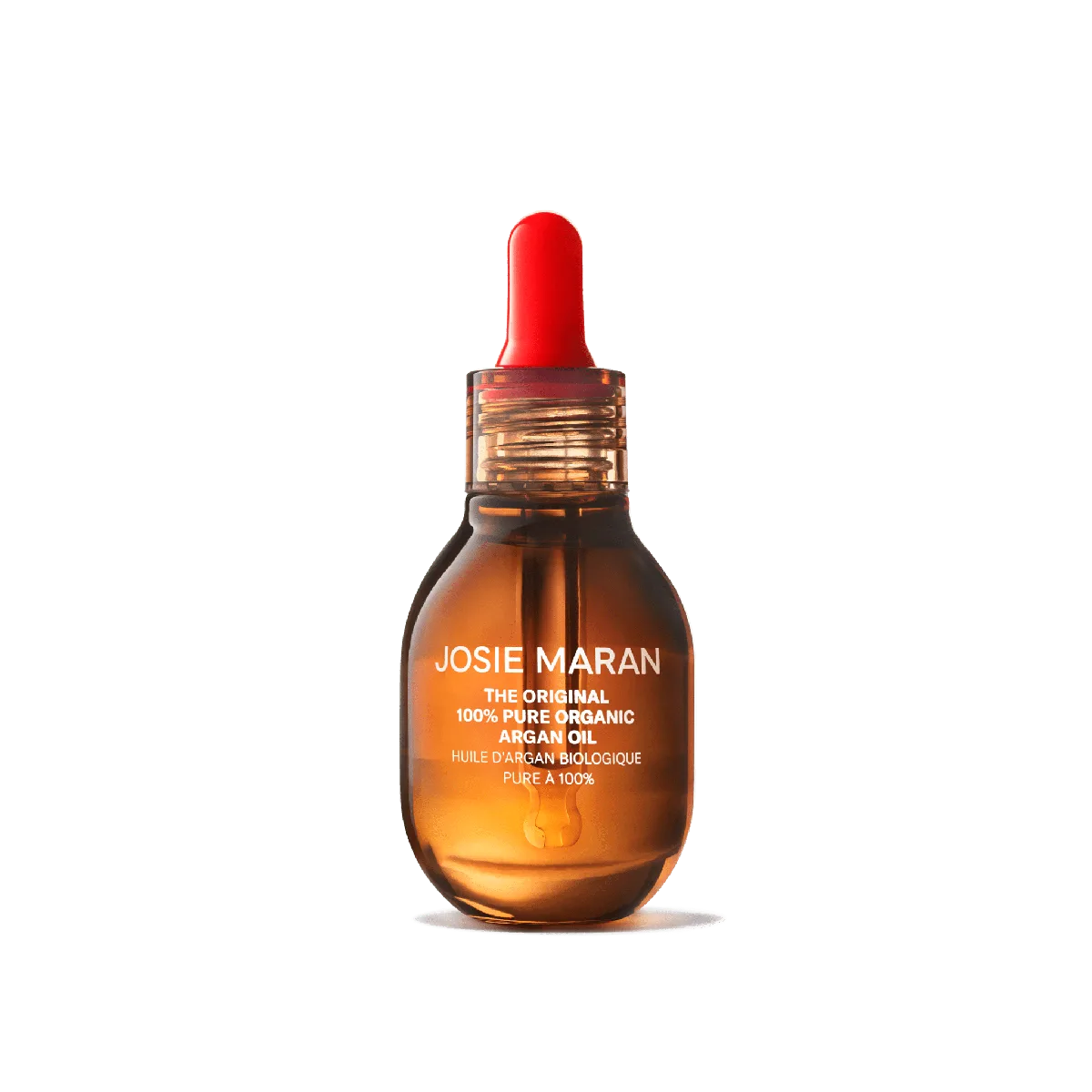
The product that single-handedly introduced argan oil to luxury skincare remains one of the purest, most versatile face oils on the market. Its single-ingredient simplicity is both its greatest strength and its limitation — you're getting impeccably sourced argan oil and nothing else, which means the $39 price tag reflects provenance and ethics more than formulation wizardry. For dry, aging, or dull skin, it delivers visible results from day one.
 Universal Skin Staple
 100% Plant-Derived Squalane
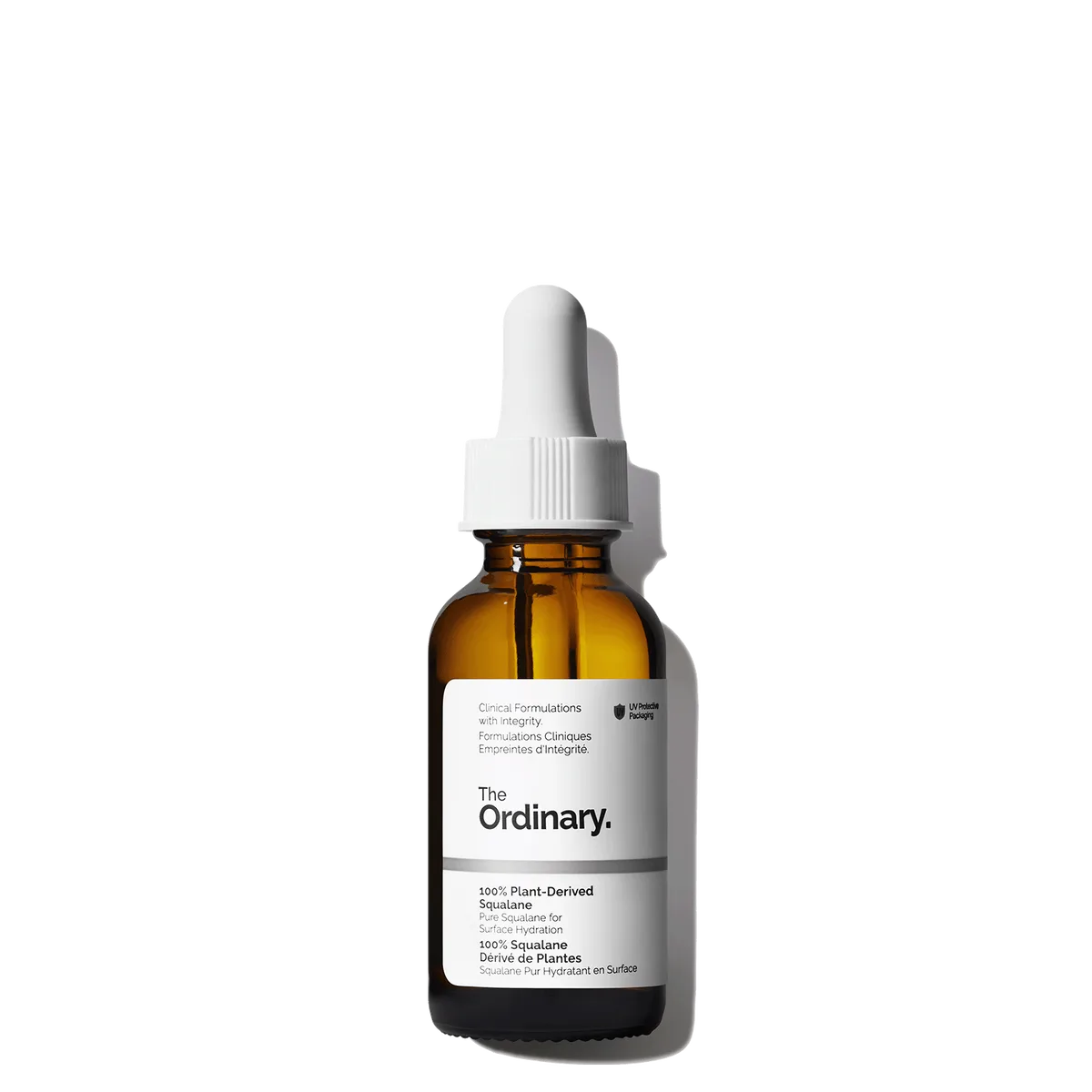
A near-universal face oil that works for virtually every skin type — including fungal-acne-prone — thanks to its skin-identical composition and zero irritants. It won't transform your skin alone, but as a lightweight sealant over active treatments, it's the $10 workhorse that makes everything else in your routine perform better.
 Single-Ingredient Staple
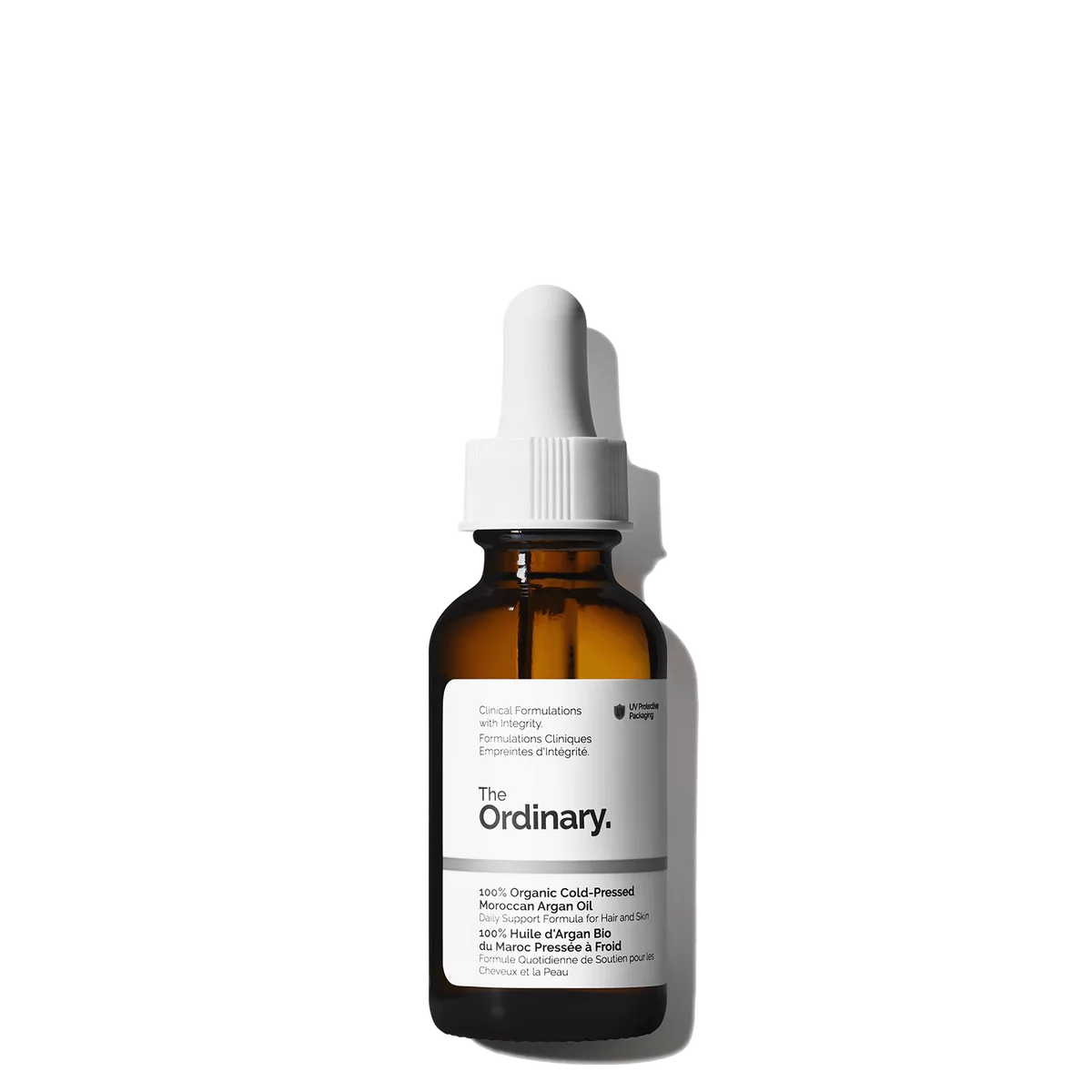
 100% Organic Cold-Pressed Moroccan Argan Oil
A no-frills, bioactive-rich argan oil that delivers genuine cold-pressed quality at a price point that makes luxury oil brands look absurd. It won't wow you with fragrance or texture elegance, but it will quietly strengthen your moisture barrier, soften stubborn dry patches, and remind you that skincare doesn't need to be complicated to be effective.
 Multi-Purpose MVP
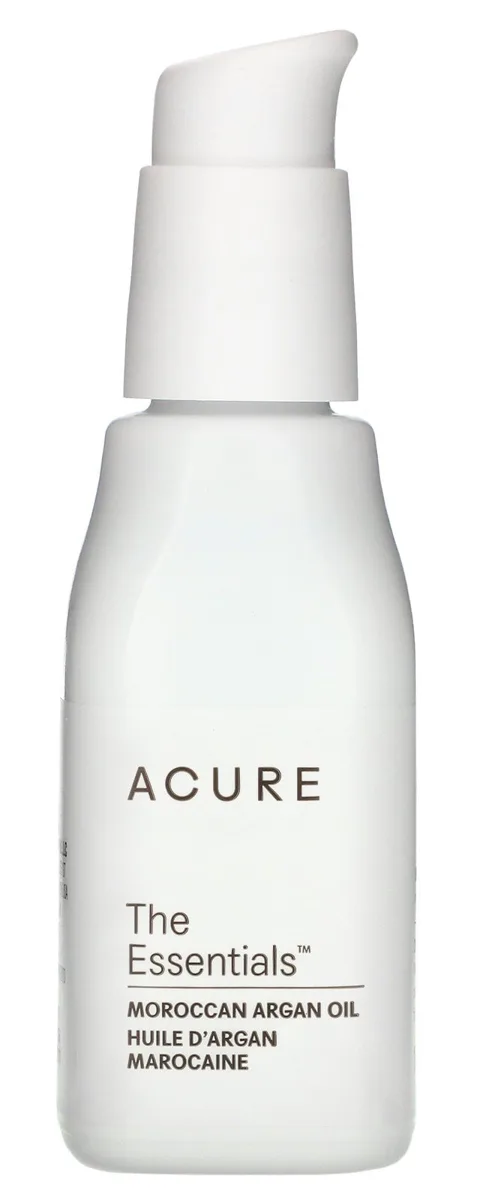
 The Essentials Moroccan Argan Oil
A 100% pure argan oil at a fair budget price — no fragrance, no carriers, no essential oils, just argan. As foundational and versatile as skincare gets, and one of the most genuinely useful products in the entire Acure lineup. If you want a multi-purpose oil for face, hair, and body, this is hard to beat at the price.
 Oily-Skin Friendly Facial Oil
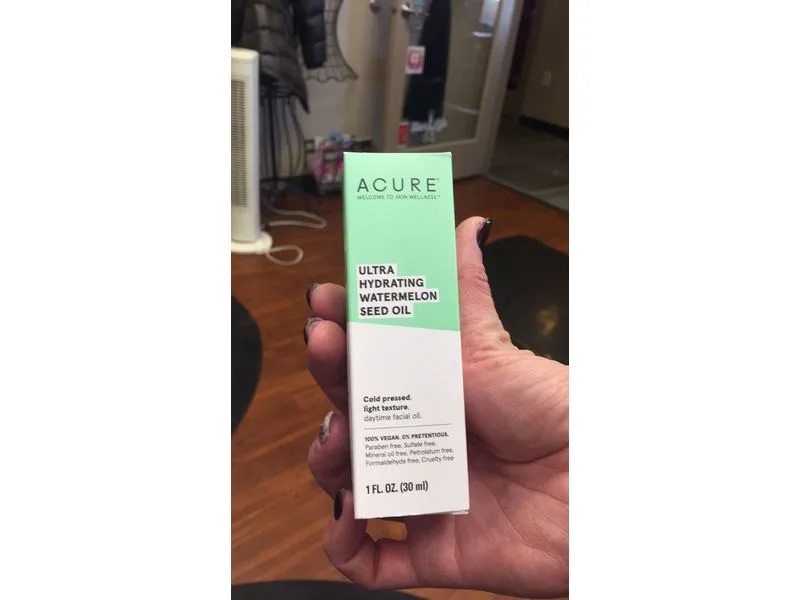
 Ultra Hydrating Watermelon Seed Oil
One of the most underrated facial oils on the drugstore shelf — a genuinely single-ingredient, high-linoleic watermelon seed oil that absorbs like a serum and costs the same as a sandwich. Ideal for oily, combination, and dehydrated skin types who thought facial oils weren't for them.
This review reflects our independent analysis of publicly available ingredient data, manufacturer claims, and verified user reviews. We are reader-supported — Amazon links may earn us a commission at no cost to you. We do not accept paid placements; rankings are based solely on the evidence.