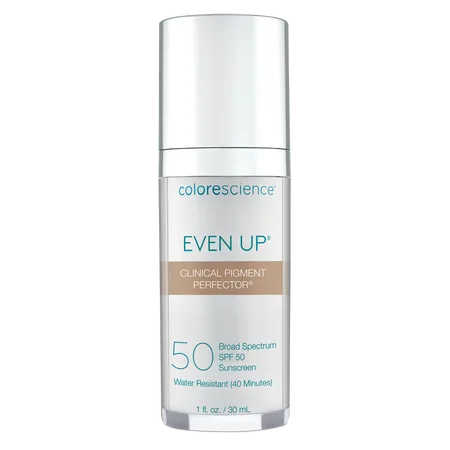
A clinically ambitious pigment corrector that combines SPF 50 mineral protection, visible light shielding, and proprietary brightening actives in a single heavy-hitting formula. The instant dark spot coverage is impressive and the long-term science is sound — but at $155 per ounce, it demands results that only some users report achieving.
Even Up Clinical Pigment Perfector SPF 50
A clinically ambitious pigment corrector that combines SPF 50 mineral protection, visible light shielding, and proprietary brightening actives in a single heavy-hitting formula. The instant dark spot coverage is impressive and the long-term science is sound — but at $155 per ounce, it demands results that only some users report achieving.
Score Breakdown
Where this product gains points and where it loses them — broken down across the four scoring pillars.
A sophisticated multi-action formula that combines effective mineral SPF with genuinely innovative brightening technology, but the extreme price point and mixed user reports on texture significantly limit its accessibility and appeal.
Pros & Cons
- ✓Instantly blurs and conceals dark spots with tinted medium coverage
- ✓SPF 50 mineral protection — the most critical step in pigmentation management
- ✓Iron oxides provide visible light protection that standard sunscreens miss
- ✓LUMIRA complex targets melanin production through multiple innovative pathways
- ✓Extremozyme technology provides DNA repair support against UV damage
- ✓Can replace both sunscreen and foundation for pigmentation-affected skin
- ✓Dermatologist tested with published clinical data on brightening efficacy
- ✗Extremely expensive at $155 per ounce — annual cost can exceed $1,000
- ✗Thick texture requires practice to apply without streaking or cakiness
- ✗Only one shade available — doesn't serve deeper skin tones well
- ✗Brightening results are inconsistent across users despite clinical data
- ✗Contains palm oil and farnesol that may concern some consumers
- ✗Silicone-heavy formula won't appeal to those avoiding synthetic polymers
Full Review
There's something almost philosophical about a product that conceals a problem while simultaneously working to fix it. Most tinted sunscreens are content to sit on top of your skin and pretend your hyperpigmentation doesn't exist. Colorescience Even Up wants to make it actually not exist — or at least significantly diminish — through a proprietary blend of brightening actives that work underneath the cosmetic coverage. It's ambitious, clinically supported, and staggeringly expensive. Welcome to the deep end of pigmentation skincare.
The foundation of this formula is the same dual mineral system found across Colorescience's clinical range: 11.6% titanium dioxide and 8.6% zinc oxide providing SPF 50 broad-spectrum protection. For hyperpigmentation management, this isn't just sun protection — it's the single most important treatment step. UV radiation stimulates melanocytes to produce more melanin, and without rigorous daily SPF, every brightening serum and treatment in your routine is essentially trying to bail water from a sinking boat. The fact that this product leads with robust mineral protection before it even gets to its fancy actives shows that Colorescience understands the fundamental hierarchy of pigmentation treatment.
But where Even Up gets genuinely interesting is the LUMIRA complex — Colorescience's proprietary brightening system. The headliner is Thermus thermophillus ferment, marketed as Venuceane. This is an extremozyme — an enzyme derived from bacteria that live near deep-sea hydrothermal vents, surviving conditions that would destroy most biological molecules. The relevance to your dark spots? These extremozymes have demonstrated exceptional capacity for DNA repair and antioxidant protection, which in a skincare context means helping prevent the UV-induced cellular damage that triggers melanocyte overactivity in the first place.
Paired with the extremozyme is acetyl rheum rhaponticum root extract — rhubarb root, marketed as Revinage. Rhaponticin, the active compound, has been shown to inhibit tyrosinase (the enzyme that drives melanin production) and reduce melanin transfer from melanocytes to keratinocytes. It provides what Colorescience describes as retinoid-like tone-evening effects without the irritation — a meaningful distinction for patients already managing inflamed or sensitized hyperpigmented skin.
The vitamin E component (disodium lauriminodipropionate tocopheryl phosphates, marketed as VITAL ET) is a water-soluble vitamin E derivative with better bioavailability than standard tocopherol. It rounds out the antioxidant profile and helps prevent oxidative stress from triggering further melanin overproduction. And there's ascorbic acid listed lower in the formula — pure L-ascorbic acid, the gold standard tyrosinase inhibitor — adding yet another mechanism to the brightening strategy.
The iron oxides deserve specific attention for hyperpigmentation management. Research published in the Journal of the American Academy of Dermatology has demonstrated that tinted mineral sunscreens with iron oxides provide significantly better protection against visible light than untinted formulations. This matters enormously for pigmentation: visible light, particularly blue-violet wavelengths, can stimulate melanin production — especially in medium to darker skin tones — and is a documented trigger for melasma. Standard sunscreens, even SPF 50, don't block visible light. Iron oxides do. For anyone managing stubborn pigmentation, this isn't a cosmetic bonus; it's a clinical advantage.
The practical experience is where opinions diverge. The texture is thick — thicker than any tinted moisturizer you've used and denser than most foundations. The warm medium-beige tint provides genuine coverage, blurring dark spots and evening skin tone on first application. But the product demands respect in application. Too much, and it looks like pancake makeup. Streaky blending creates obvious lines. You need to use a tiny amount — less than half a pea for the full face — and pat rather than rub, building coverage in thin layers. Users who've mastered this technique love the product; those who approach it like a regular tinted moisturizer find it frustrating.
The shade situation limits the product's reach. One universal shade cannot serve all skin tones, and Even Up works best on light to medium complexions where hyperpigmentation appears as darker spots against a relatively lighter background. For deeper skin tones — which are actually more susceptible to visible-light-induced pigmentation — the shade may not blend naturally, which is a significant limitation for a product with such clinical ambition.
The clinical data Colorescience cites is encouraging: 94% of users in their study reported less noticeable discoloration after 12 weeks. But user reviews tell a more nuanced story — many report genuine, visible improvement in overall skin tone evenness, while others see little change beyond the cosmetic coverage. This kind of variability is common with brightening products, where individual melanin biology, sun exposure habits, and the type and depth of pigmentation all influence outcomes.
At $155 for one ounce, Even Up is premium even by Colorescience's already-premium standards. The annual cost for daily use is roughly $1,000-1,300 — more than some prescription pigmentation treatments. The formula's sophistication is genuine, the clinical approach is sound, and the visible light protection is a meaningful differentiator. But for that price, the results need to be consistently impressive, and they're not — at least not for everyone. If your dermatologist recommends it and it works for your skin, the per-function value makes sense. If you're exploring it out of curiosity, there are less expensive ways to combine SPF with brightening that might serve you nearly as well.
Formula
Key Ingredients
The hero actives that drive this product's performance.
| Ingredient | Function | Evidence |
|---|---|---|
| Titanium Dioxide 11.6% + Zinc Oxide 8.6% (11.6% + 8.6%) | Dual mineral UV filter system providing SPF 50 broad-spectrum protection. Critical for hyperpigmentation treatment — UV exposure is the primary driver of melanin overproduction, so effective sun protection is the most important step in any pigmentation-correction protocol. | well-established |
| LUMIRA Complex (Acetyl Rheum Rhaponticum Root Extract) | The Revinage component of the proprietary LUMIRA brightening complex — rhaponticin from rhubarb root inhibits tyrosinase and melanin transfer, providing retinoid-like skin-tone evening effects without the irritation. Works synergistically with the vitamin E and extremozyme in the complex to address pigmentation at multiple stages of the melanin pathway. | promising |
| Thermus Thermophillus Ferment (Venuceane) | A marine extremozyme derived from bacteria found in deep-sea hydrothermal vents, providing exceptional DNA repair and antioxidant protection that helps prevent UV-induced melanin overproduction at the cellular level — addressing the root cause of photodamage-driven hyperpigmentation. | promising |
| Disodium Lauriminodipropionate Tocopheryl Phosphates (VITAL ET) | A water-soluble vitamin E derivative with superior bioavailability compared to standard tocopherol. In this formula, it provides antioxidant protection that prevents oxidative stress from triggering melanocyte overactivity, while supporting the overall skin-brightening action of the LUMIRA complex. | well-established |
| Iron Oxides | Mineral pigments that provide immediate cosmetic coverage of dark spots while also protecting against visible light — a wavelength range shown to worsen hyperpigmentation, particularly in darker skin tones, that standard UV filters don't address. | well-established |
| Ascorbic Acid | Pure L-ascorbic acid that directly inhibits tyrosinase enzyme activity and reduces existing melanin, complementing the rhubarb extract's brightening action through a different mechanism in the melanin production pathway. | well-established |
Full INCI List
Active Ingredients: Titanium Dioxide 11.6%, Zinc Oxide 8.6%. Inactive Ingredients: Cyclopentasiloxane, Isocetyl Stearoyl Stearate, Dimethicone Crosspolymer, Thermus Thermophillus Ferment, Water/Aqua/Eau, Dimethicone/Vinyl Dimethicone Crosspolymer, Disodium Lauriminodipropionate Tocopheryl Phosphates, Panthenyl Triacetate, Acetyl Rheum Rhaponticum Root Extract, Bidens Pilosa Extract, Elaeis Guineensis (Palm) Oil, Gossypium Herbaceum (Cotton) Seed Oil, Linum Usitatissimum (Linseed) Seed Oil, Tocopherol, Dimethiconol, Citrus Paradisi (Grapefruit) Seed Extract, Glycerin, Dimethicone, Fusanus Spicatus Wood Oil, Vanilla Planifolia Fruit Extract, Ascorbic Acid, Caprylic/Capric Triglyceride, Pentylene Glycol, Triethoxycaprylylsilane, Acrylates/C12-22 Alkyl Methacrylate Copolymer, Phenoxyethanol, Benzoic Acid, Dehydroacetic Acid, Potassium Sorbate, Farnesol, Iron Oxides (CI 77491, CI 77492, CI 77499)
Product Flags
✗ Fragrance Free✓ Alcohol Free✗ Oil Free✗ Silicone Free✓ Paraben Free✓ Sulfate Free✓ Cruelty Free✗ Vegan✗ Fungal Acne Safe
Comedogenic Ingredients
Elaeis Guineensis (Palm) Oil
Potential Irritants
Fusanus Spicatus Wood OilFarnesol
Common Allergens
Farnesol
Compatibility
Skin Match
Best For
Works For
Not Ideal For
Addresses These Conditions
hyperpigmentation melasma dark spots sun damage aging
Use With Caution
Routine Step
sunscreen
Time of Day
AM
Pregnancy Safe
Yes ✓
Layering Tips
Apply as the final skincare step after moisturizer. Use a small amount and blend carefully — the product is highly pigmented and concentrated. Can replace foundation for light-to-medium coverage. Works well over vitamin C serums and brightening treatments.
Results Timeline
Instant cosmetic improvement in the appearance of dark spots from the tinted coverage. Clinical brightening effects from the LUMIRA complex emerge at 4-8 weeks. Full pigmentation improvement results typically visible at 12 weeks of consistent daily use.
Pairs Well With
Vitamin C serum underneath for enhanced brighteningRetinol at night for complementary pigment correctionNiacinamide serum
Sample AM Routine
- Gentle cleanser
- Vitamin C serum
- Moisturizer
- Colorescience Even Up Clinical Pigment Perfector SPF 50
Sample PM Routine
- Double cleanse
- Brightening serum or retinoid
- Moisturizer
Evidence
Who Should Skip
- Extremely expensive at $155 per ounce — annual cost can exceed $1,000
- Thick texture requires practice to apply without streaking or cakiness
- Only one shade available — doesn't serve deeper skin tones well
- Brightening results are inconsistent across users despite clinical data
Science & Expert Perspective
The Science
The mineral filter system (11.6% titanium dioxide + 8.6% zinc oxide) provides broad-spectrum UVA/UVB protection, while the iron oxides extend coverage into the visible light spectrum. A landmark 2020 study in the Journal of the American Academy of Dermatology by Dumbuya et al. demonstrated that tinted mineral sunscreens reduced visible light-induced pigmentation significantly better than untinted formulations in subjects with Fitzpatrick skin types IV-VI — the population most vulnerable to visible light-triggered hyperpigmentation.
The Revinage component (acetyl rheum rhaponticum root extract) contains rhaponticin, a stilbenoid that inhibits tyrosinase activity through competitive binding. A 2010 study published in Experimental Dermatology demonstrated that rhaponticin reduced melanin synthesis in melanocyte cultures and improved skin tone in clinical subjects, providing evidence for its use as a gentler alternative to hydroquinone.
Thermus thermophillus ferment (Venuceane) is derived from extremophilic bacteria and contains enzymes with exceptional thermal and oxidative stability. While specific published dermatological studies on this exact ferment are limited, the extremozyme class has been studied for its DNA repair capabilities — a 2013 review in the International Journal of Cosmetic Science documented the ability of extremophile-derived enzymes to enhance photolyase-like DNA repair in UV-exposed skin cells, reducing the formation of cyclobutane pyrimidine dimers that trigger melanocyte activation.
Ascorbic acid (vitamin C) is one of the most well-studied tyrosinase inhibitors in dermatology. A comprehensive 2017 review in the Journal of Clinical and Aesthetic Dermatology confirmed that topical vitamin C reduces melanin synthesis through direct tyrosinase inhibition and reduction of oxidized melanin intermediates. Its inclusion here, even at a lower concentration suggested by INCI placement, adds a well-established mechanism to the formula's multi-pathway brightening approach.
References
- Visible light photoprotection: does it really matter? — Journal of the American Academy of Dermatology (2020)
- The Roles of Vitamin C in Skin Health — Journal of Clinical and Aesthetic Dermatology (2017)
Dermatologist Perspective
Board-certified dermatologists frequently incorporate Even Up into hyperpigmentation and melasma treatment protocols, noting that it addresses three critical aspects simultaneously: UV protection, visible light blocking, and active melanin inhibition. Dermatologists emphasize that the visible light protection from iron oxides is particularly important for melasma patients, where standard sunscreen alone has been shown to be insufficient. The product is commonly recommended alongside prescription treatments like tretinoin or hydroquinone, with the Even Up serving as the daily protective layer that prevents treatment gains from being undone by sun and light exposure. Dermatologists note that managing expectations is important — clinical brightening takes 8-12 weeks minimum, and the instant cosmetic improvement may set unrealistic expectations for the treatment timeline.
Guidance
Usage Guide
How to Use
Apply a very small amount (less than half a pea-sized) as the last step of your morning skincare routine after moisturizer. Pat gently onto skin — do not rub vigorously. Focus on areas of greatest pigmentation first, then blend outward. Build coverage in thin layers rather than applying one thick coat. Allow 60 seconds to set before any makeup application. Reapply every two hours during extended sun exposure. For best brightening results, use daily and consistently for at least 12 weeks.
Value Assessment
At $155 for 1 ounce, Even Up is one of the most expensive sunscreen-category products on the market. The per-ounce price is difficult to justify on face value. However, it genuinely consolidates several product categories: mineral SPF 50 ($30-50), clinical brightening serum ($50-80), visible light protection (available in very few standalone products), and tinted coverage ($20-40). Viewed as a four-in-one, the per-function cost is more rational, though still premium. For melasma patients who've been prescribed a comprehensive regimen, reducing the number of products and application steps has real compliance value. Budget-conscious alternatives exist — a separate mineral tinted sunscreen plus vitamin C serum would cover much of the same ground at a fraction of the cost.
Who Should Buy
Anyone managing hyperpigmentation or melasma who wants SPF, visible light protection, and active brightening in a single daily product. Post-procedure patients recovering from chemical peels or laser treatments who need both sun protection and coverage. People willing to invest in clinical-grade skincare and who have light to medium skin tones with visible dark spots.
Who Should Skip
Budget-conscious shoppers — effective brightening and SPF can be achieved for a fraction of this price with separate products. Those with deeper skin tones who may not find the single shade compatible. Anyone who struggles with thick, concentrated product application. If you want a lightweight, barely-there sunscreen experience, this is not that product.
Ready to try Colorescience Even Up Clinical Pigment Perfector SPF 50?
Details
Details
Texture
Thick, pigmented cream that requires careful blending. Heavier than a typical tinted moisturizer — closer to a medium-coverage foundation in consistency.
Scent
Very faint natural scent from botanical extracts. Not strongly fragranced but not completely unscented.
Packaging
Sleek white squeeze tube with professional clinical branding. Small 1 oz size consistent with clinical skincare pricing and professional dispensing.
Finish
satinnaturalvelvety
What to Expect on First Use
On first application, the thick, pigmented formula requires careful blending. The coverage is immediate — dark spots and uneven areas are visibly blurred and concealed. The silicone base helps it spread, but using too much creates a heavy, cakey appearance. Once you learn the right amount (very little), the finish is smooth and natural-looking. No irritation or stinging.
How Long It Lasts
6-8 weeks with daily facial application.
Period After Opening
12 months
Best Season
All Year
Certifications
Cruelty-freeDermatologist tested
Background
The Why
Colorescience developed Even Up for dermatology patients managing hyperpigmentation and melasma who needed sun protection that wouldn't worsen their condition. The LUMIRA complex was designed to provide clinical-grade brightening without the irritation of hydroquinone, and the visible light protection from iron oxides addresses a trigger that standard sunscreens miss — particularly important for melasma patients where visible light is a documented worsening factor.
About Colorescience Established Brand (5–20 years)
Colorescience was founded in 2000 by Diane Ranger, a pioneer in mineral makeup and sun protection. The brand's products are patented, clinically tested, and widely recommended by dermatologists and sold through medical offices. Even Up features clinically tested results with published data on pigmentation improvement.
Brand founded: 2000 · Product launched: 2015
Myth vs. Reality
Myths & Misconceptions
Myth
Sunscreen alone can prevent hyperpigmentation from getting worse.
Reality
Standard sunscreens only block UV radiation. Visible light — especially blue light — can also stimulate melanocytes and worsen hyperpigmentation, particularly in medium to dark skin tones. The iron oxides in this formula provide visible light protection that untinted sunscreens cannot.
Myth
You need hydroquinone to treat stubborn pigmentation.
Reality
While hydroquinone is effective, it carries risks of ochronosis and rebound hyperpigmentation with long-term use. The LUMIRA complex uses rhubarb root extract and extremozyme technology to target melanin production through alternative pathways, offering a gentler long-term approach — though results are typically more gradual.
FAQ
Frequently Asked Questions
Does Colorescience Even Up actually fade dark spots?
Clinical testing shows 94% of users reported less noticeable discoloration after 12 weeks. The LUMIRA complex inhibits melanin production through multiple pathways. However, results vary — some users report significant improvement while others see minimal change. The instant cosmetic blurring is immediate, but true pigmentation correction requires consistent daily use for 2-3 months.
Is Even Up worth $155?
The price is premium even by clinical skincare standards. You're paying for proprietary brightening technology (LUMIRA), dual mineral SPF 50, visible light protection, and cosmetic dark spot coverage in one product. If you compare it to buying separate SPF ($40), brightening serum ($50-80), and concealer ($30), the total is similar. For budget-conscious shoppers, effective alternatives exist at lower price points.
Can I use Even Up for melasma?
Yes — this product addresses several melasma triggers simultaneously. The mineral SPF 50 blocks UV, the iron oxides block visible light (a documented melasma trigger), and the LUMIRA complex works to reduce existing pigmentation. Many dermatologists recommend it as part of a comprehensive melasma management plan alongside prescription treatments.
What shade is Even Up and will it match my skin tone?
Even Up comes in one universal tinted shade with a warm, medium-beige tone designed to blend across light to medium skin tones. It works best for those with visible dark spots against a lighter background. On deeper skin tones, the shade may not blend as naturally, and the coverage may appear ashy.
How do I apply Even Up without it looking thick or streaky?
The key is using less than you think. Start with a tiny amount — half a pea size for the full face — and pat (don't rub) onto areas of concern. Build up coverage in thin layers rather than applying one thick coat. The product is highly concentrated, and applying too much is the most common cause of the streaky, muddy appearance some users report.
Community
Community Voices
Common Praise
"Instantly blurs and conceals dark spots and hyperpigmentation"
"Provides genuine long-term brightening over months of use"
"SPF 50 mineral protection prevents further pigmentation"
"Replaces foundation for many users with light-to-medium coverage"
"Visible light protection from iron oxides"
Common Complaints
"Extremely expensive at $155 per ounce"
"Thick texture that can look streaky or muddy if applied incorrectly"
"One shade may not match all skin tones"
"Takes practice to learn proper application amount"
"Some users report no significant brightening improvement"
Notable Endorsements
Dermatologist tested and recommendedSold through dermatology officesClinical study showing 94% improvement in discoloration appearance at 12 weeks
Appears In
best sunscreen for hyperpigmentation best tinted sunscreen for melasma best mineral sunscreen for dark spots best clinical pigment corrector
Related Conditions
hyperpigmentation melasma dark spots sun damage aging
Related Ingredients
You Might Also Like
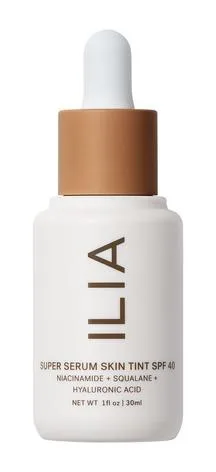 Clean Beauty Cult Classic
 Super Serum Skin Tint SPF 40
The product that finally made mineral tinted SPF desirable instead of medicinal. At 12% non-nano zinc with iron oxide visible-light protection, niacinamide, and a squalane-based glowy finish, this bottle does the impossible — it delivers real sun protection, real skincare, and real makeup in a single step without any one of them feeling compromised. The $54 price stings, but almost nothing else in the category does all three jobs this well.
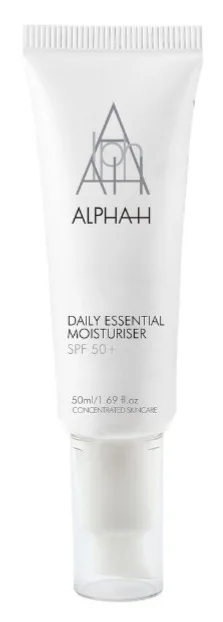 Australian SPF Standard
 Daily Essential Moisturiser SPF 50+
An excellent multi-active daily SPF that meets Australia's stricter TGA SPF 50+ standard and includes modern UVA filters that put it well ahead of most US sunscreens. Niacinamide, centella, and hyaluronate make it a genuine moisturizer rather than just a sunscreen step. Premium-priced but uniquely well-formulated.
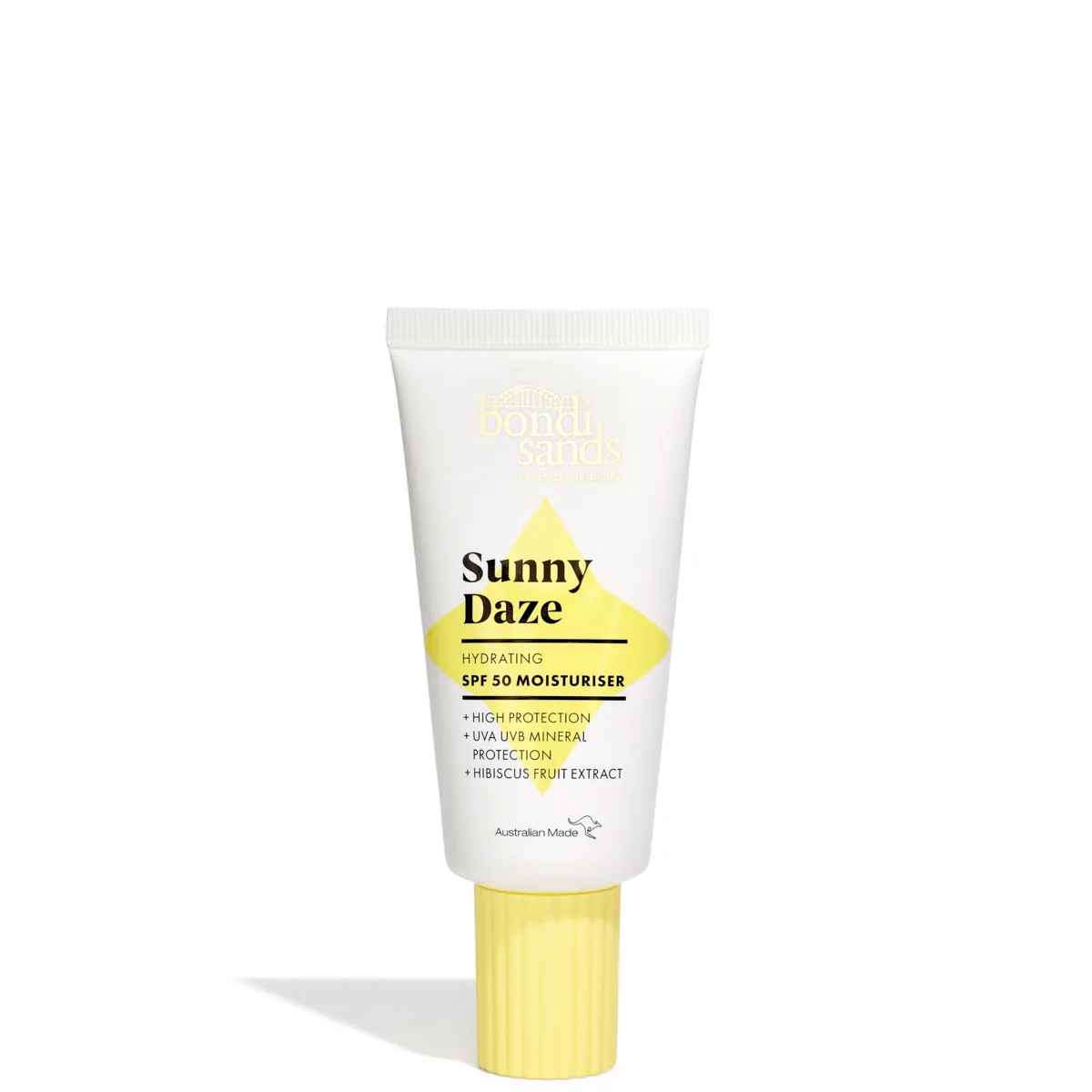 Mineral SPF for Melasma
 Sunny Daze SPF 50 Moisturiser
A 25% zinc oxide mineral face moisturizer with a built-in universal tint that provides both visible-light protection and white-cast neutralization — one of the better-engineered mineral SPF moisturizers in its price tier. The single universal shade is a real limitation, but for anyone managing melasma or reactive skin, this is a surprisingly thoughtful drugstore option.
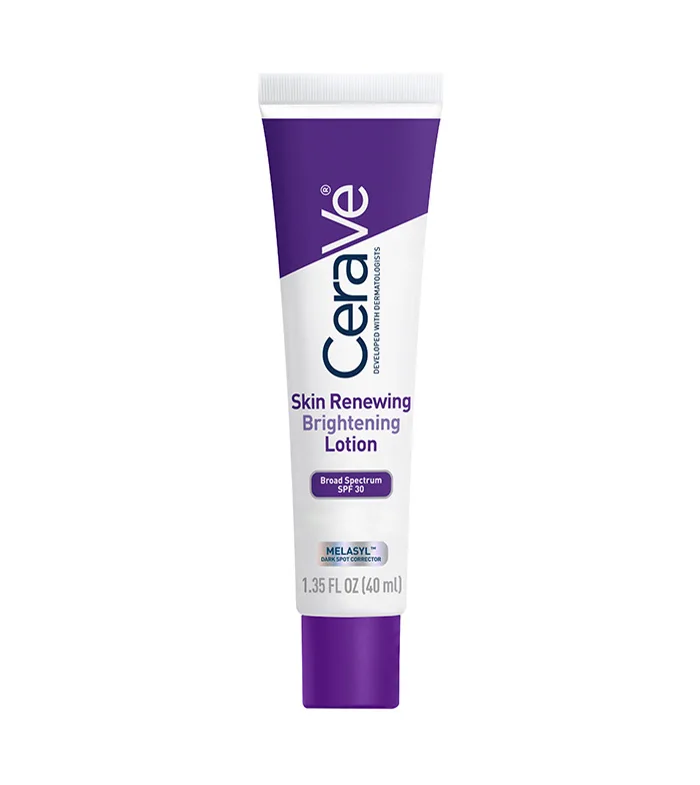 Brightening Multitasker
 Skin Renewing Brightening Lotion SPF 30
CeraVe's first product to use L'Oréal's Melasyl pigmentation molecule is also a competent SPF 30 day cream and a barrier-supporting lotion in one step. The size is small for the price, but the formula is genuinely impressive — this is CeraVe taking a real swing at the dark spot treatment category.
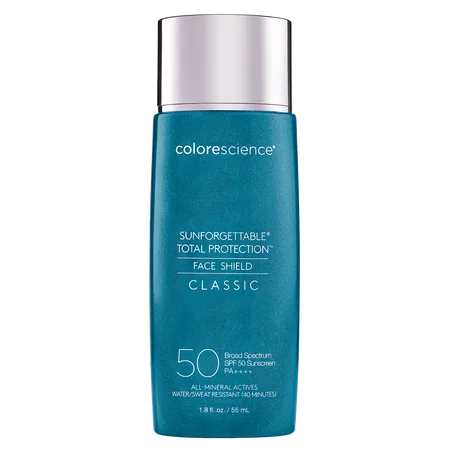 Dermatologist Daily Essential
 Sunforgettable Total Protection Face Shield SPF 50
The mineral sunscreen that converted the skeptics. Ultra-lightweight, sheer-tinted, and backed by PA++++ UVA protection, the Face Shield Classic proves that zinc oxide can feel invisible on skin while providing comprehensive environmental defense. At $52 for a generous tube, it's the most accessible entry point into Colorescience's clinical sunscreen line.
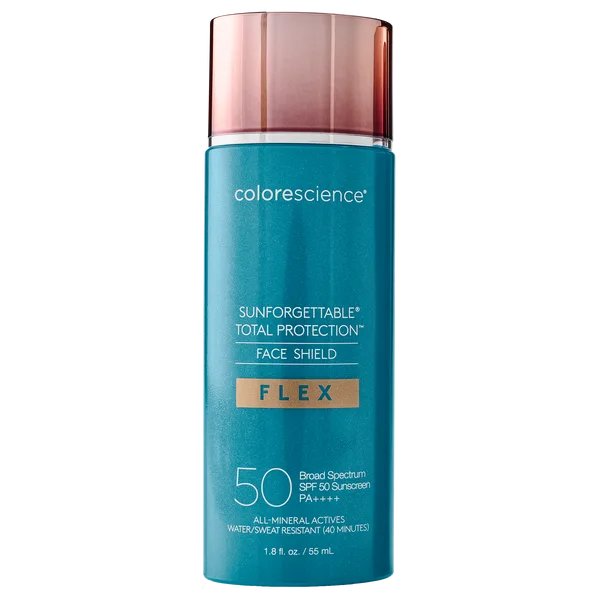 Award-Winning Mineral Shield
 Flex Healthy Glow Defense SPF 50
One of the most impressive mineral sunscreens on the market — the tone-adapting technology actually works, the texture is remarkably lightweight for 12% zinc oxide, and the comprehensive environmental protection goes far beyond basic UV filtering. Premium priced but justified by the formulation innovation and generous tube size.
This review reflects our independent analysis of publicly available ingredient data, manufacturer claims, and verified user reviews. We are reader-supported — Amazon links may earn us a commission at no cost to you. We do not accept paid placements; rankings are based solely on the evidence.