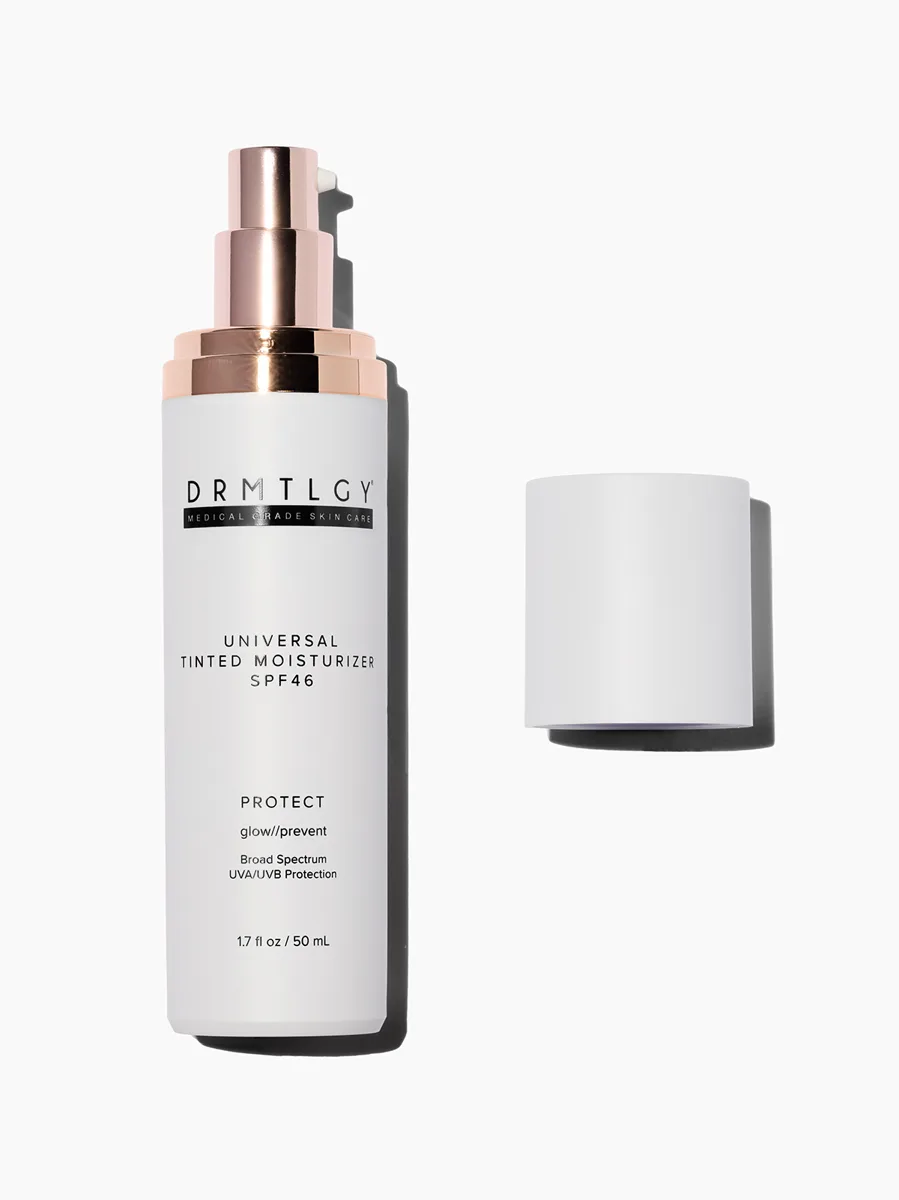
One of the most-recommended tinted SPFs in dermatologist-focused online communities, and for good reason — a hybrid SPF 46 with iron oxide visible-light protection, niacinamide treatment benefits, and a universal satin tint at roughly half the price of the Elta MD product it closely resembles. The fragrance and the octinoxate are the only meaningful asks for forgiveness.
Tinted Moisturizer SPF 46
One of the most-recommended tinted SPFs in dermatologist-focused online communities, and for good reason — a hybrid SPF 46 with iron oxide visible-light protection, niacinamide treatment benefits, and a universal satin tint at roughly half the price of the Elta MD product it closely resembles. The fragrance and the octinoxate are the only meaningful asks for forgiveness.
Score Breakdown
An exceptional value as a near-clone of premium tinted dermatologist sunscreens at half the price. The iron oxide visible-light protection plus niacinamide treatment benefits make it a smart daily wear choice for hyperpigmentation-prone skin.
Data Confidence: high
This product has been on the market since 2018 with thousands of reviews across Amazon and the Drmtlgy direct site, and has earned consistent recommendations in dermatologist-focused online communities for years.
0/100
Overall Score
Ingredient Quality 0
Value for Money 0
Suitability Breadth 0
Irritation Risk (↑ = safer) 0
Assessment
Pros
- Iron oxides provide real visible-light protection for melasma and HEVL
- 9% zinc oxide plus octinoxate hybrid delivers broad-spectrum SPF 46
- Niacinamide adds brightening and barrier treatment benefits
- Universal tint blends out without requiring foundation
- Satin finish layers cleanly under or without makeup
- Roughly half the price of comparable Elta MD UV Daily Tinted
- Vegan and cruelty-free certified
- Strong reputation in dermatologist-focused communities
Cons
- Contains added fragrance — not ideal for sensitive skin
- Octinoxate is not reef-safe and not generally recommended in pregnancy
- Universal tint doesn't work for very fair or very deep skin tones
- Squeeze tube is functional but less premium than the price suggests
- Subtle floral scent may bother fragrance-sensitive users
Full Review
If you spend any meaningful amount of time in dermatologist-focused online communities — the kind of forums where people post ingredient lists for analysis and compare receipt prices for medical-grade sunscreens — you start to notice that certain products get name-checked over and over without any apparent marketing push behind them. Drmtlgy's Tinted Moisturizer SPF 46 is one of those products. It doesn't have a celebrity founder. It hasn't gone viral on TikTok. It doesn't show up in glossy beauty editor roundups. What it has is a quiet but persistent reputation among the kind of users who actually read INCI lists, who care about iron oxide content, and who have noticed that the formulation reads almost like a dupe of Elta MD UV Daily Tinted at roughly half the price. That's not a coincidence, and it's the most interesting thing about this product.
The formulation is a hybrid mineral and chemical sunscreen, which is a more sophisticated choice than the pure-mineral marketing might lead you to expect. Zinc oxide at 9% provides the broad-spectrum mineral filter that handles long-wave UVA — the part of the UV spectrum most responsible for photoaging and pigmentation, and the part that chemical filters often miss. Octinoxate at 7.5% handles the UVB load through its chemical absorption mechanism, converting short-wavelength UV to heat through molecular vibration. Together, the two filters deliver SPF 46 protection without requiring impractical zinc concentrations that would leave a heavy white cast on anyone with skin tones beyond the fairest range. This is the engineering trade-off that makes tinted dermatologist sunscreens cosmetically wearable for darker skin tones — pure mineral at SPF 40+ usually requires zinc levels that look like a Halloween costume on tan or deep complexions. The hybrid approach solves that.
The iron oxides are where the formula gets interesting beyond the basic UV protection. Iron oxides serve two functions in this product: they provide the universal tint that delivers light cosmetic coverage, and they absorb high-energy visible light (HEVL) — the part of the visible spectrum most associated with melasma exacerbation and post-inflammatory hyperpigmentation in darker skin tones. This visible-light protection is unique to tinted sunscreens. Clear sunscreens, no matter how high the SPF, don't provide it. For users with melasma or pigmentation concerns, the iron oxide content is arguably the most important ingredient in any sunscreen they use — and it's the reason dermatologists who treat melasma routinely prescribe tinted sunscreens specifically. Most users who don't have melasma still benefit from visible-light protection because HEVL contributes to oxidative stress and collagen breakdown alongside UV.
Niacinamide rounds out the formula with treatment benefits that elevate it from a sunscreen to a daily-wear skincare-and-protection hybrid. Brightening, barrier support, sebum regulation, and pigmentation prevention through melanosome transfer inhibition — niacinamide does all of these things at once, and including it in a product that sits on the skin all day every day means you get those benefits as a bonus on top of the UV protection. Hyaluronic acid provides humectant hydration that keeps the formula from feeling dry over the course of an eight-hour workday.
The texture and wear are exactly what dermatologist-developed tinted sunscreens aspire to. It's a smooth lightweight lotion that blends out evenly with a universal tint, settles into a satin finish within about a minute, and doesn't require setting powder for most wearers. The dimethicone-and-silicone vehicle gives it a primer-like quality under makeup, and the formula doesn't pill or break down when foundation is layered on top. For everyday wear, many users find it can replace both their morning moisturizer and their foundation, simplifying the routine without sacrificing the things that matter.
Where it stumbles, the issues are familiar. Fragrance is in the formula, and for sensitive skin or melasma-prone users that's a meaningful demerit — the same population that benefits most from this product is also the most likely to be reactive to fragrance in daily-wear products. The universal tint, like all universal tints, doesn't actually work universally. Very fair skin will find it slightly too warm, and deep skin tones will find it inadequate as standalone coverage. Octinoxate is one of the chemical filters with reef-safety concerns (banned in Hawaii's reef-protection ordinance) and some pregnancy precautions, so it's not the right product for every shopper. And while the price is excellent compared to Elta MD, it's still more than a basic drugstore tinted sunscreen — the value here is in the formulation sophistication, not in being the cheapest possible option.
For the right user — someone with normal-to-combination skin who wants a daily-wear tinted SPF with real visible-light protection and treatment benefits, who can tolerate fragrance, and who isn't pregnant or shopping for reef-safe — this is one of the smartest values in the entire sunscreen category. The fact that it's earned its reputation through ingredient nerds rather than influencer campaigns is the strongest endorsement a sunscreen can get.
Formula
Ingredients
The hero actives that drive this product's performance.
| Ingredient | Function | Evidence |
|---|---|---|
| Zinc Oxide (9%) (9%) | A broad-spectrum mineral filter that physically reflects and absorbs UVA and UVB rays. At 9%, it provides meaningful long-wave UVA coverage that chemical filters often miss, which is the part of the spectrum most responsible for photoaging and pigmentation. The cosmetic-grade zinc here is micronized to minimize the white cast typical of mineral sunscreens. | well-established |
| Octinoxate (7.5%) (7.5%) | A chemical UVB filter that absorbs short-wavelength UV and converts it to heat. In this hybrid formula, octinoxate handles the UVB load while the zinc oxide covers UVA — together they provide the broad-spectrum SPF 46 protection without requiring high zinc concentrations that would leave a heavy white cast. | well-established |
| Iron Oxides | Provide both the universal-tint coverage and crucial visible-light protection — iron oxides absorb high-energy visible light (HEVL) from the sun and screens, which is the wavelength most associated with melasma and post-inflammatory hyperpigmentation in darker skin tones. This protection is unique to tinted sunscreens; clear sunscreens don't provide it. | well-established |
| Niacinamide | Brightens uneven tone, supports the barrier, and reduces inflammation throughout the day. In a tinted moisturizer with daily-wear positioning, niacinamide adds a treatment benefit on top of the UV protection — addressing the same hyperpigmentation that the iron oxides are also working against. | well-established |
| Hyaluronic Acid | Provides humectant hydration that prevents the formula from feeling dry on the skin throughout the day. Pairs with the dimethicone and silicone-based texture system to create a smooth, comfortable wear that feels more like skincare than sunscreen. | well-established |
Full INCI List
Active Ingredients: Zinc Oxide 9%, Octinoxate 7.5%. Inactive Ingredients: Water, Cyclopentasiloxane, C12-15 Alkyl Benzoate, Niacinamide, Hyaluronic Acid, Octyldodecyl Neopentanoate, Dimethicone, Glycerin, Polyglyceryl-4 Isostearate, Cetyl PEG/PPG-10/1 Dimethicone, Hexyl Laurate, PEG-10 Dimethicone, Lauryl PEG/PPG-18/18 Methicone, Phenoxyethanol, Sodium Chloride, Iron Oxides (CI 77491, CI 77492, CI 77499), Tocopheryl Acetate, Caprylyl Glycol, Disodium EDTA, Ethylhexylglycerin, Fragrance
Product Flags
✗ Fragrance Free✓ Alcohol Free✓ Oil Free✗ Silicone Free✓ Paraben Free✓ Sulfate Free✓ Cruelty Free✓ Vegan✓ Fungal Acne Safe
Potential Irritants
fragranceoctinoxate
Common Allergens
fragrance
Compatibility
Skin Match
Best For
Works For
Not Ideal For
Addresses These Conditions
sun damage hyperpigmentation melasma aging dark spots
Use With Caution
Routine Step
sunscreen
Time of Day
AM
Pregnancy Safe
No ✗
Layering Tips
Apply as the final step in your morning routine, after moisturizer and any treatment serums. Use a generous quarter-teaspoon for the face to achieve the labeled SPF protection. Reapply every 2 hours during sun exposure.
Results Timeline
Immediate cosmetic coverage and UV protection on application. Visible reduction in hyperpigmentation and sun damage with consistent daily use over 8-12 weeks, primarily through prevention rather than reversal.
Pairs Well With
vitamin-c-serumniacinamide-serumhyaluronic-acid-serum
Sample AM Routine
- Gentle cleanser
- Vitamin C serum
- Lightweight moisturizer
- Drmtlgy Tinted Moisturizer SPF 46
Sample PM Routine
- Cleanser
- Treatment serum
- Night moisturizer
Evidence
Science
The Science
Zinc oxide is one of two FDA-approved mineral sunscreen actives, with broad-spectrum protection across UVB and the entire UVA range, including long-wave UVA-1 that contributes most to photoaging, pigmentation, and skin cancer risk. At 9% concentration, zinc oxide provides meaningful coverage of the long-wave UVA spectrum that is poorly addressed by some chemical filters. Octinoxate (ethylhexyl methoxycinnamate) is one of the most widely used chemical UVB filters globally, with peak absorption around 311 nm, and it pairs well with zinc oxide to deliver broad-spectrum protection at lower mineral concentrations than pure mineral sunscreens require. Iron oxides have a substantial published evidence base for visible-light protection, with research demonstrating their effectiveness against high-energy visible light exposure that contributes to melasma and post-inflammatory hyperpigmentation. A widely cited study published in the Journal of the American Academy of Dermatology demonstrated that tinted sunscreens with iron oxides provided measurably better protection against melasma than untinted sunscreens of equivalent SPF, even when both contained zinc oxide. Niacinamide's role in melanosome transfer inhibition is well-documented in controlled clinical studies, with effects on hyperpigmentation visible at concentrations of 2-5% over 8-12 weeks. The combination of UV filters, visible-light protection through iron oxides, and pigmentation-preventive niacinamide makes this formula a multi-pathway approach to the same hyperpigmentation problem that drives most melasma treatment plans.
Dermatologist Perspective
Dermatologists who treat melasma frequently prescribe tinted sunscreens specifically because of the iron oxide visible-light protection, which clear sunscreens cannot provide regardless of SPF. Board-certified dermatologists note that visible light, particularly the high-energy blue end of the spectrum, contributes meaningfully to melasma exacerbation and post-inflammatory hyperpigmentation in darker skin tones, and that no amount of UV-only protection adequately addresses this in clinical practice. This particular formula is often recommended in dermatologist-focused online communities as an affordable alternative to medical-aesthetic brand tinted sunscreens, with the formulation being notably similar to higher-priced options from established derm-focused brands. Dermatologists do caution that tinted sunscreens with universal tints work best for medium skin tones and may need to be layered under foundation for very fair or deep complexions, and that the actual SPF protection depends entirely on applying enough product — typically a quarter teaspoon for the face.
Guidance
Usage Guide
How to Use
Apply as the final step in your morning routine, after moisturizer and any treatment serums. Use a generous quarter-teaspoon for the face to achieve the labeled SPF 46 protection — most people under-apply sunscreen, which dramatically reduces actual protection. Blend evenly across face and neck. Reapply every 2 hours during sun exposure, or after swimming or heavy sweating. For very oily skin, set with a translucent powder if needed. Can be worn alone for everyday looks or layered under foundation for more coverage.
Value Assessment
At $32 for 1.7 oz, this is one of the strongest values in the dermatologist-grade tinted sunscreen category. Comparable formulations from Elta MD, SkinMedica, and other medical-aesthetic brands typically run $40-$55 for the same architecture, and the formulation similarities are close enough that dermatologist communities have repeatedly cited this product as a near-clone at significant savings. The 1.7 oz size provides about 2-3 months of daily face use for most wearers, putting the per-month cost in the $10-15 range — below the cost of even basic drugstore tinted moisturizers when you account for the SPF 46 broad-spectrum coverage and the treatment benefits. For the iron oxide visible-light protection alone, this is exceptional value for melasma-prone users who would otherwise be paying significantly more for the same protection from premium derm brands.
Who Should Buy
Normal to combination skin types who want a daily-wear tinted sunscreen with real visible-light protection and treatment benefits at a fraction of the price of medical-aesthetic brand alternatives. Especially valuable for melasma patients, hyperpigmentation-prone skin, and anyone in the medium-to-tan skin tone range looking for a universal-tint option. Excellent for users who want to simplify their routine by combining moisturizer, sunscreen, and light coverage into a single product.
Who Should Skip
Pregnant or nursing users should choose a mineral-only sunscreen instead due to the octinoxate. Those swimming in reef areas should use reef-safe alternatives. Very fair or very deep skin tones may find the universal tint inadequate. Anyone with fragrance sensitivity should look at fragrance-free derm sunscreens.
Ready to try Drmtlgy Tinted Moisturizer SPF 46?
Details
Details
Texture
Smooth lightweight lotion with a satin finish
Scent
Light floral fragrance
Packaging
Squeeze tube
Finish
satinnaturallightweight
What to Expect on First Use
First application blends out smoothly with a universal tint that adjusts to most skin tones for a sheer, even coverage. No tingling or warming. The satin finish settles within a minute and doesn't require setting powder for most users.
How Long It Lasts
About 2-3 months with daily face use, less if applied to neck and chest as well
Period After Opening
12 months
Best Season
All Year
Certifications
Cruelty-FreeVegan
Background
The Why
Drmtlgy launched in 2017 as a direct-to-consumer brand built around the idea that dermatologist-grade formulations could be sold at lower price points without intermediary retail markup. The Tinted Moisturizer SPF 46 quickly became one of the brand's signature products after dermatologist-focused online communities began comparing it to the more expensive Elta MD UV Daily Tinted and finding the formulations remarkably similar.
About Drmtlgy Established Brand (5–20 years)
Drmtlgy launched in 2017 as a direct-to-consumer brand designed to deliver dermatologist-grade formulations at lower price points than traditional medical-grade brands. The Tinted Moisturizer SPF 46 has become one of the brand's most-recommended products in derm-focused online communities for being a near-clone of Elta MD UV Daily Tinted at roughly half the price.
Brand founded: 2017 · Product launched: 2018
Myth vs. Reality
Myths
Myth
Tinted sunscreens are just sunscreens with a little color added
Reality
Tinted sunscreens that contain iron oxides provide measurable visible-light protection that clear sunscreens do not. This is particularly important for melasma and post-inflammatory hyperpigmentation, both of which are aggravated by visible light from the sun and from screens.
Myth
Hybrid mineral and chemical sunscreens are inferior to pure mineral
Reality
Hybrid formulations often deliver better cosmetic elegance and broader-spectrum coverage than pure mineral sunscreens, particularly at higher SPFs. The combination lets formulators use lower mineral concentrations to avoid the white cast issue while maintaining strong UVA and UVB protection.
FAQ
FAQ
Is this really a dupe for Elta MD UV Daily Tinted?
The two formulations are remarkably similar — both use a hybrid zinc oxide and octinoxate filter system at comparable concentrations, both contain iron oxides for visible-light protection, both include niacinamide and hyaluronic acid, and both have a satin finish with a universal tint. The Drmtlgy version is roughly half the price.
Does the tint match my skin?
It uses a universal tint designed to adjust to most light to medium skin tones. Very fair skin may find it slightly too warm, and deep skin tones may need to layer it under foundation or choose a different product entirely. For most medium and tan skin tones, it blends seamlessly.
Will this protect me from blue light from screens?
Yes — the iron oxides in this formula provide measurable visible-light protection, which includes the high-energy visible light spectrum that comes from both sunlight and digital screens. This is one of the main advantages of tinted over clear sunscreens for melasma-prone users.
Is this safe to use during pregnancy?
Octinoxate is one of the chemical sunscreen filters that some physicians recommend avoiding during pregnancy due to potential endocrine effects. If you're pregnant or nursing and want a safer alternative, look for a tinted mineral-only sunscreen with zinc oxide as the sole active filter.
Is this reef-safe?
No — octinoxate is one of the chemical filters banned in some reef-protection ordinances (like Hawaii's). If you're swimming in coral reef areas, choose a mineral-only sunscreen instead.
Can I use this instead of foundation?
For light coverage and natural finish, yes — many users wear this alone for everyday looks. For more substantial coverage, layer it under your usual foundation. The tint is sheer enough to work as either a primer or a standalone.
How much should I apply?
Use about a quarter teaspoon for the face to achieve the labeled SPF 46 protection. Most people under-apply sunscreen, which dramatically reduces the actual protection level. Reapply every 2 hours during sun exposure.
Community
Community
Common Praise
"Universal tint flatters most skin tones"
"No white cast"
"Doesn't pill or break down under makeup"
"Half the price of comparable derm-brand sunscreens"
"Helps with melasma"
Common Complaints
"Universal tint can be too dark for very fair skin or too light for deep skin"
"Contains fragrance"
"Not reef-safe due to octinoxate"
Notable Endorsements
Recommended in r/SkincareAddiction and r/30PlusSkinCare communitiesFrequently compared to Elta MD UV Daily Tinted
Appears In
best affordable tinted sunscreen best tinted sunscreen for melasma best tinted moisturizer with spf best elta md dupe
Related Conditions
sun damage hyperpigmentation melasma
Related Ingredients
You Might Also Like
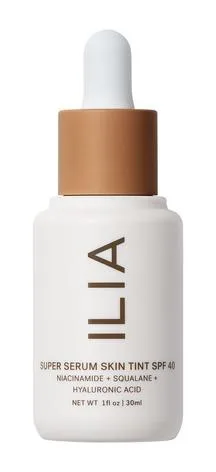 Clean Beauty Cult Classic
 Super Serum Skin Tint SPF 40
The product that finally made mineral tinted SPF desirable instead of medicinal. At 12% non-nano zinc with iron oxide visible-light protection, niacinamide, and a squalane-based glowy finish, this bottle does the impossible — it delivers real sun protection, real skincare, and real makeup in a single step without any one of them feeling compromised. The $54 price stings, but almost nothing else in the category does all three jobs this well.
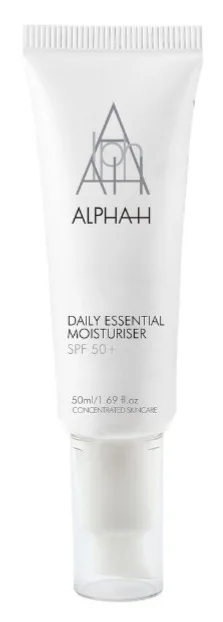 Australian SPF Standard
 Daily Essential Moisturiser SPF 50+
An excellent multi-active daily SPF that meets Australia's stricter TGA SPF 50+ standard and includes modern UVA filters that put it well ahead of most US sunscreens. Niacinamide, centella, and hyaluronate make it a genuine moisturizer rather than just a sunscreen step. Premium-priced but uniquely well-formulated.
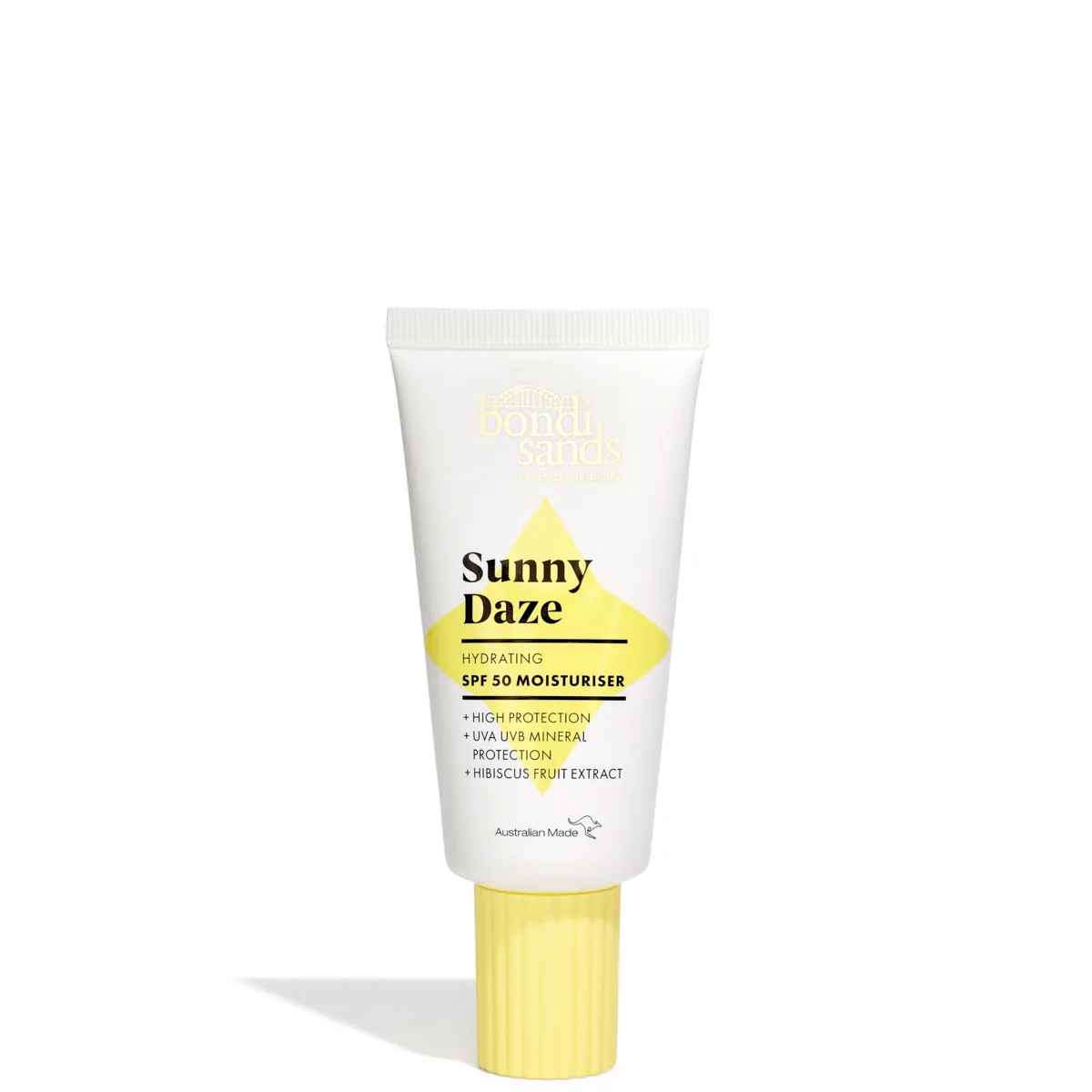 Mineral SPF for Melasma
 Sunny Daze SPF 50 Moisturiser
A 25% zinc oxide mineral face moisturizer with a built-in universal tint that provides both visible-light protection and white-cast neutralization — one of the better-engineered mineral SPF moisturizers in its price tier. The single universal shade is a real limitation, but for anyone managing melasma or reactive skin, this is a surprisingly thoughtful drugstore option.
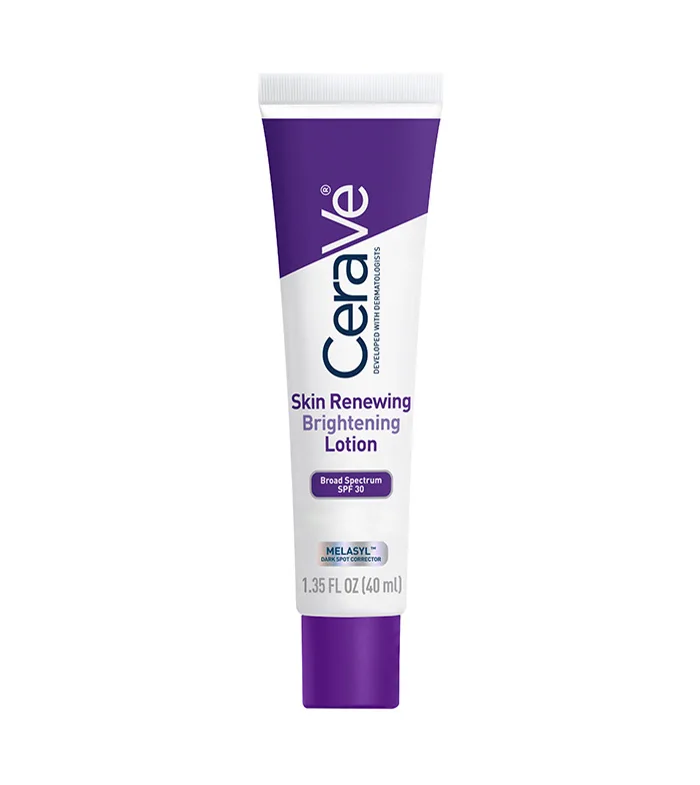 Brightening Multitasker
 Skin Renewing Brightening Lotion SPF 30
CeraVe's first product to use L'Oréal's Melasyl pigmentation molecule is also a competent SPF 30 day cream and a barrier-supporting lotion in one step. The size is small for the price, but the formula is genuinely impressive — this is CeraVe taking a real swing at the dark spot treatment category.
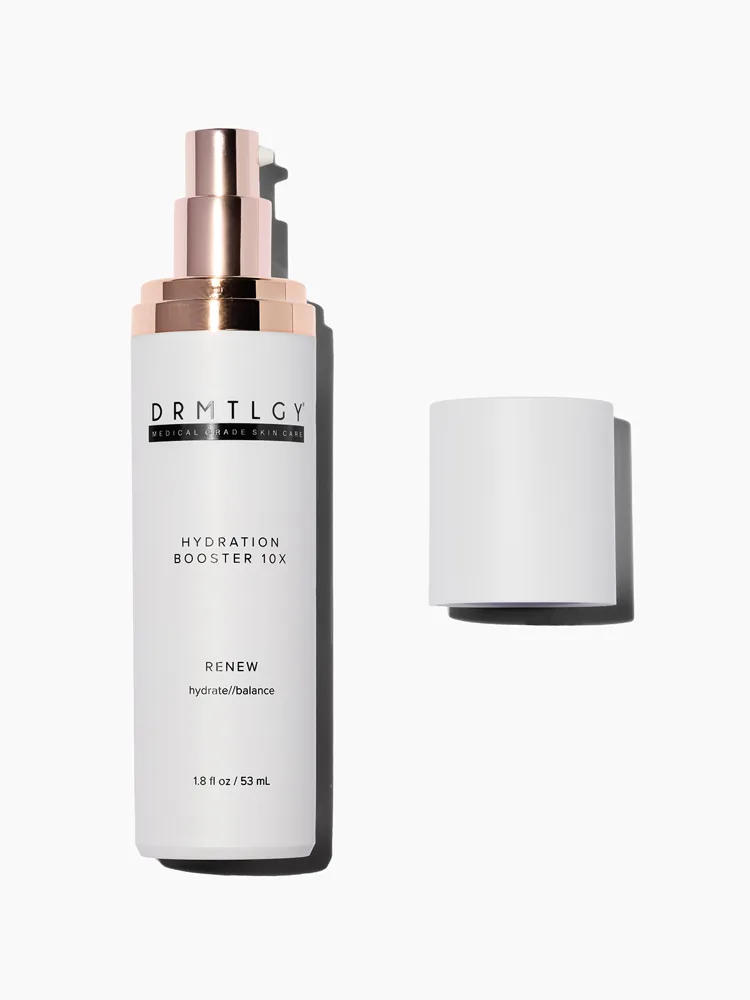 Amazon Hydration Staple
 HA+ Advanced Hydrating Serum
A quietly overachieving hydrating serum that outclasses most of its Amazon neighbors. Three forms of hyaluronic acid layered with niacinamide, panthenol, and allantoin deliver the kind of cushioned, non-tacky hydration you usually have to pay double for. Not a transformational product — but an exceptionally well-made utility player.
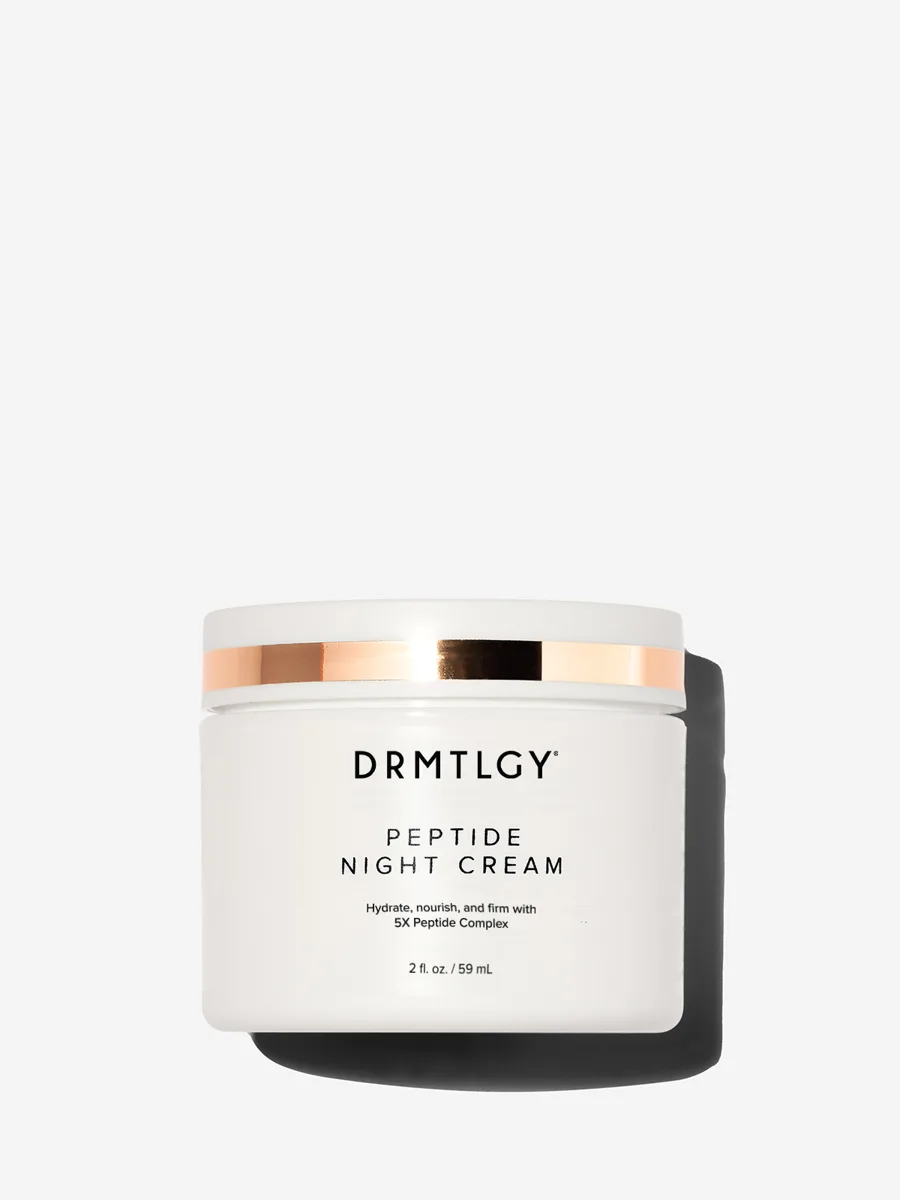 Peptide Workhorse
 Anti-Aging Peptide Night Cream
A surprisingly serious peptide cream hiding inside a mid-priced DTC jar. Five peptides layered over a three-ceramide barrier repair base make this a legitimate nightly workhorse for skin that wants firmness without the drama of retinoid irritation. Just don't expect it to play nice with oily, breakout-prone skin.