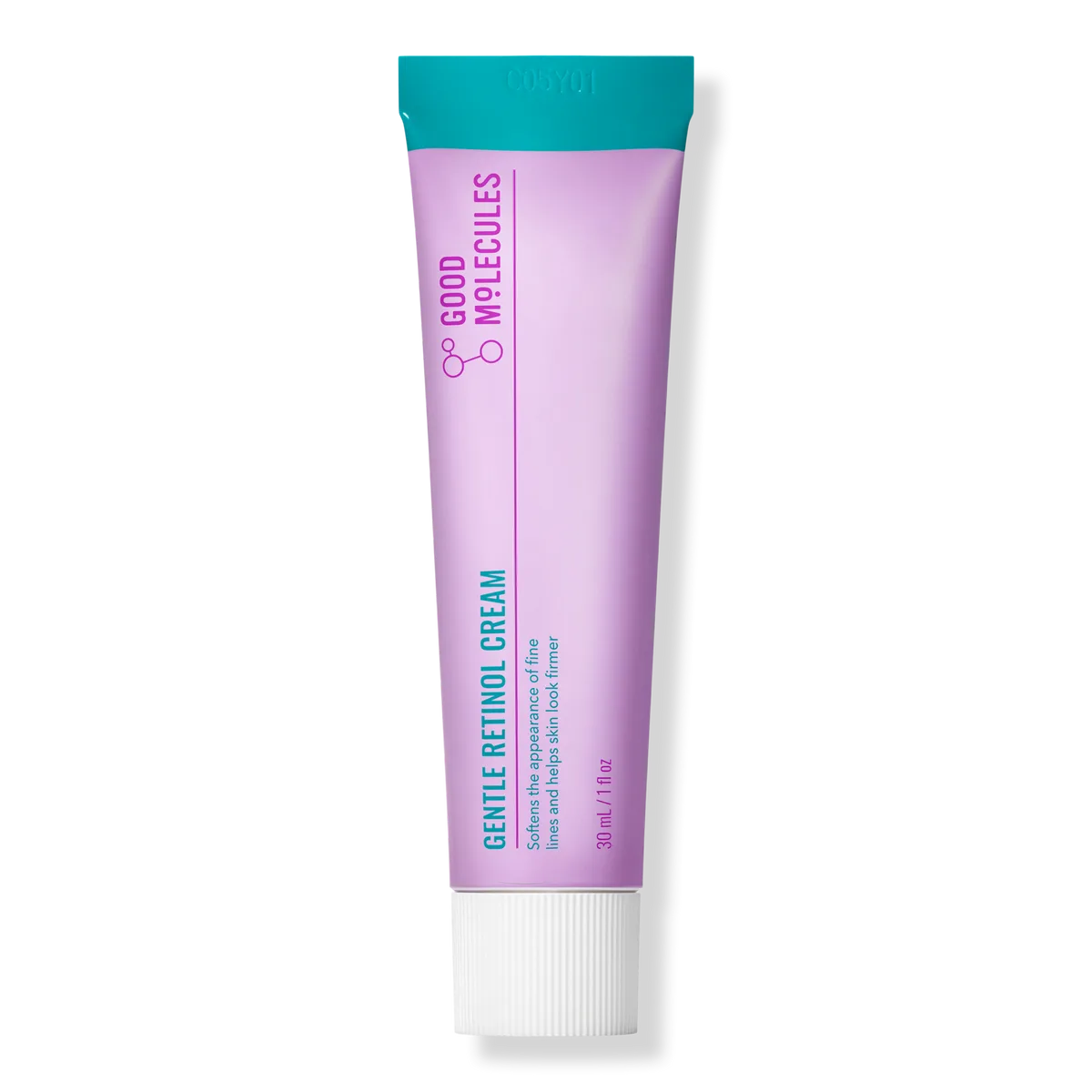
The eight-dollar retinol cream that pairs 0.1% retinol with bakuchiol and soothing botanicals for what may be the gentlest, most affordable entry into retinoid skincare on the market. It won't transform your skin overnight, but it might be the product that keeps you using retinol long enough to see real results.
Retinol Cream
The eight-dollar retinol cream that pairs 0.1% retinol with bakuchiol and soothing botanicals for what may be the gentlest, most affordable entry into retinoid skincare on the market. It won't transform your skin overnight, but it might be the product that keeps you using retinol long enough to see real results.
Score Breakdown
An intelligently formulated beginner retinol cream that pairs 0.1% retinol with bakuchiol and soothing botanicals at a remarkably low price. The gentle concentration limits its potency for experienced retinol users but makes it one of the safest entry points into retinoid skincare.
Data Confidence: medium
This product has been available since approximately 2021 with 600+ reviews on Ulta at a 4.5/5 rating. Scoring reflects the well-established efficacy of retinol, ingredient analysis, and growing consumer feedback.
0/100
Overall Score
Ingredient Quality 0
Value for Money 0
Suitability Breadth 0
Irritation Risk (↑ = safer) 0
Assessment
Pros
- Bakuchiol-retinol combination leverages research-backed synergy for enhanced efficacy
- 0.1% retinol concentration minimizes adjustment-period irritation for beginners
- Exceptional value at $8 for a multi-active retinol formula with botanical support
- Fragrance-free, silicone-free cream base with soothing allantoin and plant oils
- Tube packaging protects retinol from light and air degradation
- Acmella oleracea extract adds a complementary anti-wrinkle mechanism
Cons
- 0.1% retinol is too gentle for experienced retinol users seeking stronger results
- Results are gradual — requires 8-12 weeks of consistent use for visible improvement
- 30 mL tube is relatively small and may only last 2-3 months
- Cream texture may feel slightly heavy for oily skin types
- Not suitable for use during pregnancy or breastfeeding
Full Review
The skincare industry has a retinol problem, and it's not about efficacy. Retinol works. That's been settled science for decades. The problem is that most people who start using retinol stop within the first month. They pick up a product with an impressive-sounding concentration, apply it with enthusiasm, wake up to a peeling, irritated face, and decide that retinol 'isn't for them.' The product goes under the sink. The retinol journey ends before it ever really begins.
Good Molecules built their Gentle Retinol Cream around a simple insight: the most effective retinol product is the one you'll actually use consistently for three months. And the single biggest predictor of consistent use isn't concentration — it's tolerability. So they went low and gentle: 0.1% retinol in a cream base loaded with ingredients specifically chosen to make the retinization process as painless as possible.
The bakuchiol inclusion is the smartest formulation decision here. Bakuchiol is a plant-derived compound that, despite having zero structural resemblance to retinol, activates similar gene expression pathways in skin cells. A frequently cited study published in the British Journal of Dermatology in 2019 found that bakuchiol alone produced anti-wrinkle and anti-pigmentation effects comparable to 0.5% retinol, with significantly less scaling and stinging. But the really interesting finding was that bakuchiol and retinol together may have synergistic effects — the combination potentially more effective than either ingredient at the same concentration alone. This formula leverages that synergy while using bakuchiol's anti-inflammatory properties to smooth the retinol adjustment period.
Allantoin provides the second layer of tolerance support. This gentle skin protectant promotes cell regeneration and reduces irritation — exactly the kind of damage control you want when introducing a cell-turnover accelerator like retinol to uninitiated skin. Grape seed oil and sunflower seed oil add emollient moisture and linoleic acid, maintaining barrier function during the retinization period when the skin is more vulnerable to transepidermal water loss.
Acmella oleracea extract — sometimes marketed as 'natural Botox' — is an interesting wild card. This botanical from the paracress plant has mild muscle-relaxing properties that may help smooth expression lines through a mechanism completely different from retinol's collagen-stimulating action. It's emerging rather than well-established science, but it adds a complementary dimension to the anti-aging profile without adding irritation risk.
The cream texture is pleasant and workable. It's richer than a gel-cream but lighter than a traditional night cream — a medium-weight emulsion that absorbs well without leaving an oily film. For oily skin types, it might feel slightly heavy, and you could get away with using it as your night moisturizer. For dry skin, you'll probably want to layer a heavier cream on top. The tube packaging protects the retinol from the light and air degradation that jar packaging would allow.
So what about results? At 0.1%, expectations need to be calibrated. This is not a dramatic, visible-within-days retinol experience. The adjustment period is mild — perhaps some light dryness or micro-flaking in the first couple of weeks, nothing that a good moisturizer can't handle. Real results build slowly. Smoother texture by week four. A more even, brighter skin tone by week eight. Fine line softening that you notice in photos rather than in the mirror. By twelve weeks, the cumulative effect of consistent cell turnover acceleration becomes genuinely visible.
The pace is slower than a 0.5% or 1% retinol, absolutely. But here's the trade-off that matters: if you can use this every night without irritation, you're applying retinol roughly 90 times over three months. Someone who buys a 0.5% retinol but can only tolerate it three times a week — and maybe skips some weeks entirely — applies retinol maybe 30 times in the same period. Consistent low-dose exposure often outperforms intermittent high-dose exposure. The tortoise and the hare, in tube form.
The honest limitation is that experienced retinol users will find this understimulating. If your skin has already adapted to 0.3% or higher, stepping down to 0.1% is going to feel like a backwards move, and the results will likely plateau below what you're used to. This cream exists for beginners, for the retinol-curious, for sensitive skin types, and for anyone who's been burned by stronger retinol products in the past.
At eight dollars, the risk-reward calculus is essentially zero risk. The worst-case scenario is that you've spent less than the price of a sandwich on a product that doesn't work well enough for you, and you can pass the tube to a friend who's been wanting to try retinol. The best-case scenario is that this is the product that finally gets you into a consistent retinol habit, building the tolerance foundation that lets you eventually graduate to higher concentrations if you choose to.
Good Molecules has done something genuinely useful here: they've removed every barrier to starting retinol. The price barrier is gone. The irritation barrier is minimized. The intimidation barrier is addressed by the gentle, approachable formulation. What's left is just you, 0.1% retinol, and the patience to let consistent use do its work.
Formula
Ingredients
The hero actives that drive this product's performance.
| Ingredient | Function | Evidence |
|---|---|---|
| Retinol (0.1%) | The primary anti-aging active at a beginner-friendly 0.1% concentration, retinol stimulates collagen production and accelerates cell turnover. In this cream base, the retinol is buffered by bakuchiol, allantoin, and emollient oils that reduce the irritation typically associated with retinoid introduction. | well-established |
| Bakuchiol | A plant-derived retinol alternative that provides complementary anti-aging benefits without the irritation profile of retinoids. In this formula, bakuchiol works synergistically with the retinol — research suggests the combination may be more effective than either ingredient alone, while bakuchiol's anti-inflammatory properties help buffer retinol-induced sensitivity. | promising |
| Allantoin | A soothing skin protectant that promotes cell regeneration and calms irritation. Positioned strategically in this retinol formula to counterbalance the potential dryness and flaking that retinol can cause during the adjustment period. | well-established |
| Grape Seed Oil | A lightweight, linoleic acid-rich oil that provides emollient moisture without clogging pores. In this retinol cream, it contributes polyphenol antioxidants and helps maintain skin barrier integrity during the retinization process. | promising |
| Acmella Oleracea Extract | Known as 'natural Botox,' this botanical extract has mild muscle-relaxing properties that may help smooth expression lines. In this retinol formula, it provides a complementary anti-wrinkle mechanism that works through a different pathway than retinol's collagen-stimulating action. | emerging |
Full INCI List
Water, C13-16 Isoparaffin, Glycerin, Diheptyl Succinate, Heptyl Undecylenate, 1,2-Hexanediol, Ammonium Acryloyldimethyltaurate/VP Copolymer, Polyglyceryl-10 Oleate, Propanediol, Vitis Vinifera (Grape) Seed Oil, Caprylic/Capric Triglyceride, Bakuchiol, Tocopherol, Acmella Oleracea Extract, Butylene Glycol, Retinol, Allantoin, Helianthus Annuus (Sunflower) Seed Oil, Capryloyl Glycerin/Sebacic Acid Copolymer, Ethylhexylglycerin, Salix Alba (Willow) Bark Extract, Camellia Sinensis Leaf Extract, Lilium Candidum Bulb Extract
Product Flags
✓ Fragrance Free✓ Alcohol Free✗ Oil Free✓ Silicone Free✓ Paraben Free✓ Sulfate Free✓ Cruelty Free✓ Vegan✗ Fungal Acne Safe
Potential Irritants
Retinol
Compatibility
Skin Match
Best For
Works For
Not Ideal For
Addresses These Conditions
aging texture dullness dark spots
Use With Caution
Avoid With
Routine Step
treatment
Time of Day
PM
Pregnancy Safe
No ✗
Layering Tips
Apply as the last step before moisturizer in the evening. Can be used as a standalone night cream for oily skin. Pair with a rich moisturizer for dry skin. Always use SPF 30+ the following morning.
Results Timeline
Possible mild dryness or flaking in the first 1-2 weeks as skin adjusts. Smoother texture and improved radiance within 4 weeks. Fine line softening and more even skin tone after 8-12 weeks of consistent nightly use.
Pairs Well With
Hyaluronic acid serums (underneath)Niacinamide (helps buffer irritation)Rich moisturizers (on top for dry skin)SPF 30+ (essential the next morning)
Conflicts With
Other retinoids (do not layer)AHA/BHA exfoliants (use on alternate nights initially)Benzoyl peroxide (use at different times of day)
Sample AM Routine
- Gentle cleanser
- Vitamin C serum
- Moisturizer
- SPF 30+ sunscreen
Sample PM Routine
- Oil cleanser
- Gentle cleanser
- Hyaluronic acid serum
- Good Molecules Retinol Cream
Evidence
Science
The Science
Retinol is a thoroughly validated anti-aging ingredient with decades of published research supporting its efficacy. As a vitamin A derivative, it binds to retinoid receptors in skin cells, stimulating collagen production, accelerating cell turnover, and normalizing melanin distribution. Even at 0.1%, retinol has been shown to produce meaningful improvements in skin texture and fine lines — a study published in the Journal of Cosmetic Dermatology (2015) demonstrated that low-concentration retinol (0.1%) significantly improved wrinkle severity and skin roughness over 12 weeks.
The bakuchiol-retinol combination in this formula is supported by research published in the British Journal of Dermatology (2019) by Dhaliwal et al. In a randomized, double-blind study comparing 0.5% bakuchiol to 0.5% retinol over 12 weeks, bakuchiol produced comparable improvements in wrinkle depth, pigmentation, and overall photodamage with significantly less scaling and stinging. The study's authors suggested that bakuchiol and retinol may work through complementary pathways, with bakuchiol modulating retinoid-responsive genes without directly binding to retinoid receptors.
Allantoin is classified by the FDA as a skin protectant that promotes cell proliferation and wound healing. In the context of a retinol formula, its ability to accelerate cell regeneration while reducing inflammation helps mitigate the barrier disruption that retinol can cause during the initial adaptation period.
Acmella oleracea extract, often called 'spilanthol' after its key bioactive compound, has been shown in preliminary studies to inhibit facial muscle contractions through a mechanism similar to botulinum toxin but at a subclinical, cosmetic level. A study in the International Journal of Cosmetic Science (2009) demonstrated that acmella extract reduced wrinkle depth by 15.9% after 28 days of topical application.
References
- Prospective, randomized, double-blind assessment of topical bakuchiol and retinol for facial photoageing — British Journal of Dermatology (2019)
Dermatologist Perspective
Board-certified dermatologists consistently recommend starting retinol at low concentrations and building tolerance gradually — a principle this product embodies. Dermatologists note that 0.1% retinol is an appropriate starting concentration for retinoid-naive patients, and the bakuchiol co-formulation aligns with emerging evidence about combination approaches to retinoid therapy. Dermatologists frequently emphasize that consistent use of a well-tolerated retinol product produces better long-term results than sporadic use of a higher-concentration product that causes irritation. For patients who have previously abandoned retinol due to sensitivity, this type of buffered, low-concentration formula is often recommended as a re-entry point.
Guidance
Usage Guide
How to Use
Apply a pea-sized amount to clean, dry skin in the evening after serums and before moisturizer. Start with 2-3 times per week for the first 2-3 weeks, then increase to every other night, and eventually nightly as tolerated. Always apply SPF 30+ the following morning. Avoid using in the same routine as AHA/BHA exfoliants — alternate nights instead. If irritation occurs, reduce frequency and ensure you're using a good moisturizer.
Value Assessment
At $8 for 30 mL, this is one of the most affordable retinol creams with a well-formulated supporting cast of ingredients. The inclusion of bakuchiol, acmella oleracea extract, allantoin, and antioxidant plant oils would typically command a $20-30 price point from most brands. The small tube lasts about 2-3 months with nightly use, putting the monthly cost at roughly $3-4 — essentially negligible in a skincare budget.
Who Should Buy
First-time retinol users who want a gentle, affordable introduction to retinoids. Sensitive skin types who have struggled with stronger retinol products. Anyone looking for an entry-level anti-aging treatment at an unbeatable price point.
Who Should Skip
Experienced retinol users who need 0.3% or higher for visible results. Anyone pregnant or breastfeeding. Those looking for a standalone night cream — oily skin excepted, most skin types will need a moisturizer on top.
Ready to try Good Molecules Retinol Cream?
Details
Details
Texture
Medium-weight cream with a soft, emollient feel. Not heavy or greasy, but noticeably richer than a gel or lotion. Absorbs well into the skin.
Scent
Unscented — no added fragrance, with a very faint neutral product smell.
Packaging
White squeeze tube with a screw cap. Simple, hygienic packaging that protects the retinol from light and air exposure.
Finish
satinlightweightnon-greasy
What to Expect on First Use
First application feels like a lightweight cream — no stinging, tingling, or immediate redness. The bakuchiol and allantoin help buffer any potential sensitivity. Mild dryness or micro-flaking may appear in the first 1-2 weeks, which is a normal sign of retinization. The adjustment is typically much milder than with higher-percentage retinol products.
How Long It Lasts
2-3 months with nightly face application
Period After Opening
6 months
Best Season
All Year
Certifications
Cruelty-freeVegan
Background
The Why
Good Molecules launched this cream to address a gap in the market: most beginner retinol products either cost $30-60 or use retinol without adequate buffering ingredients, leading to the harsh adjustment periods that scare people away from retinoids entirely. By combining 0.1% retinol with bakuchiol and soothing botanicals at eight dollars, they created what may be the lowest-risk entry point into retinoid skincare.
About Good Molecules Emerging Brand (2–5 years)
Good Molecules was launched in 2019 as the in-house skincare brand of Beautylish, the cosmetics e-commerce platform founded by Nils Johnson. The brand positions itself as affordable, ingredient-focused skincare with full concentration transparency.
Brand founded: 2019 · Product launched: 2021
Myth vs. Reality
Myths
Myth
0.1% retinol is too low to do anything meaningful.
Reality
Studies show that even 0.025% retinol can stimulate collagen production and improve skin texture over time. At 0.1%, this cream provides a clinically relevant dose that balances efficacy with tolerability. For beginners, starting low and building tolerance is more effective than starting high and having to stop due to irritation.
Myth
You can't use retinol if you have sensitive skin.
Reality
This formula was specifically designed for sensitive and beginner skin. The 0.1% concentration, combined with bakuchiol's anti-inflammatory properties and allantoin's soothing action, creates a retinol experience that most sensitive skin types can tolerate with proper introduction (2-3 times weekly, building to nightly).
FAQ
FAQ
Is Good Molecules Retinol Cream strong enough to work?
Yes — 0.1% retinol is within the clinically effective range for stimulating collagen production and improving skin texture. Results take longer than with higher concentrations, but the gentler approach means less irritation, less downtime, and more consistent use — which ultimately delivers better long-term results than a stronger product you can't tolerate.
How should I start using Good Molecules Retinol Cream?
Begin with 2-3 times per week in the evening, applying a pea-sized amount after serums and before moisturizer. If your skin tolerates it well after 2-3 weeks, gradually increase to nightly use. Always apply SPF 30+ the next morning, as retinol increases photosensitivity.
Can I use Good Molecules Retinol Cream with vitamin C?
Yes, but use them at different times of day for best results. Apply vitamin C serum in the morning for antioxidant protection, and use the retinol cream at night. This maximizes the benefits of both ingredients without the potential for irritation from layering them together.
What makes Good Molecules Retinol Cream different from other budget retinol products?
The inclusion of bakuchiol alongside the retinol sets this apart. Research published in the British Journal of Dermatology found that bakuchiol and retinol together may be more effective than either alone. Combined with acmella oleracea extract, allantoin, and antioxidant plant oils, this is an unusually well-formulated retinol for the $8 price point.
Is Good Molecules Retinol Cream safe during pregnancy?
No — all retinol products, regardless of concentration, are generally advised against during pregnancy and breastfeeding. If you're looking for anti-aging skincare during pregnancy, the bakuchiol in this formula is considered safe as a standalone ingredient, but the retinol makes this specific product one to avoid.
Community
Community
Common Praise
"Incredibly affordable retinol at just $8"
"Gentle enough for first-time retinol users"
"No peeling or excessive dryness during adjustment"
"Bakuchiol addition feels like a smart formulation choice"
"Repeat purchase — users buy it again and again"
Common Complaints
"0.1% retinol may be too gentle for experienced retinol users"
"Small 30 mL size for the price"
"Cream texture may feel heavy for oily skin"
"Results are subtle and slow compared to higher-percentage retinol"
Notable Endorsements
Positively reviewed by board-certified dermatologists online
Appears In
best retinoid for beginners best budget retinol best retinoid for aging best retinoid for sensitive skin
Related Conditions
aging texture dullness dark spots
Related Ingredients
You Might Also Like
 Beginner-Friendly Retinoid
 A-Game 5 Retinal Serum
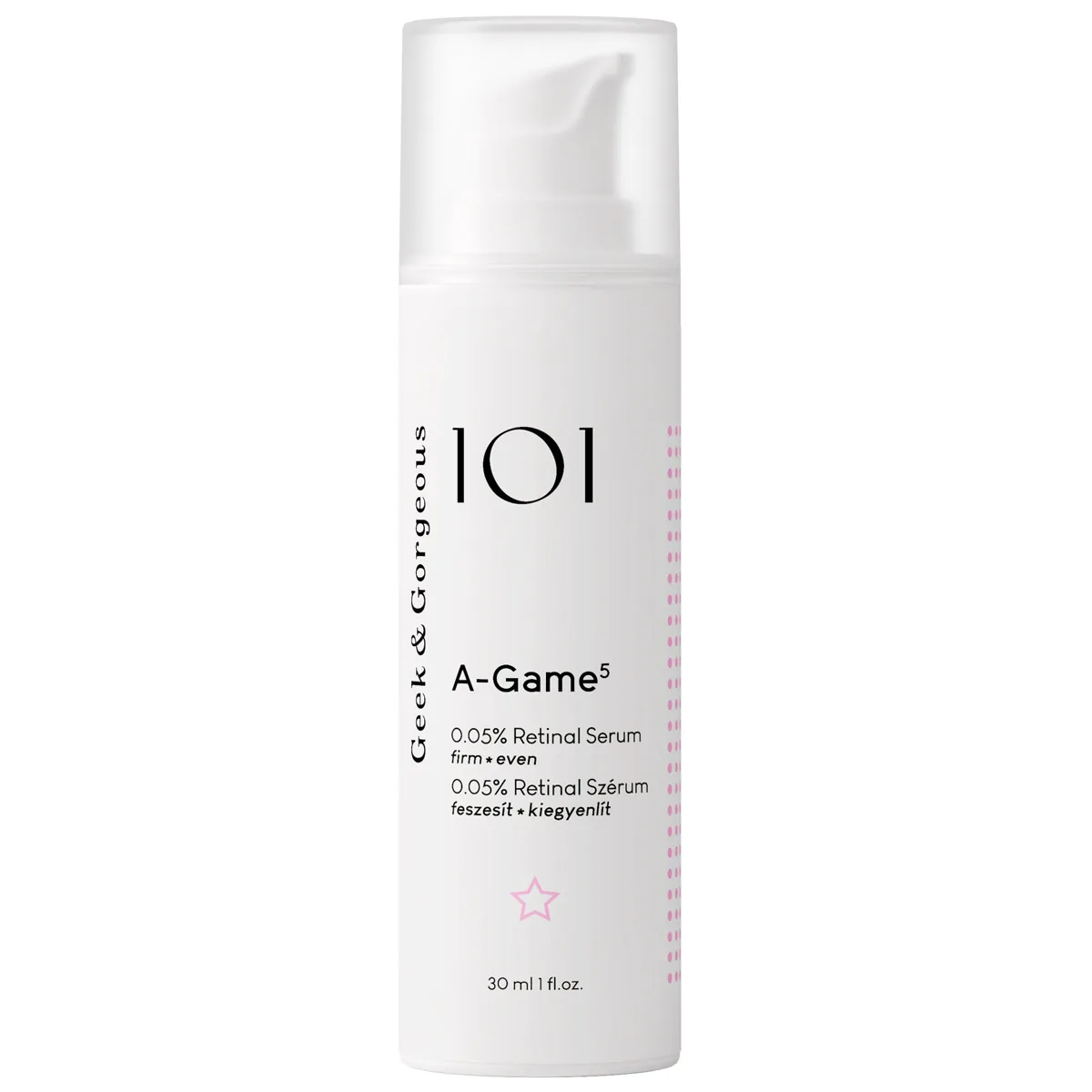
The ideal beginner's retinaldehyde serum — a properly dosed 0.05% retinal in a buffered, fragrance-free formula at a price that makes long-term retinoid use actually sustainable. Same thoughtful supporting ingredients as the higher-strength A-Game 10 at half the potency, which is exactly the point. If you've never used a real retinoid, this is one of the best entry points on the market.
 Derm-Grade Retinal at Drugstore Price
 Stress Less 0.3% Retinal Serum
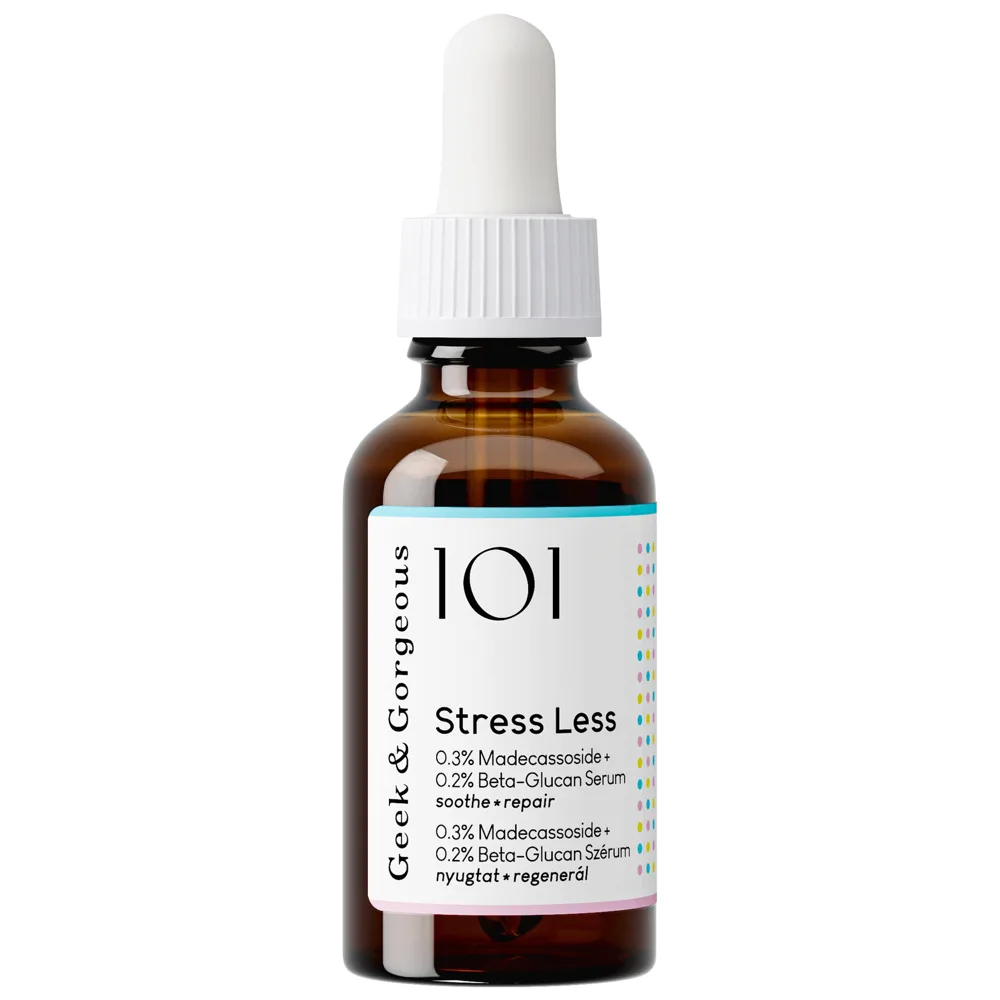
A genuinely derm-grade 0.3% retinaldehyde serum at a price that shouldn't be possible. The ceramide and bisabolol buffering keeps it tolerable for experienced retinoid users, and the results — on texture, tone, and fine lines — rival premium retinals costing four times as much.
 Budget Retinal Holy Grail
 A-Game 10 Retinal Serum
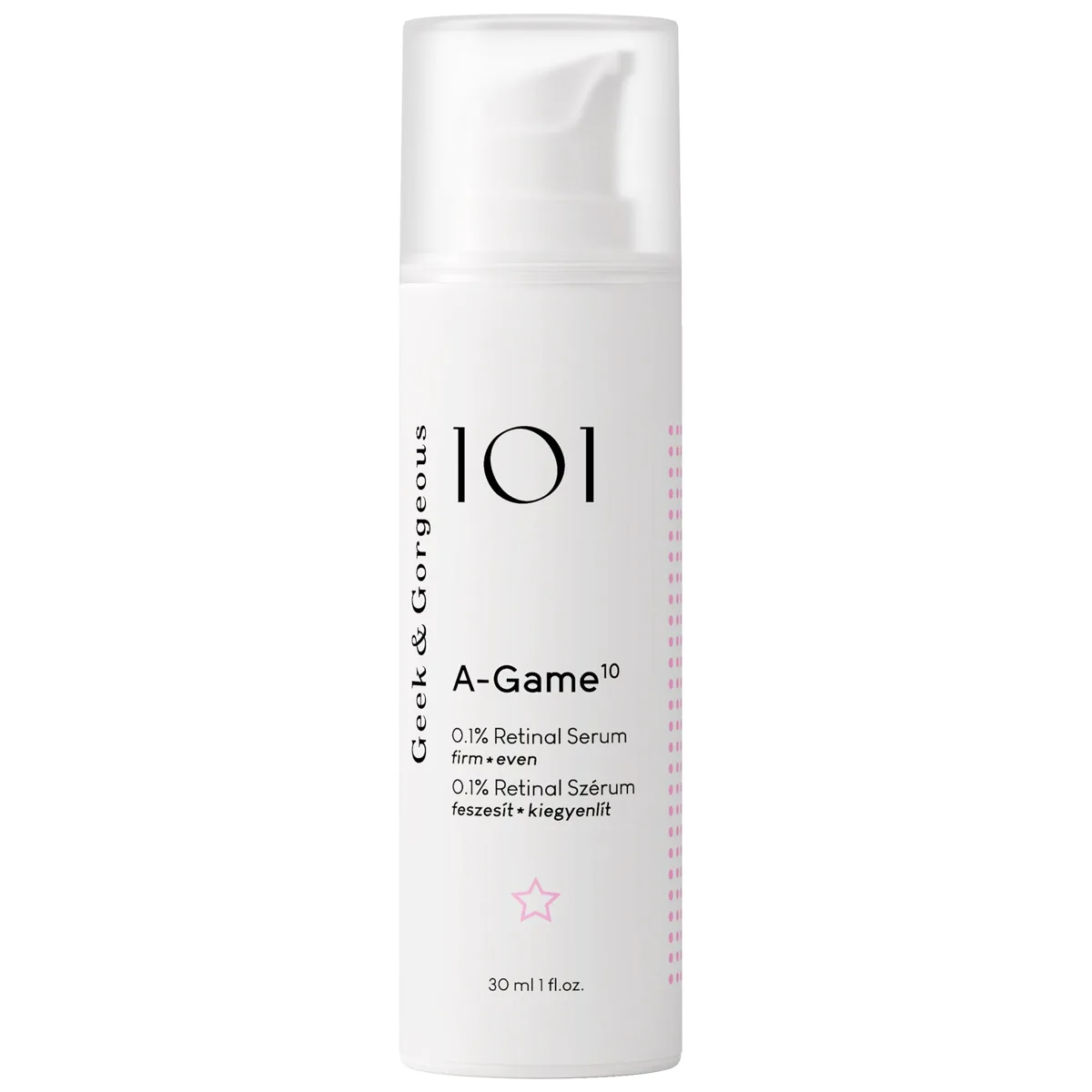
One of the most disruptive products in the retinoid category — a 0.1% retinaldehyde serum at around $16 when equivalent concentrations from derm brands cost $60-120. The formulation is thoughtful, the airless packaging is right, and the price point has no real competitor. Not for retinoid beginners: start with the 5 version and step up to this after a few months.
 Gold Standard OTC Retinoid
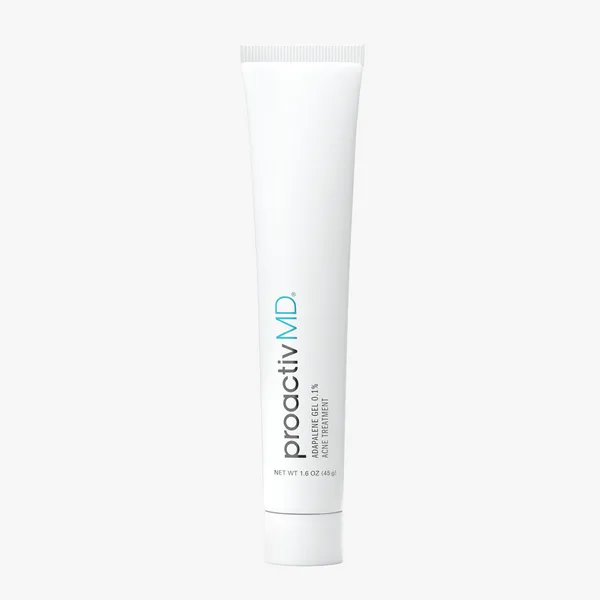
 Adapalene Gel 0.1%
This is adapalene 0.1% — the same FDA-approved retinoid dermatologists have prescribed for over two decades, now available without a prescription in a no-nonsense gel. It's one of the most evidence-backed acne treatments you can buy, and Proactiv's version offers solid value in the larger size with an updated paraben-free formula.
 Buffered Beginner Retinol
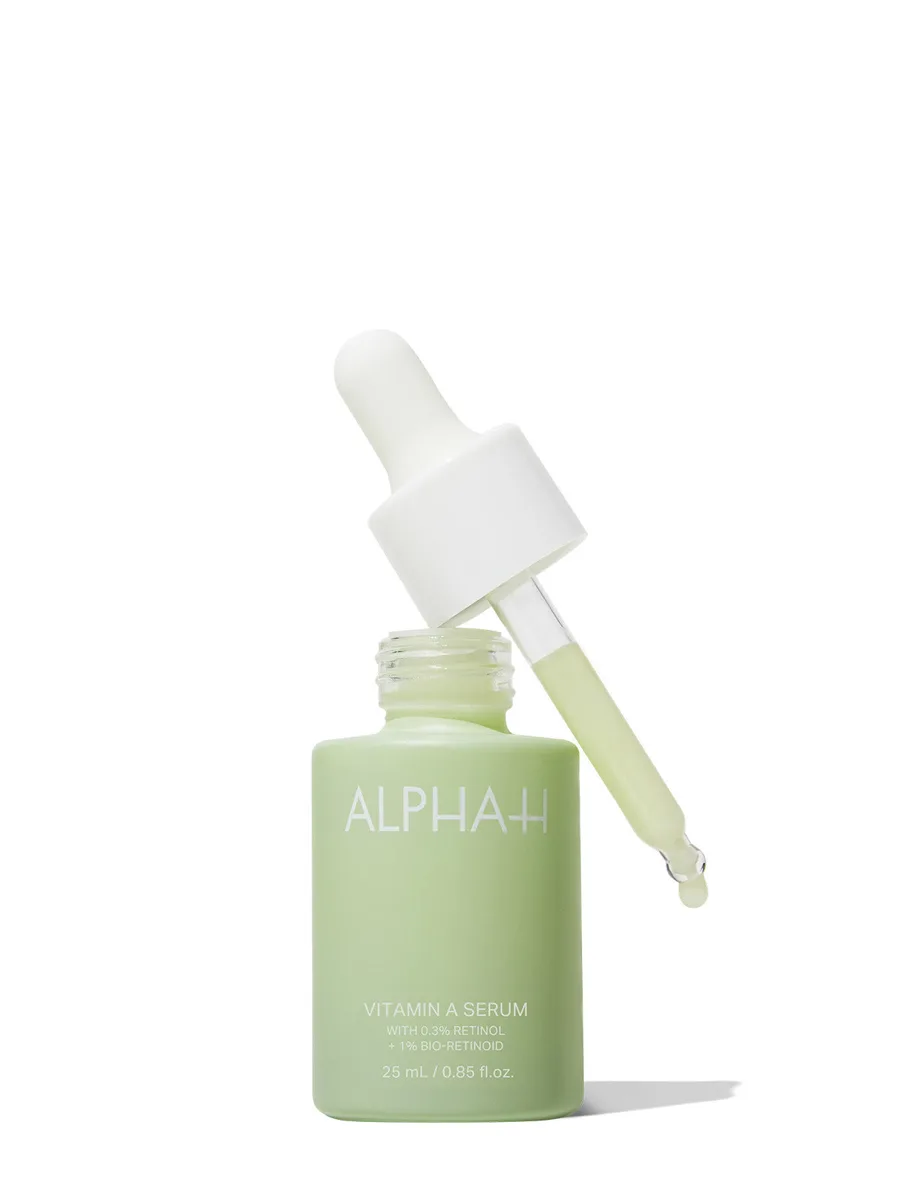
 Vitamin A Serum
Alpha-H built its 0.5% retinol on a squalane and plant-oil base specifically to make a meaningful retinol concentration tolerable for the beginners it knew were already running aggressive AHA routines. The buffering works — this is one of the few 0.5% retinol serums new users can actually stick with through the adjustment period. The price is the only meaningful complaint.
 Best Retinoid Starter
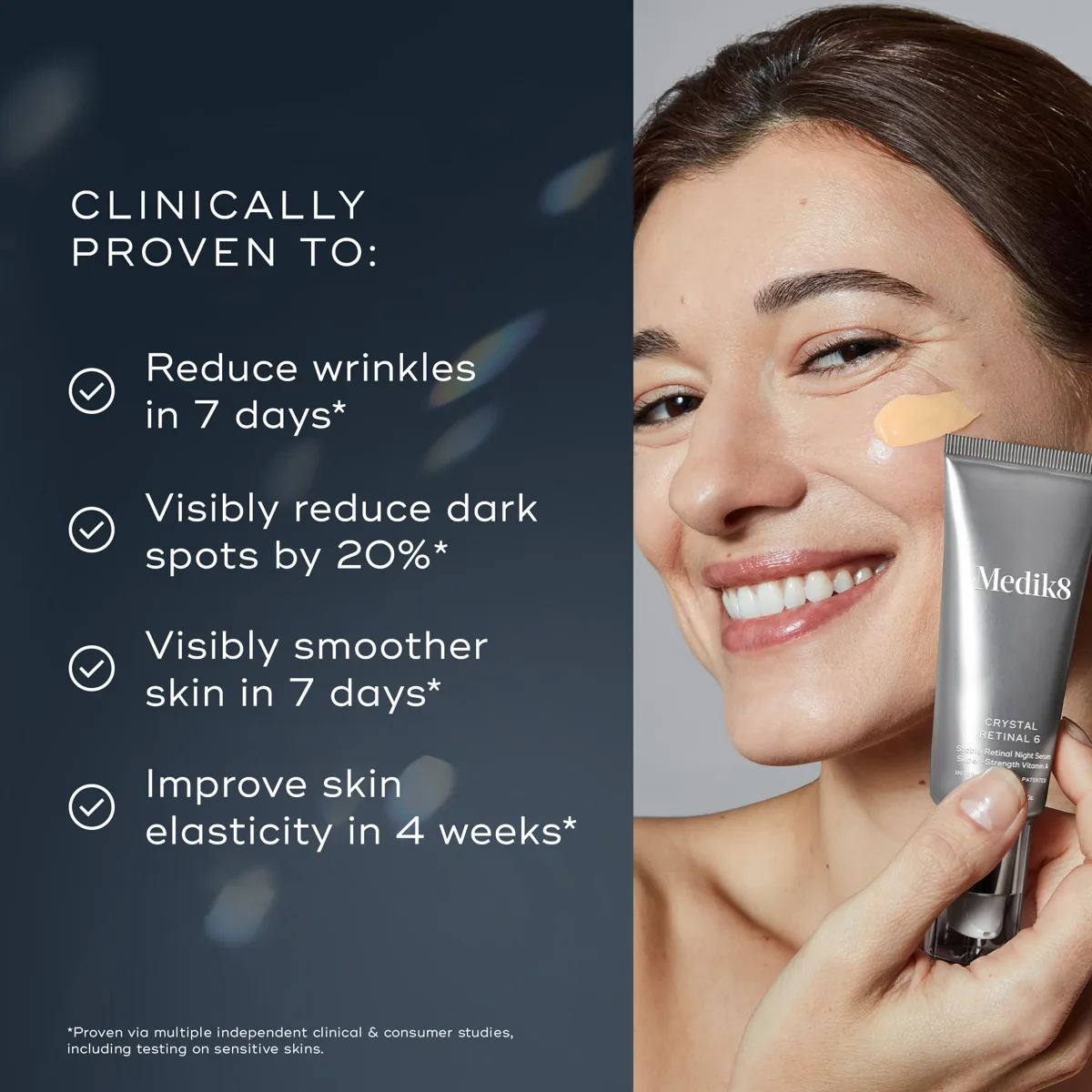
 Crystal Retinal 3
The retinoid designed for people who are afraid of retinoids — and the product that might just convert them. Crystal Retinal 3 proves that the world's most effective OTC vitamin A form can be introduced to sensitive skin without the usual drama, creating a genuinely accessible on-ramp to serious anti-aging skincare.