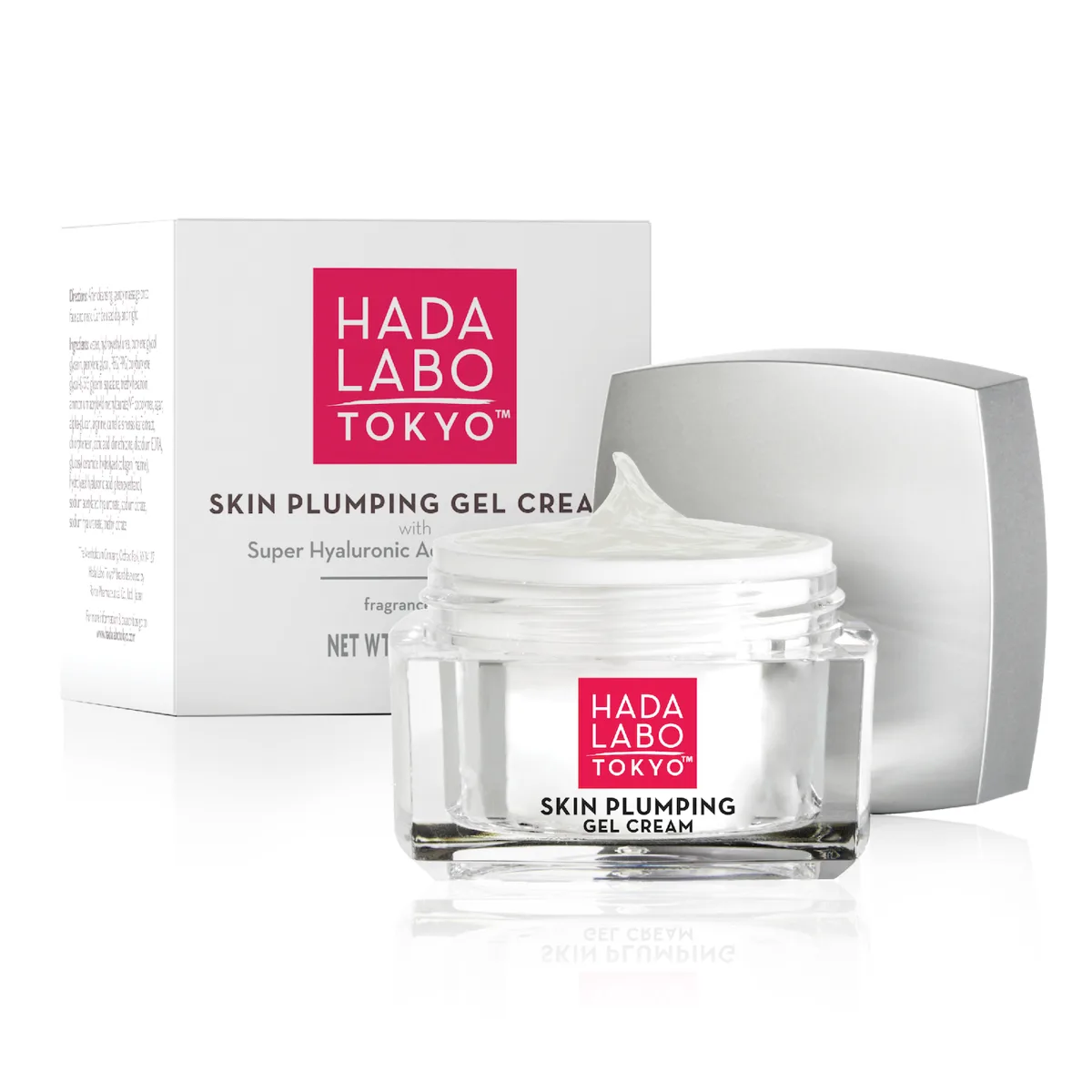
A genuinely effective hydration machine built on Hada Labo's hyaluronic acid expertise, delivering impressive plumping and moisture for its price point. The triple HA complex and hydroxyethyl urea create noticeable skin bounciness, though the inclusion of methylisothiazolinone is a disappointing preservative choice that locks out sensitive skin users who would otherwise benefit most from this formula.
Skin Plumping Gel Cream
A genuinely effective hydration machine built on Hada Labo's hyaluronic acid expertise, delivering impressive plumping and moisture for its price point. The triple HA complex and hydroxyethyl urea create noticeable skin bounciness, though the inclusion of methylisothiazolinone is a disappointing preservative choice that locks out sensitive skin users who would otherwise benefit most from this formula.
Score Breakdown
Where this product gains points and where it loses them — broken down across the four scoring pillars.
A well-formulated multi-weight hyaluronic acid gel cream with ceramide and squalane support, but the inclusion of methylisothiazolinone — a preservative with documented sensitization risk — significantly limits its suitability for sensitive or reactive skin types.
Pros & Cons
- ✓Triple hyaluronic acid system targets multiple skin depths for thorough hydration
- ✓Hydroxyethyl urea as second ingredient provides meaningful humectant concentration
- ✓Lightweight gel-cream texture absorbs in seconds without greasiness
- ✓Immediate visible plumping effect on fine lines and skin texture
- ✓Fragrance-free formula stays true to Hada Labo's minimalist philosophy
- ✓Works beautifully as a hydrating base under makeup and sunscreen
- ✓Glucosyl ceramide adds barrier-repair dimension beyond pure hydration
- ✓Reasonable price point for Japanese pharmaceutical-grade skincare
- ✗Contains methylisothiazolinone, a preservative with documented sensitization risk
- ✗Iodopropynyl butylcarbamate is another preservative flagged for potential allergenicity
- ✗Jar packaging is less hygienic than a pump or tube format
- ✗May not provide sufficient moisture alone in very dry or cold climates
- ✗Not cruelty-free certified due to parent company Rohto's market presence
Full Review
Hada Labo has spent over two decades perfecting one thing: getting hyaluronic acid into your skin. The brand was born in 2004 inside Rohto Pharmaceutical's Kyoto laboratories with a deceptively simple mandate — make products that do exactly what they promise, with nothing extra. No fragrance. No dyes. No marketing poetry on the label where an ingredient list should be. When the Skin Plumping Gel Cream arrived on American shelves around 2014, it represented the brand's answer to a specific Western complaint: the famous Hada Labo lotions felt like water, and American consumers wanted to feel like they were actually putting something on their face.
The formula centers on what Hada Labo calls Super Hyaluronic Acid — a triple-threat combination of standard sodium hyaluronate, hydrolyzed hyaluronic acid with smaller molecules that can penetrate deeper into the epidermis, and sodium acetylated hyaluronate, a modified form that clings to skin cells more tenaciously for extended moisture retention. This is not a single-note hydrator. Each form operates at a different depth and duration, creating what amounts to a time-release hydration system. Layering three HA types is not unique to Hada Labo, but few brands at this price point execute the concept as cleanly.
The second ingredient after water is hydroxyethyl urea, a gentler cousin of the exfoliating urea found in foot creams. At this position in the INCI list, it is present in meaningful concentration, and its role here is purely as a humectant — pulling water into the upper skin layers without any of the tingling or peeling associated with standard urea. This is a smart formulation choice. Hydroxyethyl urea and hyaluronic acid use slightly different mechanisms to attract moisture, so combining them creates a broader hydration net than either would provide alone.
Supporting this humectant core is squalane, a lightweight lipid that mirrors compounds naturally found in human sebum. It provides just enough occlusive action to prevent the hydration from evaporating, without tipping the formula into heaviness. There is also glucosyl ceramide — a plant-derived ceramide precursor that nudges the skin toward producing its own barrier lipids. It is not the star of this show, but its inclusion elevates the formula from pure hydration into something that also thinks about barrier health.
The texture is where this product makes its strongest first impression. It is a translucent, bouncy gel-cream that feels cool and silky on contact, then seems to dissolve into the skin within seconds. There is a brief moment of tackiness as the hyaluronic acid does its thing, but it resolves quickly into a dewy, plumped finish. Under makeup, it creates a smooth, hydrated canvas without pilling. The lightweight feel makes it genuinely usable in the morning — no waiting twenty minutes for it to dry down before applying sunscreen.
Performance-wise, the immediate plumping is real and visible. Fine lines look softer within minutes, and skin takes on that coveted bouncy quality that Korean and Japanese beauty enthusiasts describe as chok-chok. Over weeks of use, the cumulative hydration effect becomes more pronounced — skin stays consistently supple rather than cycling between parched and comfortable depending on the weather. In humid environments, this gel cream is arguably all you need. In dry winters, it may require a heavier cream layered on top, but it provides an excellent hydrating base.
Now for the elephant in the jar. Methylisothiazolinone. This is a preservative that the European Commission restricted in leave-on cosmetic products back in 2016 due to documented rates of contact sensitization. It is still permitted in the US, but its presence here is, frankly, a head-scratcher for a product from a pharmaceutical company that should know better. Hada Labo markets this gel cream to dry and sensitive skin types, yet includes a preservative with one of the higher allergen risk profiles in the cosmetic industry. If you have known sensitivities or reactive skin, this is a product to patch-test thoroughly before committing. For the majority of users, it will cause no issues, but it is a legitimate limitation that keeps an otherwise excellent formula from reaching the top tier.
Iodopropynyl butylcarbamate, the other preservative, also appears on some allergen watch lists, though it causes fewer reactions than MI. Together, these preservative choices feel like the one area where Hada Labo's minimalist philosophy falters — there are gentler preservation systems available, and a brand built on the premise of eliminating unnecessary irritants should be using them.
The jar packaging is functional but not ideal. Dipping fingers into a jar repeatedly can introduce bacteria, and hyaluronic acid-based formulas deserve better protection from air exposure. A pump or tube would serve the formula better.
At roughly eighteen dollars for 1.76 ounces, this is priced fairly for a Japanese import with genuinely thoughtful formulation architecture. You are getting pharmaceutical-grade hydration technology from a company with deep expertise in the ingredient category. The cost per use is reasonable — a small amount covers the full face — and the jar lasts two to three months with twice-daily application.
Formula
Key Ingredients
The hero actives that drive this product's performance.
| Ingredient | Function | Evidence |
|---|---|---|
| Super Hyaluronic Acid Complex (Sodium Hyaluronate, Hydrolyzed Hyaluronic Acid, Sodium Acetylated Hyaluronate) | Three molecular weights of hyaluronic acid work at different skin depths — standard sodium hyaluronate hydrates the surface, hydrolyzed HA penetrates deeper due to its smaller molecular size, and acetylated HA provides longer-lasting moisture retention by binding more firmly to skin cells. Together with the hydroxyethyl urea and glycerin in this formula, they create a multi-layer hydration reservoir. | well-established |
| Hydroxyethyl Urea | Listed second in this formula, suggesting a meaningful concentration. Unlike standard urea, hydroxyethyl urea is a gentler humectant that draws moisture into the skin without the tingling or exfoliating effects of pure urea. It works in concert with the HA complex to boost and sustain skin hydration levels throughout the day. | well-established |
| Squalane | Provides lightweight emollient moisture that reinforces the skin's lipid barrier without the heaviness of traditional oils. In this gel-cream format, squalane helps prevent transepidermal water loss, locking in the hydration delivered by the HA complex and hydroxyethyl urea beneath it. | well-established |
| Glucosyl Ceramide | A plant-derived ceramide precursor that supports the skin's natural barrier repair. While present in smaller amounts than the primary humectants, it adds a barrier-strengthening dimension to what is primarily a hydration-focused formula, helping skin retain the moisture delivered by the triple HA complex. | promising |
| Glycerin | A workhorse humectant that amplifies the hydrating effects of the HA complex by attracting additional water molecules into the upper skin layers. Glycerin's inclusion alongside hydroxyethyl urea creates redundancy in the humectant system — even in low-humidity environments, the formula maintains its moisture-drawing capacity. | well-established |
Full INCI List
Water, Hydroxyethyl Urea, Butylene Glycol, Glycerin, Pentylene Glycol, PEG/PPG/Polybutylene Glycol-8/5/3 Glycerin, Squalane, Triethylhexanoin, Ammonium Acryloyldimethyltaurate/VP Copolymer, Agar, Alpha-Glucan, Arginine, Citric Acid, Dimethicone, Dipropylene Glycol, Disodium EDTA, Glucosyl Ceramide, Hydrolyzed Collagen, Hydrolyzed Hyaluronic Acid, Iodopropynyl Butylcarbamate, Methylisothiazolinone, Sodium Acetylated Hyaluronate, Sodium Chloride, Sodium Citrate, Sodium Hyaluronate, Triethyl Citrate
Product Flags
✓ Fragrance Free✓ Alcohol Free✗ Oil Free✗ Silicone Free✓ Paraben Free✓ Sulfate Free✗ Cruelty Free✗ Vegan✗ Fungal Acne Safe
Potential Irritants
MethylisothiazolinoneIodopropynyl Butylcarbamate
Common Allergens
MethylisothiazolinoneIodopropynyl Butylcarbamate
Compatibility
Skin Match
Best For
Works For
Not Ideal For
Addresses These Conditions
dryness dehydration aging dullness
Use With Caution
sensitivity eczema compromised skin barrier
Routine Step
moisturizer
Time of Day
AM & PM
Pregnancy Safe
Unknown
Layering Tips
Apply to slightly damp skin after toner or serum to maximize hyaluronic acid absorption. Can be used as a standalone moisturizer in humid climates or layered under a heavier cream in dry environments.
Results Timeline
Immediate plumping and hydration visible within minutes of application. Skin texture and suppleness improve within 1-2 weeks of consistent use. Fine line reduction and sustained hydration balance become noticeable after 4-6 weeks.
Pairs Well With
Hyaluronic acid tonersVitamin C serumsRetinol treatmentsSunscreen (AM)
Sample AM Routine
- Gentle cleanser
- Hydrating toner
- Vitamin C serum
- Hada Labo Skin Plumping Gel Cream
- Sunscreen SPF 30+
Sample PM Routine
- Oil cleanser or micellar water
- Gentle cleanser
- Hydrating toner
- Treatment serum
- Hada Labo Skin Plumping Gel Cream
Evidence
Science & Expert Perspective
The Science
The foundation of this formula is a multi-weight hyaluronic acid delivery system. A 2021 clinical study published in Cosmetics (MDPI) evaluated a topical hyaluronic acid serum on forty female subjects aged 30-65 and found a 134% immediate increase in skin hydration after application, with hydration sustained at 55% above baseline at six weeks. Critically, the study noted that multi-molecular-weight HA formulations outperformed single-weight alternatives, supporting Hada Labo's three-form approach.
The specific combination here — sodium hyaluronate (high molecular weight, ~1000-1400 kDa), hydrolyzed hyaluronic acid (low molecular weight, typically <10 kDa), and sodium acetylated hyaluronate (modified for enhanced skin adhesion) — creates a hydration gradient. The high-MW form sits on the skin surface forming a moisture-retaining film, the low-MW form penetrates into the epidermis to hydrate from within, and the acetylated form provides sustained-release moisture binding.
Hydroxyethyl urea functions as a non-exfoliating humectant. A review published in the International Journal of Cosmetic Science (2012) established that hydroxyethyl urea improves skin hydration and corneocyte cohesion without the keratolytic effects of standard urea, making it suitable for daily use on facial skin at higher concentrations.
Squalane's role as a lightweight occlusive is well-documented. Its structural similarity to human squalene (a natural component of sebum) allows it to integrate seamlessly into the skin's lipid matrix. Glucosyl ceramide, while present in smaller amounts, acts as a precursor that skin enzymes can convert into functional ceramides, supporting long-term barrier integrity alongside the immediate hydration benefits.
References
- Efficacy Evaluation of a Topical Hyaluronic Acid Serum in Facial Photoaging — Cosmetics (MDPI) (2021)
Dermatologist Perspective
Dermatologists frequently recommend hyaluronic acid-based moisturizers as a foundational hydration step for patients dealing with dehydrated, aging, or barrier-compromised skin. Board-certified dermatologists note that multi-molecular-weight HA formulations, like the triple system in this gel cream, theoretically provide more comprehensive hydration than single-form products. The inclusion of hydroxyethyl urea and glucosyl ceramide aligns with dermatological guidance to pair humectants with barrier-supporting ingredients. However, dermatologists specializing in contact dermatitis would flag the methylisothiazolinone content — this preservative has been a leading cause of allergic contact dermatitis in recent years, and patients with known sensitivities or reactive skin should patch-test before incorporating this product into their routine.
Guidance
Usage Guide
How to Use
Apply a pearl-sized amount to slightly damp skin after cleansing and toning. The hyaluronic acid in the formula works most effectively when applied to moist skin, as it draws that surface moisture deeper into the epidermis. Gently press and pat into the face and neck — avoid rubbing, which can cause pilling with some underlying serums. Use morning and evening. In the AM, follow with sunscreen. In the PM, layer under a heavier cream or oil if additional moisture is needed. Use a clean spatula rather than fingers to scoop from the jar for better hygiene.
Value Assessment
At approximately $17.99 for 1.76 ounces, the Skin Plumping Gel Cream sits in a competitive but fair price range for Japanese skincare imports. You are paying for Rohto Pharmaceutical's decades of hyaluronic acid expertise and a genuinely multi-layered hydration architecture that many Western drugstore moisturizers do not attempt. The cost per application is reasonable — roughly $0.20-0.30 per use — and the gel-cream format means a little goes a long way. The brand heritage behind Rohto and Hada Labo's position as Japan's top-selling skincare line lend credibility to the price. For what you get in terms of formulation sophistication, this is solidly in value territory rather than premium pricing.
Who Should Buy
Anyone looking for a lightweight, no-fuss hydrator that delivers visible plumping without heaviness. Ideal for dehydrated skin at any age, oily-to-combination types who find traditional creams too rich, and J-beauty enthusiasts who want the Hada Labo HA experience in a more substantial format than the brand's watery lotions.
Who Should Skip
Those with known sensitivity to methylisothiazolinone or isothiazolinone preservatives should steer clear. If you have a history of contact dermatitis or highly reactive skin, the preservative system here poses a real risk. People in extremely dry climates who need heavy-duty occlusion will likely find this insufficient as a standalone moisturizer.
Ready to try Hada Labo Skin Plumping Gel Cream?
Details
Details
Texture
Translucent, bouncy gel-cream with a silky, lightweight feel that melts into skin on contact
Scent
Unscented — no detectable fragrance
Packaging
Small screw-top jar (1.76 oz) with a wide opening. Functional but hygienic concerns with jar format — fingers dipping into product.
Finish
dewylightweightfast-absorbing
What to Expect on First Use
Immediate cooling sensation and visible plumping effect upon first application. Skin feels noticeably bouncier and hydrated within minutes. No adjustment period required — results are apparent from day one, with cumulative benefits building over weeks.
How Long It Lasts
2-3 months with twice-daily face application
Period After Opening
12 months
Best Season
All Year
Background
The Why
Born from Hada Labo's singular obsession with hyaluronic acid, this gel cream brought the Japanese brand's 'simple but effective' philosophy to the US market. It represents Rohto Pharmaceutical's belief that skincare should be stripped to essentials — no fragrance, no dyes, just ingredients that hydrate. The gel-cream hybrid format was designed to satisfy Western consumers who wanted more substance than the brand's famous watery lotions.
About Hada Labo Established Brand (5–20 years)
Hada Labo was created in 2004 by Rohto Pharmaceutical Co., Ltd., a Japanese company founded in 1899. The brand is Japan's #1 selling skincare line, built around hyaluronic acid research. While Rohto has extensive pharmaceutical credentials, Hada Labo's product-specific clinical data is limited to in-house studies.
Brand founded: 2004 · Product launched: 2014
Myth vs. Reality
Myths & Misconceptions
Myth
Hyaluronic acid draws moisture out of your skin in dry climates
Reality
When multiple forms of HA are combined with occlusive ingredients like squalane and dimethicone (as in this formula), the moisture is sealed in rather than evaporating. The formula is designed to work even in lower humidity environments.
Myth
Gel creams aren't moisturizing enough for dry skin
Reality
This gel cream's hydroxyethyl urea (second ingredient) and triple HA system deliver hydration comparable to heavier creams. For very dry skin in harsh winters, layering an occlusive on top extends its effectiveness.
FAQ
Frequently Asked Questions
Is Hada Labo Skin Plumping Gel Cream good for oily skin?
Yes, the lightweight gel-cream texture absorbs quickly without leaving a greasy residue, making it suitable for oily skin types. The formula hydrates through humectants like hyaluronic acid rather than heavy oils, so it won't contribute to excess oiliness or clogged pores.
Can I use Hada Labo Skin Plumping Gel Cream with retinol?
Absolutely. This gel cream's hydrating formula — rich in hyaluronic acid, hydroxyethyl urea, and glucosyl ceramide — can help buffer the dryness and irritation that retinol sometimes causes. Apply your retinol first, wait a few minutes, then layer this gel cream on top to lock in moisture.
What is Super Hyaluronic Acid in Hada Labo products?
Super Hyaluronic Acid is Hada Labo's proprietary blend of three forms of hyaluronic acid: sodium hyaluronate (standard HA), hydrolyzed hyaluronic acid (smaller molecules for deeper penetration), and sodium acetylated hyaluronate (longer-lasting moisture binding). Together, they hydrate at multiple skin depths.
Does Hada Labo Skin Plumping Gel Cream contain fragrance?
No, this product is fragrance-free, dye-free, and mineral oil-free, in keeping with Hada Labo's minimalist formulation philosophy. However, it does contain methylisothiazolinone as a preservative, which some sensitive skin types may react to.
Is Hada Labo Skin Plumping Gel Cream enough moisture for winter?
For mild winters or indoor environments, this gel cream provides sufficient hydration on its own thanks to its concentrated humectant system. In harsh, dry winters, you may want to layer an occlusive cream or facial oil on top to prevent transepidermal water loss.
Is Hada Labo cruelty-free?
Hada Labo's parent company Rohto Pharmaceutical sells products in markets where animal testing may be required by law. The brand is not certified cruelty-free by Leaping Bunny or PETA.
How long does a jar of Hada Labo Skin Plumping Gel Cream last?
The 1.76 oz jar typically lasts 2-3 months with twice-daily facial application. A small amount goes a long way due to the concentrated gel-cream texture that spreads easily across the face and neck.
Community
Community Voices
Common Praise
"Lightweight yet deeply hydrating"
"Absorbs quickly without greasiness"
"Visibly plumps and smooths skin texture"
"Works well under makeup"
"Good value for a Japanese skincare product"
Common Complaints
"Can feel slightly sticky in humid conditions"
"Contains methylisothiazolinone which some users react to"
"Jar packaging is less hygienic than a pump"
"Some users find it insufficient for very dry winter skin"
Notable Endorsements
Popular in J-beauty communitiesFrequently recommended in Asian skincare routines
Appears In
best moisturizer for dehydration best gel cream for dry skin best j beauty moisturizer best hyaluronic acid moisturizer best moisturizer for aging
Related Conditions
dryness dehydration aging dullness
Related Ingredients
You Might Also Like
 Budget Holy Grail
 Moisturizing Cream
The CeraVe Moisturizing Cream is the most important moisturizer in the drugstore — a ceramide-rich, dermatologist-developed formula that delivers barrier repair, multi-humectant hydration, and occlusive protection at a price so accessible it has no real excuse not to be in every household. Twenty-one years of consistent performance and universal dermatologist approval speak louder than any ingredient list.
 J-Beauty Holy Grail
 Gokujyun Premium Lotion
The single most impressive hyaluronic acid delivery system available in consumer skincare — seven distinct HA forms plus sacran and lipidure, in a fragrance-free formula that costs less than most drugstore serums. Japan's best-selling lotion earned that title honestly.
 Barrier Repair Pioneer
 MLE Cream
Atopalm MLE Cream is one of the genuinely scientifically anchored barrier moisturizers in K-beauty — a fragrance-free, pseudo-ceramide cream built around a patented liquid-crystal lipid structure that mimics the skin's own intercellular matrix. For eczema, atopic skin, post-procedure recovery, or anyone with a stinging compromised barrier, it's one of the most reliably effective moisturizers in the entire category.
 K-Beauty Barrier Repair Staple
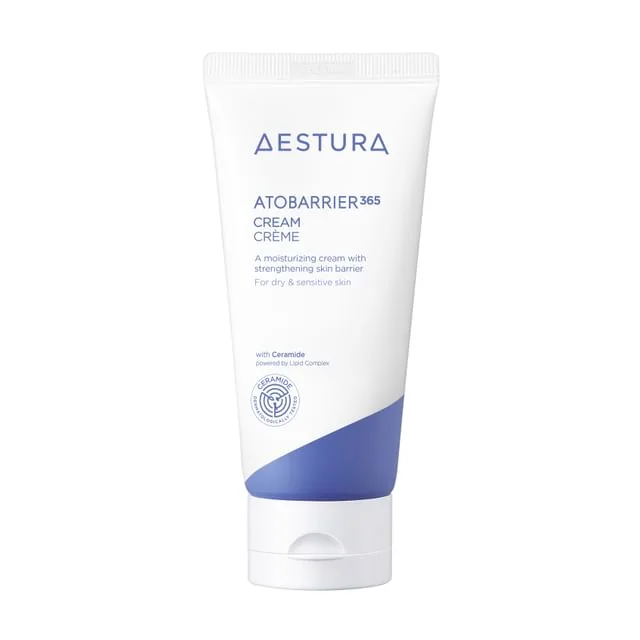
 Atobarrier 365 Cream
A Korean pharmacy cream that earns its cult following the hard way — with a lamellar lipid structure that actually rebuilds the barrier, not just coats it. If your skin has been through a rough winter, a retinoid ramp-up, or a bad reaction, this is the jar that quietly puts it back together.
 Korean Derm Clinic Recovery Pick
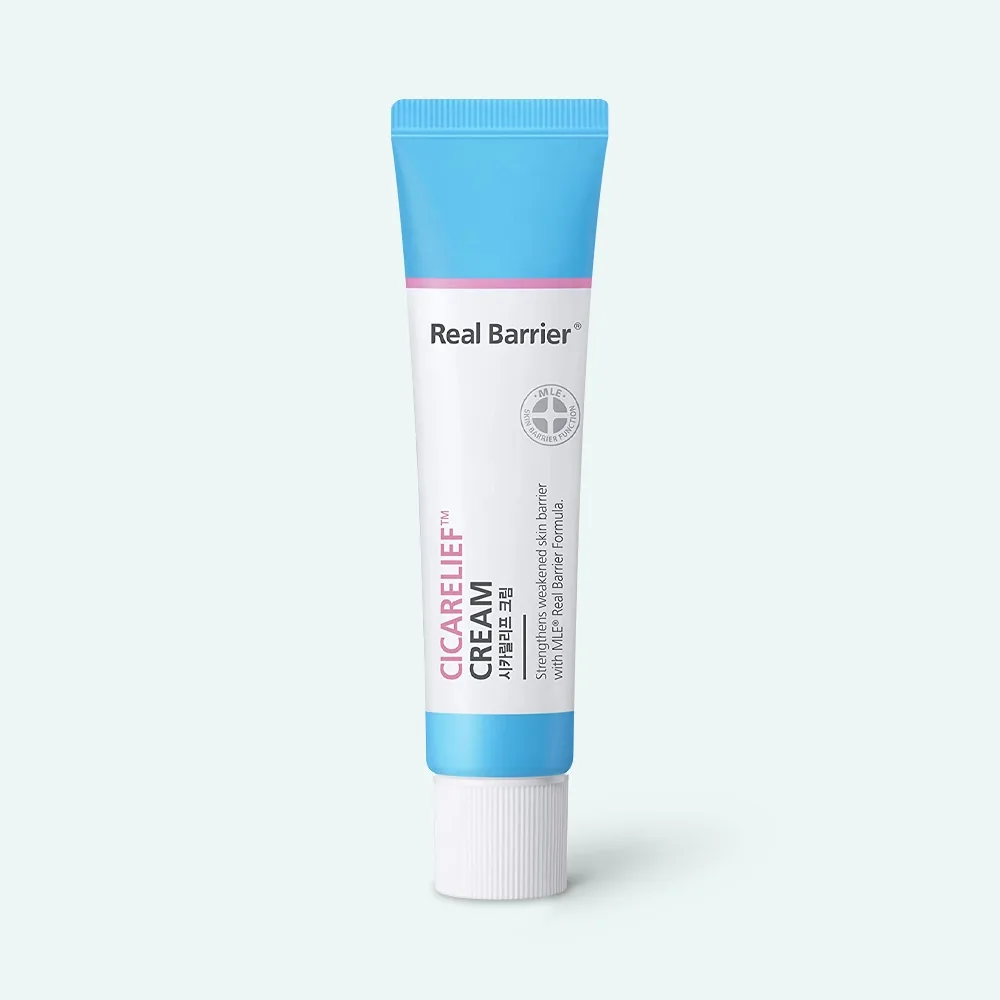
 Real Barrier Cicarelief Cream
One of the best consumer cica creams on the market, combining the full spectrum of centella actives with NeoPharm's MLE ceramide delivery and multiple complementary calming ingredients. Ideal for compromised, reactive, rosacea-prone, or recovering skin, and a staple in Korean dermatology clinic protocols. Minor limitations on packaging, but the formulation is genuinely excellent.
 Transparent 10% Panthenol Cream
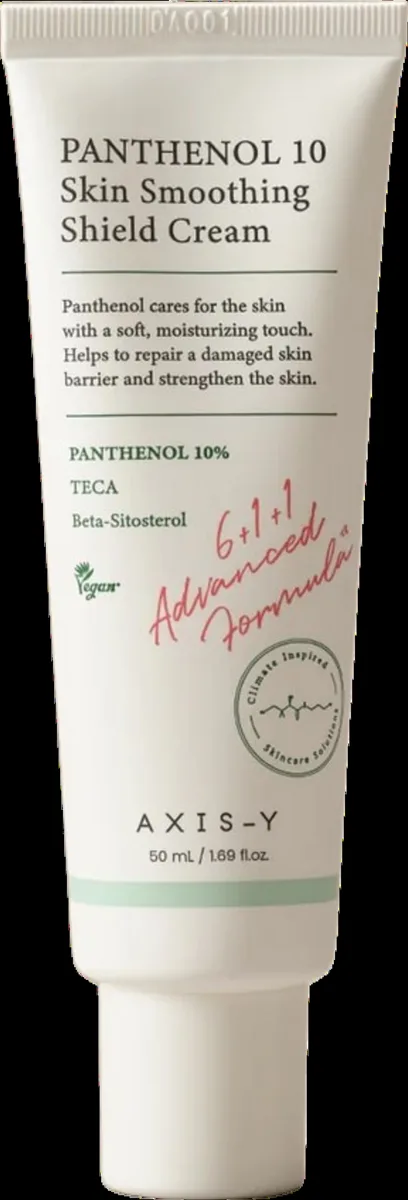
 Panthenol 10 Skin Smoothing Shield Cream
A disclosed 10% panthenol barrier cream built around a full physiological ceramide trio, a centella calming cast, and a modest shea butter occlusive. Fragrance-free, cross-season, and unusually transparent about its hero active — one of the brand's strongest moisturizer formulations.