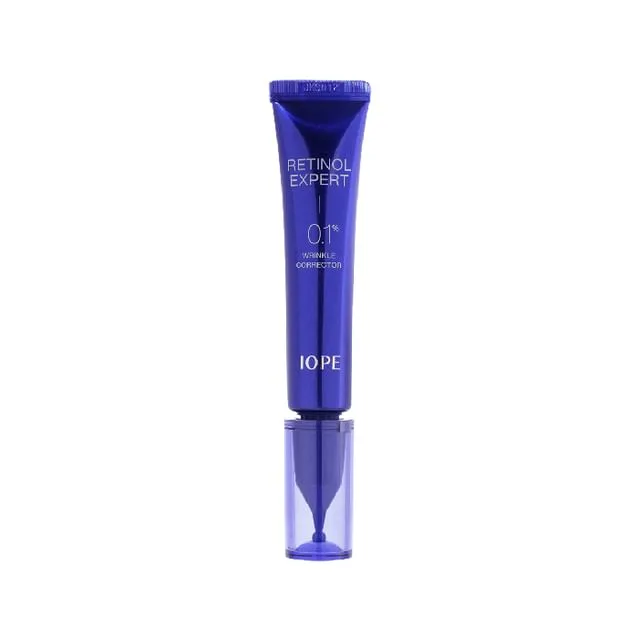
A 0.1% pure retinol from IOPE — airless-pump stabilized, buffered with bakuchiol, niacinamide, ceramide NP, and madecassoside — that closes the historical gap between Western retinol doses and Korean retinol tolerability. The price per ml is steep, but the formulation is sophisticated enough to earn it if you want genuine retinol results without the flaking.
Retinol Expert 0.1%
A 0.1% pure retinol from IOPE — airless-pump stabilized, buffered with bakuchiol, niacinamide, ceramide NP, and madecassoside — that closes the historical gap between Western retinol doses and Korean retinol tolerability. The price per ml is steep, but the formulation is sophisticated enough to earn it if you want genuine retinol results without the flaking.
Score Breakdown
Well-stabilized 0.1% retinol with bakuchiol, niacinamide, and ceramide support — a premium K-beauty retinol that earns its positioning, though the price-per-ml is high.
Data Confidence: medium
This product launched in 2022 with moderate review volume across Korean and international retailers. Scoring reflects ingredient analysis plus two-plus years of real-world user feedback.
0/100
Overall Score
Ingredient Quality 0
Value for Money 0
Suitability Breadth 0
Irritation Risk (↑ = safer) 0
Assessment
Pros
- 0.1% pure retinol — real potency, not a retinyl ester substitute
- Bakuchiol and niacinamide buffer irritation without reducing efficacy
- Ceramide NP and panthenol replenish barrier lipids
- Madecassoside adds meaningful anti-inflammatory support
- Airless pump packaging protects retinol from light and oxygen
- Truly fragrance-free formulation
- Tolerated better than most 0.1% retinols by sensitive-skin users
Cons
- Expensive per ml compared to Western retinol alternatives
- 20ml size disappears quickly with nightly use
- Harder to source outside of Korean and Asian retailers
- Not appropriate during pregnancy or breastfeeding
- Still requires standard retinol precautions (SPF, gradual ramp-up)
Full Review
For years there has been a curious disconnect between Korean and Western retinol products. Western brands built their reputations on pushing concentrations upward — 0.3%, 0.5%, 1% pure retinol serums became standard for anyone wanting visible anti-aging effects. Korean brands, working for a market that historically prioritized gentle formulations and sensitive-skin compatibility, kept their retinol doses low, often capping at 0.05% or substituting retinyl palmitate, which is a fraction of the potency of real retinol. This worked for the domestic K-beauty audience, but it meant that anyone wanting meaningful retinoid effects was basically forced to look at Western products or prescription tretinoin. IOPE's Retinol Expert 0.1% is one of the more interesting responses to this gap. It's a legitimately dosed K-beauty retinol — not underpowered, not retinyl-based, not a marketing exercise — and it's supported by a formulation designed to keep the Korean sensitive-skin audience comfortable at that dose.
The ingredient list reads like someone sat down and asked: what would it take to make a 0.1% retinol that behaves like a 0.05%? The answer they arrived at is a combination of soothing, barrier, and anti-irritant ingredients layered around the active. Bakuchiol, which has gained some research traction as a milder retinol analog, is included here alongside retinol rather than as a substitute — this is a smart move because bakuchiol appears to buffer retinol irritation without reducing efficacy. Niacinamide at what's likely 3-5% provides broad barrier support, a role it does well at that concentration and which directly counteracts retinol's tendency to dry and sensitize skin. Ceramide NP and panthenol handle lipid replenishment and soothing. Madecassoside, the best-studied centella active, calms inflammation. Squalane adds cushion. Hydrogenated lecithin helps emulsify and stabilize the delivery. It is, in other words, a retinol serum where the non-retinol ingredients are doing meaningful work, not just filling the bottle.
The packaging also matters more than most people realize. Retinol is notoriously unstable when exposed to light and oxygen, which is why dropper-style retinol products — popular in the earlier years of the actives-serum boom — have real stability concerns. Every time you unscrew a dropper bottle, you're letting air into the formula and degrading the active. IOPE ships this in an airless pump bottle that dispenses without ever exposing the remaining product to the environment. It's a quiet formulation detail that affects how much retinol you're actually getting by the end of the bottle, and it's the kind of thing that separates premium retinol products from budget ones.
The experience during the adjustment period is where the formulation pays off. For the first week or two, most users report no visible irritation — just a light serum texture that absorbs quickly and leaves no tightness. Around week two to three, some mild dryness or flakiness can show up in the usual retinol-sensitive zones (nasolabial folds, around the mouth, under the eyes if applied there), but it's noticeably less aggressive than what you'd get from a bare 0.1% retinol without the ceramide-and-bakuchiol support. By week six to eight, skin texture starts visibly smoothing, tone begins evening, and the slightly blurred, refined quality that retinol delivers at this dose starts becoming apparent. Full collagen-remodeling effects take longer — four to six months is a realistic timeline for meaningful fine-line change. The point is that the serum gets you there without destroying your barrier on the way.
Value is the most honest point of skepticism. At around seventy-two dollars for 20ml, the per-ml cost is high — significantly higher than comparable Western retinol serums from La Roche-Posay, CeraVe, or The Ordinary, and higher than many mid-tier premium retinols from Paula's Choice or SkinCeuticals. If all you want is 0.1% retinol and you're willing to tolerate some dryness, those cheaper options work fine. Where IOPE earns the premium is in the supporting formulation and the airless packaging — you're paying for the tolerance engineering, not just the retinol molecule. For K-beauty users who specifically want a well-formulated Korean retinol, for sensitive-skin users who haven't been able to tolerate bare retinol serums, and for anyone who has been using 0.05% K-beauty retinols and wants to step up without moving to a harsher Western product, this is the clearest answer available. It isn't the cheapest retinol you can buy. It might be the most thoughtfully formulated one in its specific niche.
Formula
Ingredients
The hero actives that drive this product's performance.
| Ingredient | Function | Evidence |
|---|---|---|
| Retinol 0.1% (0.1%) | Pure retinol at 0.1% is a meaningful intermediate dose — strong enough to drive collagen remodeling, cell turnover, and fine-line reduction, but moderate enough to avoid the aggressive peeling of higher concentrations. The serum pairs it with a stabilization system that includes BHT and encapsulation to protect potency over the product's shelf life. | well-established |
| Bakuchiol | Added alongside retinol rather than as a substitute, which is a smart formulation move — bakuchiol has some retinoid-like activity but more importantly appears to buffer retinol irritation without reducing efficacy. In this serum it lets the 0.1% dose behave more like a lower concentration in terms of tolerability. | promising |
| Niacinamide | Positioned high in the INCI at what is likely 3-5%, providing barrier support that directly counteracts retinol's drying and sensitizing effects. This is the single most important supporting ingredient for making a 0.1% retinol serum tolerable for K-beauty users with traditionally sensitive skin. | well-established |
| Ceramide NP | Works with the niacinamide, panthenol, and squalane to replenish barrier lipids that retinol can deplete during the adjustment period. In a retinol serum, the ceramide inclusion is what distinguishes a sophisticated formulation from a basic active delivery. | well-established |
| Madecassoside | The most studied centella active, added here specifically to calm inflammation and support healing through the initial retinization period. Its inclusion signals the brand is treating irritation management as a core formulation problem rather than an afterthought. | well-established |
Full INCI List · pH 6
Water, Dipropylene Glycol, Glycerin, Caprylic/Capric Triglyceride, 1,2-Hexanediol, Niacinamide, Butylene Glycol, Cetearyl Olivate, Sorbitan Olivate, Hydrogenated Poly(C6-14 Olefin), Pentaerythrityl Tetraethylhexanoate, Cetearyl Alcohol, Glyceryl Stearate, PEG-100 Stearate, Retinol, Tocopherol, BHT, Bakuchiol, Panthenol, Ceramide NP, Adenosine, Madecassoside, Hydrogenated Lecithin, Sodium Hyaluronate, Allantoin, Squalane, Tromethamine, Carbomer, Disodium EDTA, Ethylhexylglycerin
Product Flags
✓ Fragrance Free✓ Alcohol Free✗ Oil Free✓ Silicone Free✓ Paraben Free✓ Sulfate Free✗ Cruelty Free✗ Vegan✗ Fungal Acne Safe
Potential Irritants
Retinol
Compatibility
Skin Match
Best For
Works For
Not Ideal For
Addresses These Conditions
aging hyperpigmentation texture dullness sun damage
Use With Caution
sensitivity compromised skin barrier rosacea
Routine Step
treatment
Time of Day
PM
Pregnancy Safe
No ✗
Layering Tips
Apply to clean, dry skin at night before moisturizer. Start 2 nights per week and build up gradually. Always follow with a ceramide moisturizer and use daily SPF.
Results Timeline
First effects (slight smoothing, glow) within 2-3 weeks. Visible fine line softening and tone improvement at 8-12 weeks. Full collagen remodeling benefits appear at 4-6 months of consistent use.
Pairs Well With
ceramide moisturizershyaluronic acid serumspeptide creams
Conflicts With
AHAsBHAsvitamin C (same routine)benzoyl peroxide
Sample AM Routine
- Gentle cleanser
- Hydrating toner
- Antioxidant serum
- Moisturizer
- Sunscreen
Sample PM Routine
- Gentle cleanser
- Hydrating toner
- IOPE Retinol Expert 0.1%
- Ceramide moisturizer
Evidence
Science
The Science
The efficacy case for this serum rests on the well-established literature around retinol at 0.1% concentrations. Published research consistently shows that topical retinol at 0.1% and above produces measurable improvements in fine lines, skin texture, and pigmentation over 12-24 week periods, with effects mediated by retinoic acid receptor binding, increased keratinocyte turnover, and upregulation of collagen I and III synthesis. The formulation's inclusion of niacinamide is supported by research showing it improves barrier function and reduces transepidermal water loss at 2-5% concentrations, which directly mitigates retinol-induced dryness. Ceramide NP has published evidence for barrier repair in compromised skin. The most interesting ingredient is bakuchiol, which has preliminary clinical research suggesting retinoid-like gene expression effects and, notably, evidence that combining bakuchiol with retinol can reduce irritation without reducing efficacy — a finding that matches this product's positioning. Madecassoside has published research supporting anti-inflammatory effects at topical cosmetic concentrations. The formulation is distinctive because it layers evidence-backed irritation mitigation around a meaningful retinol dose, rather than relying on either ingredient category alone — which is what the real-world tolerability reports suggest is working.
Dermatologist Perspective
Dermatologists generally consider 0.1% retinol a reasonable intermediate concentration for experienced retinoid users and a solid target for patients graduating from lower-dose products. Board-certified dermatologists often note that the supporting formulation around retinol is at least as important as the concentration itself — ceramide, niacinamide, panthenol, and soothing actives all reduce the discontinuation rate that typically plagues retinoid adoption. Bakuchiol is viewed as a promising but still-developing ingredient; its combination with retinol is generally considered safe and potentially beneficial for tolerability. Dermatologists consistently emphasize the importance of daily broad-spectrum SPF when using any retinoid, and the need to avoid retinol during pregnancy and while breastfeeding.
Guidance
Usage Guide
How to Use
Apply to clean, dry skin at night before moisturizer. Start with 1-2 pumps, 2 nights per week, for the first 2-3 weeks. Increase to 3 nights per week, then every other night, over the following 4-6 weeks, watching for irritation. Most users can tolerate every-other-night or 4-5 nights per week long-term. Always follow with a ceramide moisturizer to lock in barrier support. Use broad-spectrum SPF 30+ daily — non-negotiable with retinol. Avoid layering with AHAs, BHAs, or benzoyl peroxide in the same routine.
Value Assessment
At seventy-two dollars for 20ml, this is premium pricing for a retinol serum. Comparable pure-retinol products from The Ordinary, CeraVe, or La Roche-Posay deliver the same active concentration for a fraction of the cost. The value case for IOPE is not about the retinol molecule — it's about the supporting formulation (bakuchiol, niacinamide, ceramide, madecassoside), the airless packaging that protects stability, and the specific engineering for sensitive-skin tolerance. For users who have failed on cheaper retinols due to irritation, or who specifically want a Korean premium formulation, the premium is defensible. For users who tolerate any retinol well and just want the active, cheaper options do the job.
Who Should Buy
Experienced K-beauty users who want a real retinol dose without switching to Western brands, sensitive-skin users who haven't tolerated bare retinol serums, and anyone looking for a well-formulated 0.1% retinol with built-in irritation management. Also appropriate for users graduating from 0.05% K-beauty retinols who want a meaningful step up.
Who Should Skip
Complete retinoid beginners may want to start with a lower concentration (0.05% or even lower) before committing at this price point. Pregnant or breastfeeding users should avoid all retinol. Anyone on a tight budget will find equivalent retinol concentrations at much lower prices from Western brands.
Ready to try IOPE Retinol Expert 0.1%?
Details
Details
Texture
Lightweight serum with slight cushion — spreads smoothly and absorbs within a minute
Scent
Truly fragrance-free
Packaging
30ml airless pump bottle designed to protect retinol from light and oxygen
Finish
satinfast-absorbingnon-greasy
What to Expect on First Use
Feels like a hydrating serum on first use with no immediate tingling — the hallmark of a well-buffered retinol. Expect mild initial dryness around weeks 1-3 as skin adjusts, minimized by the built-in ceramides and bakuchiol.
How Long It Lasts
About 2-3 months with nightly use at 2-4 nights per week build-up; 6-8 weeks at every-other-night frequency
Period After Opening
6 months
Best Season
All Year
Background
The Why
IOPE is Amorepacific's dermatologist-oriented premium skincare line, launched in 1996 and known for its Bio Essence Intensive Conditioning Ampoule — one of the best-selling K-beauty serums of the last two decades. The Retinol Expert line was created around 2022 as the brand's answer to the global retinol trend, engineered to deliver Western-grade concentrations with Korean-grade tolerability.
About IOPE Established Brand (5–20 years)
IOPE launched in 1996 as Amorepacific's dermatologist-oriented premium K-beauty line, known for its Bio Essence franchise and bioengineered ingredient research. The brand has nearly three decades of clinical collaboration with Korean dermatologists and has invested heavily in stabilized retinol technology.
Brand founded: 1996 · Product launched: 2022
Myth vs. Reality
Myths
Myth
Korean retinol products are always weaker than Western ones.
Reality
Historically many K-beauty retinols capped out at 0.05% or used retinyl esters to match local tolerance preferences. This product contains 0.1% pure retinol — directly comparable to mid-tier Western retinol serums like La Roche-Posay Retinol 0.3% or The Ordinary Retinol 0.2%.
FAQ
FAQ
How strong is IOPE Retinol Expert 0.1%?
0.1% pure retinol is a meaningful intermediate concentration — roughly equivalent to a Western mid-tier retinol serum. It's not a beginner dose and not the highest available, but it's strong enough to drive real collagen and tone changes while remaining tolerable for most users.
Can beginners use this retinol?
Beginners can use it, but should start at 1-2 nights per week and build up gradually over 6-8 weeks. The bakuchiol and niacinamide in the formula make it more forgiving than a bare 0.1% retinol, but it's still a real retinoid and the skin needs time to adapt.
Is IOPE Retinol Expert 0.1% safe during pregnancy?
No. Retinol is generally avoided during pregnancy and breastfeeding due to potential systemic absorption and theoretical teratogenic concerns. Switch to bakuchiol-only products, azelaic acid, or peptide serums during pregnancy instead.
How does this compare to IOPE Retinol Expert 0.3%?
The 0.3% version is a stronger concentration intended for experienced retinol users or those who have plateaued on 0.1%. The 0.1% is the better starting point for most users; you can graduate to 0.3% after 3-6 months of consistent 0.1% tolerance if you want more intensive anti-aging effects.
Should I use this every night?
Start with 2 nights per week for the first 2-3 weeks, then build to 3-4 nights, then every other night. Some tolerant users can eventually use nightly, but many people get the best results at 4-5 nights per week with rest days for barrier recovery.
Does the airless pump really protect the retinol?
Yes — retinol degrades when exposed to light and oxygen, and the airless pump prevents product from touching either. This is a meaningful advantage over dropper-style retinol packaging, which lets air into the bottle each time it's opened.
Community
Community
Common Praise
"Tolerated well even by retinol-sensitive users"
"Visible smoothing after 4-6 weeks"
"Lightweight serum texture"
"Sophisticated supporting ingredients"
Common Complaints
"Expensive for 20ml"
"Dropper packaging not ideal for stability"
"Hard to source outside Korea and Asian retailers"
Notable Endorsements
Popular among Korean beauty editorsFrequently recommended in K-beauty retinol comparison content
Appears In
best korean retinol serum best retinol with bakuchiol best stabilized retinol best k beauty anti aging serum best retinol for sensitive skin
Related Conditions
aging hyperpigmentation texture dullness
Related Ingredients
You Might Also Like
 Beginner-Friendly Retinoid
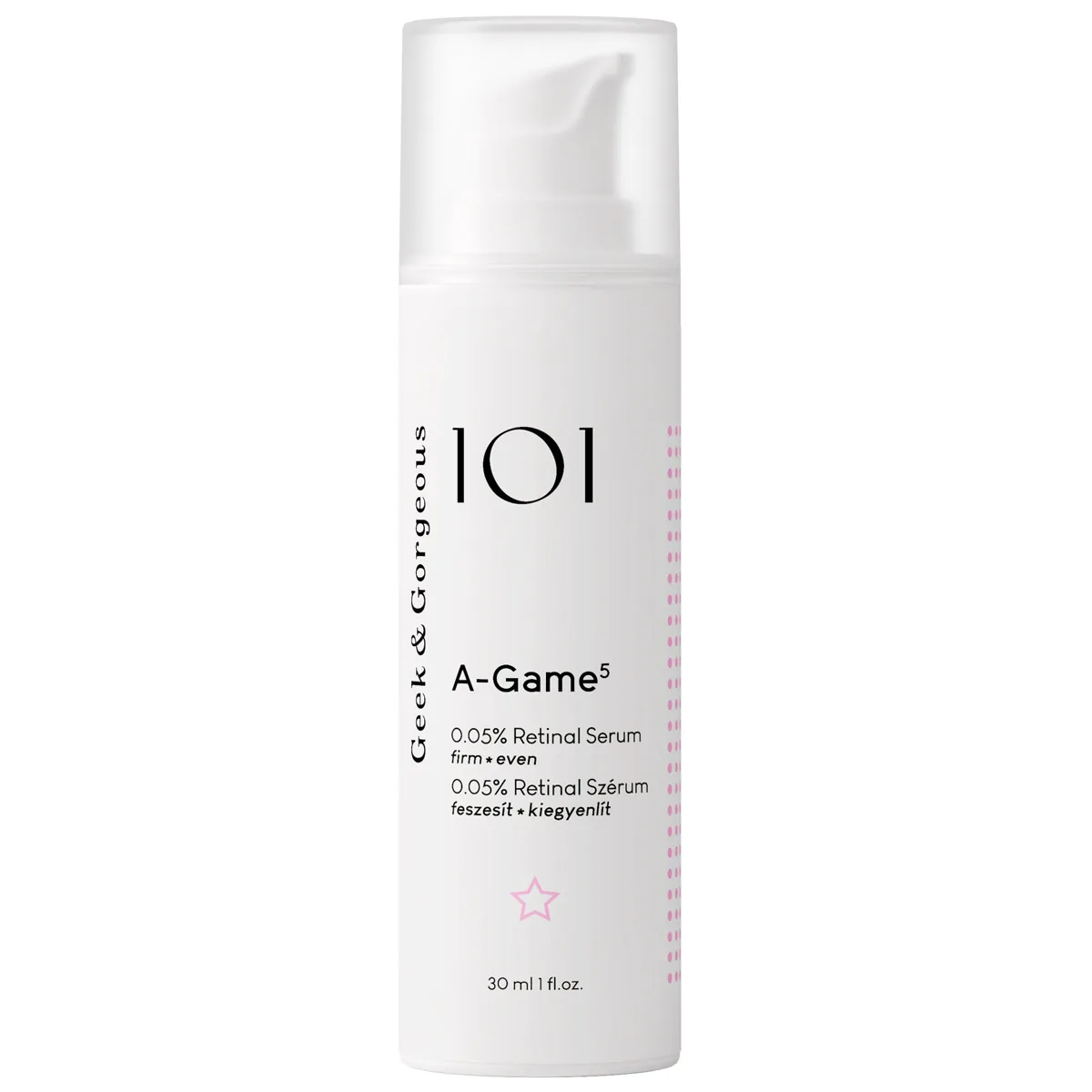
 A-Game 5 Retinal Serum
The ideal beginner's retinaldehyde serum — a properly dosed 0.05% retinal in a buffered, fragrance-free formula at a price that makes long-term retinoid use actually sustainable. Same thoughtful supporting ingredients as the higher-strength A-Game 10 at half the potency, which is exactly the point. If you've never used a real retinoid, this is one of the best entry points on the market.
 Derm-Grade Retinal at Drugstore Price
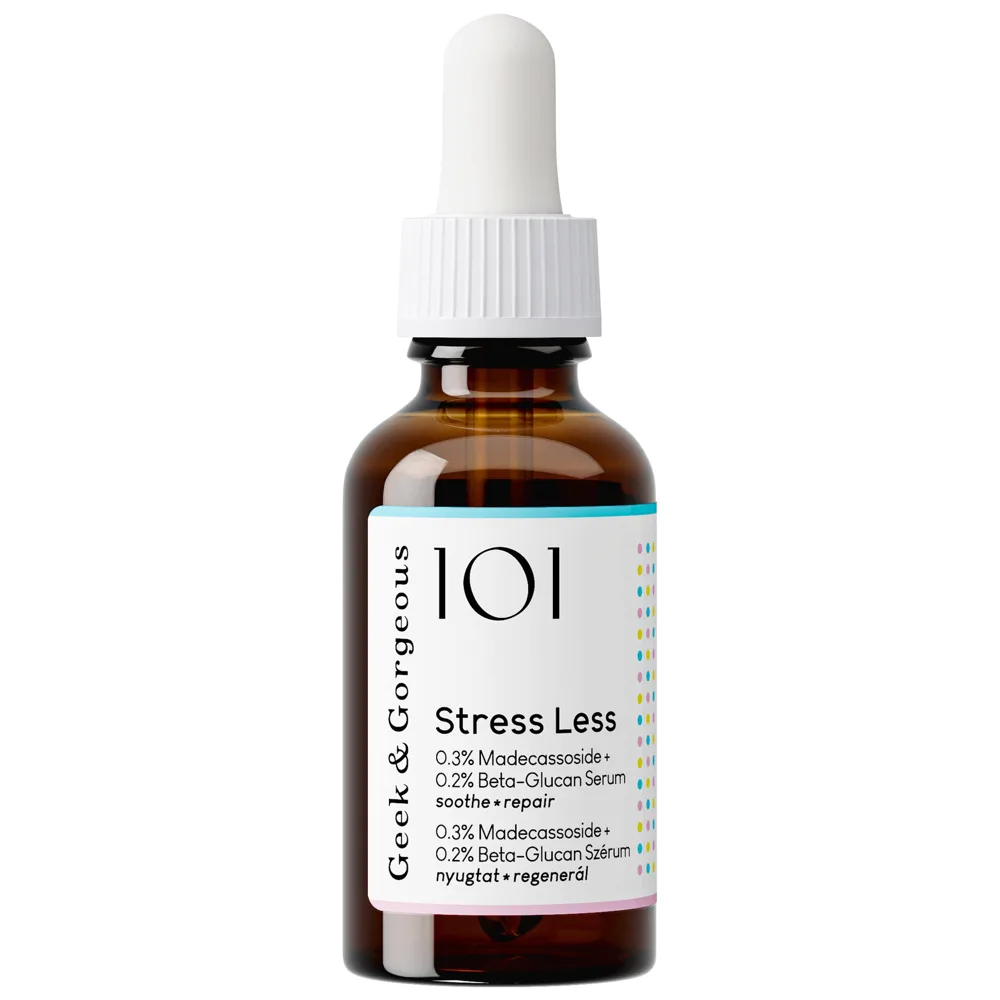
 Stress Less 0.3% Retinal Serum
A genuinely derm-grade 0.3% retinaldehyde serum at a price that shouldn't be possible. The ceramide and bisabolol buffering keeps it tolerable for experienced retinoid users, and the results — on texture, tone, and fine lines — rival premium retinals costing four times as much.
 Budget Retinal Holy Grail
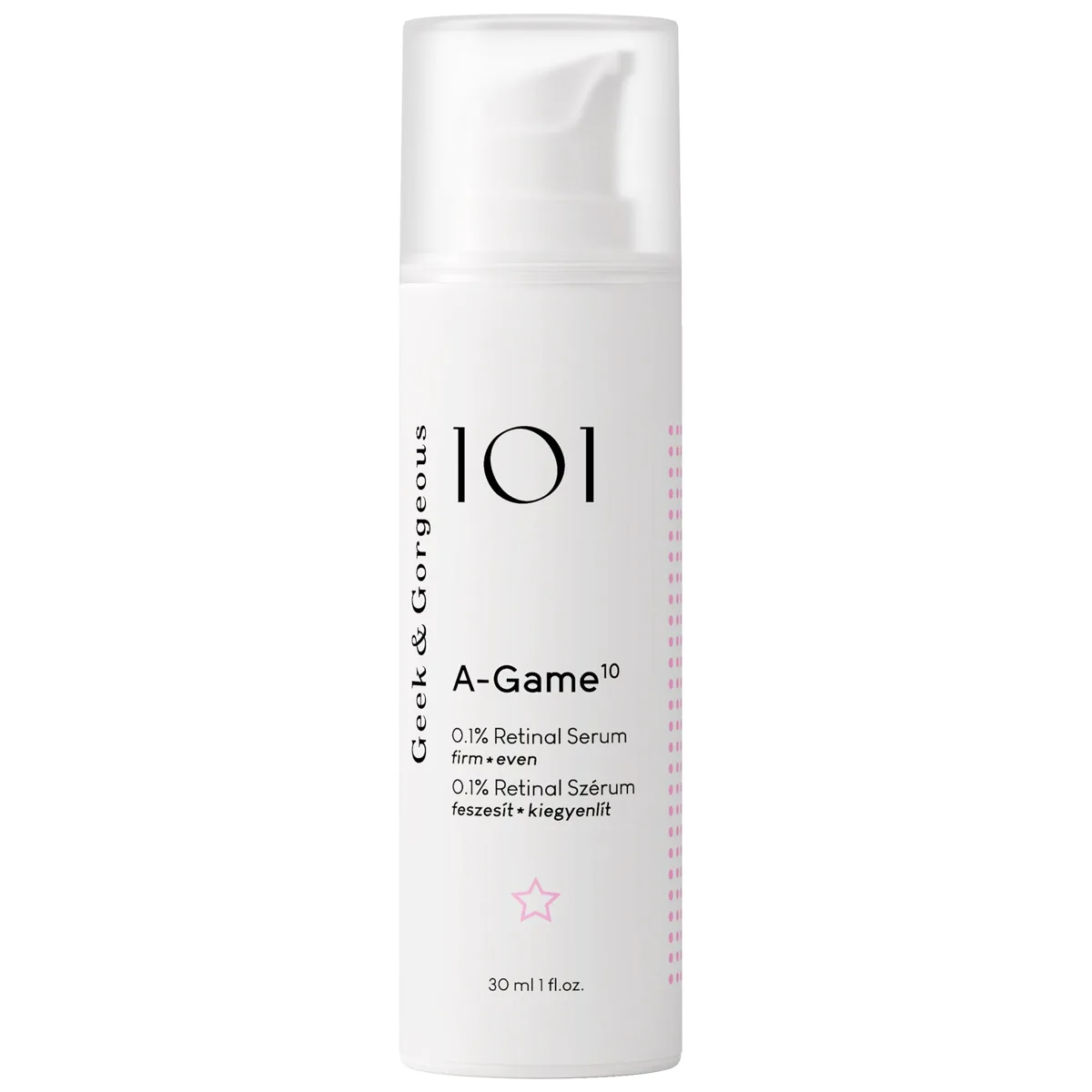
 A-Game 10 Retinal Serum
One of the most disruptive products in the retinoid category — a 0.1% retinaldehyde serum at around $16 when equivalent concentrations from derm brands cost $60-120. The formulation is thoughtful, the airless packaging is right, and the price point has no real competitor. Not for retinoid beginners: start with the 5 version and step up to this after a few months.
 Gold Standard OTC Retinoid
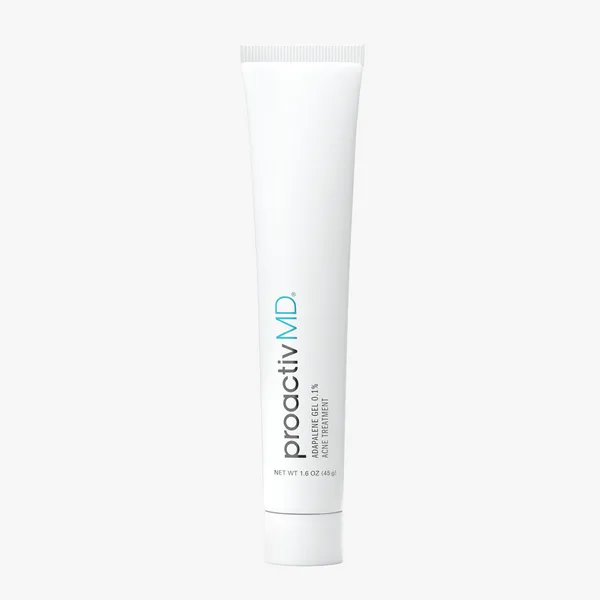
 Adapalene Gel 0.1%
This is adapalene 0.1% — the same FDA-approved retinoid dermatologists have prescribed for over two decades, now available without a prescription in a no-nonsense gel. It's one of the most evidence-backed acne treatments you can buy, and Proactiv's version offers solid value in the larger size with an updated paraben-free formula.
 Buffered Beginner Retinol
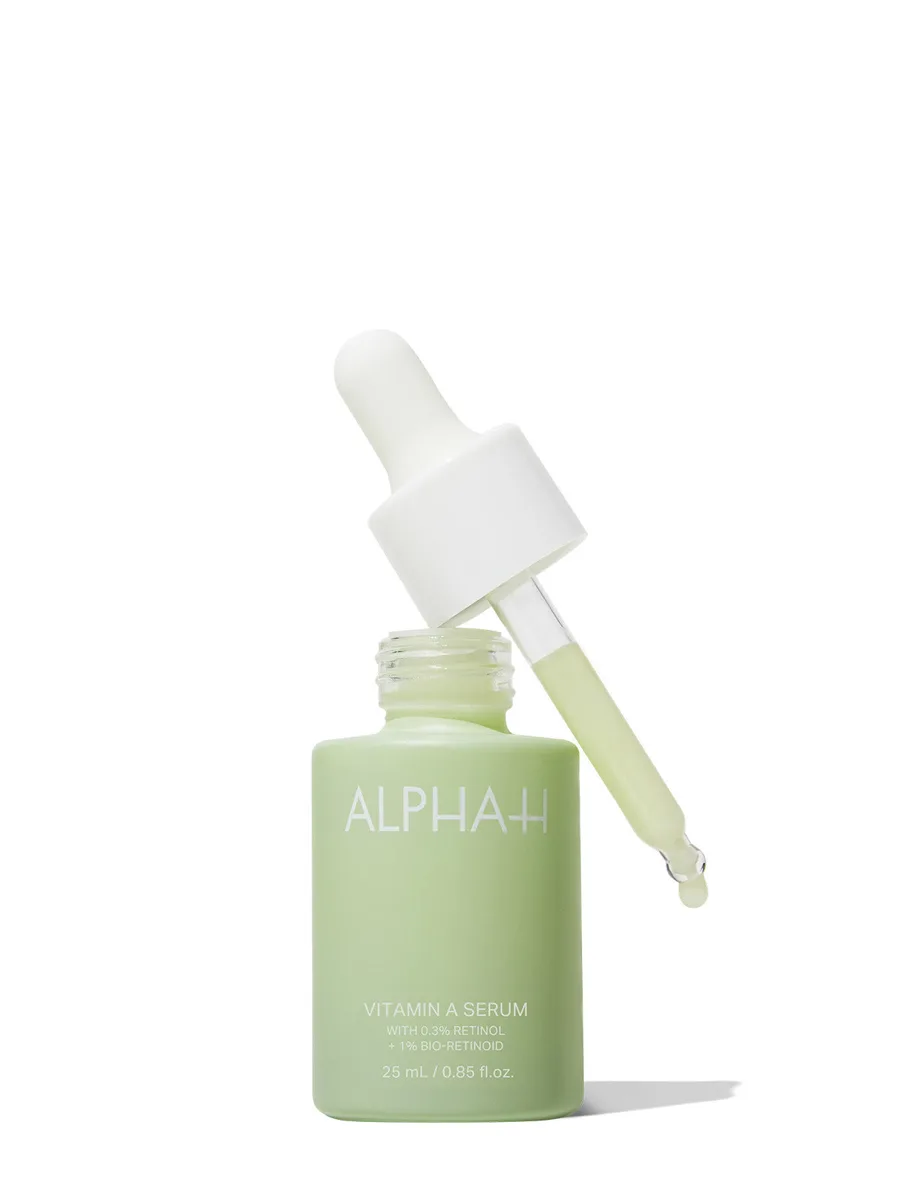
 Vitamin A Serum
Alpha-H built its 0.5% retinol on a squalane and plant-oil base specifically to make a meaningful retinol concentration tolerable for the beginners it knew were already running aggressive AHA routines. The buffering works — this is one of the few 0.5% retinol serums new users can actually stick with through the adjustment period. The price is the only meaningful complaint.
 Best Retinoid Starter
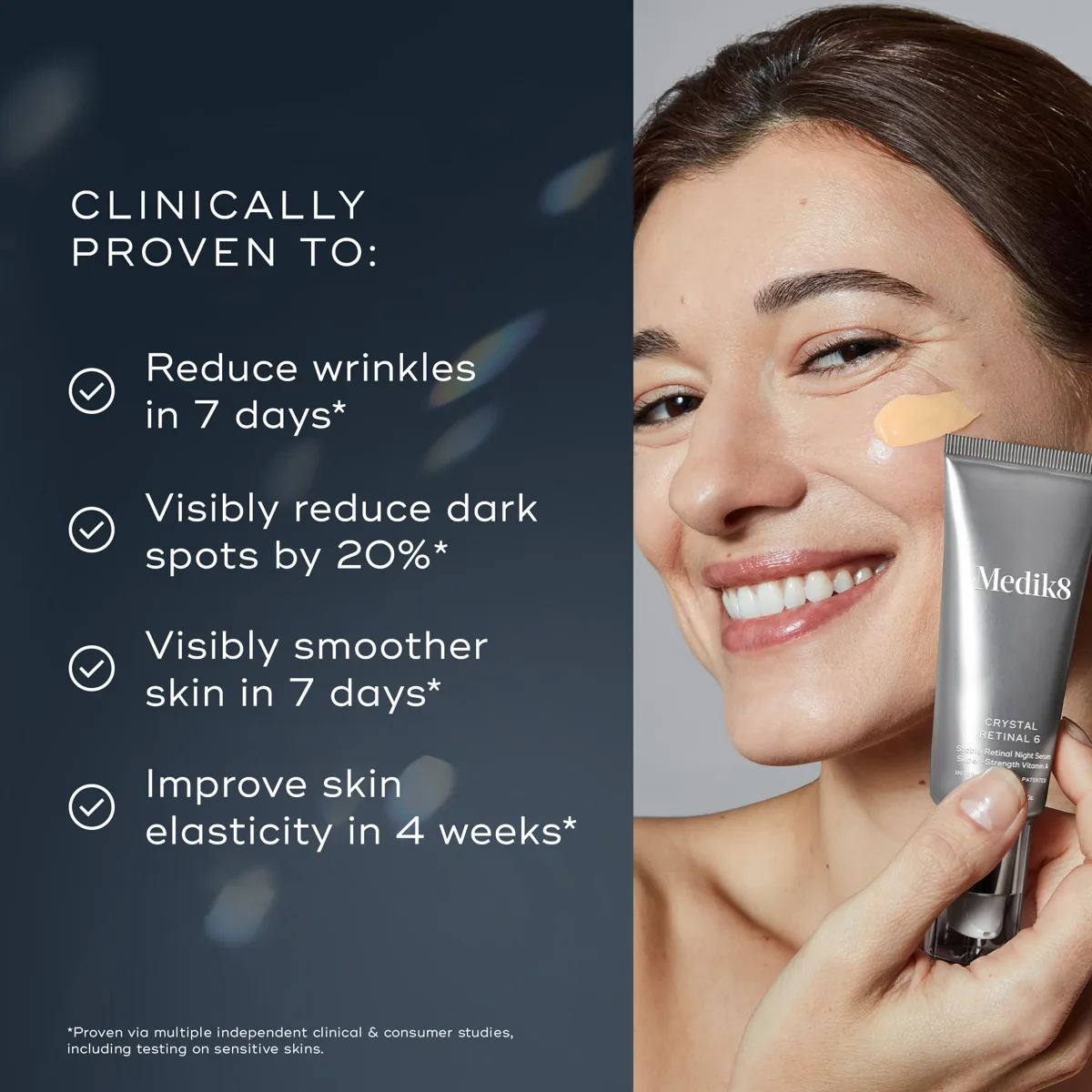
 Crystal Retinal 3
The retinoid designed for people who are afraid of retinoids — and the product that might just convert them. Crystal Retinal 3 proves that the world's most effective OTC vitamin A form can be introduced to sensitive skin without the usual drama, creating a genuinely accessible on-ramp to serious anti-aging skincare.