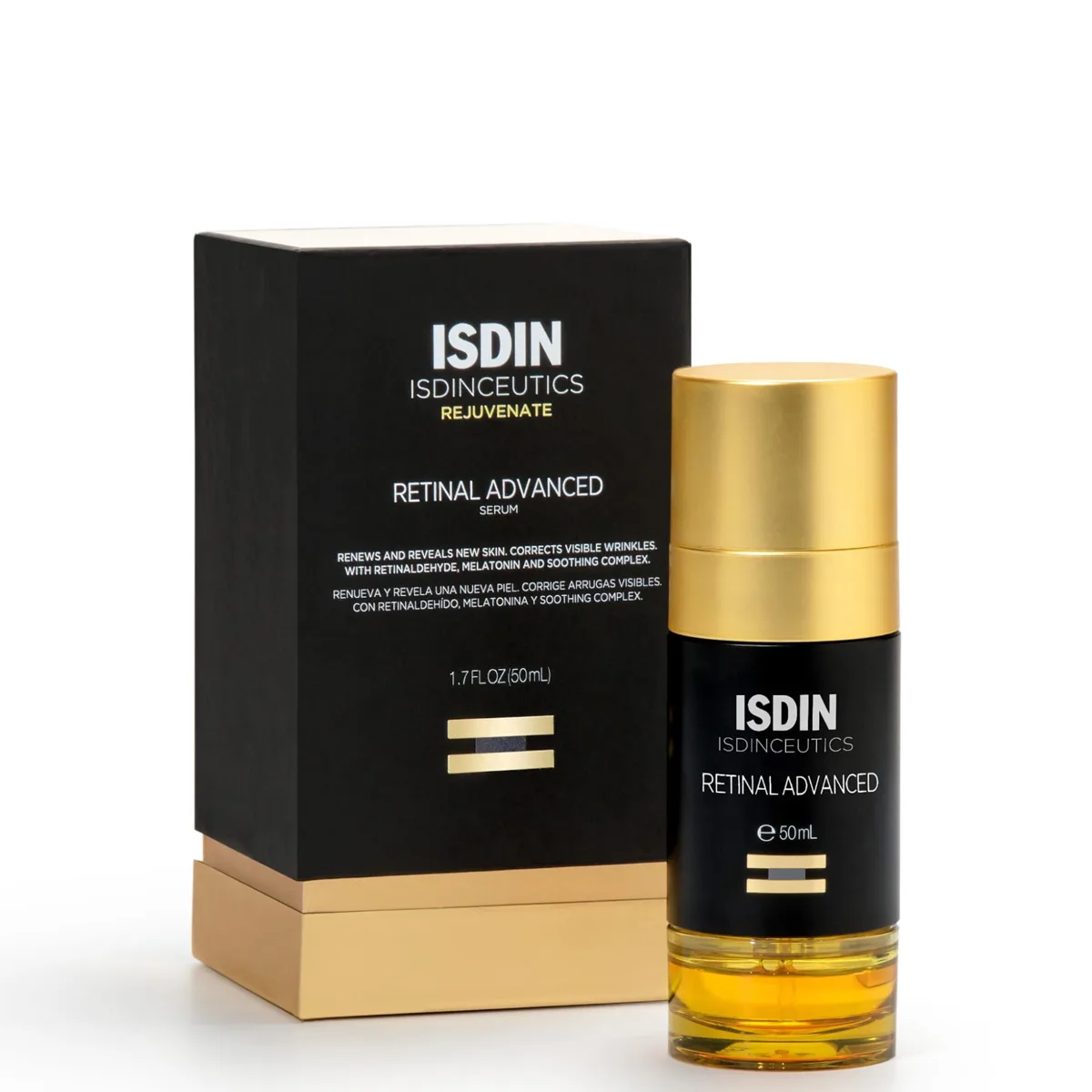
A pharmaceutical-grade retinaldehyde serum with a genuinely innovative biphasic delivery system and an all-star supporting cast of bakuchiol, melatonin, niacinamide, and peptides. The ingredient quality is exceptional — among the best in the retinoid category. But at $185 for 1.7 oz, ISDIN is asking you to pay luxury prices for pharmaceutical credibility, and the fragrance and alcohol inclusions slightly undermine the clinical positioning.
Isdinceutics Retinal Intense Serum
A pharmaceutical-grade retinaldehyde serum with a genuinely innovative biphasic delivery system and an all-star supporting cast of bakuchiol, melatonin, niacinamide, and peptides. The ingredient quality is exceptional — among the best in the retinoid category. But at $185 for 1.7 oz, ISDIN is asking you to pay luxury prices for pharmaceutical credibility, and the fragrance and alcohol inclusions slightly undermine the clinical positioning.
Score Breakdown
Where this product gains points and where it loses them — broken down across the four scoring pillars.
An exceptionally sophisticated retinaldehyde formula with pharmaceutical-grade ingredient quality — retinaldehyde, niacinamide, bakuchiol, melatonin, and peptides in a stability-optimized biphasic delivery. The ingredient quality is near the top of the retinoid category, but the $185 price tag and moderate irritation potential from retinaldehyde plus alcohol and fragrance bring the overall score down significantly.
Pros & Cons
- ✓Retinaldehyde is approximately 11x more potent than retinol — the strongest OTC retinoid available
- ✓Biphasic delivery system preserves retinaldehyde potency until the moment of application
- ✓Niacinamide at ~3.5% supports barrier tolerance while amplifying brightening results
- ✓Bakuchiol synergizes with retinaldehyde for enhanced anti-aging with reduced irritation
- ✓Melatonin provides potent nighttime antioxidant protection during skin's repair window
- ✓Clinical data shows 43% wrinkle reduction in just 4 weeks of nightly use
- ✓ISDIN's 50-year pharmaceutical heritage provides genuine scientific credibility
- ✗Very expensive at $185 for 1.7 oz — one of the priciest retinoid serums on the market
- ✗Contains fragrance — incongruent with the pharmaceutical clinical positioning
- ✗Alcohol denat adds drying potential to an already challenging retinoid formula
- ✗Significant irritation potential during adjustment period (2-4 weeks of possible peeling)
- ✗Must shake before every use — the biphasic format adds an extra step
Full Review
There is a gap in the retinoid market that most consumers do not know exists. On one side sits retinol — the gentle, widely available over-the-counter form that requires two enzymatic conversions in the skin before it becomes the active retinoic acid. On the other side sits tretinoin — the prescription-only gold standard that is immediately active but comes with significant irritation and requires a doctor's supervision. Between them, largely overlooked by the mass market, sits retinaldehyde — one enzymatic conversion away from retinoic acid, approximately 11 times more potent than retinol, and available without a prescription. ISDIN's Isdinceutics Retinal Intense Serum occupies this middle ground with the confidence of a company that has been doing pharmaceutical skincare since 1975.
ISIDIN is not a brand that stumbled into retinoids through a trending TikTok ingredient. The Barcelona-based pharmaceutical company has nearly half a century of dermatological research, with a particular expertise in photoprotection and skin repair that informs everything they formulate. The Isdinceutics line represents their cosmeceutical arm — products that operate at the intersection of cosmetics and pharmaceuticals, designed in research labs rather than marketing offices. The Retinal Intense is perhaps the purest expression of this philosophy: a serum built around an ingredient (retinaldehyde) that most brands avoid because it is expensive, difficult to stabilize, and too potent for the mass market's comfort zone.
The biphasic delivery system is the formula's most immediately distinctive feature. Open the bottle and you see two distinct layers — the retinaldehyde-containing anhydrous phase and the hydrating aqueous phase — separated like oil and vinegar. This is not a manufacturing defect; it is a deliberate engineering choice. Retinaldehyde degrades rapidly when exposed to water, light, and certain other ingredients. By keeping it isolated in a separate phase until the moment of application, ISDIN ensures that every use delivers retinaldehyde at full potency rather than a degraded shadow of itself. Shake the bottle, and the two phases mix into a silky, lightweight serum that feels like liquid satin on skin.
The supporting ingredient architecture reveals ISDIN's pharmaceutical thinking. Niacinamide at approximately 3.5% serves as both a complementary anti-aging active and a barrier-support agent that helps the skin tolerate the retinaldehyde — a deliberate pairing that addresses the primary complaint about potent retinoids. Bakuchiol, the plant-derived retinol alternative, is included not as a substitute but as a synergist. Published research has demonstrated that bakuchiol enhances retinoid activity while providing anti-inflammatory properties that buffer irritation. Melatonin — yes, the sleep hormone — is one of the most potent antioxidants available for topical skin application, and its inclusion in a night serum is scientifically poetic: it provides antioxidant protection during the same nighttime hours when the skin's DNA repair mechanisms are most active and the retinaldehyde is driving accelerated cell turnover. Palmitoyl Tetrapeptide-7, an anti-inflammatory peptide, adds yet another layer of irritation management.
The attention to formulation sophistication is genuinely impressive. But it exists alongside choices that seem incongruent with the pharmaceutical positioning. Fragrance appears in the ingredient list — a puzzling inclusion in a potent retinoid product designed for dermatologist-recommended use. Alcohol denat also appears, contributing to the lightweight texture but adding drying potential to a formula that already challenges the skin barrier through retinaldehyde activity. These are not dealbreakers, but they are the kind of concessions that distinguish a cosmetic product from a truly clinical one.
On skin, the serum absorbs quickly and leaves a silicone-smooth finish that sits comfortably under moisturizer. The retinaldehyde begins working immediately — you may feel a slight warming or tingling that subsides within minutes. The adjustment period is real: expect 2-4 weeks of possible peeling, mild redness, or temporary breakouts as cell turnover accelerates. Start with every-other-night use and build to nightly application. ISDIN's clinical testing reported a 43% reduction in wrinkles after just four weeks — significantly faster than the 8-12 weeks typically required for retinol products to show comparable results. By three months, 90% of study participants reported visibly renewed skin.
The texture improvement is often the first result users notice. Within two to three weeks, skin that was rough, uneven, or congested begins to smooth and refine. Pores appear smaller as the accelerated cell turnover prevents the dead cell buildup that stretches them open. Hyperpigmentation and dark spots begin to fade as the retinaldehyde regulates melanin production at a faster rate than retinol can achieve. Fine lines soften, and the overall complexion takes on a luminosity that comes from genuinely healthier skin, not from a cosmetic glow effect.
The price is the conversation that cannot be avoided. At $185 for 1.7 ounces, this is a significant investment — more expensive than most retinol serums, more expensive than many prescription retinoid treatments. The cost reflects the retinaldehyde itself (a more expensive raw ingredient than retinol), the biphasic delivery system (requiring specialized manufacturing), and ISDIN's pharmaceutical research portfolio. Is it worth it? For someone who has plateaued on retinol and wants stronger results without the prescription process and side effects of tretinoin, the retinaldehyde bridge is genuinely valuable. For someone who has never tried retinoids, starting at $185 makes no sense — begin with retinol, see how your skin responds, and graduate to retinaldehyde if you need more.
ISIDIN has created something genuinely rare in the skincare market: a product where the science matches the price. The retinaldehyde is real, the delivery system is innovative, the supporting ingredients are chosen for function rather than label appeal, and the clinical data supports the claims. The fragrance and alcohol are the asterisks on an otherwise clinical-grade formulation. For the specific audience that needs what retinaldehyde delivers — potency beyond retinol, tolerability better than tretinoin, backed by pharmaceutical-grade research — this is the current benchmark.
Formula
Key Ingredients
The hero actives that drive this product's performance.
| Ingredient | Function | Evidence |
|---|---|---|
| Retinaldehyde (0.3%) | The most potent over-the-counter retinoid available — one enzymatic step closer to prescription retinoic acid than retinol, requiring only a single conversion to become active in the skin. In this biphasic formula, retinaldehyde is kept separate from aqueous ingredients until the moment of application, preserving its potency and stability. It delivers faster visible results than retinol with better tolerability than tretinoin. | well-established |
| Niacinamide (3.5%) | At approximately 3.5%, niacinamide serves a dual purpose in this retinaldehyde formula: it strengthens the skin barrier that retinoids can compromise, and it provides complementary anti-aging and brightening benefits through its own well-documented mechanisms. The combination of retinaldehyde with niacinamide is a deliberate pairing — niacinamide helps the skin tolerate the retinaldehyde while amplifying the brightening results. | well-established |
| Bakuchiol | A plant-derived retinol alternative that works synergistically with retinaldehyde rather than as a substitute. Research has shown that bakuchiol enhances the anti-aging effects of retinoids when used in combination, while also providing anti-inflammatory properties that help buffer the irritation potential of the retinaldehyde. This combination approach is more sophisticated than using either ingredient alone. | promising |
| Melatonin | Not included for sleep — topical melatonin is one of the most potent antioxidants available for skin, with particularly strong free radical scavenging activity during nighttime hours when the skin's repair mechanisms are most active. In this night serum, melatonin works during the same repair window as the retinaldehyde, providing antioxidant protection precisely when the skin is most actively regenerating. | promising |
| Palmitoyl Tetrapeptide-7 | An anti-inflammatory peptide that inhibits the production of interleukins — inflammatory cytokines that accelerate skin aging. In this retinaldehyde-heavy formula, the peptide serves a dual function: providing anti-aging benefits through its own mechanism while also helping reduce the inflammatory response that retinoids can trigger. | promising |
Full INCI List
Aqua (Water), Dimethicone, Dibutyl Adipate, Niacinamide, Isoamyl Laurate, Lauryl PEG/PPG-18/18 Methicone, Glycerin, Propanediol, Dimethicone/Vinyl Dimethicone Crosspolymer, Alcohol Denat., Bakuchiol, 1,2-Hexanediol, Pentylene Glycol, Caprylic/Capric Triglyceride, Ethylcellulose, Hydroxyacetophenone, Pentaerythrityl Tetra-Di-T-Butyl Hydroxyhydrocinnamate, 4-T-Butylcyclohexanol, Caprylyl Glycol, Parfum (Fragrance), Sodium Acrylates Crosspolymer-2, Polyacrylate Crosspolymer-6, Vigna Aconitifolia Seed Extract, Tocopheryl Acetate, Tocopherol, Citric Acid, Xanthan Gum, Maltodextrin, Melatonin, Retinal (Retinaldehyde), Silica, Disodium EDTA, Phospholipids, Synthetic Fluorphlogopite, CI 77891 (Titanium Dioxide), Ascorbic Acid, T-Butyl Alcohol, Rosmarinus Officinalis (Rosemary) Leaf Extract, Palmitoyl Tetrapeptide-7, Tin Oxide, Chrysin
Product Flags
✗ Fragrance Free✗ Alcohol Free✓ Oil Free✗ Silicone Free✓ Paraben Free✓ Sulfate Free✗ Cruelty Free✗ Vegan✗ Fungal Acne Safe
Potential Irritants
Retinal (Retinaldehyde)Alcohol Denat.Fragrance
Common Allergens
Fragrance
Compatibility
Skin Match
Best For
Works For
Not Ideal For
Addresses These Conditions
aging texture hyperpigmentation dark spots dullness large pores
Use With Caution
sensitivity rosacea eczema compromised skin barrier
Routine Step
treatment
Time of Day
PM
Pregnancy Safe
No ✗
Layering Tips
Shake well to mix the biphasic formula before each use. Apply to clean, dry skin at night. Do not layer with other active treatments (AHAs, BHAs, vitamin C) in the same routine. Follow with a gentle moisturizer. Always use SPF 30+ the following morning — retinaldehyde increases photosensitivity.
Results Timeline
Immediate: silky texture with slight warming. Short-term (1-4 weeks): possible mild peeling or purging as retinaldehyde accelerates cell turnover; clinical data shows 43% wrinkle reduction at 4 weeks. Long-term (8-12 weeks): significant improvement in fine lines, skin texture, tone evenness, and firmness; 90% of users reported renewed skin after 3 months in clinical testing.
Pairs Well With
gentle hydrating cleansersceramide moisturizersSPF 30+ sunscreen (AM)hyaluronic acid serums
Conflicts With
AHA/BHA exfoliants (same routine)vitamin C serums (same routine)benzoyl peroxide (same routine)
Sample AM Routine
- Gentle cleanser
- Niacinamide or HA serum
- Moisturizer
- SPF 30+
Sample PM Routine
- Gentle cleanser
- THIS PRODUCT (shake well)
- Moisturizer
Evidence
Who Should Skip
- Very expensive at $185 for 1.7 oz — one of the priciest retinoid serums on the market
- Contains fragrance — incongruent with the pharmaceutical clinical positioning
- Alcohol denat adds drying potential to an already challenging retinoid formula
- Significant irritation potential during adjustment period (2-4 weeks of possible peeling)
Science & Expert Perspective
The Science
Retinaldehyde occupies a unique position in the retinoid conversion pathway. The sequence runs: retinyl esters → retinol → retinaldehyde → retinoic acid (tretinoin). Each step closer to retinoic acid increases potency. A pivotal study published in the Journal of Investigative Dermatology (Saurat, 1999) demonstrated that retinaldehyde at 0.05% produced anti-aging effects comparable to tretinoin 0.025% with significantly less irritation, establishing retinaldehyde as the most effective OTC retinoid form.
The bakuchiol-retinoid synergy is supported by research published in the British Journal of Dermatology (Dhaliwal et al., 2019), which demonstrated that bakuchiol produced comparable anti-aging results to retinol in a randomized, double-blind clinical trial, with significantly less scaling and stinging. When combined with retinaldehyde (as in this formula), bakuchiol provides complementary anti-inflammatory and antioxidant support that may improve tolerability while maintaining or enhancing efficacy.
Topical melatonin has been studied for its potent free radical scavenging properties. Research published in the International Journal of Molecular Sciences (Rusanova et al., 2019) confirmed that melatonin's antioxidant capacity exceeds that of vitamins C and E in certain assays, and its application during nighttime hours aligns with the skin's circadian-regulated repair cycle. The combination with retinaldehyde is scientifically logical: melatonin protects the skin from oxidative stress during the same overnight period when retinaldehyde drives the accelerated cell turnover that can generate reactive oxygen species.
Niacinamide at the concentrations estimated in this formula (3.2-3.9%) has well-documented barrier-strengthening properties. A study in the British Journal of Dermatology (Bissett et al., 2005) demonstrated that topical niacinamide at 3.5-5% improved fine lines, hyperpigmentation, red blotchiness, and skin barrier function over 12 weeks. Its inclusion alongside retinaldehyde provides both complementary anti-aging benefits and practical barrier support that improves tolerability of the primary active.
References
- Retinaldehyde: a key intermediate in the retinoid pathway — Journal of Investigative Dermatology (1999)
- Prospective, randomized, double-blind assessment of topical bakuchiol and retinol for facial photoageing — British Journal of Dermatology (2019)
Dermatologist Perspective
Board-certified dermatologists recognize retinaldehyde as the most potent OTC retinoid form, and many recommend it for patients who have graduated beyond retinol but are not candidates for (or prefer to avoid) prescription tretinoin. Dermatologists note that the biphasic delivery system in this formula addresses a genuine stability challenge with retinaldehyde, which degrades rapidly in conventional formulations. The supporting ingredients — niacinamide for barrier support, bakuchiol for synergistic enhancement, melatonin for antioxidant protection — reflect a thoughtful formulation approach consistent with ISDIN's pharmaceutical heritage. The 43% wrinkle reduction in 4 weeks from clinical testing aligns with what dermatologists would expect from retinaldehyde at this concentration. The fragrance and alcohol inclusions remain the primary dermatological concerns, as they add unnecessary irritation risk to an already potent active product.
Guidance
Usage Guide
How to Use
Shake the bottle well before each use to mix the biphasic phases. Apply 3-4 drops to clean, dry skin at night. Start with every-other-night application for the first 2-4 weeks, then increase to nightly use as tolerated. Avoid the immediate eye area. Follow with a gentle, ceramide-rich moisturizer. Do not combine with other active treatments (AHAs, BHAs, vitamin C, benzoyl peroxide) in the same routine. Mandatory: apply broad-spectrum SPF 30+ every morning — retinaldehyde significantly increases photosensitivity.
Value Assessment
At $185 for 1.7 oz, this is one of the most expensive OTC retinoid products available. The premium reflects the cost of retinaldehyde (significantly more expensive than retinol as a raw ingredient), the biphasic delivery system, and ISDIN's pharmaceutical research infrastructure. For someone who has maximized their results from retinol and wants more potent results without a prescription, the retinaldehyde bridge justifies some premium — though whether it justifies this much premium is debatable. The formula lasts 2-3 months with nightly use (a few drops per application), bringing the monthly cost to approximately $60-90. Compared to prescription tretinoin (which costs $50-200+ without insurance), ISDIN offers a comparable-potency alternative without the doctor's visit. For retinoid newcomers, this price point makes no sense — start with retinol and graduate if needed.
Who Should Buy
Experienced retinoid users who have plateaued on retinol and want stronger results without prescription tretinoin. Anyone serious about anti-aging who values pharmaceutical-grade formulation and is willing to invest accordingly. Ideal for those with fine lines, uneven texture, hyperpigmentation, and dullness who want the fastest OTC retinoid results available.
Who Should Skip
Retinoid beginners — start with retinol to assess your skin's tolerance before investing $185 in retinaldehyde. Those with sensitive, dry, or reactive skin should approach with extreme caution. Anyone on a budget — effective retinol products exist at a fraction of this price. Pregnant or breastfeeding women must avoid all retinoid products.
Ready to try ISDIN Isdinceutics Retinal Intense Serum?
Details
Details
Texture
Innovative biphasic formula that separates into two phases in the bottle — the active retinaldehyde phase and the hydrating phase. Shaking mixes them into a silky, lightweight serum that absorbs quickly with a silicone-smooth finish.
Scent
Light fragrance — noticeable but not overwhelming. Not fragrance-free.
Packaging
1.7 oz glass bottle with dropper in ISDIN's clinical pharmaceutical branding. The biphasic separation is visible through the bottle — the two distinct layers mix when shaken.
Finish
satinlightweight
What to Expect on First Use
On first use, shake the bottle to mix the two phases. The serum applies with a silky, lightweight feel and absorbs quickly. Mild tingling or warming is normal with retinaldehyde. Start with every other night and build to nightly use over 2-4 weeks. Some mild peeling or purging may occur in the first 2-3 weeks as cell turnover accelerates. Always follow with moisturizer and use sunscreen the next morning.
How Long It Lasts
2-3 months with nightly use (a few drops per application)
Period After Opening
6 months
Best Season
fall winter
Background
The Why
ISDIN's Isdinceutics line represents the brand's most advanced cosmeceutical offerings, developed in their Barcelona research labs in collaboration with European dermatologists. The Retinal Intense leverages retinaldehyde — a form of vitamin A that ISDIN chose specifically because of its superior evidence profile compared to retinol. The biphasic delivery system was engineered to solve retinaldehyde's primary weakness: instability when exposed to water and light. By keeping the retinaldehyde in a separate anhydrous phase, ISDIN ensures that each application delivers potent, undegraded retinaldehyde. In the US market, this product is sold as Retinal Advanced.
About ISDIN Legacy Brand (20+ years)
ISDIN was founded in 1975 in Barcelona, Spain, and is one of Europe's most respected dermatological brands. With nearly 50 years of pharmaceutical research, the brand develops products in collaboration with dermatologists and is known for science-forward formulations, particularly in photoprotection and retinoid technology.
Brand founded: 1975 · Product launched: 2022
Myth vs. Reality
Myths & Misconceptions
Myth
Retinaldehyde is just another name for retinol.
Reality
Retinaldehyde (retinal) is a distinct form of vitamin A that is one enzymatic step closer to the active form (retinoic acid) than retinol. While retinol requires two conversions to become active, retinaldehyde requires only one — making it approximately 11 times more potent than retinol at equivalent concentrations. It is the strongest OTC retinoid available without a prescription.
Myth
Shaking a biphasic product damages the ingredients.
Reality
The biphasic design is intentional — separating the retinaldehyde from the aqueous phase prevents degradation during storage. Shaking before each use mixes them precisely when needed, ensuring maximum freshness and potency. This is the same principle behind pharmaceutical emulsions that must be shaken before use.
FAQ
Frequently Asked Questions
What is the difference between retinaldehyde and retinol?
Retinaldehyde (retinal) is one enzymatic step closer to the active form of vitamin A (retinoic acid) than retinol. Retinol must undergo two conversions in the skin to become active, while retinaldehyde requires only one — making it approximately 11 times more potent than retinol at equivalent concentrations. This ISDIN serum uses retinaldehyde at approximately 0.3%, which delivers results comparable to much higher concentrations of standard retinol.
Why do I need to shake this serum before use?
The biphasic formula intentionally separates into two phases in the bottle — the retinaldehyde phase and the hydrating phase — to preserve the retinaldehyde's potency and stability. Shaking before each application mixes them fresh, ensuring maximum active ingredient delivery. This design prevents the degradation that would occur if retinaldehyde sat in contact with water-based ingredients long-term.
Is ISDIN Retinal Intense the same as ISDIN Retinal Advanced?
ISDIN Retinal Intense and Retinal Advanced share the same core formulation with retinaldehyde, bakuchiol, niacinamide, and melatonin. Retinal Advanced is the US market name for what is sold internationally as Retinal Intense. Minor formulation differences may exist between regional versions, but the active ingredients and delivery system are the same.
Can I use this with vitamin C?
Not in the same routine. Apply vitamin C serum in the morning and this retinaldehyde serum at night. Retinaldehyde is potent enough that combining it with other active treatments in the same routine — including vitamin C, AHAs, BHAs, or benzoyl peroxide — significantly increases irritation risk without proportional benefit. Separating actives by AM/PM is the safest approach.
How long before I see results?
ISDIN's clinical testing showed 43% wrinkle reduction after just 4 weeks of nightly use — significantly faster than typical retinol products. Most users report noticeable improvement in skin texture and tone evenness within 2-3 weeks. After 3 months, 90% of clinical study participants reported visibly renewed skin. The retinaldehyde's higher potency compared to retinol translates to faster visible results.
Is this safe during pregnancy?
No — all forms of vitamin A retinoids, including retinaldehyde, are contraindicated during pregnancy and breastfeeding due to the theoretical risk of birth defects associated with systemic retinoid exposure. This is a precautionary recommendation; topical retinoid absorption is minimal, but the medical consensus is to avoid all retinoids during pregnancy.
Why is this serum so expensive?
The $185 price reflects three factors: retinaldehyde itself is an expensive raw ingredient with limited commercial availability, the biphasic delivery system requires specialized manufacturing, and ISDIN's 50-year pharmaceutical research portfolio underpins the formulation. The supporting ingredient cast — bakuchiol, melatonin, niacinamide, peptides — adds genuine formulation value. Whether the premium over standard retinol products is justified depends on whether you value the faster results and superior evidence profile of retinaldehyde.
Community
Community Voices
Common Praise
"Visible improvement in fine lines and skin texture within weeks"
"Biphasic formula preserves ingredient freshness and potency"
"Retinaldehyde delivers faster results than standard retinol products"
"Skin feels smoother and looks more even-toned after consistent use"
Common Complaints
"Very expensive at $185 for 1.7 oz"
"Contains fragrance and alcohol denat — surprising for a clinical product"
"Retinaldehyde can cause significant irritation during adjustment period"
"Biphasic formula requires shaking before every use"
Notable Endorsements
Widely recommended by board-certified dermatologists
Appears In
best retinoid for aging best retinoid for texture best retinoid for hyperpigmentation best treatment for dark spots
Related Conditions
aging texture hyperpigmentation dark spots dullness large pores
Related Ingredients
You Might Also Like
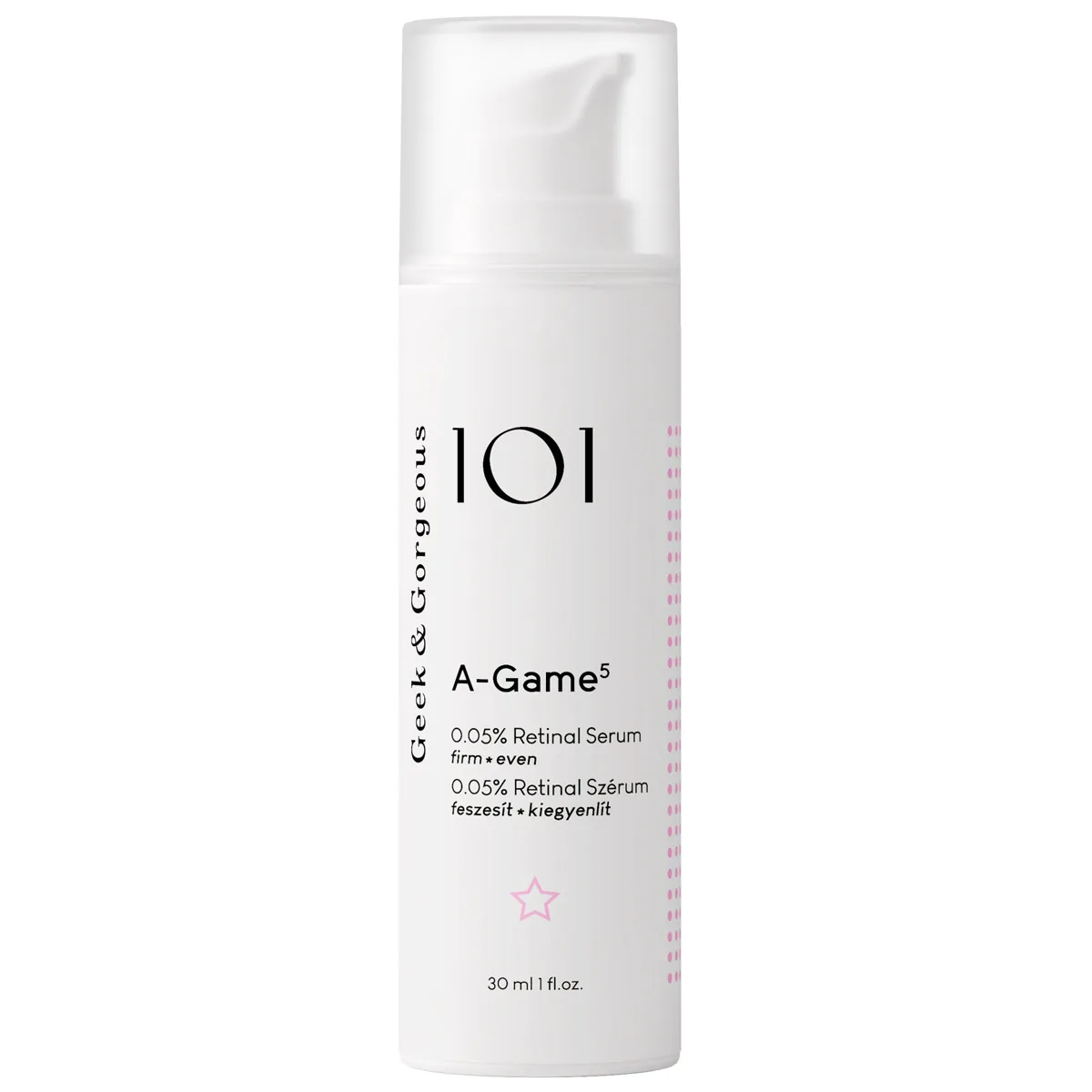 Beginner-Friendly Retinoid
 A-Game 5 Retinal Serum
The ideal beginner's retinaldehyde serum — a properly dosed 0.05% retinal in a buffered, fragrance-free formula at a price that makes long-term retinoid use actually sustainable. Same thoughtful supporting ingredients as the higher-strength A-Game 10 at half the potency, which is exactly the point. If you've never used a real retinoid, this is one of the best entry points on the market.
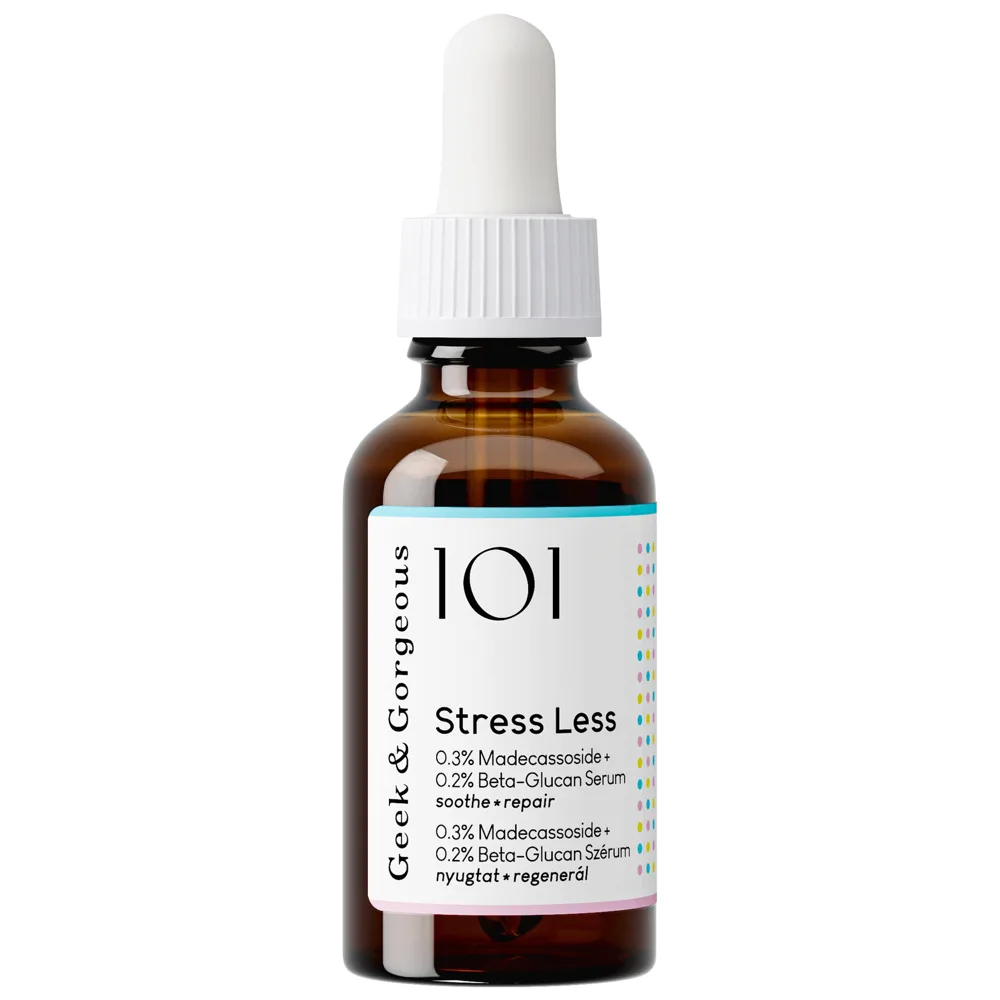 Derm-Grade Retinal at Drugstore Price
 Stress Less 0.3% Retinal Serum
A genuinely derm-grade 0.3% retinaldehyde serum at a price that shouldn't be possible. The ceramide and bisabolol buffering keeps it tolerable for experienced retinoid users, and the results — on texture, tone, and fine lines — rival premium retinals costing four times as much.
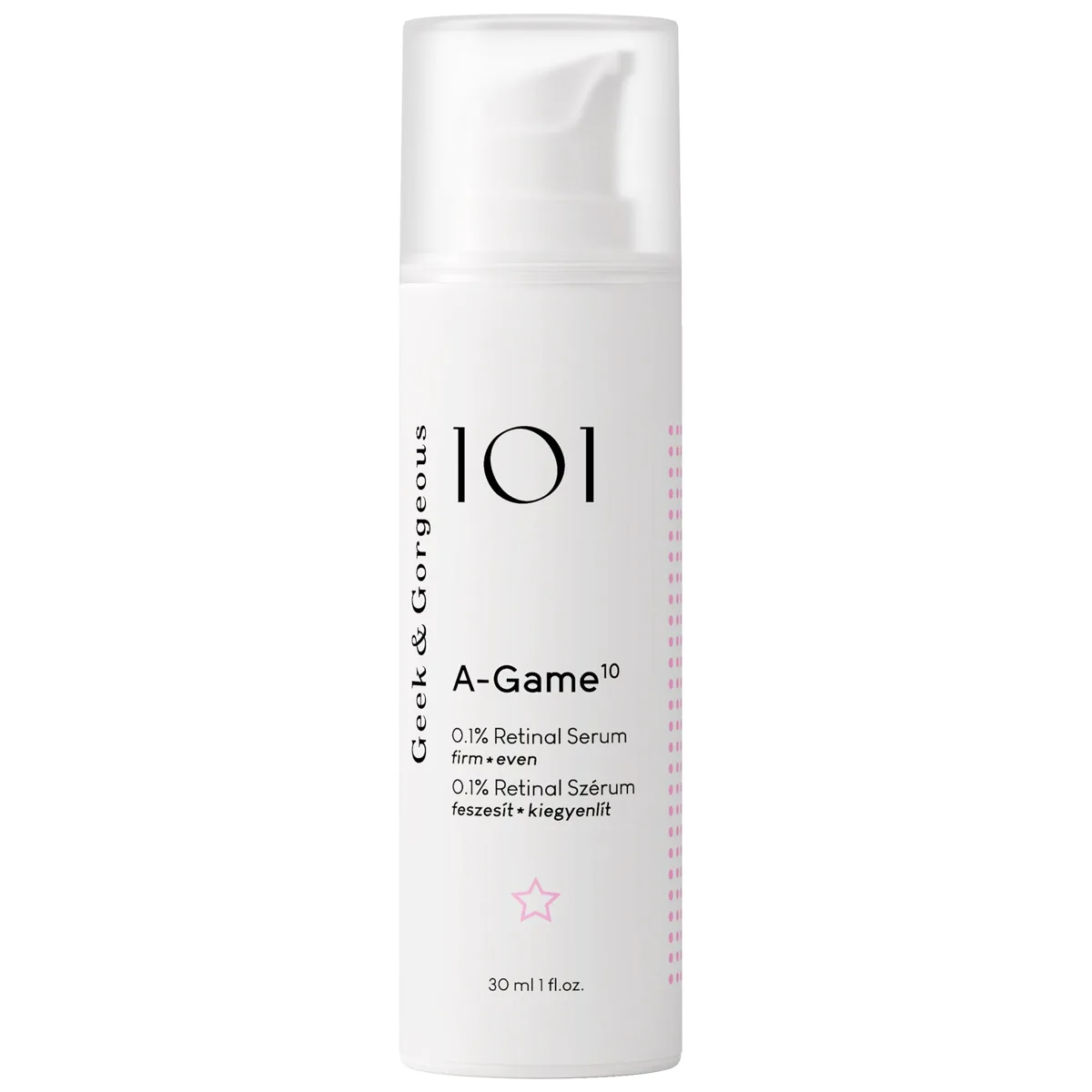 Budget Retinal Holy Grail
 A-Game 10 Retinal Serum
One of the most disruptive products in the retinoid category — a 0.1% retinaldehyde serum at around $16 when equivalent concentrations from derm brands cost $60-120. The formulation is thoughtful, the airless packaging is right, and the price point has no real competitor. Not for retinoid beginners: start with the 5 version and step up to this after a few months.
 Gold Standard OTC Retinoid
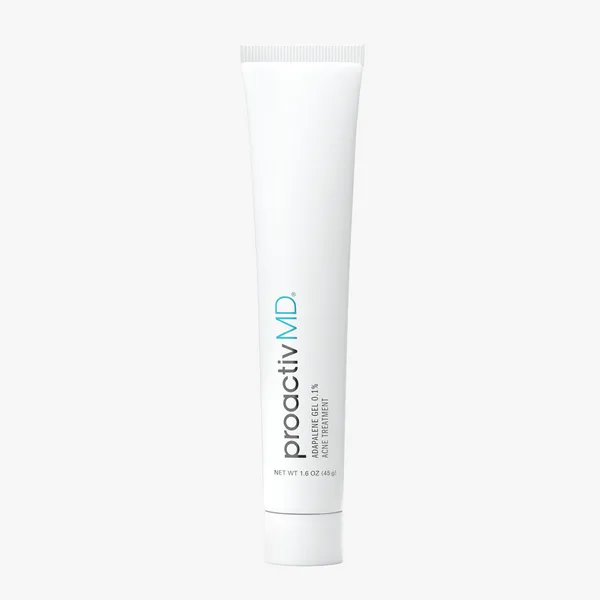
 Adapalene Gel 0.1%
This is adapalene 0.1% — the same FDA-approved retinoid dermatologists have prescribed for over two decades, now available without a prescription in a no-nonsense gel. It's one of the most evidence-backed acne treatments you can buy, and Proactiv's version offers solid value in the larger size with an updated paraben-free formula.
 Buffered Beginner Retinol
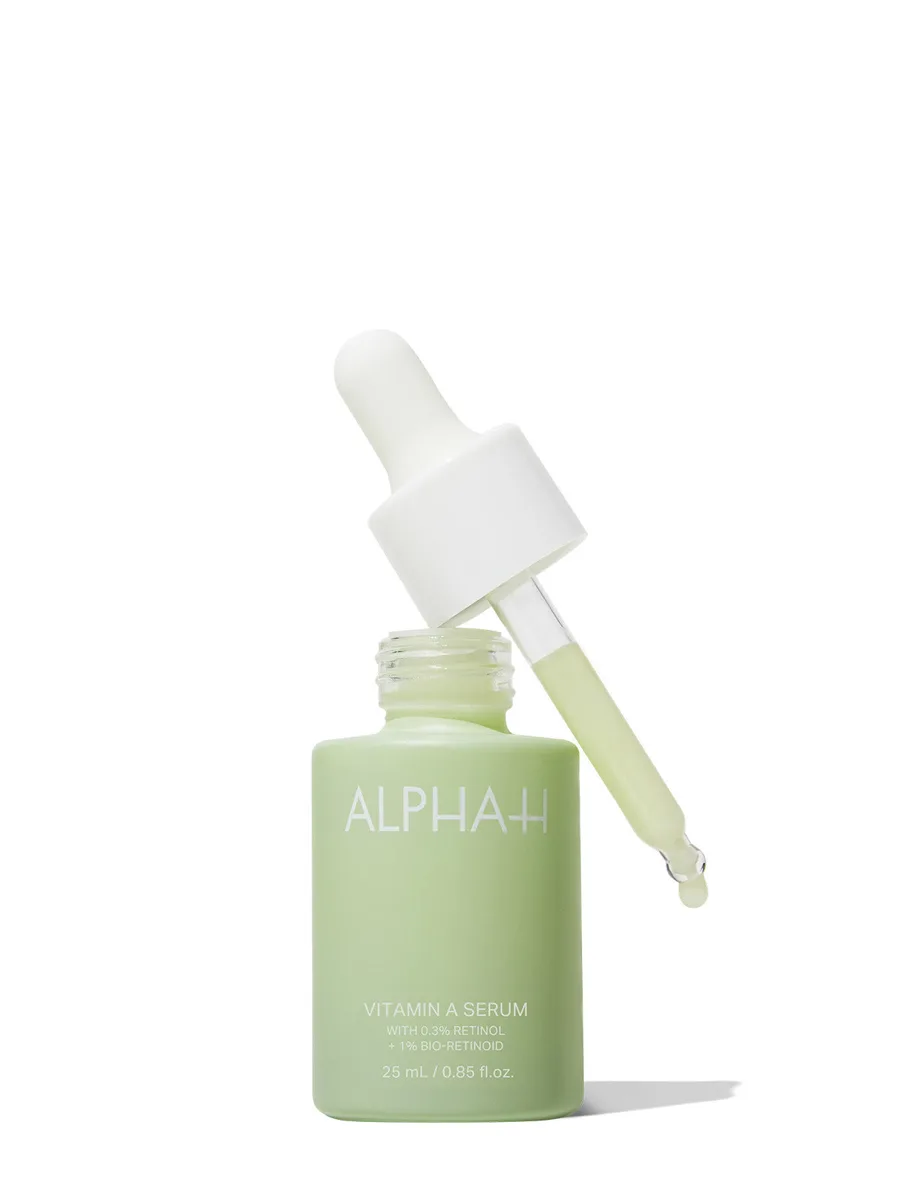
 Vitamin A Serum
Alpha-H built its 0.5% retinol on a squalane and plant-oil base specifically to make a meaningful retinol concentration tolerable for the beginners it knew were already running aggressive AHA routines. The buffering works — this is one of the few 0.5% retinol serums new users can actually stick with through the adjustment period. The price is the only meaningful complaint.
 Best Retinoid Starter
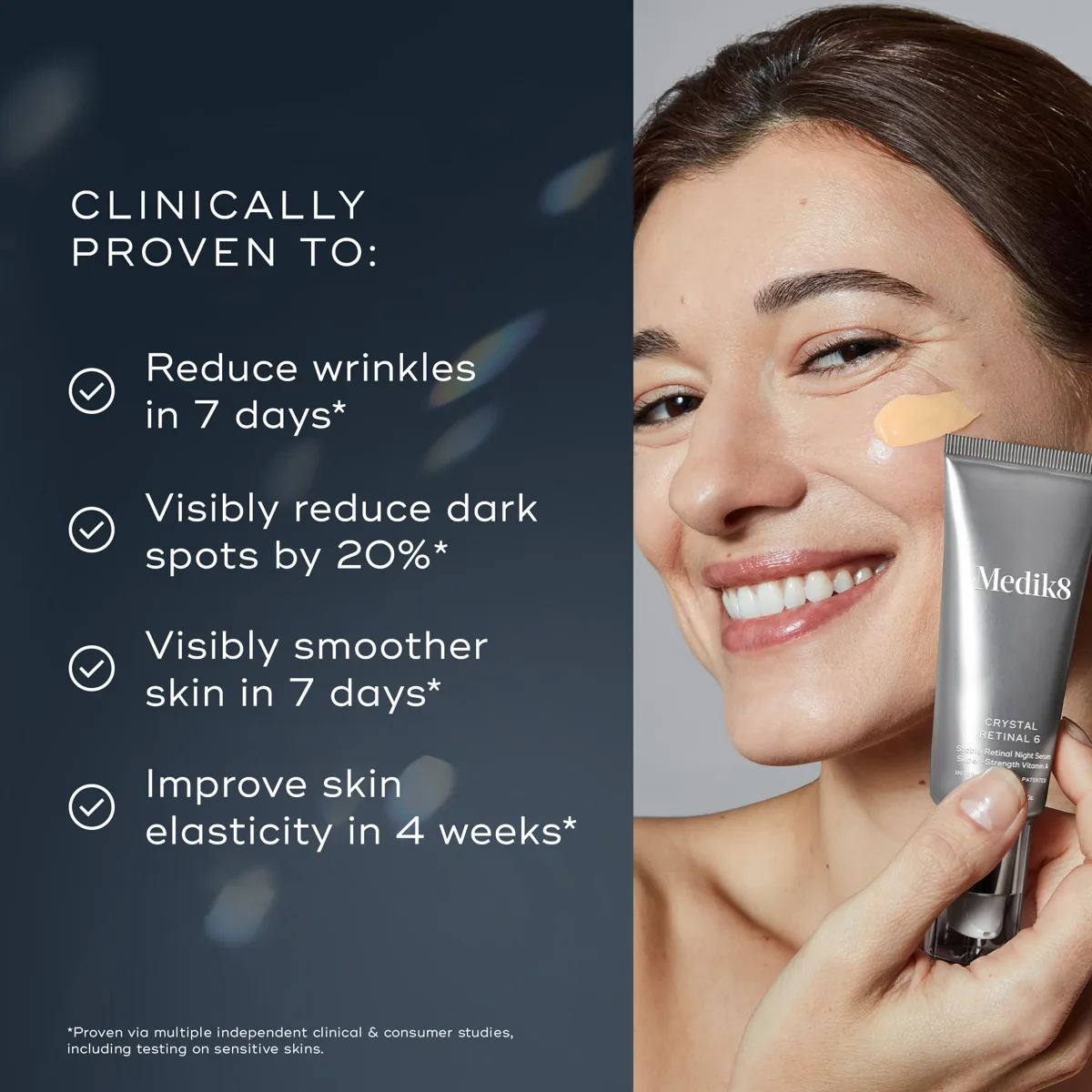
 Crystal Retinal 3
The retinoid designed for people who are afraid of retinoids — and the product that might just convert them. Crystal Retinal 3 proves that the world's most effective OTC vitamin A form can be introduced to sensitive skin without the usual drama, creating a genuinely accessible on-ramp to serious anti-aging skincare.
This review reflects our independent analysis of publicly available ingredient data, manufacturer claims, and verified user reviews. We are reader-supported — Amazon links may earn us a commission at no cost to you. We do not accept paid placements; rankings are based solely on the evidence.