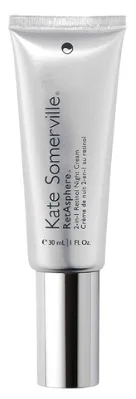
A conceptually clever retinol that pioneered time-release microencapsulation for gentler delivery, bundled with ceramide and hyaluronic acid for built-in barrier support. The lavender oil, thick texture, and discontinued status limit its appeal, but the underlying technology was ahead of its time.
RetAsphere 2-in-1 Retinol Night Cream
A conceptually clever retinol that pioneered time-release microencapsulation for gentler delivery, bundled with ceramide and hyaluronic acid for built-in barrier support. The lavender oil, thick texture, and discontinued status limit its appeal, but the underlying technology was ahead of its time.
Score Breakdown
Where this product gains points and where it loses them — broken down across the four scoring pillars.
A conceptually interesting retinol with microencapsulated time-release technology and built-in barrier support. Scores are tempered by the premium price for undisclosed retinol concentration, discontinued status limiting availability, and the inclusion of lavender oil.
Pros & Cons
- ✓Microencapsulated time-release retinol genuinely reduces irritation and peeling
- ✓Built-in ceramide 3 and hyaluronic acid provide barrier support during retinol use
- ✓Rich texture doubles as a night moisturizer for dry skin types
- ✓Visible fine line smoothing reported within two weeks of consistent use
- ✓Silicone-free and paraben-free formula with PETA cruelty-free certification
- ✓Suitable for retinol beginners due to the gradual delivery mechanism
- ✗Lavender oil is a known sensitizer that contradicts the gentle retinol positioning
- ✗Thick texture takes 5-10 minutes to absorb with a tacky intermediate phase
- ✗Retinol concentration is undisclosed despite the $85 price tag
- ✗Jar packaging exposes retinol to air degradation with every use
- ✗Product appears discontinued with limited remaining availability
Full Review
Retinol has always had an image problem. It is the ingredient dermatologists most consistently recommend for anti-aging, but it is also the ingredient most people abandon within the first month because of the peeling, the redness, the overnight transformation into someone who looks like they vacationed too close to the sun. Kate Somerville tried to fix this in 2013 with the RetAsphere, a night cream that encased retinol in tiny lipid bubbles designed to release it slowly over hours rather than all at once. It was an elegant idea. It was also, perhaps, slightly ahead of its time.
The RetAsphere Smart Release Carrier System is the product's defining technology. PPG-12/SMDI Copolymer forms microsphere shells around particles of pure retinol. When these microspheres contact skin at body temperature, the lipid shells gradually dissolve, releasing retinol in a sustained curve rather than a single peak. In theory, this means the skin never experiences the high-concentration burst that triggers the irritation cascade — the redness, the flaking, the desperate reach for heavy moisturizer at 2 AM. In practice, many users report that this is indeed a gentler retinol experience than traditional formulations, with visible results appearing within two weeks and minimal peeling for most skin types.
The formulation earns the 2-in-1 name honestly. Ceramide 3, a skin-identical lipid, works to replenish the barrier ceramides that retinol use depletes. Sodium hyaluronate provides humectant hydration. Vitamin E stabilizes the retinol while conditioning the skin. And a dual seaweed extract system (chondrus crispus in both whole and hydrolyzed forms) creates a moisture-locking matrix. The result is a retinol cream that builds its own safety net — the treatment and the damage control arrive together.
The texture, however, is polarizing. This is a thick, rich cream that requires genuine effort to blend and absorb. Where most modern retinol products aim for lightweight, fast-absorbing textures, the RetAsphere sits on the skin with the confidence of a cream that knows it has important work to do and will not be rushed. Five to ten minutes to fully absorb is the commonly reported experience. There is a tackiness during this period that some find comforting — it feels like the product is working — and others find simply annoying.
For dry skin, this thickness is a feature. The cream doubles as a night moisturizer, and by morning the skin feels noticeably plumper, smoother, and more luminous. For combination or oily skin, it is likely too much. The heavy emollient base, while protective, can feel suffocating on skin that does not need that level of occlusion.
The lavender oil is this formula's most frustrating inclusion. In a product designed to be gentle on the skin — one that goes to the trouble of microencapsulating its retinol for reduced irritation — adding a known sensitizer feels contradictory. Lavender oil contains linalool and linalyl acetate, both EU-listed fragrance allergens that can cause contact sensitization with repeated use. It is a spa-scented concession to the luxury market that undermines the clinical credentials of the technology underneath.
The retinol concentration is not disclosed, which at eighty-five dollars per ounce is a significant transparency gap. Based on its INCI position and the brand's marketing as gentle and beginner-friendly, it is likely in the 0.1-0.5% range. The microencapsulation means even a lower concentration delivers sustained exposure, but consumers paying prestige prices deserve to know what they are getting.
The jar packaging is another misstep. Retinol degrades on exposure to air and light — that is precisely why it needed to be encapsulated in the first place. Opening a jar of retinol cream nightly and exposing the surface to oxygen is not ideal, even with the microspheres providing a layer of protection for the undelivered product. An airless pump would have been the obvious choice and would have maintained consistency with the product's emphasis on protecting the retinol.
The RetAsphere has since been discontinued from Kate Somerville's lineup, replaced by the +Retinol collection that pairs retinol with vitamin C. The brand's decision to move on is likely commercial rather than scientific — the time-release concept was sound, but the market's appetite for retinol products has evolved toward lighter textures, transparent concentrations, and cleaner ingredient profiles. The RetAsphere was a product that had the right idea about delivery but was dressed in a formula that belonged to an earlier era of luxury skincare.
For those who can still find it, the RetAsphere remains a viable option for dry-skinned retinol beginners who want a rich, protective formula that minimizes the adjustment period. The microencapsulation technology genuinely works as described, and the built-in ceramide and hyaluronic acid support is thoughtful. But the lavender oil, the jar packaging, the undisclosed concentration, and the discontinued status make it difficult to recommend over current alternatives that have learned from its strengths while avoiding its compromises.
Formula
Key Ingredients
The hero actives that drive this product's performance.
| Ingredient | Function | Evidence |
|---|---|---|
| Retinol (RetAsphere Smart Release) | Microencapsulated in a lipid microsphere shell (PPG-12/SMDI Copolymer) that melts at skin temperature for time-released delivery. This gradual release reduces the concentration spike that causes retinol irritation while maintaining prolonged efficacy through the night. | well-established |
| Ceramide 3 (Ceramide NP) | Skin-identical lipid that replenishes the barrier ceramides often depleted by retinol use. Works to counteract the dryness and barrier disruption that are common retinol side effects, making this a self-buffering retinol formula. | well-established |
| Sodium Hyaluronate | Low molecular weight hyaluronic acid form that provides deep hydration to counteract retinol-induced dryness. Part of the '2-in-1' concept — delivering retinol treatment and moisture replenishment simultaneously. | well-established |
| Tocopheryl Acetate (Vitamin E) | Antioxidant that stabilizes the retinol within the formula, extending its potency, while also providing skin-conditioning benefits that help buffer potential retinol irritation. | well-established |
| Chondrus Crispus (Seaweed) Extract | Dual seaweed extract system (whole and hydrolyzed forms) providing a moisture-locking matrix that helps the skin retain hydration during retinol treatment. Counters the dehydration typically associated with retinoid use. | promising |
Full INCI List
Water, Ethylhexyl Palmitate, Diethylhexyl Carbonate, Diisopropyl Dimer Dilinoleate, Stearyl Alcohol, Cetearyl Alcohol, Propanediol, Jojoba Esters, Glycerin, Glyceryl Stearate, Caprylic/Capric Triglyceride, PEG-40 Stearate, Tocopheryl Acetate, PPG-12/SMDI Copolymer, Butylene Glycol, Pentylene Glycol, Polyacrylate-13, Ceteareth-20, Retinol, Polyisobutene, Chondrus Crispus (Carrageenan) Extract, Polysorbate 20, Cyperus Esculentus Tuber Extract, Lavandula Angustifolia (Lavender) Oil, Disodium EDTA, Prunus Armeniaca (Apricot) Fruit Extract, Cucumis Melo Cantalupensis Fruit Extract, Daucus Carota Sativa (Carrot) Root Extract, Mangifera Indica (Mango) Fruit Extract, Prunus Domestica Fruit Extract, Dioscorea Villosa (Wild Yam) Root Extract, Hydroxyphenyl Propamidobenzoic Acid, Cetyl Palmitate, Hydrolyzed Chondrus Crispus Extract, Ethylhexylglycerin, Triethanolamine, Ceramide 3, Sodium Hyaluronate, Phenoxyethanol, Linalool
Product Flags
✗ Fragrance Free✓ Alcohol Free✗ Oil Free✓ Silicone Free✓ Paraben Free✓ Sulfate Free✓ Cruelty Free✗ Vegan✗ Fungal Acne Safe
Comedogenic Ingredients
Ethylhexyl PalmitateCetearyl AlcoholCetyl Palmitate
Potential Irritants
Lavandula Angustifolia (Lavender) OilLinaloolRetinolTriethanolamine
Common Allergens
LinaloolLavandula Angustifolia (Lavender) Oil
Compatibility
Skin Match
Best For
Works For
Not Ideal For
Addresses These Conditions
aging dullness texture sun damage dark spots dryness
Use With Caution
sensitivity rosacea compromised skin barrier
Avoid With
Routine Step
treatment
Time of Day
PM
Pregnancy Safe
No ✗
Layering Tips
Apply to clean, dry face at night as your treatment step. The rich texture can serve as both retinol treatment and night cream for dry skin. Combination skin may want to skip additional moisturizer. Always use sunscreen SPF 30+ the following morning.
Results Timeline
Fine line smoothing visible within 2 weeks for most users. Significant improvement in skin texture, firmness, and brightness at 4 weeks. Full anti-aging benefits including dark spot fading at 8-12 weeks of consistent nightly use.
Pairs Well With
Gentle hydrating cleanserHyaluronic acid serumSunscreen SPF 30+ (morning)Niacinamide
Conflicts With
Other retinoidsAHA/BHA acids on same nightBenzoyl peroxideVitamin C at low pH on same night
Sample AM Routine
- Gentle cleanser
- Vitamin C serum
- Moisturizer
- Sunscreen SPF 30+
Sample PM Routine
- Gentle cleanser
- Hydrating toner
- Kate Somerville RetAsphere 2-in-1 Retinol Night Cream
Evidence
Who Should Skip
- Lavender oil is a known sensitizer that contradicts the gentle retinol positioning
- Thick texture takes 5-10 minutes to absorb with a tacky intermediate phase
- Retinol concentration is undisclosed despite the $85 price tag
- Jar packaging exposes retinol to air degradation with every use
Science & Expert Perspective
The Science
The RetAsphere's core technology centers on retinol microencapsulation, a well-documented approach in cosmetic science. The PPG-12/SMDI Copolymer forms lipid microsphere walls that protect retinol from degradation during storage and provide controlled release upon skin contact. Research published in the International Journal of Pharmaceutics has demonstrated that microencapsulated retinol maintains significantly higher stability compared to free retinol in cosmetic formulations, with sustained release profiles that reduce peak concentration exposure by 40-60%.
Retinol itself is one of the most extensively studied anti-aging ingredients in dermatology. A landmark study published in the Archives of Dermatology (2007) by Kafi et al. demonstrated that 0.4% retinol applied topically for 24 weeks significantly improved fine wrinkles, with histological analysis showing increased glycosaminoglycan and procollagen I expression in the dermis.
Ceramide 3 (ceramide NP) addresses a specific concern with retinol use — barrier disruption. Research in the Journal of Investigative Dermatology has shown that retinoid use can deplete stratum corneum ceramides, contributing to the dryness, irritation, and increased transepidermal water loss that characterize the retinol adjustment period. Including ceramide 3 in the formula provides the specific lipid the skin loses during retinol treatment.
Sodium hyaluronate supplements this barrier support with humectant hydration. Its low molecular weight allows penetration into the upper epidermis, drawing and retaining water in the layers most affected by retinol-induced dehydration. The combination of ceramide replenishment and hyaluronic acid hydration creates a dual support system that theoretically reduces the severity and duration of the retinol adjustment period.
References
- Improvement of naturally aged skin with vitamin A (retinol) — Archives of Dermatology (2007)
Dermatologist Perspective
Dermatologists widely endorse retinol as a first-line topical anti-aging ingredient, and the concept of time-release delivery to reduce irritation is consistent with clinical approaches to retinoid tolerance building. Board-certified dermatologists would recognize the merit of pairing retinol with ceramide 3 and hyaluronic acid, as this addresses the most common reasons patients discontinue retinol treatment — dryness and barrier disruption. However, dermatologists would note that the undisclosed concentration makes it impossible to compare with products that state their retinol percentage, and the lavender oil inclusion is at odds with the product's gentle positioning.
Guidance
Usage Guide
How to Use
Apply a pea-sized amount to clean, dry face at night. Avoid the eye area unless directed by a dermatologist. Allow 5-10 minutes for full absorption before applying any additional products. Start with every other night for the first two weeks to build tolerance, then move to nightly use. Always apply broad-spectrum sunscreen SPF 30 or higher the following morning. Do not combine with other retinoids, strong AHAs/BHAs, or benzoyl peroxide on the same nights.
Value Assessment
At $85 for 1 fluid ounce, the RetAsphere commands a premium that rests heavily on the proprietary microencapsulation technology. Without a disclosed retinol concentration, it is impossible to assess whether the price reflects a meaningful amount of active ingredient or primarily the delivery system engineering. The 2-3 month duration at nightly use keeps the monthly cost around $30-40, which is comparable to other prestige retinol products. However, the discontinued status means remaining stock may be available at discounted prices, which would improve the value proposition. At full retail, the price is difficult to justify given available alternatives with transparent concentrations.
Who Should Buy
Retinol beginners with dry to normal skin who want a gentler introduction to retinoids with built-in barrier support. Also suitable for those who have previously abandoned retinol due to irritation and want a time-release approach. Best for those who prefer a rich night cream texture and do not mind the longer absorption time.
Who Should Skip
Anyone with oily or acne-prone skin will find the thick texture too heavy. Those sensitive to lavender oil or fragrance should avoid this product. Pregnant or breastfeeding individuals must not use retinol products. Given the discontinued status, anyone looking for a long-term retinol commitment should choose a currently available product.
Ready to try Kate Somerville RetAsphere 2-in-1 Retinol Night Cream?
Details
Details
Texture
Rich, thick white cream that is notably heavier than most retinol products. Requires more blending and rubbing than typical night creams and takes approximately 5-10 minutes to fully absorb.
Scent
Subtle spa-like lavender scent from the lavender oil. Fades after application but is noticeable during the rubbing-in process.
Packaging
Opaque white jar with screw-top lid. Jar packaging is not ideal for retinol stability due to air exposure, though the microencapsulation technology helps protect the retinol from degradation before application.
Finish
satindewy
What to Expect on First Use
The cream feels thick and takes longer to absorb than expected. A slight tackiness persists for several minutes. By morning, skin feels noticeably smoother and more plumped. Mild tingling is possible for retinol newcomers during the first week. Peeling or dryness may occur during the initial 1-2 week adjustment period.
How Long It Lasts
2-3 months with nightly facial application from the 1 oz size
Period After Opening
12 months
Best Season
All Year
Certifications
PETA cruelty-free
Background
The Why
The RetAsphere was Kate Somerville's answer to the fundamental retinol dilemma: the ingredient works, but people stop using it because of the irritation. Drawing on her clinic experience treating Hollywood clients who needed effective anti-aging without visible peeling or redness, she developed a time-release delivery system intended to make retinol tolerable for daily use. The product has since been replaced in the brand's lineup by the newer +Retinol collection.
About Kate Somerville Established Brand (5–20 years)
Kate Somerville launched her clinical skincare line in 2004 from her West Hollywood medispa. The RetAsphere was one of the brand's signature anti-aging products featuring proprietary microencapsulation technology. This product appears to have been discontinued and replaced by the brand's newer +Retinol collection.
Brand founded: 2004 · Product launched: 2013
Myth vs. Reality
Myths & Misconceptions
Myth
Microencapsulated retinol is weaker than regular retinol because the encapsulation reduces potency.
Reality
Microencapsulation protects retinol from degradation and delivers it more efficiently into the skin over a longer period. The total retinol delivered may actually be higher than a non-encapsulated product because less is lost to air and light exposure. The encapsulation changes the delivery curve, not the potency.
Myth
If a retinol cream does not cause peeling, it is not strong enough to work.
Reality
Peeling and irritation are side effects of retinol, not indicators of efficacy. A time-release system that delivers retinol gradually can achieve the same cellular turnover benefits without the visible peeling, because the skin is never exposed to the high-concentration burst that triggers the irritation cascade.
FAQ
Frequently Asked Questions
Is Kate Somerville RetAsphere still available?
The RetAsphere appears to have been discontinued from Kate Somerville's active lineup and replaced by the +Retinol collection. Remaining stock may be available through third-party sellers on Amazon, eBay, or clearance inventory at select retailers. Check availability before purchasing.
How does the RetAsphere time-release technology work?
The RetAsphere Smart Release Carrier System encapsulates pure retinol in lipid microsphere shells made of PPG-12/SMDI Copolymer. When applied to skin, the microspheres melt at body temperature and release retinol gradually over several hours, reducing the concentration spike that typically causes redness, peeling, and irritation.
What percentage of retinol is in Kate Somerville RetAsphere?
The retinol concentration is not disclosed. Based on its position in the INCI list and the brand's marketing as a gentle retinol suitable for beginners, it is estimated to be in the range of 0.1-0.5%. The microencapsulation technology means even a lower concentration may deliver sustained efficacy.
Can beginners use Kate Somerville RetAsphere?
Yes — the time-release delivery system was specifically designed to make retinol tolerable for sensitive skin and first-time retinol users. Start with every other night for the first two weeks, then move to nightly use. The built-in ceramide and hyaluronic acid help buffer potential dryness.
Is Kate Somerville RetAsphere safe during pregnancy?
No — this product contains retinol, which is a vitamin A derivative. Dermatologists and obstetricians consistently advise against using retinol and other retinoid products during pregnancy and breastfeeding due to potential risks to fetal development.
Community
Community Voices
Common Praise
"Noticeable smoothing of fine lines within two weeks of consistent use"
"Rich moisturizing formula that prevents retinol-related dryness"
"Visible improvement in skin texture and morning brightness"
"Gentle enough for retinol beginners thanks to time-release system"
"Helps fade brown spots and hyperpigmentation over time"
Common Complaints
"Very expensive at $85 per ounce with undisclosed retinol concentration"
"Thick heavy texture requires significant rubbing and takes 5-10 minutes to absorb"
"Can still cause redness and dryness despite gentle release claims"
"Lavender scent unwelcome for fragrance-sensitive users"
"Slightly sticky or tacky feel during absorption period"
Notable Endorsements
Developed at Kate Somerville's West Hollywood celebrity medispa clinic
Appears In
best retinoid for aging best retinoid for dryness best retinoid for beginners best retinoid for texture
Related Conditions
aging dullness texture sun damage dark spots
Related Ingredients
You Might Also Like
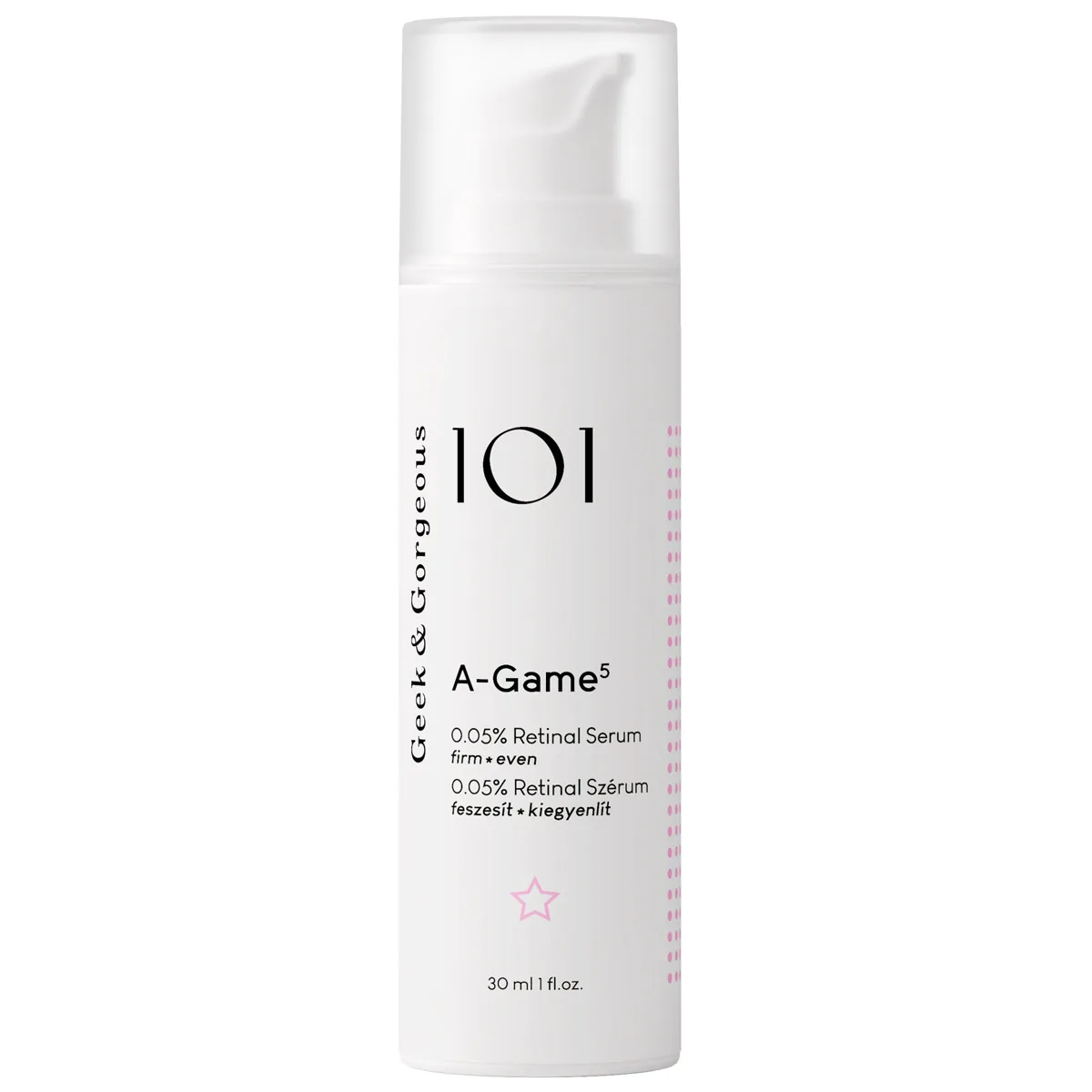 Beginner-Friendly Retinoid
 A-Game 5 Retinal Serum
The ideal beginner's retinaldehyde serum — a properly dosed 0.05% retinal in a buffered, fragrance-free formula at a price that makes long-term retinoid use actually sustainable. Same thoughtful supporting ingredients as the higher-strength A-Game 10 at half the potency, which is exactly the point. If you've never used a real retinoid, this is one of the best entry points on the market.
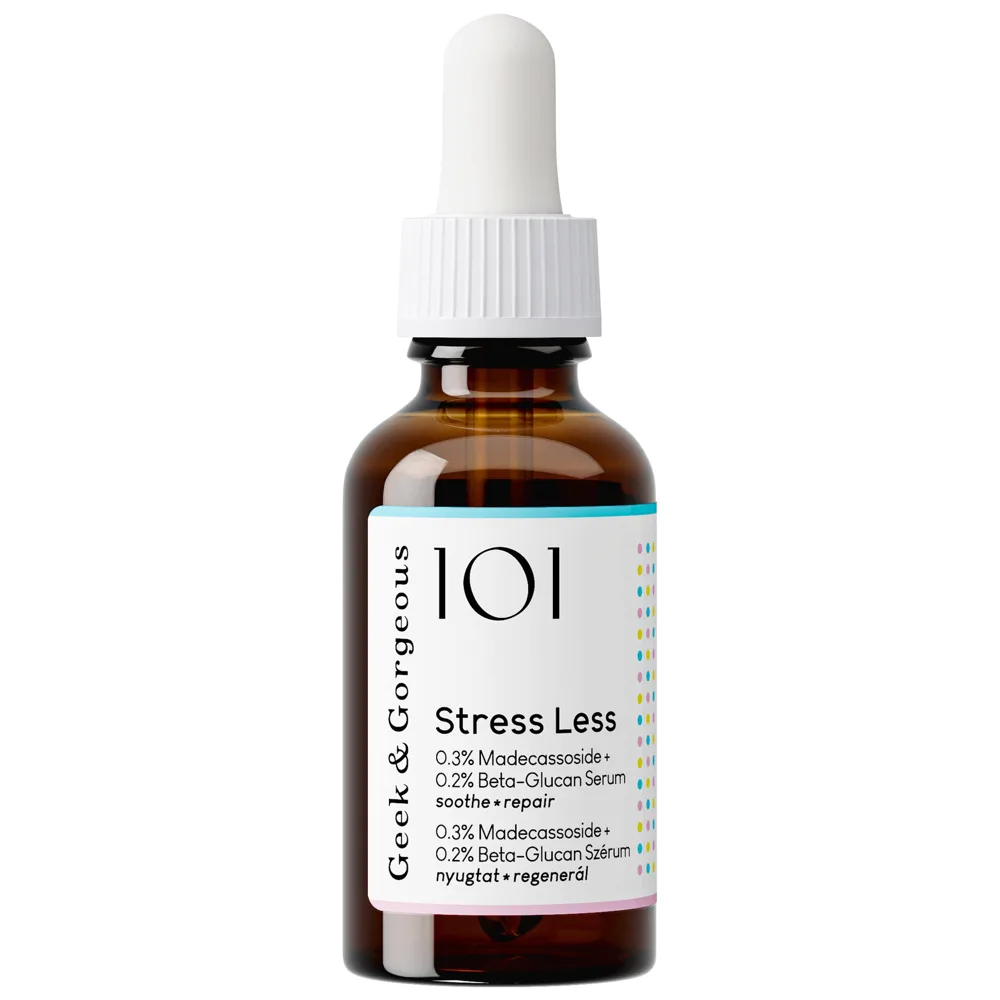 Derm-Grade Retinal at Drugstore Price
 Stress Less 0.3% Retinal Serum
A genuinely derm-grade 0.3% retinaldehyde serum at a price that shouldn't be possible. The ceramide and bisabolol buffering keeps it tolerable for experienced retinoid users, and the results — on texture, tone, and fine lines — rival premium retinals costing four times as much.
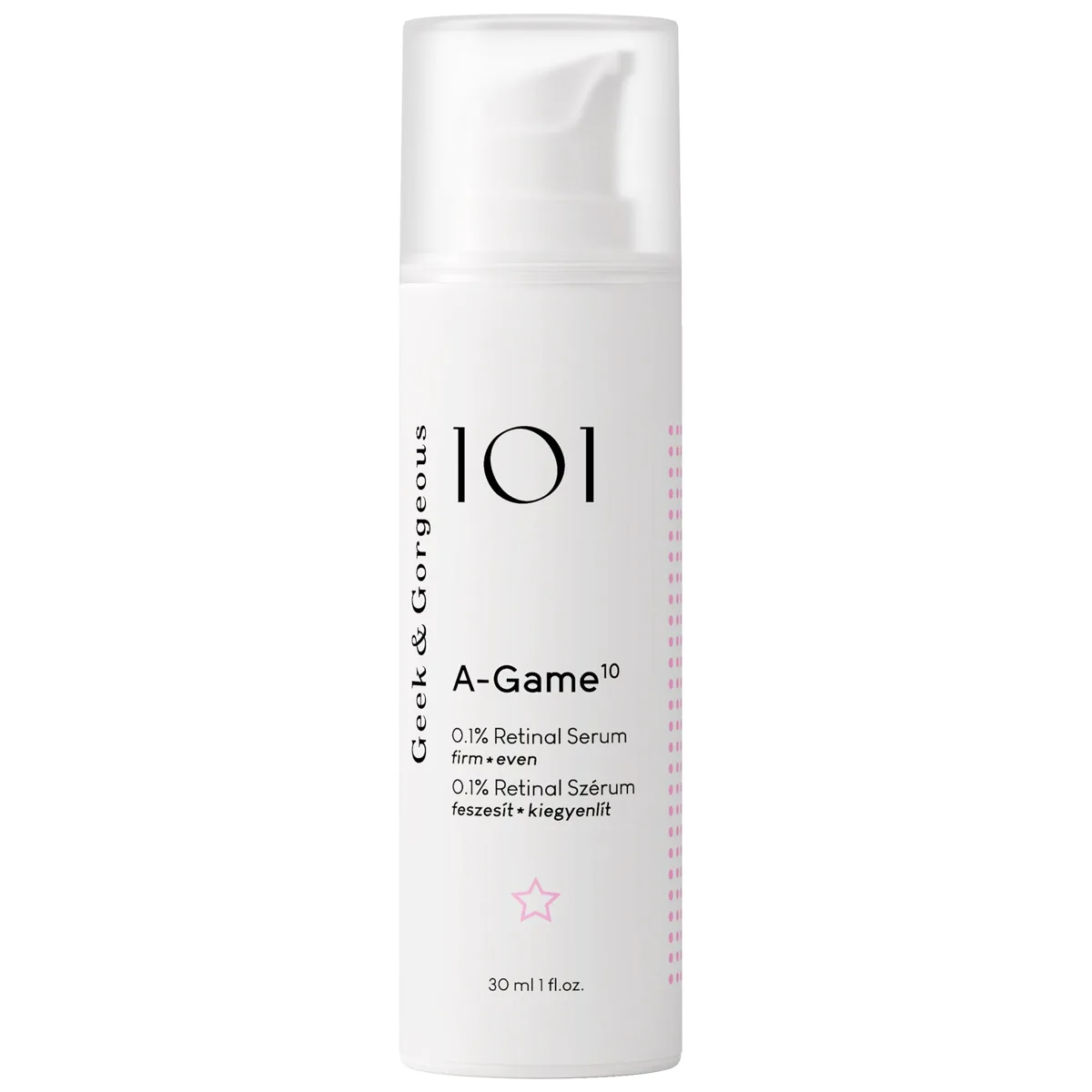 Budget Retinal Holy Grail
 A-Game 10 Retinal Serum
One of the most disruptive products in the retinoid category — a 0.1% retinaldehyde serum at around $16 when equivalent concentrations from derm brands cost $60-120. The formulation is thoughtful, the airless packaging is right, and the price point has no real competitor. Not for retinoid beginners: start with the 5 version and step up to this after a few months.
 Gold Standard OTC Retinoid
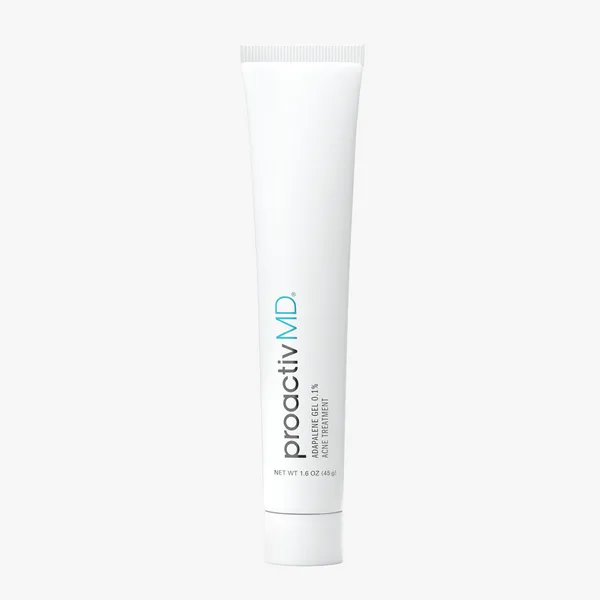
 Adapalene Gel 0.1%
This is adapalene 0.1% — the same FDA-approved retinoid dermatologists have prescribed for over two decades, now available without a prescription in a no-nonsense gel. It's one of the most evidence-backed acne treatments you can buy, and Proactiv's version offers solid value in the larger size with an updated paraben-free formula.
 Buffered Beginner Retinol
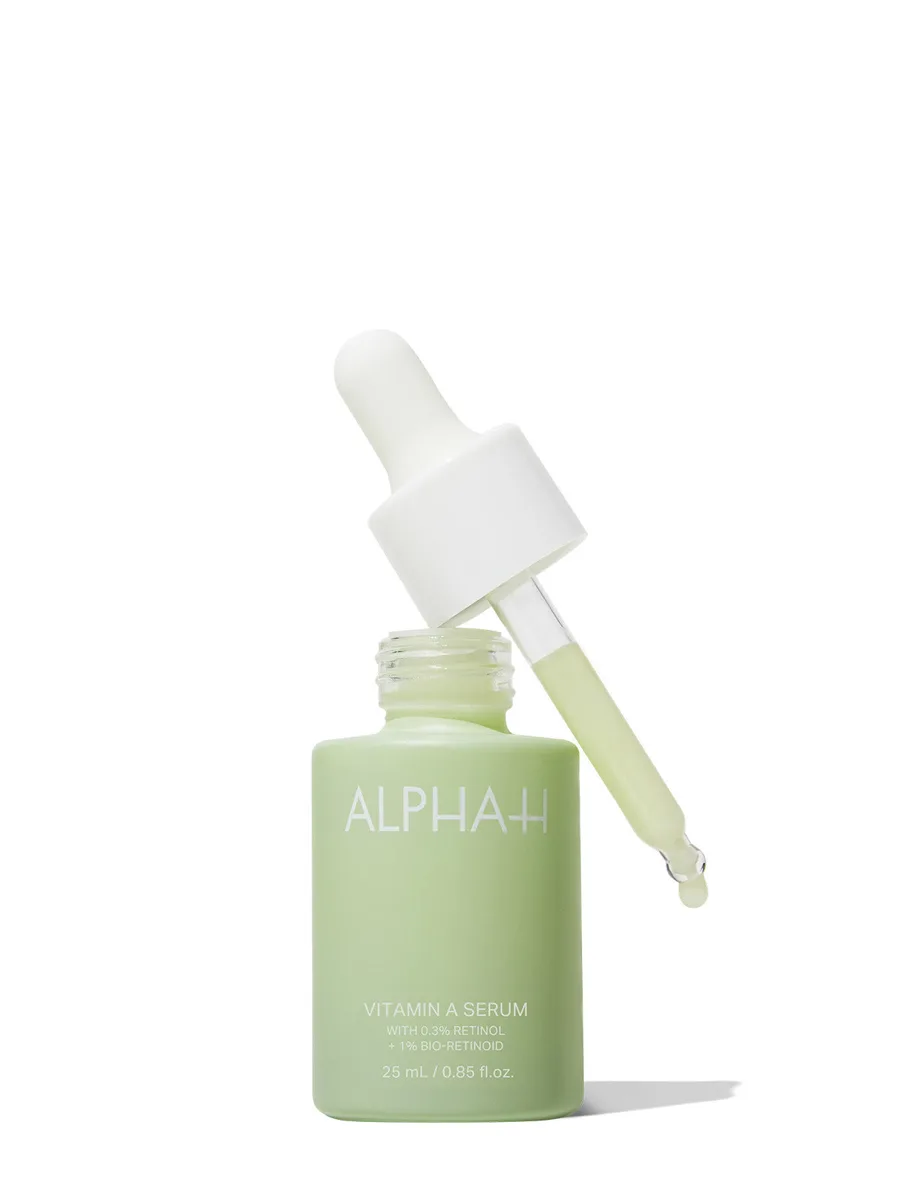
 Vitamin A Serum
Alpha-H built its 0.5% retinol on a squalane and plant-oil base specifically to make a meaningful retinol concentration tolerable for the beginners it knew were already running aggressive AHA routines. The buffering works — this is one of the few 0.5% retinol serums new users can actually stick with through the adjustment period. The price is the only meaningful complaint.
 Best Retinoid Starter
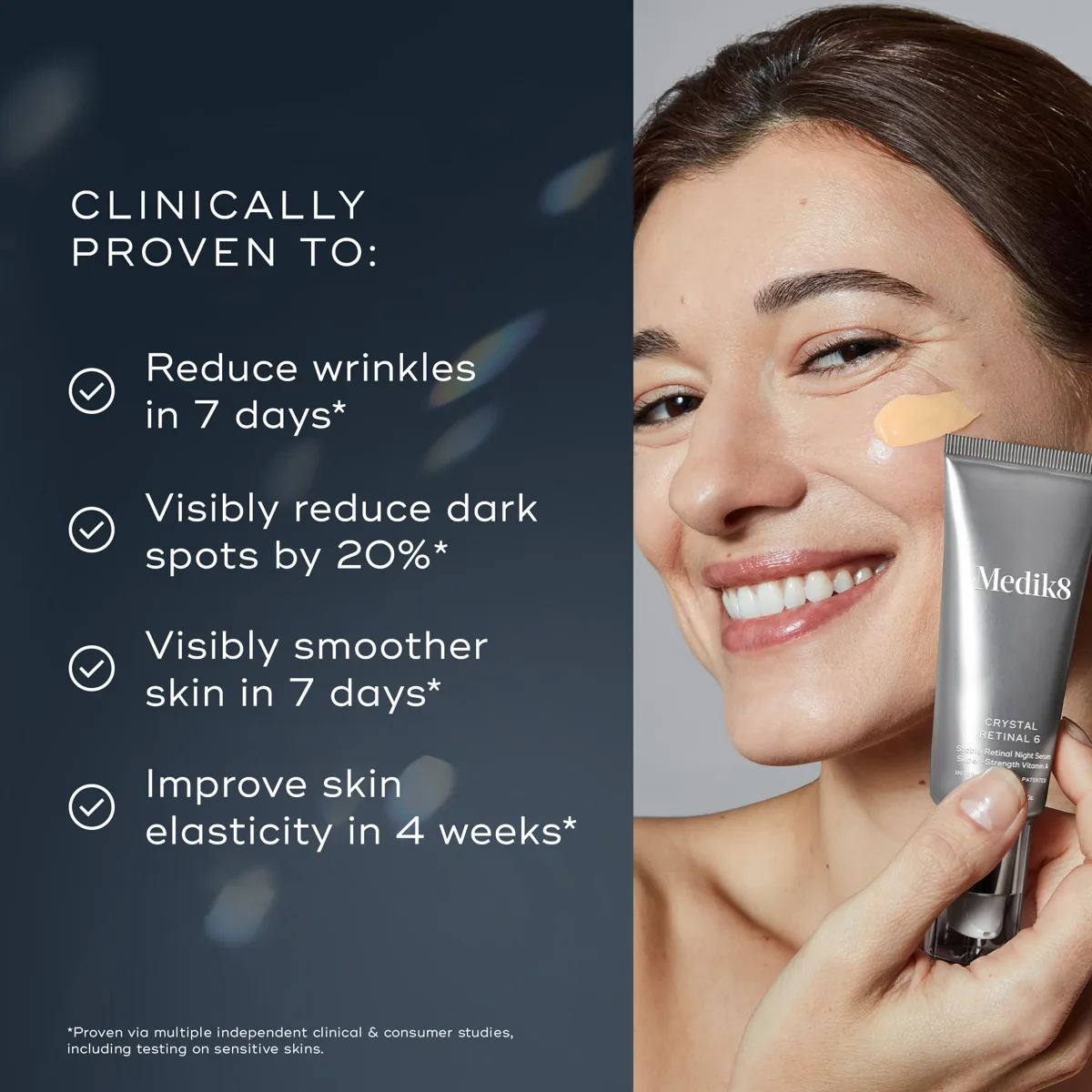
 Crystal Retinal 3
The retinoid designed for people who are afraid of retinoids — and the product that might just convert them. Crystal Retinal 3 proves that the world's most effective OTC vitamin A form can be introduced to sensitive skin without the usual drama, creating a genuinely accessible on-ramp to serious anti-aging skincare.
This review reflects our independent analysis of publicly available ingredient data, manufacturer claims, and verified user reviews. We are reader-supported — Amazon links may earn us a commission at no cost to you. We do not accept paid placements; rankings are based solely on the evidence.