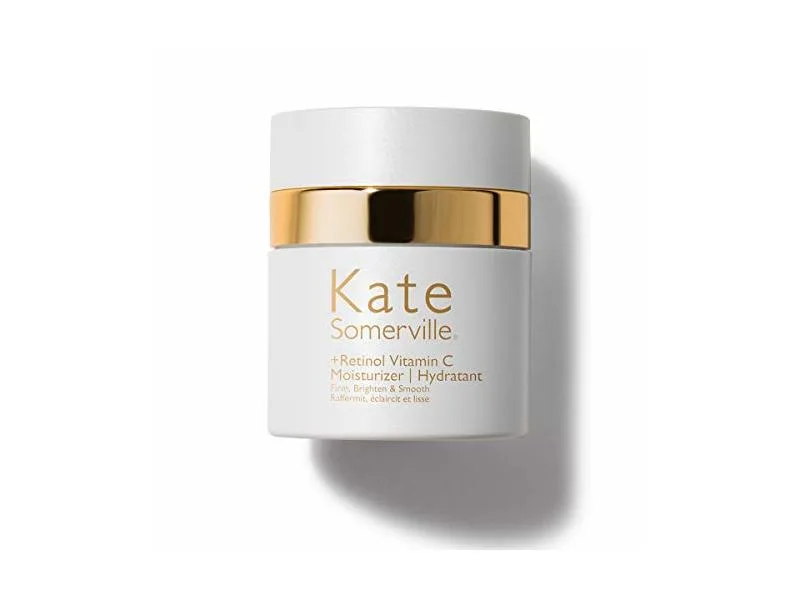
An ambitious night cream that pairs retinol with pure vitamin C for a one-step anti-aging powerhouse. The formula delivers visible brightening and texture improvement, but the $90 price tag, added fragrance, and formulation stability questions prevent it from being a slam dunk. Best for retinol-tolerant users who want multi-active convenience over maximum potency.
+Retinol Vitamin C Moisturizer
An ambitious night cream that pairs retinol with pure vitamin C for a one-step anti-aging powerhouse. The formula delivers visible brightening and texture improvement, but the $90 price tag, added fragrance, and formulation stability questions prevent it from being a slam dunk. Best for retinol-tolerant users who want multi-active convenience over maximum potency.
Score Breakdown
Where this product gains points and where it loses them — broken down across the four scoring pillars.
An ambitious multi-active formula combining retinol and vitamin C with solid supporting ingredients, but the premium price, fragrance load, and inherent stability challenges of pairing these two actives temper the overall score.
Pros & Cons
- ✓Combines two of dermatology's most proven anti-aging actives in one product
- ✓Visible brightening and 'lit from within' glow within the first few weeks
- ✓Rich yet non-greasy texture absorbs cleanly and feels luxurious
- ✓Only a dime-sized amount needed per application — jar lasts 3-4 months
- ✓Adenosine adds an independent collagen-boosting pathway alongside retinol
- ✓Hyaluronic acid and panthenol buffer retinol's drying effects effectively
- ✓Born from real clinical expertise at a professional medispa
- ✗Premium $90 price point places it in luxury territory
- ✗Added fragrance with bergamot oil is unnecessary in a sensitizing retinol product
- ✗Jar packaging exposes oxidation-prone retinol and vitamin C to air
- ✗Stability of ascorbic acid in a cream format is inherently limited
- ✗Not suitable for sensitive skin or retinol beginners without careful introduction
- ✗Six-month PAO means you need to commit to consistent use once opened
Full Review
When Kate Somerville opened her medispa on Melrose Place in 2004, her celebrity clients had a consistent request: give me everything in one step. They wanted the wrinkle-fighting power of retinol and the brightening punch of vitamin C, and they wanted it in a single product they could apply before falling into their Egyptian cotton sheets. The +Retinol Vitamin C Moisturizer is the bottled answer to that demand — and it raises an important question: just because you can combine these two powerhouses, should you?
The formulation challenge is real. Retinol works best at a slightly acidic to neutral pH, while pure ascorbic acid (the form of vitamin C used here) needs a pH below 3.5 for optimal penetration. Getting both to remain stable and effective in the same cream is like asking two divas to share a dressing room — possible, but requiring careful choreography. Kate Somerville's team addresses this through the product's emulsion structure and the inclusion of stabilizers like tocopherol and tocopheryl acetate, which help protect both actives from oxidation.
The retinol in this formula is straightforward — pure retinol, not a gentler derivative, positioned to do real work on fine lines, wrinkle depth, and cell turnover. Users who have built up retinol tolerance will find this delivers the results they expect: smoother texture, more even tone, and a gradual firming effect that becomes apparent around the six-to-eight-week mark. New retinol users should absolutely start slow — every third night, working up to nightly application over a month — because this formula does not hold back.
The ascorbic acid component targets brightening and antioxidant protection. In the morning after use, many users report that 'lit from within' quality — a visible luminosity that comes from vitamin C's ability to inhibit melanin production and neutralize free radical damage. The effect is cumulative; dark spots and post-inflammatory hyperpigmentation fade more noticeably over two to three months of consistent use.
Supporting ingredients are thoughtfully chosen. Hyaluronic acid provides the hydration buffer that retinol-treated skin desperately needs — without it, the retinol would likely cause uncomfortable dryness for many users. Panthenol (vitamin B5) adds barrier-strengthening and soothing properties. Adenosine, a K-beauty favorite, stimulates collagen production through a pathway independent of retinol, effectively giving the formula two separate anti-aging mechanisms working in parallel.
The texture is genuinely pleasant — a rich cream that absorbs cleanly without feeling heavy or leaving a greasy film. Only a dime-sized amount is needed for the entire face, which makes the 1.7 oz jar last three to four months despite the ninety-dollar price tag. On a per-use basis, that works out to roughly a dollar per application — not unreasonable for a multi-active treatment, though certainly not cheap.
And then there's the fragrance. Bergamot and orange oils create a noticeable citrus scent that, while pleasant, feels jarringly out of place in a product marketed as clinical-grade. Adding fragrance to a retinol product is a questionable choice — retinol already sensitizes the skin, and fragrance compounds (particularly the linalool and limonene listed on the INCI) add unnecessary irritation potential on top of that. For a product that positions itself as born from a professional clinic, this is a surprising concession to consumer preference over dermatological best practice.
The jar packaging is another compromise. While opaque to protect the light-sensitive actives, it still exposes the product to air with every use. Given that both retinol and ascorbic acid are notoriously oxidation-prone, an airless pump would have been the more responsible packaging choice. The PAO (period after opening) of six months reflects this instability concern — use it within half a year once opened.
Stability is, frankly, the elephant in the room with any product combining retinol and pure vitamin C. Ascorbic acid in a cream base oxidizes faster than in an anhydrous serum, and the presence of other active ingredients creates additional variables. The formula likely performs best when fresh and stored properly (cool, dark place), with efficacy potentially diminishing over the months. This is a product to use consistently and finish within its PAO window, not to keep as an occasional-use backup.
The brand's Hollywood pedigree is real. Kate Somerville spent years working in cosmetic surgeons' offices before launching her own clinic, and that clinical perspective shows in the ambitious active selection. The volcanic soil — a signature Kate Somerville ingredient — adds a unique textural element and trace mineral content, though its clinical significance is minimal.
For retinol-experienced users with normal to combination skin who want a single-step nighttime treatment addressing both wrinkles and dullness, this moisturizer delivers genuine results. The convenience of combining two hero actives in one product is undeniable. Whether that convenience outweighs the stability advantages of using retinol and vitamin C as separate products — applied at different times or on alternating nights — is the more nuanced question. If simplicity and a streamlined routine matter to you, the Kate Somerville +Retinol Vitamin C Moisturizer is one of the better executions of this difficult formula. If maximum potency and ingredient stability keep you up at night, two separate products will serve you better.
Formula
Key Ingredients
The hero actives that drive this product's performance.
| Ingredient | Function | Evidence |
|---|---|---|
| Retinol | The primary anti-aging active in this formula, stimulating cell turnover and collagen production to reduce fine lines and improve skin texture. Positioned mid-formula alongside ascorbic acid in what Kate Somerville calls a 'power couple' approach — though using both retinol and pure vitamin C in the same product raises stability questions, as both are notoriously difficult to stabilize together. | well-established |
| Ascorbic Acid (Vitamin C) | Pure L-ascorbic acid provides brightening and antioxidant benefits alongside the retinol. In this cream base, it targets hyperpigmentation and oxidative stress while supporting collagen synthesis. The combination with retinol is ambitious — both are pH-sensitive and oxidation-prone, and maintaining stability of both actives in a single emulsion is a significant formulation challenge. | well-established |
| Hyaluronic Acid | Provides hydration support to counteract the drying effects of retinol. In this multi-active formula, HA's moisture-binding capacity helps maintain skin comfort during the retinol adjustment period — an important buffering ingredient that makes the retinol more tolerable for daily use. | well-established |
| Adenosine | An anti-aging ingredient approved by KFDA that stimulates collagen production and reduces wrinkle depth. In this formula, it provides an additional anti-aging pathway that complements the retinol's cell-turnover mechanism — addressing wrinkles from both the collagen-synthesis and cell-renewal angles. | promising |
| Panthenol (Vitamin B5) | A soothing humectant that helps mitigate the irritation potential of the retinol-vitamin C combination. Strengthens the skin barrier and promotes healing, which is particularly valuable in a formula designed for nightly use on skin that may be sensitized by the active ingredients. | well-established |
Full INCI List
Aqua/Water/Eau, Neopentyl Glycol Diheptanoate, Caprylic/Capric Triglyceride, Propanediol, Cetearyl Alcohol, Cocoglycerides, Cetyl Esters, Parfum/Fragrance, Stearyl Alcohol, Glyceryl Stearate, Dimethicone, Tridecyl Neopentanoate, PPG-26-Buteth-26, Glycerin, Bis-Stearyl Dimethicone, Retinol, Ascorbic Acid, Tocopheryl Acetate, Panthenol, Physalis Angulata Extract, Volcanic Soil, Tocopherol, Adenosine, Hyaluronic Acid, Ethylhexylglycerin, Amylopectin, PEG-40 Stearate, PEG-40 Hydrogenated Castor Oil, 1,2-Hexanediol, Polyacrylate Crosspolymer-6, Polysorbate 20, Ceteareth-20, Polysilicone-11, Caprylhydroxamic Acid, Arachidyl Alcohol, T-Butyl Alcohol, BHA, Citric Acid, Disodium EDTA, Cetyl Alcohol, BHT, Linalool, Limonene
Product Flags
✗ Fragrance Free✗ Alcohol Free✗ Oil Free✗ Silicone Free✓ Paraben Free✓ Sulfate Free✓ Cruelty Free✗ Vegan✗ Fungal Acne Safe
Potential Irritants
Parfum/FragranceRetinolAscorbic AcidLinaloolLimoneneBHAT-Butyl Alcohol
Common Allergens
LinaloolLimoneneParfum/Fragrance
Compatibility
Skin Match
Best For
Works For
Not Ideal For
Addresses These Conditions
aging hyperpigmentation dullness texture dark spots
Use With Caution
Avoid With
Routine Step
moisturizer
Time of Day
PM
Pregnancy Safe
No ✗
Layering Tips
Apply as your last step at night after serums. Do not layer with additional retinol or exfoliating acids. Always use broad-spectrum sunscreen SPF 30+ the following morning.
Results Timeline
Initial brightening visible within 1-2 weeks. Fine lines and texture improvement typically appear at 4-8 weeks. Full anti-aging benefits, including firmer skin and reduced hyperpigmentation, develop over 3-6 months of consistent nightly use. Expect a 1-2 week adjustment period with possible mild flaking.
Pairs Well With
Gentle hydrating cleanserHyaluronic acid serumSPF 30+ sunscreen (AM)
Conflicts With
AHA/BHA exfoliants (same routine)Benzoyl peroxideAdditional retinol products
Sample AM Routine
- Gentle cleanser
- Vitamin C serum (optional)
- Moisturizer
- Broad-spectrum SPF 30+
Sample PM Routine
- Double cleanse
- Hydrating toner
- Kate Somerville +Retinol Vitamin C Moisturizer
Evidence
Who Should Skip
- Premium $90 price point places it in luxury territory
- Added fragrance with bergamot oil is unnecessary in a sensitizing retinol product
- Jar packaging exposes oxidation-prone retinol and vitamin C to air
- Stability of ascorbic acid in a cream format is inherently limited
Science & Expert Perspective
The Science
The combination of retinol and ascorbic acid in a single formulation is scientifically ambitious. Retinol, a vitamin A derivative, undergoes enzymatic conversion to tretinoin (retinoic acid) in the skin, where it binds to retinoid receptors to accelerate cell turnover, stimulate collagen synthesis, and inhibit MMP (matrix metalloproteinase) activity. A landmark study by Kafi et al. (2007) published in the Archives of Dermatology demonstrated that topical retinol significantly improved fine wrinkles and overall photodamage in a randomized, double-blind, vehicle-controlled trial.
Ascorbic acid (L-ascorbic acid) is the most bioactive form of vitamin C in the skin, serving as a potent antioxidant and essential cofactor in collagen synthesis. Research by Pinnell et al. (2001) in Dermatologic Surgery established that topical vitamin C at pH below 3.5 can achieve 20-fold concentration increases in the skin. The challenge in this formulation is maintaining that low pH environment for vitamin C while keeping retinol stable — retinol degrades rapidly in acidic conditions.
Adenosine, included as a supporting active, has been shown to stimulate fibroblast proliferation and collagen production through activation of adenosine A2A receptors. A study in the Journal of Dermatological Science (2009) demonstrated that topical adenosine significantly reduced wrinkle depth after 4 weeks of use. In this formula, it provides an anti-aging mechanism independent of the retinoid pathway.
The inclusion of tocopherol and tocopheryl acetate serves dual purposes: antioxidant protection for the skin and stabilization of the oxidation-prone actives. Vitamin E has been shown to enhance the photoprotective effects of vitamin C when used in combination, as demonstrated by Lin et al. (2003) in the Journal of Investigative Dermatology.
References
- Improvement of naturally aged skin with vitamin A (retinol) — Archives of Dermatology (2007)
Dermatologist Perspective
Board-certified dermatologists generally view the combination of retinol and vitamin C favorably in principle — both are evidence-backed anti-aging actives that work through complementary mechanisms. However, dermatological opinion is divided on whether combining them in a single product is optimal. Many dermatologists recommend using vitamin C in the morning (for its antioxidant and UV-defense-boosting properties) and retinol at night (to avoid photosensitivity), which separates the ingredients into their ideal contexts. The added fragrance in this formula is viewed as a negative by most dermatologists, who advise against fragrance in products containing sensitizing actives. Patients new to retinol are advised to introduce this product gradually and monitor for excessive irritation.
Guidance
Usage Guide
How to Use
Apply a dime-sized amount to clean, dry skin as the last step in your PM routine. New users should start every third night for week 1, every other night for weeks 2-3, and build to nightly by week 4. Do not combine with other retinol products, AHA/BHA exfoliants, or benzoyl peroxide in the same routine. Always apply broad-spectrum sunscreen SPF 30+ the following morning — retinol significantly increases photosensitivity.
Value Assessment
At $90 for 1.7 oz, this is a premium investment. The per-use cost (~$1/night) is reasonable for a multi-active treatment, and the three-to-four-month lifespan justifies the upfront spend for consistent users. However, purchasing a separate retinol ($30-50) and vitamin C serum ($20-40) would likely provide more stable, more potent versions of both actives at a comparable total cost. The Kate Somerville formula's value proposition rests on convenience — two actives, one step — rather than on superior efficacy compared to using each ingredient independently.
Who Should Buy
Experienced retinol users with normal to combination skin who want to address both wrinkles and dullness in a single nighttime step. Best for those who value routine simplicity and have a proven tolerance for retinol.
Who Should Skip
Retinol beginners, sensitive or rosacea-prone skin, anyone pregnant or breastfeeding, and those with fragrance allergies. Also consider alternatives if you prefer maximum-potency actives — a dedicated vitamin C serum and separate retinol may deliver stronger results.
Ready to try Kate Somerville +Retinol Vitamin C Moisturizer?
Details
Details
Texture
Rich cream with a silky, emollient feel. Not heavy or greasy despite the cream consistency — absorbs well and leaves skin feeling nourished without a residue.
Scent
Noticeable fragrance with bergamot and citrus notes. More prominent than expected for a clinical-positioned product.
Packaging
Opaque jar with a screw-top lid. The opaque material helps protect light-sensitive retinol and vitamin C, though jar packaging still exposes the product to air with each use.
Finish
satinnon-greasy
What to Expect on First Use
Skin feels immediately soft and moisturized. A subtle warming or tingling may occur on first use from the vitamin C. Expect mild flaking or sensitivity during the first 1-2 weeks as skin adjusts to the retinol — this is normal. Start with every other night and build up to nightly use.
How Long It Lasts
3-4 months with nightly face application (dime-sized amount)
Period After Opening
6 months
Best Season
All Year
Background
The Why
Born from Kate Somerville's Hollywood medispa, where celebrity clients demanded professional-grade results without the downtime of clinical procedures. This moisturizer distills the clinic's most-requested combination — retinol for wrinkles, vitamin C for brightness — into a single nightly step. The 'plus' in the product name signals that this goes beyond a basic moisturizer into treatment territory.
About Kate Somerville Established Brand (5–20 years)
Kate Somerville launched in 2004 from a Hollywood medispa clinic, built on the founder's decades of work alongside cosmetic surgeons and dermatologists. Acquired by Unilever in 2015, the brand was later sold to Rare Beauty Brands. Known for clinical-grade formulations that bridge professional treatments and at-home skincare.
Brand founded: 2004 · Product launched: 2019
Myth vs. Reality
Myths & Misconceptions
Myth
You can't use retinol and vitamin C together — they cancel each other out
Reality
Retinol and vitamin C can be used in the same routine, and both remain active. The concern is about formulation stability rather than efficacy — at different optimal pH levels, keeping both stable in one jar is challenging. Kate Somerville's formula uses encapsulation technology to address this, though the long-term stability of the vitamin C is harder to guarantee than in a standalone product.
Myth
Retinol thins the skin over time
Reality
Retinol actually thickens the dermis by stimulating collagen production while increasing cell turnover in the epidermis. The initial sensitivity and peeling create the impression of thinning, but the long-term effect is thicker, more resilient skin.
FAQ
Frequently Asked Questions
Can you really use retinol and vitamin C together in the same product?
Yes, though it's a formulation challenge. This product combines both in a cream base with stabilizers. Both actives remain functional, but the ascorbic acid is more oxidation-prone in this format than in a standalone vitamin C serum. If maximum potency of both actives is your priority, using them in separate products may be more effective.
How do I introduce Kate Somerville +Retinol Vitamin C Moisturizer into my routine?
Start slowly — use every third night for the first week, then every other night for weeks 2-3, and build up to nightly use by week 4. Apply to clean, dry skin as your last PM step. Always follow with sunscreen SPF 30+ in the morning, as retinol increases photosensitivity.
Is Kate Somerville +Retinol Vitamin C Moisturizer good for dark spots?
Yes — both retinol (accelerates cell turnover to shed pigmented cells) and vitamin C (inhibits melanin production) target hyperpigmentation. This dual-active approach addresses dark spots through two complementary mechanisms, though visible fading typically takes 8-12 weeks of consistent use.
Why is this moisturizer so expensive?
At $90 for 1.7 oz, you're paying for the combination of retinol and stabilized vitamin C in a single product, plus the clinical-grade supporting ingredients (adenosine, hyaluronic acid, panthenol). The brand's clinic heritage and premium positioning contribute to the price. However, a dime-sized amount per application means the jar lasts 3-4 months.
Can I use this Kate Somerville moisturizer during pregnancy?
No. This product contains retinol, which is not recommended during pregnancy or breastfeeding. Consult your healthcare provider for pregnancy-safe anti-aging alternatives — vitamin C serums (without retinol) and azelaic acid are commonly suggested substitutes.
Community
Community Voices
Common Praise
"Visible brightening and glow after just a few uses"
"Rich but not heavy texture that doesn't feel greasy"
"Noticeable improvement in fine lines over 6-8 weeks"
"Only a dime-sized amount needed for the whole face"
"Skin looks 'lit from within' the morning after application"
Common Complaints
"Price is steep at $90 for 1.7 oz"
"Fragrance seems unnecessary in a clinical retinol product"
"Can cause irritation when first starting — needs slow introduction"
"Stability of retinol + vitamin C together raises formulation questions"
Notable Endorsements
Kate Somerville's bestselling moisturizerFeatured in multiple 'best retinol' roundups
Appears In
best retinoid for aging best retinoid for hyperpigmentation best retinoid for dark spots best moisturizer for dullness
Related Conditions
aging hyperpigmentation dullness texture dark spots
Related Ingredients
You Might Also Like
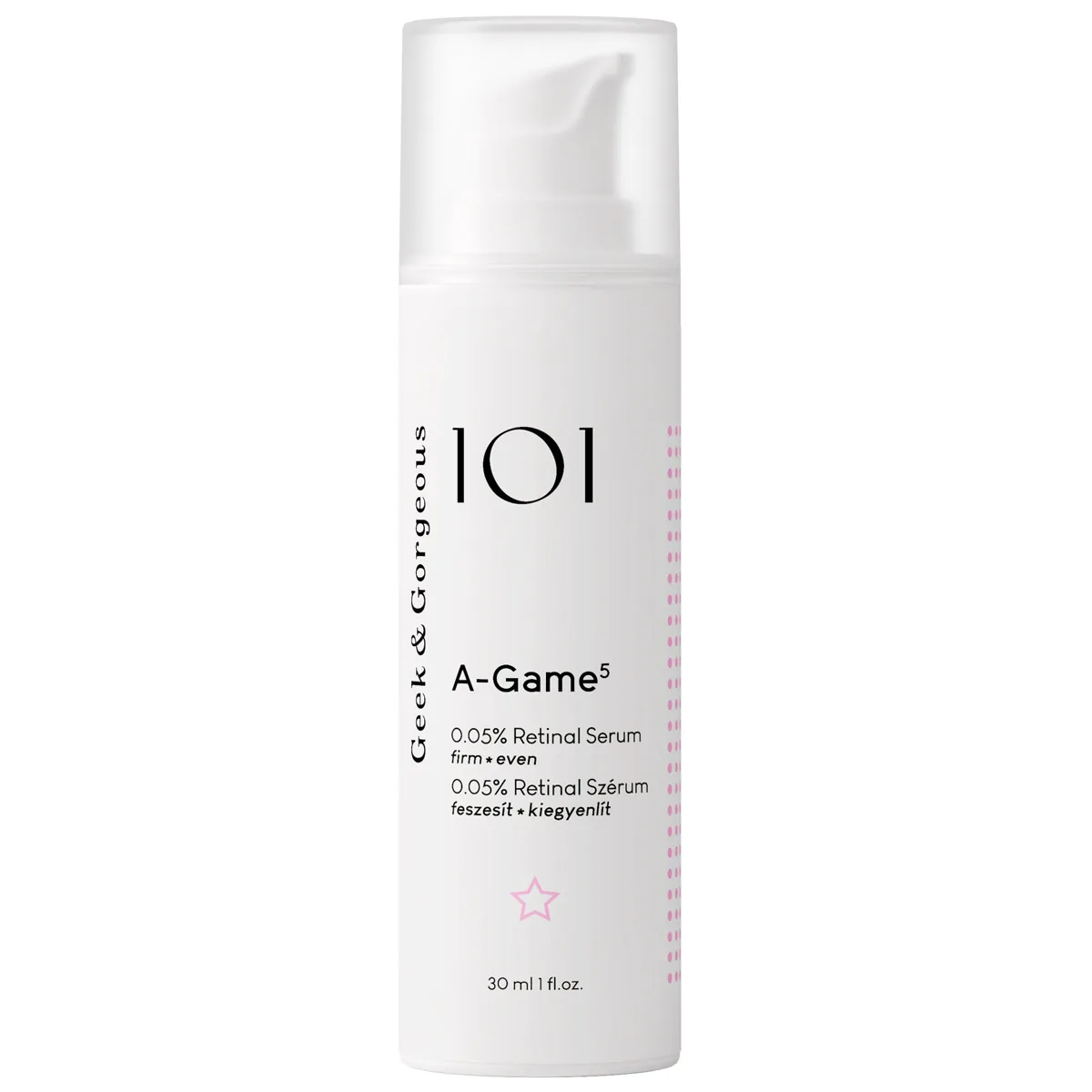 Beginner-Friendly Retinoid
 A-Game 5 Retinal Serum
The ideal beginner's retinaldehyde serum — a properly dosed 0.05% retinal in a buffered, fragrance-free formula at a price that makes long-term retinoid use actually sustainable. Same thoughtful supporting ingredients as the higher-strength A-Game 10 at half the potency, which is exactly the point. If you've never used a real retinoid, this is one of the best entry points on the market.
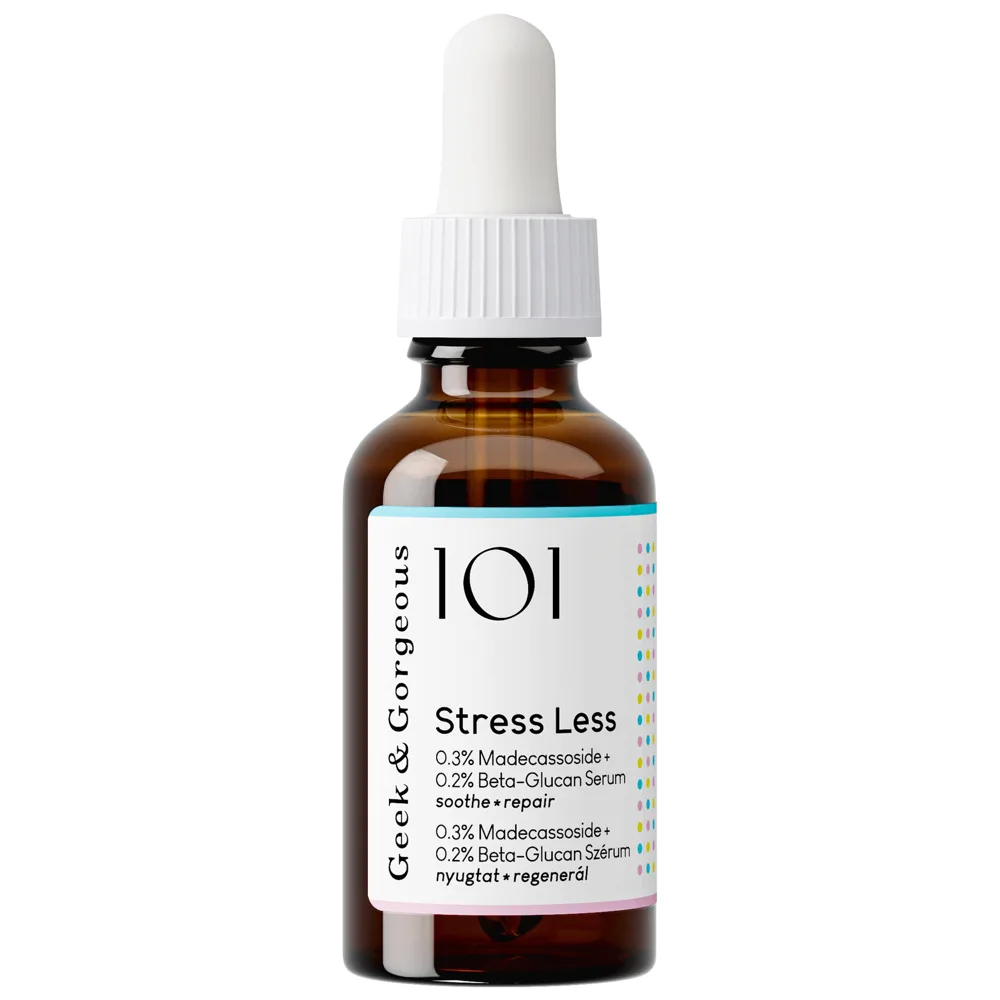 Derm-Grade Retinal at Drugstore Price
 Stress Less 0.3% Retinal Serum
A genuinely derm-grade 0.3% retinaldehyde serum at a price that shouldn't be possible. The ceramide and bisabolol buffering keeps it tolerable for experienced retinoid users, and the results — on texture, tone, and fine lines — rival premium retinals costing four times as much.
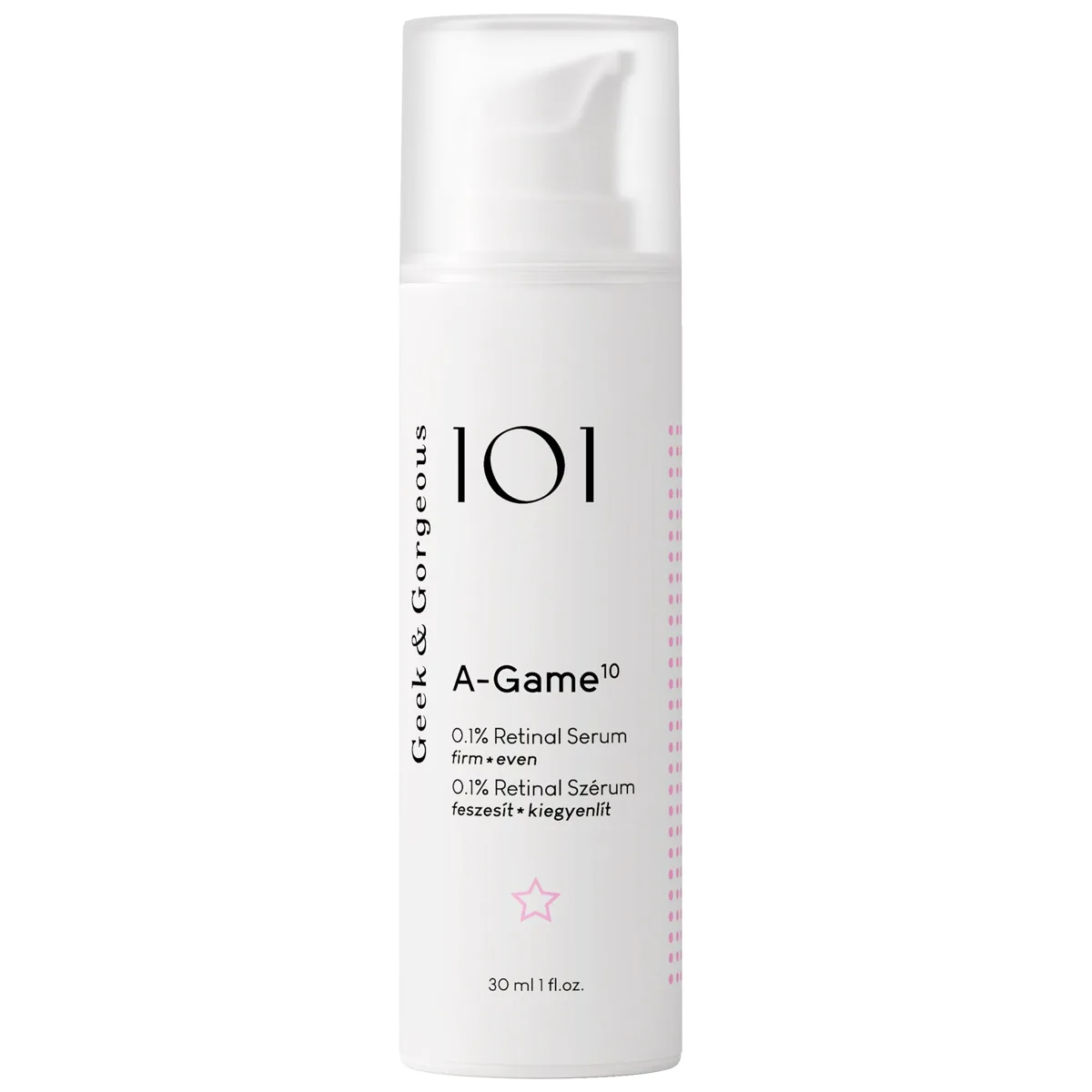 Budget Retinal Holy Grail
 A-Game 10 Retinal Serum
One of the most disruptive products in the retinoid category — a 0.1% retinaldehyde serum at around $16 when equivalent concentrations from derm brands cost $60-120. The formulation is thoughtful, the airless packaging is right, and the price point has no real competitor. Not for retinoid beginners: start with the 5 version and step up to this after a few months.
 Gold Standard OTC Retinoid
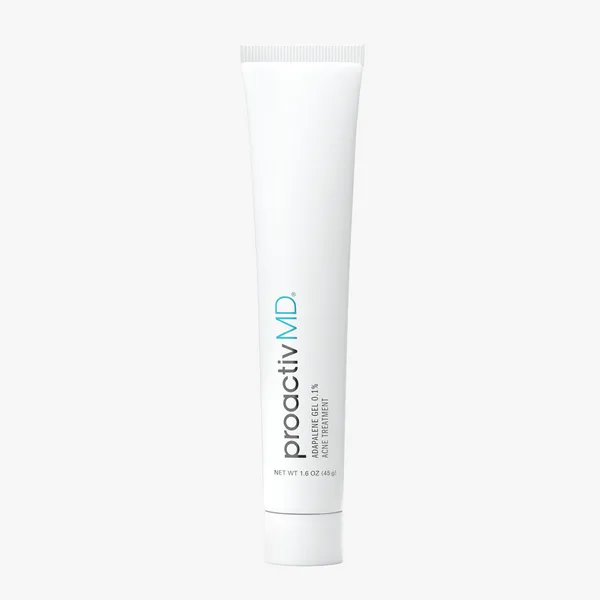
 Adapalene Gel 0.1%
This is adapalene 0.1% — the same FDA-approved retinoid dermatologists have prescribed for over two decades, now available without a prescription in a no-nonsense gel. It's one of the most evidence-backed acne treatments you can buy, and Proactiv's version offers solid value in the larger size with an updated paraben-free formula.
 Buffered Beginner Retinol
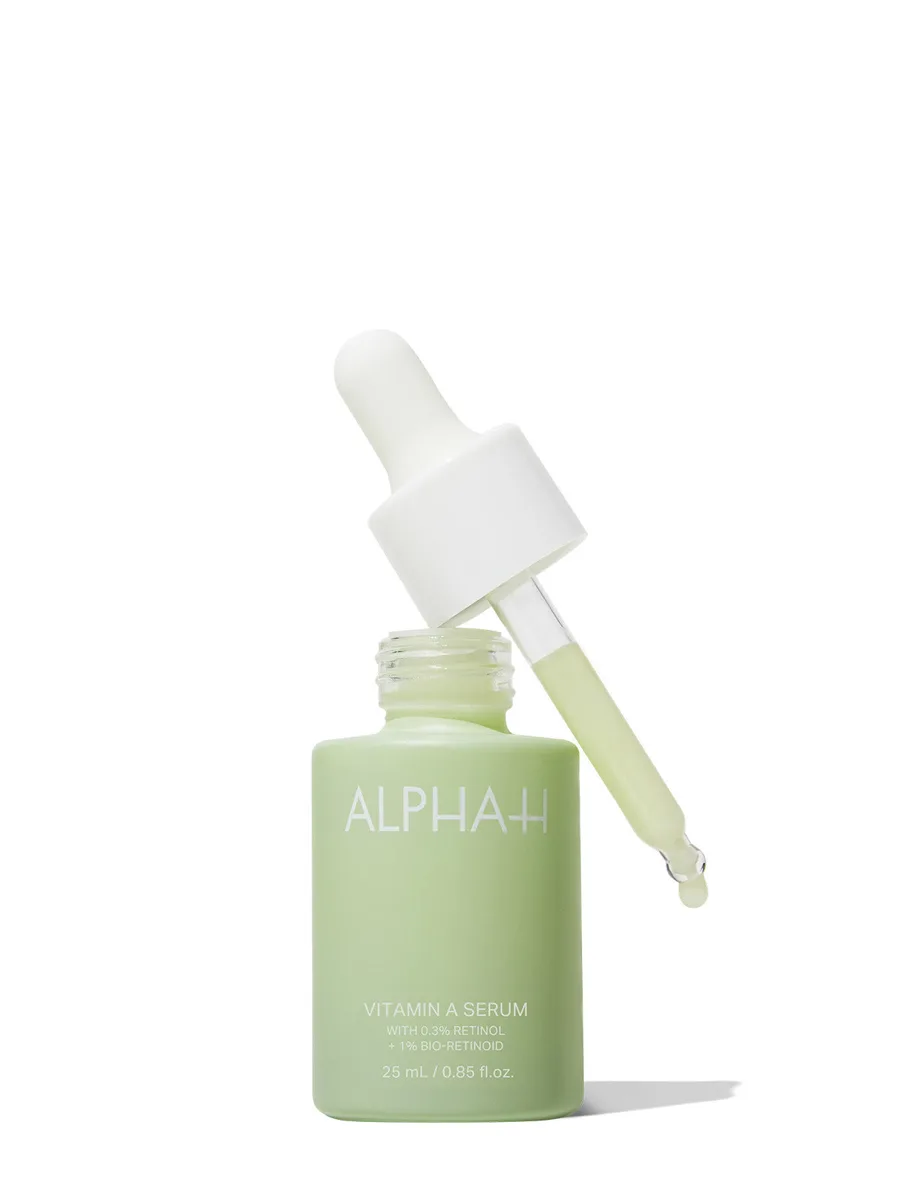
 Vitamin A Serum
Alpha-H built its 0.5% retinol on a squalane and plant-oil base specifically to make a meaningful retinol concentration tolerable for the beginners it knew were already running aggressive AHA routines. The buffering works — this is one of the few 0.5% retinol serums new users can actually stick with through the adjustment period. The price is the only meaningful complaint.
 Best Retinoid Starter
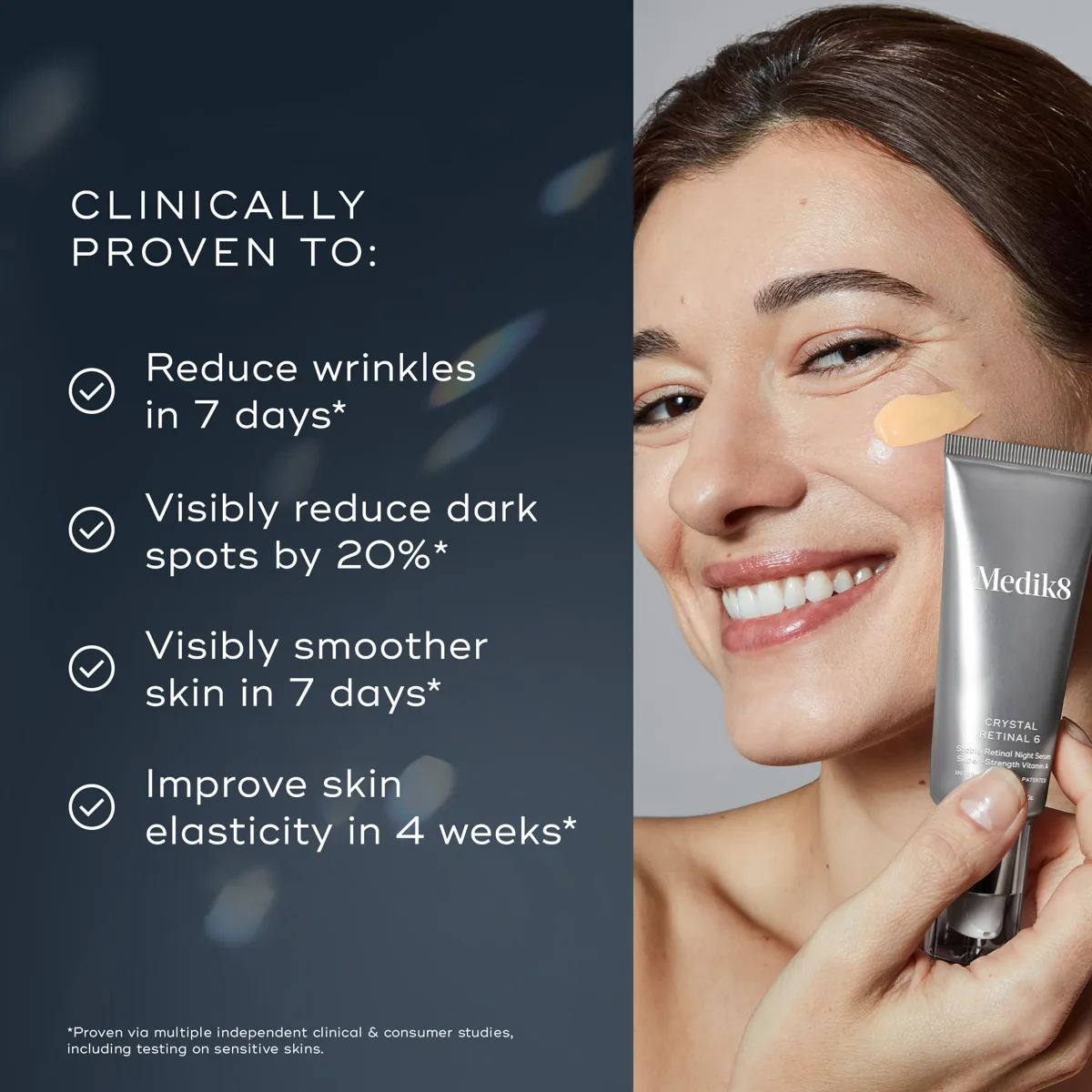
 Crystal Retinal 3
The retinoid designed for people who are afraid of retinoids — and the product that might just convert them. Crystal Retinal 3 proves that the world's most effective OTC vitamin A form can be introduced to sensitive skin without the usual drama, creating a genuinely accessible on-ramp to serious anti-aging skincare.
This review reflects our independent analysis of publicly available ingredient data, manufacturer claims, and verified user reviews. We are reader-supported — Amazon links may earn us a commission at no cost to you. We do not accept paid placements; rankings are based solely on the evidence.