A masterclass in accessible exfoliation. The 5.25% glycolic acid is strong enough to deliver real results — smoother texture, brighter tone, clearer pores — while the extensive botanical soothing complex keeps irritation in check. At $25 for a 200mL bottle that lasts half a year, it makes most competing AHA products look overpriced.
Kale-Lalu-yAHA
A masterclass in accessible exfoliation. The 5.25% glycolic acid is strong enough to deliver real results — smoother texture, brighter tone, clearer pores — while the extensive botanical soothing complex keeps irritation in check. At $25 for a 200mL bottle that lasts half a year, it makes most competing AHA products look overpriced.
Score Breakdown
Where this product gains points and where it loses them — broken down across the four scoring pillars.
A thoughtfully formulated AHA exfoliant that balances effective glycolic acid concentration with extensive soothing and antioxidant support. Outstanding value at $25 for 200mL. Scores are tempered by the inherent irritation potential of any acid exfoliant, which limits suitability for sensitive skin types.
Pros & Cons
- ✓Well-calibrated 5.25% glycolic acid delivers visible results without excessive irritation
- ✓Extensive botanical soothing complex with panthenol, allantoin, and licorice root
- ✓Outstanding value at $25 for 200mL — lasts 4-6 months with regular use
- ✓Dual AHA/BHA exfoliation from glycolic acid plus betaine salicylate
- ✓Fragrance-free, silicone-free, and minimal-ingredient formulation
- ✓Antioxidant-rich kale, spinach, and chlorella extracts support post-exfoliation recovery
- ✓Lightweight, water-like texture absorbs instantly with zero residue
- ✗May cause purging during the first 1-2 weeks for congestion-prone skin
- ✗5.25% concentration may be insufficient for users accustomed to higher-strength AHAs
- ✗Contains polysorbate 80 which is not fungal acne safe
- ✗Watery texture requires careful dispensing to avoid waste
- ✗Increases photosensitivity — strict daily sunscreen use is mandatory
Full Review
The AHA exfoliant market has an aggression problem. Brands compete on percentage like it is a stat line — ten percent, fifteen percent, thirty percent — as though more acid automatically means better skin. It is a framework that rewards escalation and punishes the skin of anyone who takes the numbers at face value without understanding formulation context. Krave Beauty's Kale-Lalu-yAHA launched into this environment with the radical proposition that 5.25% glycolic acid, properly formulated and consistently used, could outperform products at two or three times the concentration.
Seven years later, the proposition has held up.
The formula begins not with water but with aloe vera leaf water — a deliberate choice that turns the vehicle itself into a soothing agent. Water is listed second, followed by butylene glycol (a lightweight humectant) and kale extract before you even reach the glycolic acid. This ordering signals a formulation philosophy: the acid is important, but so is everything around it.
At 5.25%, the glycolic acid sits in what dermatologists consider the sweet spot for at-home use — strong enough to accelerate cell turnover, dissolve the desmosomal bonds holding dead cells together, and stimulate collagen production in the dermis, but gentle enough to use multiple times per week without compromising the skin barrier. The potassium hydroxide partially neutralizes the acid, raising the pH slightly from a raw glycolic acid solution while maintaining the free acid concentration needed for efficacy. It is a balancing act that many brands get wrong, either neutralizing too much (rendering the acid ineffective) or too little (causing unnecessary irritation).
The supporting botanical complex is where the formulation earns its personality. Kale, spinach, parsley, chlorella, and green apple extracts provide a concentrated antioxidant blend — vitamins C, K, E, and beta-carotene among them — that helps neutralize free radicals generated during the exfoliation process. Panthenol and allantoin actively soothe and repair. Dipotassium glycyrrhizate, a licorice root derivative, brings anti-inflammatory and brightening properties. Sodium hyaluronate provides hydration. The result is an exfoliant that resurfaces and then immediately begins repairing.
The inclusion of betaine salicylate adds a subtle but meaningful dimension. This gentler cousin of salicylic acid provides mild BHA action — working inside pores to dissolve sebum and congestion — alongside the glycolic acid's surface-level AHA exfoliation. The combination makes Kale-Lalu-yAHA effective for both textural concerns (AHA territory) and pore congestion (BHA territory) without requiring two separate products.
The texture is thin and watery, essentially identical to a toner. You can dispense it onto a cotton pad and sweep it across the face, or pour a few drops into your palms and pat it in directly. The latter method wastes less product, but the cotton pad approach provides a more even distribution. It absorbs within seconds and leaves absolutely no residue — no stickiness, no film, no shine. Your skin feels like nothing happened, which is exactly how a well-formulated acid should feel.
There is no added fragrance, and the natural scent of the plant extracts is so faint that most people would describe this product as scentless. Given that it is designed to be used on potentially sensitized skin (post-exfoliation), the absence of fragrance is not just a nice-to-have — it is a responsible formulation choice.
Results build steadily. After the first few uses, most people notice their skin feels smoother to the touch — that subtle, almost slippery smoothness that comes from clearing the top layer of dead cells. Within a week or two, the complexion starts to look more even and luminous, as if someone adjusted the brightness setting on your face by about ten percent. Stubborn texture — those tiny bumps and rough patches — smooths out over four to six weeks. Hyperpigmentation takes longer, typically two to three months of consistent use for visible fading.
Some users will experience purging during the first week or two, particularly if they have existing congestion. This is the glycolic acid accelerating the turnover cycle and pushing pre-existing clogs to the surface faster than they would have emerged naturally. It is temporary, it is normal, and it is different from an irritation-related breakout. The distinction matters: purging happens in areas where you typically break out and resolves within two to four weeks. If you develop redness, itching, or breakouts in unusual areas, that is irritation, and you should reduce frequency.
The value proposition is difficult to argue with. Two hundred milliliters for twenty-five dollars — and at two to three applications per week, that bottle lasts four to six months. On a per-use basis, this is one of the most affordable effective AHA products available, competing with drugstore options while delivering a formulation that matches or exceeds products at two to three times the price.
The limitations are honest and predictable. At 5.25%, this will not satisfy users who have built tolerance to high-strength peels and need something more aggressive. It is not the right product for deeply scarred skin or severe hyperpigmentation that requires clinical-grade intervention. And as with any AHA, daily sunscreen becomes non-negotiable — glycolic acid increases photosensitivity, and using this without UV protection is counterproductive.
But for the vast majority of people seeking smoother, brighter, clearer skin — especially those new to chemical exfoliation or recovering from the damage of overly aggressive products — Kale-Lalu-yAHA demonstrates that restraint and quality formulation beat brute-force concentration every time.
Formula
Key Ingredients
The hero actives that drive this product's performance.
| Ingredient | Function | Evidence |
|---|---|---|
| Glycolic Acid (5.25%) (5.25%) | The primary exfoliant at a moderate, well-considered concentration — strong enough to deliver visible resurfacing and unclog pores, but gentler than the 10-30% formulations that can overwhelm inexperienced users. Partially neutralized with potassium hydroxide to buffer the pH while maintaining efficacy, and cushioned by an aloe vera water base rather than plain water. | well-established |
| Betaine Salicylate | A gentler alternative to pure salicylic acid that provides mild BHA exfoliation alongside the glycolic acid's AHA action. The combination creates a dual-exfoliation approach — glycolic acid dissolves dead cells on the surface while betaine salicylate works within pores to address congestion and blackheads. | promising |
| Brassica Oleracea Acephala Leaf (Kale) Extract | The namesake ingredient, listed fourth, provides a concentrated dose of antioxidants including vitamins C, K, and beta-carotene. In this formula, kale extract helps neutralize free radicals generated during the exfoliation process and supports skin recovery from the acid treatment. | emerging |
| Panthenol | Vitamin B5 serves as the primary soothing agent in this exfoliant, helping to calm and repair the skin barrier immediately after the glycolic acid has done its resurfacing work. This counterbalance between exfoliation and repair is what makes the formula tolerable for regular use. | well-established |
| Dipotassium Glycyrrhizate | A licorice root derivative that provides potent anti-inflammatory activity to reduce the redness and irritation that glycolic acid can trigger. Particularly valuable in this formula because it also has mild brightening properties that complement the AHA's skin-evening effects. | well-established |
Full INCI List
Aloe Barbadensis Leaf Water, Water, Butylene Glycol, Brassica Oleracea Acephala Leaf (Kale) Extract, Glycolic Acid, 1,2-Hexanediol, Potassium Hydroxide, Glycerin, Spinacia Oleracea (Spinach) Leaf Extract, Carum Petroselinum (Parsley) Extract, Chlorella Minutissima Extract, Malus Domestica Fruit (Green Apple) Extract, Panthenol, Betaine Salicylate, Sodium Hyaluronate, Allantoin, Pseudozyma Epicola/Camellia Sinensis Seed Oil/Glucose/Yeast Extract Ferment Filtrate, Dipotassium Glycyrrhizate, Bacillus/Folic Acid/Soybean Ferment Extract, Coptis Japonica Root Extract, Malachite Extract, Polysorbate 80, Disodium EDTA
Product Flags
✓ Fragrance Free✓ Alcohol Free✓ Oil Free✓ Silicone Free✓ Paraben Free✓ Sulfate Free✓ Cruelty Free✓ Vegan✗ Fungal Acne Safe
Potential Irritants
Glycolic AcidBetaine Salicylate
Compatibility
Skin Match
Best For
Works For
Not Ideal For
Addresses These Conditions
dullness texture hyperpigmentation acne large pores blackheads
Use With Caution
Avoid With
Routine Step
treatment
Time of Day
PM
Pregnancy Safe
Yes ✓
Layering Tips
Apply to clean, dry skin after cleansing. Wait 1-2 minutes before applying next products to allow the acids to work. Follow with a hydrating serum or moisturizer. Always use sunscreen the following morning. Start with 2-3 times per week and increase frequency as tolerated.
Results Timeline
Smoother skin texture noticeable after 1-2 uses. Visible improvement in dullness and tone evenness within 1-2 weeks. Significant pore refinement and hyperpigmentation fading over 4-8 weeks of consistent use.
Pairs Well With
hydrating serumbarrier repair serumgentle moisturizersunscreen (next morning)
Conflicts With
retinol (same night)other AHA/BHA exfoliantsvitamin C (immediate layering)
Sample AM Routine
- Gentle cleanser
- Vitamin C serum
- Moisturizer
- Sunscreen
Sample PM Routine
- Gentle cleanser
- Krave Beauty Kale-Lalu-yAHA
- Hydrating serum
- Moisturizer
Evidence
Who Should Skip
- May cause purging during the first 1-2 weeks for congestion-prone skin
- 5.25% concentration may be insufficient for users accustomed to higher-strength AHAs
- Contains polysorbate 80 which is not fungal acne safe
- Watery texture requires careful dispensing to avoid waste
Science & Expert Perspective
The Science
Glycolic acid is the most extensively studied AHA in dermatology, with decades of research supporting its efficacy for skin resurfacing. Its small molecular size (76.03 g/mol) allows superior penetration compared to other AHAs, making it effective at lower concentrations than mandelic or lactic acid would require.
A foundational study by Bernstein et al. published in the Journal of the American Academy of Dermatology (2001) demonstrated that glycolic acid at concentrations as low as 5% stimulated collagen production in the dermis when used consistently, challenging the assumption that high concentrations are necessary for anti-aging benefits. The study showed increased collagen I, collagen III, and elastic fiber density in glycolic acid-treated skin.
The buffered delivery system in Kale-Lalu-yAHA — using potassium hydroxide to partially neutralize the glycolic acid — is a well-established formulation strategy. Research by Kornhauser et al. in the Journal of Cosmetic Dermatology (2010) demonstrated that the efficacy of AHAs depends on the concentration of free acid rather than total acid, and that partial neutralization can reduce irritation while maintaining therapeutic benefit.
Betaine salicylate, while less studied than salicylic acid, shares its lipophilic properties that allow it to penetrate sebum within pores. This BHA-adjacent action complements the glycolic acid's surface-level exfoliation, addressing both textural and congestion-related concerns in a single product.
The antioxidant complex (kale, spinach, chlorella) provides free radical scavenging during a process — exfoliation — that generates oxidative stress. Research published in the International Journal of Molecular Sciences has documented the high antioxidant capacity of brassica vegetables, including concentrations of lutein, beta-carotene, and various flavonoids that may help protect freshly exfoliated skin.
References
- Glycolic acid peels versus salicylic-mandelic acid peels in active acne vulgaris and post-acne scarring and hyperpigmentation — Journal of the American Academy of Dermatology (2001)
Dermatologist Perspective
Dermatologists widely recommend glycolic acid as a first-line at-home exfoliant for addressing texture, dullness, and mild hyperpigmentation. Board-certified dermatologists frequently note that the 5-8% concentration range is ideal for regular home use, making this product's 5.25% formulation well-aligned with clinical guidance. The inclusion of soothing agents like panthenol and licorice root derivative is viewed favorably, as dermatologists emphasize that the best exfoliant is one gentle enough to use consistently rather than a stronger product used sporadically. Dermatologists consistently stress that any AHA product must be paired with daily broad-spectrum sunscreen to prevent photodamage.
Guidance
Usage Guide
How to Use
Dispense a small amount onto a cotton pad or directly into clean hands. Apply to clean, dry skin in the evening, avoiding the eye area and any broken or irritated skin. Wait 1-2 minutes before applying subsequent products to allow the acid to work. Follow with a hydrating serum or moisturizer. Start with 2-3 times per week and gradually increase frequency based on skin tolerance. Always apply broad-spectrum SPF 30+ sunscreen the following morning.
Value Assessment
At $25 for 200 mL, Kale-Lalu-yAHA offers some of the best value in the AHA exfoliant category. The bottle lasts 4-6 months with recommended usage frequency, putting the cost at roughly $4-6 per month. The formulation quality — buffered glycolic acid with an extensive soothing and antioxidant complex — matches or exceeds products from clinical brands at two to three times the price. For a brand with eight years of market presence and consistently high formulation standards, this pricing reflects genuine value rather than cut corners.
Who Should Buy
Ideal for anyone seeking smoother texture, brighter tone, and clearer pores without the irritation risk of high-percentage acid products. Excellent entry point for AHA beginners and a smart daily-use option for experienced exfoliation users who value consistency over intensity. Particularly well-suited for budget-conscious consumers who want clinical-quality formulation at an accessible price.
Who Should Skip
Those with very sensitive skin, active rosacea, or a currently compromised skin barrier should avoid acid exfoliants until their skin has recovered. Users who have built tolerance to high-concentration AHAs (10%+) and need stronger resurfacing may find this concentration insufficient. Anyone unwilling to commit to daily sunscreen should not use any AHA product.
Ready to try Krave Beauty Kale-Lalu-yAHA?
Details
Details
Texture
Thin, water-like liquid with a very slight viscosity. Virtually colorless with a faint green tint from the kale extract. Applies like a toner — most users dispense onto a cotton pad or pat directly into skin with fingertips.
Scent
No added fragrance. Very faint herbal-green note from the plant extracts that is barely perceptible and dissipates immediately.
Packaging
Tall glass bottle with a screw cap. The generous 200mL size means it lasts for months. The opening is appropriately sized for controlled pouring, though some users prefer to use it with a cotton pad for more even distribution.
Finish
lightweightfast-absorbinginvisible
What to Expect on First Use
Most users experience no stinging or discomfort at the 5.25% glycolic acid concentration, especially if skin is not freshly shaved or recently treated with other acids. Some may experience mild purging — small breakouts in congestion-prone areas — during the first 1-2 weeks as the acid accelerates cell turnover and brings existing clogs to the surface. This is normal and temporary.
How Long It Lasts
4-6 months with 2-3 times weekly application
Period After Opening
12 months
Best Season
All Year
Certifications
VeganCruelty-Free
Background
The Why
Kale-Lalu-yAHA was one of Krave Beauty's original launches in 2018, embodying founder Liah Yoo's philosophy that effective skincare does not need to be aggressive. The punny name (a play on 'hallelujah') and the use of kale as a key ingredient reflected the brand's approach of making ingredient-conscious skincare feel approachable and even fun rather than clinical and intimidating.
About Krave Beauty Established Brand (5–20 years)
Krave Beauty was founded in 2017 by Liah Yoo, a former L'Oréal marketer turned skincare YouTuber. The brand has built credibility through transparent, well-formulated products and has been endorsed by multiple dermatologists. Its formulations consistently earn high marks from independent ingredient analysis platforms.
Brand founded: 2017 · Product launched: 2018
Myth vs. Reality
Myths & Misconceptions
Myth
Higher percentage AHA products are always more effective than lower percentage ones.
Reality
Efficacy depends on pH, formulation, and consistency of use — not just percentage. A well-formulated 5.25% glycolic acid used regularly can deliver comparable results to a 10% product used irregularly, with significantly less irritation risk and barrier disruption.
Myth
AHA exfoliants thin the skin over time.
Reality
AHAs remove dead cells from the stratum corneum (the outermost layer), but they actually stimulate collagen production in the dermis — the deeper structural layer. Long-term AHA use at appropriate concentrations thickens the dermis while keeping the surface smooth.
FAQ
Frequently Asked Questions
How often should I use Krave Beauty Kale-Lalu-yAHA?
Start with 2-3 times per week in the evening and increase frequency as your skin builds tolerance. Some experienced acid users can use it nightly, but most skin types do well with every-other-night application. Always follow with hydrating products and sunscreen the next morning.
Can I use Kale-Lalu-yAHA with retinol?
Yes, but not on the same night. Alternate between this exfoliant and retinol on different evenings to avoid over-stressing the skin barrier. If you want to use both, apply Kale-Lalu-yAHA 2-3 nights per week and retinol on the remaining nights.
Is Kale-Lalu-yAHA strong enough for textured skin?
For most users, the 5.25% glycolic acid concentration delivers visible texture improvement within 2-4 weeks of consistent use. If you have stubborn texture that does not respond after 6-8 weeks, you may benefit from a higher-concentration AHA product — but starting here reduces the risk of irritation and barrier damage.
Will Kale-Lalu-yAHA cause purging?
Some users experience mild purging — small breakouts in areas where they typically get congestion — during the first 1-2 weeks. This happens because the glycolic acid accelerates cell turnover and brings existing clogged pores to the surface faster. Purging is temporary and different from an allergic reaction, which would present as widespread redness, itching, or hives.
Is Kale-Lalu-yAHA pregnancy safe?
Yes — glycolic acid at this concentration is generally considered safe during pregnancy by most dermatologists. The formula contains no retinoids or other pregnancy-flagged ingredients. However, pregnancy can increase skin sensitivity, so patch testing first is advisable.
Community
Community Voices
Common Praise
"Noticeably smoother and brighter skin after first few uses"
"Gentle enough for regular use despite being an AHA"
"Exceptional value — 200mL lasts for months"
"No stinging or irritation for most users at this concentration"
Common Complaints
"May cause purging during the first 1-2 weeks of use"
"Watery texture can be messy to apply without cotton pad"
"Not strong enough for users accustomed to higher AHA concentrations"
"Polysorbate 80 makes it unsuitable for fungal acne"
Notable Endorsements
Lab Muffin Beauty Science recommendedMultiple dermatologist reviews
Appears In
best aha exfoliant for beginners best gentle glycolic acid best affordable exfoliant best exfoliant for dull skin best indie exfoliant
Related Conditions
dullness texture hyperpigmentation acne large pores
Related Ingredients
You Might Also Like
 Sensitive Skin AHA Pick
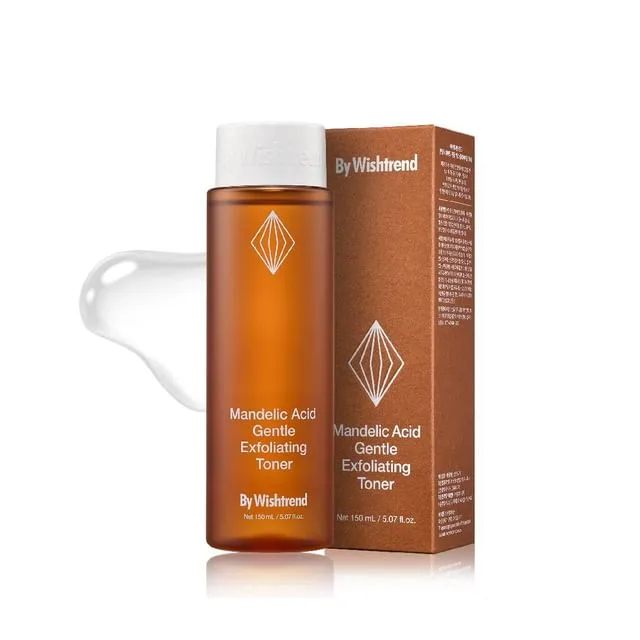
 Mandelic Acid 5% Skin Prep Water
The mandelic acid prep water that quietly converted half of K-beauty Reddit away from glycolic — and for good reason. It delivers visible texture and PIH improvement at 5% without the sting or pigment risk that derails sensitive and darker skin, and it does so for around twenty bucks.
 Gentle Glow Specialist
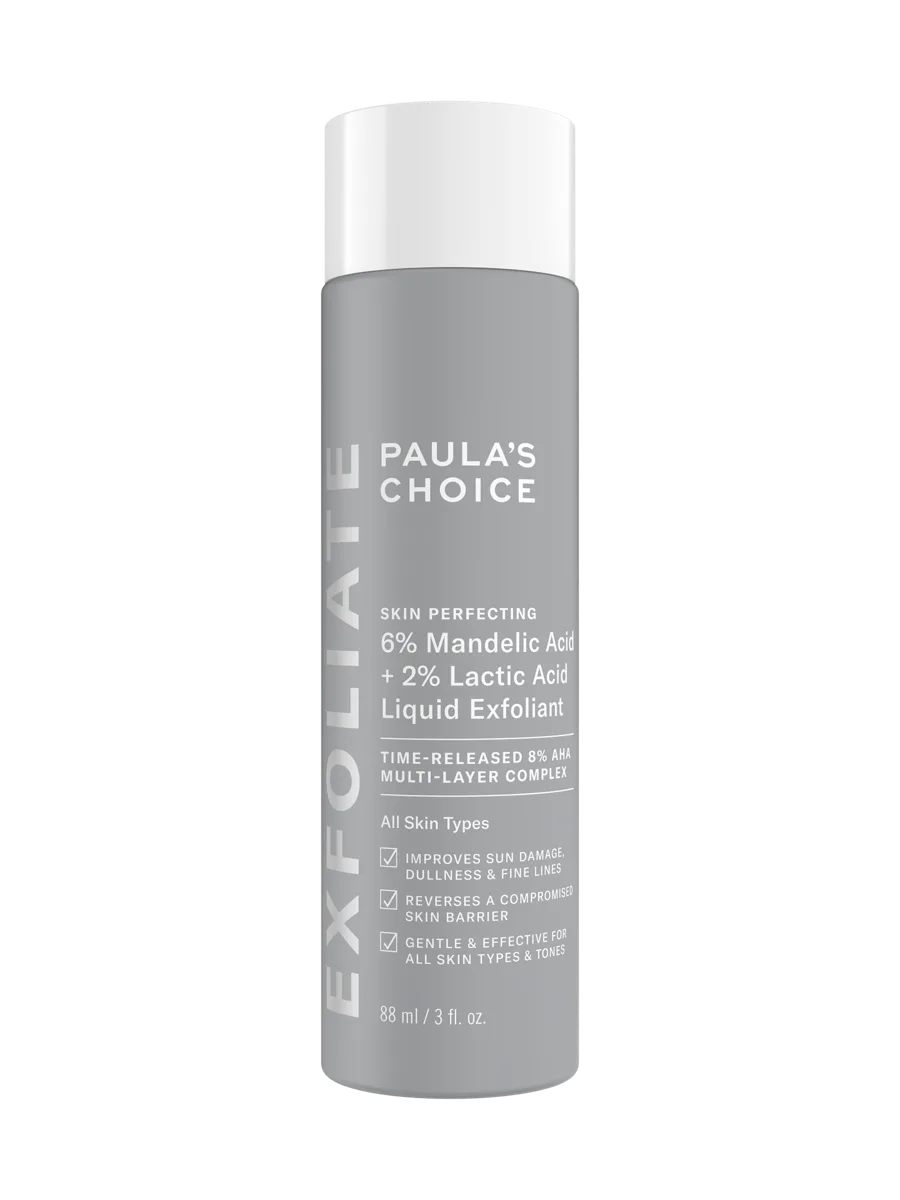
 Skin Perfecting 6% Mandelic Acid + 2% Lactic Acid Liquid Exfoliant
The exfoliant that finally treats sensitive and melanin-rich skin as the design priority rather than an afterthought. With a 4.8-star rating and 660+ reviews, this mandelic-lactic formula proves that gentleness and efficacy aren't mutually exclusive — it just requires smarter acid selection.
 The Original At-Home Peel
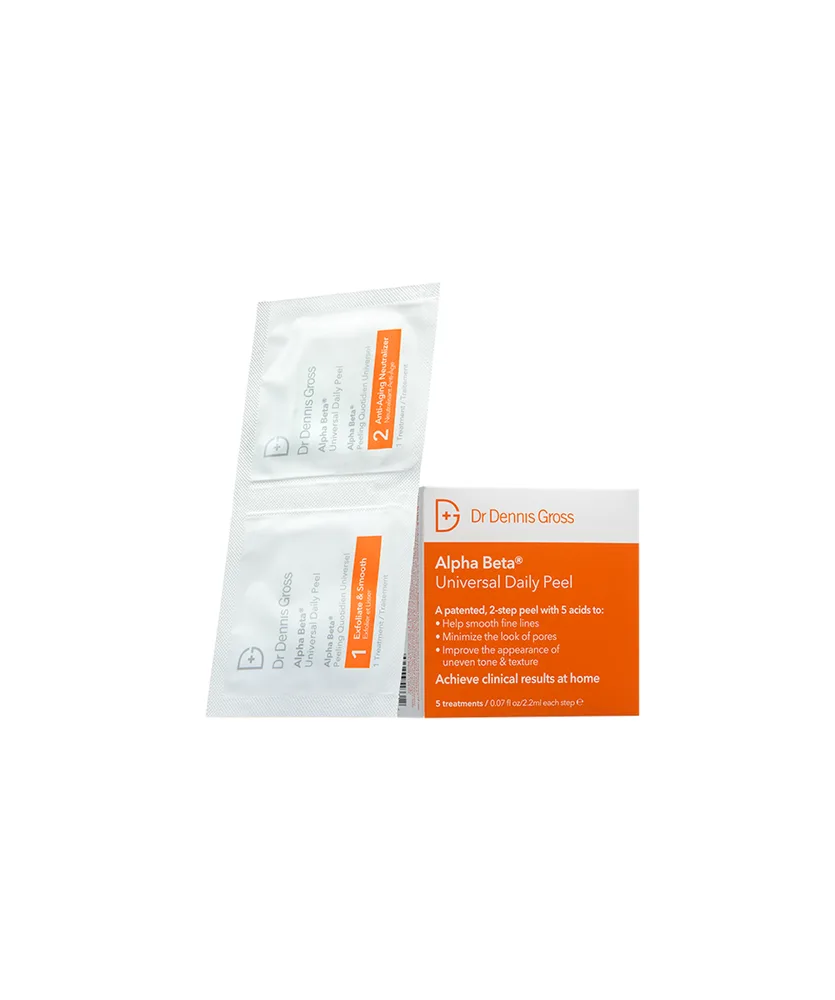
 Alpha Beta Universal Daily Peel
The product that invented the at-home daily peel category in 2002 and still sits at the top of it. The five-acid Step 1 and retinol-antioxidant Step 2 deliver genuine resurfacing and anti-aging in a single five-minute routine. Expensive, but the results and track record justify the reputation.
 Beginner Exfoliant Pick
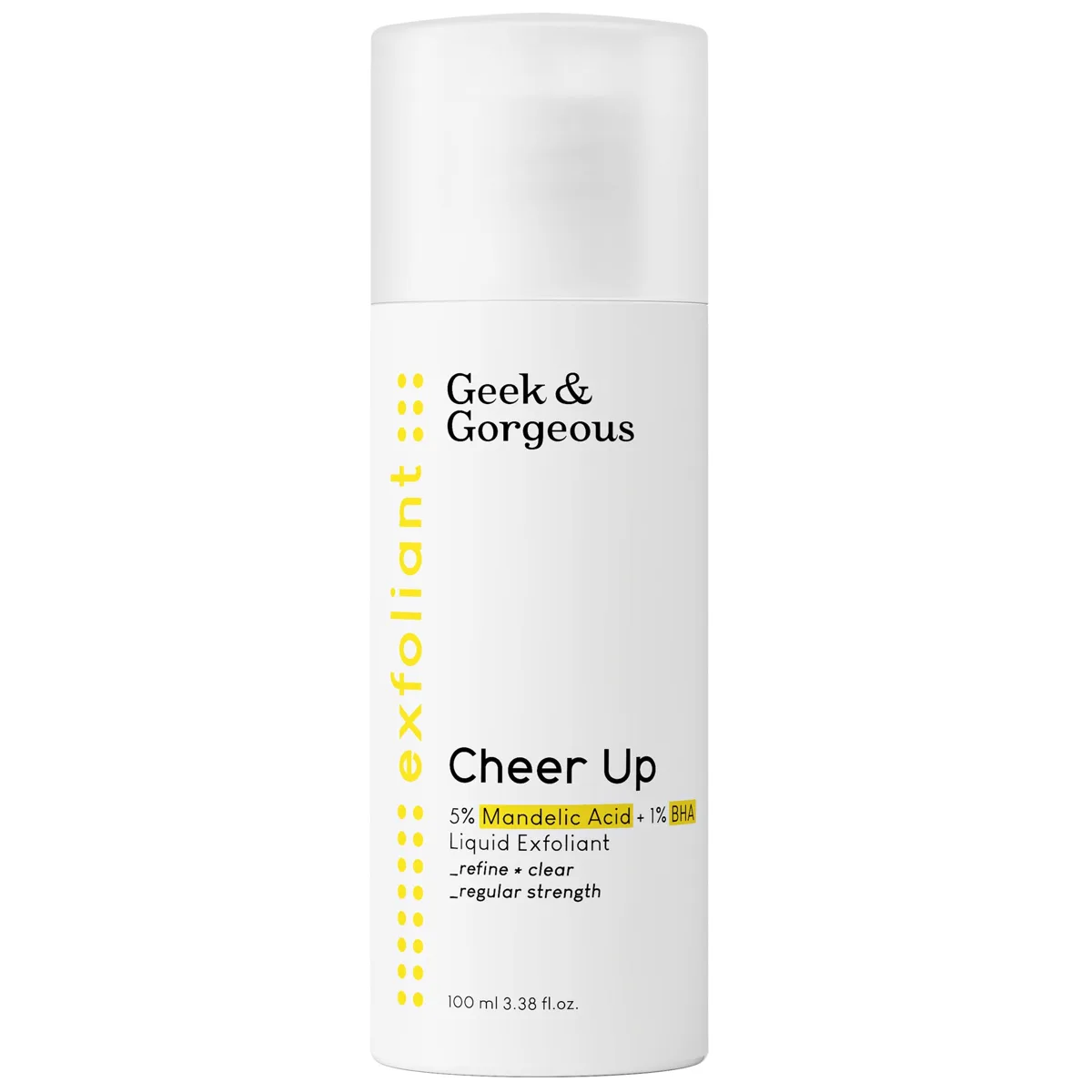
 Cheer Up 5% Mandelic + 1% Salicylic Exfoliant
A thoughtfully formulated beginner AHA/BHA exfoliant that uses mandelic acid — the gentlest mainstream AHA — in combination with low-strength salicylic, plus a sugar-humectant complex for comfort. At 100mL for around $12, the value is excellent, and the formulation choices reflect the kind of cosmetic-chemist thinking that separates this brand from typical indie exfoliants. Ideal for exfoliant newcomers and sensitive skin.
 At-Home Peel Benchmark
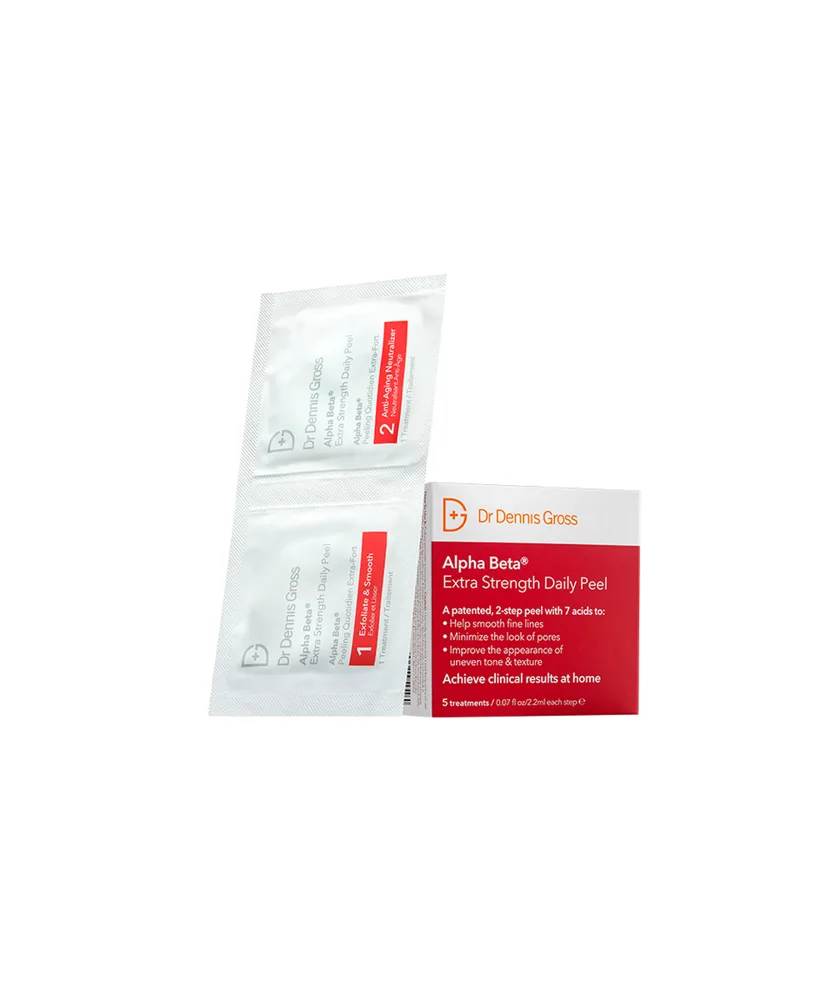
 Alpha Beta Extra Strength Daily Peel
The harder-hitting version of the at-home peel that started the category. Step 1 delivers a serious five-acid blend and Step 2 follows with retinol and antioxidants, making this a combined resurfacing and anti-aging treatment in a single five-minute routine. Expensive but genuinely effective for experienced exfoliant users.
 Pharma-Grade Budget BHA
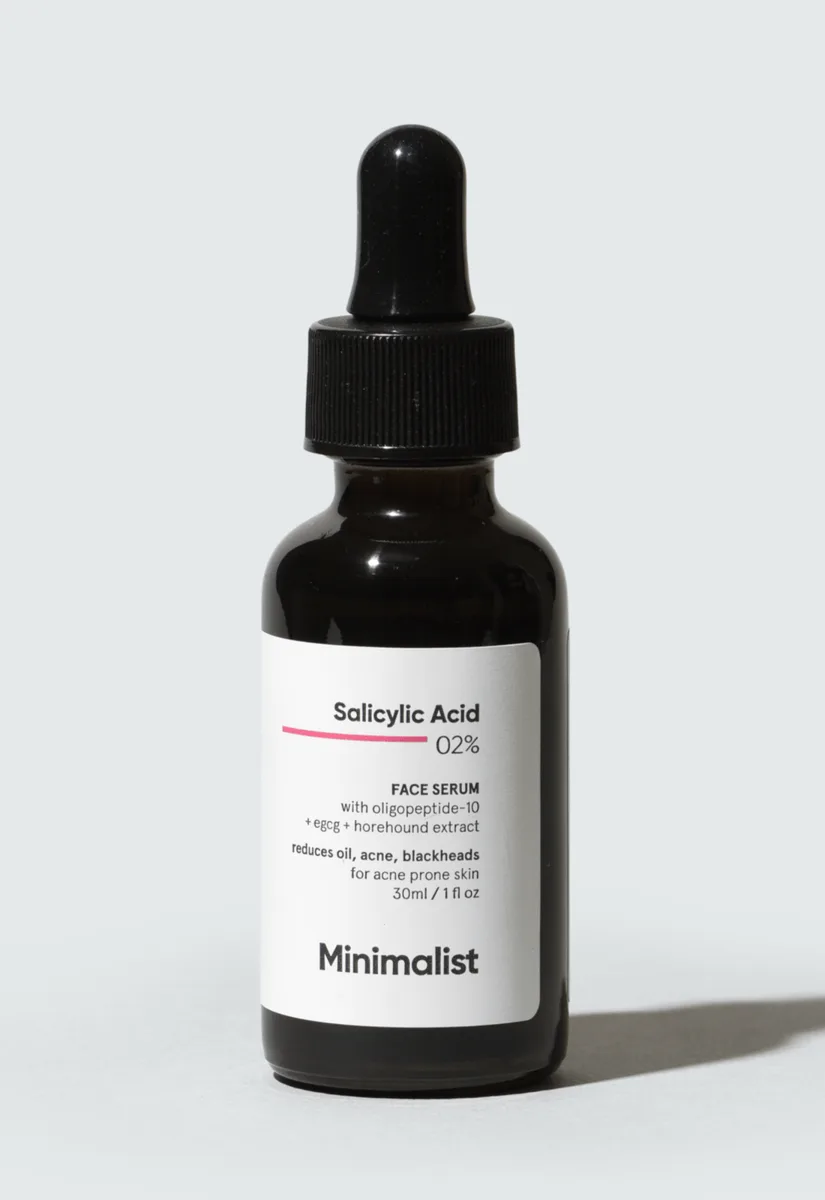
 2% Salicylic Acid Face Serum
A pharma-grade 2% BHA serum at pH 3.75, built around Merck's RonaCare salicylic acid and flanked by Marrubium Vulgare, EGCG glucoside, and Oligopeptide-10 — a supporting cast most budget salicylic serums do not bother with. At ₹599 for 30ml, it is one of the best acne serums on the Indian market and genuinely competitive with the prestige alternatives.
This review reflects our independent analysis of publicly available ingredient data, manufacturer claims, and verified user reviews. We are reader-supported — Amazon links may earn us a commission at no cost to you. We do not accept paid placements; rankings are based solely on the evidence.