A transparently dosed, well-formulated drugstore retinol serum that delivers clinically effective 0.3% pure retinol in a fragrance-free, silicone-free base cushioned by glycerin and soybean oil. L'Oréal's Retinol Guard stabilization technology and honest concentration disclosure set a new standard for mass-market retinol products.
Revitalift Derm Intensives 0.3% Pure Retinol Night Serum
A transparently dosed, well-formulated drugstore retinol serum that delivers clinically effective 0.3% pure retinol in a fragrance-free, silicone-free base cushioned by glycerin and soybean oil. L'Oréal's Retinol Guard stabilization technology and honest concentration disclosure set a new standard for mass-market retinol products.
Score Breakdown
A well-formulated retinol serum with a clinically effective 0.3% concentration, thoughtful hydrating support ingredients, and L'Oréal's stabilization technology. Fragrance-free and silicone-free formulation earns extra points. The alcohol content and inherent retinol irritation potential are the primary limitations.
Data Confidence: high
This score is based on approximately four years of market availability, over 1,000 reviews on the L'Oréal site and thousands more across retailers, extensive clinical data on 0.3% retinol efficacy, and L'Oréal's documented retinol stabilization research.
0/100
Overall Score
Ingredient Quality 0
Value for Money 0
Suitability Breadth 0
Irritation Risk (↑ = safer) 0
Assessment
Pros
- Transparent 0.3% pure retinol concentration — no hiding behind vague claims or proprietary names
- Fragrance-free and silicone-free formula is unusually clean for a drugstore retinol product
- Glycerin and soybean oil buffer creates a more tolerable retinization experience
- L'Oréal's Retinol Guard technology maintains potency throughout the product's lifespan
- Excellent value at approximately $40 versus prestige retinol serums at $80-$150
- Sodium hyaluronate and tocopherol provide essential hydration and antioxidant support during turnover
- Milky emulsion texture feels elegant and absorbs without heavy residue
Cons
- Alcohol Denat. as third ingredient adds drying stress during an already challenging retinization period
- Initial two to three week adjustment period with peeling and sensitivity is unavoidable
- Dropper applicator is not ideal for this emulsion's viscosity — a pump would be better
- Not suitable during pregnancy or breastfeeding
- Six-month shelf life after opening is shorter than many competing products
Full Review
In an industry where most drugstore retinol products hide behind undisclosed concentrations and encapsulated derivatives, L'Oréal did something unusual with the Revitalift Derm Intensives Night Serum: they put the number on the label. Zero-point-three percent pure retinol, stated plainly, with no asterisks or proprietary naming conventions to obscure what you are actually putting on your face. In the retinol market, where consumers routinely pay eighty to one hundred fifty dollars for the same level of transparency from prestige brands, this kind of honesty at forty dollars is noteworthy.
The 0.3% concentration is a deliberate choice that reflects L'Oréal's understanding of where most consumers actually sit on the retinol curve. It is strong enough to deliver genuine anti-aging results — peer-reviewed research consistently shows that 0.3% retinol significantly improves fine lines, skin texture, and hyperpigmentation over eight to twelve weeks. It is also moderate enough that most skin types can tolerate it with proper introduction, sitting comfortably between the barely-there concentrations of many retinol moisturizers and the more aggressive 0.5% and 1% formulas that send half their users into retinol dermatitis.
The formula itself is surprisingly elegant for a mass-market product. Fragrance-free and silicone-free — two qualities that many prestige retinol serums cannot claim — it relies on glycerin (second ingredient), soybean oil, and a blend of lightweight esters to create a milky emulsion that absorbs quickly and leaves skin feeling conditioned rather than coated. The soybean oil is a particularly thoughtful inclusion: rich in linoleic acid, it supports the skin's lipid barrier while helping dissolve the fat-soluble retinol for even distribution. Glycerin at its high concentration provides the humectant buffer that makes the difference between a tolerable retinization period and an unbearable one.
The Retinol Guard technology — L'Oréal's proprietary stabilization system — addresses the fundamental challenge of consumer retinol products: keeping the molecule active from the first drop to the last. Retinol is notoriously unstable, degrading on contact with light, air, and heat. The dark glass packaging provides physical protection, while the formulation chemistry maintains the retinol's structural integrity in the emulsion. Whether Retinol Guard represents a genuine advancement over other stabilization approaches is difficult to verify independently, but L'Oréal's R&D investment in this space is well-documented, and user reviews consistently report sustained efficacy throughout the product's life.
Sodium hyaluronate and tocopherol round out the active support system. The hyaluronic acid pulls moisture into the skin during the night, reducing the dehydration that makes early retinol use so uncomfortable. Tocopherol provides antioxidant protection to skin that is actively turning over, guarding the newly exposed cells from oxidative damage. These are not glamorous ingredients, but they are exactly what a well-formulated retinol serum needs.
The honest limitation is the alcohol. Alcohol Denat. sits third in the ingredient list — a significant concentration in a night serum. It serves a legitimate formulation purpose: helping dissolve the retinol and creating the lightweight, fast-absorbing texture that makes this serum pleasant to use. But during the retinization period, when skin is already compromised and potentially peeling, alcohol adds drying stress that the glycerin and soybean oil must work overtime to compensate for. For those with dry or dehydrated skin, this means extra moisturizer is not optional — it is essential.
The initial adjustment period deserves honest framing. Most users will experience some degree of retinization — mild peeling, increased sensitivity, occasional redness — during the first two to three weeks. This is not a side effect; it is the retinol working, accelerating cell turnover faster than the skin is accustomed to. L'Oréal's recommended introduction protocol (twice weekly, then every other night, then nightly) is sensible and should be followed. By week four, the retinization typically resolves, and the skin begins showing its improved state: smoother texture, more even tone, a radiance that comes from genuinely renewed cells rather than optical tricks.
The dropper packaging works but is not ideal — the milky emulsion can be difficult to extract in precise quantities, and some product inevitably gets trapped at the bottom of the bottle. A pump would have been a better choice for this viscosity, but the dropper does maintain the airtight seal that retinol requires.
At approximately forty dollars for thirty milliliters, this represents strong value in the retinol category. The transparent 0.3% concentration, fragrance-free formula, and thoughtful supporting ingredients compete directly with products at two to three times the price. The alcohol content and inherent retinol adjustment period are the trade-offs, but these are trade-offs that come with the territory of effective retinol use, not with this specific formulation.
For anyone ready to introduce a genuine retinol into their routine — whether as a first retinol experience or as a cost-effective alternative to a prestige product — this serum delivers what it promises with unusual transparency. Follow the introduction protocol, invest in a good moisturizer, and do not skip the morning sunscreen. The wrinkle reduction is real.
Formula
Ingredients
The hero actives that drive this product's performance.
| Ingredient | Function | Evidence |
|---|---|---|
| Retinol (0.3%) | Pure retinol at a mid-strength 0.3% concentration — strong enough for visible anti-aging results but tolerable for most skin types with proper introduction. In this formula, it is stabilized with L'Oréal's Retinol Guard technology and buffered by soybean oil and glycerin to reduce irritation while maintaining efficacy for wrinkle reduction and cell turnover. | well-established |
| Sodium Hyaluronate | Provides essential hydration support to counteract retinol's well-known drying and peeling effects. In this nighttime formula, it helps maintain skin moisture levels while the retinol works on cell turnover, reducing the intensity of the retinization adjustment period. | well-established |
| Glycerin | Listed second in the formula, glycerin serves as the primary humectant buffer against retinol-induced dryness. Its high concentration ensures the skin remains hydrated even as retinol accelerates cell turnover, making the formula more tolerable during the initial weeks of use. | well-established |
| Soybean Oil (Glycine Soja Oil) | A lipid-rich emollient positioned fourth in the formula that provides occlusive moisture and helps dissolve the fat-soluble retinol molecule. Rich in linoleic acid and vitamin E, it supports barrier function while facilitating even distribution of the retinol across the skin. | well-established |
| Tocopherol (Vitamin E) | Serves dual purposes in this formula: stabilizes the retinol molecule against oxidative degradation and provides antioxidant protection to skin undergoing retinol-induced turnover. Skin in active retinization is more vulnerable to oxidative stress, making this inclusion functionally important rather than merely supportive. | well-established |
Full INCI List
Aqua/Water, Glycerin, Alcohol Denat., Glycine Soja Oil/Soybean Oil, Isononyl Isononanoate, Pentylene Glycol, Dicaprylyl Ether, Propylene Glycol, PEG-6 Caprylic/Capric Glycerides, PPG-6-Decyltetradeceth-30, Dicaprylyl Carbonate, Glyceryl Isostearate, Sodium Hyaluronate, Retinol, Ammonium Polyacryloyldimethyl Taurate, Caprylyl Glycol, Citric Acid, Trisodium Ethylenediamine Disuccinate, Xanthan Gum, Butylene Glycol, Tocopherol, Pentaerythrityl Tetra-Di-t-Butyl Hydroxyhydrocinnamate, Phenoxyethanol
Product Flags
✓ Fragrance Free✗ Alcohol Free✗ Oil Free✓ Silicone Free✓ Paraben Free✓ Sulfate Free✗ Cruelty Free✗ Vegan✗ Fungal Acne Safe
Potential Irritants
Alcohol Denat.RetinolPropylene Glycol
Common Allergens
Propylene Glycol
Compatibility
Skin Match
Best For
Works For
Not Ideal For
Addresses These Conditions
aging texture dullness hyperpigmentation large pores
Use With Caution
sensitivity rosacea compromised skin barrier dryness
Routine Step
treatment
Time of Day
PM
Pregnancy Safe
No ✗
Layering Tips
Apply 2-3 drops to clean, dry skin at night after cleansing. Allow to absorb before following with a hydrating moisturizer. During the introduction period, apply a rich moisturizer on top to buffer potential irritation. Always use broad-spectrum SPF 30+ the following morning, as retinol increases photosensitivity.
Results Timeline
Initial retinization effects (mild peeling, dryness, sensitivity) during weeks 1-3. Improved skin texture and radiance visible by weeks 3-4. Noticeable reduction in fine lines and more even skin tone after 8-12 weeks. Continued improvement in deeper wrinkles and firmness over 3-6 months of consistent nightly use.
Pairs Well With
Hyaluronic acid serums applied before this serumRich ceramide moisturizers applied afterSPF 30+ sunscreen every morning
Conflicts With
Vitamin C serums in the same routineAHA/BHA exfoliants on the same nightBenzoyl peroxide
Sample AM Routine
- Gentle cleanser
- Hydrating serum
- Moisturizer
- Sunscreen SPF 30+
Sample PM Routine
- Gentle cleanser
- L'Oréal Paris Revitalift Derm Intensives 0.3% Pure Retinol Night Serum
- Rich moisturizer or night cream
Evidence
Science
The Science
Retinol at 0.3% concentration has substantial clinical evidence supporting its efficacy. A landmark study by Kafi et al. published in the Archives of Dermatology (2007) demonstrated that 0.4% retinol applied topically for 24 weeks significantly improved fine wrinkles and skin roughness in photoaged skin, with histological analysis confirming increased glycosaminoglycan and procollagen I expression. While that study used 0.4%, subsequent research has shown that concentrations as low as 0.25% produce measurable improvements in skin parameters.
The mechanism of retinol involves conversion to retinaldehyde and then to retinoic acid (tretinoin) within the skin via retinol dehydrogenase and retinaldehyde dehydrogenase enzymes. A study published in the Journal of Investigative Dermatology (2006) confirmed that this enzymatic conversion occurs in human skin and produces sufficient retinoic acid to activate retinoid receptors, stimulating collagen synthesis and accelerating epidermal turnover.
The retinization period — the initial peeling, dryness, and sensitivity experienced during the first weeks of use — is a well-characterized physiological response. Research published in the British Journal of Dermatology (2009) showed that retinization typically peaks at two to three weeks and resolves as the skin's enzymatic capacity adapts to the retinol exposure. The glycerin and soybean oil in this formula provide barrier support that may reduce the severity of retinization, consistent with evidence that lipid-rich vehicles improve retinol tolerability.
Tocopherol (vitamin E) plays a protective role in retinol formulations. A 2005 study in Molecular Aspects of Medicine demonstrated that vitamin E protects cell membranes from lipid peroxidation induced by reactive oxygen species — a relevant function during the increased cell turnover driven by retinol, when newly formed cells are more vulnerable to oxidative damage.
References
- Improvement of naturally aged skin with vitamin A (retinol) — Archives of Dermatology (2007)
- Retinol enzymatic conversion in human skin and retinoid receptor activation — Journal of Investigative Dermatology (2006)
Dermatologist Perspective
Dermatologists widely consider retinol at 0.3% to be an effective concentration for addressing photoaging, with published evidence supporting its use for fine lines, texture improvement, and hyperpigmentation. Board-certified dermatologists appreciate the transparent concentration disclosure, which allows precise recommendation to patients. Many dermatologists recommend this as a first retinol for patients who are not ready for prescription tretinoin, noting that the glycerin-rich, fragrance-free formula reduces common compliance barriers. Dermatologists emphasize the importance of gradual introduction and mandatory daily sunscreen use, and note that the alcohol content may require additional moisturizer support for patients with dry or barrier-compromised skin.
Guidance
Usage Guide
How to Use
Week 1: Apply 2-3 drops to clean, dry skin twice per week at night. Week 2: Increase to every other night. Week 3 onward: Use nightly if tolerated. Always follow with a rich moisturizer to buffer retinization effects. Apply broad-spectrum SPF 30+ every morning — retinol increases photosensitivity regardless of when it was last applied. Do not use simultaneously with vitamin C, AHAs, BHAs, or benzoyl peroxide. Keep the bottle tightly sealed and store away from light.
Value Assessment
At approximately $40 for 30 mL, this delivers exceptional value in the retinol category. The transparent 0.3% concentration is the same pure retinol molecule found in prestige serums costing $80-$150, and the fragrance-free, silicone-free formula is arguably cleaner than many of those expensive alternatives. L'Oréal's R&D investment in retinol stabilization technology is real and well-documented. The six-month PAO is shorter than some competitors, but for a product used nightly, the 30 mL bottle typically lasts two to three months — well within the stability window.
Who Should Buy
Anyone seeking a transparent, clinically dosed retinol serum without the prestige markup. Ideal for retinol beginners ready for a real active (not a token amount hidden in a moisturizer), retinol veterans looking for a cost-effective repurchase option, and those who prefer fragrance-free formulations. Best suited for normal, combination, and oily skin types targeting wrinkles, texture, and uneven tone.
Who Should Skip
Pregnant or breastfeeding individuals must avoid this product. Those with very sensitive or rosacea-prone skin may find 0.3% too potent even with gradual introduction. Very dry skin types should weigh the alcohol content carefully and ensure they have a robust moisturizer to pair with this serum. Anyone who cannot commit to daily sunscreen should not use retinol.
Ready to try L'Oréal Paris Revitalift Derm Intensives 0.3% Pure Retinol Night Serum?
Details
Details
Texture
Milky, lightweight emulsion with an oil-based feel that absorbs quickly into the skin. Not a thin watery serum — it has body and slip from the soybean oil base, leaving skin feeling velvety and conditioned rather than coated.
Scent
Fragrance-free with no added essential oils. A very faint, clean scent from the base ingredients that dissipates immediately upon application.
Packaging
Dark glass bottle with a dropper applicator to protect the light-sensitive retinol from UV degradation. The opaque glass is essential for maintaining retinol potency from first drop to last. Compact 30 mL size.
Finish
satinnon-greasyvelvety
What to Expect on First Use
First-time retinol users should expect a mild tingling on application that subsides within minutes. During the first two to three weeks, mild peeling, flaking, and increased sensitivity are normal retinization effects. Start with twice-weekly application and gradually increase to nightly use. By week four, most users report smoother, more luminous skin as the adjustment period ends.
How Long It Lasts
2-3 months with nightly use (2-3 drops per application)
Period After Opening
6 months
Best Season
All Year
Certifications
Dermatologist testedAllergy testedNon-comedogenic
Background
The Why
L'Oréal launched the Revitalift Derm Intensives retinol range in 2022 after years of developing their Retinol Guard stabilization technology. The challenge with consumer retinol products has always been twofold: keeping the molecule stable in a formula and delivering it at a concentration that actually works without overwhelming the skin. By disclosing the exact 0.3% concentration — a practice more common in prestige than drugstore skincare — L'Oréal signaled confidence in both the efficacy and the formulation science behind this product.
About L'Oréal Paris Legacy Brand (20+ years)
L'Oréal Paris was founded in 1909 by chemist Eugène Schueller and is the consumer products division of the world's largest beauty company. L'Oréal's Retinol Guard technology represents decades of investment in stabilizing retinol for consumer formulations.
Brand founded: 1909 · Product launched: 2022
Myth vs. Reality
Myths
Myth
You need a prescription-strength retinoid to see real anti-aging results.
Reality
Multiple peer-reviewed studies have demonstrated that 0.3% over-the-counter retinol produces significant improvements in fine lines, skin texture, and hyperpigmentation. While tretinoin works faster, consistent use of 0.3% retinol achieves comparable long-term results for many users with fewer side effects.
Myth
Retinol thins the skin over time.
Reality
Retinol actually thickens the dermis by stimulating collagen production. The perception of thinning comes from the initial exfoliation of the stratum corneum (outer dead cell layer), which temporarily makes skin feel more delicate. Over months of use, retinol increases dermal thickness and density — the opposite of thinning.
FAQ
FAQ
How do I introduce L'Oréal 0.3% Retinol Serum into my routine?
Start slowly: apply 2-3 drops twice per week for the first week, then every other night in week two, then nightly from week three if tolerated. Always apply to clean, dry skin and follow with a rich moisturizer. Expect mild peeling and sensitivity during the first two to three weeks — this retinization period is normal and typically resolves by week four.
Is 0.3% retinol strong enough to reduce wrinkles?
Yes — 0.3% is a clinically effective concentration. Published research shows that 0.3% retinol significantly improves fine lines, skin texture, and hyperpigmentation over 8-12 weeks of consistent use. L'Oréal's clinical study reported that 100% of participants showed wrinkle reduction. It is a mid-strength concentration suitable for both retinol beginners and experienced users.
Can I use L'Oréal Retinol Serum with vitamin C?
Yes, but at different times of day. Use vitamin C serum in the morning for antioxidant protection and this retinol serum at night. Applying both simultaneously can increase irritation and may reduce the efficacy of each. The morning vitamin C / evening retinol split is the approach most dermatologists recommend.
Why does L'Oréal Retinol Serum contain alcohol?
Alcohol Denat. serves as a solvent that helps dissolve the retinol and enhances its penetration into the skin. It also contributes to the lightweight, fast-absorbing texture. The glycerin and soybean oil in the formula help offset the drying effect, but those with very dry skin may want to apply an extra layer of moisturizer on top.
Is L'Oréal 0.3% Retinol Serum safe during pregnancy?
No — retinol (vitamin A derivatives) is not recommended during pregnancy or breastfeeding due to potential developmental concerns. This applies to all retinol products regardless of brand or concentration. Consult your healthcare provider for pregnancy-safe alternatives.
How does L'Oréal's Retinol Guard technology work?
Retinol Guard is L'Oréal's proprietary stabilization system designed to protect the retinol molecule from degradation by light, air, and heat. The dark glass packaging and formulation chemistry work together to maintain the 0.3% retinol at its stated potency from the first application to the last, addressing the common problem of retinol losing effectiveness over time.
Community
Community
Common Praise
"Visible reduction in fine lines and wrinkles within three to four weeks"
"Silky, lightweight texture absorbs quickly without sticky residue"
"Fragrance-free formula appreciated by those with sensitivities"
"Excellent value compared to luxury retinol serums at two to three times the price"
"Skin looks more radiant and even-toned with consistent nightly use"
Common Complaints
"Initial retinization period causes redness, peeling, and dryness for two to three weeks"
"Alcohol denat. as third ingredient may exacerbate dryness during adjustment"
"Dropper applicator can be difficult to extract the right amount of product"
"Requires strict sunscreen discipline the following morning"
"Some users with sensitive skin find 0.3% too strong even with gradual introduction"
Notable Endorsements
Dermatologist testedAllergy testedL'Oréal clinical study: 100% of women showed wrinkle reduction
Appears In
best retinoid for aging best drugstore retinol serum best retinoid for texture best retinoid for dullness
Related Conditions
aging texture dullness hyperpigmentation
Related Ingredients
You Might Also Like
 Beginner-Friendly Retinoid
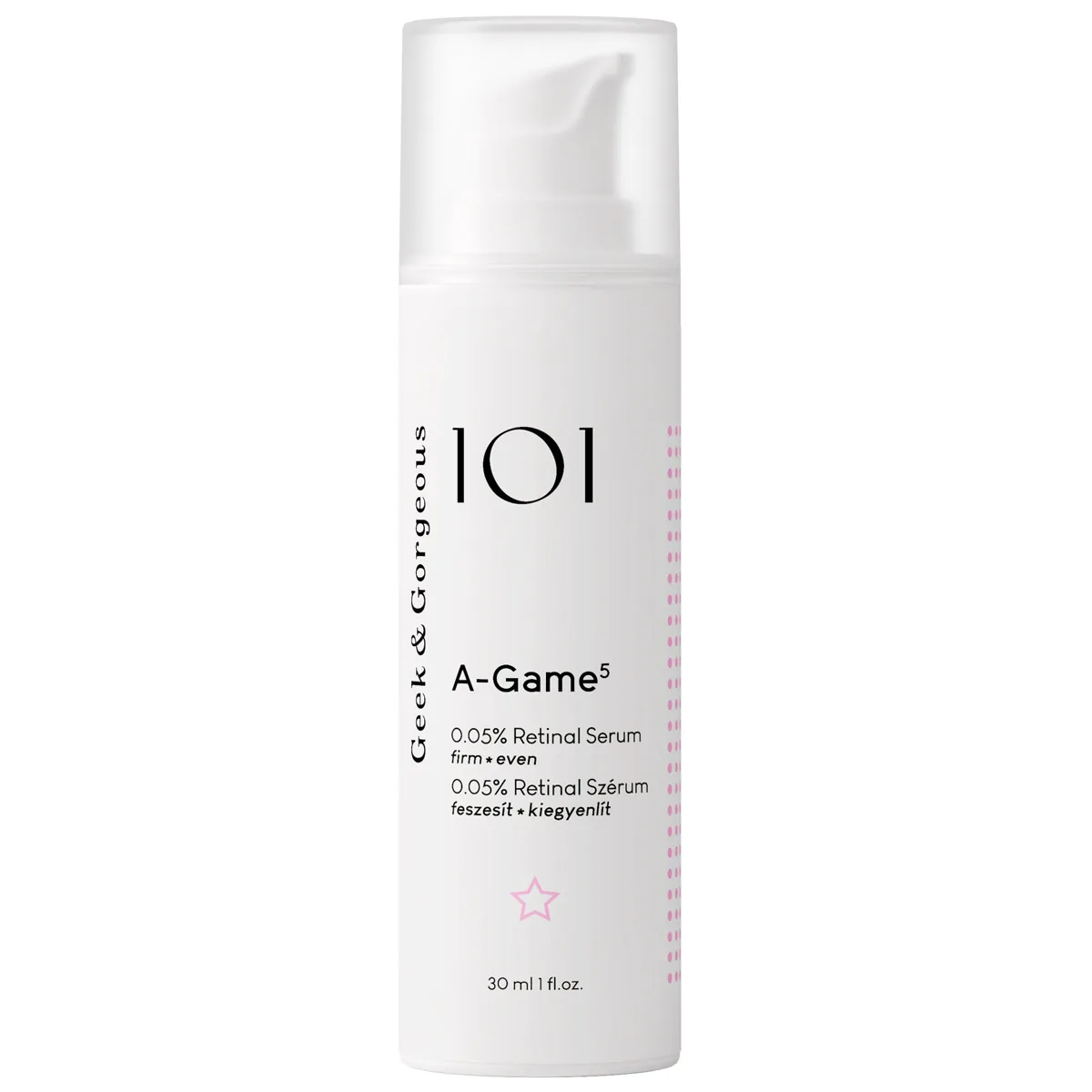
 A-Game 5 Retinal Serum
The ideal beginner's retinaldehyde serum — a properly dosed 0.05% retinal in a buffered, fragrance-free formula at a price that makes long-term retinoid use actually sustainable. Same thoughtful supporting ingredients as the higher-strength A-Game 10 at half the potency, which is exactly the point. If you've never used a real retinoid, this is one of the best entry points on the market.
 The People's HA Serum
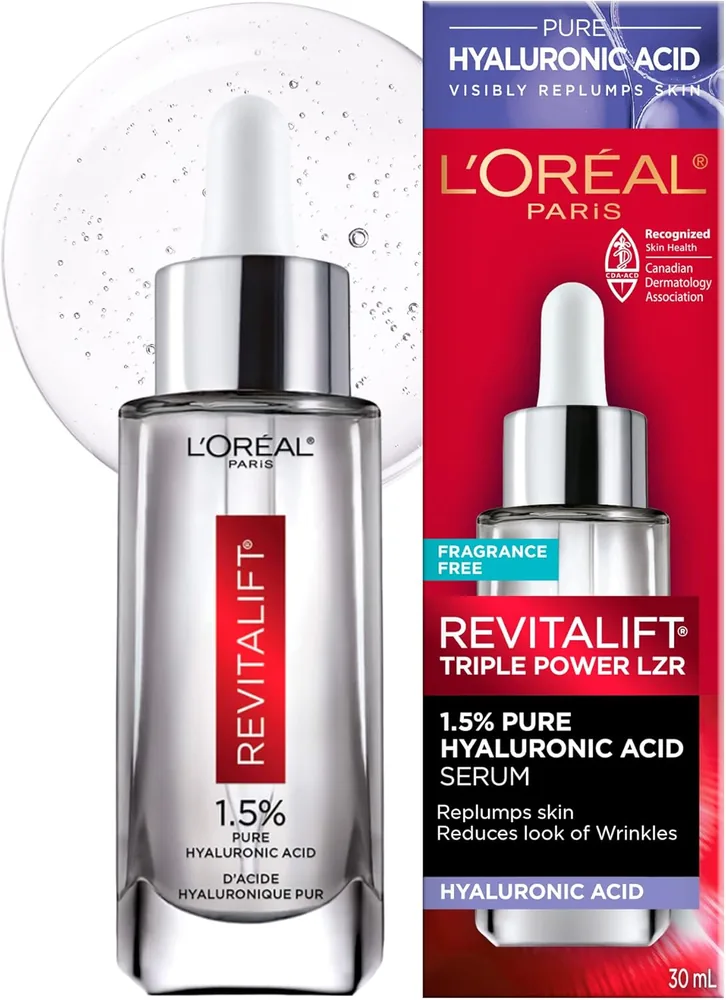
 Revitalift Derm Intensives 1.5% Pure Hyaluronic Acid Serum
A masterclass in minimalist formulation — thirteen ingredients, no filler, four functional actives, and over thirty thousand glowing reviews. L'Oréal's multi-weight HA system delivers genuine hydration at every level of the skin, and the fragrance-free, alcohol-free formula is clean enough for virtually anyone. The drugstore serum that embarrasses its prestige competitors.
 Derm-Grade Retinal at Drugstore Price
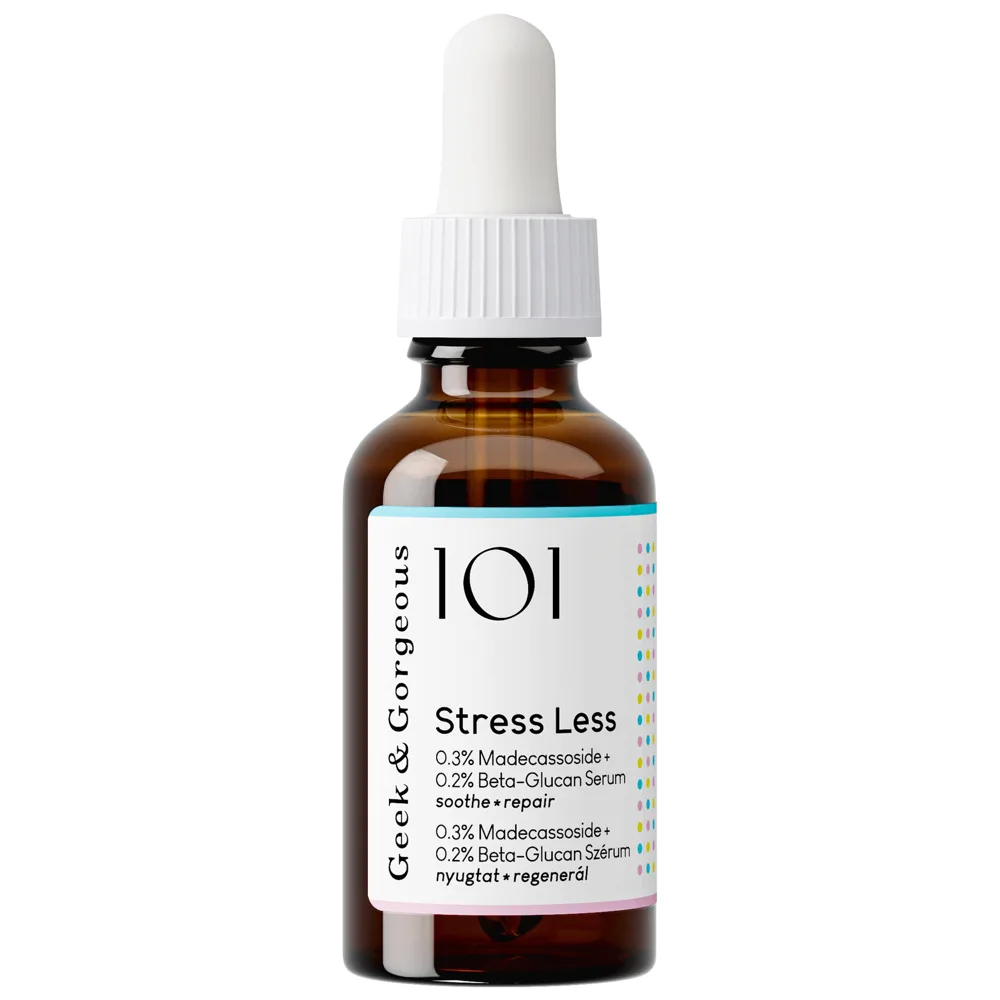
 Stress Less 0.3% Retinal Serum
A genuinely derm-grade 0.3% retinaldehyde serum at a price that shouldn't be possible. The ceramide and bisabolol buffering keeps it tolerable for experienced retinoid users, and the results — on texture, tone, and fine lines — rival premium retinals costing four times as much.
 Budget Retinal Holy Grail
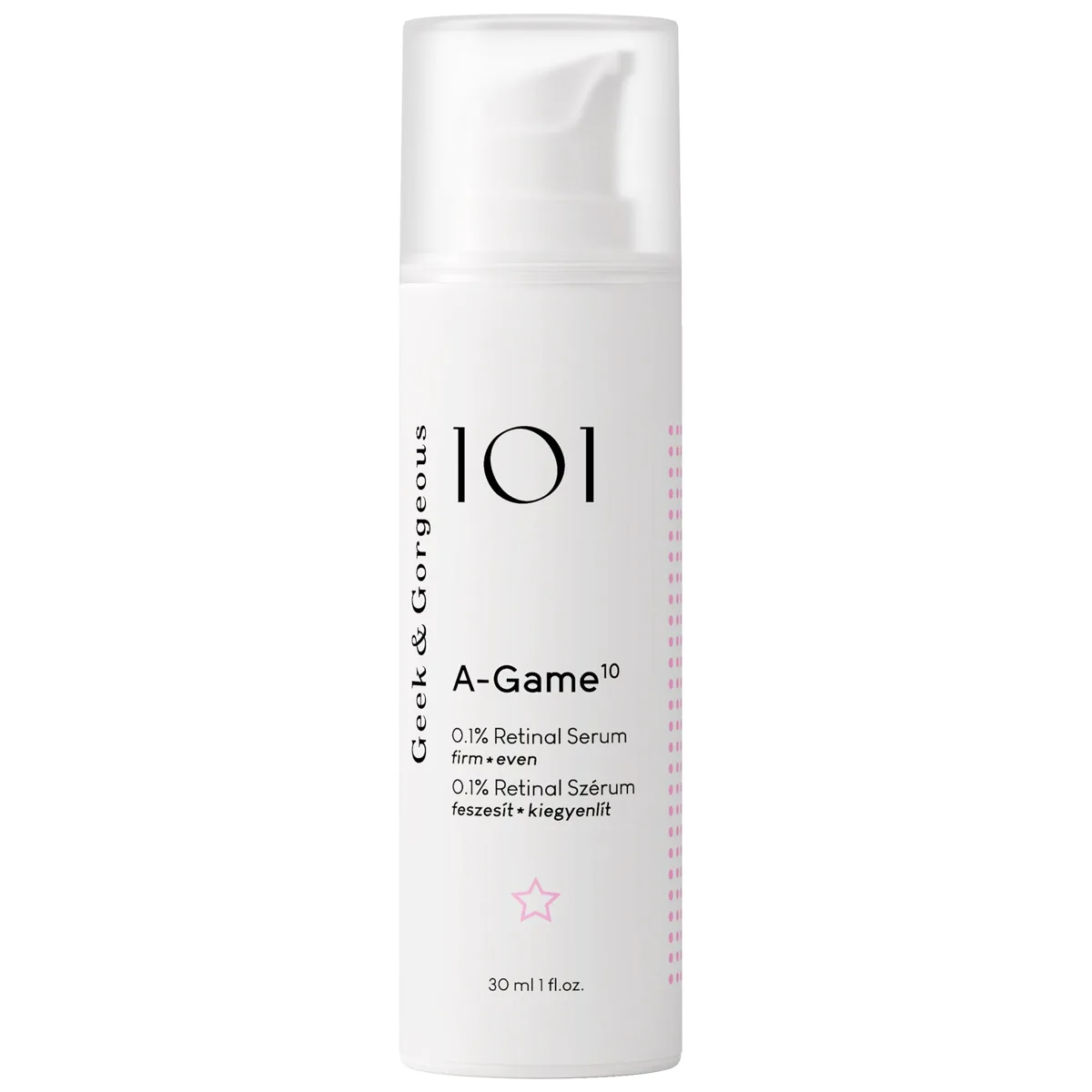
 A-Game 10 Retinal Serum
One of the most disruptive products in the retinoid category — a 0.1% retinaldehyde serum at around $16 when equivalent concentrations from derm brands cost $60-120. The formulation is thoughtful, the airless packaging is right, and the price point has no real competitor. Not for retinoid beginners: start with the 5 version and step up to this after a few months.
 Gold Standard OTC Retinoid
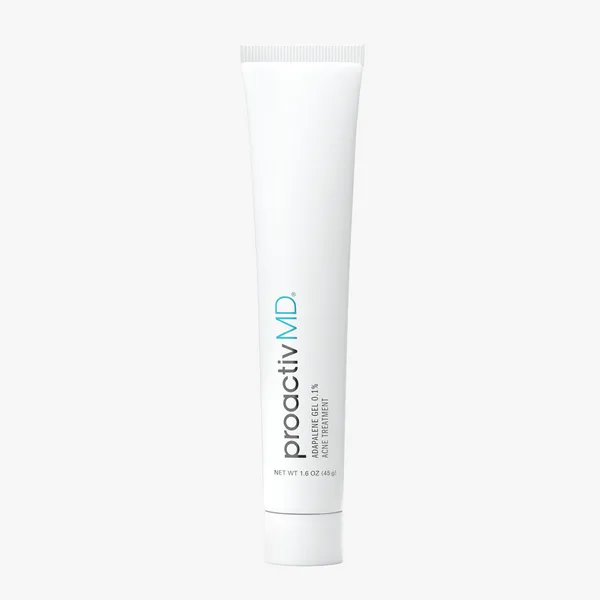
 Adapalene Gel 0.1%
This is adapalene 0.1% — the same FDA-approved retinoid dermatologists have prescribed for over two decades, now available without a prescription in a no-nonsense gel. It's one of the most evidence-backed acne treatments you can buy, and Proactiv's version offers solid value in the larger size with an updated paraben-free formula.
 Buffered Beginner Retinol
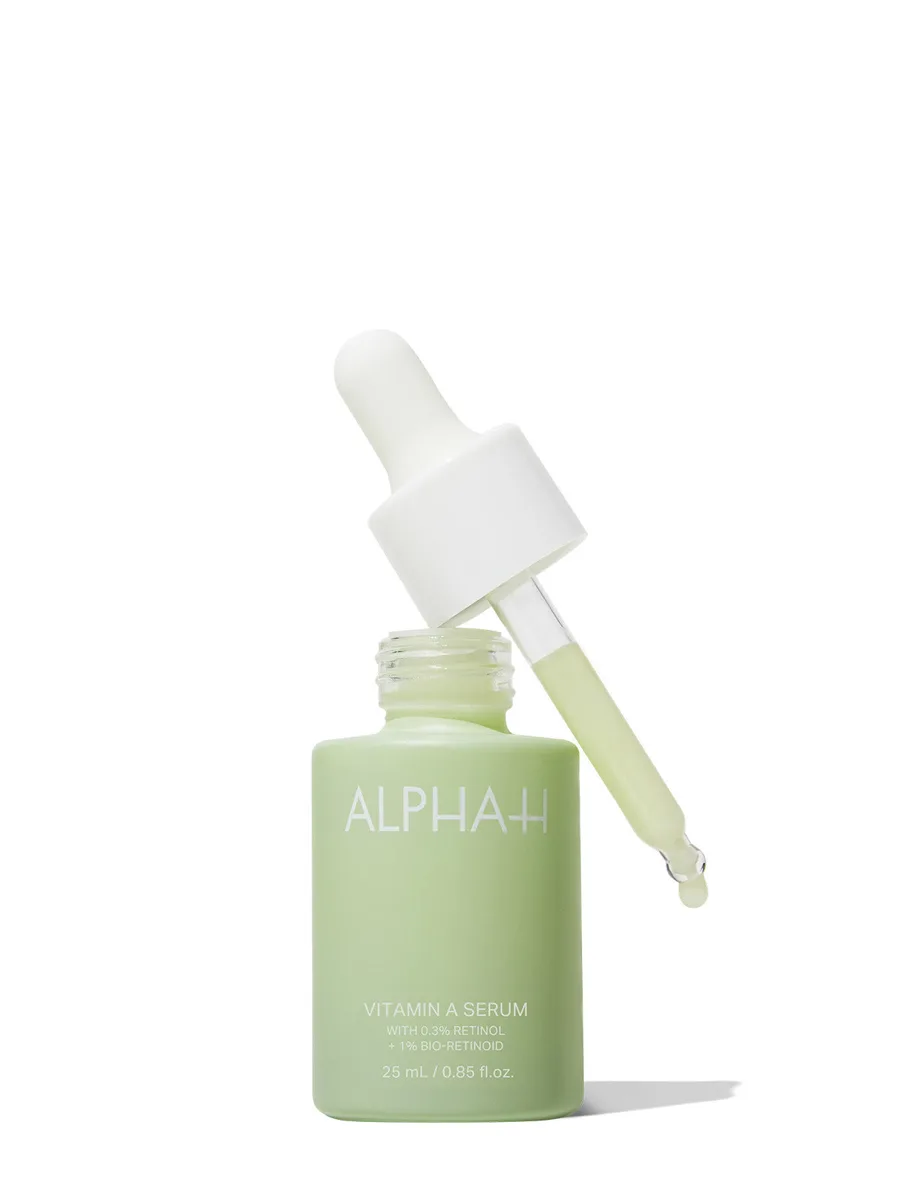
 Vitamin A Serum
Alpha-H built its 0.5% retinol on a squalane and plant-oil base specifically to make a meaningful retinol concentration tolerable for the beginners it knew were already running aggressive AHA routines. The buffering works — this is one of the few 0.5% retinol serums new users can actually stick with through the adjustment period. The price is the only meaningful complaint.