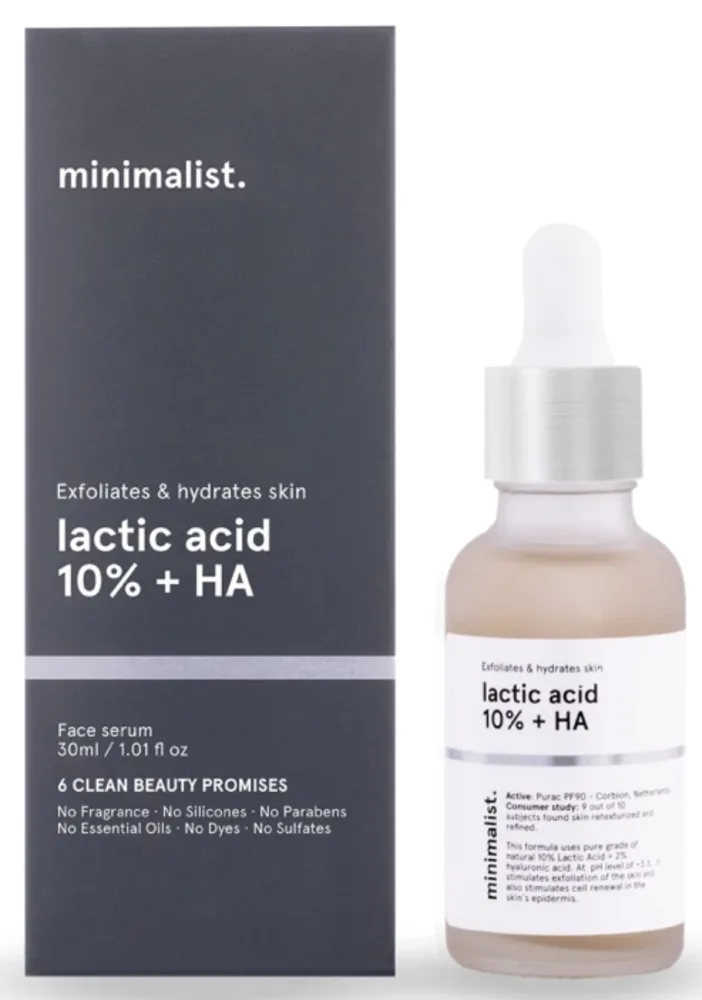
The beginner-concentration entry point into Minimalist's lactic acid range — 5% L-lactic acid plus 1% hyaluronic acid in an aloe vera juice base at pH 3.8. It is gentle enough for first-time AHA users and sensitive skin, and the fragrance-free, pH-disclosed formulation punches above its roughly ₹500 price tag. Experienced acid users will want the stronger 10% variant instead.
5% Lactic Acid + HA Exfoliating Face Serum
The beginner-concentration entry point into Minimalist's lactic acid range — 5% L-lactic acid plus 1% hyaluronic acid in an aloe vera juice base at pH 3.8. It is gentle enough for first-time AHA users and sensitive skin, and the fragrance-free, pH-disclosed formulation punches above its roughly ₹500 price tag. Experienced acid users will want the stronger 10% variant instead.
Score Breakdown
Where this product gains points and where it loses them — broken down across the four scoring pillars.
A genuinely well-formulated beginner AHA serum at pH 3.8 with an aloe-based hydration layer that keeps it tolerable for first-time acid users. Excellent value and broad suitability. Held back slightly by emerging-tier data confidence on this specific 5% SKU.
Pros & Cons
- ✓5% lactic acid at beginner-friendly concentration
- ✓1% hyaluronic acid and aloe vera base buffer dryness
- ✓Disclosed pH 3.8 for active, skin-compatible formulation
- ✓Fragrance-free, alcohol-free, vegan formula
- ✓One of the cheapest credible beginner AHAs on the market
- ✓Brand ingredient transparency with full INCI disclosure
- ✓Gentle enough for dry and sensitive skin
- ✗Too gentle for experienced acid users
- ✗Requires strict daily SPF compliance the next morning
- ✗Not pregnancy-compatible as a leave-on treatment
- ✗Mild flaking possible in the first 1-2 weeks of use
- ✗Newer SKU with less independent review history than the 10% version
Full Review
If someone asks you for a first AHA serum and you want to give them an honest answer, the right starting point is almost always 5% lactic acid. Not glycolic acid, which is popular but penetrates deeper and stings more. Not mandelic acid, which is great but usually sits above 10% when sold as a serum. Not a multi-acid blend, which piles too much on a first-timer. Just plain lactic acid at a beginner concentration in a well-buffered base. The reason is molecular: lactic acid has a larger molecule than glycolic, so it stays more superficial on the skin, which translates directly to lower irritation and a gentler on-ramp to regular acid use. At 5%, it is genuinely mild — you still get real surface exfoliation and some mild pigmentation improvement, but the risk of doing something you will regret to your skin barrier in the first week is minimal. For anyone building their first exfoliation routine, this is the category to start in, and Minimalist's 5% version is one of the better picks at the affordable end of the Indian market. The brand has been ingredient-transparent since its 2020 launch, and the pattern holds here. The box prints pH 3.8, discloses the raw material source, and lists the full INCI in order. The formula uses L-lactic acid at 5% alongside 1% sodium hyaluronate for hydration, built on an aloe vera juice base rather than plain water. That aloe choice matters. Most budget AHA serums use water as the base, which saves a rupee per bottle but gives the acid nothing supporting to work alongside. Aloe adds a mild soothing and humectant layer that buffers the early stinging sensation and helps the skin stay comfortable during the first weeks of adjustment. Glycerin, propanediol, and pullulan extend the hydration layer. Turmeric extract sits near the tail as a brand-signature antioxidant nod to Ayurvedic tradition, and it is doing modest supporting work rather than operating as a primary active. The first thing you notice on application is a slight cool tingle, which fades within 30 to 60 seconds. This is the sign the acid is actually active at this pH — if you feel nothing at all from a leave-on AHA, the pH is probably too high and the formula is not doing much. Over the first week, some users experience very mild flaking around the nose and chin as the acid lifts surface dead cells. This is not purging (which is a BHA phenomenon involving closed comedones) — it is normal early-stage exfoliation and resolves by week two. By the fourth week of consistent 3-to-5-nights-a-week use, the skin feels visibly smoother, the tone looks brighter, and makeup sits better. Over eight to twelve weeks, superficial hyperpigmentation and post-acne marks fade gradually, which is the main reason beginners are reaching for an AHA in the first place. Expectations should be calibrated. This is a 5% beginner AHA, not a professional peel. You are not going to see dramatic transformation in a week, and if your skin is already acid-adapted and tolerant, you will probably find this concentration too gentle to move the needle. For experienced acid users, the Minimalist 10% version is the better pick. For first-time users, teenagers starting a routine, dry or sensitive skin, and anyone who has had a bad reaction to a stronger acid before, the 5% is the correct entry point. Honest limitations: leave-on AHAs are not recommended during pregnancy out of caution, even at 5%. Do not combine this in the same session with retinoids, salicylic acid, pure vitamin C, or glycolic acid — the combined load is where barrier damage comes from. Always wear SPF 30 or higher the next morning; AHAs increase photosensitivity for up to a week after application. Stop if you develop persistent redness, burning, or itching, and wait several days before reintroducing at a lower frequency. Value is genuinely excellent. At approximately ₹499-599 ($6) for 30ml, this is one of the cheapest credible beginner AHA serums available anywhere. The Ordinary 5% Lactic Acid + 2% HA is the closest comparable product globally, at around $8-10 for 30ml with higher HA content but without the aloe base — both are reasonable picks, and which one you buy may come down to which is more available in your market. For Indian-market buyers specifically, the Minimalist version is the easier recommendation: locally available, backed by a well-known science-forward brand, and priced at a level where buying it is genuinely risk-free.
Formula
Key Ingredients
The hero actives that drive this product's performance.
| Ingredient | Function | Evidence |
|---|---|---|
| L-Lactic Acid 5% (5%) | The headline active at a beginner-friendly AHA concentration. At 5% and pH 3.8, lactic acid is gentle enough for first-time acid users while still providing meaningful surface exfoliation and mild pigmentation improvement. The larger molecular size of lactic acid compared to glycolic means it stays more superficial, which is why it is generally better tolerated. | well-established |
| Sodium Hyaluronate (HA) (1%) | Works as the hydration anchor in this formula — at 1% it pulls water into the surface layers to offset the drying effect of the lactic acid and keep the skin comfortable during exfoliation. This is the key reason beginner-friendly AHA serums pair HA with lactic acid rather than running the acid on its own. | well-established |
| Aloe Vera Juice | Sits as the aqueous base of this formula rather than plain water — the aloe contributes a supporting soothing and humectant layer that helps buffer the early stinging and dryness common with a leave-on AHA. In a beginner 5% formula this choice matters because tolerance is the main constraint on first-time acid use. | promising |
| Turmeric Root Extract (Curcuma Longa) | A brand-specific anti-inflammatory and brightening botanical rooted in Ayurvedic tradition. In this formula it sits near the tail of the INCI and is doing secondary work — providing a small antioxidant layer and a traditional-use brightening claim aimed at the Indian market rather than operating as a primary active. | emerging |
| Glycerin | Standard humectant that supports the hyaluronic acid in keeping the serum non-drying. Paired with propanediol and the aloe base, it is part of the hydration layer that makes a 5% lactic acid formulation appropriate for first-time acid users. | well-established |
Full INCI List · pH 3.8
Aloe Barbadensis Leaf Juice, L-Lactic Acid, Dimethyl Isosorbide, Sodium Hyaluronate, Propanediol, Ethoxydiglycol, Glycerin, Pullulan, Phenoxyethanol, Ethylhexylglycerin, Curcuma Longa (Turmeric) Root Extract, Xanthan Gum, Hydroxyethylcellulose, Sclerotium Gum, Sodium Hydroxide, Trisodium Ethylenediamine Disuccinate, Lecithin.
Product Flags
✓ Fragrance Free✓ Alcohol Free✓ Oil Free✓ Silicone Free✓ Paraben Free✓ Sulfate Free✓ Cruelty Free✓ Vegan✓ Fungal Acne Safe
Potential Irritants
lactic acid
Compatibility
Skin Match
Best For
normal combination sensitive dry
Works For
Not Ideal For
Addresses These Conditions
texture dullness hyperpigmentation dark spots dryness
Use With Caution
rosacea compromised skin barrier
Avoid With
Routine Step
treatment
Time of Day
PM
Pregnancy Safe
No ✗
Layering Tips
Apply at night only, after cleansing and toning, before moisturizer. Start 2 nights a week for the first 2 weeks and build up to 3-5 nights as tolerated. Do not combine with retinoids, salicylic acid, or vitamin C in the same session. Always wear SPF 30 or higher the next morning — AHAs increase photosensitivity for up to a week after application.
Results Timeline
Immediate: subtle smoothing and slight tingle on application. Short-term (2-4 weeks): visibly smoother surface texture and a brighter tone. Full benefit (8-12 weeks): improved surface evenness, gradual fading of superficial hyperpigmentation, and a softer, more refined feel overall. This is a gentle beginner AHA — expect incremental, cumulative results rather than dramatic transformation.
Pairs Well With
niacinamide on alternate nightsceramide moisturizershyaluronic acid serumsmineral sunscreen
Conflicts With
retinoidssalicylic acidL-ascorbic acidglycolic acid
Sample AM Routine
- Gentle cleanser
- Niacinamide serum
- Light moisturizer
- SPF
Sample PM Routine
- Double cleanse
- Hydrating toner
- Minimalist 5% Lactic Acid + HA Exfoliating Face Serum
- Ceramide moisturizer
Evidence
Science & Expert Perspective
The Science
Lactic acid is an alpha-hydroxy acid naturally found in fermented milk and also produced by the body during anaerobic metabolism. As a cosmetic active, it is one of the most studied AHAs with a long publication history going back to the 1990s. Published clinical trials demonstrate that topical lactic acid at concentrations as low as 5% can meaningfully improve skin hydration, increase ceramide synthesis in the stratum corneum, and promote mild desquamation of surface corneocytes over 4-12 weeks of use. Unlike glycolic acid, lactic acid's larger molecular size (90 daltons vs 76 daltons) results in slower and shallower penetration, which is why it is consistently better tolerated and is the standard first-line AHA recommended for dry, sensitive, or acid-naive skin. A landmark 1996 study in the Journal of the American Academy of Dermatology demonstrated both exfoliation and humectant effects from topical lactic acid, establishing its dual role as an exfoliant and a barrier-supporting hydrator. The pH of 3.8 disclosed on this formula sits in the optimal range for free acid activity while remaining skin-compatible — above pH 4.0 the deprotonation of lactic acid begins to reduce its exfoliating action. The 1% sodium hyaluronate in the formula provides a supporting humectant layer that offsets the mild drying effect of the acid, and the aloe vera juice base contributes additional hydration and trace anti-inflammatory compounds. Turmeric extract at the tail of the INCI contributes a small antioxidant layer and reflects the brand's Indian-market positioning, though the concentration is too low to claim meaningful anti-inflammatory benefit on its own. Independent clinical testing on the specific Minimalist 5% formulation has not been published, but the individual actives have strong independent evidence bases and the formulation approach — 5% free acid at pH 3.8 with a HA and aloe buffer — is consistent with published literature on beginner AHA tolerance.
Dermatologist Perspective
Dermatologists frequently recommend 5% lactic acid as the first AHA for patients beginning an exfoliation routine, particularly those with dry, sensitive, or acid-naive skin. Board-certified dermatologists note that lactic acid's larger molecular size and resulting shallower penetration make it significantly better tolerated than glycolic acid at comparable concentrations, and that the added humectant effect of lactic acid itself is a useful benefit that higher-molecular-weight AHAs do not share. The recommended starting frequency in a clinical setting is typically 2-3 nights a week for the first 2-4 weeks, with gradual titration up to 4-5 nights a week if tolerance holds. Clinicians also emphasize strict daily SPF compliance with any leave-on AHA routine, since photosensitivity is increased for up to a week after application and is the main driver of post-AHA pigmentation problems. For pregnant patients or those with rosacea, compromised barriers, or active eczema, clinicians typically recommend wash-off alternatives or ingredient substitutions like azelaic acid.
Guidance
Usage Guide
How to Use
Use at night only, after cleansing and toning. Start with 2 nights a week for the first 2 weeks. Dispense 3-4 drops into clean fingertips and pat across the face, avoiding the eye area and the corners of the mouth. Wait 60 seconds for absorption, then follow with a hydrating moisturizer. If your skin is tolerating it well, increase frequency to 3-5 nights a week. Do not combine with retinoids, salicylic acid, glycolic acid, or pure vitamin C in the same session. Always wear broad-spectrum SPF 30 or higher the next morning, and reapply through the day with direct sun exposure. Stop use if you develop persistent redness, burning, or flaking and consult a dermatologist if irritation does not resolve within a few days.
Value Assessment
At approximately ₹499-599 ($6) for 30ml, this is among the most affordable credible beginner AHA serums available in the Indian market or globally. The Ordinary 5% Lactic Acid + 2% HA retails for roughly $8-10 for a similar 30ml and is the closest global comparison — both are reasonable picks, and the Minimalist formulation compensates for slightly lower HA content with the aloe vera base. For first-time AHA buyers who want to test whether leave-on acid exfoliation works for their skin before committing to a more expensive product, this serum is essentially risk-free from a value standpoint. Experienced acid users will get more bang for their buck from the 10% version at a similar price.
Who Should Buy
First-time AHA users, teenagers starting a routine, dry or sensitive skin types looking for gentle surface exfoliation, Indian-market buyers who want a well-formulated entry-level acid at a low price, and anyone who has reacted badly to stronger exfoliants in the past. Also a reasonable refresher option for buyers returning to skincare after a break.
Who Should Skip
Experienced acid users who have plateaued at 5% concentrations — the Minimalist 10% version is a better fit. Also skip during pregnancy, in active rosacea flares, with compromised barriers or eczema, and if you cannot commit to daily SPF the following morning.
Ready to try Minimalist 5% Lactic Acid + HA Exfoliating Face Serum?
Details
Details
Texture
A clear, lightly viscous serum that pours gently from the dropper and spreads thin across the skin. Absorbs within 30-45 seconds with a barely-there slightly cushioned finish.
Scent
Fragrance-free. A faint natural note from the aloe vera base but nothing most users detect.
Packaging
30ml amber glass bottle with a glass pipette dropper. The box prints the pH range, raw material source, and full INCI transparently — consistent with Minimalist's category-wide ingredient-transparency standard.
Finish
satinfast-absorbingnon-greasy
What to Expect on First Use
First use: a cool, thin serum that may produce a very mild tingle on application — normal for a pH 3.8 AHA and a sign the acid is active. Over the first two weeks, skin looks smoother and slightly brighter with consistent use. Some users experience mild flaking around the nose and chin in the first week as the acid begins lifting dead cells — this typically resolves by week two. No purging in the BHA sense, and no dramatic adjustment period.
How Long It Lasts
2-3 months with 3-5 nights per week application on the 30ml bottle.
Period After Opening
12 months
Best Season
All Year
Certifications
PETA cruelty-freeVegan
Background
The Why
Minimalist launched its first lactic acid serum at 10% in 2020 as part of the brand's opening SKU set. As the brand's audience expanded beyond acid-experienced users to include teenagers and first-time skincare buyers, Minimalist developed lower-concentration beginner variants of several of its core actives. The 5% lactic acid version is positioned as the entry point into the brand's AHA range and is often recommended by the brand's own customer support for users who have never used a leave-on exfoliant before.
About Minimalist Emerging Brand (2–5 years)
Minimalist (Be Minimalist) is an ingredient-transparent Indian D2C skincare brand founded in 2020 in Jaipur by Mohit and Rahul Yadav and acquired by Hindustan Unilever in 2024. The brand is known for publishing pH, raw material sources, and full INCI on every product — an approach rare in the Indian affordable skincare market.
Brand founded: 2020 · Product launched: 2024
Myth vs. Reality
Myths & Misconceptions
Myth
Lactic acid is less effective than glycolic acid so beginner versions are a waste of time.
Reality
Lactic acid has a larger molecular size than glycolic and penetrates less deeply, which makes it milder but also better tolerated. For first-time acid users and for dry or sensitive skin, lactic acid at 5% delivers real surface exfoliation with a significantly lower irritation risk than glycolic at the same concentration.
Myth
You need to use an AHA every night for it to work.
Reality
For most skin types, 3-4 nights a week is the sustainable frequency for a leave-on AHA. Overuse is the most common cause of acid-induced barrier damage. The goal is consistent application over months, not maximum frequency in a single week.
FAQ
Frequently Asked Questions
What is the difference between Minimalist 5% and 10% Lactic Acid serums?
The 5% version is the beginner-friendly variant with half the acid concentration, designed for first-time AHA users and for sensitive or dry skin. The 10% version is the stronger formulation aimed at experienced acid users who want more aggressive exfoliation. Both use the same pharmaceutical-grade raw material sourced from Corbion and DSM, and both are formulated at pH 3.5-4.0.
Can I use this serum if I have sensitive skin?
Yes — 5% lactic acid is one of the best starting AHAs for sensitive skin, and the aloe vera base plus 1% hyaluronic acid in this formula makes it extra tolerable. Start with 2 nights a week and patch test on the inner forearm for 3 nights first if you have ever reacted to an acid before.
Is this serum safe during pregnancy?
Leave-on 5% lactic acid is generally considered low-risk during pregnancy — systemic absorption is minimal — but most dermatologists still recommend caution with any leave-on AHA during pregnancy and breastfeeding. For pregnant buyers, wash-off AHA cleansers or ingredient alternatives like azelaic acid and niacinamide are safer choices.
How often should I use this lactic acid serum?
Start with 2 nights a week for the first 2 weeks to assess tolerance. If your skin is tolerating it well with no flaking, redness, or tightness, you can increase to 3-5 nights a week. For most users 3-4 nights a week is the sustainable long-term frequency — overuse is the most common cause of AHA-induced barrier damage.
Can I combine this with my vitamin C serum?
Not in the same application window. Lactic acid and pure ascorbic acid both operate at low pH and layering them can cause stinging and excessive exfoliation. The standard approach is vitamin C in the morning, lactic acid at night, which works well for most skin types. If you want to use both at night, alternate nights rather than layering.
Is this serum effective for acne scars?
Yes, modestly, for superficial post-inflammatory hyperpigmentation and uneven texture. True indented acne scars are structural and will not respond to any topical AHA — those require in-office procedures like microneedling, subcision, or fractional laser. For flat pigmentation marks left by healed acne, 5% lactic acid combined with daily sunscreen and niacinamide can meaningfully fade them over 8-12 weeks.
Community
Community Voices
Common Praise
"gentle enough for sensitive skin"
"visible glow within 2 weeks"
"not drying despite the acid"
"affordable beginner entry point"
"fragrance-free and clean base"
Common Complaints
"slight tingle on first use"
"less powerful than the 10% version"
"dropper occasionally drips"
"not enough for advanced users"
Notable Endorsements
Nykaa top-rated beginner AHAAmazon India recommended for first-time acid users
Appears In
best beginner aha serum best lactic acid serum india best aha for sensitive skin best affordable exfoliating serum best aha for dry skin
Related Conditions
texture dullness hyperpigmentation dark spots
Related Ingredients
You Might Also Like
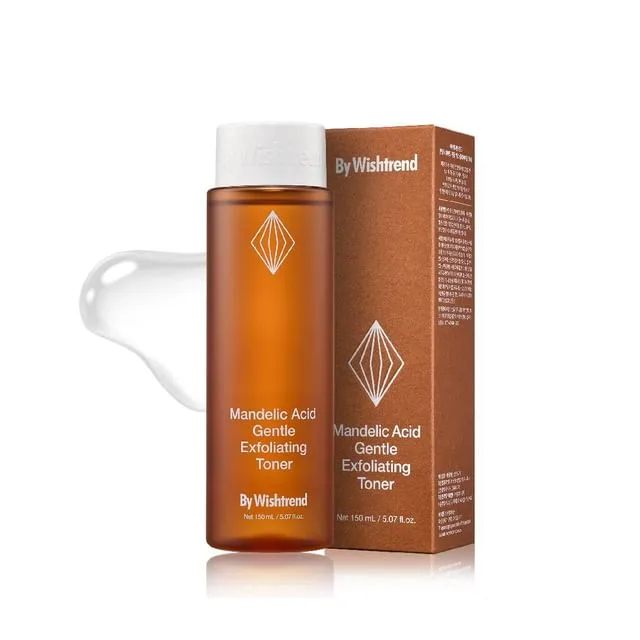 Sensitive Skin AHA Pick
 Mandelic Acid 5% Skin Prep Water
The mandelic acid prep water that quietly converted half of K-beauty Reddit away from glycolic — and for good reason. It delivers visible texture and PIH improvement at 5% without the sting or pigment risk that derails sensitive and darker skin, and it does so for around twenty bucks.
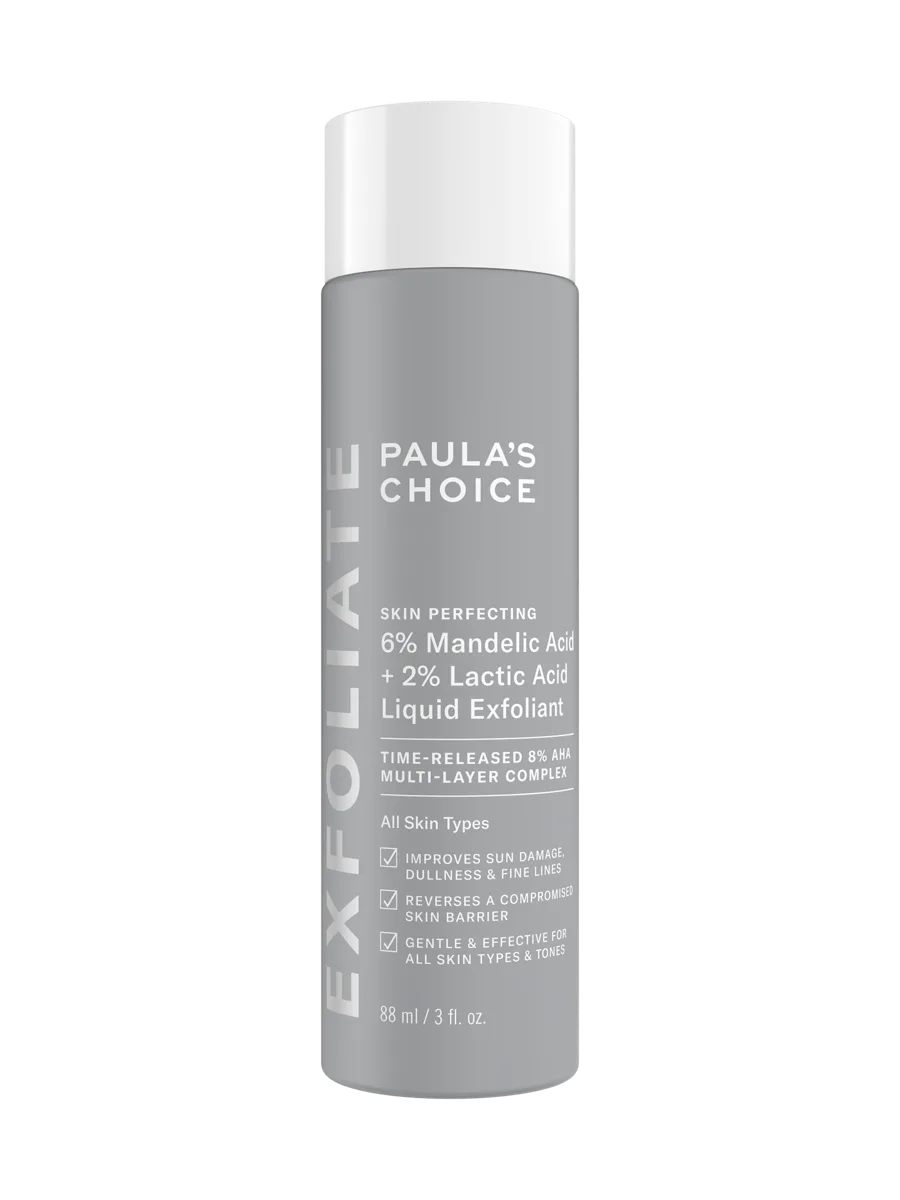 Gentle Glow Specialist
 Skin Perfecting 6% Mandelic Acid + 2% Lactic Acid Liquid Exfoliant
The exfoliant that finally treats sensitive and melanin-rich skin as the design priority rather than an afterthought. With a 4.8-star rating and 660+ reviews, this mandelic-lactic formula proves that gentleness and efficacy aren't mutually exclusive — it just requires smarter acid selection.
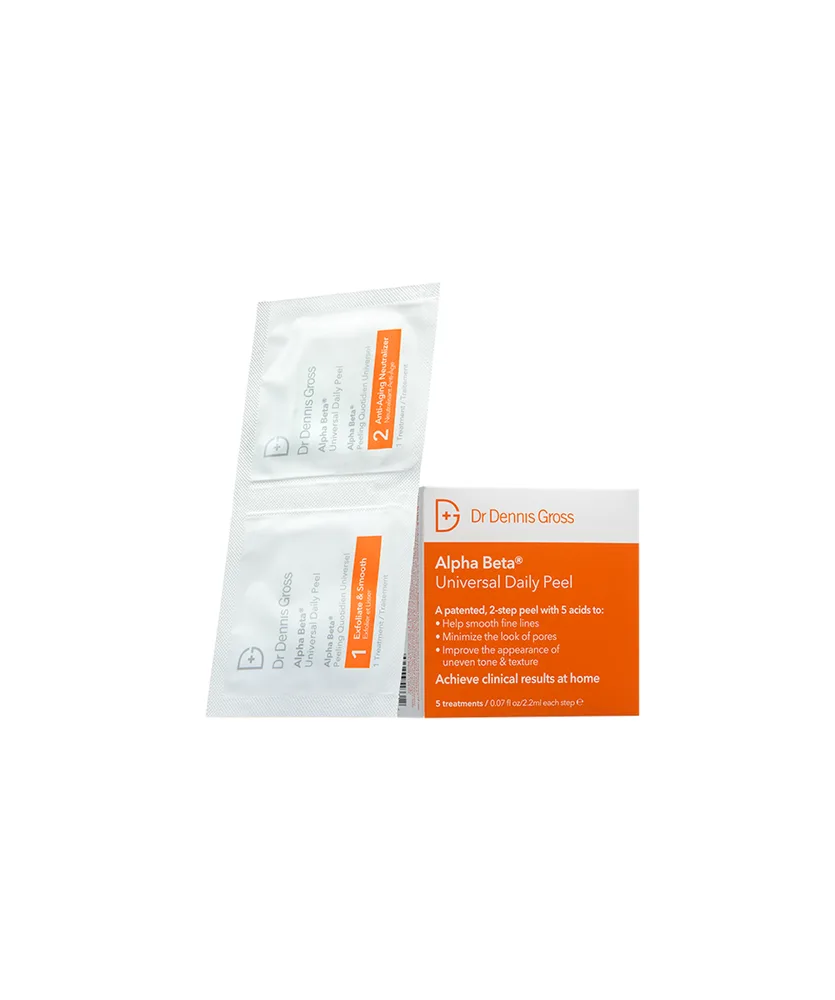 The Original At-Home Peel
 Alpha Beta Universal Daily Peel
The product that invented the at-home daily peel category in 2002 and still sits at the top of it. The five-acid Step 1 and retinol-antioxidant Step 2 deliver genuine resurfacing and anti-aging in a single five-minute routine. Expensive, but the results and track record justify the reputation.
 Beginner Exfoliant Pick
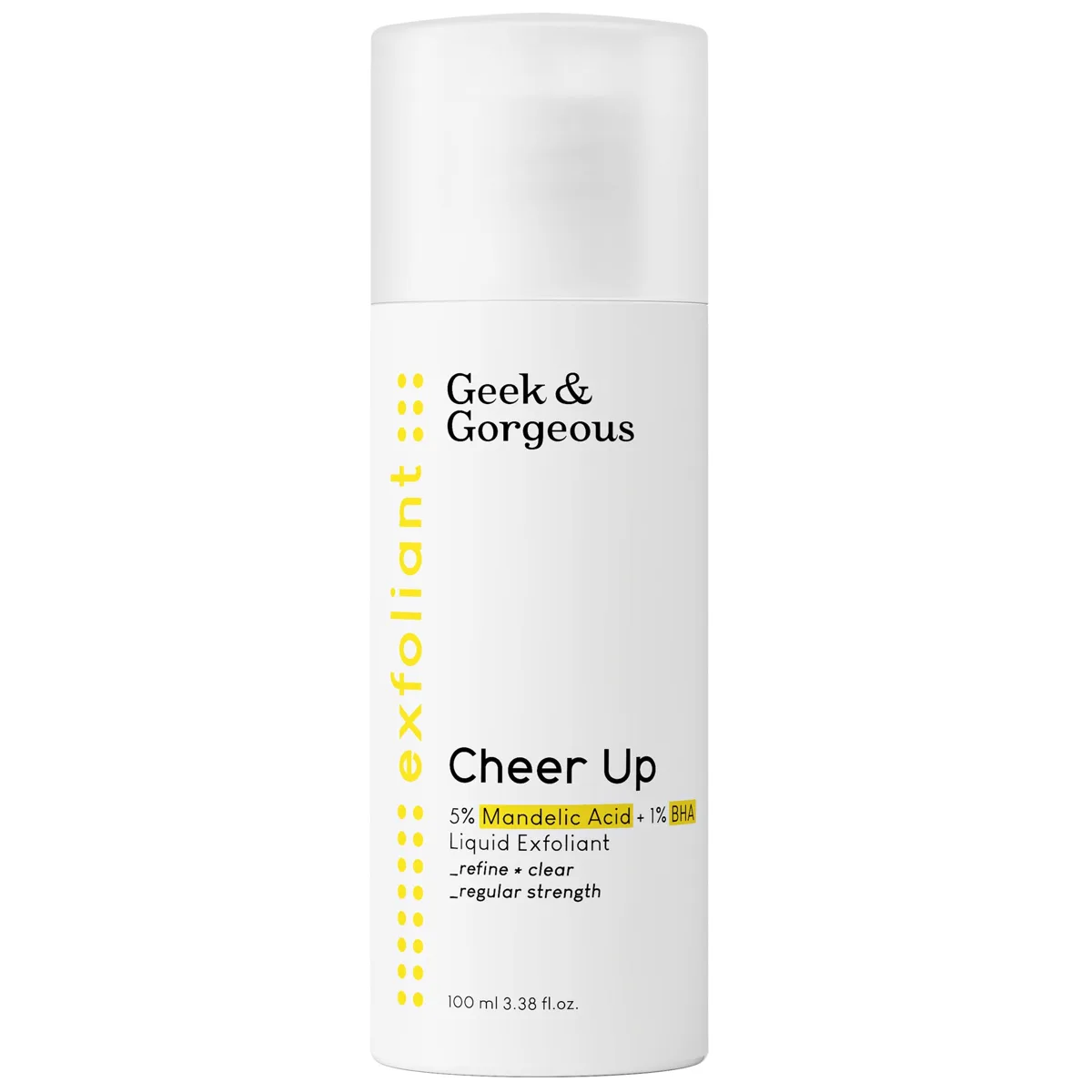
 Cheer Up 5% Mandelic + 1% Salicylic Exfoliant
A thoughtfully formulated beginner AHA/BHA exfoliant that uses mandelic acid — the gentlest mainstream AHA — in combination with low-strength salicylic, plus a sugar-humectant complex for comfort. At 100mL for around $12, the value is excellent, and the formulation choices reflect the kind of cosmetic-chemist thinking that separates this brand from typical indie exfoliants. Ideal for exfoliant newcomers and sensitive skin.
 Budget Holy Grail
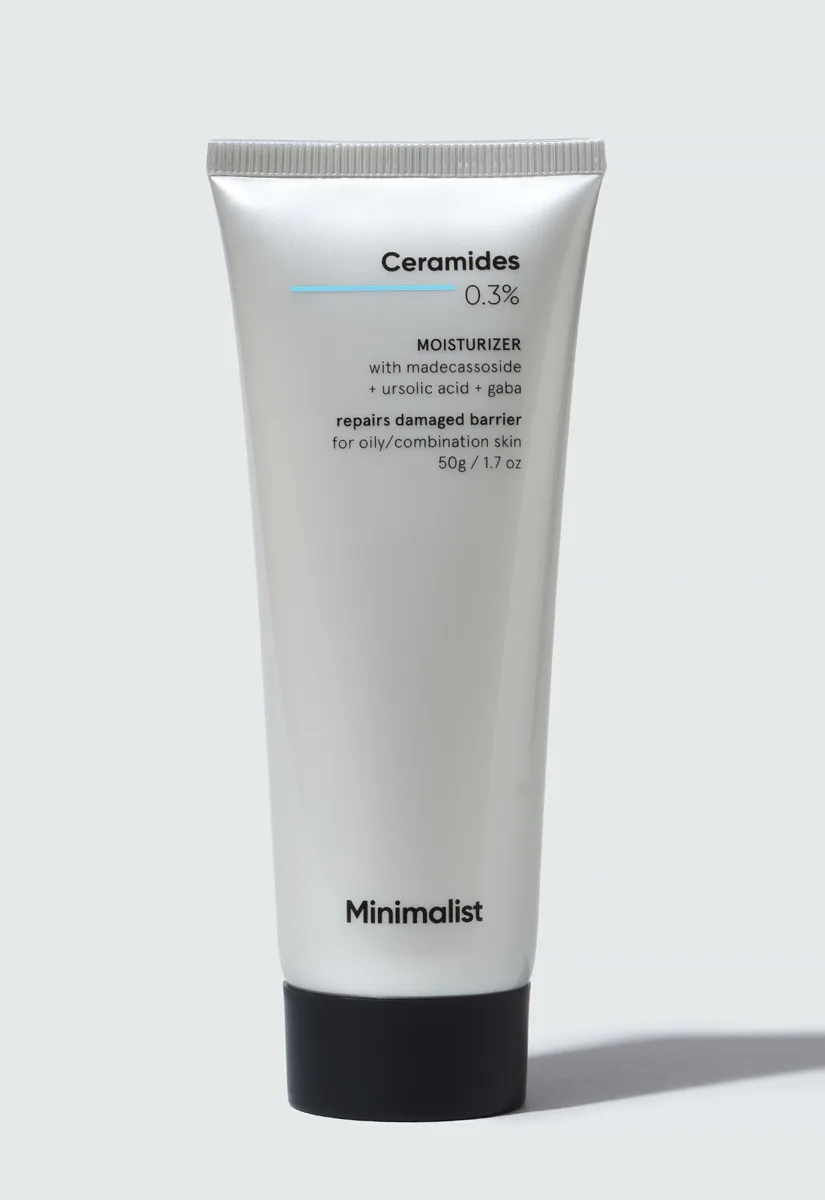
 0.3% Ceramide Barrier Repair Moisturizing Cream
Minimalist's 0.3% Ceramide Barrier Repair Cream is one of the strongest value picks in the entire barrier-repair category — five ceramides at a declared 0.3% in the physiological 3:1:1 lipid ratio, madecassoside, ursolic acid, and a lightweight fragrance-free gel-cream base for under $15. This is the kind of formulation Western clinical brands charge $50-80 for, with better texture for oily skin.
 Indian Niacinamide Value Champion
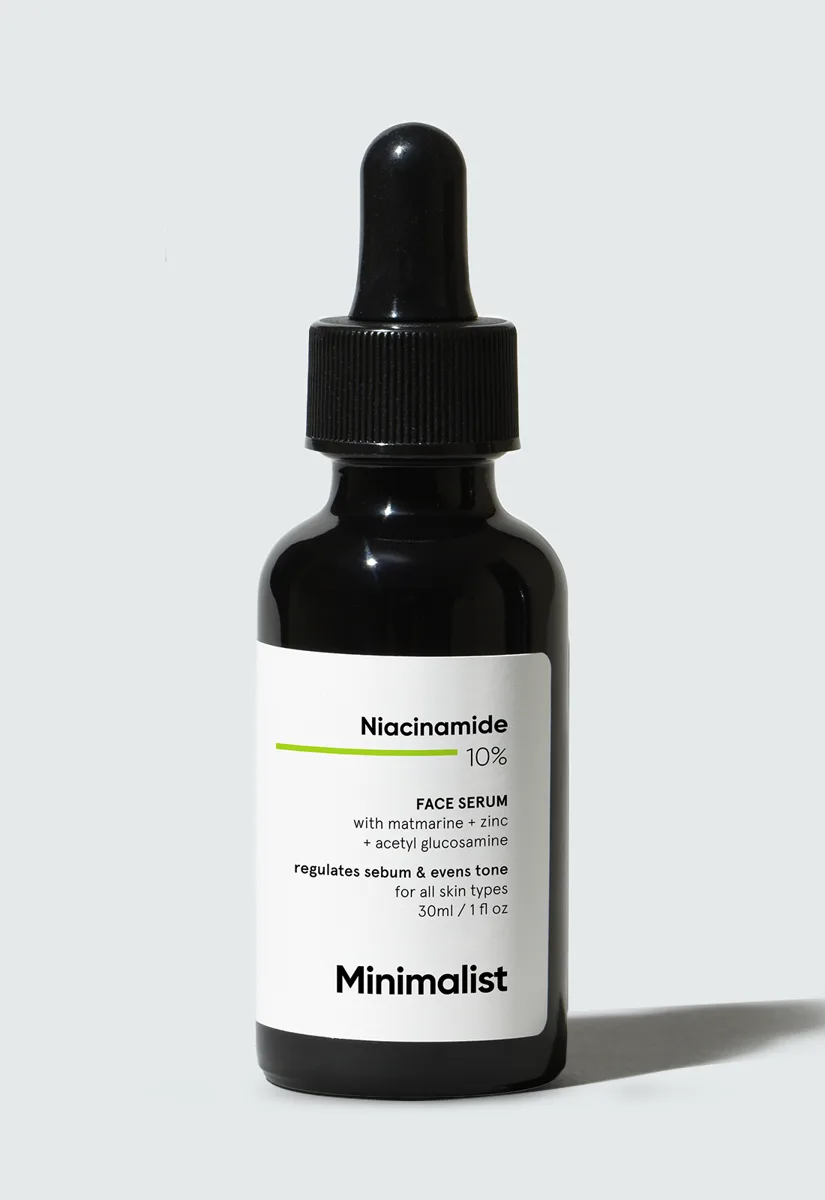
 10% Niacinamide Face Serum
One of the strongest niacinamide serums you can buy at any price, and genuinely exceptional value at around ₹599 ($7). 10% niacinamide plus Matmarine, acetyl glucosamine, and dual zinc in a fragrance-free, pH-balanced base, from a brand that publishes the full INCI and pH on every box. If your concerns are oil, pores, or acne marks, this is the best entry point in the Indian market and a legitimate contender globally.