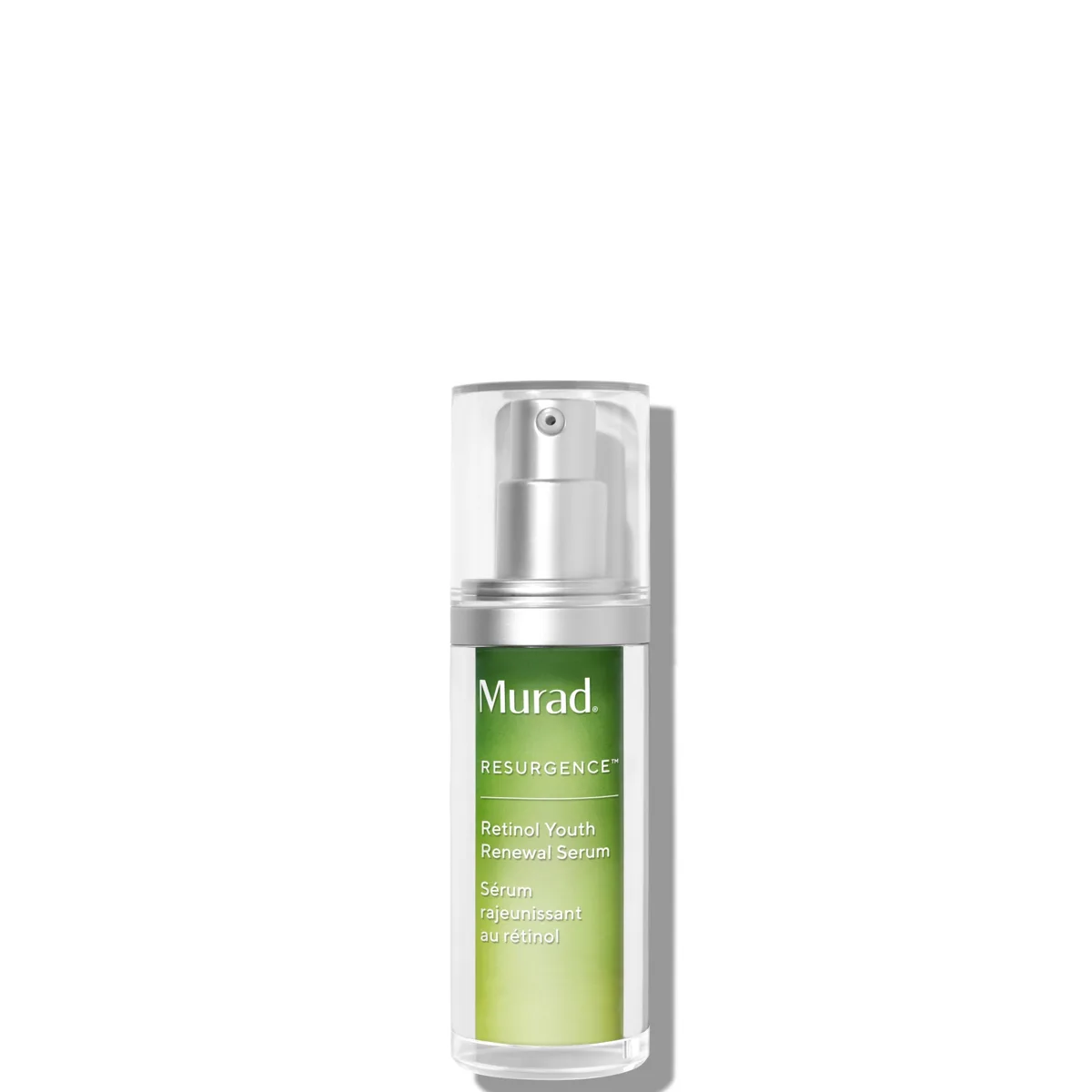
A genuinely clever dual-retinoid formula that delivers visible anti-aging results without the misery most retinol serums inflict. The price is steep for 1 oz, but the tolerability-to-potency ratio is one of the best in its class.
Retinol Youth Renewal Serum
A genuinely clever dual-retinoid formula that delivers visible anti-aging results without the misery most retinol serums inflict. The price is steep for 1 oz, but the tolerability-to-potency ratio is one of the best in its class.
Score Breakdown
Where this product gains points and where it loses them — broken down across the four scoring pillars.
A well-formulated dual-retinoid serum with strong barrier support ingredients, though the price point and presence of potentially comedogenic emollients slightly temper the value proposition.
Pros & Cons
- ✓Dual-retinoid system with HPR provides both fast-acting and sustained anti-aging benefits
- ✓Built-in barrier support from ceramide NP, squalane, and hyaluronic acid minimizes retinol irritation
- ✓Silky, fast-absorbing texture makes nightly application genuinely pleasant
- ✓Visible improvement in fine lines and radiance within 2-4 weeks for most users
- ✓Suitable for retinol beginners with gradual introduction schedule
- ✓Cruelty-free with Leaping Bunny and PETA certification
- ✓Airless pump packaging protects retinol from oxidation and degradation
- ✓Time-released delivery prevents the concentration spikes that trigger peeling
- ✗At $92 for 1 oz, the cost per use is significantly higher than drugstore retinol options
- ✗Contains fragrance despite being marketed toward sensitive skin and beginners
- ✗Isopropyl palmitate in the formula has comedogenic potential for acne-prone skin
- ✗Silicone-heavy base may not suit users who prefer silicone-free formulations
- ✗Retinol concentration is not disclosed, making it hard to compare potency directly
Full Review
Dr. Howard Murad has treated over 50,000 patients in his career, and apparently a significant portion of them walked in complaining about retinol. Not that it didn't work — retinol's efficacy for anti-aging is arguably the most settled debate in skincare science — but that using it felt like a punishment. The peeling, the redness, the two-month adjustment period where your skin looks worse before it looks better. The Retinol Youth Renewal Serum is his answer to that complaint, and it's a more interesting solution than simply diluting the active and calling it gentle.
The formula uses what Murad calls Retinol Tri-Active Technology, which is marketing language for a genuinely smart approach: pairing standard retinol with hydroxypinacolone retinoate, a next-generation retinoid that binds directly to skin receptors without needing the multi-step enzymatic conversion that retinol requires. In practical terms, this means you get an ingredient that starts working on contact alongside one that works on a slower, sustained-release schedule. It's the skincare equivalent of an extended-release medication — immediate relief plus long-term treatment.
The texture is where you first notice the formulation sophistication. This is a silicone-forward serum — cyclopentasiloxane and polymethylsilsesquioxane create that distinctive silky, almost primer-like slip that smooths over the skin and immediately blurs fine lines. If you have an aversion to silicones, this isn't your serum. But if you appreciate a formula that glides on like liquid satin and leaves zero sticky residue, the application experience is genuinely pleasant. It absorbs fast enough that you're not waiting around before layering your moisturizer.
What sets this apart from the retinol serums that just throw a percentage on the label and wish you luck is the built-in damage control. Ceramide NP, squalane, sodium hyaluronate, and shea butter esters are all in the formula — not as an afterthought, but as a deliberate barrier support system. Retinoids compromise the lipid barrier as they accelerate turnover. Most serums leave that problem for your moisturizer to solve. This one handles it internally, which is a meaningful distinction if you've ever experienced the desert-dry flaking that comes with starting a new retinol.
The supporting cast includes some botanical antioxidants — tomato fruit extract, pomegranate extract, soybean extract — that provide additional free radical defense. Swertia chirata extract is the more unusual inclusion, an herb traditionally used in Ayurvedic medicine that some research suggests may support skin resilience, though the evidence is less robust than the retinoid science. Urea, trehalose, and betaine round out the humectant profile, creating a formula that genuinely prioritizes hydration alongside renewal.
Performance-wise, users consistently report seeing results faster than they expected. The immediate glow is partly cosmetic — those silicones do real smoothing work — but the 2-week mark is where actual skin changes become apparent. Fine lines soften, skin tone evens out, and there's a luminosity that wasn't there before. By 8-12 weeks, the collagen-stimulating effects of the retinol component become visible in improved firmness and reduced wrinkle depth.
The tolerability story holds up for most users. Reports of severe irritation are uncommon, and the 5-7 day purging period that some experience is shorter than what many pure retinol serums provoke. That said, this isn't irritation-free — it's irritation-managed. The formula still contains potent retinoids, and sensitive skin types should build up gradually.
The honest limitations: this is a $92 serum in a 1 oz bottle, which gives you about 2-3 months of nightly use. The value calculation depends on whether you're comparing it to drugstore retinols (where it looks expensive) or clinical retinoid treatments (where it looks reasonable). The formula contains fragrance, which is a genuine miss for a serum marketed partly toward sensitive and retinol-beginner skin. And the isopropyl palmitate in the formula has comedogenic potential — oily, acne-prone users should patch test before committing.
Murad has been formulating retinol products for decades, and that experience shows in the details. This isn't a trendy retinol launch riding the ingredient's popularity — it's a product that reflects thousands of patient interactions and a deep understanding of why retinol fails for people in practice, even when it succeeds in clinical trials. The dual-retinoid approach is clever, the barrier support is thoughtful, and the texture makes nightly application something you look forward to rather than endure.
Formula
Key Ingredients
The hero actives that drive this product's performance.
| Ingredient | Function | Evidence |
|---|---|---|
| Retinol | Serves as the backbone of Murad's Tri-Active Retinoid Technology, working on a time-released schedule to stimulate collagen synthesis and accelerate cellular turnover while the accompanying hydroxypinacolone retinoate handles immediate surface-level renewal — a deliberate pairing that lets the formula deliver sustained anti-aging action without overwhelming the skin. | well-established |
| Hydroxypinacolone Retinoate | A next-generation retinoid ester that binds directly to retinoid receptors without requiring enzymatic conversion, providing faster visible results than retinol alone. In this formula, it acts as the fast-acting component of the Tri-Active system, complementing the slower time-released retinol for multi-speed renewal. | promising |
| Ceramide NP | Reinforces the lipid barrier that retinoids can temporarily compromise, working alongside squalane and shea butter esters in this formula to prevent the dryness and flaking commonly associated with retinol use. | well-established |
| Sodium Hyaluronate | Provides deep hydration to counterbalance the drying effects of retinol, drawing moisture into the skin while the ceramide and squalane components lock it in — a critical support system in a retinoid-heavy formula. | well-established |
| Squalane | A lightweight emollient that mirrors the skin's natural lipid composition, reinforcing the barrier alongside ceramide NP and providing non-comedogenic moisture that keeps this retinoid serum from feeling stripping or uncomfortable. | well-established |
Full INCI List
Water, Cyclopentasiloxane, Isopropyl Palmitate, C14-22 Alcohols, Polymethylsilsesquioxane, Dimethicone, Propanediol, Glyceryl Stearate, PEG-100 Stearate, Shea Butter Ethyl Esters, Retinol, Hydroxypinacolone Retinoate, Ceramide NP, Sodium Hyaluronate, Solanum Lycopersicum (Tomato) Fruit Extract, Swertia Chirata Extract, Squalane, Punica Granatum Extract, Tocopheryl Acetate, Glycine Soja (Soybean) Extract, Urea, Yeast Amino Acids, Trehalose, Inositol, Taurine, Betaine, Glycerin, Caprylic/Capric Triglyceride, Dimethyl Isosorbide, Silica, Ethylhexyl Palmitate, Silica Dimethyl Silylate, Butylene Glycol, Lecithin, Ammonium Acryloyldimethyltaurate/VP Copolymer, C12-20 Alkyl Glucoside, Cetyl Palmitate, Laureth-23, Polysorbate 20, Trideceth-6 Phosphate, Synthetic Fluorphlogopite, Phenoxyethanol, Ethylhexylglycerin, Chlorphenesin, Disodium EDTA, Sodium Hydroxide, Tris(Tetramethylhydroxypiperidinol) Citrate, Sodium Benzotriazolyl Butylphenol Sulfonate, Titanium Dioxide (CI 77891), Red 4 (CI 14700)
Product Flags
✗ Fragrance Free✓ Alcohol Free✗ Oil Free✗ Silicone Free✓ Paraben Free✓ Sulfate Free✓ Cruelty Free✓ Vegan✗ Fungal Acne Safe
Comedogenic Ingredients
Isopropyl PalmitateEthylhexyl Palmitate
Potential Irritants
RetinolHydroxypinacolone RetinoatePEG-100 Stearate
Common Allergens
Phenoxyethanol
Compatibility
Skin Match
Best For
Works For
Not Ideal For
Addresses These Conditions
aging dullness hyperpigmentation texture dark spots
Use With Caution
Routine Step
treatment
Time of Day
PM
Pregnancy Safe
No ✗
Layering Tips
Apply after cleansing and toning, before heavier moisturizers. Start with 2-3 times per week and build up to nightly use. Avoid layering with other retinoids or strong exfoliants like AHAs/BHAs on the same night.
Results Timeline
Immediate subtle glow from silicone-based smoothing agents. Fine lines begin softening within 2-4 weeks. More significant improvements in firmness, tone evenness, and wrinkle depth at 8-12 weeks of consistent nightly use.
Pairs Well With
Hyaluronic Acid serumsCeramide moisturizersSPF (morning after)Peptide serums
Conflicts With
Benzoyl PeroxideAHA exfoliantsBHA exfoliantsVitamin C (same routine)
Sample AM Routine
- Gentle cleanser
- Vitamin C serum
- Moisturizer
- SPF 30+
Sample PM Routine
- Gentle cleanser
- Hydrating toner
- Murad Retinol Youth Renewal Serum
- Ceramide moisturizer
Evidence
Who Should Skip
- At $92 for 1 oz, the cost per use is significantly higher than drugstore retinol options
- Contains fragrance despite being marketed toward sensitive skin and beginners
- Isopropyl palmitate in the formula has comedogenic potential for acne-prone skin
- Silicone-heavy base may not suit users who prefer silicone-free formulations
Science & Expert Perspective
The Science
The core innovation here is combining two retinoid forms with different activation pathways. Retinol, the gold standard, requires a two-step enzymatic conversion in the skin — first to retinaldehyde, then to retinoic acid — before it can bind to retinoic acid receptors and stimulate collagen synthesis and cellular turnover. This conversion process is well-documented and effective, but it takes time and can cause irritation as the skin adjusts.
Hydroxypinacolone retinoate (HPR) takes a different route. A 2018 study published in the Journal of the American Academy of Dermatology (Zasada & Budzisz, 2019) demonstrated that HPR can bind directly to retinoid receptors without enzymatic conversion, providing more immediate biological activity with potentially less irritation than retinol at equivalent concentrations. The combination of both forms in a single product creates a staggered activation timeline — HPR works immediately while retinol builds effect over days and weeks.
The barrier support system is equally evidence-based. Ceramide NP is one of the three essential ceramides (NP, AP, EOP) identified in skin barrier research, and its inclusion directly addresses the lipid disruption that retinoids cause during the acceleration of epidermal turnover. A landmark study by Imokawa et al. (Journal of the Society of Cosmetic Chemists, 1991) established that ceramide supplementation significantly improves barrier function in compromised skin — exactly the scenario retinol creates.
Sodium hyaluronate provides hydration through a different mechanism, drawing water from the dermis and environment into the epidermis. When combined with the occlusive properties of squalane and the lipid-replenishing action of ceramide NP, this creates a comprehensive moisture retention system that helps the skin tolerate retinoid activity without the characteristic dryness and flaking.
References
- Retinoids: active molecules influencing skin structure formation in cosmetic and dermatological treatments — Postepy Dermatologii i Alergologii (2019)
- Decreased level of ceramides in stratum corneum of atopic dermatitis — Journal of the Society of Cosmetic Chemists (1991)
Dermatologist Perspective
Dermatologists frequently recommend multi-retinoid formulations for patients who have struggled with retinol tolerability in the past. The combination of retinol with hydroxypinacolone retinoate is increasingly recognized in clinical practice as a strategy to provide retinoid benefits at lower individual concentrations, reducing the irritation threshold while maintaining efficacy. Board-certified dermatologists note that the inclusion of ceramide NP and hyaluronic acid in the same formula addresses the most common reason patients abandon retinol treatment — barrier disruption and dryness. This product is commonly suggested as a bridge between over-the-counter retinol and prescription-strength tretinoin for patients seeking anti-aging results without the adjustment severity of prescription retinoids.
Guidance
Usage Guide
How to Use
Apply 1-2 pumps to clean, dry skin in the evening after cleansing and toning. Gently press into face and neck using upward motions — avoid the immediate eye area. For retinol beginners, start with 2-3 nights per week for the first 2 weeks, then gradually increase to nightly use as tolerated. Always follow with a moisturizer if additional hydration is needed. Apply broad-spectrum SPF 30 or higher every morning, as retinoids increase photosensitivity. Avoid combining with other retinoids, AHA/BHA exfoliants, or benzoyl peroxide on the same evening.
Value Assessment
At $92 for 1 oz, this serum sits in the upper-mid range of retinol serums — more expensive than drugstore options from Neutrogena or CeraVe ($20-30), but significantly less than luxury alternatives from brands like Dr. Dennis Gross or SkinCeuticals ($80-150+). The dual-retinoid technology and built-in barrier support system partially justify the premium, as does Murad's decades of formulation expertise under Dr. Howard Murad. The 2-3 month lifespan per bottle brings the cost to roughly $1-1.50 per night, which is reasonable for a treatment-level product. A mini size is available for those who want to test tolerance before committing to the full bottle.
Who Should Buy
Anyone looking for a retinol serum that delivers real anti-aging results without the typical retinol initiation misery. Ideal for retinol beginners who want a gentle entry point, or experienced retinol users who've found other formulas too drying or irritating but aren't ready for prescription tretinoin.
Who Should Skip
Those on a tight skincare budget — effective retinol serums exist at a fraction of this price. Anyone who strictly avoids fragrance in their skincare. Pregnant or breastfeeding individuals should avoid this formula entirely due to the retinoid content. Acne-prone skin types should patch test carefully given the comedogenic potential of isopropyl palmitate.
Ready to try Murad Retinol Youth Renewal Serum?
Details
Details
Texture
Lightweight, silky serum with a smooth, almost velvety slip from its silicone-based carrier system. Absorbs quickly without any sticky or greasy residue.
Scent
Subtle, lightly fragranced — not overpowering but noticeable upon application.
Packaging
Opaque pump bottle designed to protect the retinol from light and air degradation. Airless pump dispenses a controlled amount with each press.
Finish
satinnon-greasyfast-absorbing
What to Expect on First Use
Expect a smooth, silky application with immediate skin-smoothing effects from the silicone base. Some users experience mild tingling during the first week. A brief purging period of 5-7 days is possible, especially for retinol newcomers. Skin typically adjusts within 2 weeks, with visible improvement in radiance and texture.
How Long It Lasts
2-3 months with nightly face and neck application
Period After Opening
12 months
Best Season
All Year
Certifications
Leaping Bunny CertifiedPETA Cruelty-Free
Background
The Why
Dr. Howard Murad spent decades treating patients at his dermatology practice and became convinced that retinol's side effects were the biggest barrier to its widespread adoption. The Retinol Youth Renewal line was developed to solve that exact problem — delivering clinical-grade retinoid results with a tolerability profile gentle enough for nightly use, even for retinol beginners.
About Murad Established Brand (5–20 years)
Murad was founded in 1989 by Dr. Howard Murad, a board-certified dermatologist and Associate Clinical Professor of Medicine at UCLA. The brand was acquired by Unilever in 2015 and positions itself as a clinically driven skincare line with decades of formulation expertise.
Brand founded: 1989 · Product launched: 2017
Myth vs. Reality
Myths & Misconceptions
Myth
You need to build up to using retinol slowly over months before seeing any results.
Reality
This formula's dual-retinoid system includes hydroxypinacolone retinoate, which works immediately without the conversion steps retinol requires. Many users report visible glow and texture improvement within the first two weeks, even when starting at 2-3 times per week.
Myth
Retinol serums always cause peeling and redness.
Reality
This formula includes ceramide NP, squalane, and hyaluronic acid specifically to buffer the retinoid activity. The time-released delivery also prevents the concentration spike that causes irritation in many pure retinol products.
FAQ
Frequently Asked Questions
Can I use Murad Retinol Youth Renewal Serum every night?
Yes, this serum is formulated for nightly use thanks to its time-released retinol delivery and built-in barrier support from ceramide NP and squalane. However, if you're new to retinol, start with 2-3 nights per week and gradually increase frequency as your skin adjusts over 2-4 weeks.
Is Murad Retinol Youth Renewal Serum good for sensitive skin?
The dual-retinoid system with hydroxypinacolone retinoate is generally better tolerated than pure retinol formulas, and the ceramide and hyaluronic acid support helps minimize irritation. However, the formula does contain fragrance and silicones, so patch testing is recommended for highly reactive skin.
What age should I start using Murad Retinol Youth Renewal Serum?
Most dermatologists recommend introducing retinol in your mid-to-late 20s as a preventive measure. This formula's gentle delivery system makes it suitable for younger users starting their first retinol, while the dual-retinoid concentration provides enough potency for mature skin addressing established wrinkles.
Can I use vitamin C with Murad Retinol Youth Renewal Serum?
Yes, but use them at different times of day. Apply vitamin C serum in the morning for antioxidant protection and UV defense, then use this retinol serum at night. Using both simultaneously can cause irritation and reduce the efficacy of each active.
How long does it take to see results from Murad Retinol Youth Renewal Serum?
The hydroxypinacolone retinoate provides a visible glow and smoothing effect within the first 1-2 weeks. Meaningful improvements in fine lines, firmness, and tone evenness typically appear at 4-8 weeks, with continued improvement through 12 weeks of consistent use.
Is Murad Retinol Youth Renewal Serum safe during pregnancy?
No. This serum contains both retinol and hydroxypinacolone retinoate, which are retinoid derivatives that are not recommended during pregnancy or breastfeeding. Consult your OB-GYN or dermatologist for pregnancy-safe alternatives like bakuchiol.
Does Murad Retinol Youth Renewal Serum cause purging?
Some users experience a brief purging period of 5-7 days as retinol accelerates cell turnover, bringing existing congestion to the surface faster. This is normal and typically resolves within 2 weeks. If irritation persists beyond that, reduce frequency or consult a dermatologist.
Community
Community Voices
Common Praise
"Visibly reduces fine lines within 2-4 weeks"
"Gentle enough for nightly use without peeling or redness"
"Lightweight silky texture absorbs quickly"
"Delivers noticeable glow and radiance"
"Works well for retinol beginners"
Common Complaints
"Expensive at $92 for 1 oz"
"Contains silicones which some users prefer to avoid"
"Initial purging period of about 5-7 days for some users"
"Not fragrance-free"
Notable Endorsements
Created by Dr. Howard Murad, board-certified dermatologist and UCLA Associate Clinical ProfessorPETA and Leaping Bunny cruelty-free certified
Appears In
best retinoid for beginners best retinoid for aging best retinoid for dullness best serum for aging best retinoid for sensitive
Related Conditions
aging dullness hyperpigmentation texture dark spots
Related Ingredients
retinol hydroxypinacolone retinoate ceramides hyaluronic acid squalane
You Might Also Like
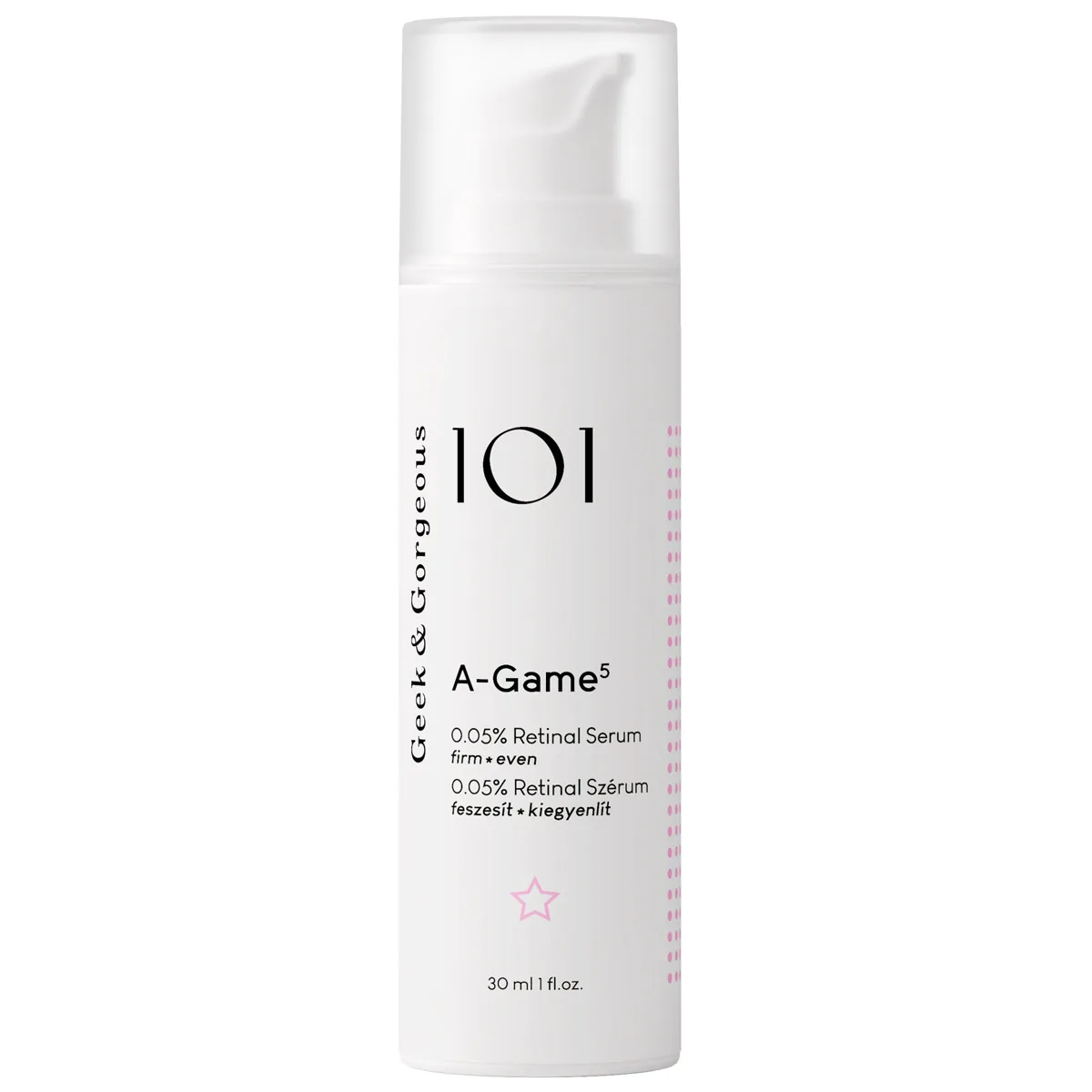 Beginner-Friendly Retinoid
 A-Game 5 Retinal Serum
The ideal beginner's retinaldehyde serum — a properly dosed 0.05% retinal in a buffered, fragrance-free formula at a price that makes long-term retinoid use actually sustainable. Same thoughtful supporting ingredients as the higher-strength A-Game 10 at half the potency, which is exactly the point. If you've never used a real retinoid, this is one of the best entry points on the market.
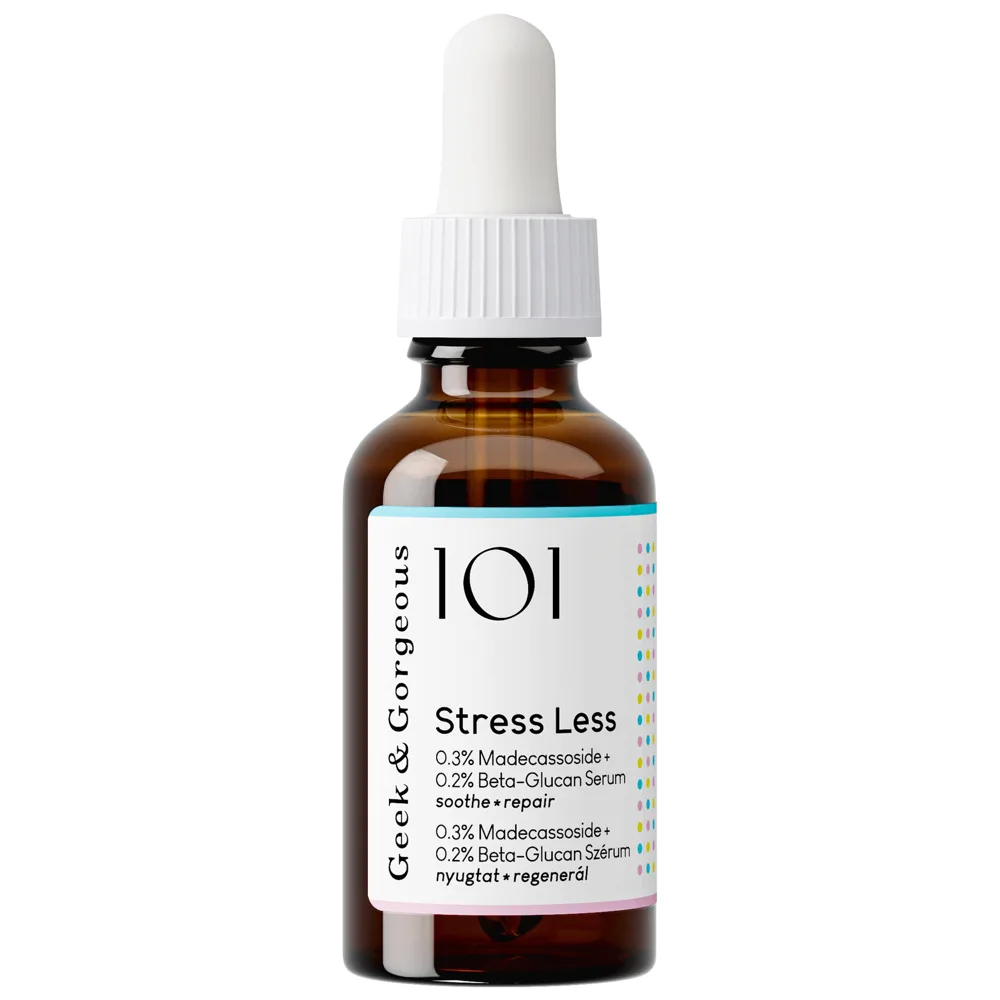 Derm-Grade Retinal at Drugstore Price
 Stress Less 0.3% Retinal Serum
A genuinely derm-grade 0.3% retinaldehyde serum at a price that shouldn't be possible. The ceramide and bisabolol buffering keeps it tolerable for experienced retinoid users, and the results — on texture, tone, and fine lines — rival premium retinals costing four times as much.
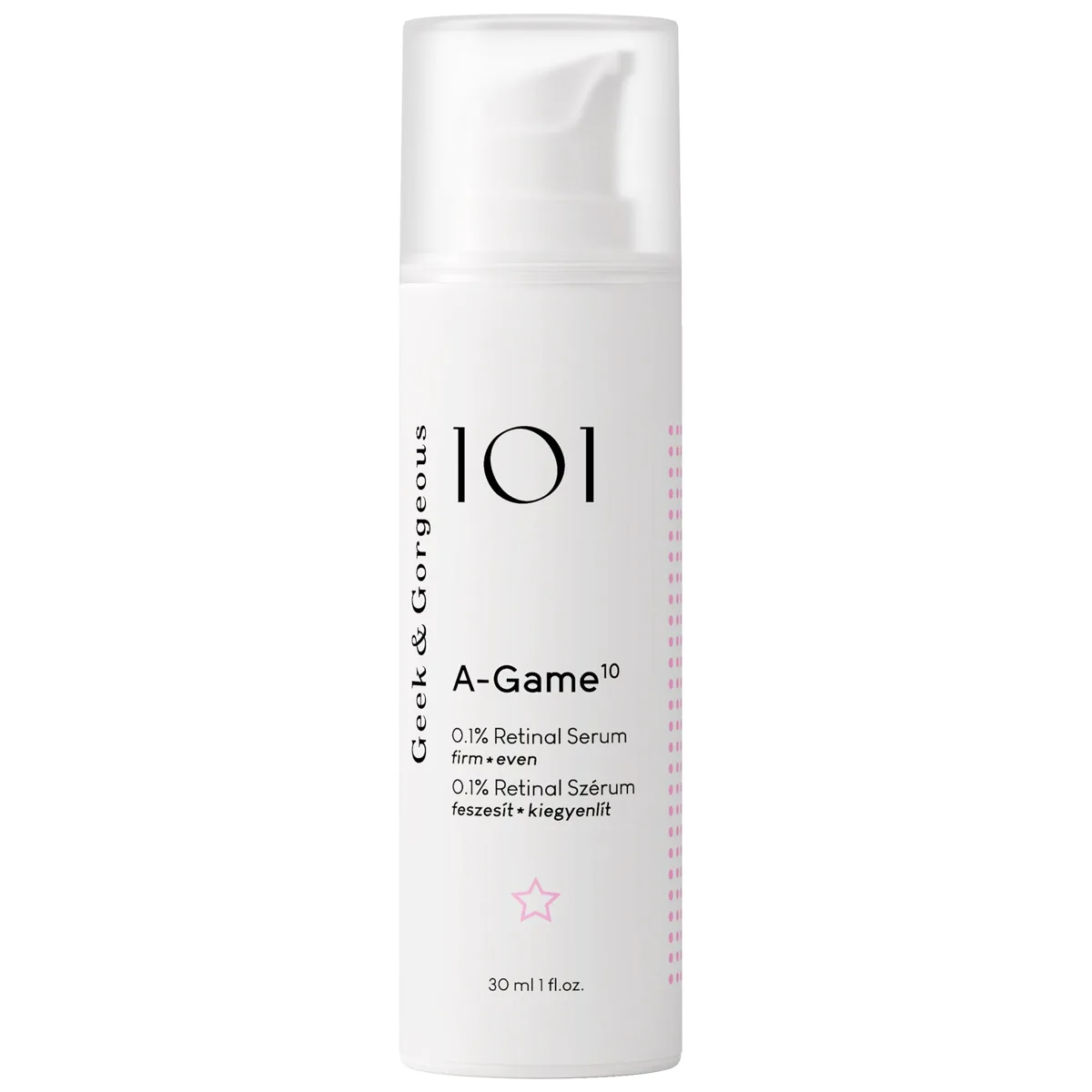 Budget Retinal Holy Grail
 A-Game 10 Retinal Serum
One of the most disruptive products in the retinoid category — a 0.1% retinaldehyde serum at around $16 when equivalent concentrations from derm brands cost $60-120. The formulation is thoughtful, the airless packaging is right, and the price point has no real competitor. Not for retinoid beginners: start with the 5 version and step up to this after a few months.
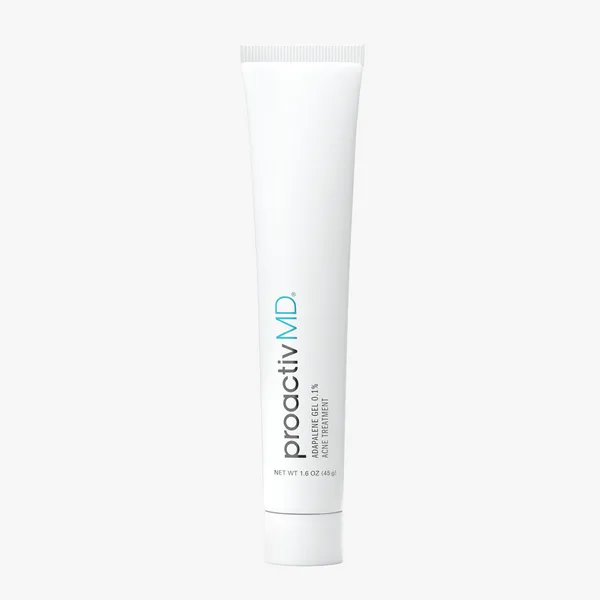 Gold Standard OTC Retinoid
 Adapalene Gel 0.1%
This is adapalene 0.1% — the same FDA-approved retinoid dermatologists have prescribed for over two decades, now available without a prescription in a no-nonsense gel. It's one of the most evidence-backed acne treatments you can buy, and Proactiv's version offers solid value in the larger size with an updated paraben-free formula.
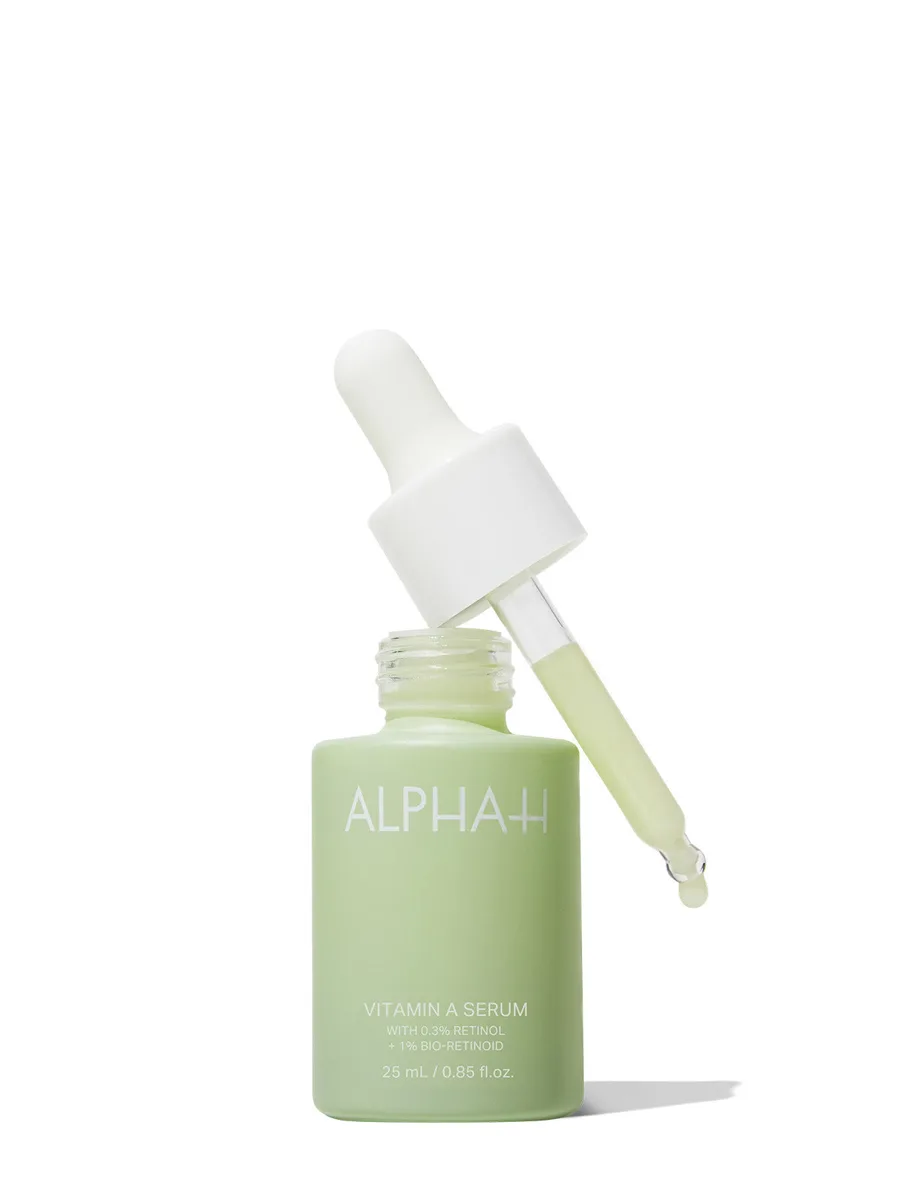 Buffered Beginner Retinol
 Vitamin A Serum
Alpha-H built its 0.5% retinol on a squalane and plant-oil base specifically to make a meaningful retinol concentration tolerable for the beginners it knew were already running aggressive AHA routines. The buffering works — this is one of the few 0.5% retinol serums new users can actually stick with through the adjustment period. The price is the only meaningful complaint.
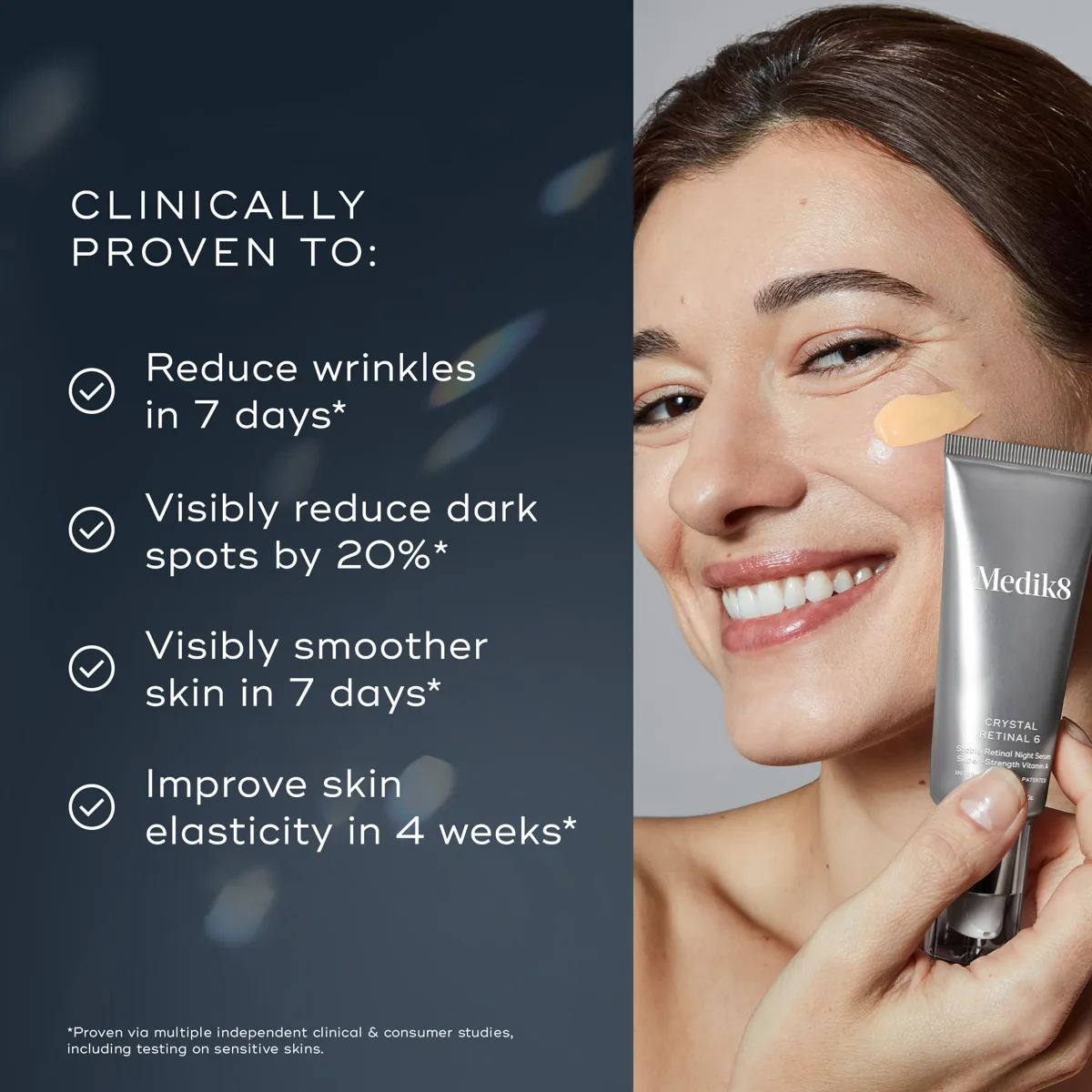 Best Retinoid Starter
 Crystal Retinal 3
The retinoid designed for people who are afraid of retinoids — and the product that might just convert them. Crystal Retinal 3 proves that the world's most effective OTC vitamin A form can be introduced to sensitive skin without the usual drama, creating a genuinely accessible on-ramp to serious anti-aging skincare.
This review reflects our independent analysis of publicly available ingredient data, manufacturer claims, and verified user reviews. We are reader-supported — Amazon links may earn us a commission at no cost to you. We do not accept paid placements; rankings are based solely on the evidence.