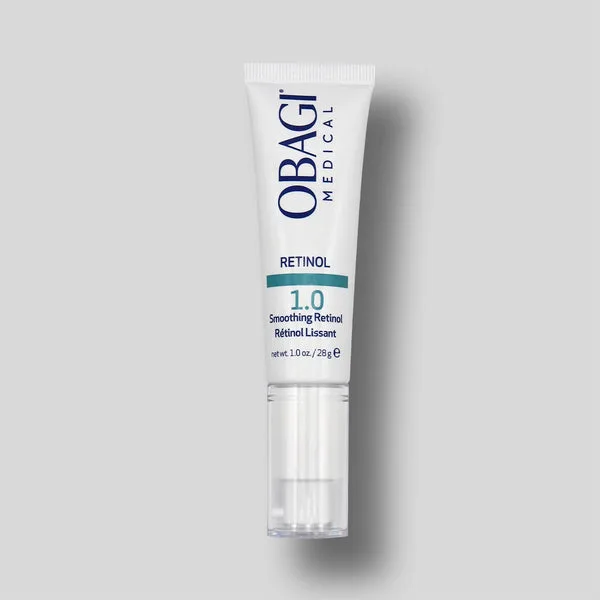
A no-compromise 1% retinol that delivers prescription-adjacent potency in an OTC cream base thoughtfully cushioned with antioxidants and botanicals. This is not a starter retinol — it's the one you graduate to when you're ready for serious results and willing to weather the retinization period.
Retinol 1.0
A no-compromise 1% retinol that delivers prescription-adjacent potency in an OTC cream base thoughtfully cushioned with antioxidants and botanicals. This is not a starter retinol — it's the one you graduate to when you're ready for serious results and willing to weather the retinization period.
Score Breakdown
Where this product gains points and where it loses them — broken down across the four scoring pillars.
A potent, well-formulated 1% retinol with an impressive antioxidant and soothing support system. The high concentration limits its audience to experienced retinol users, and the moderate irritation risk reflects the reality of working with this much active retinol.
Pros & Cons
- ✓Full 1% retinol concentration — the highest widely available OTC strength
- ✓Sophisticated support system with CoQ10, hyaluronic acid, and botanical soothers
- ✓Fragrance-free and paraben-free formula with modern preservative system
- ✓Rich cream base with shea butter and jojoba oil buffers irritation effectively
- ✓Visible improvements in fine lines and hyperpigmentation within 6-8 weeks
- ✓Licorice root derivative provides additional brightening alongside the retinol
- ✓Reasonable price point for a clinical-grade high-concentration retinol
- ✗Significant retinization period with peeling and redness lasting 2-4 weeks
- ✗Not suitable for retinol beginners — requires prior tolerance building
- ✗Small 1 oz tube lasts only 6-8 weeks with nightly use
- ✗Contains St. John's wort which can increase photosensitivity
- ✗Rich cream base may feel heavy for oily skin types in warm weather
Full Review
In the retinol arms race, where every brand claims their 0.1% encapsulated retinol derivative delivers "professional results," Obagi's Retinol 1.0 cuts through the noise with refreshing directness: one percent pure retinol, clearly stated on the label, delivered in a cream that doesn't pretend this won't be intense.
The Obagi360 Retinol line launched around 2014 as a bridge product — something for patients who had maxed out the benefits of weaker OTC retinols but weren't ready for (or didn't need) a prescription tretinoin. At 1%, it sits at the absolute top of what's available without a doctor's script, and the formulation reflects an understanding that this much retinol needs a carefully engineered support system to be usable.
That support system is actually the most interesting part of this product. The cream base is built around shea butter and jojoba oil — rich emollients that create an occlusive environment where the retinol can penetrate effectively while simultaneously buffering the skin against the dryness and irritation that 1% retinol inevitably provokes. Ubiquinone (CoQ10) provides antioxidant protection that serves double duty: it shields the retinol molecule from oxidative degradation and provides its own anti-aging benefits at the cellular level. Sodium hyaluronate pulls moisture into the actively exfoliating skin. Dipotassium glycyrrhizate from licorice root calms inflammation. And a blend of chamomile, mallow flower, elderflower, sage, and St. John's wort provides additional botanical soothing that, in aggregate, creates a meaningful buffer against retinoid dermatitis.
The texture is a medium-weight cream — richer than a serum but not as heavy as a night cream. It spreads easily with a small amount and absorbs into a smooth, satin finish that doesn't feel greasy or sit on the surface. There's no added fragrance, which is exactly right for a product that's already challenging the skin's tolerance. The base is elegant enough that you don't necessarily need a separate moisturizer on top, though most dermatologists would recommend one anyway, especially during the adjustment period.
And about that adjustment period — let's be honest about what 1% retinol actually means for your face. The first two to four weeks will involve some combination of redness, peeling, tightness, and possibly a purging phase where existing microcomedones surface faster than usual. This is not a product that lets you skip retinization through clever encapsulation or slow-release technology. The retinol is direct, and it will make its presence known. The shea butter and botanical extracts take the edge off, but they can't eliminate the biological reality of rapidly accelerated cell turnover.
The correct approach is gradual frequency building: every third night for the first week or two, every other night for another two weeks, then nightly as tolerated. Impatient users who jump straight to nightly application will likely end up with a damaged barrier that takes weeks to repair — defeating the entire purpose of the treatment.
Once past the retinization phase, this is where the product earns its reputation. Users consistently report visible improvements in fine lines, skin texture, and hyperpigmentation starting around week four to six. By the eight to twelve week mark, the cumulative effects of accelerated collagen synthesis and normalized cell turnover produce genuinely noticeable changes — smoother texture, reduced pore visibility, faded dark spots, and a general brightness that retinol enthusiasts describe as their skin finally "clicking."
The value proposition is reasonable for what you're getting. At $90 for one ounce, it's not cheap, but it's genuinely less expensive than many competing clinical retinol products that offer lower concentrations. The catch is that one ounce doesn't last long with nightly facial application — expect six to eight weeks per tube, which translates to roughly $45-60 per month. For a treatment product that's delivering real results, that's in line with dermatologist expectations.
The paraben-free preservative system (phenoxyethanol, ethylhexylglycerin, caprylyl glycol) is a modern touch that the older Nu-Derm products lack, suggesting this was formulated with a more contemporary lens. The absence of fragrance and the thoughtful inclusion of multiple anti-irritation ingredients signal that Obagi took the formulation seriously rather than just throwing a high retinol concentration into a basic cream and calling it premium.
One note of caution: this product contains Hypericum perforatum (St. John's wort), which can increase photosensitivity — an ironic addition to a product that already demands rigorous sun protection. While the concentration in this formula is likely minimal, it underscores the critical importance of SPF 30+ every morning without exception when using this retinol.
For experienced retinol users looking to maximize their OTC results before making the jump to prescription tretinoin, this is a serious contender. For beginners, it's not where you start — it's where you aim to end up.
Formula
Key Ingredients
The hero actives that drive this product's performance.
| Ingredient | Function | Evidence |
|---|---|---|
| Retinol (1%) | At a full 1% concentration, this is one of the highest over-the-counter retinol doses available. In this cream base enriched with shea butter and jojoba oil, the retinol accelerates cell turnover, stimulates collagen synthesis, and reduces hyperpigmentation — while the emollient matrix helps buffer the inevitable irritation that comes with this potent concentration. | well-established |
| Ubiquinone (Coenzyme Q10) | A mitochondrial antioxidant that serves double duty in this formula: it protects the retinol from oxidative degradation that would reduce its efficacy, while simultaneously providing its own anti-aging benefits by neutralizing free radicals and supporting cellular energy production in aging skin. | well-established |
| Sodium Hyaluronate | The low-molecular-weight form of hyaluronic acid draws and binds moisture to skin that retinol is actively exfoliating and turning over, counteracting the dehydration and flaking that are the most common side effects of high-concentration retinol use. | well-established |
| Dipotassium Glycyrrhizate | A licorice-derived anti-inflammatory that calms the redness and irritation triggered by 1% retinol, while also contributing mild brightening effects that complement retinol's own pigment-correcting activity on post-inflammatory hyperpigmentation and sun spots. | well-established |
| Butyrospermum Parkii (Shea) Butter | A rich occlusive emollient that forms a protective layer over the retinol-treated skin, sealing in moisture and preventing the excessive transepidermal water loss that high-strength retinol can provoke — essentially functioning as a built-in barrier repair agent within the treatment itself. | well-established |
| Chamomilla Recutita (Matricaria) Flower Extract | Provides bisabolol and chamazulene to soothe retinol-induced inflammation, working alongside the licorice derivative and botanical extract blend to create multiple layers of anti-irritation support around the potent 1% retinol core. | well-established |
Full INCI List
Aqua/Water/Eau, Caprylic/Capric Triglyceride, Glyceryl Stearate, Cyclopentasiloxane, Butylene Glycol, Stearic Acid, Butyrospermum Parkii (Shea) Butter, Polysorbate 60, Stearyl Alcohol, Glycerin, Allyl Methacrylates Crosspolymer, Retinol, Polysorbate 20, Dimethicone, Simmondsia Chinensis (Jojoba) Seed Oil, Chamomilla Recutita (Matricaria) Flower Extract, Hypericum Perforatum Flower Extract, Malva Sylvestris (Mallow) Flower Extract, Salvia Officinalis (Sage) Leaf Extract, Sambucus Nigra Flower Extract, Cyclohexasiloxane, Sorbitol, Tocopheryl Acetate, Ascorbic Acid, Ubiquinone, Sodium Hyaluronate, Propylene Glycol, BHT, Bisabolol, Dimethicone/Vinyl Dimethicone Crosspolymer, Dipotassium Glycyrrhizate, Disodium EDTA, Triethanolamine, Carbomer, Glyceryl Acrylate/Acrylic Acid Copolymer, Caprylyl Glycol, Ethylhexylglycerin, Hexylene Glycol, Phenoxyethanol
Product Flags
✓ Fragrance Free✓ Alcohol Free✗ Oil Free✗ Silicone Free✓ Paraben Free✓ Sulfate Free✗ Cruelty Free✗ Vegan✗ Fungal Acne Safe
Comedogenic Ingredients
Butyrospermum Parkii (Shea) Butter
Potential Irritants
Retinol 1%Propylene Glycol
Common Allergens
Hypericum Perforatum (St. John's Wort)
Compatibility
Skin Match
Best For
Works For
Not Ideal For
Addresses These Conditions
aging hyperpigmentation sun damage texture dullness dark spots
Use With Caution
eczema rosacea sensitivity compromised skin barrier
Routine Step
treatment
Time of Day
PM
Pregnancy Safe
No ✗
Layering Tips
Apply a pea-sized amount to clean, dry skin in the evening. Wait 20-30 minutes after cleansing to ensure skin is completely dry before application — this reduces irritation. Follow with a rich moisturizer. Always use SPF 30+ the next morning.
Results Timeline
Expect redness, dryness, and mild peeling during the first 2-4 weeks as skin acclimates to the 1% concentration. Improved texture and brightness typically emerge at weeks 4-6. Significant reduction in fine lines, wrinkles, and hyperpigmentation usually visible after 8-12 weeks of consistent use.
Pairs Well With
hyaluronic acid serumsceramide moisturizersniacinamide serumsSPF 30+ sunscreens
Conflicts With
benzoyl peroxideAHA exfoliantsBHA exfoliantsvitamin C (in same routine step)
Sample AM Routine
- Gentle cleanser
- Vitamin C serum
- Moisturizer
- Sunscreen SPF 30+
Sample PM Routine
- Gentle cleanser
- THIS PRODUCT (on dry skin)
- Rich moisturizer or occlusive
Evidence
Science & Expert Perspective
The Science
Retinol at 1% concentration represents the upper limit of what's available in over-the-counter skincare, and the evidence supporting its efficacy at this level is substantial. Retinol is enzymatically converted to retinaldehyde and then to all-trans retinoic acid (tretinoin) within the skin, where it binds to retinoic acid receptors (RARs) and retinoid X receptors (RXRs) to modulate gene expression. This results in increased collagen I and III synthesis, normalized keratinocyte differentiation, and reduced matrix metalloproteinase activity — the enzymes responsible for collagen degradation.
A landmark study by Kafi et al. published in the Archives of Dermatology (2007) demonstrated that 0.4% retinol applied three times weekly for 24 weeks significantly improved fine wrinkles and increased glycosaminoglycan and procollagen I expression in photoaged skin. At 1%, as in this product, the retinol-to-retinoic-acid conversion is more robust, though it follows a saturation curve — not all of the applied retinol is converted immediately, which is why daily application builds cumulative benefit over weeks.
The inclusion of ubiquinone (CoQ10) is supported by research published in BioFactors (2008) showing that topical CoQ10 reduces oxidative stress markers in skin and supports mitochondrial function in aging fibroblasts. In the context of this retinol cream, CoQ10 both stabilizes the retinol molecule against oxidation and provides independent anti-aging activity. Sodium hyaluronate's role is clinically validated as a humectant that can bind up to 1000 times its weight in water, addressing the dehydration that high-strength retinol inevitably causes through accelerated desquamation.
References
- Improvement of naturally aged skin with vitamin A (retinol) — Archives of Dermatology (2007)
Dermatologist Perspective
Board-certified dermatologists frequently position 1% retinol as the bridge between cosmetic-grade retinol and prescription tretinoin. Dermatologists who dispense this product note that it offers patients the highest available OTC retinol concentration with the advantage of a cream vehicle that includes barrier-supportive and anti-inflammatory ingredients — something prescription retinoids often lack. It is commonly recommended for patients with moderate photoaging, persistent hyperpigmentation, or textural irregularities who have previously tolerated lower retinol concentrations. Dermatologists emphasize the importance of gradual introduction and mandatory daily sunscreen use, as 1% retinol significantly increases photosensitivity.
Guidance
Usage Guide
How to Use
Apply a pea-sized amount to clean, completely dry skin at night — wait at least 20-30 minutes after cleansing before application, as damp skin increases retinol penetration and irritation. Start every third night for 1-2 weeks, progress to every other night for 2 weeks, then transition to nightly use as tolerated. Follow with a rich moisturizer. Apply SPF 30+ sunscreen every morning without exception. Avoid combining with AHA/BHA exfoliants or benzoyl peroxide in the same routine.
Value Assessment
At $90 for 1 oz, Obagi Retinol 1.0 costs approximately $90 per ounce — premium but not unreasonable for a clinical-grade 1% retinol with a well-designed supporting formula. The tube lasts 6-8 weeks with nightly use, translating to roughly $45-60 per month. This positions it competitively against other physician-dispensed retinols, many of which offer lower concentrations at similar or higher prices. For the specific combination of 1% retinol with CoQ10, hyaluronic acid, and a robust botanical soothing complex, the value is solid — particularly for users who have outgrown lower-strength products and want to maximize their OTC retinol before considering prescription options.
Who Should Buy
Experienced retinol users with established tolerance who want maximum OTC retinol potency for addressing fine lines, wrinkles, hyperpigmentation, and textural concerns. Ideal for those in their mid-30s and beyond who have used 0.25-0.5% retinol products successfully and are ready to step up.
Who Should Skip
Retinol beginners with no prior tolerance, anyone with active eczema, rosacea, or a compromised skin barrier, pregnant or breastfeeding individuals, and those who are unwilling to commit to daily sunscreen use and the gradual introduction protocol this concentration demands.
Ready to try Obagi Retinol 1.0?
Details
Details
Texture
Rich, creamy consistency that feels emollient without being overly heavy; spreads easily and absorbs into a smooth finish
Scent
Unscented — no added fragrance
Packaging
Small white tube with Obagi Medical branding, stored in a secondary carton to protect the retinol from light degradation
Finish
satinnon-greasy
What to Expect on First Use
First-time users should expect a retinization period of 2-4 weeks. During this phase, mild to moderate peeling, redness, and dryness are normal — the shea butter and botanical extracts in the formula help mitigate this, but the 1% concentration is genuinely potent. Start by using every other night or every third night, gradually building to nightly use.
How Long It Lasts
6-8 weeks with nightly use on face and neck
Period After Opening
6 months
Best Season
fall winter
Background
The Why
The Obagi360 Retinol line was developed as a bridge between the brand's prescription-strength Nu-Derm system and the growing consumer demand for high-performance OTC retinol. At 1%, it represents Obagi's answer to patients who wanted the strongest possible retinol without a prescription — essentially the ceiling of what cosmetic retinol can deliver.
About Obagi Legacy Brand (20+ years)
Obagi was founded in 1988 by board-certified dermatologist Dr. Zein Obagi and has been a staple in dermatology offices for over three decades. Its physician-dispensed product lines are backed by clinical studies and are widely used in medical aesthetic settings.
Brand founded: 1988 · Product launched: 2014
Myth vs. Reality
Myths & Misconceptions
Myth
Higher retinol percentage always means better results
Reality
A 1% retinol like this one is genuinely potent, but more isn't always better — skin can only convert so much retinol to retinoic acid at a time. What matters more than percentage alone is the formulation vehicle, stability, and your skin's tolerance. This cream's buffering ingredients help ensure the retinol is used effectively rather than just causing irritation.
Myth
You should use retinol every night from the start for fastest results
Reality
Starting at 1% retinol nightly will likely cause retinoid dermatitis — redness, peeling, and sensitivity that can set you back weeks. The recommended approach with this product is to start every third night, build to every other night over 2-3 weeks, and then transition to nightly use as tolerated.
FAQ
Frequently Asked Questions
Is Obagi Retinol 1.0 too strong for beginners?
Yes — 1% retinol is a high concentration best suited for those who have already built tolerance with lower-strength retinol products (0.25-0.5%). If you're new to retinol, Obagi offers a 0.5% version that provides a more manageable entry point before stepping up to the 1.0.
How often should I use Obagi Retinol 1.0?
Even experienced retinol users should start with every third night for the first 1-2 weeks, then every other night for another 2 weeks, before transitioning to nightly use. This formula's 1% concentration is potent enough that jumping to nightly use immediately will likely cause significant peeling and redness.
Can I use Obagi Retinol 1.0 with vitamin C?
Yes, but separate them by time of day — use vitamin C in the morning for antioxidant protection and this retinol at night. Using both simultaneously can increase irritation and reduce the stability of both actives. The formula already contains ascorbic acid as a supporting antioxidant in a stabilized context.
Does Obagi Retinol 1.0 cause purging?
Yes, a purging phase of 2-6 weeks is common with 1% retinol as it accelerates cell turnover and brings existing microcomedones to the surface faster. This is different from a breakout — purging occurs in areas where you typically get blemishes and resolves as skin adjusts. The botanical soothing agents in this formula help manage the accompanying inflammation.
Is Obagi Retinol 1.0 safe during pregnancy?
No — all retinol products, including this one, should be discontinued during pregnancy and breastfeeding. Retinol is converted to retinoic acid in the skin, and retinoids as a class are contraindicated during pregnancy due to the risk of birth defects. Consult your dermatologist for pregnancy-safe alternatives.
Community
Community Voices
Common Praise
"Noticeable improvement in skin texture and fine lines within weeks"
"Well-formulated cream base that reduces typical retinol dryness"
"Effective at fading dark spots and evening skin tone"
"Good value compared to other clinical-grade retinol products"
Common Complaints
"Significant peeling and redness during the adjustment period"
"Too strong for retinol beginners — should start with 0.5%"
"Rich cream base may feel heavy for oily skin types"
"Small 1 oz tube at $90 doesn't last long with nightly use"
Notable Endorsements
Commonly dispensed in dermatology officesFeatured in multiple dermatologist retinol recommendations
Appears In
best retinoid for aging best retinol cream best treatment for hyperpigmentation best clinical retinol
Related Conditions
aging hyperpigmentation sun damage texture dullness
Related Ingredients
retinol coenzyme q10 hyaluronic acid licorice root shea butter chamomile
You Might Also Like
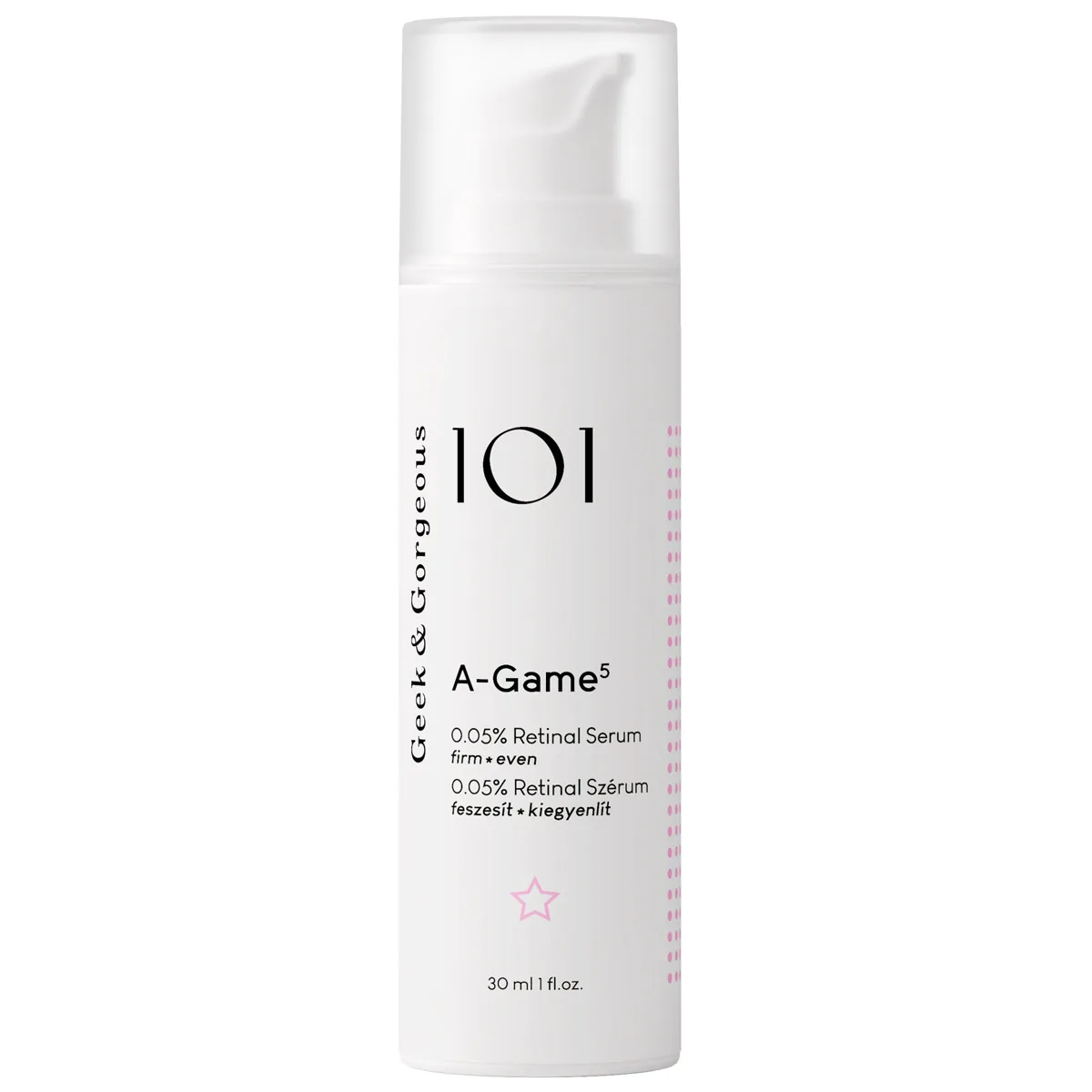 Beginner-Friendly Retinoid
 A-Game 5 Retinal Serum
The ideal beginner's retinaldehyde serum — a properly dosed 0.05% retinal in a buffered, fragrance-free formula at a price that makes long-term retinoid use actually sustainable. Same thoughtful supporting ingredients as the higher-strength A-Game 10 at half the potency, which is exactly the point. If you've never used a real retinoid, this is one of the best entry points on the market.
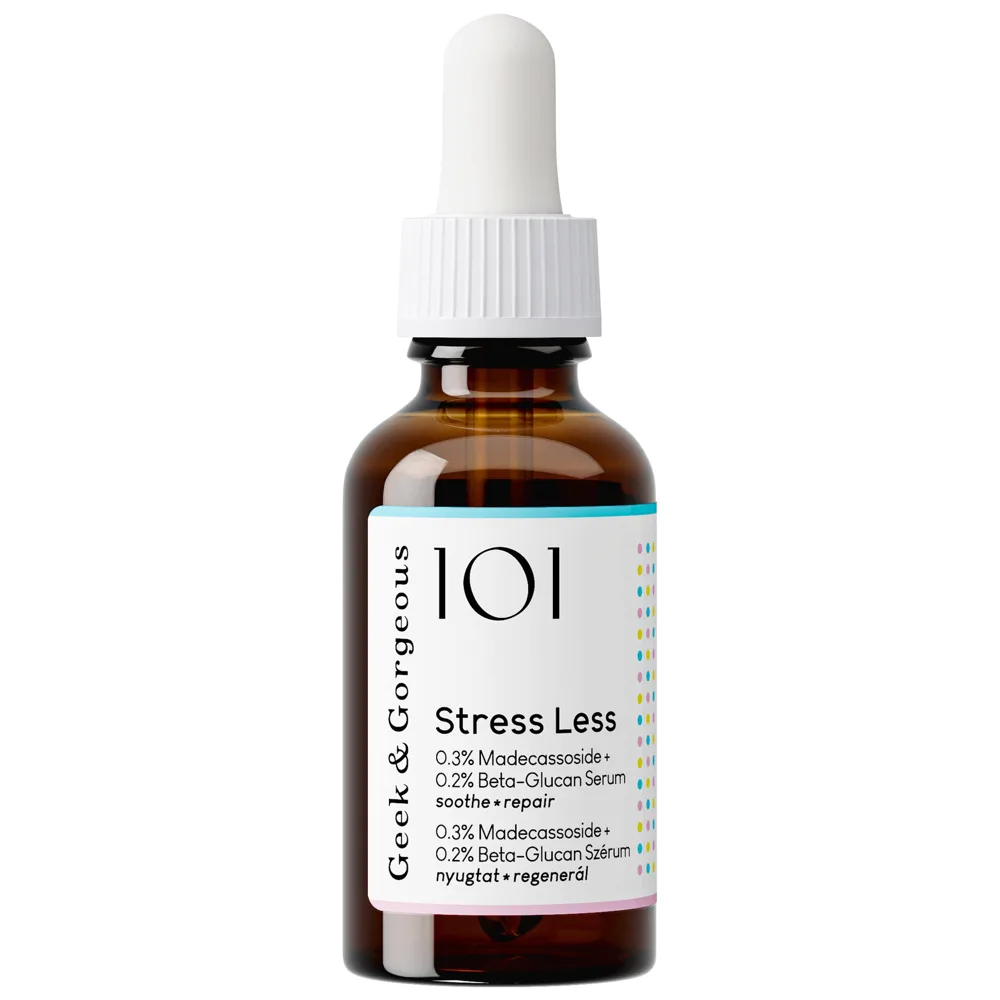 Derm-Grade Retinal at Drugstore Price
 Stress Less 0.3% Retinal Serum
A genuinely derm-grade 0.3% retinaldehyde serum at a price that shouldn't be possible. The ceramide and bisabolol buffering keeps it tolerable for experienced retinoid users, and the results — on texture, tone, and fine lines — rival premium retinals costing four times as much.
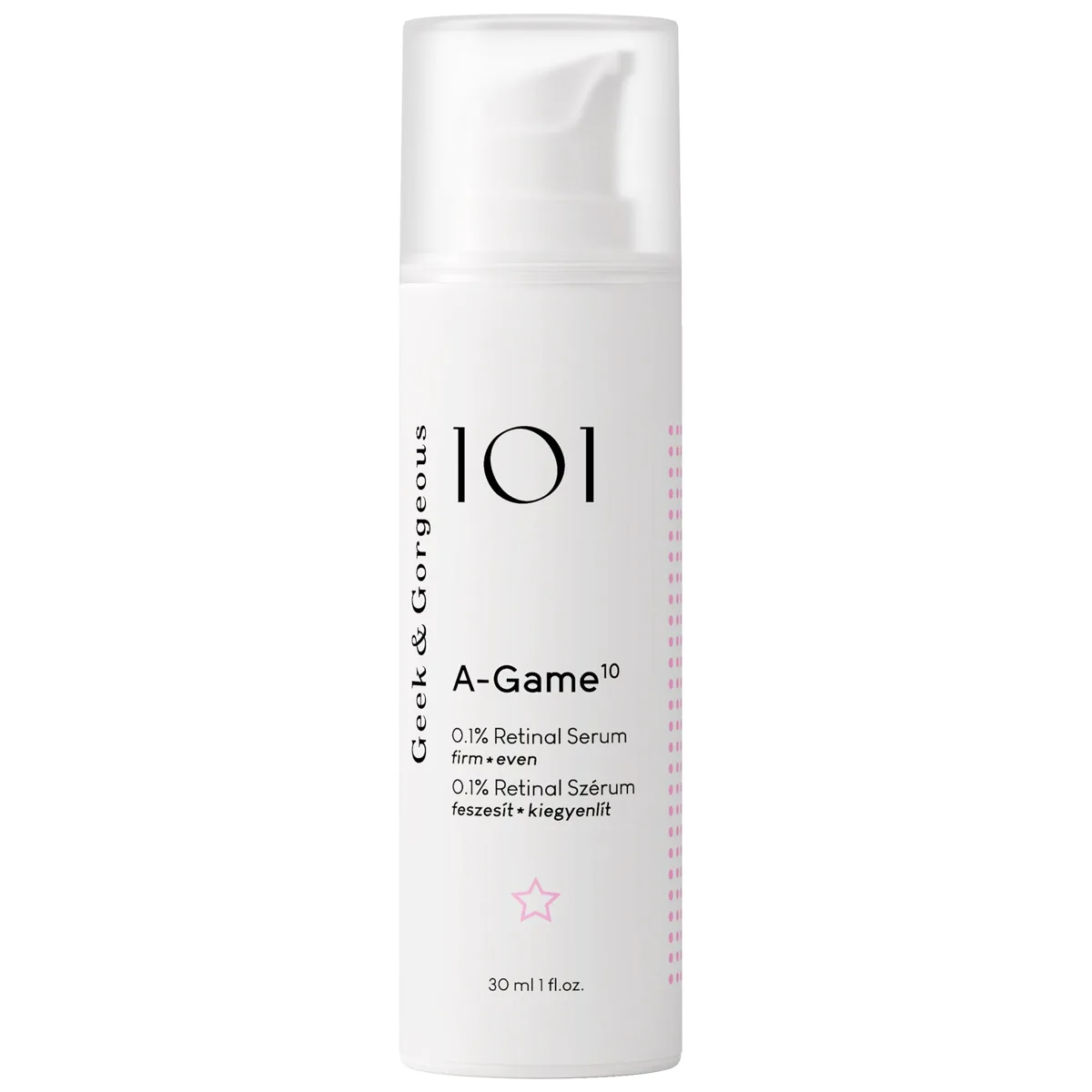 Budget Retinal Holy Grail
 A-Game 10 Retinal Serum
One of the most disruptive products in the retinoid category — a 0.1% retinaldehyde serum at around $16 when equivalent concentrations from derm brands cost $60-120. The formulation is thoughtful, the airless packaging is right, and the price point has no real competitor. Not for retinoid beginners: start with the 5 version and step up to this after a few months.
 Gold Standard OTC Retinoid
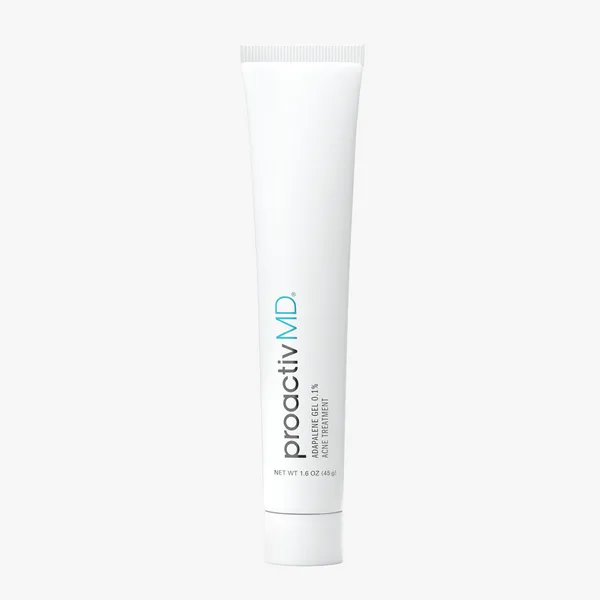
 Adapalene Gel 0.1%
This is adapalene 0.1% — the same FDA-approved retinoid dermatologists have prescribed for over two decades, now available without a prescription in a no-nonsense gel. It's one of the most evidence-backed acne treatments you can buy, and Proactiv's version offers solid value in the larger size with an updated paraben-free formula.
 Buffered Beginner Retinol
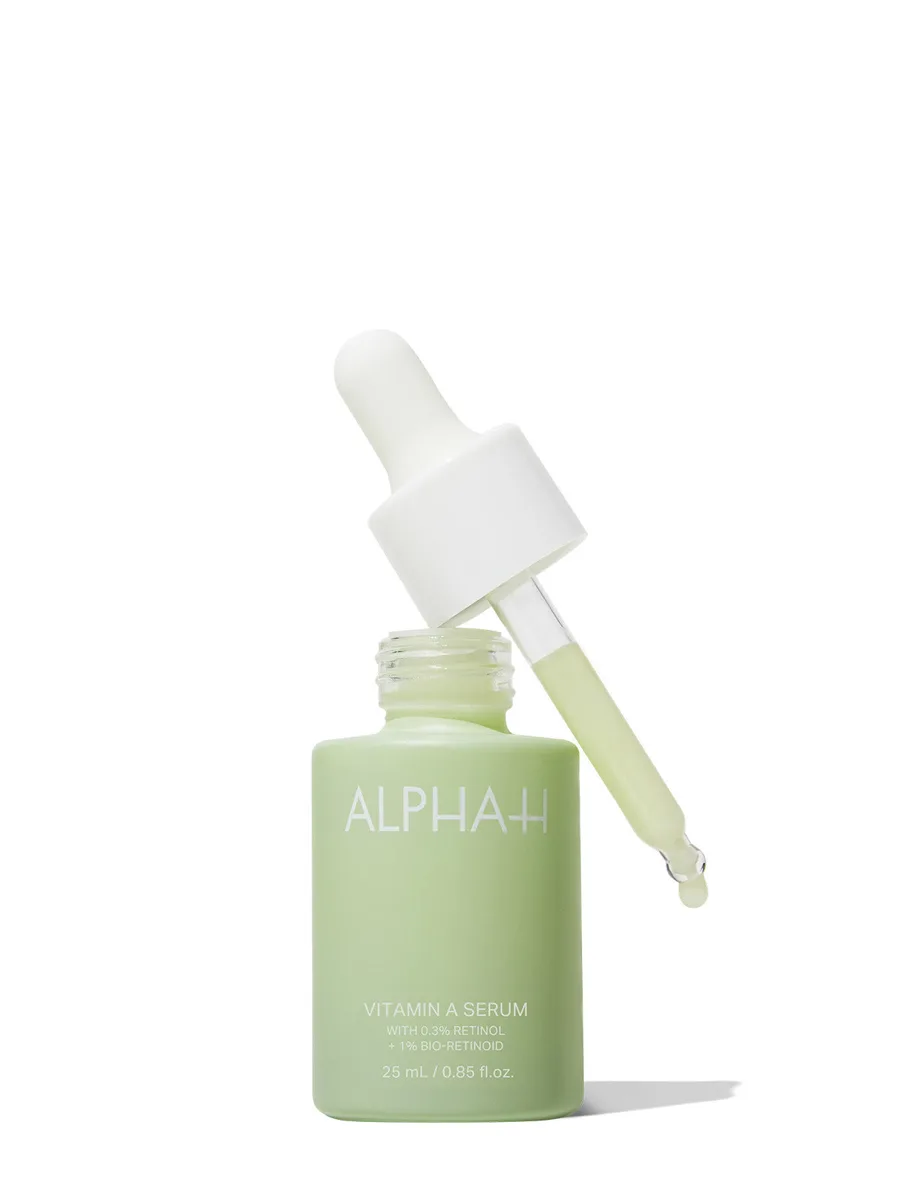
 Vitamin A Serum
Alpha-H built its 0.5% retinol on a squalane and plant-oil base specifically to make a meaningful retinol concentration tolerable for the beginners it knew were already running aggressive AHA routines. The buffering works — this is one of the few 0.5% retinol serums new users can actually stick with through the adjustment period. The price is the only meaningful complaint.
 Best Retinoid Starter
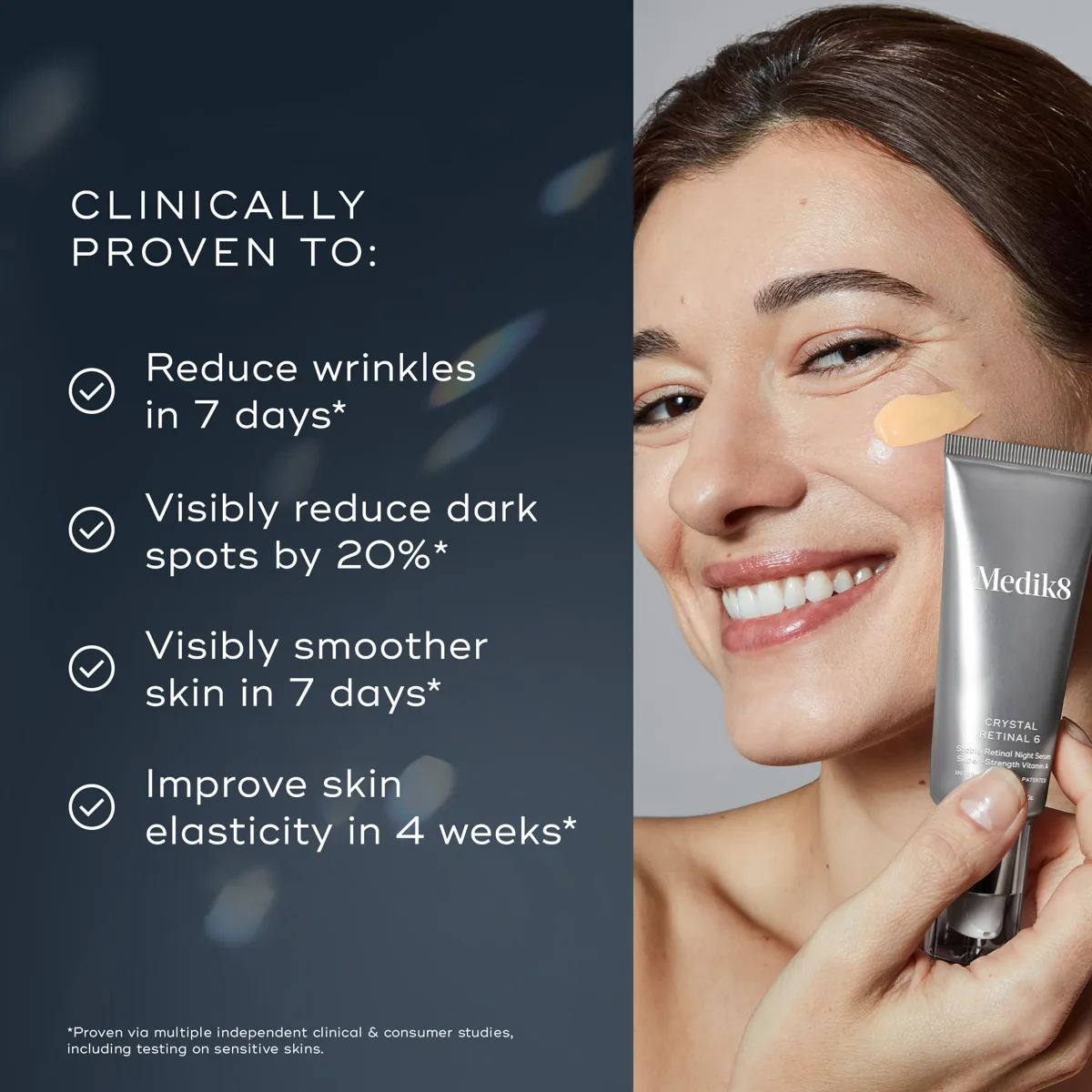
 Crystal Retinal 3
The retinoid designed for people who are afraid of retinoids — and the product that might just convert them. Crystal Retinal 3 proves that the world's most effective OTC vitamin A form can be introduced to sensitive skin without the usual drama, creating a genuinely accessible on-ramp to serious anti-aging skincare.