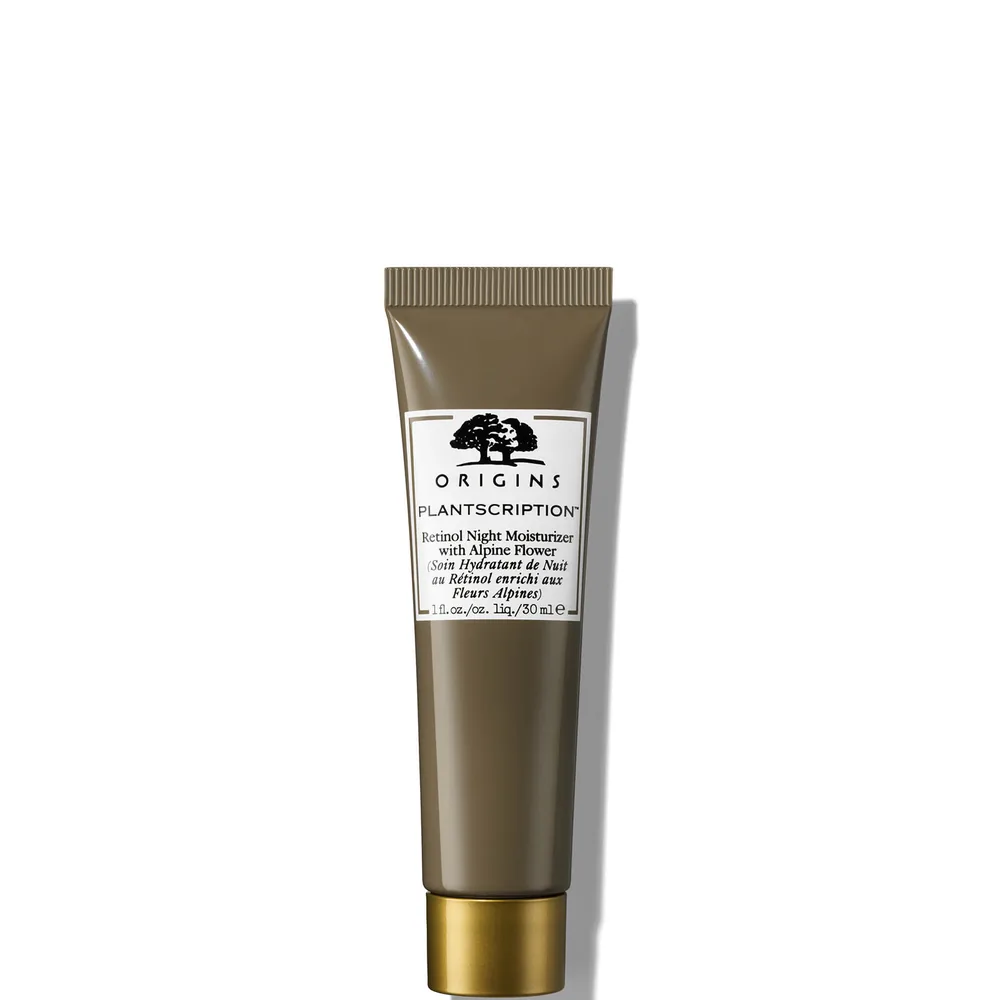
A botanical-forward retinol moisturizer that prioritizes gentleness and plant-extract luxury over clinical potency. The niacinamide and Argireline additions are smart, but nine essential oils in a retinol product is a significant formulation contradiction, and $64 for 1 oz with an undisclosed retinol concentration is a tough value proposition.
Plantscription Retinol Night Moisturizer
A botanical-forward retinol moisturizer that prioritizes gentleness and plant-extract luxury over clinical potency. The niacinamide and Argireline additions are smart, but nine essential oils in a retinol product is a significant formulation contradiction, and $64 for 1 oz with an undisclosed retinol concentration is a tough value proposition.
Score Breakdown
Where this product gains points and where it loses them — broken down across the four scoring pillars.
A retinol moisturizer with genuinely interesting botanical support (niacinamide, Argireline, Alpine flower) but severely hampered by the inclusion of nine essential oils that contradict the formula's anti-aging purpose. At $64 for only 1 oz, the value is poor for a retinol product with undisclosed concentration.
Pros & Cons
- ✓Contains actual retinol (not a botanical alternative) for proven anti-aging
- ✓Niacinamide and Argireline peptide create a multi-mechanism anti-aging approach
- ✓Rich, nourishing base prevents the dryness typical of retinol products
- ✓Alpine flower and Anogeissus bark extracts add unique botanical support
- ✓Gentle enough for retinol beginners
- ✓Vegan and cruelty-free
- ✗Nine essential oils create significant irritation risk in a retinol product
- ✗Five identified fragrance allergens (limonene, linalool, citronellol, geraniol, citral)
- ✗Expensive at $64 for only 1 oz
- ✗Retinol concentration not disclosed — likely very low
- ✗Mixed reviews on anti-aging efficacy
- ✗Essential oils contradict the retinol's barrier-weakening mechanism
Full Review
Origins has always positioned itself at the intersection of nature and science, and the Plantscription Retinol Night Moisturizer is the purest expression of that tension. On one hand, it contains retinol — the most proven synthetic anti-aging active in OTC skincare, backed by decades of randomized controlled trials. On the other, it's surrounded by nine essential oils, an Alpine flower extract, algae, artichoke, and coffee — a botanical garden's worth of plant ingredients that reflect the brand's founding philosophy but complicate the formula's clinical purpose.
The retinol is real, and that matters. Origins could have followed the 'natural retinol alternative' trend with bakuchiol or rosehip oil, but instead they committed to actual retinol — a choice that reflects scientific integrity, even if the concentration remains undisclosed. The placement in the INCI list (after butylene glycol, suggesting a moderate position) and the generally mild user experiences suggest a lower concentration designed for tolerability over potency.
Niacinamide sits high in the formula, providing the barrier support that makes retinol therapy more tolerable. This is a well-established pairing — niacinamide strengthens the skin barrier and reduces inflammation, creating conditions where retinol can work without causing excessive irritation. The combination has been validated in multiple clinical studies as synergistic rather than antagonistic.
Acetyl Hexapeptide-8 (Argireline) adds a peptide dimension to the anti-aging approach, targeting expression lines through neurotransmitter inhibition while retinol handles collagen stimulation and cell turnover. It's a thoughtful multi-mechanism strategy that addresses wrinkles from different angles.
The Alpine flower (Linum alpinum) extract is Origins' proprietary botanical highlight — derived from Edelweiss, a plant that survives intense Alpine UV exposure through powerful antioxidant defenses. While the clinical evidence for this specific extract is limited, the theoretical basis (UV-resistant plant → skin-protective compounds) is sound, and Origins has invested in proprietary research on this ingredient.
Anogeissus leiocarpus bark extract is another interesting inclusion — Origins claims it supports fibrillin production in the skin, which would complement retinol's collagen-stimulating effects. The evidence is limited but the mechanism is plausible.
And then there are the essential oils. Nine of them. Anise, bergamot, geranium, lavender, lemon, litsea cubeba, mandarin, nutmeg, orange, and rose. They create a complex, spa-like botanical fragrance that many Origins loyalists adore. But from a dermatological perspective, each essential oil introduces a cocktail of volatile terpenes and other compounds that are documented sensitizers. Limonene, linalool, citronellol, geraniol, and citral all appear on the INCI list — five of the most common fragrance allergens in dermatology.
In a regular moisturizer, this essential oil load would be concerning. In a retinol product — where the active ingredient already weakens the skin barrier and increases sensitivity — it's a significant contradiction. Retinol's mechanism involves accelerating cell turnover and temporarily thinning the stratum corneum, making skin more permeable to everything, including irritants. Adding nine essential oils to already-sensitized skin is like opening all the windows during a dust storm.
The trehalose in the formula is a noteworthy inclusion — this disaccharide sugar has been shown to protect proteins from denaturation under stress conditions, potentially helping stabilize both the retinol and the skin's own proteins during the cell-turnover process. It's a sophisticated choice buried in a formula that sometimes prioritizes aesthetics over optimization.
Caffeine appears alongside the retinol, providing the same vasoconstrictive and antioxidant benefits as in the GinZing line — a brand signature that actually makes sense in a night cream context, as it can help reduce morning puffiness when the product has been working overnight.
The moisturizing base is well-constructed, at least. Caprylic/capric triglyceride, squalane, cupuaçu seed butter, and safflower seed oil create a nourishing, occlusive layer. Hydroxyethyl urea and urea provide humectant hydration. Sodium hyaluronate and sodium PCA add water-binding support. The cream feels genuinely luxurious and comfortable, and users consistently report that it doesn't cause the dryness typical of retinol products — though whether that's due to the rich base or a very low retinol concentration is an open question.
At $64 for a single ounce, this is expensive by any measure. The retinol concentration is unknown, the essential oils are a liability, and the botanical extracts — while interesting — lack the clinical validation to justify a premium. Comparable retinol products from The Ordinary ($10-15), Naturium ($20), and even Kate Somerville ($90 for 1.7 oz) offer better value, either through lower prices, higher retinol concentrations, or both.
Ascorbic acid also appears in the formula, providing an antioxidant boost that supports retinol's collagen-stimulating effects. Vitamin C is a required cofactor in collagen hydroxylation, making its inclusion both logical and functional in an anti-aging context.
The product works best as a gentle introduction to retinol for Origins loyalists who trust the brand and enjoy the botanical sensory experience. It will provide mild anti-aging benefits over time, and the niacinamide-retinol-Argireline trio is a legitimately smart active combination. But the essential oil load undermines the formula's clinical potential, and the price asks for luxury money without delivering luxury-level retinol results.
Formula
Key Ingredients
The hero actives that drive this product's performance.
| Ingredient | Function | Evidence |
|---|---|---|
| Retinol | The primary anti-aging active, stimulating cell turnover and collagen synthesis. In this botanically-rich formula, retinol works alongside plant extracts designed to soothe and cushion the irritation retinol can cause — an approach that prioritizes tolerance over maximum potency. | well-established |
| Niacinamide | Listed high in the formula, providing barrier support, brightening, and anti-inflammatory benefits that help mitigate retinol sensitivity. The combination of retinol and niacinamide is synergistic — niacinamide strengthens the barrier while retinol works beneath it. | well-established |
| Acetyl Hexapeptide-8 (Argireline) | A neurotransmitter-inhibiting peptide that complements retinol's collagen-stimulating effects by reducing expression-line depth through a different mechanism. Provides an additional anti-wrinkle pathway alongside the retinol. | promising |
| Linum Alpinum (Alpine Flower) Extract | Origins' signature botanical in this formula — derived from Edelweiss, an Alpine plant known for surviving extreme UV exposure. Provides antioxidant protection and is claimed to support natural collagen production. | limited |
Full INCI List
Water/Aqua/Eau, Caprylic/Capric Triglyceride, Glycerin, PPG-15 Stearyl Ether, C12-20 Acid PEG-8 Ester, Phenyl Trimethicone, Niacinamide, Caprylic/Capric/Myristic/Stearic Triglyceride, Hydroxyethyl Urea, Dimethicone, Cetyl Alcohol, Butylene Glycol, Retinol, Linum Alpinum Flower/Leaf/Stem Extract, Illicium Verum Fruit/Seed Oil, Citrus Aurantium Bergamia Fruit Oil, Pelargonium Graveolens Flower Oil, Lavandula Angustifolia Oil, Citrus Limon Peel Oil, Litsea Cubeba Fruit Oil, Citrus Nobilis Peel Oil, Myristica Fragrans Kernel Oil, Citrus Aurantium Dulcis Peel Oil, Rosa Damascena Flower Oil, Carthamus Tinctorius Seed Oil, Hibiscus Abelmoschus Extract, Limonene, Linalool, Citronellol, Geraniol, Citral, Hordeum Vulgare Extract, Anogeissus Leiocarpus Bark Extract, Cynara Scolymus Leaf Extract, Triticum Vulgare Germ Extract, Theobroma Grandiflorum Seed Butter, Caffeine, Linoleic Acid, Algae Extract, Sigesbeckia Orientalis Extract, Coffea Arabica Seed Oil, Gelidiella Acerosa Extract, Acetyl Hexapeptide-8, Squalane, Hypnea Musciformis Extract, Sorbitol, Tocopheryl Acetate, Trehalose, Tocopherol, Sodium PCA, Ammonium Acryloyldimethyltaurate/VP Copolymer, Sodium Hyaluronate, Urea, Behenyl Alcohol, Caprylyl Glycol, PEG-100 Stearate, Glyceryl Stearate, Potassium Cetyl Phosphate, Acrylates/C10-30 Alkyl Acrylate Crosspolymer, Ascorbic Acid, Citric Acid, Xanthan Gum, Carbomer, Sodium Metabisulfite, Polyquaternium-51, Sodium Hydroxide, Disodium EDTA, BHT, Phenoxyethanol
Product Flags
✗ Fragrance Free✓ Alcohol Free✗ Oil Free✗ Silicone Free✓ Paraben Free✓ Sulfate Free✓ Cruelty Free✓ Vegan✗ Fungal Acne Safe
Potential Irritants
RetinolMultiple essential oils (9+)LimoneneLinaloolCitronellolGeraniolCitral
Common Allergens
LimoneneLinaloolCitronellolGeraniolCitral
Compatibility
Skin Match
Best For
Works For
Not Ideal For
Addresses These Conditions
aging texture dullness dark spots
Use With Caution
Avoid With
Routine Step
moisturizer
Time of Day
PM
Pregnancy Safe
No ✗
Layering Tips
Apply as the final step of your PM routine after serums. Do not combine with other retinol products or strong exfoliating acids. Follow with SPF 30+ the next morning.
Results Timeline
Mild improvement in brightness within 2 weeks. Texture and fine line improvements at 6-8 weeks. Expect possible mild flaking during weeks 1-3.
Pairs Well With
Gentle cleanserHydrating tonerSPF 30+ (AM)
Conflicts With
AHA/BHA exfoliants (same night)Additional retinol productsBenzoyl peroxide
Sample AM Routine
- Gentle cleanser
- Vitamin C serum
- Moisturizer
- SPF 30+
Sample PM Routine
- Double cleanse
- Hydrating toner
- Origins Plantscription Retinol Night Moisturizer
Evidence
Who Should Skip
- Nine essential oils create significant irritation risk in a retinol product
- Five identified fragrance allergens (limonene, linalool, citronellol, geraniol, citral)
- Expensive at $64 for only 1 oz
- Retinol concentration not disclosed — likely very low
Science & Expert Perspective
The Science
Retinol's anti-aging efficacy is well-established. A landmark study by Kafi et al. (2007) in the Archives of Dermatology demonstrated significant improvement in fine wrinkles, mottled pigmentation, and overall photodamage with topical retinol use. The retinol converts to tretinoin in the skin, where it binds retinoid receptors to accelerate cell turnover and stimulate collagen I and III production.
Niacinamide's synergy with retinol has been documented in clinical practice — a study in the International Journal of Cosmetic Science (2004) showed that niacinamide improved skin barrier function by increasing ceramide and fatty acid synthesis, which directly supports retinol tolerability. The combination allows retinol to work more effectively with less irritation.
Acetyl Hexapeptide-8 (Argireline) provides a complementary anti-wrinkle mechanism. Published data in the International Journal of Cosmetic Science (2002) demonstrated that this peptide reduces wrinkle depth by inhibiting SNARE complex formation, reducing neurotransmitter release at the neuromuscular junction.
The essential oil concern is supported by dermatological literature. A systematic review in Contact Dermatitis (2016) confirmed that limonene, linalool, and geraniol are among the most common causes of fragrance-related contact dermatitis. When applied to retinol-sensitized skin with a compromised barrier, the penetration and irritation potential of these compounds increases significantly.
References
- Improvement of naturally aged skin with vitamin A (retinol) — Archives of Dermatology (2007)
Dermatologist Perspective
Board-certified dermatologists appreciate the retinol-niacinamide-peptide combination but express significant concern about the nine essential oils. Dermatological guidelines consistently recommend fragrance-free formulations for retinol therapy, as retinol compromises the barrier and increases sensitivity to all topical agents. The undisclosed retinol concentration also makes it difficult for dermatologists to recommend with confidence — they cannot assess whether the product delivers a therapeutically relevant dose.
Guidance
Usage Guide
How to Use
Apply a pea-sized amount to clean, dry skin as the final PM step 2-3 nights per week initially, building to nightly use over 4-6 weeks. Do not use with other retinol, AHA/BHA, or benzoyl peroxide products in the same routine. Always apply SPF 30+ the following morning.
Value Assessment
At $64 for 1 oz ($64/oz), this is one of the more expensive retinol moisturizers per ounce in its category. The Ordinary's retinol products ($10-15/oz), Naturium Retinol Complex Cream ($12/oz), and even prestige options like Kate Somerville ($53/oz for more product) offer better value. The botanical extracts add uniqueness but not clearly superior efficacy.
Who Should Buy
Origins loyalists and retinol beginners who value a botanical sensory experience and want the gentlest possible introduction to retinol. Best for normal skin types without fragrance sensitivities.
Who Should Skip
Fragrance-sensitive individuals (the essential oil load is heavy), budget-conscious shoppers, experienced retinol users seeking stronger efficacy, and anyone with rosacea, eczema, or compromised barrier function.
Ready to try Origins Plantscription Retinol Night Moisturizer?
Details
Details
Texture
Rich, nourishing cream that feels luxurious and moisturizing. Absorbs well for a night cream.
Scent
Complex botanical fragrance from nine essential oils — rose, bergamot, lavender, lemon, orange, geranium, anise, nutmeg, and litsea cubeba. Aromatic and spa-like.
Packaging
Tube packaging protects light-sensitive retinol from degradation. Clean Origins design.
Finish
satinnon-greasy
What to Expect on First Use
Skin feels nourished and comforted. The botanical scent is prominent. Mild retinol adjustment (slight tightness, possible mild flaking) may occur in weeks 1-2. The gentle approach means less dramatic purging than stronger retinol products.
How Long It Lasts
2-3 months with nightly face application
Period After Opening
6 months
Best Season
All Year
Background
The Why
The Plantscription line is Origins' premium anti-aging collection, built on the brand's founding belief that plants can deliver serious skincare results. The Retinol Night Moisturizer was added in 2019 to address the growing consumer demand for retinol while staying true to Origins' botanical identity — resulting in a formula that pairs the most proven synthetic anti-aging active with the brand's plant-extract heritage.
About Origins Established Brand (5–20 years)
Origins was founded in 1990 by Leonard Lauder as part of The Estée Lauder Companies. Known for nature-powered skincare with plant-derived formulations. Over 30 years of botanical skincare innovation with global distribution.
Brand founded: 1990 · Product launched: 2019
Myth vs. Reality
Myths & Misconceptions
Myth
Natural retinol alternatives are as effective as retinol
Reality
Origins wisely includes actual retinol rather than relying solely on botanical alternatives. While the Alpine flower extract and other plant ingredients provide supporting benefits, retinol remains the most proven OTC anti-aging active. The botanical extracts complement rather than replace the retinol.
Myth
Essential oils in skincare are always beneficial
Reality
While many essential oils have documented benefits (antioxidant, antimicrobial), they also contain volatile compounds that can cause photosensitivity and contact dermatitis. In a retinol product — which already sensitizes the skin — adding nine essential oils increases irritation risk significantly.
FAQ
Frequently Asked Questions
How much retinol is in Origins Plantscription?
Origins does not disclose the retinol concentration. Based on the gentle approach and mild user experiences, it's likely at the lower end of effective concentrations. This makes it suitable for retinol beginners but potentially insufficient for experienced retinol users seeking stronger results.
Why does Origins Plantscription Retinol contain so many essential oils?
Origins' brand identity centers on plant-derived ingredients, and the essential oils contribute to both the botanical formulation philosophy and the product's aromatic experience. However, dermatologists generally advise against essential oils in retinol products, as retinol already sensitizes the skin.
Is Origins Plantscription Retinol good for beginners?
The gentle retinol concentration and moisturizing base make it a reasonable starting point, but the nine essential oils create an unnecessary irritation risk. Fragrance-free retinol options at lower price points may be a safer choice for first-time retinol users.
Is this retinol safe during pregnancy?
No — retinol is not recommended during pregnancy or breastfeeding. Consult your healthcare provider for pregnancy-safe alternatives.
Is Origins Plantscription Retinol worth $64?
At $64 for 1 oz with an undisclosed retinol concentration, this is one of the more expensive retinol options per ounce. The botanical extract blend adds uniqueness but not necessarily efficacy. Better-formulated retinol products exist at $20-40 with disclosed concentrations and without essential oils.
Community
Community Voices
Common Praise
"Gentle retinol suitable for beginners"
"Moisturizing formula doesn't dry skin"
"Improves pore appearance over time"
"Pleasant botanical scent (for those who enjoy it)"
Common Complaints
"Nine essential oils in a retinol product is a major irritation concern"
"Expensive at $64 for only 1 oz"
"Retinol concentration not disclosed — may be very low"
"Mixed reviews on anti-aging efficacy"
"Multiple fragrance allergens (limonene, linalool, citronellol, geraniol, citral)"
Notable Endorsements
Part of Origins' Plantscription anti-aging line
Appears In
best retinoid for aging best retinoid for texture
Related Conditions
aging texture dullness dark spots
Related Ingredients
You Might Also Like
 Beginner-Friendly Retinoid
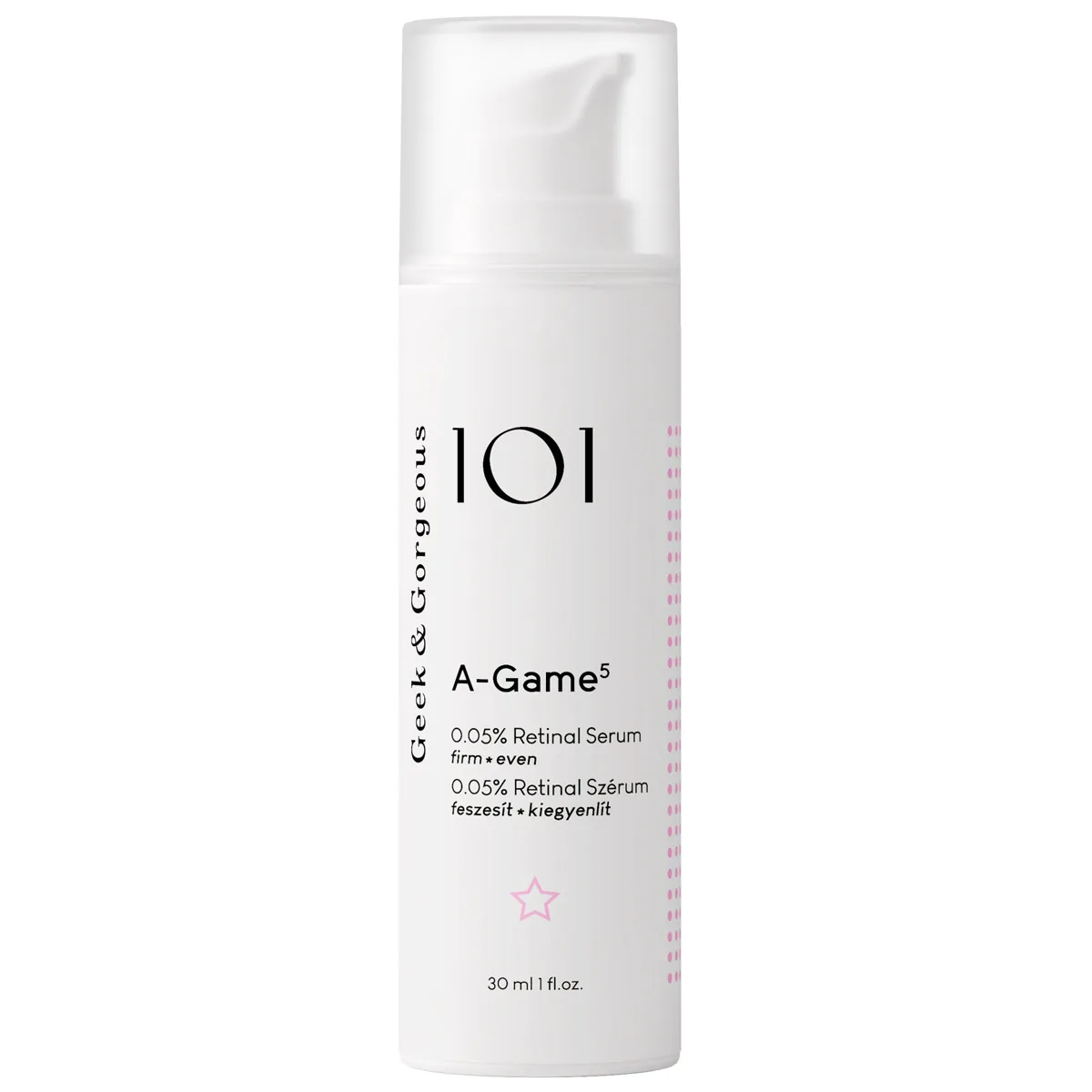
 A-Game 5 Retinal Serum
The ideal beginner's retinaldehyde serum — a properly dosed 0.05% retinal in a buffered, fragrance-free formula at a price that makes long-term retinoid use actually sustainable. Same thoughtful supporting ingredients as the higher-strength A-Game 10 at half the potency, which is exactly the point. If you've never used a real retinoid, this is one of the best entry points on the market.
 Derm-Grade Retinal at Drugstore Price
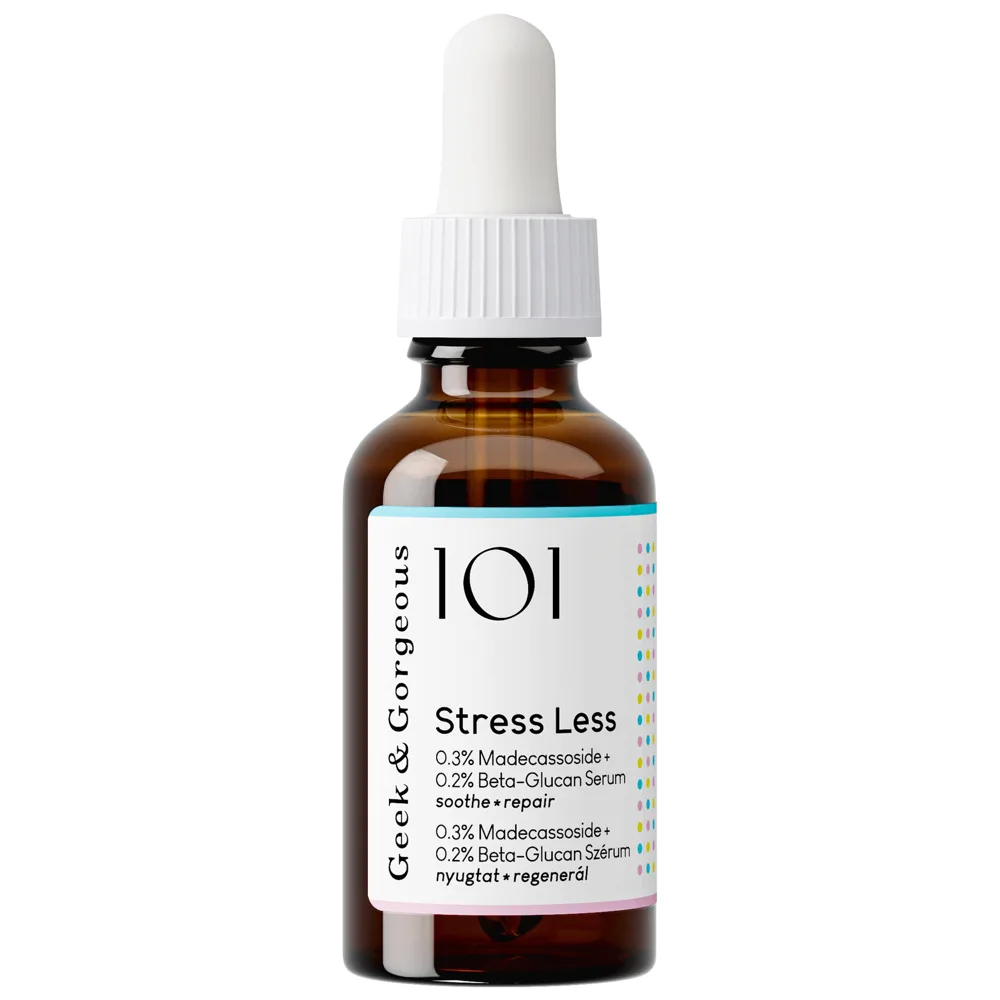
 Stress Less 0.3% Retinal Serum
A genuinely derm-grade 0.3% retinaldehyde serum at a price that shouldn't be possible. The ceramide and bisabolol buffering keeps it tolerable for experienced retinoid users, and the results — on texture, tone, and fine lines — rival premium retinals costing four times as much.
 Budget Retinal Holy Grail
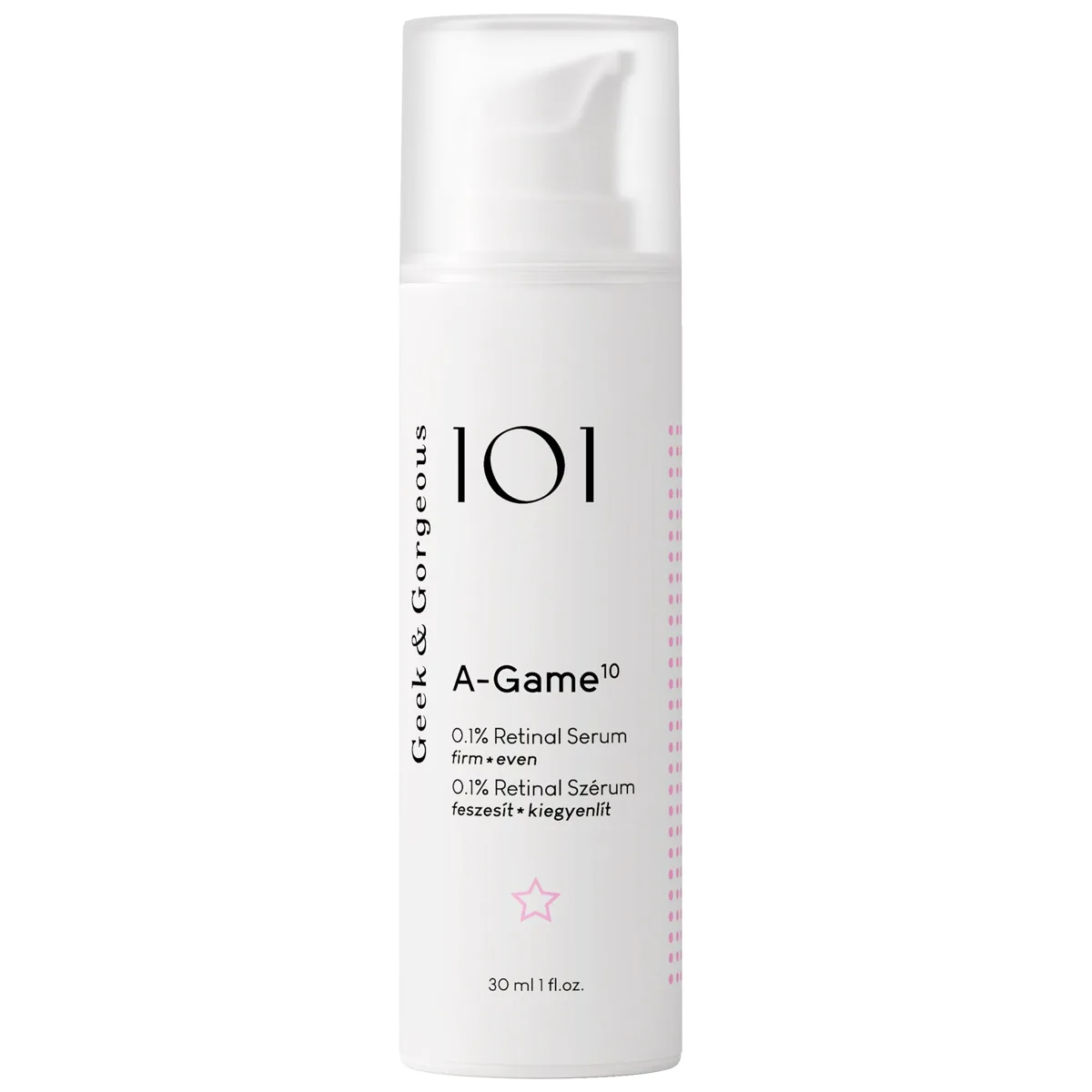
 A-Game 10 Retinal Serum
One of the most disruptive products in the retinoid category — a 0.1% retinaldehyde serum at around $16 when equivalent concentrations from derm brands cost $60-120. The formulation is thoughtful, the airless packaging is right, and the price point has no real competitor. Not for retinoid beginners: start with the 5 version and step up to this after a few months.
 Gold Standard OTC Retinoid
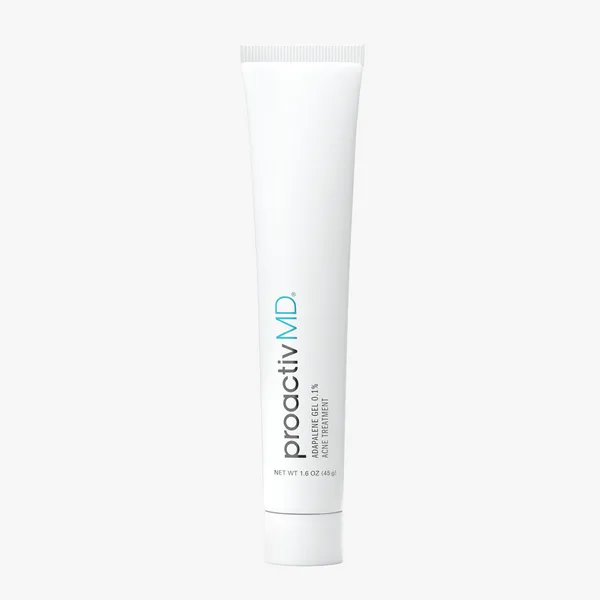
 Adapalene Gel 0.1%
This is adapalene 0.1% — the same FDA-approved retinoid dermatologists have prescribed for over two decades, now available without a prescription in a no-nonsense gel. It's one of the most evidence-backed acne treatments you can buy, and Proactiv's version offers solid value in the larger size with an updated paraben-free formula.
 Buffered Beginner Retinol
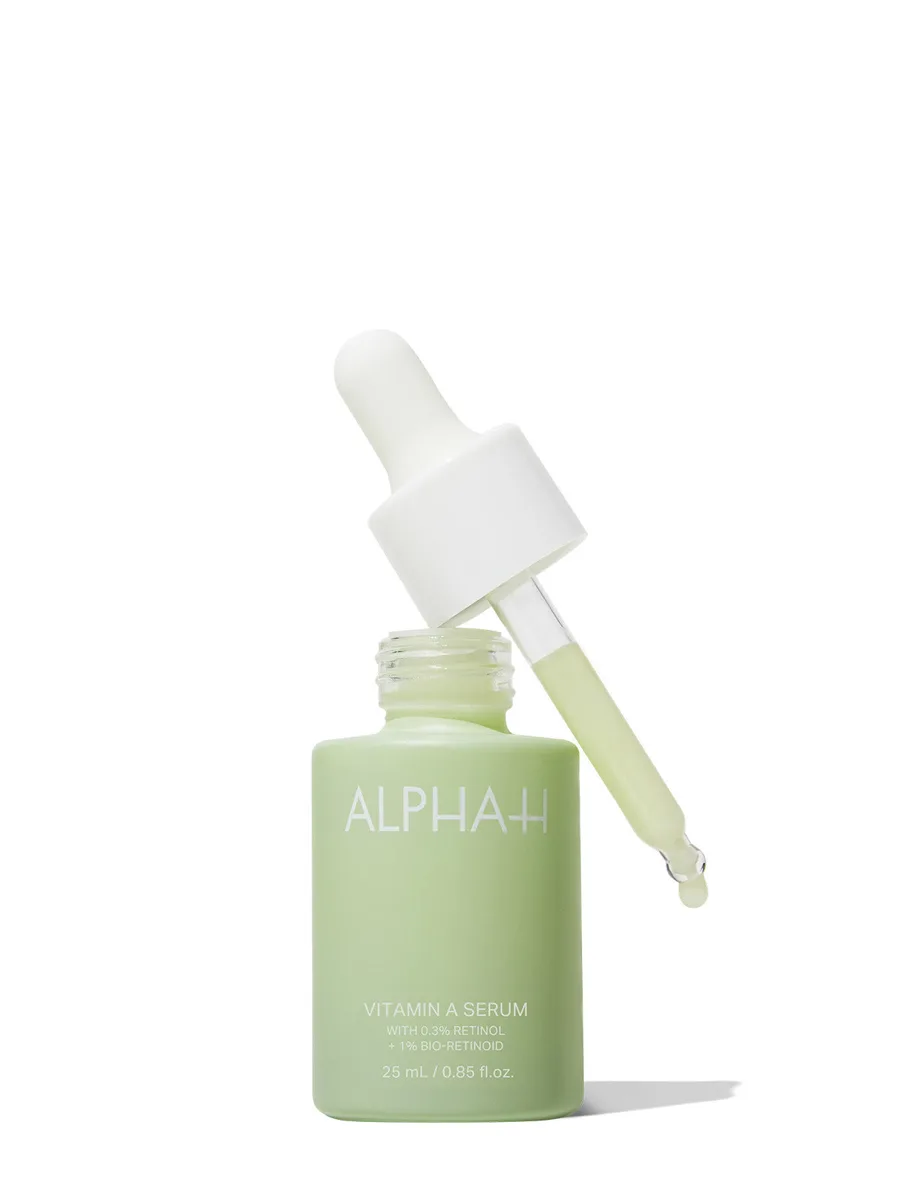
 Vitamin A Serum
Alpha-H built its 0.5% retinol on a squalane and plant-oil base specifically to make a meaningful retinol concentration tolerable for the beginners it knew were already running aggressive AHA routines. The buffering works — this is one of the few 0.5% retinol serums new users can actually stick with through the adjustment period. The price is the only meaningful complaint.
 Best Retinoid Starter
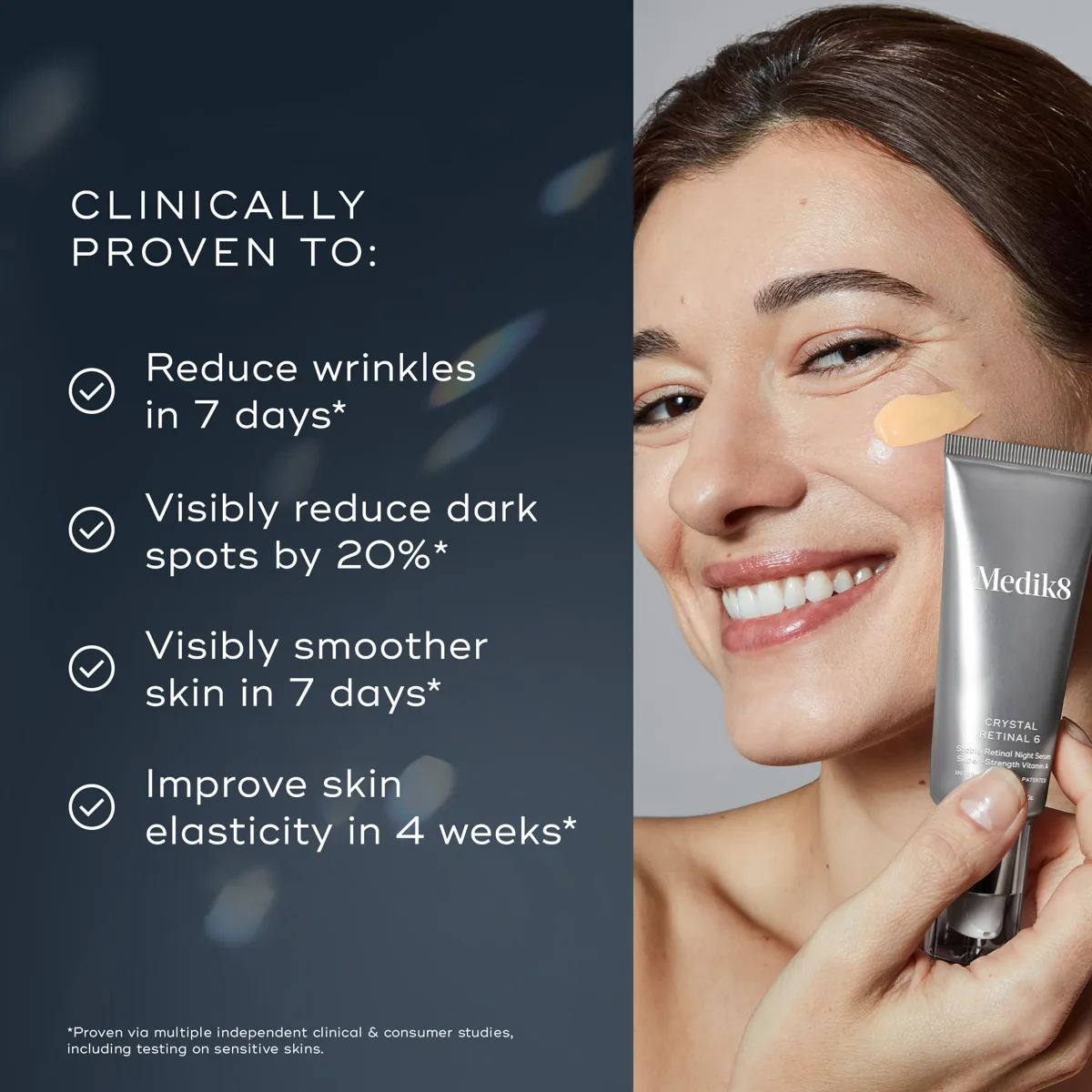
 Crystal Retinal 3
The retinoid designed for people who are afraid of retinoids — and the product that might just convert them. Crystal Retinal 3 proves that the world's most effective OTC vitamin A form can be introduced to sensitive skin without the usual drama, creating a genuinely accessible on-ramp to serious anti-aging skincare.
This review reflects our independent analysis of publicly available ingredient data, manufacturer claims, and verified user reviews. We are reader-supported — Amazon links may earn us a commission at no cost to you. We do not accept paid placements; rankings are based solely on the evidence.