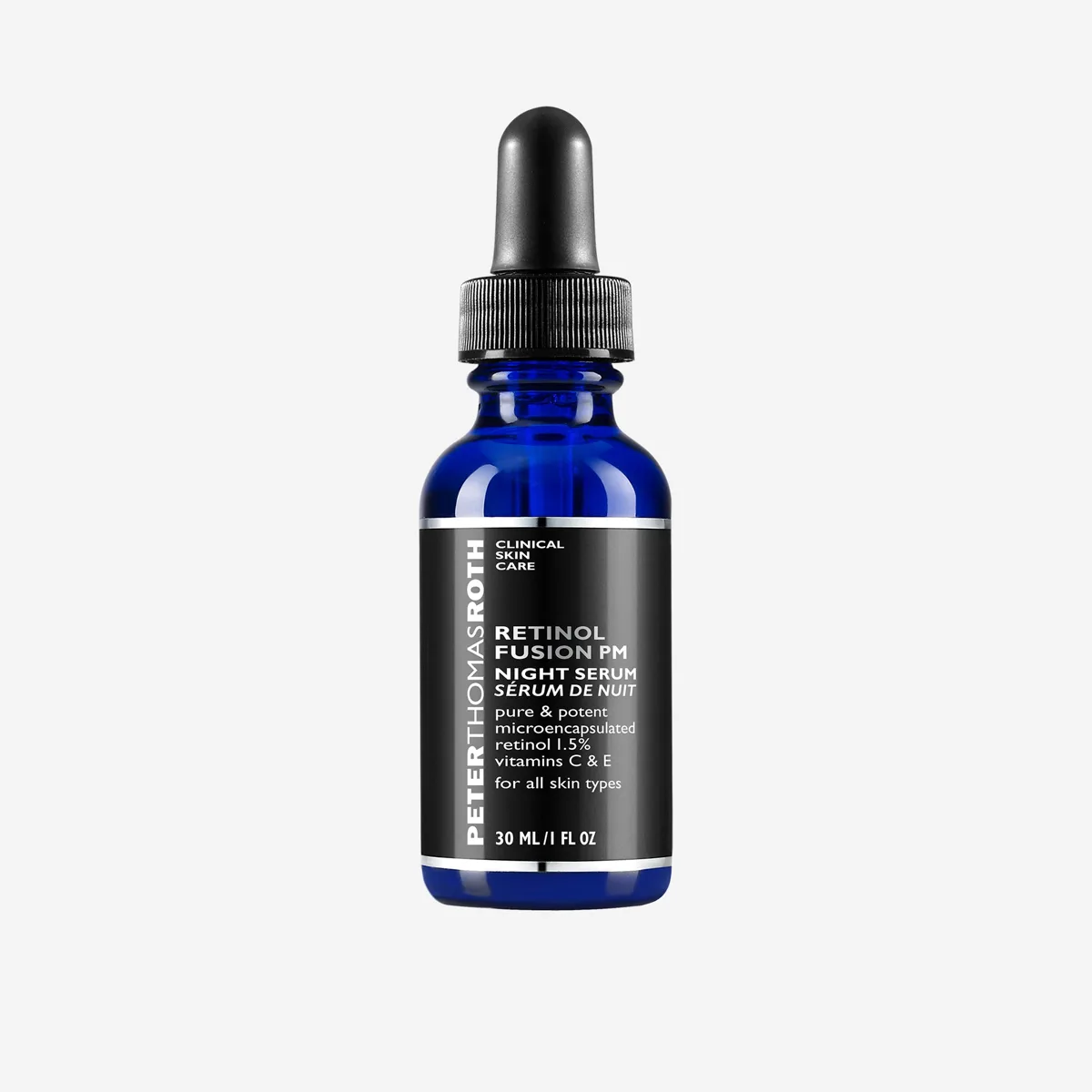
A minimalist powerhouse that packs 1.5% microencapsulated retinol into a 12-ingredient formula — one of the most potent and cleanest OTC retinol serums available. The time-released delivery genuinely reduces irritation for most users, though the premium pricing and thin consistency are legitimate drawbacks.
Retinol Fusion PM Night Serum
A minimalist powerhouse that packs 1.5% microencapsulated retinol into a 12-ingredient formula — one of the most potent and cleanest OTC retinol serums available. The time-released delivery genuinely reduces irritation for most users, though the premium pricing and thin consistency are legitimate drawbacks.
Score Breakdown
Where this product gains points and where it loses them — broken down across the four scoring pillars.
An impressively minimalist retinol serum with a potent 1.5% microencapsulated concentration in a clean 12-ingredient formula. The high ingredient quality reflects the elegant formulation approach, while the moderate irritation risk score accounts for the high retinol concentration and presence of alcohol. The value score reflects premium pricing for a specialized treatment.
Pros & Cons
- ✓1.5% microencapsulated retinol — one of the most potent OTC retinol products with time-released delivery
- ✓Remarkably minimalist 12-ingredient formula with no unnecessary filler ingredients
- ✓Squalane base provides effective moisture support without heaviness or occlusion
- ✓Bisabolol soothing agent genuinely reduces irritation during the retinol adjustment period
- ✓15+ years of market presence with long-term users reporting sustained skin quality improvements
- ✓Fragrance-free and paraben-free with no essential oils or botanical allergens
- ✗Very thin, runny consistency makes the dropper dispensing messy and imprecise
- ✗Premium price of $65 per ounce with no volume discount on larger sizes
- ✗Takes approximately 5 minutes to absorb which extends the evening routine
- ✗Contains alcohol as the last ingredient which strict ingredient-avoiders may reject
- ✗1.5% retinol is genuinely potent and will irritate those with sensitive or compromised skin barriers
- ✗Not suitable during pregnancy or breastfeeding
Full Review
In 2010, most prestige retinol products topped out at 0.5% concentration. They were packaged in elaborate multi-ingredient formulas where the retinol was almost an afterthought — a resume line item buried in a long cast of botanical extracts and peptides. Peter Thomas Roth took a different approach with Retinol Fusion PM Night Serum: 1.5% retinol, twelve ingredients, done.
Fifteen years later, this remains one of the most audaciously simple formulations in prestige skincare. The entire ingredient list reads like a chemistry exam answer — cyclopentasiloxane as the vehicle, squalane for moisture, retinol as the active, vitamins C and E for antioxidant support, bisabolol for soothing, lecithin for microencapsulation, potassium phosphate for pH buffering, and a handful of functional ingredients to hold it all together. There is nothing here that does not have a specific job. No botanical window dressing, no trendy extracts, no marketing ingredients.
This minimalism is simultaneously the product's greatest strength and its sharpest differentiator. In a market where serum ingredient lists routinely stretch past fifty entries, Retinol Fusion PM says: here is retinol, here is a way to deliver it effectively, and here is what your skin needs to tolerate it. The trust it places in that equation — and in the consumer who understands it — is refreshing.
The microencapsulation technology is the critical engineering element. Retinol at 1.5% applied directly to skin in a conventional vehicle would produce significant irritation for most users — redness, peeling, tightness, and the kind of retinol uglies that make people abandon their products within two weeks. By encapsulating the retinol in lecithin microspheres, the formula delivers the active gradually throughout the night. The retinol does not hit the skin all at once; it releases in a sustained pattern that more closely mimics how prescription retinoids are formulated for extended delivery.
The result is that many users — not all, but many — can tolerate 1.5% retinol with a surprisingly mild adjustment period. Some report no peeling or irritation at all when starting every other night. Others experience mild flaking in the first week that resolves quickly. The adjustment is notably less dramatic than what you would expect from the concentration, which is a testament to the delivery system doing its job.
The application experience takes some getting used to. Cyclopentasiloxane as the first ingredient gives the serum a texture unlike most retinol products — it is very thin, almost watery, with a silicone-slip feel. Two to three drops from the glass dropper spread quickly across the entire face. The serum takes approximately five minutes to fully absorb, during which it feels slightly slick. Once dry, it settles into a velvety, satin finish that is comfortable under a nighttime moisturizer.
The dropper packaging is the design element that most frustrates users. Given the serum's extremely thin consistency, the dropper tends to dispense erratically — sometimes dripping, sometimes dispensing more than intended. For a product at sixty-five dollars per ounce, a more precise dispensing mechanism would be welcome. The glass bottle itself is fine, and protects the retinol from light degradation.
Squalane as the second ingredient is a smart choice for the moisturizing partner. Plant-derived squalane mimics the skin's own sebum, integrating into the lipid barrier without the heaviness of oils or the occlusive film of heavier emollients. For retinol users — who need moisture support to buffer the drying effect but do not want anything interfering with the active's penetration — squalane hits the exact right balance.
Bisabolol, the chamomile-derived soothing agent, provides anti-inflammatory support that is particularly valuable at this retinol concentration. Rather than adding aloe vera or centella (the more fashionable soothing choices), PTR selected an ingredient with well-documented anti-irritant properties that is compatible with the silicone-squalane vehicle. It is a formulation decision that prioritizes function over marketing appeal.
The alcohol at the end of the ingredient list is worth acknowledging. At the twelfth and final position, its concentration is likely below one percent — more of a formulation aid than a significant skin contact ingredient. For most users, this is a non-issue. For those who strictly avoid all alcohol in skincare, it is there.
In terms of results, the serum delivers what fifteen years of consumer data and retinol science predicts. Skin texture improvement and increased radiance are typically the first visible changes, appearing within two to four weeks. Fine line softening and pore refinement follow at the six to eight week mark. For more significant wrinkle reduction and the collagen-rebuilding benefits of retinol, twelve or more weeks of consistent use are needed. Users who have been on this product for years report sustained improvement in skin quality that they credit specifically to this serum — the kind of long-term loyalty that only develops around products that genuinely work.
The price requires honest context. At sixty-five dollars for one ounce, this is a premium product. However, the 1.5% retinol concentration and microencapsulated delivery system represent meaningful formulation investment. A tube of prescription-strength tretinoin (which retinol converts to in the skin, though at a much lower conversion rate) costs thirty to eighty dollars with insurance, so the pricing is not egregious for the category. Notably, PTR offers four sizes from 0.4 oz to 3.35 oz, but none offer a per-ounce discount — the jumbo size costs slightly more per ounce than the standard, which is unusual and frustrating for loyal customers.
Peter Thomas Roth Retinol Fusion PM is not trying to be everything to everyone. It is a retinol delivery vehicle built with pharmaceutical precision and sold to consumers who understand what retinol does and want more of it. The twelve-ingredient formula trusts that the retinol will do the heavy lifting, and it provides exactly the support structure needed for that to happen. In an industry that thrives on complexity, that kind of focused simplicity has earned fifteen years of relevance.
Formula
Key Ingredients
The hero actives that drive this product's performance.
| Ingredient | Function | Evidence |
|---|---|---|
| Retinol (Microencapsulated) 1.5% (1.5%) | The primary active at a notably high 1.5% concentration — one of the strongest OTC retinol products available. The microencapsulation via lecithin allows time-released delivery throughout the night, reducing the irritation spike that typically accompanies high-concentration retinol while maintaining continuous cell turnover stimulation. This approach mimics professional-grade retinoid delivery systems. | well-established |
| Squalane | Positioned second in this remarkably short ingredient list, squalane serves as the primary emollient that counterbalances retinol's drying effect. Its molecular similarity to the skin's own sebum allows it to integrate into the lipid barrier without heaviness, making the serum feel lightweight while providing the moisture protection essential for retinol tolerance. | well-established |
| Vitamin E (Tocopheryl Acetate) | Provides antioxidant protection that complements the retinol by neutralizing free radicals generated during the cell turnover process. In this minimalist formula, vitamin E also helps stabilize the retinol and squalane against oxidative degradation. | well-established |
| Vitamin C (Ascorbyl Palmitate) | An oil-soluble vitamin C derivative that is uniquely compatible with the silicone-squalane vehicle of this formula. While less potent than L-ascorbic acid, ascorbyl palmitate provides stable antioxidant support and complements the retinol's anti-aging mechanism by supporting collagen synthesis through a different pathway. | promising |
| Bisabolol | A chamomile-derived soothing agent strategically included to mitigate the irritation potential of 1.5% retinol. Bisabolol's anti-inflammatory properties help calm the skin during the adjustment period and reduce the redness and sensitivity that often accompany high-concentration retinol use. | well-established |
Full INCI List
Cyclopentasiloxane, Squalane, Water/Aqua/Eau, Retinol, Tocopheryl Acetate, Ascorbyl Palmitate, Bisabolol, Lecithin, Potassium Phosphate, Pentylene Glycol, Polysorbate 20, Alcohol
Product Flags
✓ Fragrance Free✗ Alcohol Free✗ Oil Free✗ Silicone Free✓ Paraben Free✓ Sulfate Free✗ Cruelty Free✗ Vegan✗ Fungal Acne Safe
Potential Irritants
Retinol 1.5%Alcohol
Compatibility
Skin Match
Best For
Works For
Not Ideal For
Addresses These Conditions
aging hyperpigmentation texture dullness large pores
Use With Caution
Avoid With
Routine Step
treatment
Time of Day
PM
Pregnancy Safe
No ✗
Layering Tips
Apply 2-3 drops to clean, dry skin at night as the last step before moisturizer. Wait 2-3 minutes for the serum to absorb before applying moisturizer. Start with every other night for the first 2-4 weeks to build tolerance. Always use SPF 30+ during the day when using retinol at night.
Results Timeline
Mild peeling and adjustment may occur in the first 1-2 weeks. Skin texture improvement and increased luminosity typically visible within 2-4 weeks. Fine lines, tone evening, and pore refinement become noticeable at 6-8 weeks. Full anti-aging benefits including wrinkle reduction and collagen rebuilding require 12+ weeks of consistent use.
Pairs Well With
ceramide moisturizershyaluronic acid serumsgentle cleansersbroad-spectrum SPF 30+
Conflicts With
benzoyl peroxide (apply at separate times)AHA/BHA exfoliants (avoid same-night use)vitamin C serums (use in AM instead)
Sample AM Routine
- Gentle cleanser
- Vitamin C serum
- Moisturizer
- Broad-spectrum SPF 30+
Sample PM Routine
- Oil cleanser or micellar water
- Gentle cleanser
- Hydrating toner
- THIS PRODUCT (2-3 drops)
- Ceramide moisturizer
Evidence
Who Should Skip
- Very thin, runny consistency makes the dropper dispensing messy and imprecise
- Premium price of $65 per ounce with no volume discount on larger sizes
- Takes approximately 5 minutes to absorb which extends the evening routine
- Contains alcohol as the last ingredient which strict ingredient-avoiders may reject
Science & Expert Perspective
The Science
Retinol is the most extensively studied topical anti-aging ingredient in dermatology. It works by binding to retinoid receptors in keratinocytes after conversion to its active form, retinoic acid, through a two-step enzymatic process (retinol → retinaldehyde → retinoic acid). This receptor activation stimulates cell turnover, collagen synthesis, and melanin regulation.
A landmark 2007 study by Kafi et al. published in the Archives of Dermatology demonstrated that topical retinol at 0.4% applied three times weekly for 24 weeks significantly improved fine wrinkles and was well-tolerated in elderly subjects. The 1.5% concentration in this product is nearly four times higher, supported by the microencapsulation delivery system.
The microencapsulation technology uses lecithin to form liposomal vesicles around the retinol molecules. A 2013 review by Zhai and Maibach in Skin Pharmacology and Physiology documented that encapsulated retinol delivery systems reduce initial irritation by 30-50% compared to free retinol at equivalent concentrations, while maintaining similar long-term efficacy. The lecithin microspheres slowly degrade over hours, releasing retinol gradually and avoiding the concentration spike that causes acute irritation.
Squalane's role as the moisturizing vehicle is supported by its documented ability to enhance the penetration of lipophilic actives. A 2012 study in the International Journal of Pharmaceutics found that squalane-based vehicles improved the dermal delivery of lipophilic compounds compared to mineral oil or silicone-only vehicles, making it an ideal partner for retinol delivery.
Ascorbyl palmitate, the oil-soluble vitamin C derivative, provides complementary anti-aging benefits through a separate mechanism. While retinol stimulates collagen gene expression, vitamin C supports the post-translational hydroxylation of collagen — a different step in collagen biosynthesis. A 2003 study by Pinnell et al. in Dermatologic Surgery confirmed that combining vitamin C with vitamin E enhanced antioxidant protection synergistically.
References
- Improvement of naturally aged skin with vitamin A (retinol) — Archives of Dermatology (2007)
- Encapsulated retinol delivery systems: reduced irritation with maintained efficacy — Skin Pharmacology and Physiology (2013)
- Topical vitamin C and vitamin E synergistic antioxidant protection — Dermatologic Surgery (2003)
Dermatologist Perspective
Dermatologists view retinol as a cornerstone of evidence-based anti-aging skincare. The 1.5% concentration in this serum represents the upper end of OTC retinol potency — dermatologists note that while prescription tretinoin is more potent drop-for-drop, high-concentration OTC retinol with an effective delivery system can achieve meaningful clinical results for fine lines, texture, and hyperpigmentation. Board-certified dermatologists appreciate the minimalist formulation, as it reduces the risk of ingredient interactions and sensitization reactions. The microencapsulated delivery aligns with pharmaceutical drug delivery principles that dermatologists understand well. For patients not ready for prescription retinoids, or those maintaining results between prescription treatments, this serum represents a clinically serious OTC option.
Guidance
Usage Guide
How to Use
Apply 2-3 drops to clean, dry face and neck at night. Spread evenly using fingertips, avoiding the eye area and corners of the mouth. Wait approximately 5 minutes for full absorption before applying moisturizer. Start with every-other-night use for the first 2-4 weeks to build tolerance, then increase to nightly use. Always apply a broad-spectrum SPF 30+ the following morning. Discontinue if persistent irritation, excessive peeling, or burning occurs. Do not use during pregnancy or breastfeeding.
Value Assessment
At $65 for 1.0 oz, this is a premium retinol serum, but the pricing is reasonable within its category. The 1.5% microencapsulated retinol concentration and pharmaceutical-grade delivery system justify a higher price point than commodity retinol products. For comparison, prescription tretinoin costs $30-80 per tube depending on insurance, and many prestige retinol serums at 0.3-0.5% concentration cost $50-100. The lack of any volume discount across the four available sizes (0.4 oz at $35, 1.0 oz at $65, 2.0 oz at $130, 3.35 oz at $218) is a notable negative — loyal customers who buy larger sizes receive no reward for their commitment.
Who Should Buy
Those with normal to combination skin who want a potent, no-nonsense retinol serum for anti-aging, texture improvement, and hyperpigmentation. Ideal for consumers who appreciate minimalist formulations, have used retinol before and want to step up their concentration, or want an OTC alternative to prescription retinoids. Best suited for users aged 30+ with established anti-aging concerns.
Who Should Skip
Anyone with sensitive, dry, or eczema-prone skin should approach 1.5% retinol with extreme caution or choose a lower-concentration product first. Pregnant or breastfeeding individuals must avoid this product entirely. If you have a compromised skin barrier, active rosacea, or are currently using other strong actives (prescription retinoids, high-strength acids), this concentration may be too aggressive.
Ready to try Peter Thomas Roth Retinol Fusion PM Night Serum?
Details
Details
Texture
Very thin, liquid serum with a silicone-slip feel from the cyclopentasiloxane base. More like a lightweight dry oil than a traditional serum. Spreads quickly across the face with 2-3 drops. Takes approximately 5 minutes to fully absorb and dry down.
Scent
Fragrance-free with no added scent or essential oils. Essentially unscented — no noticeable aroma during application.
Packaging
Glass bottle with dropper applicator. The dropper design can be messy given the serum's very thin consistency — product can drip or run. Available in four sizes: travel (0.4 oz), standard (1.0 oz), super size (2.0 oz), and jumbo (3.35 oz), though none offer a per-ounce discount.
Finish
satinvelvetynon-greasy
What to Expect on First Use
On first use, the serum feels lighter and more liquid than most retinol products. The silicone base gives it a silky slip as it spreads. No immediate tingling or burning for most users. Over the first 1-2 weeks, mild peeling and slight sensitivity are normal as skin adjusts to 1.5% retinol. Starting every other night minimizes the adjustment period.
How Long It Lasts
2-3 months with nightly use on face and neck, using 2-3 drops per application
Period After Opening
12 months
Best Season
All Year
Certifications
paraben-freefragrance-free
Background
The Why
Launched around 2010, Retinol Fusion PM was one of the first prestige OTC retinol serums to push beyond the 0.5-1% concentrations that were standard at the time. Peter Thomas Roth bet on microencapsulation technology — borrowed from pharmaceutical drug delivery — to solve the irritation problem that had kept OTC retinol concentrations conservative. Fifteen years later, it remains one of the strongest OTC retinol products on the market and has developed a loyal following of users who have used it continuously for a decade or more.
About Peter Thomas Roth Established Brand (5–20 years)
Peter Thomas Roth was founded in 1993 in New York City and has become the largest privately-owned clinical skincare brand in the U.S. The Retinol Fusion PM Night Serum is one of the brand's longest-running products, on market since approximately 2010, and is sold through Sephora, Ulta, Nordstrom, and dermatologist offices.
Brand founded: 1993 · Product launched: 2010
Myth vs. Reality
Myths & Misconceptions
Myth
You need to build up to 1.5% retinol through months of lower concentrations
Reality
While gradually increasing retinol concentration is one valid approach, the microencapsulated delivery system in this formula was specifically designed to make 1.5% retinol tolerable as a starting point. The time-released mechanism reduces the initial irritation spike that makes high-concentration retinol difficult. Starting every other night and building to nightly use is sufficient for most users without needing to start at a lower concentration product first.
Myth
Retinol and vitamin C cannot be used together
Reality
This formula contains both retinol and ascorbyl palmitate (a vitamin C derivative) in the same product, demonstrating that they are compatible when formulated together. The historical concern was about pH incompatibility between L-ascorbic acid (low pH) and retinol (higher pH), but oil-soluble vitamin C derivatives like ascorbyl palmitate work across a wider pH range and are stable alongside retinol.
FAQ
Frequently Asked Questions
What percentage of retinol is in Peter Thomas Roth Retinol Fusion PM?
The serum contains 1.5% microencapsulated retinol — one of the highest concentrations available in an OTC retinol product. The microencapsulation via lecithin allows time-released delivery throughout the night, reducing irritation while maintaining efficacy. This is actual retinol, not a retinol derivative or ester.
Is PTR Retinol Fusion PM too strong for beginners?
The 1.5% concentration is potent, but the microencapsulated delivery system was designed to make it tolerable even for those new to retinol. Start with every-other-night use for the first 2-4 weeks and build to nightly use as your skin adjusts. Some mild peeling and sensitivity during the first two weeks is normal. If irritation persists beyond that, a lower-concentration retinol may be more appropriate.
Can you use PTR Retinol Fusion PM with other actives?
Yes, but with timing considerations. Avoid using AHA/BHA exfoliants or benzoyl peroxide on the same nights as this retinol serum to prevent over-irritation. Vitamin C serums work well in the morning (retinol at night). Niacinamide is compatible and can be used in the same routine. Always follow with a moisturizer and use SPF 30+ during the day.
Why does the PTR Retinol serum feel so runny?
The thin, liquid consistency comes from cyclopentasiloxane (a volatile silicone) as the first ingredient. This lightweight vehicle evaporates partially on application, leaving behind the retinol and squalane. While the consistency can make the dropper messy, it ensures rapid, even distribution across the face with just 2-3 drops.
Is PTR Retinol Fusion PM safe during pregnancy?
No — retinol and all retinoid derivatives are contraindicated during pregnancy and breastfeeding due to potential teratogenic effects. This product contains 1.5% retinol and should be discontinued before attempting conception. Consult your healthcare provider for pregnancy-safe alternatives.
How long does it take to see results from PTR Retinol Fusion PM?
Texture improvement and increased luminosity are typically visible within 2-4 weeks. Fine line reduction and pore refinement become apparent at 6-8 weeks. Full anti-aging benefits including wrinkle reduction and collagen rebuilding require 12+ weeks of consistent nightly use. The microencapsulated delivery means results can be faster than non-encapsulated retinol products.
Community
Community Voices
Common Praise
"Highly effective for fine lines and wrinkles without the severe irritation of other high-concentration retinols"
"Remarkably short 12-ingredient list appeals to those who prefer minimalist formulations"
"Smoother, brighter skin texture noticeable within days of starting use"
"Microencapsulated delivery system genuinely reduces the adjustment period for many users"
"Long-term users report sustained improvements in skin quality over years of consistent use"
Common Complaints
"Very liquid and runny consistency makes the dropper messy and can waste product"
"Takes several minutes to absorb and dry down which extends the evening routine"
"Premium price of $65 per ounce with no volume discount on larger sizes"
"Oily feel from the silicone-squalane base may not suit oily skin types"
"Contains alcohol as the last ingredient which some users prefer to avoid"
Appears In
best retinoid for aging best retinol serum best treatment for texture best retinoid for hyperpigmentation best high concentration retinol
Related Conditions
aging hyperpigmentation texture dullness large pores
Related Ingredients
You Might Also Like
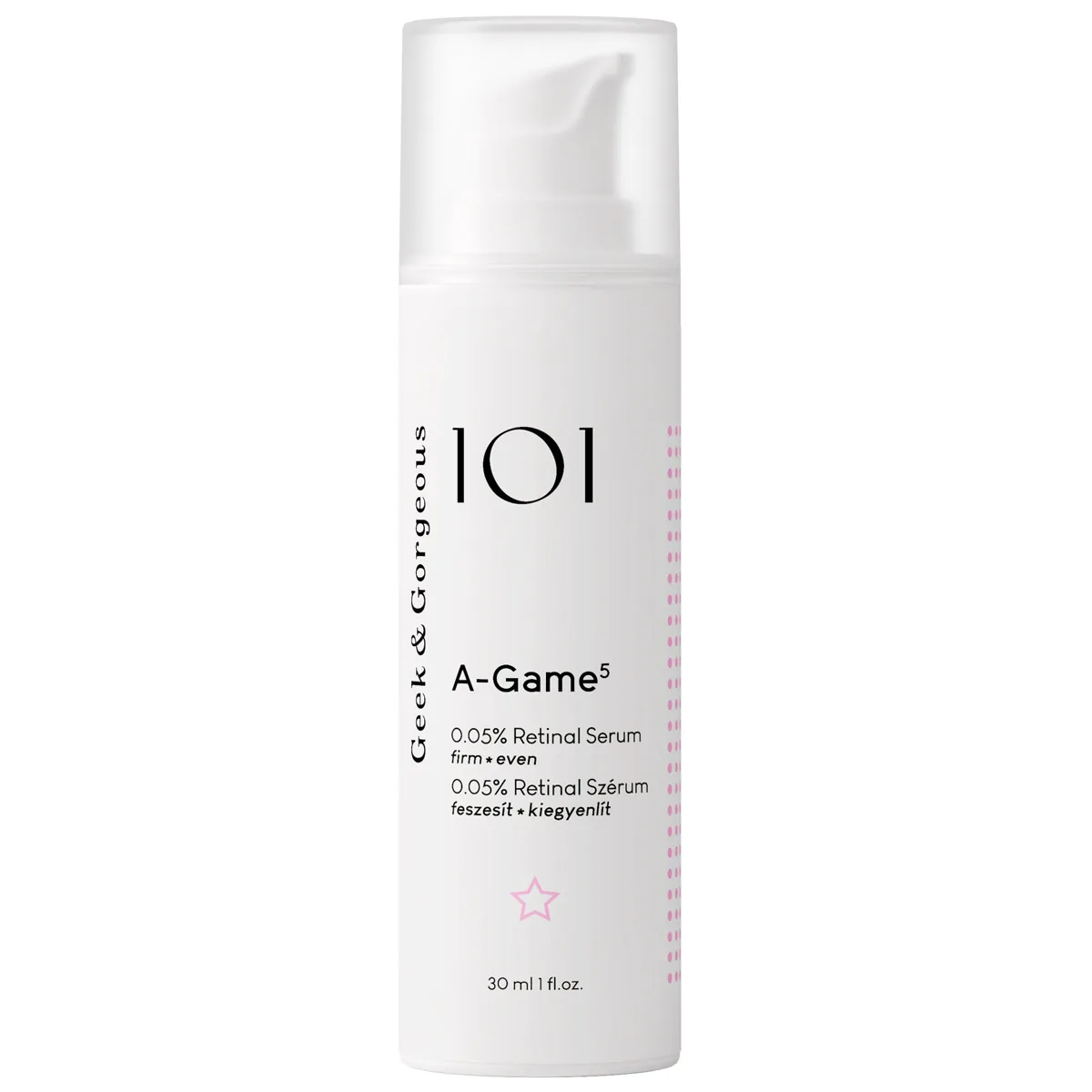 Beginner-Friendly Retinoid
 A-Game 5 Retinal Serum
The ideal beginner's retinaldehyde serum — a properly dosed 0.05% retinal in a buffered, fragrance-free formula at a price that makes long-term retinoid use actually sustainable. Same thoughtful supporting ingredients as the higher-strength A-Game 10 at half the potency, which is exactly the point. If you've never used a real retinoid, this is one of the best entry points on the market.
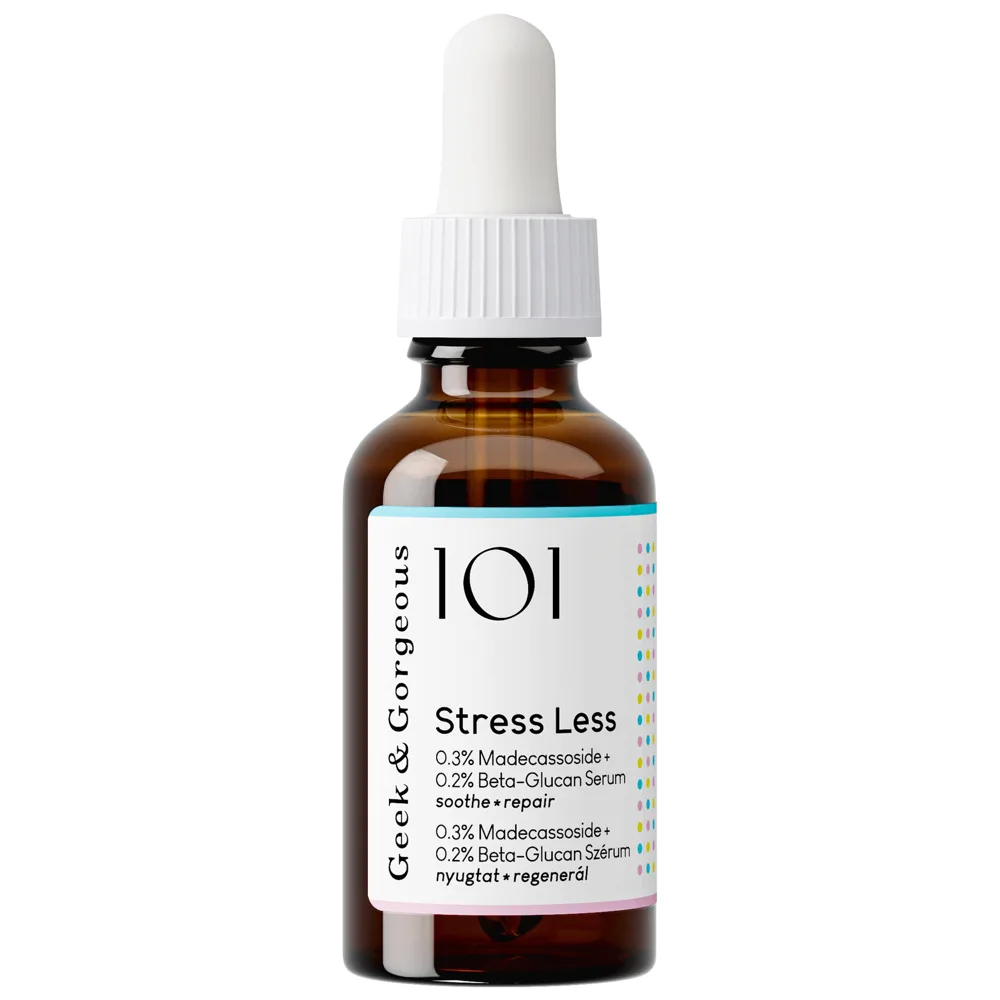 Derm-Grade Retinal at Drugstore Price
 Stress Less 0.3% Retinal Serum
A genuinely derm-grade 0.3% retinaldehyde serum at a price that shouldn't be possible. The ceramide and bisabolol buffering keeps it tolerable for experienced retinoid users, and the results — on texture, tone, and fine lines — rival premium retinals costing four times as much.
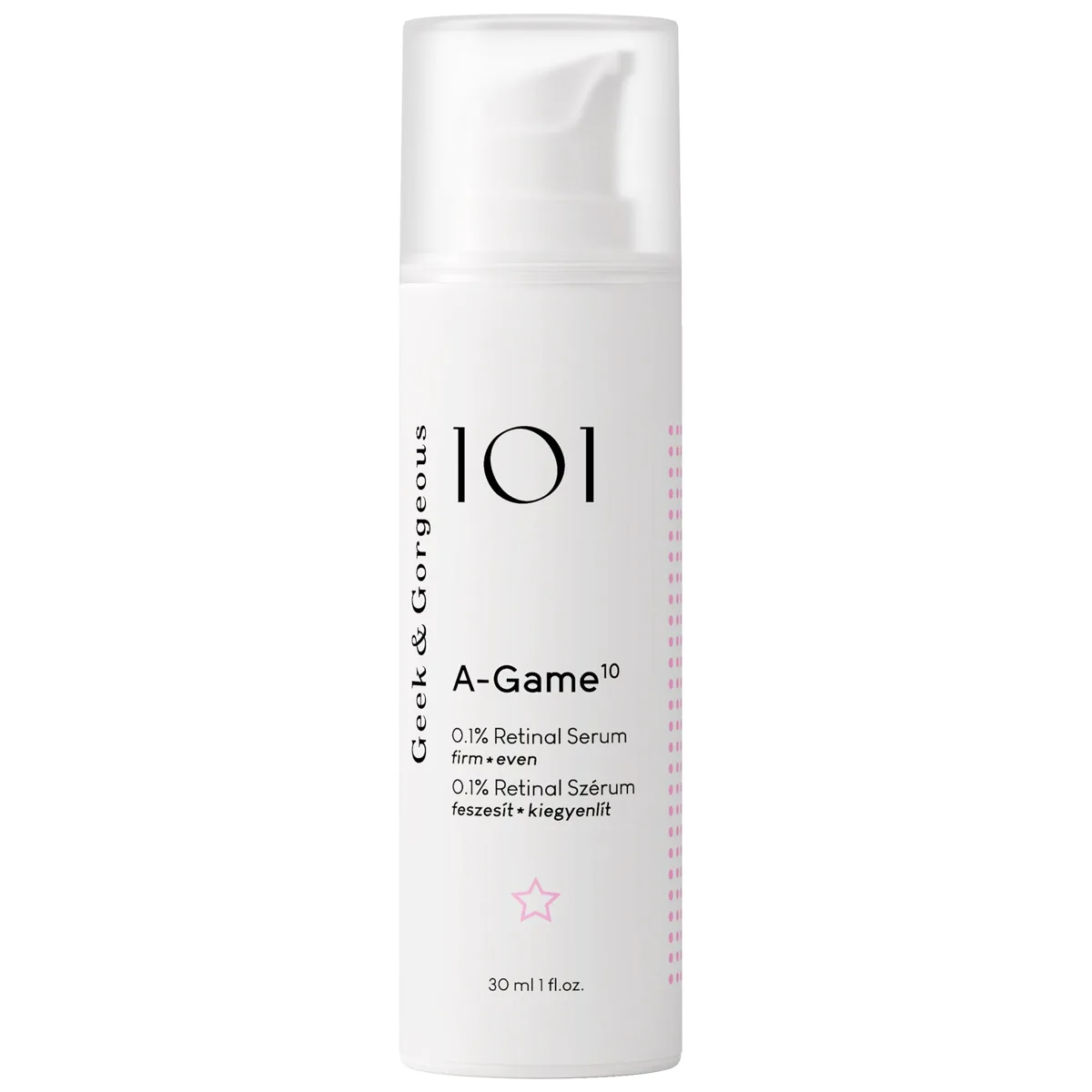 Budget Retinal Holy Grail
 A-Game 10 Retinal Serum
One of the most disruptive products in the retinoid category — a 0.1% retinaldehyde serum at around $16 when equivalent concentrations from derm brands cost $60-120. The formulation is thoughtful, the airless packaging is right, and the price point has no real competitor. Not for retinoid beginners: start with the 5 version and step up to this after a few months.
 Gold Standard OTC Retinoid
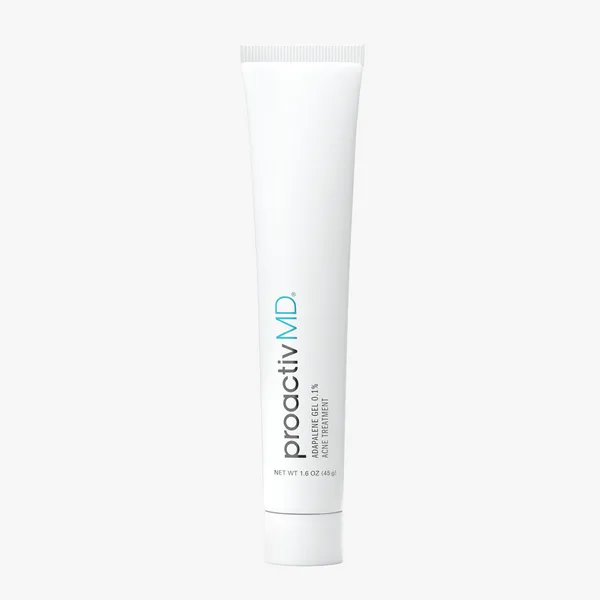
 Adapalene Gel 0.1%
This is adapalene 0.1% — the same FDA-approved retinoid dermatologists have prescribed for over two decades, now available without a prescription in a no-nonsense gel. It's one of the most evidence-backed acne treatments you can buy, and Proactiv's version offers solid value in the larger size with an updated paraben-free formula.
 Buffered Beginner Retinol
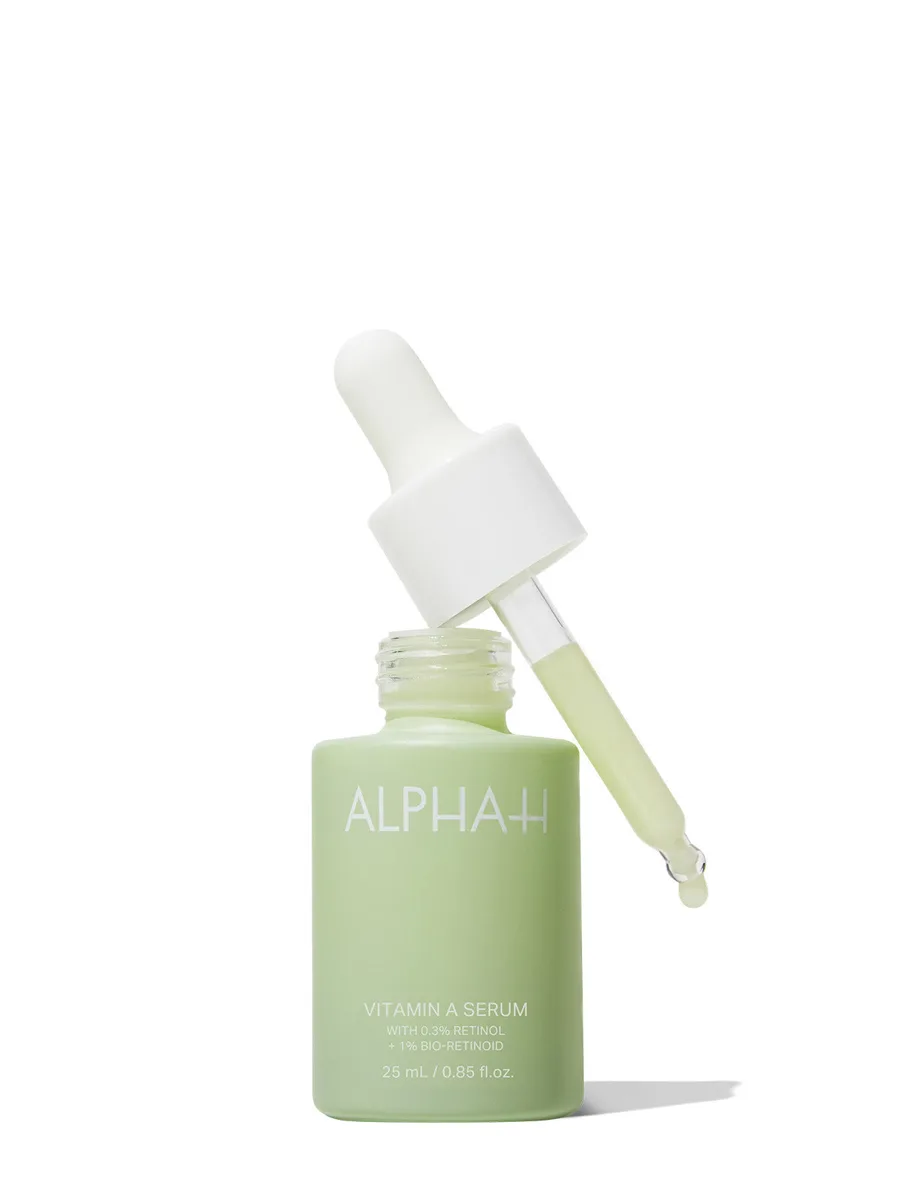
 Vitamin A Serum
Alpha-H built its 0.5% retinol on a squalane and plant-oil base specifically to make a meaningful retinol concentration tolerable for the beginners it knew were already running aggressive AHA routines. The buffering works — this is one of the few 0.5% retinol serums new users can actually stick with through the adjustment period. The price is the only meaningful complaint.
 Best Retinoid Starter
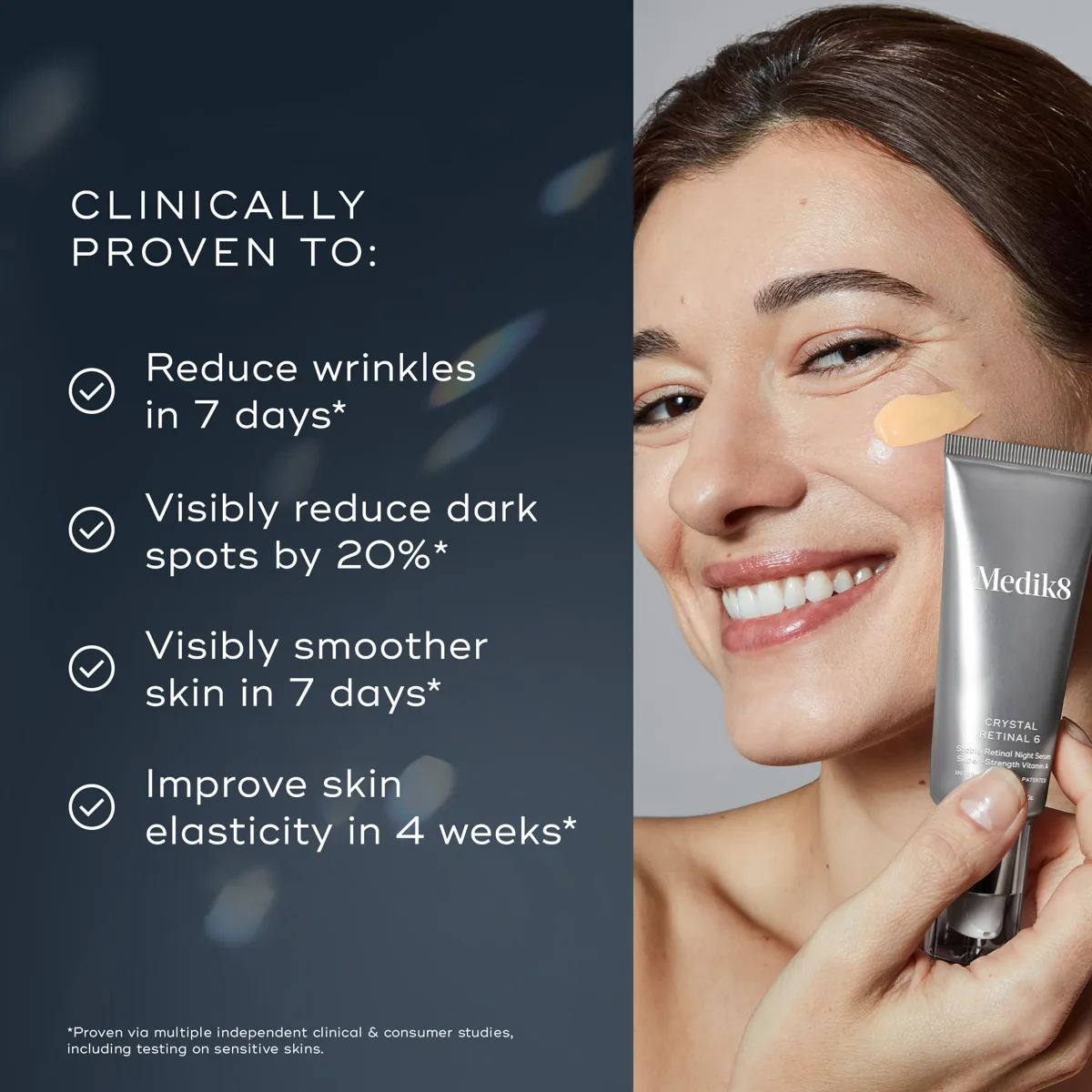
 Crystal Retinal 3
The retinoid designed for people who are afraid of retinoids — and the product that might just convert them. Crystal Retinal 3 proves that the world's most effective OTC vitamin A form can be introduced to sensitive skin without the usual drama, creating a genuinely accessible on-ramp to serious anti-aging skincare.
This review reflects our independent analysis of publicly available ingredient data, manufacturer claims, and verified user reviews. We are reader-supported — Amazon links may earn us a commission at no cost to you. We do not accept paid placements; rankings are based solely on the evidence.