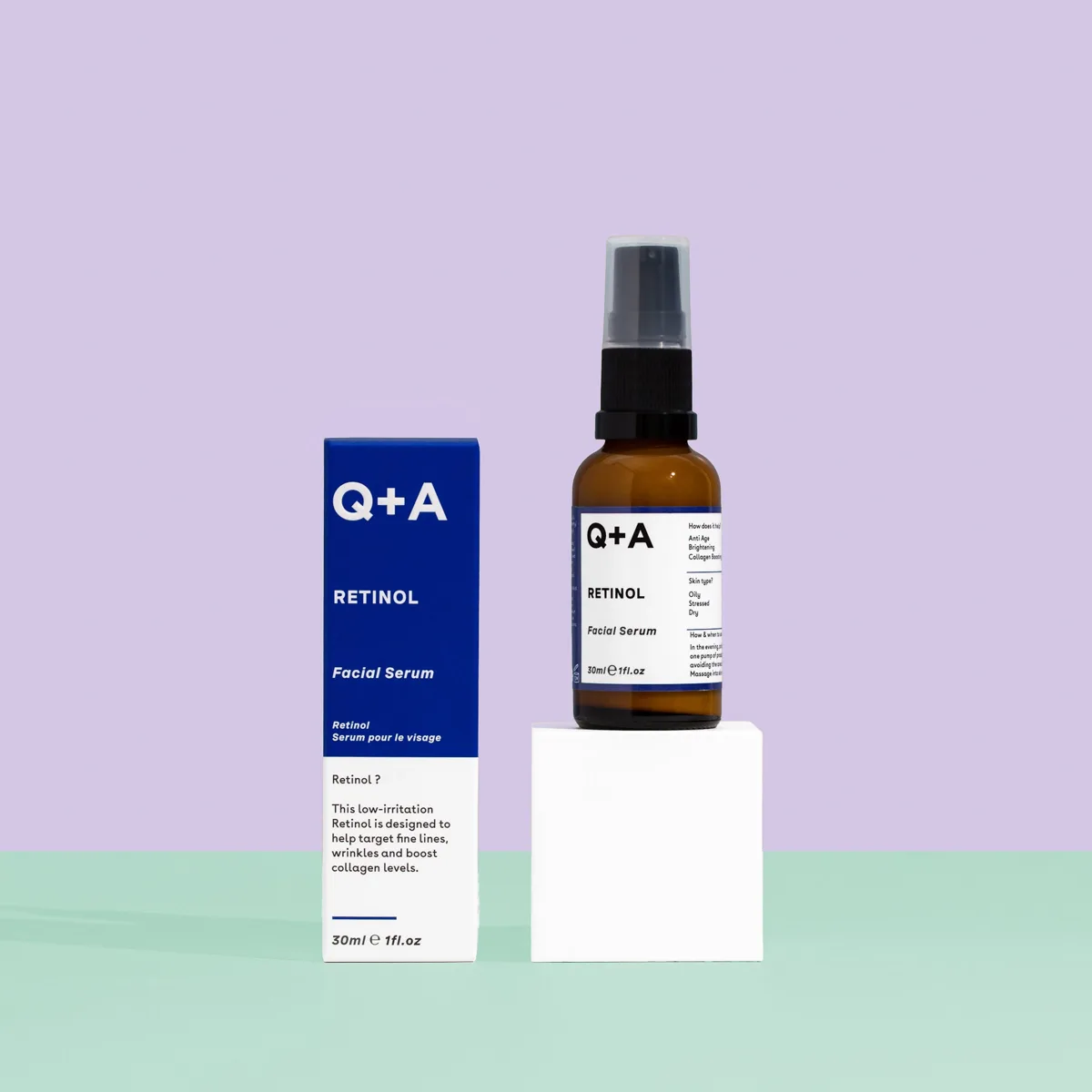
Q+A's Retinol Facial Serum is one of the most honest beginner retinols on the UK high street: a disclosed 0.2% dose, a twelve-ingredient formula, and a £14 price that makes trying retinol for the first time feel low-stakes. It won't out-perform a prescription tretinoin, but it wasn't trying to.
Retinol Facial Serum
Q+A's Retinol Facial Serum is one of the most honest beginner retinols on the UK high street: a disclosed 0.2% dose, a twelve-ingredient formula, and a £14 price that makes trying retinol for the first time feel low-stakes. It won't out-perform a prescription tretinoin, but it wasn't trying to.
Score Breakdown
Where this product gains points and where it loses them — broken down across the four scoring pillars.
A well-priced, beginner-friendly retinol in a minimalist base. Scores are held down slightly by the lack of retinoid-supporting actives like peptides or ceramides, but value and formulation simplicity are standouts.
Pros & Cons
- ✓Discloses the 0.2% retinol concentration openly, which is rare in the budget category
- ✓Minimal ingredient list reduces confounding variables during adjustment
- ✓Glass dropper packaging helps protect retinol from oxidation
- ✓Accessible £14 price for a legitimate beginner retinol
- ✓Fragrance-free, alcohol-free base suitable for most skin types
- ✓Vitamin E supports retinol stability and skin recovery
- ✓Lightweight gel-serum layers easily under any moisturizer
- ✗No peptides or ceramides to offset adjustment-phase dryness
- ✗Too lightweight for dry skin without a supportive moisturizer
- ✗0.2% may still be too much for rosacea or eczema-prone users
- ✗Only available in 30ml with no larger value size
- ✗Distribution limited mainly to UK and EU retailers
Full Review
If you've ever flipped a drugstore retinol bottle over looking for the actual percentage and come away annoyed, you already understand why this one is worth paying attention to. The single most common complaint about affordable retinol is that brands treat the concentration like state secrets — "effective levels of retinol" is a phrase you'll see more times than "0.1%" in the category, and it's a deliberate choice. Concentration is the one piece of information that lets you actually know what you're buying, which is exactly why it's usually missing. Q+A, to their credit, discloses theirs. The Retinol Facial Serum is 0.2%, confirmed by the brand in product documentation and in customer service correspondence, and it's formulated to sit in the beginner-to-intermediate range where most of the published research on over-the-counter retinol actually lives. That transparency is, honestly, a bigger part of the recommendation than the formula itself — though the formula is solid too. Twelve ingredients. Water, two humectants (glycerin and propanediol), the retinol itself, a touch of sodium hyaluronate, vitamin E for both antioxidant support and retinol stabilization, a gelling agent, pH adjuster, a mild solubilizer, and preservatives. That's it. No added peptides, no niacinamide, no snail mucin, no unnecessary plant extracts that make the product sound fancier than it is. The theory behind keeping it this simple is that retinol-sensitive skin is often reacting to secondary ingredients rather than the retinol itself, so a stripped-down base reduces the variables when you're figuring out whether your skin tolerates the active or not. The texture is a cushiony, fast-absorbing gel-serum that pairs easily with any moisturizer. The glass dropper bottle is a step up from the toner's plastic packaging, which makes sense — retinol is photosensitive and oxidation-prone, and glass helps preserve potency for longer. The scent is the characteristic faint retinol note that anyone who's used a decent retinol before will recognize. It's not unpleasant, just present. The adjustment phase is where expectations matter. For the first 2-3 weeks, most users notice some dryness, maybe a bit of tight feeling, and occasionally mild flaking around the nose and chin. This is retinization, not damage. The serum delivers the active; the active is doing its job by accelerating cell turnover, and your barrier is briefly catching up. If you push through it with generous moisturizer and consistent SPF in the morning, the dryness typically settles by week four, and by week six most users report smoother texture and fewer breakouts if they're acne-prone. Fine lines and pigmentation take longer — plan for twelve weeks of 3-5 nights per week use before expecting measurable improvement there. On the skepticism front, there's not a lot to push back on, but there are reasonable limits. If you're already using tretinoin or a prescription retinoid, this is a downgrade and doesn't make sense for you. If you have rosacea, eczema, or a known retinoid sensitivity, 0.2% can still be too much — go slower than you think, or skip entirely. The lack of peptides or ceramides means you'll want a supportive moisturizer alongside, and for dry skin in particular, the thin gel base might feel underwhelming without a richer cream on top. But for the stated purpose — someone dipping a toe into retinol for the first time with a tight budget and an appropriately cautious mindset — this is the kind of clean, low-stakes entry product that's genuinely hard to argue against. And, worth saying: Q+A didn't have to disclose the concentration. They did it anyway. In a category where obfuscation is the norm, that's worth something.
Formula
Key Ingredients
The hero actives that drive this product's performance.
| Ingredient | Function | Evidence |
|---|---|---|
| Retinol (0.2%) | Sits in the middle of this short ingredient list as the single active, converting to retinoic acid in the skin to accelerate cell turnover, stimulate collagen, and fade post-inflammatory pigmentation. The modest concentration and minimal supporting cast make this formula approachable for first-time retinol users. | well-established |
| Sodium Hyaluronate | Buffers the retinol by pulling water into the upper epidermis, which helps offset the characteristic dryness of retinization without introducing occlusive ingredients that could alter retinol stability. | well-established |
| Tocopherol | Acts as a secondary antioxidant that stabilizes the retinol in solution and supports barrier lipids during the adjustment phase when users are most prone to irritation. | well-established |
| Glycerin | Provides the humectant spine of the serum base, keeping the formula feeling cushiony rather than drying — an important detail for a retinol aimed at beginners. | well-established |
Full INCI List · pH 5.5
Aqua (Water), Glycerin, Propanediol, Retinol, Sodium Hyaluronate, Tocopherol, Carbomer, Sodium Hydroxide, Polysorbate 20, Caprylyl Glycol, Phenoxyethanol, Ethylhexylglycerin
Product Flags
✓ Fragrance Free✓ Alcohol Free✓ Oil Free✓ Silicone Free✓ Paraben Free✓ Sulfate Free✓ Cruelty Free✓ Vegan✓ Fungal Acne Safe
Potential Irritants
retinol
Compatibility
Skin Match
Best For
Works For
Not Ideal For
Addresses These Conditions
aging hyperpigmentation texture dullness large pores acne
Use With Caution
sensitivity rosacea compromised skin barrier
Avoid With
Routine Step
treatment
Time of Day
PM
Pregnancy Safe
No ✗
Layering Tips
Use in the PM only. Start 2-3 nights per week and build up. Apply to dry skin after cleansing, follow with moisturizer. Always wear daily SPF.
Results Timeline
First 2-4 weeks: adjustment phase with possible dryness, mild flaking, or purging. 6-8 weeks: smoother texture and reduced breakouts. 12+ weeks: visible improvement in fine lines, tone, and pigmentation.
Pairs Well With
niacinamideceramidespeptideshyaluronic-acid
Conflicts With
ahabhavitamin-cbenzoyl-peroxide
Sample AM Routine
- Gentle cleanser
- Niacinamide toner
- Hyaluronic serum
- Moisturizer
- SPF
Sample PM Routine
- Cleanser
- Q+A Skincare Retinol Facial Serum
- Moisturizer
- Occlusive (optional)
Evidence
Who Should Skip
- No peptides or ceramides to offset adjustment-phase dryness
- Too lightweight for dry skin without a supportive moisturizer
- 0.2% may still be too much for rosacea or eczema-prone users
- Only available in 30ml with no larger value size
Science & Expert Perspective
The Science
Topical retinol has been studied extensively as an over-the-counter alternative to prescription retinoids. A study published in the Journal of Cosmetic Dermatology examined 0.1-0.4% retinol formulations and found significant improvements in fine wrinkles, skin roughness, and hyperpigmentation after 12 weeks of consistent use, with tolerability improving over the adjustment period. The mechanism is well-understood: retinol is enzymatically converted in the skin to retinoic acid through a two-step oxidation (retinol → retinaldehyde → retinoic acid), which binds to retinoic acid receptors in the nucleus and upregulates genes involved in cell proliferation, collagen synthesis, and melanogenesis regulation. Research published in the British Journal of Dermatology has shown that even lower concentrations in the 0.1-0.3% range produce measurable clinical improvements when used consistently over 8-12 weeks. The specific relevance of Q+A's formulation is in the stability infrastructure. Tocopherol is included as a secondary antioxidant, glass packaging with a dropper limits air exposure, and the pH is held around 5.5, which is within the optimal stability window for retinol. The minimalist base reduces the likelihood of confounding irritants during retinization — a practical design choice for a beginner-tier product where tolerability often determines whether users stay consistent long enough to see results.
References
- Improvement in photodamaged skin by topical application of new retinol formulation — International Journal of Cosmetic Science (2016)
Dermatologist Perspective
Dermatologists often recommend 0.2-0.3% retinol as a sensible starting point for patients who want the benefits of a retinoid without jumping straight to a prescription. Board-certified dermatologists frequently note that retinol tolerability is as much about formulation and frequency as it is about concentration — a clean base and a slow ramp-up schedule is usually more important than the exact percentage. A formulation like this, with minimal secondary actives, is often preferred in clinical settings for first-time retinoid users because it isolates the variable and makes it easier to identify what's actually causing irritation if it occurs. Dermatologists consistently emphasize that nightly or alternate-night use combined with daily SPF is what drives long-term improvement, not chasing higher concentrations.
Guidance
Usage Guide
How to Use
Use in the evening only. Cleanse, pat skin dry, and apply 2-3 drops to face and neck, avoiding the immediate eye area and corners of the mouth. Follow with moisturizer. Start with 2-3 nights per week for the first two weeks, increasing frequency as your skin adjusts. Always apply broad-spectrum SPF the following morning — retinol increases UV sensitivity. Don't combine in the same routine with AHAs, BHAs, benzoyl peroxide, or vitamin C. Store in a cool, dark place with the dropper sealed.
Value Assessment
At £14 for 30ml with a disclosed 0.2% retinol dose, this is one of the best-value beginner retinol options on the UK high street. Comparable retinol serums from mid-market brands typically run £25-40 for the same concentration in similar base formulations. The absence of a larger size is the main value drawback — 30ml lasts roughly 3-4 months at 3-5 nights weekly use, which is reasonable but means repurchasing more often than you would with a 50ml bottle. Given the combination of concentration transparency, glass packaging, and minimal ingredient list, the value story is straightforward: you're paying high-street prices for a formulation that genuinely holds up against products at twice the price.
Who Should Buy
Anyone curious about retinol who wants to start at a disclosed, beginner-appropriate concentration without committing to a £40 serum or a dermatology appointment. Ideal for normal, combination, or oily skin, and for people who value formulation transparency over marketing.
Who Should Skip
Pregnant or breastfeeding users should avoid all retinol products. Those with active rosacea, eczema, or compromised skin barriers should consult a dermatologist before starting any retinoid. If you're already using prescription tretinoin, this is a step down and doesn't make sense.
Ready to try Q+A Skincare Retinol Facial Serum?
Details
Details
Texture
Lightweight gel-serum that absorbs with minimal residue
Scent
Very faint — characteristic mild retinol note
Packaging
Frosted glass bottle with glass dropper
Finish
lightweightfast-absorbingnon-greasy
What to Expect on First Use
Slight warmth on application for the first few uses is normal. Expect 2-3 weeks of adjustment during which skin may feel drier than usual and some users experience mild flaking. This is the retinization process, not damage — moisturize generously and slow the frequency if needed.
How Long It Lasts
3-4 months with 3-5 nights per week use on face and neck
Period After Opening
6 months
Best Season
All Year
Certifications
Cruelty-FreeVegan
Background
The Why
Q+A launched the Retinol Facial Serum alongside the Niacinamide Toner as part of their original 2019 lineup, built around the premise that high-street shoppers deserved single-active formulations without The Ordinary's waitlist drama. The 0.2% concentration was a deliberate beginner-tier choice — low enough to be tolerable without a prescription, high enough to produce measurable results over three months.
About Q+A Skincare Emerging Brand (2–5 years)
Q+A Skincare launched in 2018 as a UK indie brand built around single-active formulations and recyclable packaging at high-street prices. Its retinol serum is one of its most-reviewed products in UK retailers, but independent long-term clinical validation remains limited.
Brand founded: 2018 · Product launched: 2019
Myth vs. Reality
Myths & Misconceptions
Myth
0.2% retinol is too low to do anything
Reality
Published research shows measurable improvements in fine lines and pigmentation with regular use of 0.1-0.3% retinol over 12+ weeks. The dose is intentionally beginner-friendly, not cosmetic.
FAQ
Frequently Asked Questions
What percentage of retinol is in Q+A Retinol Facial Serum?
The formula contains approximately 0.2% retinol, placing it firmly in the beginner-friendly range. This concentration is strong enough to be effective over 8-12 weeks of consistent use without being overwhelming for retinol newcomers.
Can I use this every night?
For your first month, start with 2-3 nights per week to let your skin adjust. Once you're tolerating it well without persistent dryness or flaking, you can build up to nightly use if desired.
Is Q+A Retinol Serum pregnancy-safe?
No. Retinol and all vitamin A derivatives should be avoided during pregnancy and while breastfeeding. Swap this for a bakuchiol or peptide serum during that period and return to retinol afterward.
Can I use this with vitamin C?
Not in the same routine step. Use vitamin C in the morning and this retinol at night to minimize irritation and maximize the effect of each active.
Will this cause purging?
Retinol can accelerate turnover and surface underlying congestion in the first 4-6 weeks, which some users experience as purging. At 0.2%, the effect tends to be milder than with stronger retinoids but is still possible.
How long until I see results?
Expect an adjustment phase in the first few weeks, visible smoothness around 6-8 weeks, and more substantial improvements in fine lines and tone at the 12-week mark with consistent nightly or alternate-night use.
Community
Community Voices
Common Praise
"Effective introduction to retinol at a low price"
"Didn't cause the dreaded retinol purge for many users"
"Lightweight and layers easily under moisturizer"
Common Complaints
"Some experienced dryness in weeks 2-3"
"Concentration not disclosed on packaging"
"Plastic bottle with basic dropper"
Appears In
best beginner retinol serum best affordable retinol best retinol for first timers best retinol for hyperpigmentation
Related Conditions
aging hyperpigmentation texture acne
Related Ingredients
You Might Also Like
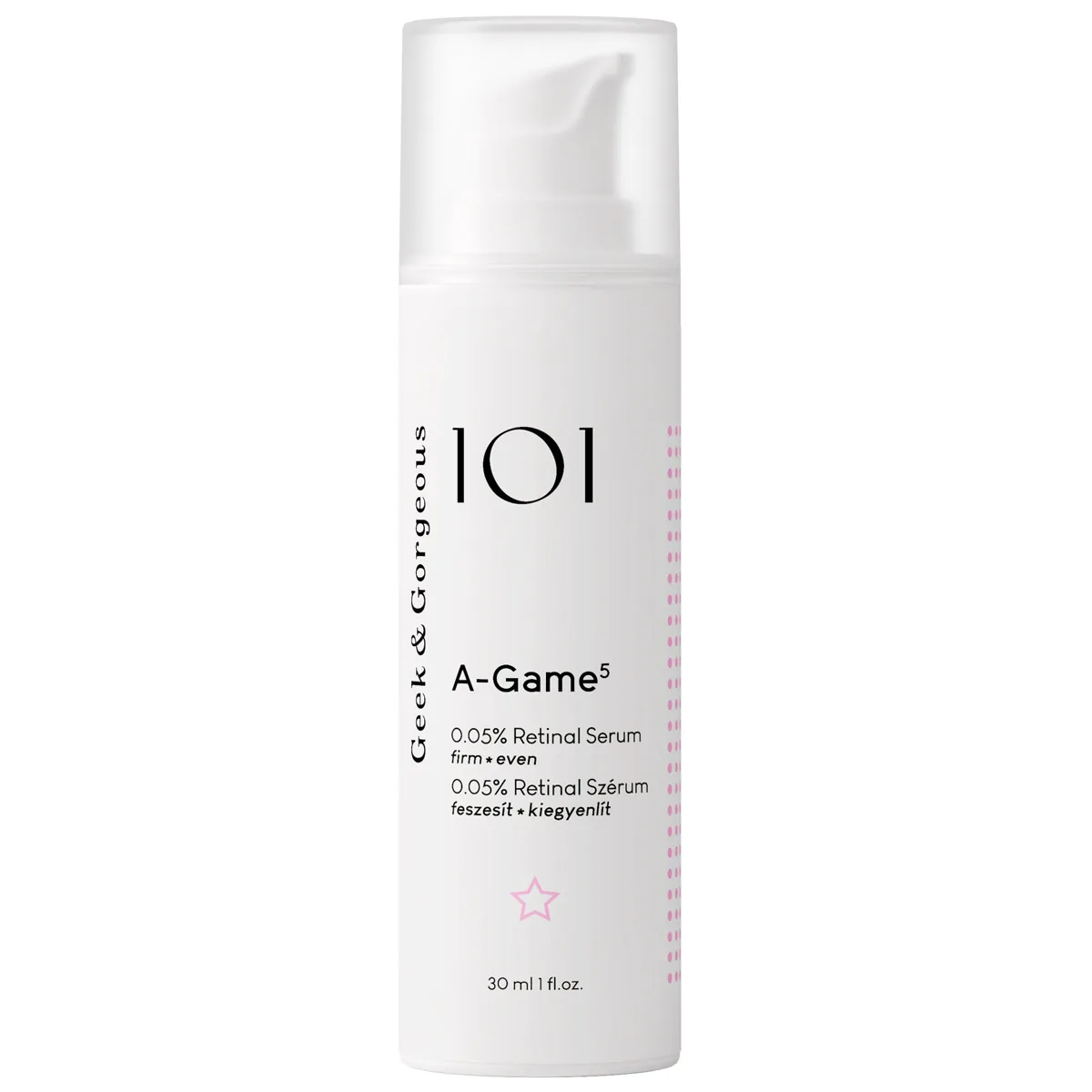 Beginner-Friendly Retinoid
 A-Game 5 Retinal Serum
The ideal beginner's retinaldehyde serum — a properly dosed 0.05% retinal in a buffered, fragrance-free formula at a price that makes long-term retinoid use actually sustainable. Same thoughtful supporting ingredients as the higher-strength A-Game 10 at half the potency, which is exactly the point. If you've never used a real retinoid, this is one of the best entry points on the market.
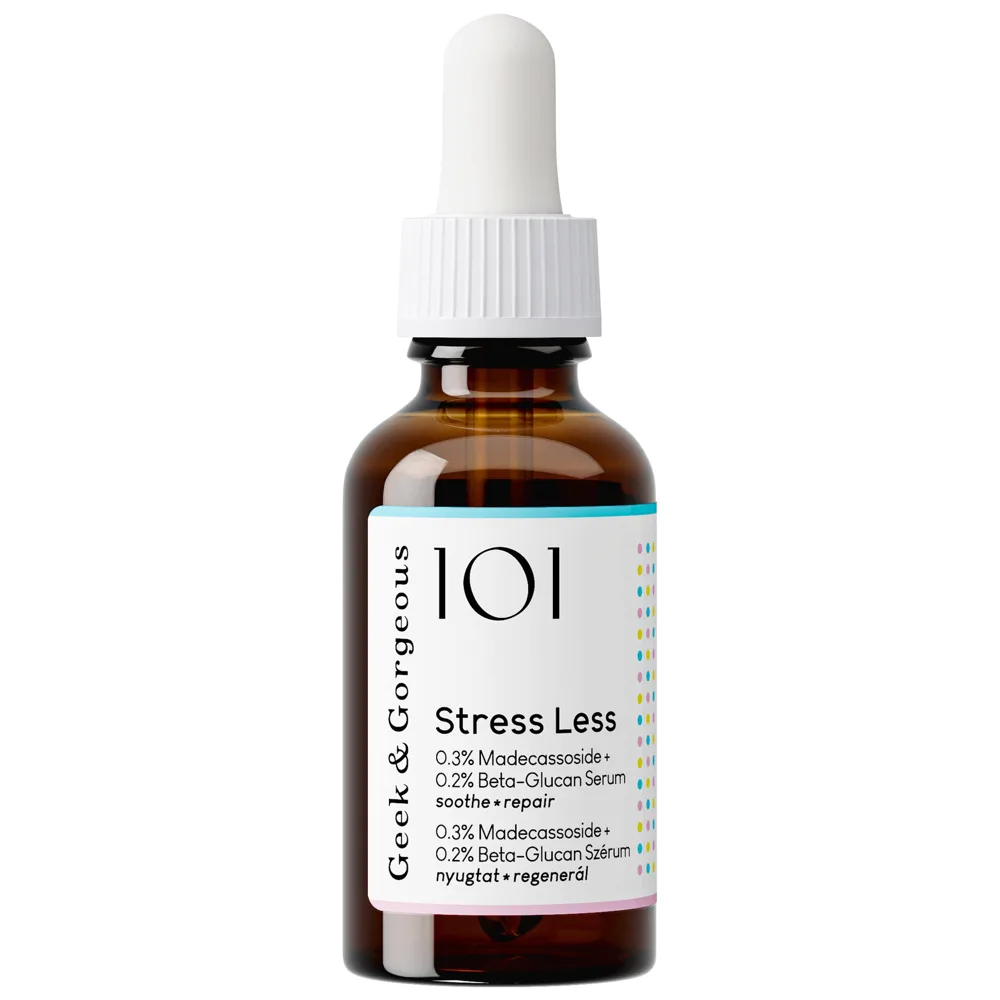 Derm-Grade Retinal at Drugstore Price
 Stress Less 0.3% Retinal Serum
A genuinely derm-grade 0.3% retinaldehyde serum at a price that shouldn't be possible. The ceramide and bisabolol buffering keeps it tolerable for experienced retinoid users, and the results — on texture, tone, and fine lines — rival premium retinals costing four times as much.
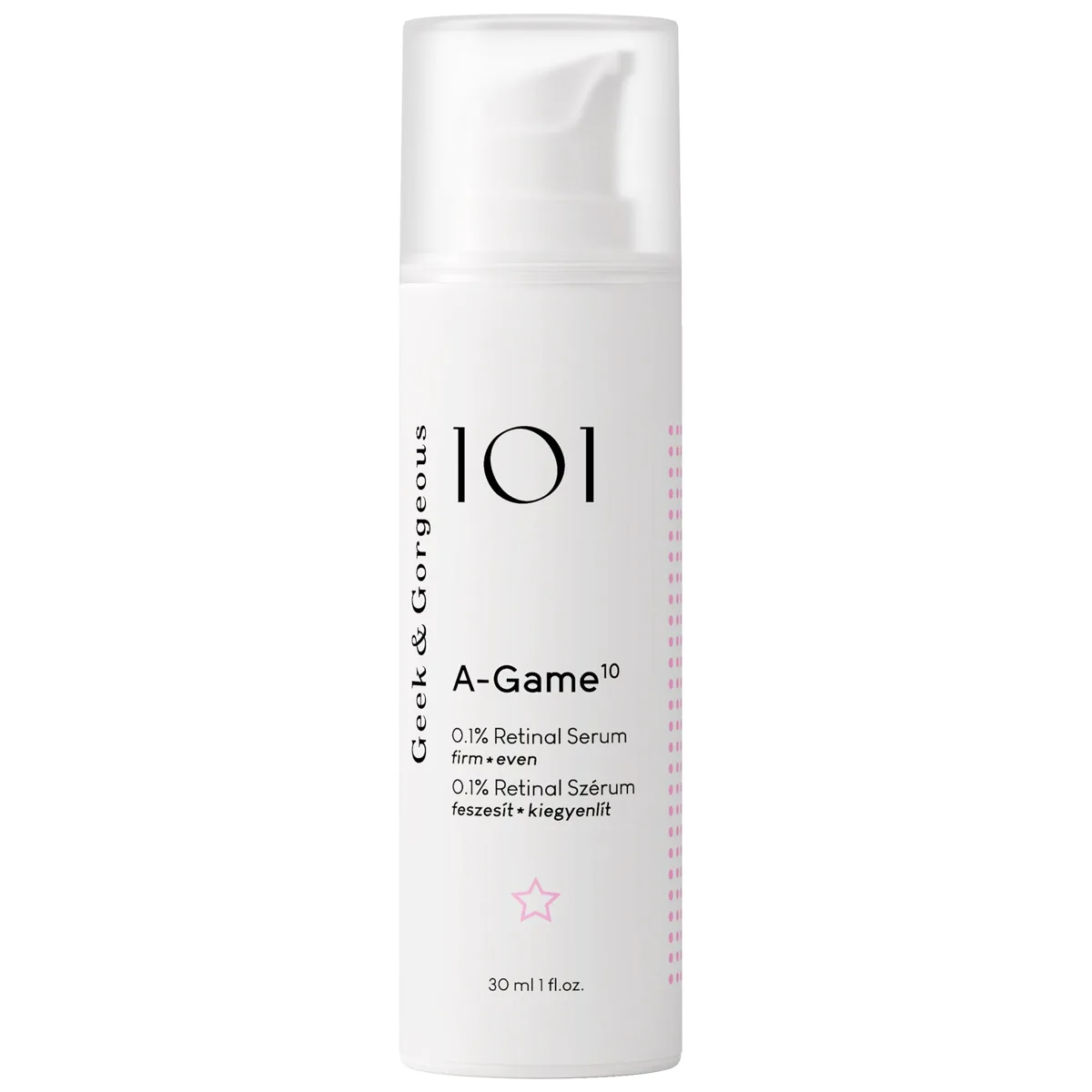 Budget Retinal Holy Grail
 A-Game 10 Retinal Serum
One of the most disruptive products in the retinoid category — a 0.1% retinaldehyde serum at around $16 when equivalent concentrations from derm brands cost $60-120. The formulation is thoughtful, the airless packaging is right, and the price point has no real competitor. Not for retinoid beginners: start with the 5 version and step up to this after a few months.
 Gold Standard OTC Retinoid
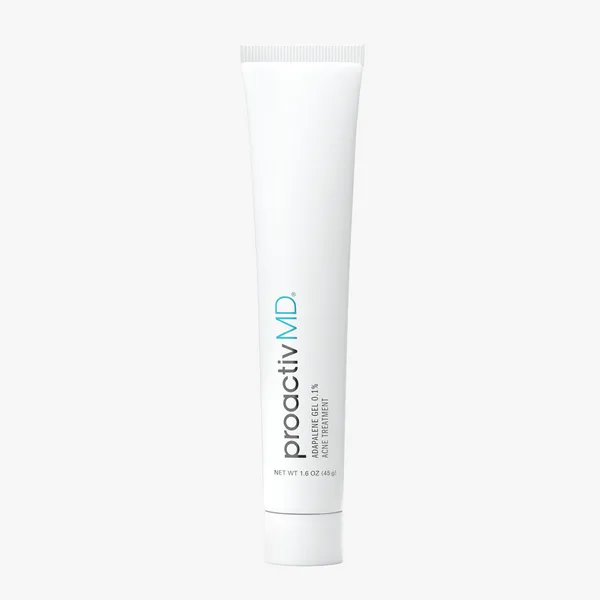
 Adapalene Gel 0.1%
This is adapalene 0.1% — the same FDA-approved retinoid dermatologists have prescribed for over two decades, now available without a prescription in a no-nonsense gel. It's one of the most evidence-backed acne treatments you can buy, and Proactiv's version offers solid value in the larger size with an updated paraben-free formula.
 Sensitive Skin MVP
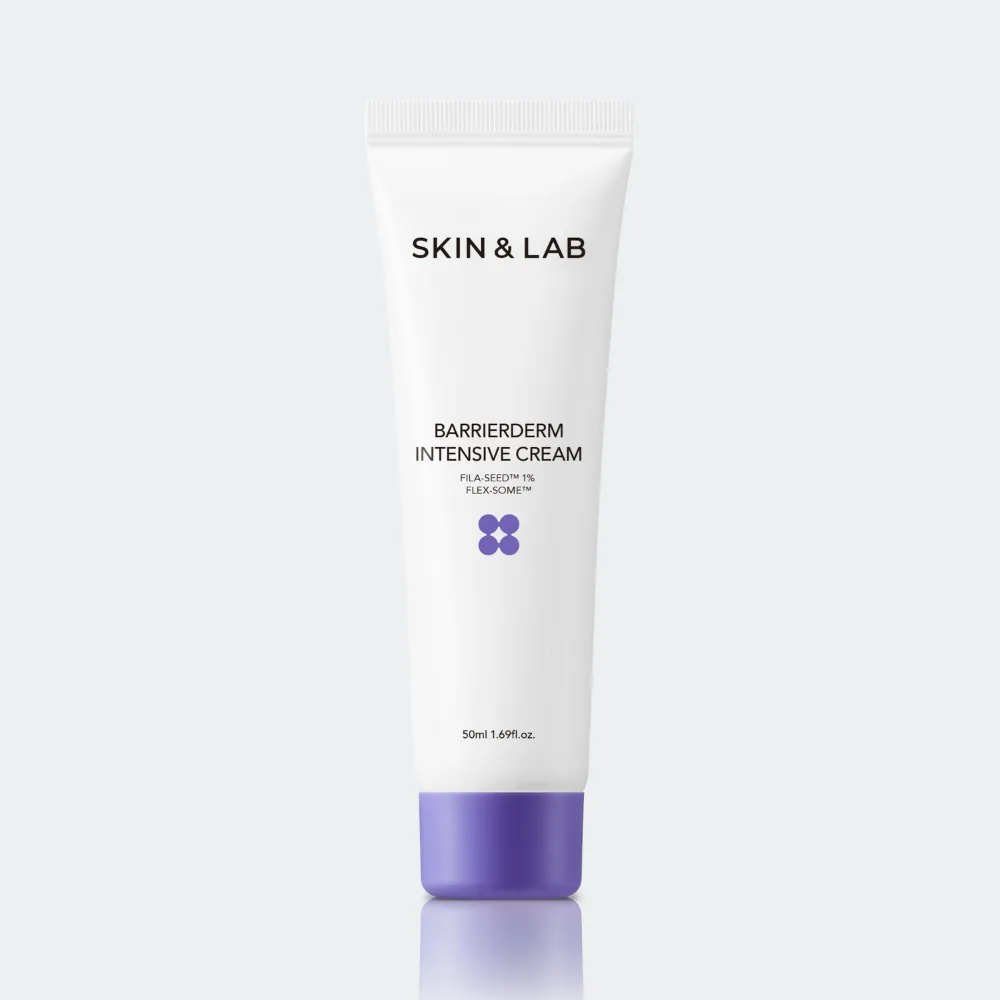
 Barrierderm Intensive Cream
A quietly excellent Korean barrier cream that pairs proper Ceramide NP content with isolated madecassoside — a combination most cica moisturizers don't bother with. Fragrance-free, reactivity-calming, and genuinely effective on post-procedure or over-exfoliated skin without feeling clinical.
 Buffered Beginner Retinol
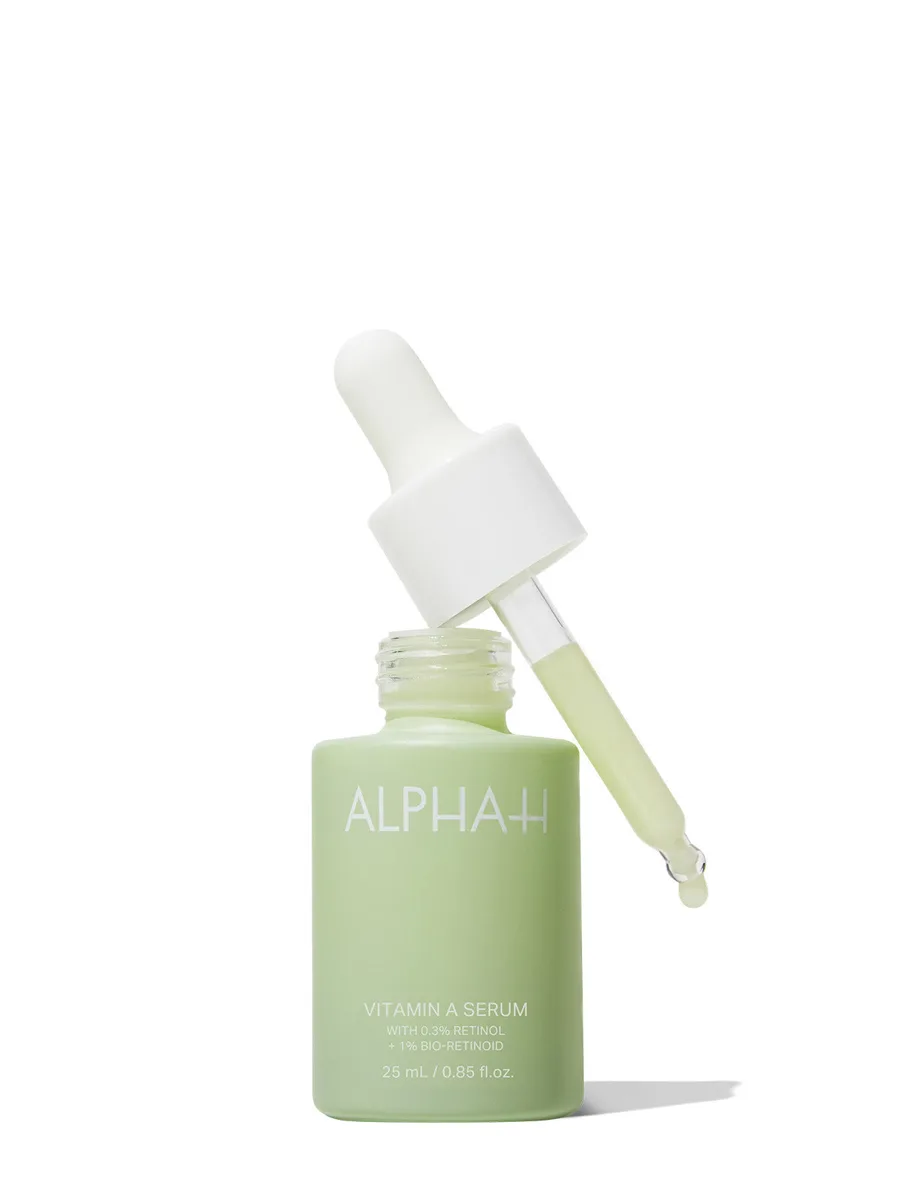
 Vitamin A Serum
Alpha-H built its 0.5% retinol on a squalane and plant-oil base specifically to make a meaningful retinol concentration tolerable for the beginners it knew were already running aggressive AHA routines. The buffering works — this is one of the few 0.5% retinol serums new users can actually stick with through the adjustment period. The price is the only meaningful complaint.
This review reflects our independent analysis of publicly available ingredient data, manufacturer claims, and verified user reviews. We are reader-supported — Amazon links may earn us a commission at no cost to you. We do not accept paid placements; rankings are based solely on the evidence.