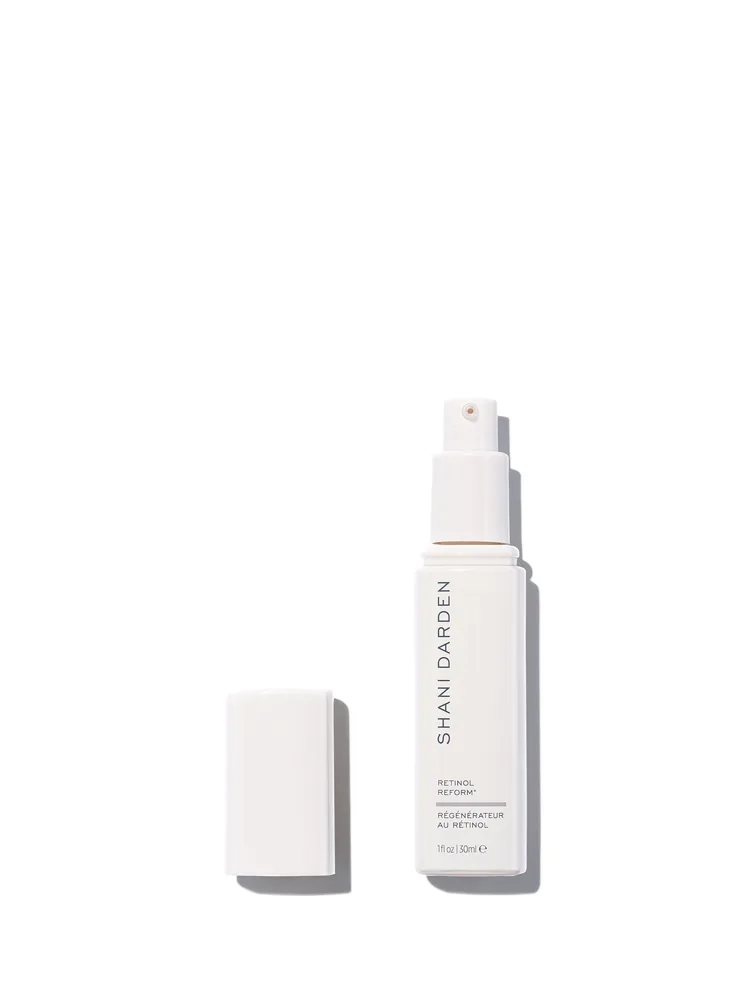
The original Shani Darden retinol — a deliberate retinol-plus-lactic-acid combination that delivers first-week glow while the retinol works slower underneath. A decade-long cult favorite that still earns its reputation, though the $88 price and the newer 1% version complicate the value calculus.
Retinol Reform Treatment Serum
The original Shani Darden retinol — a deliberate retinol-plus-lactic-acid combination that delivers first-week glow while the retinol works slower underneath. A decade-long cult favorite that still earns its reputation, though the $88 price and the newer 1% version complicate the value calculus.
Score Breakdown
Where this product gains points and where it loses them — broken down across the four scoring pillars.
A well-regarded retinol-plus-AHA serum with a decade-long track record. The combined dual-active approach delivers faster visible radiance than retinol alone, though the $88 price is steep versus similar retinol-AHA combinations.
Pros & Cons
- ✓Lactic acid plus retinol combination delivers first-week glow most retinols can't match
- ✓Encapsulated retinol and phospholipid buffering keep irritation manageable
- ✓Decade-long track record with extensive celebrity and editor validation
- ✓Airless pump packaging preserves retinol stability correctly
- ✓Fragrance-free and silicone-free despite the luxury positioning
- ✓Works as a single-step retinol-plus-exfoliation treatment rather than requiring two products
- ✗$88 for 30ml is premium versus comparable retinol-AHA combinations
- ✗Not suitable for rosacea, eczema, or very sensitive skin
- ✗Contains soybean sterols — check labels if soy-reactive
- ✗Dual-active nature means incompatible with any additional AHA, BHA, or vitamin C in the same routine
Full Review
In 2015, when Shani Darden launched what would become her signature serum, the prevailing wisdom in skincare was that you kept your retinol and your acids in separate routines. Mixing them was considered the province of dermatologists and daredevils. Darden, working from years of hands-on experience with her Hollywood clientele, disagreed. Her in-office protocol had always involved a gentle acid peel followed by a retinol treatment, and she was convinced the two actives belonged together — in the same bottle, applied the same night, working in tandem. The original Retinol Reform is what that conviction looked like when translated into a serum.
The formulation choice makes more sense once you understand the problem she was solving. Retinol is slow. A standard 0.5% retinol takes four to six weeks to deliver any visible radiance, and during that window new users see flaking, dryness, and occasional redness without much reward. Most quit before the payoff lands. Darden's solution was to pair the retinol with 2% lactic acid, a low dose chosen specifically for its ability to produce surface smoothness and glow within days rather than weeks. The lactic acid buys the user's patience. The retinol does the long work underneath. By the time the acid effect plateaus, the retinol is beginning to deliver its own results, and the handoff feels seamless.
Texture is a lightweight milky serum that absorbs in under a minute and doesn't pill. The packaging is an opaque airless pump — the correct choice for retinol stability, since both light and oxygen degrade the active rapidly. Fragrance-free, silicone-free, and the only ingredient flags are BHT and BHA used as retinol antioxidant stabilizers, which are functional necessities.
Performance: most users report a visible glow within the first week from the lactic acid alone. Texture smooths by week three or four. Full retinol benefits — fine line softening, firmness, tone evenness — arrive on the standard retinol timeline of three to six months. The adjustment period is slightly rougher than for pure retinol serums because the acid amplifies irritation, so flaking and stinging during the first two weeks are common and expected. Most users adapt by week three.
The hardest question this serum now faces is whether it's still the right choice given the 2024 reformulation. Shani Darden's decision to split the lineup — keeping this original formula alongside a stronger, acid-free 1% encapsulated retinol — was an acknowledgment that different users want different things. If your goal is pure retinol benefit with maximum collagen support, the new version is the smarter pick. If you specifically want the fast-glow combination effect that made this serum famous in the first place, the original is still the better buy. It isn't an upgrade-or-replacement situation; it's a genuine choice.
The price is the recurring friction. Eighty-eight dollars for 30ml is premium, and you can build a similar retinol-plus-low-dose-lactic-acid routine from Paula's Choice and Naturium products for about half the cost. What you're paying for here is the buffering system, the decade-long tolerance track record, and the cachet of a celebrity facialist brand. Whether that premium is worth it depends entirely on how much value you place on a formulation you don't have to second-guess.
This serum has earned its cult status honestly. It solved a real problem — retinol patience — with a formulation that still holds up a decade later. For users who want a retinol that delivers glow immediately rather than asking for a month of faith, it remains one of the better options on the shelf.
Formula
Key Ingredients
The hero actives that drive this product's performance.
| Ingredient | Function | Evidence |
|---|---|---|
| Encapsulated Retinol | A mid-strength retinol (approximately 0.5%) in a slow-release encapsulation system. Unlike the newer 1% version of Retinol Reform, this original formula uses a lower retinol dose deliberately because it's working in tandem with a free acid — the combined approach is meant to produce faster visible radiance than retinol alone. | well-established |
| Lactic Acid (2%) | The second act of this formula and what differentiates it from the reformulated version. A low-dose lactic acid that exfoliates surface dead cells and amplifies the radiance effect of the retinol, so users see 'glow' within the first week rather than waiting the full month retinol alone usually requires. | well-established |
| Lactobacillus Ferment | A postbiotic ferment that sits early on the INCI to buffer the combined retinol-and-acid irritation. This was a relatively forward choice for a 2015-era serum — most retinol products at the time relied purely on ceramides and niacinamide for barrier support. | emerging |
| Phospholipid Complex | A lipid blend of phospholipids, hydrogenated lecithin, soybean sterols, and linoleic acid that reinforces the barrier against the dual actives. This is the formulation choice that lets most users tolerate a retinol-plus-AHA combination without the peeling usually associated with both. | well-established |
| Apple Fruit Extract | High on the INCI as a natural source of mild AHAs and antioxidants, contributing additional surface brightening. Positioned as Darden's signature 'natural glow' element and part of the brand's early identity. | limited |
Full INCI List · pH 4
Aqua (Water), Caprylic/Capric Triglyceride, Glycerin, Pyrus Malus (Apple) Fruit Extract, Lactic Acid, Hydroxyethyl Acrylate/Sodium Acryloyldimethyl Taurate Copolymer, Lactobacillus Ferment, Isohexadecane, Retinol, Copernicia Cerifera Cera, Glucosamine HCl, Plankton Extract, Camellia Sinensis Leaf Extract, Aloe Barbadensis Leaf Juice, Tocopheryl Acetate, Hydrogenated Lecithin, Linoleic Acid, Glycine Soja (Soybean) Sterols, Phospholipids, Propanediol, Sodium Cocoamphoacetate, Polysorbate 60, Oryza Sativa (Rice) Bran Extract, Rosmarinus Officinalis (Rosemary) Leaf Extract, Helianthus Annuus (Sunflower) Extract, Tocopherol, Cyamopsis Tetragonoloba, Guar Gum, Maltodextrin, Xanthan Gum, Lecithin, Hydrolyzed Algin, Xylitylglucoside, Anhydroxylitol, Xylitol, Tetrasodium Glutamate Diacetate, BHT, BHA, Sodium Hydroxide, Phenoxyethanol, Caprylyl Glycol, Ethylhexylglycerin, Hexylene Glycol
Product Flags
✓ Fragrance Free✓ Alcohol Free✗ Oil Free✓ Silicone Free✓ Paraben Free✓ Sulfate Free✓ Cruelty Free✗ Vegan✗ Fungal Acne Safe
Potential Irritants
retinollactic acidBHTBHA
Common Allergens
soybean sterols
Compatibility
Skin Match
Best For
Works For
Not Ideal For
Addresses These Conditions
aging hyperpigmentation texture dullness large pores
Use With Caution
rosacea eczema sensitivity compromised skin barrier
Avoid With
Routine Step
treatment
Time of Day
PM
Pregnancy Safe
No ✗
Layering Tips
Apply to clean, dry skin at night. Follow with a ceramide moisturizer. Do not combine with additional AHAs, BHAs, or vitamin C in the same routine — the formula already contains lactic acid.
Results Timeline
Mild surface glow within the first week thanks to the lactic acid. Textural smoothness by week 3-4. Full retinol benefits (tone, firmness, fine lines) at 3-6 months of consistent use.
Pairs Well With
ceramide moisturizerhyaluronic acidniacinamide
Conflicts With
ahabhal-ascorbic acidbenzoyl peroxide
Sample AM Routine
- Gentle cleanser
- Vitamin C serum
- Moisturizer
- SPF 50
Sample PM Routine
- Gentle cleanser
- Shani Darden Retinol Reform Treatment Serum
- Ceramide moisturizer
Evidence
Who Should Skip
- $88 for 30ml is premium versus comparable retinol-AHA combinations
- Not suitable for rosacea, eczema, or very sensitive skin
- Contains soybean sterols — check labels if soy-reactive
- Dual-active nature means incompatible with any additional AHA, BHA, or vitamin C in the same routine
Science & Expert Perspective
The Science
The case for retinol in photoaging is one of the most extensively documented in cosmetic dermatology. Research in the Archives of Dermatology has shown that topical retinol at cosmetic concentrations produces measurable improvements in fine wrinkles, roughness, and overall photodamage over 24 weeks. Retinol converts to retinoic acid in the skin, binds to nuclear retinoic acid receptors, and upregulates collagen-synthesis genes while downregulating matrix metalloproteinases.
The addition of 2% lactic acid is what sets this formula apart mechanistically. Lactic acid at low concentrations (typically 2-5%) increases cell turnover on the stratum corneum and can enhance penetration of subsequent topicals. Foundational research on AHAs published by Smith in Dermatologic Surgery demonstrated that low-dose lactic acid produces measurable improvements in skin texture and pigmentation with minimal barrier disruption when buffered properly. Combining this with retinol in a single vehicle is a more aggressive approach than either alone, but for users who tolerate it, the compounded surface-and-deep benefit is real.
The liposomal-style encapsulation used here — retinol paired with phospholipids, hydrogenated lecithin, and plant sterols — has been studied for its ability to stabilize retinol and reduce irritation. Published work in the International Journal of Cosmetic Science suggests phospholipid-encapsulated retinol maintains comparable bioavailability to free retinol with lower reported erythema. The postbiotic lactobacillus ferment added to this formula is a newer entry with emerging but less mature evidence.
What's not yet published: peer-reviewed head-to-head data comparing this specific dual-active formulation to pure retinol serums of equivalent strength over a full anti-aging timeline.
Dermatologist Perspective
Dermatologists generally consider retinol and low-dose lactic acid both safe and effective OTC actives, and many board-certified dermatologists note that well-buffered combination products can work for users who would otherwise struggle to maintain a two-step acid-and-retinol routine. This serum's dual-active approach is sometimes flagged as unnecessarily aggressive for beginners, and dermatologists often recommend starting with a pure retinol before progressing to a combination formula. For experienced users with resilient skin who want faster visible results, however, this product aligns with how dermatologists describe the classic peel-plus-retinol in-office protocol. It is not recommended for rosacea patients, users with active eczema, or anyone currently on isotretinoin.
Guidance
Usage Guide
How to Use
Apply at night to clean, dry skin. Start with 2 nights per week for the first 2 weeks, then progress to 3-4 nights per week, building toward nightly as tolerated. Use a pea-sized amount across the face and neck, wait 60 seconds, then follow with a ceramide-rich moisturizer. Do not use on the same night as additional AHAs, BHAs, benzoyl peroxide, or direct vitamin C. Always apply broad-spectrum SPF 30 or higher the following morning. Pause use 48 hours before and after any professional facial treatment.
Value Assessment
At $88 for 30ml, this is premium pricing for what is mechanistically a retinol plus low-dose lactic acid serum. A combination of Naturium Multi-Peptide Retinol and a basic lactic acid toner would deliver similar mechanistic effects at roughly 40% the cost. What justifies the premium is the decade-long formulation track record, the buffering sophistication, and the convenience of a single-bottle solution rather than layered actives. For users who value consistency and have already responded well to this specific serum in the past, the repeat purchase is defensible. For new users, the newer 1% version may be the more modern buy unless you specifically want the lactic acid effect.
Who Should Buy
Experienced retinol users who specifically want the fast first-week glow the lactic acid component provides, or returning customers who already know they tolerate this formula well. Best suited to normal-to-combination skin targeting dullness, tone, and early aging.
Who Should Skip
Retinol beginners should start with a simpler pure retinol. Skip if you have rosacea, eczema, or very sensitive skin. Skip during pregnancy or breastfeeding. And if cost-per-ounce matters, consider assembling a retinol and lactic acid routine separately from less expensive brands.
Ready to try Shani Darden Retinol Reform Treatment Serum?
Details
Details
Texture
Lightweight milky serum
Scent
Fragrance-free with a faint base-note retinol odor
Packaging
Opaque airless pump
Finish
non-greasylightweightfast-absorbing
What to Expect on First Use
Expect mild stinging on the first few applications and possible flaking during weeks 1-2. The lactic acid produces visible glow within the first week — earlier than retinol alone — which is the hallmark effect users repeatedly report.
How Long It Lasts
About 3 months at nightly use
Period After Opening
6 months
Best Season
All Year
Certifications
Clean at SephoraCruelty-free
Background
The Why
This was Shani Darden's flagship serum from her 2013 brand launch era, designed to translate her in-office peel-plus-retinol protocol into a take-home product. It became the serum name-dropped by Jessica Alba, Shay Mitchell, and other Darden clients in press interviews, and it built the brand's celebrity-facialist reputation. When the brand split the retinol lineup in 2024, this original formulation was kept on as the 'Treatment Serum' variant for fans of the retinol-plus-AHA combination.
About Shani Darden Established Brand (5–20 years)
Shani Darden launched her eponymous brand in 2013. This serum, introduced around 2015, was the brand's original hero product and the formulation that built her celebrity-driven reputation. It has a decade-long track record and is the basis for the newer 1% encapsulated retinol spin-off.
Brand founded: 2013 · Product launched: 2015
Myth vs. Reality
Myths & Misconceptions
Myth
This is identical to the new 1% Retinol Reform
Reality
They are genuinely different formulas. This original contains lactic acid and a lower retinol dose for faster surface radiance. The newer version has no free acid, a 1% encapsulated retinol, and added tripeptide. They serve different goals.
Myth
Lactic acid in a retinol serum is always too harsh
Reality
In this formula the acid concentration is low (around 2%) and buffered by phospholipids and postbiotics. For most users, the combination is tolerable — particularly compared to layering a separate AHA treatment on top of a free retinol.
FAQ
Frequently Asked Questions
How is this different from the new Retinol Reform with 1% encapsulated retinol?
This is the original 2015-era formula: a lower retinol dose paired with 2% lactic acid for faster visible radiance. The new version drops the lactic acid, uses a stronger 1% encapsulated retinol, and adds tripeptide. They're different products now, not a replacement.
How long until I see results?
The lactic acid component typically produces visible radiance within the first week. Textural improvement follows at 3-4 weeks, and full retinol benefits for fine lines and firmness arrive at 3-6 months of consistent use.
Can I use this with a separate AHA or BHA?
No. This serum already contains lactic acid, so layering an additional exfoliating acid in the same routine risks over-exfoliation. Skip separate chemical exfoliants on nights you use this, or alternate nights.
Is this pregnancy safe?
No. All retinoids including cosmetic retinol are contraindicated during pregnancy and breastfeeding. Switch to a bakuchiol or peptide serum until cleared by your OB.
How often should I use this?
Start with 2 nights per week for the first 2 weeks to assess tolerance, then 3-4 nights per week, building toward nightly use over 4-6 weeks. The dual-active nature means irritation builds faster than with retinol alone, so ramp slowly.
Community
Community Voices
Common Praise
"Visible glow within days"
"Less irritating than comparable retinols"
"Widely credited by celebrities"
Common Complaints
"Expensive for 30ml"
"Flaking during first 2 weeks"
"Lactic acid combo not ideal for very sensitive users"
Notable Endorsements
Sephora Clean at SephoraFeatured in Vogue, Elle, and Allure
Appears In
best retinol aha serum best retinol for dullness best celebrity retinol serum best retinol for fast glow
Related Conditions
aging dullness hyperpigmentation
Related Ingredients
You Might Also Like
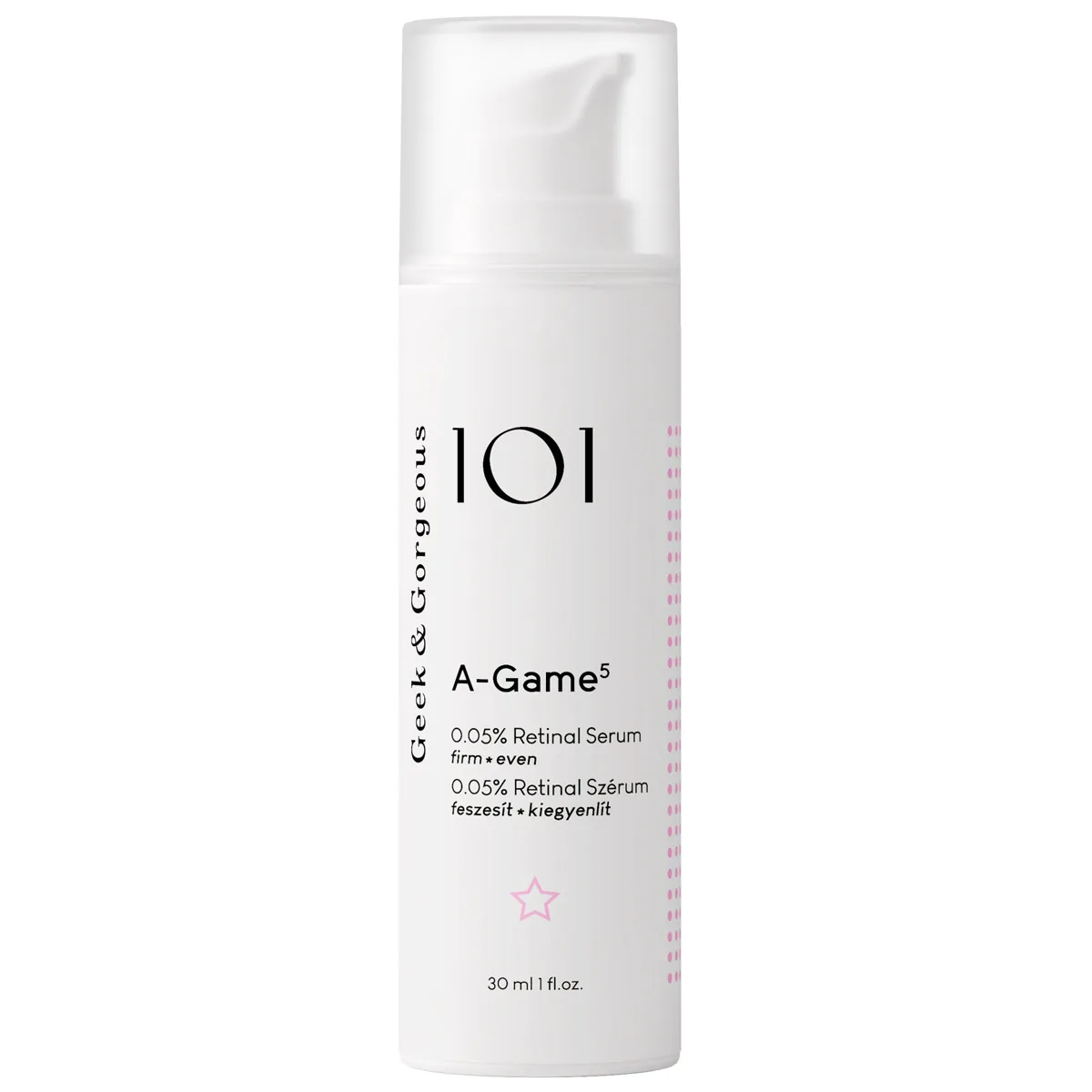 Beginner-Friendly Retinoid
 A-Game 5 Retinal Serum
The ideal beginner's retinaldehyde serum — a properly dosed 0.05% retinal in a buffered, fragrance-free formula at a price that makes long-term retinoid use actually sustainable. Same thoughtful supporting ingredients as the higher-strength A-Game 10 at half the potency, which is exactly the point. If you've never used a real retinoid, this is one of the best entry points on the market.
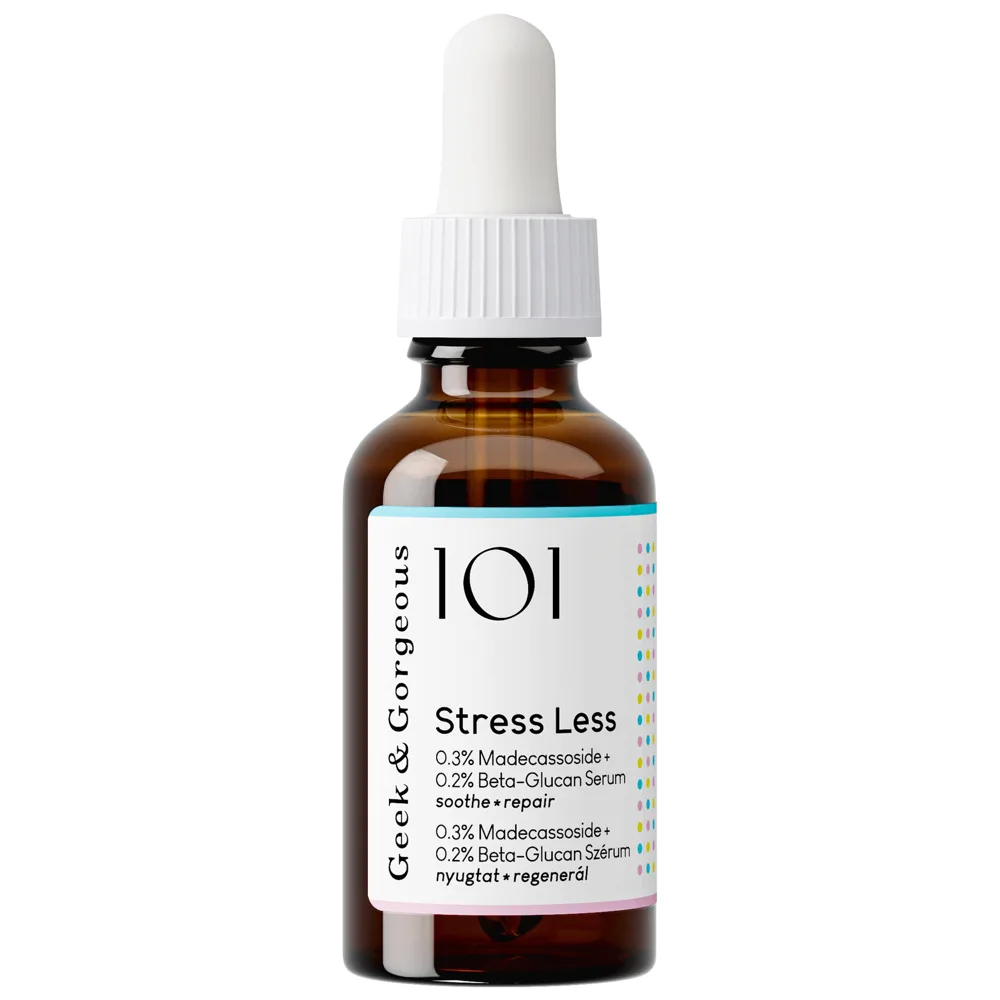 Derm-Grade Retinal at Drugstore Price
 Stress Less 0.3% Retinal Serum
A genuinely derm-grade 0.3% retinaldehyde serum at a price that shouldn't be possible. The ceramide and bisabolol buffering keeps it tolerable for experienced retinoid users, and the results — on texture, tone, and fine lines — rival premium retinals costing four times as much.
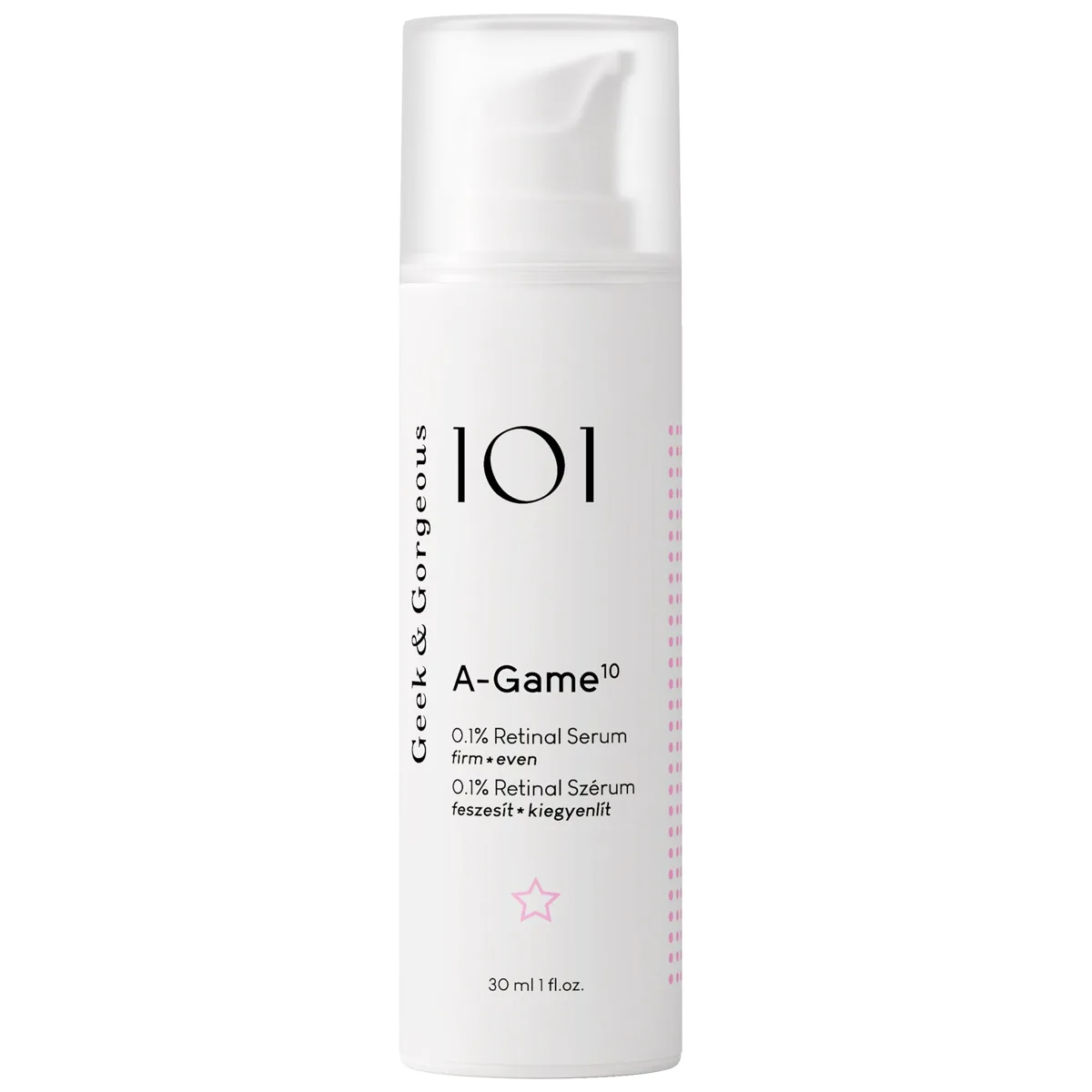 Budget Retinal Holy Grail
 A-Game 10 Retinal Serum
One of the most disruptive products in the retinoid category — a 0.1% retinaldehyde serum at around $16 when equivalent concentrations from derm brands cost $60-120. The formulation is thoughtful, the airless packaging is right, and the price point has no real competitor. Not for retinoid beginners: start with the 5 version and step up to this after a few months.
 Gold Standard OTC Retinoid
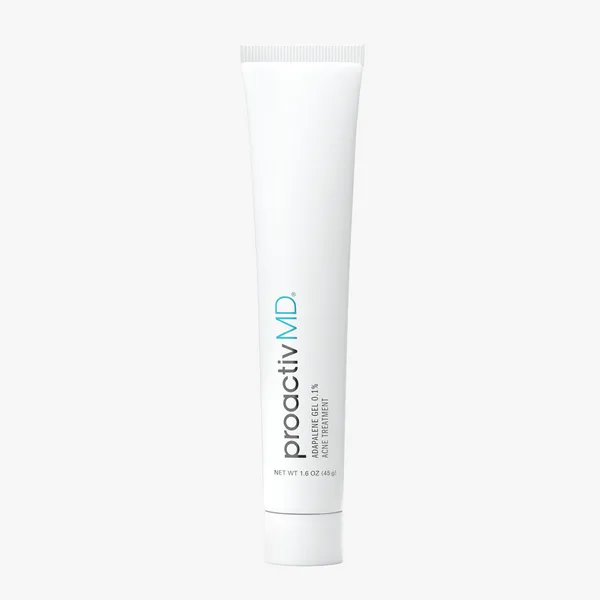
 Adapalene Gel 0.1%
This is adapalene 0.1% — the same FDA-approved retinoid dermatologists have prescribed for over two decades, now available without a prescription in a no-nonsense gel. It's one of the most evidence-backed acne treatments you can buy, and Proactiv's version offers solid value in the larger size with an updated paraben-free formula.
 Buffered Beginner Retinol
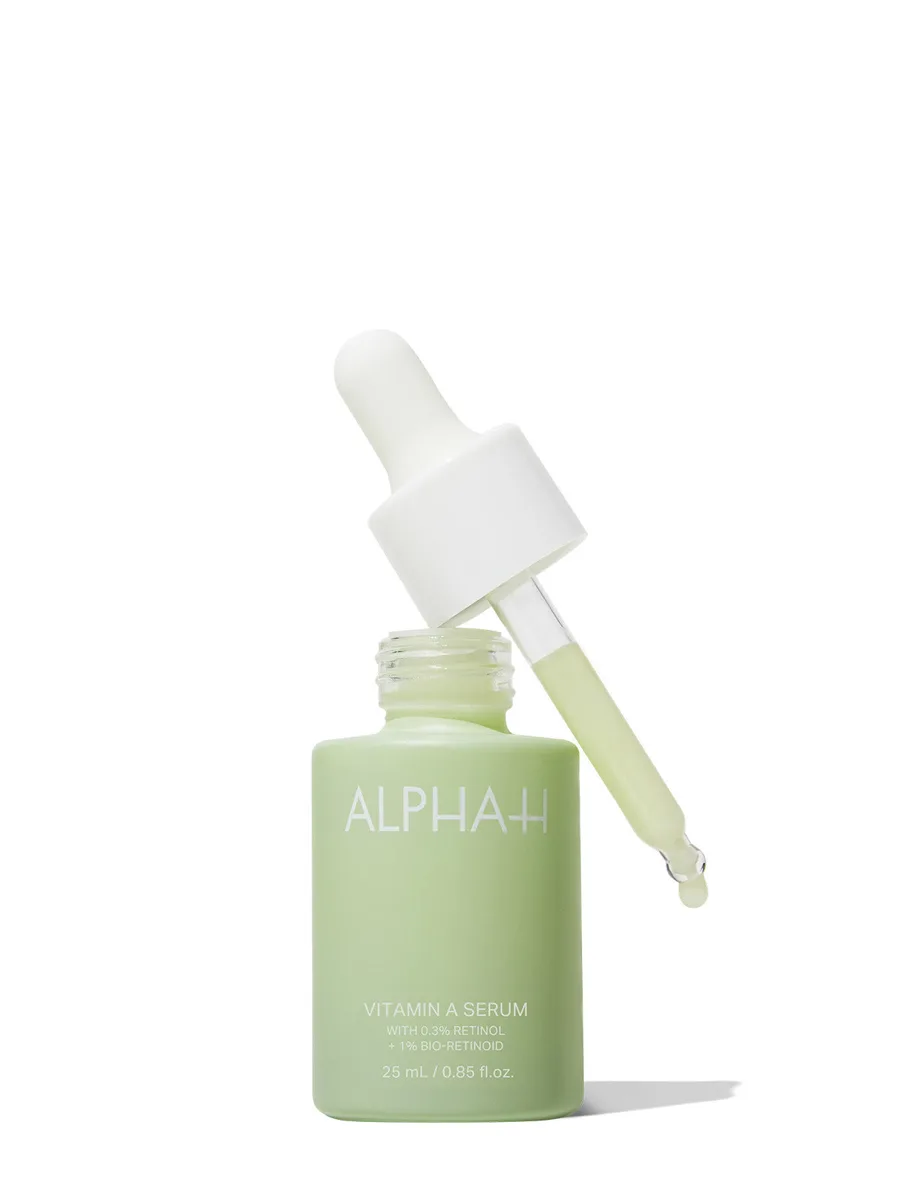
 Vitamin A Serum
Alpha-H built its 0.5% retinol on a squalane and plant-oil base specifically to make a meaningful retinol concentration tolerable for the beginners it knew were already running aggressive AHA routines. The buffering works — this is one of the few 0.5% retinol serums new users can actually stick with through the adjustment period. The price is the only meaningful complaint.
 Best Retinoid Starter
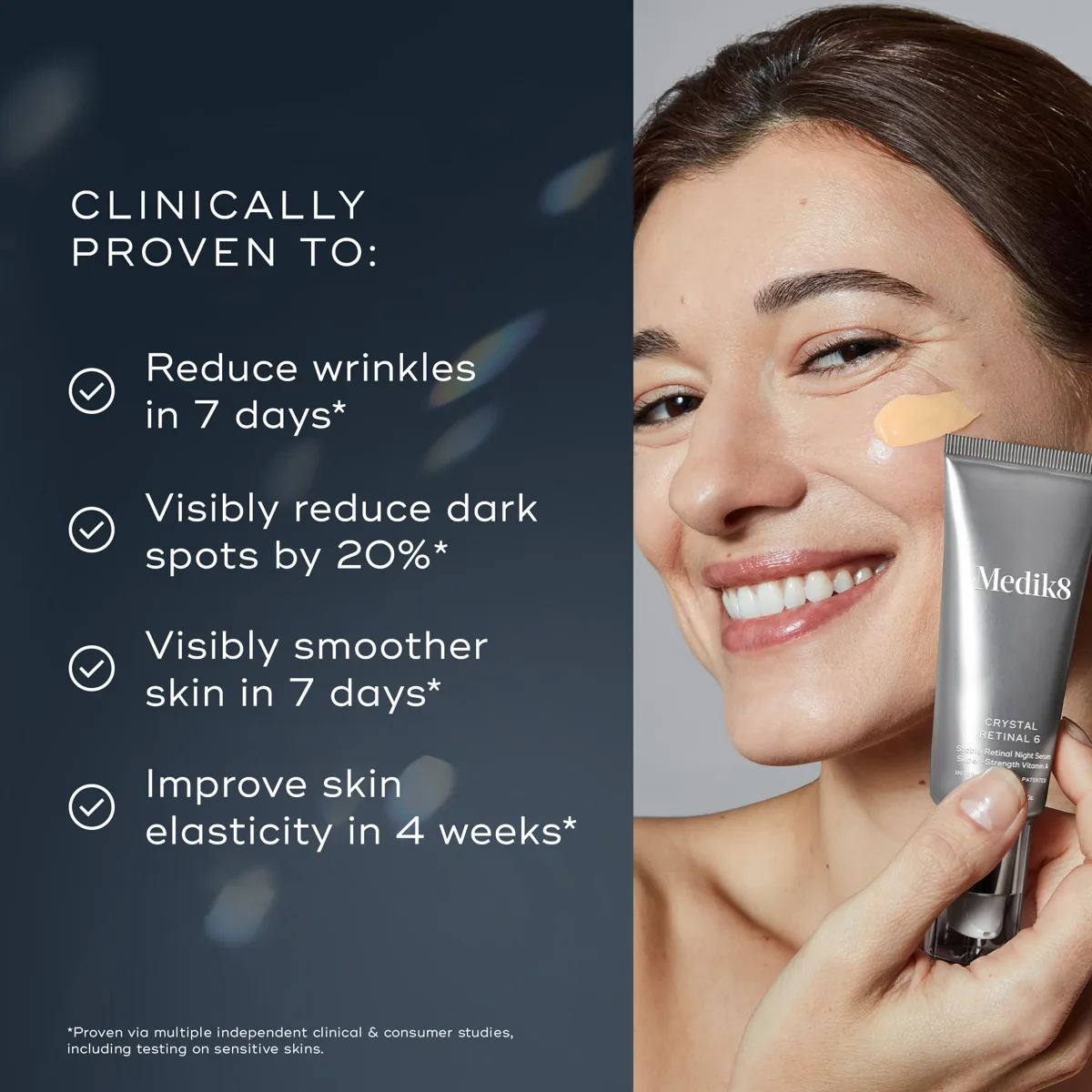
 Crystal Retinal 3
The retinoid designed for people who are afraid of retinoids — and the product that might just convert them. Crystal Retinal 3 proves that the world's most effective OTC vitamin A form can be introduced to sensitive skin without the usual drama, creating a genuinely accessible on-ramp to serious anti-aging skincare.
This review reflects our independent analysis of publicly available ingredient data, manufacturer claims, and verified user reviews. We are reader-supported — Amazon links may earn us a commission at no cost to you. We do not accept paid placements; rankings are based solely on the evidence.