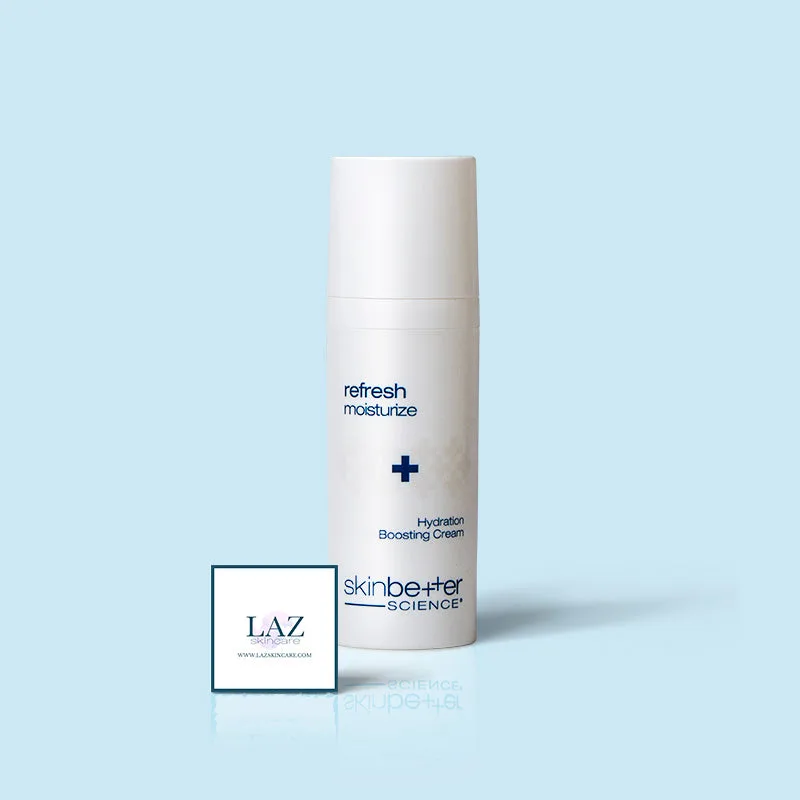
One of the few physician-dispensed daily moisturizers that actually delivers a physiologically-correct ceramide-cholesterol lipid ratio — the thing most 'ceramide creams' quietly skip. Exceptional tolerability, layers cleanly under any routine, and genuinely rebuilds a compromised barrier. At $110 for 50ml it's priced at the upper end of its category, and there's no larger size for long-term users.
Hydration Boosting Cream
One of the few physician-dispensed daily moisturizers that actually delivers a physiologically-correct ceramide-cholesterol lipid ratio — the thing most 'ceramide creams' quietly skip. Exceptional tolerability, layers cleanly under any routine, and genuinely rebuilds a compromised barrier. At $110 for 50ml it's priced at the upper end of its category, and there's no larger size for long-term users.
Score Breakdown
A genuinely well-constructed barrier-repair moisturizer with a proper ceramide-cholesterol lipid ratio and a multi-humectant approach, priced at the upper end of what dermatology offices charge for daily moisturizers.
Data Confidence: high
Available since 2018 with several years of dermatologist office feedback and consistent positive reviews across medical aesthetic platforms. Scoring is well-supported by accumulated real-world data.
0/100
Overall Score
Ingredient Quality 0
Value for Money 0
Suitability Breadth 0
Irritation Risk (↑ = safer) 0
Assessment
Pros
- Includes cholesterol alongside ceramides for full lipid barrier repair
- Three ceramide subtypes (NP, AP, EOP) cover distinct barrier functions
- Fast-absorbing, velvety texture layers cleanly under SPF and makeup
- Exceptional tolerability for sensitive and post-procedure skin
- Works as a retinoid buffer without compromising efficacy
- Dual-molecular-weight HA plus trehalose for layered hydration
- Pregnancy-safe with no retinoids or acids
- Formulated for clinical use alongside in-office procedures
Cons
- $110 for 50ml is expensive compared to pharmacy ceramide creams
- Only available in one size — no larger value option
- Physician-dispensed only — not available online directly
- Can feel slightly heavy for oily skin in humid climates
- No distinguishing ingredient story beyond solid formulation
Full Review
Here's a distinction most skincare marketing quietly avoids: a healthy skin barrier is not made of ceramides alone. The lipid matrix that holds your stratum corneum together is a specific three-component mixture — ceramides, cholesterol, and free fatty acids — in roughly a 3:1:1 ratio. When the barrier is damaged by retinoids, over-exfoliation, harsh climate, or post-procedure disruption, replacing only the ceramides rebuilds only one-third of the repair puzzle. The cholesterol and fatty acids are just as structurally essential. Which means that when a cream is labeled as a 'ceramide moisturizer' but contains no cholesterol, you're buying something that looks like the answer to compromised barrier issues but delivers only part of the job. SkinBetter Science's Hydration Boosting Cream doesn't skip cholesterol. That alone is most of what earns this moisturizer its place in dermatology offices that stock it, because derms know the difference and their patients recovering from procedures or aggressive active routines need the full lipid repair package.
The rest of the formula is thoughtful in the same way. Three ceramide subtypes — NP, AP, and EOP — cover different functional ceramide roles in the barrier lipid matrix. Squalane, a stable saturated form of the lipid your sebum naturally produces, provides the emollient base that gives the cream its velvety slip without the oxidation concerns of unsaturated oils. Two molecular weights of hyaluronic acid — standard sodium hyaluronate for surface hydration and hydrolyzed low-MW HA for slightly deeper penetration — handle the water-binding layer. Trehalose, a disaccharide originally studied in desert plants that can survive near-complete dehydration, stabilizes cellular water and protects membrane proteins during water loss, which matters for stressed skin. Niacinamide, panthenol, allantoin, and bisabolol round out the supporting cast with mild soothing and barrier support. What you end up with is a moisturizer that treats hydration as a three-part problem — lipid replacement, water binding, and cellular water stabilization — rather than a one-dimensional 'add more humectant' approach.
The texture is where this cream earns unqualified praise from almost everyone who tries it. It's rich on initial contact but breaks down quickly under the fingertips, absorbing within about a minute without leaving residue or a weird film. No stickiness, no pilling under sunscreen or makeup, no stinging on freshly exfoliated or post-procedure skin. It's the kind of moisturizer that works equally well as a daily base layer under a full actives routine and as a quiet monotherapy for someone whose skin just needs calming. For patients on prescription tretinoin, this is one of the best buffering strategies available — tretinoin first on dry skin, 20 minutes of absorption, then this cream over the top. The ceramide-cholesterol complex supports the barrier that tretinoin is, by design, temporarily destabilizing, which makes the whole retinoid routine more tolerable and more sustainable.
The things this cream doesn't try to do are also worth noting. It isn't an anti-aging cream in the peptide-heavy sense — there are some peptide-adjacent ingredients but no maxed-out matrikine complex. It isn't a brightening cream. It doesn't have a dramatic ingredient story or a hero active that you can point to as the 'thing that makes it work.' What it is, structurally, is a well-formulated barrier-repair moisturizer that delivers the boring-but-essential lipid and humectant mix your skin actually needs for daily function. That sounds unremarkable until you compare it to the moisturizers most people actually use, which are typically either too heavy (classic cold cream), too light (gel hydrators), too fragranced, or missing one of the lipid components. The SkinBetter cream does the boring thing exceptionally well, which is why dermatologist offices keep stocking it.
Where the price becomes the conversation is the 50ml size. At $110, this is a $2.20/ml moisturizer, which puts it squarely in the upper tier of the professional category. With twice-daily face and neck application, the jar lasts two to three months, putting the monthly cost around $35-50. There's no larger size available — no 100ml, no 150ml option — which is frustrating for committed long-term users. You can buy a ceramide cream from a pharmacy brand for $20 that will cover the basics, and depending on your skin's state, that may be completely adequate. The SkinBetter cream earns its premium mainly through formulation precision and the cholesterol inclusion, which is the thing a cheaper cream is likely to skip. Whether that's worth a 5x price multiplier over CeraVe depends entirely on whether your skin is in a state that rewards the extra sophistication.
A genuine recommendation: this is the moisturizer I'd suggest to someone whose barrier has been chronically struggling with a retinoid routine, someone in active recovery from laser or peel procedures, or someone whose sensitive-skin reactivity isn't responding to simpler drugstore options. It's also a strong daily choice for patients already committed to a broader SkinBetter regimen under dermatological guidance, where it slots cleanly into both the morning and evening routines. For someone just looking for a daily moisturizer to go on top of a gentle cleanser and sunscreen, there are less expensive options that will serve just as well — save your budget for the steps where formulation density matters more.
One specific note on texture and climate: in humid or very warm climates, this cream can feel slightly heavy for oilier skin types, particularly in the morning. If you're in a dry climate or working through a winter recovery for dehydrated skin, the richness is exactly what you want. If you're in Miami in July with combination skin, you may prefer a lighter lotion. The formulation is climate-neutral enough to work in most settings, but it's not a featherweight.
Final take: a genuinely well-formulated, quietly excellent daily moisturizer that delivers the full barrier-repair lipid complex most ceramide creams skip. Exceptional tolerability, clean layering, and a formula that rewards users whose skin is under active-ingredient stress. The price is the main consideration, not the formula. If your barrier needs the real thing, this is the real thing. If you don't need that level of precision, save the money and get something simpler.
Formula
Ingredients
The hero actives that drive this product's performance.
| Ingredient | Function | Evidence |
|---|---|---|
| Ceramide Complex (NP, AP, EOP) | Three ceramide subtypes that replenish the specific lipid species found in healthy stratum corneum, restoring the barrier's waterproofing and water-holding capacity. This is the structural foundation of the formula — the ceramides are what let the humectants in the rest of the cream actually hold water in place rather than evaporate off. | well-established |
| Cholesterol | The essential lipid partner to the ceramides. Healthy skin barrier lipids exist in a specific ratio of ceramides, cholesterol, and fatty acids, and including cholesterol alongside the ceramides is what distinguishes a well-formulated barrier cream from a ceramide-labeled marketing product. | well-established |
| Squalane | A stable saturated derivative of squalene — the lipid your own sebum naturally produces — that integrates smoothly into the skin's lipid layer without oxidation concerns. In this formula it's the emollient that gives the cream its characteristic velvety slip. | well-established |
| Dual Hyaluronic Acid (sodium hyaluronate + hydrolyzed HA) | Two molecular weights of hyaluronic acid operating at different skin depths — the higher-molecular-weight sodium hyaluronate forms a hydrated film on the surface, while the hydrolyzed low-molecular-weight form penetrates slightly deeper for more sustained hydration. | well-established |
| Trehalose | A disaccharide originally discovered in desert plants that survive dehydration, trehalose stabilizes cellular water and protects membrane proteins during water loss. Its inclusion here gives the cream a genuine recovery vector for stressed or post-procedure skin beyond simple humectant hydration. | promising |
Full INCI List · pH 5.5
Water, Glycerin, Caprylic/Capric Triglyceride, Cetearyl Alcohol, Butyrospermum Parkii (Shea) Butter, Dimethicone, Glyceryl Stearate, PEG-100 Stearate, Squalane, Ceramide NP, Ceramide AP, Ceramide EOP, Cholesterol, Phytosphingosine, Sodium Hyaluronate, Hydrolyzed Hyaluronic Acid, Niacinamide, Panthenol, Allantoin, Bisabolol, Tocopherol, Trehalose, Sodium Lactate, Sodium PCA, Behenyl Alcohol, Xanthan Gum, Carbomer, Tromethamine, Phenoxyethanol, Ethylhexylglycerin, Disodium EDTA
Product Flags
✓ Fragrance Free✓ Alcohol Free✗ Oil Free✗ Silicone Free✓ Paraben Free✓ Sulfate Free✗ Cruelty Free✗ Vegan✗ Fungal Acne Safe
Compatibility
Skin Match
Best For
dry normal combination sensitive
Works For
Not Ideal For
Addresses These Conditions
dryness dehydration compromised skin barrier post procedure sensitivity winter skin
Routine Step
moisturizer
Time of Day
AM & PM
Pregnancy Safe
Yes ✓
Layering Tips
Apply after serums morning and evening. In the morning, follow with broad-spectrum SPF. Layers cleanly under sunscreen and makeup without pilling.
Results Timeline
Immediate: noticeably softer, more supple skin on first application. Short-term (1-2 weeks): reduced flakiness, improved comfort, visible reduction in dehydration lines. Full benefits (4-6 weeks): stronger barrier that better tolerates active ingredients and environmental stress.
Pairs Well With
sunscreenretinoidsantioxidant-serumsbrightening-serums
Sample AM Routine
- Gentle cleanser
- Antioxidant serum
- THIS CREAM
- SPF 50
Sample PM Routine
- Cleanser
- Retinoid
- THIS CREAM
Evidence
Science
The Science
The scientific case for this moisturizer rests on decades of research into the structure of the skin barrier and what it takes to repair it once disrupted. The foundational paper here is Man et al.'s 1993 study in the Journal of Investigative Dermatology, which demonstrated that topical application of barrier lipids (ceramides, cholesterol, and fatty acids) in their physiological ratio produced meaningfully faster barrier repair than any single-lipid application alone. That 3:1:1 ratio principle has guided formulation of dermatologic barrier repair products ever since. Ceramides NP, AP, and EOP (the three subtypes in this cream) cover different functional ceramide roles: NP is the most abundant ceramide in healthy skin, AP contributes to the long-chain ceramide pool, and EOP (omega-hydroxy ceramide) is critical to the formation of the lipid lamellae that waterproof the stratum corneum. The inclusion of cholesterol alongside the ceramides is the distinguishing feature of this formulation — cholesterol is synthesized by skin cells as part of the natural barrier lipid production process, and its role in the lipid matrix is non-negotiable. Trehalose, the disaccharide in the humectant layer, has an unusual mechanism: a 2008 paper in Chemical Research in Toxicology (Jain and Roy) reviewed its role in stabilizing proteins during dehydration stress, a property originally studied in desert plants and used in pharmaceutical lyophilization. Topically, trehalose contributes to cellular water retention under osmotic stress, which is relevant for skin recovering from barrier disruption. The dual-molecular-weight hyaluronic acid approach — combining standard sodium hyaluronate with hydrolyzed low-MW HA — allows for surface hydration plus slightly deeper penetration, an approach that's been validated in multiple humectant delivery studies. What makes this cream clinically useful isn't any single ingredient; it's the accurate replication of the healthy skin barrier's lipid and humectant profile in a well-tolerated vehicle.
References
- Optimization of physiological lipid mixtures for barrier repair — Journal of Investigative Dermatology (1996)
Dermatologist Perspective
Dermatologists routinely recommend barrier-repair moisturizers with a full ceramide-cholesterol-fatty acid complex for patients recovering from in-office procedures, patients on aggressive retinoid regimens, and patients with chronic sensitivity, eczema, or rosacea. Board-certified dermatologists note that the cholesterol component is often missing from over-the-counter ceramide creams, which is why physician-dispensed options like this one are commonly preferred for clinical barrier-repair applications. This cream is frequently offered alongside tretinoin prescriptions as a buffering moisturizer to improve tolerability and compliance. Dermatologists also emphasize that barrier repair is a foundational step — no amount of brightening, anti-aging, or acne routine works properly on a compromised barrier, which is why getting the moisturizer right is often more important than getting the serums right.
Guidance
Usage Guide
How to Use
Apply a moderate amount (about a pea-to-dime size) to clean skin after any serums, morning and evening. Smooth across face and neck. In the morning, follow with broad-spectrum SPF. When using alongside tretinoin or another prescription retinoid, apply the retinoid first on dry skin, wait 20 minutes for absorption, then apply this cream over the top — this buffering approach improves retinoid tolerability without meaningfully reducing efficacy. Safe to use within 48 hours of most in-office procedures once your dermatologist has cleared active skincare reintroduction.
Value Assessment
At $110 for 50ml, the Hydration Boosting Cream is priced at the upper end of the professional daily moisturizer category. With twice-daily face and neck use, the jar lasts about two to three months, putting the monthly cost around $35-50. There's no larger size available, which penalizes long-term loyal users — you're committing to repurchasing every 2-3 months at full price. Compared to pharmacy ceramide creams at $15-20, it's significantly more expensive, and the formulation precision (particularly the cholesterol inclusion) is the main justification for the premium. For patients already in the SkinBetter ecosystem under dermatological guidance, the value story holds. For someone looking for a daily moisturizer to pair with a simple routine, a less expensive ceramide cream will serve most users adequately.
Who Should Buy
Patients whose barriers are struggling with retinoid routines, post-procedure recovery, chronic sensitivity, or environmental stress. Particularly valuable for anyone already committed to a SkinBetter regimen under dermatologist guidance. Also a strong choice for pregnancy, where retinoid routines are paused and the barrier often needs extra support.
Who Should Skip
Anyone on a tight budget, anyone whose skin does well with a simple pharmacy ceramide cream, and anyone in a very humid climate with oily skin who prefers lighter gel moisturizers.
Ready to try SkinBetter Science Hydration Boosting Cream?
Details
Details
Texture
Rich but fast-absorbing cream with a velvety finish
Scent
None detectable
Packaging
Opaque airless pump jar
Finish
satinfast-absorbingnon-greasylightweight
What to Expect on First Use
First application feels rich on contact but absorbs cleanly within a minute, leaving skin soft and supple without residue. No tingling, no stickiness, no weird film. Ideal for anyone whose barrier is struggling from actives, winter weather, or post-procedure recovery.
How Long It Lasts
2-3 months with twice-daily face and neck use
Period After Opening
12 months
Best Season
All Year
Background
The Why
Launched in 2018 as SkinBetter Science's daily moisturizer offering, the Hydration Boosting Cream was positioned to complement the brand's actives-heavy serum lineup. Dermatology practices wanted a moisturizer they could pair with prescription retinoids and in-office procedures without the ingredient compromises of drugstore ceramide creams. This formula was designed to fit that clinical use case.
About SkinBetter Science Emerging Brand (2–5 years)
SkinBetter Science launched in 2016 as a physician-dispensed brand sold through licensed dermatologist and medical aesthetic practices. Acquired by L'Oréal in 2024. Formulations are developed by an in-house scientific team; this moisturizer is positioned as the foundational hydrator in the brand's daily lineup.
Brand founded: 2016 · Product launched: 2018
Myth vs. Reality
Myths
Myth
You need a separate night cream and day cream.
Reality
A well-formulated moisturizer with a good barrier-repair profile works both morning and evening. The only reason to use a different night cream is if you want heavier occlusion or additional actives at night, neither of which is necessary for most users.
Myth
Ceramide creams all work the same.
Reality
The difference between a ceramide cream and a ceramide-plus-cholesterol cream is significant. Cholesterol is one-third of the healthy skin lipid barrier; creams that skip it are delivering only one piece of the repair puzzle.
FAQ
FAQ
Is this heavy enough for very dry winter skin?
Yes for most users, though very dry skin or extreme winter climates may want to layer a thicker occlusive on top at night. The ceramide-cholesterol base does most of the barrier work; an overnight facial oil or petrolatum layer on top handles extreme cases.
Can I use this with tretinoin?
Yes — this is actually one of its best use cases. Apply tretinoin to dry skin at night, wait 20 minutes, then apply this cream over the top to buffer the retinoid and minimize dryness. The ceramide-cholesterol complex supports the barrier that tretinoin is disrupting.
Is it safe post-procedure?
Yes — it's specifically gentle enough for use within 48 hours of most in-office procedures once your dermatologist clears it. No fragrance, no acids, no retinoids in the formula.
Can oily skin use this?
Yes, though you may prefer a lighter lotion. The cream is fast-absorbing and non-greasy but it's richer than a pure gel moisturizer. For combination or oily skin in humid climates, use sparingly.
Is this pregnancy-safe?
Yes. The formula contains no retinoids, salicylic acid, or hydroquinone. All the ingredients in it are considered pregnancy-compatible.
Does it come in a larger size?
No — the 50ml jar is the only available size. With twice-daily face and neck use it lasts about two to three months.
Community
Community
Common Praise
"exceptionally comforting on compromised skin"
"layers perfectly under SPF and makeup"
"genuinely hydrating without greasiness"
"works post-procedure without stinging"
Common Complaints
"expensive for a moisturizer"
"only 50ml size available"
"no larger value size"
"physician-dispensed only"
Notable Endorsements
Dermatologist offices nationwide
Appears In
best dermatologist moisturizer best ceramide cream with cholesterol best post procedure moisturizer best moisturizer for retinoid users best barrier repair cream
Related Conditions
dryness dehydration compromised skin barrier sensitivity
Related Ingredients
You Might Also Like
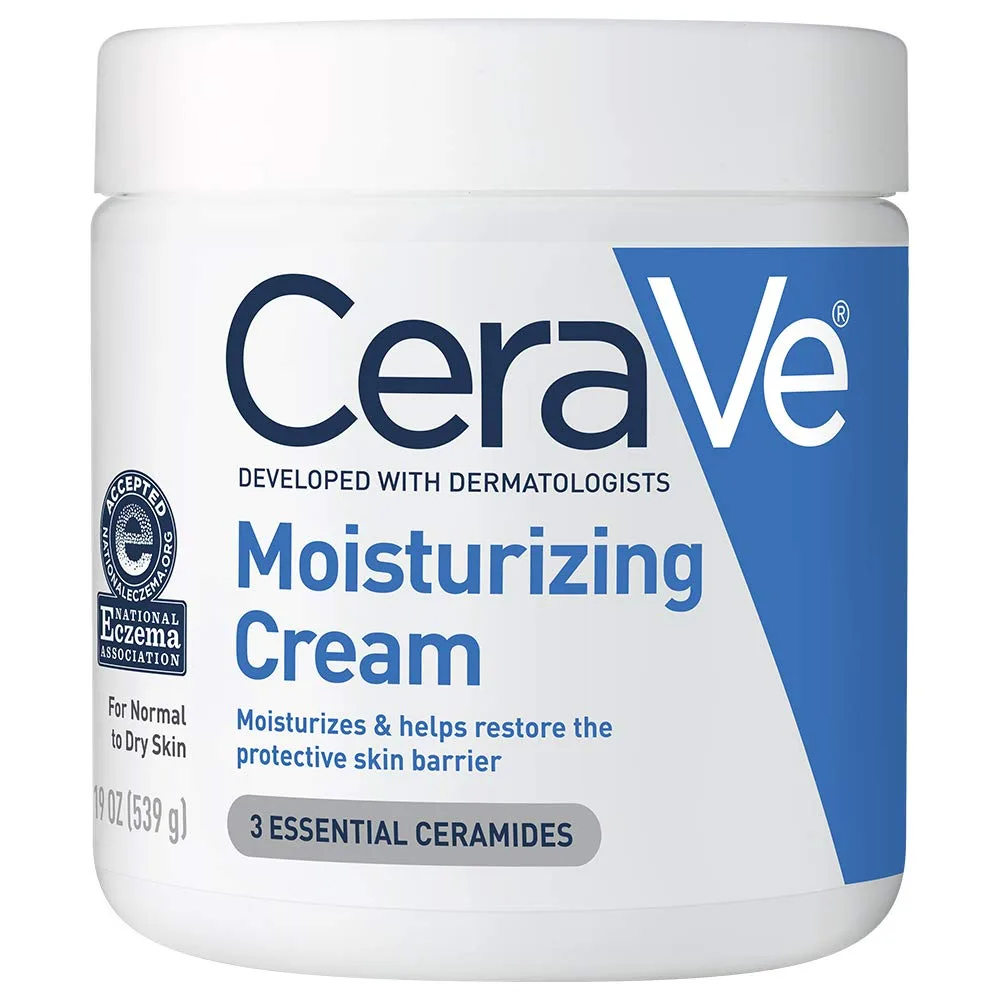 Budget Holy Grail
 Moisturizing Cream
The CeraVe Moisturizing Cream is the most important moisturizer in the drugstore — a ceramide-rich, dermatologist-developed formula that delivers barrier repair, multi-humectant hydration, and occlusive protection at a price so accessible it has no real excuse not to be in every household. Twenty-one years of consistent performance and universal dermatologist approval speak louder than any ingredient list.
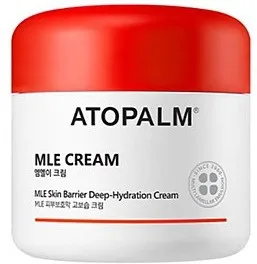 Barrier Repair Pioneer
 MLE Cream
Atopalm MLE Cream is one of the genuinely scientifically anchored barrier moisturizers in K-beauty — a fragrance-free, pseudo-ceramide cream built around a patented liquid-crystal lipid structure that mimics the skin's own intercellular matrix. For eczema, atopic skin, post-procedure recovery, or anyone with a stinging compromised barrier, it's one of the most reliably effective moisturizers in the entire category.
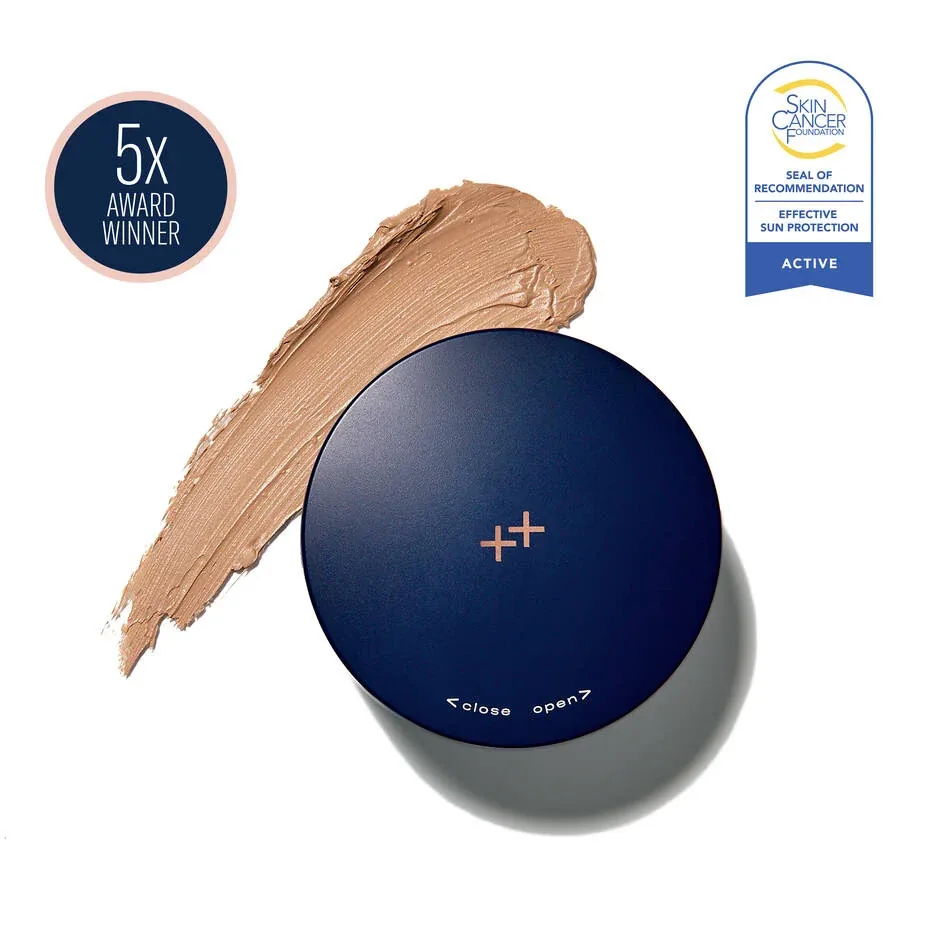 Melasma-Grade Mineral Sunscreen
 sunbetter TONE SMART SPF 68
One of the most clinically useful tinted mineral sunscreens in the professional category. SPF 68 from a 100% mineral formula, iron oxide tint that blocks visible light for melasma protection, and an unusually lightweight texture that doesn't feel like you're wearing high-concentration zinc. For patients with melasma or post-inflammatory hyperpigmentation, this is the category benchmark — and it's earned its Allure Best of Beauty wins.
 K-Beauty Barrier Repair Staple
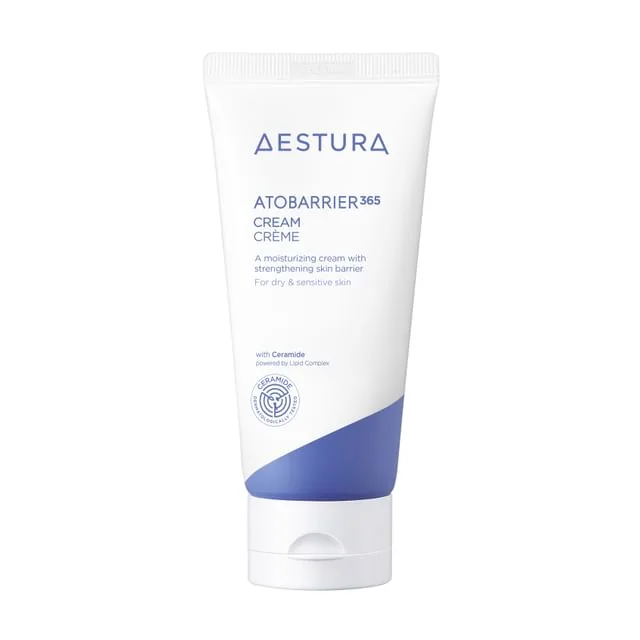
 Atobarrier 365 Cream
A Korean pharmacy cream that earns its cult following the hard way — with a lamellar lipid structure that actually rebuilds the barrier, not just coats it. If your skin has been through a rough winter, a retinoid ramp-up, or a bad reaction, this is the jar that quietly puts it back together.
 Korean Derm Clinic Recovery Pick
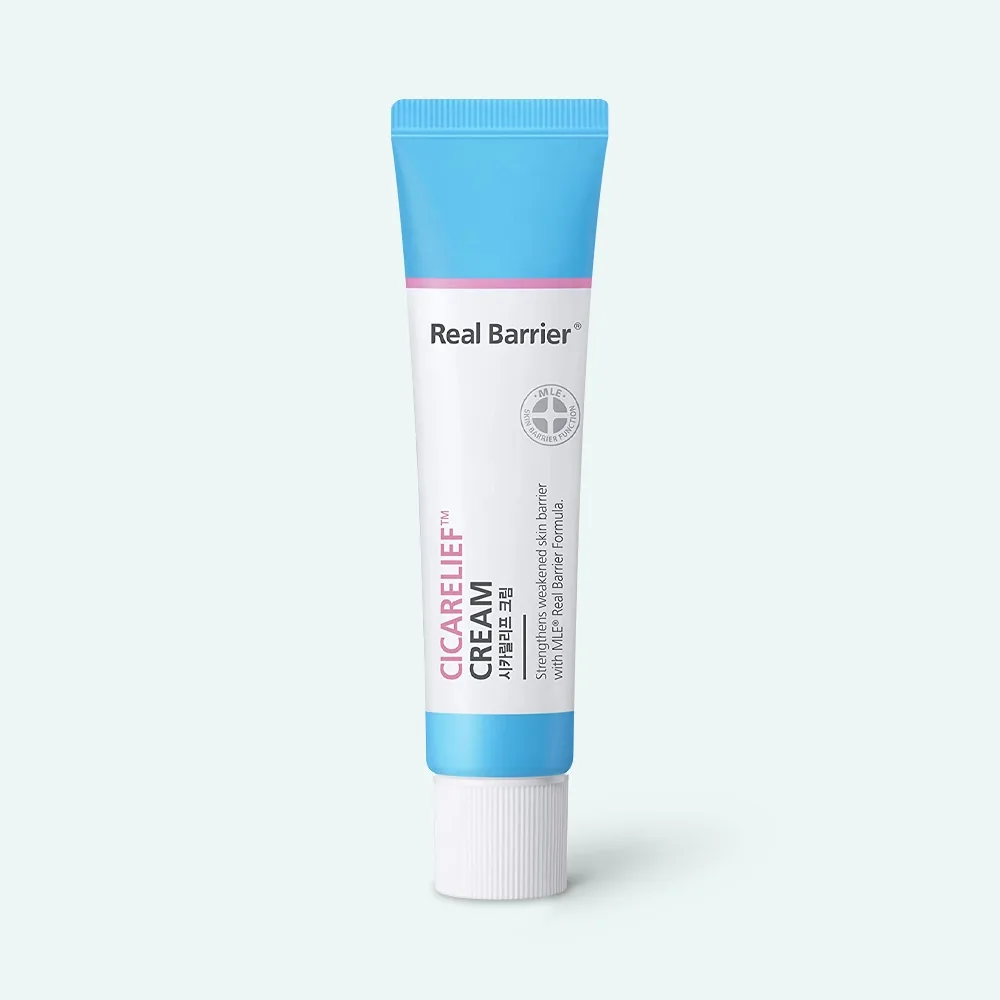
 Real Barrier Cicarelief Cream
One of the best consumer cica creams on the market, combining the full spectrum of centella actives with NeoPharm's MLE ceramide delivery and multiple complementary calming ingredients. Ideal for compromised, reactive, rosacea-prone, or recovering skin, and a staple in Korean dermatology clinic protocols. Minor limitations on packaging, but the formulation is genuinely excellent.
 Transparent 10% Panthenol Cream
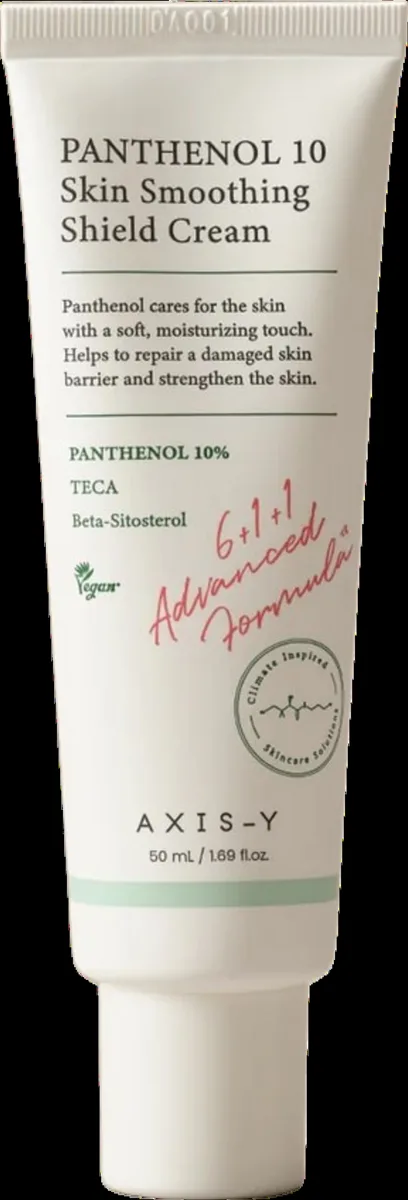
 Panthenol 10 Skin Smoothing Shield Cream
A disclosed 10% panthenol barrier cream built around a full physiological ceramide trio, a centella calming cast, and a modest shea butter occlusive. Fragrance-free, cross-season, and unusually transparent about its hero active — one of the brand's strongest moisturizer formulations.