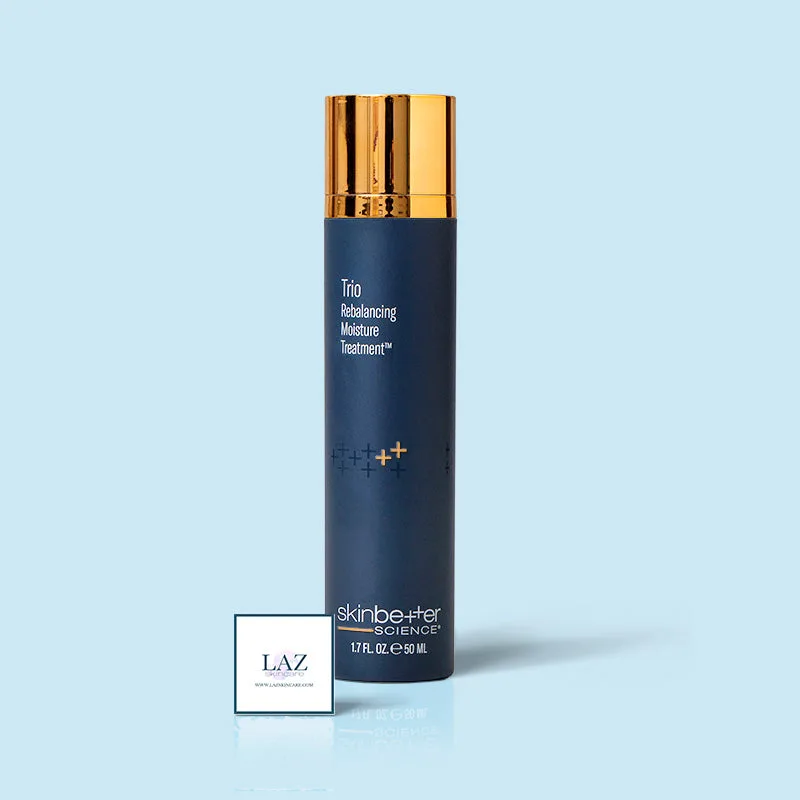
A genuinely well-built barrier-repair moisturizer with a physiological three-ceramide complex, a thoughtful soothing blend, and an execution that stays light enough for daily facial use. The $135 price for 1.7 ounces puts it in clinical-luxury territory, but the formulation holds up better than most creams at this tier.
Trio Rebalancing Moisture Treatment
A genuinely well-built barrier-repair moisturizer with a physiological three-ceramide complex, a thoughtful soothing blend, and an execution that stays light enough for daily facial use. The $135 price for 1.7 ounces puts it in clinical-luxury territory, but the formulation holds up better than most creams at this tier.
Score Breakdown
An excellent barrier-repair moisturizer with a genuinely thoughtful physiological lipid blend, fragrance-free execution, and broad suitability. Held back from higher value score by the $135 price tag for 1.7 oz.
Data Confidence: high
This moisturizer has been in the SkinBetter lineup since 2017 with consistent positive feedback from dermatology and aesthetic practitioners, and ingredient-level evidence for ceramides and niacinamide is extensive.
0/100
Overall Score
Ingredient Quality 0
Value for Money 0
Suitability Breadth 0
Irritation Risk (↑ = safer) 0
Assessment
Pros
- Physiological three-ceramide complex modeled on the skin's own lipid composition
- Niacinamide positioned high in ingredient list for meaningful barrier support
- Soothing trio of bisabolol, licorice, and allantoin addresses visible redness
- Fragrance-free execution appropriate for reactive and post-procedure skin
- Light satin finish layers cleanly under SPF and makeup
- Squalane-based emollient phase is biomimetic and non-comedogenic
- Airless pump protects lipids and botanical extracts from oxidation
- Broadly suitable across skin types including oily in colder months
Cons
- $135 for 1.7 oz is a steep premium over drugstore ceramide alternatives
- Only available through physician offices or authorized providers
- Airless pump can be difficult to fully empty near the end
- Not a dedicated anti-aging moisturizer — focused on barrier repair
- No larger economy size offered to improve per-ounce value
Full Review
Here's a problem dermatologists run into constantly: a patient comes in for a chemical peel or fractional laser treatment, the procedure goes perfectly, and then aftercare compliance falls apart because the barrier-repair ointments the office sends home feel terrible to wear. Vaseline works, but patients stop using it by day three. Eucerin is fine, but it's heavy enough that people skip daytime application. The gap between 'clinically effective' and 'something you'll actually reach for at 2 p.m.' is where a lot of post-procedure recoveries go sideways. Trio Rebalancing Moisture Treatment was designed to close that gap, and the fact that it's become a staple in so many med-spa aftercare kits tells you how well it works.
The 'Trio' in the name refers to the three-ceramide complex — ceramides NP, AP, and EOP — which SkinBetter pairs with cholesterol, phytosphingosine, and a full physiological lipid architecture that mirrors the skin's own barrier composition. This isn't novel science; Peter Elias established decades ago that barrier repair works best when topical lipids are applied in roughly the same ratios the skin already uses. What's notable is the execution. A lot of ceramide-dense creams feel waxy and opaque, which works for nighttime but becomes a problem under daytime SPF. This one manages to carry the lipid load in a base that absorbs to a satin finish rather than a film. That's harder than it sounds.
Stacked on top of the ceramide architecture is niacinamide positioned high enough in the ingredient list to suggest meaningful concentration — probably 3-4%. Niacinamide is one of the most independently validated ingredients in skincare, with solid evidence for barrier repair, pigmentation, and reducing the inflammatory tone that keeps reactive skin stuck in a cycle of breaking out and calming down. Combining topical ceramides with niacinamide that also stimulates the skin's internal ceramide synthesis is a two-front attack on the same problem, and it's one of the reasons this cream works as quickly as it does.
The soothing complex is where the formula earns its 'rebalancing' claim. Bisabolol (the active sesquiterpene in chamomile), licorice root extract (rich in glabridin, which has both anti-inflammatory and mild pigment-calming activity), and allantoin form a three-pronged approach to reducing visible redness. Panthenol adds humectant support and wound-healing activity. None of these are dramatic on their own, but their combined effect is the kind of 'my skin just feels calmer' sensation users describe in reviews. Compared to a straight ceramide cream, this one hits the inflammation side of the barrier equation harder.
The emollient phase is built around shea butter, squalane, and a light dose of sunflower and avocado oils. Squalane is a particularly smart choice because it's biomimetic, non-comedogenic, and integrates with the skin's natural sebum without feeling occlusive. Dimethicone rounds out the silicone content, which handles the smoothing and the slip under makeup. A full amino acid NMF complex supports the skin's water-binding capacity, and tocopherol plus tocopheryl acetate provide baseline antioxidant coverage. The formulation decisions are coherent from top to bottom — there's nothing wasted or obviously included just to populate the label.
On texture, this is where a lot of ceramide creams win or lose. Trio Rebalancing has a medium-rich feel that spreads easily and sinks in to a satin finish within a minute or two. It layers cleanly under sunscreen and makeup without pilling in most cases, which is a minor miracle given how much dimethicone and silicone-interaction chemistry has to work out right for that to happen. The fragrance-free execution is appropriate for the post-procedure positioning and means sensitive users don't need to worry about the added-scent problem that sinks some otherwise-good formulas.
Performance-wise, users consistently report two things: immediate comfort and noticeable reduction in reactivity within a week. If you've been dealing with the kind of chronically tight, stinging, subtly red skin that comes from over-exfoliating or aggressive retinoid ramp-up, this formula addresses it fast. It's not a miracle cream for aging — the peptides and stronger actives belong elsewhere in your routine — but as a daily moisturizer that also does serious barrier work, it punches above most of its competition.
The honest problem is still the price. A hundred and thirty-five dollars for 1.7 ounces is a lot of money for a moisturizer, particularly when CeraVe Moisturizing Cream costs about 10% of that and uses a very similar ceramide-cholesterol-fatty acid approach. The upgrades here are real — better soothing complex, more elegant texture, higher niacinamide — but whether those upgrades justify the price depends on whether cheaper options have already been working for you. For someone who's tried the drugstore route without success, or for a patient going through active in-office treatments where post-procedure comfort matters, the premium is defensible. For everyone else, starting with a basic ceramide cream and upgrading only if needed is the smarter financial path.
Who should buy it: anyone going through in-office treatments, patients actively ramping up retinoids, people whose skin has gotten reactive from over-exfoliation, and anyone who's tried several drugstore ceramide creams without success. Who should skip it: budget-conscious shoppers for whom CeraVe or La Roche-Posay Toleriane would do the job, and anyone whose concerns are primarily about aging rather than barrier repair — there are better uses for $135 on that front.
Formula
Ingredients
The hero actives that drive this product's performance.
| Ingredient | Function | Evidence |
|---|---|---|
| Ceramides NP, AP, EOP | The 'Trio' in this moisturizer's name refers to this three-ceramide complex paired with cholesterol and phytosphingosine — a physiological lipid combination modeled after the skin's own barrier composition. In this formula the ceramides work alongside niacinamide to address both lipid depletion and the barrier dysfunction that drives irritation sensitivity. | well-established |
| Niacinamide | Positioned high in the ingredient list — an indicator of meaningful concentration. In this rebalancing context it supports ceramide synthesis within the skin itself, complementing the topical ceramides and addressing the inflammatory tone common in stressed, reactive skin. | well-established |
| Shea Butter | Delivers emollient cushion and unsaponifiable triterpenes that soothe reactive skin. Works with squalane and the plant oils in this formula to create a non-occlusive but protective layer over the ceramide-repaired barrier. | well-established |
| Bisabolol | A chamomile-derived sesquiterpene that calms visible redness and irritation. In this formula it pairs with licorice root extract and allantoin to form a three-pronged soothing complex, making the cream appropriate for skin that's been pushed out of balance by over-exfoliation or seasonal stress. | promising |
| Squalane | A non-comedogenic biomimetic lipid that integrates easily into the skin's natural lipid matrix without the heaviness of occlusives. Here it extends the emollient phase of the formula while keeping the finish light enough for daily facial use. | well-established |
| Licorice Root Extract | Glabridin-rich licorice extract adds anti-inflammatory and mild brightening activity, addressing the low-grade redness that reactive skin often develops alongside dryness. Its inclusion here rounds out the formula's 'rebalancing' claim beyond just moisture repair. | promising |
Full INCI List
Water, Glycerin, Caprylic/Capric Triglyceride, Butyrospermum Parkii (Shea) Butter, Cetearyl Alcohol, Niacinamide, Glyceryl Stearate, PEG-100 Stearate, Squalane, Cetyl Alcohol, Dimethicone, Sodium Hyaluronate, Ceramide NP, Ceramide AP, Ceramide EOP, Phytosphingosine, Cholesterol, Sodium Lauroyl Lactylate, Carbomer, Xanthan Gum, Tocopheryl Acetate, Helianthus Annuus (Sunflower) Seed Oil, Persea Gratissima (Avocado) Oil, Panthenol, Allantoin, Bisabolol, Glycyrrhiza Glabra (Licorice) Root Extract, Camellia Sinensis Leaf Extract, Vitis Vinifera (Grape) Seed Extract, Tocopherol, Sodium PCA, Sodium Lactate, Arginine, Aspartic Acid, PCA, Glycine, Alanine, Serine, Valine, Proline, Threonine, Isoleucine, Histidine, Phenylalanine, Disodium EDTA, Sodium Hydroxide, Caprylyl Glycol, Phenoxyethanol, Ethylhexylglycerin, Chlorphenesin
Product Flags
✓ Fragrance Free✓ Alcohol Free✗ Oil Free✗ Silicone Free✓ Paraben Free✓ Sulfate Free✓ Cruelty Free✗ Vegan✗ Fungal Acne Safe
Compatibility
Skin Match
Best For
dry normal combination sensitive
Works For
Not Ideal For
Addresses These Conditions
dryness dehydration sensitivity compromised skin barrier post procedure
Routine Step
moisturizer
Time of Day
AM & PM
Pregnancy Safe
Yes ✓
Layering Tips
Use as the final leave-on step in the morning before SPF, and as the final step at night. Can be applied over serums and actives. Particularly useful during retinoid ramp-up or after in-office procedures.
Results Timeline
Immediate comfort and reduced visible redness on application. Noticeable reduction in barrier-stress symptoms (tightness, flaking, stinging) within 3-7 days. Full rebalancing of compromised skin typically within 2-4 weeks of consistent use.
Pairs Well With
vitamin-cretinoidsalpha-hydroxy-acidssunscreen
Sample AM Routine
- Gentle cleanser
- Antioxidant serum
- SkinBetter Science Trio Rebalancing Moisture Treatment
- Broad-spectrum SPF
Sample PM Routine
- Gentle cleanser
- Treatment serum or retinoid
- SkinBetter Science Trio Rebalancing Moisture Treatment
Evidence
Science
The Science
The formulation rests on decades of peer-reviewed work on epidermal barrier biology. Peter Elias and colleagues established in the 1990s and 2000s that the stratum corneum's lipid lamellae consist of approximately equimolar ratios of ceramides, cholesterol, and free fatty acids, and that topical barrier repair is most effective when these three lipids are delivered together rather than individually. The 3:1:1 ratio skewed toward ceramides in this formula aligns with that research. Ceramides NP, AP, and EOP represent different structural subtypes, each contributing to different aspects of lamellar organization — using three rather than one reflects the insight that the skin's natural ceramide pool is heterogeneous. Niacinamide has a substantial independent evidence base: randomized studies published in the International Journal of Cosmetic Science and the British Journal of Dermatology have shown that topical niacinamide at 2-5% improves barrier function, reduces transepidermal water loss, and stimulates the skin's own ceramide synthesis via sphingolipid pathway upregulation. The synergy between topical ceramides and niacinamide-stimulated endogenous ceramide production is one of the mechanistic reasons this type of formula works faster than ceramides alone. Bisabolol has anti-inflammatory activity well-documented in dermatological literature, particularly for reducing erythema. Licorice extract's glabridin component has been studied for tyrosinase inhibition and anti-inflammatory effects. The combination is not revolutionary, but the coherence of the choices — every ingredient supports either the barrier repair or the soothing objective — reflects genuine formulation discipline.
Dermatologist Perspective
Dermatologists commonly recommend physiological lipid-based moisturizers for patients dealing with compromised barriers, whether from over-exfoliation, retinoid ramp-up, or post-procedure recovery. Board-certified dermatologists frequently note that patient compliance with aftercare products is one of the biggest determinants of recovery quality, and texture matters more than most patients expect — a theoretically perfect cream that sits unused does nothing. Trio Rebalancing is widely stocked in dermatology and medical aesthetic practices because it bridges the clinical-effectiveness gap and the sensory-pleasure gap, which is why it often appears on post-procedure aftercare kits. Dermatologists commonly pair it with gentle cleansers and mineral sunscreens during recovery windows, and some recommend it long-term for patients with rosacea-prone or chronically reactive skin types. The fragrance-free, paraben-free, and soothing-focused formulation aligns with current dermatological guidance for sensitive skin management.
Guidance
Usage Guide
How to Use
Apply a nickel-sized amount to clean skin morning and evening. In the morning, use after antioxidant serums and before sunscreen. In the evening, use as the final leave-on step after treatments or retinoids — wait a minute or two after retinoid application before layering this on top to minimize any interaction. For post-procedure recovery, apply more frequently throughout the day as directed by your provider, sometimes every few hours during the first 48-72 hours. The airless pump delivers a consistent dose — one to two pumps is typically enough for the full face and neck.
Value Assessment
At $135 for 1.7 ounces, this sits at the high end of professional moisturizers. The value proposition is defensible against luxury department-store brands charging similar or higher prices for less thoughtful formulations, but struggles against drugstore ceramide creams that execute the same core idea for a tenth of the cost. The real-world question is whether the added soothing complex, higher niacinamide, and more elegant texture matter enough to justify the price. For patients actively going through in-office procedures or with stubbornly reactive skin that hasn't responded to cheaper options, the answer is often yes. For a first-time buyer who hasn't tried CeraVe or La Roche-Posay Toleriane yet, starting there and upgrading only if needed is the smarter approach.
Who Should Buy
Patients going through active in-office procedures, anyone ramping up retinoid use, people whose barriers have become reactive from over-exfoliation, and shoppers whose skin hasn't stabilized on drugstore ceramide creams. Also a good fit for rosacea-prone or chronically sensitive skin types looking for a daily moisturizer that also soothes.
Who Should Skip
Budget-conscious shoppers for whom CeraVe Moisturizing Cream or La Roche-Posay Toleriane would do the job at a fraction of the price, and anyone whose primary concern is anti-aging rather than barrier repair — there are more peptide- or retinoid-driven options at similar prices that would serve those goals better.
Ready to try SkinBetter Science Trio Rebalancing Moisture Treatment?
Details
Details
Texture
Medium-rich cream with a soft cushiony feel that absorbs to a satin finish
Scent
Unscented
Packaging
Airless pump bottle that protects the lipids and botanical antioxidants from oxidation
Finish
non-greasysatinvelvety
What to Expect on First Use
Immediately calming on application — the bisabolol and allantoin provide noticeable comfort within minutes. No tingling, no breaking-in period. Skin feels softer and less reactive within the first few days.
How Long It Lasts
Approximately 2-3 months with twice-daily full-face application
Period After Opening
12 months
Best Season
All Year
Background
The Why
Trio Rebalancing launched as one of SkinBetter's early flagship moisturizers, designed for patients undergoing active treatments like chemical peels, microneedling, or aggressive retinoid use. The 'rebalancing' name nods to the reality that most cosmetic procedures temporarily compromise the barrier, and post-procedure compliance is easier when the moisturizer also feels pleasant to wear.
About SkinBetter Science Established Brand (5–20 years)
SkinBetter Science launched in 2016 and sells exclusively through licensed dermatologists and medical aesthetic providers. The brand has rapidly built professional credibility and is frequently stocked alongside long-established clinical lines in dermatology offices.
Brand founded: 2016 · Product launched: 2017
Myth vs. Reality
Myths
Myth
Ceramide creams always feel thick and greasy.
Reality
This formula demonstrates that ceramide-rich doesn't have to mean heavy. The squalane and dimethicone base carries the physiological lipids in a texture that absorbs cleanly, making it wearable under sunscreen and makeup.
Myth
Expensive moisturizers are just marketing hype.
Reality
Price often is marketing, but in this case the ingredient density and the physiological lipid ratio reflect actual formulation choices that aren't common at lower price points. Whether it's worth the premium depends on whether cheaper ceramide options have worked for you already.
FAQ
FAQ
Is Trio Rebalancing good after a chemical peel or laser?
Yes — this is one of the specific use cases the formula was designed for. The three-ceramide lipid complex and bisabolol-licorice soothing blend address both the barrier disruption and the inflammation that follow in-office procedures. Dermatologists frequently recommend it as a post-procedure moisturizer.
Can I use Trio Rebalancing with retinol?
Absolutely. Apply your retinoid first, wait a few minutes for it to absorb, then layer Trio Rebalancing on top. The ceramides and soothing complex buffer retinoid irritation effectively, making this a smart pairing during ramp-up phases.
Is this moisturizer fragrance-free?
Yes, Trio Rebalancing contains no added fragrance, which is why it's suitable for reactive and post-procedure skin. Any subtle scent comes from the botanical extracts, not perfume.
How does Trio Rebalancing compare to CeraVe Moisturizing Cream?
CeraVe uses a similar ceramide-cholesterol-fatty acid approach at a fraction of the price. Trio Rebalancing adds a soothing complex (bisabolol, licorice, allantoin), niacinamide higher in the formula, and a more elegant lightweight texture. Whether the upgrade is worth eight to ten times the price depends on how well CeraVe has worked for you already.
Can oily or acne-prone skin use Trio Rebalancing?
Oily skin can use it, particularly in colder months or during active treatment phases when the barrier needs support. The formula is non-comedogenic and free of highly pore-clogging ingredients, though very oily skin types may prefer a lighter gel-cream for summer.
Where can I buy SkinBetter Trio Rebalancing?
SkinBetter Science is physician-dispensed, meaning you'll need to purchase through a licensed dermatologist, plastic surgeon, or medical aesthetic provider. Many offices offer online purchase portals linked to your provider account.
Community
Community
Common Praise
"Calms redness and irritation quickly"
"Non-greasy despite rich feel"
"Compatible with retinoid and acid routines"
Common Complaints
"Expensive for the size"
"Only available through providers"
"Pump dispenser can be finicky near the end"
Notable Endorsements
Frequently recommended post-procedure by dermatologistsStocked in medical aesthetic practices nationwide
Appears In
best moisturizer post procedure best ceramide cream sensitive skin best moisturizer with retinol best barrier repair cream best professional moisturizer
Related Conditions
dryness sensitivity compromised skin barrier post procedure
Related Ingredients
You Might Also Like
 Budget Holy Grail
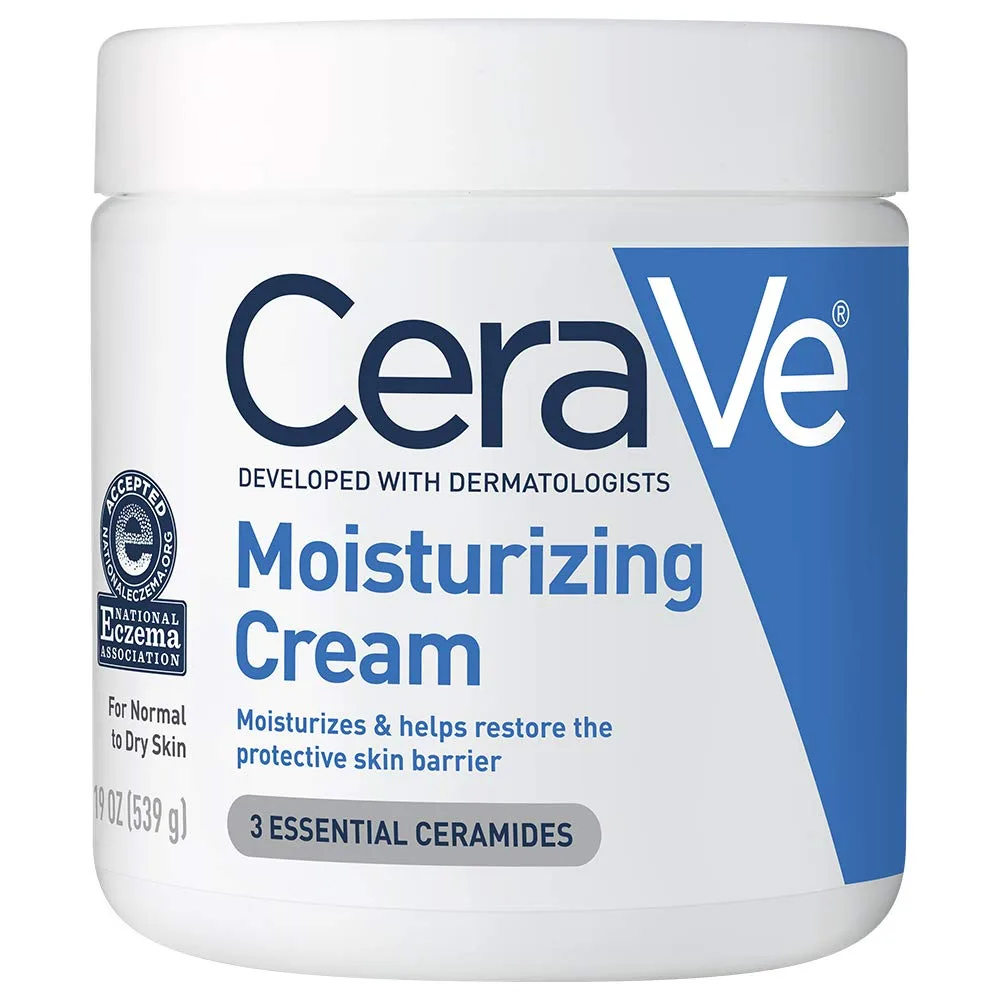
 Moisturizing Cream
The CeraVe Moisturizing Cream is the most important moisturizer in the drugstore — a ceramide-rich, dermatologist-developed formula that delivers barrier repair, multi-humectant hydration, and occlusive protection at a price so accessible it has no real excuse not to be in every household. Twenty-one years of consistent performance and universal dermatologist approval speak louder than any ingredient list.
 Barrier Repair Pioneer
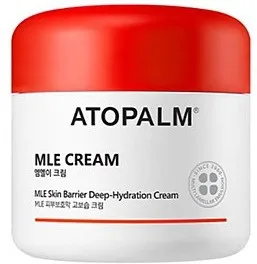
 MLE Cream
Atopalm MLE Cream is one of the genuinely scientifically anchored barrier moisturizers in K-beauty — a fragrance-free, pseudo-ceramide cream built around a patented liquid-crystal lipid structure that mimics the skin's own intercellular matrix. For eczema, atopic skin, post-procedure recovery, or anyone with a stinging compromised barrier, it's one of the most reliably effective moisturizers in the entire category.
 Melasma-Grade Mineral Sunscreen
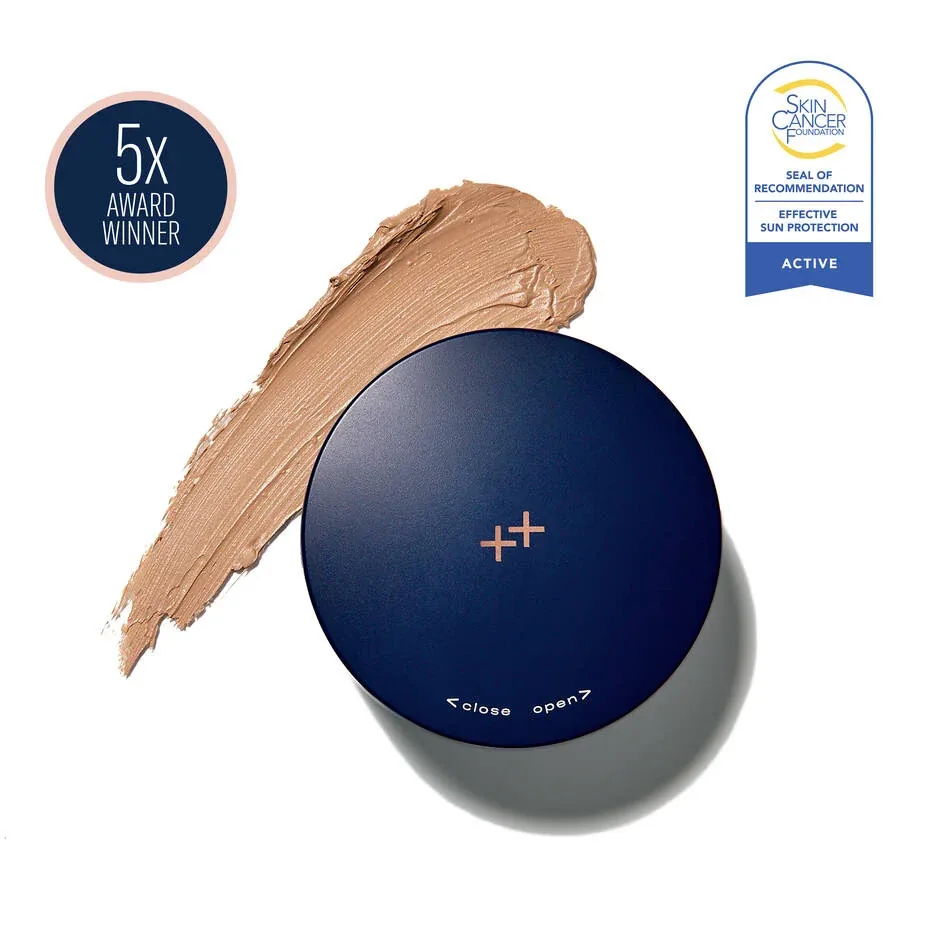
 sunbetter TONE SMART SPF 68
One of the most clinically useful tinted mineral sunscreens in the professional category. SPF 68 from a 100% mineral formula, iron oxide tint that blocks visible light for melasma protection, and an unusually lightweight texture that doesn't feel like you're wearing high-concentration zinc. For patients with melasma or post-inflammatory hyperpigmentation, this is the category benchmark — and it's earned its Allure Best of Beauty wins.
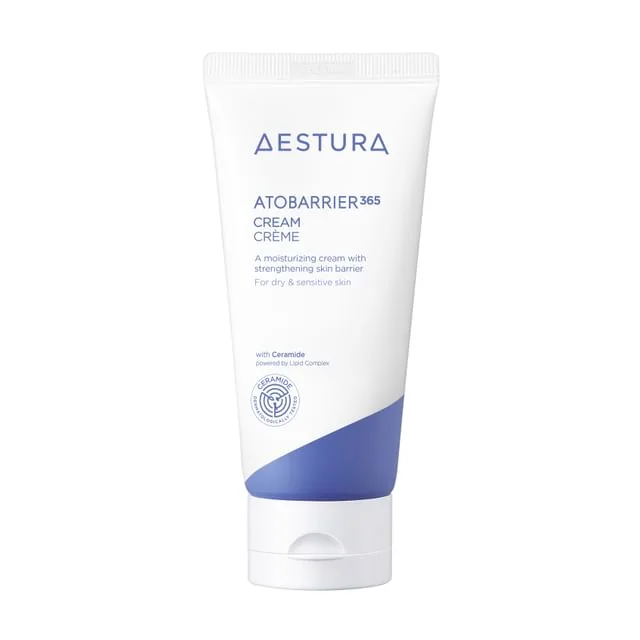 K-Beauty Barrier Repair Staple
 Atobarrier 365 Cream
A Korean pharmacy cream that earns its cult following the hard way — with a lamellar lipid structure that actually rebuilds the barrier, not just coats it. If your skin has been through a rough winter, a retinoid ramp-up, or a bad reaction, this is the jar that quietly puts it back together.
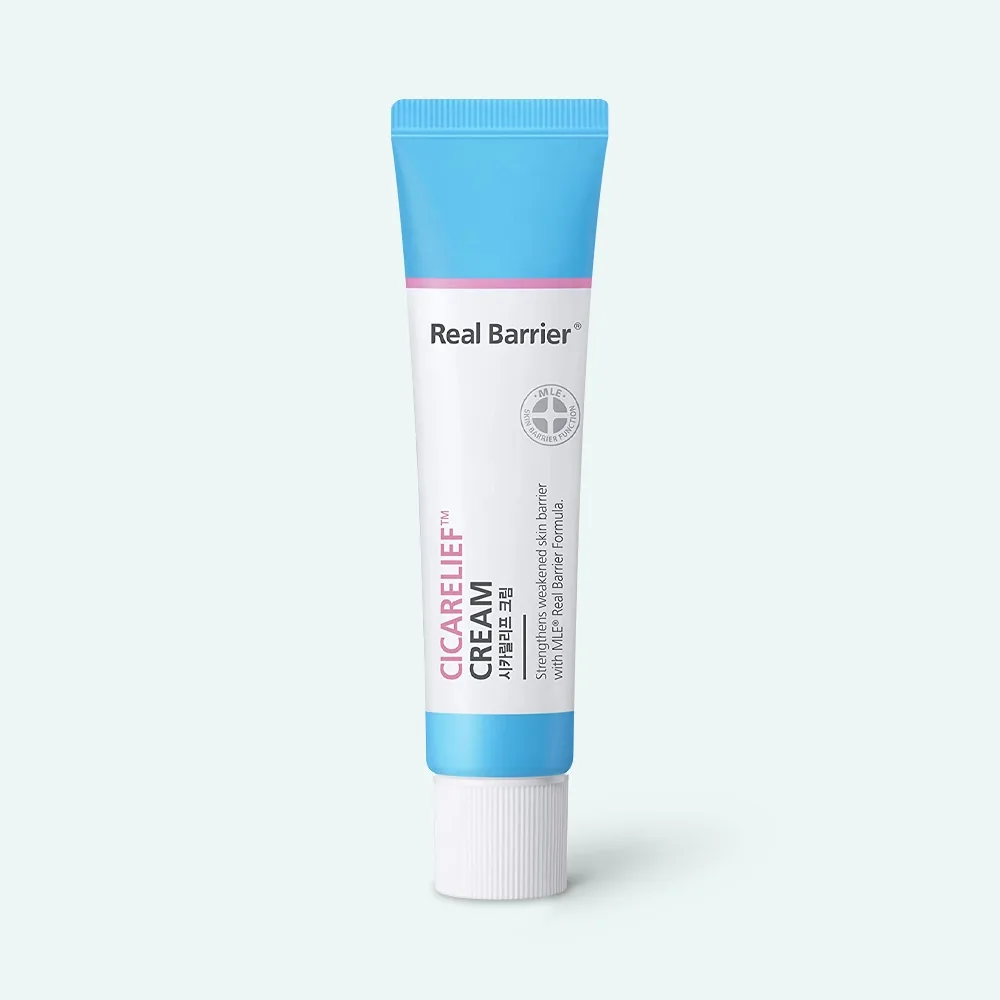 Korean Derm Clinic Recovery Pick
 Real Barrier Cicarelief Cream
One of the best consumer cica creams on the market, combining the full spectrum of centella actives with NeoPharm's MLE ceramide delivery and multiple complementary calming ingredients. Ideal for compromised, reactive, rosacea-prone, or recovering skin, and a staple in Korean dermatology clinic protocols. Minor limitations on packaging, but the formulation is genuinely excellent.
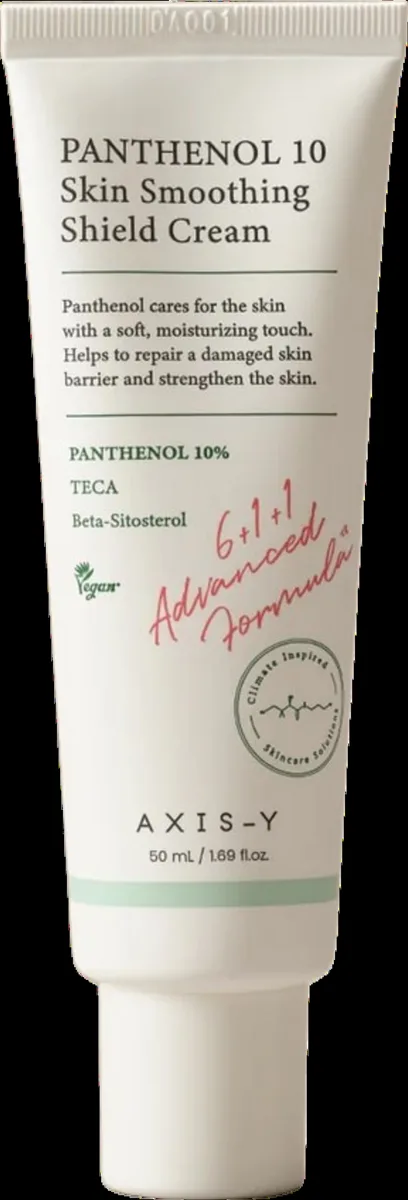 Transparent 10% Panthenol Cream
 Panthenol 10 Skin Smoothing Shield Cream
A disclosed 10% panthenol barrier cream built around a full physiological ceramide trio, a centella calming cast, and a modest shea butter occlusive. Fragrance-free, cross-season, and unusually transparent about its hero active — one of the brand's strongest moisturizer formulations.