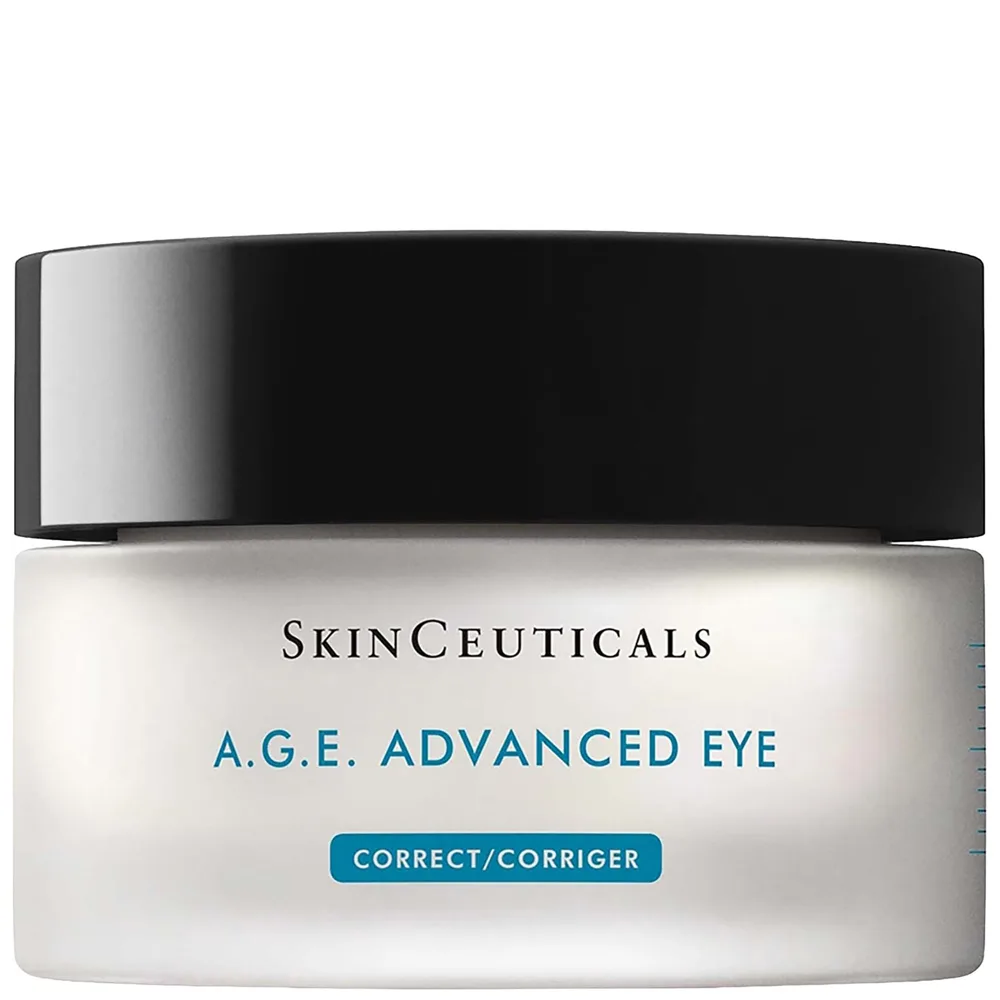
A targeted eye cream built around the biochemistry of glycation — one of the few product families anywhere in skincare that seriously addresses sugar-protein cross-linking as a cause of aging. It delivers modest, gradual improvements in texture and fine lines, though the price and added fragrance keep it from being an easy universal recommendation.
A.G.E. Advanced Eye
A targeted eye cream built around the biochemistry of glycation — one of the few product families anywhere in skincare that seriously addresses sugar-protein cross-linking as a cause of aging. It delivers modest, gradual improvements in texture and fine lines, though the price and added fragrance keep it from being an easy universal recommendation.
Score Breakdown
Where this product gains points and where it loses them — broken down across the four scoring pillars.
A targeted eye cream with credible anti-glycation theory and a clinical heritage, held back by an expensive per-ounce price, added fragrance, and the reality that most AGE-related improvement is modest and gradual.
Pros & Cons
- ✓Targets glycation biochemistry — a legitimate aging mechanism most eye creams ignore
- ✓Proline provides direct building blocks for collagen synthesis in thin periorbital skin
- ✓Palmitoyl tripeptide-8 addresses low-grade inflammation contributing to puffiness
- ✓Blueberry anthocyanin complex has credible in vitro anti-AGE evidence
- ✓Well-engineered texture layers cleanly under concealer and makeup
- ✓Backed by SkinCeuticals' 25+ year clinical heritage and dermatology integration
- ✓Pairs safely with retinoids and vitamin C serums elsewhere in the routine
- ✓Fine-tip tube dispenser controls dosing and extends the 0.5 oz size
- ✗$115 for 0.5 oz is expensive even for clinical-tier eye creams
- ✗Contains added fragrance, a surprising choice for a delicate eye area product
- ✗Anti-glycation improvements are modest and gradual, not dramatic
- ✗Does not meaningfully address vascular or structural under-eye shadows
- ✗Contains propylene glycol, which some sensitive users prefer to avoid
Full Review
There's a reason old baguettes turn golden in the oven and fresh dough doesn't: sugars react with proteins in a process called the Maillard reaction, also known as non-enzymatic glycation. The browning of bread, the searing of steak, the caramel edge of a crème brûlée — all the same chemistry. Now consider that this reaction also happens, very slowly, inside your body every day. Sugar molecules bind to collagen and elastin, cross-link them, and create stiff, yellow-tinted, harder-to-repair structural proteins. In the under-eye area, where skin is thinnest and collagen scarcity shows up fast, glycation damage is one of the hidden contributors to what we loosely call 'aging' — the crepey texture, the subtle yellow-brown discoloration, the way fine lines seem to etch in deeper than gravity alone would predict. SkinCeuticals was one of the first brands to build a product family around the idea that anti-glycation is a legitimate anti-aging target, and A.G.E. Advanced Eye is the 2021 update of that platform specifically for the periorbital area.
Let's start with what this cream is actually trying to do, because it's genuinely different from the typical 'eye cream' pitch. Most products in this category sell hydration, caffeine for puffiness, or optical diffusers that blur dark circles. A.G.E. Advanced Eye goes after the molecular mechanism of glycation itself. The signature ingredient is a blueberry extract rich in anthocyanins — specifically cyanidin-3-glucoside and related polyphenols — which have been shown in vitro to inhibit the formation of advanced glycation end products (AGEs) on collagen. Paired with this is a flavonoid complex reinforcing the same mechanism, plus proline (an amino acid that makes up roughly one in four of collagen's amino acids and serves as raw material for collagen repair), and palmitoyl tripeptide-8, a peptide with anti-inflammatory activity that addresses the chronic low-grade inflammation contributing to under-eye puffiness and shadows. Niacinamide rounds out the active lineup, providing barrier support and some mild pigmentation help.
The theoretical case is defensible. Glycation is a real, measurable contributor to skin aging, and anthocyanin-based anti-glycation activity has been shown in controlled laboratory settings. What's harder to prove is how much of that translates to visible improvement on real human skin when applied topically once or twice a day. The honest answer, based on the available data and user reviews, is: modest improvement, gradually, over 8-12 weeks of consistent use. Users report softer texture, less visible crepiness, and subtle brightening of the under-eye area. Nobody is claiming this cream erased their dark circles or reversed structural changes. If you're coming in expecting dramatic before-and-afters, you'll be disappointed. If you're coming in understanding that anti-glycation is a slow game and this cream is one of the few that plays it, the performance tracks.
The texture is well-engineered for the eye area. It's a medium-light cream with a dimethicone-assisted glide that smooths across the delicate skin without tugging, absorbs to a satin finish, and wears cleanly under concealer. That last point matters more than people give it credit for — an eye cream that pills under makeup gets returned fast. This one doesn't. The formulation discipline that SkinCeuticals brings to its formulations shows here: the balance between silicone, cream emulsion, and active ingredients feels engineered rather than thrown together. The dimethicone base also contributes to immediate temporary smoothing, which is flattering even before the anti-glycation work has had time to compound.
What's less great is the added fragrance. For a clinical brand at this price point, the decision to include parfum in an eye cream is an unforced error. The periorbital area is one of the most sensitive zones on the face, and even mild fragrance sensitizers can cause contact dermatitis over time. This isn't a formulation-ruining problem for most users, but it's enough to steer sensitive-eyed shoppers toward fragrance-free alternatives. Propylene glycol makes an appearance too — not a deal-breaker, but another ingredient some reactive users avoid.
The price is the other honest issue. A hundred and fifteen dollars for half an ounce works out to $230 per ounce, which puts this firmly in the clinical-luxury tier. The counterpoint is that an eye cream lasts a long time — the amount used per application is tiny, and a 0.5 oz tube realistically stretches 3-4 months with twice-daily use, which works out to roughly $1 per day. If anti-glycation is a mechanism you specifically want to target, there aren't many competitors, and this cream benefits from SkinCeuticals' heritage of ingredient discipline and clinical integration. If you're looking for a general-purpose eye cream and don't particularly care about the glycation pathway, you're paying for a mechanism that might not be your top priority.
Who should buy it: people concerned about crepey texture, subtle yellowing, and fine etched lines around the eyes, particularly those with blood sugar concerns or who notice their skin has taken on a duller, more 'aged' quality that isn't purely about wrinkles. Also a fit for existing SkinCeuticals loyalists who want to keep their routine within one clinical brand. Who should skip: people whose primary under-eye concern is vascular dark circles or structural hollowness (neither of which respond to topicals), anyone with fragrance sensitivity, and shoppers for whom a $115 eye cream isn't justifiable when effective alternatives exist at $30-40.
Formula
Key Ingredients
The hero actives that drive this product's performance.
| Ingredient | Function | Evidence |
|---|---|---|
| Proline | A precursor amino acid in collagen synthesis — approximately one in every four amino acids in collagen is proline or hydroxyproline. In this under-eye formula it provides the raw material for fibroblast-driven collagen repair in the delicate periorbital area where glycation damage is most visible. | promising |
| Blueberry Extract | The signature anti-AGE ingredient in the SkinCeuticals A.G.E. lineup, rich in anthocyanins that have been shown in vitro to inhibit glycation — the process by which sugar molecules bind to collagen and elastin, stiffening and discoloring them. In the under-eye area, where AGE accumulation contributes to crepiness and yellow-brown discoloration, this mechanism directly targets the visible problem. | promising |
| Palmitoyl Tripeptide-8 | An alpha-MSH analog peptide with anti-inflammatory properties, included here to calm the chronic low-grade inflammation that contributes to under-eye puffiness and dark circles. Works alongside the proline to create both a building block and a calming environment for collagen repair. | promising |
| Niacinamide | Supports barrier function and mildly addresses pigmentation in an area where the skin is thinnest and vascular show-through contributes to dark circles. In this formula it complements the peptide and amino acid actives rather than carrying the lead brightening role. | well-established |
| Flavonoids | Plant-derived polyphenols included for their antioxidant and anti-glycation activity. In the context of this A.G.E.-targeted formula they reinforce the blueberry extract's work against the chronic oxidative and glycation damage that accumulates around the eyes. | promising |
Full INCI List
Aqua/Water/Eau, Dimethicone, Glycerin, Cetearyl Alcohol, Ammonium Polyacryloyldimethyl Taurate, Cetyl Alcohol, Ceteareth-20, Phenoxyethanol, Glyceryl Stearate, Chlorphenesin, Caprylyl Glycol, Proline, Tocopheryl Acetate, Disodium EDTA, Parfum/Fragrance, Fructose, Propanediol, Diglucosyl Gallic Acid, Glycine, Propylene Glycol, Urea, Niacinamide, Flavonoids, Citric Acid, Sodium Benzoate, Sodium Hydroxide, Blueberry Extract, Dextran, Potassium Sorbate, Phytic Acid, Palmitoyl Tripeptide-8, CI 17200/Red 33, CI 19140/Yellow 5
Product Flags
✗ Fragrance Free✓ Alcohol Free✗ Oil Free✗ Silicone Free✓ Paraben Free✓ Sulfate Free✗ Cruelty Free✗ Vegan✗ Fungal Acne Safe
Potential Irritants
FragrancePropylene Glycol
Common Allergens
Fragrance
Compatibility
Skin Match
Best For
Works For
Not Ideal For
Addresses These Conditions
aging dark circles hyperpigmentation texture
Use With Caution
Routine Step
treatment
Time of Day
AM & PM
Pregnancy Safe
Yes ✓
Layering Tips
Apply morning and evening to the under-eye area and orbital bone using your ring finger and a gentle tapping motion. Use after serums and before facial moisturizer. Allow to absorb before concealer application.
Results Timeline
Immediate hydration and temporary smoothing from the dimethicone base. Reduction in visible crepiness within 2-4 weeks. Full improvement in texture, discoloration, and fine lines typically develops over 8-12 weeks of consistent use.
Pairs Well With
vitamin-cretinoidssunscreen
Sample AM Routine
- Gentle cleanser
- Vitamin C serum
- THIS PRODUCT (eye area only)
- Facial moisturizer
- SPF 30+
Sample PM Routine
- Cleanser
- Retinoid (avoiding orbital rim initially)
- SkinCeuticals A.G.E. Advanced Eye
- Facial moisturizer
Evidence
Who Should Skip
- $115 for 0.5 oz is expensive even for clinical-tier eye creams
- Contains added fragrance, a surprising choice for a delicate eye area product
- Anti-glycation improvements are modest and gradual, not dramatic
- Does not meaningfully address vascular or structural under-eye shadows
Science & Expert Perspective
The Science
The anti-glycation thesis behind this formula rests on the biochemistry of advanced glycation end products, which form when reducing sugars (primarily glucose) react non-enzymatically with amino groups on long-lived proteins like collagen and elastin. The Maillard reaction produces Schiff bases, Amadori products, and eventually irreversible cross-links that stiffen the extracellular matrix, impair fibroblast function, and contribute to the visible aging phenotype. Research published in journals including the Journal of Investigative Dermatology and Biogerontology has established AGE accumulation as a significant contributor to skin aging, particularly in patients with diabetes and those with high glycemic load diets. The in vitro anti-glycation activity of anthocyanins — particularly cyanidin-3-glucoside from blueberry — has been demonstrated in multiple laboratory studies using bovine serum albumin and collagen glycation models. Whether these in vitro effects translate to clinically significant improvement in human skin at topical concentrations remains less well-characterized, and independent clinical trials specific to this formula are limited. Proline's role in collagen synthesis is fundamental: approximately 25% of collagen's amino acid content is proline or hydroxyproline, and supplementation at the fibroblast level can support collagen repair, though the efficiency of topical delivery is modest compared to endogenous synthesis. Palmitoyl tripeptide-8 is an alpha-MSH analog with documented anti-inflammatory activity in studies examining its effect on sensitive and reactive skin. Niacinamide's evidence base for barrier support and mild brightening is the strongest and most independent of anything in the formula. Overall, the mechanistic design is thoughtful and the individual ingredients have credible evidence, but the specific combination's clinical efficacy data is still emerging relative to the brand's C E Ferulic lineage.
Dermatologist Perspective
Dermatologists frequently recommend eye-area treatments with distinct formulations from general facial moisturizers because the periorbital skin is thinner, has fewer sebaceous glands, and is more prone to irritation. Board-certified dermatologists note that glycation is an under-discussed contributor to visible aging, particularly in patients with metabolic concerns or high glycemic diets. The SkinCeuticals A.G.E. lineup is commonly stocked in dermatology practices as part of the brand's physician-dispensed and authorized-retailer distribution model. Dermatologists typically set realistic expectations for patients using eye creams — improvements in texture and fine lines are achievable over 8-12 weeks with consistent use, but topicals cannot address vascular dark circles or structural hollowness. For patients concerned about those issues, in-office options like tear trough filler or laser treatments are commonly discussed alongside topical maintenance.
Guidance
Usage Guide
How to Use
Apply a rice-grain-sized amount morning and evening to the under-eye area and along the orbital bone. Use your ring finger and a gentle tapping motion — avoid rubbing, which can stretch the delicate skin and contribute to looseness over time. Apply after serums and before facial moisturizer. Allow 1-2 minutes for full absorption before applying concealer or sunscreen. Avoid getting the product into the eye itself, and steer clear of the inner corner and waterline. Use consistently for at least 8 weeks before judging anti-glycation results.
Value Assessment
At $115 for 0.5 oz, A.G.E. Advanced Eye sits at the high end of clinical eye cream pricing. The value calculation favors people who specifically want to target glycation — there are few alternatives at any price point that build a formula around that mechanism. For general anti-aging eye care, cheaper alternatives from CeraVe, RoC, or La Roche-Posay can deliver comparable moisturization and some peptide activity for a fraction of the cost. The 0.5 oz size lasts roughly 3-4 months with twice-daily use, which softens the per-application cost to roughly $1 per day. SkinCeuticals loyalists building out a single-brand routine will find this a reasonable choice, while first-time eye cream buyers would be wiser to start with a less expensive option and upgrade only if needed.
Who Should Buy
People concerned about crepey under-eye texture, subtle yellowing of the periorbital area, and fine etched lines that suggest glycation damage rather than pure wrinkling. Existing SkinCeuticals loyalists building a single-brand clinical routine, and patients specifically targeting the AGE mechanism will find this one of the few formulas at any price built around that pathway.
Who Should Skip
People whose primary under-eye concern is vascular dark circles or structural hollowness — neither responds to topical treatment regardless of price. Also shoppers with fragrance sensitivity, budget-conscious buyers for whom a $40 drugstore eye cream would cover the basics, and anyone whose anti-aging priorities lie more with wrinkles than with texture.
Ready to try SkinCeuticals A.G.E. Advanced Eye?
Details
Details
Texture
Medium-light cream with a silicone-assisted smooth glide and a satin finish
Scent
Subtle cosmetic fragrance
Packaging
Small squeeze tube with a fine-tip applicator that controls dosing
Finish
non-greasysatininvisible
What to Expect on First Use
Glides on smoothly and provides immediate temporary smoothing thanks to the dimethicone base. No tingling or irritation expected. Crepiness and texture improvements develop gradually over weeks of consistent use.
How Long It Lasts
Approximately 3-4 months with twice-daily under-eye application
Period After Opening
12 months
Best Season
All Year
Background
The Why
SkinCeuticals launched the A.G.E. Interrupter in 2007 as a pioneering anti-glycation facial cream, and A.G.E. Advanced Eye extended that platform to the periorbital area in 2021. The concept was built around emerging research in the late 2000s showing that glycation — the same reaction that browns toast — was a significant contributor to visible aging, particularly in thin skin areas like the eyes.
About SkinCeuticals Legacy Brand (20+ years)
SkinCeuticals was founded in 1997 based on the antioxidant research of Duke University dermatologist Dr. Sheldon Pinnell, whose work on topical vitamin C stability and the C E Ferulic patent formed the scientific foundation of the brand. It has been sold through dermatology offices and medi-spas for over 25 years and is widely referenced in clinical literature.
Brand founded: 1997 · Product launched: 2021
Myth vs. Reality
Myths & Misconceptions
Myth
Eye creams can eliminate dark circles.
Reality
Dark circles come from three different sources — pigmentation, vascular show-through, and shadowing from hollowness — and no topical eye cream addresses all three. This formula's blueberry extract and niacinamide can modestly help pigmentation-driven darkness but won't touch vascular or structural causes.
Myth
All anti-glycation claims are marketing hype.
Reality
The biochemistry of glycation is real and well-documented in aging research. The harder question is whether topical anti-glycation ingredients penetrate and act meaningfully. In vitro evidence for blueberry anthocyanins against glycation is credible; clinical proof of visible improvement in human skin is still emerging.
FAQ
Frequently Asked Questions
What's the difference between A.G.E. Advanced Eye and A.G.E. Eye Complex?
A.G.E. Eye Complex is the older formulation in the lineup, focused more on dark circles with optical diffusers. A.G.E. Advanced Eye is the newer, more texture-focused version built around proline, peptides, and the anti-glycation blueberry complex. Advanced Eye is the better pick for crepiness and fine lines; Eye Complex targets dark circles.
Does A.G.E. Advanced Eye really work on glycation damage?
The anti-glycation theory behind the blueberry anthocyanin complex is credible and supported in vitro. Whether the topical delivery produces measurable clinical improvement is harder to confirm — users do report smoother texture over 8-12 weeks, but the effect is modest, not dramatic. Pair with facial retinoids and sunscreen for best results.
Can I use this eye cream with retinol?
Yes. Apply your retinoid to the face first, avoiding the immediate orbital rim during ramp-up, then apply A.G.E. Advanced Eye to the under-eye area and orbital bone. The formula is gentle enough to layer over most facial retinoids without issues.
Does it help with dark circles?
Modestly, and only if your dark circles are driven by pigmentation or texture rather than vascular show-through or hollowness. The blueberry extract and niacinamide can soften pigmentation-driven darkness, but no topical addresses vascular or structural causes of under-eye shadows.
Is A.G.E. Advanced Eye safe during pregnancy?
The active ingredients in this formula — proline, peptides, blueberry extract, and niacinamide — are all considered pregnancy-safe. The added fragrance is the only potential concern for those avoiding scented products. Confirm with your OB if you have sensitivities.
Is 0.5 oz enough to last a meaningful amount of time?
Yes — the eye area needs only a tiny amount per application, roughly the size of a grain of rice per eye. A 0.5 oz tube typically lasts 3-4 months with twice-daily use, which makes the per-application cost less painful than the sticker price suggests.
Community
Community Voices
Common Praise
"Smooths fine lines around the eyes"
"Non-greasy and wearable under concealer"
"Brand credibility reassures users"
Common Complaints
"Expensive for 0.5 oz"
"Contains added fragrance"
"Dark circles from vascular show-through not meaningfully improved"
Notable Endorsements
Stocked in SkinCeuticals-authorized dermatology officesFeatured in professional aesthetic publications
Appears In
best eye cream for crepey skin best anti aging eye cream best anti glycation eye cream best skinceuticals eye cream best eye cream for fine lines
Related Conditions
aging dark circles texture hyperpigmentation
Related Ingredients
You Might Also Like
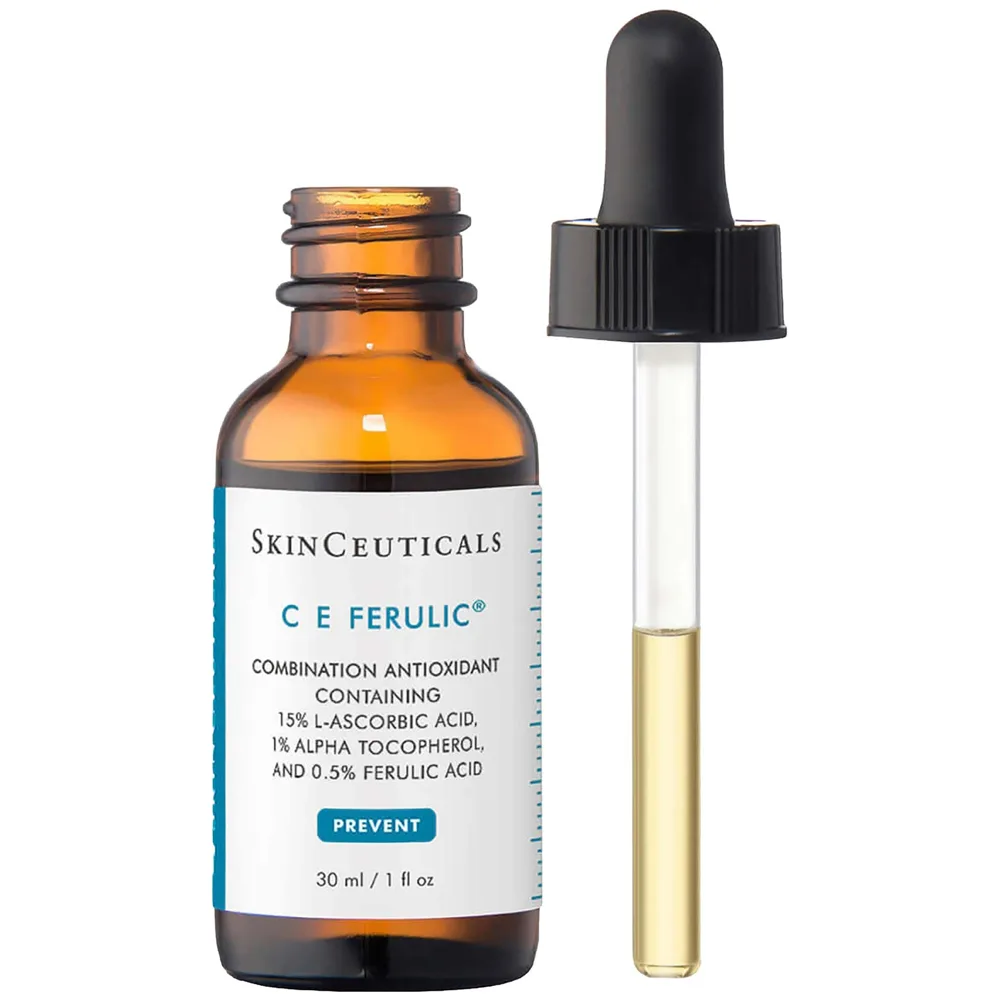 The Gold Standard Vitamin C
 C E Ferulic
The clinical reference standard against which every other vitamin C serum is measured. C E Ferulic combines 15% L-ascorbic acid, 1% vitamin E, and 0.5% ferulic acid in a patent-backed formulation that delivers meaningful photoprotection and long-term skin improvement. The $182 price is painful, and dupes exist that get close, but nothing else has quite the same clinical pedigree.
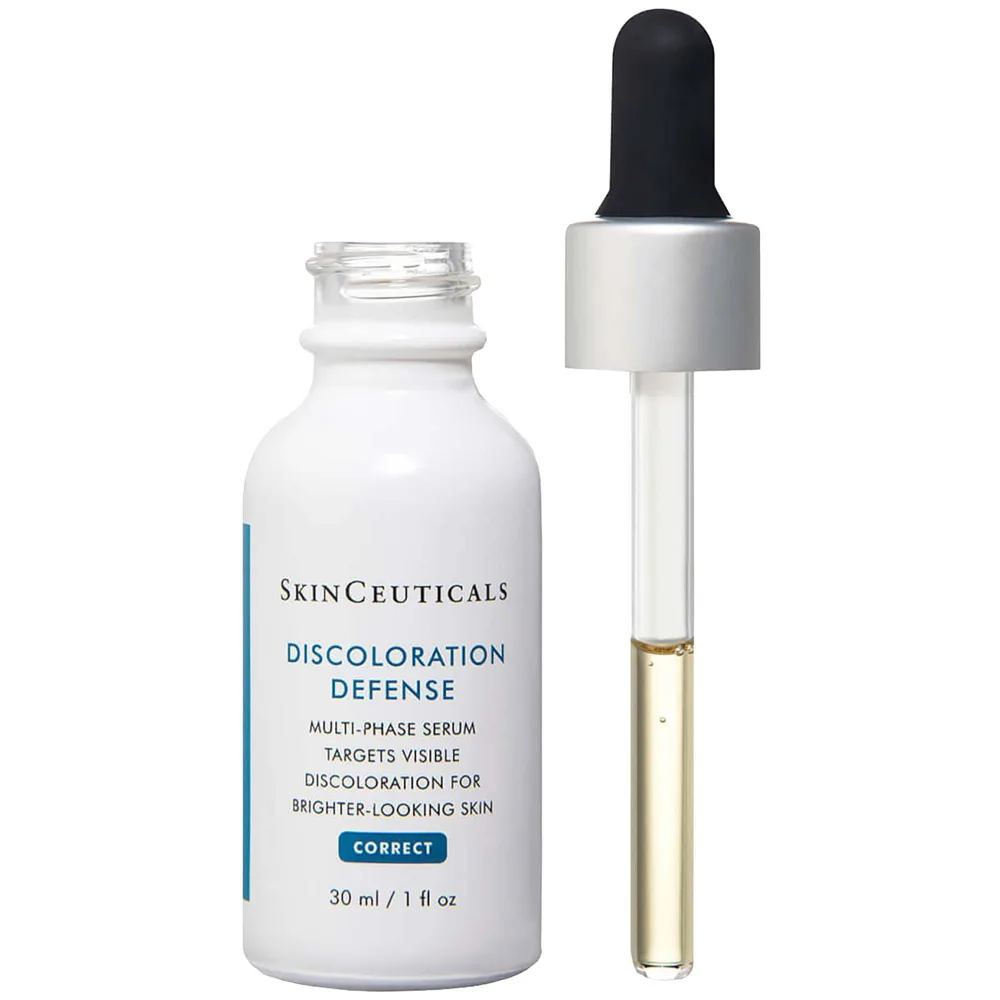 Pigmentation Workhorse
 Discoloration Defense
One of the most coherently formulated hyperpigmentation serums in clinical skincare, built around a meaningful 3% tranexamic acid dose and three complementary brightening mechanisms. Genuinely effective on stubborn pigmentation including melasma, with a tolerability profile that makes it workable even for sensitive skin. The price is defensible given the formulation discipline.
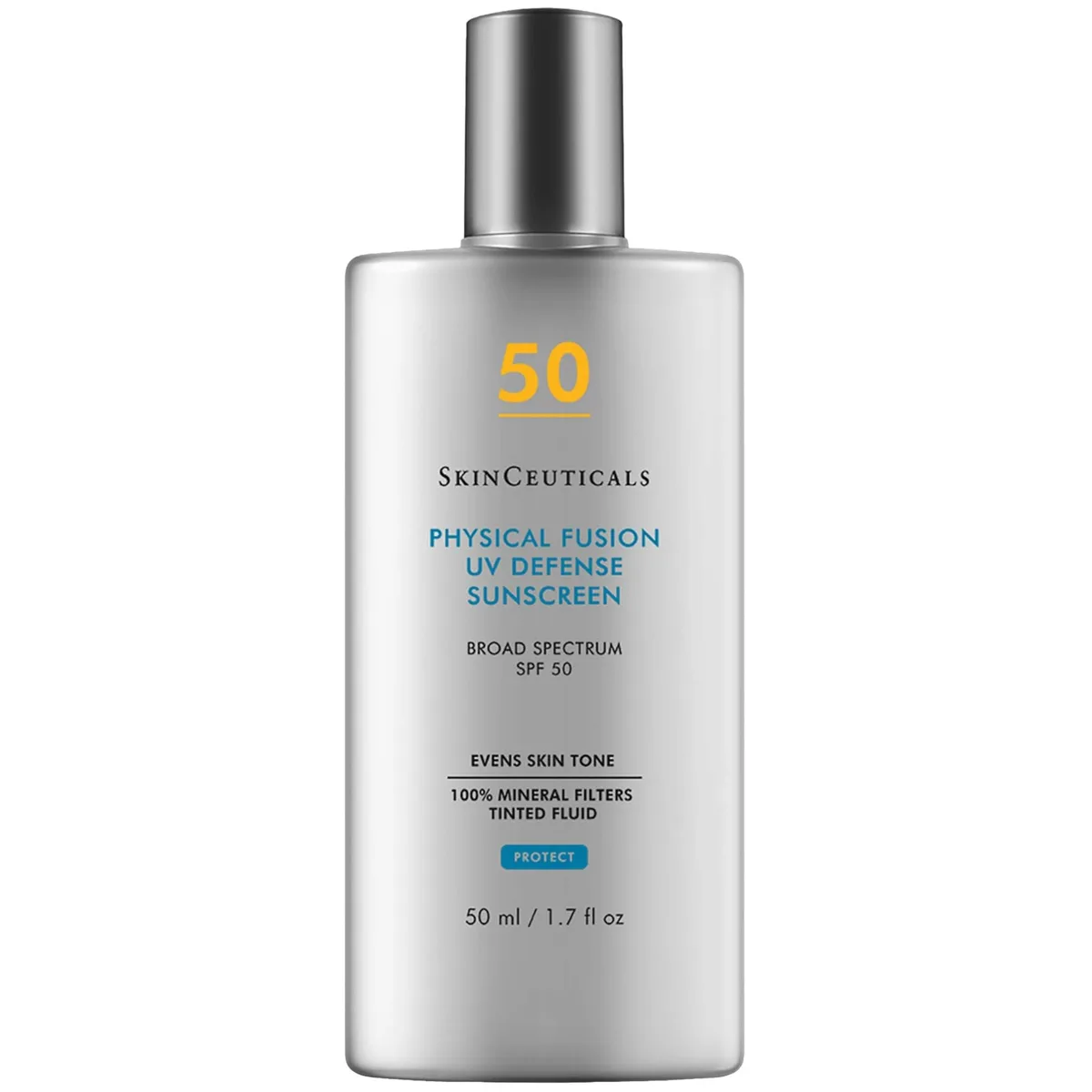 Melasma MVP
 Physical Fusion UV Defense SPF 50
Physical Fusion UV Defense is SkinCeuticals' 100% mineral tinted SPF 50, built around titanium dioxide and zinc oxide with a universal iron oxide tint. It is one of the most consistently recommended sunscreens in dermatology for melasma and rosacea patients — genuinely well-built, broadly suitable, and capable of replacing foundation for many users.
 Sensitive-Skin Mineral Daily
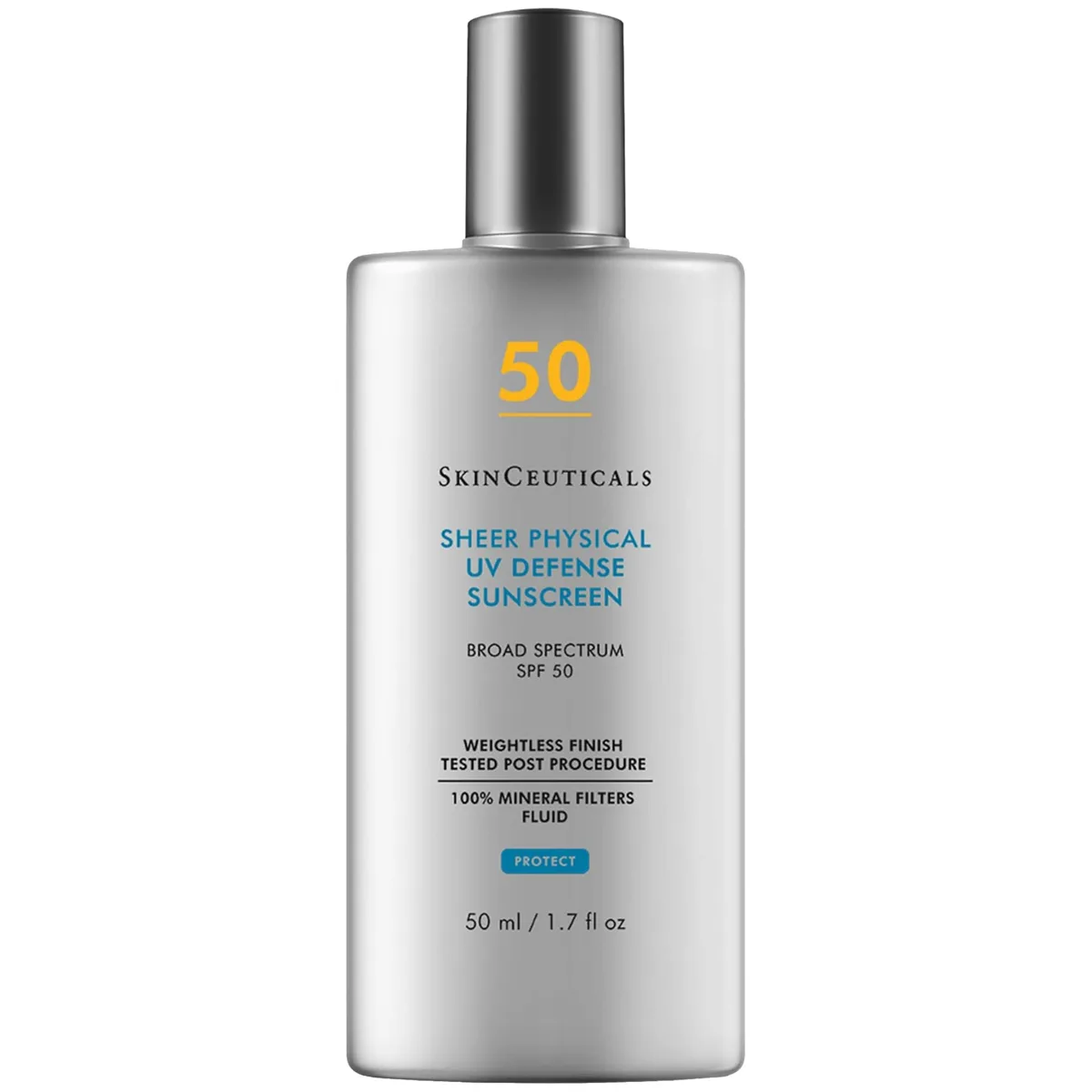
 Sheer Physical UV Defense SPF 50
One of the more cosmetically-elegant mineral sunscreens in the dermatology-office tier, with genuine broad-spectrum protection delivered in a sheer satin finish most skin types can actually wear daily. Priced at a premium versus drugstore mineral options, but the tolerability for sensitive and post-procedure skin justifies it for the target audience.
 Budget Holy Grail
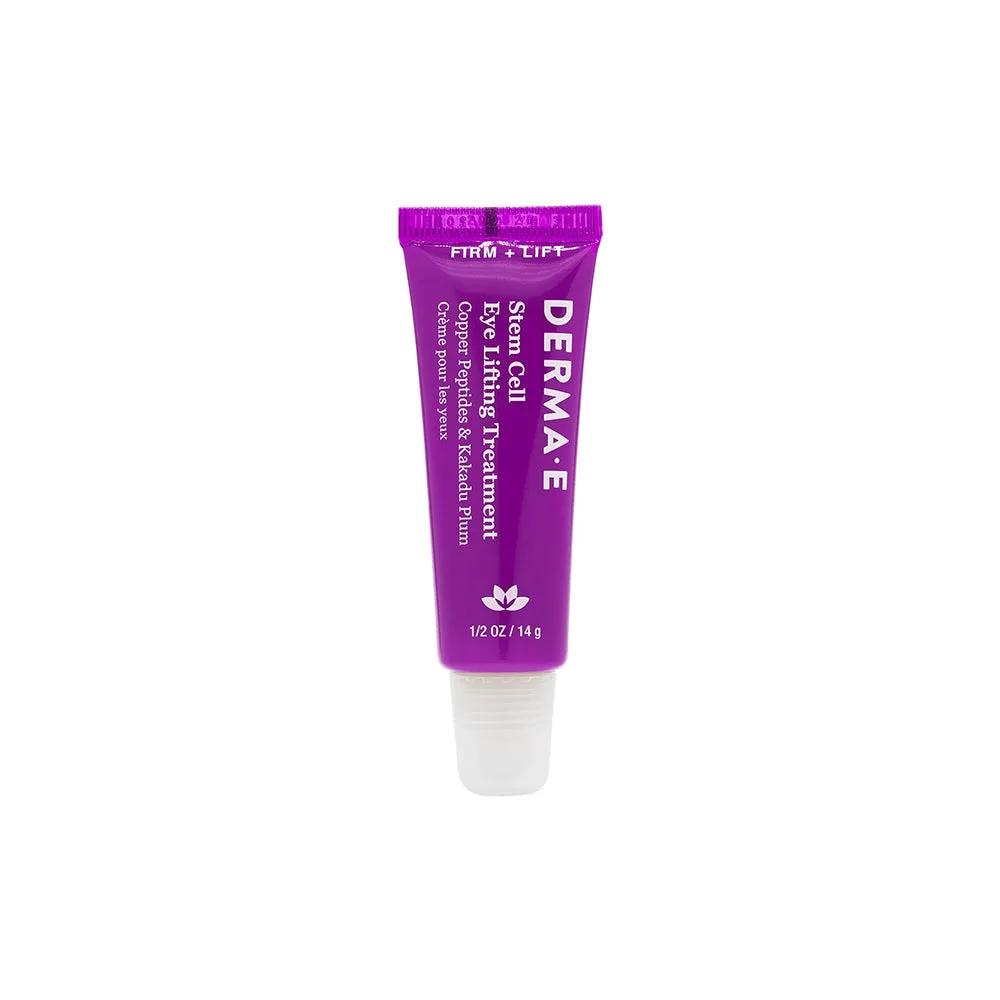
 Firming DMAE Eye Lift Cream
A genuinely well-formulated multi-active eye cream at a price that undercuts most of the dermatologist-developed competition by a factor of three. DMAE, high-position niacinamide, two validated peptides, caffeine, and alpha-lipoic acid in a fragrance-free base — the ingredient density is almost unreasonable for the cost. Holds up extremely well against much more expensive eye creams for daily under-eye use.
 Oily-Skin Mineral MVP
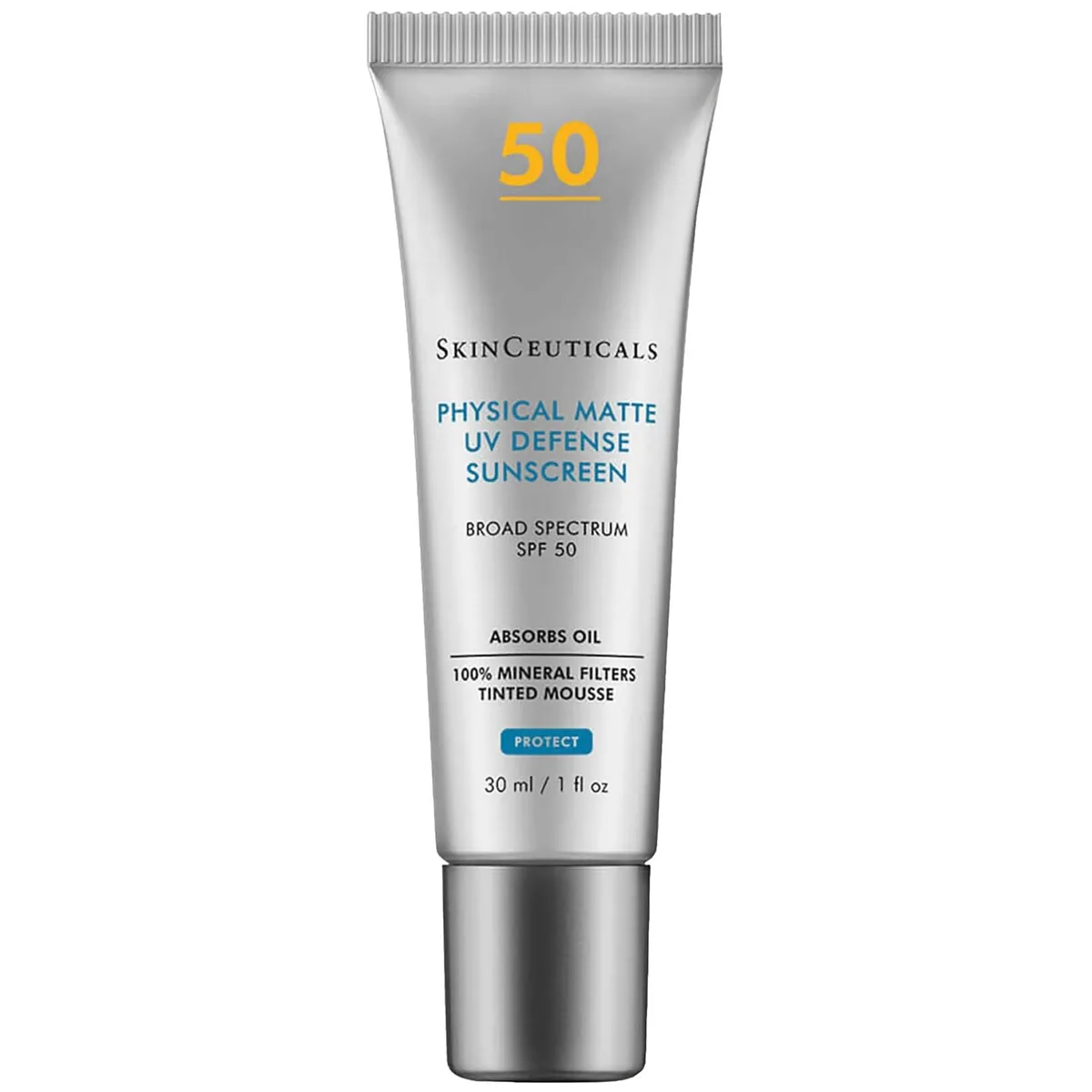
 Physical Matte UV Defense SPF 50
A mineral sunscreen that actually earns the 'matte' label without cracking, sliding, or turning chalky by lunchtime. For oily and rosacea-prone skin looking for a fragrance-free physical option they can wear under makeup, this is one of the most consistently recommended derm-office picks — the main hesitation is the price per ounce.
This review reflects our independent analysis of publicly available ingredient data, manufacturer claims, and verified user reviews. We are reader-supported — Amazon links may earn us a commission at no cost to you. We do not accept paid placements; rankings are based solely on the evidence.