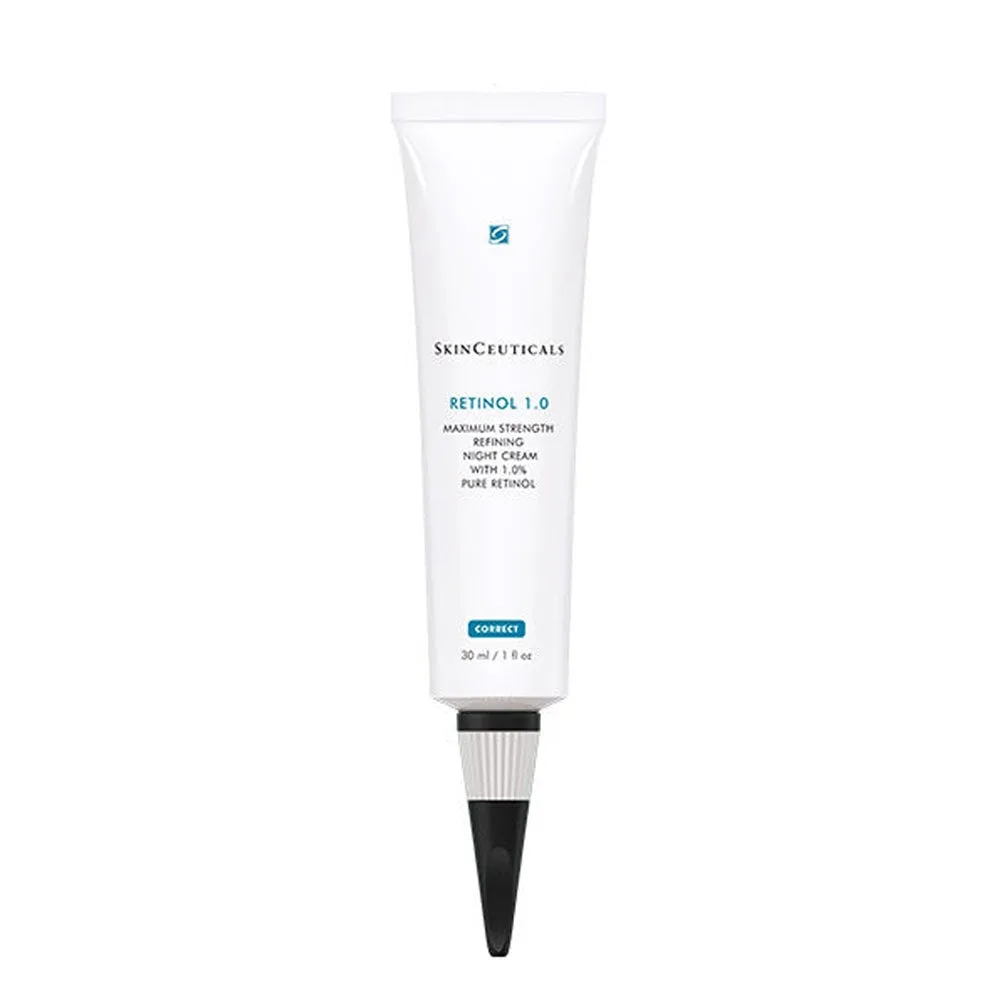
The heavyweight champion of OTC retinol — SkinCeuticals' maximum-strength 1.0% delivers the most aggressive non-prescription retinoid results available, backed by two decades of market history and the same stabilized soothing formula. Reserve this for experienced retinol users with resilient skin and stubborn aging concerns; everyone else should stay at 0.5%.
Retinol 1.0
The heavyweight champion of OTC retinol — SkinCeuticals' maximum-strength 1.0% delivers the most aggressive non-prescription retinoid results available, backed by two decades of market history and the same stabilized soothing formula. Reserve this for experienced retinol users with resilient skin and stubborn aging concerns; everyone else should stay at 0.5%.
Score Breakdown
The most potent over-the-counter retinol in SkinCeuticals' lineup, delivering maximum-strength results backed by decades of clinical data. The narrower suitability score and lower irritation safety reflect the reality that 1.0% retinol demands resilient skin and careful management — this is a specialist tool, not an everyday moisturizer.
Data Confidence: high
Available since 2004 with over 900 reviews on Dermstore, extensive dermatologist commentary, and decades of published research on retinol at this concentration. This is one of the most thoroughly validated retinol products on the market.
0/100
Overall Score
Ingredient Quality 0
Value for Money 0
Suitability Breadth 0
Irritation Risk (↑ = safer) 0
Assessment
Pros
- Maximum OTC retinol concentration delivers the most aggressive non-prescription anti-aging results available
- Same proven stabilization and encapsulation technology ensures consistent potency throughout the tube
- Boswellia-bisabolol soothing complex provides meaningful irritation management even at this intensity
- Two decades of market history and extensive dermatologist validation provide unmatched confidence
- Fragrance-free and clinically formulated for compatibility with professional skincare routines
- Most effective option in the lineup for stubborn hyperpigmentation and deep wrinkles
Cons
- Pronounced retinization phase with significant flaking and dryness lasting 2-4 weeks
- Not suitable for retinol beginners or anyone who hasn't built tolerance at lower concentrations
- Alcohol denat. compounds with retinol's barrier-disrupting effects at this concentration
- Isopropyl myristate may trigger breakouts despite retinol's anti-acne properties
- Incremental benefit over 0.5% is narrower than the 0.3% to 0.5% jump, while irritation increases significantly
Full Review
There's a moment in every retinol user's journey where they look at their current concentration and wonder: what happens if I go higher? For SkinCeuticals Retinol 1.0, the answer has been the same since 2004: more of everything. More cellular turnover, more collagen stimulation, more visible results — and emphatically more retinization. This is the ceiling of the three-tier system, and it demands respect.
The 1.0% represents a significant jump in biological activity. From 0.5% to 1.0%, you're doubling the retinol concentration, which means substantially more substrate available for the enzymatic conversion cascade that ultimately produces retinoic acid in the skin. The INCI list reflects this: retinol appears at position ten in this formula, notably higher than in the 0.3% and 0.5% variants, confirming that the concentration isn't just a marketing claim.
SkinCeuticals has maintained the same formulation architecture across all three tiers — the same propanediol-dimethicone base, the same boswellia-bisabolol soothing complex, the same hydrogenated lecithin encapsulation. This consistency is both a strength and a limitation. The soothing ingredients that comfortably manage irritation at 0.3% are working at their limit at 1.0%. Boswellia and bisabolol provide meaningful anti-inflammatory support, but at maximum retinol concentration, they're the safety net, not the trapeze act. Expect the retinization phase to be real and noticeable.
The first four weeks with Retinol 1.0 are an exercise in patience and faith. Even users who sailed through the 0.5% without incident will likely experience visible flaking, intermittent tightness, and areas of redness — particularly around the nose, mouth, and forehead where skin is thinner and more reactive. This is not damage. This is the skin's adaptation response operating at higher intensity, as the accelerated turnover pushes immature cells to the surface faster than the skin is accustomed to handling. The flaking subsides. The redness calms. But it takes time, and it takes a good moisturizer applied generously on top.
Once acclimated, the results at 1.0% are the most pronounced in the lineup. Fine lines soften with more conviction. Dark spots and post-inflammatory hyperpigmentation fade more rapidly as melanin-laden keratinocytes are cycled out faster. Pore appearance improves as sebaceous activity normalizes more aggressively. The skin develops a refined, almost polished quality that retinol enthusiasts describe as the "retinol glow" — that particular luminosity that comes from consistently accelerated cell turnover revealing fresh, well-organized skin at the surface.
But here's the uncomfortable truth that the three-tier marketing glosses over: most people don't need 1.0%. The incremental benefit over 0.5% is real but diminishing, while the incremental irritation is not diminishing at all. Many board-certified dermatologists counsel their patients that 0.5% is the optimal maintenance concentration — strong enough for meaningful anti-aging results, tolerable enough for sustainable nightly use. The 1.0% makes the most sense as a targeted treatment phase: a few months of intensive therapy for stubborn photodamage or deep wrinkles, potentially cycling back to 0.5% for maintenance.
The alcohol denat. at position five becomes more consequential at this concentration. When the retinol is already challenging the skin's barrier integrity through accelerated turnover, adding a drying solvent to the formula creates a compounding dehydration effect. SkinCeuticals has presumably optimized the alcohol level for texture and penetration enhancement, but at 1.0% retinol, the margin for error is thinner. A heavier moisturizer post-application isn't optional — it's essential.
Isopropyl myristate continues its presence as a formulation choice that sparks debate. As a known comedogenic ingredient in a product often recommended for acne-prone skin (retinol being a classic anti-acne active), its inclusion creates a contradiction that some users discover the hard way. If the 0.3% and 0.5% didn't cause breakouts for you, the 1.0% likely won't either — but it remains a formulation asterisk.
At $102 for one ounce, the 1.0% costs only $12 more than the 0.5% and $22 more than the 0.3%. On price alone, it might seem like the obvious choice — why not get the most bang for your buck? But the math of retinol efficacy isn't linear. The difference between 0.3% and 0.5% in terms of visible results is substantial. The difference between 0.5% and 1.0% is meaningful but narrower, while the difference in irritation management is wide. You're paying $12 more for incrementally stronger results paired with significantly increased management requirements.
The packaging and texture are identical to its siblings — the same opaque tube, the same smooth cream, the same fragrance-free application experience. SkinCeuticals clearly wanted the concentration to be the only variable, making it easy for consumers and practitioners to compare the tiers without confounding factors.
Two decades of market presence count for something. The Retinol 1.0 isn't chasing trends or rebranding itself every few years. It exists because a specific population of skincare users — experienced retinol veterans with resilient skin and persistent aging concerns — need the strongest non-prescription retinol available, formulated with the soothing and stabilization technology to make that strength as manageable as possible. For that population, SkinCeuticals Retinol 1.0 has been, and remains, the gold standard.
Formula
Ingredients
The hero actives that drive this product's performance.
| Ingredient | Function | Evidence |
|---|---|---|
| Retinol 1.0% (1.0%) | The maximum concentration in SkinCeuticals' three-tier retinol system and among the highest available over-the-counter. At 1.0%, it drives aggressive cellular turnover, robust collagen stimulation, and pronounced melanocyte suppression — delivering the most intensive results but demanding the most skin tolerance. Notably, retinol appears earlier in this INCI list than in the 0.3% and 0.5%, confirming the higher concentration. | well-established |
| Boswellia Serrata Gum | Anti-inflammatory frankincense derivative that becomes critically important at this maximum concentration — the 1.0% retinol generates substantially more inflammatory signaling than the lower tiers, making the boswellia's 5-lipoxygenase inhibition essential rather than merely supportive. | promising |
| Bisabolol | Chamomile-derived anti-irritant providing secondary calming activity through COX-2 inhibition. At 1.0% retinol, even the dual soothing system faces a harder task — the bisabolol helps but cannot fully prevent retinization reactions at this intensity level. | well-established |
| Dimethicone | Silicone-based occlusive that protects against the significant transepidermal water loss that 1.0% retinol-accelerated turnover causes. At this concentration, the barrier protection from dimethicone transitions from a comfort feature to a functional necessity. | well-established |
Full INCI List
Aqua / Water / Eau, Propanediol, Dimethicone, Cetearyl Ethylhexanoate, Alcohol Denat., Allyl Methacrylates Crosspolymer, Dipropylene Glycol, Ammonium Polyacryloyldimethyl Taurate, Acrylamide/Sodium Acryloyldimethyltaurate Copolymer, Retinol, Hydrogenated Lecithin, Polysorbate 20, Isohexadecane, Phenoxyethanol, Caprylyl Glycol, Isopropyl Myristate, Sodium Citrate, Boswellia Serrata Gum, Polysorbate 80, BHT, Dimethiconol, Trisodium Ethylenediamine Disuccinate, Bisabolol, Sorbitan Oleate, Citric Acid, Propyl Gallate
Product Flags
✓ Fragrance Free✗ Alcohol Free✓ Oil Free✗ Silicone Free✓ Paraben Free✓ Sulfate Free✗ Cruelty Free✗ Vegan✗ Fungal Acne Safe
Comedogenic Ingredients
Isopropyl Myristate
Potential Irritants
Alcohol Denat.Retinol 1.0%
Compatibility
Skin Match
Best For
Works For
Not Ideal For
Addresses These Conditions
aging texture dullness dark spots hyperpigmentation sun damage large pores acne
Use With Caution
sensitivity rosacea dryness compromised skin barrier
Avoid With
Routine Step
treatment
Time of Day
PM
Pregnancy Safe
No ✗
Layering Tips
Apply a pea-sized amount to clean, completely dry skin at night. Always follow with a rich, occlusive moisturizer — at 1.0%, the barrier support is not optional. Begin with 2-3 nights per week and increase frequency only as tolerated. Do not layer with other actives. Mandatory SPF 30+ the following morning.
Results Timeline
Expect pronounced retinization — flaking, dryness, possible redness — during weeks 1-4, particularly if not fully acclimated from 0.5%. Visible smoothing and radiance by weeks 3-4. Maximum anti-aging benefits including significant fine line reduction, pore refinement, and hyperpigmentation correction develop over 8-16 weeks.
Pairs Well With
rich moisturizerceramide creamhyaluronic acid serumsunscreen
Conflicts With
benzoyl peroxideAHA/BHA exfoliantsother retinoidsvitamin C (same evening)
Sample AM Routine
- Gentle cleanser
- Hydrating serum
- Rich moisturizer
- Sunscreen SPF 30+
Sample PM Routine
- Cleansing oil or balm
- Gentle cleanser
- SkinCeuticals Retinol 1.0
- Rich ceramide moisturizer
Evidence
Science
The Science
At 1.0%, retinol's mechanism of action is identical to lower concentrations — enzymatic conversion to retinaldehyde, then all-trans retinoic acid — but the higher substrate availability drives more aggressive downstream effects. Greater retinoic acid production means stronger RAR-mediated gene expression modulation: increased procollagen I and III synthesis, more rapid keratinocyte turnover (estimated 2-3 fold acceleration at sustained 1.0% use), and more pronounced inhibition of tyrosinase and matrix metalloproteinases.
A 2015 randomized, double-blind study by Kong et al. published in the Journal of Cosmetic Dermatology evaluated 1.0% retinol cream over 12 weeks, demonstrating statistically significant improvements in photoaging parameters including fine lines, mottled pigmentation, tactile roughness, and overall photodamage compared to vehicle control. Histological analysis revealed increased epidermal thickness and enhanced collagen fiber organization in the papillary dermis.
The relationship between retinol concentration and irritation is not linear but follows a steeper curve at higher concentrations. At 1.0%, the retinoid-induced barrier disruption — caused by altered lipid biosynthesis and accelerated corneocyte desquamation — creates a self-limiting feedback loop: the more the barrier is compromised, the more retinol penetrates in subsequent applications, amplifying both effects and irritation. The hydrogenated lecithin encapsulation system attempts to moderate this by metering retinol release, but at maximum concentration, the moderation has practical limits.
Boswellic acids from the Boswellia serrata gum target the 5-lipoxygenase pathway, which is particularly relevant at this concentration. Retinol-induced skin irritation involves significant leukotriene production through the 5-LOX pathway, and AKBA (acetyl-11-keto-beta-boswellic acid) is a direct, non-competitive inhibitor of this enzyme. This targeted anti-inflammatory mechanism addresses the specific inflammatory pathway that retinol activates, rather than providing generalized soothing.
References
- Improvement of Naturally Aged Skin With Vitamin A (Retinol) — Archives of Dermatology (2007)
Dermatologist Perspective
Board-certified dermatologists typically reserve the 1.0% concentration for patients who have demonstrated full tolerance at 0.5% and present with stubborn photodamage, deep wrinkles, or persistent hyperpigmentation that warrants more aggressive topical intervention. Dermatologists note that this concentration approaches the practical ceiling for retinol efficacy — beyond 1.0%, the irritation burden typically outweighs additional benefit. Many practitioners recommend using the 1.0% as a treatment phase (3-6 months of intensive use) before returning to the 0.5% for maintenance. The fragrance-free, stabilized formula makes it a straightforward clinical recommendation, though practitioners consistently emphasize that rich moisturizer and daily sunscreen are non-negotiable companions at this strength.
Guidance
Usage Guide
How to Use
Apply a pea-sized amount to clean, completely dry skin at night. Start with 2-3 nights per week, even if acclimated to the 0.5%. Increase frequency gradually over 3-4 weeks as tolerated. Always follow immediately with a rich, occlusive moisturizer — barrier support is essential at this concentration. Avoid layering with any other actives on the same evening. Apply SPF 30+ every morning without exception. If persistent irritation occurs after 4 weeks, reduce frequency rather than discontinuing entirely.
Value Assessment
At $102 for 1 oz, the Retinol 1.0 is only $12 more than the 0.5% and represents the maximum retinol concentration available in the SkinCeuticals system. The per-unit cost of active ingredient is actually the best in the lineup. However, value must be assessed against tolerability — if the 1.0% causes enough irritation to require reduced frequency (every other night versus nightly), you may actually use the product longer but achieve similar results to consistent nightly 0.5% use. For patients with specific stubborn concerns like deep photodamage or persistent hyperpigmentation, the maximum strength offers genuine additional value. For general anti-aging maintenance, the 0.5% may deliver better overall value through easier compliance.
Who Should Buy
Experienced retinol users fully acclimated to 0.5% who need maximum non-prescription strength for stubborn photoaging, deep wrinkles, persistent hyperpigmentation, or significant sun damage. Ideal as an intensive treatment phase for those who want the strongest clinical retinol available without a prescription, and who have the resilient skin and moisturizing discipline to manage the retinization period.
Who Should Skip
Anyone new to retinol — start at 0.3% and work up. Those with sensitive, dry, or eczema-prone skin should stay at 0.5% or lower. Pregnant or nursing individuals must avoid all retinol. If you're satisfied with results at 0.5% and not dealing with stubborn photoaging concerns, there's no obligation to step up — many dermatologists consider 0.5% the optimal long-term strength.
Ready to try SkinCeuticals Retinol 1.0?
Details
Details
Texture
Same lightweight cream base as the 0.3% and 0.5%, though the higher retinol concentration can create a slightly more pronounced drying sensation during the retinization phase. Once acclimated, the texture feels identical.
Scent
Completely fragrance-free — no detectable scent
Packaging
Opaque tube identical to the 0.3% and 0.5%, protecting the maximum-concentration retinol from light and air degradation. The consistent packaging across the line makes the concentration number the only visual differentiator.
Finish
mattelightweightfast-absorbing
What to Expect on First Use
Expect the most pronounced retinization of the three concentrations. Even users acclimated to the 0.5% will likely experience 1-2 weeks of noticeable flaking, tightness, and possible redness when stepping up. Starting at 2-3 nights per week is strongly recommended. The flaking can be significant enough to affect makeup application during the adjustment phase.
How Long It Lasts
2-3 months with application 3-5 nights per week
Period After Opening
12 months
Best Season
fall winter
Background
The Why
Launched alongside the 0.5% in 2004, the Retinol 1.0 was the original flagship of SkinCeuticals' retinol line — the 0.3% was added later to create the gentler entry point. It was conceived as the strongest non-prescription retinol a consumer could use, designed for dermatology patients who wanted professional-grade retinoid results without a tretinoin prescription. Two decades later, it remains the benchmark against which other maximum-strength OTC retinols are measured.
About SkinCeuticals Legacy Brand (20+ years)
SkinCeuticals was founded in 1997 by Dr. Sheldon Pinnell, Chief of Dermatology at Duke University, whose pioneering antioxidant research established the Duke Antioxidant patent. Acquired by L'Oréal in 2005, the brand remains a cornerstone of evidence-based clinical skincare with extensive peer-reviewed research behind its formulations.
Brand founded: 1997 · Product launched: 2004
Myth vs. Reality
Myths
Myth
1.0% retinol is equivalent to prescription-strength tretinoin.
Reality
Retinol must be enzymatically converted to retinoic acid (tretinoin) in the skin, and this conversion is inherently inefficient — only a fraction of the applied retinol becomes active. Even at 1.0%, the effective retinoic acid concentration is substantially lower than even the lowest prescription tretinoin (0.025%). The 1.0% retinol is the strongest OTC option, but it's not a prescription substitute.
Myth
Everyone should work their way up to 1.0% retinol for maximum anti-aging benefits.
Reality
Many dermatologists consider 0.5% the optimal long-term maintenance concentration. Stepping up to 1.0% makes sense for stubborn photodamage, deep wrinkles, or persistent hyperpigmentation, but it's not a universal recommendation. The increased irritation burden at 1.0% can actually be counterproductive if it causes inflammation that damages the very collagen the retinol is trying to build.
FAQ
FAQ
Is SkinCeuticals Retinol 1.0 the strongest retinol you can buy without a prescription?
It's among the strongest available. At 1.0% pure retinol with SkinCeuticals' stabilization technology ensuring the concentration remains effective, this is a maximum-strength OTC retinol. However, some brands offer retinol up to 1.5%. Keep in mind that higher isn't always better — the effectiveness depends on formulation stability and delivery, not just concentration number.
Can I start with SkinCeuticals Retinol 1.0 if I've never used retinol before?
This is strongly discouraged. The 1.0% concentration is designed for experienced retinol users who have built tolerance at lower concentrations. Starting here risks severe irritation — prolonged flaking, redness, and barrier compromise — that could set back your skin health rather than improve it. Begin with the 0.3%, build tolerance over several months, then step up through 0.5% before considering 1.0%.
How often should I use SkinCeuticals Retinol 1.0?
Start with 2-3 nights per week, even if you've been using the 0.5% nightly. Gradually increase frequency as tolerated. Many experienced users settle on every other night or 4-5 nights per week rather than nightly application. Listen to your skin — if you're experiencing persistent redness, flaking, or sensitivity, reduce frequency rather than pushing through.
Is SkinCeuticals Retinol 1.0 better than prescription tretinoin?
They serve different roles. Prescription tretinoin (retinoic acid) is the biologically active form that works immediately upon application, while retinol at 1.0% must first be converted to retinoic acid in the skin — an inefficient process. Tretinoin at even 0.025% delivers more active retinoic acid than 1.0% retinol. However, retinol's slower conversion means gentler (though still significant) effects, making it suitable for those who find tretinoin too aggressive.
Should I use SkinCeuticals Retinol 1.0 every night?
Nightly use is possible but not necessary for everyone. Many dermatologists recommend 3-5 nights per week at 1.0% as the optimal balance between results and tolerability. The off nights allow the skin to recover and rebuild its barrier. If you can tolerate nightly use without persistent irritation after a full acclimation period, the increased frequency will accelerate results.
Community
Community
Common Praise
"Most effective retinol in the SkinCeuticals lineup for visible anti-aging results"
"Noticeable improvement in deep wrinkles and stubborn dark spots"
"Fragrance-free and well-formulated despite the high concentration"
"Professional-grade results without a prescription"
"Packaging protects retinol potency well over the product's life"
Common Complaints
"Significant retinization phase with pronounced flaking and dryness"
"Too intense for anyone who hasn't built retinol tolerance first"
"Contains alcohol denat. which exacerbates drying effects at this concentration"
"Price of $102 for ongoing maximum-strength use adds up quickly"
"Isopropyl myristate can trigger breakouts in acne-prone users despite retinol's anti-acne properties"
Notable Endorsements
Widely recommended by dermatologists as a maximum-strength OTC retinolPart of SkinCeuticals' clinically designed three-tier retinol system
Appears In
best retinoid for aging best retinoid for sun damage best treatment for hyperpigmentation best treatment for dark spots best maximum strength retinol
Related Conditions
aging sun damage hyperpigmentation dark spots texture large pores
Related Ingredients
You Might Also Like
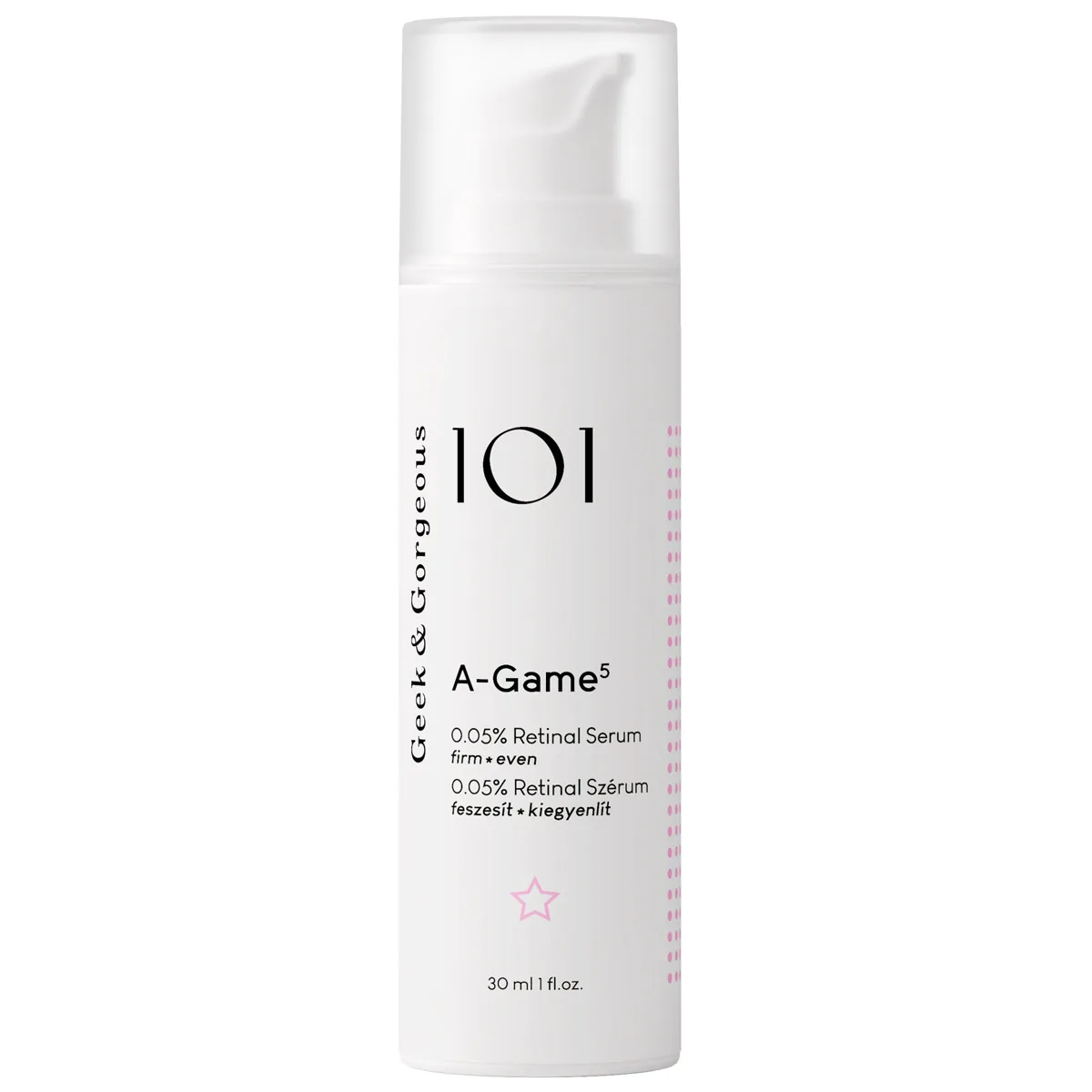 Beginner-Friendly Retinoid
 A-Game 5 Retinal Serum
The ideal beginner's retinaldehyde serum — a properly dosed 0.05% retinal in a buffered, fragrance-free formula at a price that makes long-term retinoid use actually sustainable. Same thoughtful supporting ingredients as the higher-strength A-Game 10 at half the potency, which is exactly the point. If you've never used a real retinoid, this is one of the best entry points on the market.
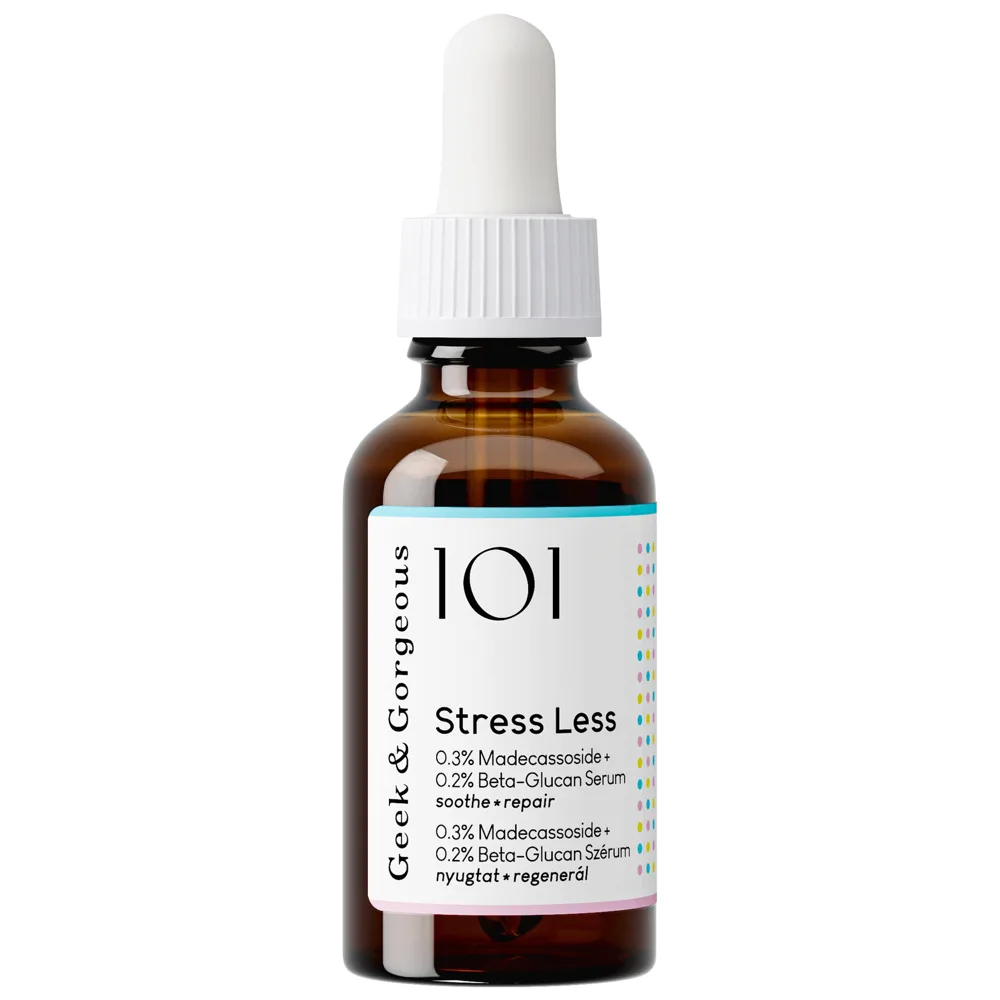 Derm-Grade Retinal at Drugstore Price
 Stress Less 0.3% Retinal Serum
A genuinely derm-grade 0.3% retinaldehyde serum at a price that shouldn't be possible. The ceramide and bisabolol buffering keeps it tolerable for experienced retinoid users, and the results — on texture, tone, and fine lines — rival premium retinals costing four times as much.
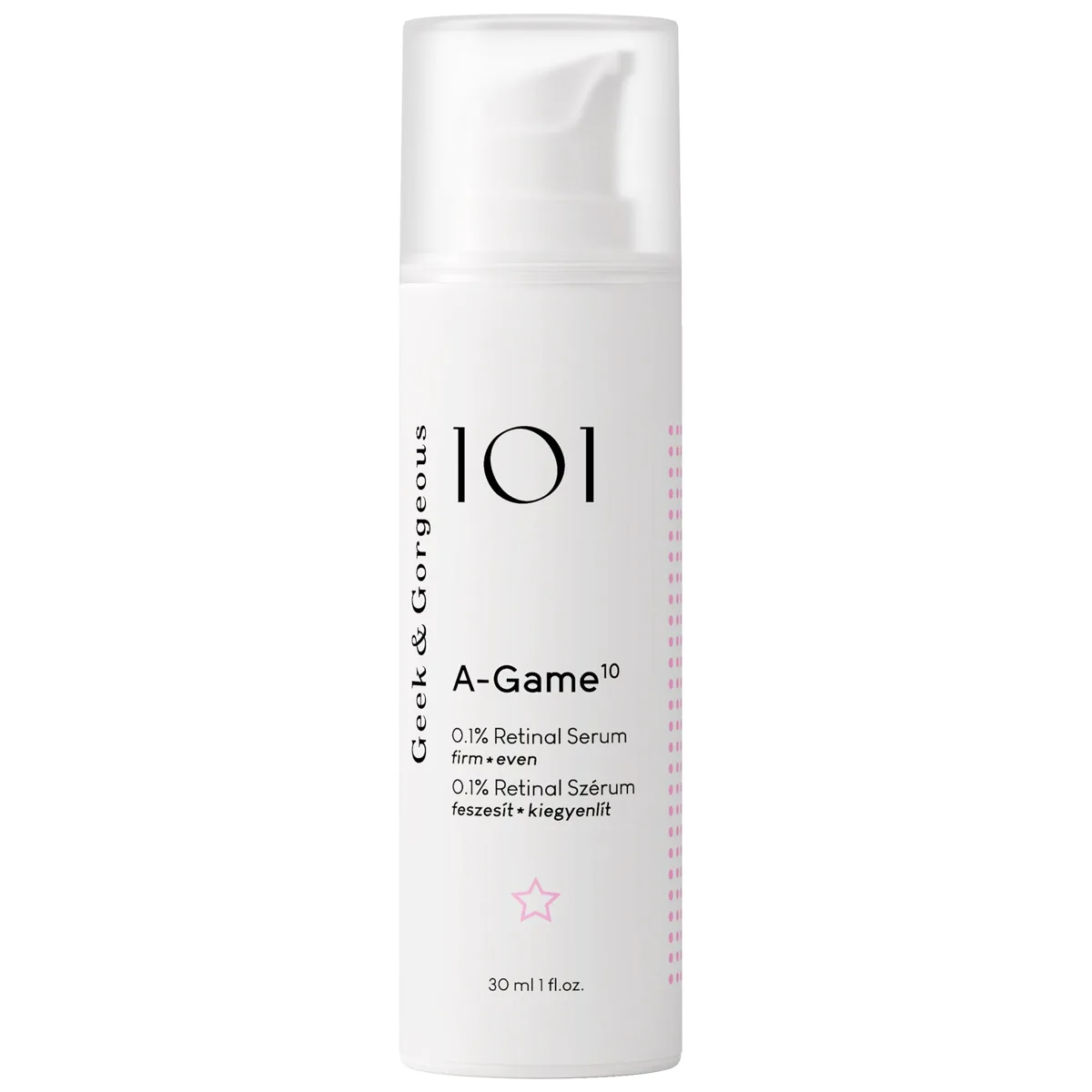 Budget Retinal Holy Grail
 A-Game 10 Retinal Serum
One of the most disruptive products in the retinoid category — a 0.1% retinaldehyde serum at around $16 when equivalent concentrations from derm brands cost $60-120. The formulation is thoughtful, the airless packaging is right, and the price point has no real competitor. Not for retinoid beginners: start with the 5 version and step up to this after a few months.
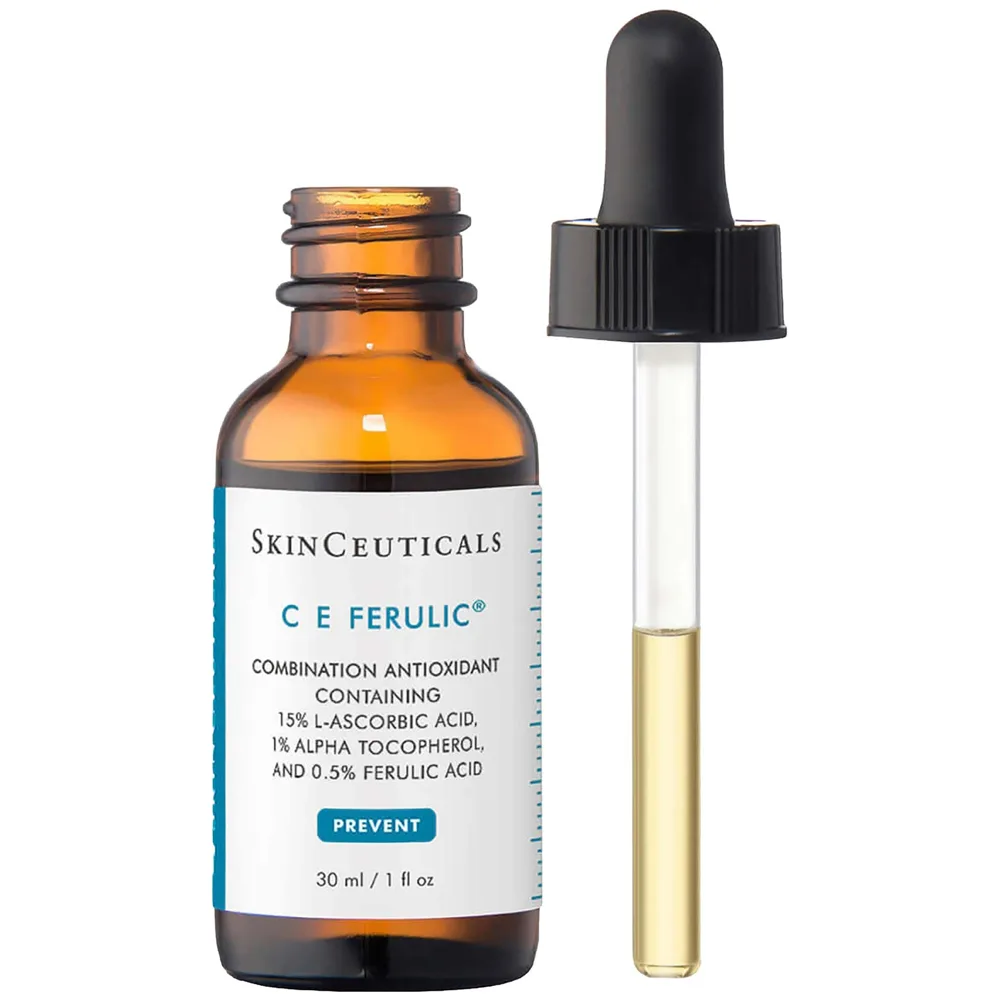 The Gold Standard Vitamin C
 C E Ferulic
The clinical reference standard against which every other vitamin C serum is measured. C E Ferulic combines 15% L-ascorbic acid, 1% vitamin E, and 0.5% ferulic acid in a patent-backed formulation that delivers meaningful photoprotection and long-term skin improvement. The $182 price is painful, and dupes exist that get close, but nothing else has quite the same clinical pedigree.
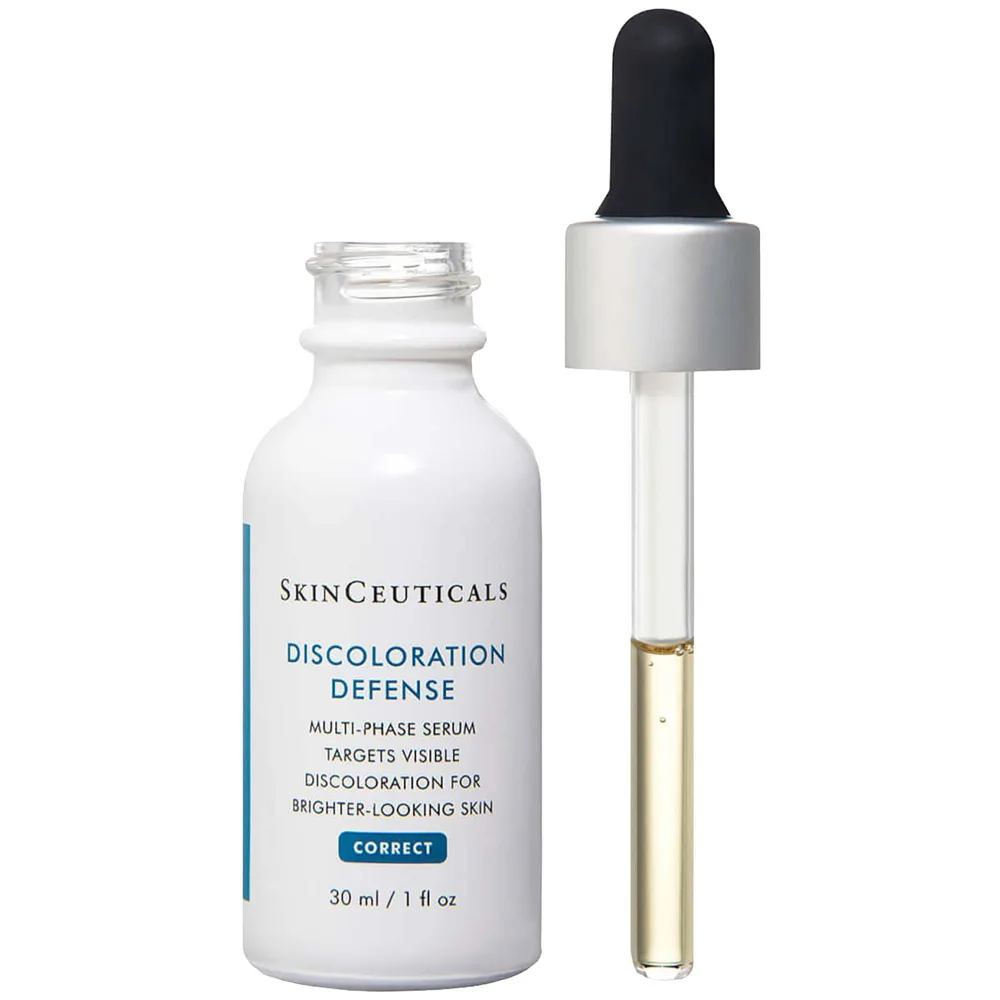 Pigmentation Workhorse
 Discoloration Defense
One of the most coherently formulated hyperpigmentation serums in clinical skincare, built around a meaningful 3% tranexamic acid dose and three complementary brightening mechanisms. Genuinely effective on stubborn pigmentation including melasma, with a tolerability profile that makes it workable even for sensitive skin. The price is defensible given the formulation discipline.
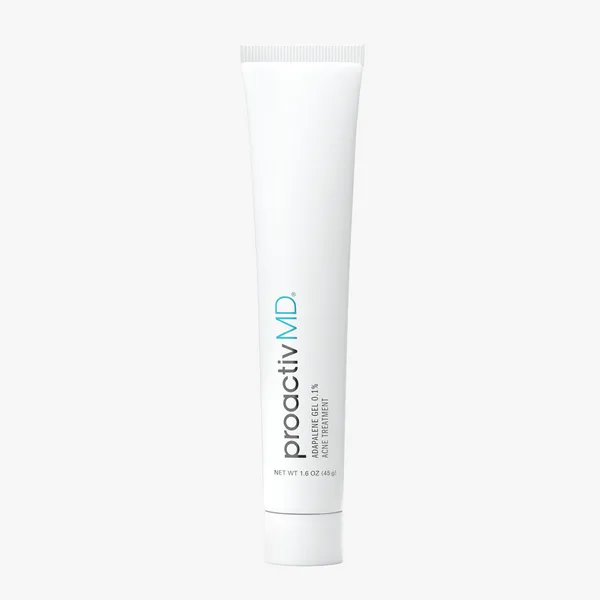 Gold Standard OTC Retinoid
 Adapalene Gel 0.1%
This is adapalene 0.1% — the same FDA-approved retinoid dermatologists have prescribed for over two decades, now available without a prescription in a no-nonsense gel. It's one of the most evidence-backed acne treatments you can buy, and Proactiv's version offers solid value in the larger size with an updated paraben-free formula.