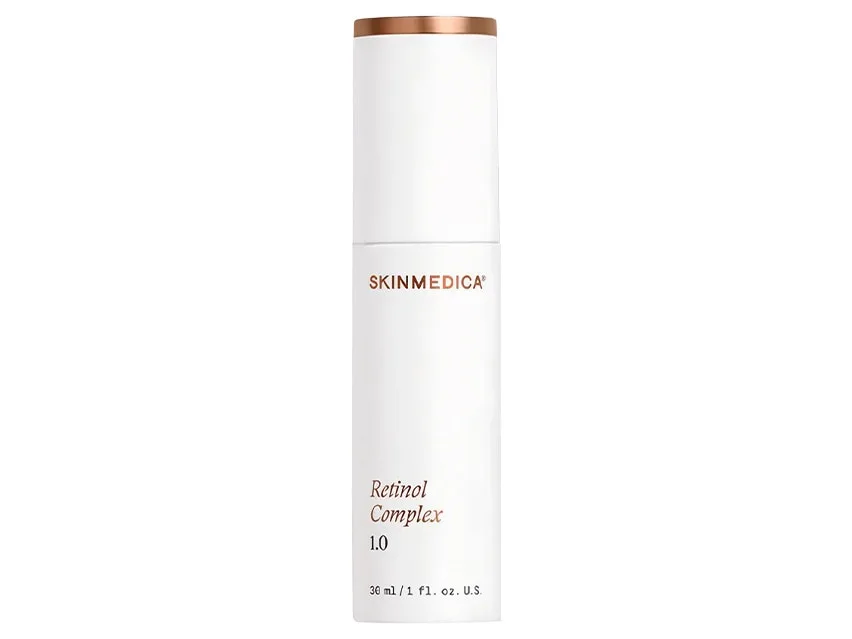
SkinMedica's 1% retinol is a serious, no-shortcuts anti-aging treatment built for retinol veterans who've already graduated from gentler formulations. The PhytoShield Complex and peptide-supported irritation defense genuinely set it apart from bare-bones retinol products, though the $96 price tag demands commitment.
Age Defense Retinol Complex 1.0
SkinMedica's 1% retinol is a serious, no-shortcuts anti-aging treatment built for retinol veterans who've already graduated from gentler formulations. The PhytoShield Complex and peptide-supported irritation defense genuinely set it apart from bare-bones retinol products, though the $96 price tag demands commitment.
Score Breakdown
Where this product gains points and where it loses them — broken down across the four scoring pillars.
Excellent formulation featuring 1% retinol supported by niacinamide, peptides, and ceramides, but the high concentration limits its audience to retinol-experienced users, and the $96 price tag is steep for 1 oz even from a legacy clinical brand.
Pros & Cons
- ✓Full 1% retinol concentration — the highest OTC strength commonly available for maximum efficacy
- ✓PhytoShield Complex provides targeted antioxidant defense against retinol-induced oxidative stress
- ✓Palmitoyl tripeptide-8 addresses irritation at the neurosensory level rather than just masking symptoms
- ✓Niacinamide and ceramide 3 actively support barrier repair during the retinol adjustment phase
- ✓Fragrance-free and silicone-free formulation reduces unnecessary sensitization risk
- ✓Airless pump packaging protects the notoriously unstable retinol from light and air degradation
- ✓Part of a graduated system allowing methodical step-up from 0.25 through 0.5 to 1.0
- ✓Lightweight cream texture absorbs quickly without heavy or greasy residue
- ✗At $96 per ounce, it's significantly more expensive than comparable 1% retinol products
- ✗Only suitable for retinol-experienced users — beginners will likely experience excessive irritation
- ✗Adjustment period involves real peeling and redness even for users stepping up from 0.5
- ✗Contains soybean oil which may be a concern for those with soy allergies
- ✗One size only — no larger value size available for long-term users
Full Review
Most retinol products want to be your introduction to vitamin A. They come with reassuring percentages, soothing marketing language, and the implicit promise that this will be easy. SkinMedica's Age Defense Retinol Complex 1.0 does none of that. It sits at the top of a three-tier system — 0.25, 0.5, and 1.0 — designed by dermatologists who understood that effective retinol use is a process, not a purchase. The 1.0 is where you arrive after months of building tolerance, and it expects your skin to already know what it's in for.
This positioning matters because it shapes everything about the formulation. Rather than diluting the retinol with excessive emollients or burying it behind a wall of calming agents, SkinMedica keeps the 1% retinol front and center while building a sophisticated support system around it. The PhytoShield Complex — a combination of Dunaliella salina microalgae extract and magnolia bark — provides antioxidant coverage that addresses the oxidative stress retinol generates during accelerated cell turnover. It's a thoughtful inclusion that targets the chemical aftermath of retinol activity rather than just masking symptoms.
The niacinamide inclusion is equally strategic. At retinol concentrations this high, barrier disruption isn't a possibility — it's a certainty during the adjustment phase. Niacinamide directly stimulates ceramide production in the skin, essentially helping rebuild what the retinol is temporarily dismantling. Combined with the ceramide 3 already in the formula, there's a genuine lipid restoration pathway built into the product rather than bolted on as an afterthought.
Perhaps the most interesting ingredient is palmitoyl tripeptide-8, a neurosensory peptide that works at the nerve-signaling level to reduce inflammation. While most retinol products rely on bisabolol or aloe to calm irritation after it occurs, this peptide aims to intercept the inflammatory cascade earlier in the process. It's the kind of ingredient that justifies a clinical brand's premium — not because it's exotic, but because it demonstrates a more sophisticated understanding of how retinol causes discomfort.
The texture is a lightweight cream that avoids the heavy occlusive feel some retinol treatments lean on. The soybean oil and squalane base provides enough slip for easy application without that thick, sit-on-top quality that makes you wonder how much product is actually penetrating. It absorbs within a minute or two, leaving skin feeling softly hydrated rather than coated. There's no fragrance — just a faint, neutral scent from the plant oils that vanishes almost immediately.
In terms of results, this is genuinely potent. Users who've worked up to the 1.0 from lower concentrations consistently report that the jump in visible improvement is noticeable — smoother texture, softened fine lines, and more even tone that continues improving over months. The caveat is equally consistent: even experienced retinol users report a renewed adjustment period with peeling and redness for the first few weeks at this concentration.
The honest limitation is accessibility — both in terms of who can use it and who can afford it. At $96 for a single ounce, this product asks a lot financially, particularly since it's meant to be used nightly long-term. That ounce lasts roughly two to three months, putting the monthly cost around $30-48. For a product distributed primarily through dermatology offices, this pricing tracks with the channel, but it's worth acknowledging that equally effective retinol products exist at lower price points without SkinMedica's specific irritation-mitigation technology.
The packaging deserves a nod — the opaque airless pump protects the retinol from the light and oxygen exposure that degrade it. This isn't a nice-to-have; it's essential for maintaining efficacy in a product where the active ingredient is notoriously unstable. Too many retinol products still ship in jars or clear bottles, which is like buying premium gas and storing it in an open bucket.
SkinMedica's clinical heritage is real. Co-founded by dermatologist Dr. Richard Fitzpatrick in 1999 and now backed by AbbVie's pharmaceutical infrastructure, the brand has over 25 years of credibility in the physician-dispensed channel. This isn't a celebrity venture or a TikTok phenomenon — it's a product that exists because dermatologists wanted a graduated OTC retinol system they could prescribe alongside their practice. That pedigree doesn't automatically make it worth the price, but it does mean the formulation choices are backed by genuine clinical reasoning rather than marketing trends.
The bottom line is that this retinol does exactly what it promises, and promises only what it can deliver. It's not trying to be gentle, it's not trying to be everyone's first retinol, and it's not pretending that 1% retinol is a comfortable experience. What it offers instead is a carefully engineered high-strength treatment with thoughtful irritation management for people who've already decided that serious retinol is part of their long-term skincare strategy.
Formula
Key Ingredients
The hero actives that drive this product's performance.
| Ingredient | Function | Evidence |
|---|---|---|
| Retinol 1.0% (1%) | The star active at a potent 1% concentration, driving collagen synthesis and accelerating cell turnover. In this formula, the retinol is buffered by niacinamide and bisabolol to reduce the inflammatory response that typically accompanies high-strength retinol, while squalane and ceramide 3 maintain barrier integrity during the adjustment period. | well-established |
| Niacinamide | Serves a dual purpose here: it upregulates ceramide synthesis to reinforce the skin barrier that retinol can compromise, while simultaneously addressing hyperpigmentation and uneven tone alongside the retinol's resurfacing action. Research shows niacinamide also helps reduce the irritation commonly associated with high-dose retinol. | well-established |
| Palmitoyl Tripeptide-8 | A neurosensory peptide that targets skin inflammation at the nerve-signal level, specifically included here to temper the redness and sensitivity that 1% retinol provokes. Works in concert with bisabolol and magnolia bark to create what SkinMedica calls their irritation-minimizing support system. | promising |
| Ceramide 3 | Reinforces the lipid barrier that retinol actively disrupts during its cell-turnover acceleration. Paired with squalane and phytosterols in this formula, it helps maintain the skin's moisture seal so the retinol can work without leaving skin compromised and dehydrated. | well-established |
| Squalane | A lightweight emollient that mirrors the skin's own lipid composition, providing non-comedogenic hydration that pairs well with the ceramide 3 to create a protective base around the retinol. Helps the formula spread evenly while preventing transepidermal water loss during the retinol adjustment phase. | well-established |
| Dunaliella Salina Extract (PhytoShield Complex) | A microalgae-derived antioxidant rich in beta-carotene, included as part of SkinMedica's PhytoShield Complex alongside magnolia bark extract. Scavenges free radicals generated during retinol-induced cell turnover, providing antioxidant protection that helps prevent oxidative stress on freshly renewed skin. | emerging |
Full INCI List
Water/Aqua/Eau, Cetyl Ethylhexanoate, Glycine Soja (Soybean) Oil, Caprylic/Capric Triglyceride, Niacinamide, Polyacrylate-13, Squalane, Retinol, Palmitoyl Tripeptide-8, Dunaliella Salina Extract, Magnolia Grandiflora Bark Extract, Tocopherol, Tocotrienols, Ceramide 3, Bisabolol, Phytosterols, Squalene, Tocopheryl Acetate, Oryza Sativa (Rice) Bran Wax, Glycerin, Polysorbate 20, Butylene Glycol, Cetyl Palmitate, Laureth-23, Trideceth-6 Phosphate, Sodium Hydroxide, Dicaprylyl Ether, Lauryl Alcohol, Polyisobutene, Dextran, Potassium Sorbate, Disodium EDTA, Phenoxyethanol, Ethylhexylglycerin
Product Flags
✓ Fragrance Free✓ Alcohol Free✗ Oil Free✓ Silicone Free✓ Paraben Free✓ Sulfate Free✗ Cruelty Free✗ Vegan✗ Fungal Acne Safe
Comedogenic Ingredients
Cetyl Palmitate
Potential Irritants
Retinol 1%
Common Allergens
Glycine Soja (Soybean) Oil
Compatibility
Skin Match
Best For
Works For
Not Ideal For
Addresses These Conditions
aging hyperpigmentation sun damage texture dullness dark spots
Use With Caution
dryness sensitivity compromised skin barrier
Avoid With
Routine Step
treatment
Time of Day
PM
Pregnancy Safe
No ✗
Layering Tips
Apply a pea-sized amount to clean, dry skin after cleansing and any water-based serums. Wait 5-10 minutes before layering a moisturizer on top. Begin with twice-weekly use and increase gradually to nightly as tolerated.
Results Timeline
Initial adjustment period of 2-4 weeks with possible peeling, redness, and dryness. Skin texture improvements typically visible within 4-6 weeks. Significant reduction in fine lines and hyperpigmentation at 8-12 weeks with consistent nightly use. Full anti-aging benefits continue to develop over 6-12 months.
Pairs Well With
Hyaluronic acid serumCeramide-rich moisturizerSPF 30+ sunscreen (morning after)
Conflicts With
Benzoyl PeroxideAHA/BHA exfoliants (same evening)Vitamin C (L-Ascorbic Acid) at same time of application
Sample AM Routine
- Gentle cleanser
- Vitamin C serum
- Moisturizer
- SPF 30+ sunscreen
Sample PM Routine
- Gentle cleanser
- Hydrating toner
- SkinMedica Age Defense Retinol Complex 1.0
- Ceramide moisturizer
Evidence
Who Should Skip
- At $96 per ounce, it's significantly more expensive than comparable 1% retinol products
- Only suitable for retinol-experienced users — beginners will likely experience excessive irritation
- Adjustment period involves real peeling and redness even for users stepping up from 0.5
- Contains soybean oil which may be a concern for those with soy allergies
Science & Expert Perspective
The Science
The evidence base for retinol in anti-aging is among the strongest in dermatology. A 2015 double-blind vehicle-controlled trial published in the Journal of Drugs in Dermatology demonstrated that stabilized retinol treatment significantly improved photodamaged skin over one year, with progressive improvements in fine lines, mottled pigmentation, and sallowness (Randhawa et al., J Drugs Dermatol, 2015). At 1% concentration, this product sits at the upper boundary of OTC retinol, delivering meaningful retinoid activity while remaining below the potency threshold of prescription tretinoin.
The formulation's strategic pairing of retinol with niacinamide reflects solid pharmacological reasoning. Niacinamide has been shown to upregulate serine palmitoyltransferase — the rate-limiting enzyme in ceramide biosynthesis — effectively increasing the skin's own lipid production. A 2004 study in the British Journal of Dermatology confirmed that topical niacinamide increased ceramide and other stratum corneum lipid levels after four weeks of use (Tanno et al., Br J Dermatol, 2000). This ceramide-boosting effect directly counteracts the barrier disruption that high-concentration retinol causes, making the combination more elegant than simply adding soothing agents.
Palmitoyl tripeptide-8 represents a newer approach to managing retinol-associated irritation. This peptide mimics the activity of alpha-melanocyte-stimulating hormone (alpha-MSH), which has documented immunomodulatory and anti-inflammatory properties. By targeting neurogenic inflammation pathways rather than just downstream symptoms, it offers a mechanistically distinct approach to tolerability that complements traditional anti-irritant ingredients like bisabolol.
The Dunaliella salina microalgae extract is rich in natural carotenoids, particularly beta-carotene, which serves as a provitamin A antioxidant. While the evidence for Dunaliella salina specifically in topical skincare is less robust than for the other actives in this formula, carotenoid antioxidants have well-documented free radical scavenging properties that provide a sensible complement to retinol's oxidative mechanism of action.
References
- One-year topical stabilized retinol treatment improves photodamaged skin in a double-blind, vehicle-controlled trial — Journal of Drugs in Dermatology (2015)
- Nicotinamide increases biosynthesis of ceramides as well as other stratum corneum lipids to improve the epidermal permeability barrier — British Journal of Dermatology (2000)
Dermatologist Perspective
Dermatologists frequently recommend SkinMedica's graduated retinol system as a structured approach to introducing patients to high-strength vitamin A. Board-certified dermatologists note that the 1.0 concentration is typically reserved for patients who have successfully tolerated the 0.5 for several months without significant irritation. The inclusion of barrier-supportive ingredients like ceramide 3 and niacinamide aligns with current dermatological thinking that effective retinol therapy requires concurrent barrier maintenance. Dermatologists also appreciate the airless pump delivery system, which addresses the well-known stability challenges of retinol formulations. This product is commonly recommended for patients with photoaging, stubborn hyperpigmentation, and textural concerns who want the strongest OTC retinol available before considering prescription options.
Guidance
Usage Guide
How to Use
Apply a pea-sized amount to clean, dry skin in the evening. If stepping up from SkinMedica's 0.5, begin with twice-weekly application for the first two weeks, then increase to every other night, then nightly as tolerated. Always wait until skin is fully dry after cleansing — applying retinol to damp skin increases penetration and irritation. Follow with a ceramide-rich moisturizer after 5-10 minutes. Daily broad-spectrum SPF 30 or higher is essential the following morning, as retinol increases photosensitivity.
Value Assessment
At $96 for 1 oz, this is a premium-priced retinol that costs roughly $32-48 per month with nightly use. The price reflects SkinMedica's physician-dispensed distribution model and the sophisticated supporting cast of peptides, ceramides, and the PhytoShield Complex. For a legacy clinical brand with 25+ years of dermatological credibility, the premium is more defensible than it would be from a newer entrant. That said, effective 1% retinol products exist at lower price points — though typically without the multi-pathway irritation management this formula offers. Dermstore's auto-replenishment discount brings it to $76.80, which softens the ongoing cost for committed users.
Who Should Buy
Retinol-experienced users who've already tolerated lower concentrations and want the strongest OTC retinol available. Ideal for those addressing established signs of photoaging, stubborn hyperpigmentation, and textural concerns who prefer a clinical product with built-in irritation management.
Who Should Skip
Retinol beginners, anyone with sensitive skin or active skin conditions like eczema or rosacea, pregnant or breastfeeding individuals, and budget-conscious shoppers who can find effective retinol at lower price points without needing SkinMedica's specific irritation-defense technology.
Ready to try SkinMedica Age Defense Retinol Complex 1.0?
Details
Details
Texture
Lightweight, silky cream that absorbs quickly without a greasy residue. Slightly emollient feel from the soybean oil and squalane base.
Scent
Fragrance-free with a faint, neutral scent from the natural oils that dissipates within seconds of application.
Packaging
Opaque airless pump tube that protects the retinol from light and air degradation. Professional, clinical aesthetic consistent with SkinMedica's physician-dispensed positioning.
Finish
satinnon-greasylightweight
What to Expect on First Use
Expect mild to moderate peeling, redness, and tightness during the first 2-4 weeks, especially if stepping up from a lower concentration. Some users report a slight tingling upon application that subsides within minutes. This is normal retinoid adjustment — not an allergic reaction. Skin should stabilize within a month of consistent use.
How Long It Lasts
2-3 months with nightly pea-sized application to face
Period After Opening
12 months
Best Season
All Year
Background
The Why
SkinMedica developed the Age Defense Retinol line as a graduated system (0.25, 0.5, and 1.0) so dermatologists could step patients up through increasing concentrations under clinical guidance. The 1.0 sits at the top of that ladder — it was designed not as a starting point but as a destination, intended for skin that has already proven it can handle serious retinoid activity.
About SkinMedica Legacy Brand (20+ years)
SkinMedica was co-founded in 1999 by board-certified dermatologist Dr. Richard Fitzpatrick with a focus on growth-factor technology. Acquired by Allergan in 2012 and now part of AbbVie's Allergan Aesthetics division, the brand has over 25 years of clinical skincare development and is widely dispensed through dermatology practices.
Brand founded: 1999 · Product launched: 2013
Myth vs. Reality
Myths & Misconceptions
Myth
A 1% OTC retinol is equivalent to prescription tretinoin.
Reality
While 1% retinol is the highest OTC concentration commonly available, it is still significantly less potent than prescription tretinoin. Retinol must be converted to retinoic acid by the skin in a two-step process, resulting in a fraction of the potency. That said, this product's formulation maximizes retinol delivery and stability for the best OTC results possible.
Myth
You should use retinol every night from the start to see faster results.
Reality
Starting at 1% nightly will almost certainly overwhelm your barrier and cause excessive peeling and irritation. SkinMedica specifically recommends beginning with twice-weekly application and gradually increasing frequency. Faster application does not mean faster results — it means faster damage.
FAQ
Frequently Asked Questions
Is SkinMedica Retinol Complex 1.0 suitable for retinol beginners?
No — this is the strongest product in SkinMedica's graduated retinol line and is designed for skin already conditioned to retinol use. If you're new to retinol, start with the 0.25 concentration and work up through 0.5 before attempting the 1.0. Jumping straight to this concentration risks severe peeling, redness, and barrier damage.
Can I use SkinMedica Retinol 1.0 with vitamin C?
Yes, but not at the same time. Use your vitamin C serum in the morning and this retinol at night. The niacinamide in this formula already provides some brightening and antioxidant benefits that complement a morning vitamin C routine without the risk of pH-related irritation from layering both at once.
How long does it take to see results from SkinMedica Retinol 1.0?
Most users notice smoother texture within 4-6 weeks of consistent use. Significant improvements in fine lines, wrinkles, and hyperpigmentation typically appear at the 8-12 week mark. Full anti-aging benefits continue building over 6-12 months as cumulative collagen remodeling takes effect.
Why is SkinMedica Retinol 1.0 so expensive compared to other retinols?
The $96 price reflects SkinMedica's physician-dispensed distribution model, their proprietary PhytoShield Complex for irritation mitigation, and the inclusion of supportive actives like palmitoyl tripeptide-8, ceramide 3, and niacinamide. Whether the premium is justified depends on how much you value the built-in irritation defense and clinical pedigree versus more affordable 1% retinol options.
Can I use SkinMedica Retinol 1.0 during pregnancy?
No. All retinol products, including this one, are contraindicated during pregnancy and breastfeeding due to the potential risk of retinoid-related birth defects. Consult your OB-GYN for pregnancy-safe alternatives — bakuchiol-based products are a common recommendation.
Does SkinMedica Retinol 1.0 cause purging?
Yes, retinol at this concentration can trigger a purging phase during the first 2-6 weeks, especially in acne-prone skin. This is different from a breakout — purging occurs because retinol accelerates cell turnover, pushing existing clogged pores to the surface faster. The purging should resolve as your skin adjusts to the product.
What's the difference between SkinMedica Retinol 0.5 and 1.0?
The primary difference is retinol concentration — 0.5% versus 1.0%. Both share the same PhytoShield Complex and peptide technology for irritation management. The 1.0 delivers more aggressive cell turnover and collagen stimulation but comes with a steeper adjustment period. SkinMedica recommends using the 0.5 for at least several months before stepping up to the 1.0.
Community
Community Voices
Common Praise
"Visible reduction in fine lines and wrinkles"
"Smoother, more even skin texture"
"Professional-grade results without prescription"
"Elegant, non-greasy formula"
"Long-term users report sustained anti-aging benefits"
Common Complaints
"Significant peeling and redness during adjustment period"
"High price point for 1 oz"
"Can cause sunburn-like redness if not gradually introduced"
"Not suitable for retinol beginners"
Notable Endorsements
Widely dispensed by dermatologistsRecommended for retinol-experienced patients by board-certified dermatologists
Appears In
best retinoid for aging best retinoid for hyperpigmentation best retinoid for sun damage best retinoid for texture
Related Conditions
aging hyperpigmentation sun damage texture dullness dark spots
Related Ingredients
You Might Also Like
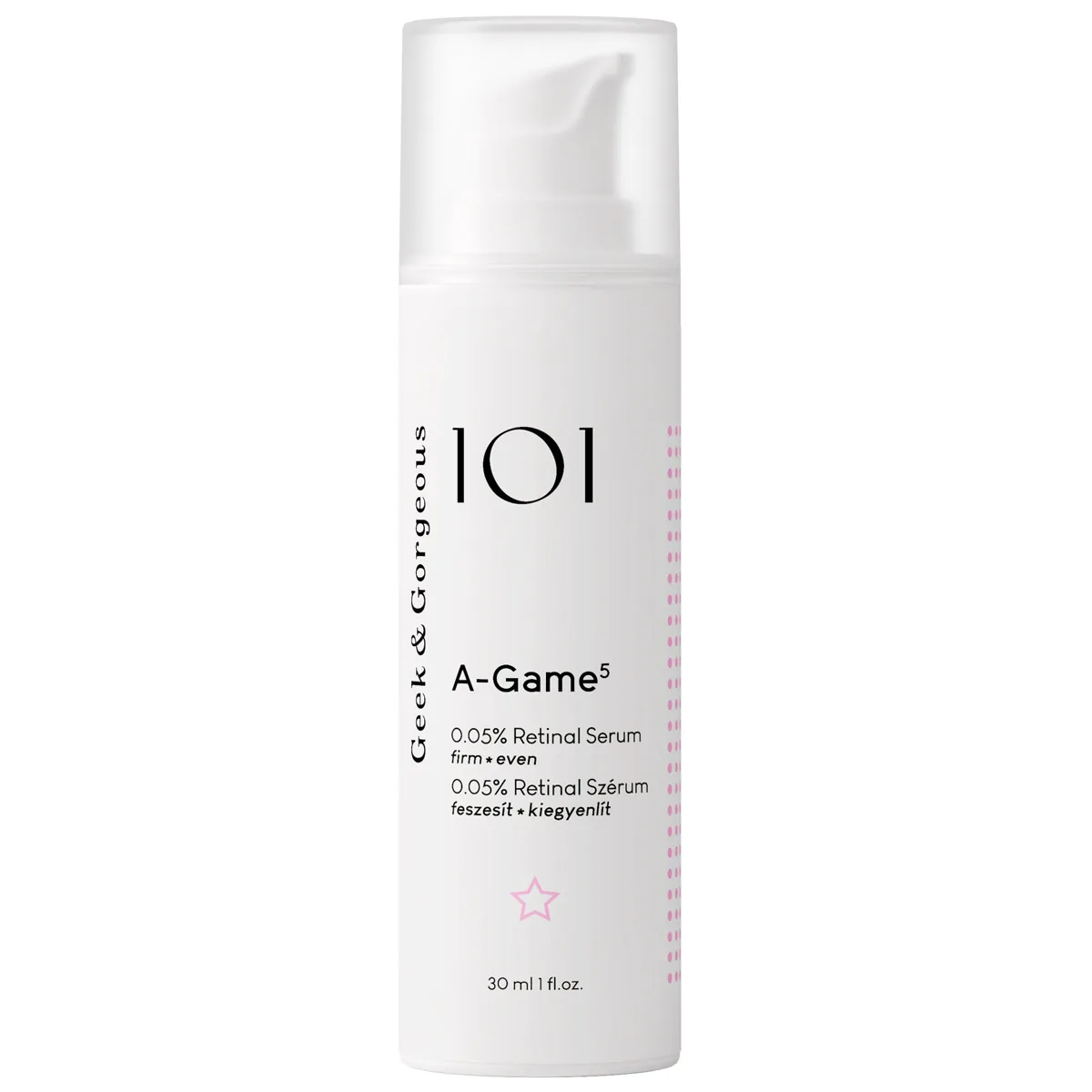 Beginner-Friendly Retinoid
 A-Game 5 Retinal Serum
The ideal beginner's retinaldehyde serum — a properly dosed 0.05% retinal in a buffered, fragrance-free formula at a price that makes long-term retinoid use actually sustainable. Same thoughtful supporting ingredients as the higher-strength A-Game 10 at half the potency, which is exactly the point. If you've never used a real retinoid, this is one of the best entry points on the market.
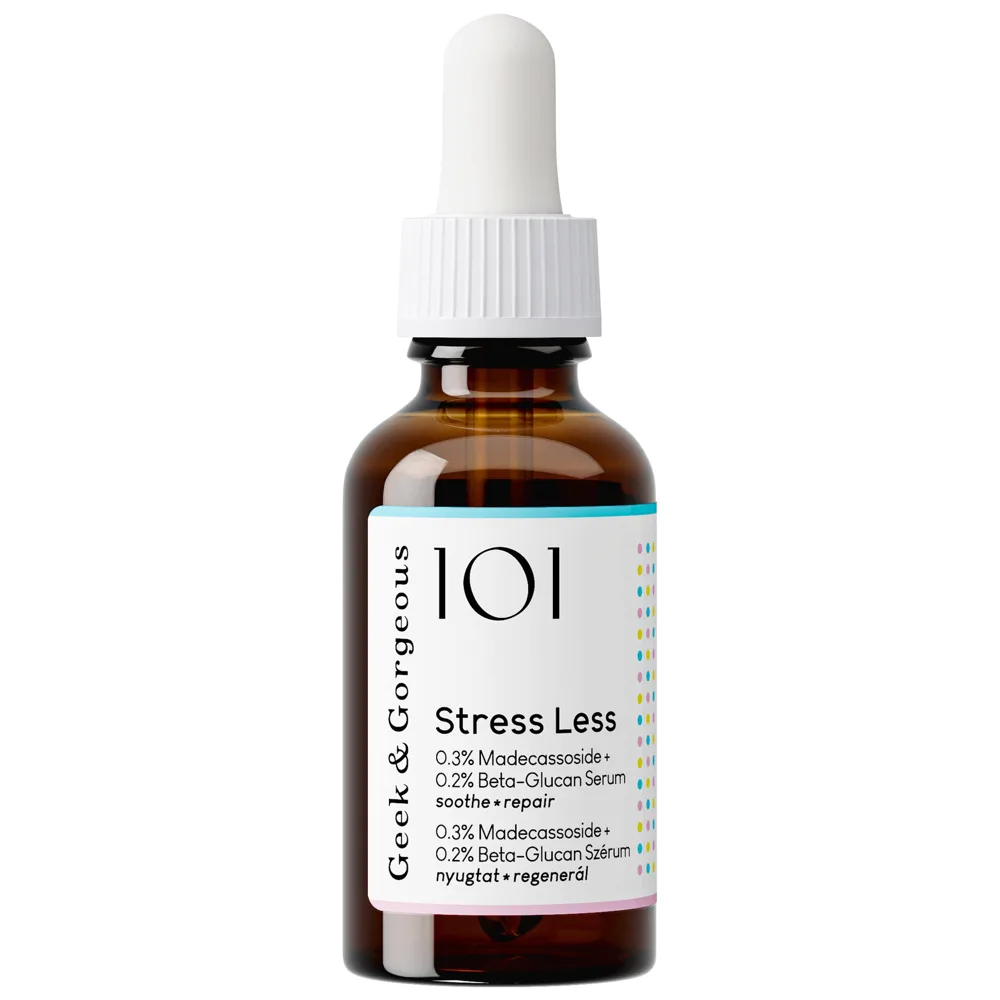 Derm-Grade Retinal at Drugstore Price
 Stress Less 0.3% Retinal Serum
A genuinely derm-grade 0.3% retinaldehyde serum at a price that shouldn't be possible. The ceramide and bisabolol buffering keeps it tolerable for experienced retinoid users, and the results — on texture, tone, and fine lines — rival premium retinals costing four times as much.
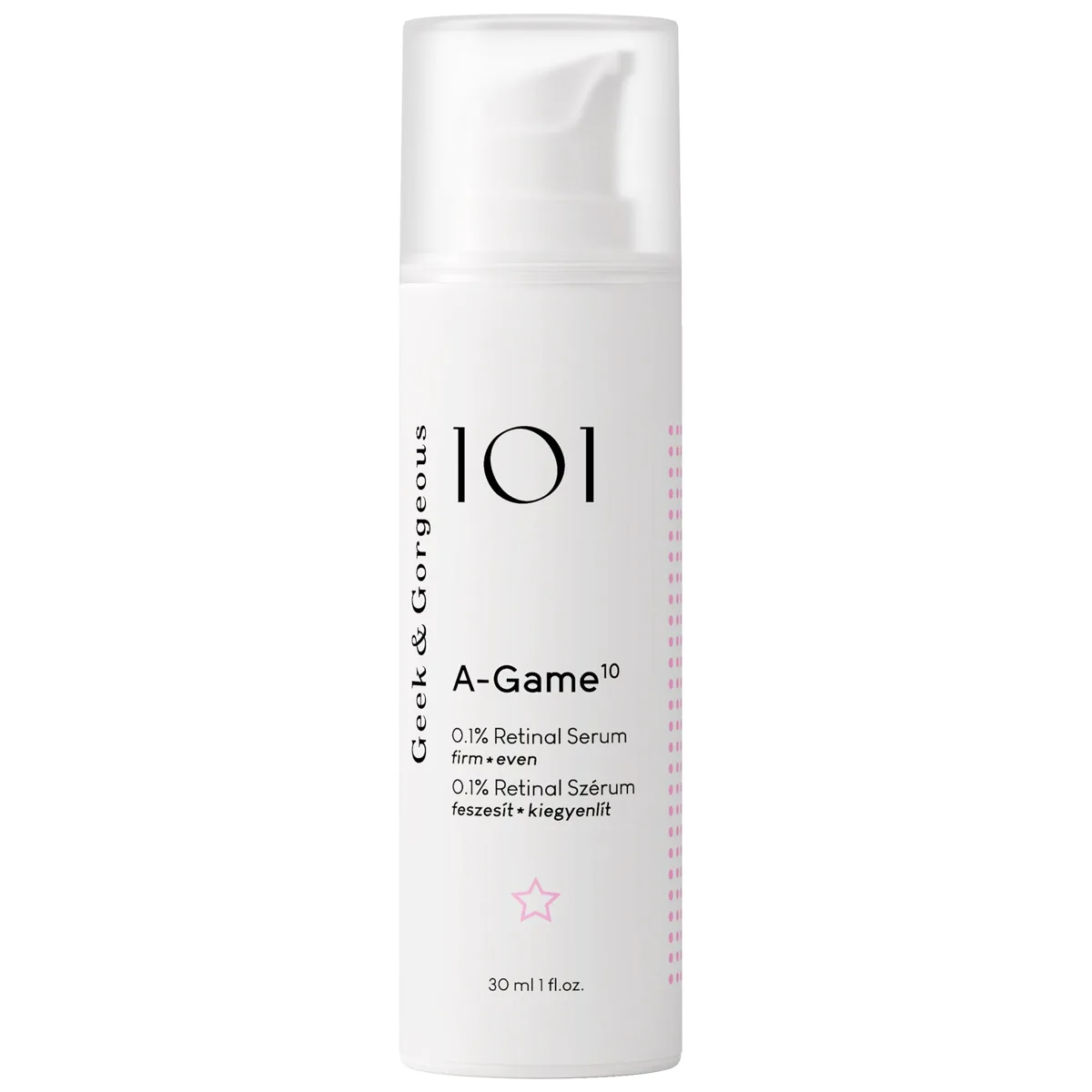 Budget Retinal Holy Grail
 A-Game 10 Retinal Serum
One of the most disruptive products in the retinoid category — a 0.1% retinaldehyde serum at around $16 when equivalent concentrations from derm brands cost $60-120. The formulation is thoughtful, the airless packaging is right, and the price point has no real competitor. Not for retinoid beginners: start with the 5 version and step up to this after a few months.
 Gold Standard OTC Retinoid
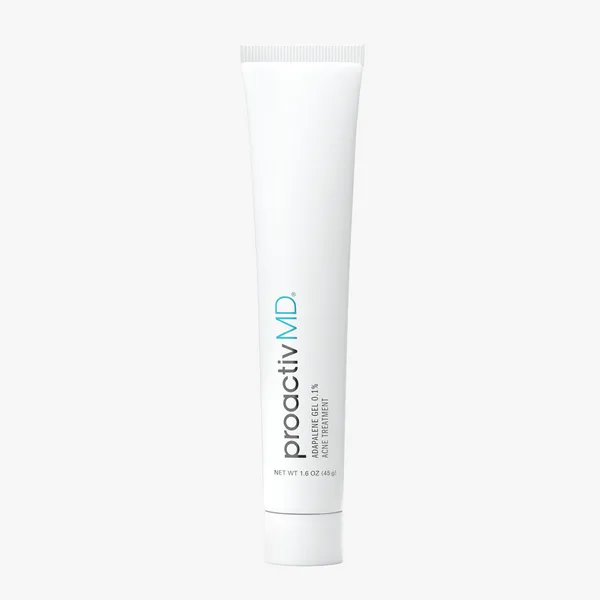
 Adapalene Gel 0.1%
This is adapalene 0.1% — the same FDA-approved retinoid dermatologists have prescribed for over two decades, now available without a prescription in a no-nonsense gel. It's one of the most evidence-backed acne treatments you can buy, and Proactiv's version offers solid value in the larger size with an updated paraben-free formula.
 Buffered Beginner Retinol
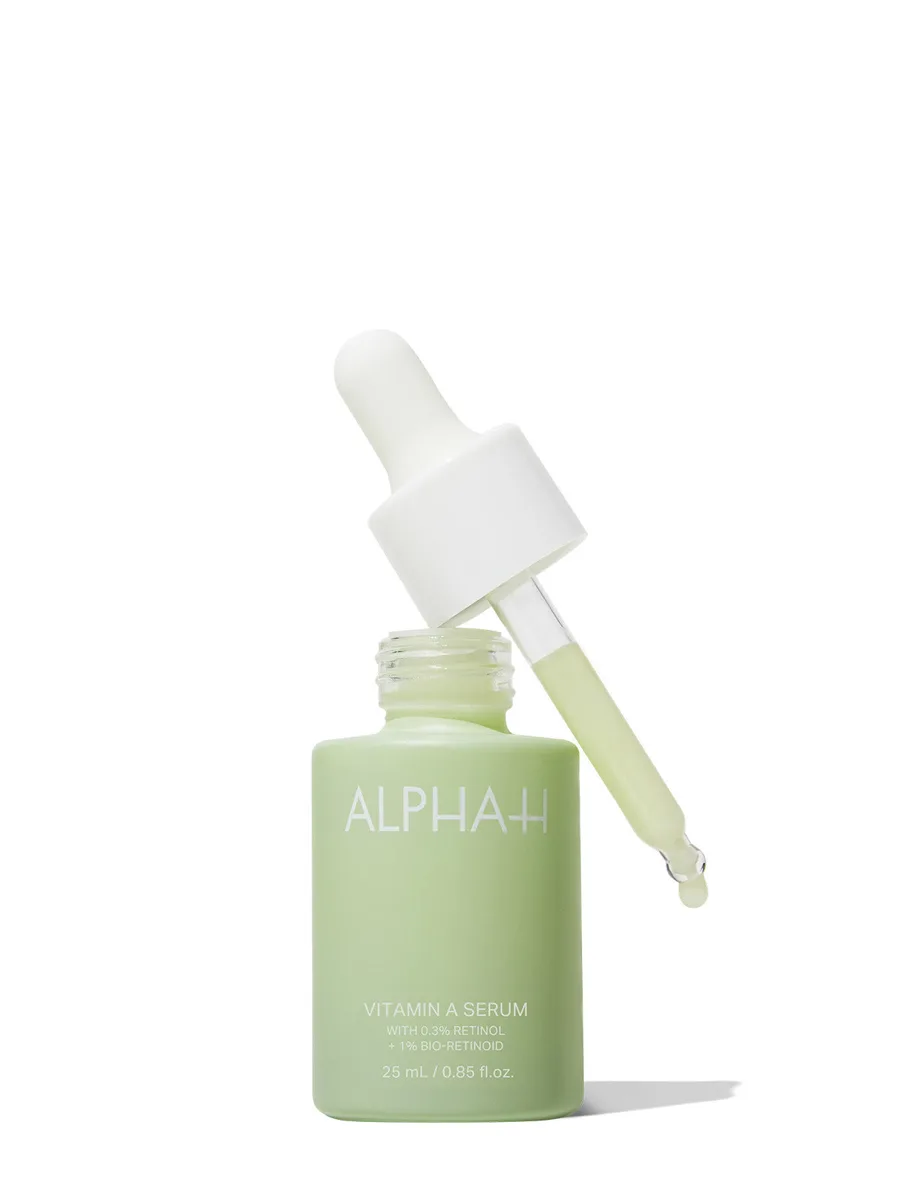
 Vitamin A Serum
Alpha-H built its 0.5% retinol on a squalane and plant-oil base specifically to make a meaningful retinol concentration tolerable for the beginners it knew were already running aggressive AHA routines. The buffering works — this is one of the few 0.5% retinol serums new users can actually stick with through the adjustment period. The price is the only meaningful complaint.
 Best Retinoid Starter
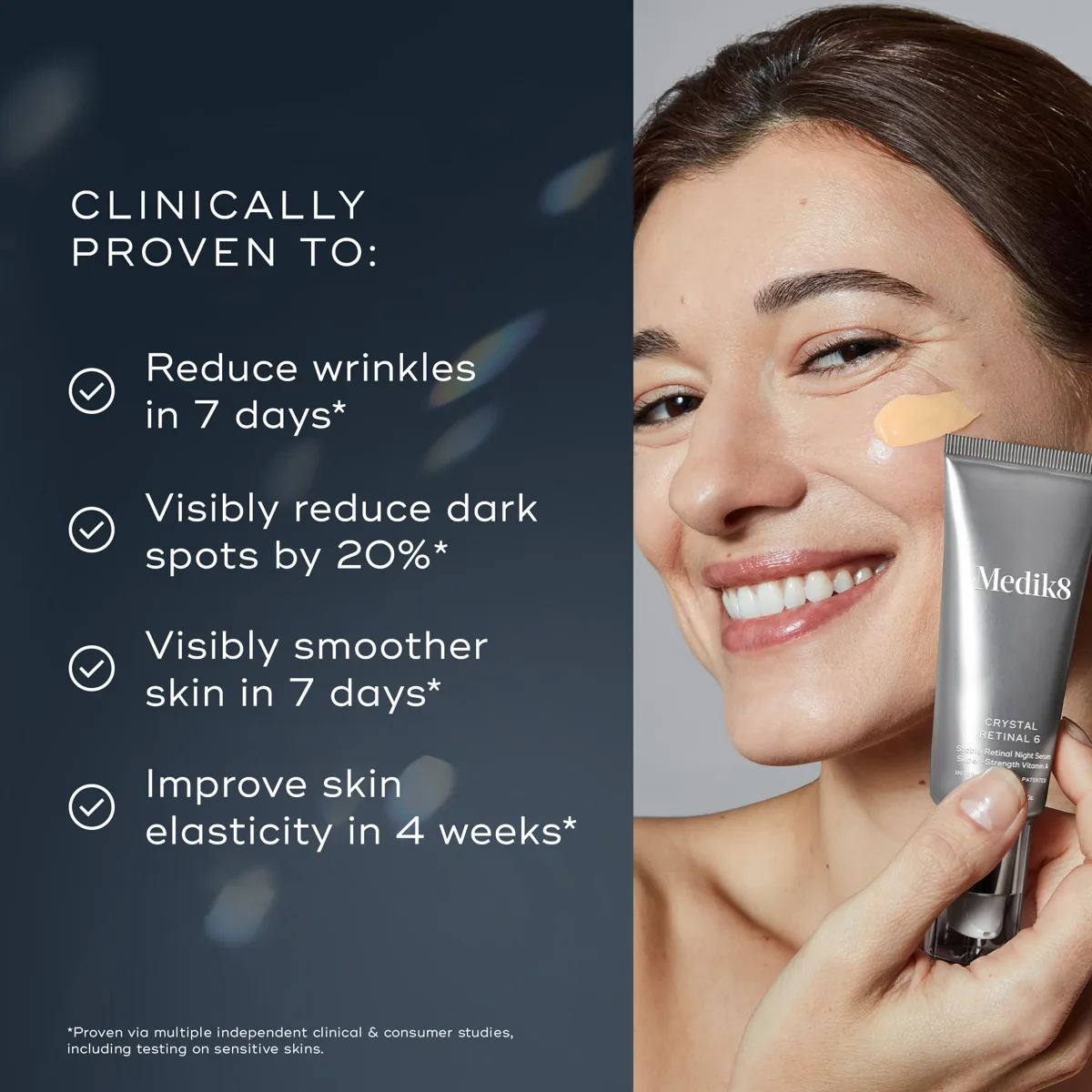
 Crystal Retinal 3
The retinoid designed for people who are afraid of retinoids — and the product that might just convert them. Crystal Retinal 3 proves that the world's most effective OTC vitamin A form can be introduced to sensitive skin without the usual drama, creating a genuinely accessible on-ramp to serious anti-aging skincare.
This review reflects our independent analysis of publicly available ingredient data, manufacturer claims, and verified user reviews. We are reader-supported — Amazon links may earn us a commission at no cost to you. We do not accept paid placements; rankings are based solely on the evidence.