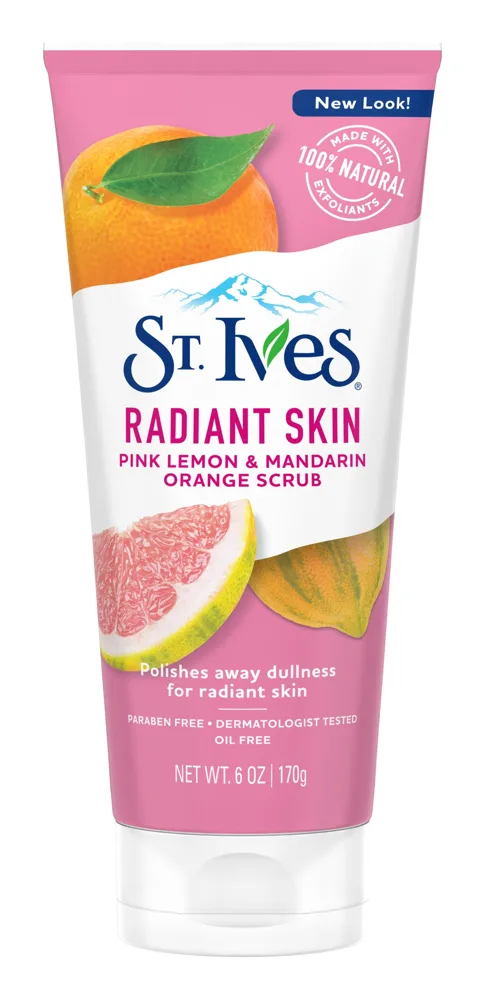
A drugstore scrub that's been grandfathered into the category by nostalgia rather than formulation merit. Walnut shell particles and citrus peel oils are exactly what modern dermatology recommends against for facial exfoliation, and the 'brightening' claim is built on fragrance, not evidence. Cheap, but not good.
Even & Bright Pink Lemon & Mandarin Orange Scrub
A drugstore scrub that's been grandfathered into the category by nostalgia rather than formulation merit. Walnut shell particles and citrus peel oils are exactly what modern dermatology recommends against for facial exfoliation, and the 'brightening' claim is built on fragrance, not evidence. Cheap, but not good.
Score Breakdown
Where this product gains points and where it loses them — broken down across the four scoring pillars.
Despite low price and nostalgia appeal, the use of walnut shell particles and citrus peel oils on facial skin runs counter to modern dermatological consensus on gentle exfoliation and photosensitivity.
Pros & Cons
- ✓Low price and widely available
- ✓Nostalgic sensory experience familiar to many users
- ✓Basic glycerin-based emulsion provides some hydration
- ✓Immediate physical smoothing sensation
- ✗Walnut shell particles create microtears in facial skin
- ✗Citrus peel oils are potential photosensitizers
- ✗Added fragrance on top of essential oils
- ✗Contains parabens and artificial dyes
- ✗Brightening claim has no evidence-based formulation backing
- ✗Not fungal-acne safe
Full Review
There's a very specific version of the American bathroom cabinet where St. Ives Apricot Scrub sits next to a half-used bottle of Sea Breeze and a tube of Carmex, and this Pink Lemon & Mandarin Orange scrub is the 2015 attempt to extend that nostalgia into a brightening line. It smells like a Jamba Juice, costs less than a coffee, and delivers the kind of immediate-smoothness sensory experience that made the original Apricot Scrub a generational touchstone. Reviewed as a cultural artifact, it's fine. Reviewed as a skincare product in 2026, the picture is less kind.
Start with the obvious. The primary exfoliant is walnut shell powder. For the past decade, dermatologists have been increasingly vocal about why this is a bad idea for facial skin. Unlike rounded jojoba beads or dissolving sugar, crushed walnut shell has irregular, jagged edges — under a microscope, they look like tiny shards of wood. When rubbed against the stratum corneum with typical at-home pressure, those edges don't exfoliate evenly; they create uneven microtears. This is the kind of thing that wasn't widely understood when St. Ives built its scrub category, but it's well understood now, and it's the subject of a 2016 class-action lawsuit against Unilever that was ultimately dismissed but reflected a real consumer concern.
The second issue is the 'Even & Bright' positioning. The brightening claim rests on lemon peel oil and mandarin orange peel oil — essential oils extracted from citrus fruit peels. These compounds don't brighten skin in any meaningful sense. What they do is contribute volatile aromatic compounds (limonene, linalool, citral) that function as fragrance and can sensitize reactive skin. Some citrus peel oils also contain furocoumarins like bergapten, which are photosensitizers associated with phytophotodermatitis — not what you want in a product marketed for evening tone under daily sun exposure. The real brightening actives are elsewhere: niacinamide, stabilized vitamin C, arbutin, tranexamic acid. None of those are in this formula.
The rest of the ingredient list is a standard drugstore cleanser-cream base. Glycerin provides humectant hydration, cetyl and cetearyl alcohols build the creamy emulsion, fatty acid esters smooth the feel. The preservative system uses parabens, which are safe and effective but aesthetically unfashionable. There's added fragrance on top of the citrus peel oils, which is worth flagging for fragrance-sensitive users — this is a heavily scented product.
On the skin, the experience is immediate and, in fairness, satisfying in a surface-level way. The grit provides physical feedback as you scrub, the citrus scent creates a spa-adjacent sensory experience, and the post-rinse feel is smoother than before. For normal, non-reactive skin used sparingly — no more than once a week — this won't cause obvious damage in the short term. The problem is that 'no obvious damage' is a low bar, and the product's positioning encourages daily use, which is where the trouble starts. Daily walnut shell exfoliation on facial skin reliably creates sensitization over weeks and months, and the skin often doesn't bounce back to its baseline state once that sensitization sets in.
The real question is why anyone should choose this when better options exist at the same price point. A basic salicylic acid cleanser or PHA toner from CeraVe, Paula's Choice, or The Ordinary — all priced comparably or lower — will do more for dullness, texture, and congestion without the physical trauma. A gentle chemical exfoliant is more effective, less irritating, and better supported by evidence. The nostalgic appeal of St. Ives is real, but nostalgia is not an exfoliation strategy.
St. Ives has been on the market since 1955, which is a meaningful heritage in drugstore skincare, and to the brand's credit, the scrubs have introduced a generation of people to the concept of taking care of their skin at all. That's not nothing. But 2026 is a different moment — the information available to the average consumer has outpaced this product's formulation, and the entire 'physical scrub with crushed nut shells and citrus fragrance' category has been superseded by gentler, more effective alternatives. This is a product you can understand loving. It's not a product we can recommend.
Formula
Key Ingredients
The hero actives that drive this product's performance.
| Ingredient | Function | Evidence |
|---|---|---|
| Walnut Shell Powder | The physical abrasive that defines this scrub — crushed walnut shell particles provide mechanical exfoliation, though dermatologists widely criticize the approach for creating microtears in the stratum corneum due to the irregular, jagged edges of the particles. | limited |
| Lemon Peel Oil | Provides the signature citrus fragrance and marketed 'brightening' claim, though citrus peel oils are documented photosensitizers and potential irritants when applied to facial skin. | limited |
| Mandarin Orange Peel Oil | Supports the fragrance and brightening marketing angle, contributing limonene and other volatile compounds that can sensitize reactive skin. | limited |
| Glycerin | A standard humectant that adds a baseline of hydration to what would otherwise be a purely mechanical cleanser-exfoliant base. | well-established |
Full INCI List
Water, Glycerin, Juglans Regia (Walnut) Shell Powder, Cetyl Alcohol, Glyceryl Stearate SE, Propylene Glycol, Citrus Limon (Lemon) Peel Oil, Citrus Aurantium Dulcis (Orange) Peel Oil, Titanium Dioxide, Phenoxyethanol, Fragrance, Cetearyl Alcohol, Carbomer, Triethanolamine, Disodium EDTA, BHT, Methylparaben, Propylparaben, Red 33, Yellow 5
Product Flags
✗ Fragrance Free✗ Alcohol Free✗ Oil Free✓ Silicone Free✗ Paraben Free✓ Sulfate Free✗ Cruelty Free✓ Vegan✗ Fungal Acne Safe
Potential Irritants
walnut-shell-powderlemon-peel-oilorange-peel-oilfragrance
Common Allergens
fragrancelimonene
Compatibility
Skin Match
Best For
Works For
Not Ideal For
Addresses These Conditions
Use With Caution
sensitivity rosacea acne compromised skin barrier hyperpigmentation
Avoid With
rosacea compromised skin barrier
Routine Step
cleanser
Time of Day
PM
Pregnancy Safe
Yes ✓
Layering Tips
If used, apply to damp skin with extremely light pressure, rinse thoroughly. Not recommended for daily use.
Results Timeline
Immediate physical smoothing sensation, but no clinical brightening timeline — the marketing claim is not supported by the formulation.
Conflicts With
retinolvitamin-cbhaaha
Sample AM Routine
- Gentle cleanser
- Toner
- Serum
- Moisturizer
- SPF
Sample PM Routine
- Gentle cleanser
- Toner
- Treatment
- Moisturizer
Evidence
Who Should Skip
- Walnut shell particles create microtears in facial skin
- Citrus peel oils are potential photosensitizers
- Added fragrance on top of essential oils
- Contains parabens and artificial dyes
Science & Expert Perspective
The Science
The dermatological concerns with walnut shell-based facial scrubs are well-documented. Research and clinical commentary published across dermatology journals and by organizations like the American Academy of Dermatology have repeatedly flagged abrasive particles with irregular edges as a source of mechanical microtrauma to the stratum corneum. The key issue is particle shape: rounded particles (such as jojoba beads or dissolving sugar) distribute pressure evenly, while jagged particles concentrate force on edges, creating small breaks in the skin surface. Over repeated use, this can contribute to barrier dysfunction, transepidermal water loss, and sensitization.
Citrus peel oils have their own concerns. Compounds found in lemon, bergamot, and some other citrus oils — particularly furocoumarins like bergapten and 5-methoxypsoralen — are well-documented photosensitizers. Research in dermatology literature has linked topical application of citrus peel oils to phytophotodermatitis, a sunlight-triggered inflammatory reaction that can leave hyperpigmented marks. While the specific citrus oils in this formula may be processed to reduce furocoumarin content, their general irritation potential on facial skin is acknowledged by the International Fragrance Association, which publishes usage guidelines for cosmetic applications.
The 'brightening' claim rests on an implied association between citrus fruit and vitamin C, which conflates a dietary source of ascorbic acid with a skincare active. Vitamin C in topical formulations must be stabilized (as L-ascorbic acid, ascorbyl glucoside, magnesium ascorbyl phosphate, etc.) and delivered at effective concentrations to have any brightening effect — not present as a trace component of fragrance oil. Actual brightening research in the dermatology literature supports niacinamide, stabilized vitamin C derivatives, arbutin, kojic acid, and tranexamic acid — none of which appear in this formula.
Dermatologist Perspective
Dermatologists have been publicly cautious about walnut shell-based facial scrubs for years. Board-certified dermatologists commonly advise patients to avoid physical exfoliants with jagged particles on the face, favoring chemical exfoliants like AHAs, BHAs, and PHAs for their gentler and more uniform action. This specific product category — walnut shell scrubs with added citrus peel oils — is frequently flagged in dermatologist-authored content as an example of what modern facial skincare has moved away from. Clinicians typically recommend a simple salicylic acid or lactic acid toner in place of physical scrubs for patients concerned about texture, dullness, or congestion.
Guidance
Usage Guide
How to Use
If you're going to use this at all, use it sparingly — no more than once a week on damp skin, with almost no pressure from your fingertips. Rinse thoroughly with lukewarm water and follow immediately with a gentle moisturizer and, in the morning, sunscreen. Avoid using this product if your skin is currently sensitized, if you've recently had a chemical exfoliation treatment, or if you're using retinol, tretinoin, or any active that already impacts the stratum corneum. Better yet, consider a gentle chemical exfoliant as a replacement.
Value Assessment
At around five dollars for 6 ounces, this scrub is inexpensive on a per-gram basis — but inexpensive isn't the same as value. For the same price or less, several gentler and more effective exfoliating products exist on the drugstore shelf, including basic salicylic acid cleansers from CeraVe and various PHA toners that actually deliver on the brightening claim. St. Ives is a legacy brand with decades of heritage, but its formulation choices haven't been updated to reflect contemporary dermatological consensus, and the price doesn't compensate for the formulation's drawbacks.
Who Should Buy
Honestly, almost nobody — but if you have normal, resilient, non-reactive skin, you love the nostalgic citrus sensory experience, and you're willing to use it infrequently and at light pressure, it won't ruin your skin overnight. Think of it as a sensory indulgence rather than a serious skincare investment.
Who Should Skip
Anyone with sensitive, dry, rosacea-prone, or currently compromised skin should avoid it entirely. The same goes for users dealing with hyperpigmentation (physical exfoliation often worsens it), active acne (the scrubbing can rupture inflamed lesions), or anyone already using retinol or chemical exfoliants in their routine. Frankly, most faces fit into at least one of these categories.
Ready to try St. Ives Even & Bright Pink Lemon & Mandarin Orange Scrub?
Details
Details
Texture
Thick, creamy lotion with visible brown walnut shell grit
Scent
Strong sweet lemon-orange fragrance
Packaging
Plastic squeeze tube
Finish
non-greasy
What to Expect on First Use
First use gives an immediate polished, tingly sensation that some users enjoy. However, sensitive skin may feel burning or tightness, and the citrus scent is noticeable during and after application. The mechanical scrubbing effect is more aggressive than most modern face exfoliants.
How Long It Lasts
3-6 months with twice-weekly use
Period After Opening
12 months
Best Season
All Year
Background
The Why
St. Ives launched its Apricot Scrub in 1955 and has built an entire category identity around affordable, heavily fragranced, walnut-shell-based face scrubs. The Pink Lemon & Mandarin Orange version is part of the brand's 'Even & Bright' line, leveraging citrus botanicals to pitch a tone-evening angle. The product was also the subject of a well-known lawsuit in 2016 alleging that walnut shell particles caused skin damage.
About St. Ives Legacy Brand (20+ years)
St. Ives launched in 1955 and has been a drugstore staple for decades, though the brand's formulations are widely considered basic by modern dermatology standards. Its longevity gives it cultural familiarity, but its physical scrubs have drawn criticism from dermatologists for their use of crushed walnut shell and pumice.
Brand founded: 1955 · Product launched: 2015
Myth vs. Reality
Myths & Misconceptions
Myth
Physical scrubs with walnut shell particles are gentler than chemical exfoliants.
Reality
It's the opposite. Chemical exfoliants like AHAs and BHAs work at the molecular level without mechanical trauma, while jagged walnut shell particles create uneven microtears in the stratum corneum. Dermatologists overwhelmingly prefer chemical exfoliation for facial skin.
Myth
Citrus oils brighten skin.
Reality
Lemon and mandarin peel oils contain volatile compounds and furocoumarins that can cause photosensitivity and irritation, not brightening. Evidence-based brightening requires ingredients like niacinamide, vitamin C, arbutin, or tranexamic acid — not fragrance oils.
FAQ
Frequently Asked Questions
Is this scrub dermatologist-recommended?
No. The use of walnut shell powder in facial scrubs is widely discouraged by dermatologists because the jagged particle shape creates microtears in the skin. Dermatologists typically recommend chemical exfoliation (AHAs, BHAs, PHAs) for facial use instead.
Does this product actually brighten the skin?
No — the 'brightening' claim relies on citrus peel oils as fragrance and marketing positioning, not on any evidence-based brightening active. If you want real brightening, look for niacinamide, vitamin C, arbutin, or tranexamic acid instead.
Can I use this if I have sensitive skin?
No. Between the physical walnut shell particles, the citrus peel oils, and the added fragrance, this product combines three of the most common irritants in one formula. Sensitive skin should avoid it entirely.
How often can I use this?
No more than once a week, if at all. Daily use of physical exfoliants with jagged particles can compromise the skin barrier and lead to chronic sensitivity.
What should I use instead?
A gentle BHA (salicylic acid) or PHA (gluconolactone) toner 2-3 times a week is a far safer and more effective approach to exfoliation and dullness. Look for formulations that also include niacinamide or centella for added support.
Community
Community Voices
Common Praise
"Cheap"
"Smells pleasant"
"Leaves skin feeling smooth immediately"
"Nostalgic"
Common Complaints
"Too harsh for sensitive skin"
"Can leave skin red or stinging"
"Dermatologists warn against walnut shell scrubs"
"Citrus oils cause reactions for some"
Appears In
Related Conditions
Related Ingredients
You Might Also Like
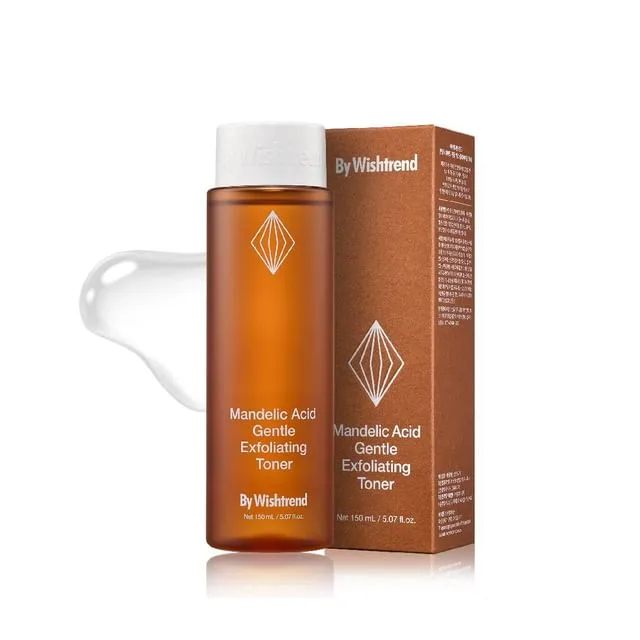 Sensitive Skin AHA Pick
 Mandelic Acid 5% Skin Prep Water
The mandelic acid prep water that quietly converted half of K-beauty Reddit away from glycolic — and for good reason. It delivers visible texture and PIH improvement at 5% without the sting or pigment risk that derails sensitive and darker skin, and it does so for around twenty bucks.
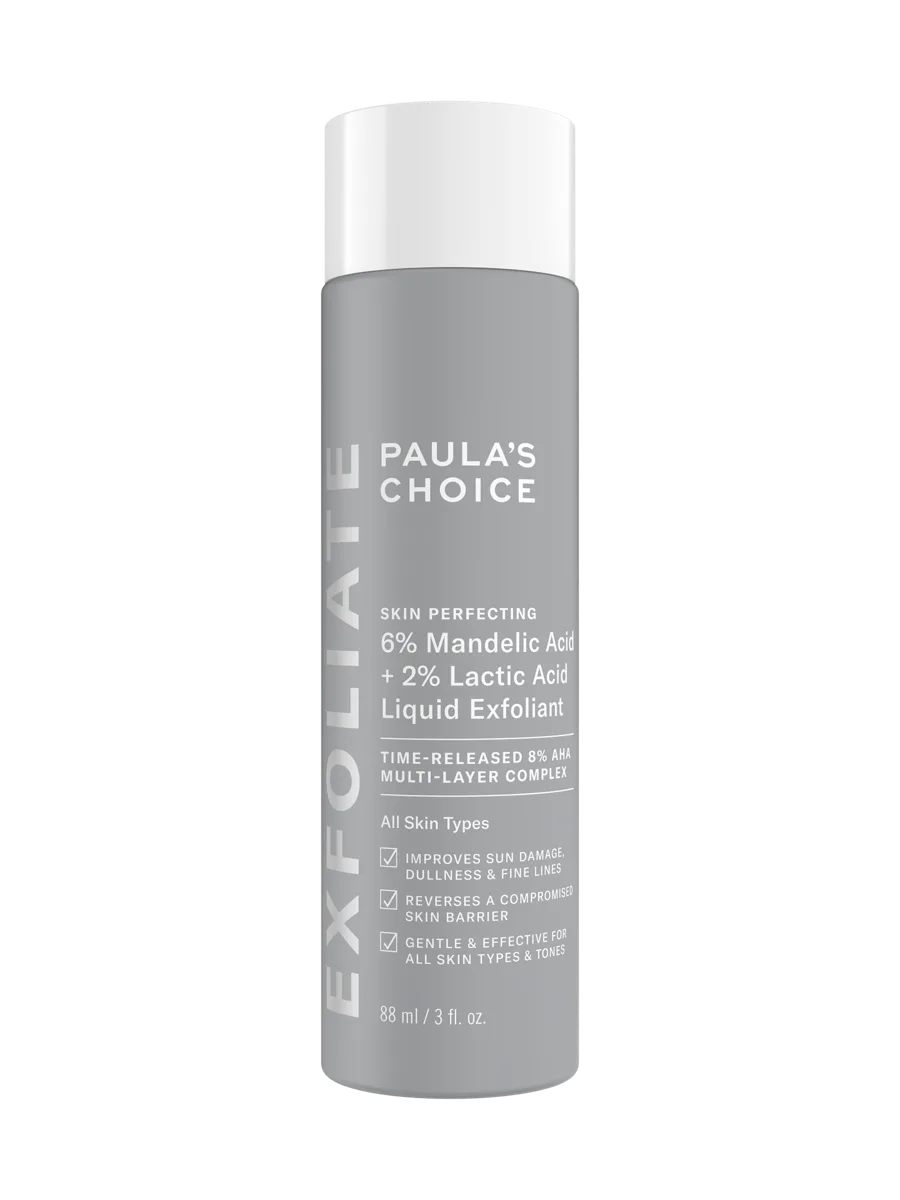 Gentle Glow Specialist
 Skin Perfecting 6% Mandelic Acid + 2% Lactic Acid Liquid Exfoliant
The exfoliant that finally treats sensitive and melanin-rich skin as the design priority rather than an afterthought. With a 4.8-star rating and 660+ reviews, this mandelic-lactic formula proves that gentleness and efficacy aren't mutually exclusive — it just requires smarter acid selection.
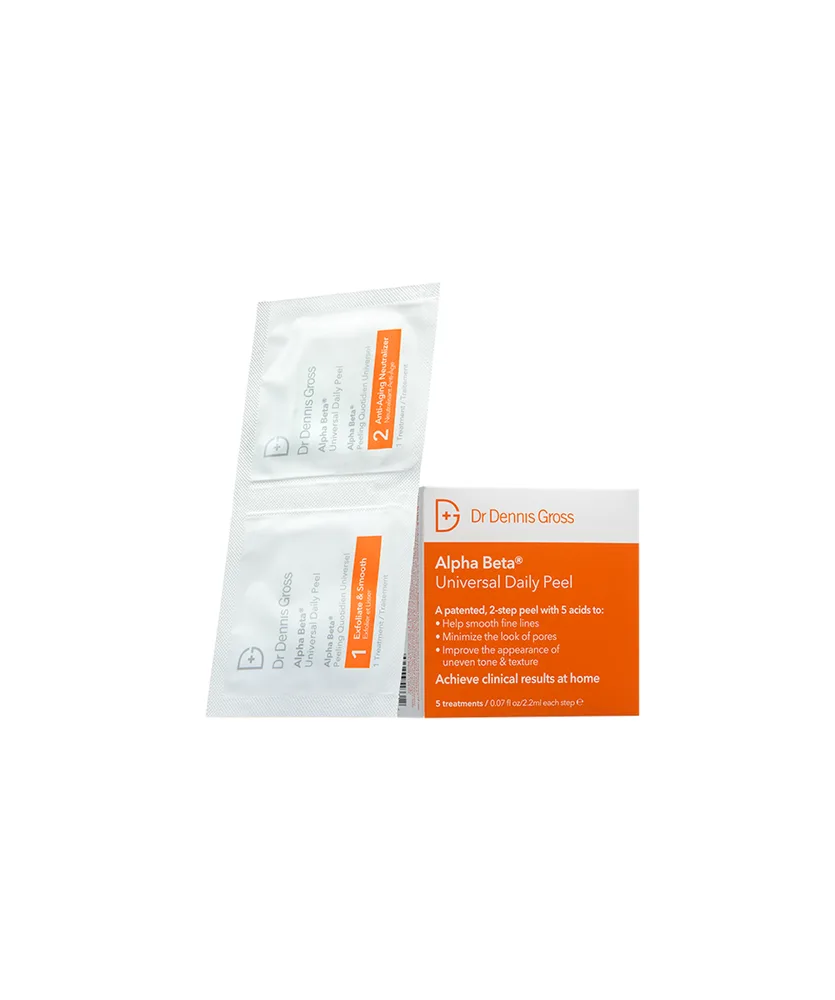 The Original At-Home Peel
 Alpha Beta Universal Daily Peel
The product that invented the at-home daily peel category in 2002 and still sits at the top of it. The five-acid Step 1 and retinol-antioxidant Step 2 deliver genuine resurfacing and anti-aging in a single five-minute routine. Expensive, but the results and track record justify the reputation.
 Beginner Exfoliant Pick
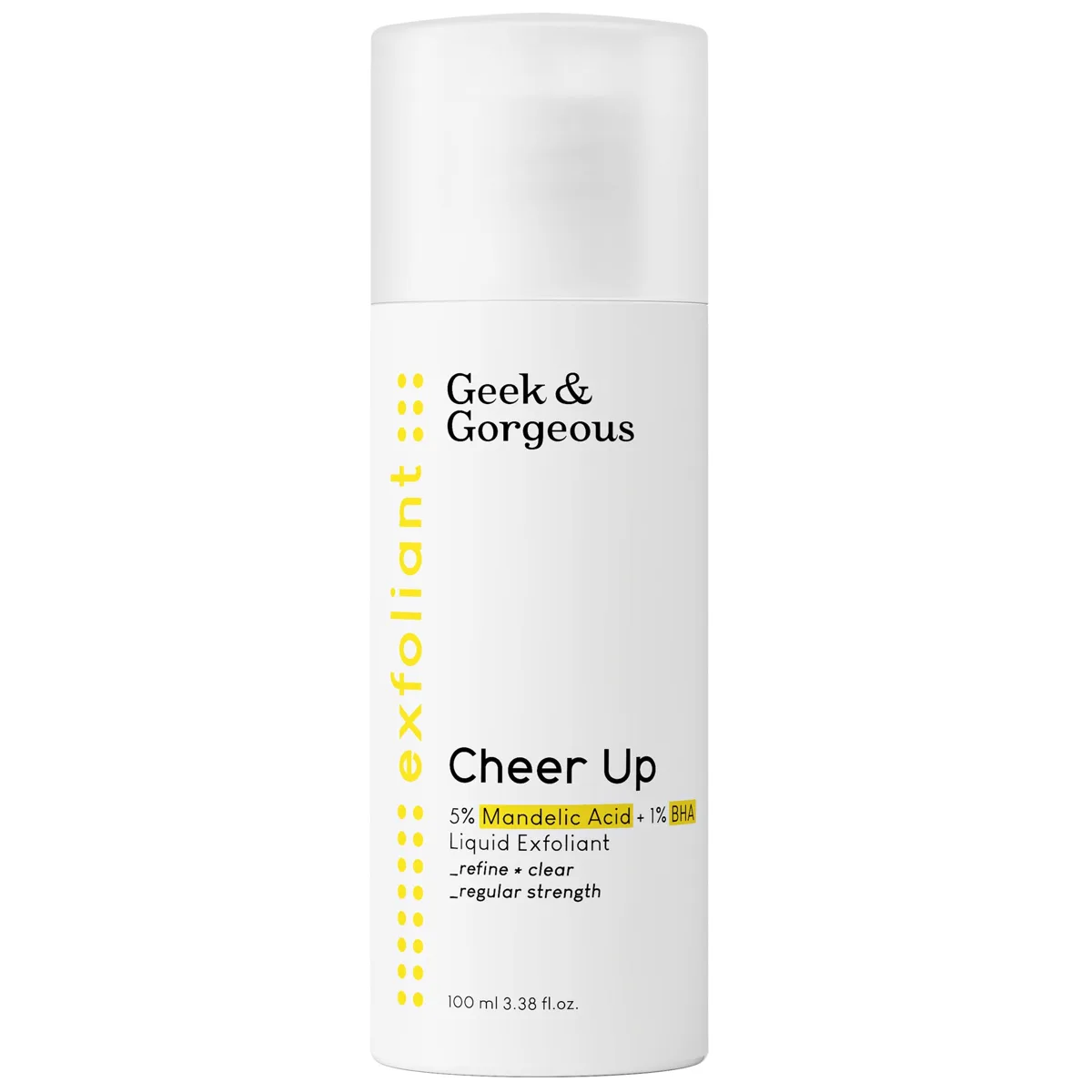
 Cheer Up 5% Mandelic + 1% Salicylic Exfoliant
A thoughtfully formulated beginner AHA/BHA exfoliant that uses mandelic acid — the gentlest mainstream AHA — in combination with low-strength salicylic, plus a sugar-humectant complex for comfort. At 100mL for around $12, the value is excellent, and the formulation choices reflect the kind of cosmetic-chemist thinking that separates this brand from typical indie exfoliants. Ideal for exfoliant newcomers and sensitive skin.
 At-Home Peel Benchmark
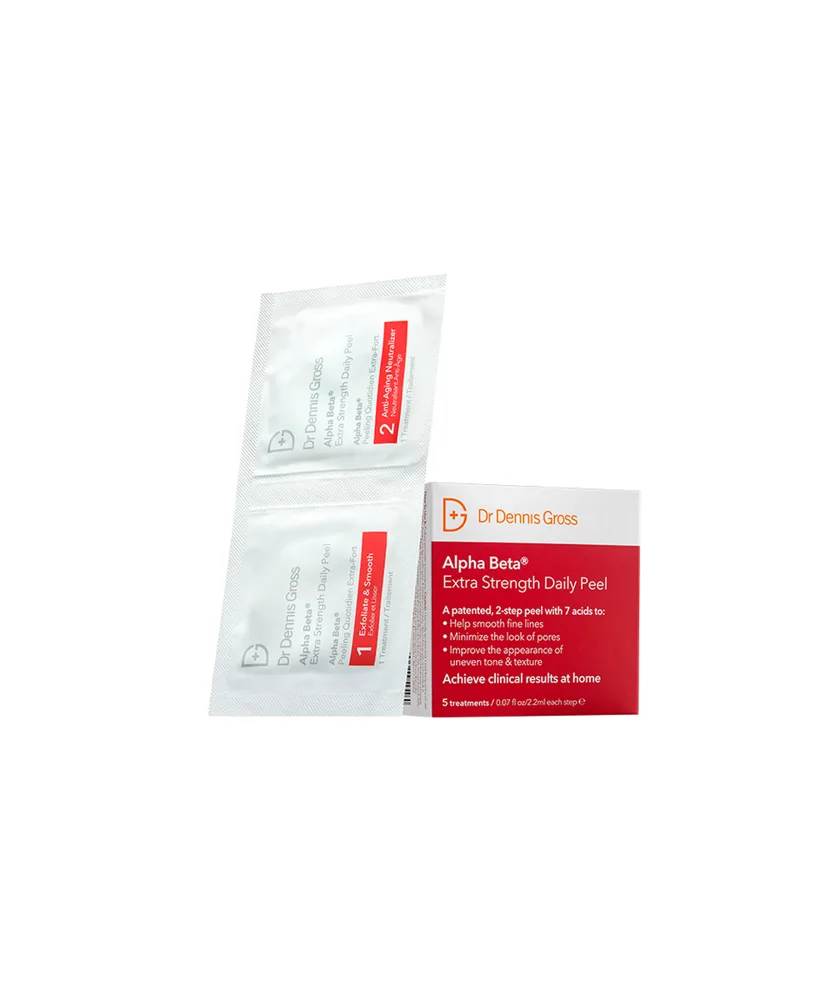
 Alpha Beta Extra Strength Daily Peel
The harder-hitting version of the at-home peel that started the category. Step 1 delivers a serious five-acid blend and Step 2 follows with retinol and antioxidants, making this a combined resurfacing and anti-aging treatment in a single five-minute routine. Expensive but genuinely effective for experienced exfoliant users.
 Pharma-Grade Budget BHA
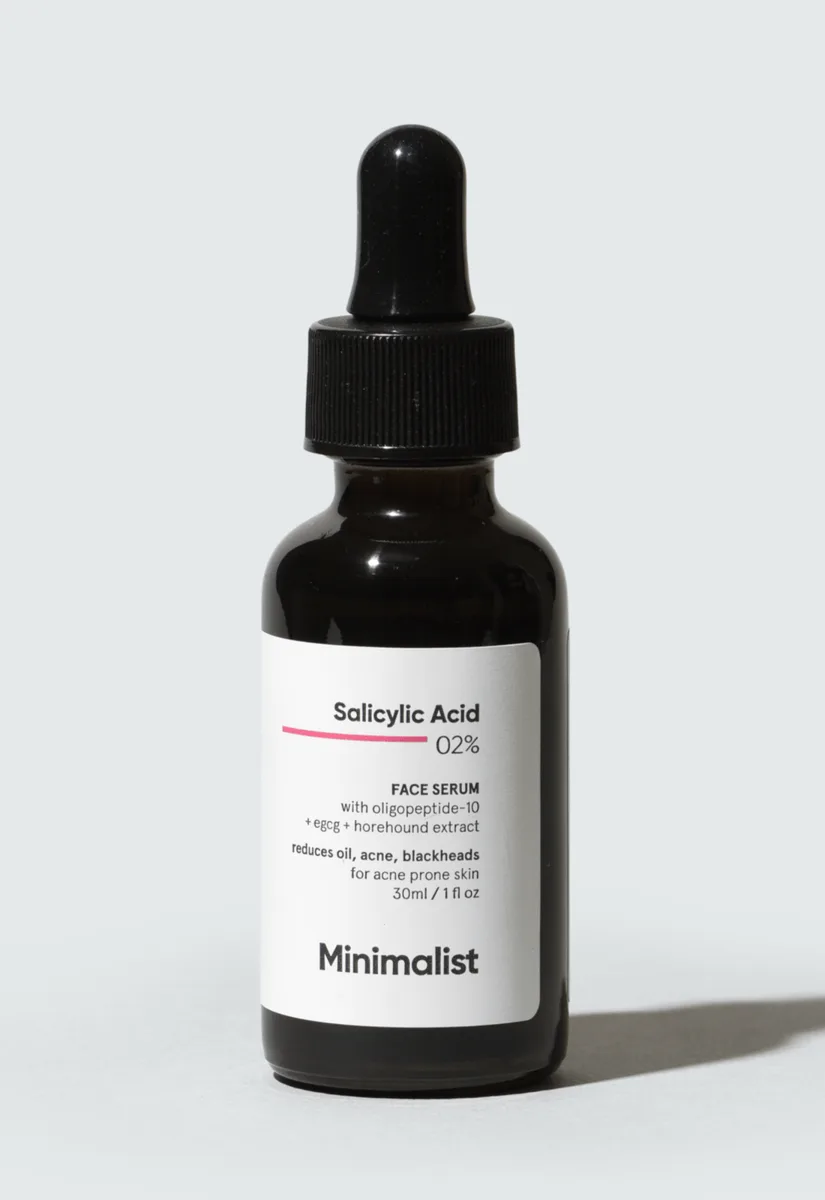
 2% Salicylic Acid Face Serum
A pharma-grade 2% BHA serum at pH 3.75, built around Merck's RonaCare salicylic acid and flanked by Marrubium Vulgare, EGCG glucoside, and Oligopeptide-10 — a supporting cast most budget salicylic serums do not bother with. At ₹599 for 30ml, it is one of the best acne serums on the Indian market and genuinely competitive with the prestige alternatives.
This review reflects our independent analysis of publicly available ingredient data, manufacturer claims, and verified user reviews. We are reader-supported — Amazon links may earn us a commission at no cost to you. We do not accept paid placements; rankings are based solely on the evidence.